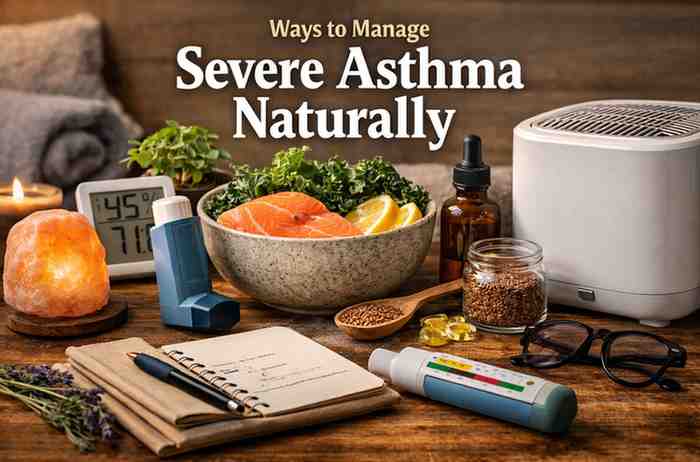
I’ve sat across from too many people who felt betrayed by their own lungs.
One woman I know kept an inhaler in every room of her house. Kitchen. Car. Nightstand. Office drawer. She wasn’t careless. She was scared. Every tight breath felt like a warning shot.
When people start looking into ways to manage severe asthma naturally, it’s rarely because they’re anti-medicine. It’s because they’re tired. Tired of flare-ups. Tired of side effects. Tired of feeling dependent.
From what I’ve seen, they don’t want miracles.
They want stability.
And honestly? Most people I’ve worked with mess this up at first. Not because they’re lazy. Because they try to overhaul everything at once, or they chase trendy solutions that look good online but fall apart in real life.
Severe asthma is serious. If you’re in the United States and dealing with it, you already know this isn’t a casual condition. So let’s ground this properly.
This is about supportive, natural strategies that can reduce triggers, inflammation load, and stress on the respiratory system — alongside medical care, not replacing it.
And yes, some of these take patience. That’s usually the part people underestimate.
First: What Severe Asthma Actually Feels Like (Patterns I Keep Seeing)
People think asthma is just “wheezing.”
It’s not.
It’s:
-
The chest tightness that feels like someone is sitting on you.
-
The mental anxiety that follows.
-
The exhaustion after an attack.
-
The frustration when a flare happens → “for no reason.”
Almost everyone I’ve seen struggle with this does this one thing wrong at first:
They focus only on symptoms, not the trigger patterns underneath.
And severe asthma almost always has patterns.
1. Trigger Mapping (This Changes Everything)
This sounds simple. It’s not.
Most people guess their triggers. They don’t track them.
When we actually sit down and map:
-
Weather shifts
-
Indoor air quality
-
Dust exposure
-
Stress spikes
-
Sleep disruption
-
Diet changes
-
Seasonal allergies
-
Exercise intensity
Patterns show up.
I didn’t expect this to be such a common issue — but almost everyone underestimates indoor air triggers.
What consistently works:
-
High-quality HEPA air purifiers in bedroom + main living area
-
Washing bedding weekly in hot water
-
Removing carpeting in severe cases
-
Keeping humidity between 30–50%
What looks good on paper but fails:
-
Random essential oil diffusers (these trigger attacks in many people)
-
Deep-cleaning marathons that stir up dust
Real shift timeline:
2–4 weeks before noticeable stability improvements.
2. Breathing Retraining (Slow, Boring, Effective)
I’ve watched people roll their eyes at this.
Then quietly come back and admit it helped.
Severe asthma changes breathing patterns. Many people develop:
-
Shallow upper-chest breathing
-
Chronic over-breathing
-
Tension in neck and shoulders
Breathing retraining (like diaphragmatic breathing or structured programs) helps reduce airway reactivity over time.
But here’s the part no one says:
It feels useless the first week.
Most quit.
The ones who stick with:
-
5–10 minutes, twice daily
-
Calm, nasal breathing
-
Slow exhale focus
See subtle improvements in 3–6 weeks.
Not dramatic. Just… steadier.
And that steadiness builds.
3. Anti-Inflammatory Food Patterns (Not Diet Fads)
People love asking:
“Is there an asthma diet?”
From what I’ve seen, it’s less about a strict diet and more about lowering overall inflammatory load.
Common patterns across people who improved:
-
More omega-3 fats (salmon, sardines, flax)
-
More leafy greens
-
Less ultra-processed food
-
Fewer artificial additives
-
Stable blood sugar
What repeatedly fails:
-
Extreme elimination diets without supervision
-
Cutting everything at once
-
Obsessing over one “superfood”
Surprise insight?
Dairy isn’t automatically the villain. It’s individual. Blanket elimination often backfires emotionally.
Timeline most people see changes:
4–8 weeks.
4. Weight Stability (A Sensitive but Real Factor)
This is uncomfortable to say, but it matters.
In people carrying excess weight, even a modest 5–10% reduction often reduces symptom severity.
Not because asthma is “their fault.”
Because:
-
Extra abdominal weight restricts diaphragm movement
-
Systemic inflammation is higher
-
Sleep apnea risk increases
But here’s where people crash:
They try intense cardio too soon.
Instead:
-
Low-impact walking
-
Gradual strength training
-
Slow consistency
I’ve seen more success with slow shifts than aggressive ones.
5. Stress Regulation (This One Surprised Me)
This honestly surprised me after watching so many people try it.
Stress is not just emotional. It tightens airways.
People who:
-
Carry constant low-level anxiety
-
Suppress emotional stress
-
Sleep poorly
Have more frequent flare-ups.
What consistently helps:
-
Structured wind-down routines
-
Therapy (especially CBT)
-
Gentle yoga
-
Guided relaxation before sleep
Does this “cure” asthma?
No.
But flare frequency often drops.
6. Sleep Optimization (The Hidden Multiplier)
Poor sleep makes asthma worse.
Every time.
Patterns I’ve seen:
-
Nighttime symptoms + reflux
-
Undiagnosed sleep apnea
-
Late-night screen exposure
-
Dust-heavy bedrooms
Changes that helped:
-
Elevated head positioning
-
GERD management
-
Air purifiers
-
Consistent sleep times
Most people ignore sleep until symptoms worsen.
That’s backwards.
7. Exercise — But Smarter
“Can people with severe asthma exercise?”
Yes. Carefully.
Avoid:
-
Cold, dry air workouts
-
High-intensity intervals without warmup
-
Outdoor peak pollen times
Better options:
-
Indoor swimming
-
Warm, humid environments
-
Long warmups
-
Gradual intensity ramps
Most people I’ve worked with mess this up by going too hard too fast.
Consistency > intensity.
Common Mistakes I See Over and Over
-
Trying to replace medication suddenly
-
Quitting natural strategies too soon
-
Over-researching and under-implementing
-
Chasing viral remedies
-
Ignoring environmental triggers
Almost everyone I’ve seen struggle with this does at least two of those.
FAQ: Straight Answers People Actually Ask
Can severe asthma be cured naturally?
No. It can be better managed. But severe asthma is a chronic inflammatory condition. Anyone promising a cure is oversimplifying.
How long does it take to see improvement?
For most people:
-
Environmental shifts: 2–4 weeks
-
Breathing retraining: 3–6 weeks
-
Nutrition changes: 4–8 weeks
-
Weight shifts: 2–3 months
But consistency matters more than speed.
Is this worth trying?
If you’re looking for stability, yes.
If you’re looking for a miracle fix next week, no.
Objections I Hear (And Fair Responses)
“I don’t have time for all this.”
Then start with one thing. Bedroom air quality alone can shift outcomes.
“I tried natural stuff before. Didn’t work.”
Most people tried it inconsistently or without trigger tracking.
“Is this safe?”
These strategies are generally supportive — but severe asthma requires ongoing medical supervision.
Reality Check: Who This Is NOT For
This approach may frustrate:
-
People wanting instant symptom elimination
-
People unwilling to track patterns
-
Anyone hoping to stop prescribed treatment abruptly
Also — if your asthma is unstable or life-threatening, lifestyle support must never replace emergency protocols.
What Actually Changes Emotionally
Something subtle happens when people implement even two of these strategies consistently.
They stop feeling helpless.
And that shift?
It lowers stress.
Which lowers symptoms.
It becomes a loop.
Small wins compound:
-
Fewer nighttime wake-ups
-
Slightly easier breathing during walks
-
Less panic during tightness
Nothing dramatic.
Just steadier.
Practical Takeaways (No Hype)
If I had to narrow this down:
Start here:
-
Bedroom air quality upgrade.
-
5 minutes of slow nasal breathing twice daily.
-
Track triggers for 30 days.
Add gradually:
4. Anti-inflammatory food pattern.
5. Sleep routine stabilization.
6. Stress regulation practice.
Avoid:
-
Sudden medication changes
-
Extreme diet shifts
-
Intense cardio resets
-
Trend-based remedies
Expect:
-
Slow progress
-
Frustration at week two
-
Doubt before improvement
-
Gradual stabilization if consistent
Patience here doesn’t mean waiting passively.
It means stacking small decisions daily.
I won’t pretend these ways to manage severe asthma naturally are glamorous.
They’re not.
They’re repetitive. Quiet. Sometimes boring.
But I’ve watched enough people finally stop feeling constantly on edge once they approached it this way.
No — this isn’t magic.
Still, when someone goes from daily fear to manageable confidence… that’s not small.
Sometimes that steadiness is the real relief.