Panic Anxiety Disorder: 17 hard-earned lessons that finally brought some relief

Panic Anxiety Disorder 17 Hard Earned Lessons That Finally Brought Some Relief 1
Panic Anxiety Disorder 17 hard earned lessons that finally brought some relief

Honestly, I didn’t think this would work. I’d already tried three other things and felt stupid for hoping again. Panic Anxiety Disorder had been sitting on my chest for months—sometimes quiet, sometimes loud enough to hijack my whole day. Grocery store aisles felt like tunnels. My phone buzzing made my heart sprint. I kept telling myself I was being dramatic. I wasn’t. I was scared, exhausted, and tired of pretending I had it together.

Not gonna lie… the first few weeks were messy. I’d “commit” to a plan in the morning and bail by noon. I messed this up at first. A lot. But slowly—annoyingly slowly—things shifted. Not in a movie-montage way. More like: one fewer meltdown in a week. Then a morning where my coffee didn’t trigger a spiral. Small wins. The kind you don’t post about.

If you’re here because panic attacks are wrecking your routines or your confidence, I get it. I also get the skepticism. I rolled my eyes at half the advice I was given. Some of it helped. Some of it made things worse. Here’s the lived-in version of what Panic Anxiety Disorder has actually looked like for me—and what I’d do differently if I had to start over.


What I thought Panic Anxiety Disorder was (and what it actually felt like)

I used to think panic was just “big anxiety.” Like worry on steroids. That misunderstanding cost me months.

What it felt like in my body:

  • Sudden heat flashes.

  • Heart doing parkour.

  • Hands buzzing.

  • A weird floaty head feeling that made me sure I was about to pass out.

  • The urge to escape wherever I was. Immediately.

The mental side:

  • “This is it. Something is wrong with me.”

  • “I’m going to embarrass myself.”

  • “I won’t be able to stop this.”

I kept waiting for a clear trigger. Sometimes there was one (crowds, caffeine, bad sleep). Sometimes… nothing. Panic would just show up like a rude guest and rearrange the furniture.

What surprised me:
The fear of the next attack became louder than the attacks themselves. I started planning my life around “what if.” That avoidance shrunk my world fast.


Why I finally tried to change anything

Two reasons:

  1. I was tired of negotiating with my nervous system every morning.

  2. I realized “powering through” was actually making it worse.

From what I’ve seen, at least, Panic Anxiety Disorder feeds on control. The harder I tried to clamp down on symptoms, the more intense they got. That honestly surprised me. I thought willpower was the fix. Turns out, it was part of the problem.


What I tried first (and why some of it failed)

Let me save you some time and embarrassment.

1) Avoiding triggers completely

I dodged coffee. Then crowds. Then driving far. Then the gym.
Result? Temporary relief. Long-term… panic got louder.

Why it failed:
Avoidance taught my brain that normal stuff was dangerous. My comfort zone shrank.

2) Googling symptoms mid-attack

Terrible idea. Truly.

Why it failed:
Every symptom had a scary explanation online. My panic ate that up.

3) Forcing calm

Deep breathing with clenched teeth. Repeating “I’m fine” like a threat.

Why it failed:
My body read that as “we’re in danger.” Tension told my nervous system to keep the alarm blaring.

4) White-knuckling social stuff

I’d go out and pretend I was okay. Then crash later.

Why it failed:
No processing. Just pressure. Panic builds a tab. It always collects.


The shift that actually changed the trajectory

This is where I stopped fighting symptoms and started getting curious about them. Not in a woo-woo way. In a “what if I let this wave pass instead of trying to dam it” way.

Here’s what that looked like in real life:

  • When my heart raced, I stopped checking my pulse.

  • When dizziness hit, I sat down instead of bolting.

  • When the urge to escape showed up, I stayed for 60 seconds longer than I wanted to.

This honestly surprised me. The attacks didn’t disappear overnight. But they peaked faster. And they didn’t leave me as wrecked afterward.

Why this works (from what I can tell):
Panic Anxiety Disorder runs on the fear of fear. When I stopped treating symptoms like emergencies, my body slowly learned they weren’t.


My scrappy, imperfect routine (nothing fancy)

I tried to build a “perfect” routine. I failed. So I built a doable one.

Daily basics I could stick to (most days)

  • Sleep guardrails:
    Not perfect sleep. Just consistent-ish bedtimes.

  • Caffeine boundaries:
    Not zero. Just not on an empty stomach.

  • Movement:
    Walks. Boring, reliable walks.

  • One nervous-system check-in:
    A minute of slow exhale breathing. Not a whole meditation saga.

During an attack (my real-time script)

  • “This is uncomfortable, not dangerous.”

  • Slow exhale (in 4, out 6).

  • Feel my feet on the ground.

  • Name 3 things I can see.

  • Wait 90 seconds before deciding to escape.

I didn’t expect that at all… but giving myself a tiny delay before running made a huge difference. Panic likes urgency. I started adding speed bumps.


What therapy taught me (and what it didn’t)

Therapy wasn’t instant relief. It was more like untangling old wires.

What helped:

  • Learning how panic escalates in stages.

  • Catching my “what if” spirals early.

  • Exposure done gently, not like punishment.

What didn’t magically help:

  • Talking about my childhood for weeks without tools.

  • Insight without practice.

  • Hoping one “breakthrough session” would cure me.

If therapy felt slow, you’re not broken. Panic Anxiety Disorder is stubborn. Progress looks boring before it looks impressive.


How long did it take to feel different?

People always want a timeline. I did too.

Here’s my messy, honest one:

  • 2–3 weeks: attacks still happened, but I recovered faster.

  • 6–8 weeks: fewer “full-blown” episodes. More “waves.”

  • 3–4 months: I trusted my body again. Not completely. Enough.

  • 6 months: panic wasn’t running the schedule anymore.

Still, progress wasn’t linear. Bad weeks popped up. Travel weeks wrecked my routine. Stress spiked symptoms. That didn’t mean I was back at zero. It just meant I was human.


Common mistakes that slowed everything down

If I could text my past self, it’d be this:

  • Trying to fix panic while panicking
    Learn skills when you’re calm. Use them when you’re not.

  • Measuring success by “no symptoms”
    Better metric: “Did I handle this differently?”

  • Comparing my timeline to strangers online
    Panic doesn’t read other people’s progress charts.

  • Skipping basics when I felt better
    The boring stuff (sleep, food, movement) kept the floor from falling out.


“Is this even worth trying?” (the real talk)

Short answer: for me, yes.
Longer answer: it depends on what you expect.

If you’re hoping for:

  • A hack that ends Panic Anxiety Disorder forever

  • A supplement that erases attacks

  • A mindset shift that works instantly

…you’re probably going to be disappointed. I was.

If you’re okay with:

  • Gradual relief

  • Awkward practice

  • Some backslides

  • Learning how to surf the wave instead of deleting the ocean

Then yeah. It’s worth trying.


Objections I had (and how they played out)

“I don’t have time for all this.”

I said this while spending hours recovering from attacks. The time was already being taken. I just redirected some of it.

“Breathing exercises don’t work for me.”

They didn’t at first. I was doing them like a hostage negotiation. Once I practiced when calm, they started helping under pressure.

“If I let panic happen, won’t it get worse?”

This was my biggest fear. From what I’ve seen, at least, allowing the sensations without adding fear shortened them. Fighting them stretched them out.

“I’ll look weird if I do grounding in public.”

Yeah, sometimes. I learned subtle versions: feeling my toes in my shoes. Counting ceiling lights. No one noticed.


Reality check: what can go wrong

Let’s not sugarcoat this.

  • Exposure can backfire if rushed.
    Forcing yourself into the scariest situations too fast can spike symptoms. Build gradually.

  • Bad advice exists.
    “Just ignore it” made me feel like a failure. Ignoring isn’t the same as allowing.

  • Some days you’ll do everything ‘right’ and still feel awful.
    That’s not proof it’s not working. It’s proof bodies are weird.

  • If panic is tied to trauma, you may need more support.
    Self-help alone didn’t cut it for me there.


Who this approach is NOT for

This is important.

  • If you’re dealing with medical symptoms that haven’t been checked out, get that ruled out first. Peace of mind matters.

  • If your panic is linked to substance use or withdrawal, this needs professional support.

  • If you’re in constant crisis mode with zero safety net, please loop in a clinician. DIY-ing Panic Anxiety Disorder alone can be brutal.

No shame in needing backup. I needed it.


Short FAQ (for the stuff people always ask)

Can Panic Anxiety Disorder go away completely?
Sometimes symptoms fade a lot. Sometimes they become background noise. My goal shifted from “never again” to “I know how to handle this.”

What’s the fastest way to stop a panic attack?
There’s no guaranteed off-switch. Slowing the exhale, grounding your senses, and not adding catastrophic thoughts can shorten the ride.

Do meds help?
They help some people a lot. They didn’t erase my panic, but they lowered the volume when I needed breathing room. This is a personal call with a professional.

Will exercise cure it?
No. But consistent movement made my baseline calmer. Think support, not cure.

Is this all in my head?
Nope. Panic is a body response. Your nervous system is doing what it learned to do. We’re teaching it new habits.


Patterns I noticed over time

These took me a while to see:

  • Panic spiked when I was under-fueled (skipping meals).

  • My worst weeks followed bad sleep + high caffeine + zero movement.

  • Anticipatory anxiety was often worse than the actual event.

  • Being kind to myself after an attack shortened the next one.

  • Tracking tiny wins kept me from quitting on low days.

From what I’ve seen, at least, Panic Anxiety Disorder hates compassion. Not because compassion is bad—but because compassion dissolves the shame that keeps panic looping.


The “don’t repeat my mistake” list

  • Don’t wait for confidence before you practice.

  • Don’t punish yourself for having symptoms.

  • Don’t make your whole identity “the anxious one.”

  • Don’t expect consistency in the early months.

  • Don’t ghost the basics when you feel better.

I learned these the slow way.


Practical takeaways (no hype, just doable stuff)

  • Build skills when calm.
    Breathing, grounding, self-talk. Practice off the battlefield.

  • Let sensations be there without storytelling.
    “Heart racing” is data. “I’m dying” is the story.

  • Add tiny exposures.
    Stay 30–60 seconds longer. Then leave if you need to.

  • Track recovery, not perfection.
    How fast did you come down? That’s progress.

  • Protect your baseline.
    Sleep, food, movement. Boring. Effective.

  • Ask for backup when you’re stuck.
    Therapy, groups, medical support. This isn’t a solo sport.

  • Expect emotional weirdness.
    Relief can feel scary at first. Your nervous system isn’t used to calm.


So yeah—this isn’t magic. Panic Anxiety Disorder didn’t vanish because I read the right paragraph or nailed the perfect breathing rhythm. It changed because I stopped treating panic like an enemy and started treating it like a loud, anxious part of me that needed new instructions.

Some days I still get that old flutter. It doesn’t mean I failed. It means my body remembered an old pattern and I reminded it of a new one. That’s the work. Quiet. Repetitive. Not glamorous.

But for me? It stopped feeling impossible. And that was enough to keep going.
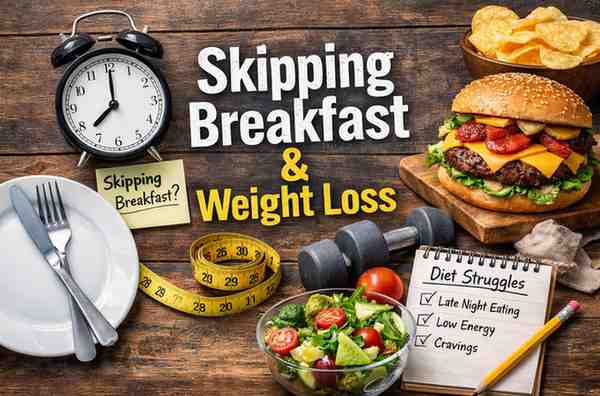
Skipping Breakfast and Weight Loss: 9 Hard Truths Most People Learn Too Late (And Some Relief)

Skipping Breakfast And Weight Loss 9 Hard Truths Most People Learn Too Late And Some Relief 1
Skipping Breakfast and Weight Loss 9 Hard Truths Most People Learn Too Late And Some Relief

I’ve watched more people quietly wrestle with skipping breakfast than almost any other weight loss strategy.

It usually starts the same way.
Someone feels stuck. Scale not moving. Pants tighter. Energy weirdly up and down. They hear about intermittent fasting. Or a coworker says, “I just stopped eating breakfast and dropped 15 pounds.”

So they try it.

Two weeks later, they’re either thrilled… or secretly blaming themselves.

Skipping breakfast and weight loss sound simple on paper. Eat less. Lose weight. Done.

From what I’ve seen, it’s rarely that clean.


Why So Many People Try Skipping Breakfast

Most people don’t wake up thinking, “I love breakfast, let me remove joy from my life.”

They try it because:

  • They feel stuck in a calorie deficit that isn’t working

  • They snack late at night and want a reset

  • They’re overwhelmed and want fewer meals to think about

  • They’ve heard intermittent fasting helps insulin sensitivity

  • They’re tired of calorie tracking

And honestly? There’s something psychologically appealing about it.

You wake up. You don’t eat.
You feel disciplined. In control.

For a lot of people I’ve worked with, that sense of control is half the reason they stick with it early on.

But here’s where things get interesting.


Does Skipping Breakfast Actually Help With Weight Loss?

Short answer:
It can.

Longer answer:
It helps some people create a calorie deficit without obsessing over food. And that’s the real mechanism.

Skipping breakfast doesn’t magically burn fat.

What I’ve repeatedly seen is this:

When someone skips breakfast, they often:

  • Eliminate 300–600 calories automatically

  • Reduce mindless morning snacking

  • Eat fewer total meals

  • Become more intentional about food timing

But here’s the pattern most people miss:

If they compensate later in the day, it does nothing.

Almost everyone I’ve seen struggle with this does this one thing wrong:

They “white-knuckle” the morning… then overeat at night.


The 3 Most Common Patterns I’ve Observed

After watching dozens of real attempts, I’ve noticed three clear outcomes.

1. The Calm Adapter (About 30%)

These people:

  • Aren’t very hungry in the morning naturally

  • Drink coffee or water and feel fine

  • Eat balanced lunches

  • Don’t binge at night

They often lose 0.5–1 pound per week steadily.

What surprised me?
They report better focus in the mornings.

This honestly surprised me after watching so many people try it. I expected irritability. Instead, some felt lighter and sharper.

2. The Late-Night Overeater (Very Common)

This is the majority.

They skip breakfast.
Feel proud.
Get progressively hungrier.
Eat a normal lunch.
Then dinner turns into:

  • Larger portions

  • Dessert “because I earned it”

  • Snacking after 9 PM

Weight doesn’t move. Or worse, creeps up.

They don’t realize they erased the morning deficit.

Most people I’ve worked with mess this up at first because hunger isn’t linear. It builds quietly. Then it hits.

3. The Cortisol-Stressed Grinder

This group already:

  • Sleeps poorly

  • Drinks lots of caffeine

  • Has high stress jobs

  • Under-eats protein

Skipping breakfast makes them:

  • Jittery

  • Irritable

  • More anxious

  • Craving sugar by afternoon

Weight loss? Minimal.
Energy? Worse.

This is the group I usually tell to pause.


How Long Does It Take to See Results?

From what I’ve seen:

  • Week 1: Mostly water weight shifts.

  • Weeks 2–4: True fat loss begins if calorie deficit is consistent.

  • After 4 weeks: The pattern becomes clear.

If nothing changes by week 4, it’s probably not working the way you’re doing it.

That’s the reality.


What Most People Get Wrong About Skipping Breakfast

They Think It’s About the Clock

It’s not.

It’s about total intake and hormonal rhythm.

Skipping breakfast but eating 2,500 calories later? No weight loss.

Skipping breakfast and maintaining protein, fiber, and calorie control? Different story.

They Don’t Increase Protein Later

I didn’t expect this to be such a common issue.

People skip breakfast but don’t compensate with strong protein at lunch.

Then blood sugar dips.
Then cravings spike.
Then willpower fades.

They Ignore Sleep

If someone is sleeping 5 hours and then fasting until noon?

Almost always a bad combo.

Hunger hormones get messy.


Who Should Avoid Skipping Breakfast for Weight Loss

Let’s be real.

This is not for everyone.

Avoid or reconsider if:

  • You have a history of disordered eating

  • You’re pregnant or breastfeeding

  • You have blood sugar regulation issues

  • You’re already chronically stressed

  • You wake up extremely hungry daily

From what I’ve seen, forcing this when your body clearly wants food backfires.


Is Skipping Breakfast Worth It?

This depends on personality.

It tends to work well for:

  • Busy professionals who hate meal prep

  • People who aren’t naturally hungry in the morning

  • Those who prefer larger meals later

It tends to fail for:

  • Emotional nighttime eaters

  • High-stress individuals

  • Heavy early-morning exercisers

  • People who love breakfast culturally or socially

If you’re constantly thinking about food while fasting? It might not be worth the mental cost.


Common Mistakes That Slow Results

Here’s what I see repeatedly:

  • Drinking sugary coffee drinks

  • “Saving calories” then binging

  • Under-eating protein

  • Ignoring hydration

  • Eating ultra-processed lunches

  • Using fasting to justify junk food

Skipping breakfast isn’t a free pass.

It’s a structure tool. That’s it.


What Consistently Works (From Real Cases)

The people who succeed long term usually:

  • Eat 30–40g protein at first meal

  • Keep lunch balanced (protein + fiber + fats)

  • Avoid huge dinner spikes

  • Stay hydrated in morning

  • Sleep 7+ hours

  • Stop eating 2–3 hours before bed

It’s not glamorous.

It’s boring consistency.

But it works.


Quick FAQ (People Also Ask)

Does skipping breakfast burn more fat?

Not automatically. Fat loss happens from sustained calorie deficit, not meal timing alone.

Can skipping breakfast slow metabolism?

In short-term healthy adults, not significantly. Chronic under-eating, though, can.

Will I lose belly fat specifically?

Fat loss is systemic. You can’t target belly fat directly through skipping breakfast.

What if I feel dizzy?

Stop. Eat. Reassess. This approach should not make you feel faint.


Objections I Hear All the Time

“Breakfast is the most important meal of the day.”
It can be. For some.

“Intermittent fasting is the only way.”
Also false.

There are multiple paths to a calorie deficit.

Skipping breakfast is just one tool.


Reality Check

Weight loss rarely feels dramatic week to week.

The people who succeed with skipping breakfast:

  • Lose slowly

  • Adjust based on feedback

  • Don’t panic after one off day

  • Don’t treat fasting as punishment

Almost everyone I’ve seen quit did so because they expected fast transformation.

That’s not how this plays out.


Practical Takeaways

If you’re considering trying it:

  1. Test for 3–4 weeks.

  2. Keep protein high at first meal.

  3. Monitor nighttime eating honestly.

  4. Track energy and mood.

  5. Prioritize sleep.

  6. Stop if anxiety or binge patterns increase.

Expect:

  • Hunger waves at first.

  • Social awkwardness sometimes.

  • Mental adjustment period.

  • Subtle—not dramatic—progress.

Patience here looks like staying calm for 30 days.

Not perfection.


And here’s the part I say quietly to people who feel frustrated:

You’re not broken if skipping breakfast doesn’t work for you.

I’ve seen it help some people feel free and lighter. I’ve also watched others spiral into overeating and self-blame.

It’s a tool.

Not a personality test.

Not a discipline badge.

If it fits your rhythm, it can create relief.

If it doesn’t, there are other ways.

Sometimes the real win isn’t skipping breakfast.

It’s finally choosing the method that actually matches your life.

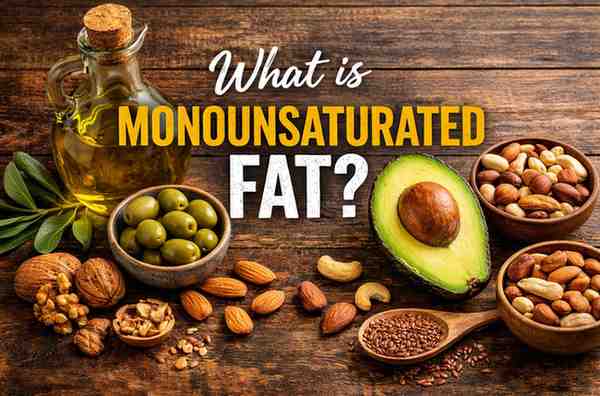
What is Monounsaturated Fat? 9 Truths That Finally Brought Relief to Confused Dieters

What Is Monounsaturated Fat 9 Truths That Finally Brought Relief To Confused Dieters 1
What is Monounsaturated Fat 9 Truths That Finally Brought Relief to Confused Dieters

I remember a friend texting me late one night after a doctor's appointment.

Her cholesterol numbers had crept up. Nothing catastrophic, but enough to scare her. The doctor said something about “switching to monounsaturated fats.”

That phrase alone triggered about two hours of confused Googling.

Olive oil? Avocados? Are these actually fats? Aren’t fats supposed to be bad?

Honestly… this is where most people I’ve watched start spinning in circles.

They hear “healthy fats” but can’t quite understand what that actually means in real life. Some people start pouring olive oil on everything. Others panic and cut fats entirely.

Neither approach works.

So before we go deeper, let’s address the real question that keeps coming up.

What is monounsaturated fat?

In simple terms:

Monounsaturated fat is a type of dietary fat found in foods like olive oil, avocados, nuts, and seeds that tends to support heart health when used in place of less healthy fats.

That’s the clinical answer.

But from what I’ve seen watching dozens of people try to improve their diets…

The real story is a lot more practical. And honestly a lot more interesting.


The Simple Way to Understand Monounsaturated Fat

Most people assume fats fall into two categories:

  • Good

  • Bad

Reality is messier.

There are several types of fats, but the three that keep showing up in nutrition discussions are:

Type of Fat Common Sources General Impact
Saturated fat Butter, fatty meats, dairy Neutral to harmful in excess
Monounsaturated fat Olive oil, avocados, almonds Generally supportive for heart health
Polyunsaturated fat Fish, walnuts, flax Often beneficial

Monounsaturated fat sits in an interesting middle ground.

It’s still fat.

Still calorie-dense.

But it behaves differently in the body compared to heavily processed fats or excessive saturated fats.

And this surprised me after watching so many people adjust their diets:

When people swap unhealthy fats for monounsaturated fats, their cholesterol markers often move in the right direction.

Not overnight.

Not magically.

But consistently.


Where Monounsaturated Fat Actually Shows Up in Real Food

This is where people usually overcomplicate things.

Most people I’ve worked with assume they need special products or expensive “health foods.”

They don’t.

Monounsaturated fats already live inside normal foods.

Some of the most common ones:

  • Olive oil

  • Avocados

  • Almonds

  • Peanuts

  • Cashews

  • Macadamia nuts

  • Sesame oil

  • Peanut oil

These foods are especially common in Mediterranean-style diets.

And that’s not a coincidence.

That pattern of eating keeps showing up in long-term health studies.


Why People Start Looking Into Monounsaturated Fat

From what I’ve seen, people usually land here for one of four reasons.

1. A cholesterol scare

A doctor mentions LDL numbers.

Suddenly diet matters.

This is probably the most common entry point.

2. Weight loss plateaus

Some people realize cutting all fats makes them constantly hungry.

Adding healthy fats stabilizes meals.

3. Energy crashes

People running low-fat diets often feel this.

Meals digest too fast.

Blood sugar spikes.

Then crashes.

4. General “eat healthier” attempts

Honestly… sometimes people just want to stop eating junk.

And this is one of the easiest upgrades.


What Most People Get Wrong at First

This part comes up over and over again.

Almost everyone I’ve seen struggle with this does one of these things.

Mistake #1: Adding healthy fats without removing anything

This one is huge.

Someone hears:

“Olive oil is healthy.”

So they add it everywhere.

Salads. Eggs. Toast. Cooking. Drizzling.

But calories still count.

If you're adding fats on top of an already heavy diet…

Weight gain happens quickly.

Mistake #2: Assuming “healthy” means unlimited

Avocados are amazing.

But one large avocado can contain 250+ calories.

Same with nuts.

Small portions matter.

Mistake #3: Buying processed versions

This surprised me after seeing grocery receipts from people trying to eat healthier.

They buy things like:

  • avocado-flavored snacks

  • olive oil chips

  • nut-based desserts

Those usually contain very little of the actual healthy fat.

And a lot of sugar or refined starch.


Why Monounsaturated Fat Works Better Than Most Diet Advice

A lot of diet rules feel restrictive.

Cut this.

Avoid that.

Remove everything fun.

Monounsaturated fat works differently.

Instead of removing foods, it often replaces worse choices.

For example:

Replace With
Butter-heavy cooking Olive oil
Processed snack foods Nuts
Mayonnaise-heavy spreads Avocado

This small shift changes the fat profile of the diet.

And over time, that matters.


The Health Effects People Usually Notice

Everyone's body reacts differently.

Still, patterns show up.

From what I’ve seen across many people adjusting their diets, these are the most common benefits.

More stable energy

Meals digest slower.

Blood sugar swings calm down.

Better cholesterol markers

Especially when replacing trans fats or processed oils.

Improved satiety

People feel full longer.

Which quietly reduces snacking.

More enjoyable meals

This part gets overlooked.

Healthy food actually tastes better with good fats.


How Long Does It Take to See Changes?

People usually expect instant results.

Nutrition rarely works that way.

From what I’ve observed:

  • Energy changes: 1–2 weeks

  • Weight trends: 4–8 weeks

  • Cholesterol improvements: 6–12 weeks

Still… consistency matters more than speed.

Many people quit right before results begin.


The Foods That Deliver the Most Monounsaturated Fat

Here are some of the most reliable sources.

Olive Oil

Extra virgin olive oil is one of the richest sources.

Used in Mediterranean cooking for centuries.

Avocados

Naturally high in monounsaturated fats.

Also contain fiber and potassium.

Almonds

One of the most balanced nut options.

Good for snacks.

Peanuts

Often underrated.

Affordable and widely available.

Macadamia Nuts

Extremely high in monounsaturated fat.

But calorie-dense.

So portions matter.


Quick FAQ (People Ask These Constantly)

Is monounsaturated fat actually healthy?

Generally yes.

Especially when replacing processed fats or trans fats.

Does monounsaturated fat cause weight gain?

Only if total calories increase.

The fat itself isn't the problem.

Portion sizes matter.

Is olive oil the best source?

It’s one of the easiest and most studied sources.

But avocados and nuts are excellent too.

How much should someone eat?

There’s no universal number.

But many healthy diets include 20–35% of calories from fat, with a large portion coming from monounsaturated sources.


Who Might Not Benefit As Much

This part rarely gets mentioned.

But honesty matters.

Monounsaturated fat isn't some miracle switch.

Some people may not notice dramatic changes.

For example:

  • People already eating balanced diets

  • People whose main issue is sugar intake

  • People expecting rapid weight loss

Fat quality matters.

But it’s still one piece of a larger picture.


Objections I Hear All the Time

“Fat makes you fat.”

Technically… excess calories cause weight gain.

Healthy fats can actually reduce overeating.

“Low-fat diets are safer.”

This belief came from older dietary guidelines.

Modern nutrition research paints a more nuanced picture.

“Oil is processed food.”

Not necessarily.

Extra virgin olive oil is simply pressed olives.


The Reality Check Nobody Talks About

Healthy eating advice often sounds simple.

But people’s lives aren’t simple.

The biggest obstacles I’ve seen are:

  • stress eating

  • convenience foods

  • inconsistent habits

  • portion blindness

Switching to monounsaturated fats helps.

But it doesn't fix everything.

And expecting it to is where disappointment creeps in.


Practical Takeaways (What Actually Works)

From watching many people slowly improve their diets, these patterns show up repeatedly.

1. Replace fats — don’t add them

Swap butter or processed oils with olive oil.

Don’t double the fat intake.

2. Use nuts strategically

Great for snacks.

But easy to overeat.

Small handfuls work best.

3. Add avocados to meals

They increase satiety.

Especially in lunch meals.

4. Cook simply

Most successful people do basic cooking:

  • olive oil

  • vegetables

  • protein

  • simple seasoning

Nothing fancy.

5. Give it time

People expect overnight changes.

Nutrition works on a slower timeline.

Weeks… sometimes months.


I’ve watched enough people try to overhaul their diets overnight to know how that usually ends.

Two weeks of perfection.

Then burnout.

Then guilt.

Then back to square one.

The people who quietly succeed usually do something different.

They change one small habit.

Switch oils.

Add nuts to snacks.

Use avocado instead of spreads.

Nothing dramatic.

But over months, those tiny adjustments stack up.

So no — monounsaturated fat isn’t some miracle nutrient.

But I’ve seen enough people finally stop feeling stuck once they approached their food this way.

And sometimes that shift alone… is the real win.

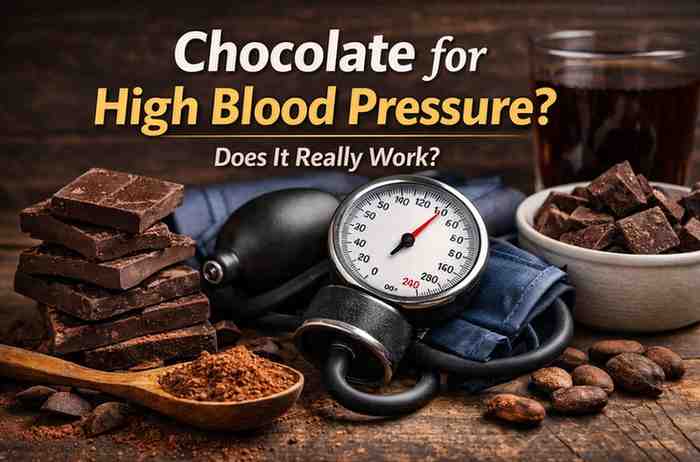
Chocolate for High Blood Pressure: 9 Honest Truths That Gave People Real Hope

Chocolate For High Blood Pressure 9 Honest Truths That Gave People Real Hope 1
Chocolate for High Blood Pressure 9 Honest Truths That Gave People Real Hope

Honestly, the first time someone asked me if chocolate could help high blood pressure, I assumed they were joking.

It was during a casual conversation with a friend who had just been told by his doctor that his blood pressure was creeping up. Nothing dramatic yet. But enough to worry him.

He looked at me and said, “I read somewhere that dark chocolate helps. Is that real… or internet nonsense?”

At the time I didn’t have a confident answer.

But that question kept coming back.

Over the next couple of years I watched multiple people experiment with it. Friends. Family members. A few people in wellness groups I’ve been part of. Some of them were trying to avoid medication. Others were already on medication and just wanted anything natural that might support their numbers.

And what surprised me wasn’t that chocolate sometimes helped.

What surprised me was how often people sabotaged the whole idea without realizing it.

Because the truth is… chocolate can support blood pressure in certain situations.

But most people do it completely wrong.


Why People Even Try Chocolate for High Blood Pressure

If you look at patterns across people dealing with high blood pressure, the emotional cycle is almost identical.

It usually starts like this:

  1. Doctor mentions elevated blood pressure

  2. Medication becomes a possibility

  3. Panic Googling begins

Then somewhere along that rabbit hole… they see the headline:

“Dark chocolate lowers blood pressure.”

And suddenly hope appears.

I’ve seen this moment dozens of times.

Because the idea feels… comforting.

Chocolate isn’t a punishment.
It isn’t another strict diet rule.

It feels human.

But here’s the important part most people miss.

The benefit isn’t really about chocolate.

It’s about a compound inside certain kinds of chocolate called flavanols.

And that tiny detail changes everything.


The Part Most People Get Completely Wrong

Almost everyone I’ve seen try this makes the same mistake.

They buy regular chocolate.

Milk chocolate.
Chocolate bars.
Dessert chocolate.

And technically… yes… those products contain cocoa.

But the amount of flavanols is usually very low.

Processing destroys a lot of the compounds that help blood vessels relax.

Which means the chocolate people are eating for “health” often behaves more like dessert than support.

From what I’ve seen, the difference between success and disappointment usually comes down to one factor:

How dark the chocolate actually is.

The people who notice changes almost always choose:

• 70% cocoa or higher
• preferably 85% or higher
• small portions consistently

Everyone else?

They quietly give up after a few weeks because nothing changes.


What Actually Happens in the Body

Here’s the simplified version I usually explain when someone asks.

The flavanols in dark chocolate help the body produce nitric oxide.

Nitric oxide helps blood vessels relax and widen.

When that happens:

• blood flows more easily
• pressure inside the arteries drops slightly
• the cardiovascular system works less aggressively

It's subtle.

Not dramatic.

But small reductions in blood pressure can matter a lot over time.

What I’ve noticed though… is that people expect this to work like medication.

It doesn’t.

And that expectation causes frustration.


How Long Does Chocolate Take to Affect Blood Pressure?

This is one of the most common questions I hear.

From what I’ve seen across different people trying it:

Short term:
Some people notice slightly lower readings within 2–4 weeks.

More common timeline:
Around 6–8 weeks of consistent intake.

But here’s the reality that often surprises people.

Sometimes the change is only:

• 3–5 mmHg reduction

That might sound small.

But cardiologists actually consider that meaningful improvement.

Especially when combined with other habits.

Still… expectations matter here.

Chocolate alone rarely fixes blood pressure problems.

It’s more like a supportive piece of the puzzle.


The Routine That Actually Seems to Work (From What I’ve Seen)

After watching people experiment with this over time, a pattern shows up.

The ones who report improvements usually follow something close to this:

Daily routine examples:

Morning or afternoon:

• 1 small square of 85% dark chocolate
• eaten slowly
• usually after a meal

Some people combine it with:

• green tea
• walnuts
• berries

Not because it's trendy.

But because they were already trying to support heart health overall.

Interestingly, the people who treated chocolate like a daily ritual instead of a snack seemed more consistent.

Which probably matters more than the chocolate itself.


What Usually Fails (I Didn’t Expect This Pattern)

I didn’t expect this to show up so consistently.

But it does.

Almost everyone I’ve seen struggle with this ends up doing one of these things:

1. They eat too much

Thinking more chocolate equals more benefit.

But large portions mean:

• more sugar
• more calories
weight gain risk

Which can actually raise blood pressure long term.

2. They choose sweet chocolate

Milk chocolate.

Dessert chocolate.

Chocolate spreads.

These barely contain the compounds needed.

3. They expect fast results

If numbers don’t change within two weeks… they assume the idea was fake.

But cardiovascular changes usually take time and consistency.


What Honestly Surprised Me After Watching So Many People Try This

I expected chocolate itself to be the main factor.

But after seeing people test it over months… something else became obvious.

The people who benefit from chocolate are usually the same people who also started:

walking more
• reducing ultra-processed foods
• sleeping better
• managing stress

Which makes the chocolate effect hard to isolate.

But that’s also the real world.

Lifestyle habits tend to stack together.

And chocolate sometimes becomes the gateway habit.

A small enjoyable change that leads to bigger ones.


Who This Approach Is Probably NOT For

I try to be honest when people ask about this.

Because it isn’t universal.

Chocolate for high blood pressure might not be a good idea if someone:

• struggles with sugar control
• has severe hypertension
• needs medication urgently
• tends to overeat sweets

Also important:

Chocolate contains calories and caffeine-like compounds.

For some people that creates:

• sleep disruption
• headaches
• digestive issues

So it isn’t automatically harmless.


Common Questions People Ask

Can chocolate replace blood pressure medication?

No.

I’ve never seen that happen safely.

At best, chocolate might support other lifestyle changes that help reduce numbers slightly.

Medication decisions should always involve a doctor.


What type of chocolate is best?

The patterns I’ve seen suggest:

70–90% dark chocolate
• minimal added sugar
• small daily portions

Anything sweeter tends to lose the potential benefit.


How much chocolate should someone eat?

Most people who experiment with this use about:

10–20 grams per day

Which is usually one small square of dark chocolate.

More than that tends to backfire.


Does cocoa powder work better?

Sometimes yes.

Unsweetened cocoa powder can contain higher flavanol levels.

People often add it to:

• oatmeal
• smoothies
• yogurt

But again… consistency matters more than format.


Objections I Hear All the Time

“This sounds too good to be real.”

Honestly… that reaction is fair.

Chocolate has a long reputation as a treat.

But when you isolate the cocoa compounds, the science behind blood vessel relaxation is real.

The confusion happens because most commercial chocolate doesn’t contain enough of those compounds.


“My blood pressure didn’t change.”

Also common.

And usually explained by one of three things:

• chocolate type was too sweet
• portion was inconsistent
• other lifestyle factors were unchanged

Even then… it doesn’t work for everyone.

And that’s important to accept.


“Is it worth trying?”

From what I’ve seen…

If someone already enjoys dark chocolate and keeps portions small?

It’s usually a harmless experiment.

But it shouldn’t replace the bigger habits that matter more.


The Reality Check Most Articles Skip

This is the part I wish more people heard early.

Chocolate might lower blood pressure a little.

But high blood pressure usually develops from multiple overlapping factors:

• chronic stress
• poor sleep
• weight gain
• high sodium diets
• inactivity

Chocolate can’t solve those.

And expecting it to often leads to disappointment.

Still… small supportive habits can add up.

And sometimes people need an easy starting point.

Chocolate ends up being that for some.


Practical Takeaways (What I Usually Tell Friends)

If someone is curious about chocolate for high blood pressure, here’s the realistic playbook I’ve seen work best:

1. Choose very dark chocolate

70–90% cocoa.

Not dessert chocolate.

2. Keep portions small

About one square daily.

More is not better.

3. Be consistent

Daily habits matter more than occasional snacks.

4. Combine it with other heart-supportive habits

Walking
sleep improvement
whole foods

This is where most of the real benefit happens.

5. Track blood pressure calmly

Weekly readings.

Not obsessive daily checking.

Blood pressure naturally fluctuates.


Sometimes the biggest shift I’ve seen isn’t the blood pressure number itself.

It’s the moment someone stops feeling completely powerless about their health.

Because high blood pressure can feel frustrating.

Numbers creep up slowly.
Doctors mention medication.
Lifestyle advice feels overwhelming.

And then someone finds one small habit they can actually stick to.

So no… chocolate isn’t magic.

But I’ve watched enough people use it as a small anchor habit that leads to bigger changes.

And honestly, sometimes that’s the real win. ????

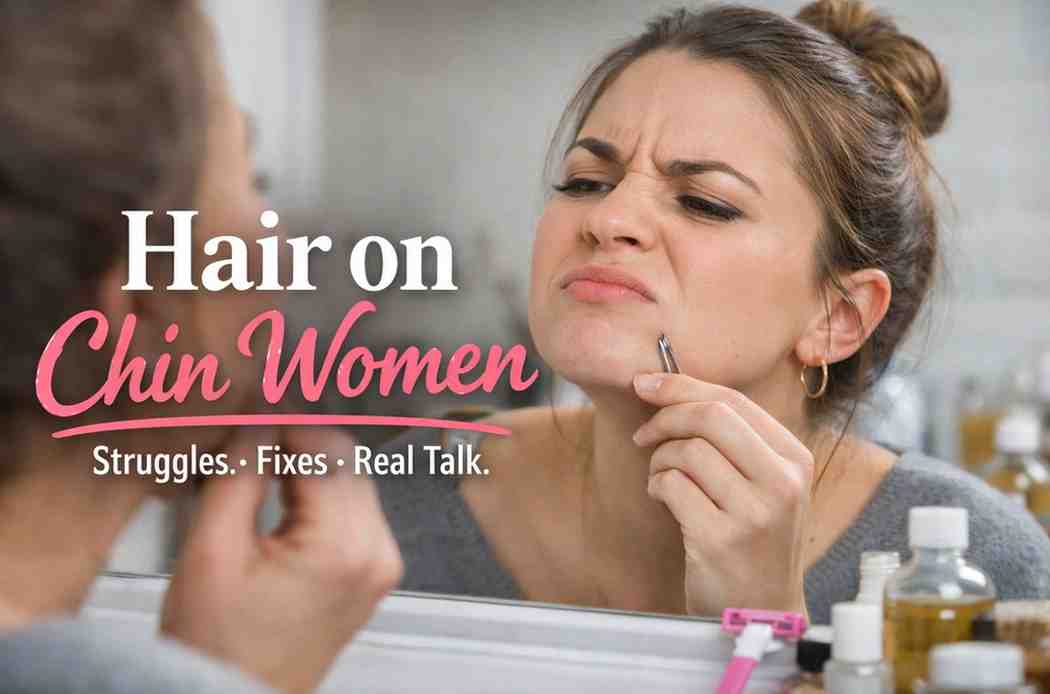
Hair on Chin Women: 7 Brutal Truths That Finally Gave Me Some Peace

Hair On Chin Women 7 Brutal Truths That Finally Gave Me Some Peace 1
Hair on Chin Women 7 Brutal Truths That Finally Gave Me Some Peace

Not gonna lie… the first time I noticed hair on chin women was a phrase I typed into Google, I felt weird about even writing it. Like I was admitting something I wasn’t supposed to have. I’d just found two dark hairs on my chin in the mirror at a Target bathroom. Fluorescent lights. Worst lighting ever. I froze. Then I did what I always do when I panic: I leaned in closer and made it worse.

I’m in my early 30s. I eat okay. I’m not doing anything “wrong.” So why did my face suddenly look like it was trying to grow a tiny beard? I went from confused to mad to low-key ashamed in under five minutes. And yeah, I plucked them right there like a raccoon caught stealing snacks.

That kicked off a year of trial and error. Some of it helped. Some of it was a total mess. A few things surprised me. A few things made me laugh at myself later. If you’re dealing with chin hair and feeling alone, you’re not. You’re just human. And annoying hairs show up when they feel like it.


The part nobody tells you: it messes with your head first

The hair itself isn’t the worst part. It’s what it does to your brain.

For me, it went like this:

  • First: denial. “It’s just one hair.”

  • Then: checking the mirror every time I wash my hands.

  • Then: planning outfits and makeup around lighting. (Yes, lighting.)

  • Then: comparing myself to every smooth-chinned woman I saw at Trader Joe’s.

I didn’t expect that at all. The spiral wasn’t logical. I wasn’t suddenly less worthy. But it felt personal. Like my body was calling me out. That’s dramatic, I know. Still… that’s how it felt in the moment.

I also messed this up at first by assuming it meant something was “wrong” with me. I Googled late at night. Bad move. The internet will convince you you’re broken. I had to pull back and breathe.

From what I’ve seen, at least in my circle, this is way more common than people admit. Friends opened up after I joked about it. We all had stories. We just never talked about them.


What I tried first (and how I messed it up)

Let’s get the obvious stuff out of the way. I tried everything basic before I got smarter about it.

My early attempts:

  • Dry shaving my chin.
    Yeah. Don’t do that. Razor burn city. I learned fast.

  • Plucking every single hair.
    It worked short-term. Then I overdid it. Red bumps. Tiny scabs. Cute.

  • Hot wax at home.
    I spilled wax on my sink. Then burned my finger. Then cried. Zero stars.

  • Random “hair growth inhibitor” cream from TikTok.
    Smelled like a candle store. Did nothing for me.

Honestly, I was chasing quick fixes. I wanted it gone now. That urgency made me sloppy. I didn’t prep my skin. I didn’t think about aftercare. I just attacked the problem.

That said, plucking wasn’t evil. I just did it wrong at first. I learned to:

  • Clean the skin first

  • Use good tweezers

  • Go slow

  • Dab witch hazel after

Tiny changes. Big difference.


The routines that actually felt sustainable

I had to calm down and treat this like a boring maintenance thing. Not a personal crisis.

Here’s what stuck for me over time:

My low-drama routine

  • Morning:
    Quick mirror check in natural light. If I see a stray, I deal with it calmly.

  • 2–3 times a week:
    Gentle exfoliation with a soft cloth. Not harsh scrubs.

  • After removal:
    Witch hazel or aloe. Simple. Cheap. Works.

  • Monthly:
    One calm session with good tweezers. No rage-plucking.

This honestly surprised me. The boring stuff worked better than the flashy hacks. I didn’t need a 10-step routine. I needed consistency and patience. Two things I’m bad at. Still learning.

If you’re thinking about waxing or threading professionally, cool. I tried threading once. It hurt but looked clean. I just didn’t keep it up because… life.


The “is this hormonal?” panic phase

Okay, real talk. I freaked out about hormones. I read too much. I convinced myself I had some dramatic condition after two hairs showed up.

Here’s what grounded me:

  • Bodies change.

  • Stress messes with everything.

  • Hair patterns can shift with age.

  • Some people are just hairier. Genetics are rude like that.

I did talk to my doctor at my annual checkup. That helped my anxiety a lot. We ruled out anything serious. It was basically, “Yeah, bodies do this sometimes.”

That moment gave me relief. Not a cure. Just peace.

If you’re worried, get it checked. Not because something is wrong. But because peace of mind is underrated.


The stuff that didn’t work (for me, anyway)

I hate when blogs pretend every tip works for everyone. That’s not real life.

Things I tried that didn’t do much for me:

  • Spearmint tea every day
    (I forgot half the time. Also, no big change.)

  • DIY turmeric masks
    (Yellow chin. Looked like I ate mustard with my face.)

  • Expensive “laser at home” gadgets
    (Slow. Inconsistent. Kinda bulky.)

That doesn’t mean they’re scams. Just… my results were meh. I wish I hadn’t spent money so fast. If I could go back, I’d wait before buying gadgets. See what simple habits do first.


How long did it take to feel okay about it?

This part surprised me.

The hair didn’t magically stop. But my stress around it dropped after a few months. Once I had a routine, it stopped feeling like a crisis. It became like shaving legs. Annoying. Manageable.

Timeline for me:

  • Week 1–2: obsessed

  • Month 1: annoyed

  • Month 2: more chill

  • Month 3: barely thinking about it daily

Still, some days hit harder. Bad lighting days. PMS days. Days when I’m already tired. That’s normal. Be gentle with yourself on those days.


The confidence shift (this one’s weird but real)

At some point, I caught myself in the mirror and didn’t flinch. The hair wasn’t there because I’d taken care of it. But the bigger change was… I wasn’t scanning my face with panic anymore.

That mental shift mattered more than any method.

A few tiny mindset tweaks that helped me:

  • I stopped calling it “gross” in my head

  • I joked about it with close friends

  • I stopped assuming people noticed

  • I reminded myself that faces aren’t porcelain dolls

That last one stuck. Faces move. Change. Grow weird hairs. That’s being alive.


Practical takeaways (stuff I wish I knew earlier)

If I could DM my past self, I’d say:

  • Don’t rush. Fast fixes cause skin drama.

  • Clean skin first. Always.

  • Pick one method and give it time.

  • Cheap tools can work fine.

  • Don’t compare your chin to Instagram filters.

  • If you’re worried, ask a doctor. It’s okay.

Also… be kind to your face. It’s been with you through a lot.


I know this can feel awkward. Even lonely. Especially when it pops up out of nowhere. But you’re not failing at being a woman because of a few stubborn hairs. You’re just dealing with a normal, annoying body thing.

So no — this isn’t magic. But for me? Yeah. Things finally felt… manageable.

Lymphatic Drainage Massage: 7 Hard Lessons, Real Relief, and the Frustration Nobody Warns You About

Lymphatic Drainage Massage 7 Hard Lessons Real Relief And The Frustration Nobody Warns You About 1
Lymphatic Drainage Massage 7 Hard Lessons Real Relief and the Frustration Nobody Warns You About

Honestly, I didn’t think this would work.
I was tired of trying things that sounded gentle and “natural” and ended up doing… nothing. I’d wake up with that heavy, tight feeling in my face and legs. Puffy in the morning. Sluggish by afternoon. My rings would feel tight. My jeans would fit weird depending on the day. Not dramatic pain. Just this low-grade stuck feeling in my body that made me grumpy for no clear reason.

I kept seeing Lymphatic Drainage Massage everywhere. On wellness blogs. On TikTok. On spa menus next to $150 price tags and soft lighting. It felt… scammy? Or at least not meant for regular people with regular budgets and zero patience.

But I was also tired of feeling like my body was holding onto something I couldn’t shake. So yeah. I tried it. Half hopeful. Half annoyed at myself for hoping again.

Not gonna lie… the first time was underwhelming. I walked out thinking, “That’s it? That’s what everyone’s obsessed with?”
And yet. A few days later, something shifted. Subtle. Not magic. But enough to make me try again.

That’s where this whole messy learning curve started.


Why I even tried this (and what I got wrong at first)

I didn’t come to this from a place of zen.
I came from frustration.

I’d already tried:

  • drinking more water (annoying but fine)

  • cutting salt (miserable, didn’t last)

  • compression socks (felt 80 years old)

  • dry brushing (I forgot half the time)

  • random “detox” teas (regret)

None of it felt consistent. Nothing stuck. And I misunderstood what Lymphatic Drainage Massage even was. I assumed it was a deep tissue thing. Like someone would “break up toxins” or knead fluid out of me.

Wrong.
Very wrong.

This is not deep.
This is not aggressive.
If someone is digging their elbows into you, that’s not it.

The first mistake I made: I expected to feel worked on.
What actually helped was the opposite—super light pressure, slow rhythm, boringly gentle strokes. I almost laughed the first time because it felt like nothing was happening.

That’s the trick. The lymphatic system sits close to the surface. You’re not trying to punish your muscles into submission. You’re nudging fluid along pathways that are… honestly pretty lazy if you sit a lot (hi, it’s me).

Once I adjusted that expectation, things got more interesting.


What surprised me (in a good way)

This honestly surprised me:
The benefits were quiet. Not cinematic. But noticeable if I paid attention.

After a few consistent sessions (spread over a couple weeks), I noticed:

  • My face didn’t look as puffy in the mornings

  • My ankles weren’t doing that weird tight-sock-ring thing by night

  • My digestion felt… smoother? Hard to explain

  • I felt less heavy after long days of sitting

Not “wow I lost 10 pounds.”
More like: “Oh. My body feels less congested.”

I didn’t expect the emotional part either.
There’s something oddly calming about slow, repetitive touch. It made me realize how tense I walk around for no reason. Shoulders up. Jaw tight. Breath shallow. The massage didn’t fix my life, but it made me notice how wound-up I was. That alone felt useful.


What worked for me (and what absolutely didn’t)

I tried this in three ways:

  1. Professional sessions
    Helpful, but expensive. The good ones actually explain what they’re doing. The bad ones just rebrand a soft Swedish massage and call it lymphatic.

  2. At-home routines
    Awkward at first. Then kind of grounding. This is where most of my results came from, honestly.

  3. Tools (gua sha, cups, rollers)
    Mixed bag. Some tools helped me be more consistent. Some just collected dust.

What worked:

  • Short, regular sessions (5–10 minutes most days)

  • Light pressure (lighter than you think)

  • Doing it at night when I’d actually remember

  • Pairing it with slow breathing

What didn’t:

  • Going too hard (made me sore and puffy the next day)

  • Expecting overnight results

  • Only doing it once a week

  • Copying random aggressive routines from social media

Big “don’t repeat my mistake” moment:
I went way too intense early on. I thought more pressure = more results. It backfired. My face got red. My neck felt tender. I actually felt more swollen the next morning. Lesson learned.


The slow part nobody hypes up

Here’s the part that will annoy some people:
Lymphatic Drainage Massage is slow. The results are cumulative. If you’re the type who wants dramatic feedback loops, this might test your patience.

From what I’ve seen, at least:

  • Subtle changes: 1–2 weeks

  • Noticeable day-to-day difference: 3–4 weeks

  • “Okay, this is part of my routine now”: around 6 weeks

That timeline is not sexy.
There’s no viral before/after moment.
You kind of have to live in the small wins.

And yeah, sometimes nothing felt different. Some days I did the routine and still felt bloated. That’s real life. Bodies aren’t machines. Stress, sleep, hormones, salt, hydration—all of it messes with the results.


Common mistakes that slow results (I did most of these)

  • Pressing too hard

  • Skipping the neck area (that’s where drainage pathways matter a lot)

  • Doing it randomly instead of consistently

  • Expecting it to replace basic stuff like movement and hydration

  • Comparing your results to influencers with perfect lighting

Honestly, consistency beats technique perfection here. I messed up the technique plenty. What mattered was that I kept showing up for the routine more days than not.


Is Lymphatic Drainage Massage actually worth it?

Short answer:
It depends on what you expect.

If you’re hoping for:

  • instant weight loss

  • visible fat loss

  • medical treatment replacement

  • dramatic detox miracles

You’re probably going to hate this.

If you’re hoping for:

  • reduced puffiness

  • less heavy/swollen feeling

  • a calming routine

  • subtle, cumulative changes

Then yeah. It can be worth trying.

For me, it became less about “fixing” my body and more about working with it. That mindset shift mattered. I stopped demanding instant results and started paying attention to how I felt day to day.

That alone lowered my stress. Which… probably helped the lymphatic stuff anyway. Funny how that loops back.


Short FAQ (the stuff people always ask)

How long does it take to see results?
Usually a couple weeks for subtle changes. More noticeable shifts after a month if you’re consistent.

Can I do this at home?
Yeah. That’s where most people stick with it long-term. You just need light pressure and basic technique.

Does it help with weight loss?
Not directly. It may reduce water retention and bloating, which can look like weight loss. Actual fat loss is a different game.

How often should I do it?
Small, frequent sessions beat rare, long ones. Think minutes per day, not hours per week.

What if nothing changes?
Then it might not be your thing. That’s allowed. Bodies respond differently.


Objections I had (and what I think now)

“This feels too gentle to do anything.”
I thought that too. But gentle is the point. The lymphatic system responds to light, rhythmic pressure.

“It’s just placebo.”
Maybe some of it is. But even if the calming effect is part placebo, feeling calmer still helps my body not hold onto tension and fluid. I’ll take that win.

“I don’t have time for another routine.”
Fair. I only stuck with this because I kept it stupidly short. If it took 30 minutes, I’d have quit.


Reality check (because this isn’t magic)

This is not a cure-all.
It won’t fix medical conditions.
It won’t override chronic inflammation by itself.
It won’t replace movement, sleep, or hydration.

It also doesn’t work the same for everyone. Some people feel amazing. Some feel nothing. Some get annoyed and quit. All valid outcomes.

Who should probably avoid this or talk to a professional first:

  • People with active infections

  • Certain heart conditions

  • Unexplained swelling

  • Recent surgery without medical clearance

Also… if you hate slow routines and gentle practices, this might drive you nuts. No shame in that.


What I’d do differently if I started over

  • I’d learn the correct pressure from day one

  • I’d start with 3–5 minutes instead of trying to “do it right”

  • I’d pair it with walking more (huge synergy)

  • I’d stop expecting visible results and track how I feel instead

The mental shift was as important as the technique. I had to stop treating my body like a project that needed fixing and start treating it like a system that needed support.

That’s a softer mindset. Took me a while to get there.


Practical takeaways (the grounded version)

If you’re curious about trying Lymphatic Drainage Massage, here’s the real-world version:

Do this:

  • Keep sessions short and regular

  • Use light pressure

  • Focus on the neck and drainage pathways

  • Pair with movement and hydration

  • Track subtle changes, not dramatic ones

Avoid this:

  • Pressing hard

  • Expecting overnight miracles

  • Using it as a replacement for medical care

  • Copying aggressive routines

  • Giving up after two tries

What to expect emotionally:

  • Some doubt at first

  • Mild frustration with slow results

  • Occasional “wait… is this working?” moments

  • Quiet satisfaction when small changes show up

What patience actually looks like:

  • Doing it when you don’t feel like it

  • Noticing patterns over weeks, not days

  • Accepting that some days your body just does its own thing

No guarantees.
No hype.
Just a tool. One piece of a bigger puzzle.


I still have days where I skip it. I still roll my eyes at wellness trends. And sometimes I wonder if I’m just romanticizing a gentle routine because I needed something calming in my life anyway.

Then again… my face feels less puffy most mornings now. My legs don’t feel as heavy after long days. And I’m a little kinder to my body than I used to be.

So no—this isn’t magic.
But for me? It stopped feeling impossible.
And that was enough to keep going.
Gastroesophageal Reflux Disease: 9 hard-earned lessons for relief (and the frustration most people feel first)

Gastroesophageal Reflux Disease 9 Hard Earned Lessons For Relief And The Frustration Most People Feel First 1
Gastroesophageal Reflux Disease 9 hard earned lessons for relief and the frustration most people feel first

Honestly, most people I’ve watched deal with Gastroesophageal Reflux Disease hit the same wall early on. They try one thing, then another, then quietly decide their body is “just broken” when the burning keeps showing up at 2 a.m. I’ve sat next to friends who can’t finish a normal dinner without pain. I’ve listened to coworkers whisper about chest tightness because they’re scared it’s something worse. The pattern is familiar: frustration first, confusion next, then a cycle of half-fixes that look good on paper and don’t change much in real life.

From what I’ve seen, GERD isn’t hard because people are lazy. It’s hard because the advice most people get is scattered, oversimplified, or flat-out mismatched to how their symptoms actually show up. So this is me, writing field notes. The stuff that repeats across real people. The small wins. The dumb mistakes almost everyone makes at first. The parts that surprised me after watching so many people try to “fix their reflux.”


What people are actually trying to fix (and what they misunderstand)

Most folks don’t wake up thinking, I have GERD.
They think:

  • “Why does my throat burn after pasta?”

  • “Why do I feel chest pressure when I lie down?”

  • “Why does coffee suddenly hate me?”

They chase the symptom. Not the pattern.

From what I’ve seen, Gastroesophageal Reflux Disease is less about one bad meal and more about a rhythm your body fell into. Reflux keeps happening because something in the system keeps making it easy for acid to come up. Pressure patterns. Timing. Habits that stack on top of each other.

What people usually misunderstand at first:

  • They treat it like an on/off switch.
    One pill, one diet change, done. Then they get discouraged when it doesn’t vanish.

  • They assume more restriction = more healing.
    Cutting everything “bad” feels disciplined. It often backfires.

  • They chase triggers without noticing patterns.
    Tomatoes get blamed. Chocolate gets blamed. But the real pattern might be late meals + lying flat + stress.

This honestly surprised me after watching so many people try it. The folks who improved weren’t the most strict. They were the most observant.


Why people try to “fix GERD” (and why they’re exhausted)

Common reasons I hear:

  • The pain is scary. Chest pain always is.

  • Sleep gets wrecked.

  • Food becomes stressful.

  • They’re tired of feeling fragile in social settings.

One friend stopped going out to dinner because the embarrassment of coughing and burning was worse than staying home. Another kept popping antacids like candy because they worked… until they didn’t.

There’s also this quiet shame loop: “Everyone else eats normally. Why can’t I?”

That emotional layer matters. People push too hard or give up too fast because they’re frustrated with themselves, not just the symptoms.


What consistently works (from real-world patterns)

I’m going to say this plainly:
No single trick “cures” Gastroesophageal Reflux Disease. The people who got relief stacked small, boring changes. Over time.

Here’s what I’ve seen actually move the needle for most people:

1. Timing beats perfection

Most people I’ve worked with mess this up at first. They focus on what they eat and ignore when.

Patterns that help:

  • Last meal 3 hours before lying down

  • If reflux hits at night, an earlier dinner matters more than a “perfect” dinner

  • Smaller evening meals, even if daytime meals stay normal

Cause → effect → outcome:
Late meals → more pressure when lying flat → acid travels up → night symptoms

2. Elevation helps more than people expect

This one gets rolled eyes. Then it works.

  • Raising the head of the bed (not just extra pillows)

  • Gravity reduces nighttime reflux for a lot of people

  • It doesn’t fix daytime symptoms, but it often fixes sleep

I didn’t expect this to be such a common issue. People assume posture doesn’t matter. It does. A lot.

3. Fewer “stacked triggers” beats eliminating one food

Almost everyone I’ve seen struggle with this does this one thing wrong:

They eat a trigger food
+ late
+ under stress
+ lie down right after

Then blame the food.

What works better:

  • Notice combinations

  • Coffee alone might be fine

  • Coffee + empty stomach + rushing + lying down? Disaster

4. Medication helps… but timing and expectations matter

Some people get real relief from meds.
Some don’t.
Both experiences are normal.

What I’ve seen work:

  • Taking meds consistently (not randomly)

  • Giving it a few weeks, not a few days

  • Using meds as a stability window to change habits, not as the only plan

What fails:

  • Taking meds and changing nothing else

  • Stopping the moment symptoms dip

5. Weight changes can help, but it’s not a moral project

This part is sensitive. And messy.

From what I’ve seen:

  • Even small weight changes can reduce abdominal pressure and reflux for some people

  • For others, weight isn’t the main driver at all

What consistently fails:

  • Shame-driven dieting

  • Crash diets that increase reflux because of hunger, stress, or binge cycles

This is about pressure and mechanics. Not worth.


What repeatedly fails (even though it sounds good online)

Some of this advice looks smart. In real life, it often burns people out.

  • “Just cut everything acidic forever.”
    People last two weeks, feel deprived, then rebound harder.

  • “Drink this one magic tea.”
    If it helps, great. It rarely fixes the pattern alone.

  • “Ignore it unless it’s severe.”
    Mild GERD becomes not-mild when ignored.

  • Extreme elimination diets with no reintroduction plan
    Creates food fear. Not healing.

This is where experienced users would do things differently. They’d test small changes. Keep what helps. Drop what doesn’t.


How long does it usually take to feel relief?

Short answer, from what I’ve seen:
Some people feel small changes in 1–2 weeks. Real stability takes 4–8 weeks.

What actually happens:

  • Week 1–2:
    You notice patterns. Fewer nighttime flares. Some days still suck.

  • Week 3–4:
    Symptoms become less dramatic. Flares feel less scary.

  • Month 2+:
    People stop thinking about reflux every hour. That’s the win.

When it doesn’t work fast, people assume failure. It’s usually just early.


People Also Ask (quick, real answers)

Is Gastroesophageal Reflux Disease the same as heartburn?
Not exactly. Heartburn is a symptom. GERD is the pattern of reflux happening often enough to cause ongoing problems.

Is it worth changing your routine for this?
If reflux is messing with your sleep, food, or mood—yeah. From what I’ve seen, the mental relief alone is worth it.

Can GERD go away on its own?
Sometimes symptoms calm down. Patterns tend to come back if nothing changes.

Do natural remedies work?
Some people get relief. Most need more than one tool.

When should I worry?
If symptoms are severe, worsening, or include trouble swallowing, weight loss, or constant pain—get medical input. Don’t tough it out.


Objections I hear all the time (and the honest answer)

“I don’t want to change how I eat.”
Totally fair. Then focus on timing, portions, posture first. Food changes aren’t the only lever.

“This feels like too much work.”
It is, at first. Then it becomes background. Like brushing your teeth.

“I tried once and it didn’t work.”
Most people I’ve worked with mess this up at first because they try one change in isolation. Stacking small changes is what usually works.

“Medication should fix this. Why isn’t it?”
Meds reduce acid. They don’t fix pressure, timing, or habits. Different problem layers.


Reality check (the stuff people don’t like hearing)

  • Results aren’t linear

  • You’ll think it’s “gone,” then it’ll flare

  • Stress makes reflux worse even when food is perfect

  • Some days you’ll do everything right and still feel it

  • That doesn’t mean you failed

Who this is not for:

  • People looking for a 3-day fix

  • People who want one hack and zero routine change

  • People unwilling to observe patterns

When expectations usually break:

  • Expecting perfection

  • Expecting food alone to fix it

  • Expecting medication to do 100% of the work


Practical takeaways (what to actually do)

Do this:

  • Track patterns for 1–2 weeks

  • Stop eating 3 hours before bed

  • Raise the head of your bed if nights are bad

  • Stack small changes

  • Use meds as support, not the whole plan

Avoid this:

  • Cutting everything at once

  • Ignoring timing

  • Lying down after heavy meals

  • Treating flares as personal failure

Expect emotionally:

  • Some frustration

  • Some relief sooner than expected

  • A learning curve

  • Small wins that feel boring but add up

What patience actually looks like:

  • Not panicking after one bad night

  • Keeping what works

  • Letting go of what doesn’t

  • Adjusting instead of quitting

So no — this isn’t magic. Gastroesophageal Reflux Disease doesn’t disappear because you tried one thing for a week. But I’ve watched enough people stop feeling trapped by their symptoms once they stopped hunting for a single fix and started paying attention to patterns. That shift alone?
It’s often the real relief.

Body Dysmorphic Disorder: 9 Hard Lessons That Bring Relief (and a Warning for What Fails)

Body Dysmorphic Disorder 9 Hard Lessons That Bring Relief And A Warning For What Fails 1
Body Dysmorphic Disorder 9 Hard Lessons That Bring Relief and a Warning for What Fails

Honestly, most people I’ve watched walk into this problem think it’s about fixing one feature. A nose. Skin. Hair. Weight. They come in frustrated, tired of feeling trapped in their own reflection, and convinced there’s a “right tweak” that will finally unlock relief. Then Body Dysmorphic Disorder shows up in the room without saying its name. It shows up in the mirror rituals. The phone camera spirals. The way reassurance helps for five minutes and then collapses. From what I’ve seen, that quiet cycle is what wears people down the most—not the feature itself, but the endless loop of hope → fix attempt → crash.

I’ve been close to enough real stories to know this doesn’t start with vanity. It starts with wanting the noise to stop. And most people don’t realize how loud the noise has gotten until they’re already exhausted.


What people are actually trying to fix (and why it rarely works)

Most folks don’t come in saying “I think I have Body Dysmorphic Disorder.”
They come in saying things like:

  • “If I could just fix this one thing, I’d be fine.”

  • “Everyone else looks normal. I don’t.”

  • “I know it sounds small, but it ruins my whole day.”

  • “I can’t stop checking. I hate that I can’t stop checking.”

From what I’ve seen, the first misunderstanding is thinking this is about accuracy.
Like, if we could just get the perception right, the distress would drop.

But the pattern across people is this:

  • The more time someone spends trying to prove their perception is wrong,
    the more trapped they feel.

  • The more reassurance they get,
    the shorter the relief window becomes.

  • The more “fixes” they try (filters, angles, clothes, procedures, hiding),
    the more their world shrinks.

This honestly surprised me after watching so many people try to out-think the mirror. The issue isn’t that people are dumb or dramatic. It’s that the disorder feeds on attention. The checking, the comparing, the asking—those become fuel. Cause → effect → outcome. More attention leads to more distress. More distress leads to more checking. The loop tightens.


Patterns I keep seeing across real people

Not theory. Just what repeats.

1) The checking spiral is the hook

Almost everyone I’ve seen struggle with this does this one thing wrong at first:
they promise themselves they’ll “just check once more.”

  • One more mirror look

  • One more selfie

  • One more comparison on Instagram

  • One more “be honest, do you see it?”

What actually happens:

  • Anxiety drops for a moment

  • Brain learns: checking works

  • Anxiety comes back stronger

  • Checking increases

It’s not weakness. It’s conditioning.

2) Avoidance looks helpful… until life gets tiny

Covering mirrors. Avoiding photos. Skipping events.
Short-term relief. Long-term cost.

Most people I’ve worked with feel calmer for a week or two. Then they start planning life around not being seen. That’s when frustration hits. Not because the strategy is “wrong,” but because the price is too high.

3) Cosmetic “fixes” don’t land where people expect

This is uncomfortable to say out loud, but it’s consistent:

  • Some people do a procedure and feel relief for a bit

  • Then the focus moves

  • Or the relief fades

  • Or the checking returns, now aimed at the result

I didn’t expect this to be such a common issue. People aren’t lying when they say the change looks fine. The distress just isn’t coming from the feature alone. It’s coming from the relationship with perception.

4) The people who make progress stop arguing with their thoughts

This was the biggest surprise.

The people who start to feel real relief aren’t the ones who finally “prove” their reflection wrong. They’re the ones who learn to say:

  • “This thought is here. I don’t have to wrestle it.”

  • “I can feel ugly and still go to the thing.”

  • “I don’t need certainty to move on with my day.”

It looks small. It isn’t. It’s a massive shift in power.


What consistently helps (even when it feels backward)

I’m not talking about miracle cures. I’m talking about boring, unsexy patterns that work over time.

Letting the anxiety rise without fixing it

Most people I’ve seen mess this up at first. They think relief should come fast.
In practice:

  • Anxiety spikes when you stop checking

  • It peaks

  • Then it falls on its own

The first few times are brutal.
Then your brain learns: I don’t die if I don’t fix this feeling.

That learning sticks.

Reducing rituals in tiny, specific ways

Not “never check again.”
More like:

  • Delay checking by 10 minutes

  • Remove one mirror from one room

  • Stop asking for reassurance from one person

  • Limit selfies to once a day

Cause → effect → outcome again:
small reductions → tolerable discomfort → long-term freedom.

Getting support that doesn’t feed the loop

Here’s a hard truth:
Well-meaning reassurance often keeps people stuck.

What actually helps:

  • Someone who doesn’t debate your appearance

  • Someone who supports you doing the uncomfortable thing anyway

  • Someone who won’t participate in mirror-check marathons

This is where trained therapy support (especially exposure-based approaches) makes a real difference. Not because therapists are magical. Because they’re good at not feeding the loop while you’re learning to sit with discomfort.


How long does this take (for most people)?

Short answer: longer than you want, shorter than you fear.

From what I’ve seen across multiple people:

  • The first 2–4 weeks feel worse before they feel better

  • Around 6–12 weeks of consistent practice is when people notice real shifts

  • Relief comes in waves, not a straight line

  • Setbacks are normal, not failure

This isn’t a glow-up timeline. It’s more like physical rehab.
Progress looks boring until one day you realize you went a whole afternoon without spiraling.

That’s the win.


Common mistakes that slow everything down

Most people I’ve worked with mess this up at first:

  • Trying to feel confident before acting

  • Waiting for certainty

  • Cutting rituals all at once and burning out

  • Using “research” as a way to avoid discomfort

  • Treating this like a motivation problem instead of a conditioning problem

This honestly surprised me:
The people who improved fastest weren’t more disciplined.
They were more forgiving with themselves on bad days.


Is this worth trying?

If your life is getting smaller because of Body Dysmorphic Disorder,
then yeah—this approach is usually worth trying.

Not because it’s easy.
Because the alternative is staying stuck in the loop.

From what I’ve seen, people who commit to changing their relationship with thoughts—not their appearance—are the ones who slowly get their lives back. They go out more. They show up more. The mirror stops being the boss of their day.

That said…


Objections I hear (and what actually happens)

“But what if my concern is real?”
This is the most common one. And honestly, it misses the point.
Even if something is “real,” the level of distress and control it has over your life is the problem. The work isn’t about lying to yourself. It’s about not letting one feature run your entire nervous system.

“I’ve tried just not caring. It doesn’t work.”
Yeah. Telling yourself not to care is like telling your heart rate to chill.
What works is learning to care less through behavior first. Feelings follow later.

“Therapy didn’t help me before.”
Totally happens. Not all approaches are equal.
The people I’ve seen benefit most worked with someone who focused on exposure and response prevention, not just talking about feelings.


Reality check (who this is NOT for)

This approach will probably frustrate you if:

  • You want fast certainty

  • You’re only open to cosmetic solutions

  • You’re not willing to feel uncomfortable in small doses

  • You expect linear progress

  • You want to eliminate thoughts rather than change how you respond to them

It can also be rough if you’re dealing with untreated depression or trauma at the same time. In those cases, the work needs to be layered. Not forced.


Quick FAQ (for People Also Ask vibes)

What is Body Dysmorphic Disorder in real life terms?
A pattern where your brain fixates on perceived flaws and turns them into a constant threat, even when others don’t see what you see.

Can you recover from Body Dysmorphic Disorder?
From what I’ve seen, people don’t “erase” the thoughts. They stop obeying them. That’s recovery in practice.

Does medication help?
For some people, yes. Especially when anxiety or OCD patterns are strong. It’s not a cure, but it can lower the volume so behavioral work is doable.

What if nothing works?
That’s usually a sign the approach needs adjusting, not that you’re broken. Different pacing. Different support. Same principles.


Practical takeaways (the stuff that actually matters)

  • Do less checking. Slowly. On purpose.
    Don’t wait to feel ready.

  • Expect discomfort. Plan for it.
    The feeling is part of the process, not a sign you’re failing.

  • Stop debating your reflection.
    It’s a rigged argument.

  • Get support that won’t reassure your appearance.
    Support your actions instead.

  • Track behaviors, not feelings.
    Feelings lag behind change.

  • Assume progress will be messy.
    Because it will be.

  • Protect your bandwidth.
    Less comparison content. Fewer triggers when possible.

No guarantees here. No hype. Just patterns that have held up across a lot of real people trying, failing, trying again.


I won’t pretend this is easy. I’ve watched people white-knuckle the first few weeks and wonder if they’re making it worse. Then, slowly, something shifts. A skipped mirror check. A photo they didn’t analyze. A party they went to anyway. Small wins. Boring wins. The kind that don’t look impressive on paper but quietly give you your day back.

So no—this isn’t magic. But I’ve watched enough people loosen the grip Body Dysmorphic Disorder had on their lives by changing how they respond to the noise, not by trying to make the noise disappear. Sometimes that shift alone is the real relief.

Insights on Rheumatoid Arthritis Disease: 9 Hard Lessons That Bring Relief (and Some Frustration)

Insights On Rheumatoid Arthritis Disease 9 Hard Lessons That Bring Relief And Some Frustration 1
Insights on Rheumatoid Arthritis Disease 9 Hard Lessons That Bring Relief and Some Frustration

I’ve sat next to a lot of people who thought rheumatoid arthritis was “just bad joints.” Then the flares hit. Then the morning stiffness that wouldn’t let go. Then the quiet grief of realizing your hands don’t open the way they used to. From what I’ve seen, the frustration doesn’t come from pain alone—it comes from not knowing what actually helps and feeling like every piece of advice contradicts the last. These are the insights on rheumatoid arthritis disease I’ve picked up from being close to people living it, hearing their stories, watching trial-and-error play out, and walking with them through small wins and painful resets.

Most people I’ve worked with mess this up at first: they treat RA like a single problem with a single fix. It isn’t. It’s a moving target. That took time to learn. And yeah, I watched people burn out before they figured that part out.


What pushes people to start searching for answers (and why it gets overwhelming fast)

The first push is usually fear.

A diagnosis lands. Or symptoms creep in. Fingers feel thick in the morning. Knees ache after sitting. Someone mentions “autoimmune” and suddenly everything on the internet sounds like a threat.

From what I’ve seen, people go looking for:

  • Relief they can feel this month

  • A plan that doesn’t feel like surrender

  • Proof they’re not imagining how bad this feels

  • Clear guardrails for daily life (food, movement, meds, stress)

What they often get instead:

  • Contradictory advice

  • Miracle claims

  • Scare tactics

  • Lists that look good on paper but fall apart in real life

This honestly surprised me after watching so many people try to “research their way out” of RA. The information overload creates paralysis. People end up doing nothing consistently because they’re trying to do everything at once.


The stuff people usually misunderstand at the start

1) “If I’m tough, I can push through flares”

Almost everyone I’ve seen struggle with this does this one thing wrong: they ignore early flare signals.

They keep lifting.
They keep typing for hours.
They keep running errands on bad days.

Then the flare lasts longer.
Then recovery takes more time.
Then they blame themselves.

What actually works better (from what I’ve seen):

  • Treat early discomfort like a smoke alarm

  • Adjust activity before pain spikes

  • Build in “downshifts” on flare days (not full bedrest, just reduced load)

2) “If I find the right diet, I can avoid meds”

This is touchy. I’ve watched people try to food-hack their way out of RA. Sometimes dietary changes help symptoms. Sometimes they help energy. Sometimes they help inflammation markers a bit.

But I’ve also seen people delay treatment hoping food alone would carry the load. That gamble didn’t go well.

Pattern I keep seeing:

  • Food changes = support

  • Meds (when prescribed) = structural stability

  • Stress + sleep = multiplier (good or bad)

Not either/or. More like a three-legged stool. Kick one leg out and the whole thing wobbles.

3) “Once I find a routine, it stays fixed”

RA shifts. What worked last season might feel useless now. This threw people off emotionally. They felt like they were failing a system that stopped fitting them.

Reality check:

  • Routines need revisiting

  • Flare patterns change

  • Energy windows move around

  • Bodies don’t run on static settings


What consistently helps in the real world (not the perfect-world advice)

From what I’ve seen across different people, these patterns repeat:

The boring basics that actually matter

Not glamorous. But real.

  • Sleep protection

    • Earlier wind-down

    • Fewer late nights

    • Consistent wake times

  • Gentle daily movement

    • Short walks

    • Light mobility on stiff mornings

    • No hero workouts during flares

  • Medication adherence (if prescribed)

    • Missed doses = more unpredictable symptoms

  • Flare-aware scheduling

    • Hard tasks during energy windows

    • Low-demand days after heavy days

Most people expect dramatic hacks. This stuff feels too simple to matter. Then they skip it. Then symptoms spiral.

What people don’t expect to help—but often does

  • Micro-breaks for joints

    • 2–3 minutes every hour

    • Shake out hands

    • Gentle stretch

  • Heat in the morning, cold during swelling

    • Not magic

    • But reduces friction getting moving

  • Lowering life friction

    • Voice typing

    • Jar openers

    • Lighter cookware

    • Smaller grocery runs

This didn’t sound like “real treatment” to people at first. Then they realized how much daily wear and tear it removed.

What looks good on paper but fails in practice

  • Extreme elimination diets with no exit plan

  • All-or-nothing workout plans

  • Self-shaming for “bad days”

  • Waiting for pain-free days to live life

Almost everyone I’ve seen burn out did some version of this.


How long does it usually take to feel improvement?

Short answer: longer than people want. Shorter than they fear.

From what I’ve seen:

  • First small relief: 2–6 weeks

  • More stable days: 2–3 months

  • Real routine confidence: 4–6 months

  • Emotional acceptance shift: honestly… unpredictable

This is where expectations usually break. People expect a clean timeline. RA gives messy timelines.

Some weeks feel like progress.
Some weeks feel like regression.
Both can be part of improvement.


Common mistakes that slow everything down

I didn’t expect this to be such a common issue, but it shows up constantly:

  • Chasing new protocols every week

  • Quitting what’s helping because it’s not “enough”

  • Comparing symptoms to strangers online

  • Hiding flares from doctors

  • Underreporting pain because they don’t want to seem dramatic

That last one is brutal. People downplay symptoms. Then care plans don’t fit. Then they feel unheard. Loop continues.


Who this approach is NOT for

This isn’t for people who want:

  • Instant fixes

  • One-time solutions

  • Zero meds under any circumstance

  • Extreme lifestyle overhauls overnight

  • Perfect control over symptoms

If you need certainty and fast results to stay motivated, RA management will feel maddening. That’s not a character flaw. It’s just a mismatch.


Objections I hear all the time (and what usually happens)

“I tried this and it didn’t work.”
Most of the time, it wasn’t tried long enough. Or too many things were changed at once to know what helped.

“My case is different.”
Yeah. Every case is different. Patterns still exist. Use patterns as starting points, not rigid rules.

“I don’t have the energy for routines.”
That’s real. Start smaller than feels useful. Smaller than your pride wants. Consistency beats intensity here.

“Doctors just push meds.”
I’ve seen bad communication, for sure. I’ve also seen meds prevent joint damage people didn’t feel until later. Both can be true.


Reality check (the part people don’t love hearing)

  • RA is chronic

  • Progress is uneven

  • Good weeks don’t mean you’re “cured”

  • Bad weeks don’t mean you failed

  • Emotional fatigue is part of the disease burden

  • You will grieve old versions of your body

That grief is quiet. It shows up in jokes. In canceled plans. In pretending things are fine. Naming it helps. Even a little.


Short FAQ (for the “People Also Ask” crowd)

Is rheumatoid arthritis curable?
No. From what I’ve seen, it’s manageable, not curable.

What triggers flares most often?
Stress, poor sleep, overexertion, missed meds, illness. Patterns repeat here.

Is it worth trying lifestyle changes?
Yes—as support. Not as a replacement for medical care.

Can symptoms go into remission?
Yes. I’ve seen people reach long quiet phases. It’s not guaranteed. It’s possible.

Who should avoid self-managing without medical guidance?
Anyone with worsening pain, joint changes, fatigue that’s escalating, or new symptoms. Don’t white-knuckle this alone.


Practical takeaways (the grounded version)

What to do

  • Track flares and energy, loosely

  • Protect sleep like it’s medication

  • Adjust plans early on bad days

  • Tell doctors the messy truth

  • Use tools that reduce joint strain

What to avoid

  • Waiting for perfect days

  • Punishing yourself for symptoms

  • Changing five variables at once

  • Taking internet extremes as gospel

What to expect emotionally

  • Frustration

  • Some resentment

  • Moments of relief

  • Random gratitude for “normal” days

  • Fatigue that isn’t just physical

What patience actually looks like

  • Showing up at 60%

  • Letting routines be imperfect

  • Keeping what works even when bored

  • Adjusting without self-blame


I’m not going to pretend these insights on rheumatoid arthritis disease make things easy. They don’t. But I’ve watched people stop feeling trapped once they stopped trying to “win” against RA and started working with the patterns their bodies kept showing them.

Still messy.
Still frustrating.
But less lonely.

Sometimes that’s the shift that changes everything.

Insights Into psychoeffective disorder: 9 hard-won lessons for frustrated people who still want relief

Insights Into Psychoeffective Disorder 9 Hard Won Lessons For Frustrated People Who Still Want Relief 1
Insights Into psychoeffective disorder 9 hard won lessons for frustrated people who still want relief

Honestly, most people I’ve watched hit this wall: they try something that sounds right, feel a flicker of hope, then quietly assume they’re broken when the results don’t stick. I’ve seen that look so many times. Tight jaw. Forced optimism. The “maybe I’m just bad at this” spiral.

That’s usually when Insights Into psychoeffective disorder comes up in conversation. Not as a miracle fix. More like a last “okay, what am I missing here?” attempt. People are tired of surface-level advice. They want something that actually maps to what they’re experiencing in their body, their habits, their messy daily life.

From what I’ve seen up close—through friends, family, clients, late-night voice notes, and a lot of trial-and-error alongside real people—psychoeffective disorder isn’t something you “understand” once and move on. It’s something you learn to work with. Slowly. With weird setbacks. With small wins that don’t look impressive on paper but feel huge to the person living them.

And yeah. Most people mess this up at first.


What people think psychoeffective disorder is (and where that goes wrong)

Almost everyone I’ve seen come to this starts with one of these assumptions:

  • “It’s basically just mindset.”

  • “If I think the right thoughts, this should resolve.”

  • “There must be a technique that fixes this quickly.”

I get why that’s tempting. It feels controllable. Clean. Neat.

But in practice, psychoeffective disorder shows up as this messy loop between how someone interprets their internal state and how their body reacts. Not in a dramatic way. In small, repetitive ways that build patterns over time.

What surprised me after watching so many people try to “think their way out” of it?

  • The people who focused only on thoughts stalled.

  • The people who worked only on behavior burned out.

  • The ones who made progress worked with both. Imperfectly.

This isn’t abstract. I’ve watched people journal beautifully about their triggers… and then repeat the same self-sabotaging routines the next morning. I’ve also watched others white-knuckle behavior changes with zero emotional grounding and crash two weeks later.

It’s the loop that matters.

Cause → effect → outcome.

When the loop stays invisible, people blame themselves.


Why people even try this approach (the real reasons)

The surface reason is relief. But the deeper reasons I keep hearing:

  • They’re tired of feeling unpredictable inside their own head.

  • They want to stop reacting the same way to the same situations.

  • They’ve tried “just push through it” and it backfired.

  • They’re sick of advice that sounds good but doesn’t stick.

From what I’ve seen, people don’t come to psychoeffective frameworks because they’re curious. They come because something in their life stalled.

A relationship pattern.
Work burnout.
Health anxiety.
Decision paralysis.

The disorder part isn’t a label people want. It’s the pattern they’re stuck in.


The patterns that show up again and again

I didn’t expect this to be such a common issue, but across very different people, the patterns rhyme:

1. The two-week crash

Almost everyone I’ve seen struggle with this does one thing wrong: they overcorrect early.

They go from zero to “I’m fixing my whole life” overnight.

Two weeks later?
Exhaustion. Frustration. Quiet quitting.

What consistently works better:

  • Tiny changes that feel almost too small to matter.

  • One loop at a time. Not the whole system.

2. Confusing insight with change

People feel relief after a good realization. Then assume the work is done.

It isn’t.

Insight without repetition fades.
Repetition without insight feels empty.

Both matter.

3. Trying to be “normal” again too fast

I’ve watched people rush back into old environments to prove they’re better now.

It backfires.

Not because they failed.
Because the nervous system didn’t catch up yet.

That delay is real. It’s not weakness.

4. Looking for validation in the wrong places

Friends who mean well often say:
“Just don’t think about it.”
“Be positive.”
“You’re overanalyzing.”

Most people I’ve worked with internalize that and stop asking for support. Then things spiral quietly.

Bad advice hurts more than no advice.


What actually seems to help (not the shiny stuff)

This honestly surprised me after watching so many people try the flashy techniques.

The boring things help more.

What consistently works:

  • Tracking patterns, not moods

    • “Every time X happens, my body does Y, then I do Z.”

    • That chain matters more than how someone feels about it.

  • One micro-adjustment per loop

    • Change the trigger exposure.

    • Or change the interpretation.

    • Or change the recovery behavior.

    • Not all three at once.

  • Repetition with feedback

    • Trying something.

    • Noticing what actually changed.

    • Tweaking.

  • Externalizing the problem

    • Treating the disorder as a pattern to work with.

    • Not as a personal flaw.

What looks good on paper but fails in real life:

  • Perfect morning routines.

  • Overly complex frameworks.

  • “Do this every day forever” plans.

  • Shaming yourself for not being consistent.

Consistency grows out of relief. Not discipline alone.


How long does it take (for most people)?

People always ask this. Fair.

From what I’ve seen:

  • First 2–3 weeks: confusion + mild hope. Lots of “Am I doing this right?”

  • 1–2 months: small wins. Fewer intense spirals. More awareness.

  • 3–6 months: patterns start to feel predictable. Less fear around them.

  • Beyond that: fewer dramatic breakthroughs. More quiet stability.

Still. Setbacks happen.

Progress looks like:

  • Shorter spirals.

  • Faster recovery.

  • Less self-blame.

Not perfection.


What if it doesn’t work for you?

This is real.

Some people try psychoeffective approaches and feel worse. Usually because:

  • They’re processing too much too fast.

  • They don’t have enough external support.

  • They’re dealing with overlapping issues (trauma, burnout, medical stuff) that need parallel care.

Who this is not for:

  • People who want a quick fix.

  • People who hate self-observation.

  • People who need immediate crisis-level intervention and are avoiding that support.

It’s okay to step away.

Not every tool fits every phase of life.


Common mistakes that slow everything down

Most people I’ve worked with mess this up at first:

  • Treating every bad day as failure.

  • Comparing their timeline to someone else’s.

  • Hiding setbacks because they feel embarrassed.

  • Trying to “graduate” from the work too early.

  • Ignoring the body and staying in their head.

Almost everyone I’ve seen struggle with this does this one thing wrong:
They wait to feel motivated before making adjustments.

Motivation comes after momentum. Not before.


Is this worth trying?

Short answer:
It depends what you expect.

If you want:

  • A magic switch? No.

  • A clean transformation story? Probably not.

  • A way to stop feeling completely stuck? Often, yes.

I’ve watched people regain a sense of agency they thought was gone. Not because everything vanished. But because they finally understood their own loops.

That alone can be relief.


Objections I hear all the time (and what I’ve learned)

“This feels too slow.”
Yeah. It is slow. Fast change often collapses. Slow change sticks.

“I’ve tried stuff like this before.”
Most people tried techniques, not loops. The framing matters.

“I don’t have the energy.”
Then start smaller. The approach can scale down. Tiny counts.

“This sounds like overthinking.”
It can become that if you stay in analysis mode. The work is in testing, not just understanding.


Reality check (things people don’t like hearing)

  • Some days will still suck.

  • Progress is uneven.

  • Old patterns resurface under stress.

  • You’ll outgrow certain strategies.

  • You’ll probably misjudge what’s working at first.

That’s normal.

If everything feels smooth, you’re probably not actually changing anything.


Quick FAQ (for search + real questions)

What is psychoeffective disorder in simple terms?
From what I’ve seen, it’s a repeating loop between how someone interprets internal experiences and how their body reacts, shaping habits over time.

How long before people see results?
Small changes often show up within weeks. Deeper stability usually takes months.

What’s the biggest mistake beginners make?
Trying to change everything at once. It overwhelms the system.

Is this therapy?
It can be used alongside therapy, but it’s more about practical pattern work than just talking.

Who should avoid this approach?
People in crisis who need immediate professional intervention first. This isn’t a replacement for that support.


Practical takeaways (no hype)

If you’re going to try working with psychoeffective patterns:

Do this:

  • Track one loop.

  • Change one piece.

  • Repeat.

  • Notice what actually changes.

  • Adjust.

Avoid this:

  • All-or-nothing plans.

  • Shaming yourself for setbacks.

  • Copying someone else’s system wholesale.

  • Forcing optimism.

Expect emotionally:

  • Doubt.

  • Brief hope spikes.

  • Annoyance.

  • Quiet relief when something finally shifts.

What patience looks like in practice:

  • Letting a method feel awkward for a few weeks.

  • Not abandoning the process after one bad day.

  • Celebrating boring improvements.

No guarantees.
No miracle claims.

Just patterns. And people learning to work with them.


Still. I’ve watched enough people stop feeling trapped once they understood their loops. Not cured. Not fixed. Just… less at war with themselves. That shift alone can change how a day feels. Sometimes that’s the real win.