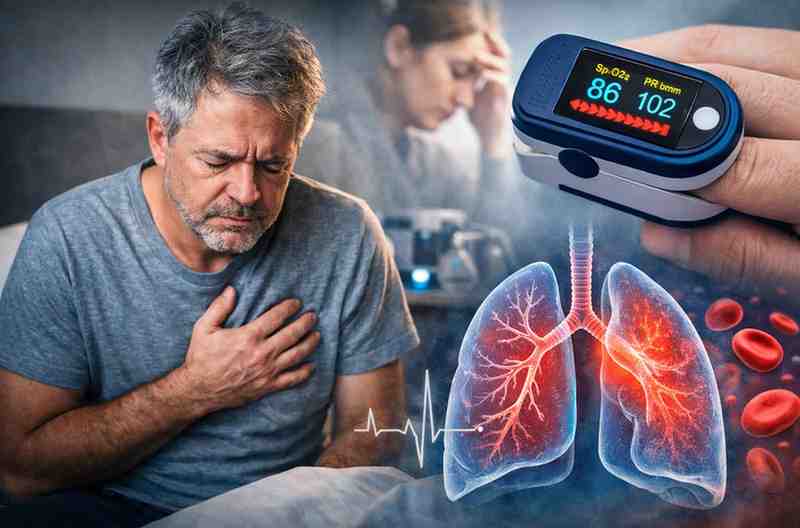
Honestly, one of the most unsettling moments I’ve witnessed with people around me is when they say something like:
“I just feel… off. Tired. Weirdly breathless. But my doctor said everything looked normal.”
And then a few weeks later we realize the real issue was low oxygen levels → in human body quietly creeping in.
I didn’t expect this to be such a common issue until I started noticing the same pattern across different people — friends with sleep apnea, older relatives with lung conditions, athletes overtraining, even someone recovering from COVID.
Different lives.
Different health histories.
But strangely similar complaints.
-
unexplained fatigue
-
brain fog
-
headaches
-
shortness of breath that feels “not serious enough” to mention
Most people assume oxygen problems look dramatic — gasping, blue lips, emergency rooms.
But from what I’ve seen… it’s usually much quieter than that at first.
And that’s where things get tricky.
Because low oxygen rarely announces itself loudly in the beginning.
It whispers.
Why Low Oxygen Levels Sneak Up on People
One thing that surprised me after watching so many people go through this is how slow the symptoms can develop.
The body is incredibly good at compensating.
Your heart beats a little faster.
Your breathing becomes slightly deeper.
Your brain starts prioritizing critical functions.
You adapt.
Until you can't anymore.
Most people I’ve worked with or spoken to about this didn't realize anything was wrong until the symptoms started stacking up.
Usually something like this:
Week 1–2
Just feeling more tired than usual.
Week 3–4
Headaches. Slight dizziness. Poor sleep.
Week 5+
Breathing feels different. Not painful. Just… harder.
At that point many people think it's:
-
stress
-
anxiety
-
burnout
-
bad sleep
-
aging
And sometimes it is those things.
But sometimes it’s something else quietly happening in the background.
What “Low Oxygen Levels in the Human Body” Actually Means
Your blood carries oxygen through a molecule called hemoglobin.
That oxygen feeds every cell in your body.
Brain
Heart
Muscles
Organs
When oxygen drops below normal levels, doctors call this hypoxemia.
Typical oxygen saturation levels:
| Oxygen Saturation | Meaning |
|---|---|
| 95–100% | Normal |
| 91–94% | Mild concern |
| 86–90% | Moderate low oxygen |
| Below 85% | Medical emergency |
The tricky part?
Some people live at 90–94% for months and feel “kind of terrible” without knowing why.
I’ve seen this especially in people with:
-
sleep apnea
-
asthma
-
chronic lung conditions
-
obesity
-
smokers or former smokers
-
post-viral lung inflammation
But it can happen in otherwise healthy people too.
Especially after respiratory illnesses.
9 Warning Signs of Low Oxygen Levels People Often Ignore
From what I’ve observed across many cases, the body usually sends small signals before things get serious.
The problem is most people dismiss them.
Here are the ones I’ve seen repeat again and again.
1. Unusual fatigue that sleep doesn’t fix
This is the one almost everyone describes first.
Not just tired.
More like your body is moving through mud.
People often say:
“I slept 8 hours but I still feel drained.”
That’s because oxygen powers cellular energy production.
Less oxygen = less energy.
2. Brain fog
I didn't expect this to be such a common issue.
Low oxygen affects the brain quickly.
People describe:
-
forgetting simple words
-
difficulty focusing
-
slower thinking
-
feeling mentally “off”
And many assume it's stress.
3. Frequent headaches
Your brain is extremely sensitive to oxygen levels.
When oxygen drops, blood vessels expand to compensate.
That often triggers headaches.
Especially morning headaches.
That pattern often shows up in sleep apnea cases.
4. Shortness of breath during normal activity
Walking upstairs.
Carrying groceries.
Light exercise.
Things that normally feel easy suddenly feel harder.
Not dramatic.
Just noticeable.
5. Faster heart rate
When oxygen drops, the heart tries to pump more blood to deliver what little oxygen is available.
So people start noticing:
-
racing heart
-
palpitations
-
feeling winded faster
6. Blue or pale lips
This is a more advanced sign.
Called cyanosis.
But honestly, I rarely see people notice it themselves.
Usually someone else points it out.
7. Poor sleep
Low oxygen during sleep is surprisingly common.
Especially with:
-
sleep apnea
-
nasal obstruction
-
obesity
-
alcohol before bed
People wake up feeling exhausted even after full sleep.
8. Dizziness or lightheadedness
Especially when standing up.
The brain is extremely oxygen-hungry.
When levels drop, dizziness often follows.
9. Anxiety-like symptoms
This one surprised me the most.
Low oxygen can trigger:
-
restlessness
-
panic feelings
-
unease
-
shallow breathing
The body senses something is wrong.
Even if you don't consciously understand why.
Why People Miss the Real Cause
From what I’ve seen, the biggest issue isn’t the symptoms.
It’s how easily they get misinterpreted.
People blame:
-
stress
-
burnout
-
poor diet
-
lack of exercise
-
anxiety
And sometimes doctors miss it too because oxygen levels can fluctuate.
Someone might measure normal in a clinic.
But dip lower during:
-
sleep
-
exertion
-
illness
-
allergies
This is why pulse oximeters became so popular after COVID.
They showed how oxygen can change throughout the day.
Common Causes of Low Oxygen Levels
Patterns I've seen repeatedly:
Lung-related causes
-
asthma
-
pneumonia
-
COPD
-
lung inflammation
-
long COVID
Sleep-related breathing issues
Extremely common.
Sleep apnea is a big one.
People stop breathing dozens of times per night.
Oxygen drops repeatedly.
Circulation problems
Sometimes the lungs work fine but oxygen isn't delivered well.
Examples:
-
heart disease
-
blood clot in lungs (pulmonary embolism)
High altitude
Less oxygen in the air.
People traveling or hiking often experience temporary hypoxia.
Obesity
This affects breathing mechanics.
The lungs can’t expand fully.
Especially during sleep.
The Mistakes I See People Make First
Almost everyone I’ve seen struggle with this does one thing wrong:
They wait too long before checking oxygen levels.
A simple $20 pulse oximeter can reveal a lot.
But people often avoid testing because they assume:
“If it were serious, I'd know.”
That assumption causes delays.
Another mistake?
Trying random breathing exercises without understanding the cause.
Breathing exercises help in some cases.
But they don't fix:
-
severe sleep apnea
-
lung infections
-
blood clots
-
COPD
So the root cause matters.
A lot.
What Actually Helps Improve Oxygen Levels
From watching real cases over time, improvements usually come from fixing the underlying issue, not just boosting oxygen temporarily.
Some approaches that consistently helped people:
1. Treating sleep apnea
This one is huge.
CPAP therapy often transforms people's energy levels.
I've seen people go from chronic fatigue to feeling normal again within weeks.
2. Lung rehabilitation
Breathing exercises combined with physical conditioning.
Especially useful after respiratory illness.
3. Weight reduction (when relevant)
Even modest weight loss improves lung expansion.
People often notice breathing improvements before major weight change.
4. Quitting smoking
I’ve seen lung capacity slowly improve even years after quitting.
It takes patience though.
5. Treating infections early
Pneumonia and bronchitis can dramatically reduce oxygen levels.
Early treatment matters.
Quick FAQ People Usually Ask
What oxygen level is dangerous?
Anything consistently below 90% needs medical evaluation.
Below 85% is urgent.
How do you know if your oxygen is low without a device?
Possible signs:
-
shortness of breath
-
headaches
-
fatigue
-
confusion
-
rapid heartbeat
But symptoms alone aren't reliable.
Testing matters.
Can low oxygen levels fix themselves?
Sometimes yes.
If caused by:
-
mild illness
-
temporary altitude exposure
-
short respiratory infections
But chronic causes require treatment.
How long does recovery take?
From what I’ve seen:
-
mild illness: days to weeks
-
sleep apnea treatment: 2–6 weeks improvement
-
lung rehabilitation: months
Patience matters.
Objections I Hear All the Time
“But I’m healthy. This shouldn’t apply to me.”
Honestly, I've seen this affect athletes, young adults, and otherwise healthy people after respiratory illness.
Health status helps — but it doesn't guarantee oxygen stability.
“I exercise regularly. My oxygen must be fine.”
Exercise fitness doesn’t rule out sleep apnea or lung inflammation.
Some of the fittest people I know still developed oxygen issues during sleep.
“If it were serious I'd feel it.”
Not always.
Low oxygen often develops gradually.
Which makes it easier to ignore.
Reality Check Most People Need
Low oxygen isn't something to panic about immediately.
But it's also not something to dismiss.
The real danger is long-term untreated hypoxia.
That can strain:
-
heart
-
brain
-
lungs
-
circulation
Over months or years.
But the encouraging part?
Many causes are treatable once identified.
The hardest step is usually realizing something is wrong.
Practical Takeaways
If someone around me suspected low oxygen levels, these are the steps I'd suggest.
Start simple
Check oxygen with a pulse oximeter.
Morning and evening.
Track patterns.
Watch for trends
Occasional dips happen.
Consistent readings below 94% deserve attention.
Pay attention to sleep
Morning headaches and fatigue are huge clues.
Sleep studies reveal problems people never suspected.
Don't self-diagnose too long
If symptoms persist for weeks, professional evaluation matters.
Breathing and oxygen are not areas to guess about.
Still — I want to say this clearly.
Most people who worry about low oxygen are actually catching something early.
Which is a good thing.
I've watched people finally understand their fatigue, treat the real issue, and slowly get their energy back.
It's rarely instant.
But it happens.
And sometimes just discovering the real reason behind months of unexplained exhaustion is the biggest relief of all.