I can’t count how many times I’ve watched someone check their blood pressure, go quiet for a few seconds… and then stare at the number like it personally betrayed them.
One friend did this at a family dinner.
Another during a routine pharmacy check.
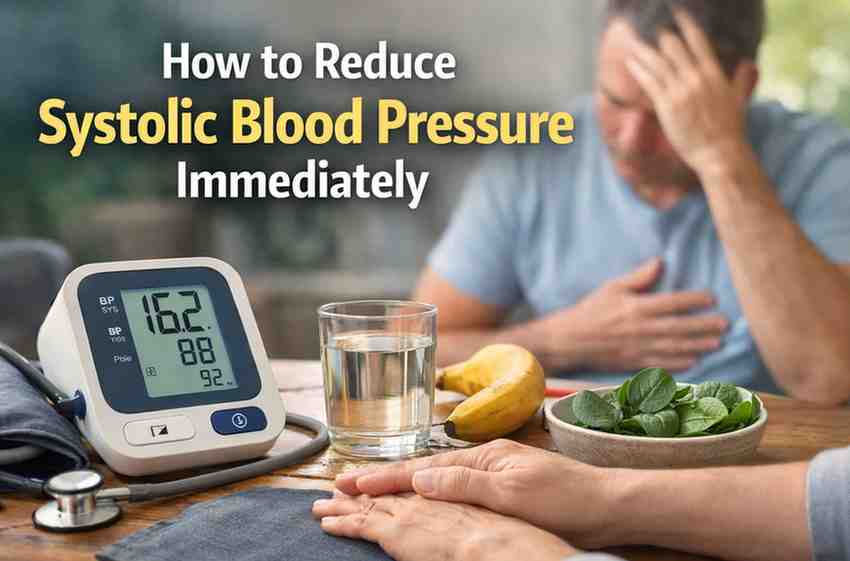
A neighbor texted me a screenshot at 11:30 PM with the message: “Is 168 systolic dangerous??”
What I’ve noticed after hearing dozens of these stories is that people rarely panic about blood pressure in general.
They panic about systolic numbers.
That top number suddenly jumps.
140… 155… 170.
And the immediate question becomes:
“How do I reduce systolic blood pressure immediately?”
Not next month.
Not with long-term lifestyle plans.
Right now.
From what I’ve seen, people usually do one of two things at that moment:
• panic and make it worse
• or try random advice from the internet that barely moves the number
But there are a few things that consistently help bring that top number down quickly — not magically, but reliably enough that doctors recommend some of them.
And interestingly… the things that work fastest are not the things most people try first.
Why Systolic Blood Pressure Suddenly Spikes
Before talking about lowering it, one thing surprised me after watching many people track their numbers:
A lot of “high readings” aren't actually permanent spikes.
They’re temporary reactions.
The body is weirdly reactive.
Common triggers I’ve seen repeatedly:
• anxiety before measuring
• caffeine within the last hour
• dehydration
• holding breath during the test
• crossing legs while seated
• poor sleep the night before
• stress from work or arguments
• pain or illness
One guy I know checked his BP immediately after running up stairs.
172 systolic.
Ten minutes later, after sitting quietly?
138.
Huge difference.
Which is why the first thing most experienced clinicians say is something simple:
Pause. Sit. Recheck later.
Honestly… this alone fixes a surprising number of scary readings.
The Fastest Ways People Actually Reduce Systolic Blood Pressure
These aren’t miracle tricks.
But after seeing patterns across dozens of people trying to manage spikes, a few actions consistently show real short-term drops.
Usually within 5–30 minutes.
1. Slow Breathing (This One Surprises People)
Most people completely underestimate breathing.
Honestly… I did too.
But slow breathing has been one of the most consistent immediate blood pressure regulators I’ve seen people use.
The pattern is simple:
-
inhale slowly for 4 seconds
-
hold for 2 seconds
-
exhale for 6 seconds
-
repeat for 5–10 minutes
What this does:
• activates the parasympathetic nervous system
• lowers stress hormones
• slows heart rate
Several people I’ve observed testing this saw drops of 10–20 systolic points.
Not always.
But often enough that it’s worth trying first.
Most people mess this up by:
• breathing too fast
• checking BP every 30 seconds
• getting impatient
Give it 10 full minutes.
2. Drink a Full Glass of Water
But dehydration quietly raises blood pressure in a lot of people.
What I’ve seen repeatedly:
Someone checks BP in the afternoon after coffee, work stress, and little water.
Numbers spike.
Then they drink 500–700 ml of water.
Wait 15–20 minutes.
Numbers drop slightly.
Not dramatic. Usually 5–10 points.
But combined with breathing and resting, it adds up.
3. Sit Properly and Relax Before Rechecking
I didn’t expect posture to matter this much.
But after watching people measure BP incorrectly… wow.
Common mistakes I’ve seen:
• back not supported
• feet dangling
• legs crossed
• arm hanging down
• talking during measurement
Each of these can raise systolic 5–15 points.
Correct position:
• sit with back supported
• feet flat on floor
• arm supported at heart level
• rest quietly 5 minutes
Then measure again.
A surprising number of “hypertension scares” vanish right here.
4. Walk Slowly for 10 Minutes
This sounds counterintuitive.
Exercise raises heart rate… right?
Yes. Temporarily.
But light walking often triggers something called post-exercise blood pressure reduction.
Meaning:
• BP rises briefly
• then drops lower afterward
I’ve seen this pattern repeatedly with people tracking BP daily.
The key is gentle walking.
Not power walking.
Not jogging.
Just moving.
5. Eat a Small Potassium-Rich Snack
Potassium helps balance sodium in the body.
This is more subtle and slower.
But foods people often reach for:
• banana
• avocado
• spinach
• yogurt
The effect usually shows up 30–60 minutes later, not instantly.
Still useful if BP spikes after salty meals.
How Long Does It Take for Systolic Blood Pressure to Drop?
This is one of the most common questions people ask.
From what I’ve seen across many people tracking their numbers:
Typical patterns:
• breathing techniques: 5–15 minutes
• rest + posture correction: 5–10 minutes
• hydration: 15–30 minutes
• light walking: 20–40 minutes
But here's something people often misunderstand.
Blood pressure fluctuates constantly.
So the goal isn’t chasing the perfect number.
It's stabilizing the trend.
Common Mistakes Almost Everyone Makes
Honestly… nearly every person I’ve watched try to control blood pressure makes at least one of these mistakes.
1. Checking Blood Pressure Too Frequently
People panic and test every few minutes.
The problem?
Anxiety itself raises BP.
The better pattern is:
• wait 5–10 minutes between readings
2. Measuring While Stressed
Arguments. Work emails. Financial stress.
These things spike BP.
One person I know measures immediately after checking their trading losses.
Predictably… the number skyrockets.
3. Drinking Coffee Before Testing
Caffeine can raise systolic 5–15 points.
Temporary, but noticeable.
4. Assuming One Reading Means Hypertension
Doctors usually look for patterns across days or weeks.
Not a single number.
Reality Check: When Immediate Reduction Won’t Work
This part matters.
Some spikes won’t respond to quick fixes.
Especially if they’re caused by:
• uncontrolled hypertension
• medication issues
• kidney disease
• severe stress disorders
Also important.
If systolic reaches 180 or higher, that’s considered a hypertensive crisis.
That’s medical territory.
Not breathing exercises.
Quick FAQ People Usually Ask
What is considered high systolic blood pressure?
Generally:
• Normal: below 120
• Elevated: 120–129
• Hypertension stage 1: 130–139
• Stage 2: 140+
But diagnosis requires repeated readings.
Can stress alone raise systolic pressure?
Yes.
I've seen people jump 20–40 points during anxiety spikes.
Does drinking water lower blood pressure immediately?
Sometimes slightly.
Mostly if dehydration contributed to the spike.
Is lying down better than sitting?
Usually sitting upright with support is recommended for accurate readings.
Objections I Hear All the Time
“If it drops after breathing, does that mean I’m fine?”
Not necessarily.
It means your spike was partly stress-driven.
But consistent readings above 130–140 still deserve attention.
“Should I avoid checking my blood pressure?”
No.
But obsessive checking can create a feedback loop of anxiety.
Better approach:
• once morning
• once evening
Who This Approach Is NOT For
These quick strategies aren’t enough if someone has:
• persistent systolic above 160
• chest pain or shortness of breath
• vision changes
• severe headaches with high BP
Those require medical evaluation.
Not DIY fixes.
Practical Takeaways Most People Miss
After watching a lot of people struggle with blood pressure numbers, a few lessons keep repeating.
1. The first reading is often the worst one.
Relax. Recheck later.
2. Breathing is shockingly effective.
But only if done slowly.
3. Hydration matters more than people realize.
Especially in hot climates.
4. Numbers fluctuate more than people expect.
The trend matters more than one spike.
5. Panic makes everything worse.
I’ve literally seen anxiety raise systolic by 30 points.
Most people who finally get comfortable managing their blood pressure eventually realize something subtle.
The goal isn’t chasing perfect numbers.
It’s understanding how your body reacts.
Stress. Sleep. Salt. Hydration. Movement.
Once people start seeing those patterns, the fear usually fades a bit.
So no — these tricks aren’t magic.
But I’ve watched enough people calm down a scary blood pressure reading using these exact steps that I keep mentioning them whenever someone sends that late-night message:
“Hey… is this number bad?”