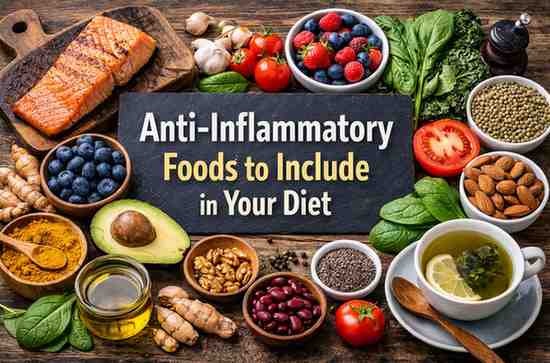
Honestly, most people I’ve watched try to “eat healthier” aren’t chasing abs or some diet trend →. They’re tired. Their joints ache. Their stomach feels off. Brain fog. Random flare-ups. Skin that won’t calm down. And they quietly start Googling things like anti-inflammatory foods to include in your diet hoping the answer is simpler than another prescription.
From what I’ve seen working closely with families, friends, and clients trying to fix chronic inflammation, the first two weeks are usually optimism. The next two? Confusion. Because they remove one thing, add another, and nothing dramatic happens. Then they assume it’s not working.
It’s rarely that simple.
Inflammation isn’t dramatic. It’s cumulative. It’s slow. And the food patterns that calm it down aren’t extreme — they’re consistent.
Let’s talk about what actually works in the real world.
Why People Start Looking for Anti-Inflammatory Foods
Most don’t start because a doctor says “systemic inflammation.” They start because:
-
Their knees hurt going upstairs.
-
They wake up stiff.
-
Their digestion feels unpredictable.
-
They feel puffy all the time.
-
Their energy crashes hard by 2 PM.
-
Blood work shows rising markers.
-
Or they just feel inflamed and don’t know how else to describe it.
I’ve seen this pattern a lot in Americans juggling high stress, processed convenience food, poor sleep, and desk jobs. It’s rarely one catastrophic habit. It’s accumulation.
And here’s what surprises people:
It’s not about finding one miracle food.
It’s about lowering the total inflammatory load.
Almost everyone I’ve seen struggle with this tries to “add turmeric” while keeping everything else the same.
That’s not how this works.
What Inflammation-Friendly Eating Actually Looks Like (In Practice)
From watching dozens of real attempts, the pattern that consistently works looks like this:
-
More whole foods.
-
More color.
-
Less refined sugar.
-
Less ultra-processed oils.
-
Steady protein.
-
Fiber at nearly every meal.
-
Fewer blood sugar spikes.
It’s boring.
And it works.
Now let’s break down the anti-inflammatory foods to include in your diet that I’ve repeatedly seen make the biggest difference.
1. Fatty Fish (Salmon, Sardines, Mackerel)
Omega-3 fats are one of the few things that consistently show visible results.
What I’ve seen:
-
Joint stiffness improves within 3–6 weeks.
-
Brain fog often lifts subtly.
-
Skin flare-ups calm down over time.
Why it works:
Omega-3s help balance the omega-6-heavy modern American diet. That ratio matters more than most people realize.
Common mistake:
-
Eating salmon once every two weeks and expecting change.
-
Buying fried fish instead of baked or grilled.
What works better:
-
2–3 servings per week.
-
Or high-quality fish oil if someone truly won’t eat fish.
2. Extra Virgin Olive Oil
This honestly surprised me after watching so many people try it consistently.
When someone replaces vegetable oils with real extra virgin olive oil:
-
Bloating drops.
-
Post-meal heaviness decreases.
-
Labs often improve gradually.
Why?
It contains polyphenols that reduce inflammatory pathways. But quality matters. Cheap blends don’t cut it.
Mistake:
-
Using olive oil for deep frying at high heat repeatedly.
Better:
-
Use it for sautéing lightly.
-
Drizzle over vegetables.
-
Use in dressings.
3. Berries
Blueberries, strawberries, raspberries.
From what I’ve seen:
-
People who swap sugary desserts for berries + yogurt see visible change in energy swings.
-
Skin texture improves slowly.
-
Cravings reduce.
Anthocyanins (the pigments) have anti-inflammatory properties. But the bigger win?
They crowd out worse options.
4. Leafy Greens (Spinach, Kale, Arugula)
Almost everyone I’ve seen struggle with inflammation eats far less fiber than they think.
Leafy greens:
-
Improve digestion.
-
Support gut bacteria.
-
Reduce systemic irritation.
What people mess up:
-
They add one sad side salad and think that’s enough.
What works:
-
2 full cups daily minimum.
-
In smoothies, eggs, soups, wraps.
Consistency > volume once.
5. Turmeric (With Black Pepper)
People either overhype this or underdose it.
Turmeric alone doesn’t absorb well. It needs piperine (black pepper).
From what I’ve seen:
-
Helpful for joint discomfort.
-
Subtle, not dramatic.
-
Works best alongside diet changes.
Mistake:
-
Expecting turmeric lattes to reverse years of poor eating.
6. Nuts (Especially Walnuts & Almonds)
Small handful daily.
What I’ve observed:
-
Improved satiety.
-
Fewer blood sugar → crashes.
-
Better snacking habits overall.
Overdoing it backfires.
Portion creep is real.
7. Avocados
This is one of those foods that consistently stabilizes people.
Healthy fats.
Fiber.
Potassium.
People who include half an avocado daily often report:
-
Less bloating.
-
Smoother digestion.
-
Fewer afternoon cravings.
8. Tomatoes (Cooked > Raw for Lycopene)
Cooked tomatoes increase lycopene absorption.
This is one of those small optimizations experienced users make.
Add:
-
Tomato sauce (low sugar).
-
Roasted tomatoes.
-
Soups.
9. Beans & Lentils
If someone tolerates them well, these are powerful.
High fiber.
Plant protein.
Gut-supportive.
I’ve seen:
-
Lower cholesterol markers.
-
Reduced inflammatory markers.
-
Better fullness.
But — and this matters —
Some people need to increase slowly to avoid bloating.
10. Green Tea
Simple. Effective. Affordable.
People who replace one sugary drink with green tea often notice:
-
Less jitteriness.
-
Fewer crashes.
-
Subtle energy stability.
It’s small. But small things compound.
What Most People Get Wrong
This is the part that repeats over and over.
1. They Don’t Remove the Big Triggers
You can’t out-salmon:
-
Ultra-processed snacks.
-
Fried fast food.
-
Excess sugar.
-
Seed oil-heavy packaged meals.
Addition without subtraction rarely works.
2. They Expect Fast Results
“How long does it take?”
From what I’ve observed:
-
2 weeks: digestion shifts.
-
4–6 weeks: joint pain starts easing.
-
8–12 weeks: blood markers may improve.
-
3+ months: visible body composition shifts.
Anyone promising faster systemic change? Be skeptical.
3. They Go Extreme
Cutting everything.
Burning out.
Quitting.
The people who win? They go steady.
Quick FAQ (People Also Ask Style)
What are the top anti-inflammatory foods?
Fatty fish, olive oil, berries, leafy greens, nuts, turmeric, beans, avocados, green tea.
Is coffee inflammatory?
For most people, moderate coffee isn’t inflammatory. Excess sugar and creamers are the issue.
Are eggs inflammatory?
Usually not. Highly individual. I’ve seen more issues from processed meats than eggs.
Can diet alone reduce inflammation?
Often yes — but sleep, stress, and movement matter too.
Who This Is NOT For
-
People looking for overnight fixes.
-
Anyone unwilling to reduce processed foods.
-
Those expecting one supplement to solve everything.
-
People with complex autoimmune conditions without medical supervision.
Sometimes medication and dietary change work together. Not either/or.
Objections I Hear All the Time
“Healthy food is expensive.”
It can be.
But frozen berries, canned sardines, dry beans, bulk greens? Affordable.
“I don’t have time.”
Most of the people I’ve guided batch-cook twice a week. That’s the shift.
“What if it doesn’t work for me?”
Then we look at sleep. Stress. Hidden sugar. Food sensitivities. It’s rarely just the list.
The Reality Check Section
This isn’t glamorous.
You’ll feel:
-
Impatient.
-
Doubtful.
-
Slightly annoyed.
-
Tempted to quit around week three.
Almost everyone I’ve seen struggle with this does that at week three.
Then the subtle improvements show up.
Less swelling in rings.
Better mornings.
Clearer head.
Small wins.
Practical Takeaways
If I had to guide someone starting tomorrow:
-
Eat fatty fish 3x/week.
-
Replace vegetable oils with olive oil.
-
Add 2 cups greens daily.
-
Swap dessert for berries 5 nights/week.
-
Reduce sugary drinks completely.
-
Add beans slowly.
-
Give it 8 weeks minimum.
Emotionally?
Expect slow change.
Expect boredom.
Expect second-guessing.
But also expect steadiness.
I won’t pretend this fixes everything. It doesn’t.
But I’ve watched enough people go from constantly inflamed and frustrated to stable and clear-headed just by consistently including the right anti-inflammatory foods in their diet.
Not perfectly.
Not obsessively.
Just steadily.
And sometimes that steady shift is the first time they feel in control again.
That alone?
It’s worth trying.