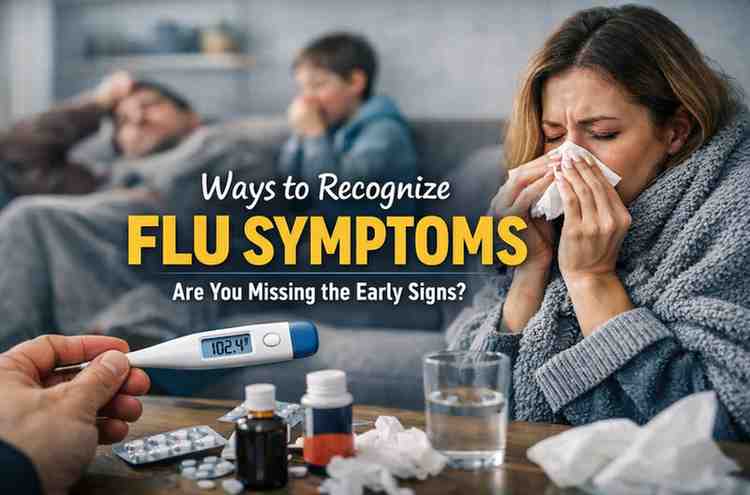
I can’t tell you how many people I’ve watched brush off the flu in its first 24 hours.
They say it’s “just a cold.”
They power through work.
They send their kids to school.
They take vitamin C and hope for the best.
Then 48 hours later? They’re flattened. Fever spiking. Body aching like they got hit by a truck. Regret everywhere.
From what I’ve seen, the real problem isn’t that people don’t care →. It’s that they don’t know the early ways to recognize flu symptoms before it fully takes over. They wait for dramatic signs. The flu doesn’t always start dramatically.
It creeps in. And almost everyone I’ve worked with misses that first window.
Let me walk you through what I’ve consistently observed across families, coworkers, and people I’ve helped sort through this — especially during heavy flu seasons across the U.S.
Why Most People Misread the Flu at First
Here’s the pattern I’ve seen over and over:
-
They expect a runny nose first.
-
They expect a gradual buildup.
-
They expect it to “feel like a cold.”
The flu rarely behaves that politely.
Influenza tends to hit fast. And when I say fast, I mean someone feels fine in the morning and noticeably unwell by dinner.
What surprises people the most?
The speed.
Colds creep. The flu slams.
Still, the early hours are subtle enough that people doubt themselves.
15 Ways to Recognize Flu Symptoms (Based on What Actually Shows Up First)
Not textbook definitions. What I’ve actually seen.
1. Sudden Wave of Fatigue That Feels Different
Not “I didn’t sleep well.”
More like:
-
Heavy limbs
-
Brain fog
-
Weird internal slump
People often say, “I just feel off.” That word — off — comes up constantly.
If exhaustion arrives suddenly and disproportionately to your day? That’s often the first flag.
2. Body Aches That Feel Deep, Not Surface-Level
This is one of the clearest ways to recognize flu symptoms.
Flu aches aren’t just soreness.
They feel:
-
Deep in your muscles
-
In your lower back
-
Behind your eyes
-
In your thighs
Almost everyone I’ve seen struggle with this does this one thing wrong — they assume they “slept wrong.” Then the fever shows up hours later.
3. Rapid Fever Spike
The flu tends to produce:
-
100°F to 104°F in adults
-
Even higher in children
And it climbs quickly.
From what I’ve seen, when fever hits within 12–24 hours of feeling “off,” it’s rarely a mild cold.
4. Chills That Don’t Match the Room Temperature
This one gets dismissed constantly.
Someone wraps up in blankets and says, “Why am I freezing?”
Meanwhile, the thermostat hasn’t changed.
Chills that feel bone-deep often show up before the thermometer confirms a fever.
5. Headache That Feels Pressurized
Not your typical tension headache.
More:
-
Forehead pressure
-
Pain behind eyes
-
Sensitivity to light
I didn’t expect this to be such a common issue until I started noticing how often people complained about eye pain specifically.
6. Dry, Persistent Cough (Early On)
Unlike many colds, flu cough often starts dry.
Not a little throat tickle.
A deeper cough that feels chest-based.
And it can linger for weeks after everything else resolves. That part frustrates people.
7. Sudden Loss of Appetite
This one’s subtle but consistent.
Most people I’ve worked with say:
“I just didn’t feel like eating.”
The body shifts into fight mode. Appetite drops.
If someone normally eats regularly and suddenly doesn’t care about food? I pay attention.
8. Gastro Symptoms (More Common in Kids)
In children especially, I’ve seen:
-
Nausea
-
Vomiting
-
Diarrhea
Adults can experience it too, but it’s far more common in younger kids during U.S. flu seasons.
Parents often assume food poisoning. Then the fever appears.
9. Sore Throat That Follows — Not Leads
Colds usually start in the throat.
Flu often starts systemically — then throat irritation shows up later.
That sequence matters.
10. Sweating After Intense Chills
That alternating pattern?
Cold → fever spike → sweating → exhausted.
It’s classic influenza progression.
11. Mental Fog That Feels Unsettling
People describe:
-
Slower thinking
-
Forgetting simple things
-
Trouble focusing
It’s not dramatic confusion. Just dullness.
And it’s one of the earliest subtle flags.
12. Extreme Sensitivity to Movement
One woman I spoke with said, “Even my hair hurt.”
It sounds dramatic until you see it happen repeatedly.
Light touch, movement, even shifting position feels uncomfortable.
13. Symptoms Hit Within Hours, Not Days
Colds build over 2–3 days.
Flu often:
-
Fine in morning
-
Fatigued by afternoon
-
Fever by night
That timeline is a major differentiator.
14. You Feel Truly Sick — Not Just Annoyed
This might sound vague. But it’s consistent.
People say:
“I feel sick sick.”
Not mildly inconvenienced.
There’s a distinct “this isn’t normal” feeling.
Trust that.
15. It Spreads Fast in Close Contact Settings
From what I’ve seen in workplaces and households:
-
One person down
-
Two more within 48 hours
Influenza spreads aggressively, especially in winter in the United States.
If multiple people crash quickly? It’s rarely coincidence.
Cold vs Flu: The Quick Comparison People Always Ask For
Here’s how I usually explain it when someone texts me panicking:
Cold
-
Gradual onset
-
Mild fatigue
-
Runny nose
-
Rare high fever
Flu
-
Sudden onset
-
Intense fatigue
-
High fever
-
Body aches
-
Dry cough
-
Flattened energy
If symptoms feel disproportionate to “just a cold,” they usually are.
How Long Does the Flu Typically Last?
From what I’ve consistently observed:
-
Intense phase: 3–5 days
-
Fatigue linger: 1–2 weeks
-
Cough linger: up to 3+ weeks
Most people expect to bounce back in 48 hours.
That expectation causes frustration →.
Recovery isn’t instant. Energy returns slowly.
What Most People Get Wrong
Almost everyone I’ve seen struggle with this does one of these:
-
They keep working through it
-
They don’t hydrate enough
-
They underestimate fever
-
They delay rest
The body needs aggressive rest early.
The ones who crash hardest? They tried to “push through.”
FAQ (Straight Answers)
Is the flu always severe?
No. But it often feels significantly worse than a cold.
Can you have flu without fever?
Yes, but fever is very common.
When should you see a doctor?
-
Trouble breathing
-
Chest pain
-
Fever lasting more than 3–4 days
-
High-risk individuals (elderly, pregnant, chronic conditions)
Is it worth getting tested?
In high-risk cases or for antivirals, yes. Otherwise, many manage at home with supportive care.
Objections I Hear All the Time
“I never get the flu.”
I’ve seen that confidence dissolve quickly during bad seasons.
“It’s probably allergies.”
Allergies don’t cause fever and deep body aches.
“I can’t afford to take off work.”
I get it. But pushing through often extends recovery.
Short-term inconvenience can prevent longer downtime.
Reality Check: Who This Isn’t For
If you’re experiencing:
-
Severe breathing difficulty
-
Bluish lips
-
Persistent chest pain
-
Confusion
That’s not blog-post territory. That’s urgent care.
Also — if symptoms are mild and improving, you may not need intense intervention.
Not every fever equals disaster.
Practical Takeaways
If you suspect flu:
-
Rest immediately. Not tomorrow. Today.
-
Hydrate aggressively.
-
Monitor fever.
-
Isolate early to protect others.
-
Lower expectations for productivity.
Emotionally?
Expect frustration.
Expect boredom.
Expect slower-than-you-like recovery.
Patience looks like canceling plans.
It looks like sleeping at 2 PM.
It looks like letting the body win for a few days.
I’ve watched enough people ignore early signs and regret it.
And I’ve watched others catch it early, slow down, hydrate, rest hard — and recover smoother.
So no — this isn’t magic. And it’s not perfect prediction.
But learning these ways → to recognize flu symptoms early?
It gives you control back. A little relief. A little clarity.
Sometimes that’s enough.