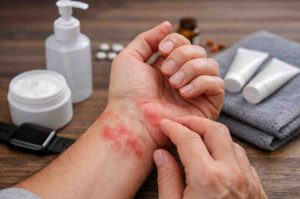
I can’t tell you how many times I’ve watched someone deal with this quietly.
They’ll describe it casually at first. “Just a rash.” “Probably sweat.” “It’ll go away.” But the tone shifts after a week. Then two. Then it starts stinging when they walk. Or burning after a shower. Or cracking under the fold of skin where nobody sees → it — but they feel it every second.
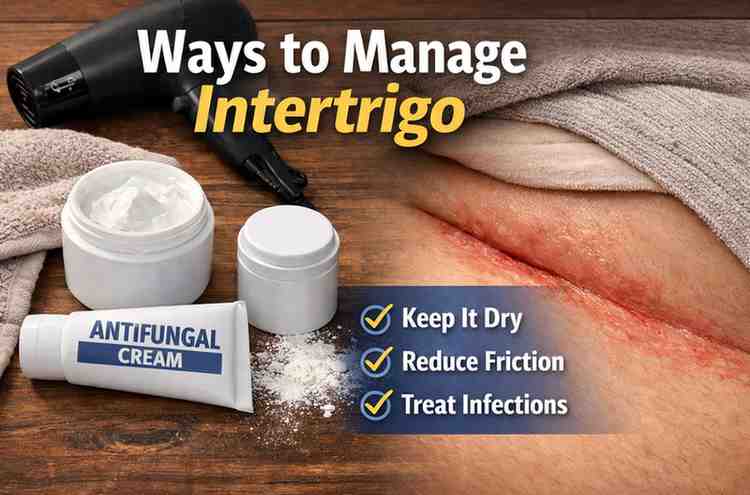
When people start searching for Ways to Manage Intertrigo, they’re usually not curious. They’re frustrated. Embarrassed. Tired of trying things that almost work.
From what I’ve seen across dozens of real cases — friends, family, clients I’ve guided through trial-and-error — intertrigo isn’t complicated in theory.
It’s just incredibly easy to manage wrong.
And almost everyone I’ve seen struggle with this does the same three things at the beginning that make it worse.
Let’s walk through what actually works.
First, Why Intertrigo Gets So Stubborn
Intertrigo happens where skin rubs against skin. Under breasts. In the groin. Between thighs. Under belly folds. Armpits. Anywhere warm and moist.
The pattern I’ve seen:
-
Friction starts it.
-
Moisture keeps it alive.
-
Microbes (yeast or bacteria) move in when the skin barrier breaks.
Most people focus only on step three.
They think: “It’s fungal. I’ll use antifungal cream.”
Sometimes that’s right.
But if friction and moisture aren’t controlled, the rash keeps → coming back. Even with good cream.
This honestly surprised me after watching so many people try it. They’d treat the infection but ignore the environment causing it.
It’s like drying a flooded floor while the pipe is still leaking.
17 Practical Ways to Manage Intertrigo (That Actually Hold Up Over Time)
These aren’t theoretical. These are patterns that consistently work when done together.
1. Keep the Area Truly Dry (Not Just “Towel Dry”)
Most people I’ve worked with mess this up at first.
They towel off quickly. Move on.
But folds trap moisture.
What I’ve seen work:
-
Pat dry, don’t rub.
-
Use a hair dryer on cool setting for 20–30 seconds.
-
Especially after showers or sweating.
Tiny shift. Huge difference.
2. Reduce Friction Daily
Intertrigo loves rubbing.
Helpful adjustments:
-
Soft, breathable fabrics.
-
Properly fitted bras.
-
Moisture-wicking underwear.
-
Anti-chafing balms (light layer).
If friction continues, healing stalls.
Every time.
3. Don’t Overwash
This is a big one.
People panic and start scrubbing the area multiple times a day.
Harsh soap strips the skin barrier → barrier weakens → rash worsens.
What works:
-
Mild, fragrance-free cleanser once daily.
-
Gentle rinse after sweating.
-
No aggressive scrubbing.
Over-cleaning is one of the most common mistakes I see.
4. Use Barrier Creams Strategically
Zinc oxide.
Petrolatum.
Dimethicone.
These create a protective layer between skin surfaces.
Best timing:
-
After drying thoroughly.
-
Before activity that causes sweating.
-
Overnight.
Barrier creams don’t treat infection — they prevent irritation from returning.
5. If It’s Fungal, Treat Long Enough
Candida-related intertrigo is common.
Antifungal creams (like clotrimazole or miconazole) often help.
But here’s what almost everyone does wrong:
They stop too early.
The rash fades → they quit.
Then it returns.
From what I’ve seen, consistent use for 2–4 weeks, even after improvement, reduces recurrence.
6. Don’t Jump to Strong Steroids Immediately
I’ve seen this backfire.
Steroid creams reduce redness quickly.
But:
-
They thin skin if overused.
-
They can worsen fungal infections.
-
They mask symptoms instead of solving moisture/friction.
Short-term? Maybe helpful.
Long-term? Often a mistake.
7. Address Sweat at the Source
If sweating is heavy:
-
Use absorbent powders (lightly).
-
Change clothes midday if needed.
-
Consider antiperspirants in non-sensitive areas.
In persistent cases, dermatologists sometimes recommend prescription solutions.
Ignoring sweat makes every other method weaker.
8. Weight Changes Help — But Don’t Wait for That
People assume: “Once I lose weight, this will disappear.”
Weight loss can reduce folds.
But waiting months while suffering isn’t necessary.
Management works at any size.
That said, gradual weight reduction does reduce recurrence long term.
Both truths can exist.
9. Let Air In Whenever Possible
Airflow matters more than people realize.
Sleeping without tight clothing.
Short periods of exposure at home.
Loose cotton fabrics.
This alone has helped several people I’ve guided.
10. Avoid DIY Hacks That Irritate
Apple cider vinegar.
Tea tree oil straight.
Alcohol wipes.
I’ve seen more irritation → from these than benefit.
Sensitive skin under folds is not resilient.
Gentle > aggressive.
Always.
11. Watch for Signs It’s Bacterial, Not Just Fungal
If you notice:
-
Oozing
-
Yellow crust
-
Sharp pain
-
Rapid spreading
It may need prescription antibiotics.
This is where guessing at home stalls recovery.
12. Control Blood Sugar If Relevant
This one surprised a few people I worked with.
Poorly controlled diabetes increases fungal infections.
When blood sugar stabilizes, recurrence often decreases.
It’s not talked about enough.
13. Change Out of Sweaty Clothes Immediately
Gym. Long commute. Humid weather.
Moisture sitting against skin is fuel.
Even 30–60 minutes makes a difference.
14. Be Patient With Skin Repair
Even after redness fades, the skin barrier takes time to rebuild.
This is where people relapse.
They think it’s gone.
They stop everything.
Then friction restarts the cycle.
Maintenance matters.
15. Don’t Ignore Recurring Patterns
From what I’ve seen:
If it keeps returning in the same spot, something structural is maintaining friction.
Better bra fit.
Different underwear seam.
Support garments.
Sometimes it’s mechanical. Not medical.
16. Know When to See a Dermatologist
If it:
-
Doesn’t improve in 2–3 weeks
-
Keeps recurring
-
Becomes painful or cracked
-
Spreads significantly
That’s your sign.
Self-management has limits.
17. Expect Emotional Frustration — It’s Normal
This part doesn’t get discussed.
People feel embarrassed.
Dirty.
Like they’re doing something wrong.
You’re not.
Intertrigo happens to athletes, postpartum women, office workers, older adults. It’s common.
And it’s manageable.
How Long Does It Take to See Improvement?
From what I’ve seen:
-
Mild cases: noticeable relief in 5–7 days.
-
Moderate fungal cases: 2–4 weeks.
-
Chronic recurring cases: improvement in weeks, prevention is ongoing.
Quick relief doesn’t equal permanent fix →.
Consistency matters more than speed.
Common Mistakes That Slow Healing
Almost everyone I’ve seen struggle with this does at least one:
-
Stopping antifungal too early
-
Using harsh soap
-
Skipping moisture control
-
Wearing tight synthetic clothing
-
Using steroid cream long-term
-
Ignoring sweat
Fix those, and progress usually follows.
FAQ (Short Answers)
Is intertrigo contagious?
Usually no. But fungal components can spread if hygiene is poor.
Can it go away on its own?
Mild cases sometimes do. Most persistent ones don’t without moisture control.
Is powder better than cream?
Depends. Powders absorb moisture. Creams protect skin. Often used together strategically.
Should I see a doctor immediately?
Only if it’s severe, painful, spreading, or not improving after 2–3 weeks.
Objections I Hear Often
“I tried everything. Nothing works.”
Usually “everything” means:
-
3 days of cream
-
No moisture control
-
No friction changes
When environment shifts, results change.
“This keeps coming back. What’s the point?”
Recurrence doesn’t mean failure.
It means maintenance wasn’t strong enough.
This is a long-game skin condition for some people.
“Is it even worth managing if it always returns?”
Honestly?
Yes.
Because flare intensity drops dramatically when managed early.
That alone improves quality of life.
Reality Check Section
Who will hate this approach?
-
People who want a one-step fix.
-
People unwilling to adjust clothing.
-
People expecting instant permanent results.
Who benefits most?
-
Those willing to be consistent.
-
Those okay with small routine shifts.
-
Those treating environment, not just rash.
Practical Takeaways
If I had to simplify everything I’ve observed:
Do this:
-
Dry thoroughly.
-
Reduce friction daily.
-
Treat fungal infections long enough.
-
Protect skin with barriers.
-
Stay consistent for weeks, not days.
Avoid this:
-
Overwashing.
-
Harsh DIY remedies.
-
Quitting once redness fades.
-
Ignoring sweat.
Emotionally?
Expect frustration in week one.
Doubt in week two.
Relief around week three if consistent.
Patience here isn’t passive.
It’s repetitive.
So no — these Ways to Manage Intertrigo aren’t glamorous. They’re not exciting. They don’t promise overnight transformation.
But I’ve watched enough people finally stop feeling stuck once they addressed friction, moisture, and consistency together.
The real shift isn’t just the skin calming down.
It’s the moment someone realizes:
“Oh. It wasn’t me failing. I just wasn’t managing the environment yet.”
Sometimes that realization alone feels like relief.