I can’t tell you how many people I’ve watched blame themselves after a gallbladder flare-up.
They switch to “healthy eating.”
They add more vegetables.
They drink green juices.
And then… pain.
Right upper abdomen.
Nausea.
That dull pressure that won’t go away.
And the worst part? They feel confused. Because vegetables are supposed to be safe.
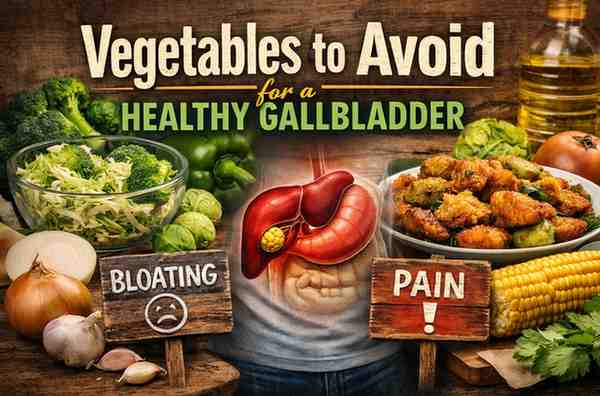
From what I’ve seen, the issue isn’t that vegetables are bad. It’s that certain vegetables to avoid for a healthy gallbladder keep showing up in flare patterns → — especially when someone is already dealing with gallstones, sludge, or slow bile flow.
Most people I’ve worked with mess this up at first. They go all-in on raw salads and cruciferous vegetables thinking they’re “detoxing.” And within two weeks, they’re miserable.
Let’s walk through what I’ve consistently seen — what triggers issues, what surprisingly doesn’t, and how to approach this without fear.
Why People Start Questioning Vegetables in the First Place
Usually it starts like this:
-
Doctor says: “Low-fat diet.”
-
Google says: “Eat more vegetables.”
-
Instagram says: “Raw is healing.”
So they load up on:
-
Big kale salads
-
Raw broccoli
-
Cabbage slaw
-
Green smoothies
And then they get bloating, gas, or a full-blown gallbladder attack.
What surprised me after watching so many people try this is how often “healthy” equals “hard to digest” when the gallbladder is already stressed.
The gallbladder’s job is to release bile when fat enters the small intestine. But when bile flow is sluggish or stones are present, even foods that stimulate digestion aggressively can create discomfort.
It’s not always about fat alone.
It’s about digestive workload.
9 Vegetables That Commonly Trigger Gallbladder Issues
Now — this is pattern-based. Not absolute. But these keep showing up in food journals when people are flaring.
1. Raw Cabbage
-
Ferments heavily
-
Creates gas pressure
-
Can increase abdominal discomfort
Cooked cabbage? Often tolerated.
Raw slaw? Frequently problematic.
That difference matters.
2. Raw Broccoli
From what I’ve seen, broccoli itself isn’t the villain.
Raw broccoli is.
It’s fibrous. Sulfur-rich. Gas-producing. And when bile flow is weak, digestion slows down — which means fermentation increases.
Lightly steamed? Much safer for most.
3. Cauliflower
Almost everyone I’ve seen struggle with gallbladder discomfort has reacted to cauliflower at some point.
It’s trendy. It’s everywhere. Rice substitute. Pizza crust. Mash.
But it’s dense. Harder to break down. Especially in larger portions.
Small amounts? Sometimes fine.
Big bowls? Usually not.
4. Brussels Sprouts
These are almost always part of someone’s “I’m being healthy” reset phase.
They’re also one of the most common bloating triggers I’ve seen.
Again — cooked is better than raw. But even roasted, they can be heavy if bile flow is compromised.
5. Onions (Especially Raw)
Raw onions show up in flare journals constantly.
Cooked onions are often tolerated.
Raw onions? Gas. Pressure. Pain.
I didn’t expect this to be such a common issue. But it is.
6. Garlic (Large Quantities)
Not everyone reacts.
But people already inflamed? High garlic intake can stimulate digestion aggressively and increase discomfort.
Small amounts usually fine. Heavy garlic meals? Risky.
7. Green Peppers
Bell peppers, especially raw, can cause:
-
Indigestion
-
Burping
-
Pressure
Red and yellow are often tolerated better than green. I’ve seen that pattern enough times to mention it.
8. Corn
Corn is technically a grain, but people treat it like a vegetable.
Hard to digest. Often passes partially undigested. Can increase intestinal pressure.
Not a great combination when someone already feels tightness under the ribcage.
9. Fried or Oil-Heavy Vegetable Dishes
This one’s obvious, but worth saying.
Vegetables swimming in oil — even “healthy oils” — are one of the fastest ways to trigger pain.
The gallbladder contracts harder when fat enters the system. If there’s a blockage or stones? That contraction hurts.
It’s not the zucchini.
It’s the oil.
What Most People Get Wrong
Honestly?
They go extreme.
They either:
-
Avoid all vegetables in fear
or -
Double down on raw “clean eating”
Both backfire.
From what I’ve seen, the gallbladder responds better to:
-
Cooked vegetables
-
Moderate portions
-
Lower fat cooking methods
-
Simpler meals
The digestive system doesn’t want complexity during inflammation.
It wants ease.
What Consistently Works Better
Across dozens of cases I’ve observed, these patterns tend to calm things down:
✔ Steamed zucchini
✔ Cooked carrots
✔ Spinach (lightly sautéed, minimal oil)
✔ Green beans
✔ Peeled cucumber
Simple. Soft. Lower fiber density.
Nothing dramatic.
How Long Does It Take to See Improvement?
This is one of the most common questions.
From what I’ve seen:
-
Mild irritation: 1–2 weeks of gentler eating can reduce symptoms.
-
Chronic flare patterns: 3–6 weeks of consistency before noticeable stability.
-
Active gallstones: diet helps, but it won’t dissolve large stones quickly.
People expect overnight relief →.
That’s rarely how this works.
The gallbladder needs consistency, not panic shifts.
Common Mistakes That Slow Progress
Almost everyone I’ve seen struggle with this does one thing wrong:
They test too many changes at once.
They:
-
Remove fat completely
-
Add fiber supplements
-
Start juicing
-
Try herbal cleanses
-
Drink apple cider vinegar daily
All within the same week.
Then symptoms spike and they don’t know why.
Slow changes. One variable at a time. That’s what actually gives clarity.
FAQ: Quick Answers People Search For
Are all vegetables bad for the gallbladder?
No. Most are fine when cooked and eaten in moderate portions.
Is raw food worse for gallstones?
Often yes, from what I’ve seen. Raw vegetables can increase gas and digestive strain.
Can vegetables cause a gallbladder attack?
Not directly in most cases. But certain high-fiber or gas-producing vegetables can increase pressure and trigger discomfort.
Should I avoid fiber completely?
No. Fiber helps long-term bile balance. But gradual increases work better than sudden high loads.
Objections I Hear All the Time
“But vegetables are supposed to detox you.”
I get it.
But detox language oversimplifies digestion. If bile can’t flow smoothly, adding heavy raw fiber doesn’t “clean.” It overwhelms.
“I don’t want to live scared of food.”
You shouldn’t.
This isn’t about fear. It’s about observation. Temporary adjustments while healing.
“My friend eats all of these and feels fine.”
Different gallbladder. Different bile flow. Different tolerance.
Comparison rarely helps here.
Reality Check (This Part Matters)
This approach is NOT for:
-
Someone with severe acute gallbladder infection (that needs medical care)
-
Someone with large obstructing stones
-
Someone expecting diet alone to reverse advanced disease
Also:
-
Relief may be gradual.
-
Flare-ups can still happen.
-
Stress plays a role too.
Diet isn’t magic.
But it’s influential.
Is It Worth Trying?
If you’re currently:
-
Frustrated
-
Confused
-
Experiencing mild to moderate symptoms
-
Trying to delay surgery or prevent worsening
Yes. It’s worth testing.
But test it calmly.
Not aggressively.
Practical Takeaways
If I were guiding someone starting today, I’d say:
-
Cook most vegetables for now.
-
Avoid large portions of cruciferous vegetables temporarily.
-
Keep fat intake moderate, not zero.
-
Track symptoms simply.
-
Reintroduce foods slowly.
Emotionally?
Expect frustration in the first two weeks.
Expect doubt.
Expect moments where you think, “This isn’t doing anything.”
That’s normal.
Small wins look like:
-
Less bloating
-
Fewer random twinges
-
More predictable digestion
Those add up.
Still — no, this isn’t magic.
And I’m not pretending vegetables are the enemy.
But I’ve watched enough people finally calm their symptoms once they stopped forcing raw “clean eating” on an already irritated system.
Sometimes the real shift isn’t adding more superfoods.
It’s removing the ones your body keeps quietly struggling with.
And once that pressure eases — even a little — people stop feeling like their body is betraying them.
That relief?
It’s subtle.
But it’s real.