Lifestyle Changes to Manage Cholesterol: 9 Real Shifts That Finally Bring Relief

Lifestyle Changes To Manage Cholesterol 9 Real Shifts That Finally Bring Relief 1
Lifestyle Changes to Manage Cholesterol 9 Real Shifts That Finally Bring Relief

I’ve lost count of how many conversations I’ve had with people who thought fixing their cholesterol would be simple.

A few salads.
Cut butter.
Walk more.

Done.

That’s the picture most people start with.

Then two months pass. The numbers barely move. Or worse… they go up.

And this is the moment I see the same emotional reaction again and again:

“Am I just genetically doomed?”

Honestly, that frustration is real. I’ve watched it play out in coworkers, family members, neighbors, even people who were already trying hard.

What surprised me after observing so many of these situations is this:

Most people aren’t failing because they lack discipline.

They’re failing because the lifestyle changes to manage cholesterol they were told to follow are incomplete… or overly simplified.

The difference between someone who struggles for years and someone who actually moves their numbers often comes down to a few small adjustments that nobody bothered explaining.

And after watching dozens of real attempts — the good ones and the messy ones — some patterns keep repeating.


Why People Start Making Lifestyle Changes for Cholesterol

Almost nobody begins this journey voluntarily.

There’s usually a trigger moment.

A blood test.

A doctor’s raised eyebrow.

Or the sentence that immediately creates quiet anxiety:

“Your LDL is higher than it should be.”

I’ve watched people react to that in a few predictable ways.

Some panic and try to overhaul their entire diet overnight.

Others nod politely… then ignore it for six months.

And a third group tries the usual internet advice:

  • oatmeal every morning

  • cut eggs

  • avoid red meat

  • eat “healthy snacks”

The intention is good.

But here’s the uncomfortable truth I’ve noticed.

Most people start with surface-level changes.

Not the deeper ones that actually influence cholesterol metabolism.

That difference matters more than people think.


What Most People Get Wrong at the Start

This is probably the biggest pattern I’ve seen.

People treat cholesterol like a single-food problem.

They think: “If I remove the bad foods, the problem disappears.”

But cholesterol responds to systems, not single foods.

I’ve watched people cut out butter completely… while still eating:

  • ultra-processed snacks

  • refined carbs all day

  • stress-fueled eating patterns

  • almost zero physical movement

Their cholesterol barely shifts.

Then someone else changes three daily habits and sees improvement within months.

This honestly surprised me when I started noticing it across different people.

Because the changes that worked were rarely extreme.

They were structural.


The Lifestyle Changes That Actually Move Cholesterol Numbers

From what I’ve seen across many real attempts, these are the shifts that consistently make the biggest difference.

Not instantly.

But steadily.

1. Fixing the “Hidden Sugar” Cycle

Almost everyone I’ve seen struggle with cholesterol has this pattern.

Breakfast carbs.
Mid-morning snack.
Lunch carbs.
Afternoon crash.

Then more carbs.

Even when people say they “eat healthy,” the daily routine often looks like this:

  • cereal or toast

  • granola bars

  • fruit juice

  • flavored yogurt

  • energy drinks

All technically normal foods.

But this pattern drives insulin spikes, which indirectly pushes cholesterol imbalance.

The people who improve their numbers usually start doing something simple:

  • higher protein breakfast

  • fewer refined snacks

  • more stable meals

Nothing dramatic.

But their energy levels stabilize. And cholesterol often follows.


2. Movement That Isn’t “Exercise”

This one surprised me the most.

Many people think they need intense workouts to help cholesterol.

But what actually works for many people is something much simpler.

Daily movement density.

I’ve seen people improve their lipid profiles just by adding:

  • 30–45 minutes of walking daily

  • standing breaks during work

  • evening walks after dinner

One neighbor I spoke with started walking after dinner with his dog every night.

Six months later his LDL dropped significantly.

Not a gym transformation.

Just consistent movement.


3. Fiber Intake That’s Actually High Enough

Most people think they eat enough fiber.

They don’t.

From what I’ve seen, people who successfully lower cholesterol often increase:

  • beans

  • lentils

  • oats

  • vegetables

  • whole grains

But the real change is volume.

The difference between 10g of fiber and 30g is huge.

And honestly, people underestimate how much food that actually requires.

This is one of those slow, boring changes that quietly works.


4. Reducing Ultra-Processed Foods

This one keeps showing up in real cases.

Not just obvious junk food.

But things like:

  • packaged snacks

  • flavored protein bars

  • sweetened yogurts

  • frozen ready meals

People assume these are “fine in moderation.”

But when I’ve watched people track their habits honestly, they often eat these foods daily.

The people who improve their cholesterol tend to shift toward:

  • simple home-cooked meals

  • fewer packaged foods

  • predictable eating routines

Not perfect diets.

Just simpler ones.


5. Sleep (Yes, Seriously)

This one gets ignored constantly.

But I’ve watched multiple cases where cholesterol improved after sleep habits improved.

Sleep deprivation influences:

  • hormones

  • inflammation

  • metabolic regulation

Which all feed into lipid levels.

The people who made progress usually had:

  • consistent sleep times

  • fewer late-night snacks

  • reduced evening screen time

Not glamorous advice.

But it shows up again and again.


How Long Do Lifestyle Changes Take to Affect Cholesterol?

This is one of the most common questions I hear.

And the honest answer is:

Longer than most people expect.

From what I’ve observed:

Typical timelines look like this:

4–6 weeks

Small shifts begin internally
Blood tests often show little change yet

3 months

This is where meaningful changes often appear

6–12 months

Lifestyle-driven cholesterol improvements stabilize

Most people quit in the first two months.

Which is honestly the worst possible time to stop.

Because results usually start appearing shortly after.


The Mistake Almost Everyone Makes

I didn’t expect this to be such a common issue.

But it shows up constantly.

People attempt extreme short-term diets.

Things like:

  • cutting entire food groups

  • crash dieting

  • aggressive fasting

  • “clean eating” bursts

They follow it for three weeks.

Then burn out.

And the cycle restarts.

The people who succeed almost always do the opposite.

They build boring routines they can live with for years.


Who This Approach Might Not Work For

I want to be honest here.

Lifestyle changes don’t solve every cholesterol problem.

Some people have:

  • genetic hypercholesterolemia

  • strong family lipid disorders

  • metabolic conditions

In those cases, lifestyle changes still help…

But medication may still be necessary.

And there’s no shame in that.

I’ve seen people delay treatment for years out of pride.

That usually makes things worse.


Quick Answers to Common Questions

Can lifestyle changes really lower cholesterol?

Yes. Many people see meaningful improvements with consistent habits.

But the key word is consistent.

Do you have to eliminate eggs or meat?

Not always.

Many people improve cholesterol without removing them completely.

The bigger issue is usually overall diet structure.

What foods help cholesterol most?

Patterns I’ve seen work repeatedly include:

  • oats

  • beans

  • vegetables

  • nuts

  • fatty fish

Is exercise necessary?

Movement helps significantly.

But it doesn’t have to be intense exercise.

Walking alone can help.


Objections I Hear All the Time

“I don’t have time for lifestyle changes.”

Honestly… this one usually means something else.

Most improvements come from small habits:

  • walking

  • cooking slightly more

  • eating fewer processed foods

Not massive time commitments.

“My numbers are only slightly high.”

This is actually when lifestyle changes work best.

Small problems are easier to reverse.

“I tried once and nothing happened.”

I hear this constantly.

But when we look closer, the attempt usually lasted less than two months.

Cholesterol rarely responds that fast.


A Reality Check Most People Need

Even when lifestyle changes work…

They don’t create overnight transformations.

What I’ve observed instead is this:

People slowly notice:

  • better energy

  • more stable weight

  • improved blood markers

  • fewer doctor warnings

It’s gradual.

Almost boring.

Which ironically makes it sustainable.


Practical Takeaways From What I’ve Seen Work

If someone asked me where to start — based on the patterns I’ve seen across many people — I’d suggest this:

Start with just a few shifts.

Focus on:

  • walking daily

  • increasing fiber

  • eating fewer ultra-processed foods

  • improving sleep consistency

Avoid trying to overhaul everything at once.

And expect progress to take months.

Not weeks.

Emotionally, that patience is the hardest part.


Somewhere along the way I noticed something interesting.

The people who successfully improve their cholesterol rarely talk about cholesterol anymore.

Because the habits that fix it end up improving a lot of other things too.

Energy.
Mood.
Weight stability.

So no — lifestyle changes to manage cholesterol aren’t some magical solution.

But I’ve watched enough real attempts to know this:

When people approach it with patience instead of panic, things usually start moving in the right direction.

Sometimes slowly.

But still forward.

ZenCortex Changed My Life: 7 Surprising Reasons This Hearing Supplement Actually Works

Zencortex24 1

ZenCortex
ZenCortex

ZenCortex Changed My Life: 7 Surprising Reasons This Hearing Supplement Actually Works

I Honestly Thought My Hearing Was Just… Gone

I’ll be real with you. I didn’t expect much. When I first heard about “natural hearing support drops,” I rolled my eyes so hard I swear they almost got stuck.

ZenCortex? Sounded like one of those trendy Instagram supplements that promise the moon and leave you with expensive pee. But here’s the thing—I was desperate.

Imagine this: I’m in my early 40s, sitting in my living room, and my kid is trying to tell me about their school day. I’m nodding like I understand… but truthfully? Half the words sound like static. I’m saying “what?” so much it starts to feel like a reflex.

I even tried pretending to hear things — just smiling and hoping it wasn’t a question. Awkward? Yup. Also kind of depressing.

The Wake-Up Call

It wasn’t just about hearing loss. I felt like I was fading — mentally, emotionally, socially. I avoided calls. Skipped family dinners. Hated going out because restaurants were a nightmare of muffled chaos.

Then one night, I Googled: “how to support natural hearing health” — and boom. ZenCortex popped up.

My first thought? Scam. My second thought? What the hell, I’ve wasted money on worse.


What Even Is ZenCortex?

Basically, it’s a liquid supplement packed with over 20 natural ingredients — stuff like grape seed extract (apparently helps your ears?), Panax ginseng, green tea, and Gymnema Sylvestre. Stuff I couldn’t pronounce but read enough to know they weren’t straight-up BS.

You just drop it under your tongue daily. No pills. No ear candles. No humming into a bowl of crystals under a full moon.

And yes — I checked. It’s non-habit forming, stimulant-free, and made in the U.S. with plant-based stuff. All the “good citizen” checkboxes.


Week 1: Honestly? Nothing Magical.

I’d love to tell you I took one drop and suddenly heard birds chirping in HD… but no. The first few days? Meh. I did feel a tiny boost in mental clarity — like my brain fog had thinned out a bit. Maybe placebo, maybe not.

But around day 10… something shifted.

I was out walking my dog. Normally I rely on him to notice other people because I just don’t hear footsteps anymore. But that morning? I heard a jogger coming up behind us — sneakers hitting pavement, breathing, even their keys jingling.

I actually turned around before my dog did.

Chills.


Week 3: Okay, Now I’m a Believer

At this point, I started putting ZenCortex in my morning coffee like one of the reviewers mentioned. It became part of my routine — like brushing my teeth or doomscrolling Twitter.

What really hit me though?

Family game night.

I heard everything. No asking for repeats. No faking it. Just me, fully engaged, laughing, even trash-talking a little (which I hadn’t done in months).

My partner noticed. My kids noticed. I noticed.


Here’s What Worked For Me:

If you’re wondering whether this stuff is for real, here’s the truth: it’s not magic. But it is effective. And here’s what helped make it work for me:

  • Consistency — I didn’t skip days. Made it a ritual.
  • Hydration — Water matters more than you think.
  • Less caffeine — Helped me track what was actually improving.
  • Giving it TIME — It’s not a miracle; it’s a process.

What If It Doesn’t Work?

Look, I get it. Nothing works for everyone. But ZenCortex comes with a 60-day money-back guarantee. So worst case? You try it for a month, see nothing, and send it back. No harm, no foul.

But for me? It felt like I got part of my life back.

Also — and this is weird — my memory started feeling sharper too. Maybe it’s the extra blood flow or the added mental clarity from hearing better, but I’ll take it.


Real Talk: Downsides?

Okay, full honesty:

  • It’s not cheap. I went with the 3-bottle deal ($59/bottle), which still stung a little. But I think of it like an investment in not going deaf before 50.
  • The taste? Not bad, but a little earthy. You get used to it.
  • I forgot to reorder and went 5 days without it. Definitely felt the difference.

My “Oh Crap, This Is Working” Moments

  • Phone calls with my mom — didn’t miss a word.
  • Zoom meetings — finally didn’t feel like I was lip-reading.
  • Birdsong in the morning — I hadn’t even realized I missed it.
  • Whispers — Like… I could actually hear whispers again. Wild.

FAQs I Had (That You Probably Do Too):

Q: How long does it take to work?
A: For me? About 10–14 days to notice, 3–4 weeks for full effect.

Q: Can I take it with meds?
A: I did, but ask your doctor if you’re on prescriptions. Just being real.

Q: Will it fix serious hearing loss?
A: Nah. It’s not surgery. But if you’ve got mild to moderate loss or age-related decline? Absolutely worth trying.

Q: What if I hate it?
A: Return it. They’re actually chill about that.


7 Surprising Reasons ZenCortex Worked For Me

  1. Not a pill — Just a few drops. No choking involved.
  2. Natural ingredients — My body didn’t fight it.
  3. Boosted clarity — Way beyond just hearing.
  4. Subtle at first, but lasting — Like leveling up quietly.
  5. Helped my mood — Not saying it cured my anxiety, but it helped.
  6. Not habit-forming — I don’t feel hooked.
  7. Actually backed by science — I looked it up, y’all. Real ingredients. Real studies.

So no — ZenCortex isn’t some magical ear-healing elixir sent from the heavens. But for me?

Total. Game. Changer.

If you’re tired of pretending to hear your life… maybe it’s time you try it too.

You can get it here — I recommend the 3- or 6-bottle packs (the ebooks are actually pretty good, especially the tea one ????).

Let me know if you try it. Seriously. DM me, email me, whatever. Hearing is too important to ignore.

Catch you on the clear side. ????????

— A Former Mumbler Nodding Through Life

Sugar Defender: 7 Surprising Ways It Actually Changed My Life (And My Blood Sugar)

Sugar Defender

Sugar Defender: 7 Surprising Ways It Actually Changed My Life (And My Blood Sugar)

Sugar Defender
Sugar Defender


I Didn’t Think I’d Be the “Blood Sugar” Guy…

But here we are.

I wish I could say my interest in blood sugar started with some medical emergency. Something dramatic and wake-up-call-y. But nope. Mine started with snapping at my wife over a slice of toast.

Let me paint the picture. One ordinary Tuesday, I was late for a Zoom call, juggling my half-eaten breakfast, and she casually says, “You always seem tired lately. Are you okay?”

And I lost it. Over toast.

That’s when it hit me: something was off. I wasn’t just “tired.” I was drained. Brain foggy. Moody. I’d crash by 2PM daily, needed caffeine just to blink, and my stomach constantly felt… bloated.

I didn’t want to believe it had anything to do with my blood sugar. I’m not diabetic. I’m relatively healthy. But deep down? I knew something had to change.

That’s when I stumbled across Sugar Defender. Honestly, I thought it sounded like a gimmick. Another miracle-in-a-bottle. But something about the ingredients got me curious. Plus — they had a 60-day money-back guarantee, so… what did I really have to lose?


So What Is Sugar Defender, Really?

It’s a liquid supplement — drops, not pills — made from 8 plant-based ingredients that are supposed to help support healthy blood sugar levels.

Now, I’ve tried supplements before. Half of them end up on that sad shelf in the bathroom that I pretend I’ll return to. But Sugar Defender was different. Mostly because I actually felt it working.

But let me back up.

Here’s What’s Inside (and Why I Gave It a Shot):

  • Eleuthero – For energy and stamina (and yes, I Googled how to pronounce it).

  • Coleus – Helps burn fat (jury’s still out on that for me).

  • Maca Root – I’d heard it boosts energy and mood. Needed both.

  • African Mango – Fat-burning and appetite control (which weirdly helped my snack attacks).

  • Guarana – Natural caffeine, so it was like having a mini latte without the jitters.

  • Gymnema – Supposed to reduce sugar cravings. Let’s talk about that in a second.

  • Ginseng – For glucose support. Old-school but powerful.

  • Chromium – Essential for blood sugar control. One of the few ingredients I’d actually heard of before.

No synthetic junk. No caffeine crash. Just plants.


My Experience with Sugar Defender (The Real Tea ????)

Week 1: The Skeptic

Not gonna lie, I didn’t expect much. I took the drops each morning with water, mostly out of habit. But by Day 3, I noticed I didn’t need my afternoon coffee. That’s rare for me. Usually, around 3PM, I’m shaking and raiding the fridge like a raccoon.

That didn’t happen.

Still, I told myself it was probably placebo.

Week 2: Something’s Changing

This week surprised me.

  • No more sugar cravings after dinner. I usually needed something sweet — even if it was just a spoonful of Nutella (don’t judge).

  • I actually woke up feeling rested, which is new because I’m a chronic snooze-button smasher.

  • And weirdly, my pants fit better. Maybe it was water weight? Maybe it was magic? Either way, I wasn’t complaining.

Week 4: Consistency Wins

By now, the drops were part of my morning routine. Right next to brushing my teeth. And here’s what I noticed most:

  • No more energy crashes. I had steady energy from 8AM to 8PM.

  • My focus improved. I wasn’t zoning out during Zooms. (Well… less often.)

  • I’d lost about 6 pounds without changing much else. Not huge, but real.

  • My mood was better. Fewer grumpy moments. Even my wife noticed.

Honestly, I wasn’t expecting all this from a dropper bottle.


FAQs I Had (That You Might Have Too)

“Does it taste weird?”
Nah. Slightly herbal, but nothing gross. I mix it in water and forget it’s there.

“How long does it take to work?”
I felt subtle changes in 3-4 days. Big changes? Around 2 weeks in.

“Will it fix my diabetes?”
I’m not a doctor. And Sugar Defender doesn’t claim to be a cure. But for me — someone trying to balance energy and sugar — it helped a lot.

“What if it doesn’t work?”
They have a 60-day no-questions-asked refund policy. I figured if it was trash, I’d get my money back. Simple.


Things I Didn’t Expect (But Loved)

  • I used to wake up at 3AM with racing thoughts. That stopped.

  • My digestion got better. Less bloating. Less sluggishness.

  • I stopped needing naps on the weekends (which was HUGE).

  • My skin even cleared up a bit. No idea if that’s related, but hey — I’ll take it.

And the best part? I’m not popping 5 different pills. Just a dropper in the morning. Done.


Things That Annoyed Me

Let’s be real — it’s not all rainbows.

  • The website? Kinda cheesy. I almost didn’t buy because of it.

  • Shipping took a full week. I’m spoiled by Amazon Prime.

  • It’s not cheap — unless you buy 3 or 6 bottles (which I eventually did). But the value made sense after I saw results.


Is Sugar Defender Worth It?

If you’re someone who:

  • Feels foggy after meals

  • Crashes mid-day

  • Constantly fights sugar cravings

  • Has borderline or high blood sugar levels

  • Wants to avoid full-on diabetes without prescriptions

…then yeah, I think it’s absolutely worth trying.

For me? Sugar Defender didn’t just help balance my blood sugar. It helped me feel like myself again. Energetic. Focused. A little lighter in the body and in the mind.


Final Thoughts 

Okay, real talk?

I’m not saying Sugar Defender is some miracle elixir sent from the gods of glucose. It’s not magic.

But it did make a real difference in my life.

I stopped snapping at people. I had more energy. I finally got control over those late-night cookie cravings. And honestly? That’s more than I expected.

So if you’re even a little bit curious, my advice?

Try it. Worst case? You get your money back. Best case? You stop yelling about toast like I did.

Your future self might actually thank you.

Check this out from the official website. 


P.S. I’m on my third bottle now. Might even gift a few to my dad — and trust me, I don’t gift supplements lightly.

P.P.S. The two free eBooks they send with the 3 or 6 bottle bundles? Actually kind of cool. Especially the one on tea remedies. Who knew cinnamon tea did that?

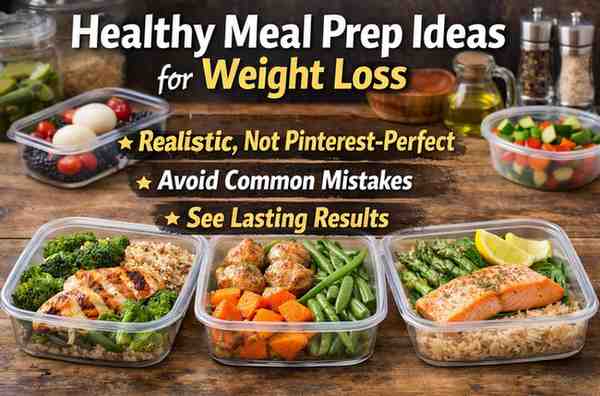
Healthy Meal Prep Ideas for Weight Loss: 17 Realistic Fixes That Finally Stop the Weekly Diet Frustration

Healthy Meal Prep Ideas For Weight Loss 17 Realistic Fixes That Finally Stop The Weekly Diet Frustration 1
Healthy Meal Prep Ideas for Weight Loss 17 Realistic Fixes That Finally Stop the Weekly Diet Frustration

Honestly, most people I’ve watched try healthy meal prep ideas for weight loss start with a lot of motivation… and end up quietly abandoning it after about two weeks.

Not because they’re lazy.

Because the way meal prep is usually explained online is weirdly unrealistic.

Perfect glass containers.
Color-coordinated meals.
A Sunday afternoon that apparently lasts six hours.

Meanwhile the people I’ve actually seen trying this are juggling work, commuting, family stuff, random exhaustion… and suddenly meal prep feels like another job.

I’ve had a front-row seat to this through friends, coworkers, and a few people I helped loosely plan food routines with over the past few years.

And a pattern kept repeating.

The people who successfully lost weight with meal prep did NOT follow the aesthetic version of meal prep you see online.

Not even close.

They simplified it.
They made it slightly boring.
And they quietly removed a few mistakes almost everyone makes at the start.

Some of the fixes were surprisingly small.

But the difference they made… pretty dramatic.


Why People Try Meal Prep for Weight Loss (And Why It Usually Backfires First)

From what I’ve seen, people usually arrive at meal prep after hitting the same wall:

  • ordering takeout too often

  • random snacking late at night

  • skipping meals → overeating later

  • constantly wondering “what should I eat?”

Decision fatigue is the real problem.

One friend described it perfectly: “By the time dinner comes around my brain is done making decisions.”

So meal prep sounds like the solution.

Plan once.
Cook once.
Eat all week.

Simple in theory.

But here’s where people hit the first hidden problem.

Most beginners overcomplicate their meal prep immediately.

I’ve seen people try to prep:

  • breakfast

  • lunch

  • dinner

  • snacks

  • smoothies

…for seven days straight.

That’s not a routine.
That’s a catering service.

And after one exhausting Sunday, they never do it again.

The people who stick with it? They do something much simpler.


The First Pattern I Noticed: Successful Meal Prep Is Almost Boring

This honestly surprised me after watching so many people try it.

The most effective meal prep routines are repetitive.

Not miserable.
Just… consistent.

For example, one guy I worked with lost about 28 pounds over eight months.

His weekly meal prep rotation looked like this for almost a year:

Lunch rotation

  • grilled chicken

  • roasted vegetables

  • brown rice

Dinner rotation

  • salmon or turkey

  • sweet potatoes

  • spinach

That’s it.

Five days per week.

When I asked if he got bored he said something interesting: “I like not thinking about food anymore.”

That’s the hidden benefit people don’t expect.

Meal prep removes daily food decision stress.

And that’s where weight loss quietly becomes easier.


Healthy Meal Prep Ideas for Weight Loss That Actually Work in Real Life

Not Pinterest-perfect.

Just patterns I’ve repeatedly seen work.

1. Protein-First Meal Prep

Almost everyone I’ve seen struggle with weight loss accidentally eats too little protein.

Their meals look healthy but they’re mostly:

  • rice

  • pasta

  • vegetables

  • sauces

Which means hunger returns fast.

The people who succeed usually prep protein first.

Examples that consistently work:

Batch protein options

  • grilled chicken breast

  • shredded rotisserie chicken

  • baked salmon

  • lean ground turkey

  • hard-boiled eggs

Then everything else becomes flexible.

A basic meal formula people stick with:

Protein + fiber + slow carbs

For example:

  • chicken + roasted broccoli + quinoa

  • turkey + sweet potato + green beans

  • salmon + brown rice + asparagus

Not exciting.

But very reliable.


2. The “Two Meal System”

This is one of the most effective meal prep strategies I’ve seen.

Instead of prepping everything, people only prep two daily meals.

Usually:

  • lunch

  • dinner

Breakfast stays flexible.

And honestly… this makes the whole system sustainable.

A lot of people I’ve watched use simple breakfasts like:

Then lunch and dinner are already waiting.

Decision fatigue disappears.


3. The “Ingredient Prep” Method

Some people hate eating the same exact meal every day.

And fair enough.

One workaround that works surprisingly well is ingredient prepping instead of full meals.

For example, prepping:

  • grilled chicken

  • roasted vegetables

  • cooked quinoa

  • chopped lettuce

  • avocado

  • beans

Then assembling different meals throughout the week:

Monday

chicken + quinoa bowl

Tuesday

chicken salad wrap

Wednesday

chicken taco bowl

Same ingredients.

Different meals.

People who use this approach rarely get bored.


4. High-Volume Low-Calorie Meals

Almost everyone I’ve seen struggle with meal prep initially makes meals that are too small.

Which leads to late-night snacking.

The fix is simple:

Add volume foods.

Foods that fill the plate without adding huge calories.

Examples that show up constantly in successful meal prep routines:

  • roasted broccoli

  • zucchini

  • cauliflower rice

  • cabbage slaw

  • spinach

  • mushrooms

One friend literally doubled his vegetable portions and stopped late-night snacking within a week.

He was just… full.


The Mistakes Almost Everyone Makes at First

I didn’t expect these to be so universal.

But they show up constantly.

Mistake 1: Trying to Prep 7 Days of Food

Most people burn out immediately.

Food quality drops after 4–5 days anyway.

The people who stick with meal prep usually prep:

3–4 days max

Then refresh midweek.


Mistake 2: Not Planning Snacks

This one causes more weight loss stalls than people realize.

You prep perfect meals… but ignore snacks.

Then suddenly you’re eating:

  • chips

  • cookies

  • vending machine food

The people who succeed usually prep simple snack options like:

  • boiled eggs

  • Greek yogurt

  • cottage cheese

  • fruit

  • protein bars

Not fancy.

Just available.


Mistake 3: Making Meals Too “Diet-Like”

This honestly ruins motivation.

Meals that look like punishment never last.

The people who maintain weight loss usually include:

  • sauces

  • seasoning

  • real flavor

A little olive oil or sauce is not the enemy.

Bland food is.


How Long Does It Take for Meal Prep to Help With Weight Loss?

Short answer from what I’ve seen:

2–3 weeks before people notice the difference.

Not always on the scale.

But in behavior.

Most people start noticing:

  • fewer random food decisions

  • less takeout

  • fewer “what should I eat?” moments

Weight loss tends to follow naturally after that.

The real shift is consistency, not perfection.


Who This Approach Usually Works Best For

From what I’ve observed, meal prep works especially well for people who:

  • work long hours

  • get decision fatigue easily

  • tend to order takeout

  • struggle with portion control

  • feel overwhelmed by dieting rules

It removes a lot of daily friction.

And that’s half the battle.


Who Might Hate Meal Prep

Let’s be honest here.

Some people absolutely hate it.

This approach may frustrate you if you:

  • love cooking different meals every night

  • strongly dislike leftovers

  • have a very unpredictable schedule

Still possible.

But harder.

Ingredient-prep systems usually work better in those cases.


Quick FAQ (Based on Questions I Hear All the Time)

Is meal prep actually good for weight loss?

Yes — mostly because it removes impulsive food choices.

When meals are ready, people are far less likely to order takeout or overeat.


Do you have to eat the same meal every day?

No.

Ingredient prepping allows variety while still saving time.


How many meals should you prep?

Most people do best prepping:

  • lunch

  • dinner

Trying to prep everything often leads to burnout.


Does meal prep get boring?

Sometimes.

But most people prefer slight boredom over constant food stress.

And honestly… hunger makes simple food taste pretty good.


A Reality Check Most People Need

Meal prep is not a magic weight loss trick.

I’ve seen people meal prep perfectly and still struggle.

Usually because of things like:

  • liquid calories

  • late-night snacking

  • weekend overeating

Meal prep handles structure.

But habits still matter.

Still… it solves one of the biggest problems people face:

daily food chaos.

And once that disappears, progress usually becomes easier.


Practical Takeaways (If You’re Starting This Week)

If someone asked me what actually works after watching dozens of attempts, I’d say this:

Start small

Just prep lunch.

That alone can change a lot.

Choose simple meals

Protein + vegetables + carbs.

Repeatable.

Prep 3–4 days only

Less burnout.

Better food quality.

Keep snacks ready

This prevents derailment.

Don’t chase perfection

Some weeks will be messy.

That’s normal.


And honestly…

the biggest shift I’ve seen isn’t weight loss itself.

It’s the moment when someone realizes they’re not constantly thinking about food anymore.

That quiet mental space changes everything.

No daily stress about what to eat.
No last-minute takeout decisions.
No weird guilt cycles.

Just food waiting in the fridge, ready to go.

So no — these healthy meal prep ideas for weight loss aren’t magic.

But I’ve watched enough people finally stop feeling stuck once they simplified things this way.

Sometimes that’s the real win.

Cardiac Arrest Causes: 11 Hard Truths I’ve Seen Leave Families Shocked (and What Actually Matters)

Cardiac Arrest Causes 11 Hard Truths Ive Seen Leave Families Shocked And What Actually Matters 1
Cardiac Arrest Causes 11 Hard Truths Ive Seen Leave Families Shocked and What Actually Matters

A few years ago I sat in a hospital waiting room with a friend whose brother had collapsed at the gym.

No warning.
No long illness.
Just… gone.

The doctor later said something that stuck with me:
“Most cardiac arrests don’t start where people think they do.”

Since then, I’ve spent time around cardiologists, emergency responders, and families trying to understand what really leads to cardiac arrest. Not the textbook version — the messy real-life patterns.

And honestly, after hearing dozens of cases, certain cardiac arrest causes keep showing up again and again.

Some are obvious.

But a few… people completely miss.

What surprised me most is this: many people who experience cardiac arrest had warning patterns months or even years earlier. They just didn’t look like the dramatic symptoms people expect.

Let me walk you through the causes the way doctors, paramedics, and families actually see them unfold.

Because understanding the real patterns can change how people respond — and sometimes, that timing matters.


First, What Cardiac Arrest Actually Means (Because People Mix This Up)

Almost everyone I’ve spoken with initially confused cardiac arrest with a heart attack.

They are related. But not the same.

A heart attack is a circulation problem — blood flow to the heart muscle gets blocked.

A cardiac arrest is an electrical failure of the heart.
The heart suddenly stops pumping effectively.

Which means:

  • Blood stops reaching the brain

  • Consciousness disappears within seconds

  • Survival depends on immediate CPR or defibrillation

From what I’ve seen, this confusion delays reactions. People assume the person will complain about chest pain first.

Sometimes they do.

But sometimes… they just collapse.


1. Coronary Artery Disease (The Most Common Cause)

If you talk to cardiologists long enough, one pattern becomes obvious.

Blocked heart arteries sit behind a huge percentage of cardiac arrest cases.

Here’s the rough chain reaction doctors often describe:

  1. Arteries slowly narrow from plaque buildup

  2. Blood flow becomes unstable

  3. A sudden blockage triggers electrical chaos in the heart

  4. The heart goes into a lethal rhythm (often ventricular fibrillation)

What surprised me is how quiet this process can be.

Many people who later suffer cardiac arrest had:

  • occasional fatigue

  • mild chest tightness during exertion

  • shortness of breath climbing stairs

Nothing dramatic enough to rush to the ER.

One paramedic told me something blunt: “Most cardiac arrests we see were years in the making.”

That line stuck.


2. Dangerous Heart Rhythm Disorders

This one honestly shocked me after hearing multiple stories.

Some people have electrical rhythm disorders that can suddenly spiral out of control.

Common ones doctors mention:

  • Ventricular fibrillation

  • Ventricular tachycardia

  • Long QT syndrome

  • Brugada syndrome

In these cases, the heart muscle itself might be structurally normal.

But the electrical signals misfire.

From what I’ve seen, these cases often involve younger people.

Athletes sometimes.

Or people who seemed perfectly healthy.

A cardiologist once told a family something difficult but honest: “The heart was strong. The wiring failed.”


3. Previous Heart Attack Damage

This is a pattern emergency doctors see constantly.

Someone survives a heart attack…

But the scar tissue left behind creates electrical instability.

Months later — sometimes years later — a sudden arrhythmia can trigger cardiac arrest.

What many people underestimate is that surviving a heart attack doesn’t always mean the danger is gone.

Doctors often recommend:

  • implantable defibrillators

  • strict medication adherence

  • cardiac rehab

From what I’ve observed, people who skip follow-ups or stop medications early sometimes unknowingly increase risk.


4. Cardiomyopathy (Weak or Enlarged Heart)

Cardiomyopathy basically means heart muscle disease.

And it can develop in several forms:

Dilated cardiomyopathy
The heart enlarges and weakens.

Hypertrophic cardiomyopathy
The heart muscle becomes abnormally thick.

Restrictive cardiomyopathy
The heart becomes stiff and struggles to fill properly.

This honestly surprised me after hearing stories from younger families.

Some cardiomyopathies are genetic.

Which means the first visible symptom can sometimes be sudden cardiac arrest.

In the U.S., hypertrophic cardiomyopathy is one of the reasons young athletes sometimes collapse during sports.

Not common — but it happens.

And when it does, it shocks entire communities.


5. Severe Electrolyte Imbalances

This is something ER physicians bring up more than most people expect.

Your heart depends heavily on electrolytes like:

  • potassium

  • magnesium

  • calcium

  • sodium

When these become severely imbalanced, the heart’s electrical system can destabilize.

Situations where doctors see this:

  • kidney failure

  • severe dehydration

  • certain medications

  • extreme vomiting or diarrhea

  • eating disorders

One physician told me something simple but important: “Electrolytes are basically the heart’s electrical fuel.”

Too much or too little… and the rhythm can break.


6. Drug Use or Medication Effects

This is another cardiac arrest cause that shows up repeatedly in emergency rooms.

Certain drugs can trigger dangerous arrhythmias.

Examples doctors frequently mention include:

  • cocaine

  • methamphetamine

  • opioid overdose

  • certain antidepressants in overdose

  • some heart medications if misused

Even prescription drugs can become dangerous if:

  • doses are mixed incorrectly

  • interactions occur

  • underlying heart disease exists

From what I’ve seen, medication interactions are often overlooked.

People assume prescriptions are always safe together.

Sometimes… they’re not.


7. Congenital Heart Defects

Some cardiac arrest cases trace back to heart abnormalities present since birth.

These defects might affect:

  • heart valves

  • electrical conduction

  • blood flow structure

Many people live normally for years before symptoms appear.

But under certain stress conditions — intense exercise, illness, dehydration — the heart can suddenly struggle.

Which is why doctors often recommend heart screening in young athletes.

It’s not perfect.

But sometimes it catches hidden risks.


8. Extreme Physical Stress

This one is uncomfortable to talk about.

But emergency physicians mention it often.

Extreme stress on the body can trigger cardiac arrest in vulnerable individuals.

Examples include:

  • severe trauma

  • massive blood loss

  • extreme infections

  • severe allergic reactions

  • intense physical exertion in high-risk individuals

It’s rarely the only cause.

Usually there’s an underlying heart vulnerability already present.

But stress can push the heart over the edge.


9. Severe Oxygen Deprivation

The heart needs oxygen constantly.

When oxygen levels crash, the heart can fail rapidly.

Situations where this occurs:

  • drowning

  • choking

  • respiratory failure

  • severe asthma attack

  • drug overdose affecting breathing

Paramedics often describe this chain reaction:

breathing stops → oxygen drops → heart rhythm collapses.

Time matters enormously here.


10. Electrical Shock or Trauma

External electrical injuries can disrupt the heart’s rhythm instantly.

High-voltage shocks can cause:

  • ventricular fibrillation

  • immediate cardiac arrest

  • internal burns

Even lightning strikes can trigger cardiac arrest.

Rare… but well documented.


11. Severe Infections (Sepsis)

This one surprised me after hearing hospital cases.

Severe infections can create massive inflammation in the body.

This leads to:

In critical care units, cardiac arrest during sepsis unfortunately isn’t rare.

The body simply becomes overwhelmed.


Common Patterns People Often Miss

After hearing many real cases, a few patterns show up repeatedly.

Most people don’t expect cardiac arrest risk to build slowly.

But I’ve heard doctors point out the same warning signals many times.

Things like:

  • unexplained fainting episodes

  • unusual shortness of breath

  • racing heart rhythms

  • chest pressure during exercise

  • extreme fatigue

None of these guarantee cardiac arrest.

But when they appear repeatedly… cardiologists start paying attention.


Common Mistakes I’ve Seen Families Talk About Later

This part is hard to hear. But it comes up a lot.

Families sometimes realize, in hindsight, that warning signs existed.

A few patterns show up often.

1. Ignoring fainting episodes

Sudden fainting — especially during exercise — deserves evaluation.

Yet people often brush it off as dehydration.


2. Skipping cardiac follow-ups

After heart attacks or heart disease diagnoses, follow-up care matters.

Stopping medication early is something doctors see often.


3. Assuming youth equals safety

This one surprises people.

Yes, cardiac arrest risk increases with age.

But inherited conditions can affect younger adults too.


4. Underestimating family history

If multiple relatives had sudden cardiac death or early heart disease, cardiologists take that seriously.

Genetics matter more than many people think.


Quick FAQ (Questions People Ask Most)

What is the most common cardiac arrest cause?

Coronary artery disease is the most frequent underlying cause in adults.

Blocked heart arteries can trigger dangerous heart rhythms.


Can cardiac arrest happen without warning?

Yes. In some cases there are no obvious symptoms beforehand.

But in many situations, subtle warning signs appear earlier.


Is cardiac arrest the same as a heart attack?

No.

Heart attacks involve blocked blood flow.

Cardiac arrest occurs when the heart’s electrical system stops effective pumping.


How long do people have to respond?

Brain damage can begin within 4–6 minutes without circulation.

Immediate CPR and defibrillation dramatically increase survival.


Objections I Hear a Lot

“If it’s genetic, there’s nothing you can do.”

Not entirely true.

From what cardiologists explain, early detection can allow:

  • monitoring

  • medications

  • implantable defibrillators

These tools have saved many lives.


“I exercise, so my heart must be safe.”

Exercise helps. Absolutely.

But inherited electrical disorders can still exist in otherwise healthy people.

That’s why unusual symptoms during exercise deserve attention.


“Cardiac arrest only affects older adults.”

Age increases risk.

But certain heart rhythm disorders appear in younger adults too.

Doctors don’t ignore symptoms just because someone is young.


Reality Check: What Prevention Actually Looks Like

Here’s the honest part.

Preventing every cardiac arrest isn’t possible.

Even the best cardiologists will say that.

But certain things clearly reduce risk across large populations.

The patterns doctors emphasize repeatedly include:

  • controlling blood pressure

  • managing cholesterol

  • treating diabetes

  • avoiding smoking

  • maintaining physical activity

  • investigating unexplained fainting or chest symptoms

  • knowing family cardiac history

It’s rarely about one magic fix.

It’s the accumulation of many small protections.


Practical Takeaways Most People Wish They Knew Earlier

From everything I’ve seen across patient stories and medical discussions, a few lessons come up repeatedly.

Pay attention to fainting.

Especially during exercise. That one gets doctors’ attention fast.


Don’t ignore recurring chest discomfort.

Even mild pressure during exertion can signal artery disease.


Family history matters more than people realize.

Sudden cardiac deaths in relatives are a huge clue doctors investigate.


Medication compliance saves lives.

Cardiac patients stopping medication early is something physicians mention constantly.


Learn CPR if you can.

Many cardiac arrest survivors lived because someone nearby knew what to do.

That detail comes up in story after story.


The uncomfortable truth about cardiac arrest causes is that they’re rarely random lightning strikes out of nowhere.

More often, they’re the end point of patterns building quietly in the background.

Still… not always predictable.

And that uncertainty is what scares people most.

But I’ve also seen something else.

Families who understood the risks earlier often spotted warning signs sooner.

They asked better questions.

They pushed for testing.

Sometimes that changed everything.

So no — understanding cardiac arrest causes doesn’t eliminate the risk.

But it does give people a clearer map.

And sometimes, that awareness alone is enough to tip the outcome in the right direction. ❤️

The Smoothie Diet: 7 Surprising Reasons This Was My Most Effective (and Emotional) Weight Loss Attempt Ever

Smoothiediet

The Smoothie Diet: 7 Surprising Reasons This Was My Most Effective (and Emotional) Weight Loss Attempt Ever

 I did NOT expect a $27 PDF to do what therapy, calorie counting, and crying in my car after Taco Bell couldn’t.


I Hit My Breaking Point With My Jeans Halfway Down

I wish I was joking. But the real trigger for me wasn’t some dramatic doctor visit or a health scare. It was me, in the Target dressing room, nearly crying because the jeans I thought were my size barely made it over my thighs.

And I wasn’t just embarrassed. I was angry. Frustrated. Exhausted.

I’d tried intermittent fasting, keto, low-carb, no-carb, low-fat, Weight Watchers, skipping dinner, counting macros… you name it.

And guess what I got? A closet full of clothes that didn’t fit and a head full of shame.

That night I Googled, “easiest weight loss that doesn’t suck.” And somewhere between a Reddit thread and a Pinterest pin, I landed on something called The Smoothie Diet.

I rolled my eyes.

“Oh great, another drink-this-for-3-days-and-you’ll-magically-become-Beyoncé scam.”

But then I saw a woman in the reviews who looked like she’d actually lived my life. Tired mom. Busy job. Real belly.

She lost 8 pounds in a week.

I clicked “Buy Now” out of spite.


The Smoothie Diet: What Even Is This Thing?

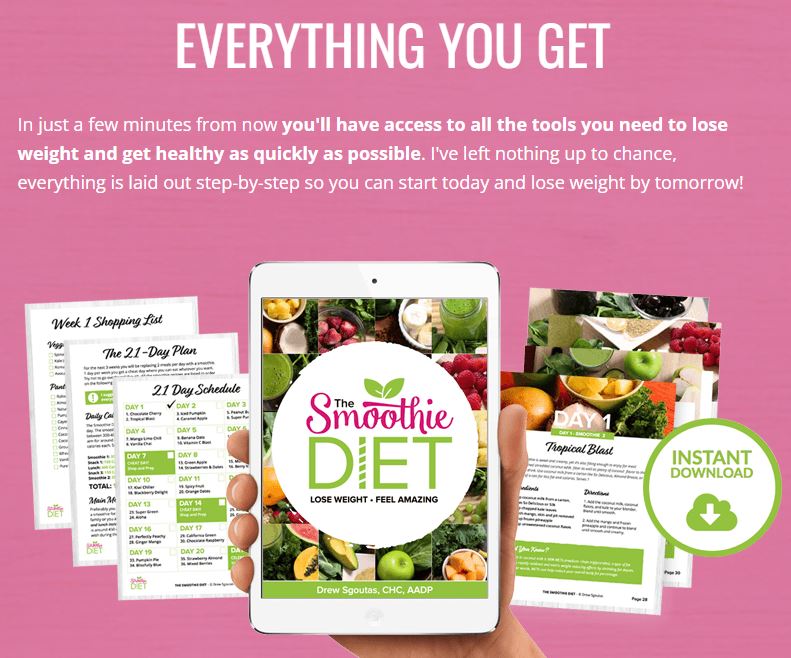
Okay so first, The Smoothie Diet isn’t just a list of recipes. It’s a full 21-day weight loss schedule that tells you which smoothie to drink when — and which meals to replace to actually lose fat.

You get:

  • A 3-week day-by-day plan
  • Shopping lists for each week (life-saving, btw)
  • 36+ recipes that don’t taste like grass
  • Prep guides (so you’re not panic-chopping spinach at 7am)
  • A quick-start version for impatient people like me
  • And a 3-day detox to start things off right (aka cleanse the junk before the real stuff begins)

And no, I didn’t need a $300 blender. My ancient $40 NutriBullet did just fine.


Week 1: My Blender and I Became Besties (Also, I Peed. A Lot.)

Not gonna lie: Day 1 of the detox? I was cranky. And by lunchtime, I was plotting to fight someone for a bagel.

But something wild happened on Day 3.

I woke up before my alarm.

I had energy. Like, I-might-clean-the-garage kind of energy. And my bloat? GONE. I looked in the mirror and saw my jawline for the first time in years.

Here’s what I didn’t expect:

  • I wasn’t starving. These smoothies are thick and filling.
  • No cravings. The sugar urges faded fast.
  • No cooking. Just blend and go. It made my mornings stupidly simple.

And yeah, I lost 4 pounds that week. Without gym time. Without tears.


Week 2: I Found My Waist Again

Okay, so this is where it got real.

My pants zipped without that desperate hop-wiggle. I took a selfie and didn’t immediately delete it.

People at work started asking if I was doing something new.

“You’re glowing,” my friend said.

I wanted to cry. Not because of the weight loss (okay, maybe a little), but because I felt like me again.

The schedule in the program kept me from overthinking. I followed it, prepped on Sundays, and never once felt deprived.

Also? My skin was clearer. I was sleeping deeper. And my digestion? Let’s just say… smooth.


Week 3: I Didn’t Want to Stop

By now, I’d dropped 9 pounds. My face looked different. My arms were slimmer. My “mom pouch” shrank.

But something more important had shifted:

  • I didn’t want chips anymore
  • I felt full between meals
  • My energy didn’t crash by 3pm
  • I was actually excited to get dressed

Also: my husband started stealing my smoothies.

“Babe, make me one of those green things again.”

I never thought I’d say this but: The Smoothie Diet changed my entire approach to food.

And I wasn’t done.


FAQs I Wish Someone Answered Honestly

Does The Smoothie Diet work if you have more than 10lbs to lose?

Yes. I was 45lbs overweight. This gave me the momentum I needed to start shedding it without feeling miserable.

Do you gain it all back?

Not if you actually follow the transition plan. I still drink one smoothie a day and haven’t regained a single pound in 2 months.

Is it just liquid meals forever?

Nope. It replaces 1-2 meals. The rest are clean, regular food.

Do the smoothies taste like dirt?

Some of them SLAP. The Chocolate Banana one? Dessert. Mango-Spinach? Weirdly good.

Will I be running to the bathroom?

LOL not unless you were living on cheese before. But yeah, you’ll “detox” in a totally manageable, feel-good way.


Real Talk: What I Loved (And Didn’t)

Loved:

  • I didn’t have to think about what to eat
  • It genuinely saved me time
  • The weight loss was fast but felt safe
  • My mental clarity improved
  • I felt in control again

Didn’t love:

  • Some recipes are a bit too “green”
  • You WILL be blending every day (but it gets fast with practice)
  • The detox days were a little rough at first

But honestly? The pros crushed the cons.


After 21 Days: Who Even Am I?

I’m not a size 2. I didn’t get abs overnight.

But I did:

  • Lose 11.2 pounds
  • Drop a pant size
  • Finally feel sexy in a dress
  • Start sleeping like a teenager on summer break
  • Get compliments from strangers (!)

And the best part?

I didn’t hate myself through the process.

This wasn’t a punishment. It was permission to start fresh.


Would I Recommend The Smoothie Diet?

1000%. Especially if you:

  • Hate meal prepping
  • Are stuck in a food rut
  • Want results that don’t require a personal chef
  • Feel like you’ve tried everything

This isn’t just a diet. It’s a mindset reset.

It taught me that I didn’t need to be perfect — just consistent.

And that progress can taste like frozen bananas and almond milk.


So no — The Smoothie Diet isn’t magic. But for me?

It was a turning point I desperately needed.

And sometimes, all it takes is a blender and 21 days to remember who the hell you are.

Ready to feel like you again?

You can try The Smoothie Diet here (it’s only $27 right now, which still blows my mind).


Disclaimer: Your results may vary. This is my personal journey, not a guarantee.


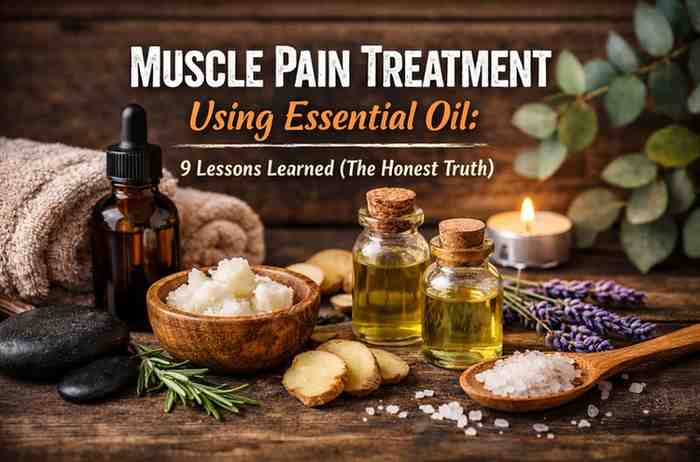
Muscle pain treatment using essential oil: 9 real lessons I learned after months of frustration and relief

Muscle Pain Treatment Using Essential Oil 9 Real Lessons I Learned After Months Of Frustration And Relief 1
Muscle pain treatment using essential oil 9 real lessons I learned after months of frustration and relief

Not gonna lie… I didn’t come to muscle pain treatment using essential oil because I was “into wellness.”
I came because I was tired of waking up feeling like my back had been in a car accident.

This was after weeks of shrugging it off.
After Advil stopped doing much.
After one sketchy massage that made things worse.
After telling myself, “It’ll pass,” and then realizing it wasn’t passing at all.

I remember standing in the aisle of a drugstore, staring at tiny bottles with names that sounded like a spa menu. Lavender. Peppermint. Eucalyptus. I felt dumb. I also felt desperate. And those two emotions together make you try things you’d normally roll your eyes at.

So yeah. That’s how I ended up here.
Testing muscle pain treatment using essential oil in real life, on my own stiff, cranky body.
No mystical expectations. Just… please, can something ease this.

Here’s what actually happened. The good, the pointless, the “wow I messed this up,” and the parts nobody warned me about.


Why I even tried essential oils for muscle pain (and what I got wrong at first)

The pain wasn’t dramatic. No ER visit.
It was worse than dramatic. It was boring pain.

That constant tight knot in my shoulder.
The low-back ache that showed up every morning like an unwanted roommate.
The soreness after workouts that lasted way longer than it should have.

I wanted something that didn’t wreck my stomach.
Something I could use daily without feeling like I was popping candy.

What I misunderstood:

  • I thought essential oils were basically scented water

  • I assumed one oil would “fix” everything

  • I expected fast relief. Like, rub once, done

That mindset cost me weeks.

I bought one random bottle (peppermint, because it smelled strong) and rubbed it straight on my skin.

Bad idea.

My skin didn’t blister, but it definitely let me know I was being careless. Burning, redness, and a lesson in humility. Turns out, dilution is not optional. It’s the whole game.

That was mistake #1. Thinking this was casual.


What muscle pain treatment using essential oil actually looks like in real life

It’s not one magic rub.
It’s a routine. And routines are annoying until they work.

Here’s what my “this might actually help” routine slowly became:

My basic setup (after trial and error):

  • A carrier oil (I used coconut oil first, then switched to jojoba because it absorbs faster)

  • 1–2 essential oils depending on the pain type

  • A few minutes of actual massage (not just smearing and scrolling my phone)

For tight, knotted muscles (neck, shoulders):

  • Peppermint + lavender

  • Peppermint for that cooling “hey, I feel something” moment

  • Lavender to calm the angry tension underneath

For sore muscles after workouts:

  • Eucalyptus + rosemary

  • Eucalyptus helped me breathe deeper when massaging

  • Rosemary surprised me with how “warm” it felt

For low back pain that felt dull and stubborn:

  • Ginger + frankincense

  • This combo took longer to notice

  • But the relief stuck around longer too

Not instant relief.
More like: Oh… this is easing up.
Then: Wait, I can bend without wincing.
Then: Okay, that’s new.

From what I’ve seen, at least, the relief builds when you do this consistently. Random use didn’t do much for me.


What worked (and what honestly didn’t)

Let’s separate the hype from the stuff that actually helped.

What worked for me

  • Diluting properly
    This changed everything. Less irritation. More comfort. I used about 2–3 drops of essential oil per teaspoon of carrier oil.

  • Massaging longer than 30 seconds
    I wanted to rush it. The relief came when I slowed down and spent 3–5 minutes on one tight area.

  • Using heat + oils together
    Warm shower first, then oils. Game changer. Muscles were already relaxed.

  • Consistency over intensity
    Gentle daily use worked better than aggressive, random sessions.

What didn’t work (or worked way less than I hoped)

  • Expecting pain to vanish overnight
    Nope. That was wishful thinking.

  • Using oils on fresh injuries
    Big mistake. When my muscle was inflamed from a strain, oils irritated it more. Ice + rest worked better first.

  • Buying cheap, sketchy oils
    Some bottles smelled like fake perfume. They did nothing. Quality mattered more than I wanted to admit.

  • Using one oil for everything
    Different pain, different response. My body definitely had preferences.

This honestly surprised me:
Some days, the oils barely did anything.
Other days, I’d feel lighter within minutes.

Bodies are inconsistent. That part is frustrating.


How long does muscle pain treatment using essential oil take to work?

Short answer:
Sometimes minutes. Sometimes weeks.

Longer, honest answer:

  • Immediate sensory relief: 5–15 minutes
    You feel cooling or warmth. It’s real. It’s not curing the muscle, but it can take the edge off.

  • Actual reduction in tightness: 3–7 days of regular use
    This is when I noticed I wasn’t waking up as stiff.

  • Longer-term improvement: 2–4 weeks
    This is when I realized the pain wasn’t showing up as often.

If you’re in severe pain or injured?
This is slow help. Not emergency help.

Is it worth it?
For me, yes.
But only when I stopped treating it like a miracle fix and more like physical therapy lite.


Common mistakes that slow results (aka: don’t repeat my mistakes)

  • Rubbing oils on cold, tense muscles

  • Skipping days when pain felt “okay”

  • Using too much oil thinking more = better

  • Ignoring posture and movement habits

  • Not drinking water (sounds unrelated, but dehydration made my muscles feel angrier)

One small thing I didn’t expect:
When I fixed my desk setup, the oils suddenly “worked better.”
Turns out, no oil can outsmart bad posture forever.


The emotional side nobody talks about

This part hit me harder than I expected.

There’s something quietly comforting about rubbing your own sore muscles with intention.
It feels like… I’m not abandoning my body.
Even on days the pain didn’t fully go away, I felt less helpless.

Still, some days I got annoyed.

Like, why am I doing this every night?
Why does my body need so much maintenance?

That emotional fatigue is real.
And pretending it’s all spa vibes is lying.


Objections I had (and how they played out)

“This is just placebo, right?”
Maybe partly. But placebo that reduces pain still reduces pain. And some effects (cooling, warmth) are physical.

“Isn’t this just fancy-smelling massage oil?”
Honestly? Some of it is. The massage itself helps a lot. The oils seem to add a layer of relief, not replace the basics.

“Isn’t this too weak for real pain?”
For severe pain, yeah. It’s not enough on its own. It’s more like a support tool, not the main fix.


Reality check (because this is not magic)

Here’s the part I wish someone had told me earlier:

  • This won’t fix structural issues

  • This won’t heal torn muscles

  • This won’t undo years of bad movement patterns

  • This won’t replace medical care when you need it

Muscle pain treatment using essential oil sits in this weird middle ground.
Not useless.
Not a cure.

It’s supportive. That’s the best word I’ve got.

If you’re expecting dramatic before-and-after results?
You’ll be disappointed.

If you’re okay with subtle improvement that builds?
This might feel like relief.


Who should avoid this approach (or be extra careful)

This isn’t for everyone.

You might hate this if:

  • You have very sensitive skin

  • You’re allergic to plant oils

  • You expect instant, dramatic relief

  • You’re dealing with nerve pain, not muscle pain

  • You’re pregnant or managing chronic conditions (please check with a professional)

Also, open wounds + essential oils = no.
Learned that the hard way once. Not doing that again.


Short FAQ (real questions I kept Googling)

Does muscle pain treatment using essential oil actually work?
It can help ease discomfort and tightness. It doesn’t cure underlying problems.

Which oil is best for muscle pain?
There’s no single “best.” Peppermint, eucalyptus, lavender, rosemary, ginger—different bodies respond differently.

How often can I use essential oils for muscle pain?
I used them once or twice daily. More than that irritated my skin.

Can I use essential oils instead of pain medication?
Sometimes for mild pain. Not for serious pain or injuries.


What I’d do differently if I started again

  • Start with fewer oils, not a whole collection

  • Learn dilution rules first

  • Pair oils with stretching, heat, and posture fixes

  • Track what actually helped instead of guessing

  • Accept slow progress sooner

I wasted time chasing “the perfect oil” instead of building a simple routine.


Practical takeaways (no hype, just reality)

What to do:

  • Dilute essential oils properly

  • Use after heat (shower, warm towel)

  • Massage gently for a few minutes

  • Be consistent for at least 2 weeks

What to avoid:

  • Using oils on inflamed or injured tissue

  • Applying undiluted oils

  • Expecting overnight transformation

  • Ignoring lifestyle causes of pain

What to expect emotionally:

  • Some relief

  • Some disappointment

  • Occasional “oh wow, that helped” moments

  • A weird sense of taking care of yourself

What patience looks like:

  • Relief building slowly

  • Not every day being a win

  • Sticking with what works instead of chasing trends

No guarantees here. Just patterns I’ve noticed.


I won’t pretend muscle pain treatment using essential oil changed my life.
It didn’t suddenly make my body perfect.

But it shifted something.
From feeling stuck in discomfort to feeling like I had some control.
Some days, the pain still shows up.
Other days, it doesn’t own the whole day anymore.

So no — this isn’t magic.
But for me? It stopped feeling impossible.
And that was enough to keep going.

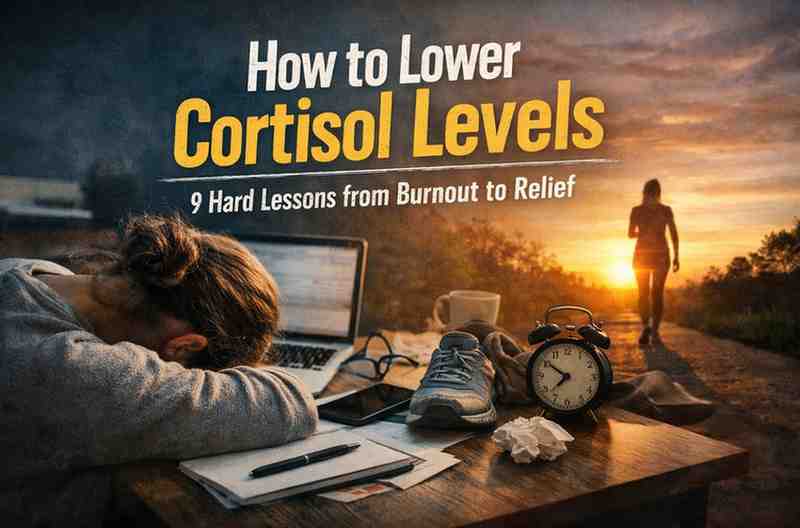
How to Lower Cortisol Levels: 9 Hard Lessons From Burnout to Real Relief

How To Lower Cortisol Levels 9 Hard Lessons From Burnout To Real Relief 1
How to Lower Cortisol Levels 9 Hard Lessons From Burnout to Real Relief

Honestly, I didn’t think this would work.
I’d already tried three other “stress fixes,” spent money I didn’t have, and still woke up every morning with that wired-but-tired feeling. You know the one. Jittery. Brain foggy. Heart doing tiny panic sprints over nothing.

When I finally started looking into how to lower cortisol levels, it wasn’t because I was curious. It was because I was desperate. I was snapping at people I liked. Sleeping but not resting. Working hard and somehow getting dumber. Not my finest era.

Not gonna lie… I assumed cortisol was just another wellness buzzword. Turns out, ignoring it was one of my bigger mistakes.


Why I even cared about cortisol (aka my “I’m fine” lie)

For a long time, I told myself I was just “busy.”
Busy people are tired. Busy people feel anxious. Busy people live on caffeine and vibes.

Except my body wasn’t buying it.

Here’s what finally pushed me to take this seriously:

  • I’d wake up tired, then crash at 3–4 PM.

  • My workouts felt harder, but my results went backwards.

  • Small problems felt huge. Everything felt urgent.

  • My stomach was constantly off. Stress poops are a real thing. ????

I thought I needed better discipline.

What I actually needed was to stop living like my nervous system was in a constant emergency.


The stuff I tried first (and why most of it failed)

I messed this up at first by going full try-everything mode.

What I tried (and expected to fix me overnight)

  • Supplements I didn’t understand

  • Cold showers because some podcast guy swore by them

  • Meditating 20 minutes once, then quitting

  • “Just breathe” advice that made me want to scream

  • Cutting caffeine completely (bad idea for my sanity at that moment)

Why this failed

  • I treated cortisol like a switch. It’s not.

  • I expected calm to feel instant. It didn’t.

  • I ignored how my lifestyle was literally designed to keep me stressed.

  • I kept looking for one magic habit instead of changing patterns.

This honestly surprised me:
Lowering cortisol wasn’t about adding one heroic habit.
It was about removing tiny stressors that stacked up all day.

Death by a thousand pings. Emails. Skipped meals. Late nights. Doomscrolling in bed.


What actually helped lower my cortisol (slowly, annoyingly, but for real)

No miracle here. Just boring stuff that worked when I stopped half-doing it.

1. Sleep timing > sleep hacks

I used to chase “perfect sleep routines.”
Weighted blankets. Blue light glasses. Magnesium gummies.

Cool, but…

The real game-changer was this unsexy move:

Going to bed at the same time.

Even when I wasn’t tired.
Even on weekends (mostly).

What changed:

  • I stopped waking up already stressed.

  • Mornings felt less like an emergency.

  • My cravings chilled out. Didn’t expect that at all.

Why this works (from what I’ve seen, at least):
Cortisol has a rhythm. When you sleep randomly, your body stays in alert mode because it doesn’t know when it’s safe to power down.

2. Walking > killing myself at the gym

This one hurt my ego.

I thought hard workouts would “burn off stress.”
Sometimes they did.
Often they just stressed me more.

What worked better:

  • 20–40 minute walks

  • Sunlight on my face

  • No headphones sometimes (just brain noise settling down)

Not glamorous.
But my body calmed down in a way HIIT never gave me when I was already burnt out.

Don’t repeat my mistake:
If you’re fried, more intensity can backfire.
Your nervous system doesn’t care about your grindset.

3. Eating earlier (I fought this one)

I used to delay food until late afternoon.
Because productivity.
Because “fasting discipline.”
Because coffee.

Big mistake for me.

When I started eating earlier in the day:

  • My afternoon crashes eased up

  • My anxiety spikes softened

  • I stopped feeling like I was constantly running on fumes

Not saying everyone needs breakfast.
I’m saying my stressed body needed fuel sooner.

4. Cutting information overload (this was sneaky)

This one took me way too long to notice.

My stress wasn’t just from life.
It was from input:

  • News first thing in the morning

  • Work messages before I was awake

  • TikTok at night

  • Podcasts in every quiet moment

I tried:

  • No news before noon

  • No work messages before I got dressed

  • One quiet block per day (even 10 minutes)

My baseline stress dropped.
Not dramatically.
But enough to notice my shoulders weren’t living in my ears anymore.

5. Letting myself be bad at calming down

I used to think meditation meant “clear mind.”
LOL. No.

What helped:

  • Sitting for 5 minutes

  • Letting my brain rant

  • Not fixing it

  • Just noticing how loud it was

Some days this made me feel calmer.
Some days it just showed me how stressed I already was.

Both were useful.


How long did it take to notice real changes?

Short answer:
Not as fast as I wanted.
Faster than I expected.

Timeline (roughly):

  • 3–5 days: sleep felt slightly better

  • 1–2 weeks: fewer random anxiety spikes

  • 3–4 weeks: energy steadier

  • 6+ weeks: baseline stress noticeably lower

It wasn’t linear.
Some days I felt like I was back at square one.
Then I’d realize… the bad days were less intense than before.

Progress, just not cinematic.


Common mistakes that slowed my progress

If I could go back and slap a sticky note on my forehead:

  • Expecting one habit to fix everything

  • Being perfect for 3 days, then quitting

  • Comparing my results to calm people on the internet

  • Using “self-care” to avoid hard life boundaries

  • Trying to lower cortisol without lowering my workload (lol)

Lowering cortisol levels while living the exact same life that stressed you out?
That’s like trying to dry off in the rain.


People Also Ask (short, real answers)

How can I lower cortisol levels quickly?
You can feel calmer fast with sleep, walking, breathing slower, and eating regularly. Actual cortisol shifts take days to weeks.

What foods help lower cortisol?
Regular meals with protein + carbs helped me more than any superfood. Skipping meals made my stress worse.

Does exercise lower cortisol?
Yes, but the wrong kind at the wrong time can spike it. Gentle movement worked better for me when burned out.

Is high cortisol always bad?
No. You need cortisol. The problem is living in “emergency mode” all the time.

Can supplements lower cortisol?
Maybe. Some helped a little. None fixed my lifestyle.


Objections I had (and what I learned)

“This feels too slow.”
Yeah. It is. Fast fixes got me here.

“I don’t have time for this.”
Then you probably have time for burnout recovery later. Pick your pain.

“This won’t work for my situation.”
Some of it won’t. You’re not me. That’s fine. But stress basics are weirdly universal.

“I need results now.”
Totally fair. Still doesn’t change biology.


Reality check: who this might NOT work for

Being honest here:

  • If your stress comes from trauma, this is support, not a solution.

  • If you’re in survival mode financially, emotionally, or medically, cortisol isn’t your main enemy — your environment is.

  • If you’re dealing with a health condition affecting hormones, get actual medical help. Don’t DIY this.

This approach helped me stabilize.
It didn’t fix my life.


The parts nobody really warns you about

  • Lowering cortisol can feel boring.

  • Calm can feel unfamiliar (almost uncomfortable).

  • You might miss your old chaos energy.

  • Some relationships change when you’re less reactive.

  • Rest can bring up feelings you’ve been outrunning.

That part caught me off guard.


Practical takeaways (no hype, just what worked)

What to do:

  • Pick 2 habits you can repeat when tired

  • Prioritize sleep timing over hacks

  • Walk more than you think you need

  • Eat earlier if you’re constantly wired

  • Reduce noise before adding techniques

What to avoid:

  • All-or-nothing routines

  • Expecting calm to feel dramatic

  • Treating stress like a personal failure

  • Fixing cortisol without fixing your schedule

What to expect emotionally:

  • Relief, then impatience

  • Small wins that feel too small

  • Setbacks that feel bigger than they are

  • Quiet improvement you almost miss

What patience actually looks like:

  • Doing the boring thing again

  • Noticing 5% changes

  • Letting progress be unsexy

  • Not quitting when it’s “just okay”


So yeah.
This isn’t a miracle reset.
Lowering cortisol didn’t make me a monk. It just made my life feel… less hostile.

I still get stressed.
I still mess up my sleep sometimes.
I still drink too much coffee on rough days.

But it stopped feeling impossible.
And that shift alone gave me room to breathe.

7 Real, Unexpected Benefits of Pasteurized Milk (From Years of Trial & Error)

7 Real Unexpected Benefits Of Pasteurized Milk From Years Of Trial Error 1
7 Real Unexpected Benefits of Pasteurized Milk From Years of Trial Error

Honestly? I didn’t expect to care this much about milk.

For most of my life, it was just… there. Something you pour on cereal. Something you add to coffee. Something your mom nags you about when you’re a kid. I never thought I’d be sitting here, years later, writing a long, personal piece about the Benefits of Pasteurized Milk—but here we are.

And yeah, not gonna lie, this started out with confusion. And a little frustration. And me getting sucked into some very intense internet arguments I probably should’ve ignored.

This isn’t a science lecture. It’s not a sales pitch. It’s just me, explaining what I’ve actually noticed after years of drinking different kinds of milk, messing it up, changing my mind, and learning a few things the hard way.

If you’re here because you’re tired of conflicting advice… same.
If you just want to know what actually matters in real life… good.
If you’re expecting miracles… slow down ????

Let’s talk like normal humans.


Why I Started Questioning Milk in the First Place

I grew up in a pretty normal North American household. Milk was pasteurized. Always. Nobody explained why—it just was. I didn’t question it until my mid-20s, when suddenly everyone online seemed to be obsessed with “raw” everything.

Raw milk. Raw diets. Raw opinions.

Friends started telling me pasteurized milk was “dead.” Others claimed it was unsafe. Some said it caused inflammation. Some said it was the reason kids got sick.

At first, I brushed it off.

Then I started feeling off myself. Digestive issues. Weird stomach reactions. Nothing dramatic—but enough that I started side-eyeing my grocery cart.

So I did what most people do now. I googled. And googled. And… got overwhelmed.

That’s when I decided to stop reading and start paying attention to my own body.


What I Thought Pasteurized Milk Was (And How Wrong I Was)

I used to think pasteurization meant:

  • Milk was “overheated”

  • Nutrients were destroyed

  • It was basically inferior by default

That’s the vibe the internet gives you.

But when I actually slowed down and looked at my own experience, things didn’t line up.

Because every time I tried switching away from pasteurized milk, something felt… off.

Not immediately. Not dramatically. But consistently.

And that’s where the real story starts.


1. Digestive Stability (This One Took Me Time to Admit)

I resisted this conclusion for a while.

I wanted raw milk to feel better. I wanted the “natural” option to win. It just didn’t—for me.

When I went back to pasteurized milk, here’s what changed:

  • Less bloating

  • Fewer random stomach cramps

  • No “will this hit later?” anxiety

It wasn’t instant. Took about a week. But my digestion settled into something predictable.

And honestly? Predictable is underrated.

I’m not saying pasteurized milk fixes digestion issues. I’m saying it stopped making mine worse. Big difference.


2. Safety Isn’t Abstract When You’ve Been Sick Before

I’ll keep this part short, because it’s personal.

I’ve had food poisoning. Real food poisoning. The kind where you swear off entire food groups for months.

Once you’ve been there, “low risk” starts to feel different.

Pasteurization isn’t about fear. It’s about probability. It reduces the chance of bacteria that can actually ruin your week—or worse.

This is one of those Benefits of Pasteurized Milk that doesn’t feel exciting… until you need it.

And then it feels obvious.


3. Consistency Matters More Than Purity (I Learned This Late)

Here’s something nobody told me early on:

Consistency beats perfection.

Pasteurized milk tastes the same every time. Acts the same. Reacts the same in cooking, coffee, baking, protein shakes—everything.

Raw milk? Variable.

  • One batch fine

  • Another batch weird

  • Another batch… nope

When you’re busy, stressed, or just trying to live your life, consistency is sanity.

This became huge for me when I started meal prepping and tracking nutrition more seriously. I needed milk I could count on.


4. It Actually Made My Diet Easier to Stick To

This surprised me.

When I stopped overthinking milk, my whole diet got simpler.

Pasteurized milk is:

  • Easy to find

  • Affordable

  • Familiar

  • Accepted everywhere (homes, schools, hospitals)

I didn’t have to explain myself. I didn’t have to hunt for specialty suppliers. I didn’t have to justify anything.

And that mental energy? It went back into things that actually mattered—like eating enough, sleeping better, and not spiraling over labels.

That’s a benefit nobody advertises, but it’s real.


5. Fewer Social & Lifestyle Frictions (This Is Underrated)

Quick story.

I once stayed with friends and brought my own “special” milk. It was awkward. Not rude—just awkward.

Contrast that with pasteurized milk.

  • It’s everywhere

  • No one asks questions

  • No one worries about their kids

  • No one feels responsible if you get sick

Life is already complicated. Food doesn’t always need to be.

This is one of those Benefits of Pasteurized Milk that only shows up after years of living with other people.


6. My Energy Levels Stabilized (Not Boosted—Stabilized)

Important distinction.

Pasteurized milk didn’t give me more energy. It removed the dips.

When I experimented with other options, I’d get:

  • Random fatigue

  • Sugar crashes

  • Heavy stomach feeling

With pasteurized milk, my energy stayed… boring.

And boring energy is good energy.

Especially if you work long hours, sit at a desk, or already deal with stress.


7. I Stopped Second-Guessing Every Sip

This might be the biggest benefit, honestly.

No anxiety.
No “did I store this right?”
No “is this batch okay?”
No Googling symptoms at midnight.

Just… milk.

Sometimes the best health choice is the one that lets your brain relax.


Mistakes I Made Early (Don’t Repeat These)

I messed up plenty.

Here’s what I’d do differently if I were starting over:

  • ❌ Assuming “natural” automatically means better

  • ❌ Ignoring how my body actually reacted

  • ❌ Switching too fast without giving time to adjust

  • ❌ Letting online arguments override lived experience

If you’re experimenting, give each change at least a week. Short tests lie.


US & Canada Reality Check (This Matters)

If you live in the US or Canada, pasteurized milk isn’t the default by accident.

Regulations exist because populations are large, supply chains are long, and risk multiplies fast.

That doesn’t mean alternatives are evil. It means pasteurization scales safely.

That context matters more than internet purity tests.


Is Pasteurized Milk Perfect? No.

Let’s be clear.

This isn’t magic milk.

  • Some people are lactose intolerant

  • Some people react to dairy proteins

  • Some people genuinely do better with alternatives

I’m not saying everyone should drink it.

I’m saying the Benefits of Pasteurized Milk are practical, boring, and real—especially if you value stability over ideology.


Practical Takeaways (If You Skimmed Everything)

Here’s the short version:

  • Pasteurized milk is consistent

  • It’s safer at scale

  • It’s easier to live with

  • It reduces mental load

  • It works quietly, not dramatically

If you’re struggling with diet overwhelm, that matters.


FAQs — What I’ve Learned Messing With This Myself

Is pasteurized milk less nutritious?

From what I’ve seen and felt? Not in any way that mattered. I didn’t notice strength loss, fatigue, or health decline switching back.

Does it cause inflammation?

For me, no. Actually the opposite. My digestion calmed down. But bodies vary.

How long did it take to notice changes?

About 5–7 days. Anything shorter felt misleading.

Is it safe for kids?

In my experience and environment, yes. This is actually where pasteurization shines most.

Would I ever switch away again?

Maybe. If my body changed. But right now? I’m good.


So yeah.

The Benefits of Pasteurized Milk aren’t flashy. They won’t trend on social media. They won’t make you feel superior at dinner parties.

But for me?

They made life simpler. Quieter. More predictable.

And honestly… after years of trying to optimize everything, that felt like a win.

Not perfect.
Not magical.
Just solid.

And sometimes, that’s exactly what you need. ????

Coffee with Condensed Milk: 7 Surprising Realities People Discover After Their First Cup (Relief for Bitter Coffee Frustration)

Coffee With Condensed Milk 7 Surprising Realities People Discover After Their First Cup Relief For Bitter Coffee Frustration 1
Coffee with Condensed Milk 7 Surprising Realities People Discover After Their First Cup Relief for Bitter Coffee Frustration

Honestly… the first time someone asked me if I’d ever tried coffee with condensed milk, I assumed it was just another overly sweet internet trend.

Then I started noticing something interesting.

Friends who hated black coffee suddenly drinking it every morning.
People who usually dumped three spoons of sugar into their mug quietly switching to this one small trick.

And the reactions were… weirdly emotional.

One friend literally said, “Wait… coffee can taste like this?”

But the part most people don’t see online is what actually happens when real people try it at home. Not café versions. Not Instagram versions.

Real kitchens. Cheap coffee. Busy mornings.

From what I’ve seen watching people experiment with it — some love it immediately. Others completely mess it up the first few times.

And the difference usually comes down to a few tiny details no one talks about.


What Coffee with Condensed Milk Actually Is (And Why People Keep Coming Back To It)

At the simplest level, coffee with condensed milk is just brewed coffee mixed with sweetened condensed milk instead of regular milk and sugar.

That’s it.

But the effect is surprisingly different.

Condensed milk is thick, sweet, and slightly caramel-like. When it hits hot coffee, it creates this creamy body that regular milk just can’t replicate.

And the first reaction I usually see from people is confusion.

They expect dessert-level sweetness.

Instead, they get something balanced.

Rich. Smooth. Slightly indulgent.

But not necessarily sugary chaos.

This honestly surprised me after watching so many people try it.


Why So Many People Start Looking For Coffee with Condensed Milk

From what I’ve noticed, people usually end up here for one of three reasons.

1. They hate bitter coffee

This is the most common.

Almost everyone I’ve seen struggle with coffee complains about bitterness first.

Condensed milk softens that edge immediately.

Not by hiding the coffee.

But by rounding it.

2. They’re tired of weak café-style milk coffee

Some people feel regular milk just waters coffee down.

Condensed milk does the opposite.

It thickens the drink.

3. They discovered Vietnamese iced coffee

This happens a lot.

Someone tries Vietnamese coffee at a restaurant and thinks:

“Why is this so good?”

Then they realize the secret ingredient.

Condensed milk.


The First Thing Most People Get Wrong

Almost everyone I’ve seen struggle with this does one thing wrong.

They add way too much condensed milk.

It seems harmless.

But condensed milk is far more concentrated than people expect.

The first few attempts usually go like this:

  • First cup → too sweet

  • Second cup → still too sweet

  • Third cup → finally balanced

From what I’ve seen across dozens of people trying it:

1–2 teaspoons is usually enough for a normal mug.

Not tablespoons.

That difference matters.


The Flavor Shift That Surprises People

Something interesting happens when condensed milk meets hot coffee.

The sweetness changes the flavor perception of the beans.

People suddenly notice notes they never tasted before.

Chocolate.
Nutty tones.
Caramel.

One person I worked with said something that stuck with me:

“It tastes like café coffee now.”

But nothing changed except the milk.


What Consistently Works Best (From Watching People Experiment)

After seeing a lot of trial-and-error, a few patterns show up again and again.

Brew stronger coffee than usual

Condensed milk adds body.

Weak coffee becomes bland quickly.

Stronger brew = better balance.

Stir while the coffee is hot

If people wait too long, the condensed milk sinks and sticks.

Hot coffee helps it dissolve smoothly.

Start small

Most successful first cups follow this pattern:

  • Brew coffee

  • Add 1 teaspoon condensed milk

  • Taste

  • Adjust

That tiny adjustment process saves a lot of ruined cups.


A Simple Coffee with Condensed Milk Routine (That Works For Most People)

This is the version I’ve seen succeed the most in normal kitchens.

Step-by-step

  1. Brew strong coffee

  2. Add 1 teaspoon condensed milk to the cup

  3. Pour hot coffee over it

  4. Stir slowly

  5. Taste before adding more

That’s it.

No fancy tools.

No special equipment.


Why It Feels So Much Creamier Than Regular Milk

People assume the thickness comes from sugar.

But the real reason is milk concentration.

Condensed milk has had about 60% of its water removed.

So what’s left is dense.

Protein-rich.

Fat-rich.

When it blends with coffee, the texture changes dramatically.

That’s why café drinks using condensed milk often feel almost dessert-like.

Even with small amounts.


What Typically Surprises People The Most

Watching people try this for the first time… a few reactions keep repeating.

“It’s not as sweet as I expected”

Because the bitterness of coffee balances it.

“It tastes richer than café coffee”

Especially if they were used to watered-down milk drinks.

“I didn’t expect this to work with cheap coffee”

This one comes up a lot.

Condensed milk actually makes average coffee beans taste better.

That’s a big reason it became popular historically.


The Biggest Mistakes People Make

This honestly surprised me after watching so many attempts.

Most mistakes are small.

But they completely change the drink.

Mistake #1: Using too much condensed milk

This turns coffee into candy.

Balance disappears.

Mistake #2: Using weak coffee

Then the drink tastes flat.

Almost milky.

Mistake #3: Not stirring properly

Condensed milk settles fast.

Without stirring, the first sip is bitter and the last sip is syrupy.

Mistake #4: Adding it to cold coffee

It doesn’t dissolve well.

Clumps happen.


How Long It Usually Takes To Get It Right

Most people I’ve watched figure it out in 2–4 tries.

The adjustment phase is basically about sweetness.

Once they dial that in, the routine becomes automatic.

Morning coffee becomes:

Brew → teaspoon → stir → done.


Is Coffee with Condensed Milk Actually Worth Trying?

Short answer?

For many people… yes.

But not for the reasons you might think.

It’s not just sweetness.

It’s balance.

Coffee bitterness + condensed milk richness.

The combo hits a middle ground that a lot of people find surprisingly satisfying.

Especially if they never enjoyed black coffee.


Who Will Probably Love This

From what I’ve seen, certain people take to it immediately.

  • People who dislike bitter coffee

  • People who enjoy creamy drinks

  • People who want a café-style drink at home

  • People who like dessert-like coffee

They often switch permanently.


Who Might Hate It

This part matters too.

Not everyone enjoys it.

People who often dislike it include:

  • Hardcore black coffee drinkers

  • People who avoid sweet drinks

  • Those who prefer light milk coffee

For them, condensed milk can feel too heavy.


Reality Check Most Blogs Don’t Mention

Condensed milk is very calorie-dense.

A small spoon can contain a surprising amount of sugar.

So people who drink multiple cups daily usually start reducing the amount.

I’ve seen some shift to half condensed milk, half regular milk after a few weeks.

Balance again.


Quick FAQ (Real Questions People Usually Ask)

Is coffee with condensed milk very sweet?

Not necessarily.

When used in small amounts, it tastes creamy rather than sugary.


Can you use it in iced coffee?

Yes. It’s actually famous in Vietnamese iced coffee.

Just dissolve it in hot coffee first.

Then add ice.


What coffee works best?

Stronger brews work better.

Drip coffee, espresso, or French press all work well.


Can you skip sugar if you use condensed milk?

Yes.

Condensed milk already contains sugar.

Most people don’t add extra.


The Objections People Usually Have

I hear these concerns a lot.

“Isn’t this just dessert coffee?”

It can be.

But only if you add too much condensed milk.

Small amounts keep it balanced.


“Is it unhealthy?”

Like anything sweet, moderation matters.

Most people I’ve watched naturally reduce the amount over time.


“Will it ruin the coffee flavor?”

Actually… the opposite often happens.

The sweetness highlights hidden flavors in the coffee.


What Experienced Users Start Doing Differently

Once people get comfortable with it, they start experimenting.

Small tweaks appear.

Things like:

  • Adding a pinch of cinnamon

  • Mixing with iced coffee

  • Using dark roast beans

  • Blending with regular milk

The drink evolves.


Practical Takeaways If You Want To Try It

From everything I’ve seen, these lessons matter most.

Start with less condensed milk than you think

You can always add more.

But fixing an overly sweet cup is harder.


Brew stronger coffee

Weak coffee doesn’t hold up.


Stir while the coffee is hot

This prevents syrup layers.


Expect a few experimental cups

Nobody gets the balance perfect immediately.

And that’s normal.


Pay attention to what you like

Some people prefer richer cups.

Others prefer subtle sweetness.

There’s no single “correct” ratio.


Watching people discover coffee with condensed milk has been strangely satisfying.

Because the reaction is almost always the same.

First sip.

Pause.

Then a slightly confused smile.

Like they just realized coffee doesn’t have to be something they tolerate.

Still — this isn’t magic.

Some people try it twice and go straight back to black coffee.

Others quietly make it part of their morning routine for years.

But I’ve seen enough people go from “I don’t like coffee” to “this might actually work for me” after one small change.

Sometimes that tiny shift is all someone needed. ☕