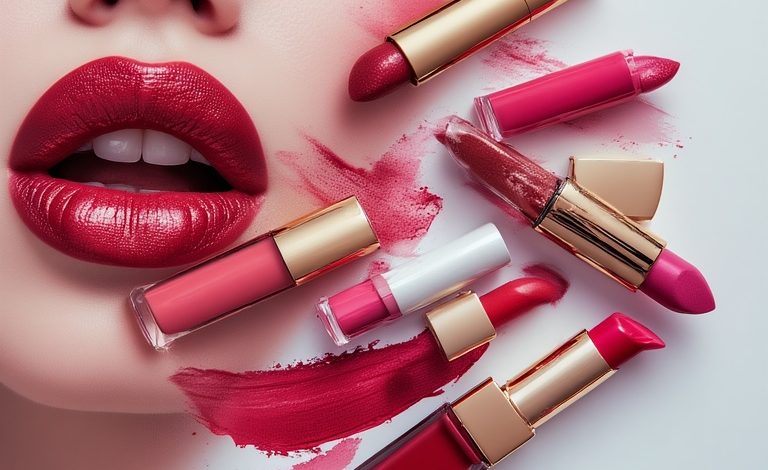
Discover the real effects of lipstick—good and bad. Learn how lipstick impacts your lips, skin, confidence, and long-term health with expert insights.
The Real Effects of Lipstick: A Complete, Human-Lived Guide to the Good, the Bad & the Often Ignored
Lipstick isn’t just makeup. For many of us, it’s mood armor—a quick swipe that makes you feel put together even on a chaotic morning. I’ve personally relied on lipstick to hide sleepless nights, nail job interviews, and even lift myself out of those “blah” days.
But behind the confidence boost, there’s a bigger conversation happening around the effects of lipstick—on your lips, your skin barrier, your hormones, and even your long-term health.
If you’ve ever wondered:
-
Does lipstick really darken lips?
-
Can lipstick be harmful if used daily?
-
What are the science-backed benefits and risks?
-
How do I choose safer formulas?
…then this article will be your most comprehensive, experience-backed guide.
I’ll break down everything I’ve learned through years of using lipsticks—along with insights from dermatology, cosmetic chemistry, and real-world product testing.
Understanding the Effects of Lipstick: What Actually Happens When You Apply It
To judge lipstick fairly, let’s divide its effects into positive, negative, and conditional (depends on ingredients, usage, and skin type).
1. Positive Effects of Lipstick (Backed by Real-World Use & Skin Science)
✓ Instant Moisture & Protection
Many modern lipsticks contain:
-
Shea butter
-
Castor oil
-
Jojoba oil
-
Vitamin E
-
Hyaluronic acid
These ingredients create a moisture seal, which prevents your lips from drying in cold weather or air conditioning.
My experience:
Creamy formulas have rescued my lips on days when I forgot my lip balm.
✓ A Significant Boost in Confidence
There’s actual psychology behind this.
Studies show that wearing lipstick:
-
Increases self-perception of attractiveness
-
Boosts confidence in social settings
-
Helps with professional presence
Even when you’re exhausted, a bold lip makes you look awake.
✓ Can Protect Lips from Sun Damage
Some lipsticks include SPF or physical blockers (like zinc oxide).
Since lip skin is thin and burns easily, SPF lipsticks help prevent:
-
Pigmentation
-
Premature aging
-
Lip freckling
-
Skin cancer risk on the lips
✓ Enhances Facial Symmetry & Definition
Lipstick adds contrast to your face, which the human brain perceives as more attractive.
It also creates:
-
Defined lip borders
-
Balanced proportions
-
A more vibrant complexion
✓ A Form of Self-Expression
Colors reflect mood—reds for power, nudes for quiet confidence, berry tones for depth.
Lipstick is one of the fastest ways to change your entire look without changing your makeup routine.
2. Negative Effects of Lipstick (When Ingredients or Habits Go Wrong)
Lipstick itself isn’t harmful—but certain formulas and habits are.
Here’s what you should watch for:
✗ Lip Dryness or Flaking
Ironically, the same product that moisturizes can also dry your lips out.
This usually happens with:
-
Matte liquid lipsticks
-
Long-wear formulas
-
Alcohol-heavy products
-
Cheap pigments
Why?
These formulas pull moisture from your lips as they set.
Signs:
-
Peeling
-
Tightness
-
White lines in inner lips
Fix:
Use a hydrating lip primer or balm underneath.
✗ Lip Darkening (Hyperpigmentation)
One of the most googled concerns around the “effects of lipstick.”
Causes of lip darkening:
-
Cheap dyes (especially reds with low-grade pigments)
-
Reactions to fragrance or menthol
-
Not removing lipstick before bed
-
Sun exposure while wearing non-SPF lipstick
I personally noticed discoloration when using bargain matte lipsticks for months.
Switching to cleaner formulas reversed it.
✗ Allergic Reactions (More Common Than You Think)
Possible allergens:
-
Fragrance
-
Lanolin
-
Beeswax
-
Carmine (crushed beetle pigment in many reds)
-
Essential oils
-
Menthol
-
Propylene glycol
Symptoms:
-
Burning
-
Itching
-
Redness
-
Tiny bumps
-
Swelling at edges of lips
Pro tip: Always spot test new brands if you’re sensitive.
✗ Chemical Exposure (If You Use Low-Quality Lipsticks)
While top brands follow safety standards, some cheap lipsticks have been found to contain:
-
Lead
-
Cadmium
-
Arsenic
-
Mineral oil hydrocarbons
-
Synthetic dyes linked to irritation
These are harmful only when present above safe limits.
But unregulated or counterfeit lipsticks are riskier.
If a lipstick smells like crayons… throw it out.
✗ Build-Up of Dead Skin
Long-wear formulas trap dead skin, making lips look dull and uneven.
This is why exfoliation matters.
✗ Accidental Ingestion of Lipstick
Yes, we swallow some.
Over a lifetime, research estimates women ingest 4–6 pounds of lipstick.
If you use high-quality, safe formulas, this isn’t a concern.
If you use extremely cheap or expired lipsticks, it can be.
3. Conditional Effects of Lipstick (Depends on How You Use It)
Some effects aren’t inherently good or bad—they’re based on your habits.
✓/✗ Long-Term Lip Health
If you:
-
Remove lipstick properly
-
Use hydrating formulas
-
Exfoliate weekly
-
Use SPF lip products
→ Your lips will stay soft, healthy, and even toned.
If you:
-
Sleep with lipstick on
-
Use drying matte formulas daily
-
Use expired products
→ You’ll see chapped lips, discoloration, and irritation.
✓/✗ Impact on Skin Tone & Appearance
Some lipsticks brighten your face.
Others wash you out.
It depends on:
-
Undertone (warm, cool, neutral)
-
Formula
-
Lighting
-
Lip preparation
Are Lipsticks Safe for Daily Use? (Short Expert Answer)
YES—if you choose:
-
Dermatologist-tested brands
-
Clean formulas
-
Lipsticks without toxic heavy metals
-
Products within expiration date
And if you maintain lip hygiene.
Daily use becomes a problem only with poor-quality products or careless habits.
How to Choose Safe, Healthy Lipsticks (Expert Recommendations)
Based on cosmetic chemistry + dermatologist guidance + my personal experience:
1. Check the Ingredient List
Look for:
-
Shea butter
-
Hyaluronic acid
-
Castor oil
-
Vitamin E
-
Ceramides
-
Zinc oxide (for SPF)
Avoid (if sensitive):
-
Fragrance
-
Menthol
-
Essential oils
-
Parabens (controversial but avoidable)
-
Low-quality dyes
2. Avoid Extremely Cheap Lipsticks
If it costs less than a bottle of water, question the formula.
3. Prefer Clean Beauty or Dermatologist-Approved Brands
Examples of quality markers:
-
Hypoallergenic
-
Non-comedogenic
-
Dermatologist-tested
-
FDA/EU compliant pigments
4. Don’t Use Expired Lipsticks
Expired formulas harbor bacteria and break down into irritating compounds.
Shelf life:
-
Lipstick: 18–24 months
-
Liquid matte: 6–12 months
5. Remove Lipstick Thoroughly
Use:
-
Micellar water
-
Oil cleanser
-
Makeup remover balm
Never scrub aggressively.
6. Always Prep Your Lips
Healthy lip routine:
-
Exfoliate 1–2 times weekly
-
Use SPF lip balm
-
Apply light moisturizer before matte lipsticks
Best & Worst Types of Lipsticks (For Lip Health)
Best for daily use:
-
Creamy bullet lipsticks
-
Hydrating satin finish
-
Tinted balms
-
Lip oils
-
SPF lipsticks
Use occasionally:
-
Matte lipsticks
-
Liquid matte formulas
-
24-hour long-wear products
Avoid (if sensitive):
-
Highly fragranced lipsticks
-
Glitter lipsticks (scratchy particles)
-
Unknown, unregulated brands
Frequently Asked Questions (FAQ)
1. Does lipstick make your lips darker?
Yes—if you use low-quality pigments, sleep with lipstick on, or expose lips to sun without SPF. Good-quality lipstick won’t darken lips.
2. Is it safe to use lipstick every day?
Yes. Modern formulas are safe as long as they are high quality and not expired.
3. Can lipstick cause cancer?
There is no scientific evidence linking regulated lipstick to cancer. Risks come only from counterfeit or unregulated products with toxic impurities.
4. Why do my lips peel after wearing lipstick?
Likely due to:
-
Matte formulas
-
Dehydration
-
Lack of exfoliation
-
Not prepping lips beforehand
5. Is ingesting lipstick harmful?
Small amounts are normal and safe with regulated products. Avoid extremely cheap or fake brands.
Final Take: The Real Effects of Lipstick
Lipstick can be a powerful confidence tool, a source of daily glamour, and even a protective barrier for your lips.
But like anything that touches your skin regularly, it requires smart choices and good habits.
Choose cleaner formulas. Prep your lips. Remove your makeup. Avoid bargain-bin brands.
Do that, and lipstick becomes an asset—not a risk.