I’ve watched this pattern unfold more times than I can count.
A friend says they’re “just tired lately.”
A client mentions they can’t focus like they used to.
Someone’s teenager is suddenly anxious, irritable, snapping over nothing.
Then I look at their daily screen time.
Seven hours.
Nine hours.
Sometimes eleven.
Nobody sets out to damage their mental health. But the way a smartphone affects mental health isn’t loud at first. It’s quiet. Gradual. Almost polite. It shows up as low-grade anxiety, weird comparison spirals, shallow sleep, constant mental noise.
From what I’ve seen, most people don’t even connect the dots until they’re already overwhelmed.
And honestly? Almost everyone I’ve worked with messes this up at first.
They think the issue is discipline. Or motivation. Or that they’re just “bad at managing time.”
It’s usually not that.
It’s the environment.
Why People Don’t Realize It’s Happening
Here’s what surprises people:
Smartphone impact doesn’t feel dramatic. It feels normal.
What I’ve consistently observed across dozens of real cases:
-
They wake up and check notifications before their brain is fully online.
-
They scroll during breakfast.
-
They multitask between apps while “working.”
-
They use their phone to unwind.
-
They fall asleep with it in their hand.
That’s not extreme behavior anymore. It’s average.
But the mental load compounds.
The 4 Patterns I Keep Seeing
-
Constant Micro-Stimulation
Every few minutes: vibration, ping, refresh, swipe.
The brain never fully settles. -
Fragmented Attention
People think they’re multitasking.
They’re actually splitting cognitive energy into thin slices. -
Comparison Loops
Especially on social media.
Even confident adults fall into this. -
Sleep Disruption
Blue light is part of it.
But mental activation is the bigger issue.
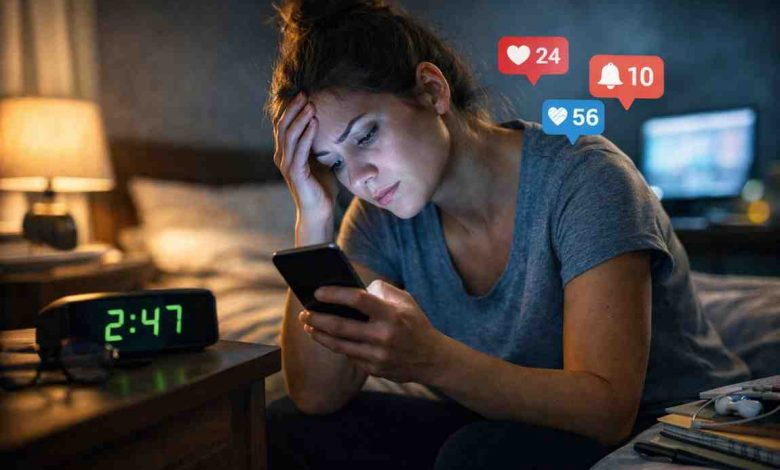
I didn’t expect sleep to be such a common issue until I tracked it with people. Almost everyone with high anxiety also had nighttime scrolling habits.
Coincidence? I don’t think so.
So… How Exactly Does a Smartphone Affect Mental Health?
Let’s break it down in plain terms.
1. It Keeps the Nervous System Slightly Activated All Day
From what I’ve seen, the biggest shift happens when people reduce interruptions.
Before:
-
Slight restlessness
-
Harder to focus
-
More reactive emotionally
After reducing notifications:
-
More stable mood
-
Clearer thinking
-
Less “edge”
The brain wasn’t built for constant novelty.
And smartphones are novelty machines.
2. It Amplifies Social Comparison (Even in Adults)
Teenagers struggle here, yes.
But so do 35-year-olds with stable careers.
I’ve sat with people who:
-
Felt behind in life
-
Thought everyone else was succeeding
-
Questioned their worth
Then we audit their feeds.
Highly curated lives. Highlight reels. Unrealistic productivity standards.
Most people I’ve worked with don’t realize how much passive scrolling quietly erodes self-esteem.
It’s subtle.
But repeated exposure rewires perception.
3. It Destroys Deep Focus
Almost everyone I’ve seen struggle with productivity does this one thing wrong:
They keep their phone within arm’s reach.
Even face down. Even on silent.
It doesn’t matter.
Just knowing it’s there reduces cognitive depth.
This honestly surprised me after watching so many people try to “improve focus” without changing their phone habits.
They bought planners.
They downloaded productivity apps.
They blamed themselves.
But they never removed the trigger.
4. It Messes With Emotional Regulation
Here’s something I didn’t expect to see so often:
People using their phone to avoid emotions.
Bored? Scroll.
Sad? Scroll.
Lonely? Scroll.
Stressed? Scroll.
It works short-term.
But long-term?
Emotional tolerance decreases.
Discomfort feels bigger.
People become less resilient.
Not because they’re weak.
Because they’re constantly numbing.
“Is This Really That Serious?”
Short answer: It depends.
If you:
-
Sleep well
-
Focus easily
-
Feel emotionally stable
-
Don’t compare yourself excessively
-
Use your phone intentionally
You’re probably fine.
But if you:
-
Feel scattered
-
Can’t sit in silence
-
Wake up anxious
-
Scroll longer than intended daily
-
Feel mentally foggy
There’s likely a connection.
And no, this isn’t anti-technology advice.
It’s about usage patterns.
How Long Does It Take to Notice Improvement?
From what I’ve observed:
-
3–5 days: Better sleep
-
1–2 weeks: Improved focus
-
2–4 weeks: Reduced anxiety baseline
-
1–2 months: Significant emotional stability shift
But only if the changes are real.
Most people quit around Day 4.
That’s the rough patch.
Boredom spikes.
Restlessness increases.
They feel “itchy.”
That phase is temporary.
What Most People Get Wrong at First
Almost everyone I’ve seen struggle with this does one of these:
-
They try to delete every app at once.
-
They go extreme.
-
They rely on willpower alone.
-
They track screen time obsessively.
-
They shame themselves.
The all-or-nothing approach fails.
The people who succeed make boring, sustainable changes.
What Actually Works (From Real Observations)
Here’s what consistently works across different personalities:
1. Move the Phone Out of the Bedroom
This single change improves sleep more than any supplement.
People resist this one.
They say:
“I use it as an alarm.”
Buy a $15 alarm clock.
I’ve watched this change alone improve:
-
Morning anxiety
-
Sleep depth
-
Emotional reactivity
It’s small. But powerful.
2. Turn Off Non-Essential Notifications
Keep:
-
Calls
-
Important work alerts
Remove:
-
Social media
-
Shopping apps
-
Random updates
Within days, people feel calmer.
Not happier. Just calmer.
That matters.
3. Create “Friction”
Delete social apps from home screen.
Log out after each use.
Make access slightly inconvenient.
We’re not trying to rely on discipline.
We’re changing environment.
Environment wins every time.
4. Replace, Don’t Just Remove
This is huge.
If you remove scrolling but don’t replace it, boredom takes over.
What worked best for people I’ve guided:
-
Physical books
-
Short walks
-
Music without screen use
-
Journaling at night
-
Calling a friend instead of texting
The brain needs stimulation.
Just not constant digital stimulation.
Common Questions I Keep Getting
Does smartphone use cause anxiety?
Not directly for everyone.
But excessive, unintentional use correlates strongly with increased anxiety symptoms in most people I’ve observed.
Especially when tied to:
-
Late-night scrolling
-
Social comparison
-
News overconsumption
Can reducing screen time actually improve depression?
It can help, but it’s not a cure.
In mild cases, I’ve seen noticeable mood improvements within weeks.
In moderate to severe depression, it’s supportive — not standalone treatment.
Is social media the main problem?
Not always.
Messaging apps. News apps. Even productivity apps can create cognitive overload.
It’s not one app.
It’s constant access.
Objections I Hear (And My Honest Response)
“I need my phone for work.”
Fair.
Most professionals do.
But you likely don’t need:
-
Continuous notifications
-
Social scrolling between tasks
-
Late-night email checking
There’s a difference between use and overuse.
“I’ve tried cutting back. It didn’t work.”
From what I’ve seen, this usually means:
-
The change was too extreme.
-
There was no replacement activity.
-
Expectations were unrealistic.
-
They expected instant calm.
Behavior shifts take rhythm.
Not motivation spikes.
“This feels dramatic.”
It might.
Until you track:
-
Mood vs screen time
-
Sleep vs night scrolling
-
Focus vs phone proximity
Patterns don’t lie.
Reality Check: This Isn’t for Everyone
Who this might NOT help much:
-
People with already structured phone use
-
People using phones mostly for business tools
-
People with strong emotional regulation skills
Who will struggle most with this approach:
-
High-stimulation seekers
-
People avoiding difficult emotions
-
Anyone deeply attached to social validation loops
And honestly… teenagers.
That’s its own battle.
What Patience Actually Looks Like
Here’s what real progress looks like from what I’ve seen:
Week 1:
-
Irritated
-
Bored
-
Restless
Week 2:
-
Sleep improves
-
Less urgency to check
Week 3–4:
-
More presence
-
Clearer thinking
-
Lower background anxiety
Month 2:
-
It feels normal
-
You stop counting screen time
Not glamorous.
But stable.
Practical Takeaways
If you’re overwhelmed and don’t know where to start:
Start here:
-
Remove your phone from the bedroom.
-
Disable non-essential notifications.
-
Track mood instead of screen time.
-
Replace 30 minutes of scrolling with one offline habit.
-
Expect discomfort at first.
Avoid:
-
Extreme detox challenges
-
Shaming yourself
-
Comparing your progress to others
-
Expecting instant peace
Emotionally, expect:
-
Withdrawal-like restlessness
-
FOMO
-
Moments of doubt
That doesn’t mean it’s not working.
It means your brain is recalibrating.
I’ve watched enough people quietly regain control once they made small, boring changes.
Not because they became disciplined.
But because they stopped fighting their own environment.
Smartphones aren’t evil.
But unstructured use? It’s powerful.
And the way a smartphone affects mental health isn’t dramatic. It’s cumulative.
So no — this isn’t magic.
But I’ve seen people go from scattered and anxious to calm and clear just by adjusting how they use a device they already own.
Sometimes that shift alone is the real relief.