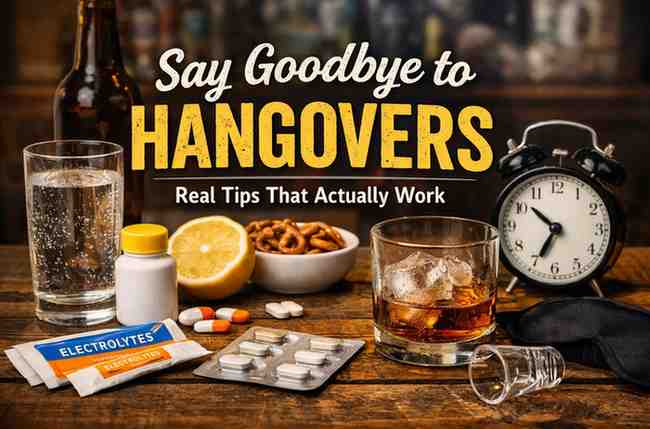
I’ve watched too many people swear they’re done drinking… only to text me the next morning with, “Why do I feel like this again?”
Head pounding. Stomach wrecked. Anxiety creeping in for no clear reason. Regret mixed with confusion.
Most of them weren’t reckless. They weren’t drinking every night. They just wanted a good time. A wedding. A game night. A random Friday that went a little too far.
And every time someone says they want to “Say Goodbye to Hangovers,” what they really mean is: “I’m tired of losing the next day of my life.”
From what I’ve seen — through friends, clients, and people who just needed someone to walk them through it — hangovers aren’t just about alcohol. They’re about patterns. Habits. Timing. And small decisions that snowball.
Almost everyone I’ve seen struggle with this does one thing wrong.
They treat hangovers like a mystery.
They’re not.
They’re predictable. Painfully predictable.
Let me show you what I’ve learned from watching dozens of people → try — and fail — to fix this.
Why Most People Fail to Say Goodbye to Hangovers
The biggest misconception?
People think hangovers are about how much you drink.
Sometimes, yes.
But more often, it’s about:
-
How fast you drink
-
What you mix
-
What you eat (or don’t)
-
How hydrated you were before you started
-
How your body personally processes alcohol
I didn’t expect dehydration to be such a common issue until I started paying attention. Almost everyone I’ve worked with who gets brutal hangovers drinks less water than they think.
They’ll say, “I had water.”
Okay. When?
“Before bed.”
That’s not the same thing.
Alcohol is a diuretic. It pushes fluids out. By the time you’re thirsty, you’re already behind.
And here’s the part most people don’t want to hear:
You can’t undo six hours of dehydration with one glass of water at midnight.
The Real Reasons Hangovers Hit So Hard
From what I’ve seen repeatedly, hangovers usually come from a mix of five things:
1. Dehydration
This is the obvious one. But it’s bigger than people think.
Low fluids =
-
Headache
-
Dizziness
-
Fatigue
-
Dry mouth
-
Brain fog
But dehydration also messes with blood pressure. That’s why some people feel shaky or anxious the next day.
2. Electrolyte Imbalance
Water alone doesn’t fix everything.
Alcohol flushes out sodium, potassium, magnesium.
This honestly surprised me after watching so many people try to “hydrate” but still feel terrible. They were drinking water… but not replacing minerals.
That’s why electrolyte drinks help some people more than plain water.
3. Blood Sugar Swings
Almost everyone I’ve seen struggle with nausea skipped food before drinking.
Alcohol spikes blood sugar. Then it crashes.
That crash feels like:
-
Weakness
-
Shakiness
-
Irritability
-
Nausea
Eat before drinking. Protein + fat especially.
Simple. But ignored constantly.
4. Sleep Disruption
You pass out. But you don’t sleep well.
REM sleep gets suppressed. Your nervous system stays slightly activated.
That’s why even 8 hours after drinking feels like 3.
5. Congeners (The Sneaky Factor)
Darker alcohols (whiskey, rum, red wine) contain more congeners — byproducts from fermentation.
From what I’ve seen, people who switch to lighter alcohol (vodka, gin, clear tequila) often report milder hangovers.
Not zero. Just milder.
What Actually Helps You Say Goodbye to Hangovers
Let’s get practical.
Here’s what consistently works across different people:
Before Drinking
-
Eat a solid meal (protein + fats)
-
Start hydrated (urine light yellow)
-
Don’t show up already depleted
Most people I’ve worked with mess this up at first. They “save calories” before going out.
That backfires.
During Drinking
This is where patterns matter.
What I’ve seen work best:
-
One drink per hour max
-
Alternate each drink with water
-
Don’t mix different types of alcohol
-
Stop 1–2 drinks before you feel done
That last one is huge.
By the time you feel buzzed enough, you’re 20–30 minutes behind what you’ve consumed.
Almost everyone overshoots because of this delay.
Before Bed
Not glamorous. But effective.
-
16–20 oz electrolyte drink
-
Light snack (toast + peanut butter works well)
-
Ibuprofen (if safe for you and not mixing with heavy drinking)
-
Full glass of water next to bed
Still.
If you drank way too much? This won’t fully save you.
But it will soften the damage.
How Long Does It Take to Stop Getting Hangovers?
Short answer:
It depends on whether you change patterns or just hope for better luck.
From what I’ve seen:
-
Minor changes → noticeable difference within 1–2 drinking occasions
-
Major habit overhaul → big improvement within 3–4 weeks
-
Chronic heavy drinking → requires reducing frequency
The body adapts when you stop overloading it.
But if someone drinks heavily every weekend, the hangovers often get worse over time. Not better.
Tolerance to alcohol increases.
Tolerance to hangovers doesn’t.
Common Mistakes I See Over and Over
Let me save you frustration.
Almost everyone I’ve seen struggle with this does one of these:
-
Drinks on an empty stomach
-
Mixes beer, wine, and liquor
-
Tries “hangover cures” instead of prevention
-
Takes random supplements without understanding them
-
Assumes coffee will fix everything
Coffee can help headaches slightly.
But it can also worsen dehydration.
Be careful.
“Is It Worth It to Even Try Fixing This?”
That depends.
If you:
-
Drink occasionally
-
Hate losing your next day
-
Want balance, not abstinence
Yes. It’s worth learning to say goodbye to hangovers intelligently.
If you:
-
Drink to blackout regularly
-
Use alcohol to cope emotionally
-
Ignore physical warning signs
Then this isn’t a hydration problem.
That’s a bigger conversation.
And I’ve seen people try to “optimize” hangovers when what they really needed was to reduce drinking overall.
Who Will Hate This Approach
People who want a magic pill.
There isn’t one.
No powder.
No “miracle” supplement.
No secret trick.
Prevention beats cure almost every time.
And prevention requires slowing down.
Some people don’t want to slow down.
Quick FAQ (Straight Answers)
Can you completely eliminate hangovers?
If you drink enough — no.
If you moderate and prepare properly — you can reduce them dramatically.
What’s the fastest way to feel better the next morning?
-
Electrolytes
-
Light carbs
-
Gentle movement
-
More fluids
-
Time
Time is the real cure.
Why do hangovers feel worse with age?
From what I’ve seen, recovery slows. Sleep gets lighter. Hydration habits decline. And responsibilities increase — so you feel it more.
Reality Check: What Can Go Wrong
Let’s be honest.
Even when you do everything right:
-
You can still feel off
-
Anxiety (hangxiety) can still happen
-
Sleep may still be disrupted
Alcohol is still a toxin.
We can manage it.
We can’t fully neutralize it.
If someone is experiencing:
-
Severe vomiting
-
Chest pain
-
Confusion
-
Dehydration that won’t resolve
That’s not a “normal hangover.”
Get medical help.
What Actually Changes When People Finally Get This Right
I’ve watched this shift happen.
It’s subtle.
They:
-
Stop competing with others on drinking pace
-
Leave events earlier
-
Care less about pressure
-
Drink slower
-
Wake up clearer
And something else happens.
They stop feeling ashamed the next morning.
That might be the biggest win.
Because most of the emotional weight around hangovers isn’t physical.
It’s regret.
Practical Takeaways
If you want to seriously say goodbye to hangovers, start here:
Do This:
-
Eat before drinking
-
Hydrate before and during
-
Choose one type of alcohol
-
Pace yourself
-
Replace electrolytes
-
Sleep intentionally
Avoid This:
-
Empty stomach drinking
-
Mixing everything
-
Trying to “power through”
-
Believing in miracle cures
Expect This Emotionally:
-
First few tries feel awkward
-
You’ll misjudge pacing at first
-
You might feel boring for slowing down
That part passes.
Most people I’ve worked with say the same thing after a month:
“I didn’t realize how much better I could feel.”
Not perfect.
Better.
And here’s the quiet truth.
You don’t actually want to drink less.
You just don’t want to feel wrecked afterward.
That’s reasonable.
So no — this isn’t magic. It’s pattern awareness. It’s small decisions stacking up. It’s learning your body instead of fighting it.
I’ve watched enough people shift from “Why do I always do this?” to waking up clear-headed and calm.
That shift isn’t dramatic.
It’s steady.
And honestly? That’s what makes it stick.