🥤Plastics in Packed Food Products – A Mess We’re All Eating
Look, I ain’t no scientist in a white lab coat, but I do eat food. Probably too much of it, honestly. But here’s the kicker—ever wondered how much plastic you’re also eating without even knowing it? Yeah, me neither. Until one day I read this report, and lemme tell ya… mind = blown.
If you’ve ever torn open a shiny snack packet, microwaved a ready-to-go meal in a plastic tray, or grabbed a cold soda from the fridge aisle—you’ve been part of this plastic party. And not in a good way. 😬
Let’s dig into what’s really going on with plastic in packaged food, how it messes with your health, and why it’s high time we gave this whole thing a second thought.
🏭 How Did We Even Get Here?
You remember growing up and your mom putting leftovers in steel tiffins? Or how soda came in glass bottles you could return for change? Yeah, those were the days.
Then came convenience, and with it? A tidal wave of plastic packaging. It was light, cheap, and oh-so-handy. But like a bad ex, it’s now in everything and won’t leave us alone.
“Plastics revolutionized food safety and shelf life,” they say. Sure, Karen. But at what cost?
Nowadays, from biscuits to baby food, almost every processed or packed food product you see is wrapped, boxed, or sealed in some form of plastic.
And no, I’m not saying go live off the grid and grow kale in your backyard (unless that’s your thing). I’m saying—we gotta be aware of what’s going into our mouths.
🧪 What’s Lurking Inside That Plastic Wrap?
BPA – The OG Food Villain
First up, BPA (Bisphenol A). Sounds sciencey and boring? Yeah, until you find out it’s been linked to hormonal issues, infertility, and even cancer. This stuff is used in plastics that line canned foods and some plastic containers.
Even low doses of BPA can mess with your endocrine system. And guess what? It can leach into your food, especially when you microwave stuff in plastic.
Like, how are we still doing this in 2025?
Phthalates – The Silent Creepers
These guys are used to soften plastics (think flexible wraps and lids). But they’re not just chilling there—they sneak into your food too. Especially fatty foods like cheese, meat, or oils packed in plastic.
They’re linked to developmental and reproductive problems.
And yet, we unwrap cheese sticks with zero hesitation. Guilty as charged.
Microplastics – The New Buzzkill
You’ve heard the term, right? Microplastics are tiny, invisible bits of plastic that break off from packaging. They’ve been found in salt, beer, honey, and—brace yourself—human poop.
Yup, we’re basically becoming plastic ourselves. Kind of poetic, if it weren’t so tragic.
🍜 Real Talk – How Plastic Messes With Our Health
Let’s keep it real. Eating one sandwich out of a plastic wrap won’t kill you. But doing it every day for years? That’s where the danger creeps in.
Here’s the tea:
-
Hormonal Imbalances: Chemicals like BPA mimic estrogen. Not cool if you like your hormones balanced.
-
Fertility Issues: Several studies (check out NIH’s take) link phthalates to reduced sperm count and menstrual irregularities.
-
Cancer Risks: Some plastics release carcinogens when heated. Like when you microwave those instant noodles at 2 a.m.
-
Immune System Mayhem: Microplastics mess with your gut health and immune system.
Honestly, it’s like slow poisoning—but it tastes like Doritos, so we ignore it.
🛒 The Sneaky Spots Plastics Hide in Food Packaging
Here’s where plastics show up in your daily grocery haul:
| Food Type | Plastic Form | Sneaky Risks |
|---|---|---|
| Ready-to-eat meals | Plastic trays, films | Leaching when microwaved |
| Bottled drinks | PET bottles | Microplastic shedding |
| Dairy & meat | Vacuum-sealed plastic | Phthalate exposure |
| Canned foods | BPA-lined cans | Hormonal disruptors |
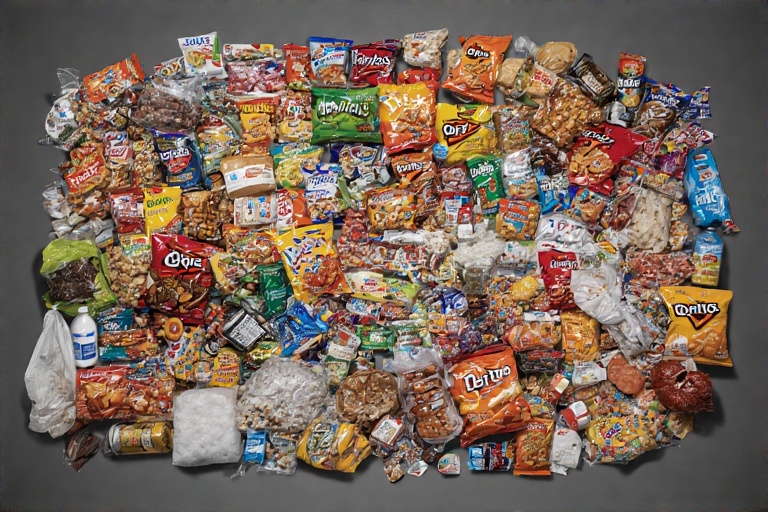
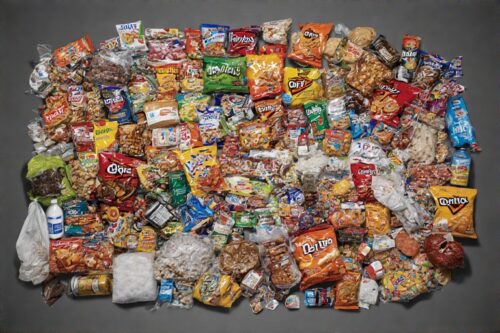
| Snacks & chips | Multi-layered plastic wraps | Not recyclable & toxic during production |
Pro Tip: If the package says “microwave-safe”, don’t just believe it. That label isn’t always regulated. It’s more of a marketing gimmick. 😒
😞 My Own “Oh Crap” Moment
Okay, storytime. I was nuking my favorite chicken curry from the fridge—microwaved in its original plastic container. It was one of those days where you’re too tired to care.
Later, I noticed the plastic had warped a little. No big deal, I thought. Until I read that heating plastic like that can literally release toxins into your food.
I haven’t used plastic in the microwave since. Switched to glass. Took some getting used to, but worth it.
🌱 So, What’s the Fix?
We ain’t helpless. Here’s what you can do without becoming a full-blown eco-warrior:
Go Glass or Steel
Store your leftovers in glass containers. Buy a few. They last forever and won’t mess with your food.
Say No to Plastic-Wrapped Produce
Those cucumbers shrink-wrapped in plastic? Skip ‘em. Go loose and bring your own cloth bag.
Don’t Microwave in Plastic. Ever.
Reheating in plastic is like asking for chemicals in your curry. Transfer it to a microwave-safe glass bowl.
Buy From Local Stores
Farmers’ markets and local groceries usually offer minimal packaging. Plus, you’re helping small businesses. Win-win.
Read Labels
Look for “BPA-free” and “Phthalate-free.” And even then—use caution. BPA-free doesn’t always mean safe.
🔥 Why Nobody Talks About This Enough
Truth is, there’s a ton of greenwashing out there. Big brands slap a “sustainable” label on plastic just to keep consumers chill.
And let’s be real—governments and corporations? They ain’t moving fast enough. Profits > People, most of the time.
But that doesn’t mean we can’t be smarter.
Even small changes—like not buying those overpriced plastic-wrapped apples—can snowball into something bigger.
📣The Bigger Picture – What’s It Doing to Our Planet?
Alright, health talk aside. The environmental cost is just… ugh.
Every year, over 8 million tons of plastic ends up in the ocean. Fish eat it. We eat the fish. Vicious cycle, huh?
Plastic packaging from food products is one of the biggest contributors to this mess.
And the worst part? Most of this stuff isn’t even recyclable. It just sits in landfills, breaking down into microplastics, making its way back to us.
💬 Final Thoughts – You Don’t Need to Be Perfect
Look, I still eat chips. I still grab bottled water when I forget my flask. But now? I think before I buy. That’s where change starts.
We don’t need 100 people doing zero plastic perfectly. We need millions doing it imperfectly but consciously.
Your food choices matter. Your packaging choices matter.
So next time you’re shopping, ask yourself—
“Am I eating food or plastic with a side of food?”
❓FAQs
Q1: Is all plastic packaging bad for food?
Not all, but many types can leach harmful chemicals into food—especially when heated or reused.
Q2: How can I reduce plastic in my food?
Use glass/steel containers, buy loose produce, avoid microwaving in plastic, and read labels for BPA/phthalate content.
Q3: Are BPA-free products safe?
Somewhat. BPA-free doesn’t mean chemical-free. Alternative chemicals like BPS may also be harmful.
Q4: Do microplastics really end up in our bodies?
Yes! Studies have found microplastics in human blood, lungs, and even poop. Wild, right?
Q5: What are safer alternatives to plastic food packaging?
Glass, stainless steel, compostable plant-based wraps, and beeswax food wraps are solid alternatives.