Honestly, most people I’ve watched try to fix a dry scalp → start confident… and end up frustrated.
They switch shampoos three times in a month. They Google late at night. They stand in the shower scratching, wondering why flakes keep coming back even though they “went natural.”
And somewhere along the way, they quietly assume they’re the problem.
From what I’ve seen, the issue usually isn’t effort. It’s confusion.
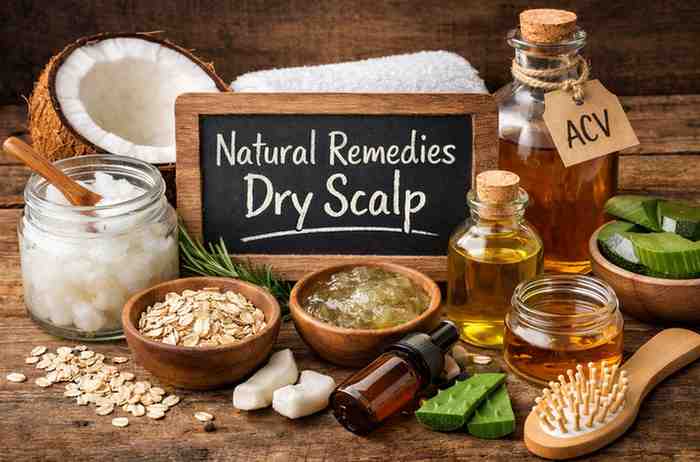
When people search for Natural Remedies Dry Scalp, they’re not looking for a Pinterest mask recipe. They want relief. They want to stop brushing black shirts before work. They want their scalp to stop feeling tight, itchy, embarrassed.
And they want something that actually works — without making things worse.
I’ve watched dozens of people experiment with oils, DIY treatments, apple cider rinses, aloe gels, and more. Some got relief. Some made it worse. Some were shocked by how simple the fix actually was.
Here’s what I’ve learned from being close to all of it.
First, Let’s Clear This Up: Dry Scalp Is Not Always Dandruff
Almost everyone I’ve seen struggle with this does this one thing wrong:
They assume flakes = dandruff.
Dry scalp and dandruff look similar. But they behave differently.
From what I’ve observed:
-
Dry scalp → small, dry flakes, tight feeling, worse in winter, often linked to over-washing.
-
Dandruff (seborrheic dermatitis) → larger yellowish flakes, oily scalp, redness, stubborn patches.
Why this matters?
Because many people treat dry scalp with harsh anti-dandruff shampoos. And those often strip the scalp more.
I didn’t expect this to be such a common issue. But once people stop overcorrecting with medicated products, things often calm down.
Why People Turn to Natural Remedies Dry Scalp Solutions
There’s usually a pattern.
Someone tries:
-
Switching to sulfate-free shampoo
-
Washing less often
-
Drinking more water
-
Buying expensive scalp serums
Still flaky.
Then they think:
“Maybe I need something gentler.”
And honestly? That instinct is usually right.
But “natural” doesn’t automatically mean helpful.
What Most People Get Wrong at First
Most people I’ve worked with mess this up at first by:
-
Dumping too much oil directly onto the scalp
-
Leaving treatments overnight when they shouldn’t
-
Skipping cleansing afterward
-
Trying three remedies at once
The scalp isn’t just skin. It’s a micro-environment. It has oil glands, bacteria, yeast, friction from hair, product buildup.
When someone overwhelms it, the reaction is predictable:
-
Itching increases
-
Flakes double
-
Frustration spikes
I’ve seen that spiral happen a lot.
Slow and measured beats aggressive and hopeful.
The Natural Remedies Dry Scalp Options That Consistently Work
Not magically. Not overnight.
But consistently.
1. Coconut Oil (Used Correctly)
What I’ve seen work:
-
Warm slightly
-
Apply small amount to scalp
-
Leave 30–45 minutes
-
Shampoo thoroughly after
What fails:
-
Sleeping in it every night
-
Applying thick layers
-
Not washing it out properly
Coconut oil can reduce moisture loss. But overuse clogs follicles.
The people who benefited treated it like a treatment — not a lifestyle.
2. Aloe Vera Gel (Pure, Minimal Ingredients)
This honestly surprised me after watching so many people try it.
Aloe works best for:
-
Tight, itchy scalp
-
Mild irritation
-
After overwashing
Applied for 20–30 minutes before showering.
People reported:
-
Reduced itching within a week
-
Less tightness
-
Scalp feeling calmer
But if flakes are heavy and oily? Aloe alone won’t fix it.
3. Apple Cider Vinegar Rinse (Diluted Only)
Almost everyone I’ve seen struggle with this does this one thing wrong:
They don’t dilute it enough.
Correct ratio I’ve seen work:
-
1–2 tablespoons ACV
-
1 cup water
Used once weekly.
It helps rebalance scalp pH and reduce buildup.
Overuse causes dryness. And burning.
Less is more here.
4. Gentle Oil Massage (Not Just Oil Dumping)
The massage matters more than the oil.
Light pressure increases circulation. Loosens flakes.
Oils I’ve seen people tolerate well:
-
Jojoba oil (closest to natural sebum)
-
Sweet almond oil
5–10 minutes. Then wash.
The people who rushed through this rarely saw results.
5. Oatmeal-Based Scalp Masks
Underused. Seriously.
Colloidal oatmeal can soothe irritation.
Mixed with water or aloe into a paste.
Left for 15–20 minutes.
Especially helpful in dry winter climates across the U.S.
How Long Does It Take to See Results?
This is where expectations break.
From what I’ve seen:
-
Mild dry scalp → 1–2 weeks of consistency
-
Moderate dryness → 3–4 weeks
-
Chronic cases → 6+ weeks with adjustments
Most people quit at day 10.
That’s the truth.
They expect instant flake disappearance. Instead, what happens first is reduced itching. Flakes decrease slowly.
The timeline feels boring.
But boring consistency wins here.
What Consistently Fails
Patterns I’ve observed repeatedly:
-
Switching remedies every few days
-
Ignoring shampoo quality
-
Over-washing
-
Hot showers daily
-
Using essential oils undiluted
Essential oils are a big one.
People assume natural = safe.
I’ve seen tea tree oil irritate scalps badly when used improperly.
If using essential oils:
-
Always dilute in carrier oil
-
Patch test first
-
Use sparingly
A Realistic Weekly Routine I’ve Seen Work
For dry scalp (not dandruff):
Week Structure Example
-
Wash hair 2–3 times per week
-
Once weekly: ACV rinse
-
Once weekly: light oil massage pre-shampoo
-
Aloe treatment mid-week if itchy
-
Lukewarm water only
That’s it.
Not 10 steps.
Not daily masks.
Simple, consistent.
“Is This Actually Worth Trying?”
If your scalp is:
-
Mildly flaky
-
Tight in winter
-
Itchy after hot showers
-
Sensitive to harsh shampoos
Yes. Natural remedies dry scalp approaches are worth trying.
If your scalp is:
-
Oily with thick yellow flakes
-
Red and inflamed
-
Spreading to eyebrows or ears
You may be dealing with seborrheic dermatitis.
Natural remedies might help mildly. But you may need medical treatment.
And I’ve seen people waste months refusing to consider that possibility.
Who This Is NOT For
-
People wanting instant overnight results
-
Severe scalp infections
-
Thick scaly plaques
-
Persistent bleeding or cracking
Sometimes natural is supportive — not curative.
And that’s okay.
Common Mistakes That Slow Results
Almost everyone I’ve seen struggle with this does at least one of these:
-
Using too much product
-
Not rinsing thoroughly
-
Scratching aggressively
-
Washing with very hot water
-
Expecting visible flake reduction before itch reduction
The itch improving first is normal.
Flakes often lag behind.
Quick FAQ (People Also Ask Style)
What is the best natural remedy for dry scalp?
From what I’ve seen, a simple routine combining gentle oil massage and diluted apple cider vinegar works best for most mild cases.
Can natural remedies cure dry scalp permanently?
No. Dry scalp often returns with weather changes or stress. Management is more realistic than “cure.”
How often should I treat dry scalp naturally?
Usually 1–2 times per week. Overdoing it causes setbacks.
Why is my scalp still flaky after using coconut oil?
You may not be washing it out fully. Or your issue may not be dryness — it could be dandruff.
Objections I Hear a Lot
“I tried oils and it got worse.”
Probably used too much. Or didn’t shampoo well after.
“Natural stuff takes too long.”
Yes. It usually does. That’s the trade-off for gentler methods.
“I don’t have time for routines.”
Then simplify. One weekly treatment is better than nothing.
Reality Check
This won’t feel dramatic.
There won’t be a “wow” moment.
What I’ve seen instead:
-
Less itching first
-
Then fewer flakes
-
Then longer stretches between flare-ups
It’s gradual. Subtle.
And honestly… kind of boring.
But relief often is.
Practical Takeaways
If you’re going to try Natural Remedies Dry Scalp approaches:
Do this:
-
Choose 1–2 methods only
-
Stay consistent 3–4 weeks
-
Use lukewarm water
-
Massage gently
Avoid this:
-
Over-layering treatments
-
Daily oiling
-
Hot showers
-
Harsh anti-dandruff products if not needed
Emotionally, expect:
-
Doubt at week 2
-
Mild improvement before visible change
-
Frustration if you rush
Patience here doesn’t mean doing nothing.
It means doing less — consistently.
I’ve watched enough people finally stop feeling stuck once they simplified their approach.
No miracle cure.
No dramatic transformation.
Just fewer flakes.
Less scratching.
More comfort wearing dark clothes again.
Sometimes that quiet relief is the real → win.
And honestly, if you’ve been dealing with this for months, even that small shift feels big.