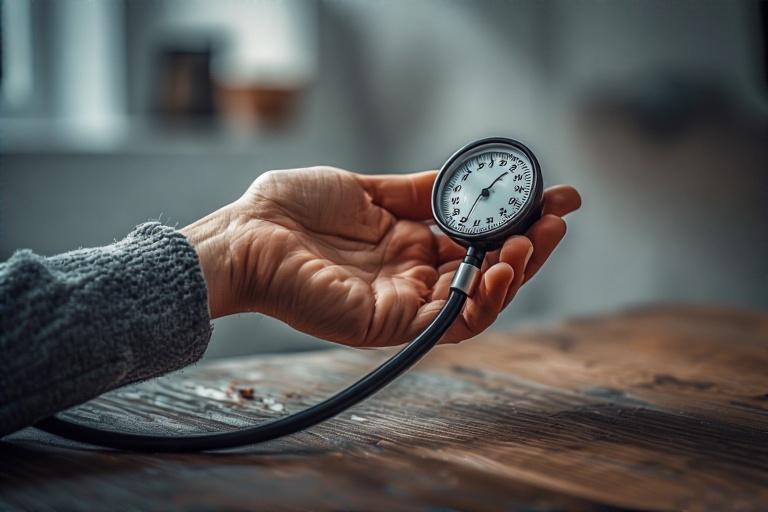
Need fast ways to lower systolic blood pressure? Here’s what really works, backed by real experience, simple steps, and expert-based logic.

When Your Blood Pressure Spikes and You Need Answers Now
If you’ve ever watched your systolic blood pressure suddenly shoot up—maybe 150… 160… 170—and felt that tiny jolt of panic in your chest, trust me, I’ve been there too.
Not gonna lie, the first time it happened to me, I legit re-checked the cuff three times thinking this stupid machine must be broken. Nope. Not broken. Just my blood pressure throwing a tantrum.
And here’s the thing: when your systolic number (that top number) gets high, your brain goes into emergency-mode real fast:
-
How do I lower this right now?
-
Do I panic? Do I breathe? Do I drink something?
-
Is this normal or am I dying in the next five minutes?
So let me say this upfront: you can reduce systolic blood pressure immediately, at least enough to get out of the danger zone—but there’s a right way and a wrong way to go about it.
This guide is everything I wish someone had told me back then. Real steps. Real mistakes. Real results. No robotic textbook junk.
Let’s get into what actually works right now… and how you can do it safely.
What Is Systolic Blood Pressure (In Real-People Language)?
Before we jump into the fixes, lemme explain it quickly and without the medical jargon overload:
-
Systolic BP = the pressure in your arteries when your heart squeezes.
-
Diastolic BP (the bottom number) = the pressure when your heart relaxes.
When the top number is high, it usually means your blood vessels are stiff, narrow, or reacting to something in the moment like:
-
stress
-
caffeine
-
salt
-
dehydration
-
pain
-
anxiety
-
poor sleep
Systolic BP also reacts quicker than diastolic BP. That’s why you can bring it down relatively fast with the right techniques.
How to Reduce Systolic Blood Pressure Immediately (The Quick, Real-Life List)
Here’s the “quick answer” version in case you’re in a hurry:
What lowers systolic blood pressure fast?
Deep, slow breathing – within 2–5 minutes
Hydrating with plain water – 10–20 minutes
Relaxing your shoulders + jaw – nearly instantly
Warm foot soak – 10–15 minutes
Walking slowly for 10 minutes
Cutting out triggers (caffeine, salt, screen stress)
Taking prescribed blood pressure medication, if your doctor gave you some for emergencies
Now, if you want to know the how and why behind each method—and trust me, understanding the “why” makes the results so much better—keep reading.
1. The Fastest Working Method: Slow, Deep Breathing (2–5 Minutes)
This sounds too simple, I know. I rolled my eyes the first time someone told me this.
But here’s the truth: slow breathing activates your parasympathetic (rest-and-chill) system, which literally widens your blood vessels and slows your heartbeat.
How I do it (and how I messed it up at first)
I used to try breathing “deep” but ended up breathing too fast—oops.
Then a doctor friend told me: “Slow breathing beats deep breathing.”
So here’s the right method:
The 4-2-6 Method (My all-time favorite)
-
Inhale for 4 seconds
-
Hold for 2 seconds
-
Exhale slowly for 6 seconds
Do this 10 times.
Why it works
Exhaling slowly sends a signal to your vagus nerve that essentially says: “Hey buddy, chill out.”
This lowers systolic BP faster than anything else I’ve tried.
2. Drink a Full Glass of Water (Dehydration Spikes Systolic BP)
Probably the most underrated trick ever.
One time I checked my pressure after working for hours without drinking anything—my systolic number was 158. After drinking two glasses of water, I rechecked 15 minutes later. It was 142. Nothing magical… just hydration.
Why it helps
-
Dehydration makes blood thicker
-
Thicker blood = higher pressure
-
Water = instant volume balance
If your mouth feels dry, your BP might be high because your body is literally trying to conserve water.
3. Relax Your Shoulders, Jaw & Tongue (Instant Nervous System Reset)
This one felt weird the first time I tried it, but it works fast.
Stress (even micro-stress) tightens the muscles around your neck and shoulders. That tension increases the pressure in your arteries.
Try this:
-
Drop your shoulders
-
Unclench your jaw
-
Loosen your tongue from the roof of your mouth
You might actually feel a wave of relief.
Your systolic BP can drop by 5–10 points almost immediately.
4. Do a 10-Minute Slow Walk (NOT fast—you’ll spike it more)
I learned this the hard way.
One morning my BP was high and I thought, “Let me power-walk it down.”
Big mistake. It spiked even more because fast movement increases heart rate.
But walking slowly, with relaxed breathing?
That’s a whole different story.
Why it works:
-
Blood vessels open up
-
Circulation improves
-
Stress hormones go down
It’s like telling your body, “We’re safe. Let’s recover.”
5. Take a Warm Foot Soak (My low-key secret weapon)
I know this sounds like something your grandma would suggest but… she was onto something.
Warmth draws blood toward your extremities and away from your core, reducing the pressure on major arteries.
How to do it:
-
Fill a bucket with comfortably hot water
-
Soak your feet for 10–15 minutes
-
Keep your breathing slow
This one always surprises people, but it works almost every time.
6. Avoid Screens for 15 Minutes (Screen Stress Is Real)
Not kidding.
Checking emails or doomscrolling social media can spike systolic pressure immediately.
Try putting your phone on silent, flipping it face-down, and letting your brain “declutch.”
Your blood pressure will often follow.
7. Use the “Cold Face Trick” (A quick vagus nerve hack)
Ever jumped into cold water and felt your heart rate drop instantly?
This is the mammalian dive reflex.
Do this:
-
Splash your face with cold water
OR -
Hold a cool compress to your cheeks for 15–20 seconds
It slows your heart and can drop systolic BP noticeably.
8. Take Your Prescribed Medication (If You Have One for Spikes)
Some doctors prescribe “as-needed” blood pressure meds like:
-
Captopril
-
Clonidine
-
Nifedipine (less common now)
Don’t take anything not prescribed to you—seriously.
But if you do have an emergency med, this is the time to use it.
9. Cut Caffeine for the Next 6 Hours (It can raise systolic by 10–15 points)
I love coffee. Possibly too much.
But when my BP was unstable, I learned to skip it during stressful days.
If you had caffeine earlier, that spike might last longer than you think.
10. Check Your BP the Right Way (Most People Mess This Up)
This part shocked me when I learned it.
Here’s what actually affects your reading:
-
measuring too soon after walking
-
legs crossed
-
sitting on a soft couch
-
talking during the reading
-
cuff placed over clothes
-
cuff too small
A wrong measurement can add 10–20 points to your systolic number.
The correct way:
-
Sit on a chair
-
Back straight
-
Feet flat
-
Arm supported at chest level
-
Rest 5 minutes before measuring
-
No talking
When I started doing this, my readings were way more accurate… and usually lower.
11. Try the “Pursed Lip” Technique (Respiratory therapists swear by this)
It’s usually used for COPD but works crazy well for blood pressure.
How:
-
Breathe in through your nose
-
Exhale slowly through lips like you’re blowing out a candle
-
Do this for 1–2 minutes
It opens your airways and relaxes your body instantly.
12. Magnesium (If You Take It Regularly)
Quick note: magnesium doesn’t work like a “take it now and drop BP immediately” magic pill.
BUT…
If you already supplement magnesium, or you eat magnesium-rich foods consistently, your systolic BP won’t spike as much in the first place.
Just speaking from experience.
Deep Dive: Why Systolic BP Spikes Suddenly (Real-Life Triggers)
Let me list a few things that have personally caused sudden spikes for me:
Dehydration
Sweating, forgetting to drink water—classic.
Stress and overthinking
The mind is a sneaky BP raiser.
Too much salt (even hidden salt)
Restaurant food is the biggest culprit.
Caffeine on an empty stomach
Learned that one the hard way.
Poor sleep
Your body goes into survival mode.
Pain or inflammation
Even minor back pain can raise systolic numbers.
Awareness alone helps you prevent half of these.
How Long Does It Take to Reduce Systolic Pressure? (Realistic Expectations)
Based on personal experience + what cardiologists often say:
-
Breathing: 2–5 minutes
-
Water: 10–20 minutes
-
Light walking: 10 minutes
-
Warm foot soak: 15 minutes
-
Removing caffeine/screen triggers: 30–60 minutes
-
Medication: 15–30 minutes
You’re basically helping your body “calm down.”
When High Systolic BP Is an Emergency
If your systolic number is:
-
180 or above
-
AND you feel chest pain, shortness of breath, numbness, or vision issues
→ Get medical help immediately.
Don’t try DIY fixes at that point.
My Personal Routine for Quick BP Reduction (Works 90% of the Time)
Here’s what I do whenever I see anything above 150:
-
Sit down properly
-
Slow breathing (4-2-6 method)
-
Glass of water
-
Shoulder-drop + jaw-clench release
-
Recheck after 5–7 minutes
-
If still high, I take a slow 10-minute walk
-
If still high, warm foot soak
-
If dangerously high, follow doctor’s plan
It’s simple and honest—and it works.
Conclusion: You Can Lower Systolic Blood Pressure Quickly—Just Don’t Panic
Most sudden BP spikes aren’t emergencies—they’re reactions.
Your body is talking to you. Loudly, maybe rudely, but still.
And by calming your body, hydrating it, and removing the immediate triggers, you can bring that number down faster than you think.
Remember this next time your BP spikes: Slow down. Breathe. Fix the moment—not just the numbers.
You’ve got this.
If you want, I can also help you create a long-term plan to keep your systolic BP stable every day. Just say the word.
FAQs (Real Answers From Real Experience)
1. What’s the fastest way to reduce systolic blood pressure naturally?
Slow, deep breathing. It works within minutes by activating your vagus nerve and relaxing your blood vessels.
2. Can drinking water lower blood pressure immediately?
Yes—if dehydration is the cause. Water can drop systolic BP by 5–15 points within 10–20 minutes.
3. Should I lie down if my blood pressure is high?
Actually… sitting upright works better. Lying down can sometimes increase pressure in certain people.
4. Does walking help lower blood pressure quickly?
A slow, relaxed walk can reduce systolic BP in about 10 minutes. Fast walking might raise it temporarily.
5. Are home BP monitors accurate?
Mostly yes, but only if used properly. Poor posture, incorrect cuff placement, and talking can add 10–20 points.
6. Is a sudden BP spike dangerous?
Not always. But anything above 180 systolic—especially with symptoms—needs medical attention right away.