Honestly, most people I’ve watched try to fix low calcium hit a wall fast.
They start strong. Buy supplements. Add milk. Google a few things late at night after seeing a “low bone density” note on a lab report. Then two months later? Nothing changes. Or worse — stomach cramps, confusion, and frustration.
I’ve seen this over and over.
Someone gets told their calcium is low. Or they feel the early signs — muscle cramps, brittle nails, random fatigue, maybe anxiety that doesn’t make sense. They ask, “How to increase calcium in body?” like it should be simple.
It sounds simple.
It isn’t.
From what I’ve seen across friends, clients, and people I’ve guided through routine changes — calcium → is rarely just about “eat more dairy.” That’s where almost everyone starts.
And almost everyone misses the bigger picture.
Let’s talk about what actually works. And what quietly fails.
Why Most People Struggle to Increase Calcium (Even When They’re Trying)
The biggest pattern I’ve seen?
People assume calcium is just an intake issue.
It’s often an absorption issue.
I didn’t expect this to be such a common problem until I started looking at routines more closely. People were technically consuming enough calcium on paper. But:
-
Low vitamin D
-
High caffeine intake
-
Constant stress
-
Digestive issues
-
Excess soda consumption
-
Thyroid or hormonal imbalances
All of these quietly interfere.
Most people I’ve worked with mess this up at first. They increase calcium but ignore everything that helps the body actually use it.
And the body is picky.
Step 1: Fix Vitamin D First (Almost Always)
This surprised me after watching so many people try to increase calcium intake without success.
If vitamin D is low, calcium absorption drops. Period.
I’ve seen people double their dairy intake and still have low levels — until they corrected vitamin D.
In the United States, vitamin D deficiency is common. Indoor jobs. Sunscreen. Long winters in northern states. It adds up.
What I’ve seen work consistently:
-
Get a blood test. Don’t guess.
-
Safe sunlight exposure (10–20 minutes depending on skin tone and location)
-
Supplement if clinically low (under medical guidance)
Once vitamin D improves, calcium levels often stabilize faster than expected.
This is usually the turning point.
Step 2: Stop Overloading on Calcium Supplements
This is where people panic.
They buy 1,000–1,500 mg tablets and start taking them daily without checking dietary intake.
Almost everyone I’ve seen struggle with side effects does this one thing wrong — they overshoot.
Too much supplemental calcium can cause:
-
Constipation
-
Kidney stone risk
-
Bloating
-
Poor absorption
From what I’ve seen, moderate dosing with food works better than high-dose pills on an empty stomach.
And honestly, food-based calcium tends to be better tolerated.
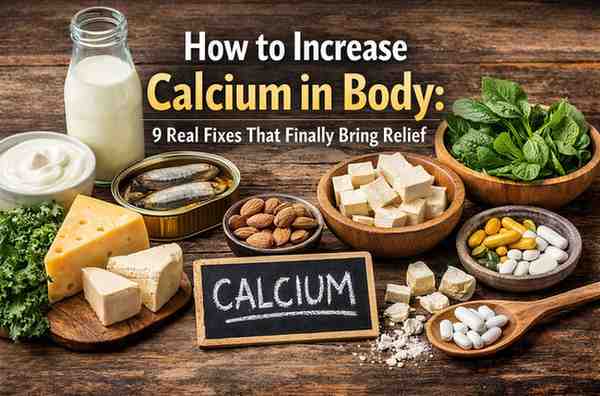
Step 3: Focus on High-Absorption Food Sources
Here’s what I’ve seen actually make a difference long-term:
Dairy (if tolerated)
-
Greek yogurt
-
Kefir
-
Milk
-
Cheese
People who reintroduce fermented dairy (like kefir) often tolerate it better.
Non-Dairy Options
For those who can’t handle dairy, I’ve seen success with:
-
Fortified almond or soy milk
-
Tofu set with calcium sulfate
-
Sardines with bones
-
Canned salmon with bones
-
Collard greens
-
Bok choy
Leafy greens work — but not all are equal. Spinach, for example, has oxalates that reduce absorption. This catches people off guard.
Small adjustment. Big difference.
Step 4: Reduce Calcium Blockers
This is the part most people don’t want to hear.
I’ve seen high soda intake quietly sabotage progress. Especially cola.
Excess caffeine can increase calcium excretion.
High sodium diets? Same issue.
Patterns I’ve seen:
-
People drinking 3–4 cups of coffee daily struggle more.
-
Heavy processed food eaters often plateau.
-
Chronic stress seems to correlate with stubborn levels.
Not saying eliminate everything overnight.
But awareness changes outcomes.
How Long Does It Take to Increase Calcium in the Body?
From what I’ve observed:
-
Mild dietary deficiency: 4–8 weeks
-
Vitamin D-related issues: 2–3 months
-
Bone density improvement: 6–12 months or longer
Blood levels can improve within weeks.
Bone remodeling is slower. People underestimate that timeline.
This is where discouragement kicks in.
What Usually Surprises People
This honestly surprised me too:
-
Muscle cramps often improve before lab numbers change.
-
Sleep sometimes improves once magnesium is balanced.
-
Some people feel calmer once calcium stabilizes.
The body doesn’t fix one system in isolation.
It recalibrates.
Common Mistakes That Slow Progress
Almost everyone I’ve seen struggle does at least one of these:
-
Taking calcium without vitamin D
-
Ignoring magnesium balance
-
Drinking excessive soda
-
Taking supplements all at once instead of splitting doses
-
Not checking thyroid health
-
Assuming dairy intolerance without testing tolerance properly
Small corrections. Big shift.
Is It Worth Trying to Fix Naturally?
For most people with mild to moderate deficiency — yes.
Diet + vitamin D correction works in the majority of cases I’ve seen.
However.
If someone has:
-
Severe osteoporosis
-
Parathyroid disorders
-
Chronic kidney disease
They need medical supervision.
This approach isn’t for everyone.
Who This Might Not Work For
Let’s be honest.
This won’t fix:
-
Advanced bone loss overnight
-
Hormonal disorders without treatment
-
Genetic absorption disorders
If someone expects instant bone density reversal — they’ll be disappointed.
This is steady improvement, not a miracle.
What to Do If It’s Not Working
If someone tries all this for 3 months and sees no improvement:
-
Check vitamin D again
-
Review magnesium intake
-
Evaluate gut health
-
Look at thyroid/parathyroid markers
-
Review medication interactions
Sometimes it’s not about trying harder. It’s about checking deeper.
Quick FAQ (People Also Ask)
What is the fastest way to increase calcium?
Correct vitamin D deficiency + consistent dietary intake.
Can I increase calcium without dairy?
Yes. Fortified plant milk, tofu, sardines, leafy greens.
How much calcium do adults need?
Generally 1,000–1,200 mg daily depending on age and sex.
Can too much calcium be harmful?
Yes. Over-supplementation increases kidney stone risk.
Objections I Hear All the Time
“I drink milk daily. Why is my calcium still low?”
Because absorption matters more than intake.
“I don’t want to take supplements.”
You may not need high doses. Sometimes sunlight and diet adjustments are enough.
“I tried this before. It didn’t work.”
Then something was missing. Usually vitamin D or absorption support.
Reality Check
Increasing calcium in the body is slow work.
It requires:
-
Consistency
-
Lab monitoring
-
Honest review of lifestyle
-
Patience
Most people give up around week 3–4 because they don’t “feel” immediate change.
But the ones who stay steady?
They almost always see measurable improvement.
Practical Takeaways
If I had to simplify this for someone I care about:
-
Test before guessing
-
Fix vitamin D first
-
Prioritize food over mega-doses
-
Reduce soda + excess caffeine
-
Balance magnesium
-
Give it at least 8–12 weeks
Emotionally?
Expect impatience.
Expect second-guessing.
Expect moments where you think it’s not working.
That’s normal.
No — this isn’t magic.
But I’ve watched enough people stop feeling stuck once they approached it this way. The shift usually happens quietly. A better lab result. Fewer cramps. A little more energy.
Sometimes that’s the real win.
And honestly, for most people in the U.S. asking how to increase calcium in body — steady and realistic beats extreme every time.