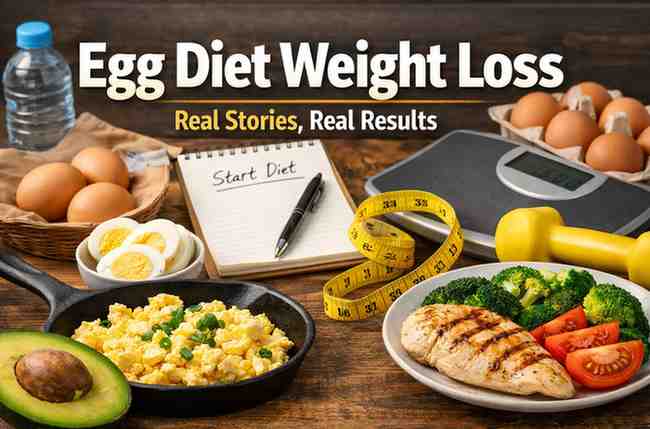
Honestly, most people I’ve watched try egg diet weight loss start the same way.
They’re frustrated.
Plateaued.
Tired of complicated meal plans.
One of my close friends tried it after weeks of complaining that nothing was moving the scale anymore. He wasn’t even excited about eggs. He was just… tired of thinking about food all day.
And the egg diet looked simple.
Almost too simple.
“Just eat eggs. Lose weight.”
That’s the idea floating around online anyway.
But after watching dozens of people → experiment with it — friends, gym buddies, coworkers, even a couple of coaching clients — I started noticing something interesting:
The people who succeed with it don’t follow the internet version.
And the ones who fail almost always make the same three mistakes.
That surprised me more than anything.
Because the egg diet itself isn't really the story.
The patterns around how people use it… that’s where the real lessons → show up.
Why So Many People Try the Egg Diet
From what I’ve seen, people rarely arrive at this diet → because they love eggs.
They arrive because they’re exhausted.
Usually after:
-
calorie counting burnout
-
keto confusion
-
intermittent fasting that felt too strict
-
months of “healthy eating” with no visible fat loss
Eggs feel like a reset.
Simple food.
High protein.
Cheap.
Easy to cook.
And psychologically, it removes the biggest problem most people → struggle with:
decision fatigue.
No thinking.
Just eggs.
One woman I spoke with said something that stuck with me:
“For the first time in months I didn’t have to negotiate with myself about food.”
That alone makes the egg diet appealing.
What the Egg Diet Actually Is (In Real Life)
The internet describes the egg diet like a rigid system.
But in practice… people run it in several different ways.
Here are the three versions I see most often.
1. The Short Reset Version (Most common)
Usually 3–7 days.
Meals look something like:
Breakfast
-
2–3 eggs
-
fruit or spinach
Lunch
-
eggs or lean protein
-
vegetables
Dinner
-
eggs or grilled chicken
-
vegetables
This version is basically a high-protein, low-carb reset.
Most people lose 3–6 pounds quickly here.
But a lot of that is water weight.
Still… psychologically it feels powerful.
2. The Fat-Loss Structure Version
This is the one that tends to work better long term.
People use eggs as a daily anchor food, not the entire diet.
Typical routine I’ve seen:
Breakfast
-
3 eggs
-
avocado or vegetables
Lunch
-
lean protein
-
vegetables
Dinner
-
eggs OR fish/chicken
-
vegetables
Snacks
-
fruit
-
yogurt
Eggs stay central, but the diet isn’t extreme.
This tends to produce 1–2 pounds per week fat loss.
Which is slower.
But sustainable.
3. The Extreme Egg-Only Version
This one circulates a lot online.
And honestly…
Most people I’ve seen attempt this quit within days.
It’s basically:
-
eggs
-
maybe cheese
-
sometimes butter
That’s it.
People think this will accelerate fat loss.
In reality it usually creates:
-
boredom
-
cravings
-
fatigue
Then a rebound binge.
I didn’t expect this to be such a common issue until I started hearing the same story repeatedly.
Why Eggs Work Surprisingly Well for Weight Loss
There are a few patterns that show up again and again.
And they’re not complicated.
1. Eggs kill hunger better than most foods
This is the biggest reason.
Three eggs in the morning keeps people full for hours.
A lot of people I’ve watched naturally eat 400–600 fewer calories per day without trying →.
No tracking.
Just… less hunger.
2. Protein stabilizes energy
People switching from cereal or toast to eggs usually notice:
-
fewer afternoon crashes
-
fewer sugar cravings
-
more stable mood
One guy told me he stopped thinking about snacks entirely after breakfast.
That rarely happens with high-carb breakfasts.
3. Eggs simplify eating
This part matters more than people realize.
When meals are predictable:
-
fewer impulsive choices
-
fewer drive-thru stops
-
fewer late-night snacks
Structure creates consistency.
Consistency creates fat loss.
The Mistake Almost Everyone Makes at First
This one shows up constantly.
People go too extreme too fast.
They decide:
“If eggs work… then eggs ONLY must work better.”
So they eat:
-
6 eggs breakfast
-
6 eggs lunch
-
6 eggs dinner
Day two feels okay.
Day three…
They’re miserable.
Then they quit.
From what I’ve seen, the people who succeed treat eggs as a foundation, not the entire system.
How Long Does Egg Diet Weight Loss Usually Take?
Short answer:
Results often show within 3–7 days.
But the type of weight matters.
Typical pattern I’ve seen:
Week 1
-
3–7 pounds lost
-
mostly water weight
Week 2–4
-
1–2 pounds per week
-
actual fat loss
Month 2 onward
-
slower but steady progress
People expecting dramatic drops every week usually get discouraged.
Fat loss just doesn’t work that way.
What Surprises Most People
A few things consistently catch people off guard.
Eggs get boring faster than expected
Even egg lovers eventually say:
“Okay… I need a break.”
That’s why rotating meals helps.
Weight loss sometimes stalls for a week
This freaks people out.
But it’s normal.
The body adjusts to new routines.
Then progress resumes.
Energy improves before the scale moves
Several people told me they felt:
-
clearer mentally
-
less bloated
-
more energetic
before seeing visible weight loss.
That delay makes people question the process.
Common Egg Diet Weight Loss Mistakes
These show up almost every time someone struggles.
Eating eggs but keeping high-calorie snacks
Example pattern:
-
egg breakfast
-
egg lunch
Then…
-
chips
-
sugary drinks
-
late-night desserts
Eggs can’t override that.
Skipping vegetables
This causes:
-
constipation
-
cravings
-
nutrient imbalance
Egg diets without vegetables rarely last long.
Expecting miracle speed
Social media exaggerates results.
Real fat loss tends to be steady.
Not explosive.
Not drinking enough water
High-protein diets increase hydration needs.
Without water, people feel sluggish.
Who the Egg Diet Works Best For
From what I’ve observed, this approach fits certain personalities.
It works well for people who:
-
like simple meals
-
prefer routine
-
struggle with overeating
-
want fewer food decisions
Eggs provide structure.
And structure helps consistency.
Who Will Probably Hate This Diet
Some people struggle immediately.
Usually those who:
-
love variety in meals
-
dislike eggs
-
eat socially very often
-
prefer flexible dieting
For them, the monotony becomes unbearable.
And forcing a diet you hate rarely lasts.
Quick FAQ (Questions People Always Ask)
How many eggs per day for weight loss?
Most successful routines I’ve seen involve 3–6 eggs daily, not extreme amounts.
Can you lose 10 pounds on the egg diet?
Some people do — but much of that is water weight during the first week.
Sustainable fat loss usually averages 1–2 pounds per week.
Are eggs safe to eat every day?
For most healthy adults, daily eggs are considered safe and nutritious.
But anyone with medical conditions should check with a doctor.
Can you exercise while doing the egg diet?
Yes.
In fact, moderate activity improves results.
But extremely low-calorie versions may reduce energy.
Objections I Hear All the Time
“Eggs have cholesterol.”
Modern nutrition research shows dietary cholesterol affects blood cholesterol differently than once believed.
For most people, eggs don’t cause issues.
Still, personal health history matters.
“Won’t I gain the weight back?”
This depends entirely on what happens after.
If people return to:
-
processed snacks
-
constant takeout
-
overeating
…then yes, weight returns.
But if eggs helped them establish better eating habits, many maintain their progress.
Reality Check Before You Try This
A few honest truths →.
Egg diet weight loss is not magic.
It works mainly because:
-
calories drop
-
protein increases
-
meals simplify
That’s it.
The diet doesn’t change metabolism overnight.
It just makes fat loss easier to maintain.
And honestly, the biggest win I’ve seen from people trying it isn’t the weight loss.
It’s the mental clarity around food.
People stop obsessing over every meal.
That shift alone changes everything.
Practical Takeaways From Watching This Work (and Fail)
If someone asked me how to approach this realistically, I’d say:
Do this
-
include vegetables daily
-
keep meals simple
-
stay hydrated
-
aim for consistency, not perfection
Avoid this
-
egg-only extreme diets
-
zero vegetables
-
expecting massive weekly drops
-
quitting after a single plateau
And emotionally…
Expect moments where you get bored.
Expect a week where nothing changes.
That’s normal.
Fat loss rarely moves in straight lines.
The funny thing about the egg diet is that it looks almost laughably simple.
But the people I’ve seen succeed with it weren’t chasing simplicity.
They were chasing relief.
Relief from complicated food rules.
Relief from constant hunger.
Relief from feeling stuck.
So no — eggs aren’t magic.
But I’ve watched enough people finally regain control of their eating once they built their routine around simple, filling foods like this.
Sometimes that shift alone ends the cycle people have been stuck in for years.