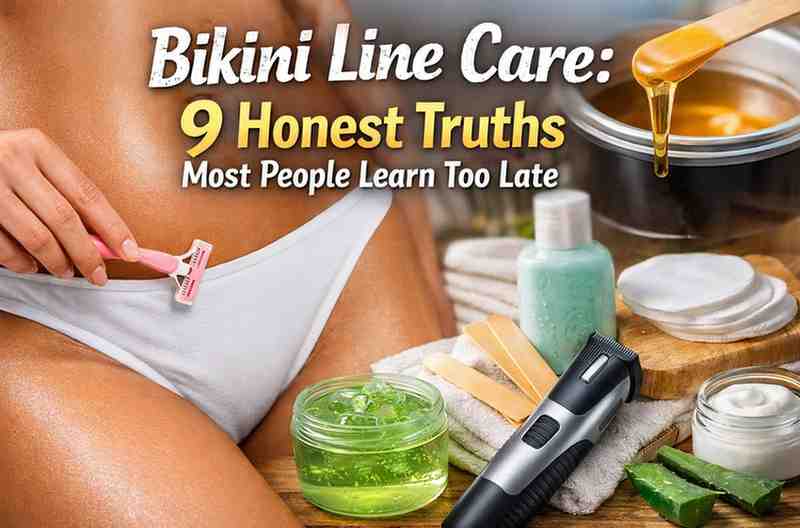
You’d think the bikini line would be easy—just remove hair → and move on. But from what I’ve seen, this is one of those areas where small mistakes compound fast. Razor bumps, darkening, itching, ingrown hairs… people cycle through all of it, often thinking it’s just “their skin.”
It’s not.
Most of the time, it’s the method, the timing, or the aftercare. And honestly, a lot of people are doing things that look right but quietly make things worse.
If you’ve ever felt like your bikini line gets worse the more you “take care” of it—you’re not crazy. This is actually hard.
The Reality Check
There’s a gap between what people think bikini line care is… and what it actually requires.
The Trap Most People Fall Into
From repeated patterns I’ve seen, these are the big ones:
- Overdoing hair removal →
- Shaving too frequently doesn’t “keep it clean”—it keeps the skin → inflamed.
- Dry shaving or rushed shaving
- Happens more than people admit. It’s one of the fastest ways to trigger irritation.
- Using the wrong products
- Harsh soaps, fragranced creams, or random DIYs that weren’t meant for sensitive areas.
- Ignoring aftercare
- This is the biggest one. People focus on removal, then neglect what happens after.
- Trying everything at once
- Switching between waxing, shaving, and creams without giving skin time to adapt.
What surprised me over time is this: most bikini line issues aren’t because someone is careless… they’re because they’re trying too many things too quickly.
The Process: What Actually Works (and What Doesn’t)
There’s no single “perfect” method. But there are patterns that consistently lead to better outcomes.
Let’s break it down.
Step 1: Choose a Method That Matches Your Skin (Not Trends)
People jump to waxing or laser because it sounds “better.”
But from what I’ve seen →:
- Sensitive skin → shaving (done properly) often works better
- Thicker hair → waxing or trimming reduces regrowth irritation
- Low patience → trimming is underrated and causes the least problems
What Works vs What Looks Good on Paper
Step 2: Timing Matters More Than You Think
This is something people rarely talk about.
Hair removal works best when:
- Skin is clean and slightly softened (like after a warm shower)
- You’re not rushed
- You’re not already irritated
What doesn’t work:
- Shaving before heading out quickly
- Waxing right before tight clothing or sweating
- Removing hair on already inflamed skin
Small timing mistakes → big skin reactions later.
Step 3: Technique Is Where Most Mistakes Happen
This is where most people mess it up.
If You Shave:
- Use a sharp, clean razor
- Always shave in the direction of hair growth → first
- Don’t go over the same area repeatedly
If You Wax:
- Don’t rush between sessions
- Let hair grow → to a proper length
- Avoid DIY waxing unless you’ve practiced (this goes wrong often)
If You Use Hair Removal Creams:
- Patch test every time (seriously)
- Don’t exceed recommended time
- Use products designed for sensitive areas
Step 4: Aftercare Is 50% of the Result
Honestly, this is where outcomes are decided.
What I’ve seen → consistently help:
- Cooling the area (not ice directly, but soothing)
- Using fragrance-free moisturizers
- Loose clothing for a few hours after
What people skip →:
- Hydration
- Barrier repair
- Letting skin breathe
And then they wonder why irritation shows up the next day.
How Long Does It Take to See Results?
Most people notice improvement in bikini line irritation within 1–2 weeks once they fix their method and aftercare. Long-term smoothness and reduced ingrown hairs usually take 4–6 weeks of consistent routine. Quick fixes rarely work—this is more about reducing damage than forcing results.
Strategic Recommendations (What I’d Actually Use Today)
If I were starting over, knowing what I know now, I wouldn’t chase perfection. I’d focus on reducing irritation first.
Here’s what that would look like.
1. A Reliable Razor (If Shaving)
Look for:
- Fewer blades (yes, fewer)
- Flexible head
- Designed for sensitive skin
Why?
Multi-blade razors often cut hair too close, increasing ingrowns. People think “closer shave = better,” but the skin → disagrees.
2. A Proper Shaving Medium
This is underrated.
Instead of random soap:
- Use a gentle shaving gel or cream
- Avoid heavy fragrance
From what I’ve seen →, this alone reduces irritation by a noticeable margin.
3. Post-Care Products That Actually Help
If I had to prioritize:
- Soothing gel (like aloe-based)
- Light, non-comedogenic moisturizer
- Optional: mild exfoliation (after a couple of days, not immediately)
What I wouldn’t do:
- Heavy oils immediately after shaving
- Strong actives right away
4. Trimmer (The Underrated Tool)
Honestly, most people overlook → this.
A good body trimmer:
- Reduces risk of ingrown hairs →
- Maintains neatness without stressing skin
- Saves time
It’s not as “clean” as shaving—but for a lot of people, it’s the most sustainable option.
5. If You’re Considering Laser
This comes up a lot.
From patterns I’ve seen →:
Pros:
- Long-term reduction
- Less frequent maintenance
Cons:
- Requires multiple sessions
- Not ideal for all skin/hair combinations
- Needs proper clinic and consistency
If someone is dealing with constant ingrowns and irritation, this can be worth exploring—but expectations need to be realistic.
Objections & FAQs
1. “Why do I keep getting ingrown hairs on my bikini line?”
Ingrown hairs usually happen when hair is cut too short or removed improperly, causing it to grow back into the skin. Tight clothing, repeated shaving, and lack of exfoliation make it worse. Fixing technique and spacing out hair removal often reduces → this significantly.
2. “Is shaving bad for the bikini line?”
Shaving isn’t bad—it’s just often done poorly. When done with proper prep, a sharp razor, and good aftercare, it can be one of the safest methods. Problems usually come from rushing, dull blades, and over-shaving.
3. “How often should I remove bikini line hair?”
Most people do better when they space it out. Every 2–4 weeks works for many, depending on hair growth →. Removing hair too frequently keeps the skin in a constant state of irritation →, which leads to bumps and discomfort.
4. “Why is my bikini line getting darker?”
Darkening often comes from repeated friction, irritation, or inflammation. Tight clothing, aggressive shaving, and lack of recovery time all contribute. Reducing irritation usually helps stabilize the skin tone over time.
Practical Takeaways
If you strip everything down, here’s what actually matters:
- Stick to one method long enough to see how your skin reacts
- Prioritize aftercare as much as removal
- Avoid removing hair on already irritated skin →
- Use clean, sharp tools
- Give your skin recovery time
- Consider trimming if irritation is constant
Who Should Avoid Aggressive Bikini Line Care
- People with very sensitive or reactive skin
- Anyone dealing with active irritation or infection
- Those who feel pressured to maintain a “perfect” look at the cost of comfort
Sometimes the best move is to do less, not more.
Still, here’s the part people don’t like hearing.
There’s no perfect routine that works instantly.
It’s more like… reducing damage, one habit at a time.
From what I’ve seen, the people who finally get consistent results aren’t the ones doing the most—they’re the ones doing fewer things, more carefully.
And yeah, it takes a bit of patience. Some trial and error. A few moments where you think, “Why is this still happening?”
But once you figure out what your skin tolerates—and stop fighting it—you start getting out of that cycle.
It’s not magic.
But it does work.