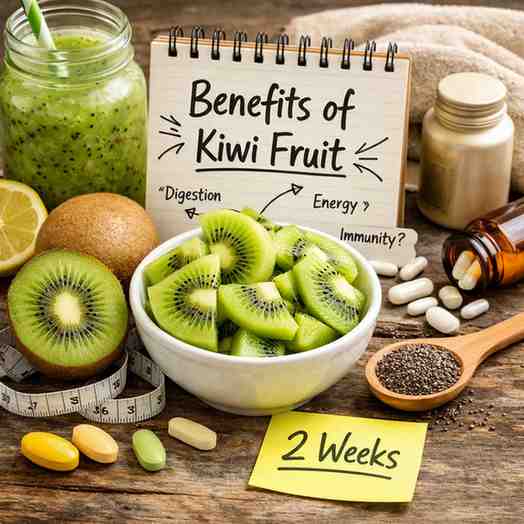
Not gonna lie—I used to side-eye kiwi fruit. Fuzzy outside, neon green inside, those tiny seeds getting stuck in your teeth. It felt like one of those “healthy foods” people pretend to enjoy. Then I hit a stretch where my digestion was a mess, my energy dipped hard by 3 p.m., and my skin looked like it was protesting my life choices. I didn’t want another supplement. I wanted something stupidly simple.
So I tried adding kiwi fruit to my routine. Not as a miracle fix. Just… one small change to see if anything budged.
It did. Slowly. In ways I didn’t expect. And also in ways that annoyed me at first.
If you’re here because you’re tired of vague “superfood” hype and want to know the real benefits of kiwi fruit—what actually helps, what’s overblown, who it’s not for, and how long it takes to notice anything—this is the messy, lived version. No glossy promises. Just what I learned the hard way.
Why I even bothered with kiwi fruit (and what I got wrong at first)
I didn’t start kiwi for weight loss. I started it because my gut felt like it was holding a grudge. Bloating. Random constipation. Then suddenly the opposite. I’d already tried:
-
Cutting dairy (helped a little, but not enough)
-
More water (helped… until I forgot for two days)
-
Probiotics (expensive roulette)
Someone casually mentioned kiwi helped them “stay regular.” I rolled my eyes. Then I tried it because I was tired of thinking.
What I misunderstood:
I thought one kiwi here and there would fix everything. It didn’t. When nothing dramatic happened in three days, I almost quit. That was mistake #1. Kiwi works more like a nudge, not a shove.
What changed when I stuck with it:
Eating 1–2 kiwis most days, usually in the morning, for a couple of weeks. Not glamorous. Just consistent.
The benefits of kiwi fruit (what actually showed up for me)
I’ll break this down the way it landed in real life, not the way nutrition labels list it.
1. Digestion finally stopped being a daily drama
This was the first thing I noticed. And yeah, it took about 10–14 days of near-daily kiwi.
What helped:
-
Kiwi has fiber, but it also has an enzyme (actinidin) that helps break down protein.
-
Translation: my stomach didn’t feel like it was doing CrossFit after meals.
What surprised me:
It didn’t make me run to the bathroom. It just… normalized things. Less bloating. Fewer “why does my stomach hate me?” moments.
What failed:
Eating kiwi late at night. For me, that sometimes caused mild heartburn. Morning worked better.
2. Energy dips got less dramatic (not gone, just less rude)
I used to crash hard mid-afternoon. Coffee helped for 20 minutes, then I felt worse.
When kiwi became a regular thing:
-
I didn’t feel wired.
-
I just didn’t hit that brick wall as often.
My guess (from what I’ve seen, at least):
It’s the combo of vitamin C + natural sugars + hydration. No spike. More like a smoother curve.
Don’t expect: instant energy. This is subtle. If you want fireworks, you’ll be disappointed.
3. My skin stopped looking so… tired
This one took longer. Like 3–4 weeks before I looked in the mirror and went, “Huh. Okay.”
What changed:
-
Slightly more glow
-
Fewer random dry patches
-
My skin just looked less stressed
Was it all kiwi? Probably not. I was also drinking more water because kiwi made me thirsty. Still counts.
Reality check:
Kiwi won’t replace sunscreen, sleep, or basic skincare. It’s support, not a rescue mission.
4. Fewer colds (not zero, just fewer)
This honestly surprised me. I usually catch every office bug. That winter, I didn’t dodge everything, but:
-
The colds I did get were shorter.
-
I bounced back faster.
Vitamin C isn’t magic. But steady intake > random mega-doses when you’re already sick. That pattern felt real to me.
5. It weirdly helped my sweet cravings
I didn’t expect this at all. Kiwi is sweet, but not candy-sweet. It scratched the “I want dessert” itch without sending me on a sugar spiral.
What worked:
-
Eating kiwi after lunch instead of reaching for cookies.
-
Adding it to plain yogurt when I wanted something “treat-ish.”
What didn’t:
Pairing kiwi with already sugary stuff. That just woke the sugar monster.
6. Sleep felt… easier (this one felt almost accidental)
There’s some talk about kiwi and sleep because of serotonin and antioxidants. I didn’t start kiwi for sleep. But after a few weeks:
-
I fell asleep a bit faster on nights I had kiwi earlier in the day.
-
My sleep felt less restless.
Not a sleeping pill. Just a small nudge.
If you’re sensitive:
Eating kiwi too close to bedtime gave me reflux once. So, earlier is better.
7. It made eating “healthy” feel less annoying
This might be the most underrated benefit.
Kiwi:
-
Is low effort
-
Doesn’t require cooking
-
Actually tastes good
When one healthy habit feels doable, it makes the next one feel less impossible. That snowball effect mattered more than any single nutrient.
8. It helped me stop pretending fiber was boring
I used to think fiber = bland. Kiwi changed that mental story. It’s bright. Tangy. A little chaotic. It made fiber feel… normal.
Small mindset shift. Big consistency win.
9. It made me pay attention to my body again
This one’s emotional, but real.
When you try something simple and actually notice small changes, you start listening to your body again. That awareness is half the battle. I stopped chasing hacks and started paying attention to patterns.
How long does it take to see benefits from kiwi fruit?
Short answer:
-
Digestion: 1–2 weeks
-
Energy & skin: 2–4 weeks
-
Immunity support: Over a season, not days
If nothing changes in three days, that’s normal. Kiwi is not a stimulant. It’s more like background support.
Common mistakes I made (don’t repeat these)
-
Expecting instant results
This made me almost quit too early. -
Eating it randomly
Consistency > quantity. -
Overdoing it
4–5 kiwis in a day gave me stomach discomfort once. Chill. -
Forgetting context
Kiwi can’t outwork zero sleep and stress overload.
Objections I had (and what I learned)
“Isn’t kiwi just sugar?”
It has sugar, yes. But also fiber, vitamins, and enzymes. The fiber changes how your body handles the sugar →. It’s not the same as candy.
“Is kiwi fruit really worth it?”
If you want a simple, low-effort upgrade? Yeah.
If you want a miracle cure? No.
“I hate the texture.”
Same. At first. Slicing it and eating with a spoon helped. So did blending it into smoothies.
Reality check: who the benefits of kiwi fruit are NOT for
This is important.
Kiwi might not be your friend if:
-
You’re allergic (kiwi allergies are a thing and can be serious)
-
You’re sensitive to acidic fruits and get reflux easily
-
You’re on blood thinners (kiwi can interact because of vitamin K)
-
Your stomach reacts badly to enzymes
If you notice itching in your mouth, throat tightness, or stomach pain—stop. That’s not “detox.” That’s your body saying no.
Quick FAQ (the stuff people always ask)
Is it better to eat kiwi with the skin?
You can. The skin has fiber. I tried. Didn’t love it. Wasn’t worth forcing.
How many kiwis a day is okay?
1–2 most days felt good for me. More isn’t better here.
Does golden kiwi work the same as green?
From what I noticed, yes. Golden is sweeter and gentler on my stomach.
Can I eat kiwi every day?
If your body tolerates it, sure. Mine did better with most days, not necessarily every single day.
Practical takeaways (the stuff I’d tell a friend)
What to do:
-
Start with 1 kiwi a day for 2 weeks
-
Eat it earlier in the day
-
Pair it with protein or yogurt if it feels too acidic
What to avoid:
-
Expecting overnight changes
-
Eating a ton at once
-
Ignoring discomfort signs
What to expect emotionally:
-
Mild hope
-
Mild disappointment at first
-
Then small “oh… that’s better” moments
What patience looks like:
-
Noticing tiny shifts
-
Letting boring consistency win
-
Not quitting just because it’s not dramatic
No guarantees. No miracles. Just a small, steady nudge in a better direction.
I didn’t expect kiwi fruit to matter. I really didn’t. It felt too simple to count. But small things stack. And when your body finally gives you a few quiet wins, it changes how heavy everything feels.
So no—this isn’t magic. But for me? It stopped feeling impossible. And that was enough to keep going.