
I rolled my eyes at this. Then I tried it.
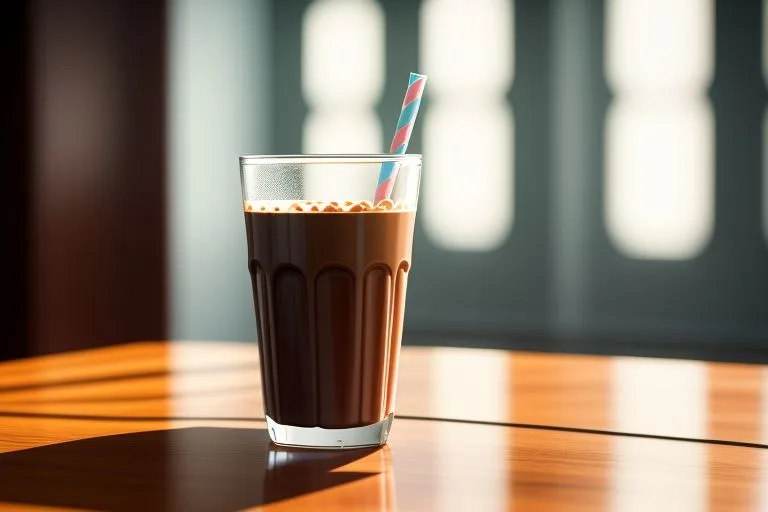
Not gonna lie — the first time someone told me to drink chocolate milk after workout, I laughed.
I was standing in a cramped gym locker room in Ontario, sweat still dripping, trying to choke down a gritty protein shake that tasted like regret. A guy I barely knew — older, strong, calm — pointed at my shaker and said, “You ever try chocolate milk instead?”
I thought he was messing with me.
Chocolate milk felt… childish. Like something you drink with cookies, not after deadlifts. Every fitness blog I’d read made recovery sound complicated: ratios, supplements, powders with names I couldn’t pronounce. Chocolate milk seemed too easy. Too normal.
But a week later, I tried it.
And yeah. Things changed.
Not overnight. Not magically. But enough that I kept going back to it. Enough that I started paying attention. Enough that I messed it up a few times, learned the hard way, and eventually figured out what actually works — at least for me.
This isn’t a miracle story. I’m not a trainer. I’m not selling anything. This is just what I learned by actually doing it, screwing it up, fixing it, and sticking with it longer than I expected.

Why I even tried it (and what I misunderstood)
The honest reason? I was tired.
Not “I need a nap” tired. I mean bone-deep, heavy, can’t-focus, sore-for-two-days tired. I was lifting 4–5 times a week. Nothing insane. But recovery felt slow. My legs stayed cooked. My motivation dipped.

Protein shakes helped… kind of. But they also messed with my stomach. Chalky texture. Artificial sweeteners. I’d feel bloated and weird driving home.
So when I finally gave chocolate milk a shot, my expectations were low.
Here’s what I misunderstood at first:
-
I thought it was just about protein
-
I assumed any chocolate milk would do
-
I treated it like a dessert, not recovery fuel
-
I drank it whenever, not paying attention to timing
Basically, I did it wrong. For a while.
The first week: confusing but interesting
The first time I drank it post-workout, I noticed two things right away:
-
It went down easily
-
I didn’t feel wrecked later that night
That second part surprised me. Usually, after leg day, stairs are my enemy. That night? Still sore. But not angry-sore.
Sleep was better too. Deeper. Less tossing around.
I didn’t connect the dots immediately. I just noticed I wasn’t dreading the next session as much.
By the end of week one, I realized something subtle: I was recovering faster, not necessarily stronger yet. That distinction matters.
Here’s what’s actually happening (from a normal-person view)
I’m not gonna throw studies at you. You can Google those.
From what I’ve seen in my own body, chocolate milk works because it hits a few things at once:
-
Carbs to refill energy
-
Protein to help muscles repair
-
Fluids for hydration
-
Sodium and potassium (small, but helpful)
It’s balanced without trying too hard.
What shocked me was how normal it felt. No spike-crash. No stomach drama. No “ugh, I have to drink this” moment.
It felt like food. Real food.
Lesson #1: Timing matters more than I thought
This one took me a month to figure out.
At first, I’d drink it whenever. Sometimes 30 minutes later. Sometimes after driving home. Sometimes not at all if I forgot.
Results were inconsistent.
The best results came when I drank it within 30 minutes of finishing my workout. Not obsessively fast. Just soon.
When I waited too long, soreness came back. Energy dipped.
When I didn’t? Recovery felt smoother.
Don’t overthink it. Just don’t treat it like an afterthought.
Lesson #2: I drank too much (and paid for it)
This is embarrassing.
Early on, I thought, “If some is good, more is better.”
So I started crushing huge bottles. Like, way too much.
Result?
-
Sluggish feeling
-
Slight stomach heaviness
-
Calorie creep I didn’t notice until my jeans did
Chocolate milk isn’t magic. It’s still calories.
For me, the sweet spot was around 12–16 oz depending on workout intensity. Heavy leg day? Closer to 16. Light upper body? Less.
Don’t make my mistake. Start small.
Lesson #3: Not all chocolate milk is equal
This part matters, especially in the US and Canada.
Some brands are basically sugar bombs. Others are closer to what you want.
What I learned to look for:
-
Real milk (not “chocolate drink”)
-
Short ingredient list
-
Decent protein (8g+ per cup)
-
Not crazy high added sugar
I’m not brand-loyal. I just read labels now.
Funny thing? The “healthiest-looking” ones weren’t always best. Sometimes the plain, boring grocery store brand worked just fine.
Lesson #4: It’s not great for every goal
This is where honesty matters.
If you’re deep into cutting weight, counting every calorie, or avoiding sugar completely, this might not fit your plan. And that’s okay.
For me, during maintenance or light bulking? Amazing.
During aggressive fat loss? I had to be careful.
Chocolate milk after workout helped recovery, but I still had to account for it. Ignoring that led to slow, sneaky weight gain.
This isn’t a free pass. It’s a tool.
Lesson #5: It didn’t replace protein — it complemented it
I thought I could ditch protein entirely.
Wrong.
What worked best was:
-
Chocolate milk right after training
-
Normal meals later
-
Occasional protein shakes when needed
When I tried to rely only on chocolate milk, strength gains stalled. When I used it as part of the bigger picture, things clicked.
It’s recovery fuel, not your whole diet.
Lesson #6: My workouts actually felt… lighter?
This one’s hard to explain.
After a few weeks, I noticed I walked into the gym feeling less beat up. Joints felt okay. Muscles felt “ready” more often.
Not invincible. Just… not drained.
That mental shift mattered more than I expected. When recovery feels manageable, consistency gets easier. And consistency beats perfect programming every time.
Lesson #7: I stopped overcomplicating recovery
This might be the biggest takeaway.
I used to chase hacks. Supplements. Powders. Ratios. Forums arguing over decimals.
Chocolate milk after workout reminded me that simple stuff works when you actually stick to it.
No prep. No shaker bottle. No weird taste.
Just drink it. Move on.
What I’d tell a friend thinking about trying it
Honestly?
I’d say this:
-
Try it for two weeks
-
Don’t overdo it
-
Pay attention to how you feel, not hype
-
Adjust based on your goals
This isn’t magic, and I’m not saying it’ll work for everyone. Bodies differ. Schedules differ. Diets differ.
But if recovery feels harder than it should, it’s worth a shot.
Practical takeaways (the short version)
-
Drink it soon after training
-
Keep portions reasonable
-
Read labels
-
Don’t treat it like dessert
-
Track how you respond
Simple. Boring. Effective.
FAQs (from messing with this myself)
Is chocolate milk after workout actually good for recovery?
For me? Yes. It helped with soreness and energy. Not instantly, but consistently.
How soon should I drink it?
I aim for within 30 minutes. That’s when I noticed the biggest difference.
Can I use it instead of protein powder?
Sometimes, but not always. It works best alongside real meals.
Will it make me gain weight?
It can if you ignore calories. Portion control matters.
Is it okay after cardio too?
Yeah. Especially longer or harder sessions. Just scale the amount.
Would I still use it now?
Yes — but intentionally. Not mindlessly.
So no — this isn’t some secret weapon. It won’t fix bad sleep, poor training, or stress. I learned that the hard way.
But as a simple, affordable recovery option? It surprised me. More than once.
And honestly? That’s why I still keep it in my fridge.