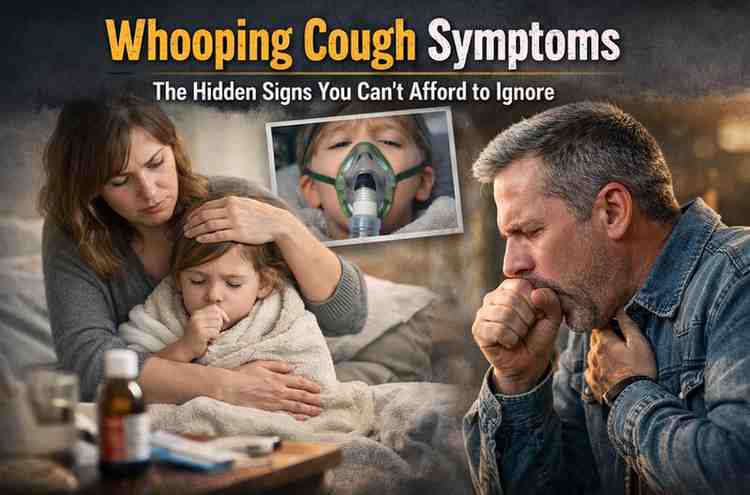
Honestly, most people I’ve watched deal with whooping cough symptoms hit a wall early on. The cough starts mild. Annoying, but not scary. They keep going to work. Kids keep going to school. A week passes. Then two. Then suddenly the cough sounds… wrong. That sharp gasp for air. The exhaustion that doesn’t match a “normal cold.”
From what I’ve seen sitting with families, roommates, new parents, even a couple of burned-out college students, the frustration isn’t just the cough. It’s the confusion. People feel silly worrying about it. Then they feel guilty for not worrying sooner. That emotional swing is real. And it slows people down when timing actually matters.
What follows isn’t textbook talk. It’s patterns I’ve seen repeat across people. What they get wrong at first. What surprises them. What helps sooner than expected. And where expectations usually break.
What people think whooping cough symptoms look like (and how that trips them up)
Most folks expect a dramatic, obvious illness from day one. The classic “whoop” sound. Violent coughing fits right away. That’s not how it usually shows up.
From what I’ve seen, early whooping cough symptoms often look like:
-
A mild cold that refuses to leave
-
Runny nose
-
Low fever (or none at all)
-
Light cough that’s easy to ignore
-
Feeling “off,” but still functional
This phase tricks people. They keep pushing through. They share drinks. They kiss kids goodnight. By the time the cough turns intense, the window for easy containment has already closed.
What surprised me: almost everyone I’ve seen struggle with this does the same thing—waits for the “whoop” before taking it seriously. By then, they’re already deep into it.
The cough phase: where people finally realize something’s wrong
This is the stage people remember. The cough changes tone. It becomes:
-
Long coughing fits you can’t stop
-
Gasping for air afterward
-
Vomiting after coughing
-
Chest and rib pain
-
Sleep disruption (nights are brutal)
-
Total exhaustion from coughing alone
From what I’ve seen, this is when panic creeps in. Not always fear of danger—more like, “Why isn’t this going away?” People feel embarrassed by the noise. They start isolating socially without understanding why they feel so depleted emotionally.
Common pattern: people think the cough means they’re “getting worse.” In reality, it often means the illness has moved into its main phase. That doesn’t make it easier. But it changes what “normal” looks like.
Whooping cough symptoms in adults vs. kids (this trips families up)
Most people associate whooping cough with babies. That’s partly why adults ignore their symptoms.
What I’ve seen across families:
Adults
-
Often don’t “whoop”
-
Just have relentless coughing fits
-
Rib pain and headaches from coughing
-
Feel stupid for seeking care “just for a cough”
-
Spread it unknowingly
Kids and babies
-
More obvious breathing distress
-
That sharp “whoop” sound can appear
-
Vomiting after coughing
-
Poor feeding
-
Blue lips in severe cases (this is urgent)
This honestly surprised me after watching so many people try to tough it out: adults are often the quiet carriers. They minimize symptoms. Then the baby gets hit hardest.
Why people try to self-manage whooping cough symptoms (and where it fails)
From what I’ve seen, people default to home remedies first because:
-
They’ve had coughs before
-
They don’t want antibiotics unless “necessary”
-
They’re busy
-
They don’t want to look dramatic
-
Healthcare feels expensive or slow
Home care can help with comfort. But it doesn’t stop transmission. And it doesn’t shorten the contagious phase the way early medical care can.
Where this fails repeatedly:
-
Waiting “just one more week”
-
Assuming cough syrup fixes the root problem
-
Not isolating early
-
Sending kids to school because they “don’t have a fever”
That’s the part people regret later.
How long whooping cough symptoms usually last (the timeline nobody expects)
People always ask, “How long does it take?”
Here’s the messy, real-world timeline I’ve seen across multiple cases:
-
Week 1–2: feels like a stubborn cold
-
Week 3–6: intense coughing phase (this is the rough part)
-
Week 7–12+: lingering cough that slowly fades
Most people expect two weeks of misery. Then they get hit with month two. That emotional dip is real. People start wondering if something is seriously wrong with them. It’s not weakness. It’s the nature of this illness.
Reality check: the cough can linger even after you’re no longer contagious. That mismatch between “not dangerous anymore” and “still miserable” messes with people mentally.
What consistently works vs. what looks good on paper
From what I’ve seen:
What actually helps
-
Early testing and treatment
-
Letting people around you know early
-
Rest (real rest, not half-rest)
-
Hydration that’s boring but steady
-
Sleeping upright during peak cough phase
-
Simple routines that reduce triggers (dust, smoke, cold air)
What looks good on paper but disappoints
-
“Powering through”
-
Random supplements with no clear plan
-
Cough suppressants as the main strategy
-
Ignoring isolation advice
-
Assuming vaccination means zero risk
Vaccination lowers severity and spread risk. It doesn’t make you immune to every case. That nuance gets people emotionally blindsided.
Don’t repeat this mistake (I’ve watched it backfire too many times)
Most people I’ve worked with mess this up at first:
-
They wait for dramatic symptoms
-
They underplay how contagious they might be
-
They delay getting tested
-
They don’t tell close contacts early
-
They feel embarrassed about being “that person with the cough”
Then the guilt hits later when someone else gets sick.
This isn’t about blame. It’s about timing. Earlier action = fewer ripple effects.
Is it worth taking whooping cough symptoms seriously early?
Short answer? Yes. And not because of fear.
From what I’ve seen, early action gives people:
-
Shorter contagious window
-
Clearer expectations
-
Less anxiety
-
Fewer “what if I had just…” regrets
-
Better protection for vulnerable people around them
Is it always comfortable? No. But the emotional relief of clarity is real →. That surprised me. People calm down once they understand what’s happening in their body.
Common mistakes that slow recovery
Almost everyone I’ve seen struggle with this does one of these:
-
Overexerts during the cough phase
-
Skips rest because they feel “okay” between coughing fits
-
Uses cough syrup to mask symptoms and keeps pushing
-
Doesn’t protect sleep
-
Doesn’t adjust routines (cold air, smoke exposure)
Cause → effect → outcome:
Overdoing it → more coughing → more irritation → longer recovery.
It’s boring advice. It works.
Who will hate dealing with whooping cough symptoms this way
This approach is not for people who:
-
Hate slowing down
-
Feel guilty resting
-
Need instant fixes
-
Don’t want to adjust routines
-
Avoid asking for help
If you’re wired to grind through illness, this will feel uncomfortable. That’s usually the point where growth happens. But yeah—some people bounce off this hard →.
Short FAQ (for the questions people Google at 2 a.m.)
Is whooping cough dangerous for adults?
Usually not life-threatening, but it can be brutal and disruptive. The bigger risk is passing it to infants or vulnerable people.
Can you have whooping cough symptoms without the “whoop”?
Yes. Many adults never make the classic sound.
How long are you contagious?
Early on, before people realize what’s happening. That’s why early testing matters.
Does vaccination mean you can’t get it?
No. It lowers risk and severity. It doesn’t make you invincible.
When should you seek medical help?
If coughing fits are intense, you’re vomiting after coughing, breathing looks strained, or a baby is involved—don’t wait.
Objections I hear a lot (and the reality behind them)
“It’s just a cough.”
That’s what everyone says in week one.
“I don’t want antibiotics unless it’s serious.”
Fair instinct. The point isn’t meds by default. It’s clarity and containment.
“I can’t afford to slow down.”
Then the illness slows you down anyway. Usually harder.
“I don’t want to scare people.”
Sharing early isn’t about fear. It’s about respect for other people’s health.
Reality check: where expectations break
Let’s be honest about limits.
-
This is not a quick fix
-
The cough can linger
-
Energy can dip longer than expected
-
Emotional burnout is common
-
People around you may minimize it
-
You may feel dramatic for needing rest
None of that means you’re weak. It means you’re dealing with something stubborn.
Practical takeaways (the stuff people actually use)
What to do
-
Take early symptoms seriously
-
Get clarity sooner rather than later
-
Protect sleep
-
Reduce irritants
-
Let people around you know
What to avoid
-
Powering through
-
Hiding symptoms
-
Overusing suppressants
-
Ignoring isolation advice
-
Comparing your timeline to someone else’s
What to expect emotionally
-
Frustration when it drags on
-
Relief once you understand the pattern
-
Guilt if others get sick
-
A weird sense of isolation during coughing fits
What patience actually looks like
-
Canceling plans without spiraling
-
Letting your body set the pace
-
Not measuring progress day to day
-
Watching week-to-week trends instead
No guarantees here. Just patterns I’ve seen hold up across people.
Still, I get why people want to minimize whooping cough symptoms at first. No one wakes up wanting to deal with a long, messy illness. But I’ve watched enough people feel less stuck once they stopped guessing and started responding early. Sometimes that shift—out of confusion and into clarity—is the real relief.