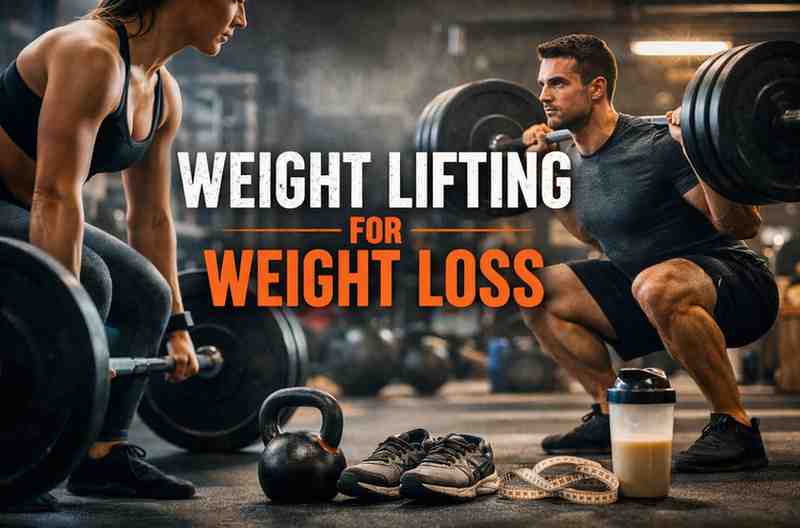
I’ve watched a lot of people walk into the gym with that same tight expression.
Determined. Slightly embarrassed. Quietly frustrated.
Most of them weren’t new to trying to lose weight. They’d done the treadmill phase. The “eat less, move more” phase. The random YouTube HIIT phase. Some lost 10 pounds. Gained 15 back. Some never saw the scale move at all.
And then someone told them about weight lifting for weight loss.
At first, they were skeptical. “Isn’t lifting for bulking?” “Won’t I just get bigger?” “Shouldn’t I be doing more cardio?”
Honestly, from what I’ve seen, most people who try weight lifting for weight loss hit confusion before they hit results. Not because it doesn’t work. But because they misunderstand how it works.
And that misunderstanding? That’s where most frustration begins.
Why People Turn to Weight Lifting for Weight Loss
It usually happens after burnout.
I’ve seen this pattern over and over:
-
Someone slashes calories.
-
Adds daily cardio.
-
Sees quick scale drops.
-
Energy tanks.
-
Cravings spike.
-
Progress stalls.
-
They feel like their body is “broken.”
That’s when lifting enters the picture.
Usually after hearing:
-
“Muscle burns more calories.”
-
“Strength training changes your metabolism.”
-
“Cardio alone won’t shape your body.”
They’re not wrong. But they’re incomplete.
Weight lifting for weight loss isn’t magic. It’s metabolic leverage. And leverage works differently than starvation.
What Most People Get Wrong at First
Almost everyone I’ve seen struggle with this does one thing wrong:
They treat lifting like cardio.
More reps. More sweat. More burn. More exhaustion.
They chase fatigue instead of stimulus.
That’s not how this works.
The real shift is this:
Weight lifting isn’t about burning calories during the workout.
It’s about:
-
Preserving muscle while dieting
-
Building muscle slowly over time
-
Increasing resting metabolic demand
-
Improving insulin sensitivity
-
Changing body composition
Those effects are quieter. Slower. But way more stable.
Still, people panic when:
-
The scale doesn’t drop fast.
-
They feel heavier after starting.
-
They’re sore for days.
-
Hunger increases.
I didn’t expect soreness anxiety to be such a common issue. But it is. People interpret soreness as “I did something wrong” instead of “my body is adapting.”
Does Weight Lifting Actually Help You Lose Weight?
Short answer:
Yes. But not always the way people expect.
From what I’ve seen across dozens of real attempts:
It works best when:
-
You lift 3–4 times per week
-
You progressively increase weight over time
-
You eat enough protein
-
You maintain a moderate calorie deficit (not extreme)
-
You give it at least 8–12 weeks
It fails when:
-
You lift randomly without progression
-
You cut calories too aggressively
-
You avoid challenging weights
-
You rely on machines only and never push intensity
-
You expect scale drops in 10 days
Weight lifting for weight loss changes your body shape before it changes the scale.
That honestly surprises people → the most.
The Scale Problem (And Why It Messes With Your Head)
Here’s what I’ve observed repeatedly:
Week 1–2:
-
Slight weight increase (water retention from muscle inflammation)
Week 3–4:
-
Scale barely moves
-
Clothes fit slightly better
Week 6–8:
-
Subtle fat loss visible
-
Strength noticeably up
-
Scale down 2–5 pounds (sometimes)
Week 12+:
-
Body looks leaner
-
Waist smaller
-
Scale finally reflects progress
But most people quit around week 3.
Because they expect linear loss.
Weight lifting for weight loss is nonlinear.
That’s uncomfortable.
How Long Does Weight Lifting Take to Show Results?
For most people I’ve worked with or observed:
Visible body composition change: 6–8 weeks
Noticeable strength gains: 3–4 weeks
Sustainable fat loss trend: 8–12 weeks
Major transformation: 6+ months
It’s slower than crash dieting.
It’s faster than people think—if they stop quitting early.
What Consistently Works (Across Different Body Types)
I’ve seen this pattern hold up for men, women, beginners, and people over 40:
1. Full-Body Training 3x per Week
Not 6 days.
Not daily.
Three focused sessions:
-
Squats or leg press
-
Hinges (deadlift variations)
-
Push (bench press or push-ups)
-
Pull (rows or pull-downs)
-
Core work
Simple.
Progressive.
Boring, almost.
But effective.
2. Protein Intake Around 0.7–1g Per Pound of Body Weight
This changes everything.
Most people under-eat protein. Then blame lifting.
3. Moderate Deficit (300–500 Calories)
Not starvation.
Starvation plus lifting leads to burnout.
Almost every stalled case I’ve seen? Too aggressive with calories.
4. Sleep
This one gets ignored.
But recovery drives fat loss when lifting.
Common Mistakes That Slow Everything Down
Most people I’ve worked with mess this up at first:
-
Doing 5 different glute workouts from Instagram
-
Avoiding heavy weights because they’re “intimidating”
-
Switching programs every 2 weeks
-
Comparing their progress to someone leaner
-
Underestimating stress
And here’s the big one:
They quit before adaptation happens.
Adaptation takes repetition.
Who Will Struggle With This Approach
Let’s be honest.
Weight lifting for weight loss is not for everyone.
It’s harder for people who:
-
Hate structured routines
-
Need fast visible feedback
-
Avoid discomfort
-
Have untreated injuries
-
Refuse to adjust nutrition
It’s also frustrating for scale-obsessed personalities.
Because some weeks the scale won’t move at all.
Objections I Hear All the Time
“Won’t I bulk up?”
From what I’ve seen, accidental bulking is extremely rare.
Muscle gain is slow. Especially in a calorie deficit.
Most women I’ve seen actually look leaner and tighter, not bigger.
“Shouldn’t I just do cardio?”
Cardio burns more calories during the session.
Lifting preserves muscle while dieting.
The combination works well.
Cardio alone often leads to “skinny-fat” outcomes.
“What if I’m a beginner?”
Beginners actually respond fastest.
Their nervous system adapts quickly.
Strength jumps feel encouraging.
“What if it doesn’t work for me?”
Usually when it “doesn’t work,” one of these is happening:
-
Calories aren’t controlled
-
Protein is too low
-
Progression isn’t happening
-
Sleep is poor
-
Stress is high
Rarely is lifting itself the issue.
Quick FAQ (Straight Answers)
Is weight lifting good for belly fat?
Yes—but spot reduction isn’t real. Fat loss happens systemically. Over time, the belly reduces as overall fat drops.
How many days a week should I lift for weight loss?
3–4 days is ideal for most people.
Can I lose weight → lifting without cardio?
Yes, if you manage calories. Cardio helps but isn’t mandatory.
Do I need heavy weights?
Heavy relative to you. Challenging enough that the last 2 reps feel hard.
Why did I gain weight after starting lifting?
Water retention and muscle inflammation. Usually temporary.
Reality Check Section
This isn’t a 14-day detox.
It’s not dramatic.
You won’t drop 10 pounds in 2 weeks.
You might feel hungrier.
You might feel sore.
You might question yourself.
Still.
From what I’ve seen long term, people who stick with weight lifting for weight loss:
-
Regain less weight
-
Feel stronger
-
Develop better posture
-
Experience more stable energy
-
Feel more confident physically
That confidence part?
It’s not cosmetic.
It changes how they show up everywhere.
What Patience Actually Looks Like
Patience doesn’t mean blind faith.
It looks like:
-
Tracking workouts
-
Adding 5 pounds when ready
-
Measuring waist monthly, not daily
-
Adjusting calories slightly—not dramatically
-
Accepting slower weeks
Almost everyone I’ve seen succeed had one moment around week 5 where they wanted to quit.
And didn’t.
That’s usually the turning point.
Practical Takeaways
If you’re considering weight lifting for weight loss:
Do this:
-
Lift 3x weekly
-
Focus on compound movements
-
Eat enough protein
-
Keep deficit moderate
-
Track strength
Avoid this:
-
Daily program hopping
-
Extreme dieting
-
Obsessing over daily scale changes
-
Comparing to influencers
-
Avoiding progressive overload
Expect emotionally:
-
Doubt in weeks 2–3
-
Surprise strength gains
-
Slow but visible body changes
-
Frustration before momentum
And honestly?
Momentum feels different here.
It’s not hype-driven.
It’s steady.
I won’t pretend this is the fastest way to lose weight.
It’s not.
But I’ve watched enough people stop the yo-yo cycle once they committed to lifting seriously.
Some didn’t even lose massive scale weight.
But their body changed.
Their strength doubled.
Their confidence stabilized.
And they stopped feeling stuck.
So no—weight lifting for weight loss isn’t magic.
But when it’s done patiently, consistently, and realistically…
It’s one of the few approaches I’ve seen actually last.
Sometimes that quiet durability is the real win.