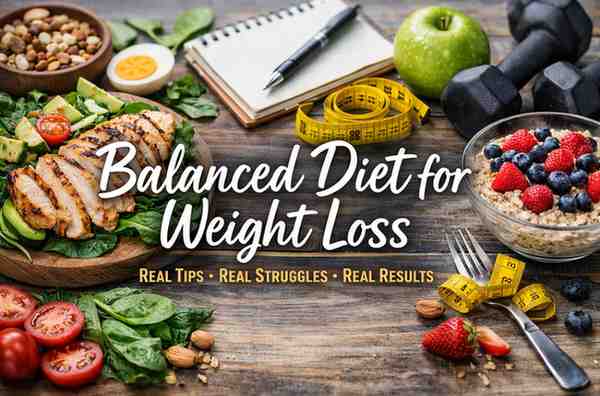
Balanced Diet for Weight Loss: 7 Real-World Lessons That Bring Relief (After the Frustration)

Balanced Diet For Weight Loss 7 Real World Lessons That Bring Relief After The Frustration 1
Balanced Diet for Weight Loss 7 Real World Lessons That Bring Relief After the Frustration

Honestly, most people I’ve watched try this hit a wall in the first two weeks. They start a balanced diet for weight loss thinking it’ll be “clean eating, done.” Then the scale stalls. Or their energy tanks. Or they feel weirdly resentful toward food they used to enjoy. And quietly, they assume they’re the problem.

I’ve seen this play out with friends, coworkers, clients I’ve helped map meals for, even family members who were sure they’d “done everything right” before giving up. Same story, different people. The pattern is what got my attention. Not the theory. The pattern.

Someone would commit hard on Monday. By Friday, they were frustrated. By week three, they were either binging on something they’d banned or ghosting the plan entirely. Not because they were lazy. Because the version of “balanced” they were following wasn’t actually livable.

That’s the gap I want to close here. Not definitions. Not perfect macros. Just what I’ve seen work in real life. Where people stumble. What surprisingly helps. And what looks good on paper but falls apart when real hunger, real schedules, and real emotions show up.


Why people try this (and what they’re actually hoping for)

From what I’ve seen, people aren’t really chasing “weight loss.” They’re chasing relief.

  • Relief from feeling heavy and tired.

  • Relief from clothes not fitting.

  • Relief from that quiet shame loop of “why can’t I just stick to something?”

  • Relief from extreme diets that worked fast… then wrecked their mood, sleep, or relationship with food.

A balanced approach feels like the grown-up option. Sustainable. Less drama. Less suffering.

But here’s the mismatch I see over and over:

People expect “balanced” to feel easy right away.

It usually doesn’t.

Not because it’s hard in a grindy way. But because it forces a bunch of small, annoying adjustments that don’t give instant emotional payoff. You’re not riding the high of cutting carbs or going zero sugar. You’re learning portions. Timing. Protein at breakfast (this one shocks people). You’re unlearning habits that were autopilot for years.

That awkward middle phase is where most people quit.


What most people misunderstand about a balanced diet for weight loss

This is where almost everyone I’ve worked with messes up at first.

They hear “balanced” and translate it as: “I can eat anything as long as I’m ‘generally healthy.’”

Then their day looks like this:

  • Coffee + pastry for breakfast

  • Salad for lunch

  • Whatever’s quick for dinner

  • “It’s balanced, right?”

Technically? Sure. Real-world outcome? Not great.

What they miss:

  • Balance is about distribution, not permission.
    It’s not “eat whatever, just add a vegetable.” It’s how your protein, fiber, carbs, and fats show up across the day.

  • Protein is the quiet MVP.
    This honestly surprised me after watching so many people try it. When people stop skipping protein early in the day, cravings later drop off. Not perfectly. But noticeably.

  • Hunger isn’t just calories.
    Two meals with the same calories can feel totally different in your body. The one with fiber + protein usually buys you more calm.

  • Consistency beats creativity.
    The people who succeed aren’t constantly reinventing meals. They rotate a few boring, reliable options. It’s not sexy. It works.


The patterns I keep seeing (what actually moves the needle)

I didn’t expect these to be so consistent across different people.

What consistently works

  • Anchoring meals with protein

    • Eggs, Greek yogurt, tofu, chicken, beans, fish

    • Not huge portions. Just present, every meal
      Almost everyone I’ve seen struggle with energy and late-night snacking was under-eating protein earlier.

  • Eating carbs on purpose (not accidentally)
    People who plan carbs around workouts or busy days feel more stable.
    People who “avoid carbs” then panic-eat them at night… struggle longer.

  • Keeping one comfort food in rotation
    This sounds backwards. But banning everything comforting usually backfires.
    The folks who allowed one small, regular comfort (chocolate, chips, dessert once a week) were less likely to binge later.

  • Repeating meals
    Not forever. But for a few weeks.
    Decision fatigue is real. The more choices people had to make daily, the more likely they were to quit.

What repeatedly fails

  • Going “balanced” but still under-eating
    Then wondering why energy is low and patience is gone by 4 PM.

  • Eating “clean” but not enough
    Technically healthy food. Practically miserable.

  • Over-correcting after one bad day
    One heavy meal → next day restriction → cycle repeats.

  • Obsessing over perfect macros
    This burns people out fast. The ones who let it be approximate lasted longer.


How long does it usually take (for most people)?

This is where expectations break.

From what I’ve seen across a lot of people:

  • First 1–2 weeks:
    Mostly adjustment. Water weight might move. Mood can be weird. Hunger patterns change.
    People often think it’s “not working” here.

  • Weeks 3–5:
    This is where small, real shifts show up.
    Less chaos around food. Slightly better energy. Clothes fit a bit different.
    Not dramatic. But noticeable if you’re paying attention.

  • 2–3 months:
    This is when the approach starts to feel normal for people who stick with it.
    Weight loss is usually slower than crash diets.
    The trade-off: fewer rebounds.

If someone is expecting fast, visible change in 7–10 days?
They usually end up disappointed.

Not because the method is bad.
Because the timeline expectation is off.


Mini routines I’ve seen people stick to (and why)

These aren’t perfect plans. Just patterns that didn’t collapse under real life.

Morning anchor (5-minute version):

  • Greek yogurt + berries

  • Or eggs + toast

  • Or protein smoothie with oats

Why it works:
People who don’t start the day under-fueled make fewer reactive food choices later.

Lunch default:

  • Protein + fiber + carb
    Example: chicken, rice, veggies
    Example: beans, quinoa, salad

Why it works:
This combo keeps afternoon cravings calmer. Not gone. Calmer.

Evening “buffer”:

  • Planned snack or small dessert
    Not as a reward. As prevention.

Why it works:
This honestly surprised me. Planning for pleasure reduced late-night blowouts.


“Don’t repeat this mistake” moments I’ve watched too many times

  • Don’t wait to be motivated to plan food.
    Motivation is unreliable. Systems are boring. Systems work.

  • Don’t make weekends a free-for-all.
    The people who made weekends 100% unstructured erased weekday progress emotionally.
    Not because of calories. Because it messed with their rhythm.

  • Don’t copy someone else’s portions.
    This is huge. What works for your gym friend might leave you starving.
    Portion needs vary more than people admit.

  • Don’t assume slow progress means failure.
    I didn’t expect this to be such a common issue.
    Slow progress often meant the approach was actually sustainable.


Short FAQ (quick answers people keep asking)

Is a balanced diet for weight loss worth trying?
For people tired of extremes, yes.
For people who want fast, dramatic change? Probably not your favorite method.

How long before I see results?
Most people notice non-scale changes first (energy, cravings) in 2–4 weeks.
Visible changes usually take longer.

Do I have to track calories?
Some people benefit from short-term tracking.
Many do fine using portion awareness + consistent meal patterns.

Can this work if I hate cooking?
Yes. The people who did best often relied on simple, repeatable meals and store-bought basics.

What if I mess up a day?
Everyone does. The outcome depends on what you do next, not that day.


Common objections I hear (and the honest response)

“This feels slow.”
It is.
That’s also why fewer people rebound hard.

“I’ve tried ‘balanced’ before and it didn’t work.”
Most people I’ve worked with tried a version that was balanced on paper but chaotic in real life.
No structure. No protein anchor. No emotional plan for cravings.

“I don’t trust myself with carbs.”
Totally fair fear.
The people who reintroduced carbs slowly, with meals (not alone, not late-night), usually rebuilt trust over time.

“I want something more strict so I don’t have to think.”
Strict plans reduce thinking short-term.
They increase rebellion long-term.
Some people accept that trade. Many regret it later.


Reality check (who this is NOT for)

This approach tends to frustrate:

  • People who want rapid, visible transformation in under 2 weeks

  • People who thrive on strict rules and don’t mind rebound cycles

  • People who don’t want to think about food patterns at all

It’s also not ideal during:

  • Periods of intense stress

  • Major schedule chaos

  • Times when emotional eating is the main coping tool and hasn’t been addressed yet

A balanced diet won’t fix burnout.
It won’t fix sleep deprivation.
It won’t fix a stressful life by itself.

It works best when it’s part of a slightly more stable season.


Practical takeaways (realistic, not perfect)

What to do

  • Anchor each meal with protein

  • Include carbs on purpose

  • Repeat simple meals

  • Plan one small comfort food

  • Notice patterns instead of chasing perfection

What to avoid

  • Skipping meals

  • Going extreme after one off day

  • Copying someone else’s portions

  • Expecting fast emotional payoff

What to expect emotionally

  • Some boredom

  • Some doubt

  • Occasional “why am I even doing this?” moments

  • Small, quiet wins that don’t feel dramatic

What patience actually looks like

  • Letting two bad meals not turn into two bad days

  • Letting slow progress count as progress

  • Letting your body learn a new rhythm without punishing it

No guarantees here.
Just patterns I’ve seen repeat across real people trying to stop feeling stuck.


I won’t pretend this is magic. It’s not. I’ve watched enough people get frustrated with how unglamorous this approach feels at first. Still, I’ve also watched something shift when they stopped fighting food and started working with their patterns instead. Less drama. Fewer rebounds. More quiet consistency.

Sometimes the win isn’t the scale.
It’s not feeling like food controls your mood anymore.

That alone changes how the whole thing feels.

Exercises to Lose Stomach Fat: 9 Hard Truths Most People Miss (and One Real Reason for Hope)

Exercises To Lose Stomach Fat 9 Hard Truths Most People Miss And One Real Reason For Hope 1
Exercises to Lose Stomach Fat 9 Hard Truths Most People Miss and One Real Reason for Hope

Honestly, most people I’ve watched try this hit a wall in the first two weeks. They start hopeful. New shoes. A plan saved on their phone. Then the scale doesn’t move, their stomach looks exactly the same, and they quietly assume they’re the problem. I’ve seen this play out with friends, coworkers, and people I’ve helped nudge into routines they actually stick with. The phrase Exercises to Lose Stomach Fat sounds simple. The reality? It’s messier. The gap between what people expect and what actually changes the shape of their midsection is where most of the frustration lives.

From what I’ve seen, the people who eventually make progress aren’t the ones who grind the hardest for two weeks. They’re the ones who stop fighting their own biology and start working with patterns that repeat across real humans. That shift alone changes everything.


What pushes people toward stomach-fat workouts (and what they get wrong)

Most people don’t wake up wanting “abs.”
They wake up feeling stuck in their clothes.
Or avoiding mirrors.
Or catching an unflattering photo and spiraling for a minute.

The motivation is emotional first. The plan comes second.

Here’s what people usually misunderstand right out of the gate:

  • They think stomach fat can be spot-reduced.
    Almost everyone I’ve seen struggle with this does this one thing wrong: they target the stomach with endless crunches and expect the fat there to melt first. It doesn’t work like that. The body decides where to pull fat from. Not your playlist.

  • They underestimate how much habits outside workouts matter.
    I didn’t expect this to be such a common issue, but most people who “work out for their stomach” are still eating and sleeping in ways that keep their body stressed. Stress + poor sleep = stubborn belly fat for a lot of folks. It’s not fair, but it’s consistent.

  • They expect visible change before internal change.
    This honestly surprised me after watching so many people try it: strength and posture improve before fat loss shows up. People quit right before the mirror catches up.


The patterns that actually move the needle (after watching a lot of people try)

I’m not going to pretend there’s one magic routine. What I can say is that the same clusters of behaviors keep showing up when stomach fat finally starts to budge.

1. People who combine movement types do better

What consistently works better than ab-only workouts:

  • Resistance training (3x/week):
    Squats, push-ups, rows, deadlifts, presses.
    Not glamorous. But building muscle changes how the body handles calories. That’s when fat loss stops feeling like a punishment.

  • Short, intense cardio (1–2x/week):
    Sprints, hill walks, cycling intervals, rowing.
    Not long, punishing sessions. Short bursts people can repeat without hating their life.

  • Core work as support, not the main event:
    Planks, dead bugs, hanging knee raises, Pallof presses.
    The stomach tightens and strengthens. The fat loss follows later.

Most people I’ve worked with mess this up at first by doing too much cardio and zero strength. They burn out. Or they do 100 crunches a night and feel busy, not better.

2. People who stop chasing soreness make steadier progress

This one is weirdly emotional.

There’s this belief that if you’re not sore, you didn’t “earn” results.
From what I’ve seen, the people who made the most visible changes were rarely wrecked the next day. They showed up again. And again. Consistency beats punishment.

3. People who eat “boring” most of the week

No one loves hearing this.
But the folks who slowly lost stomach fat weren’t on extreme diets. They ate in a way that was repeatable:

  • Protein in most meals

  • Fiber from real food

  • Fewer liquid calories

  • Less late-night snacking (this one is brutal for stomach fat, honestly)

They didn’t talk about “cheat days.”
They just ate like adults most days and didn’t panic when life happened.


Exercises to Lose Stomach Fat: what I’ve actually seen work in routines

Here’s a simple structure I’ve seen people stick to. Not because it’s perfect. Because it’s livable.

3 days a week – strength + core

  • Squats or lunges

  • Push-ups or bench press

  • Rows or pull-downs

  • Overhead press

  • Plank variations

  • Dead bugs or hanging knee raises

1–2 days a week – short cardio

  • 20 minutes of intervals (fast walk + slow walk, bike sprints, rowing bursts)

  • Or a hard uphill walk that leaves you breathing but not wrecked

Daily – low-stress movement

  • Walking

  • Light stretching

  • Anything that doesn’t feel like “exercise” but keeps the body moving

Most people I’ve seen get results with this don’t do everything perfectly. They miss days. They swap exercises. The pattern that matters is that they keep returning.


How long does it take (for most people)?

This is where expectations break.

From what I’ve seen:

  • 2–3 weeks:
    You might feel tighter. Clothes fit slightly different. Mirror lies to you.

  • 4–6 weeks:
    Small visual changes start showing up for some people. Not dramatic. Enough to feel real.

  • 8–12 weeks:
    This is where others notice. Not always you first. That’s annoying, but common.

If nothing changes by week 4, most people assume it’s not working. In reality, they’re often under-eating protein, overdoing cardio, or quitting too early. Or sleeping terribly. That one sneaks up on people.


Common mistakes that quietly slow everything down

I’ve watched these stall progress over and over:

  • Doing ab workouts daily and skipping full-body training

  • Eating way too little, then bingeing on weekends

  • Chasing sweat instead of progression

  • Changing routines every week

  • Ignoring stress and sleep

  • Drinking calories while “eating clean”

This isn’t about discipline.
It’s about structure.
People burn out when the plan doesn’t match real life.


Is this even worth trying?

Short answer?
For some people, yes. For others, this approach will feel miserable.

It’s worth trying if:

  • You’re okay with slow, boring consistency

  • You can handle not seeing instant results

  • You’re willing to build strength, not just chase fat loss

  • You want something that doesn’t hijack your life

It’s probably not for you if:

  • You need visible change in 10 days

  • You hate any form of resistance training

  • You’re looking for a “target belly fat only” solution

  • You’re already burned out on extreme plans

No shame either way. Just different seasons of life.


Objections I hear a lot (and what I’ve seen happen)

“I’ve tried exercises for stomach fat before. Nothing worked.”
Most people I’ve worked with tried only core workouts. Or quit right before things shifted. Or were unknowingly eating in a way that canceled out their effort.

“I don’t have time.”
Totally fair. The people who did best had shorter workouts they didn’t dread. 30–40 minutes. Not 90.

“My genetics make belly fat impossible to lose.”
Genetics decide where fat shows up first and leaves last. They don’t make change impossible. They just make patience more annoying.

“I’m doing everything and still stuck.”
This is where small tweaks matter. Sleep. Protein. Stress. Volume. Most stalls are boring fixes, not dramatic overhauls.


Reality check (the part people skip)

This approach doesn’t guarantee:

  • Flat stomachs

  • Visible abs

  • The body shape you see online

It does improve:

  • Strength

  • Posture

  • Energy

  • Body awareness

  • The odds that stomach fat slowly reduces over time

Results can be slower if:

  • You’re under chronic stress

  • Sleep is messy

  • Hormones are out of whack

  • You’re in a calorie plateau

  • Life is just heavy right now

None of that means you’re failing. It just means your body isn’t a vending machine.


Quick FAQ (for SERP alignment)

Can you lose stomach fat with exercises alone?
Not usually. Exercises help create the conditions for fat loss. The body decides where fat comes off.

Do ab workouts burn belly fat?
They strengthen the muscles under the fat. The fat loss comes from overall energy balance and consistency.

How often should I train?
3–5 days a week works for most people I’ve seen succeed.

Is walking enough?
Walking helps. It rarely changes stomach fat alone unless paired with strength and eating habits.

Who should avoid intense routines?
Anyone with injuries, chronic pain, or burnout. Start gentler. Slow is still forward.


Practical takeaways (the stuff people actually use)

What to do:

  • Train your whole body

  • Add short bursts of cardio you don’t hate

  • Eat protein at most meals

  • Walk more than you think you need to

  • Sleep like it matters (because it does)

What to avoid:

  • Daily ab-only marathons

  • Extreme calorie cuts

  • Routine-hopping

  • Punishing workouts you can’t repeat

  • Comparing your timeline to influencers

What to expect emotionally:

  • Early doubt

  • A weird phase where your body feels stronger but looks the same

  • Moments of “why am I doing this?”

  • Small wins that feel too small… until they stack

What patience actually looks like in practice:

  • Showing up on days you’re not hyped

  • Letting progress be uneven

  • Adjusting without quitting

  • Staying boring longer than you want to

Still, if I’m being real… I’ve watched enough people finally stop feeling broken once they stopped chasing perfect stomach-fat fixes and built routines they could live with. No magic. No overnight reveal. Just fewer moments of feeling stuck in their own body. Sometimes that shift alone is the real win.

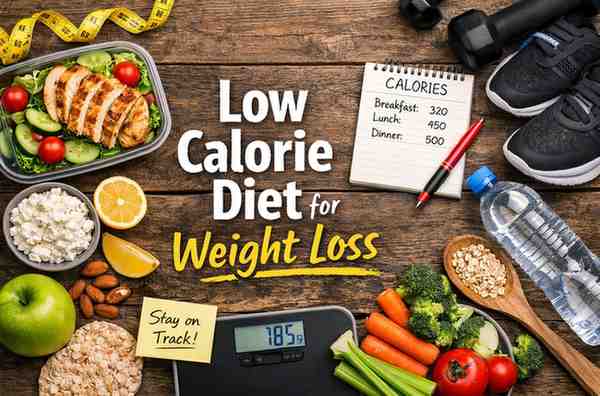
Low Calorie Diet for Weight Loss: 21 Hard Truths That Bring Relief When You’re Stuck

Low Calorie Diet For Weight Loss 21 Hard Truths That Bring Relief When Youre Stuck 1
Low Calorie Diet for Weight Loss 21 Hard Truths That Bring Relief When Youre Stuck

Honestly, most people I’ve watched try this hit a wall in the first two weeks. They go in hopeful. They download an app, promise themselves “this time I’ll be disciplined,” and then quietly start wondering if something is wrong with them when the scale doesn’t move. Or worse, it moves and then snaps back. That pattern shows up again and again when people try a Low Calorie Diet for Weight Loss. Not because they’re lazy. Not because they “don’t want it enough.” But because what looks simple on paper gets messy in real life.

From what I’ve seen sitting beside friends during late-night takeout debates, listening to coworkers vent about hunger at 3 p.m., and helping family members tweak routines after yet another stalled week… this approach works for some people. It burns others out. And the difference usually isn’t willpower. It’s how the plan collides with real habits, real emotions, real schedules.

Let me walk you through what actually happens when people try this. The stuff nobody puts on the infographic.


Why people try it (and what they expect vs. what happens)

Most folks don’t wake up wanting to count calories. They get here after:

  • Clothes fitting tighter

  • A doctor hinting “you might want to watch your weight”

  • Seeing a before/after online and thinking, maybe I can do that too

What they expect:

  • Quick progress

  • Clear rules

  • A feeling of control

What usually happens:

  • The first week feels powerful

  • The second week feels uncomfortable

  • By week three, doubt creeps in

This honestly surprised me after watching so many people try it. The emotional drop-off is predictable. The body adapts faster than the motivation does.


The misunderstandings I keep seeing (over and over)

Most people I’ve worked with mess this up at first in the same few ways:

  • They slash calories too hard.
    They go from “normal eating” to something extreme. It works for a few days. Then hunger gets loud. Energy dips. Cravings spike at night. The rebound isn’t a moral failure. It’s biology pushing back.

  • They treat calories like the only variable.
    Same number of calories, different foods. One leaves them steady. The other leaves them hunting snacks an hour later. The difference matters more than people think.

  • They expect linear results.
    Down, down, down… that’s the fantasy. Real life is down, flat, up a little, down again. Almost everyone I’ve seen struggle with this does this one thing wrong: they panic at the first stall and change everything at once.

  • They underestimate social friction.
    Birthdays. Office lunches. Family dinners. This is where plans quietly fall apart. Not because of “weakness,” but because food is social glue in the US. Saying no repeatedly takes energy.


What consistently works (in real routines, not theory)

From what I’ve seen across different people, a few patterns keep showing up when this actually sticks:

  • Smaller cuts beat dramatic cuts.
    People who reduce calories modestly tend to last longer. They complain less. They adjust more smoothly.

  • Protein early in the day.
    Not a magic trick. Just practical. Folks who start with more protein report fewer late-night raids on the fridge.

  • Boring consistency beats perfect days.
    The people who quietly succeed don’t have amazing weeks. They have okay weeks, stacked.

  • One anchor habit.
    A simple routine: same breakfast most days. Same lunch template. It removes decision fatigue.

Mini story:
One friend kept “failing” every weekend. We noticed she ate great Mon–Fri and then went wild socially. The fix wasn’t stricter rules. It was planning one flexible meal she could enjoy without blowing the whole weekend. Her progress slowed. Then stabilized. Then continued. That’s how this usually looks.


What repeatedly fails (even when it sounds smart)

These look good on paper. They break people in practice:

  • Liquid calories as “hacks.”
    Smoothies can be helpful. They can also be sneaky calorie bombs that don’t feel filling.

  • Punishment workouts.
    Using exercise to “earn” food builds resentment. People burn out faster.

  • All-or-nothing tracking.
    Logging perfectly or not at all. The middle ground—imperfect tracking—lasts longer.

  • Ignoring sleep.
    I didn’t expect this to be such a common issue. But people who sleep badly struggle way more with hunger and impulse. It’s not willpower. It’s fatigue.


How long does it take (for most people)?

Direct answer, based on patterns I’ve seen:

  • First 7–10 days: water weight shifts, small scale changes, big mood swings

  • Weeks 2–4: slower visible change, mental fatigue kicks in

  • Weeks 4–8: routines start to feel normal, progress becomes steadier

  • After 2 months: this stops feeling “new” and starts feeling like life

If nothing changes by 3–4 weeks, something is off. Usually intake is higher than assumed, or consistency isn’t as consistent as it feels.

Still, some bodies move slower. That’s real. It messes with motivation. It doesn’t mean it’s pointless.


Is this worth trying… for you?

Here’s the honest version I wish more people heard:

This is worth trying if you:

  • Want structure

  • Like simple numbers

  • Can tolerate tracking (even loosely)

  • Are okay with slow, boring progress

This will feel awful if you:

  • Get obsessive about numbers

  • Have a history of restrictive eating

  • Hate planning food

  • Need high energy for demanding physical work

No hype here. Some people thrive on this. Some people spiral. Both outcomes are common.


People Also Ask (quick, straight answers)

Does a low calorie diet work for weight loss?
Yes, it can. When people maintain a calorie deficit long enough, weight usually drops. The challenge isn’t the concept. It’s sustaining the behavior without burning out.

Is it safe?
For most healthy adults, moderate calorie reduction is generally tolerated. Extreme cuts or long-term restriction can backfire physically and mentally. If someone has medical conditions, they should check with a professional.

What if I’m hungry all the time?
That’s usually a sign the plan is too aggressive or food choices aren’t filling enough. More protein, fiber, and volume foods help. Sometimes the answer is… eat slightly more and stick to it longer.

Can I do this without counting calories?
Some people can approximate through habits (portion control, consistent meals). Others need numbers to learn what “normal” looks like. Both paths show up in real success stories.


Objections I hear (and what tends to be true)

“I tried this and it didn’t work.”
Usually it worked briefly. Then life intervened. The fix isn’t trying harder. It’s simplifying the plan so it survives bad weeks.

“It’s too restrictive.”
It can be. When people loosen rules slightly, adherence improves. Progress slows. Outcomes improve.

“I don’t have time to track.”
Totally fair. The people who last often track loosely or only for a short learning phase.

“I gain it back.”
This is common. The diet ends. Old patterns return. Maintenance habits weren’t built. That’s the missing piece most plans ignore.


Reality check (stuff that can go wrong)

No sugarcoating:

  • Your mood might dip at first

  • Social life can feel awkward

  • Progress can stall without warning

  • You might compare yourself to faster results online

  • Old comfort-eating habits may surface

Who this is not for:

  • Anyone with a history of disordered eating

  • People needing high-calorie intake for medical reasons

  • Those who spiral into anxiety around numbers

When results may be slow:

  • High stress periods

  • Poor sleep

  • Inconsistent routines

  • Hormonal shifts

Where expectations usually break:

  • Expecting motivation to stay high

  • Expecting visible change every week

  • Expecting perfection from yourself


Practical takeaways (what actually helps in daily life)

What to do:

  • Start with a small calorie reduction

  • Build one boring, repeatable meal

  • Eat protein and fiber early

  • Track loosely if tracking stresses you

  • Plan one flexible social meal weekly

What to avoid:

  • Drastic cuts

  • “Earning” food through workouts

  • Restarting every Monday

  • Comparing your pace to influencers

What to expect emotionally:

  • The first week feels powerful

  • The second feels annoying

  • The third tests your patience

  • Then it settles into… normal

What patience looks like in practice:

  • Staying steady through flat weeks

  • Not changing five things at once

  • Letting boring routines carry you

No guarantees. No miracle curves. Just patterns that, from what I’ve seen, give people a better shot at not quitting.


Still… this isn’t magic. It’s not a personality fix. It’s a tool. Some people finally stop feeling stuck when they stop trying to be perfect at it and start being consistent in a boring, human way. I’ve watched enough quiet wins stack up that way to trust the pattern. And sometimes that shift alone is the real relief.

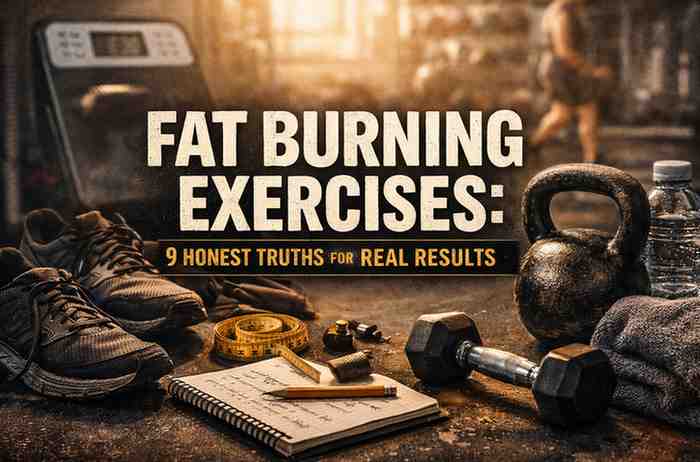
Fat Burning Exercises: 9 Honest Truths for Relief When Progress Feels Stuck

Fat Burning Exercises 9 Honest Truths For Relief When Progress Feels Stuck 1
Fat Burning Exercises 9 Honest Truths for Relief When Progress Feels Stuck

Honestly, most people I’ve watched try to lose fat hit a wall in the first two weeks. They start strong, follow a routine they found online, then quietly assume they’re broken when the scale doesn’t move. I’ve seen that moment on faces more times than I can count. Friends. Gym regulars I’ve gotten to know. People DMing me screenshots of their steps and meals like they’re asking for permission to be disappointed.
From what I’ve seen, the frustration usually lands right around the same place: fat burning exercises sounded simple on paper. In real life, they feel confusing, inconsistent, and way slower than promised.

What follows isn’t theory. It’s field notes from being around a lot of people trying this, messing it up, fixing it, and slowly getting unstuck.


What pushes people toward fat burning exercises (and what they expect)

Most people don’t wake up excited to “optimize metabolic pathways.” They show up because:

  • Their jeans stopped fitting.

  • Their doctor raised an eyebrow.

  • They’re tired of seeing the same body in the mirror.

  • They want energy back. Or confidence. Or both.

And the expectation is usually some version of:
“If I just do the right exercises, fat will start melting off.”

This is where things get messy.

From what I’ve seen, people expect:

  • Fast visual change

  • A single “best” routine

  • Clear feedback from their body

  • Motivation to stay high

What they actually get:

  • Slow, uneven progress

  • Conflicting advice

  • A body that adapts

  • Motivation that dips hard around week 2–3

That mismatch alone makes people quit. Not because the exercises don’t work. Because the expectations were built on highlight reels.


The stuff almost everyone messes up at first

I didn’t expect this to be such a common issue, but here it is: most people I’ve worked with mess this up at first by going too hard, too random, too soon.

Pattern I keep seeing

People jump between routines:

  • Monday: HIIT video

  • Tuesday: long cardio session

  • Wednesday: random ab workout

  • Thursday: rest (because sore)

  • Friday: something intense again

It looks productive. It feels productive.
But the body reads it as noise.

What usually happens:

  • They’re exhausted by week two

  • Hunger spikes

  • Sleep drops

  • Then discipline cracks

The surprise for most people?
Consistency beats novelty almost every time.

Another common miss: chasing “burn” over build

Almost everyone I’ve seen struggle with this does one thing wrong: they pick exercises that feel hard instead of ones they can repeat consistently.

Burn ≠ progress.
Repeatability = progress.

The people who stuck with it chose boring-looking routines they could sustain:

  • Brisk walking + short strength sessions

  • Simple circuits done 3–4x/week

  • Gradual intensity increases

Not flashy. Just doable.


What consistently works (even when it’s not exciting)

This honestly surprised me after watching so many people try everything under the sun:

1) Mix of movement types, not just “fat burners”

The people who made visible progress weren’t doing only sweaty cardio.

They combined:

  • Steady movement (walking, cycling, light jogging)

  • Short bursts (intervals, hill sprints, circuits)

  • Basic strength work (push, pull, squat patterns)

Why this works in real life:

  • Steady movement builds tolerance and habit

  • Bursts create metabolic stress

  • Strength work preserves muscle, which helps long-term fat loss

When someone skipped strength entirely, fat loss stalled faster than they expected. The scale might move at first. Then it plateaus. Cue frustration.

2) Fewer exercises, repeated longer

Most people expect variety to keep things “working.”
What I’ve seen work better is repeating the same core moves for 4–6 weeks.

Not forever. Just long enough for the body to adapt and improve.

People usually report:

  • Better coordination

  • Less soreness

  • More confidence

  • Clearer feedback from their body

Progress shows up quietly here. And that’s weirdly motivating.

3) Effort that fits the day

The routines that last are flexible:

  • Hard days when energy is high

  • “Show up and move” days when energy is trash

This keeps streaks alive.
Broken streaks kill momentum more than imperfect workouts ever do.


How long fat burning exercises usually take to show results (for real people)

Direct answer, because everyone asks:
Most people see small changes in 2–4 weeks. Noticeable changes in 8–12 weeks.

That’s from watching dozens of attempts play out.

What “small changes” usually means:

  • Clothes feel slightly looser

  • Stairs feel easier

  • A tiny shift in waist measurement

  • Energy bumps

What people expect instead:

  • Mirror shock

  • Dramatic scale drops

  • Compliments from others

That gap is brutal.

If nothing changes by week 4, most people assume the method failed. In reality, one of three things is usually happening:

  • The routine is too inconsistent

  • Food intake quietly increased

  • Sleep/recovery is wrecked

Fixing one of those often restarts progress.


“Is this even worth trying?”

Short answer: for the right person, yes. For the wrong person, it’s misery.

From what I’ve seen, fat burning exercises are worth it if:

  • You’re okay with slow feedback

  • You can repeat boring basics

  • You’re willing to adjust, not just push harder

  • You’re doing this for you, not just for the scale

It’s not worth it if:

  • You need fast visual validation

  • You hate routine

  • You’re using exercise to punish your body

  • You’re already burned out and adding more stress

No moral judgment here. Some people just aren’t in the season of life where this works. That’s real.


What people usually get wrong about “fat burning” itself

This trips people up emotionally.

Most folks think fat burning exercises:

  • Target fat directly

  • Work the same way for everyone

  • Fail if the scale doesn’t drop

What I’ve seen:

  • Fat loss is indirect and messy

  • Bodies respond differently

  • Scale changes lag behind habit changes

I’ve watched people get stronger, fitter, and leaner-looking… while the scale barely moved. They almost quit because the number didn’t reward them. Then their photos told a different story.

The body doesn’t report progress in neat metrics. It whispers it.


Mini routines I’ve seen real people stick with

Nothing fancy. Just patterns that didn’t implode after week two.

Simple 3-day base

  • Day 1:

    • 20–30 min brisk walk

    • 2–3 rounds: squats, push-ups (or incline), rows

  • Day 2:

    • 10–15 min intervals (bike, walk/run)

    • Core work

  • Day 3:

    • Longer steady walk

    • Light mobility

Busy-week version

  • 10-minute circuits

  • Daily steps target

  • One harder session when energy allows

People stuck with these because they didn’t require perfect conditions. That matters more than “optimal.”


Common mistakes that slow results (the repeat offenders)

Almost everyone I’ve seen struggle with this does at least one of these:

  • Going all-in, then disappearing

  • Chasing soreness as proof

  • Under-eating protein and wondering why energy tanks

  • Ignoring sleep, then blaming the routine

  • Switching plans every week

The fix isn’t more intensity.
It’s fewer decisions.

Pick a plan. Run it long enough to actually learn what your body does with it.


Objections I hear all the time (and what usually sits underneath)

“I don’t have time.”
Most people I’ve seen make progress used shorter sessions more often. Not longer ones. Time wasn’t the issue. Friction was.

“I tried this before and it didn’t work.”
Usually true. What didn’t work was the way it was applied. Too aggressive. Too inconsistent. Too many changes at once.

“My body doesn’t respond like others.”
This one’s real. Some bodies move slower. Comparing timelines wrecks motivation. The people who stuck with it stopped watching other people’s clocks.


Reality check (the part no one likes hearing)

This isn’t magic.
Results can stall.
Motivation drops.
Life interrupts.

What can go wrong:

  • Minor injuries from doing too much, too soon

  • Burnout from treating workouts like punishment

  • Obsession with metrics

  • All-or-nothing thinking

Who should avoid this approach (or at least pause and get guidance):

  • Anyone dealing with unresolved eating issues

  • People in high physical stress phases (new parents, extreme work hours)

  • Those recovering from injury without clearance

  • Anyone using exercise to escape emotions instead of process them

It’s okay to step back. That’s not failure. That’s timing.


Quick FAQ (because these come up every time)

Do fat burning exercises work without dieting?
From what I’ve seen, movement helps, but food habits quietly decide the ceiling. You don’t need perfection. You do need awareness.

Is cardio better than strength for fat loss?
Neither wins alone. The mix is what people actually stick with and progress on.

What if I hate gyms?
Most people I’ve watched succeed did this at home or outside. Environment matters less than repeatability.

Can beginners do this safely?
Yes, if they start boring and slow. The people who rushed paid for it with injuries or burnout.


Practical takeaways (the stuff people actually use)

  • Pick a simple routine you can repeat for 4–6 weeks

  • Mix steady movement + short bursts + basic strength

  • Track one thing that isn’t the scale (waist, energy, steps)

  • Expect motivation to dip. Plan for it

  • When stuck, adjust volume before intensity

  • Rest is part of the program, not a failure

Emotionally, here’s what patience looks like in practice:

  • Doing the workout even when you feel “behind”

  • Letting a bad week stay bad instead of quitting

  • Trusting boring progress

  • Not making every off day a character flaw

No guarantees. No hacks. Just patterns that don’t collapse under real life.


So no — this isn’t magic. And yeah, it can feel slow and unfair at times. But I’ve watched enough people stop feeling stuck once they stopped chasing the perfect routine and started building one they could actually live with. Sometimes that shift alone is the real win.

Weight Lifting for Weight Loss: 9 Honest Truths That Bring Real Relief

Weight Lifting For Weight Loss 9 Honest Truths That Bring Real Relief 1
Weight Lifting for Weight Loss 9 Honest Truths That Bring Real Relief

I’ve watched a lot of people walk into the gym with that same tight expression.

Determined. Slightly embarrassed. Quietly frustrated.

Most of them weren’t new to trying to lose weight. They’d done the treadmill phase. The “eat less, move more” phase. The random YouTube HIIT phase. Some lost 10 pounds. Gained 15 back. Some never saw the scale move at all.

And then someone told them about weight lifting for weight loss.

At first, they were skeptical. “Isn’t lifting for bulking?” “Won’t I just get bigger?” “Shouldn’t I be doing more cardio?”

Honestly, from what I’ve seen, most people who try weight lifting for weight loss hit confusion before they hit results. Not because it doesn’t work. But because they misunderstand how it works.

And that misunderstanding? That’s where most frustration begins.


Why People Turn to Weight Lifting for Weight Loss

It usually happens after burnout.

I’ve seen this pattern over and over:

  • Someone slashes calories.

  • Adds daily cardio.

  • Sees quick scale drops.

  • Energy tanks.

  • Cravings spike.

  • Progress stalls.

  • They feel like their body is “broken.”

That’s when lifting enters the picture.

Usually after hearing:

  • “Muscle burns more calories.”

  • “Strength training changes your metabolism.”

  • “Cardio alone won’t shape your body.”

They’re not wrong. But they’re incomplete.

Weight lifting for weight loss isn’t magic. It’s metabolic leverage. And leverage works differently than starvation.


What Most People Get Wrong at First

Almost everyone I’ve seen struggle with this does one thing wrong:

They treat lifting like cardio.

More reps. More sweat. More burn. More exhaustion.

They chase fatigue instead of stimulus.

That’s not how this works.

The real shift is this:

Weight lifting isn’t about burning calories during the workout.

It’s about:

  • Preserving muscle while dieting

  • Building muscle slowly over time

  • Increasing resting metabolic demand

  • Improving insulin sensitivity

  • Changing body composition

Those effects are quieter. Slower. But way more stable.

Still, people panic when:

  • The scale doesn’t drop fast.

  • They feel heavier after starting.

  • They’re sore for days.

  • Hunger increases.

I didn’t expect soreness anxiety to be such a common issue. But it is. People interpret soreness as “I did something wrong” instead of “my body is adapting.”


Does Weight Lifting Actually Help You Lose Weight?

Short answer:

Yes. But not always the way people expect.

From what I’ve seen across dozens of real attempts:

It works best when:

  • You lift 3–4 times per week

  • You progressively increase weight over time

  • You eat enough protein

  • You maintain a moderate calorie deficit (not extreme)

  • You give it at least 8–12 weeks

It fails when:

  • You lift randomly without progression

  • You cut calories too aggressively

  • You avoid challenging weights

  • You rely on machines only and never push intensity

  • You expect scale drops in 10 days

Weight lifting for weight loss changes your body shape before it changes the scale.

That honestly surprises people the most.


The Scale Problem (And Why It Messes With Your Head)

Here’s what I’ve observed repeatedly:

Week 1–2:

  • Slight weight increase (water retention from muscle inflammation)

Week 3–4:

  • Scale barely moves

  • Clothes fit slightly better

Week 6–8:

  • Subtle fat loss visible

  • Strength noticeably up

  • Scale down 2–5 pounds (sometimes)

Week 12+:

  • Body looks leaner

  • Waist smaller

  • Scale finally reflects progress

But most people quit around week 3.

Because they expect linear loss.

Weight lifting for weight loss is nonlinear.

That’s uncomfortable.


How Long Does Weight Lifting Take to Show Results?

For most people I’ve worked with or observed:

Visible body composition change: 6–8 weeks
Noticeable strength gains: 3–4 weeks
Sustainable fat loss trend: 8–12 weeks
Major transformation: 6+ months

It’s slower than crash dieting.

It’s faster than people think—if they stop quitting early.


What Consistently Works (Across Different Body Types)

I’ve seen this pattern hold up for men, women, beginners, and people over 40:

1. Full-Body Training 3x per Week

Not 6 days.
Not daily.

Three focused sessions:

  • Squats or leg press

  • Hinges (deadlift variations)

  • Push (bench press or push-ups)

  • Pull (rows or pull-downs)

  • Core work

Simple.

Progressive.

Boring, almost.

But effective.

2. Protein Intake Around 0.7–1g Per Pound of Body Weight

This changes everything.

Most people under-eat protein. Then blame lifting.

3. Moderate Deficit (300–500 Calories)

Not starvation.

Starvation plus lifting leads to burnout.

Almost every stalled case I’ve seen? Too aggressive with calories.

4. Sleep

This one gets ignored.

But recovery drives fat loss when lifting.


Common Mistakes That Slow Everything Down

Most people I’ve worked with mess this up at first:

  • Doing 5 different glute workouts from Instagram

  • Avoiding heavy weights because they’re “intimidating”

  • Switching programs every 2 weeks

  • Comparing their progress to someone leaner

  • Underestimating stress

And here’s the big one:

They quit before adaptation happens.

Adaptation takes repetition.


Who Will Struggle With This Approach

Let’s be honest.

Weight lifting for weight loss is not for everyone.

It’s harder for people who:

  • Hate structured routines

  • Need fast visible feedback

  • Avoid discomfort

  • Have untreated injuries

  • Refuse to adjust nutrition

It’s also frustrating for scale-obsessed personalities.

Because some weeks the scale won’t move at all.


Objections I Hear All the Time

“Won’t I bulk up?”

From what I’ve seen, accidental bulking is extremely rare.

Muscle gain is slow. Especially in a calorie deficit.

Most women I’ve seen actually look leaner and tighter, not bigger.

“Shouldn’t I just do cardio?”

Cardio burns more calories during the session.

Lifting preserves muscle while dieting.

The combination works well.

Cardio alone often leads to “skinny-fat” outcomes.

“What if I’m a beginner?”

Beginners actually respond fastest.

Their nervous system adapts quickly.

Strength jumps feel encouraging.

“What if it doesn’t work for me?”

Usually when it “doesn’t work,” one of these is happening:

  • Calories aren’t controlled

  • Protein is too low

  • Progression isn’t happening

  • Sleep is poor

  • Stress is high

Rarely is lifting itself the issue.


Quick FAQ (Straight Answers)

Is weight lifting good for belly fat?
Yes—but spot reduction isn’t real. Fat loss happens systemically. Over time, the belly reduces as overall fat drops.

How many days a week should I lift for weight loss?
3–4 days is ideal for most people.

Can I lose weight lifting without cardio?
Yes, if you manage calories. Cardio helps but isn’t mandatory.

Do I need heavy weights?
Heavy relative to you. Challenging enough that the last 2 reps feel hard.

Why did I gain weight after starting lifting?
Water retention and muscle inflammation. Usually temporary.


Reality Check Section

This isn’t a 14-day detox.

It’s not dramatic.

You won’t drop 10 pounds in 2 weeks.

You might feel hungrier.
You might feel sore.
You might question yourself.

Still.

From what I’ve seen long term, people who stick with weight lifting for weight loss:

  • Regain less weight

  • Feel stronger

  • Develop better posture

  • Experience more stable energy

  • Feel more confident physically

That confidence part?

It’s not cosmetic.

It changes how they show up everywhere.


What Patience Actually Looks Like

Patience doesn’t mean blind faith.

It looks like:

  • Tracking workouts

  • Adding 5 pounds when ready

  • Measuring waist monthly, not daily

  • Adjusting calories slightly—not dramatically

  • Accepting slower weeks

Almost everyone I’ve seen succeed had one moment around week 5 where they wanted to quit.

And didn’t.

That’s usually the turning point.


Practical Takeaways

If you’re considering weight lifting for weight loss:

Do this:

  • Lift 3x weekly

  • Focus on compound movements

  • Eat enough protein

  • Keep deficit moderate

  • Track strength

Avoid this:

  • Daily program hopping

  • Extreme dieting

  • Obsessing over daily scale changes

  • Comparing to influencers

  • Avoiding progressive overload

Expect emotionally:

  • Doubt in weeks 2–3

  • Surprise strength gains

  • Slow but visible body changes

  • Frustration before momentum

And honestly?

Momentum feels different here.

It’s not hype-driven.

It’s steady.


I won’t pretend this is the fastest way to lose weight.

It’s not.

But I’ve watched enough people stop the yo-yo cycle once they committed to lifting seriously.

Some didn’t even lose massive scale weight.

But their body changed.
Their strength doubled.
Their confidence stabilized.

And they stopped feeling stuck.

So no—weight lifting for weight loss isn’t magic.

But when it’s done patiently, consistently, and realistically…

It’s one of the few approaches I’ve seen actually last.

Sometimes that quiet durability is the real win.

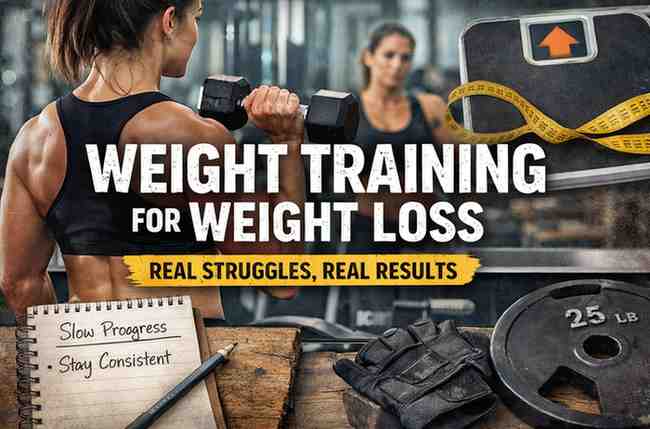
Weight Training for Weight Loss: 7 Real-World Lessons That Bring Relief After the Frustration

Weight Training For Weight Loss 7 Real World Lessons That Bring Relief After The Frustration 1
Weight Training for Weight Loss 7 Real World Lessons That Bring Relief After the Frustration

Honestly, most people I’ve watched try this hit a wall in the first two weeks. They start weight training for weight loss with that quiet hope that this time will be different. Then the scale doesn’t budge. Or it goes up. Or their arms are sore in a way that feels… suspicious. I’ve seen the same look on faces in gyms, in living rooms, on video calls: “Am I doing this wrong, or am I just bad at this?”

From what I’ve seen, the frustration isn’t about effort. People show up. They sweat. They follow routines they found online. The frustration comes from expectations colliding with reality. Weight training for weight loss doesn’t behave the way people think it should. It doesn’t reward you with instant scale drops. It doesn’t feel like cardio. And it doesn’t tolerate half-commitments very well. That mismatch is where most people quietly give up.

I didn’t expect this to be such a common issue until I watched enough people cycle through the same confusion. Same mistakes. Same tiny wins. Same “oh… that’s why” moments. So this is me laying out the patterns I’ve seen, the stuff that actually moves the needle, and the traps that keep people stuck even when they’re working hard.


Why people try weight training for weight loss (and what they’re really hoping for)

The story is usually some version of:

  • Cardio felt punishing.

  • Diets felt like punishment with a spreadsheet.

  • Someone said lifting “boosts metabolism” and “burns fat all day.”

So people come in hoping for a calmer way to lose weight. Less punishment. More control. Maybe even a body that looks different, not just smaller.

Here’s the part that surprised me after watching so many people try it:
Most people aren’t chasing weight loss. They’re chasing relief.

Relief from:

  • Feeling weak

  • Feeling out of shape in their own body

  • Feeling like their effort never matches their results

Weight training promises a different relationship with effort. And when it works, that promise holds up. When it doesn’t, it feels personal.


The big misunderstanding that slows almost everyone down

Most people I’ve worked with mess this up at first:

They expect weight training for weight loss to feel like weight loss.

They’re waiting for:

  • Fast scale drops

  • Daily proof

  • That “I’m melting fat right now” feeling

Weight training doesn’t give that feedback loop. It’s quiet. Sometimes boring. The wins show up in places people aren’t looking:

  • Your legs stop burning on stairs.

  • Your back hurts less after long days.

  • Your jeans fit differently before your scale moves.

This honestly surprised me after watching so many people try it. The people who stuck with it weren’t the most motivated. They were the ones who learned to read different signals of progress.

If you’re waiting for the scale to tell you whether weight training for weight loss is working, you’ll quit right before it starts paying off.


What consistently works (across real people, not perfect plans)

Patterns repeat. Over and over. The people who get results don’t do anything magical. They do a few unsexy things well:

1. They keep the workouts boring on purpose

Flashy routines look good on paper. In real life, they exhaust beginners.

What works better:

  • 3–4 simple movements per session

  • Full-body or upper/lower splits

  • Repeating the same exercises long enough to get stronger

Almost everyone I’ve seen struggle with this does this one thing wrong:
They change routines too often because they’re bored. Progress hates constant novelty.

2. They treat food like a support system, not a punishment

Not dieting hard. Not “earning” meals with workouts.

What I’ve seen work:

  • Eating more protein without obsessing

  • Not skipping meals “to help fat loss”

  • Drinking more water than they think they need

People who under-eat while lifting stall fast. Then they blame the weights.

3. They accept that weight training for weight loss works in waves

Fat loss doesn’t come in neat weekly drops.

From what I’ve seen:

  • 2–4 weeks of “nothing is happening”

  • Then a sudden drop

  • Then another slow stretch

This is where most people quit. Right before the wave breaks.


What repeatedly fails (even when people are trying hard)

I’ve watched smart, disciplined people sabotage themselves with the same patterns:

  • Doing only machines
    Feels safe. Progress stalls. Strength doesn’t build the same way.

  • Lifting too light forever
    Comfort masquerading as consistency.

  • Training daily with no rest
    Looks committed. Feels productive. Leads to burnout or nagging injuries.

  • Using weight training as permission to overeat
    “I lifted, so this doesn’t count.” It counts. The math still matters.

  • Quitting when the scale goes up
    Early muscle gain + water weight messes with the scale. People panic. They quit. Then complain it “doesn’t work.”

This is the messy part no one advertises. Weight training for weight loss can look like failure before it looks like success.


How long does weight training for weight loss take (for most people)?

Short answer: longer than you want. Shorter than you fear.

From what I’ve seen across real people:

  • 2–3 weeks: You feel stronger. Soreness fades. Scale may not move.

  • 4–6 weeks: Clothes start fitting differently. Energy improves.

  • 8–12 weeks: Visible changes show up. Scale movement becomes more reliable.

  • 3–6 months: Other people notice. Your habits feel normal.

This timeline breaks when:

  • Sleep is trash

  • Food intake is chaotic

  • Work stress is constant

  • Workouts are skipped randomly

People who say “this didn’t work for me” usually didn’t fail weight training. Their life just wasn’t set up to support it yet.


“Is it worth it?” — the honest answer

This is the question people really want answered.

Weight training for weight loss is worth it if:

  • You’re tired of losing weight and gaining it back

  • You want your body to feel capable, not just smaller

  • You’re okay with slow, boring progress that compounds

It’s not worth it if:

  • You want fast scale drops at any cost

  • You hate repeating routines

  • You’re unwilling to eat enough to support training

  • You don’t want to think about recovery

I’ve seen people fall in love with how they feel before they ever loved how they looked. That’s usually the turning point where results stick.


Who will hate this approach

Not everyone should do this. Real talk.

People who usually hate weight training for weight loss:

  • Folks who need novelty every week

  • People who want daily feedback loops

  • Anyone in a season of life with zero mental space

  • Those who secretly enjoy punishment workouts

There’s no moral win here. Different tools fit different seasons.


Objections I hear all the time (and what actually holds up)

“Lifting makes me bulky.”
From what I’ve seen, this fear outlives reality. Most people struggle to build visible muscle even when trying. Bulk doesn’t happen by accident.

“I don’t burn enough calories lifting.”
True short-term. False long-term. Lifting changes how your body uses calories over time. The burn is quieter, but it compounds.

“I don’t have time.”
Most people I’ve worked with who said this were trying to do too much. Two or three focused sessions a week beat five chaotic ones.

“I tried it before and it didn’t work.”
Usually means:

  • Too light

  • Too inconsistent

  • Undereating

  • Or quitting right before adaptation kicked in

Not failure. Mismatch.


Reality check: what can go wrong

I didn’t expect this to be such a common issue, but here we are:

  • Minor injuries from ego lifting

  • Burnout from doing too much too soon

  • Plateaus that mess with motivation

  • Comparing your pace to someone else’s highlight reel

Weight training for weight loss isn’t gentle if you rush it. It’s forgiving if you respect it.


A short FAQ (for the questions people actually ask)

Does weight training burn belly fat?
No spot reduction. Fat loss shows up where your body decides first. Frustrating. Normal.

Can I do only weight training for weight loss?
Yes. Many people do. Walking helps mentally. Cardio is optional, not mandatory.

What if I’m not losing weight but getting stronger?
That’s often the phase right before visible fat loss shows up. Don’t panic.

Do I need supplements?
From what I’ve seen, no. Protein helps. Most other stuff is optional noise.

What if I miss weeks?
You’re human. Restart where you are. Guilt doesn’t build muscle.


Practical takeaways (the stuff I’d actually tell a friend)

  • Start smaller than your ego wants

  • Repeat the same few lifts until they feel boring

  • Eat enough protein without turning meals into math class

  • Track strength, not just weight

  • Expect weird weeks where nothing changes

  • Rest like it’s part of the program (because it is)

  • Don’t quit during the quiet phase

Emotionally, expect:

  • Doubt early

  • Relief when strength shows up

  • Frustration during plateaus

  • Pride when your body starts cooperating again

Patience in practice looks like showing up when you’re not excited.
Not forcing hype.
Letting boring consistency do its quiet work.


There’s no magic in weight training for weight loss. I wish there was. But I’ve watched enough people stop feeling broken once they stopped chasing instant feedback and started building something slower. The shift isn’t dramatic. It’s quiet. It feels like relief more than victory.

Still… that relief adds up.

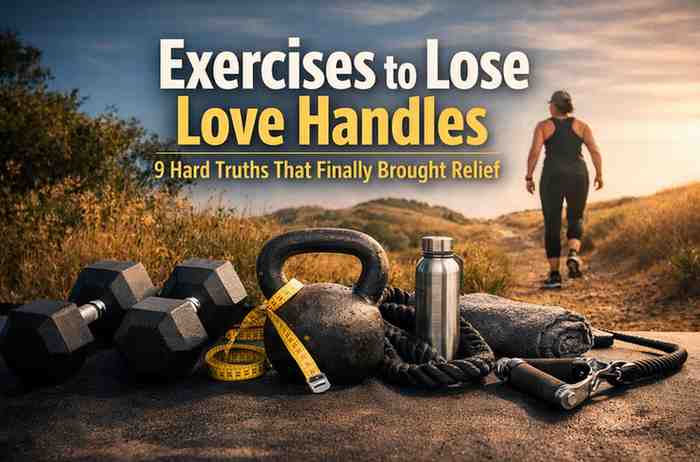
Exercises to Lose Love Handles: 9 Hard Truths That Finally Brought Relief

Exercises To Lose Love Handles 9 Hard Truths That Finally Brought Relief 1
Exercises to Lose Love Handles 9 Hard Truths That Finally Brought Relief

Honestly, most people I’ve watched try this hit a wall in the first two weeks. They start hopeful. New playlist. New shoes. Then the mirror doesn’t change, the jeans still pinch, and the spiral starts: “Maybe my body is just broken.”
From what I’ve seen, the frustration isn’t about effort. It’s about chasing the wrong kind of effort. I’ve sat next to friends counting crunches like prayer beads. I’ve watched clients punish their sides with endless twists. I’ve heard the same quiet shame when nothing moves.
The phrase that keeps coming up in those moments is exercises to lose love handles—said with hope, then said again with doubt. The problem isn’t the wanting. It’s the map people are handed.

This is the map I wish they’d had.


Why people chase this so hard (and why it hurts when it doesn’t work)

From what I’ve seen, love handles carry way more emotional weight than their size. They’re the spot people tug at in dressing rooms. The place shirts cling when you sit. The thing that makes someone feel “almost fit, but not quite.”
Most people I’ve worked with mess this up at first by treating that feeling like a technical problem: Do the right move → get the right shape. It sounds reasonable. It just doesn’t play out that way.

What I didn’t expect to be such a common issue: people blaming themselves when targeted exercises don’t change that area. They double the reps. They tighten the diet. They add another ab routine. The outcome stays stubborn. Morale drops. Then they quit.

Pattern I’ve seen across dozens of real attempts:

  • People don’t fail because they’re lazy.

  • They fail because the plan is built on a myth: spot reduction.


The myth that wastes the most time: spot reduction

This honestly surprised me after watching so many people try it. You can strengthen the muscles under love handles. You can’t command your body to burn fat from that exact spot on schedule.

What consistently works vs. what looks good on paper:

  • Looks good on paper: 300 side crunches a day.

  • Consistently works: full-body movement that pushes your system to burn fat overall, paired with core work that tightens what’s underneath.

Cause → effect → outcome, as I’ve observed it:

  • Cause: You create a steady calorie burn + build muscle across big muscle groups.

  • Effect: Your body has reason to tap into stored fat.

  • Outcome: Fat loss shows up unevenly, but it does show up. Love handles are often late to the party. Annoying. Normal.

Almost everyone I’ve seen struggle with this does this one thing wrong: they chase the burn in the sides and ignore the boring work that actually changes the body.


The exercises that quietly move the needle (when done right)

I’m not listing these because they’re trendy. I’m listing them because I’ve watched them work across very different bodies, schedules, and temperaments.

1) Brisk walking with incline (or hills)

Sounds too easy. It’s not flashy. It works.

  • Why it works: steady calorie burn, low injury risk, repeatable

  • What people get wrong: walking too casually or too inconsistently

  • Real pattern: people who did this 30–45 minutes, 4–5x/week stuck with it longer than any HIIT plan

2) Dumbbell or kettlebell deadlifts

This one surprised a lot of folks.

  • Why it works: big muscles (glutes, hamstrings, back) = big energy demand

  • Outcome I’ve seen: bodies lean out faster when this is in the mix

  • Common mistake: going too light forever or rushing the form

3) Farmer’s carries

Pick up heavy weights. Walk. Breathe.

  • Why it works: full-core engagement without crunching

  • What changes: people feel “tighter” around the waist before they look smaller

  • This is a quiet confidence-builder

4) Rowing (machine or band rows)

  • Why it works: pulls engage the core as a stabilizer

  • Pattern: people who row consistently tend to lose that soft “wrap” around the waist sooner than people who only crunch

5) Split squats or lunges

  • Why it works: legs burn a ton of fuel

  • What people mess up: rushing reps, skipping recovery

  • Outcome: slow, steady body recomposition

6) Planks (and variations)

Not because they “burn side fat.”
Because they teach your core to brace.

  • Why it works: better posture + stronger midsection = waist looks cleaner

  • Reality: boring. Effective. Stick with it.

7) Cable or band chops (diagonal patterns)

  • Why it works: trains rotation under control

  • What I’ve seen: fewer back tweaks, better carryover to daily movement

8) Swimming

If accessible, this is a cheat code.

  • Why it works: full-body + joint-friendly

  • Pattern: people who swim don’t burn out mentally as fast

9) Short, smart intervals (1–2x/week)

Not daily punishment.

  • Why it works: metabolic boost

  • What fails: doing HIIT every day and then hating movement


What most people misunderstand at first

From what I’ve seen…

  • They think soreness equals progress.

  • They think sweat equals fat loss.

  • They think doing more ab work fixes a fat-loss problem.

This is where expectations break:

  • You might feel stronger in 2–3 weeks.

  • You might look different in 6–10 weeks.

  • Love handles often lag behind everything else.

That delay is where people quit.


Real routines I’ve watched people actually keep

No perfect plans. Just patterns that stuck.

Simple 4-day template I’ve seen work:

  • Day 1: Deadlifts + rows + plank

  • Day 2: Brisk walk (30–45 min)

  • Day 3: Lunges + carries + chops

  • Day 4: Walk or swim

  • Optional: short intervals once per week

Why this works in real life:

  • Not exhausting

  • Repeatable

  • Leaves energy for work, kids, stress

What typically fails:

  • 6 days of HIIT

  • 90-minute gym sessions

  • Zero rest


How long does it take (for most people)?

Direct answer, from patterns I’ve seen:

  • 2–3 weeks: you feel better

  • 4–6 weeks: clothes fit a bit differently

  • 8–12 weeks: visible change for most

  • 3–6 months: the “love handle area” finally starts to cooperate

This isn’t a promise. It’s an average of messy, imperfect journeys.


What if it doesn’t work?

This is where judgment calls matter.

Things I’ve had to suggest, gently:

  • Reduce alcohol. This one stings. It matters.

  • Sleep more. Less sleep = worse fat loss.

  • Eat slightly more protein. Not extreme. Just enough.

  • Pull back on stress where possible. Cortisol is real.

What experienced users would do differently:

  • Track consistency, not perfection

  • Measure waist monthly, not daily

  • Adjust one variable at a time


Common mistakes that slow results

Most people I’ve worked with mess this up at first:

  • Doing only side-focused ab exercises

  • Training too hard, too often

  • Eating too little and then binging

  • Quitting right before results show

  • Comparing themselves to fitness influencers

I didn’t expect this to be such a common issue, but comparison wrecks patience faster than bad programming.


Is this worth it?

Short answer: yes, if you’re okay with boring consistency.

Longer answer:

  • Worth it if you want sustainable change

  • Not worth it if you want a two-week transformation

  • Worth it if you’re done punishing your body

  • Not worth it if you want one magic move

Still, I’ve watched people feel real relief once they stopped chasing tricks and started stacking small, repeatable actions. That relief alone changes how they show up.


Objections I hear all the time (and what I’ve seen play out)

“I don’t have time.”
Then walking wins. It’s the lowest friction option I’ve seen work.

“I hate gyms.”
Cool. Most of these can be done at home or outside.

“My body holds fat here no matter what.”
From what I’ve seen, bodies do have stubborn zones. They still respond. Just slower.

“I’ve tried everything.”
Most people have tried many things briefly. Few have tried one thing consistently.


Reality check (read this before you go all-in)

This is not for:

  • People chasing a deadline body

  • Anyone who wants zero lifestyle change

  • Folks who can’t tolerate slow progress

  • People who hate walking, lifting, and repeating

What can go wrong:

  • Overuse injuries if you ramp too fast

  • Burnout if you treat every session like punishment

  • Discouragement if you measure daily

Where expectations usually break:

  • Week 2–3

  • Right before visible change

  • After one “bad” week

Still. This approach tends to keep people in the game.


Quick FAQ (for the search questions everyone asks)

Do exercises to lose love handles actually work?
They work when they’re part of a bigger fat-loss picture. The exercises help shape and support the area. Fat loss comes from the overall system you build.

Can I spot-reduce love handles with side crunches?
No. You can strengthen the muscles there. Fat loss happens more globally.

How often should I train?
From what I’ve seen: 3–5 days/week beats 7 days/week.

What if I only do cardio?
You’ll burn calories. Strength work tends to make the waist look firmer as fat comes off.

Is diet required?
You don’t need extremes. Small, sustainable adjustments matter more than perfection.


Practical takeaways (the stuff I’d DM a friend)

  • Do fewer things, more consistently

  • Walk more than you think you need to

  • Lift something heavy-ish twice a week

  • Brace your core; don’t just burn it

  • Measure monthly

  • Expect the sides to be stubborn

  • Don’t quit when you feel nothing happening

  • Rest like it matters (because it does)

Patience, in practice, looks like showing up when you’re bored. It looks like repeating what worked last week. It looks like not chasing novelty when boredom hits.


So no — this isn’t magic. But I’ve watched enough people finally stop feeling stuck once they approached it this way. The shift from “attack the problem spot” to “build a body that lets fat go” changes the whole experience.
Still messy. Still slow.
But quieter inside. And that relief? That’s usually the first real win.

Best Fruit for Weight Loss: 9 Picks That Brought Relief (After So Much Frustration)

Best Fruit For Weight Loss 9 Picks That Brought Relief After So Much Frustration 1
Best Fruit for Weight Loss 9 Picks That Brought Relief After So Much Frustration

Honestly, most people I’ve watched try to “eat healthier” hit a wall fast. The first two weeks feel hopeful. Then the scale stalls, the cravings show up, and fruit quietly becomes the villain. I’ve sat with friends who cut out fruit completely because someone on TikTok said sugar is sugar. I’ve watched others drown their smoothies in honey and wonder why nothing changes. The frustration is real. Somewhere in the middle of all that noise is a simple question people keep asking me: what’s the best fruit for weight loss—not in theory, but in the way real people actually eat and stick with?

From what I’ve seen across a lot of different bodies, routines, and moods, fruit can help with weight loss… but only when it’s used the way people actually live. Not as a magic food. Not as a loophole. More like a tool that either works with your habits or quietly works against them.


What pushes people toward fruit in the first place (and what they expect to happen)

People usually turn to fruit when:

  • They’re tired of feeling “bad” about food.

  • They want something sweet without spiraling.

  • They’re trying to replace snacks that keep blowing up their calories.

  • They’re coming off restrictive plans and don’t trust themselves around sugar.

Most expect fruit to:

  • Melt fat because it’s “natural.”

  • Fix cravings on its own.

  • Be a free-for-all as long as it’s fruit.

This is where things start to wobble.

What I’ve seen over and over is that fruit works best when it replaces something worse and fits the rhythm of someone’s day. It fails when it’s layered on top of everything else, or used like a guilt-free dessert plate.


The pattern I keep seeing: fruit helps when it’s boring and specific

This honestly surprised me after watching so many people try it.

The people who made progress weren’t rotating through exotic superfruits. They picked one or two fruits, ate them in predictable moments, and stopped overthinking it. The ones who stalled were the ones constantly “optimizing,” turning fruit into elaborate bowls, smoothies, and snack plates that quietly added up.

From what I’ve seen, the best fruit for weight loss is the one you:

  • Can eat plain.

  • Don’t binge on.

  • Can pair with protein or fiber.

  • Will still choose on a tired Tuesday.

That said, there are a few fruits that consistently work better for most people in real life.


The 9 fruits that quietly work (and why I keep recommending them)

I’m not ranking these by some perfect science. This is pattern-based. What consistently helped people feel less stuck.

1) Berries (strawberries, blueberries, raspberries, blackberries)

Almost everyone I’ve seen struggle with sweets does better when berries are their “sweet thing.”

Why they work in real life:

  • Hard to overeat unless you’re intentionally trying.

  • High volume for relatively low calories.

  • They don’t spike cravings the way sweeter fruits can for some people.

  • Easy to pair with yogurt or cottage cheese.

Common mistake:

  • Turning berries into dessert with sugar, syrups, or sweetened granola.

What surprised me:

  • People who thought they hated berries often just hated bland ones. Frozen, slightly thawed berries changed the game for a lot of folks.


2) Apples

Boring. Reliable. Effective.

Why they work:

  • Crunchy = slow eating.

  • Portable = less vending machine drama.

  • Filling enough to bridge gaps between meals.

What people mess up:

  • Eating apples alone when they’re already starving. That usually leads to “I ate the apple and then everything else.”

What works better:

  • Apple + peanut butter.

  • Apple + cheese.

  • Apple after a meal as a sweet note, not before.


3) Grapefruit

This one is polarizing. People either love it or hate it.

Why it helps some:

  • The bitterness slows people down.

  • It tends to replace juice or soda at breakfast.

  • It’s hydrating and light.

Who this is not for:

  • Anyone on medications that interact with grapefruit.

  • People who force it and then binge later.

Real-world note:
I didn’t expect this to be such a common issue, but people who hate grapefruit and force themselves to eat it usually end up quitting fruit altogether. If you hate it, skip it.


4) Oranges

Oranges do better than orange juice. Every time.

Why they work:

  • Chewing matters. It signals fullness.

  • The fiber keeps the sweetness from hitting all at once.

  • They feel like a treat without feeling like dessert.

Common trap:

  • Drinking the juice and calling it the same thing. It’s not. People almost always overconsume calories this way without noticing.


5) Pears

Quietly underrated.

Why they work:

  • Super filling when ripe.

  • Easy to eat slowly.

  • Gentle on digestion for most people.

Pattern I’ve noticed:
People who struggle with constipation while dieting often feel better when pears show up a few times a week. That alone can keep them more consistent.


6) Kiwi

This one surprises people.

Why it helps:

  • Small but satisfying.

  • Tangy enough to end a craving.

  • Works well as a “final bite” after meals.

Mistake:

  • Treating it like candy and eating five at once. The people who kept it to one or two had better luck sticking with it.


7) Watermelon (with limits)

Watermelon can go either way.

Why it helps:

  • High volume.

  • Hydrating.

  • Can replace late-night snacking for some.

Why it backfires:

  • Easy to eat mindlessly.

  • Not very filling on its own.

What works:

  • Watermelon as part of a plate, not the whole plate.


8) Bananas (strategically)

This one causes arguments online. I’ve seen both sides in real life.

Why bananas help some people:

  • They prevent rebound bingeing after workouts.

  • They replace candy bars or pastries.

  • They’re predictable and filling.

Why they don’t help others:

  • They trigger more cravings.

  • They’re used on top of already high-calorie meals.

Pattern:
People who eat bananas before intense activity tend to do fine. People who eat them late at night when they’re emotionally tired often struggle.


9) Cherries

Seasonal, but worth mentioning.

Why they work:

  • Naturally portion-limited.

  • Feel indulgent.

  • Slow eating because of pits.

What I’ve seen:
People who snack on cherries instead of cookies feel less deprived. That emotional part matters more than macros some days.


What people get wrong at first (almost everyone, honestly)

Most people I’ve worked with mess this up at first:

  • They stack fruit on top of their usual snacks.
    Fruit doesn’t help if it’s just extra.

  • They drink fruit instead of eating it.
    Smoothies and juices are easy to overdo. People rarely notice the calories until progress stalls.

  • They use fruit as a reward.
    This makes fruit emotionally loaded. Then when weight loss slows, fruit becomes the enemy.

  • They chase the “best” fruit instead of building a routine.
    Consistency beats perfect choices.


What consistently works vs. what looks good on paper

Works in real life:

  • One or two go-to fruits.

  • Eating fruit with protein or fat.

  • Using fruit to replace dessert or chips.

  • Keeping fruit visible and ready.

Looks good on paper but fails:

  • Seven-fruit smoothie bowls.

  • “Detox” fruit days.

  • Cutting out all fruit because of sugar fear.

  • Rotating fruit constantly and burning out.

Cause → effect → outcome:
When fruit replaces ultra-processed snacks → hunger stabilizes → people feel less restricted → they stay consistent → weight slowly trends down.

When fruit adds calories on top of everything → hunger doesn’t change → frustration builds → people quit → nothing changes.


How long does it take for most people to notice anything?

This is where expectations usually break.

From what I’ve seen:

  • 1–2 weeks: People feel less deprived. Cravings calm down a bit.

  • 3–4 weeks: Some notice the scale move. Others don’t—but clothes fit slightly better.

  • 1–2 months: Patterns start to matter more than fruit choices.

If nothing changes at all after a month, it’s usually because:

  • Fruit is being added, not swapped.

  • Portions crept up.

  • Other habits stayed chaotic.


A short FAQ (the stuff people keep DMing me)

Is fruit at night bad for weight loss?
Not inherently. Late-night mindless eating is the issue. Fruit can be a better option than cookies. It’s not magic either.

Should I avoid fruit because of sugar?
Most people I’ve seen do worse when they avoid fruit completely. They rebound into worse sweets. Fruit sugar with fiber behaves differently in real bodies.

Can I lose weight eating only fruit?
This almost always backfires. People get tired, hungry, and then swing hard in the other direction.

Is dried fruit okay?
Usually not for weight loss phases. It’s too easy to overeat. Fresh fruit works better for most people.


Objections I hear a lot (and what actually happens)

“Fruit makes me hungry.”
Sometimes true when fruit is eaten alone. Pair it with protein or fat.

“I plateau when I eat fruit.”
Often fruit is replacing nothing. Swap, don’t stack.

“I don’t like fruit.”
Then forcing it won’t help. Weight loss doesn’t require fruit. It’s just one tool.


Reality check (no hype, no miracles)

This is not for:

  • People looking for rapid weight loss.

  • People who want rigid rules.

  • People who want one food to fix everything.

What can go wrong:

  • You rely on fruit and skip protein.

  • You turn fruit into dessert culture.

  • You get discouraged when results are slow.

Where expectations usually break:
People think fruit will “fix” overeating. It doesn’t. It just makes some choices easier.


Practical takeaways you can actually use

What to do

  • Pick 1–2 fruits you like.

  • Eat them at predictable times.

  • Pair them with protein or fat.

  • Use fruit to replace something worse.

What to avoid

  • Drinking fruit.

  • Treating fruit as unlimited.

  • Forcing fruits you hate.

  • Turning fruit into elaborate meals.

What to expect emotionally

  • Relief at first.

  • Then boredom.

  • Then a quiet sense of “this is sustainable.”

What patience looks like

  • Small changes.

  • Boring wins.

  • Less drama around food.


So no—fruit isn’t magic. And no single fruit is the best fruit for weight loss in every body. But I’ve watched enough people stop feeling stuck when they stopped turning fruit into a strategy and started using it like a tool. Quietly. Imperfectly. Sometimes that shift alone is the real win.

Protein Diet for Weight Loss: 9 Hard Truths I Learned Watching People Finally Feel Relief (and Frustration)

Protein Diet For Weight Loss 9 Hard Truths I Learned Watching People Finally Feel Relief And Frustration 1
Protein Diet for Weight Loss 9 Hard Truths I Learned Watching People Finally Feel Relief and Frustration

Honestly, most people I’ve watched try this hit a wall in the first two weeks. They start the protein diet for weight loss with hope, then quietly assume they’re the problem when it doesn’t “work” fast enough. I’ve seen it play out in kitchens, break rooms, group chats, and late-night texts. Someone cuts carbs hard, loads up on chicken and shakes, drops a few pounds, then stalls. Frustration creeps in. Old habits sneak back. The plan gets blamed. Or worse—self-trust takes a hit.

From what I’ve seen up close, the protein diet for weight loss isn’t magic. But it’s not fake either. It’s a tool. And like most tools, it works when you use it the way it was designed—not the way TikTok makes it look.

What follows isn’t a perfect guide. It’s field notes from watching real people try, mess up, adjust, and—sometimes—finally feel relief when the scale stops messing with their head.


Why people reach for a protein diet (and what they’re actually hoping for)

Most folks don’t wake up thinking, I want to optimize my macros.
They’re tired of:

  • Being hungry an hour after meals

  • Feeling out of control around snacks

  • Losing the same 5–10 pounds over and over

  • Hearing “just eat less” and feeling judged

Protein gets pitched as the fix for all of that. And honestly? The appeal makes sense.

From what I’ve seen, people are hoping for three quiet things:

  1. Less hunger (so they don’t feel like they’re “failing” all day)

  2. More structure (so choices are simpler when willpower is low)

  3. Some early momentum (so they can believe change is possible again)

This honestly surprised me after watching so many people try it: the emotional relief of not being starving all the time is often a bigger win than the weight loss itself.


What most people misunderstand about a protein diet for weight loss

Almost everyone I’ve seen struggle with this does one thing wrong at first:

They think “more protein” means “protein only.”

That turns into:

  • Dry chicken and broccoli three meals a day

  • Protein shakes replacing real food

  • Cutting fats so low they’re cranky and exhausted

  • Ignoring fiber, then wondering why digestion is a mess

Here’s the pattern I’ve watched repeat:

Over-restriction → short-term drop → energy crash → binge → guilt → quitting.

The protein diet for weight loss works best when protein is the anchor, not the entire boat.

What experienced users do differently (after messing it up once):

  • They keep some carbs (fruit, potatoes, rice)

  • They don’t fear fats (olive oil, eggs, nuts)

  • They prioritize whole foods over powders

  • They eat protein at every meal, not just dinner

Still simple. Just not extreme.


What consistently works (and what looks good on paper but fails in real life)

What I’ve seen work, again and again

  • Protein at the first meal of the day
    People who start their day with protein (not just coffee) report fewer snack spirals later. Not perfect control. Just fewer “I don’t know what came over me” moments.

  • Repeating a few easy meals
    Not meal-prepping like a bodybuilder. Just having 2–3 go-to breakfasts and lunches. Decision fatigue is real. Simplicity keeps people consistent.

  • Eating enough total food
    This one catches people off guard. When calories drop too low, weight loss stalls. Bodies get stubborn. Hunger gets loud.

  • Tracking loosely, then letting go
    A week or two of tracking helps people learn portions. Long-term obsessive tracking? Burns people out fast.

What looks good on paper but fails in kitchens

  • Protein-only days
    People feel powerful for 48 hours, then miserable. This usually ends with late-night takeout.

  • Relying on shakes for multiple meals
    Works for convenience. Fails for satisfaction. Chewing matters more than people think.

  • “No carbs after 6 pm” rules
    Creates anxiety around dinner. People rush meals. Then snack later anyway.

  • Copying an influencer’s macro split
    Bodies aren’t templates. Context matters: sleep, stress, work schedule, budget, culture.


How long does a protein diet for weight loss take to show results (for most people)?

Short answer:
You’ll usually feel different before you look different.

From what I’ve seen:

  • Week 1–2:

    • Hunger becomes more manageable

    • Energy might dip as routines change

    • Scale may drop fast (often water weight)

  • Week 3–6:

    • Real fat loss starts to show for many

    • Plateaus are common

    • Motivation gets shaky if expectations were unrealistic

  • After 6–8 weeks:

    • Patterns stabilize

    • People who adjusted (not quit) start seeing steady progress

    • Clothes fit differently before the scale reflects it

What people commonly get wrong:
They expect week 1 results to continue forever. When that slows, they assume the approach “stopped working.”

It didn’t stop working. The easy phase just ended.


The mistakes that quietly slow results (and mess with your head)

Most people I’ve worked with mess this up at first:

  • Not eating enough protein early in the day
    Then trying to “catch up” at night. Hunger wins by evening.

  • Underestimating calories in “healthy” foods
    Nuts, cheese, oils add up. Not evil. Just dense.

  • Skipping fiber
    Leads to digestion issues, bloating, and feeling “off.” People blame protein. It’s usually the missing fiber.

  • Drinking calories without realizing it
    Sweetened coffee, juices, smoothies. Feels harmless. Adds up.

  • Weighing daily and emotionally spiraling
    Water retention from salty meals can hide fat loss. The scale lies short-term. People quit over noise.

Small shifts fix most of this. No heroics required.


“Is this even worth it?” — the honest answer

From what I’ve seen, a protein diet for weight loss is worth trying if:

  • You struggle with constant hunger

  • You snack mindlessly at night

  • You want simple structure, not complicated rules

  • You’re okay with slow, boring progress

It’s probably not worth it if:

  • You hate eating similar foods

  • You get anxious tracking anything

  • You already have a history of extreme dieting

  • You’re looking for fast, dramatic results

This isn’t a personality test. It’s just about fit. Some people thrive with this structure. Some resent it.

Neither group is broken.


Objections I hear all the time (and what usually helps)

“I tried high-protein and it didn’t work for me.”
From what I’ve seen, it “didn’t work” because:

  • Calories were too low

  • Protein was high, but food quality was poor

  • Stress and sleep were ignored

  • Expectations were set to “quick fix” mode

“Isn’t too much protein bad for your kidneys?”
This fear comes up a lot. What I’ve seen: people with existing kidney issues should talk to a clinician. For most healthy adults, moderate increases in protein from whole foods don’t cause the horror stories people imagine. Extremes are the problem.

“I get bored eating like this.”
Yep. Most people do. The ones who stick with it rotate flavors, sauces, cuisines. Same structure. Different vibe.


Reality check: what can go wrong (and who should avoid this)

Let’s be honest. This isn’t harmless for everyone.

Common issues I’ve seen:

  • Constipation from low fiber

  • Fatigue from under-eating

  • Social friction (“why aren’t you eating this?”)

  • Food obsession when rules get too rigid

This approach is NOT for:

  • People with a history of disordered eating

  • Anyone who spirals with food rules

  • Those advised by a clinician to limit protein

  • People who need high-carb intake for medical reasons

Transparent limits matter. Not every tool fits every hand.


Short FAQ (quick answers people actually search for)

Does a protein diet help burn fat?
It can help control appetite and preserve muscle, which supports fat loss over time.

How much protein do I need?
Enough to feel full and supported. Most people do well spreading protein across meals instead of chasing a single big number.

Can vegetarians do a protein diet for weight loss?
Yes, but it takes more planning. Beans, tofu, Greek yogurt, eggs, lentils. People underestimate how filling these can be when done right.

What if I’m not losing weight after a month?
Check portions, sleep, stress, and total calories. Stalls usually mean one of those is off.


What to do in real life (not on paper)

Do this:

  • Eat protein at every meal

  • Keep carbs you actually enjoy

  • Add fiber (veggies, fruit, beans)

  • Repeat simple meals during busy weeks

  • Weigh less often. Notice how you feel

Avoid this:

  • All-or-nothing rules

  • Protein-only days

  • Copying influencer meal plans

  • Letting one off-day turn into quitting

What to expect emotionally:

  • Early hope

  • Midway doubt

  • Quiet wins

  • Occasional frustration

  • A weird sense of calm when hunger stops running your day

Patience, in practice, looks boring. It looks like doing the same decent thing on days you don’t feel motivated.


So no—this isn’t magic. It’s not a personality makeover. It’s not a moral upgrade. But I’ve watched enough people finally stop feeling stuck once they anchored meals around protein, stayed flexible, and stopped punishing themselves for being human.

Sometimes that shift alone is the real win.

Lemon Simple Syrup: 7 Hard Truths That Finally Bring Relief

Lemon Simple Syrup 7 Hard Truths That Finally Bring Relief 1
Lemon Simple Syrup 7 Hard Truths That Finally Bring Relief

Honestly, most people I’ve watched try lemon simple syrup hit a wall in the first two weeks. They expect it to be foolproof. Sugar + water + lemon, right? Then their drinks taste flat. Or bitter. Or weirdly “cooked.” A few quietly decide they’re just bad at it and go back to bottled mixers that leave that sticky aftertaste.

From what I’ve seen—behind home bars, in café prep rooms, in cramped kitchens at 11:40 p.m. before a small dinner party—the frustration isn’t about effort. It’s about tiny choices compounding into disappointing results. The cut of the peel. The temperature you heat to. The order you add things. The storage container you grab because it’s clean-ish. All of it adds up. People blame themselves. The syrup was just doing what syrup does.

I’ve sat with enough folks while they tried, failed, tweaked, and finally nailed this to know there’s a pattern here. Not a magic trick. Just a few grounded truths most recipes skip.


Why people try lemon simple syrup in the first place

It’s rarely about being fancy. It’s usually one of these:

  • They’re tired of squeezing lemons for every drink and watching half the juice oxidize in the fridge.

  • They want their iced tea or cocktails to taste consistent, not like a different person made them every time.

  • They’re trying to cut back on store-bought syrups with preservatives and that one flavor that always tastes like lemon candy, not lemon.

  • Or they had one great drink somewhere—one—where the lemon note felt clean and bright and not sharp, and now they’re chasing that.

What surprises people is how often lemon simple syrup becomes the hinge that fixes everything else. Same recipe, same proportions, different syrup… suddenly the drink lands. This honestly surprised me after watching so many people try to fix their cocktails by swapping spirits first. They’d spend more on gin before fixing the syrup.


The big misunderstanding that wrecks most first batches

Almost everyone I’ve seen struggle with this does this one thing wrong:
They boil the lemon.

Not metaphorically. Literally. They throw lemon juice or whole slices into a rolling boil with sugar and water and then wonder why it tastes dull or bitter.

Here’s the pattern:

  • Heat too high → volatile lemon aromas get cooked off

  • Pith left on → bitterness creeps in

  • Juice added too early → “cooked citrus” flavor that reads flat in cold drinks

What people expect: bright, clean lemon that cuts through sweetness.
What they get: lemon-scented sugar water with a bitter edge.

This isn’t about being precious. It’s about preserving what makes lemon taste like lemon in the first place. Most of that lives in the oils of the peel and the freshness of the juice. Treat those gently, and the syrup behaves. Rush it, and it punishes you.


What consistently works (across real kitchens, not recipe cards)

From what I’ve seen, the batches people love share a few boring, repeatable choices:

1) Peel first. Juice later.
Use a peeler. Avoid the white pith like it owes you money. The oils in the yellow peel carry the lemon aroma. Steep those in warm syrup. Add juice after the syrup cools. This one change fixes most complaints.

2) Gentle heat beats speed.
Warm the sugar and water until dissolved. Don’t boil. People get impatient here. I get it. Still. Gentle heat keeps the citrus bright.

3) Balance sweetness before adding lemon.
Most folks eyeball sugar and water, then try to “fix it” with more lemon. That creates sharp syrup that doesn’t play well in iced drinks. Dial in the sweetness first. Then layer lemon.

4) Cold shock for aroma.
This is a small thing that keeps showing up: once the peel has steeped, strain it, let the syrup cool a bit, then add fresh lemon juice. The temperature drop seems to lock in that fresh note people chase.

5) Store it like you care about it.
Clean glass bottle. Fridge. Label the date. The batches that go weird are the ones stored in whatever container was nearby.

Mini story I keep seeing:
Someone finally nails a batch. Uses it for two weeks. Then refills the bottle without washing it. The next batch tastes off. They think the recipe “stopped working.” It didn’t. Old syrup residue grows stuff.


How long does it take for lemon simple syrup to “be worth it”?

This question comes up more than people admit. Not about time to make it. About time to feel like it wasn’t a waste of effort.

For most people I’ve watched:

  • First batch: 20–30 minutes, mild disappointment

  • Second batch: better, still a little off

  • Third batch: the “oh… that’s what it’s supposed to taste like” moment

So yeah. Two to three tries. Not because you’re slow. Because your palate is calibrating. You start noticing how much lemon oil is enough. How sweet is too sweet. Where bitterness sneaks in. The learning curve is short but real.

If you’re hoping for instant perfection, this will feel annoying. If you’re okay with one practice round, it usually clicks fast.


Common mistakes (the ones I keep writing down)

From my notes across a bunch of kitchens and bars:

  • Using bottled lemon juice
    It’s consistent, sure. It also tastes flat in syrup. People blame the recipe. It’s the juice.

  • Zesting with a microplane and dumping everything in
    Microplanes pull pith. Pith = bitterness. Peel strips are safer.

  • Over-sugaring “for shelf life”
    Too sweet syrup needs more lemon in the drink, which throws off balance. Make smaller batches more often instead.

  • Assuming all lemons taste the same
    Some batches of lemons are mild. Some are sharp. Adjust juice quantity. This isn’t baking.

  • Letting the peel sit too long
    Steeping peel overnight sounds fancy. In practice, it drifts bitter. A short warm steep does the job.

Most people I’ve worked with mess this up at first. Then they overcorrect. Then they find the middle.


What typically surprises people

A few things that catch people off guard:

  • The syrup matters more than the spirit.
    A clean lemon syrup can rescue average vodka. Bad syrup can ruin great gin.

  • Cold drinks expose flaws.
    Warm tea forgives a lot. Iced drinks are honest. If your syrup is off, cold will tell you.

  • Less lemon can taste more lemony.
    When the peel oils are right, you don’t need to drown the syrup in juice. Brightness beats volume.

  • Freshness is a feeling, not just a date.
    The syrup might be safe at three weeks. It won’t taste alive. Most people notice a drop-off around 10–14 days.

I didn’t expect this to be such a common issue: people chasing “more lemon” when what they actually needed was better lemon handling.


A simple routine that keeps working (real kitchens, real mess)

This is the routine I’ve seen people stick with:

  • 1 cup sugar

  • 1 cup water

  • Peels from 2 lemons (no pith)

  • Juice from 1–2 lemons, added at the end

How they do it, in practice:

  1. Warm sugar + water until dissolved. No boil.

  2. Add lemon peels. Kill the heat. Cover 10–15 minutes.

  3. Strain peels. Let syrup cool to warm.

  4. Add fresh lemon juice. Taste. Adjust with a splash of water if it’s too sharp.

  5. Bottle. Fridge. Label the date.

That’s it. Nothing precious. The consistency comes from repeating the same steps, not chasing tweaks every batch.


“Is lemon simple syrup worth it?” (the honest answer)

Short answer: sometimes. Not always.

Worth it if:

  • You make lemon-forward drinks or iced tea more than once a week

  • You care about consistency

  • You’re tired of wasting lemons

  • You like dialing flavors instead of accepting “close enough”

Probably not worth it if:

  • You only need lemon sweetness once a month

  • You hate storing extra bottles

  • You get annoyed doing a second batch to improve the first

  • You’re chasing “health” benefits from syrup (this is still sugar)

No hype here. It’s a small upgrade that compounds over time. If you’re a once-in-a-while lemonade person, squeezing fresh each time is fine.


Objections I hear (and what actually happens)

“It’s just sugar. Why bother?”
True. It’s sugar. But the way sugar carries flavor changes the drink. Most people change their mind after one side-by-side comparison.

“It goes bad too fast.”
If you make a quart, yeah. Make a pint. Use clean bottles. Two weeks of good flavor is realistic.

“Mine tasted bitter.”
Peel or heat. Almost always one of those.

“I don’t taste a difference.”
Some people honestly don’t. If your palate doesn’t pick it up, don’t force this habit.


Reality check (stuff that can go wrong)

This isn’t magic. A few real limits:

  • It won’t fix bad lemons.
    If the fruit is sad, the syrup will be sad.

  • It won’t replace fresh acid in every drink.
    Syrup brings sweetness + lemon note. Some drinks still need straight juice.

  • It can hide flaws.
    Too much syrup can mask balance issues instead of teaching you to fix them.

  • It adds sugar fast.
    People underestimate how quickly syrup stacks up in “light” drinks.

Where expectations usually break: folks expect one syrup to solve every lemon need. It won’t. It’s a tool, not a shortcut to perfect drinks.


People Also Ask (short, straight answers)

What is lemon simple syrup used for?
Sweetening cold drinks (iced tea, lemonade, cocktails) with consistent lemon flavor and less fuss than squeezing each time.

How long does lemon simple syrup last in the fridge?
Flavor is best 7–14 days. It can be safe longer if stored clean, but brightness fades.

Can you make lemon simple syrup with bottled lemon juice?
You can. It usually tastes flatter. Fresh juice + peel oils give better results.

Does lemon simple syrup replace fresh lemon juice?
No. It replaces some sweetness and lemon aroma. Many drinks still need fresh acid.

Is lemon simple syrup better than store-bought lemon syrup?
For most people I’ve seen, yes—cleaner flavor, fewer weird notes. But it takes a little practice.


Who will hate this approach

Let’s be real:

  • People who want zero prep

  • People who hate washing bottles

  • People who get annoyed by small flavor differences

  • Anyone looking for “health hacks” from sweeteners

If you’re in that camp, skip this. You’re not broken. This is just not your thing.


Practical takeaways (what to actually do)

Do this:

  • Peel lemons, avoid pith

  • Warm, don’t boil

  • Add juice after cooling

  • Make small batches

  • Taste every batch before bottling

Avoid this:

  • Long boil with citrus

  • Old bottles with residue

  • Over-sugaring for “shelf life”

  • Expecting bottled juice to taste bright

Expect this emotionally:

  • First batch might disappoint

  • Second batch teaches you something

  • Third batch feels calm and repeatable

What patience looks like in practice:

  • Making one “practice” batch without guests

  • Taking notes on what tasted off

  • Not changing five variables at once

  • Letting your palate catch up to your technique

No guarantees here. Just patterns that keep showing up.


Still, this isn’t magic. It’s a small habit that quietly makes drinks feel less chaotic. I’ve watched enough people stop blaming themselves once they changed how they treated the lemon. That shift alone takes the edge off. And sometimes that’s the real relief.