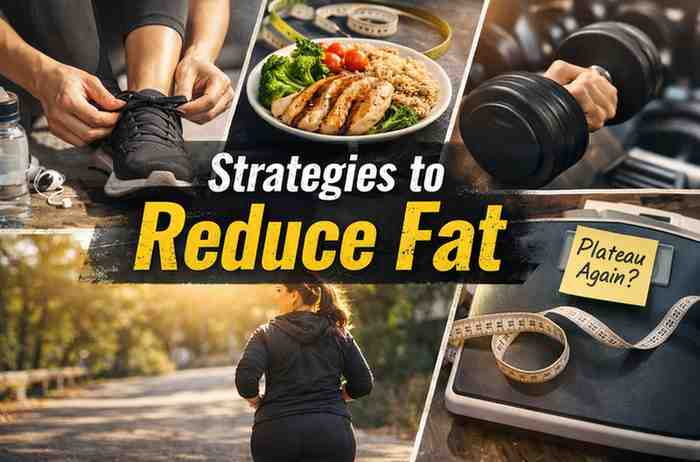
Strategies to Reduce Fat: 11 Grounded Ways to Break Frustration and Finally See Relief

Strategies To Reduce Fat 11 Grounded Ways To Break Frustration And Finally See Relief 1
Strategies to Reduce Fat 11 Grounded Ways to Break Frustration and Finally See Relief

Honestly, most people I’ve watched try to lose fat hit a wall in the first two weeks. They do “everything right” for a handful of days, the scale barely moves, and then something snaps. The frustration isn’t loud. It’s quiet. They assume they’re broken. Then they go looking for a new plan, a sharper trick, a louder promise.

From what I’ve seen across dozens of real attempts—friends, family, gym regulars, people I’ve helped troubleshoot habits—Strategies to Reduce Fat don’t fail because people are lazy. They fail because the strategies don’t survive contact with real life. Work stress. Late dinners. Injuries. Social weekends. The moment a plan demands perfection, it starts bleeding people out.

What follows isn’t a shiny system. It’s a set of patterns I’ve watched hold up when life gets messy. Some of this surprised me. Some of it felt obvious only after watching the same mistakes repeat. None of it is magic.


Why people try to reduce fat (and what usually pushes them to try again)

People don’t wake up wanting six-pack abs. They wake up tired of:

  • Feeling heavy walking upstairs

  • Avoiding mirrors or photos

  • Clothes fitting tighter in the same spots

  • The low-grade shame of “I used to be better at this”

Most folks I’ve worked with didn’t start for aesthetics. They started because their body felt harder to live in.

What gets misunderstood early:
They think fat loss is about finding the right plan. Keto vs. fasting vs. cardio vs. weights. The brand of plan becomes the focus. What actually matters is whether the plan fits the person’s life for long enough to matter.

What surprised me:
The people who stuck with it weren’t the most disciplined. They were the ones who built plans around their worst days, not their best days.


The core pattern that keeps working (even when motivation dips)

If I had to reduce everything I’ve seen to one boring truth: Fat loss sticks when the daily system is smaller than your willpower.

People who win long-term set up tiny defaults that work on autopilot:

  • A few meals they rotate without thinking

  • A movement routine that doesn’t require hype

  • One or two rules they can follow even when tired

People who struggle usually start with a heroic plan:

  • Perfect macros

  • 6-day workouts

  • Cutting out entire food groups

  • Daily scale check-ins that mess with their head

This honestly surprised me after watching so many people try it. The most aggressive plans looked good on paper and collapsed under real schedules.


Strategies to Reduce Fat that survive real life

Below are Strategies to Reduce Fat I’ve watched hold up across different bodies, schedules, and starting points. Not all of these will fit you. That’s the point.

1. Pick a boring calorie floor, not a dramatic deficit

Most people I’ve worked with mess this up at first. They slash calories hard, feel amazing for 5–7 days, then the fatigue hits. Hunger gets loud. Sleep gets worse. Cravings spike. Then comes the rebound.

What tends to work better:

  • A small, boring deficit you can keep

  • Eating patterns that don’t make you feel punished

  • Leaving room for social meals without “blowing the week”

Why this works:
When energy stays stable, people move more without forcing it. They’re less likely to binge. The system runs longer. Duration beats intensity here.

Common mistake:
Treating hunger like proof it’s “working.” Chronic hunger is usually proof the plan won’t last.


2. Anchor meals to protein without turning food into math homework

I didn’t expect this to be such a common issue: people overcomplicate protein. Shakes, powders, tracking apps, grams per pound of bodyweight. Then they burn out.

What I’ve seen work:

  • Every main meal starts with a protein anchor

  • No obsession over exact numbers

  • Whole foods most of the time

Examples people actually stick to:

Why this works:
Protein keeps people full. They snack less. Portions regulate themselves without white-knuckling.

What fails:
Relying on protein shakes as the foundation of meals. It looks efficient. People miss chewing food. They get bored. They quit.


3. Walk more than you “work out” (and don’t talk about it)

Almost everyone I’ve seen struggle with fat loss does this one thing wrong:
They tie progress to workouts only.

When workouts miss a week, the whole plan feels broken.

What consistently works instead:

  • Daily walking as the base layer

  • Workouts as a bonus, not the foundation

  • Movement built into life (errands, calls, breaks)

From what I’ve seen, 6,000–9,000 steps most days beats three perfect gym sessions followed by four sedentary days.

Why this works:
Walking doesn’t spike hunger the way intense cardio can. It’s easy to repeat. It adds up quietly.

What surprises people:
Fat loss continues even during weeks when workouts drop—if walking stays.


4. Eat like an adult forwarding their own mail

This sounds silly, but hear me out.

People who reduce fat long-term don’t eat like they’re “on a diet.” They eat like someone who has to wake up tomorrow and do life again.

Patterns I’ve seen stick:

  • Meals that leave them functional, not sleepy

  • Foods that digest well for them

  • Portions that don’t sabotage the afternoon

Why this works:
When meals support energy, people move more, sleep better, and make fewer reactive food choices later.

What fails:
Hero meals that feel virtuous but wreck digestion, mood, or productivity.


5. Stop negotiating with late-night eating—design around it

Almost everyone I’ve seen struggle with fat loss has a late-night eating pattern. Not because they’re weak. Because evenings are when stress drops and discipline is tired.

What works in practice:

  • Planning a small, intentional night snack

  • Front-loading protein earlier in the day

  • Creating a “closing routine” (tea, brush teeth, lights low)

Why this works:
When night eating is expected, it’s easier to shape. When it’s forbidden, it becomes chaotic.

What fails:
White-knuckling hunger after dinner. It breaks most people eventually.


6. Strength training, but without gym guilt

This honestly surprised me: people who made fat loss stick didn’t fall in love with lifting. They just treated it like brushing teeth. Necessary. Not dramatic.

What tends to work:

  • 2–3 simple strength sessions per week

  • Same movements repeated for months

  • No chasing soreness

Why this works:
Muscle mass helps with how the body handles calories. It also changes how people look at the same body fat percentage. That visual shift keeps people motivated.

Common mistake:
Program-hopping. Every new routine resets momentum.


7. The scale is a terrible daily coach (use it like a weekly weather report)

I’ve watched the scale derail more progress than bad food choices.

Patterns I’ve seen:

  • Daily weigh-ins spike anxiety

  • Water weight swings feel like failure

  • One “bad” number triggers quitting

What works better:

  • Weighing weekly or bi-weekly

  • Pairing scale data with waist measurements or how clothes fit

  • Tracking trends, not days

Why this works:
Fat loss isn’t linear. The scale lies in the short term. People who survive this phase mentally last long enough to see real change.


8. Build one “bad day” plan before you need it

Most people I’ve worked with don’t fail on good days. They fail on days when:

  • Sleep was bad

  • Work was brutal

  • Emotions are heavy

  • Decision fatigue is real

What helps:

  • A short list of “minimum viable habits”

    • Walk 10 minutes

    • Eat one protein-forward meal

    • Drink water

  • Permission to do less, not nothing

Why this works:
Momentum survives bad days. All-or-nothing thinking kills it.


9. Stop copying bodies. Copy behaviors.

This one hurts to watch. People chase a body type without understanding the lifestyle behind it.

What consistently works:

  • Watching how successful people eat daily

  • How they structure weekends

  • How boring their routines actually are

What fails:
Copying someone’s visible habits (supplements, workouts) without copying the invisible ones (sleep, consistency, patience).


10. Don’t confuse fat loss with life improvement

This is where expectations break.

Fat loss helps confidence. It doesn’t fix:

  • Bad relationships

  • Burnout jobs

  • Emotional eating roots

  • Self-worth wounds

Why this matters:
When people expect fat loss to solve everything, the results feel disappointing even when progress is real.


11. Give yourself a long runway (and expect plateaus)

From what I’ve seen, the people who stop feeling stuck give themselves time measured in months, not weeks.

Typical timelines I’ve observed:

  • 2–3 weeks: early water weight shifts

  • 4–8 weeks: visible changes for some

  • 3–6 months: others finally notice

  • 6–12 months: real body composition changes

What surprises people:
Plateaus are normal. They aren’t failure. They’re feedback that the system needs a small adjustment, not a full reset.


What people commonly get wrong at first

Almost everyone I’ve seen struggle with this does one or more of these:

  • Starting too aggressive

  • Tracking everything, then burning out

  • Ignoring sleep

  • Overusing cardio

  • Cutting foods they love completely

  • Treating one off-week as proof the plan doesn’t work

None of this means someone is bad at fat loss. It means they’re human.


What consistently works vs. what looks good on paper

Works in real life:

  • Simple meals

  • Repeated routines

  • Walking

  • Protein anchors

  • Small deficits

  • Forgiving systems

Looks good on paper but fails often:

  • Extreme calorie cuts

  • Complex macro tracking

  • Daily HIIT

  • Zero-carb rules

  • Perfect-week expectations


Short FAQ (for SERP alignment)

How long does it take to see results?
Most people notice early scale changes in a few weeks. Visual fat loss usually shows over 1–3 months if the system is consistent.

Is it worth trying if I’ve failed before?
From what I’ve seen, yes—if you change the system, not just the motivation. Repeating the same approach usually repeats the same outcome.

What if nothing seems to work?
Often the plan is too aggressive or too complicated. Pull back. Simplify. Extend the timeline.

Do I have to give up my favorite foods?
No. People who keep some version of foods they love tend to last longer.


Objections I hear a lot (and what usually helps)

“I don’t have time.”
Most people who succeeded didn’t add time. They rearranged small habits: walked during calls, simplified meals, trained shorter.

“My metabolism is broken.”
From what I’ve seen, consistency fixes more than metabolism theories. Slow progress is still progress.

“I need fast results to stay motivated.”
Fast results usually cost long-term progress. Small visible wins paired with sustainable habits tend to hold.


Reality check: who this is NOT for

These Strategies to Reduce Fat aren’t great for:

  • People wanting a 30-day transformation

  • Anyone unwilling to change daily routines

  • Those expecting perfection from themselves

  • People who need medical supervision but skip it

When results may be slow:

  • Poor sleep

  • High stress

  • Inconsistent schedules

  • Hormonal or medical factors (worth checking with a pro)

What can go wrong:

  • Under-eating and burning out

  • Obsessing over numbers

  • Letting one bad week erase months of progress


Practical takeaways (what to actually do)

Do this:

  • Pick a small calorie deficit you can keep

  • Anchor meals with protein

  • Walk most days

  • Lift a couple times a week

  • Track trends, not daily scale swings

  • Build a bad-day plan

Avoid this:

  • Extreme cuts

  • All-or-nothing rules

  • Program hopping

  • Daily scale panic

What to expect emotionally:

  • Early excitement

  • A slump around weeks 2–4

  • Doubt during plateaus

  • Relief when routines feel automatic

What patience looks like in practice:

  • Showing up on low-motivation days

  • Repeating boring habits

  • Adjusting gently instead of restarting

  • Letting weeks stack quietly

No guarantees here. No hype. Just patterns I’ve watched hold up when people stopped chasing perfect plans and started building livable ones.

Still. This isn’t magic. It’s slow. Sometimes annoying. And from what I’ve seen, the people who finally stop feeling stuck aren’t the ones who found the smartest plan. They’re the ones who stayed long enough for boring consistency to work on their behalf. Sometimes that shift alone is the real win.
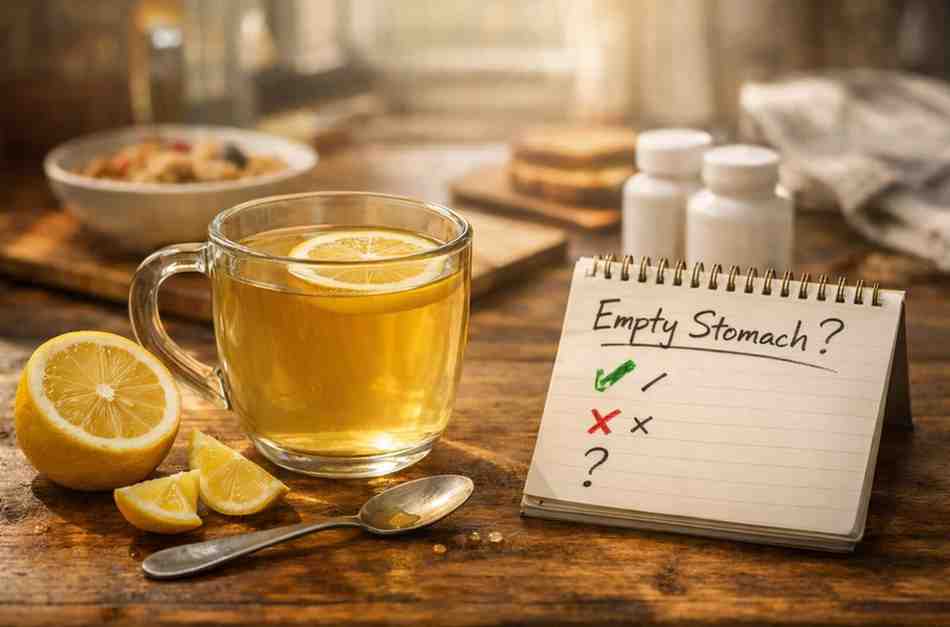

Lemon tea in empty stomach: 7 real-world lessons that bring relief (and a warning)

Lemon Tea In Empty Stomach 7 Real World Lessons That Bring Relief And A Warning 1
Lemon tea in empty stomach 7 real world lessons that bring relief and a warning

Honestly, most people I’ve watched try this hit a wall in the first two weeks. They hear about lemon tea in empty stomach, picture a clean morning ritual, and expect their body to cooperate on day one. Then the bloating shows up. Or the acidity. Or nothing happens at all. Quietly, they start thinking I’m the problem.
From what I’ve seen sitting next to friends on kitchen stools, reading DM after DM, and tracking what actually changed for people over months, this habit isn’t magic—and it’s not harmless either. It’s simple on paper. In real mornings, it’s messy. People spill lemon on the counter, forget to eat after, chug it too hot, or push through discomfort because some reel told them to “trust the process.” I didn’t expect this to be such a common issue until I watched so many people try it.

What follows isn’t a wellness sermon. It’s field notes from proximity: patterns across real routines, the stuff people mess up at first, the small wins that show up, and the times I’ve had to tell someone, “This might not be for you.”


What pulls people toward this habit (and what they expect it to fix)

From what I’ve seen, people try lemon tea on an empty stomach for three main reasons:

  • They want a gentler morning reset. Coffee jitters are wrecking their stomach. They’re looking for a warm, simple start.

  • They’re hoping for digestion to behave. Bloating, slow mornings, that heavy feeling before breakfast.

  • They’re chasing clarity or weight changes. Not in a dramatic way. More like, “If my mornings felt lighter, maybe the rest follows.”

Here’s the mismatch: most people expect a fast, obvious effect. Like flipping a switch. What actually shows up is quieter:

  • A few report less heaviness after breakfast—after a couple of weeks.

  • Some feel calmer switching from coffee first thing.

  • Others feel worse and keep going anyway because they think discomfort means it’s “working.”

That last part is where people get hurt. Almost everyone I’ve seen struggle with this does this one thing wrong: they treat early discomfort as proof of progress instead of a signal to adjust.


The real pattern I keep seeing (who benefits, who doesn’t)

I didn’t expect the split to be this consistent, but it is:

People who tend to do okay with lemon tea on an empty stomach:

  • They already tolerate acidic foods.

  • They sip warm liquids slowly in the morning.

  • They eat within 20–40 minutes after.

  • They use very little lemon (a squeeze, not half a fruit).

People who tend to feel worse:

  • Anyone with sensitive stomachs, reflux, ulcers, or enamel issues.

  • Folks who replace breakfast with lemon tea and then “forget” to eat.

  • People who make it too strong and too hot.

  • Anyone stacking it with other “detox” habits (apple cider vinegar, black coffee, supplements) on an empty stomach.

This honestly surprised me after watching so many people try it. The internet flattens all of this into “good for digestion.” Real bodies are pickier.


What most people misunderstand (and why it backfires)

A few misunderstandings keep repeating:

  • “Empty stomach means better absorption.”
    In practice, empty stomach + acid can irritate lining. For some, that’s a one-time sting. For others, it snowballs into reflux days later.

  • “More lemon = more benefit.”
    This is where teeth and throats take the hit. I’ve seen enamel sensitivity creep up quietly. People notice months later when cold water hurts.

  • “If it burns, it’s detoxing.”
    No. Burning is your body saying, “Hey, this is harsh right now.” Pushing through doesn’t build resilience. It builds resentment toward the habit.

  • “It replaces hydration.”
    Warm lemon tea can help you drink more fluid. It doesn’t replace plain water. People who only drink lemon tea in the morning often stay mildly dehydrated until noon.

Cause → effect → outcome looks like this:

  • Too much acid + empty stomach → irritation

  • Irritation → discomfort or reflux later

  • Discomfort → people quit or blame themselves

  • Blame → they jump to another trend

The cycle is exhausting. I’ve watched it repeat across different people who never compare notes.


What consistently works (the boring version that actually sticks)

Most of the small wins I’ve seen come from dialing this way down:

  • Use less lemon than you think.
    Think: a few drops to a squeeze. Not cloudy-yellow water.

  • Warm, not hot.
    Hot liquids hit an empty stomach harder. Lukewarm is easier to sip.

  • Sip, don’t chug.
    The people who chug report nausea. The sippers don’t.

  • Eat something soon after.
    A banana, toast, eggs, oatmeal. Whatever. The stomach likes to move on.

  • Rinse your mouth after.
    Not glamorous. Helps teeth. This is one of those quiet, grown-up moves people skip and regret later.

Real routines I’ve seen work:

  • Warm water + a squeeze of lemon → 10 minutes → breakfast

  • Lemon tea → brush teeth later (not immediately) → water → food

  • Alternate days: lemon tea some mornings, plain warm water others

People who keep it flexible last longer with the habit. People who make it rigid quit faster.


How long it takes (for most people) to notice anything

Short answer: don’t expect fireworks in week one.

From what I’ve seen across a bunch of real attempts:

  • Days 1–3:
    Placebo glow or mild irritation. Hard to tell what’s what. Emotions run high. People feel “good” because they’re doing something.

  • Week 2:
    This is the wall. The novelty fades. If it’s going to bother your stomach, it often shows up here. Most people I’ve worked with mess this up at first by pushing through instead of adjusting.

  • Weeks 3–4:
    The folks who dialed it back (less lemon, eat sooner) start noticing subtle benefits: easier mornings, less heaviness after breakfast.

  • Month 2+:
    If it’s helping, it’s now just… normal. Not exciting. That’s usually a good sign.

If nothing improves by a month—or you feel worse—this probably isn’t your lever to pull.


Common mistakes I keep watching people repeat

  • Stacking too many “healthy” habits at once.
    Lemon tea + fasting + intense workouts + supplements. Then they can’t tell what’s causing the stomach pain.

  • Ignoring early warning signs.
    Throat burn. Tooth sensitivity. Nausea. These don’t mean “power through.”

  • Using bottled lemon concentrate daily.
    It’s harsher. People notice irritation faster with this than fresh lemon.

  • Turning it into a moral test.
    Missed a day? They spiral. Habits that feel like punishment don’t last.

  • Replacing breakfast.
    This one is huge. People think lemon tea counts as “doing something.” Then their energy tanks by mid-morning.

Almost everyone I’ve seen struggle with this does one of these. Then they blame their body.


Is it worth it? (the honest take)

This depends on what you want from your mornings.

It might be worth trying if:

  • You’re easing off coffee and want a warm ritual.

  • Your digestion is generally okay, just sluggish.

  • You’re okay with subtle shifts, not dramatic changes.

It’s probably not worth forcing if:

  • You have reflux, ulcers, or sensitive teeth.

  • Acidic drinks already bother you.

  • You’re hoping this alone will change weight or energy in a big way.

This isn’t a keystone habit for most people. It’s a small nudge. For some, that nudge helps them drink more water, eat breakfast, and feel calmer. For others, it’s noise.

That said, I’ve watched enough people finally stop feeling stuck once they stopped expecting lemon tea to fix things and started using it as a gentle cue to take care of their morning.


Objections I hear (and how they play out in real life)

“But everyone says it’s good for digestion.”
Everyone online, sure. In kitchens and group chats, it’s mixed. Some feel lighter. Some feel worse. The pattern matters more than the hype.

“I don’t have time for breakfast.”
Then lemon tea on an empty stomach is more likely to irritate you. The people who skip food after are the ones who complain the loudest later.

“I hate plain water in the morning.”
Fair. Warm water with a slice of ginger or a pinch of salt works for many without the acid hit. From what I’ve seen, this swap helps sensitive stomachs more than lemon does.

“If I stop, am I giving up?”
No. You’re responding to feedback. Bodies give feedback. Ignoring it isn’t discipline. It’s stubbornness dressed up as wellness.


Reality check (where expectations usually break)

A few grounded truths I wish more people heard early:

  • This won’t detox you.
    Your liver and kidneys already handle that. Lemon tea doesn’t replace them.

  • It won’t melt fat.
    I didn’t expect this to be such a common hope until I watched people quietly wait for scale changes that never came.

  • It can irritate healthy people too.
    No diagnosis required to feel a burn.

  • Consistency beats intensity.
    Tiny squeeze daily beats half a lemon once a week when you remember.

  • Your mornings might be the real lever.
    Often, the benefit people credit to lemon tea actually comes from slowing down, sipping something warm, and then eating.

This is where experienced users would do things differently: they’d keep the ritual, but loosen the ingredient.


Short FAQ (for quick answers people search)

Does lemon tea in empty stomach help digestion?
For some, yes—mostly by warming the gut and nudging appetite. For others, the acid irritates digestion. It’s individual.

Can I drink lemon tea every morning?
If your stomach and teeth tolerate it and you keep it mild, many people do fine. Rinse your mouth after and eat soon.

Is warm water with lemon better than plain warm water?
Sometimes the lemon helps people drink more. The warmth is likely doing most of the work.

What if it burns?
That’s a sign to reduce lemon, switch to plain warm water, or stop. Burning isn’t a badge of progress.

How long before I see results?
If it helps, subtle shifts show up after 2–4 weeks. No change by a month? It’s probably not your thing.


Who should avoid this (or at least be cautious)

From what I’ve seen, these folks run into trouble more often:

  • People with GERD, ulcers, or chronic heartburn

  • Anyone with enamel erosion or sensitive teeth

  • Those on medications that irritate the stomach

  • People who skip breakfast

  • Folks prone to nausea on empty stomachs

If you’re in this camp, warm water, ginger tea, or even just breathing and stretching before breakfast tends to land softer.


Practical takeaways (what to do, what to avoid, what to expect)

What to do

  • Start with a few drops of lemon in warm water.

  • Sip slowly.

  • Eat within 20–40 minutes.

  • Rinse your mouth after.

  • Pay attention to how your body reacts over two weeks.

What to avoid

  • Don’t chug.

  • Don’t stack it with other acidic habits.

  • Don’t use super-strong lemon daily.

  • Don’t replace breakfast with it.

  • Don’t push through pain.

What to expect emotionally

  • A little hope at first.

  • Then a boring phase where nothing dramatic happens.

  • Then either a quiet “oh, this helps” or a clear “nah, not for me.”

What patience actually looks like in practice

  • Adjusting instead of forcing.

  • Taking days off without guilt.

  • Letting small signals guide you instead of viral advice.

No guarantees. No miracle claims. Just paying attention and choosing the version of the morning that doesn’t make your body fight you.


Still, I get why people keep trying this. Mornings are loaded with hope. A warm cup feels like you’re choosing yourself before the day takes over. So no—this isn’t magic. But I’ve watched enough people stop feeling stuck once they stopped chasing the promise and started listening to what actually felt okay in their body. Sometimes that shift alone is the real win.

Ways to Get Rid of a Zit Inside Ear: 9 Relief-Focused Fixes (Frustration → Real Relief)

Ways To Get Rid Of A Zit Inside Ear 9 Relief Focused Fixes Frustration → Real Relief 1
Ways to Get Rid of a Zit Inside Ear 9 Relief Focused Fixes Frustration → Real Relief

Honestly, most people I’ve watched deal with a zit inside the ear think it’ll be a quick fix. Then the pain kicks in. Or the itching. Or that weird pressure when you chew or yawn. A few try to ignore it. A few poke at it with whatever’s nearby. Almost everyone ends up more frustrated than when they started.

From what I’ve seen across friends, family, coworkers, and a steady stream of “can you look at this?” moments, ways to get rid of a zit inside ear aren’t about one miracle trick. It’s about knowing what actually helps in that tiny, sensitive space… and what quietly makes things worse.

This is field-notes stuff. Patterns I’ve seen repeat. The mistakes people keep making. The small routines that consistently calm things down. And the moments where it’s smarter to stop DIY and let a pro handle it.


What usually causes a zit inside the ear (the patterns I keep seeing)

People assume it’s random. It rarely is.

Across a bunch of cases, the same triggers show up again and again:

  • Earbuds + sweat + long wear

    • Gym sessions with earbuds left in for hours after.

    • Commuters who never wipe them down.

    • Moisture + bacteria = perfect storm.

  • Over-cleaning

    • Cotton swabs shoved too deep.

    • Alcohol wipes inside the canal (this one backfires a lot).

    • Stripping the skin barrier → irritation → clogged pores.

  • Skin that’s already inflamed

    • Eczema-prone ears.

    • Seborrheic dermatitis.

    • Seasonal allergies leading to more scratching.

  • Hair products creeping into the ear

    • Pomades, gels, sprays.

    • They migrate. People don’t realize until the zit shows up.

This honestly surprised me after watching so many people try to “clean it away.” The urge to scrub makes it worse.


The big mistake almost everyone makes first

They try to pop it.

Inside the ear, that move causes more problems than relief. The space is tight. The skin is thin. The bacteria load is higher. I’ve seen:

  • Swelling double overnight

  • Pain shoot into the jaw

  • Drainage that turns into a low-grade infection

  • Hearing feel muffled for days

Almost everyone I’ve seen struggle with this does this one thing wrong:
they treat an ear zit like a face zit.

It’s not the same game.


What consistently works (from real-world trial and error)

No hype here. These are the routines that actually calm things down for most people I’ve helped or observed.

1. Warm compress (boring, but it works)

From what I’ve seen, this is the single most reliable first step.

How people do it when it helps:

  • Clean washcloth

  • Warm (not hot) water

  • Gently press against the outer ear for 5–10 minutes

  • 2–3 times a day

Why this works in practice:

  • Softens the clog

  • Increases circulation

  • Helps the zit drain on its own (without force)

What surprises people: the relief is often emotional too. The pressure eases. The constant awareness fades a bit.


2. Hands off the inside of the ear canal

This is harder than it sounds.

The people who healed faster were the ones who:

  • Stopped sticking anything inside

  • Let the skin calm down

  • Cleaned only the outer ear with a damp cloth

The ones who kept “checking it” with swabs or fingers?
They stayed stuck longer. More redness. More pain. Slower healing.


3. Spot treatment (carefully, outer ear only)

This part needs judgment.

For zits on the outer ear or entrance of the canal (not deep inside):

  • A tiny dab of:

    • Benzoyl peroxide (2.5%–5%)

    • Or salicylic acid

Patterns I’ve seen:

  • Works for mild surface bumps

  • Can irritate sensitive ears if overused

  • Never put this deep inside the canal

Most people I’ve worked with mess this up at first by using way too much. Less is more here.


4. Switch your earbuds (or at least clean them)

This is the unsexy fix that quietly works.

People who healed faster:

  • Swapped to over-ear headphones for a few days

  • Cleaned earbuds with alcohol wipes

  • Let ears fully dry before reinserting

People who didn’t:

  • Kept reinfecting the same spot

  • Wondered why it “kept coming back”

It’s not glamorous. It’s effective.


5. Let it drain naturally (if it does)

Some ear zits will come to a head and release on their own.

When that happens:

  • Gently clean the outer ear

  • Don’t squeeze

  • Keep the area dry

  • Use a clean tissue, not a cotton swab

From what I’ve seen, the ones who let it be healed cleaner. The ones who forced it dealt with longer irritation.


6. A simple “cool-down” routine that actually helps

Here’s a routine I’ve seen calm things down in real people:

  • Morning:

    • Warm compress

    • Gentle wipe of outer ear

  • Midday:

    • Avoid earbuds

    • Hands off

  • Night:

    • Second warm compress

    • Clean pillowcase

It’s boring. It works.


What repeatedly fails (and keeps people stuck)

This is where most frustration comes from.

  • Digging with cotton swabs
    Makes the skin raw. Slows healing.

  • Essential oils inside the ear
    Tea tree, oregano, etc.
    I’ve seen more irritation than relief here.

  • Alcohol or hydrogen peroxide deep inside
    Dries the skin → more inflammation.

  • “Let me just pop it real quick”
    Almost always extends the problem.

  • Ignoring signs of infection
    More on that below.


How long does it take (for most people)?

This is one of the biggest questions I get.

From what I’ve seen across a lot of cases:

  • Mild ear zit:
    2–4 days to calm down
    5–7 days to mostly resolve

  • Painful or swollen one:
    7–10 days with proper care

  • If it keeps getting poked:
    2+ weeks of on-and-off irritation

People expect overnight fixes. That expectation is where a lot of disappointment comes from.


When DIY is not worth it (and you should get it checked)

Here’s the reality check I wish more people took seriously:

If you see or feel:

  • Severe pain

  • Spreading redness

  • Drainage that smells bad

  • Fever

  • Hearing changes

  • Swelling that closes the ear canal

This is not a “try one more home remedy” moment.

Infections inside the ear can escalate. I’ve watched people delay and end up needing antibiotics. That’s not drama. That’s pattern recognition.


Objections I hear all the time (and the honest answers)

“Isn’t this overkill for a small zit?”
Sometimes, yeah. But ears are different. Small problems feel big because the space is sensitive.

“Can’t I just leave it alone?”
You can. For some mild ones, that’s enough. The issue is most people don’t actually leave it alone. They poke. They check. They irritate it.

“I don’t have time for compresses.”
Fair. Then accept it may last longer. That’s the tradeoff I’ve seen play out.

“Is it worth trying these ways to get rid of a zit inside ear?”
If pain, pressure, or distraction is bothering you? Yes.
If it’s barely noticeable? Sometimes letting it run its course is fine.


Who should avoid DIY altogether

This part matters.

These folks I’ve seen run into more complications:

  • People with diabetes

  • People with chronic ear infections

  • Anyone with pierced inner cartilage that’s currently irritated

  • People with eczema or psoriasis in the ear

  • Anyone with recent ear surgery

For them, early medical advice saves a lot of trouble later.


Short FAQ (for the questions people Google at 2 a.m.)

Can I pop a zit inside my ear?
No. It’s risky and usually makes things worse.

Can ear zits cause hearing problems?
Temporarily, yes—if swelling blocks the canal. It usually resolves once inflammation goes down.

Are ear zits contagious?
No. But bacteria can spread if you keep touching or using dirty earbuds.

Can I use acne cream inside my ear?
Only on the outer ear or entrance. Never deep inside the canal.


Reality check (what expectations usually get wrong)

This isn’t magic.

  • Relief is gradual

  • The area is sensitive

  • Healing feels slower than a face zit

  • Some discomfort is normal early on

  • Setbacks happen when you forget and poke it

From what I’ve seen, the people who did best were the ones who treated this like a short recovery window, not a one-time fix.


Practical takeaways (what to actually do)

Do this:

  • Warm compress 2–3x daily

  • Keep the ear dry

  • Clean earbuds

  • Touch the area less than you want to

  • Give it a few days before judging results

Avoid this:

  • Popping

  • Swabbing deep

  • Harsh chemicals inside the ear

  • Essential oils in the canal

  • Reusing dirty earbuds

Expect this emotionally:

  • Mild annoyance

  • Temptation to “just fix it”

  • Relief before full healing

  • A few days of patience testing your nerves

No guarantees. No miracles. Just what consistently works in real life.


Still… this isn’t some dramatic health crisis most of the time. It just feels big because it’s in a small, sensitive place you can’t ignore. From what I’ve seen, once people stop fighting their ears and start giving them a little space and warmth, things usually calm down on their own. Not instantly. Not perfectly. But enough that you stop thinking about it every time you chew or yawn. Sometimes that quiet return to normal is the real relief.

Advantages of Soya Chunks: 9 Reliefs for Protein-Strapped Diets

Advantages Of Soya Chunks 9 Reliefs For Protein Strapped Diets 1
Advantages of Soya Chunks 9 Reliefs for Protein Strapped Diets

Honestly, most people I’ve watched try to fix their protein problem hit a wall in the first two weeks. They buy powders. They cook chicken for three days straight. They swear they’ll “meal prep this time.” Then life happens, the fridge goes empty, and the plan quietly dies. Somewhere in that churn, a few of them land on Advantages of Soya Chunks as a practical option. Not because it’s trendy. Because they’re tired, broke, busy, or all three—and they need something that doesn’t fall apart on a Tuesday night.

From what I’ve seen, soya chunks rarely get a fair shot. People either expect miracles or dismiss them as “weird gym food.” Both camps miss the point. The wins show up when expectations are boring and routines are simple. The losses show up when folks try to force this into a lifestyle it doesn’t fit.


What pulls people toward soya chunks (and what they think they’re signing up for)

Most people I’ve worked with come to soya chunks for one of four reasons:

  • They want affordable protein without building every meal around meat.

  • They’re trying to cut cholesterol or eat lighter without feeling hungry.

  • They’re plant-forward curious but not ready to go fully vegetarian.

  • They’re tired of protein powders and want actual food.

What they think they’re signing up for:

  • “This will taste like meat.”

  • “This will fix my macros without any effort.”

  • “I can eat this every day and never get bored.”

This honestly surprised me after watching so many people try it. The people who win with soya chunks aren’t chasing replacement-meat fantasies. They’re using it as a tool—cheap, shelf-stable protein they can bend into their normal meals. The people who quit are usually expecting comfort-food magic on day one.


The advantages of soya chunks I’ve seen actually matter in real life

I’m not going to sell you miracles. These are the advantages that consistently show up when people use soya chunks the boring, sustainable way.

1) Protein that shows up even when your plan falls apart

From what I’ve seen, this is the quiet win. Soya chunks sit in a pantry for months. No smell. No spoilage stress. When someone’s grocery budget gets tight or their week goes sideways, they still have protein on hand.

Cause → effect → outcome:
Shelf-stable protein → fewer skipped meals → less late-night junk eating.

People don’t notice this advantage until the week they’d normally order fast food and instead throw soya chunks into a pan with whatever vegetables they have left.

2) Satiety without heaviness

Almost everyone I’ve seen struggle with overeating at night does this one thing wrong: they under-eat protein during the day. Soya chunks, when hydrated and cooked properly, keep people full longer than they expect.

  • Not stuffed.

  • Not sleepy.

  • Just… steady.

Most people I’ve worked with report fewer “I need something salty at 10 pm” moments after they add one solid protein-heavy meal with soya chunks.

3) Budget breathing room

This one isn’t glamorous, but it’s real. When folks replace a few meat-heavy meals per week with soya chunks, grocery bills drop. The relief is subtle. It shows up as less stress at checkout and fewer skipped proteins at the end of the month.

I didn’t expect this to be such a common emotional shift. People feel less resentful about eating “healthy” when it doesn’t feel like a tax on their wallet.

4) Easier cholesterol management (for the right people)

I’ve seen steady improvements in lipid panels when people swap some high-saturated-fat meals for plant proteins like soya chunks. Not overnight. Not dramatic. Just enough movement to make doctors say, “Keep doing whatever you’re doing.”

Why this works:
Lower saturated fat + decent fiber → gentler cholesterol numbers over time.

Where expectations break:
People expect numbers to change in two weeks. It usually takes a few months of boring consistency.

5) Flexible flavor (if you stop trying to make it taste like steak)

Most people I’ve worked with mess this up at first: they hydrate soya chunks in plain water, pan-fry them, and then complain they taste like wet cardboard. Yeah. That’s what happens.

What consistently works:

  • Hydrate in broth or seasoned water

  • Squeeze excess water out

  • Cook with onions, garlic, acid (lemon/vinegar), and fat

When treated like a sponge for flavor instead of a meat substitute, soya chunks become… fine. Not magical. Fine enough to eat twice a week without resentment.

6) Digestive steadiness (after the awkward first week)

There’s a learning curve. Some people get bloated at first. From what I’ve seen, this settles when portions are reasonable and hydration improves. People who jump from low-fiber diets straight into big bowls of soya chunks often feel rough for a few days.

What works:

  • Start small

  • Chew more than you think you need to

  • Drink water

Almost everyone who sticks with this past the first week reports digestion normalizing.

7) Protein for people who hate powders

This one surprised me. A lot of people simply hate shakes. They feel like chores. Soya chunks give them chewable protein that fits into normal meals. That alone keeps some people consistent who would otherwise quit.

8) Easy batch cooking without texture hell

Chicken dries out. Fish goes rubbery. Soya chunks, once hydrated, reheat better than people expect. I’ve watched busy parents batch-cook one pan of spiced soya chunks and use it across:

  • Tacos

  • Salads

  • Rice bowls

  • Wraps

Consistency wins here. Not gourmet. Just workable.

9) Quiet alignment with plant-forward eating

People don’t talk about this much, but I’ve seen a subtle pride show up. Folks like knowing they’re not leaning on animal protein for every single meal. It’s not activism. It’s just a feeling of “I’m doing something decent for my body and the planet.” That emotional win helps people stick with the habit.


What people commonly get wrong at first (and why they quit)

Most drop-offs happen for boring reasons:

  • They overeat it. Big portions on day one → bloating → “this doesn’t work for me.”

  • They under-season it. Then blame the ingredient.

  • They expect weight loss immediately. Protein helps structure eating, not override calories.

  • They eat it alone. No veggies, no fats, no acid. Just sad chunks on a plate.

Almost everyone I’ve seen struggle with this does this one thing wrong: they try to replace their entire protein intake with soya chunks. That’s not how this works in real life. Rotation works. Rigidity breaks people.


What consistently works vs. what looks good on paper

Consistently works:

  • 2–4 meals per week with soya chunks

  • Pairing with vegetables + fats

  • Seasoning heavily

  • Keeping portions reasonable

  • Treating it as a tool, not a lifestyle

Looks good on paper, fails in practice:

  • Eating soya chunks every day

  • Using them as the only protein source

  • Expecting meat-like satisfaction

  • Skipping carbs and fats alongside it

From what I’ve seen, moderation is the unlock. Extremes make people resentful.


“Is it worth it?” — the honest version

If you’re trying to:

  • Lower grocery costs

  • Increase protein without powders

  • Eat lighter without being hungry

  • Add plant protein without going fully vegetarian

Then yeah, this is worth trying.

If you’re hoping for:

  • A meat replacement that feels identical

  • Rapid weight loss

  • A single food to fix your diet

This will probably frustrate you.

The advantages of soya chunks show up when you stop asking them to be a personality and start using them as a background player.


How long does it take to notice benefits?

From what I’ve seen across multiple people:

  • Satiety improvements: 1–2 weeks

  • Budget relief: first grocery cycle

  • Cholesterol trends: 2–3 months

  • Digestive comfort: after the first awkward week

  • Routine stability: about a month

Still, bodies are messy. Some people feel better fast. Others don’t notice much until habits stack.


Who will hate this approach (and that’s okay)

This is not for everyone.

You’ll probably hate soya chunks if you:

  • Need every meal to feel indulgent

  • Get digestive issues with soy even in small amounts

  • Are allergic to soy

  • Prefer minimal cooking or seasoning

  • Expect fast cosmetic changes (scale weight, abs, etc.)

Being honest about fit saves time. I’ve watched people force this and grow resentful. That’s not a win.


Objections I hear all the time (and what actually happens)

“Isn’t soy bad for hormones?”
From what I’ve seen, moderate soy intake doesn’t cause the hormone chaos people fear. The panic usually comes from headlines, not lived outcomes. People using soya chunks a few times a week don’t show the dramatic issues they worry about.

“Won’t I get bored?”
Yes. If you cook it the same way every time. No. If you rotate flavors. Boredom is a cooking problem, not a food problem.

“Isn’t this ultra-processed?”
Soya chunks are processed. They’re not whole beans. The trade-off people accept is convenience + protein for less cooking time. From what I’ve seen, this trade works when the rest of the diet is mostly real food.

“Can this replace meat entirely?”
It can replace some meals. It shouldn’t replace all of them unless you’re deliberately planning a varied plant-based diet.


Reality check (what can go wrong)

  • Portion creep: People assume plant protein means unlimited portions. Calories still count.

  • Digestive discomfort: Especially early on. Start small.

  • Taste fatigue: Happens if you don’t rotate flavors.

  • Over-reliance: Using soya chunks as your only protein source can backfire emotionally and nutritionally.

  • Expectation mismatch: This is not a transformation hack. It’s a small lever.

No guarantees. No hype. Just trade-offs.


Quick FAQ (for SERP alignment)

Are the advantages of soya chunks real or just marketing?
From what I’ve seen, the advantages are practical when used in moderation. The hype falls apart when people expect dramatic results.

Can soya chunks help with weight loss?
Indirectly. They support fullness and structure meals. Weight loss still depends on overall intake and consistency.

How often should I eat soya chunks?
Most people do well with 2–4 meals per week.

Do soya chunks cause bloating?
Sometimes at first. Smaller portions + water usually help.

Who should avoid soya chunks?
People with soy allergies, severe digestive reactions to soy, or those who dislike plant proteins no matter how they’re cooked.


Practical takeaways (what to do, what to avoid, what to expect)

What to do

  • Start with small portions

  • Season aggressively

  • Pair with vegetables + fats

  • Use 2–4 times per week

  • Rotate flavors

What to avoid

  • Eating it daily out of obligation

  • Expecting meat-like satisfaction

  • Skipping carbs and fats

  • Using it as your only protein source

What to expect emotionally

  • Relief at first

  • Mild boredom if you repeat flavors

  • A learning curve with digestion

  • Small wins stacking quietly

What patience actually looks like

  • Not noticing much for the first week

  • Feeling fuller before feeling “healthier”

  • Seeing grocery bills shift before your body does


Still. This isn’t magic. It’s a pantry food that behaves well when you treat it kindly. I’ve watched enough people stop feeling stuck once they stopped asking soya chunks to be a miracle and started letting it be useful. Sometimes that shift alone is the real win.

Yoga for Cholesterol: 7 Hard-Won Lessons That Bring Real Relief (When You’re Frustrated)

Yoga For Cholesterol 7 Hard Won Lessons That Bring Real Relief When Youre Frustrated 1
Yoga for Cholesterol 7 Hard Won Lessons That Bring Real Relief When Youre Frustrated

Honestly, most people I’ve watched try this hit a wall in the first two weeks. They roll out a mat, do a few stretches they found on YouTube, and wait for their cholesterol numbers to budge. When nothing changes, they assume they’re broken. I’ve seen the quiet disappointment on their faces after a follow-up lab report. The kind where they nod and say “guess yoga doesn’t work for me,” then stop trying anything at all.

From what I’ve seen across friends, family, and people I’ve helped loosely coach through lifestyle changes, Yoga for Cholesterol isn’t simple—but it’s not fake hope either. It just doesn’t work the way people expect it to. The results show up sideways first: steadier habits, fewer stress-eating spirals, more consistency with walking, meds taken on time, a little more patience with the process. Then, sometimes, the numbers follow. Not always. But often enough that it’s worth talking about honestly.


What pushes people toward yoga when cholesterol becomes “a thing”

Most folks don’t wake up wanting to practice yoga for their labs. They get nudged into it.

  • A doctor mentions cholesterol again. Same numbers. Same tone.

  • A parent has a scare.

  • Meds work but the side effects feel heavy.

  • The gym feels intimidating.

  • Walking alone isn’t sticking.

So yoga looks… gentler. Safer. Something you can do at home when motivation is thin.

From what I’ve seen, people aren’t chasing enlightenment here. They want a small lever they can actually pull. Something that doesn’t feel like punishment.

That’s the right instinct. The misunderstanding is thinking yoga directly “burns cholesterol away.” That belief sets people up to quit early.


The biggest misunderstanding I see (almost everyone gets this wrong at first)

People expect yoga to work like cardio.

They picture sweat = lower cholesterol.
They expect sore muscles = progress.
They assume if it feels calm, it can’t be doing anything meaningful.

This honestly surprised me after watching so many people try it. The people who stuck with yoga long enough to see lab changes were not the ones chasing intensity. They were the ones who used yoga to change how they lived between sessions:

  • They slept better → less late-night snacking

  • They felt calmer → fewer stress binges

  • They moved more overall → walks didn’t feel like chores

  • They became more aware → noticed when habits were drifting

Yoga didn’t “fix” cholesterol in isolation. It fixed the environment around their choices.

Cause → effect → outcome, over and over again:

Less stress → better sleep → steadier food decisions → more consistent movement → labs slowly improve.

That chain is boring on paper. In real life, it’s the difference between quitting in week two and staying in it long enough to matter.


What consistently works (and what looks good on paper but fails in real life)

From what I’ve seen across multiple people, patterns show up fast.

What actually helps

  • Short, repeatable routines

    • 10–20 minutes most days beats one heroic 90-minute session.

    • The people who improved labs did boring consistency.

  • Breath-focused practices

    • Not glamorous. But calming the nervous system reduced emotional eating more than any “fat-burning” flow I’ve seen.

  • Pairing yoga with walking

    • Almost everyone I’ve seen struggle with this does one or the other. The combo works better.

  • Using yoga as a pause button

    • People who used yoga on stressful days (instead of skipping those days) stuck with lifestyle changes longer.

What repeatedly fails

  • Only doing yoga

    • No changes to food, no walking, no meds when prescribed.

    • This stalls. Every time.

  • Going too intense too fast

    • Injury or burnout follows. Then nothing happens.

  • Chasing trendy sequences

    • The fancy flows look impressive. They’re not what moves the needle for cholesterol.

  • Expecting visible body changes as proof

    • Cholesterol shifts quietly. Waiting for mirror changes leads to early quitting.

I didn’t expect this to be such a common issue, but people often treat yoga like a detox. A temporary fix. The ones who saw relief treated it like brushing teeth. Just… something you do.


What a “real” yoga routine looks like for cholesterol (from what I’ve watched work)

Not pretty. Not aesthetic. Functional.

Most people I’ve worked with settle into something like this:

3–5 days a week (10–25 minutes):

  • Gentle sun salutations (or chair versions if mobility is limited)

  • A few long holds:

    • Seated forward fold

    • Bridge pose

    • Supine spinal twist

  • 3–5 minutes of slow breathing at the end

On off days:

  • 20–40 minutes of walking

  • Or light stretching while watching TV

That’s it. No spiritual performance. No Instagram flow.

Why this works (not theory—just pattern-based reasoning):

  • Gentle movement improves insulin sensitivity a bit

  • Breathing lowers stress hormones that push cholesterol higher

  • Routines reduce decision fatigue

  • People feel “done” with their health task for the day, which prevents guilt spirals

This setup doesn’t look powerful. But the people who stick with something this simple are the ones who come back six months later saying, “Okay… something shifted.”


How long does Yoga for Cholesterol take to show anything real?

Short answer: longer than people want. Shorter than people fear.

From what I’ve seen:

  • 2–4 weeks:

    • Mood changes

    • Better sleep

    • Less reactive eating

  • 8–12 weeks:

    • More consistent habits

    • Small weight changes for some

    • Energy steadier

  • 3–6 months:

    • This is when labs sometimes move

    • Not dramatically. But enough to feel encouraging

If someone is expecting dramatic drops in cholesterol numbers in 30 days from yoga alone, they usually feel crushed. I’ve seen that disappointment derail progress more than bad food days ever did.

Then again… when people stop checking numbers too early and focus on routine instead, they tend to last long enough to actually see changes.


The quiet emotional side no one warns you about

This part sneaks up on people.

When cholesterol becomes a “problem,” there’s often guilt tangled up in it.
Old family patterns.
Shame about food.
Fear about aging.

Yoga slows things down enough for those feelings to surface. And that can be uncomfortable.

I’ve watched people:

  • Feel relief after a session… then sad for reasons they can’t name

  • Get irritated by the slowness

  • Want to quit because stillness feels awkward

That doesn’t mean yoga isn’t working. It means it’s touching the nervous system, not just the muscles.

This is also where people either deepen their practice or bail.

Neither choice is wrong. But it’s worth knowing this phase exists so you don’t assume something is broken.


Common mistakes that slow results (almost everyone stumbles here)

  • Inconsistent schedule

    • Doing 3 sessions one week, zero the next.

  • All-or-nothing thinking

    • Missing a day → giving up for a month.

  • Ignoring food entirely

    • Yoga doesn’t cancel out daily ultra-processed eating.

  • Comparing routines

    • “Their flow is harder than mine” kills motivation.

  • Skipping medical guidance

    • Yoga complements care. It doesn’t replace labs, doctors, or prescribed meds.

Most people I’ve worked with mess this up at first. The ones who eventually see changes are the ones who stop trying to be perfect and start being boringly consistent.


Objections I hear a lot (and what I’ve actually seen play out)

“Yoga is too slow for me.”
You’re probably right. If you crave intensity, yoga alone will feel underwhelming. Pair it with walking or light cardio.

“I need faster results.”
Totally fair. Yoga isn’t a quick fix. It’s a stabilizer. If you need fast cholesterol drops for medical reasons, this should support—not replace—other interventions.

“I don’t have time.”
The people who stuck with this stopped thinking in hours. They thought in minutes. Ten minutes counts. It really does.

“This feels pointless.”
I’ve seen this phase pass for some people… and stick for others. If it stays pointless after a few weeks, it’s okay to choose a different tool. The goal is better health, not loyalty to yoga.


Reality check: who this is NOT for

Yoga for cholesterol is probably not your main lever if:

  • You’re avoiding medication your doctor strongly recommended

  • You hate slow, repetitive routines

  • You need dramatic changes fast due to high-risk lab results

  • You won’t pair it with walking or food adjustments

  • You’re dealing with injuries that make basic poses painful (without guidance)

Transparent limits matter here. I’ve seen yoga help… and I’ve seen it fail when used as a stand-alone fix.


Quick FAQ (SERP-friendly, real answers)

Does yoga lower cholesterol on its own?
From what I’ve seen, rarely. It works best as part of a bigger lifestyle shift.

How often should I practice yoga for cholesterol?
Most people who saw benefits did 3–5 short sessions a week.

What type of yoga is best?
Gentle flows, restorative, breath-focused practices. The calm stuff people underestimate.

Can beginners do this safely?
Yes, if they start slow and don’t force poses.

Is this worth trying if I’m already on meds?
Often yes. I’ve seen it help people feel steadier with routines and side effects. Not a replacement—more like support.


Practical takeaways (no hype, just what holds up)

  • Do less, more often

  • Pair yoga with walking

  • Expect mood changes before lab changes

  • Don’t wait for motivation

  • Track consistency, not perfection

  • Loop your doctor in

  • Give it 8–12 weeks before judging

What patience actually looks like in practice:

  • Missing days without quitting

  • Feeling bored and still showing up

  • Not checking cholesterol every two weeks

  • Letting small wins count

No guarantees here. Just patterns that keep repeating across people.


I won’t pretend yoga is some hidden cholesterol hack. It’s slower than people want. Quieter than people expect. But I’ve watched enough folks go from stuck and frustrated to steady and less overwhelmed once they stopped treating it like a miracle and started using it like a support rail.

So no — this isn’t magic.
But I’ve seen the shift it creates around the habits that actually move the numbers.
And sometimes that shift alone is the first real relief people feel in a long time.

Healthy Living Tips: 17 Hard Lessons After Years of Frustration (and a Little Hope)

Healthy Living Tips 17 Hard Lessons After Years Of Frustration And A Little Hope 1
Healthy Living Tips 17 Hard Lessons After Years of Frustration and a Little Hope

Honestly, I didn’t think this would work. I’d already tried three “fresh starts” in one year and felt stupid for hoping again. The phrase healthy living tips made me roll my eyes. It sounded like stuff people say when they’ve already figured their life out. I hadn’t. I was tired all the time, eating whatever was fastest, starting workouts on Mondays and quitting by Thursdays. I kept telling myself I just needed more discipline. Spoiler: that wasn’t the problem.

Not gonna lie… I was angry at my own body for not cooperating. I wanted simple rules. Do X, get Y. What I got instead was a long, messy learning curve. Some wins. A bunch of dumb mistakes. A few moments that honestly surprised me. And a slow shift from “this is pointless” to “okay, this might be worth it.”

Here’s what I learned the hard way—and what I’d tell a close friend who’s feeling stuck.


Why I Even Tried (Again)

The short version: I hit a wall.

  • Afternoon crashes so bad I’d stare at my screen.

  • Sleep that felt like I closed my eyes and woke up tired.

  • Clothes fitting weird.

  • Mood swings I kept blaming on “just stress.”

I didn’t want a makeover life. I wanted to stop feeling like my body was sabotaging me.

So I tried small, practical healthy living tips instead of a total reboot. No 5 a.m. wake-ups. No 30-day cleanse. Just tweaks I could survive.

What I misunderstood at first:

  • I thought effort = results.

  • I thought pain meant progress.

  • I thought consistency meant perfection.

All three were wrong.


What I Tried First (and Why It Flopped)

The “All-In” Week

I meal-prepped for hours. Bought supplements I couldn’t pronounce. Did HIIT workouts I wasn’t ready for.

By day four, I hated everything.

Why it failed:

  • Too many changes at once.

  • I treated discomfort like proof it was working.

  • No buffer for bad days.

Lesson: if your plan requires you to become a different person overnight, it’s probably not sustainable.

Copy-Pasting Someone Else’s Routine

I followed a fitness influencer’s schedule. Their 6-day split. Their macros. Their “no excuses” mindset.

I lasted nine days.

Why it failed:

  • My schedule isn’t theirs.

  • My energy isn’t theirs.

  • Their “easy” was my “burnout.”

From what I’ve seen, at least, borrowing ideas works. Borrowing entire lives doesn’t.


The Boring Stuff That Actually Helped

This is where healthy living tips stop sounding sexy and start sounding… doable.

1) I Stopped Trying to Be Extreme With Food

I didn’t cut carbs. I didn’t ban sugar. I just made friction for the worst habits and ease for the decent ones.

What worked for me:

  • Keeping fruit and yogurt visible.

  • Hiding snacks I mindlessly ate.

  • Eating protein early so I didn’t crash by noon.

What surprised me:

  • I ate less junk when I wasn’t telling myself I could never have it again.

  • My cravings were louder when I skipped meals.

Don’t repeat my mistake:
Going “clean” overnight. I binged by Friday.

2) I Made Movement Embarrassingly Small

I started with 10 minutes. Not 30. Not an hour. Ten.

Some days it was:

  • A walk.

  • Two sets of bodyweight stuff.

  • Stretching on the floor while scrolling.

This honestly surprised me: once I removed the pressure, I moved more. Weird, right?

Why this works:

  • Low friction.

  • Easy to repeat.

  • Builds the habit before the intensity.

3) Sleep Became Non-Negotiable (After I Ignored It)

I used to treat sleep like a luxury. I’d “catch up” on weekends. Didn’t work.

What changed:

  • Same bedtime most nights.

  • Phone off the bed.

  • No caffeine after mid-afternoon.

Results weren’t dramatic. They were… steady. Fewer crashes. Less emotional whiplash. More patience for everything else.

4) I Picked One Thing Per Month

Not gonna lie, I wanted fast results. What I got was slower progress that actually stuck.

Month 1: consistent bedtime
Month 2: 10-minute daily movement
Month 3: better breakfasts
Month 4: hydration (I kept forgetting water, shocker)

Stacking changes beat cramming them.


The Emotional Side Nobody Preps You For

Healthy living tips don’t warn you about the mental weirdness.

  • The awkward phase where you’re trying but not seeing results yet.

  • The jealousy when someone else seems to “transform” overnight.

  • The doubt when you slip and think you’ve ruined everything.

I messed this up at first by treating every bad day like a failure. It wasn’t. It was data.

From what I’ve seen, at least, people quit when progress feels invisible. That’s when you need boring consistency the most.


How Long Did It Take to Feel Different?

Short answer: longer than I wanted. Shorter than I feared.

  • 2 weeks: I noticed energy dips were less brutal.

  • 4–6 weeks: My mood steadied. Fewer random crashes.

  • 3 months: Clothes fit a bit better. Nothing dramatic, but noticeable.

  • 6 months: This stuff felt normal. Not a “phase.”

If you’re expecting a 10-day glow-up, you’ll hate this. If you’re okay with gradual relief, this is where it shines.


Common Mistakes (I Made Most of These)

  • Doing too much at once. Burnout speedrun.

  • Chasing motivation. It’s flaky. Build routines instead.

  • All-or-nothing thinking. One bad meal ≠ ruined week.

  • Ignoring recovery. Rest days aren’t laziness.

  • Comparing timelines. Their chapter 12 isn’t your chapter 2.


Objections I Had (and What Actually Happened)

“Is this worth it if results are slow?”
For me? Yes. The relief of not feeling awful every day mattered more than quick wins.

“What if I fall off?”
You will. I did. The trick is restarting without the shame spiral.

“I don’t have time.”
I didn’t either. That’s why 10 minutes worked when 60 never did.

“Isn’t this just discipline?”
Partly. But it’s mostly design. Make good choices easier. Make bad ones slightly harder.


A Quick FAQ (People Also Ask–Style)

Do healthy living tips actually work?
They work when they’re boring, personalized, and repeatable. The flashy stuff fades fast.

How long before I see results?
Energy shifts can show up in 2–4 weeks. Visible changes take months. Not instant.

What if nothing changes?
Adjust one variable. Sleep. Protein. Movement. Stress. Something’s usually blocking progress.

Who should avoid this approach?
If you need dramatic, fast change to stay motivated, this slow-build style might frustrate you.


Reality Check (No Sugarcoating)

This isn’t magic.

  • You’ll still have bad weeks.

  • Stress can undo good habits temporarily.

  • Some goals take way longer than you want.

  • Plateaus happen.

Also… health doesn’t fix everything. It helps you cope better. Big difference.


What This Is NOT For

  • People who want overnight transformations.

  • Folks who need strict rules to feel in control.

  • Anyone chasing a “perfect” routine.

This is for people who are tired of starting over and want something that doesn’t collapse under real life.


Practical Takeaways (The Stuff I’d Screenshot)

  • Start small enough that it feels almost too easy.

  • Change one habit per month.

  • Protect sleep like it’s part of your job.

  • Eat protein early. Drink water before you think you need it.

  • Miss a day? Resume. No punishment.

  • Track patterns, not perfection.

  • Expect awkward, boring progress.

Emotionally:

  • You’ll doubt it before you trust it.

  • The early phase feels unrewarding.

  • Small wins matter more than hype.

No guarantees. No miracle claims. Just fewer bad days over time.


Still… some days I want to quit. Then I remember how bad “before” felt. And I keep the bar low enough that I can step over it even when I’m tired.

So no—this isn’t magic. But for me? It stopped feeling impossible. And that was enough to keep going.

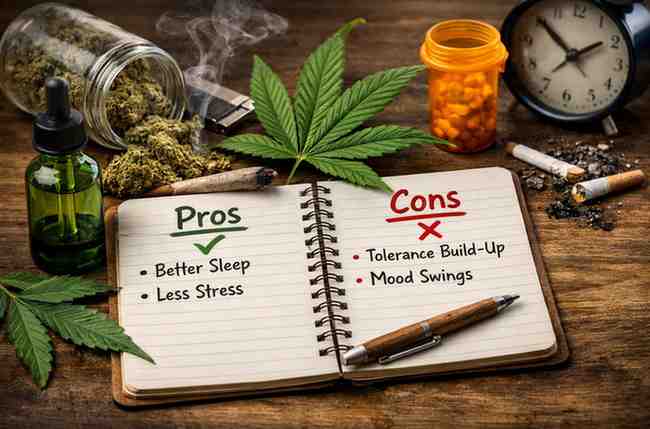
Chronic Cannabis Use: 9 Real Patterns I’ve Seen — Frustration, Surprises, and What Actually Helps

Chronic Cannabis Use 9 Real Patterns Ive Seen — Frustration Surprises And What Actually Helps 1


Chronic Cannabis Use 9 Real Patterns Ive Seen — Frustration Surprises and What Actually Helps

Honestly… the conversations around chronic cannabis use rarely start with curiosity.

They usually start with frustration.

Not dramatic stories. Just quiet ones.

A guy who used cannabis every night for sleep suddenly realizing it stopped working.

A woman who originally used it for anxiety… but now can’t tell if the anxiety is better or worse.

Someone trying to quit and discovering their appetite, mood, and patience all went sideways for a few weeks.

I’ve watched this pattern play out across dozens of people — friends, readers, online communities, and people who reached out privately asking, “Is this normal?”

And what struck me most wasn’t the extremes.

It was how predictable the middle looked.

People trying to manage pain. Sleep. Stress. Trauma. Burnout. Sometimes boredom.

Some thrive with it.

Some quietly struggle.

And almost everyone misunderstands something about long-term cannabis use at the beginning.

Not because they’re careless.

Because the early experience… feels simple.

Later stages? Much less simple.

Let me walk through the patterns I keep seeing.


Why People Drift Into Chronic Cannabis Use

Most people don’t plan to become long-term users.

From what I’ve seen, it usually starts with a very reasonable problem.

Something like:

  • chronic pain

  • insomnia

  • stress after work

  • anxiety that makes evenings unbearable

  • appetite problems

  • PTSD symptoms

  • replacing alcohol

And the early results can feel almost… too good.

Sleep improves.

Muscles relax.

Thoughts slow down.

Food tastes better.

For a while, it feels like a cleaner coping tool than alcohol or pills.

I’ve seen people describe the first few months like this: “Why didn’t I do this earlier?”

That honeymoon phase is real.

But it doesn’t last forever for most people.

And that’s where chronic use begins to change the experience.


What Chronic Cannabis Use Actually Means

People imagine “chronic use” as heavy stoner behavior.

But clinically, it usually means something simpler:

Using cannabis regularly over a long period of time.

Often:

  • daily use

  • near-daily use

  • multiple times per day

  • or consistent use for months/years

What matters more than frequency, though, is dependency patterns.

Signs people quietly notice:

  • needing more to feel the same effect

  • irritability when skipping it

  • sleep disruption without it

  • appetite changes

  • mood swings during breaks

These patterns don’t mean someone is “addicted” automatically.

But they do signal body adaptation.

And the body adapts faster than most people expect.


The First Thing That Surprises Most Long-Term Users

Tolerance.

Almost everyone underestimates it.

The early weeks feel stable.

Then slowly…

People start increasing dose.

Not dramatically. Just a little.

More THC.

Stronger products.

Extra session before bed.

Then eventually someone says something like: “It doesn’t hit like it used to.”

From what I’ve seen, this usually appears somewhere between:

3 months and 18 months of regular use.

Huge range.

Depends on:

  • potency

  • body chemistry

  • frequency

  • THC vs CBD balance

But tolerance creep is almost universal.

And people rarely notice it happening in real time.


A Pattern I Didn’t Expect to See So Often

This one honestly surprised me.

Many people using cannabis for anxiety slowly develop a strange loop.

Early stage:

Cannabis reduces anxiety.

Later stage:

Cannabis sometimes increases anxiety.

Especially with:

  • high THC strains

  • edibles

  • stronger concentrates

What I’ve heard repeatedly: “It used to calm me down. Now sometimes it makes my brain race.”

Not everyone experiences this.

But it happens enough that it’s worth paying attention to.

And when it happens, the solution is rarely what people expect.

It’s usually one of these:

  • reducing THC potency

  • switching to CBD-heavy strains

  • taking tolerance breaks

  • reducing frequency

The instinct to use more to fix the anxiety usually backfires.

I’ve seen that loop several times.


The Sleep Situation (People Ask This Constantly)

Cannabis and sleep is complicated.

Short-term:

Many people fall asleep faster.

Deep relaxation.

Muscle release.

Mind slows down.

But with chronic cannabis use, some people eventually notice:

  • lighter sleep

  • vivid dreams during breaks

  • waking up more often

  • needing cannabis to fall asleep at all

The dream rebound during breaks surprises people the most.

When someone stops after long-term use, they sometimes report: “My dreams came back like a movie theater.”

That’s related to REM sleep suppression.

The body basically catches up.

Not dangerous.

Just unexpected.


The Appetite Pattern Nobody Talks About

Everyone knows about “the munchies.”

But long-term use creates two distinct patterns I’ve seen repeatedly.

Pattern A: Appetite Boost

Some people rely on cannabis to eat regularly.

This happens especially with:

  • chemotherapy patients

  • chronic illness

  • severe stress

  • people recovering from eating disorders

For them, cannabis genuinely helps maintain nutrition.

Pattern B: Appetite Dependence

Other users slowly realize they can’t feel hungry without it.

During breaks:

  • food seems unappealing

  • appetite disappears

  • mild nausea appears

This usually stabilizes after a couple weeks.

But it catches people off guard.


The Most Common Mistake I’ve Seen

People treat cannabis like a neutral habit.

Something that doesn’t require management.

But the people who seem to do best with chronic cannabis use almost always do one thing differently.

They take intentional breaks.

Often called tolerance breaks.

Typical pattern I’ve seen among experienced users:

  • 2–4 week breaks once or twice a year

  • occasional “off days” during the week

  • switching strains periodically

This resets tolerance and helps avoid dependency loops.

Without breaks, cannabis tends to drift from tool → routine → default.

And that shift changes the experience.


What Usually Works Better Than People Expect

From what I’ve observed, a few strategies consistently help long-term users maintain balance.

1. Lower THC Than You Think

Most beginners assume stronger = better.

Actually the opposite.

Moderate THC often produces more stable results.

Especially for anxiety and sleep.

2. CBD Balances Effects

CBD can soften THC intensity.

People often report:

  • less paranoia

  • smoother relaxation

  • clearer thinking

Balanced ratios work surprisingly well.

3. Timing Matters

Using cannabis earlier in the evening often improves sleep stability.

Using it right before bed can disrupt later sleep cycles for some people.

4. Microdosing Works for Many

Small doses.

Minimal intoxication.

Just enough to shift mood or pain.

I’ve seen people switch from heavy use to microdosing and say: “This is what I wish I started with.”


When Chronic Cannabis Use Backfires

This part gets ignored in a lot of advice online.

But I’ve seen some situations where long-term cannabis use clearly doesn’t help.

Sometimes it worsens things.

Especially with:

  • untreated severe anxiety

  • panic disorder

  • certain mood disorders

  • heavy high-THC daily use

Some people also develop Cannabis Hyperemesis Syndrome (CHS).

It’s rare but real.

Symptoms include:

  • intense nausea

  • vomiting

  • relief from hot showers

When this appears, stopping cannabis usually resolves it.

But it can take time to recognize.


Reality Check: What Chronic Cannabis Use Actually Feels Like Long Term

Not glamorous.

Not catastrophic either.

Just… normal life with a tool in the background.

People who manage it well usually describe something like:

  • occasional relaxation

  • better pain control

  • manageable sleep

But also:

  • tolerance management

  • mindful dosing

  • occasional breaks

The people who struggle most usually drift into automatic use.

No intention.

Just habit.

That’s where problems tend to appear.


Common Questions People Ask

How long does cannabis tolerance take to reset?

From what I’ve seen, most people notice improvement after 2–4 weeks without THC.

Some changes appear within a week.

But full reset often takes longer.

Is chronic cannabis use dangerous?

For most adults, moderate use isn’t considered highly dangerous.

But long-term heavy use can impact:

  • memory

  • motivation

  • sleep quality

  • mental health in vulnerable individuals

It’s not harmless.

But it’s also not the catastrophe some messaging suggests.

Context matters.

Can someone function normally with chronic cannabis use?

Yes.

Many people maintain jobs, relationships, and routines.

But the difference usually comes down to intentional vs automatic use.


Objections I Hear All the Time

“But cannabis is natural.”

So are many substances that affect brain chemistry.

Natural doesn’t mean neutral.

Still, it doesn’t automatically mean harmful either.

Dose and frequency matter far more.

“Alcohol is worse.”

Often true.

But that comparison can distract from evaluating cannabis honestly.

Two different substances.

Different risks.

“I’ve used it for years and feel fine.”

That can absolutely be true.

The patterns I’ve seen vary widely.

Some people genuinely integrate cannabis without major issues.

Others quietly struggle with tolerance or mood loops.


Practical Takeaways From What I’ve Seen

If someone asked me for honest guidance after watching all these patterns…

I’d probably say this.

Start Lower Than You Think

High-THC products create more long-term issues than moderate ones.

People rarely regret starting lower.

Take Breaks Early

Waiting until tolerance builds makes breaks harder.

Short resets help.

Watch the Anxiety Feedback Loop

If cannabis starts increasing anxiety…

That’s not uncommon.

Reducing potency often helps more than quitting immediately.

Avoid Automatic Use

Intent matters.

Using cannabis intentionally for a purpose feels different from habit-driven use.

Expect Adjustment Periods

Sleep, appetite, and mood can fluctuate during breaks.

Most stabilize within a few weeks.

Still.

That period can feel uncomfortable.


Who Should Probably Avoid Chronic Cannabis Use

From what I’ve seen, this approach tends to work poorly for people with:

  • severe untreated anxiety disorders

  • history of psychosis

  • heavy dependency patterns with substances

  • unstable sleep cycles

It’s not universal.

But caution matters.

And medical guidance helps in complex cases.


One Quiet Truth About Chronic Cannabis Use

Most people figure out their relationship with cannabis through experience, not theory.

Through trial.

Through noticing subtle changes.

Through asking uncomfortable questions.

Sometimes through taking breaks and realizing things feel different.

I’ve watched people adjust their approach over years.

Some reduce their use.

Some keep it occasional.

Some quit completely.

And some settle into a balanced routine that works for them.

There’s no universal script.

But the people who seem most comfortable with it long-term usually share one trait.

They stay curious about how it’s affecting them.

Not defensive.

Not dismissive.

Just paying attention.

And honestly… that small habit of awareness seems to solve more problems than any strain, dose, or strategy ever could.

Benefits of Keto Coffee: 9 Hard-Earned Wins (and a Few Frustrations) That Finally Brought Relief

Benefits Of Keto Coffee 9 Hard Earned Wins And A Few Frustrations That Finally Brought Relief 1
Benefits of Keto Coffee 9 Hard Earned Wins and a Few Frustrations That Finally Brought Relief

Not gonna lie… I rolled my eyes the first time someone told me to put butter in my coffee. I was tired, cranky, and already annoyed that “healthy” routines always felt like extra work for tiny results. But I was also stuck. Mornings were a mess. I’d crash by 10:30 a.m., stare at my screen, and then inhale whatever snack was closest. When I finally tried keto coffee, it wasn’t because I was convinced. It was because I was out of better ideas.

If you’re here Googling the benefits of keto coffee, you’re probably in that same place: low energy, trying to clean up your diet, half-hopeful, half-suspicious. That was me. I didn’t expect much. I definitely didn’t expect the small, weird wins that showed up over a few weeks. Some stuff worked. Some stuff backfired. A couple things surprised me more than I want to admit.

Here’s the messy, honest version.


Why I even tried keto coffee (aka: I was desperate for mornings to stop sucking)

My mornings used to look like this:

  • Wake up already tired

  • Two cups of regular coffee with sugar

  • Feel “on” for about 40 minutes

  • Crash hard

  • Snack spiral

I thought coffee was the problem. Turns out it was how I was using it. I wanted steady energy without the jitters. I wanted to stop thinking about food every 30 minutes. I wanted my brain to feel less… foggy. Keto coffee felt like a gimmick, but it also felt simple enough to try without rearranging my entire life.

So I tried it. Wrong at first. Then better.


What I misunderstood at the start (and yeah, it mattered)

I messed this up at first by treating keto coffee like a magic fat-burner. I dumped in way too much butter, skipped breakfast, and expected to feel amazing by day three. Instead, I felt:

  • Slightly nauseous

  • Weirdly heavy

  • Kind of annoyed at myself

Turns out, more fat isn’t better. It’s just more fat. The benefits of keto coffee don’t show up because you drown your coffee in oil. They show up when it fits your actual needs: steady energy, fewer hunger spikes, cleaner focus. That took some dialing in.

What changed things:

  • Using 1–2 teaspoons of fat, not tablespoons

  • Pairing it with actual hydration (water matters)

  • Not forcing it every day

  • Letting my body adjust

Once I stopped trying to “hack” my metabolism and just used it as a tool, it started to make sense.


The benefits of keto coffee (what I noticed over time)

I’m not here to sell you miracles. These are the benefits I felt, from what I’ve seen, at least.

1) Energy that didn’t spike and crash

This was the first real win.

Instead of that sharp coffee buzz followed by a nosedive, keto coffee gave me this slower, steadier energy. No jitters. No sudden hunger pangs. I didn’t feel wired. I felt… stable. That honestly surprised me.

Why this works (in real life terms):

  • The fat slows down how caffeine hits

  • Your body gets a steady fuel source

  • You’re not slamming sugar on an empty stomach

It wasn’t superhero energy. It was “I can get through my morning without wanting to nap at my desk” energy. Which, for me, was huge.

2) Fewer hunger freak-outs

I used to get irrationally hungry mid-morning. Like, “I will fight this vending machine” hungry.

Keto coffee didn’t erase hunger. It made it quieter.

What changed:

  • I stopped thinking about snacks every 20 minutes

  • I could actually wait until lunch

  • My mood didn’t tank just because I hadn’t eaten yet

This doesn’t mean you should ignore hunger forever. But the benefits of keto coffee showed up for me as fewer emotional food decisions. That’s a win I didn’t expect.

3) Clearer focus (on good days)

This one wasn’t consistent every day. But on good days? My brain felt cleaner. Less static. Fewer tabs open in my head.

When it worked, it felt like:

  • I could sit down and start

  • I didn’t get distracted by every notification

  • My thinking felt… quieter

When it didn’t work, I usually:

  • Didn’t sleep enough

  • Overdid the fat

  • Forgot to drink water

So yeah. Keto coffee isn’t a focus spell. It just stopped my mornings from being chaotic enough to ruin my concentration.

4) Less emotional eating in the morning

This one caught me off guard.

I realized I wasn’t actually hungry some mornings. I was just stressed, bored, or tired. Keto coffee gave me a pause button. A little ritual. Something warm and filling that wasn’t sugar.

That small pause:

  • Stopped me from stress-eating early

  • Made me more aware of when I was eating out of habit

  • Helped me notice patterns I didn’t love

This is one of those benefits of keto coffee people don’t talk about much. It’s not about fat loss. It’s about behavior.

5) Helped me stick to lower-carb days (when I wanted to)

I’m not strict keto. Never was. But when I wanted lower-carb days, mornings were the hardest part. Once I started with keto coffee, it was easier to stay in that lane until lunch.

Not because I was “on a diet.”
Because I wasn’t starving by 10 a.m.

That’s a boring benefit. But boring is sustainable.

6) Fewer caffeine jitters

I’m sensitive to caffeine. Too much and I get anxious, sweaty, and weirdly sad. Adding fat softened the hit.

It didn’t remove caffeine’s effects.
It made them gentler.

That made coffee feel usable again instead of something I had to brace myself for.

7) Easier mornings (this one’s underrated)

This sounds small, but mornings are where habits die.

Keto coffee simplified my mornings:

  • No decision fatigue

  • No scrambling for breakfast

  • No “what should I eat” panic

That ease made it easier to stick with healthier choices later in the day. The benefit wasn’t the coffee. It was the routine.

8) Subtle support for fat loss (with conditions)

Okay, real talk: keto coffee did not melt fat off my body.

But… when I used it properly:

  • I ate fewer impulsive snacks

  • I stayed in a calorie range that felt doable

  • I didn’t feel deprived all morning

So fat loss felt less like punishment and more like a side effect of not sabotaging myself before noon. That’s the only honest way I can talk about this benefit.

9) Helped me notice what didn’t work for me

This is a weird “benefit,” but it mattered.

Keto coffee taught me:

  • I can’t skip real meals forever

  • My body hates too much fat at once

  • Sleep matters more than any drink

It forced me to pay attention. That’s uncomfortable. But useful.


How long does it take to feel anything?

Short answer: a few days to a couple of weeks.

Longer answer:

  • Some people feel steadier energy within 2–3 days

  • Hunger changes took about a week for me

  • The “is this even helping?” phase lasted two weeks

  • The routine clicked after about three weeks

If nothing feels different after two weeks, it might just not be your thing. That’s allowed.


Common mistakes (don’t repeat my chaos)

I learned these the annoying way:

  • Using too much fat
    More isn’t better. It just makes your stomach angry.

  • Skipping water
    Keto coffee without hydration feels like sand in your brain.

  • Forcing it daily
    I burned out when I made this a rule instead of a tool.

  • Expecting fat loss magic
    That expectation messes with your head. Badly.

  • Ignoring how your body feels
    If you feel gross, stop. It’s not a moral failure.


Who will probably hate this approach

Let’s be honest. The benefits of keto coffee aren’t universal.

You’ll likely hate this if you:

  • Need solid food in the morning to feel human

  • Have gallbladder issues or trouble digesting fats

  • Get nauseous from rich drinks

  • Are prone to anxiety with caffeine

  • Don’t want liquid calories

This isn’t about discipline. It’s about fit.


Objections I had (and what actually happened)

“Isn’t this just drinking fat?”
Yeah. It is. The point isn’t the fat. It’s what the fat does to your energy and hunger. If that doesn’t help you, it’s pointless.

“Is keto coffee worth it?”
For me? On some days, yes. On others, no. It’s worth trying for two weeks. Then decide.

“Won’t this spike cholesterol?”
From what I’ve seen, individual responses vary a lot. This isn’t something I’d use blindly without paying attention to labs over time if you’re worried.

“Isn’t this just a trend?”
Probably. Trends can still be useful. They just shouldn’t own you.


Reality check (no hype zone)

Here’s the part people don’t love hearing:

  • Keto coffee won’t fix bad sleep

  • It won’t undo ultra-processed food all day

  • It won’t heal stress

  • It won’t magically change your body

The benefits of keto coffee show up when:

  • Your basics are somewhat in place

  • You’re using it intentionally

  • You’re honest about what you need

It’s a tool. Not a solution.


Short FAQ (the stuff people actually ask)

Does keto coffee replace breakfast?
It can. It doesn’t have to. I used it as a light morning option, not a forever replacement.

Can you drink keto coffee every day?
You can. I didn’t love it daily. My body wanted real food some mornings.

Is it okay if I don’t feel amazing?
Yes. Neutral is still data.

Do I need MCT oil?
No. I tried it. Sometimes it helped. Sometimes it wrecked my stomach. Butter or coconut oil worked fine for me.


Practical takeaways (no fluff, just what helped)

What to do:

  • Start with small amounts of fat

  • Drink water first

  • Pay attention to how you feel

  • Use it as a tool, not a rule

  • Try it for two weeks before judging

What to avoid:

  • Chugging it on an empty, dehydrated body

  • Expecting fat loss miracles

  • Forcing yourself to like it

  • Ignoring nausea or discomfort

What to expect emotionally:

  • Initial doubt

  • A few “this is dumb” moments

  • Small wins that feel weirdly meaningful

  • Occasional frustration when it doesn’t work

What patience looks like:

  • Letting your body adjust

  • Not changing five habits at once

  • Not quitting after two rough days

  • Being okay with “this helped a little”


So no—this isn’t magic. The benefits of keto coffee didn’t flip a switch in my life. But they did quiet the chaos in my mornings. They made energy feel steadier. Hunger less dramatic. Choices less frantic. That small shift changed how the rest of my day felt.

And honestly? That was enough to keep me trying.

Fatty liver disease: 7 hard lessons that finally brought relief

Fatty Liver Disease 7 Hard Lessons That Finally Brought Relief 1
Fatty liver disease 7 hard lessons that finally brought relief

Honestly, I didn’t think this would work. I’d already tried three other “fixes” and felt stupid for hoping again. My labs came back with fatty liver disease flagged in bold, and the doctor said the calmest, most annoying thing: “This is common. It’s reversible. You’ll need lifestyle changes.”
Common didn’t feel comforting. Reversible didn’t feel real. I went home, stared at my pantry, and felt weirdly betrayed by food I thought was “fine.”

Not gonna lie… I was embarrassed. I wasn’t drinking much. I wasn’t overweight by much. I exercised sometimes. And yet—fatty liver disease. The kind of diagnosis that sounds quiet but messes with your head. It sits there. It makes you second-guess every meal. It makes you Google at 2 a.m. and spiral into worst-case scenarios.

So yeah. This is the messy, real version of what I learned the hard way. What I tried first (and messed up). What actually moved the needle. What surprised me. What I’d do differently if I had to start over tomorrow.


The part nobody warns you about: confusion

The internet makes fatty liver disease sound like two extremes:

  • “Just lose weight and you’re fine.”

  • “Your liver is doomed unless you do a perfect detox plan.”

Neither helped me. The first made me minimize it. The second made me panic-buy supplements I didn’t need.

Here’s what I misunderstood at first:

  • I thought symptoms would guide me.
    Nope. Mine was mostly silent. A little fatigue. Some vague right-side discomfort I blamed on posture. Labs and ultrasound told the story, not my feelings.

  • I assumed it was only about alcohol.
    Alcohol can be a factor, sure. But nonalcoholic fatty liver disease (NAFLD) is wildly common in the U.S. It’s tied to insulin resistance, sugar intake, ultra-processed food, sleep, stress. Not just drinking.

  • I thought “eating healthy” meant smoothies and low-fat snacks.
    I was basically mainlining sugar and seed oils while patting myself on the back for skipping burgers. Oops.

That early phase? A lot of “Wait, what?” moments. I felt like I’d been following rules that didn’t apply to my body.


What I tried first (and why it failed)

I went hard on what looked impressive on paper:

  • Juice cleanses

  • A random liver detox tea

  • Cutting calories aggressively

  • Running five days a week even when exhausted

I lost weight fast. My energy tanked faster. My labs? Barely budged.

Why it failed (from what I’ve seen, at least):

  • Extreme calorie cuts stressed my body.
    Cortisol up, cravings up, sleep down. Not a healing vibe.

  • Liquid “cleanses” spiked my blood sugar.
    Fruit smoothies aren’t evil. Living on them? My liver did not clap.

  • Overtraining made me hungrier and inconsistent.
    I’d white-knuckle workouts, then rebound eat at night. Rinse. Repeat.

I messed this up at first by trying to be perfect instead of consistent. I wanted a dramatic turnaround. My liver wanted boring, repeatable habits.


The boring stuff that actually worked (slowly)

This is where things got unsexy. And effective.

1) I stopped trying to “detox” my liver and started feeding it

Not supplements. Actual food shifts:

  • Protein at every meal (eggs, fish, chicken, tofu)

  • Fiber without sugar bombs (vegetables, beans, chia, berries in sane amounts)

  • Swapped refined carbs for slower ones (oats, quinoa, potatoes instead of white bread and pastries)

  • Olive oil over mystery oils

  • Cut liquid sugar (soda, sweetened coffee drinks, “healthy” juices)

What surprised me:
When I ate more protein and fiber, my cravings chilled out. I wasn’t thinking about snacks every 20 minutes. My energy stopped dipping mid-afternoon.

2) I dialed alcohol way down (even though I didn’t want to)

I wasn’t a heavy drinker. Still, I paused it for a stretch.
Not forever. Just long enough to see if my labs noticed.

They did.

This honestly surprised me. Even “moderate” drinking was slowing progress for my body. Your mileage may vary. But for me, alcohol was like tapping the brakes while trying to accelerate.

3) I walked. A lot. On purpose.

I kept trying to earn results with intense workouts.
Walking felt too easy. I did it anyway.

  • 20–40 minutes most days

  • Sometimes after dinner

  • Sometimes broken into two short walks

Why this worked better than punishing workouts:

  • Lower stress

  • Better sleep

  • More consistency

  • Better blood sugar control

From what I’ve seen, consistency beats intensity for fatty liver disease. The liver seems to love “often” more than “hard.”

4) I slept like it mattered (because it did)

I didn’t expect this at all. When my sleep improved:

  • My appetite regulated

  • My morning glucose numbers improved

  • My motivation stopped ghosting me

I didn’t overhaul my life. I just:

  • Set a boring bedtime

  • Dimmed lights earlier

  • Put my phone in another room (painful, but effective)

Sleep didn’t fix my liver by itself.
But bad sleep absolutely slowed everything down.


The emotional rollercoaster nobody posts about

Here’s the part that messed with me:

  • Week 2: Hopeful.

  • Week 4: Frustrated. Labs didn’t move yet.

  • Week 8: Slight improvement. Tiny win.

  • Week 12: Plateau. Cue doubt spiral.

  • Month 6: Clear trend in the right direction. Relief I didn’t expect to feel.

This wasn’t a straight line. It was a messy squiggle.

What helped emotionally:

  • Tracking habits, not just results

  • Celebrating boring wins (three walks in a week counts)

  • Letting myself be annoyed without quitting

Then again… some weeks I was dramatic about it. I’d think, “This isn’t working,” when really it just wasn’t fast.


How long does fatty liver disease take to improve?

Short answer: longer than you want. Shorter than you fear.

From what I’ve seen (and lived):

  • 2–4 weeks: You might feel better (energy, digestion), labs usually lag

  • 2–3 months: Some people see early lab improvements

  • 3–6 months: More noticeable changes if habits stick

  • 6–12 months: Imaging and labs can show real reversal for many

Caveats:

  • If you have advanced fibrosis or other conditions, timelines change

  • If habits are inconsistent, progress stalls

  • If you’re expecting weeks instead of months, you’ll feel defeated fast

This is not a crash diet problem. It’s a pattern problem.


Common mistakes that slowed my progress

If I could time-travel and shake past-me gently:

  • All-or-nothing thinking
    One off-plan meal ≠ ruined liver.

  • Chasing supplements over habits
    Most “liver support” pills did nothing noticeable for me.

  • Under-eating protein
    I stayed hungry and cranky. Not sustainable.

  • Ignoring stress
    High stress = worse sleep = worse blood sugar = slower progress.

  • Not rechecking labs
    I assumed I was failing because I didn’t feel results yet. Data helped me stay sane.


Is it worth it?

Real talk: the changes are boring. You don’t get instant applause. No one throws a parade because you walked and ate vegetables.

But is it worth it?

For me, yeah.

Because:

  • My energy came back in a quiet way

  • That vague right-side discomfort faded

  • My labs stopped being a jump scare

  • Food stopped feeling like an enemy

It didn’t turn me into a wellness influencer.
It just made life feel less fragile.

That was enough.


Who will hate this approach (and who should avoid it)

This won’t be your jam if:

  • You want a 14-day fix

  • You hate routine

  • You’re looking for a single magic food

  • You can’t stand tracking anything at all

You should be careful (or work closely with a clinician) if:

  • You have advanced liver disease

  • You’re dealing with eating disorders

  • You’re pregnant

  • You’re on medications that affect the liver

  • You have other metabolic conditions that need tailored plans

This is not one-size-fits-all. Anyone promising that is overselling.


Objections I had (and what changed my mind)

“I don’t drink. Why should I change that?”
I said this. Then I tried pausing alcohol and watched my numbers improve. I didn’t expect that at all.

“I eat pretty healthy already.”
So did I. Turns out “pretty healthy” can still be sugar-heavy and protein-light. Details matter.

“I don’t have time to walk every day.”
I didn’t either. I had time to scroll. Replacing 20 minutes of that with walking felt doable.

“This is too slow.”
It is. Also, slow is what stuck.


Reality check (because nobody told me this straight)

  • Fatty liver disease can improve, but it’s not guaranteed

  • Progress can stall even when you’re doing “everything right”

  • Stress, illness, travel, life events will knock you off rhythm

  • Some people need meds or more medical support

  • You can do all the right things and still need patience

No hype here. This is slow biology. Not a motivational quote.


Short FAQ (the stuff people always ask)

Can fatty liver disease be reversed?
Often, yes—especially in earlier stages. It depends on consistency, underlying conditions, and time.

Do I need to quit carbs forever?
No. I just stopped living on refined ones. Whole carbs worked fine for me.

Is coffee actually helpful?
From what I’ve seen and experienced, moderate black coffee didn’t hurt and may help liver markers for some people. Your body decides.

What about intermittent fasting?
It helped my blood sugar when done gently. Aggressive fasting made me binge. Choose boring consistency over extremes.

Should I take milk thistle or supplements?
I tried a few. No dramatic change. Habits mattered more.


Practical takeaways (the unglamorous list)

What to do

  • Eat protein and fiber at most meals

  • Walk more days than you don’t

  • Cut liquid sugar

  • Sleep like it matters

  • Recheck labs so you’re not guessing

  • Make changes boring enough to repeat

What to avoid

  • Detoxes and miracle plans

  • Extreme restriction

  • Punishing workouts

  • All-or-nothing thinking

  • Comparing your timeline to strangers online

What to expect emotionally

  • Early hope

  • Mid-phase frustration

  • Random doubt

  • Slow relief

  • Occasional “why am I doing this again?” moments

What patience looks like

  • Showing up on low-motivation days

  • Letting weeks be imperfect

  • Staying curious instead of dramatic

  • Measuring trends, not single data points


I won’t pretend fatty liver disease fixed my life. It didn’t.
What it did was force me to pay attention in a way I’d been avoiding. To food. To sleep. To stress. To patterns I thought were harmless.

So no—this isn’t magic.
But for me? It stopped feeling impossible.
And that tiny shift in how it felt made it easier to keep going.

Tips to Spot Heart Arrest Symptoms: 9 Warning Signs That Bring Relief Before It’s Too Late

Tips To Spot Heart Arrest Symptoms 9 Warning Signs That Bring Relief Before Its Too Late 1
Tips to Spot Heart Arrest Symptoms 9 Warning Signs That Bring Relief Before Its Too Late

I’ve sat in enough waiting rooms and kitchen corners to know how this usually starts.

Someone says, “It was probably just indigestion.”
Someone else says, “He looked fine an hour ago.”
And then the room goes quiet because nobody knows what to say next.

From what I’ve seen, the hardest part about heart arrest isn’t the emergency itself. It’s the stretch before it—the messy, confusing window where people feel off and everyone around them tries to talk it down. The stories repeat. The delays repeat. The regrets repeat.

That’s why tips to spot heart arrest symptoms matter more than most people think. Not in a textbook way. In the real-life, kitchen-table, late-night-Google way. The way that actually changes whether someone gets help in time.

I’m not coming at this from theory. I’ve watched families replay the same “we thought it was nothing” loop. I’ve helped people unpack what they ignored. I’ve seen what surprises people, what they miss, and what quietly saves lives when someone finally takes it seriously.

This is what keeps showing up.


Why people look for tips to spot heart arrest symptoms in the first place

Almost everyone I’ve seen go searching for this is already uneasy.

They’ve noticed:

  • a parent who “just isn’t themselves”

  • a partner who’s suddenly out of breath doing basic stuff

  • a friend who keeps brushing off weird chest pressure

  • their own body doing something new and unsettling

What surprises me is how often people expect one clear, dramatic sign. Like in movies. Collapse. Sirens. Obvious crisis.

Real life rarely gives you that clean of a signal.

From what I’ve seen, heart arrest symptoms often show up as a pile of small, annoying, easy-to-dismiss changes. Not a single lightning bolt. More like static building in the background.

And most people I’ve worked with mess this up at first by waiting for certainty.

They want proof before they act.
They want to be “sure it’s serious.”
They don’t want to overreact.

That hesitation costs time. Time is the whole game here.


The mistake that shows up in almost every story

This honestly surprised me after watching so many people try to “be calm” about it:

They explain symptoms away using normal logic.

  • “It’s just stress.”

  • “Probably heartburn.”

  • “He’s just tired.”

  • “I’ve felt this before and it passed.”

Almost everyone I’ve seen struggle with this does this one thing wrong:
They judge symptoms in isolation instead of patterns over time.

Heart arrest symptoms often don’t scream.
They whisper.
And they whisper in combinations.


9 real-world tips to spot heart arrest symptoms (what actually shows up before things go bad)

These aren’t neat medical definitions. These are patterns I’ve seen repeat across people, ages, and situations.

1. Chest discomfort that doesn’t behave like normal pain

Not always sharp.
Not always dramatic.

More like:

  • pressure

  • heaviness

  • tightness

  • squeezing

  • “something sitting on my chest”

What throws people off is that it can come and go. It can move. It can feel dull. It can feel wrong without being unbearable.

If someone keeps mentioning chest discomfort that doesn’t act like a pulled muscle or obvious injury, that’s not something to casually wave off.

2. Shortness of breath doing normal stuff

This one shows up a lot.

From what I’ve seen, people notice it when:

  • walking across a room suddenly feels like a workout

  • climbing a few stairs feels weirdly hard

  • talking feels slightly breathless

  • lying down feels uncomfortable

Most people I’ve worked with chalk this up to being “out of shape” or “just tired.” But when it’s new, sudden, or paired with other symptoms, it’s a red flag.

3. Unexplained fatigue that feels different than being tired

This isn’t “I didn’t sleep well.”

This is:

  • heavy exhaustion

  • sudden weakness

  • feeling wiped out after tiny tasks

  • needing to sit down for no clear reason

I didn’t expect this to be such a common issue, but people often describe it as a deep, body-level tiredness that doesn’t match what they did that day.

It’s subtle.
And it gets ignored a lot.

4. Nausea, vomiting, or weird stomach pain

This one causes so many delays.

People think:

  • food poisoning

  • acid reflux

  • stomach bug

  • “something I ate”

From what I’ve seen, heart-related symptoms can show up in the gut first. Especially in women and older adults. The discomfort isn’t always centered in the chest. It can feel like:

  • nausea

  • pressure in the upper stomach

  • indigestion that doesn’t respond to normal fixes

This is where people lose precious time because they treat it like a digestive issue for hours.

5. Sweating that doesn’t make sense

Not gym sweat.
Not heat sweat.

The kind people describe as:

  • cold sweat

  • clammy skin

  • sudden sweating without exertion

  • sweating with nausea or chest pressure

This often shows up alongside other symptoms, but it’s one of those details people forget to mention because it seems minor.

It’s not minor.

6. Pain that travels (arm, jaw, neck, back)

This one gets misread constantly.

People expect heart pain to stay in the chest.
In real life, I’ve seen it show up as:

  • left arm pain

  • jaw tightness

  • neck pressure

  • upper back ache

What confuses people is that the chest might not even hurt much. The traveling pain becomes the main complaint. And then it gets treated like a muscle issue.

7. Dizziness, lightheadedness, or feeling faint

From what I’ve seen, this one scares people—but not always enough to act fast.

It looks like:

  • sudden dizziness

  • feeling like the room is spinning

  • needing to sit or lie down

  • feeling close to fainting

People often wait for it to pass. Sometimes it does. Sometimes it doesn’t. The pattern that worries me is dizziness combined with chest discomfort or shortness of breath.

That combo matters.

8. Anxiety or “sense of doom” that comes out of nowhere

This one is uncomfortable to talk about, but it’s real.

Several people I’ve watched go through early heart arrest symptoms described:

  • sudden panic

  • feeling like something is wrong

  • unexplained fear

  • a deep, unsettling sense of doom

Most people brush this off as anxiety. And yes, anxiety can cause physical symptoms. But from what I’ve seen, when this emotional wave hits alongside physical changes, it’s worth paying attention to.

9. Symptoms that look different in women (and get ignored)

This keeps repeating, and it’s frustrating.

Women I’ve seen often report:

  • less obvious chest pain

  • more nausea

  • more fatigue

  • more shortness of breath

  • back or jaw discomfort

  • feeling “off” rather than “in pain”

They get told they’re anxious. Or tired. Or stressed.

They start doubting themselves.

That doubt delays care. A lot.


What people misunderstand about heart arrest symptoms

A few patterns show up over and over:

  • People expect one dramatic symptom

  • People wait for pain to be unbearable

  • People think being young means being safe

  • People assume previous heart issues are required

  • People don’t trust their gut

From what I’ve seen, heart arrest symptoms are messy. They don’t follow a script. They stack up in small, confusing ways.

The most dangerous assumption is:
“If it was serious, it would feel more serious.”

That’s not how bodies work under stress.


How long does it take before things escalate?

This varies wildly. And that uncertainty is part of the problem.

From what I’ve observed:

  • Some people notice warning signs hours before collapse

  • Some notice symptoms days before

  • Some have subtle changes for weeks

  • Some have almost no warning

There isn’t a reliable timeline you can use to feel safe.

What consistently works is acting on patterns, not waiting for intensity.

If symptoms are:

  • new

  • worsening

  • stacking together

  • out of character

That’s when acting fast actually changes outcomes.


What if it’s “just anxiety” or “nothing”?

This is the internal argument almost everyone has.

Here’s the uncomfortable truth I’ve learned from watching real outcomes:

Being wrong about an emergency is inconvenient.
Being wrong about dismissing symptoms can be irreversible.

Most people I’ve worked with regret waiting.
Almost nobody regrets getting checked and being told they’re okay.

That’s the trade-off.


Common mistakes that slow people down

I see these over and over:

  • Waiting for symptoms to get worse

  • Trying home remedies first

  • Googling for reassurance instead of action

  • Not telling anyone what’s happening

  • Downplaying symptoms to avoid “drama”

  • Driving themselves instead of calling for help

  • Assuming age protects them

Almost everyone I’ve seen struggle with this delays because they don’t want to inconvenience others.

That instinct is understandable.
It’s also risky.


Objections I hear a lot (and what real life tends to show)

“I don’t want to overreact.”
From what I’ve seen, early action saves more people than calm denial.

“I’m young. This won’t happen to me.”
Age lowers risk. It doesn’t erase it.

“I’ve had panic attacks. This feels similar.”
That overlap is real. Which is exactly why new or different symptoms shouldn’t be self-diagnosed.

“It’ll probably pass.”
Sometimes it does. Sometimes that belief delays help until it’s too late.

“I don’t want to waste ER time.”
The ER is built for uncertainty. You’re not stealing care by showing up worried.


Quick FAQ (the stuff people actually ask)

How do I tell the difference between heart arrest symptoms and indigestion?
From what I’ve seen, indigestion usually responds to food, antacids, or time. Heart-related symptoms often don’t follow normal digestive patterns and show up with breath issues, sweating, or weird fatigue.

Can symptoms come and go?
Yes. That’s one of the most misleading parts. The on-and-off nature tricks people into thinking it’s resolving.

What if I’m wrong and it’s nothing?
Then you get peace of mind. That’s not a bad outcome.

Is it worth acting fast for mild symptoms?
If symptoms are new, stacking, or out of character—yes. The downside of acting is small compared to the upside of catching something early.


Reality check (stuff nobody loves hearing)

This isn’t neat.
There’s no checklist that guarantees safety.
Some people do everything “right” and still face emergencies.
Some people ignore signs and get lucky.

That randomness messes with people’s heads.

But from what I’ve seen, patterns matter more than luck over time. People who take early symptoms seriously tend to have better outcomes. Not perfect outcomes. Better ones.


Practical takeaways (what actually helps in real life)

What to do:

  • Notice patterns, not single symptoms

  • Pay attention to new or worsening changes

  • Take stacked symptoms seriously

  • Tell someone what you’re feeling

  • Err on the side of getting checked

  • Trust your gut when something feels wrong

What to avoid:

  • Downplaying to avoid inconvenience

  • Waiting for unbearable pain

  • Treating recurring symptoms like one-off flukes

  • Self-diagnosing when symptoms are new

  • Letting embarrassment delay action

What to expect emotionally:

  • Doubt

  • Second-guessing

  • Feeling dramatic

  • Feeling silly for being worried

That emotional friction is normal. It’s also one of the biggest barriers to acting fast.

What patience actually looks like:

Patience doesn’t mean waiting it out.
It means staying grounded while still choosing action.

There’s a difference.


If I’m honest, I wish more people trusted themselves sooner.

Not because every symptom is an emergency.
But because the cost of ignoring patterns is heavy. I’ve watched enough people replay the “we should’ve gone earlier” moment to know how loud that regret can get.

So no—these tips to spot heart arrest symptoms aren’t magic. They won’t remove risk. But I’ve watched enough real people avoid worse outcomes by noticing small things early. Sometimes the win isn’t dramatic. Sometimes it’s just getting help before the room goes quiet.