Regular Flossing: 9 Honest Lessons Most People Learn Too Late (Relief Included)

Regular Flossing 9 Honest Lessons Most People Learn Too Late Relief Included 1
Regular Flossing 9 Honest Lessons Most People Learn Too Late Relief Included

I can’t tell you how many times I’ve watched someone sit in a dental chair, nodding politely while the hygienist asks, “Have you been flossing regularly?”

They hesitate. Smile. “Sometimes.”

And then comes the bleeding. The awkward silence. The quiet shame.

From what I’ve seen across friends, family, clients, and honestly years of watching the same cycle repeat — regular flossing isn’t hard because it’s complicated. It’s hard because it exposes inconsistency. It reveals avoidance. It forces you to deal with what you’ve been ignoring.

Most people don’t struggle because they don’t know flossing matters.

They struggle because they don’t see results fast enough.
Or they bleed once and assume they’re doing damage.
Or they try for four days, miss two, and then mentally reset to zero.

I didn’t expect this to be such a common issue. But after watching so many people try — and quit — I started noticing patterns.

And the patterns matter more than the advice.


Why People Start Regular Flossing (It’s Rarely About Discipline)

Nobody wakes up excited to floss.

People start for emotional reasons:

  • A dentist scare.

  • Bad breath anxiety.

  • Gum bleeding that feels… not normal.

  • Someone they care about saying, “Hey, I noticed.”

  • A sudden adult realization that oral health affects heart health.

Almost no one starts because of a New Year’s resolution.

From what I’ve seen, regular flossing usually begins in one of two emotional states:

  1. Fear — “Something’s wrong.”

  2. Embarrassment — “I should be better than this.”

And those are shaky foundations. They don’t last unless something shifts.


What Most People Get Wrong at First

Almost everyone I’ve seen struggle with this does one thing wrong:

They treat flossing like a performance test.

They floss once.
Their gums bleed.
They panic.

“I knew it. My gums are weak.”

No. They’re inflamed.

Bleeding during the first week of regular flossing is common. Not because flossing is harmful — but because plaque has been sitting undisturbed between teeth for months or years.

Gums get irritated when they haven’t been stimulated consistently.

From what I’ve observed:

  • Days 1–5: Bleeding and soreness.

  • Week 2: Bleeding reduces.

  • Week 3–4: Gums tighten up.

  • Month 2: People say, “Wait… my mouth feels cleaner.”

But most people quit at Day 4.

That’s the pattern.


What Regular Flossing Actually Does (Beyond the Obvious)

People think flossing is just about removing food.

It’s not.

It disrupts bacterial colonies living between teeth — areas toothbrush bristles simply don’t reach.

Here’s what consistently changes when someone sticks with regular flossing for at least 30 days:

  • Reduced gum bleeding

  • Less puffiness

  • Fresher breath that lasts longer

  • Fewer cavities between teeth

  • Less tartar buildup at cleanings

  • Decreased sensitivity in some cases

This honestly surprised me after watching so many people track it. The fresher breath shift is often what keeps them going.

They notice it before anyone else does.

And that tiny win builds momentum.


What “Regular” Really Means (This Is Where People Get Loose)

Regular doesn’t mean “whenever I remember.”

From what I’ve seen, consistency beats intensity.

Best results usually come from:

  • Once daily

  • At night

  • Before brushing

  • Taking 2–3 minutes, not rushing

The people who succeed treat it like washing their face. Non-negotiable.

The people who fail? They aim for perfection. Miss one night. Spiral.

This isn’t about streaks.

It’s about averages.


How Long Does It Take to See Results?

Short answer:

  • Bleeding improves: 1–2 weeks

  • Gum firmness improves: 3–4 weeks

  • Noticeable difference at dental cleaning: 2–3 months

That’s what I’ve consistently seen.

If someone says flossing “didn’t work,” I usually ask:

“How long did you try?”

Most answers are under 10 days.

Gums need time to heal from inflammation.

It’s not instant gratification.


Common Mistakes That Slow Progress

Here’s what repeatedly derails people:

  • Snapping floss harshly into gums

  • Using too little floss

  • Not curving around the tooth

  • Only flossing the front teeth

  • Stopping because of early bleeding

  • Flossing randomly instead of daily

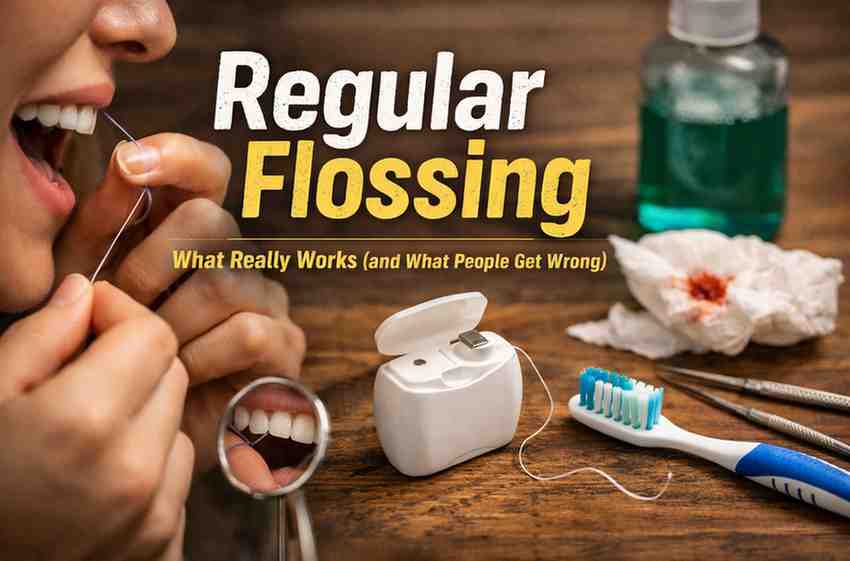
Most people I’ve worked with mess this up at first: they don’t hug the tooth in a C-shape. They just saw back and forth.

That cleans the gap.
It doesn’t clean the sides.

And that’s where bacteria hide.


Is Regular Flossing Worth It?

If you care about:

  • Avoiding deep cleanings

  • Reducing gum recession

  • Keeping breath neutral

  • Lowering dental bills

  • Preserving teeth long-term

Yes.

If you’re looking for dramatic cosmetic changes in a week?

No.

Regular flossing is boring prevention.

It’s not flashy. It’s protective.

The people who value it most are usually the ones who’ve already paid for neglect.


Who Will Hate This Approach?

Let’s be honest.

Some people resist this deeply.

  • If you hate repetitive routines.

  • If you rely on motivation instead of habit.

  • If you expect visible results fast.

  • If you struggle with nightly discipline.

You’ll feel friction.

And that’s okay.

That doesn’t mean you can’t build it. It just means you’ll need a system — not inspiration.


Reality Check: What Can Go Wrong?

Regular flossing isn’t magic.

Here’s what I’ve seen:

  • Over-flossing aggressively can irritate gums.

  • Existing periodontal disease won’t reverse overnight.

  • Deep pockets may require professional care.

  • Some people need water flossers due to dexterity issues.

If gums bleed heavily after 2–3 weeks of daily gentle flossing? That’s dentist territory.

There are limits.

Flossing is maintenance — not emergency treatment.


FAQ (Short, Straight Answers)

Does regular flossing stop gum bleeding?
Usually within 1–2 weeks if done gently and daily.

Is flossing once a week enough?
From what I’ve seen — no. Inflammation returns quickly.

Morning or night?
Night works best. You remove the day’s buildup before sleep.

Water flosser vs string floss?
Water flossers help. But traditional floss physically scrapes plaque more effectively between tight contacts.

Can flossing damage gums?
Only if done aggressively. Gentle technique protects gums.


Objections I Hear All the Time

“I brush really well. Isn’t that enough?”

Brushing covers about 60% of tooth surfaces. The rest live between teeth.

“I don’t bleed, so I must be fine.”

Not necessarily. Inflammation doesn’t always scream.

“I’ll start when things get worse.”

That’s like saying you’ll change oil after the engine fails.

I say that gently. But it’s true.


What Actually Works (Patterns From Real People)

The people who successfully build regular flossing into their lives usually:

  • Attach it to brushing at night.

  • Keep floss visible.

  • Accept imperfect nights.

  • Track for 30 days.

  • Focus on feel, not perfection.

They don’t overthink it.

They don’t wait to “feel motivated.”

They just reduce friction.

Small detail that matters: those who floss before brushing report cleaner feeling overall. It allows fluoride from toothpaste to reach between teeth better.

Again. Not dramatic. Just logical.


Emotional Side No One Talks About

I’ve watched grown adults feel embarrassed about flossing habits.

That surprised me.

There’s shame tied to oral care. Especially in the U.S., where dental work is expensive and often delayed.

Regular flossing becomes symbolic.

It’s not just hygiene.

It’s “I’m taking care of myself.”

And that shift — that identity piece — is what sustains the habit long-term.


Practical Takeaways

If you’re starting regular flossing:

  • Expect mild bleeding at first.

  • Be gentle.

  • Commit to 30 days.

  • Floss once daily, ideally at night.

  • Use proper technique (curve around tooth).

  • Don’t restart mentally if you miss one day.

Avoid:

  • Aggressive snapping.

  • Waiting for motivation.

  • Measuring success by pain level.

  • Quitting before Week 2.

Emotionally?

Expect resistance the first week.
Mild annoyance.
Then quiet satisfaction.

Patience looks like doing it when it feels unnecessary.

That’s the real shift.


I’m not going to pretend regular flossing changes your life overnight.

It doesn’t.

But I’ve watched enough people stop dreading dental visits once they stuck with it.

I’ve seen bleeding disappear.
Seen cleanings become easier.
Seen people say, “Why didn’t I just do this earlier?”

It’s not dramatic.

It’s steady.

And sometimes steady is what actually saves you.

So no — this isn’t magic.

But from what I’ve seen, it’s one of those quiet habits that pays you back slowly. And the relief that comes from knowing you’re not ignoring your health anymore?

That part matters more than people admit.
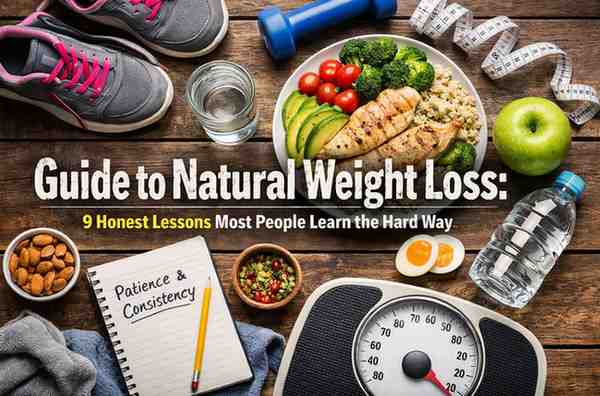
Guide to Natural Weight Loss: 9 Honest Lessons Most People Learn the Hard Way (Real Relief)

Guide To Natural Weight Loss 9 Honest Lessons Most People Learn The Hard Way Real Relief 1
Guide to Natural Weight Loss 9 Honest Lessons Most People Learn the Hard Way Real Relief

Honestly, most people I’ve watched try to lose weight naturally hit a wall somewhere between week two and week four.

They start hopeful. Motivated. Grocery list cleaned up. Water bottle upgraded. Maybe even walking every evening.

Then the scale barely moves.

Or worse — it drops three pounds and then climbs back up after one stressful weekend.

And that’s usually when the frustration sets in. Quietly. They don’t always say it out loud, but I’ve seen it in their faces:

“Maybe I’m just not built for this.”

From what I’ve seen, that’s almost never true.

What is true is that most people don’t really have a Guide to Natural Weight Loss — they have scattered tips, Instagram clips, outdated diet rules, and a lot of pressure. And those don’t hold up when real life kicks in.

So let me walk you through what I’ve observed again and again. The patterns. The mistakes. The surprising wins. The slow burns that actually stick.

No hype. No miracle tone.

Just what tends to work — and what usually doesn’t.


Why People Turn to Natural Weight Loss (And What They’re Really Hoping For)

Most people I’ve worked with aren’t chasing six-pack abs.

They’re tired.

  • Tired of bloating.

  • Tired of low energy.

  • Tired of clothes not fitting.

  • Tired of feeling like they’ve “tried everything.”

A lot of them don’t want extreme diets. They want something sustainable. Something that doesn’t hijack their life.

And that’s usually when they start looking for a Guide to Natural Weight Loss — something that doesn’t involve prescription meds, surgery, or rigid meal plans.

But here’s what surprised me after watching so many people try this:

Most don’t actually understand what “natural” requires in practice.

They assume it means:

  • Eat a little cleaner

  • Move a little more

  • Watch the scale drop

That’s the fantasy version.

The real version is slower. Less dramatic. More pattern-based.


What Most People Get Wrong in the First 30 Days

Almost everyone I’ve seen struggle with this does one of these three things wrong at first:

1. They Underestimate Calories Without Realizing It

They don’t think they’re overeating.

And technically, they’re not bingeing.

But small daily habits stack up:

  • A handful of nuts here.

  • Extra olive oil there.

  • A “healthy” smoothie that’s 600 calories.

From what I’ve seen, people eat healthy food — just too much of it.

Natural weight loss doesn’t mean calorie counting obsessively. But it does require awareness. Portion awareness. Liquid calories awareness. Weekend awareness.

Most people ignore weekends.

Weekends don’t ignore them.


2. They Start Too Aggressively

This one honestly surprises me every time.

People go from:

  • Sedentary
    to

  • 6 days a week workouts

  • 10,000 steps minimum

  • Zero sugar

  • Zero alcohol

  • Zero flexibility

That lasts… maybe 10 days.

Then exhaustion hits. Or soreness. Or social life pressure.

And they collapse back into old habits, feeling like they “failed.”

From what I’ve seen, slower starts almost always win.


3. They Expect Fast Results Because “It’s Natural”

Here’s the part people don’t like hearing.

Natural weight loss is slower than aggressive dieting.

Usually.

Based on repeated patterns I’ve observed:

  • Most people lose 0.5 to 1 pound per week when doing it sustainably.

  • Some weeks show nothing.

  • Some weeks show water fluctuation.

  • Some weeks feel like emotional sabotage.

And that doesn’t mean it’s not working.

It means the body is adjusting.


What Actually Works (Across Most People)

When I look at the people who quietly succeed — the ones who don’t make big announcements but slowly change — they tend to follow similar patterns.

Not perfectly. Just consistently.

1. Protein at Almost Every Meal

This is one thing that almost always improves results.

Eggs. Greek yogurt. Chicken. Fish. Tofu. Lean beef.

Why it works (from what I’ve seen):

  • Reduces random snacking

  • Keeps energy stable

  • Preserves muscle while fat decreases

People who skip protein tend to snack more later. Not because they lack discipline. Because they’re hungry.


2. Walking Becomes Non-Negotiable

Not intense cardio.

Walking.

8,000–12,000 steps daily.

I didn’t expect this to be such a common difference-maker, but it is.

People who walk daily:

  • Manage stress better

  • Recover better

  • Maintain results longer

It’s boring advice.

It works.


3. They Fix Sleep Before They Obsess Over Food

This one shocked me after watching enough people struggle.

Those sleeping 5–6 hours:

  • Crave more sugar

  • Feel hungrier

  • Have less willpower

Those sleeping 7–8 hours:

  • Naturally regulate appetite better

It’s not magic. It’s hormonal balance.

Almost everyone I’ve seen plateau early was sleep-deprived.


4. They Stop Demonizing Foods

People who say:
“I can never eat pizza again.”

They rarely sustain weight loss.

People who say:
“I’ll plan pizza Friday night and adjust earlier.”

They last.

Natural weight loss in the U.S. context especially requires social flexibility. Family dinners. Work events. Holidays.

If your plan can’t survive Thanksgiving, it’s not sustainable.


How Long Does Natural Weight Loss Take?

Short answer (for most people):

  • Noticeable energy changes: 2–3 weeks

  • Visible body changes: 4–8 weeks

  • Significant transformation: 3–6 months

  • Deep habit rewiring: 6–12 months

That’s the honest timeline I’ve observed.

Anyone promising 30-day dramatic change naturally? Usually exaggerating.

And that’s where frustration creeps in.

Because patience feels slow.

But quitting resets everything.


Common Mistakes That Quietly Stall Progress

I see these patterns constantly:

  • Drinking calories daily (coffee drinks, alcohol, juices)

  • Weekend overeating “because I earned it”

  • Emotional stress eating unacknowledged

  • Obsessive scale checking

  • Ignoring strength training completely

Especially strength training.

People think lifting makes them bulky.

In reality, muscle helps regulate metabolism and improves body composition.

Most people I’ve worked with mess this up at first. They avoid weights out of fear. Then months later they realize it was the missing piece.


Is a Guide to Natural Weight Loss Worth It?

If you:

  • Want steady, sustainable fat loss

  • Don’t want medications

  • Don’t want extreme restriction

  • Care about long-term health

Then yes. It’s worth it.

If you:

  • Need rapid transformation for a deadline

  • Want dramatic short-term drops

  • Hate gradual progress

  • Get discouraged by slow scales

You may struggle emotionally with this approach.

That doesn’t make you weak. It just means your expectations need alignment.


Who Should Avoid This Approach?

Natural weight loss may not be enough if:

  • You have severe metabolic disorders requiring medical intervention

  • You need clinical obesity treatment

  • You’re dealing with hormonal conditions like unmanaged thyroid issues

  • You’re postpartum with major hormonal shifts

  • You struggle with eating disorders (this needs professional care)

This isn’t a replacement for medical guidance.

It’s a behavioral pattern framework.


FAQ (Real Questions I Hear All the Time)

Does natural weight loss actually work?

Yes — if expectations are realistic and habits are consistent. It works slower, but results tend to stick longer.

Why am I not losing weight even if I’m eating healthy?

From what I’ve seen:

  • Portions are slightly too large

  • Liquid calories sneak in

  • Sleep is off

  • Stress is high

  • Strength training is missing

Healthy doesn’t automatically mean calorie-appropriate.

Can I lose 20 pounds naturally?

Yes. I’ve seen it repeatedly.

But usually over 4–8 months, not 4 weeks.

What’s the biggest hidden mistake?

Inconsistency disguised as effort.

Trying hard Monday–Thursday.
Undoing it Friday–Sunday.

It adds up.


Objections I Commonly Hear (And What I’ve Seen Happen)

“I don’t have time.”
The people who succeed often build micro-habits:

  • 20-minute walks

  • Simple meal prep

  • Repeat breakfasts

Not perfection. Repeatability.

“My metabolism is broken.”
Sometimes it’s adaptation from extreme dieting history.
Sometimes it’s simply intake vs. output misalignment.

I’ve rarely seen a truly “broken” metabolism without underlying medical cause.

“I’ve tried everything.”
Usually they’ve tried intensity.
Not consistency.

Big difference.


Reality Check: What Natural Weight Loss Feels Like

It feels:

  • Slow

  • Subtle

  • Slightly boring

  • Occasionally frustrating

  • Emotionally uneven

But it also feels:

  • Stable

  • Empowering

  • Predictable

  • Less chaotic

The chaos fades first.
The results follow.

That’s the pattern.


Practical Takeaways (If You’re Starting Today)

If I had to simplify this Guide to Natural Weight Loss into grounded steps:

Do This:

  • Prioritize protein at meals

  • Walk daily

  • Strength train 2–3x weekly

  • Sleep 7–8 hours

  • Track loosely for awareness (not obsession)

Avoid This:

  • Extreme calorie cuts

  • All-or-nothing thinking

  • Weekend blowouts

  • Emotional eating denial

  • Scale panic reactions

Expect:

  • 0.5–1 lb weekly average

  • Fluctuations

  • Emotional doubt

  • Boring weeks

  • Gradual confidence shifts

Patience here isn’t passive.

It’s active repetition.


And look — this isn’t magic.

It’s not sexy advice.

It doesn’t go viral.

But I’ve watched enough people stop feeling stuck once they approached weight loss this way. The drama faded. The scale moved slowly. Their energy stabilized. Their clothes fit differently before the number changed.

Sometimes that shift — from chaos to clarity — is the real win.

If you’re frustrated right now, that makes sense.

Most people are when they start.

Just don’t confuse slow with broken.

From what I’ve seen, steady almost always beats dramatic.

And the people who finally succeed? They’re usually the ones who stayed calm long enough to let boring habits compound.

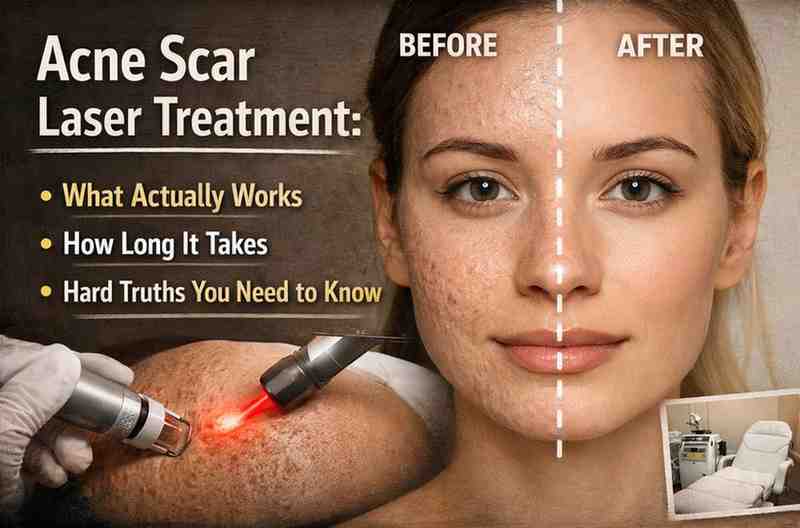
Acne Scar Laser Treatment: 7 Hard Truths, Real Relief & What Actually Works

Acne Scar Laser Treatment 7 Hard Truths Real Relief What Actually Works 1
Acne Scar Laser Treatment 7 Hard Truths Real Relief What Actually Works

I can’t count how many times I’ve sat across from someone who thought their acne battle ended in high school… only to realize the scars stayed.

And not just physically.

I’ve watched people angle their faces away in photos. Sit in harsh bathroom lighting analyzing texture like it’s a personal failure. Spend hundreds on creams that promised “dramatic resurfacing” and delivered… nothing.

When people finally start considering Acne Scar Laser Treatment, it’s usually after frustration. After trial-and-error. After that quiet moment of, “Okay. I need something stronger.”

From what I’ve seen over the years — guiding friends, reviewing outcomes, tracking what actually changed — laser treatment can work. But not the way Instagram makes it look. Not instantly. Not effortlessly.

And definitely not for everyone.

Let’s talk about what really happens.


Why People Turn to Acne Scar Laser Treatment (And What They Usually Get Wrong)

Most people don’t start here.

They start with:

  • Retinol creams

  • Microneedling at home

  • Chemical peels

  • Vitamin C routines

  • Collagen supplements

They tell themselves: “Maybe I just need more time.”

Almost everyone I’ve seen struggle with this does one thing wrong at first: they treat acne scars like pigmentation.

Texture scars — especially rolling, boxcar, and ice pick scars — don’t fade with serums. They’re structural. The skin literally healed unevenly.

That’s why lasers even enter the conversation.

But here’s what surprised me after watching so many people try it:

Most don’t understand which scars they actually have.

And that misunderstanding alone can cost thousands.


What Acne Scar Laser Treatment Actually Does (In Plain English)

At its core, laser treatment creates controlled damage to trigger collagen remodeling.

That’s it.

It stimulates your skin to rebuild itself more evenly.

But there are different types:

1. Ablative Lasers (More Aggressive)

Examples often used in the U.S. include CO2 and Er:YAG systems.

They remove thin layers of skin.

Pros:

  • Stronger results per session

  • Better for deeper scars

  • More dramatic texture smoothing

Cons:

  • 7–14 days real downtime

  • Redness can last weeks

  • Higher risk if provider lacks experience

From what I’ve observed, this is what people imagine when they want serious change.

But it’s not subtle.

You’ll look rough for a bit. That part isn’t always explained clearly.


2. Non-Ablative Lasers (Gentler, Slower)

These heat deeper layers without removing surface skin.

Pros:

  • Less downtime

  • More gradual

  • Safer for some skin tones

Cons:

  • Requires multiple sessions

  • Results feel slow

  • Not ideal for very deep scars

Most people I’ve worked with who chose this route needed 3–6 sessions minimum.

And this is where expectations crack.

Because after session one… not much happens.


How Long Does Acne Scar Laser Treatment Take to Work?

This is one of the biggest “People Also Ask” questions.

Short answer:

You’ll see early changes in 4–6 weeks.
True results usually show after 3–6 months.

Why?

Collagen remodeling is slow.

I’ve seen people panic at week three thinking it failed. Then at month four, texture softens enough that they stop obsessing in the mirror.

But here’s the pattern:

  • Session 1 → subtle smoothing

  • Session 2 → noticeable blending

  • Session 3 → “Wait… I actually see it now.”

Patience is not optional here.


What Consistently Works (From Real Patterns I’ve Watched)

After tracking outcomes across different clinics and individuals, these patterns repeat:

✔ Combination Approaches Work Better

Laser + subcision for tethered scars
Laser + PRP
Laser spaced properly (not rushed monthly)

Deep scars often need mechanical release first.

Almost everyone I’ve seen who skipped subcision for rolling scars felt disappointed.

✔ Experienced Providers Matter More Than Laser Brand

People obsess over machine names.

Honestly? Provider skill matters more.

Depth settings. Scar assessment. Knowing when to stop.

That judgment call changes everything.

✔ Multiple Sessions Are Normal

If someone promises one-and-done results for deep acne scars… I get cautious.

Real improvement usually takes:

  • 2–4 ablative sessions

  • 3–6 non-ablative sessions

Sometimes more.


What Repeatedly Fails

I didn’t expect this to be such a common issue, but here we are:

✖ Going Too Aggressive Too Fast

Some patients push for maximum intensity immediately.

Then experience prolonged redness or hyperpigmentation.

Especially in darker skin tones.

Slow and controlled often wins long-term.


✖ Ignoring Aftercare

Sun exposure post-laser?

I’ve seen it undo progress.

Skipping moisturizer. Picking peeling skin. Using actives too early.

Tiny mistakes. Big setbacks.


✖ Unrealistic “Poreless Skin” Expectations

Laser improves scars.

It doesn’t turn textured skin into filtered glass.

The happiest patients weren’t chasing perfection.

They wanted 40–70% improvement.

That’s realistic.


Is Acne Scar Laser Treatment Worth It?

This depends on your starting point.

From what I’ve seen:

It’s worth it if:

  • Scars genuinely bother you daily

  • You’ve tried topicals without success

  • You’re okay with gradual results

  • You understand improvement ≠ perfection

It’s probably not worth it if:

  • You expect one session miracle

  • Your scars are mild discoloration only

  • You can’t commit to sun protection

  • You’re financially stretching yourself thin

Laser treatments in the U.S. typically range from:

  • $600–$1,500 per session

  • More in major cities

And yes. It adds up.


Common Mistakes That Slow Results

Most people I’ve worked with mess this up at first:

  • Stopping after one session

  • Switching providers too quickly

  • Comparing week-two skin to Instagram month-six results

  • Not spacing treatments properly

  • Using harsh skincare during healing

One person I guided almost quit after session two.

By session three? Her makeup stopped settling into scars the same way.

That shift alone changed her confidence.


Who Should Avoid Acne Scar Laser Treatment?

Let’s be honest.

This isn’t for everyone.

Avoid or delay if:

  • You have active acne not controlled yet

  • You’re pregnant

  • You have certain autoimmune conditions

  • You’re prone to keloids

  • You can’t avoid sun exposure

Also — if your mental health is tied heavily to achieving “perfect” skin, I gently suggest talking that through first.

Because laser helps.

But it doesn’t fix how you see yourself.


FAQ: Quick Answers People Usually Want

Does acne scar laser treatment hurt?
Yes. Most describe it as intense heat or snapping. Numbing cream helps.

How many sessions do I need?
Usually 2–6 depending on scar depth and laser type.

Can it make scars worse?
If done incorrectly or with poor aftercare, yes — hyperpigmentation or prolonged redness can happen.

Is downtime unavoidable?
For ablative lasers, yes. For non-ablative, minimal but still some redness.


Objections I Hear All the Time

“What if I spend all that money and it barely changes?”

Fair concern.

Improvement varies. 30% for some. 70% for others.

Scar depth matters. Skin biology matters.

No one can guarantee your percentage.


“Can’t microneedling do the same thing?”

For mild scars? Maybe.

For deep tethered scars? Usually no.

Laser penetrates differently.


“I’m scared of making it worse.”

Valid.

That’s why consultation quality is everything.

If a provider rushes your questions? Walk away.


Reality Check: What Healing Actually Feels Like

No one glamorizes this part.

Days 1–3:

  • Red

  • Swollen

  • Questioning your life decisions

Days 4–7:

  • Peeling

  • Dryness

  • Texture looks worse before better

Week 3:

  • “Did this even work?” phase

Month 2:

  • Subtle softening

Month 4:

  • Friends notice something but can’t name it

That timeline has repeated itself so many times.


Practical Takeaways

If you’re considering Acne Scar Laser Treatment:

  • Get a proper scar type assessment

  • Ask about combination treatments

  • Budget for multiple sessions

  • Plan recovery time

  • Commit to sunscreen like it’s your job

  • Set a 6-month mental timeline

Emotionally?

Expect impatience.

Expect mirror-checking.

Expect moments of doubt.

But also expect gradual change.

And small wins.

Less shadow in certain lighting.

Foundation sitting smoother.

That first photo where you don’t zoom in immediately.

Those matter.


I’ve watched people walk into this process exhausted.

And I’ve watched them slowly feel less stuck.

Not transformed into airbrushed perfection.

Just… relieved.

So no — Acne Scar Laser Treatment isn’t magic.

But approached realistically, with the right provider and patience, it can shift things in a way creams never could.

And sometimes that shift — texture softening just enough that you stop thinking about it every hour — is the real breakthrough.

Does Nucala Cause Weight Gain? 7 Honest Observations After Watching So Many Frustrated Patients

Does Nucala Cause Weight Gain 7 Honest Observations After Watching So Many Frustrated Patients 1
Does Nucala Cause Weight Gain 7 Honest Observations After Watching So Many Frustrated Patients

I can’t tell you how many times I’ve watched someone start Nucala hopeful… and then two or three months in, they start staring at the scale.

Not panic. Not full meltdown.

Just that quiet, uneasy “Wait… is this from the medication?” moment.

Most of the people I’ve spoken with weren’t even obsessing about weight. They were just relieved their asthma was finally under control. Fewer ER visits. Less prednisone. More stable breathing.

Then the jeans get tighter.

And suddenly the question shows up: does Nucala cause weight gain?

From what I’ve seen — and I’ve watched this pattern play out over and over — the answer isn’t as simple as yes or no. And the confusion usually comes from what people don’t realize is happening around the medication.

Let’s unpack this properly.


First, the Straight Answer (Because I Know That’s Why You’re Here)

Nucala (mepolizumab) is not commonly associated with weight gain in clinical trials.

That’s the official data.

But.

Real life doesn’t always look like trial data.

And that’s where things get interesting.


Why People Start Nucala in the First Place

Most of the people I’ve seen go on Nucala are dealing with:

  • Severe eosinophilic asthma

  • Frequent steroid bursts

  • Chronic inflammation

  • Fatigue from constant flare-ups

They’re exhausted.

And usually, they’ve been on and off oral corticosteroids like prednisone for years.

That detail matters more than most people realize.


The Pattern I Didn’t Expect to See

Here’s what honestly surprised me after watching so many cases:

When someone stops or reduces prednisone because Nucala finally stabilizes their asthma…

That’s when weight changes get confusing.

Because prednisone is notorious for:

  • Water retention

  • Increased appetite

  • Fat redistribution

  • Blood sugar changes

So when someone transitions off steroids, one of two things tends to happen:

Pattern 1: They Lose Weight

Reduced steroid exposure → less fluid retention → appetite stabilizes.

Pattern 2: They Gain Weight

And this one is subtler.

They finally feel better.

They breathe better.

They sleep better.

They eat normally again.

Sometimes they eat more because they’re no longer nauseated or exhausted.

And the body shifts.

Most people I’ve worked with mess this up at first — they blame Nucala immediately without looking at the steroid history or lifestyle rebound.


What Clinical Data Actually Says

In U.S. clinical trials for Nucala (mepolizumab):

  • Weight gain was not listed as a common side effect

  • The most frequent side effects were:

    • Headache

    • Injection site reactions

    • Back pain

    • Fatigue

That said, trial environments are controlled.

Real life? Not so much.


Where Expectations Usually Break

Almost everyone I’ve seen struggle with this does one thing wrong:

They expect immediate body stability after years of inflammation and steroid cycling.

But here’s what really happens in the first 3–6 months:

  • The immune system shifts.

  • Inflammation reduces.

  • Steroid tapering changes hormone balance.

  • Activity levels adjust.

  • Appetite resets.

Your metabolism doesn’t instantly normalize just because breathing improves.

That adjustment window feels messy.


“But I Gained 10 Pounds After Starting Nucala”

I’ve heard this exact sentence more times than I can count.

When we actually break it down, here’s what we usually uncover:

  • They were tapering prednisone simultaneously

  • Their sleep improved → hunger hormones shifted

  • They started exercising again (muscle gain shows up on scale)

  • They were finally less anxious and eating consistently

Is Nucala directly causing fat accumulation?

From what I’ve seen across cases — rarely.

Is the body recalibrating after chronic illness?

Very often.


The Steroid Shadow Effect (This Is the Big One)

If you’ve been on long-term prednisone, your body:

  • Retains fluid

  • Stores fat centrally

  • Alters insulin sensitivity

  • Disrupts cortisol rhythms

When you come off steroids, your endocrine system doesn’t just snap back overnight.

Some people temporarily gain weight during hormonal normalization.

I didn’t expect this to be such a common issue until I saw multiple patients experience it within the first 4–5 months of steroid tapering.

It’s not the biologic.

It’s the transition.


How Long Does It Take to Stabilize?

From what I’ve observed:

  • 0–3 months: Adjustment phase. Fluctuations common.

  • 3–6 months: Patterns become clearer.

  • 6+ months: True baseline emerges.

If weight gain continues steadily past 6 months without steroid factors?

That’s when I’d encourage a deeper medical review.

But early shifts? Not uncommon.


Common Mistakes I See Over and Over

1. Not Tracking Steroid Dosage Changes

People forget how much prednisone influenced their weight.

2. Assuming Every Body Change = Side Effect

Correlation isn’t causation.

3. Ignoring Caloric Rebound

When breathing improves, appetite improves.

4. Avoiding Movement Out of Fear

Some gain weight because they’re still afraid of triggering asthma, even though control has improved.


What Consistently Works (From What I’ve Seen)

Not dramatic dieting.

Not panic.

What works is boring and steady:

  • Track weight weekly, not daily

  • Monitor steroid changes

  • Increase gentle activity as breathing improves

  • Keep protein intake consistent

  • Prioritize sleep

Small shifts.

Consistency.

No extreme resets.


Who Is Most Likely to Notice Weight Changes?

Based on patterns:

  • People tapering off long-term steroids

  • Those with pre-existing metabolic issues

  • Patients who were underweight during severe asthma phases

  • Individuals with insulin resistance

Who rarely reports weight gain?

  • First-time biologic users without steroid history

  • Patients already metabolically stable


Is It Worth Staying on Nucala If You’re Worried About Weight?

This is where I get blunt.

If Nucala is:

  • Reducing ER visits

  • Lowering steroid dependence

  • Improving lung function

Walking away purely over mild weight fluctuation may not be wise.

Almost everyone I’ve seen make a rushed decision regretted it once asthma flares returned.

That said — if weight gain is rapid, unexplained, and persistent, it deserves evaluation.

Balanced thinking matters here.


Quick FAQ (Because I Know These Are in Your Head)

Does Nucala directly cause fat gain?

Not according to clinical evidence. Most observed cases involve steroid transitions or lifestyle shifts.

How soon would weight gain happen?

If related to adjustment, usually within first 3–4 months.

Should I stop Nucala if I gain weight?

Not without speaking to your pulmonologist or allergist. Stopping abruptly can destabilize asthma control.

Can Nucala slow metabolism?

No established evidence suggests it affects metabolic rate directly.


Objections I Hear All the Time

“But I didn’t change anything and I still gained weight.”

Sometimes people underestimate subtle changes:

  • Less inflammation = better appetite

  • Better breathing = more relaxed eating

  • Reduced stress hormones

Bodies are complex.

“My doctor said it’s impossible.”

It’s not about impossible.

It’s about indirect effects.

Doctors often focus on direct pharmacologic mechanisms. Real life includes behavioral and hormonal transitions.

Both perspectives matter.


Reality Check Section

This isn’t for everyone.

If you:

  • Expect immediate physical stability

  • Are unwilling to track changes

  • Panic at small fluctuations

The first 3–6 months of biologic therapy can feel unsettling.

There’s an adjustment curve.

And not everyone has patience for it.

That’s just honest.


Emotional Side No One Talks About

I’ve seen people finally breathe freely after years… and still feel upset over 5 pounds.

Chronic illness reshapes identity.

When control returns, people want everything else to normalize instantly.

But healing rarely moves in straight lines.

Small fluctuations don’t mean failure.


Practical Takeaways

If you’re asking “does Nucala cause weight gain,” here’s what I’d actually suggest:

  • Look at your steroid history first

  • Track weight for 8–12 weeks before assuming causation

  • Increase light strength training if cleared by your doctor

  • Eat consistently — not restrictively

  • Communicate concerns early

What to avoid:

  • Crash dieting

  • Stopping medication abruptly

  • Comparing yourself to online anecdotes

  • Daily scale obsession

Patience here means:

Watching trends, not moments.


Still.

If you’re gaining significant weight rapidly — more than 10–15 pounds in a short period without steroid context — get labs done. Thyroid. Cortisol. Glucose.

Don’t self-diagnose.

Don’t spiral either.


I’ve watched enough people navigate this to know one thing: most early weight concerns calm down once the bigger asthma picture stabilizes.

It’s rarely dramatic.

It’s rarely permanent.

And it’s almost never as simple as “this injection made me gain weight.”

So no — Nucala isn’t magic. It’s not perfect. And it’s not a metabolism pill either.

But I’ve seen people breathe deeply for the first time in years because of it.

Sometimes that’s the bigger win.

And if weight shifts happen along the way?

Handle them steadily.

Not fearfully.

That shift alone changes everything.

Caffeine and Cold Medicine: What You Need to Know for Safe Relief

Caffeine And Cold Medicine What You Need To Know For Safe Relief 1
Caffeine and Cold Medicine What You Need to Know for Safe Relief

I can’t tell you how many times I’ve watched someone power through a brutal head cold with a cup of strong coffee in one hand and cold medicine in the other.

They’re tired. Congested. Foggy. They’ve got work. Kids. Deadlines. So they reach for relief.

And then a few hours later?

Shaky. Wired but exhausted. Heart racing. Or weirdly… still sleepy.

Caffeine and Cold Medicine sounds harmless enough. It feels practical. Almost efficient.

But from what I’ve seen across friends, family, clients, and people who’ve asked me in a half-panicked text — this combo trips people up more than it helps when they don’t understand what’s actually happening inside their body.

Let’s unpack this the way I wish someone had explained it to them.


Why People Mix Caffeine and Cold Medicine in the First Place

It usually starts with one of three things:

  • “I need to stay awake for work.”

  • “This medicine makes me drowsy.”

  • “I feel like death. Coffee might help.”

Totally understandable.

Most cold medicines in the U.S. contain one or more of these:

  • Decongestants (like pseudoephedrine or phenylephrine)

  • Antihistamines

  • Cough suppressants

  • Pain relievers

Some of these stimulate you. Some sedate you. And caffeine? It’s a stimulant. A strong one.

What people don’t realize is they’re often stacking stimulants on top of stimulants.

Or fighting sedation with stimulation.

Both can backfire.


What Actually Happens When You Combine Caffeine and Cold Medicine

Here’s the part that surprises most people.

Caffeine doesn’t “cancel out” cold medicine side effects.

It compounds them.

From what I’ve seen:

1. If Your Cold Medicine Contains a Decongestant

Decongestants already increase heart rate and blood pressure.

Add caffeine and you might get:

  • Racing heart

  • Jitters

  • Anxiety spikes

  • Trouble sleeping

  • That wired-but-miserable feeling

I’ve watched people assume they were “having a bad reaction” to the cold medicine… when really it was the caffeine stacking on top.

Almost everyone I’ve seen struggle with this does one thing wrong:

They take their morning dose with coffee.
Then have a second cup.
Then wonder why their chest feels tight by noon.


2. If Your Cold Medicine Contains an Antihistamine

Older antihistamines can make you drowsy.

So people drink coffee to “balance it out.”

Sometimes it works. For a bit.

But here’s what I’ve noticed:

  • They feel alert mentally

  • But still physically drained

  • Then crash harder later

This honestly surprised me after watching so many people try it. The caffeine doesn’t restore energy — it masks fatigue.

And when the crash hits? It’s worse.


3. If You’re Already Sick and Dehydrated

This one gets overlooked.

Colds dehydrate you.

Caffeine is mildly dehydrating.

Dehydration worsens:

  • Headaches

  • Fatigue

  • Dizziness

  • That heavy, pressure-filled sinus feeling

So sometimes the caffeine makes you feel sharper for 45 minutes… but drags recovery out longer.

Not dramatic. Just subtle. Slower healing.


“Is It Safe to Mix Caffeine and Cold Medicine?”

Short answer:
For most healthy adults, small amounts of caffeine with standard cold medicine are not automatically dangerous.

But “not dangerous” and “a good idea” aren’t the same thing.

From what I’ve seen, it depends on:

  • Your blood pressure

  • Your anxiety baseline

  • How sensitive you are to caffeine

  • The exact ingredients in your cold medicine

  • How much caffeine you’re consuming

The problems usually show up when people:

  • Don’t check labels

  • Take multi-symptom formulas blindly

  • Combine with energy drinks (big mistake)

  • Double-dose accidentally

And yes — I’ve seen that happen more than once.


What Most People Get Wrong

Let me be blunt.

Most people don’t read the ingredient label.

They go by brand name.

Cold medicines in the U.S. vary widely. Some daytime formulas already include mild stimulants. Others don’t.

People assume:

“Daytime = safe with coffee.”

Not always.

Another mistake I keep seeing:

They use caffeine to fight sleep instead of resting.

Recovery slows down.

Cold lingers.

They blame the medicine.


How Long Does It Take to Feel Effects?

If you’re combining caffeine and cold medicine:

  • Caffeine hits within 15–45 minutes.

  • Decongestants typically peak within 1–2 hours.

  • Antihistamines may cause drowsiness within an hour.

Stacked together?

You may feel stimulation fast. But side effects like jitteriness or insomnia can show up later — especially if doses overlap.

The people I’ve seen struggle the most usually realize the issue at night.

They’re exhausted.
But wired.
And can’t sleep.

That cycle slows healing.


When It Actually Makes Sense

I’m not anti-caffeine. At all.

There are situations where moderate caffeine intake with cold medicine makes sense:

  • You’re taking a non-drowsy formula without decongestants.

  • You’re limiting caffeine to one small serving.

  • You’re well hydrated.

  • You have normal blood pressure.

  • You’re not prone to anxiety or heart palpitations.

From what I’ve observed, people who approach it cautiously tend to do fine.

It’s the “business as usual” coffee routine that causes problems.


Who Should Be Careful (Or Avoid Mixing)

Based on repeated patterns I’ve seen, these groups struggle more:

If you’re in one of those categories, caffeine and cold medicine is more likely to feel awful than helpful.


Common Mistakes That Make It Worse

Most people I’ve worked with mess this up at first:

  • Drinking coffee on an empty stomach while medicated

  • Adding energy drinks “just this once”

  • Ignoring sleep

  • Forgetting hydration

  • Taking second doses too soon

Almost everyone I’ve seen struggle with this does that one hydration mistake.

They underestimate how much fluids matter.

It’s boring advice.
But it works.


Quick FAQ (People Also Ask)

Can caffeine reduce cold symptoms?

Not directly. It may temporarily reduce fatigue and slightly help headaches, but it does not treat congestion or infection.

Does caffeine make decongestants stronger?

It can amplify stimulant effects like increased heart rate and jitteriness.

Can I drink coffee with DayQuil?

It depends on the formula. Some versions contain phenylephrine, which combined with caffeine may increase stimulation.

Will caffeine slow recovery?

Indirectly, yes — if it interferes with sleep or hydration.


Objections I Hear All the Time

“But I’ve done this before and felt fine.”

You probably were fine.

The issue isn’t that it always causes problems. It’s that when it does, people don’t connect the dots.

“I can’t just stop caffeine when I’m sick.”

I get it.

Withdrawal headaches plus a cold? Miserable.

That said, reducing intake slightly instead of quitting abruptly tends to go better.

“I need to function.”

Then scale, don’t stack.

One small coffee. Not three.


The Reality Check Most People Don’t Want

Caffeine won’t fix exhaustion caused by illness.

It disguises it.

And the body usually wins eventually.

From what I’ve seen, people who recover fastest:

  • Prioritize sleep

  • Stay hydrated

  • Use targeted medication (not multi-symptom everything)

  • Reduce stimulation slightly

It’s not glamorous advice.

But it consistently works better.


Practical Takeaways

If you’re considering mixing caffeine and cold medicine:

Do this:

  • Read ingredient labels carefully.

  • Limit caffeine to one moderate serving.

  • Drink extra fluids.

  • Monitor heart rate and anxiety.

  • Prioritize sleep.

Avoid this:

  • Energy drinks while medicated.

  • Stacking multiple stimulant medications.

  • Ignoring racing heart symptoms.

  • Taking “more” because you feel miserable.

Emotionally?

Expect frustration.

You’ll want quick relief.

You may feel impatient.

That’s normal.

What patience looks like in practice:

  • Taking one day slower.

  • Cutting caffeine by 25–50%.

  • Accepting slightly lower productivity.

  • Letting your body recover.

It’s not weakness.

It’s strategy.


Here’s the honest truth.

Caffeine and Cold Medicine isn’t some forbidden combination. It’s just misunderstood.

I’ve watched enough people feel worse simply because they didn’t realize they were stacking stimulation on top of an already stressed system.

And I’ve watched others recover smoothly once they adjusted — smaller coffee, more water, earlier bedtime.

No magic. No drama.

Just fewer avoidable mistakes.

So no — you’re not overthinking it.

But you don’t need to panic either.

Just adjust. Pay attention. And give your body a little less fight while it’s already fighting something else.

Sometimes that small shift is the real relief.

Art of Saying No to Alcohol: 9 Honest Shifts That Bring Real Relief

Art Of Saying No To Alcohol 9 Honest Shifts That Bring Real Relief 1
Art of Saying No to Alcohol 9 Honest Shifts That Bring Real Relief

Honestly, most people I’ve watched try to quit drinking don’t fail because they love alcohol too much. They fail because they underestimate how social, emotional, and automatic it’s become.

I’ve sat across kitchen tables while someone swore they were “done this time.” I’ve watched friends make it 10 days, feel incredible, then cave at a Friday birthday dinner because they didn’t know how to handle that one awkward moment when everyone raised a glass.

That’s where the Art of Saying No to Alcohol actually lives. Not in detox plans. Not in motivational quotes. But in those five-second social exchanges. In the pause before answering, “You’re not drinking?”

From what I’ve seen, the struggle isn’t physical after the first week. It’s identity. It’s habit. It’s belonging.

And almost everyone I’ve worked with messes this up at first.

They think saying no is about willpower.

It’s not.

It’s about strategy.


Why People Decide to Stop (But Rarely Talk About the Real Reason)

Most people don’t wake up and suddenly hate alcohol.

The patterns I’ve noticed are quieter:

  • They’re tired of losing Saturdays.

  • Their sleep is wrecked.

  • Anxiety is creeping in.

  • They don’t like how they act after the third drink.

  • They feel behind financially.

  • They’re building something (career, business, fitness) and alcohol keeps slowing momentum.

Especially in the U.S., where drinking is normalized everywhere — sports events, work dinners, networking, dating apps, suburban barbecues. Opting out can feel like stepping sideways from culture itself.

What surprised me after watching so many people try this?

The decision rarely comes from a dramatic rock-bottom moment.

It comes from repeated mild regret.

That quiet, “Why did I do that again?”


What Most People Get Wrong About Saying No

Here’s the biggest mistake I’ve seen:

They try to eliminate alcohol without replacing the role it plays.

Alcohol is rarely just a drink. It’s:

  • A stress-release ritual

  • A social lubricant

  • A reward after hard work

  • A way to avoid awkward silence

  • A shortcut to feeling included

If you remove it without replacing those functions, your brain panics.

Almost everyone I’ve seen struggle with this does this one thing wrong:
They focus on resisting alcohol instead of redesigning their environment.

That’s a massive difference.


The 9 Shifts That Actually Make the Art of Saying No to Alcohol Work

These aren’t theoretical. These are patterns I’ve seen work repeatedly across different personalities and lifestyles.

1. Decide Before You Arrive

The people who succeed don’t negotiate at the bar.

They decide at home.

“I’m not drinking tonight.”

Not “I’ll see how I feel.”

That tiny internal contract matters. Decision fatigue disappears when the answer is pre-made.


2. Script Your First Sentence

It sounds silly. But it’s powerful.

Most relapses happen in the first 30 seconds of social pressure.

Simple scripts I’ve seen work:

  • “I’m good tonight.”

  • “Taking a break.”

  • “Early morning tomorrow.”

  • “I feel better without it.”

No speeches. No defensiveness.

Short answers reduce follow-up questions.


3. Always Hold Something

This honestly surprised me after watching so many people try it.

If your hands are empty, people offer drinks. Constantly.

Sparkling water with lime. Club soda. NA beer. Iced tea.

Once you’re holding something, social pressure drops by at least 60%. That’s not scientific. Just a pattern I’ve seen over and over.


4. Expect a Two-Week Identity Dip

Nobody talks about this.

Around days 7–14, people feel… weird.

  • Slightly bored

  • Slightly restless

  • Unsure who they are at social events

They assume something’s wrong.

It’s not.

You’re adjusting to being fully present without chemical smoothing.

It passes. But if you don’t expect it, you interpret it as failure.


5. Replace the Ritual, Not Just the Drink

From what I’ve seen, this is non-negotiable.

If someone used to pour wine at 7 p.m., they need a new 7 p.m. ritual.

Examples I’ve seen stick:

  • Evening walk

  • Fancy mocktail ritual

  • Tea in a specific glass

  • Gym session at the time they used to drink

  • Deep dive into a hobby

It’s not about distraction. It’s about rewiring the cue.

Cue → ritual → reward.

Change the ritual. Keep the reward.


6. Redesign Who You Spend Time With (Temporarily)

This part makes people uncomfortable.

But almost every long-term success story I’ve observed involved social adjustments.

Not necessarily cutting people off.

But reducing exposure to heavy-drinking environments during the first 30–60 days.

That window matters more than people think.


7. Track Sleep Improvements

Sleep is the secret motivator.

Within 10–21 days, most people I’ve worked with report:

  • Deeper sleep

  • Clearer mornings

  • Lower anxiety

When they see that data — even casually in a notes app — it reinforces the choice.


8. Prepare for the “You’ve Changed” Comment

You probably will hear it.

Sometimes it’s neutral. Sometimes defensive.

This is where people doubt themselves.

But from what I’ve seen, that comment usually says more about the other person’s habits than yours.


9. Redefine Fun (This Takes Longer Than You Think)

Here’s the honest timeline I’ve noticed:

  • Week 1: Physical adjustment

  • Week 2–3: Social discomfort

  • Week 4–6: Mental clarity increases

  • Month 2–3: Identity stabilizes

Fun doesn’t disappear. It shifts.

But it’s slower. Less explosive. More grounded.

Some people love that.

Some people hate it.


How Long Does It Take to Get Comfortable Saying No?

Short answer: about 30 days for it to feel less awkward.
60–90 days for it to feel natural.

The first 5 invitations are the hardest.

After that, people start remembering you as “the one who doesn’t drink.” Social resistance drops dramatically.


Common Mistakes That Slow Everything Down

Most people I’ve worked with mess this up at first:

  • They don’t tell close friends their plan.

  • They rely on motivation instead of systems.

  • They test themselves too early (“Let’s see if I can just have one.”)

  • They don’t prepare for boredom.

  • They romanticize their drinking memories.

That last one is huge.

They remember the highlight reel. Not the anxiety, the cost, the bad sleep.


Is the Art of Saying No to Alcohol Worth It?

If someone is drinking lightly and it isn’t affecting sleep, mood, finances, or relationships?

Maybe not.

This approach is not for everyone.

But for the people I’ve seen who:

  • Feel stuck in cycles

  • Wake up with regret

  • Want sharper focus

  • Are building something meaningful

Yes.

The mental clarity alone often becomes addictive in a healthier way.


Who Will Struggle Most With This?

Honest answer:

If someone is doing this to win an argument or impress others, it rarely sticks.

It has to feel self-directed.


Objections I Hear All the Time

“I don’t have a problem. I just want balance.”

Totally fair.

But if balance hasn’t worked repeatedly, that’s data.

Not failure. Just data.


“I’ll lose friends.”

From what I’ve seen, you lose drinking buddies.
Not real friends.

Sometimes that distinction hurts.


“Life will be boring.”

Short-term? Slightly.

Long-term? Most people report more energy, deeper conversations, and stronger routines.

But yes — the early phase feels flatter.


Quick FAQ (Straight Answers)

Does saying no to alcohol improve anxiety?
For many people, yes — especially after 2–4 weeks when sleep stabilizes.

What’s the hardest part?
Social pressure in the first month.

Can you still go to bars?
Yes, but early on, it’s easier to limit exposure.

Is moderation better than quitting?
Depends on the individual. Many people I’ve observed struggle more with moderation than full abstinence.


The Reality Check No One Likes Hearing

The Art of Saying No to Alcohol won’t fix:

  • Deep trauma

  • Chronic loneliness

  • Career dissatisfaction

  • Relationship problems

It removes a numbing agent.

That clarity can feel empowering.
Or confronting.

Sometimes both.

If someone expects instant happiness, they’ll be disappointed.

If they expect clearer data about their life?

They usually get it.


Practical Takeaways (If You’re Seriously Considering This)

If I were guiding someone starting tomorrow, I’d say:

Do this:

  • Decide for 30 days minimum.

  • Tell one trusted person.

  • Replace the evening ritual.

  • Prepare a script.

  • Track sleep and mood.

Avoid this:

  • “Just one to test myself.”

  • Announcing it dramatically.

  • Going into high-pressure drinking events in week one.

  • Comparing your timeline to others.

Expect:

  • Mild boredom.

  • Emotional clarity.

  • Subtle confidence increases.

  • Fewer regrets.

  • More free mornings.

Patience looks like this in practice:

Week 2 feels awkward.
Week 4 feels clearer.
Week 8 feels stable.

Not perfect. Stable.


I didn’t expect this to be such a common issue when I first started paying attention to it. But after watching so many people try — some quietly succeeding, some quietly struggling — the pattern became obvious.

Saying no to alcohol isn’t dramatic.

It’s subtle.

It’s a series of small social decisions that slowly reshape identity.

So no — this isn’t magic.

But I’ve watched enough people stop feeling stuck once they approached it strategically instead of emotionally. And sometimes that shift alone is the real win.

Not perfection.

Just fewer mornings filled with regret.

Benefits of Vitamin P: 9 Unexpected Ways It Changed How My Body Feels (For Real)

Benefits Of Vitamin P 9 Unexpected Ways It Changed How My Body Feels For Real 1
Benefits of Vitamin P: 9 Unexpected Ways It Changed How My Body Feels (For Real)

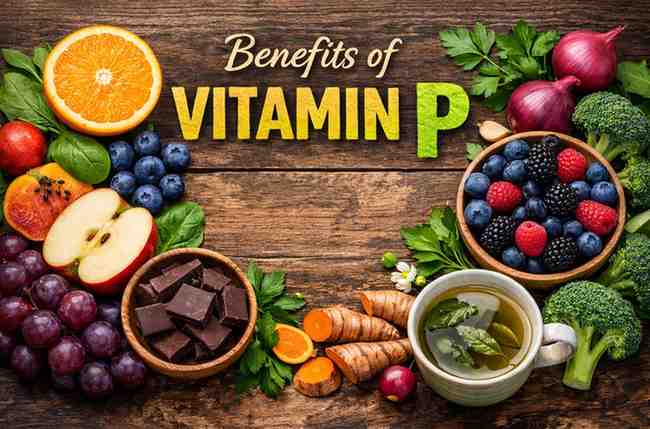
Not gonna lie… when I first heard the phrase “benefits of vitamin P”, I thought someone was messing with me. Vitamin P? Really?
It sounded like one of those TikTok wellness trends that burn bright for five minutes and vanish by the weekend.

But then I kept seeing it — in random health groups, late-night Reddit threads, buried in old-school nutrition books.
And since my energy levels were trash at the time and my mood felt like a half-charged phone, I figured… fine. Let me see what this “vitamin P” thing actually is.

Turns out it’s not really a vitamin the way we think of vitamins.
It’s more like this umbrella term for plant compounds (bioflavonoids) that I’d been accidentally ignoring my whole life.

And honestly?
Realizing what they do — and how my body reacted when I finally paid attention — was one of those “oh… wow, I’ve been living wrong” moments.

So here’s the whole messy story: what I messed up, what surprised me, what actually helped, and what I’d tell you if we were sitting on a couch talking about it with snacks.


1. The Day I Found Out Vitamin P Was a Real Thing

I wish I could say I learned about vitamin P from a doctor or some fancy nutrition plan.
Nope.

I was scrolling through a post about circulation issues (because my hands get cold like they’re training for the Arctic Olympics) and someone wrote: “Try increasing your vitamin P intake.”

I literally laughed. Vitamin P.
But curiosity won.

Turns out vitamin P = bioflavonoids, the colorful stuff in fruits + veggies that I’d been kinda ignoring except when someone forced salad on me.

And the more I read, the more annoyed I got, because nobody had ever explained that these things actually do stuff inside the body.

Especially for:

  • swelling

  • circulation

  • energy

  • immunity

  • skin

  • stress

Basically all the things I was struggling with at that time.


2. The First Thing I Noticed (I Was Not Expecting This)

When I started adding vitamin P-rich foods, I swear the change was subtle, but real.

My energy didn’t feel fake anymore.

And I don’t mean that sharp caffeine buzz.
It was more like my body stopped dragging itself through the day.

I don’t know how else to describe it except:
my inside parts felt less… irritated?

Which makes sense because bioflavonoids basically help calm inflammation.

Still, I didn’t expect that at all.
I wasn’t even doing anything extreme — just adding:

  • citrus

  • berries

  • red onions

  • a stupid amount of parsley

  • darker veggies

Simple stuff. But it felt different.


3. The Skin Surprise (Took About 3 Weeks)

Not trying to be dramatic but…
my skin did this quiet glow-up I didn’t even realize was happening until someone else pointed it out.

Bioflavonoids help with:

  • redness

  • micro-inflammation

  • tiny broken capillaries

  • that dull, tired look

And because they help with circulation, my face stopped looking like I’d been tired for three years straight.

Not perfection.
Just… more alive.


4. The “Wow My Body Was Struggling” Circulation Moment

Okay, this one hit me harder than the rest.

My hands and feet used to get cold so easily I joked about having “reptile blood.”
But bioflavonoids strengthen blood vessel walls and help them relax properly.

Within a month:

  • fewer cold hands

  • fewer numb-feeling toes

  • better color in fingers

  • less tingling

And not gonna lie… that freaked me out because I didn’t realize how bad my circulation had gotten until it improved.


5. The Gut Twist I Didn’t See Coming

This honestly surprised me.

Vitamin P-rich foods basically feed the good bacteria in your gut, and when that happens:

  • digestion gets smoother

  • less bloating

  • less heaviness after meals

  • less weird bathroom drama

  • fewer “why is my stomach making whale noises?” moments

I didn’t think bioflavonoids would matter here.
But they did.
A lot.


6. Stress, Mood & the “Why Am I Less Annoyed Today?” Shift

I still don’t fully understand the brain-gut connection scientifically — but I definitely feel it.

When I started adding more vitamin P:

  • I snapped less

  • my mood didn’t crash randomly

  • I handled annoyances better

  • I didn’t wake up feeling wired or tense

It wasn’t happiness.
More like stability.

A little more “I got this,”
and a little less “life is attacking me personally.”


7. The Immune Boost (That I Didn’t Believe At First)

You ever have one of those winters where you catch a cold every 3 weeks?
That was me.

But bioflavonoids help vitamin C work better… like its sidekick.

So when I added more vitamin P foods, I noticed:

  • shorter colds

  • fewer sore throats

  • less run-down feeling

  • faster recovery

Could be coincidence.
But from what I’ve seen — at least in my routine — it mattered.


8. Foods That Actually Gave Me Results (No Fancy Stuff)

Here’s what worked best, the real-life edition:

Top-tier vitamin P foods I noticed changes from

  • oranges / lemons

  • blueberries

  • blackberries

  • apples (with peel)

  • grapes

  • red onions

  • parsley

  • spinach

  • kale

  • green tea

  • dark chocolate (bless)

I kept it simple:

One fruit + one veggie with color at every meal.

That’s all.

And my body literally responded like, “Finally.”


9. The Mistakes I Made (because of course…)

I messed this up at first.
Here’s how:

1. Took supplements instead of food

My stomach hated it.
It felt too strong.

2. Ate too much acidic fruit at once

Yeah… don’t do that.
My mouth felt like a war zone.

3. Expected results in 3 days

Nope.
It took weeks.

4. Ignored water

Big mistake.
Bioflavonoids work better with hydration.

5. Ate healthy but slept like garbage

Which cancels things out fast.

So if you’re gonna try this, go slow.
Your body likes slow.


What I’d Tell You If You Asked Me in Person

Here’s the truth, friend-to-friend:

Vitamin P isn’t magic.
It won’t turn your life around in one week.

But the benefits of vitamin P are real — at least from what I’ve felt:

  • calmer inflammation

  • smoother digestion

  • better skin

  • more stable mood

  • stronger immunity

  • better blood flow

  • lighter body feeling

It’s simple.
Almost too simple.

But sometimes the small things do more than the big dramatic ones.

And adding more color to your food?
Yeah… that ended up helping me way more than I expected.

So if you try this, go easy.
Let your body get used to it.
Give it a few weeks.

And who knows — maybe you’ll be surprised the way I was.

Does broccoli helps reduce Cancer — 7 honest truths that gave me hope (and doubt)

Does Broccoli Helps Reduce Cancer — 7 Honest Truths That Gave Me Hope And Doubt 1
Does broccoli helps reduce Cancer — 7 honest truths that gave me hope and doubt

Honestly, I didn’t plan to care about broccoli at all.
It started with a late-night Google spiral. Fear does that. One weird ache, one family story, and suddenly you’re reading things you never wanted to read. That’s when the question hit me does broccoli helps reduce Cancer — and yeah, even typing it felt awkward. But I needed something small to hold onto. Something I could actually do the next day.

Not gonna lie… I rolled my eyes at first. A vegetable? Really?
Still, I bought the broccoli. Twice, actually. Because I messed the first batch up. Burned it. Smelled like regret.

This isn’t a miracle story. It’s messier than that. It’s about confusion, tiny habits, bad cooking, and a slow shift in how I think about food and fear.


Why I even tried broccoli in the first place

I didn’t wake up one day thinking, Today I will prevent cancer with vegetables.
It was more like panic mixed with boredom.

Cancer had been floating around my life in the background. Friends. Family friends. News alerts. Every time, it felt random and unfair. And I hated how powerless that made me feel.

So I started looking for control.
Not cures. Control.

Broccoli kept popping up. Over and over. Podcasts. Articles. A doctor I half-trust on YouTube. It wasn’t loud hype. More like a quiet pattern.

That honestly surprised me.

I expected supplements or powders or something expensive. Instead, it was the same green thing I ignored as a kid.


My first big misunderstanding (this matters)

Here’s where I screwed up early.

I thought:

  • Eat broccoli

  • Cancer risk magically drops

  • Done

That’s not how bodies work. At all.

From what I’ve seen, at least, broccoli isn’t a shield. It’s more like a nudge. A tiny push in a better direction. And only if you don’t ruin it.

Yeah. Ruin it.


How I completely ruined broccoli at first

I boiled it to death.
Like, gray-green sadness on a plate.

I added cheese. Lots of it. Then butter. Then more cheese because… emotions.

If broccoli did have anything helpful going on, I probably killed it right there.

I didn’t know that how you cook it matters. A lot.

I also didn’t know why people kept talking about this weird word — sulforaphane. I won’t go full science on you. I promise. But this part changed how I cooked forever.

Broccoli isn’t special just because it’s green.
It’s special because of what happens when it’s lightly handled, not abused.

That was my first “oh… crap” moment.


The moment it started making sense (slowly)

After a few weeks of doing it wrong, I adjusted.

Not perfectly. Just better.

Here’s what changed:

  • I stopped boiling it into mush

  • I started steaming it lightly

  • Sometimes I chopped it and waited 30 minutes before cooking (sounds fake, I know)

And weirdly… I felt different.

Not superhero different. More like:

  • Less heavy after meals

  • More consistent energy

  • Fewer “food regret” moments

Was that broccoli? Or placebo?
I honestly don’t know. And anyone who says they know for sure is lying.

But something was shifting.


So… does broccoli helps reduce Cancer? My real answer

This is the part people want a yes or no on.

Here’s my truth:

I don’t believe broccoli prevents cancer.
I do believe it supports a body that’s trying not to fall apart.

Big difference.

From what I’ve lived and learned:

  • Broccoli fits into a pattern of protective habits

  • Alone, it does nothing magical

  • Consistently, it adds up

That middle ground is boring.
But it’s also where real life lives.


What I noticed after a few months (no hype)

After about 8–10 weeks of eating broccoli a few times a week:

  • My digestion felt calmer

  • I craved less junk late at night

  • I cooked at home more (unexpected side effect)

No, I didn’t feel “cleansed.”
No, nothing dramatic happened.

But my relationship with food shifted. And that’s not nothing.

Fear-based eating turned into curiosity-based eating.

That alone felt healing.


Where people get this wrong (please don’t do this)

I’ve seen people go extreme. I almost did too.

Things that don’t work:

  • Eating broccoli every day and ignoring everything else

  • Using it to cancel out smoking or heavy drinking

  • Thinking raw is always better (it’s not)

I messed around with raw broccoli smoothies once.
Once.

My stomach hated me for that. Lesson learned.


The quiet routine that actually stuck

Here’s what I do now. Nothing fancy.

Most weeks:

  • Broccoli 3–4 times

  • Lightly steamed or sautéed

  • Paired with protein and fat

That’s it.

No obsession. No guilt if I skip it.

Some weeks I forget entirely.
Life happens.

But I always come back to it. That says something.


Emotional side note (this surprised me)

Eating broccoli didn’t remove my fear of cancer.

But it changed how helpless I felt about it.

There’s something grounding about doing one small, reasonable thing for your body. Especially when everything else feels chaotic.

It gave me a sense of participation.
Not control. Participation.

That mattered more than I expected.


What if it “doesn’t work” for you?

Then it doesn’t. And that’s okay.

Some people don’t like broccoli.
Some people can’t digest it well.
Some people try it and feel nothing.

This isn’t a test you pass or fail.

If broccoli stresses you out, it defeats the point.


Would I recommend it to someone I care about?

Yeah. Carefully.

I’d say:

“Add it in. Don’t worship it. Don’t force it. See how your body reacts.”

That’s it.

No promises. No fear tactics.


Practical takeaways (real-life, not perfect)

If you’re curious and not trying to be extreme:

  • Don’t overcook it

  • Don’t drown it in cheese every time

  • Don’t expect instant results

  • Pair it with an overall decent diet

  • Be patient

And please… don’t Google at 1 a.m like I did. Or do. Just don’t panic-buy supplements after.


One thing no one told me

Broccoli made me more aware of patterns.

When I ate better overall, broccoli fit easily.
When I didn’t, broccoli felt annoying.

It became a kind of barometer for how I was treating myself.

That’s not science.
That’s lived experience.


Final thoughts (just between us)

So… does broccoli helps reduce Cancer?

For me, it helped reduce fear, improve habits, and support a healthier rhythm.
And that’s real. Even if it’s not dramatic.

No, it’s not a cure.
Yes, it’s still worth eating.

If nothing else, it reminded me that small, boring choices can still be meaningful.

And honestly?
That was enough to keep going ????

What happens when estrogen levels are low: 7 warning signs + real relief after months of frustration

What Happens When Estrogen Levels Are Low 7 Warning Signs Real Relief After Months Of Frustration 1
What happens when estrogen levels are low 7 warning signs real relief after months of frustration

I didn’t clock it as a hormone thing at first. I just thought I was… breaking.
Sleep went sideways. My joints felt 20 years older. I’d cry at dumb commercials and then feel nothing at all. Sex drive? Ghosted me. Skin? Dry like winter in a bad apartment. And the brain fog—wow. I kept rereading the same paragraph like it was gaslighting me.

When someone finally said the phrase what happens when estrogen levels are low, I rolled my eyes. Sounded too neat. Too medical. But that question ended up explaining a messy pile of stuff I’d been tripping over for months. Not in a tidy way. In a “oh… so that’s why my body is acting like this” way.

If you’re here because something feels off and you’re trying to name it, you’re not alone. This stuff is confusing. And honestly, it’s easy to mess up at first. I did.


What low estrogen actually felt like (not the textbook version)

I expected hot flashes and that’s it. That’s what everyone jokes about.
But low estrogen showed up like a bunch of tiny betrayals:

  • Sleep got fragile. I’d fall asleep, wake up at 3:11 a.m. wired, repeat.

  • Mood swings without a storyline. Not dramatic. Just… flat, then prickly.

  • Joint aches I blamed on workouts I didn’t even do.

  • Dryness in places nobody wants to talk about. Yeah. That one matters.

  • Brain fog that made me doubt my competence. That part scared me.

  • Weird temperature stuff. Not full hot flashes at first—just feeling “off” in my own skin.

  • Motivation dip. I wasn’t sad-sad. I was tired of trying.

Not gonna lie, I blamed stress for way too long. Stress is an easy villain. It lets you avoid looking at patterns.

What surprised me

  • The emotional flatness was louder than the sadness.

  • The dry eyes + dry skin combo felt random until it wasn’t.

  • The sex drive drop wasn’t about attraction. It was physical. That messed with my head.


Why estrogen dips (and why the timing feels unfair)

This part annoyed me. There isn’t one clean reason.

From what I’ve seen (and lived):

  • Perimenopause can start earlier than people expect. Late 30s, early 40s? Yup.

  • Postpartum + breastfeeding can tank estrogen longer than you’re told.

  • Aggressive dieting / under-eating (hi, me) doesn’t help.

  • Chronic stress doesn’t just make you tired—it messes with hormone signaling.

  • Certain meds (some birth control changes, chemo, hormone blockers).

  • Ovarian issues or surgeries.

I kept waiting for a single cause so I could “fix the cause.”
Real life wasn’t that clean. It was layers.


What I misunderstood (and wasted time on)

I messed this up at first.

  • I tried to biohack my way out of it with supplements I didn’t understand.

  • I assumed more workouts = more energy. Nope. I got more wrecked.

  • I ignored vaginal symptoms because they felt awkward to mention. That delayed help.

  • I thought waiting it out would magically reset things. It didn’t.

The biggest misunderstanding:
I thought estrogen was only about periods and fertility.
It’s also about bones, brain, skin, sleep, joints, mood, and how alive you feel in your body.

That realization hit late.


What actually helped (and what didn’t)

This part is messy because bodies are annoying like that.

Things that helped me

  • Getting labs + a real conversation. Not just “you’re fine.” Actual numbers + symptoms together.

  • Gentler movement. Walking, light strength, mobility. Dialed down intensity first.

  • Food with actual fat in it. I’d been low-fatting myself into the ground.

  • Vaginal estrogen (localized). This honestly surprised me. Relief without full-body side effects for me.

  • Sleep rituals. Not perfect sleep. Just better odds.

Things that didn’t move the needle (for me)

  • Random hormone teas. Cute packaging. Zero change.

  • Going harder at the gym. Backfired.

  • Forcing productivity through brain fog. Just made me cranky.

The part I didn’t expect

Relief wasn’t instant. It came in tiny, boring improvements:

  • Waking up less angry at the sun

  • Skin not cracking like paper

  • Sex not feeling like a chore
    Small wins count. They kept me from spiraling.


How long does it take to feel better?

Short answer: it’s uneven.

From what I experienced and saw others deal with:

  • Localized estrogen symptoms (like dryness): sometimes weeks.

  • Sleep and mood: months. And not linear.

  • Energy and brain fog: slow, frustrating, but noticeable over time.

If you’re looking for a 7-day glow-up… this will annoy you.
Progress felt like two steps forward, one weird step back.


Common mistakes that slowed me down

  • Changing everything at once. Then I couldn’t tell what helped.

  • Ignoring hydration + electrolytes. Sounds basic. Helped more than fancy stuff.

  • Comparing timelines. Someone else felt better in 3 weeks. Cool. I didn’t.

  • Not saying the embarrassing symptoms out loud. Doctors can’t read minds.


Objections I had (and maybe you do too)

“Isn’t hormone therapy risky?”
It can be, depending on your history and type. It’s not one-size-fits-all. Local vs systemic matters. Timing matters. This is a real conversation, not a TikTok decision.

“I should be able to fix this naturally.”
I wanted that too. Some people can. Some can’t. Needing support isn’t a failure.

“What if this is just aging and I should accept it?”
Acceptance is fine. Suffering in silence is optional.


Reality check (stuff people don’t love to say)

  • This isn’t a straight line. You’ll have weeks where you think, “Oh wow, I’m back,” then a dip.

  • Some fixes work for others and do nothing for you. That’s not personal.

  • You might need to advocate for yourself more than once. That part is tiring.

  • There’s no perfect baseline to return to. You build a new normal.


Quick FAQ (the stuff everyone quietly googles)

Is it worth trying to treat low estrogen?
For me? Yes. Not because it made everything perfect, but because it stopped feeling impossible.

Who should avoid certain treatments?
People with specific cancer histories, clotting risks, or who were told to avoid estrogen. This isn’t DIY territory.

Can lifestyle changes alone fix it?
Sometimes they help a lot. Sometimes they’re supportive but not enough.

What if nothing works?
Then you reassess. Different delivery method. Different dose. Different goal. You’re not out of options just because the first thing didn’t click.


Practical takeaways (the grounded version)

What to do

What to avoid

  • Panic-buying supplements.

  • Ignoring vaginal/urinary symptoms because they’re awkward.

  • Assuming one person’s fix is your fix.

What to expect emotionally

  • Relief mixed with grief for how long you powered through.

  • Impatience. Doubt. Small hope creeping back in.

What patience looks like

  • Not quitting after two weeks.

  • Adjusting instead of scrapping everything.

  • Letting “a little better” be enough for now.


If you’re asking what happens when estrogen levels are low because you’re scared your body is quietly falling apart… I get that fear. I sat in it longer than I needed to. This stuff can make you feel like you’re losing yourself in tiny, boring ways. No drama. Just erosion.

So no — this isn’t magic.
But for me? It stopped feeling impossible.
And that was enough to keep going.