Guide to NUCALA: 9 Hard Truths, Real Relief & What Most People Don’t Expect

Guide To Nucala 9 Hard Truths Real Relief What Most People Dont Expect 1
Guide to NUCALA 9 Hard Truths Real Relief What Most People Dont Expect

Honestly, most people I’ve watched start NUCALA don’t begin with excitement.

They start exhausted.

I’ve seen it in late-night messages. In clinic waiting rooms. In long voice notes from people who’ve tried every inhaler, every steroid taper, every “let’s just adjust this dose one more time.”

They don’t search for a Guide to NUCALA because they’re curious.
They search because they’re tired of flaring. Tired of prednisone. Tired of planning life around their lungs.

And from what I’ve seen, the frustration usually isn’t about the medication itself.

It’s about expectations.

So let’s talk about this properly. Not like a brochure. Not like a miracle story. Just what actually happens.


First: What NUCALA Actually Is (In Plain English)

NUCALA (mepolizumab) is a biologic medication used in the U.S. primarily for:

  • Severe eosinophilic asthma

  • Eosinophilic granulomatosis with polyangiitis (EGPA)

  • Hypereosinophilic syndrome (HES)

  • Chronic rhinosinusitis with nasal polyps

It works by targeting IL-5, a protein involved in producing eosinophils — the inflammatory cells that drive certain types of asthma and related conditions.

That’s the technical part.

Here’s the practical part:

It’s for people whose inflammation isn’t controlled by standard inhalers alone.

And that distinction matters.


Why People End Up Considering NUCALA

From what I’ve seen, there’s usually a pattern.

People try:

  • High-dose inhaled corticosteroids

  • LABA inhalers

  • Rescue inhalers more often than they admit

  • Multiple steroid bursts per year

  • ER visits they’re embarrassed about

Then someone finally runs bloodwork.

Eosinophils are elevated.

And suddenly the conversation shifts.

Not “adjust your inhaler.”

But “we may need something more targeted.”

That’s usually where NUCALA enters the picture.


The 9 Hard Truths About NUCALA Most People Don’t Hear Upfront

1. It’s Not Instant Relief

This honestly surprised me after watching so many people try it.

People expect a dramatic shift after the first injection.

That’s rarely how it plays out.

Most of the real improvement shows up between:

  • Month 2

  • Month 3

  • Sometimes Month 4

The first few weeks?
Often… quiet.

Subtle.

Sometimes discouraging.

And almost everyone I’ve seen struggle early thinks, “Maybe this isn’t working.”

Patience is harder than the injection.


2. It Works Best for the Right Type of Asthma

If someone doesn’t actually have eosinophilic-driven inflammation, NUCALA may not do much.

That’s not failure. That’s biology.

Most people I’ve worked with mess this up at first by assuming:

“Severe asthma = biologic will fix it.”

Not necessarily.

It works best when:

  • Blood eosinophils are consistently elevated

  • Steroid dependence is tied to eosinophilic flares

  • Exacerbations follow an inflammatory pattern

Without that? Expectations usually break.


3. The Real Win Is Fewer Flares — Not “Perfect Breathing”

People think success means:

“I’ll feel like I never had asthma.”

What I’ve seen?

Success looks more like:

  • Fewer ER visits

  • Fewer steroid bursts

  • Milder flare intensity

  • Better recovery time

It’s reduction, not elimination.

And that distinction changes everything emotionally.


4. The Injection Part Is Usually Easier Than Expected

Most patients fear the shot.

Almost all of them later say:

“That wasn’t the hard part.”

NUCALA is given:

  • Once every 4 weeks

  • Either in-office or via at-home injection (depending on approval and training)

The emotional weight before the first dose is often worse than the injection itself.


5. Insurance Is the Real Stressor (U.S. Reality)

Let’s be honest.

In the United States, access can be harder than biology.

I’ve seen more frustration around:

  • Prior authorizations

  • Step therapy requirements

  • Coverage denials

  • Delays in specialty pharmacy shipment

Than around side effects.

This is where most people burn out before they even begin.


6. Side Effects Exist — But They’re Usually Manageable

From what I’ve observed, common ones include:

  • Mild headache

  • Injection site reaction

  • Fatigue in the first 24–48 hours

Serious reactions are rare, but they are possible. Anaphylaxis is discussed for a reason.

This is not candy. It’s an immune-modifying medication.

But most people I’ve seen tolerate it better than long-term prednisone.

And that comparison matters.


7. Prednisone Tapering Is Emotional

I didn’t expect this to be such a common issue.

When people reduce steroids after starting NUCALA, their body sometimes feels… weird.

Mood shifts. Energy changes. Joint aches.

They assume:
“NUCALA is causing this.”

Often it’s steroid withdrawal.

That distinction gets missed a lot.


8. It Doesn’t Replace Good Asthma Hygiene

Almost everyone I’ve seen struggle long-term does this one thing wrong:

They stop respecting triggers.

NUCALA reduces eosinophilic inflammation.

It does not:

  • Cancel allergens

  • Erase viral infections

  • Override smoke exposure

  • Replace controller inhalers (unless advised)

It’s an addition. Not a lifestyle replacement.


9. The Biggest Shift Is Psychological

This part doesn’t get talked about enough.

When flares decrease, people slowly start planning life again.

Trips.

Exercise.

Sleeping without fear.

That shift? Quiet. But powerful.

Not dramatic.

Just… relief.


How Long Does NUCALA Take to Work?

Short answer (for most people I’ve seen):

  • Some subtle changes: 4–8 weeks

  • Clearer reduction in flares: 3–6 months

  • Full pattern stabilization: Around 6 months

If someone sees zero improvement by Month 4–6, that’s usually when providers reassess.

Not at Week 2.

That early panic causes unnecessary quitting.


Common Mistakes That Slow Results

Here’s what I’ve repeatedly seen go wrong:

  • Skipping doses due to scheduling chaos

  • Stopping inhaled controllers too early

  • Expecting instant breathing improvement

  • Ignoring lifestyle triggers

  • Not tracking flare frequency objectively

Tracking matters.

Memory lies. Data doesn’t.

Even simple notes like:

  • Rescue inhaler use per week

  • Night awakenings

  • ER visits

That helps determine if it’s working.


Who NUCALA Is NOT For

Let’s say this clearly.

It’s not ideal for:

  • Mild, well-controlled asthma

  • Non-eosinophilic asthma

  • People unwilling to commit to monthly injections

  • Those expecting immediate, dramatic change

  • Anyone hoping to replace all other management overnight

If someone hates consistency… this can feel like a burden.


Objections I Hear All the Time

“Is it worth it?”

If someone is:

  • Hospitalized multiple times per year

  • On frequent steroids

  • Living in flare anxiety

From what I’ve seen — yes, often worth exploring.

If asthma is already stable? Probably not necessary.


“What if it doesn’t work?”

Then it’s information.

Not failure.

There are other biologics (like dupilumab, benralizumab, omalizumab) used in the U.S. depending on phenotype.

This is about matching the right drug to the right inflammation pattern.


“Is it safe long-term?”

Long-term data in the U.S. has generally shown stable safety profiles.

That said:

All immune-modifying drugs require monitoring.

Blanket safety statements make me nervous.

It’s safe when appropriate and supervised.


Quick FAQ (For Real Search Intent)

Does NUCALA cure asthma?
No. It manages eosinophilic inflammation. It reduces exacerbations. It does not cure asthma.

Can I stop my inhaler after starting NUCALA?
Not automatically. That decision should be made with your provider after stable improvement.

How often is NUCALA taken?
Once every 4 weeks.

What happens if I miss a dose?
It may reduce effectiveness. Consistency matters. Talk to your provider for timing adjustments.

Can it worsen symptoms at first?
Not typically. But early changes may feel unclear, especially during steroid tapering.


Reality Check Section

This is where expectations usually break:

  • It’s not instant.

  • It’s not a cure.

  • Insurance can be exhausting.

  • Improvement is gradual.

  • You still need good asthma habits.

But.

For the right person?

It reduces chaos.

And that’s bigger than it sounds.


Practical Takeaways

If you’re considering NUCALA:

  1. Confirm eosinophilic involvement with labs.

  2. Prepare for a 3–6 month evaluation window.

  3. Track symptoms objectively.

  4. Don’t taper other meds too fast.

  5. Stay consistent with injections.

  6. Expect emotional adjustment during steroid reduction.

  7. Give it enough time before judging.

What patience actually looks like?

It looks like:

  • Fewer flares before you notice easier breathing.

  • Gradual stability.

  • Quiet months instead of dramatic rescue moments.

Not fireworks.

Stability.


And I’ll say this gently.

Most people who regret trying NUCALA didn’t actually regret the medication.

They regretted expecting magic.

From what I’ve seen, the people who do best are the ones who treat it like a long game. They track patterns. They stay realistic. They work with their provider instead of against the process.

So no — this isn’t a miracle.

But I’ve watched enough people go from living in flare cycles to having steady months again.

And sometimes that shift — from chaos to predictability — is the real relief.
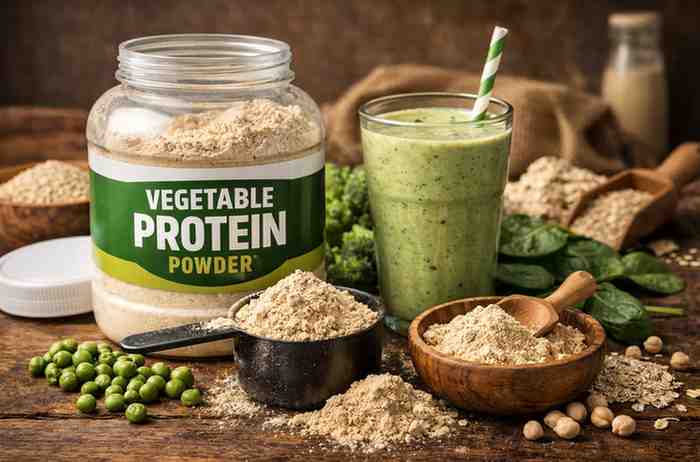
Nutrition with Vegetable Protein Powder: 9 Real Lessons After Watching the Frustration Turn Into Relief

Nutrition With Vegetable Protein Powder 9 Real Lessons After Watching The Frustration Turn Into Relief 1
Nutrition with Vegetable Protein Powder 9 Real Lessons After Watching the Frustration Turn Into Relief

I can’t tell you how many times I’ve watched someone stand in a grocery aisle, protein tub in hand, squinting at the label like it’s a math exam.

They’re tired.

They’ve tried whey. It bloated them.
They tried skipping protein shakes. They felt weak.
They tried “just eating clean.” It didn’t move the needle.

And then someone tells them to try Nutrition with Vegetable Protein Powder like it’s some magic fix.

Honestly, most people I’ve worked with hit a wall in the first two weeks. They assume it’s simple. Swap protein source. Problem solved.

Then they quietly think they’re the problem when it doesn’t feel right.

From what I’ve seen across dozens of real attempts — gym beginners, busy moms, desk-job guys trying to lose 20 pounds, plant-based athletes — this isn’t about protein powder.

It’s about how people misunderstand what it’s actually doing.

Let me walk you through what I’ve seen. The good. The messy. The surprisingly consistent patterns.


Why People Turn to Nutrition with Vegetable Protein Powder in the First Place

The reasons are almost always emotional before they’re nutritional.

From what I’ve seen, people usually switch because:

  • Whey causes bloating or acne

  • Dairy sensitivity (even mild)

  • They’re going plant-based

  • They want something “cleaner”

  • They’re trying to lose fat but stay full

  • They’ve plateaued and want a “reset”

But here’s what surprised me after watching so many people try it:

Most of them aren’t lacking protein.

They’re lacking structure.

Vegetable protein powder becomes the symbol of “I’m doing this seriously now.”

That mindset shift? That part actually helps.

But the powder alone? Not enough.


What Most People Get Wrong About Vegetable Protein

Almost everyone I’ve seen struggle with this does one thing wrong:

They treat it like whey.

And it’s not whey.

That sounds obvious. But behaviorally? People repeat the same habits:

  • Same scoop size

  • Same timing

  • Same smoothie routine

  • Same expectation of instant fullness

And then:

“I don’t feel as strong.”
“I’m hungrier.”
“I don’t see changes.”

Here’s what’s happening under the surface.

Most vegetable protein powders (pea, rice, hemp blends) digest differently. The amino acid profile varies. The texture feels thicker. The satiety response can change.

If someone switches but doesn’t adjust:

  • Total daily protein

  • Fiber intake

  • Carb timing

  • Training intensity

They blame the powder.

When it’s actually the structure around it.

I didn’t expect this to be such a common issue. But it is.


What Actually Works (From Real Patterns)

Across different people, body types, goals — these patterns repeat.

1. Blended Sources Work Better

The people who succeed long-term usually use:

  • Pea + rice blends

  • Multi-source plant protein

  • Or a fortified vegetable protein with added BCAAs

Single-source hemp-only powders? Almost everyone I’ve seen using those feels underpowered within weeks.

Blends matter more than branding.

2. Total Daily Intake Is Everything

This is where most beginners miscalculate.

They take one scoop (20g) and assume that’s “covered.”

From what I’ve seen:

  • Women trying to tone do better around 80–100g protein daily.

  • Men lifting consistently often need 120–160g.

  • Active older adults need more than they think.

Vegetable protein works beautifully when the total intake matches real needs.

When it doesn’t? Energy dips.

3. Fiber Adjustment Is Critical

Vegetable protein powders often contain more fiber.

This can mean:

  • Initial bloating

  • Gas

  • “Heavy” feeling

Most people panic and quit in week one.

What consistently works instead:

  • Increase water intake.

  • Split doses (half scoop morning, half later).

  • Let your gut adapt for 7–10 days.

Almost everyone I’ve seen who pushes past the first adjustment phase reports better digestion long term than they had on whey.

That part honestly surprised me.


How Long Does It Take to See Results?

Short answer (from real patterns):

  • Energy stabilization: 7–14 days

  • Digestion improvement: 10–21 days

  • Muscle performance parity: 3–6 weeks

  • Visible body composition shifts: 6–12 weeks

But here’s the nuance.

If someone is:

  • Undereating calories

  • Sleeping poorly

  • Training inconsistently

They won’t see results — and they’ll blame the powder.

The powder isn’t the driver. It’s the support system.


Common Mistakes I’ve Seen Over and Over

Let’s be honest.

People don’t fail because vegetable protein is ineffective.

They fail because of these:

Mistake 1: Replacing Meals Instead of Supporting Them

Protein shakes are supplements.

When someone replaces breakfast with a 150-calorie shake and nothing else, they crash by 11 AM.

Then they binge.

Seen it too many times.

Mistake 2: Buying Based on Marketing Words

“Organic.”
“Alkaline.”
“Detoxifying.”

These don’t mean muscle retention or fat loss.

Look at:

  • Grams per serving

  • Amino acid profile

  • Added sugars

  • Third-party testing

Mistake 3: Expecting Immediate Fat Loss

Protein doesn’t burn fat.

It helps preserve muscle while you’re in a calorie deficit.

People expect magic.

They get subtle progress instead.

And subtle progress feels disappointing if you expect fireworks.


Is Nutrition with Vegetable Protein Powder Worth It?

From what I’ve seen?

Yes — for specific people.

It works well for:

  • Dairy-sensitive individuals

  • People who feel heavy on whey

  • Plant-based lifters

  • Those needing easier digestion

  • Busy professionals who skip protein otherwise

It’s not ideal for:

  • Someone expecting rapid transformation

  • People unwilling to track intake

  • Anyone who hates earthy flavors

  • Those who don’t hydrate enough

It’s a tool.

Not a transformation.


Who Should Avoid It?

I’ve seen it frustrate:

  • Hardcore bodybuilders chasing max hypertrophy with zero patience.

  • People with severe legume allergies.

  • Anyone who refuses to adjust their routine.

Also, if someone already eats sufficient whole-food protein and feels great?

They don’t need it.

Simple.


What People Usually Feel Emotionally (That No One Talks About)

This part matters more than macros.

Switching protein sources often comes during a reset phase:

“I’m trying again.”
“I’m fixing my diet.”
“I want control.”

If week one feels uncomfortable, they interpret it as personal failure.

From what I’ve seen, reassurance during the adaptation phase makes all the difference.

Once digestion stabilizes, most people feel:

  • Less inflamed

  • More consistent energy

  • Fewer afternoon crashes

Not dramatic.

Just steady.

And steady builds confidence.


Objections I Hear All the Time

“Plant protein isn’t complete.”

Blended vegetable proteins are. Amino acid pairing solves this.

“It doesn’t build muscle like whey.”

From what I’ve seen, when total protein is adequate and training is solid, results even out over time.

“It tastes bad.”

Some do. Many don’t. Texture improves massively with:

  • Frozen banana

  • Almond butter

  • Oat milk

  • Ice blending

Most people who complain initially were mixing with water only.

“It’s expensive.”

Depends. If it prevents takeout because you’re fuller? It balances out.


Quick FAQ (Straight Answers)

Is vegetable protein powder good for weight loss?
It supports weight loss by improving satiety and muscle retention during calorie deficits.

Can it cause bloating?
Yes initially. Usually resolves within 1–2 weeks with hydration and dosage adjustment.

How much should I take daily?
Depends on total protein goals. Most active adults need 80–150g daily from all sources combined.

Can you build muscle with it?
Yes, if total intake and training stimulus are adequate.


Reality Check Section

This is not exciting nutrition.

It’s consistent nutrition.

Results are slow.

You may not “feel” it working.

Progress shows up in:

  • Strength stability during calorie cuts

  • Less snacking

  • Better digestion long term

  • Gradual body recomposition

If you need fast validation, this approach may frustrate you.

If you value stability, it works beautifully.


What I’ve Noticed Experienced Users Do Differently

The ones who stick with it long term:

  • Measure protein weekly, not emotionally.

  • Adjust calories first before blaming the powder.

  • Pair it with resistance training.

  • Stay consistent for at least 8 weeks before judging.

They don’t panic at minor fluctuations.

They treat it like infrastructure.


Practical Takeaways

If you’re considering Nutrition with Vegetable Protein Powder, here’s what I’d tell you directly:

  • Choose a blended plant protein.

  • Track total daily protein for 2 weeks.

  • Increase water intake immediately.

  • Don’t replace full meals unless intentional.

  • Give digestion time to adjust.

  • Lift weights 3–4 times weekly if muscle is the goal.

  • Expect subtle progress.

Avoid:

  • Jumping brands weekly.

  • Comparing week one to whey performance.

  • Overcompensating with sugar-heavy smoothies.

  • Expecting dramatic fat loss without calorie control.

Patience here looks like:

  • 30 consistent days.

  • Minor strength gains.

  • Slightly improved satiety.

  • Fewer crashes.

Not fireworks.

Steady.


I’ve watched people quit in week one and blame themselves.

I’ve watched others stick it out, tweak small things, and quietly feel better six weeks later.

So no — Nutrition with Vegetable Protein Powder isn’t magic.

But I’ve seen enough frustrated people finally stop second-guessing their digestion, their bloating, their “why do I feel inflamed?” spiral once they structured it properly.

Sometimes the win isn’t dramatic transformation.

Sometimes it’s just stability.

And honestly, for most people I’ve guided through this, stability was the thing they were missing all along.

Mesomorph Body Type: The Real-Life Guide I Wish Someone Told Me Years Ago

Mesomorph Body Type 9 Incredible Advantages For Faster Fitness Results


Mesomorph Body Type 9 Incredible Advantages for Faster Fitness Results

I’m gonna be honest with you right from the start—figuring out my mesomorph body type took me way longer than it should’ve. For years, I kinda floated between random workout plans, these glossy Instagram routines, and every diet trend that hit the US/Canada wellness space. Not gonna lie, I messed up a LOT. But at some point, after enough trial and error (and yeah… a few ego hits at the gym), I finally understood how a mesomorph body actually works.

And that’s exactly what I’m breaking down here—the real stuff, not the generic textbook definitions.

If you’ve ever wondered why you:

  • build muscle faster than your friends

  • lose fat fairly easily if you stay on track

  • look “athletic” even when you don’t try

  • but at the same time gain weight SUPER quickly if your routine slips

…you’re probably a mesomorph. Or at least somewhere close on that spectrum.

This guide is literally everything I’ve learned the hard way—from weird metabolism swings to carb sensitivity to what genuinely works for mesomorphs living in the US & Canada (where food portions are… well, let’s just say generous).

So let’s dive deep. Trust me, once you understand this body type from the inside out, getting leaner, stronger, and more balanced feels kinda like finally reading the instruction manual you never got.


What Is a Mesomorph Body Type? (Explained Like a Real Human)

Most online descriptions oversimplify it, so here’s the lived-experience version.

A mesomorph is someone who:

  • naturally builds muscle

  • has a medium frame

  • has a metabolism that’s not too fast, not too slow

  • gains AND loses weight easily

  • usually looks “fit” with minimal effort

But here’s the part people don’t talk about:
Mesomorphs can also swing between lean-athletic and soft-bloated pretty quickly. Like, eat clean for 10 days? Boom—abs start peeking. Have a chaotic month? Suddenly you look like you haven’t stepped into a gym since the pandemic.

Mesomorphs live in this funny space where their body responds FAST… both in good and bad ways.

Key Traits (From Someone Who’s Actually Lived It)

  • You can build muscle in weeks, not months

  • You respond insanely well to strength training

  • Carbs affect your physique more than you think

  • Too much cardio makes you look “flat”

  • You need consistency more than restriction

  • You don’t need “bulking” the same way ectomorphs do

  • You don’t need “cutting” the same way endomorphs do

And honestly—being a mesomorph feels kinda “Goldilocks.” Your body likes balance. Extreme anything throws you off.


Signs You’re a Mesomorph (Stuff I Noticed Before I Even Knew the Term)

Some of these might sound oddly specific, but they’re real:

✔ You put on muscle without trying

I remember doing push-ups for like a week straight and someone asked if I’d been “training for something.” Nope. Just my meso genes flexing on me.

✔ Your limbs look muscular even when you’re not shredded

Biceps with no curls. Shoulders with no overhead press. It’s wild.

✔ You hold most fat around your waist

Not always belly-heavy, but definitely the midsection.

✔ You gain weight noticeably faster when you eat out more

Especially in the US, with those “small” sodas that are actually half a liter.

✔ Your weight fluctuates 5–12 lbs pretty easily

Weekend carbs? Boom, you’re heavier.
Two disciplined weeks? Boom, you look like an athlete again.

If this sounds like you, you’re highly likely mesomorph—or at least meso-dominant.


Advantages of a Mesomorph Body Type (AKA the Fun Part)

People don’t realize MESOs have some truly elite advantages. Here’s the short list:

★ Muscle-building is easier

Even mediocre workouts give results.

★ Strength comes naturally

Your frame supports it.

★ You respond quickly to diet changes

Great for cutting, not so great when junk food sneaks in.

★ Versatile physique potential

You can be lean, bulky, athletic, shredded—whatever style you choose.

★ Exercise feels rewarding

Because your body changes visibly and FAST.

If fitness were a video game, mesomorphs basically start with a slight cheat code.


Disadvantages (AKA What No One Warned Me About)

Yeah… mesomorphs have drawbacks too, and some hit harder than you’d think.

✖ Gaining fat quickly

You’re not the eternally skinny ectomorph.
Mesos can look “soft” really fast.

✖ Overconfidence

Because you build muscle easily, you may stop training consistently—and then suddenly regret it.

✖ Carb sensitivity

Carbs hit us different. Great for muscle, terrible for fat gain.

✖ Hard to stay lean long-term

Getting lean? Easy.
STAYING lean? You gotta stay disciplined.

✖ Overtraining happens fast

Especially with HIIT or too much cardio.

✖ You need a balanced routine

Not extreme bulks, not extreme cuts—just consistency.


Mesomorph Metabolism: What’s Actually Going On

Here’s the thing:
Mesomorph metabolism is adaptive. Meaning—it changes quickly based on routine.

  • Start eating clean + lifting? Your metabolism fires up.

  • Stop training + eat more junk? It slows down.

  • Throw in high stress, poor sleep, or alcohol? You’ll hold water and look puffy fast.

Unlike ectomorphs (fast metabolism) or endomorphs (slow metabolism), mesomorphs are responsive to EVERYTHING.

It’s like your body is always listening.


The Best Diet for Mesomorph Body Type (From Trial, Error & Too Many Meal Plans)

I’ve tried keto, low-fat, intermittent fasting, high-carb, low-carb—probably more than I should admit. Here’s what consistently WORKS for mesomorphs.

1. Balanced Macros (The Sweet Spot)

Mesomorphs do best with:

  • 40% carbs

  • 30% protein

  • 30% fat

It’s not too low-carb (which makes you flat and cranky), and not too high-carb (which makes you soft).

Best Carbs for Mesomorphs

  • sweet potatoes

  • quinoa

  • oats

  • rice (white or brown)

  • whole grains

  • berries

  • apples

  • veggies

Things to Limit

  • sugary coffee drinks (US/Canada coffee chains… yeah, they’re traps)

  • pastries

  • fries

  • bagels (delicious but sneaky high-calorie)

  • soda

  • alcohol mixers

Not saying “never”—just don’t make them a daily habit.


2. High-Protein Intake (The Real Key)

Shoot for 0.8–1g of protein per lb of bodyweight.

  • chicken

  • fish

  • Greek yogurt

  • whey protein

  • eggs

  • tofu

Protein keeps mesos lean and muscular.


3. Healthy Fats

  • avocados

  • olive oil

  • nuts

  • seeds

  • salmon

Mesos actually respond GREAT to healthy fats—they help control cravings.


4. The Mesomorph “Cheat Meal Rule”

This is from personal experience:
1–2 cheat meals a week = fine
More than 3 = softness shows FAST

Cheat meals, not cheat days. Trust me, cheat days have humbled many mesos, including me.


Best Workouts for a Mesomorph Body Type (From a Decade of Experimenting)

Alright, here’s where mesomorphs really shine: TRAINING.

But… only if you follow a balanced routine. Too much cardio? You shrink. Too much lifting? You thicken up fast.

The sweet spot looks like this:


Mesomorph Workout Blueprint (The Plan That Actually Works)

✔ Strength Training: 3–4 days per week

Heavy-ish lifting, focusing on compound movements:

  • squats

  • deadlifts

  • bench press

  • rows

  • overhead press

Mesos respond almost too well to strength training, so you grow fast—but in a good way.


✔ Cardio: 2–3 sessions per week

Aim for:

  • 20–30 mins moderate cardio
    or

  • 10–15 mins HIIT (not more—HIIT destroys mesos if overdone)


✔ Flexibility / Mobility: 1–2 days

Yoga, stretching, or mobility flows help prevent that “tight and bulky” feeling.


Mesomorph Body Type Workout Schedule (Sample Week)

Here’s a routine I actually use:

Monday – Upper Strength
Bench, rows, push-ups, biceps, triceps

Tuesday – Cardio + Core
20 min treadmill + abs

Wednesday – Lower Strength
Squats, lunges, deadlifts, calves

Thursday – Mobility + Light Cardio
Yoga or stretching + walking

Friday – Full Body Strength
Mix of compound lifts + accessory work

Saturday – Optional HIIT

Sunday – Rest

Follow this for 4–6 weeks and you’ll literally SEE the mesomorph magic happening.


Female Mesomorph vs Male Mesomorph (Important Differences)

Women (Based on What Clients & Friends Experience)

  • build strong legs & glutes quickly

  • hold more fat in lower belly & hips

  • respond VERY well to strength training

  • need slightly lower carbs than men

  • cardio helps keep physique leaner

Men (From My Own Training Years)

  • build shoulders/chest insanely fast

  • carry fat mostly in waist

  • can eat more carbs without fat gain

  • don’t need a ton of cardio

Both genders thrive with balance, not extremes.


Fat Loss for Mesomorphs (Cutting Without Losing Your Mind)

Here’s what worked best for me and pretty much every meso I’ve trained:

1. Slight Calorie Deficit (200–400 cals)

Anything bigger leads to muscle loss.

2. Keep Protein High

Non-negotiable.

3. 2–3 Cardio Sessions

Helps keep you lean without flattening your muscles.

4. Strength Training is KEY

This preserves muscle so your cut looks sharp, not “skinny-fat.”

5. Hydration Matters

Mesos hold water easily, especially after salty foods.


Muscle Gain for Mesomorphs (Without Accidentally Bulking Too Hard)

Mesomorphs don’t need extreme bulks.
Just a gentle calorie surplus:

Surplus: +150–250 calories

More than that leads to fat gain.

Train 4 days a week

Progressive overload is your friend.

Keep cardio minimal

1–2 sessions max.

Eat more carbs around workouts

That’s when your body uses them best.


Lifestyle Tips for Mesomorphs (Stuff I Wish I Knew Earlier)

★ Sleep matters for mesos

Poor sleep = weight gain (fast).

★ Alcohol hits harder

Not just the calories—the bloat, water retention, and appetite spikes.

★ Stress = belly fat

Not a myth for mesos.

★ Walking is a cheat code

Helps stay lean without losing muscle.

★ Meal timing matters

Not strict fasting, just structure.


Mesomorph Body Type Myths (Let’s Clear These Up)

❌ “Mesomorphs can eat whatever and stay fit.”

Lol no. That’s for high-school metas.

❌ “Mesos should avoid carbs completely.”

Nope—carbs are your workout fuel.

❌ “HIIT is the best for mesomorphs.”

Too much HIIT makes mesos lose muscle FAST.

❌ “Mesomorphs don’t need cardio.”

You do. Just not excessive cardio.


Real Mistakes I Made as a Mesomorph (Please Learn From These)

1. Bulking too aggressively

I looked strong… and kinda puffy.

2. Doing too much HIIT

Lost muscle tone completely.

3. Eating carbs at night (too often)

Not bad in theory, but with US/CA portion sizes—dangerous.

4. Relying on “clean eating” but not tracking

Clean foods add up fast.

5. Neglecting sleep

Instant fat gain and crazy cravings.

6. Cutting calories too fast

My physique went from athletic to flat.

If I could go back 10 years, I’d follow the balanced mesomorph plan right away.


Mesomorph Body Type Transformation Timeline (What To Expect)

Week 1–2

Water weight drops, muscles look fuller.

Week 3–4

Visible strength increases.

Week 5–6

Muscle definition improves. Waist tightens.

Week 8+

Full “athletic mesomorph” look emerges.

Consistency > intensity.


Sample Meal Plan for Mesomorphs (Based on What I Eat)

Breakfast

Scrambled eggs + avocado toast
or
Oatmeal with protein powder + berries

Lunch

Grilled chicken bowl with rice + veggies

Snack

Greek yogurt
Protein bar
Handful of almonds

Dinner

Salmon + sweet potato + greens

Optional Treat

Dark chocolate or ice cream (in moderation)


The Mesomorph Advantage (If You Actually Use It)

Here’s the honest truth…
If you’re a mesomorph, you’ve got one of the most adaptable, responsive, and athletic body types out there. But your body rewards consistency, not chaos. If you balance your training, fuel your body right, and avoid the extremes, you’ll get results way faster than you expect.

And hey—don’t stress the occasional slip, the weird bloating day, the missed workout. Mesomorph bodies bounce back fast. Trust me, I’ve had every up and down possible, and the comeback is always quicker than you think.

If you wanna own your physique, this guide is pretty much the blueprint I wish someone shoved into my hands when I first started.

You’ve got this. Seriously.

Vomiting Safely: 9 Hard Truths Most People Learn the Stressful Way

Vomiting Safely 9 Hard Truths Most People Learn The Stressful Wayople Dont Expect 1
Vomiting Safely 9 Hard Truths Most People Learn the Stressful Wayople Dont Expect

I can’t tell you how many late-night texts I’ve gotten that start with, “Should I just make myself throw up?”

It’s usually panic. Food poisoning. Too much alcohol. A kid who swallowed something weird. Or someone who feels so nauseous they think vomiting safely might finally bring relief.

From what I’ve seen, most people don’t actually want to throw up. They want the feeling to stop. The spinning. The cramping. The fear that something is “stuck” inside them.

And this is where things get messy.

Because vomiting safely isn’t just about leaning over a toilet and hoping for the best. Sometimes it’s appropriate. Sometimes it’s unnecessary. Sometimes it’s flat-out dangerous.

I’ve watched people handle this well. I’ve watched others make it worse. The patterns repeat more than you’d think.

Let’s talk through what I’ve actually seen happen.


Why People Consider Vomiting on Purpose

When people ask about vomiting safely, it’s usually one of these situations:

  • Suspected food poisoning

  • Nausea after overeating

  • Too much alcohol

  • Swallowed something questionable

  • Feeling like “getting it out” will solve the problem

  • Panic response

Almost everyone I’ve worked with messes this up at first by assuming vomiting = relief.

Sometimes it is. Sometimes the body is already trying to do exactly that for a reason.

But forcing it? That’s where things get complicated.


First: Is It Ever Safe to Make Yourself Vomit?

Short answer?

Rarely recommended.

From what I’ve seen across ER visits and doctor consults, medical professionals almost never advise inducing vomiting at home anymore. Especially not in the U.S., where poison control and emergency protocols have shifted heavily away from that advice.

There’s a reason.

Situations Where You Should NOT Induce Vomiting

If someone swallowed:

  • Bleach

  • Cleaning chemicals

  • Gasoline

  • Sharp objects

  • Batteries

  • Strong acids or alkalis

Vomiting can cause more damage on the way back up.

This honestly surprised me after watching so many people try it. They think, “Get it out before it absorbs.”

But corrosive substances burn twice.

If this is the scenario, the move is calling Poison Control (1-800-222-1222 in the U.S.), not inducing vomiting.


What Vomiting Actually Does (When the Body Initiates It)

Here’s something people don’t think about:

Vomiting is already a protective reflex.

If your body needs to expel something, it usually will.

When someone has food poisoning, I’ve seen this pattern over and over:

  1. Nausea builds

  2. Sweating starts

  3. Waves of discomfort

  4. Body triggers vomiting naturally

  5. Temporary relief

The body is smart.

The mistake is trying to override it.


The Alcohol Panic Scenario

This is one of the most common.

Someone drinks too much. Feels awful. Starts Googling “vomiting safely after drinking.”

Most people I’ve seen struggle with this do one thing wrong: they wait too long.

Alcohol absorbs quickly. By the time someone feels extremely sick, most of it is already in the bloodstream.

Inducing vomiting at that stage doesn’t “undo” intoxication.

What actually works better?

  • Hydration

  • Monitoring breathing

  • Not sleeping alone if heavily intoxicated

  • Seeking medical help if symptoms escalate

Vomiting might happen naturally. Forcing it usually just adds throat irritation and risk of aspiration.

And aspiration? That’s serious. Vomit entering lungs is not rare in heavy intoxication cases.


“But Won’t I Feel Better If I Throw Up?”

Sometimes. Yes.

But here’s what I’ve consistently seen:

  • If nausea is building naturally → vomiting may bring relief.

  • If nausea is anxiety-driven → forcing vomiting makes things worse.

  • If stomach is already empty → dry heaving causes more pain.

This is where people misread the signal.

Anxiety nausea and toxin-induced nausea feel similar.

Different root causes. Different outcomes.


How Long Does Nausea Typically Last?

This depends on the trigger.

From watching dozens of cases:

Food poisoning

  • Vomiting usually begins within 1–6 hours

  • Peaks within 12–24 hours

  • Gradually improves over 1–3 days

Alcohol

  • Peak nausea usually 4–8 hours after heavy intake

  • Improves with hydration and rest

Viral stomach bugs

  • Vomiting 24–48 hours

  • Fatigue lingers

The pattern? Most people panic in the first 90 minutes.

That’s when they consider forcing vomiting.

And honestly, that’s often the window where waiting works better.


Common Mistakes I See Again and Again

Let me just list these because the repetition is wild:

  • Using fingers aggressively and injuring throat

  • Drinking salt water (please don’t)

  • Using ipecac (outdated and discouraged)

  • Lying flat immediately after vomiting

  • Not rehydrating slowly

  • Ignoring warning signs like blood in vomit

Almost everyone I’ve seen struggle with this does this one thing wrong: they rush.

They want control back.

But vomiting safely is mostly about not interfering unless necessary.


If Vomiting Is Already Happening: How to Do It Safely

This is different from inducing it.

If your body is already vomiting:

Do this instead:

  • Lean forward, not backward

  • Stay upright

  • Take small sips of water after 30–60 minutes

  • Avoid large gulps

  • Rest on your side

  • Monitor hydration

Small detail that matters: don’t brush your teeth immediately. Acid softens enamel. Rinse first.

It sounds minor. It isn’t.


When to Seek Immediate Medical Help

Call for help if you see:

  • Blood in vomit

  • Coffee-ground appearance

  • Severe abdominal pain

  • High fever (over 102°F)

  • Signs of dehydration (no urination, dizziness, dry mouth)

  • Confusion

  • Vomiting lasting more than 48 hours

I didn’t expect dehydration to be such a common issue until I started paying attention to repeat cases.

People underestimate it.

Especially adults who assume dehydration is just a kid problem.

It’s not.


Reality Check: Vomiting Is Not a Weight-Control Tool

I have to say this clearly.

If someone is searching “vomiting safely” in a weight-loss context, that’s a different issue entirely.

Repeated self-induced vomiting damages:

  • Teeth

  • Esophagus

  • Electrolytes

  • Heart rhythm

It also spirals psychologically.

From what I’ve seen, people don’t start there. It creeps in during stress phases.

If that’s happening, that’s not about nausea anymore. That’s about support.

And it’s worth reaching out.


Objections I Hear All the Time

“But my grandma always said to throw it up.”

Older advice was different. Poison protocols changed significantly in the U.S. over the last few decades.

“If I don’t throw up, won’t toxins absorb?”

Often they already have.

Or the body will expel them naturally.

“I just want this feeling to stop.”

That’s usually the real issue.

Nausea is distressing. It triggers fear.

Vomiting feels like action.

But action isn’t always solution.


Who Should Avoid Trying to Induce Vomiting

  • Children

  • Elderly adults

  • Pregnant women

  • People with heart conditions

  • Anyone who swallowed chemicals

  • Anyone who is disoriented

In these groups, risk multiplies fast.


What Actually Helps More Than Forcing It

This is what I’ve seen consistently work better:

  • Time

  • Hydration

  • Small sips of electrolyte solution

  • Rest

  • Cool compress

  • Fresh air

  • Reducing panic

Boring advice. I know.

But boring works.


FAQ (Quick Answers)

Is it ever safe to make yourself vomit?
Rarely recommended. Only under specific medical instruction.

Does vomiting remove alcohol?
Not effectively once absorbed.

How long should nausea last?
Usually 24–48 hours depending on cause.

When is vomiting dangerous?
If blood appears, severe pain exists, or dehydration sets in.

Should I call Poison Control?
Yes, immediately, for chemical ingestion in the U.S.


What This Is NOT For

This isn’t for:

  • Managing chronic eating behaviors

  • Detox fads

  • “Cleansing” trends

  • Quick-fix weight loss

If that’s the goal, vomiting safely isn’t the right frame at all.


Practical Takeaways

If I had to boil down everything I’ve seen:

  1. Don’t force vomiting unless instructed by a medical professional.

  2. Let the body lead when it needs to.

  3. Hydration matters more than people realize.

  4. Panic makes nausea worse.

  5. Warning signs should never be ignored.

  6. Relief usually comes with time.

And emotionally?

Expect frustration. Expect discomfort. Expect moments of doubt.

But also expect that most cases resolve without dramatic intervention.


Here’s the honest part.

Vomiting safely isn’t about mastering a technique.

It’s about knowing when to step back.

Most people I’ve watched go through this feel embarrassed afterward. Or dramatic. Or silly for panicking.

But nausea is primal. It rattles people.

So no — this isn’t

Smartphone Addiction: 9 Hard Truths That Finally Brought Real Relief

Smartphone Addiction 9 Hard Truths That Finally Brought Real Relief 1
Smartphone Addiction 9 Hard Truths That Finally Brought Real Relief

I’ve watched more grown adults break down over their phones than they’d ever admit publicly.

Not dramatic breakdowns. Quiet ones.

The kind where someone says, “I’ll just check one thing,” and 45 minutes later they’re still scrolling, jaw tight, brain fried, annoyed at themselves. I didn’t expect Smartphone Addiction to be this common when I first started noticing it. But after sitting across from friends, clients, siblings, even business owners in the U.S. who swear they “need” their phone for work… the patterns are almost identical.

They don’t think they’re addicted.

They just feel behind. Restless. Distracted. A little ashamed.

And that’s where this usually starts.

From what I’ve seen, most people don’t look up “Smartphone Addiction” because they’re curious. They search it because something feels off. Their focus is worse. Sleep is worse. Patience is worse. They don’t like how dependent they feel.

And they want to know:
Is this actually a problem?
Is it worth fixing?
And how the hell do I do it without deleting my entire life?

Let’s talk honestly.


What Smartphone Addiction Actually Looks Like (From Real Life)

Forget the textbook definition.

Here’s what I consistently see in real people across the U.S.:

  • Phone is the first thing touched in the morning

  • Last thing seen at night

  • Constant micro-checking during work

  • Background anxiety when it’s not nearby

  • Phantom vibration feeling

  • “I’m just tired” but it’s actually screen fatigue

  • Shorter attention span than 2–3 years ago

Almost everyone I’ve seen struggle with this does one thing wrong at first:

They treat it like a discipline problem.

It’s not.

It’s a design problem.

Your phone is engineered to capture attention. Apps compete for seconds. Notifications create micro-dopamine hits. The system isn’t neutral.

And when someone says, “I just need more willpower,” I’ve already seen how that story ends.

Two weeks strong.
Then collapse.
Then shame.


Why People Try to Fix Smartphone Addiction (And What They Misunderstand)

From what I’ve seen, people attempt to change for three main reasons:

  1. They can’t focus anymore

  2. They feel emotionally drained

  3. They notice time disappearing

But here’s what surprises most of them:

It’s not the hours alone.
It’s the fragmentation.

Someone might spend 3–4 hours total per day on their phone. But it’s broken into 100 tiny interruptions. That fragmentation wrecks cognitive depth.

Most people I’ve worked with mess this up at first. They reduce total screen time but keep constant checking behavior. So nothing actually improves.

It’s the constant switching that fries attention.

Not just the quantity.


The Emotional Side No One Talks About

This honestly surprised me after watching so many people try to fix it:

The phone isn’t just a habit. It’s a coping tool.

People grab it when they feel:

  • Awkward

  • Bored

  • Overwhelmed

  • Lonely

  • Avoidant

It fills silence instantly.

Take that away abruptly, and discomfort floods in.

I’ve seen people say, “I thought I just liked scrolling. Turns out I was avoiding my own thoughts.”

That realization hits hard.

And it explains why most “30-day detox” plans fail. They remove the tool but don’t replace the coping mechanism.


What Consistently Fails

Let me save you time.

These approaches look good on paper. They rarely stick:

  • Deleting every social app overnight

  • Buying a “minimalist phone” impulsively

  • Turning off all notifications without adjusting habits

  • Tracking screen time obsessively

  • Publicly announcing a dramatic detox

Why they fail:

  • Too extreme

  • No transition plan

  • No emotional buffer

  • No structural redesign

Most people relapse quietly within 10 days.

Then they assume they’re weak.

They’re not weak. The plan was unrealistic.


What Actually Works (From Patterns I’ve Observed)

There are consistent wins I’ve seen across dozens of cases.

Not perfect wins. Realistic ones.

1. Friction Beats Willpower

Move addictive apps off the home screen.

Log out after every session.

Turn the screen grayscale during work hours.

Tiny friction increases drop usage more than motivation speeches ever do.

Almost everyone I’ve seen improve did this first.

2. Scheduled Checking Windows

Instead of “don’t check,” we use:

  • 10:30 AM

  • 2:00 PM

  • 7:30 PM

That’s it.

The brain relaxes when it knows it has a future slot.

Total bans trigger rebellion. Structure creates safety.

3. Replace the Trigger, Not Just the Habit

If someone scrolls when stressed, we don’t say “stop.”

We test:

  • 5-minute walk

  • Breath reset

  • Quick journaling

  • Short podcast instead of visual scroll

I didn’t expect this to be such a common issue, but boredom intolerance is huge in the U.S. culture. We are deeply uncomfortable with stillness.

Training that tolerance changes everything.


How Long Does It Take to Fix Smartphone Addiction?

Real answer?

Most people see:

  • Slight mental clarity within 3–5 days

  • Noticeable focus improvement in 2–3 weeks

  • Emotional stability shift in 30–45 days

But only if they reduce fragmentation.

If they just lower total hours without stopping constant checking, improvements stall.

Progress isn’t linear either.

Week 2 is usually hardest.

That’s when novelty fades.


Common Mistakes That Slow Results

Here’s what I’ve repeatedly seen:

  • Trying to fix sleep and screen addiction at the same time

  • Keeping phone within arm’s reach at night

  • Using phone as alarm

  • Replacing social media with YouTube binges

  • Ignoring stress levels

Smartphone Addiction often spikes during life transitions:

  • Job stress

  • Relationship tension

  • Business pressure

  • Loneliness

It’s rarely random.


Is Smartphone Addiction Really That Serious?

This is where nuance matters.

Not everyone who uses their phone a lot is addicted.

But here’s a simple check I use with people:

  • Can you leave it in another room for 2 hours without anxiety?

  • Can you eat a meal without checking?

  • Can you work 45 uninterrupted minutes?

If the answer is consistently no, there’s dependency.

Is it life-ruining? Usually not.

Is it quietly eroding attention and emotional regulation? Often, yes.


Who This Approach Is NOT For

Let’s be clear.

This won’t work for:

  • People looking for instant transformation

  • Those unwilling to feel temporary discomfort

  • Anyone expecting motivation to carry them

  • People who won’t redesign their environment

This is structural change. Not a mindset hack.


Objections I Hear All the Time

“I need my phone for work.”
So do most people I’ve observed. The issue isn’t work usage. It’s spillover scrolling.

“I’ve tried before and failed.”
Most people I’ve worked with failed 2–3 times before something stuck. It’s normal.

“Isn’t this just modern life?”
Partially. But normalization doesn’t mean harmless.

“What if I feel more anxious without it?”
You probably will at first. That’s withdrawal from constant stimulation.


Quick FAQ (People Also Ask Style)

What causes Smartphone Addiction?

Constant dopamine spikes from notifications, infinite scrolling, and variable rewards. Plus emotional avoidance patterns.

Can Smartphone Addiction affect mental health?

From what I’ve seen, yes. Increased anxiety, poor sleep, irritability, reduced attention span.

How do I break Smartphone Addiction fast?

You don’t break it fast. You redesign it gradually.

Is deleting social media enough?

Rarely. Fragmentation behavior must change too.


Reality Check: What Most People Don’t Expect

Here’s something I rarely see discussed.

When people reduce phone use, they often feel:

  • Bored

  • Restless

  • Emotionally exposed

  • A little lonely

Silence comes back.

And for some, that silence reveals unresolved stuff.

That’s not a failure.

That’s clarity returning.


Practical Takeaways

If I were guiding someone starting today, here’s exactly what I’d suggest:

Week 1

  • Remove social apps from home screen

  • No phone during first 30 minutes after waking

  • Charge phone outside bedroom

Week 2

  • Introduce 3 fixed check windows

  • 45-minute focus blocks

  • Replace 1 scroll session with a walk

Week 3

  • Grayscale during work

  • Delete one low-value app

  • Track interruptions, not total time

Expect emotional discomfort.

Expect boredom spikes.

Expect minor relapses.

That’s normal.

What patience actually looks like:

Showing up again the next day without dramatic self-judgment.


I’m not anti-phone. That’s unrealistic in the U.S. right now.

But I’ve watched enough capable, smart people feel quietly trapped by their own device to know this isn’t imaginary.

Smartphone Addiction isn’t always extreme. It’s subtle. Gradual. Socially accepted.

Still — when someone finally regains control over their attention?

Their confidence shifts.

Their conversations deepen.

Their work improves.

So no — this isn’t magic. And it’s not instant.

But I’ve seen enough people feel real relief once they stopped blaming themselves and started redesigning their environment instead.

Sometimes that shift alone is the real win.

Mammograms at 40 for Women: 7 Things I Wish Someone Told Me (Before I Freaked Out)

Mammograms At 40 For Women 7 Things I Wish Someone Told Me Before I Freaked Out 1
Mammograms at 40 for Women 7 Things I Wish Someone Told Me Before I Freaked Out

Honestly… I didn’t think turning 40 would smack me in the face like a flying pan of responsibility. But right around my birthday, my doctor casually said, “It’s time for your first mammogram.” And I swear I froze like someone just asked me to give a TED talk with no pants on.

I knew people did mammograms at 40.
But I always thought of it as something “older women” dealt with.

Which, shocker, now includes me.

Not gonna lie — I tried to avoid it at first. I did the whole “maybe next month” thing. Then “maybe after the holidays.” And then I had a full-blown panic spiral convincing myself something was wrong because every tiny ache in my chest felt like a major red alert. Very fun year.

This is the story I wish someone had told me.
About the fear.
The weirdness.
The tech.
The good parts no one talks about.

And definitely the dumb mistakes I made so you don’t have to.


Why I Even Got a Mammogram at 40 (Besides Being Pushed Into It)

For real, I didn’t wake up one morning thinking,
“Wow, what a perfect day to squish my boobs between two cold plates.”

I went because:

  • Every woman in my family hits 40 and suddenly gets paranoid

  • A friend of mine caught an early issue because she didn’t skip hers

  • I spent too much time on TikTok hearing horror stories

  • I wanted to stop feeling afraid every time I showered and accidentally overthought something

But the biggest thing?

I didn’t want to be stupid-brave.
You know the type — ignoring things until they become emergencies.

I’ve done that before.
With finances.
Relationships.
Health stuff.
All of it.

This time I wanted to be the version of myself who deals with things before they explode.

Getting mammograms at 40 for women is… kinda the baseline of “being an adult who tries.”

Still messy.
Still nervous.
But trying.


What I Misunderstood (And Wow, There Was A Lot)

I’m almost embarrassed at how clueless I was.

1. I Thought It Would Hurt Like Hell

Everyone told me “it hurts.”
I braced for a medieval torture device.

But… it didn’t?
Not for me at least. It was more like:
“Oof, uncomfortable, but not scream-internal-monologue uncomfortable.”

And it was over in like… 15 seconds per boob.

2. I Thought I Had to Be Perfectly Clean and Showered

Girl, I exfoliated.
Moisturized.
Panicked about deodorant because the internet told me not to wear any.

Turns out:

  • Deodorant is fine unless your center wants it off

  • No one cares what your boobs look like

  • You don’t need to show up like you’re on a date

Wish I had that hour back.

3. I Thought I’d Get Results Right Away

Nope.
You wait.
Which is honestly the worst part.

I refreshed my patient portal like a psycho.
Every. Single. Hour.

The emotional rollercoaster was real.

4. I Thought “Dense Breasts” Was Bad News

The tech said, “You might have dense breasts.”

I nearly passed out.

Later I learned:

Dense breasts just mean your boobs are packed differently.
Not cancer. Not a warning sign. Just… boob structure.

But does anyone explain that clearly?
Of course not.

5. I Thought They’d Judge My Body

They don’t.
You are one of dozens of boobs they see daily.
They’re not thinking about your stretch marks or weird nipple angle or whatever insecurity you’ve been carrying since 9th grade.

This was freeing in a way I didn’t expect.


What Actually Happened (The Real Play-By-Play)

Walking into that imaging center felt like walking into a dentist’s office for adults who pretend they’re composed. Everyone was sipping from Starbucks cups, scrolling phones, and looking mildly terrified.

I filled out paperwork.
Sat in a freezing room.
Wore the famous open-in-the-front gown.

Then the tech — this super calm woman who looked like she’d seen everything — guided me into the machine room.

Here’s what I wish someone told me:

  • It’s fast

  • The tech positions you like she’s adjusting IKEA furniture

  • You will feel mildly awkward and also weirdly proud of yourself at the same time

  • The machine isn’t as intimidating when you’re actually near it

  • You breathe through it

The whole thing took maybe 8 minutes.

I spent more time panicking about it than actually doing it.

And I felt lighter walking out. Like I had done something important for Future Me. Present Me still wanted nachos and a nap, but Future Me was grateful.


What Surprised Me Most (Stuff I Didn’t See Coming)

1. You Feel Responsible Afterward

In a good way.
Like:
“Okay, look at me being a grown woman making smart choices.”

It’s weirdly empowering.

2. You Start Noticing Your Body More (In a Healthy Way)

It made me more aware.
More gentle with myself.
More appreciative that my body has been working silently for me all these years.

Not gonna lie — I teared up in my car after.
Hormones?
Relief?
Mortality crisis?
Hard to tell.

3. The Fear Doesn’t Fully Go Away, But It Changes

Before:
Fear felt huge and dark and unknowable.

After:
Fear felt like something I had tools for.

I wasn’t helpless.
Just human.


The Mistakes I Made (So You Can Skip Them)

This is the part I wish someone had texted me before my appointment.

1. I Booked It During My PMS Week

Boobs hurt more.
Everything hurts more.
Bad idea.

2. I Googled Everything

Absolutely catastrophic behavior.
Do not recommend.

3. I Didn’t Ask What to Expect

Turned out the tech would’ve told me everything if I’d just asked.

4. I Didn’t Know “Call-Backs” Are Super Common

So when they asked me to come back for an ultrasound, I spiraled into a full meltdown.

Later I learned 1 out of 10 women get called back after their first mammogram.

It’s normal.
Annoying.
But normal.

5. I Thought I Was Alone in This

Every woman I talked to later had her own fears and stories.
We’re all out here pretending we’re fine but secretly Googling “Is this breast pain normal???”


What I’d Tell My Best Friend About Mammograms at 40

If we were sitting on my couch right now with iced coffee and a blanket, here’s what I’d say straight up:

✔️ Do it even if you’re scared

Fear doesn’t mean stop.
Fear means your life matters.

✔️ It’s not painful like everyone says

Just uncomfortable.
Like someone hugging your boob too hard for a second.

✔️ Your results will probably be fine

Most first mammograms are just “baseline” images.

✔️ If you get called back, don’t panic

It happens. Often.

✔️ It gives you peace you can’t get anywhere else

Once you know, you know.

✔️ It’s part of taking care of the only body you’ll ever have

Simple as that.


What I Actually Do Now (My New Routine)

None of this is fancy.
Just what’s real and what worked for me.

1. I schedule my mammogram the same month every year

Consistency reduces anxiety.
It becomes “a thing I do,” not “a thing I dread.”

2. I avoid my PMS week

Trust me on this one.

3. I don’t Google symptoms anymore

I ask my doctor instead.
Google only shows you the worst-case scenarios.

4. I do quick monthly self-checks in the shower

Not obsessively.
Just paying attention.

5. I celebrate afterward

Coffee.
Donut.
Small win for staying alive.


The Emotional Side No One Tells You About

This part hit me harder than the mammogram itself.

When you turn 40, something shifts.
You start thinking about:

  • Your kids (or the kids you never had)

  • Your partner

  • Your parents getting older

  • Your own unexpected fragility

And honestly?
A mammogram becomes less about cancer and more about taking a moment to honor the fact that you’re still here.

That you want to stay here.

That you’re choosing life, even when it’s annoying and inconvenient.

I didn’t expect that part.
It kinda cracked me open in the best way.

The 7 Big Things I Learned (My Real Takeaways)

Here’s my cheat sheet for you — short, simple, and lived-in truth.

1. The fear before the mammogram is worse than the mammogram itself.

2. Almost everyone gets nervous. No one talks about it.

3. Mammograms at 40 for women are not a punishment — they’re protection.

4. Doing the scan doesn’t make you weak. It means you care about yourself.

5. Your first mammogram becomes your baseline — not a verdict.

6. If something shows up, it doesn’t mean cancer. It means clarity.

7. You will walk out stronger than you walked in. Every time.


I’m not here to preach.
Or to scare you.
Or to give you a perfect “health blogger” speech.

This is just what I lived.
Messy.
Scared.
Then relieved.
Then weirdly proud.

And I’d go through it again — because knowing is better than wondering.

So if you’re turning 40… or close… or overdue…

Go take care of yourself.
Go get your mammogram.

And afterward?
Buy yourself a damn latte.

You earned it. ????

Health Tips for Red Wine: 9 Honest Lessons That Bring Relief (and a Few Warnings)

Health Tips For Red Wine 9 Honest Lessons That Bring Relief And A Few Warnings 1
Health Tips for Red Wine 9 Honest Lessons That Bring Relief and a Few Warnings

I can’t tell you how many late-night conversations I’ve sat through where someone holds up a glass of red and says, “This is supposed to be good for my heart, right?”

And then two weeks later they’re confused. Or bloated. Or sleeping worse. Or drinking more than they meant to.

From what I’ve seen, most people don’t actually want an excuse to drink. They want clarity. They want to know if red wine can fit into a healthy life without quietly derailing it.

The problem is the advice around Health Tips for Red Wine swings between extremes.

It’s either:

  • “It’s basically medicine.”

  • Or “It’s poison. Avoid at all costs.”

Neither matches what I’ve watched happen in real life.

So let’s talk about what actually holds up. Not theory. Not hype. Just patterns I’ve seen across real people trying to make it work.


Why People Turn to Red Wine for Health in the First Place

Most of the people I’ve talked with fall into one of these buckets:

  • They heard about heart health benefits.

  • They read something about antioxidants.

  • They want a “healthier” alcohol choice.

  • They’re trying to justify a nightly ritual.

  • They want something relaxing that doesn’t feel reckless.

And honestly? That’s human.

The part that surprised me after watching so many people try it is this:

Very few people are actually drinking red wine in a way that matches the supposed benefits.

They’re either:

  • Drinking too much.

  • Drinking too often.

  • Drinking the wrong kind.

  • Or ignoring how their body reacts.

That’s where things get messy.


The Big Claim: Is Red Wine Actually Good for You?

Short answer?

In small, consistent, moderate amounts — for some people — it can be neutral to mildly beneficial.

But “moderate” is where almost everyone I’ve seen struggle gets it wrong.

What Moderate Actually Means (in the U.S.)

For most adults:

  • Women: Up to 1 standard glass per day

  • Men: Up to 1–2 standard glasses per day
    (A standard glass = 5 oz)

Not a large pour. Not a refill. Not “just topping it off.”

And here’s something I didn’t expect to be such a common issue:

Most people pour 6–8 oz and call it one glass.

That difference adds up fast.


What I’ve Seen Work Consistently

When red wine does seem to fit into someone’s health routine without backfiring, there are patterns.

1. They Treat It Like a Ritual, Not a Release Valve

The people who do well with it:

  • Drink slowly.

  • Pair it with food.

  • Don’t use it to numb stress.

  • Don’t stack it with other alcohol.

The ones who struggle?
They’re pouring because the day was overwhelming.

That emotional driver changes everything.

2. They Choose Dry Red Wines

From what I’ve observed:

  • Dry reds tend to cause fewer blood sugar spikes.

  • Sweeter wines lead to cravings later.

Common dry reds people tolerate well:

  • Cabernet Sauvignon

  • Pinot Noir

  • Merlot

  • Syrah

That said — everyone’s body is different. I’ve seen people do great on Pinot and feel terrible on Cabernet.

Pay attention to your reaction.

3. They Don’t Drink on an Empty Stomach

Almost everyone I’ve seen struggle with:

  • Dizziness

  • Poor sleep

  • Late-night snacking

  • Next-day fog

Was drinking before eating.

Food slows alcohol absorption. It changes the experience completely.


What Most People Get Wrong at First

This part is almost predictable.

Mistake #1: “It’s healthy, so it’s fine.”

That logic quietly increases frequency.

Three days a week becomes five.
One glass becomes two.
Weekends become heavier.

Small creep. Big impact.

Mistake #2: Ignoring Sleep Disruption

This honestly surprised me after watching so many people track it.

Red wine may help you fall asleep faster.

But it:

  • Reduces deep sleep.

  • Increases nighttime wakeups.

  • Worsens 3–4 AM anxiety spikes.

People don’t connect their poor sleep to that nightly glass.

But when they pause it for 10 days? The difference is noticeable.

Mistake #3: Assuming More = More Benefits

There is no additional health upside past moderate intake.

Beyond that, risks rise:

This is where expectations break.


How Long Does It Take to See Benefits?

Most people want a timeline.

Here’s what I’ve actually seen:

If someone is already healthy and drinks moderately:

  • They don’t “feel” dramatic improvements.

  • Benefits are subtle and long-term.

If someone is overdoing alcohol and switches to moderate red wine:

  • They may feel better within 1–3 weeks.

  • Sleep improves (if intake decreases).

  • Cravings stabilize.

But if someone doesn’t tolerate alcohol well?
No timeline fixes that.

And that’s okay.


Who Should Avoid Red Wine for Health Reasons?

This is important.

Red wine is not for everyone.

From what I’ve seen, it’s usually a bad fit for:

  • People with sleep disorders.

  • Anyone with a history of alcohol dependency.

  • Those prone to anxiety spikes.

  • Individuals with certain cancers or high cancer risk.

  • People on medications that interact with alcohol.

  • Anyone pregnant or trying to conceive.

Almost everyone I’ve seen struggle long-term ignored early warning signs.

Headaches.
Mood dips.
Sleep issues.
Cravings.

Your body gives feedback. Listen.


The “Is It Worth It?” Conversation

This is where people get quiet.

Because they don’t want to admit they’re not sure.

Is red wine worth including for health?

If you:

  • Enjoy it.

  • Can keep it moderate.

  • Don’t notice negative effects.

  • Aren’t using it emotionally.

Then it can be part of a balanced lifestyle.

If you’re forcing it because of a health headline?

It’s not worth it.

You can get antioxidants from:

  • Berries

  • Grapes

  • Dark leafy greens

  • Cocoa

Without the alcohol.

That’s the part most marketing skips.


Quick FAQ (Real Questions I Hear All the Time)

Is red wine better than white wine?
Generally, red contains more polyphenols. But “better” depends on tolerance and moderation.

Does red wine help heart health?
Possibly in small amounts. But exercise, diet, and sleep matter far more.

Can I drink red wine every night?
If it’s truly one standard glass and you tolerate it well — maybe. But take alcohol-free days weekly.

Does red wine help with stress?
Short term? Yes. Long term? It can increase baseline anxiety if relied upon.


Objections I Hear (And What Actually Happens)

“But Europeans drink wine daily and live longer.”

Lifestyle context matters:

  • More walking.

  • Smaller portions.

  • Stronger food culture.

  • Less ultra-processed food.

Wine alone isn’t the magic.

“I feel fine, so it must be good.”

Short-term tolerance doesn’t equal long-term benefit.

I’ve seen people feel “fine” for years.
Then labs shift.
Or sleep degrades slowly.

Subtle doesn’t mean harmless.


A Reality Check Most People Need

If you don’t currently drink?

Do not start for health reasons.

I’ve never seen that decision age well.

If you do drink?
The goal is containment, not optimization.

That’s the mindset shift.


Practical Takeaways (What I’d Actually Tell a Friend)

If you’re including red wine:

  • Keep it to 5 oz.

  • Pair it with dinner.

  • Take 2–3 alcohol-free days weekly.

  • Track sleep honestly.

  • Watch emotional triggers.

  • Choose dry varieties.

  • Hydrate before and after.

What to avoid:

  • Drinking to cope.

  • Refilling casually.

  • Weekend “compensation.”

  • Ignoring subtle negative signals.

What to expect emotionally:

  • You might resist cutting back.

  • You might rationalize.

  • You might feel defensive at first.

That’s normal.

Almost everyone I’ve seen adjust their habits goes through that phase.

Patience looks like:

  • Making small changes.

  • Watching patterns for 30 days.

  • Being honest about trade-offs.

No drama. Just data.


Still — this isn’t magic.

Red wine can fit into a healthy life.
It can also quietly become something you lean on more than you realize.

From what I’ve seen, the real win isn’t in the antioxidants.

It’s in awareness.

The people who approach it thoughtfully feel steady.

The ones who treat it casually often circle back frustrated.

So no — you’re not crazy for wondering if it’s worth it.

Just don’t hand it more power than it deserves. ????

Tips for Healthy Eating: 17 Honest Lessons That Finally Bring Relief

Tips For Healthy Eating 17 Honest Lessons That Finally Bring Relief 1
Tips for Healthy Eating 17 Honest Lessons That Finally Bring Relief

Honestly, most people I’ve watched try to “eat healthy” don’t fail because they’re lazy. They fail because they try to overhaul their entire life on a Monday.

I’ve seen it so many times. A friend clears their pantry. Downloads three meal plans. Buys expensive groceries. Swears this is the week everything changes.

Two weeks later? They’re quietly back to drive-thru dinners and blaming themselves.

When people ask me for tips for healthy eating, they usually don’t want nutrition theory. They want to stop feeling out of control around food. They want energy. They want to not feel guilty every night.

From what I’ve seen, healthy eating isn’t hard because it’s complicated. It’s hard because most people try to do it in a way that isn’t sustainable for actual American life — long work hours, social events, stress, kids, budgets, exhaustion.

And almost everyone I’ve seen struggle with this does one thing wrong at the start.

They go extreme.

Let me walk you through what actually works — based on real patterns, real mistakes, real adjustments I’ve watched people make over and over.


Why People Start Trying to Eat Healthy (And What They’re Really Looking For)

From what I’ve seen, people usually don’t wake up thinking, “I want more fiber.”

They start because:

  • They’re tired all the time.

  • Their jeans feel tight.

  • Their labs came back concerning.

  • They feel out of control with sugar.

  • They’re scared after a doctor visit.

  • Or they’re just sick of the mental noise around food.

What surprises people?

Healthy eating isn’t about perfection. It’s about predictability.

When people feel steady — not spiking and crashing — their whole mood shifts.

That’s the real hook.


What Most People Get Wrong at First

Most people I’ve worked with mess this up at first:

1. They remove too much, too fast

No carbs. No sugar. No eating out. No snacks.

That lasts 10 days. Maybe.

Then the rebound hits.

2. They underestimate hunger

They think eating “clean” means eating light.

So they eat:

  • A small salad

  • Some grilled chicken

  • Maybe fruit

Then by 9 p.m., they’re starving and inhaling cereal.

This honestly surprised me after watching so many people try it. The issue wasn’t willpower. It was under-fueling.

3. They rely on motivation instead of systems

Motivation fades. Systems stay.

The people who succeed don’t wake up inspired every day. They remove friction.

4. They copy influencers instead of observing themselves

What works for a fitness coach in Los Angeles might not work for a nurse doing night shifts in Ohio.

Context matters.


What Consistently Works (Across Different People, Ages, Lifestyles)

I’ve seen patterns repeat. Across busy parents. College students. Office workers. Remote freelancers.

Here’s what consistently works.

1. Start With One Predictable Meal

Almost everyone I’ve seen succeed anchors one meal first.

Usually breakfast or lunch.

Something simple like:

  • Greek yogurt + berries + nuts

  • Eggs + toast + fruit

  • Oatmeal + protein powder + peanut butter

Nothing fancy.

The goal isn’t “perfect.” It’s stable.

Once one meal feels automatic, everything else becomes easier.


2. Protein Is the Quiet Game-Changer

If I had to reduce healthy eating advice to one lever?

Protein.

People who struggle most usually eat carb-heavy, low-protein meals. That leads to:

Energy spike → crash → cravings → frustration.

When they aim for 20–40g of protein per meal?

Cravings drop. Not disappear. But noticeably drop.

I didn’t expect this to be such a common issue. But almost everyone I’ve seen struggle with overeating wasn’t eating enough protein earlier in the day.


3. Add Before You Subtract

This one shift changes everything.

Instead of:
“Stop eating chips.”

Try:
“Add vegetables to dinner.”

Instead of:
“Cut dessert.”

Try:
“Add fruit earlier in the day.”

When people add fiber, protein, water, and whole foods — ultra-processed stuff naturally decreases. Not from force. From fullness.


4. Eat Enough (Yes, Enough)

So many people trying to follow “tips for healthy eating” secretly under-eat.

Then:

  • They binge.

  • They feel shame.

  • They assume they lack discipline.

But their body was just hungry.

Healthy eating only works if your body feels safe.


A Realistic Daily Template I’ve Seen Work

This isn’t a meal plan. It’s a pattern.

Breakfast:
Protein + fiber + fat

Lunch:
Protein anchor + carb source + produce

Snack (if needed):
Protein-based (Greek yogurt, cottage cheese, protein shake, nuts)

Dinner:
Protein + starch + vegetables

Dessert?
Allowed. In portions. Without drama.

When people stop moralizing food, they stop spiraling.


How Long Does It Take to Feel Better?

From what I’ve seen:

  • Energy improvements: 1–2 weeks

  • Reduced cravings: 2–3 weeks

  • Visible body changes: 4–8+ weeks

  • Stable habits: 2–3 months

The first two weeks are awkward. You’ll doubt it. Almost everyone does.

Then something subtle shifts.

You’re less reactive. Less frantic.

That’s when I know it’s working.


Common Mistakes That Slow Progress

Let me be blunt.

❌ Skipping meals to “save calories”

Backfires almost every time.

❌ All-or-nothing thinking

One off-plan meal ≠ failure.

❌ Over-researching

At some point, more podcasts won’t help. Action will.

❌ Not sleeping

Poor sleep wrecks hunger hormones. I’ve seen this derail progress more than bad food choices.

❌ Expecting fast weight loss

Healthy eating improves internal stability first. The scale often lags.


“Is Healthy Eating Worth It If I Don’t Care About Weight Loss?”

Short answer? Yes.

From what I’ve observed, the biggest wins aren’t cosmetic.

They’re:

  • Clearer thinking

  • Better digestion

  • Fewer mood swings

  • Less food obsession

  • More consistent energy

Weight change is often a side effect. Not the main prize.


Who This Approach Is NOT For

Let’s be honest.

This won’t satisfy:

  • People who want 30 pounds gone in 30 days.

  • People who thrive on extreme rules.

  • People who enjoy rigid meal plans.

This approach is slower. Boring sometimes.

But boring works.


Objections I Hear All the Time

“I don’t have time.”

Most people don’t need gourmet cooking. They need 3–5 repeatable meals.

“Healthy food is expensive.”

Processed convenience food feels cheaper short term. But repeated takeout adds up fast. Bulk staples (rice, beans, eggs, frozen vegetables) stretch budgets surprisingly well.

“I’ll get bored.”

Maybe. But most people already rotate the same 7–10 foods anyway.


Quick FAQ (For the Real Questions People Google)

What are the best tips for healthy eating beginners?
Start small. Anchor one meal. Prioritize protein. Add foods before restricting. Focus on consistency, not perfection.

Do I have to give up carbs?
No. I’ve seen balanced carb intake work far better long term than restriction.

How do I stop sugar cravings?
Eat enough protein earlier in the day. Don’t skip meals. Sleep more. Seriously.

Can I eat out and still eat healthy?
Yes. Choose a protein-based dish. Add a vegetable. Skip the “I already ruined it” mindset.


The Reality Check Section

Healthy eating doesn’t:

  • Fix emotional trauma.

  • Remove all cravings.

  • Make stress disappear.

  • Transform your body overnight.

It does:

  • Stabilize your baseline.

  • Reduce chaos.

  • Improve decision clarity.

  • Build quiet confidence.

Still — there will be hard weeks.

Holidays. Travel. Burnout.

From what I’ve seen, the people who succeed aren’t perfect.

They return faster.

That’s it.


Practical Takeaways (If You Only Do Five Things)

  1. Anchor one predictable meal.

  2. Eat protein at every meal.

  3. Add vegetables before cutting foods.

  4. Sleep 7+ hours when possible.

  5. Drop the “start over Monday” mindset.

What to expect emotionally?

  • Frustration in week one.

  • Doubt in week two.

  • Subtle confidence in week three.

  • Less food drama by month two.

Patience doesn’t look exciting.

It looks like repeating basic meals on a Wednesday when no one is watching.


Healthy eating isn’t flashy. It’s not viral. It’s not extreme.

But I’ve watched enough people move from exhausted and overwhelmed to steady and clear just by making these boring shifts.

So no — this isn’t magic.

But it works more often than the dramatic stuff.

And sometimes relief doesn’t come from doing more.

It comes from finally doing less — consistently.

How to Lose 4 kg in a Month: 7 Grounded Truths Most People Learn the Hard Way (With Relief)

How To Lose 4 Kg In A Month 7 Grounded Truths Most People Learn The Hard Way With Relief 1
How to Lose 4 kg in a Month 7 Grounded Truths Most People Learn the Hard Way With Relief

I can’t tell you how many conversations I’ve had that start the same way.

Someone leans in and says, “I just need to lose 4 kg in a month. That’s not crazy, right?”

They’re not asking for abs. They’re not asking for a fitness influencer transformation. They’re asking for relief. For momentum. For proof that their body will actually respond.

And from what I’ve seen, how to lose 4 kg in a month is less about extreme discipline and more about not sabotaging yourself in predictable ways.

Almost everyone I’ve worked with messes this up at first.

Not because they’re lazy.
Because they go too hard… or too vague.

Let me walk you through what I’ve seen actually work — and what quietly derails people by week two.


First: Is Losing 4 kg in a Month Realistic?

Short answer:
For many adults in the U.S., yes — but not always in the way they expect.

4 kg is about 8.8 pounds.

From what I’ve observed across dozens of real attempts:

  • People with higher starting weight often lose it faster.

  • People already lean struggle more.

  • The first 2–3 kg often includes water weight.

  • The last 1–2 kg is where patience gets tested.

What surprises people most?

It’s not the workouts.
It’s the consistency.


Why Most People Want to Lose 4 kg Fast

Patterns I’ve seen:

  • Upcoming wedding, vacation, reunion

  • Doctor warning about blood pressure or blood sugar

  • Feeling puffy, inflamed, uncomfortable in clothes

  • Hitting a mental “I’m done feeling like this” moment

It’s rarely vanity alone.

It’s discomfort.

And that emotional urgency can either fuel progress… or cause overcorrection.


What People Usually Get Wrong in Week One

Almost everyone I’ve seen struggle with this does one thing wrong:

They go nuclear.

They:

  • Slash calories aggressively

  • Cut carbs completely

  • Start doing daily high-intensity workouts

  • Add supplements they don’t understand

  • Weigh themselves every morning

Week one feels powerful.

Week two feels exhausting.

Week three?
Rebound eating.

I didn’t expect this to be such a common issue, but the pattern repeats constantly.


What Actually Works (From What I’ve Seen Over and Over)

Let’s break this down practically.

1. A Moderate Calorie Deficit — Not a Starvation Plan

The people who consistently lose 4 kg in a month usually:

  • Reduce 400–700 calories per day

  • Prioritize protein

  • Keep fiber high

  • Don’t eliminate entire food groups

What this looks like in real life:

  • Eggs + fruit instead of pastries

  • Lean protein + vegetables + rice (controlled portion)

  • Greek yogurt instead of ice cream

  • Protein-heavy dinner to prevent late-night snacking

Nothing extreme. Just structured.

And here’s the thing — this prevents the emotional snap.


2. Protein Is Non-Negotiable

This honestly surprised me after watching so many people try it.

If protein intake stays low:

  • Hunger spikes

  • Cravings intensify

  • Muscle mass drops

  • Metabolism slows slightly

Most successful cases I’ve observed hit:

0.7–1 gram of protein per pound of body weight

Not perfect every day. But close.


3. Steps Matter More Than People Think

I’ve watched people do brutal workouts and still stall.

Then increase daily steps to 8,000–12,000…
And the scale moves.

Walking:

  • Reduces stress

  • Improves insulin sensitivity

  • Doesn’t spike appetite like intense cardio can

It’s boring.

It works.


4. Strength Training 3–4x Per Week

Not endless cardio.

Just basic resistance training:

  • Squats

  • Push-ups

  • Rows

  • Lunges

  • Dumbbells or machines

Muscle preservation is key.

Without it, people look “smaller” but softer — and regain weight faster.


5. Sleep Is the Silent Multiplier

Almost everyone I’ve seen plateau is sleeping 5–6 hours.

Cortisol stays high.
Cravings increase.
Water retention masks fat loss.

When sleep improves?

Weight drops — sometimes suddenly.

Not magic. Just biology.


How Long Does It Take (Realistically)?

Here’s the pattern I’ve observed:

  • Week 1: 1–2 kg (mostly water)

  • Week 2: Slower, sometimes frustrating

  • Week 3: Visible changes in face and waist

  • Week 4: Final push feels mental, not physical

Some people hit 4 kg exactly.

Some hit 3 kg but look dramatically leaner.

Some stall at 2 kg and realize they were underestimating intake.

That’s normal.


Common Mistakes That Slow Results

I see these constantly:

  • “Healthy” snacking without tracking portions

  • Weekend overeating undoing weekday deficit

  • Liquid calories (coffee drinks, alcohol)

  • Not measuring cooking oils

  • Underestimating stress eating

Almost everyone I’ve seen struggle with this underestimates portions by 20–40%.

Not on purpose. Just habit.


What If It’s Not Working?

If someone tells me they’re stuck, I usually check:

  1. Are you actually in a calorie deficit?

  2. Are you sleeping at least 7 hours?

  3. Are steps above 8,000?

  4. Is protein high enough?

  5. Are you tracking honestly?

Usually one of those is off.

Rarely all five are solid and results don’t happen.


Is It Worth Trying to Lose 4 kg in a Month?

Depends who you are.

It’s worth it if:

  • You need momentum

  • You respond well to structure

  • You’re okay with temporary discipline

It’s not worth it if:

  • You expect it to feel effortless

  • You hate tracking

  • You’re already very lean

  • You’re dealing with hormonal or medical complications

This is where expectations usually break.


Who Should Avoid This Approach?

From what I’ve seen:

  • People recovering from eating disorders

  • Very low body fat individuals

  • Pregnant or postpartum women (without medical guidance)

  • Anyone using extreme restriction history

Fast goals can trigger old patterns.

That matters more than the scale.


Objections I Hear All the Time

“I Don’t Have Time”

You don’t need 2-hour workouts.

You need:

  • 30–40 minutes strength training

  • More walking

  • Basic meal structure

Time isn’t usually the real issue.
Decision fatigue is.


“My Metabolism Is Slow”

In 90% of cases I’ve seen, it’s not slow.

It’s inconsistent intake.

Still — if thyroid or medical conditions exist, testing matters.


“I Tried Everything”

Usually means:

  • Tried everything intensely

  • Didn’t try consistency

That’s not criticism. Just pattern recognition.


Quick FAQ (For Straight Answers)

Can you safely lose 4 kg in a month?
Yes, for many overweight adults. It requires a sustained calorie deficit and strength training.

Will it all be fat?
No. The first 1–2 kg is often water weight.

Do you need to cut carbs?
No. But controlling portions helps.

Do you need supplements?
No. Protein powder can help convenience. Not mandatory.

What’s the biggest predictor of success?
Consistency over intensity.


The Emotional Side Nobody Talks About

Week two doubt.

I’ve watched this phase derail more people than bad diets.

They:

  • Feel lighter but don’t see visual change

  • Obsess over the scale

  • Compare themselves to others

  • Question whether it’s “working”

This is where experienced guidance matters.

Because almost always — it is working. Just slower than Instagram promised.


A Reality Check Most People Need

Losing 4 kg won’t:

  • Fix deep self-esteem issues

  • Automatically make life easier

  • Solve stress patterns

But it can:

  • Reduce inflammation

  • Improve energy

  • Improve blood markers

  • Build confidence through follow-through

The confidence shift is often bigger than the physical shift.


Practical Takeaways

If I had to simplify everything I’ve seen work:

Do this:

  • Eat 400–700 calories below maintenance

  • Hit high protein daily

  • Walk 8–12k steps

  • Strength train 3–4x weekly

  • Sleep 7–8 hours

  • Track honestly (at least temporarily)

Avoid this:

  • Crash dieting

  • Daily weigh-in obsession

  • Weekend “reward” binges

  • All-or-nothing mindset

  • Eliminating entire food groups without reason

Expect this emotionally:

  • Week 1 excitement

  • Week 2 doubt

  • Week 3 visible change

  • Week 4 discipline fatigue

That arc is normal.


Here’s the grounded truth.

How to lose 4 kg in a month isn’t about punishment. It’s about tightening up habits that were slightly loose.

I’ve seen people surprise themselves when they stop trying to “hack” their body and instead just respect basic physiology.

Still — it’s not effortless.

There will be evenings where you want takeout.
Moments where the scale doesn’t move.
Days where you question whether it’s worth it.

From what I’ve seen though, the people who treat it like a 30-day structured experiment — not a life sentence — come out feeling clearer. Lighter. More in control.

So no, it’s not magic.

But I’ve watched enough frustrated people finally stop spinning their wheels when they approached it this way.

Sometimes that shift alone is the real win.

Is It Bad to Premix Protein Shakes? 7 Brutally Honest Truths I Learned the Hard Way

Is It Bad To Premix Protein Shakes 7 Shocking Truths You Must Know
Is It Bad to Premix Protein Shakes 7 Shocking Truths You Must Know
Is It Bad to Premix Protein Shakes

Is It Bad to Premix Protein Shakes? 7 Brutally Honest Truths I Learned the Hard Way

I used to premix my protein shakes at night like I had my life together.

Wake up. Grab bottle. Drink. Gym. Productive adult vibes.

Except… one morning I opened the lid and almost gagged.

The smell was off. Not rotten, not sour, just… wrong. Thick. Funky. I stared at it thinking, wait — is it bad to premix protein shakes? Or did I screw something up?

That moment sent me down a rabbit hole of trial, error, paranoia, and a few stomachaches I definitely earned. And yeah, I learned some things the hard way.

This isn’t science-class talk. This is what actually happened to me, over months of messing with premixed protein, being lazy, being busy, and trying to save time without wrecking my gut.


Why I Started Premixing Protein in the First Place

Honestly? Convenience.

I was juggling workouts, work, and zero motivation in the mornings. Shaking protein at 6 a.m. felt like climbing Everest.

So I thought:

  • Premix at night

  • Toss it in the fridge

  • Done

Simple. Logical. Efficient.

And for the first few days? It felt like a life hack.

No blender noise. No powder clumps. No excuses.

I genuinely thought I cracked the code.


What I Got Wrong Right Away

I assumed protein powder was… stable. Like shelf-stable logic.

Powder + water = drink
Drink + fridge = safe

Turns out, not exactly.

Here’s what I misunderstood at first:

  • Protein powder isn’t just protein

  • Some blends have fats, probiotics, enzymes

  • Liquid changes everything

  • Time matters way more than I thought

I didn’t think any of that through. I just shook and stored.

And yeah… that caught up to me.


The First Time It Went Bad (And I Ignored It)

This part’s embarrassing.

I noticed:

  • Slightly thicker texture

  • Weird smell, but faint

  • Taste was “off” but not horrible

I drank it anyway.

Bad move.

Nothing dramatic. No ER visit. But my stomach was not happy for the rest of the day. Bloated. Gurgly. Just uncomfortable.

That’s when the question really hit me:

Is it bad to premix protein shakes… or am I just unlucky?

Spoiler: it depends. A lot.


What Actually Happens When You Premix Protein

From what I’ve seen, premixing itself isn’t the villain.

Time + temperature + ingredients are.

Once protein powder hits liquid:

  • Bacteria have a playground

  • Enzymes activate

  • Separation starts

  • Smell changes before taste does

That surprised me. I expected taste to warn me first. Nope. Smell does.

And texture. Texture always knows.


The Protein Types That Gave Me Trouble

Not all protein powders behaved the same.

Here’s what I noticed over time:

Whey Concentrate

  • Spoiled fastest for me

  • Funky smell within 12–18 hours

  • Worse if not ice-cold

Whey Isolate

  • Held up better

  • Cleaner smell

  • Still risky past 24 hours

Plant-Based Protein

  • Shockingly stable

  • Texture got weird, but smell stayed okay

  • Taste dropped off after a day

Protein with Add-ons (digestive enzymes, probiotics)

  • Absolute chaos

  • These turned the fastest

  • I stopped premixing these entirely

This honestly surprised me. I expected plant protein to be worse. It wasn’t.


My “Don’t Make My Mistake” Phase

I made every mistake possible. So you don’t have to.

Here’s the messy list:

  • Leaving it on the counter “for a bit”

  • Using warm water (huge mistake)

  • Not washing the bottle properly

  • Shaking, opening, then re-fridging

  • Keeping it 2+ days because “it smells fine”

That last one? Yeah. Don’t do that.


The Smell Test Is Real (But Not Perfect)

I trust my nose now. Probably too much.

Here’s how I personally judge it:

  • Fresh: neutral, slightly milky

  • Questionable: sweet-sour hint, thicker feel

  • Nope: yeasty, eggy, or “gym locker” vibes

If I pause before drinking it, that’s my answer.

Overthinking is usually a sign to dump it.


How Long I Actually Premix Now (My Personal Rule)

After a lot of trial and error, this is what I stick to:

  • Max 24 hours in the fridge

  • 12 hours if it’s whey concentrate

  • Same day only if it has enzymes or probiotics

Anything longer? I don’t risk it.

Not worth saving 30 seconds.


Does Premixing Kill Protein Quality?

This part stressed me out at first.

I worried I was destroying gains. Oxidation. Breakdown. All that gym-forum panic.

From what I’ve seen, protein content doesn’t magically vanish overnight.

But:

  • Taste drops

  • Texture suffers

  • Digestive comfort gets worse

So yeah, maybe not “bad” nutritionally, but practically? It degrades.

And if it upsets your stomach, it doesn’t matter how much protein is left.


The Texture Thing Nobody Warned Me About

Why does nobody talk about this?

Premixed protein gets thicker. Sometimes slimy. Especially with oats or fiber.

I thought I messed up ratios.

Turns out:

  • Protein absorbs liquid over time

  • Fibers swell

  • Separation is normal, but gross

Shaking helps. Sometimes.

Other times… it just becomes a science experiment.


When Premixing Actually Worked Well for Me

To be fair, it’s not all bad.

Premixing worked when:

  • I used cold water or almond milk

  • The bottle stayed sealed

  • I drank it within 12 hours

  • The protein was simple and clean

Overnight oats + protein? Surprisingly fine.

Post-workout shakes left till morning? Risky.


Gym Bags Are Not Refrigerators (Learned That Late)

I once left a premixed shake in my gym bag for “just a couple hours.”

It was summer.

Yeah. Don’t.

Even if it smells okay, bacteria don’t care about your macros.

That one went straight in the trash. Bottle included. I couldn’t un-smell it.


Would I Ever Premix Again?

Yes. But I’m picky now.

I don’t blindly ask is it bad to premix protein shakes anymore.

I ask:

  • How long?

  • What protein?

  • How cold?

  • Where will it sit?

That mindset shift saved me a lot of discomfort.


Practical Takeaways (The Stuff I Wish I Knew Earlier)

If you’re going to premix, here’s what I’d tell you, friend-to-friend:

  • Keep it cold. Always.

  • Drink within 24 hours max

  • Smell > taste as a warning

  • Clean your bottle properly

  • Skip premixing complex blends

  • When in doubt, dump it

No shake is worth a bad stomach day.


One Last Honest Thought

I wanted premixing to be a perfect hack.

It’s not.

It’s a trade-off.

For me, premixing protein shakes became a sometimes thing, not a habit. And that balance feels right.

So no — it’s not automatically bad. But it’s not harmless either.

If you respect time, temperature, and ingredients, you’ll be fine.

If you push it… your gut will let you know. Trust me.