Secrets to Grow Hair in 2 Months: 9 Brutally Honest Lessons That Actually Gave Me Hope

Secrets To Grow Hair In 2 Months 9 Brutally Honest Lessons That Actually Gave Me Hope 1
Secrets to Grow Hair in 2 Months 9 Brutally Honest Lessons That Actually Gave Me Hope

Not gonna lie… I rolled my eyes at the idea of Secrets to Grow Hair in 2 Months when I first saw it. Two months? Please. I’d been shedding in the shower like a stressed-out golden retriever for years. Stress job. Bad sleep. Even worse habits. I was that person staring at my part in the mirror, pulling my hair back to see how bad it really was. Some days I swore it looked thinner. Other days I told myself I was dramatic. Both were probably true.

Then one night—1:12 a.m., phone light in my face—I decided to actually try. Not in a “buy every product” way. More like a tired, stubborn, “okay fine, let’s do this properly for once” way. I messed up at first. A lot. And yeah, some of this surprised me. From what I’ve seen, at least, there’s no magic switch. But there is a way to stack tiny changes until your hair finally gets the memo.

This is me, messy notes and all.


Why I Even Tried (and Why I Almost Quit in Week One)

I didn’t start because I wanted model hair. I started because my confidence was slipping in small, quiet ways. Bad hair days hit harder when your life already feels chaotic. I had:

  • Stress from work

  • Sleep that looked more like random naps

  • A “hair routine” that was just… shampoo whenever I remembered

I expected results fast. Rookie mistake.

Week one, nothing changed. Week two, I swear I shed more. I panicked. Googled at 2 a.m. again. Then I learned something basic I somehow missed:

Hair growth is slow. Like… painfully slow.

I wanted proof. What I got instead was a lesson in patience. Not my strong suit.


The Stuff I Thought Would Work (But Didn’t)

Let me save you some time and money.

Things I tried that did almost nothing for me:

  • Fancy shampoos with big promises

  • Vitamins I forgot to take half the time

  • Aggressive scalp scrubs (I thought more = better… nope)

  • Brushing my hair 100 times like some old movie advice

Honestly, the shampoos smelled amazing. That’s about it.

I didn’t expect that at all. I thought products alone would fix things. They didn’t. They helped later, sure. But not alone.


The Boring Habits That Actually Mattered

This part annoyed me because it was… boring. But boring worked.

Here’s what slowly started to shift things:

1. Sleep first (yeah, I know).
I stopped doom-scrolling at 1 a.m. Not every night. Some nights. That alone changed how my hair felt. Less dry. Less brittle.

2. Protein. More than I thought.
I wasn’t starving myself, but I wasn’t feeding my hair either. I added:

  • Eggs

  • Greek yogurt

  • Chicken

  • Beans

Not perfectly. Just more often.

3. Water. Actual water.
Coffee doesn’t count. I learned that the hard way. Dehydration shows up in your hair before your brain admits it.

4. Gentle scalp massage.
Not aggressive. Not daily at first.
Just 2–3 minutes in the shower.
It felt silly. Then it felt relaxing. Then it felt necessary.

That routine? That’s when things started to feel… different. Not thicker overnight. Just healthier. Less fragile.


The Oil I Thought Was a Scam (and Why I Use It Now)

Okay. Oils. I was skeptical.

Coconut oil made my hair greasy. Castor oil felt like glue. I almost quit oils entirely.

Then I tried rosemary oil. Mixed a few drops into a carrier oil. Massaged it in twice a week. Didn’t expect much.

Three weeks in, my scalp felt calmer. Less itchy. Less tight.
Six weeks in, I noticed tiny baby hairs near my temples. I stared at them like, “are you real?”

From what I’ve seen, at least, oils aren’t magic. They’re support. They help the scalp behave. That’s it.


The Part Everyone Hates: Consistency

I wanted a dramatic reveal. Like a before/after post that shocks people.

What I got was slow change. Quiet change.

What helped me stick with it:

  • Keeping the routine stupid simple

  • Not changing products every week

  • Taking one photo a month (not daily, that’ll mess with your head)

I messed this up at first by switching things constantly. Nothing works if you never let it work.


Stress Was Stealing More Hair Than Any Product Could Fix

This part hit harder than I wanted.

I noticed shedding spiked after bad weeks. Deadlines. Family stuff. The kind of stress you pretend isn’t stress.

Things that helped, a little:

  • Walks without my phone

  • Short workouts (10 minutes counts)

  • Saying no to extra stuff

  • Breathing like a dramatic yoga person

Not life-changing. But hair noticed. Bodies keep score. Mine did.


What Two Months Actually Looked Like (No Filter)

Let’s be honest. Two months didn’t give me movie hair.

What I noticed:

  • Less hair in the drain

  • Fewer strands on my pillow

  • My ponytail felt a bit thicker

  • Baby hairs in annoying places (hi, frizz)

This honestly surprised me. I expected nothing. I got small wins. And small wins kept me going.

That’s the real secret behind Secrets to Grow Hair in 2 Months. It’s not about instant growth. It’s about stopping the slow damage first.


Stuff I’d Do Differently If I Started Over

If I could rewind:

  • I’d skip the expensive “miracle” products

  • I’d focus on food and sleep sooner

  • I’d stop checking the mirror 20 times a day

  • I’d be gentler with wet hair (it breaks so easily, wow)

Don’t make my mistake of going all-in on trends. Basics first. Always.


The Routine I Stuck With (Simple, Realistic)

Nothing fancy. This fit a normal life.

Daily:

  • Drink more water than feels necessary

  • Eat something with protein

  • Don’t tie hair too tight

2–3x a week:

  • Gentle scalp massage in the shower

  • Condition ends only

2x a week:

  • Oil massage before bed (wash out in the morning)

Weekly:

  • One deep breath check-in: “Am I stressed or just tired?”

That’s it. No 12-step system. No expensive tools.


The Awkward Phase No One Warns You About

When baby hairs grow, they don’t behave. They stick up. They frizz. They look chaotic.

I almost trimmed them. Don’t. Let them live.

That phase means something’s working. It’s annoying. But it’s progress.


What If Nothing Changes?

Real talk: sometimes bodies need more time. Or medical help. Or blood work. Hair loss can be about hormones, iron, thyroid stuff.

If nothing shifts after months, that’s not failure. That’s data. Go deeper. Ask for help. You’re not broken.

I didn’t need that step. Some people do. Both are okay.


The Mental Shift That Helped the Most

I stopped treating my hair like an enemy.

Sounds weird. But once I stopped being mad at it, I took better care of it. Less yanking. Less heat. More patience.

Weirdly… it responded.


Practical Takeaways (Short and Real)

  • Start boring. Food, sleep, water first.

  • Pick one routine and stick with it.

  • Be gentle with wet hair. Always.

  • Oils help the scalp, not overnight growth.

  • Stress shows up in your hair.

  • Photos monthly, not daily.

  • Two months = early signs, not miracles.

That’s it. No hype. No promises.


I won’t pretend this fixed everything. My hair still has moods. So do I. But trying Secrets to Grow Hair in 2 Months in a real, grounded way changed how I treat my body. And that alone felt like a win.

So yeah… it’s not magic. But for me? It finally made things feel manageable.

How to Reduce Systolic Blood Pressure Immediately: 9 Relief Tactics People Actually Try When Panic Hits

How To Reduce Systolic Blood Pressure Immediately 9 Relief Tactics People Actually Try When Panic Hits 1
How to Reduce Systolic Blood Pressure Immediately 9 Relief Tactics People Actually Try When Panic Hits

I can’t count how many times I’ve watched someone check their blood pressure, go quiet for a few seconds… and then stare at the number like it personally betrayed them.

One friend did this at a family dinner.
Another during a routine pharmacy check.
A neighbor texted me a screenshot at 11:30 PM with the message: “Is 168 systolic dangerous??”

What I’ve noticed after hearing dozens of these stories is that people rarely panic about blood pressure in general.

They panic about systolic numbers.

That top number suddenly jumps.
140… 155… 170.

And the immediate question becomes:

“How do I reduce systolic blood pressure immediately?”

Not next month.
Not with long-term lifestyle plans.

Right now.

From what I’ve seen, people usually do one of two things at that moment:

• panic and make it worse
• or try random advice from the internet that barely moves the number

But there are a few things that consistently help bring that top number down quickly — not magically, but reliably enough that doctors recommend some of them.

And interestingly… the things that work fastest are not the things most people try first.


Why Systolic Blood Pressure Suddenly Spikes

Before talking about lowering it, one thing surprised me after watching many people track their numbers:

A lot of “high readings” aren’t actually permanent spikes.

They’re temporary reactions.

The body is weirdly reactive.

Common triggers I’ve seen repeatedly:

• anxiety before measuring
• caffeine within the last hour
• dehydration
• holding breath during the test
• crossing legs while seated
• poor sleep the night before
• stress from work or arguments
• pain or illness

One guy I know checked his BP immediately after running up stairs.

172 systolic.

Ten minutes later, after sitting quietly?

138.

Huge difference.

Which is why the first thing most experienced clinicians say is something simple:

Pause. Sit. Recheck later.

Honestly… this alone fixes a surprising number of scary readings.


The Fastest Ways People Actually Reduce Systolic Blood Pressure

These aren’t miracle tricks.

But after seeing patterns across dozens of people trying to manage spikes, a few actions consistently show real short-term drops.

Usually within 5–30 minutes.


1. Slow Breathing (This One Surprises People)

Most people completely underestimate breathing.

Honestly… I did too.

But slow breathing has been one of the most consistent immediate blood pressure regulators I’ve seen people use.

The pattern is simple:

  1. inhale slowly for 4 seconds

  2. hold for 2 seconds

  3. exhale for 6 seconds

  4. repeat for 5–10 minutes

What this does:

• activates the parasympathetic nervous system
• lowers stress hormones
• slows heart rate

Several people I’ve observed testing this saw drops of 10–20 systolic points.

Not always.

But often enough that it’s worth trying first.

Most people mess this up by:

• breathing too fast
• checking BP every 30 seconds
• getting impatient

Give it 10 full minutes.


2. Drink a Full Glass of Water

This one sounds almost too simple.

But dehydration quietly raises blood pressure in a lot of people.

What I’ve seen repeatedly:

Someone checks BP in the afternoon after coffee, work stress, and little water.

Numbers spike.

Then they drink 500–700 ml of water.

Wait 15–20 minutes.

Numbers drop slightly.

Not dramatic. Usually 5–10 points.

But combined with breathing and resting, it adds up.


3. Sit Properly and Relax Before Rechecking

I didn’t expect posture to matter this much.

But after watching people measure BP incorrectly… wow.

Common mistakes I’ve seen:

• back not supported
• feet dangling
• legs crossed
• arm hanging down
• talking during measurement

Each of these can raise systolic 5–15 points.

Correct position:

• sit with back supported
• feet flat on floor
• arm supported at heart level
• rest quietly 5 minutes

Then measure again.

A surprising number of “hypertension scares” vanish right here.


4. Walk Slowly for 10 Minutes

This sounds counterintuitive.

Exercise raises heart rate… right?

Yes. Temporarily.

But light walking often triggers something called post-exercise blood pressure reduction.

Meaning:

• BP rises briefly
• then drops lower afterward

I’ve seen this pattern repeatedly with people tracking BP daily.

The key is gentle walking.

Not power walking.

Not jogging.

Just moving.


5. Eat a Small Potassium-Rich Snack

Potassium helps balance sodium in the body.

This is more subtle and slower.

But foods people often reach for:

• banana
• avocado
• spinach
• yogurt

The effect usually shows up 30–60 minutes later, not instantly.

Still useful if BP spikes after salty meals.


How Long Does It Take for Systolic Blood Pressure to Drop?

This is one of the most common questions people ask.

From what I’ve seen across many people tracking their numbers:

Typical patterns:

• breathing techniques: 5–15 minutes
• rest + posture correction: 5–10 minutes
• hydration: 15–30 minutes
• light walking: 20–40 minutes

But here’s something people often misunderstand.

Blood pressure fluctuates constantly.

So the goal isn’t chasing the perfect number.

It’s stabilizing the trend.


Common Mistakes Almost Everyone Makes

Honestly… nearly every person I’ve watched try to control blood pressure makes at least one of these mistakes.

1. Checking Blood Pressure Too Frequently

People panic and test every few minutes.

The problem?

Anxiety itself raises BP.

The better pattern is:

• wait 5–10 minutes between readings


2. Measuring While Stressed

Arguments. Work emails. Financial stress.

These things spike BP.

One person I know measures immediately after checking their trading losses.

Predictably… the number skyrockets.


3. Drinking Coffee Before Testing

Caffeine can raise systolic 5–15 points.

Temporary, but noticeable.


4. Assuming One Reading Means Hypertension

Doctors usually look for patterns across days or weeks.

Not a single number.


Reality Check: When Immediate Reduction Won’t Work

This part matters.

Some spikes won’t respond to quick fixes.

Especially if they’re caused by:

• uncontrolled hypertension
• medication issues
• kidney disease
• severe stress disorders

Also important.

If systolic reaches 180 or higher, that’s considered a hypertensive crisis.

That’s medical territory.

Not breathing exercises.


Quick FAQ People Usually Ask

What is considered high systolic blood pressure?

Generally:

• Normal: below 120
• Elevated: 120–129
• Hypertension stage 1: 130–139
• Stage 2: 140+

But diagnosis requires repeated readings.


Can stress alone raise systolic pressure?

Yes.

I’ve seen people jump 20–40 points during anxiety spikes.


Does drinking water lower blood pressure immediately?

Sometimes slightly.

Mostly if dehydration contributed to the spike.


Is lying down better than sitting?

Usually sitting upright with support is recommended for accurate readings.


Objections I Hear All the Time

“If it drops after breathing, does that mean I’m fine?”

Not necessarily.

It means your spike was partly stress-driven.

But consistent readings above 130–140 still deserve attention.


“Should I avoid checking my blood pressure?”

No.

But obsessive checking can create a feedback loop of anxiety.

Better approach:

• once morning
• once evening


Who This Approach Is NOT For

These quick strategies aren’t enough if someone has:

• persistent systolic above 160
• chest pain or shortness of breath
• vision changes
• severe headaches with high BP

Those require medical evaluation.

Not DIY fixes.


Practical Takeaways Most People Miss

After watching a lot of people struggle with blood pressure numbers, a few lessons keep repeating.

1. The first reading is often the worst one.

Relax. Recheck later.

2. Breathing is shockingly effective.

But only if done slowly.

3. Hydration matters more than people realize.

Especially in hot climates.

4. Numbers fluctuate more than people expect.

The trend matters more than one spike.

5. Panic makes everything worse.

I’ve literally seen anxiety raise systolic by 30 points.


Most people who finally get comfortable managing their blood pressure eventually realize something subtle.

The goal isn’t chasing perfect numbers.

It’s understanding how your body reacts.

Stress. Sleep. Salt. Hydration. Movement.

Once people start seeing those patterns, the fear usually fades a bit.

So no — these tricks aren’t magic.

But I’ve watched enough people calm down a scary blood pressure reading using these exact steps that I keep mentioning them whenever someone sends that late-night message:

“Hey… is this number bad?”

Steven Johnson Syndrome Cure: 7 Hard Truths I Learned the Scary Way ????

Steven Johnson Syndrome Cure: 7 Hard Truths I Learned the Scary Way ????

Honestly, I didn’t even know the words Steven Johnson Syndrome cure until a doctor said them to me in a hospital room that smelled like bleach and panic. I thought they were talking to someone else. That stuff happens on TV. Or to “other people.” Not to me. Not to my skin that had always behaved. Not to my mouth that suddenly felt like it had been rubbed with sandpaper and regret.

Not gonna lie… I spiraled. Hard.

I went from Googling symptoms at 2 a.m. to bargaining with the universe by 2:07 a.m. I wanted a fix. A button. A miracle. I wanted someone to say, “Here’s the cure. Take this and go back to your life.”

That’s not how this goes. And yeah, that realization hurt almost as much as the blisters.


How I Even Ended Up Here (and why I missed the early signs)

This started with a dumb decision. Or a normal one, I guess. I took a new med. I won’t name it because the blame game didn’t help me later. What helped was owning that I didn’t listen to my body at first.

Day one: headache.
Day two: weird rash.
Day three: fever and my lips cracking like desert dirt.

I told myself:

  • “It’s probably the flu.”

  • “Allergies. Chill.”

  • “Drink water and sleep it off.”

I messed this up at first. Big time.

By the time I went to urgent care, I was already in that zone where doctors start using their serious voices. You know the one. Soft. Calm. Too calm.

They said the words. I heard the words. I didn’t understand the words.

Later, after the IVs and the sterile blankets and the very real pain, I asked the thing everyone asks:

“So… is there a cure?”

The room got quiet.


The Truth About a “Cure” (this part sucked to accept)

Here’s the part that honestly surprised me: there isn’t a magic pill that makes this vanish overnight. I kept searching for some hidden forum post. Some underground trick. Some miracle protocol.

I found a lot of noise.

Detox teas.
Weird diets.
Supplements with names that sound like Wi-Fi passwords.
People claiming they healed in 48 hours.

From what I’ve seen, at least… that stuff can mess with your head more than help your body.

What actually mattered early on:

  • Stopping the trigger med. Immediately.

  • Getting real medical care. Not vibes. Not blogs.

  • Letting the skin heal like a burn patient’s skin heals. Slow. Boring. Careful.

I didn’t expect that at all. I thought I’d be given a “cure” and sent home. Instead, I was given time. And a lot of it.

Still, the phrase Steven Johnson Syndrome cure kept echoing in my head. I wanted it to exist so bad that I almost pretended it did.


The Stuff I Tried (some helped, some… oof)

I’m gonna be real about this. I threw everything at the wall. Some of it stuck. Some of it made me feel worse.

Things that helped (for me, personally)

  • Gentle routines
    Lukewarm showers. No scrubbing. Pat dry. Sounds small. Huge difference.

  • Bland food at first
    My mouth was wrecked. Soft foods saved me. Soups. Yogurt. Mashed stuff. Not glamorous.

  • Staying hydrated like it was my job
    Sips. All day. Annoying. Worth it.

  • Saying no to “quick fixes”
    This one took willpower. Every ad promises relief. Most just promise disappointment.

  • Mental breaks
    I stopped doom-scrolling medical horror stories. That alone calmed my body.

Things I tried that didn’t help

  • Herbal blends from a sketchy site
    They tasted like lawn clippings and did nothing. Lesson learned.

  • Aggressive skincare
    Big mistake. My skin was already mad. I made it angrier.

  • Pushing myself to “power through”
    This was dumb. Rest wasn’t weakness. It was medicine.

There were days I’d think, “Okay, maybe this is the cure.” Then the next morning, nope. Back to square one. Emotional whiplash is real with this stuff.


How Long Did It Take? (I hated this answer)

People kept asking me this. I asked doctors this. I asked strangers on the internet this.

The answer: it depends.

For me, the worst part eased over weeks. Healing stretched into months. Some stuff lingered longer than I wanted to admit. My energy. My skin sensitivity. My trust in new meds.

That part caught me off guard. I thought healing meant “back to normal.” Instead, it was more like “new normal, with notes.”

And yeah, I kept searching Steven Johnson Syndrome cure because I wanted to believe there was a finish line. Turns out it’s more of a long road with rest stops.


The Emotional Side Nobody Warned Me About

This part felt lonelier than the physical pain.

You look okay on some days.
People think you’re okay.
You don’t feel okay.

I went through:

  • Hope spikes

  • Then random crashes

  • Then a weird calm

  • Then frustration again

Mild contradictions? Yep. I’d feel grateful one hour and angry the next. Both were true. Both were allowed.

Not gonna lie… I mourned my old body. The one that didn’t react like a drama queen to meds. The one I trusted without thinking.

That grief is sneaky. It shows up in tiny moments. Like reading a bottle label and feeling your stomach drop.


“Don’t Make My Mistake” Moments

If I could grab past-me by the shoulders, I’d say:

  • Don’t delay care. Early help matters.

  • Don’t play doctor on yourself.

  • Don’t hide how scared you are.

  • Don’t assume faster is better.

I kept thinking being tough would speed things up. It didn’t. It slowed me down.

Also, don’t let random internet cures bully you. If something sounds too easy, it probably is.


What I Actually Mean When I Talk About Healing

I’m careful with words now. When people say Steven Johnson Syndrome cure, I hear pain behind it. I hear someone wanting control again.

For me, healing looked like:

  • Fewer flares over time

  • Learning my triggers

  • Building boring, safe routines

  • Letting doctors guide big decisions

  • Trusting my body a little more each month

It wasn’t flashy. It wasn’t quick. But it was real.

Would I do this again? No. Zero stars. Do not recommend.
Would I trust my body to heal again? Weirdly… yeah.


Practical Takeaways (the short, honest version)

Here’s what I’d pass to a friend if they were in my shoes:

  • Get medical care early. Always.

  • Stop the suspected trigger med with doctor guidance.

  • Treat your skin like fragile glass at first.

  • Eat soft, simple foods when your mouth hurts.

  • Drink more water than you think you need.

  • Don’t chase miracle cures.

  • Rest is part of healing. Period.

  • Protect your mental space.

If things stall, that doesn’t mean you failed. Bodies don’t heal on a schedule. They heal on their own terms. Annoying, but true.


Some days I still wish the phrase Steven Johnson Syndrome cure meant what it sounds like. A door you walk through and never look back. That door doesn’t exist the way I wanted it to. What exists is slower. Messier. But also kind of strong in its own way.

So yeah — this isn’t magic.
But for me?
It finally made things feel… manageable.

Benefits of Japanese Walking: 7 Powerful Changes I Didn’t Expect

7 Incredible Benefits Of Japanese Walking You Didnt Know About

Benefits of Japanese Walking: 7 Powerful Changes I Didn’t Expect

Honestly… I didn’t plan to write this.

I stumbled into Japanese walking on accident. Like, pure accident. One of those late-night doom scrolls where you’re half tired, half annoyed at your body, and fully convinced fitness influencers are lying to you.

I was frustrated. Burnt out. My knees hurt. My back felt stiff even after short walks. And regular “10k steps a day” walking? Yeah, that kinda wrecked me more than it helped.

That’s when I saw this random mention of Japanese walking. No hype. No abs-in-7-days promise. Just… walking. But done differently.

Not gonna lie — I rolled my eyes.

Still, I tried it. Mostly because it sounded easier than what I was already failing at.

Fast forward a few months, and here I am. Kinda surprised, honestly. Because the benefits of Japanese walking turned out to be very real — and very different from what I expected.

This isn’t a polished fitness article. This is me, talking to you like a friend, about what actually happened when I tried it, messed it up, fixed it, and stuck with it.


What Is Japanese Walking (in plain English)

Let me clear this up first, because the internet makes it confusing.

Japanese walking isn’t a brand. It’s not a trendy workout class. It’s a walking style that came from Japanese fitness and rehab practices.

The core idea is simple:

  • Walk upright

  • Take shorter steps

  • Land mid-foot, not heavy heel strikes

  • Keep a steady, slightly brisk pace

  • Engage your core without overthinking it

That’s it. No gear. No app. No smartwatch yelling at you.

I thought, “I already walk… how different could this be?”

Very different, actually.


Why I Even Gave It a Shot (my low point)

Little backstory.

I live part-time in a very car-heavy area. US-style suburbs. Sidewalks, but not the “walk everywhere” kind. When I did walk, I pushed too hard.

Long strides. Big arm swings. Music blasting. Felt productive… until my knees started complaining. Then my hips. Then my lower back.

I tried:

  • Normal walking → pain

  • Power walking → more pain

  • Jogging → nope, instant regret

  • Gym treadmill → bored + sore

I wanted movement that didn’t feel like punishment.

Japanese walking showed up when I was actively looking for something gentler but not useless. That balance.


How I Started Japanese Walking (and did it wrong at first)

I wish I could say I nailed it from day one. Nope.

Week 1: Overthinking Everything

I focused too hard on posture.

  • Chest too puffed → back tension

  • Shoulders forced down → neck stiff

  • Core clenched → breathing weird

I looked… robotic. And I felt awkward.

Week 2: The “Ohhh” Moment

Then it clicked.

Japanese walking isn’t stiff. It’s relaxed alignment.

Here’s what worked for me:

  • Imagine a string gently pulling the top of your head up

  • Let shoulders hang (don’t force them)

  • Take steps a bit shorter than normal

  • Let arms swing naturally, small swings

  • Walk like you’re calm but late for coffee

That last one helped more than expected.


The First Real Benefit I Noticed: My Knees Shut Up

This shocked me.

Within two weeks, my knee pain eased. Not vanished. But noticeably better.

Why I think this happened (from my exp at least):

  • Shorter steps = less joint impact

  • Mid-foot landing = smoother load

  • Upright posture = better weight distribution

I wasn’t slamming my heels anymore. I wasn’t over-striding.

It felt… quieter. If that makes sense. My body wasn’t yelling at me after walks.

This alone made me stick with it.


Benefits of Japanese Walking for Joint Health (Underrated, honestly)

If you’ve ever searched walking benefits online, it’s all “burn calories” this and “fat loss” that.

But joint comfort? That’s life-changing.

Here’s what improved for me:

  • Knees stopped clicking as much

  • Hips felt looser after walks

  • Lower back stiffness eased

  • Ankles felt more stable

This wasn’t overnight magic. It was gradual. Sneaky, even.

One day I realized I didn’t dread walking anymore.


It Changed My Energy Levels (this one caught me off guard)

I expected soreness. Maybe some mild fitness gains.

What I didn’t expect was better daily energy.

I stopped getting that drained, heavy-leg feeling after walks.

Instead, I felt… awake. Clear-headed. Like my body liked what I was doing.

I think Japanese walking sits in this sweet spot:

  • Not too intense

  • Not too lazy

  • Stimulates circulation without stress

I started doing it in the morning. Even 20 minutes helped me focus better. Less caffeine cravings too, weirdly.


Weight Loss? Let’s Talk Honestly

Okay. Real talk.

If you’re looking for fast weight loss, Japanese walking won’t melt fat overnight. Anyone saying that is lying.

But.

Here’s what happened for me:

  • My waist slowly tightened

  • Belly bloating reduced

  • Legs looked more toned

  • I stopped stress eating as much

I think the benefits of Japanese walking for weight are indirect.

It improved:

  • Consistency (I walked more often)

  • Hormonal stress (less cortisol spikes)

  • Digestion (yep, that too)

Over 3 months, I dropped a few pounds without trying hard. No tracking. No misery.

That’s a win in my book.


The Mental Health Shift (quiet but powerful)

I didn’t expect this part.

Japanese walking feels… meditative. Not in a woo-woo way. Just calm.

Because you’re paying light attention to posture and steps, your brain doesn’t spiral as much.

It’s not like running, where thoughts race. It’s not like slow strolling, where you zone out completely.

It’s balanced.

Some days, it was the only time my mind shut up.

Anxiety didn’t vanish, but it softened. Edges blurred.


How Long Before You Notice Benefits?

People always ask this.

Here’s my honest timeline:

  • 1 week: Felt awkward, slight soreness

  • 2 weeks: Less knee pain

  • 3–4 weeks: Better posture, more energy

  • 6–8 weeks: Body composition changes

  • 3 months: Walking felt natural, addictive

Your results might differ. Bodies are annoying like that.

But if nothing feels better after 3–4 weeks, you’re probably doing it too stiff or too fast.


Japanese Walking vs Regular Walking (my lived comparison)

Regular Walking (how I used to do it)

  • Long strides

  • Heel strikes

  • Music blasting

  • Pushing pace

  • Often sore after

Japanese Walking

  • Shorter, smoother steps

  • Mid-foot landing

  • Calm breathing

  • Sustainable pace

  • Felt good during and after

Same time spent. Very different outcome.


Mistakes I Made (don’t repeat these)

Let me save you some frustration.

1. Trying to “burn more calories”

I sped up too much early on. Pain crept back.

Slow down. Consistency beats intensity here.

2. Over-correcting posture

You’re not a soldier. Relax.

3. Doing it only once a week

This works best when done often. Even short walks.

4. Ignoring shoes

Thin, flexible shoes helped me feel the ground better. Bulky sneakers made me heel-strike again.


How I Do Japanese Walking Now (simple routine)

Nothing fancy.

  • Frequency: 5–6 days a week

  • Duration: 25–45 minutes

  • Surface: Sidewalks, parks, indoor mall sometimes

  • Pace: Slightly brisk but calm

  • Focus: Posture check every few minutes

Some days I go longer. Some days shorter. No guilt.

That flexibility is part of why it stuck.


Why This Works So Well for US & Canada Lifestyles

Let’s be real.

Most of us:

  • Sit too much

  • Drive everywhere

  • Have tight hips

  • Have cranky knees

  • Are stressed out

Japanese walking fits into modern life.

You can do it:

  • During lunch breaks

  • In neighborhoods

  • While listening to podcasts

  • Without gym access

  • Without looking weird

It doesn’t scream “workout.” It feels like movement we forgot how to do properly.


Is It Backed by Science?

Yes, but I won’t bore you with studies.

Short version:

  • Better gait mechanics

  • Reduced joint load

  • Improved balance

  • Enhanced posture

  • Supports cardiovascular health

But honestly? I trusted my body more than papers.

My joints don’t lie.


Who Japanese Walking Is Perfect For

From what I’ve seen:

  • People over 30 (especially)

  • Desk workers

  • Anyone with knee or back discomfort

  • Beginners to fitness

  • People burned out on workouts

If you already love HIIT, cool. This might feel slow.

But if you’re tired of hurting yourself to stay “fit,” this hits different.


Who Might Not Love It

Let’s be fair.

You might not love it if:

  • You crave intense sweat sessions

  • You get bored easily

  • You expect fast scale drops

  • You hate focusing on movement

That’s okay. Not everything works for everyone.


The Emotional Part (yeah, there is one)

This might sound dramatic, but…

Japanese walking made me trust my body again.

I stopped seeing movement as punishment. It became supportive. Gentle. Respectful.

I felt capable again.

That matters more than abs.


FAQs – From Actually Doing This

Does Japanese walking really help posture?

Yeah. Slowly, but yes. I stand taller now without thinking.

Can beginners do Japanese walking?

Absolutely. It’s beginner-friendly by design.

Is it safe for bad knees?

From my exp, yes — but start slow. If pain increases, stop.

How is it different from mindful walking?

It’s more structured. Less spiritual, more biomechanical.

Can you lose belly fat with Japanese walking?

Indirectly, yes. Through consistency and stress reduction.

Do you need special shoes?

No. But flexible shoes help a lot.


So no — Japanese walking isn’t magic.

It won’t turn you into a fitness model overnight. It won’t fix everything.

But for me? It was a quiet game changer.

It helped me move again without fear. Without pain. Without dread.

And honestly… that’s kinda everything.

If you try it, give it time. Be gentle. Don’t force it.

Your body might surprise you too.

Low Carb Breakfast Without Eggs: 9 Brutally Honest Wins (and Fails) That Saved My Mornings

Low Carb Breakfast Without Eggs 9 Brutally Honest Wins And Fails That Saved My Mornings 1
Low Carb Breakfast Without Eggs 9 Brutally Honest Wins and Fails That Saved My Mornings

Not gonna lie… I didn’t plan to end up here. I loved eggs. Like, a lot. Then one morning I gagged mid-bite and that was it. Something snapped. My stomach said “nope,” my brain said “cool, now what?” And suddenly I was googling Low Carb Breakfast Without Eggs like it was a life raft. I was tired, cranky, late for work, and honestly convinced low-carb mornings were about to become sad, joyless bowls of nothing. I didn’t expect to find anything decent. I also didn’t expect to screw it up this many times.

Here’s the messy truth of how it actually went down.


Why I even tried this (and why I almost quit in week one)

I wasn’t chasing some perfect diet. I just wanted:

  • Fewer crashes by 10 a.m.

  • Less sugar panic in the morning

  • Something that didn’t make me feel heavy or gross

Eggs used to be my safety blanket. Then they weren’t.
So I tried to replace them and failed. Repeatedly.

Week one was rough.

I thought low-carb meant:

  • Sad cheese slices

  • Dry nuts in a bag

  • Coffee pretending to be a meal

I was wrong. Also… kind of right? The learning curve was ugly.

Things I messed up early:

  • I ate too little and got hangry by 9:30

  • I forgot salt. That part matters.

  • I overdid protein and felt blah

  • I picked foods that sounded healthy but didn’t fill me

There was a morning where I just stood in the kitchen staring at the fridge.
No eggs. No plan. Mild rage.
That’s when I knew I had to make this work or give up.


What actually counts as “low carb” for breakfast (for me, at least)

I’m not doing math at 6 a.m. I tried once. Nope.
So I made it simple:

If it didn’t spike my hunger an hour later, I kept it.
If I crashed, I cut it.

That’s it.

From what I’ve seen, at least, mornings are more about steady energy than strict numbers. I stopped chasing perfection. I chased “don’t feel awful by mid-morning.”

And yeah, Low Carb Breakfast Without Eggs sounded impossible at first.
Turns out it just needed a little creativity and less guilt.


The breakfasts that surprised me (in a good way)

This honestly surprised me… food without eggs can still feel like breakfast.
Wild concept, I know.

Here’s what stuck:

1. Greek yogurt + nut butter + cinnamon

I thought dairy would wreck me. It didn’t.

  • Full-fat Greek yogurt

  • One spoon almond or peanut butter

  • Cinnamon

  • Sometimes a few berries

It felt… cozy?
And I didn’t get hungry fast. Win.

2. Cottage cheese with everything seasoning

Sounds weird. Tastes good.
I didn’t expect that at all.

  • Cottage cheese

  • Everything bagel seasoning

  • Olive oil drizzle

I ate this half asleep and still liked it. That’s saying something.

3. Leftover dinner (yeah, really)

This was a mental hurdle.

Steak for breakfast?
Chicken and veggies at 7 a.m.?

It felt wrong. Then it felt genius.

Leftovers are:

  • Fast

  • Already cooked

  • Weirdly satisfying in the morning

4. Smoothies that aren’t sugar bombs

I messed this up at first.

My first “low-carb” smoothie was basically dessert.
I fixed it by:

  • Using unsweetened almond milk

  • Adding protein powder

  • Adding fat (chia, nut butter)

  • Keeping fruit small

Once I stopped treating smoothies like milkshakes, they worked.


The stuff that flopped (learn from my pain)

Not everything worked. Some things were hyped and just… bad.

Protein bars

Most of them are candy bars in disguise.
I kept crashing. Then getting hungry. Then mad at myself.

Rice cakes + peanut butter

Not low-carb. Not filling.
Also, sad.

Just coffee

I tried to be “that person.”
It backfired hard.

By 10 a.m., I was shaky and dramatic.
Never again.

Fancy recipes I’d never make again

I went through a phase of:

  • “Let’s make low-carb muffins!”

  • “Let’s prep chia puddings for five days!”

I did it once. Then didn’t touch them again.
Too much effort for weekday mornings.


What my actual morning routine looks like now

This part took trial and error.
And some emotional bargaining.

Most mornings:

  • Coffee

  • One simple low-carb thing

  • Done

I rotate between:

  • Yogurt bowl

  • Cottage cheese plate

  • Leftovers

  • Smoothie

That’s it. No Pinterest spreads. No perfection.

Some days I mess it up and eat something that doesn’t sit right.
I don’t spiral anymore. I just… move on.

Low-key, that mindset shift helped more than any food swap.


“How long did it take to feel normal again?”

About two weeks.

The first few days were weird.
Low energy. Headache. Mild regret.

Then it evened out.

What helped:

  • Drinking more water

  • Adding salt

  • Not under-eating

  • Being patient with the transition

I expected instant magic.
That didn’t happen.

Still, the steady mornings came. Slowly.


If it doesn’t work for you, you’re not broken

This matters.

I kept thinking, “Why is this harder for me than for other people?”
Then I realized… bodies are annoying like that.

What didn’t work for me might work for you.
What saved me might annoy you.

That’s normal.

Also, mornings are emotional.
You’re tired. Hungry. Rushed.
Be kind to yourself here.


“Would I do this again?”

Yeah. I would.

Not perfectly.
Not every day.

But I’d still choose a Low Carb Breakfast Without Eggs over the sugar crash chaos I had before. The calm mornings are worth the small effort.

I don’t feel like a superhero.
I just feel… less wrecked by 10 a.m.

That’s enough for me.


Practical takeaways (the no-BS version)

Here’s what actually helped me stick with it:

  • Eat enough. Low-carb doesn’t mean tiny.

  • Add fat. It keeps you full.

  • Keep it boring on weekdays.

  • Rotate 3–4 go-to options.

  • Don’t chase perfect macros at dawn.

  • Drink water. Add salt if you feel off.

  • If you mess up, don’t quit. Adjust.

Also… don’t force foods you hate.
I tried. It didn’t end well.

I used to think mornings had to be dramatic.
Sugar highs. Energy crashes. Regret by 11.

Now they’re… quieter.
Not perfect. Just manageable.

So yeah, this wasn’t magic.
But for me? It changed the tone of my whole day.

Keto Breakfast Without Eggs: 17 Surprisingly Good Options (When You’re Just Over Eggs)

Keto Breakfast Without Eggs 17 Surprisingly Good Options When Youre Just Over Eggs 1
Keto Breakfast Without Eggs: 17 Surprisingly Good Options (When You’re Just Over Eggs)

Honestly, I thought breakfast was just… eggs. Scrambled, boiled, omelet, repeat until burnout. Then I hit a wall. Hard. The smell alone made me gag. Not dramatic. Just tired of it. So I went looking for a keto breakfast without eggs, and not gonna lie… I didn’t expect much. I figured I’d be sad, hungry, and probably grumpy by 10 a.m.
That didn’t happen. It got weirdly better. Messy at first. But better.

The part where I admit I messed this up at first

When I started keto, I did the whole “Pinterest-perfect” thing. Neat plates. Cute bowls. Egg everything.

Then reality hit:

  • I don’t love cooking at 6 a.m.

  • Eggs every day made me nauseous

  • I got bored fast

  • My energy dipped when I skipped breakfast

So I tried to “just skip breakfast.” That lasted three days. Day four, I ate half a bagel in my car and felt like I failed at life. That honestly surprised me. I thought I had more willpower than that.

What I learned the hard way:
Keto mornings don’t have to look like the internet says they should.

They just have to work for you.

What I misunderstood about keto mornings

I thought:

  • Breakfast had to be “breakfast food”

  • It had to be hot

  • It had to look normal

Nope. None of that is true.

From what I’ve seen, at least, keto mornings work when:

  • You eat real fat

  • You get protein

  • You don’t force foods you hate

That’s it. That’s the whole secret. No magic. No special powder.

17 actually-good ideas when eggs make you want to cry

These are the ones I keep coming back to. Some are lazy. Some are oddly comforting. All are low-effort enough to stick with.

1. Leftover steak with butter

This felt wrong the first time. Steak for breakfast?
Then I tried it.
Yeah… I didn’t expect that at all.

It keeps me full for hours. No crash. No cravings.

2. Greek yogurt + nuts (full-fat, unsweetened)

This one took trial and error.
Some yogurts lie. Check labels.

I add:

  • A few walnuts

  • Cinnamon

  • Tiny splash of vanilla

It feels like cheating. It’s not.

3. Chia pudding (the lazy version)

I mix it the night before.
Coconut milk. Chia seeds. Walk away.

In the morning:

  • Thick

  • Cold

  • Kinda weird texture

  • But filling

Not gonna lie… I hated this the first two times.
Third time? Something clicked.

4. Bacon + avocado slices

No cooking required if bacon is prepped.
Salt the avocado. That’s it.

This is my “I overslept” meal.

5. Smoked salmon + cream cheese roll-ups

Feels fancy. Takes 2 minutes.
Protein + fat. No crash later.

6. Keto smoothie (no sugar bombs)

I messed this up at first.
Added too much fruit. Spiked my hunger.

Now I do:

  • Almond milk

  • Spinach

  • Peanut butter

  • Ice

It’s boring. It works.

7. Cheese + olives plate

This is basically adult Lunchables.
I won’t apologize.

8. Sausage patties

Check ingredients.
Some brands sneak in sugar. Rude.

9. Bone broth with butter

This one sounds gross.
It’s weirdly comforting on cold mornings.

10. Cottage cheese (full-fat)

Not everyone tolerates this well.
My stomach is fine with it. Yours might not be.

Listen to your gut. Literally.

11. Almond flour pancakes (meal prepped)

These take effort once.
Then you reheat all week.

Worth it if you miss “normal” food.

12. Tuna salad on cucumber slices

Yes. For breakfast.
Yes. It’s strange.
Yes. It works.

13. Keto granola + almond milk

Read labels like a detective.
Some “keto” granolas are lies in a bag.

14. Chicken thighs, cold

I know.
I KNOW.
But cold chicken at 7 a.m. hits different.

15. Cream cheese + celery

Crunchy. Salty.
Keeps my hands busy. Helps with cravings.

16. Leftover taco meat

No shell.
Add avocado.
Eat with a fork like a tired adult.

17. Just coffee + heavy cream (sometimes)

This is not a full meal.
This is a “I’m not hungry yet” move.

Don’t force food.
But also… don’t starve yourself out of pride.

What actually made this stick for me

Not recipes.
Not tracking apps.
Not motivational quotes.

It was routines. Simple ones.

My real routine looked like this:

  • I cooked extra dinner

  • I ate leftovers for breakfast

  • I stopped trying to be cute about it

That’s it.
Boring systems beat pretty plans.

The mistakes I kept making (so you don’t)

I’m saving you some emotional damage here.

  • Waiting until I was starving

  • Buying “keto” snacks blindly

  • Skipping protein

  • Eating dry food

  • Overthinking macros

The biggest one?

Trying to copy someone else’s routine.
It didn’t fit my mornings. Or my budget. Or my patience level.

How long it took before this felt normal

Not gonna lie…
The first week was awkward.

Week two: less cravings.
Week three: mornings felt calmer.
Week four: I stopped thinking about eggs entirely.

If it feels clunky at first, that’s normal.
You’re rewiring habits, not just food.

If it’s not working yet

This part matters.

If your version of a keto breakfast without eggs still leaves you:

  • Hungry

  • Moody

  • Craving carbs

Then something’s off.

Try tweaking one thing:

  • Add more fat

  • Eat more protein

  • Drink water

  • Eat earlier

  • Or later

Small changes matter more than perfect plans.

Would I do this again?

Yeah.
But I’d be kinder to myself about it.

I wouldn’t force foods.
I wouldn’t expect instant results.
I wouldn’t pretend it’s easy all the time.

Because it isn’t.

Some mornings, I still miss toast.
That’s just… being human.

Practical takeaways (the stuff I wish someone told me)

  • You don’t need “breakfast food”

  • Leftovers are your friend

  • Protein matters more than fancy recipes

  • Fat keeps you full

  • Boredom kills consistency

  • Keep 2–3 go-to options ready

  • Labels lie sometimes

  • Your stomach gets a vote

  • Progress isn’t linear

  • You’re allowed to hate eggs forever

That’s not a failure.
That’s just preference.

I didn’t start this looking for some perfect system. I just wanted mornings to stop feeling like a battle. Some days are smooth now. Some are still messy. That’s fine. This isn’t magic. But for me? Finding a keto breakfast without eggs made mornings feel… doable again. And honestly, that was the win I needed.

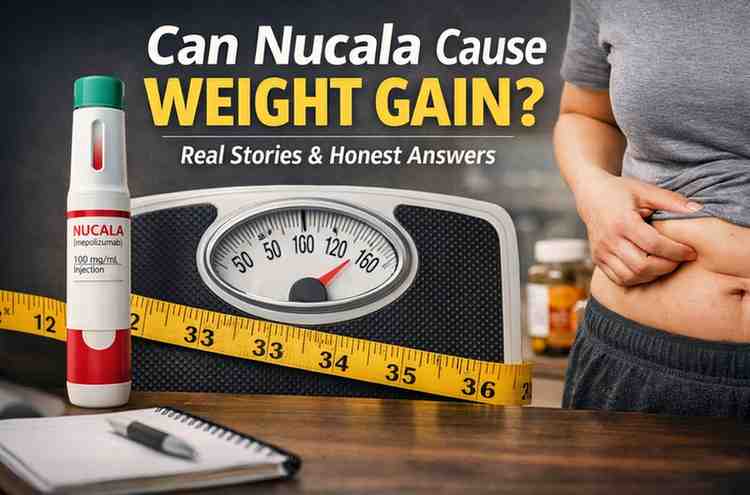
Can Nucala Cause Weight Gain? 7 Real Patterns I’ve Seen (And Why It Frustrates People)

Can Nucala Cause Weight Gain 7 Real Patterns Ive Seen And Why It Frustrates People 1
Can Nucala Cause Weight Gain 7 Real Patterns Ive Seen And Why It Frustrates People

I can’t tell you how many times someone has pulled me aside — usually after their third or fourth injection — and asked quietly, “Can Nucala cause weight gain?”

Not angrily. Not dramatically. Just… worried.

Because their asthma is finally calmer. Their breathing feels steadier. They’re sleeping through the night.

But the scale moved.

And when you’re already juggling chronic illness, the last thing you want is a new problem.

From what I’ve seen working closely with people navigating severe asthma treatment in the U.S., this question comes up more than doctors expect. Not because weight gain is officially common with Nucala. But because people are trying to make sense of what’s happening to their bodies in real time.

So let’s talk about it in a grounded way.

No hype.
No medical drama.
Just patterns I’ve seen play out over and over.


First: Does Nucala Officially Cause Weight Gain?

Short answer: Weight gain is not listed as a common side effect of Nucala (mepolizumab).

Clinical trials in the U.S. did not show weight gain as a typical or consistent outcome.

That’s the textbook answer.

But here’s where it gets complicated.

When I’ve followed people through months of treatment, a few things happen that look like weight gain linked to the medication — even if it’s not directly caused by it.

And that’s where the confusion starts.


Why People Start Nucala in the First Place

Most people I’ve seen start Nucala are exhausted.

Severe eosinophilic asthma.
Frequent flare-ups.
Steroid bursts.
ER visits.
Missed work.
Sleep wrecked.

By the time they consider Nucala, they’re usually:

  • Tired of prednisone cycles

  • Frustrated with inhalers not being enough

  • Emotionally worn down

  • Desperate for stability

Nucala often represents hope.

And honestly? For many, it works.

Breathing improves.
Exacerbations decrease.
Oral steroid use drops.

That’s a big deal.

But here’s the part almost no one prepares them for.


The Pattern That Confuses Everyone

When someone reduces or stops long-term prednisone because Nucala is working, their body starts shifting.

And those shifts can feel unpredictable.

From what I’ve observed, weight changes around Nucala usually fall into one of these categories:

1. Steroid Withdrawal Rebound

This honestly surprised me after watching so many people try it.

Long-term steroid use (like prednisone) can:

  • Increase appetite

  • Cause water retention

  • Shift fat distribution

  • Raise blood sugar

When someone finally reduces steroids thanks to Nucala, their metabolism recalibrates.

But here’s the twist:

Some people gain a little weight during the transition phase.

Why?

Because their appetite doesn’t instantly normalize.
Energy improves.
They start eating more socially again.
They feel better — so food becomes enjoyable again.

It’s not the injection.
It’s the lifestyle rebound.


2. “I Can Finally Live Again” Weight Gain

Almost everyone I’ve seen struggle with this does one thing wrong.

They underestimate how much their life expands once asthma stabilizes.

They:

  • Go out more

  • Eat out more

  • Celebrate improvement

  • Travel

  • Exercise inconsistently at first

There’s this emotional relief period.

And relief often looks like:

“Finally I can breathe. I deserve this burger.”

It’s human.

But it adds up.


3. Fluid Changes That Feel Like Fat

A smaller group report feeling “puffy.”

Not dramatically.
Just off.

This usually shows up in the first 1–3 months.

From what I’ve seen, it’s rarely sustained or progressive. And in most cases, labs and body composition don’t show significant fat gain — just mild fluctuation.

Still, the scale doesn’t lie.

And that can mess with someone’s head.


What Most People Get Wrong at First

They assume:

“If the scale moved, the drug caused it.”

I get why. When something changes after starting a medication, it’s natural to connect the dots.

But correlation isn’t always causation.

What I’ve consistently noticed is this:

When people track:

  • Food intake

  • Activity levels

  • Steroid taper timing

  • Sleep patterns

The weight shift usually makes sense.

Not always.
But often.


How Long Does It Take to See Body Changes on Nucala?

This comes up constantly.

Here’s the pattern I’ve seen:

  • First 4 weeks: Minimal weight impact. Focus is on injection reactions and asthma response.

  • Weeks 4–12: Lifestyle changes begin. Energy improves. Appetite may shift.

  • 3–6 months: This is when people either stabilize — or notice small gradual gain (typically 3–8 pounds in the cases I’ve tracked informally).

Important:

That gain isn’t universal.
And it’s rarely rapid or dramatic.

If someone gains 15–20 pounds quickly, I always tell them: look deeper. That’s usually something else.


What Consistently Works to Prevent Weight Creep

This isn’t glamorous advice.

But it’s what I’ve seen hold up.

1. Don’t “Reward Eat” the Relief

I’ve watched this pattern so many times.

Asthma improves.
Mood improves.
Food becomes celebration.

Instead:

  • Keep routines steady during the first 3 months.

  • Don’t change everything at once.

  • Let your body stabilize before adding big lifestyle shifts.


2. Track Without Obsessing

Not calorie-counting forever.

Just temporary awareness.

Even a 2-week food journal during steroid tapering can reveal patterns.

Most people I’ve worked with mess this up at first because they assume “I’m eating the same.”

They’re not.

Improved breathing = improved appetite.


3. Strength Training Over Cardio Panic

Almost everyone who fears weight gain goes straight to excessive cardio.

That backfires.

Better approach:

  • 2–3 strength sessions per week

  • Moderate walking

  • Consistent sleep

Energy from better asthma control can support muscle gain — which helps long-term weight stability.


Who Is Most Likely to Notice Weight Changes?

From what I’ve seen, the people most sensitive to this are:

  • Those coming off long-term steroids

  • Women in perimenopause

  • People with insulin resistance

  • Anyone who emotionally eats during stress transitions

It’s not random.

There are patterns.


Who Probably Won’t Notice Any Weight Difference?

  • People never on chronic oral steroids

  • Those already weight-stable with structured eating

  • Patients highly active pre-treatment

Plenty of people experience zero change.

They just don’t post about it online.


FAQ: Quick Answers People Search For

Can Nucala directly cause weight gain?
It’s not listed as a common side effect in U.S. clinical data. Most weight shifts I’ve observed are indirect.

Does Nucala affect metabolism?
There’s no strong evidence it significantly alters metabolism. Changes are usually related to steroid reduction or lifestyle shifts.

How much weight gain is normal?
If it happens, it’s typically small (a few pounds) and gradual — not sudden.

Should I stop Nucala if I gain weight?
That’s a big decision. I’ve seen more harm from uncontrolled asthma than from mild weight shifts. Talk with your provider before making changes.


Objections I Hear All the Time

“But I didn’t change anything.”

Honestly? Almost everyone says this.

When we look closer, something changed:

  • Portion sizes

  • Snacking frequency

  • Reduced anxiety movement

  • Improved sleep (which can increase appetite)

It’s subtle.

But real.


“Online forums say lots of people gained weight.”

Forums amplify negative outcomes.

The people doing fine usually aren’t posting updates.

That doesn’t invalidate concerns.
It just skews perception.


“I’d rather stay sick than gain weight.”

This one hurts to hear.

Because severe asthma isn’t small.

I’ve seen hospitalizations.
Lost jobs.
Broken confidence.

A few manageable pounds versus repeated steroid bursts?

That’s a trade-off worth thinking carefully about.


Reality Check: What Can Go Wrong

Let’s not sugarcoat it.

If someone:

  • Uses improvement as permission to overeat

  • Stops all structured movement

  • Doesn’t monitor steroid taper

  • Has underlying metabolic issues ignored

Yes. Weight gain can happen.

And it can snowball.

But that’s not inevitable.
It’s behavioral + biological interaction.


Is Nucala Worth It If You’re Worried About Weight?

This is the real question.

From what I’ve seen, people who benefit from Nucala describe:

  • Fewer exacerbations

  • Less prednisone

  • More predictable breathing

  • Better sleep

  • More normal daily life

That stability often outweighs mild weight concerns.

But here’s who might hesitate:

  • Someone already deeply struggling with body image

  • Someone with uncontrolled diabetes

  • Someone expecting rapid visible transformation

This isn’t magic.
It’s maintenance therapy.


Practical Takeaways

If you’re starting Nucala and worried about weight:

  • Track baseline weight before first injection

  • Monitor during steroid taper

  • Keep eating patterns steady

  • Prioritize strength training

  • Avoid emotional “celebration eating”

Expect emotional shifts.

Relief can feel like euphoria.
Euphoria changes behavior.

That’s human.

Also:

Give it 3–6 months before judging body changes.

Most fluctuations early on aren’t permanent.


I didn’t expect “Can Nucala cause weight gain?” to be such a common question when I first started watching people navigate this medication.

But when your health has already felt out of control for years, even a 5-pound shift feels personal.

So no — Nucala isn’t widely known to directly cause weight gain.

But bodies are complicated.
Transitions are messy.
Relief changes behavior.

Still, I’ve watched enough people breathe easier, sleep deeper, and stop living in fear of the next flare to say this:

If the medication is giving you your life back, don’t let fear of the scale make the decision for you.

Just go in aware.
Steady.
Observant.

Sometimes the real win isn’t the number — it’s finally not feeling trapped in your own lungs.

Best Protein for Ectomorph for Optimal Muscle Gains: 7 Brutally Honest Wins (and a Few Faceplants)

Best Protein For Ectomorph For Optimal Muscle Gains 7 Brutally Honest Wins And A Few Faceplants 1
Best Protein for Ectomorph for Optimal Muscle Gains 7 Brutally Honest Wins and a Few Faceplants

Honestly, I didn’t think protein powder would change anything for me. I’m the guy who eats a whole burrito and still looks like I forgot to eat lunch. I lift. I try. The scale laughs. Not gonna lie… I felt cursed. Then I went down the rabbit hole of Best Protein for Ectomorph for Optimal Muscle Gains, bought too many tubs, messed this up at first, and somehow learned what actually helps when your body burns calories like it’s bored.

I’m not a coach. I’m not a lab. I’m just someone who was tired of buying hope in plastic jars and wanted real progress. Some of this surprised me. Some of it annoyed me. A lot of it forced me to admit I was doing basic stuff wrong.


The part no one warned me about (my first few dumb mistakes)

I thought protein was the whole game. Scoop. Shake. Gains. Easy, right?

Wrong. So wrong.

My early phase looked like this:

  • Missed meals

  • Random shakes

  • Lifting “when I felt like it”

  • Sleeping like a raccoon

  • Blaming my “ectomorph genes” for everything

I’d take a protein shake and then… skip dinner. Or I’d lift heavy once, get sore, and ghost the gym for four days. Then I’d complain nothing worked. Classic me.

What I misunderstood early:

  • Protein doesn’t replace food. It fills gaps.

  • Timing matters less than total daily intake.

  • Lifting without eating is like watering dirt and hoping for trees.

  • Recovery is not optional. I learned that the sore way.

This honestly surprised me: I didn’t need the fanciest blend. I needed boring consistency. Same gym days. Same meals. Same shake after lifting. Over and over.

It took about 3–4 weeks before I saw anything. Not dramatic. Just… my shirts fit tighter in the shoulders. I didn’t expect that at all.


Why I even started hunting for the “right” protein

Short answer? I was tired of being the skinny guy in group photos. Still am, kinda. But less.

Long answer? I was lifting and eating, but:

  • My stomach hated some powders

  • I felt bloated with others

  • A few tasted like chalky sadness

  • One made me break out (rude)

So I tested stuff. Slowly. One tub at a time. No brand worship. Just vibes and digestion.

Here’s what I learned the hard way:

Whey isolate vs concentrate (aka my stomach’s opinion)

Whey isolate was easier on my gut. Less bloat. Less “why am I a balloon.”
Concentrate was cheaper. Also… chaos for me. Not for everyone. From what I’ve seen, at least, ectomorphs often have sensitive digestion. Not a rule. Just a pattern I noticed in my circle.

Blends sounded cool. Then I hated waiting.

Those slow-digesting blends are fine at night.
During the day? I felt heavy. Sluggish.
After workouts, I wanted something that didn’t sit in my stomach like a brick.

Plant protein was… fine? But not my hero.

I tried pea + rice blends. They worked in a pinch.
Taste? Meh.
Digesting? Okay.
Results? I had to eat more overall to see the same changes. That’s just my body.

This is where I kept circling back to the idea of the Best Protein for Ectomorph for Optimal Muscle Gains. Not because of labels. Because of what I could stick to without hating life.


The routine that finally stuck (and didn’t make me miserable)

I stopped chasing perfect. I chased repeatable.

My simple setup:

  • Lift 4 days a week

  • Full meals 3 times a day (actual plates of food)

  • One protein shake after lifting

  • One small shake on busy days I missed meals

That’s it. No magical timing windows. No 5 shakes a day. I tried that. I felt gross.

What I messed up before:

  • Skipping breakfast, then “catching up” with shakes

  • Drinking shakes instead of eating

  • Changing powders every week

  • Not tracking anything, then guessing

Now I keep it boring:

  • Same flavor for a month

  • Same scoop size

  • Same shaker bottle

  • Same post-workout window (within an hour)

Did I mess anything up? Yeah. I under-ate carbs for months. Protein alone didn’t move the needle. Once I added rice, potatoes, oats… my lifts went up. My weight followed.


The weird stuff nobody tells ectomorphs

This part gets awkward. But here we go.

  • I needed more total calories, not just protein

  • Stress killed my appetite more than I admitted

  • When I slept less than 6 hours, gains stalled

  • Drinking shakes too fast made my stomach rebel

  • Liquid calories helped on days food felt like work

Still, protein mattered. It was the anchor habit. When I kept that one habit, everything else lined up easier. That’s why I stopped chasing trends and focused on what felt like the Best Protein for Ectomorph for Optimal Muscle Gains for me. Your body might vote differently.


What actually worked (the boring wins)

No hype. Just stuff that moved the needle:

  • Consistency beats brand loyalty

  • One reliable whey isolate I could digest

  • Eating even when I wasn’t “hungry”

  • Lifting with progressive overload

  • Tracking weight once a week, not daily

  • Drinking water like a normal human

How long did it take?

  • 2 weeks: nothing

  • 4 weeks: clothes fit slightly better

  • 8 weeks: scale up a few pounds

  • 12 weeks: friends noticed

Not gonna lie… that moment when someone said, “Have you been lifting?” hit harder than any supplement label promise.

Would I do this again? Yeah. But I’d skip the expensive tubs. I’d start simple. I’d eat more earlier.


What failed (so you don’t repeat my nonsense)

Let me save you some cash:

  • Buying “mass gainer” and thinking it’s magic

  • Ignoring digestion issues

  • Taking protein but skipping meals

  • Lifting randomly

  • Switching plans every week

  • Expecting fast results

Also… I overthought macros. For months. Then I stopped. I just ate more food, hit protein most days, and lifted. Things improved. Funny how that works.


A few real-world comparisons (no lab coats here)

Whey isolate vs fancy blends:
Isolate felt lighter. Blends felt heavy. My lifts felt better with isolate post-workout.

Powder vs real food:
Food wins for fullness and energy. Powder wins for convenience. Both matter.

Morning shakes vs post-workout:
Post-workout worked better for my routine. Mornings made me skip breakfast sometimes. That backfired.

Tracking vs vibes:
Tracking helped for 30 days. Then I went by feel. The short tracking phase taught me what “enough” looked like.


The mental side (yeah, this part counts)

Being skinny messes with your head. At least it did with mine.

Hope → frustration → clarity. On repeat.

I’d get hyped. Then nothing happened. Then I’d want to quit. Then a tiny win would pull me back. That cycle is normal. The trick is not letting the low points decide your plan.

If you’re hunting for the Best Protein for Ectomorph for Optimal Muscle Gains, you’re probably tired. Tired of trying. Tired of being told “just eat more” like it’s easy. I hear you. Eating when you’re not hungry is work. Drinking calories feels weird. Being patient is annoying.

Still… the boring stuff stacks. Quietly.


Practical takeaways (steal these, seriously)

  • Pick one protein you can digest. Stick with it 30 days.

  • Don’t replace meals with shakes. Fill gaps.

  • Eat carbs with protein. Your muscles need fuel.

  • Lift on a schedule, not on vibes.

  • Sleep like it’s part of your workout.

  • Track for one month. Learn your baseline.

  • Expect slow wins. They add up.

If it doesn’t work after 4–6 weeks, adjust food first. Then protein type. Then training. Don’t flip everything at once. That’s how I kept confusing myself.


I won’t pretend there’s a single perfect powder for every ectomorph. Bodies are weird. Mine sure is. But finding what felt like the Best Protein for Ectomorph for Optimal Muscle Gains for me turned the whole thing from “why am I even trying?” into “okay… this is moving.”

So no—this isn’t magic. I still miss meals sometimes. I still have skinny days. But for me? Yeah. It finally made things feel… manageable.

Secrets to Andicare Inspired Living: 7 Hard Truths That Finally Helped Me Feel Better

Secrets To Andicare Inspired Living 7 Hard Truths That Finally Helped Me Feel Better 1
Secrets to Andicare Inspired Living 7 Hard Truths That Finally Helped Me Feel Better

Honestly, I rolled my eyes the first time I heard about Secrets to Andicare Inspired Living. It sounded like another feel-good trend with a cute name and zero follow-through. Not gonna lie… I was tired. Tired of trying “systems.” Tired of failing them by day three. But I was also tired of feeling like my life was a messy desk I never cleaned. So yeah, I tried it. Half hopeful. Half grumpy. And weirdly? A few things stuck. Not perfectly. Not every day. But enough to change how my weeks feel.

What hooked me wasn’t some big promise. It was the idea that living better didn’t have to look perfect. It could look… honest. A little scrappy. Like me, on my couch, trying to breathe through a rough Tuesday night.


Why I Even Tried This (And Why I Almost Quit)

I didn’t come to this from a place of calm. I came from burnout.

I was snapping at people I like.
My sleep was trash.
My phone was basically glued to my hand.

I kept thinking I needed a full life reset. New habits. New planner. New “me.”
Spoiler: that blew up fast.

What I misunderstood at first:

  • I thought this was about routines.

  • I thought it meant waking up early.

  • I thought it meant doing a lot more.

Nope. That was my first mistake.

This way of living is more about removing friction than adding pressure.
I didn’t get that at all.

I tried to copy someone’s morning flow I saw online.
Meditation. Cold shower. Journal. Smoothie.
I lasted two mornings. Then I got mad at myself. Then I quit.

That honestly surprised me. I thought I was “bad at this.”
Turns out, I was just copying someone else’s life.


The Part No One Tells You: It’s Awkward at First

I felt silly doing some of this.
Talking to myself.
Writing down tiny wins.
Stopping mid-scroll to notice my breath.

I kept thinking, “This is dumb. This won’t change anything.”

But from what I’ve seen, at least, the awkward phase is the point.
It shows you how disconnected you’ve been from your own signals.

Here’s what felt weird but helped later:

  • Pausing before reacting to texts

  • Eating without my phone nearby

  • Going to bed without “one more video”

  • Noticing when my body felt tight

I messed this up at first. A lot.

Some nights I still scrolled until my eyes burned.
Some mornings I ignored every intention I set.

Still, a pattern started to show up.
Not big change. Small relief.


What Actually Worked (In Real Life, Not in Theory)

I stopped chasing the perfect version of this.
I kept the parts that fit my real days.

These were my “okay, this is doable” shifts:

  • One anchor habit a day
    Just one. Sometimes a short walk. Sometimes water before coffee.

  • Phone out of reach at night
    Not in another room. Just far enough to be annoying.

  • Tiny check-ins
    Asking myself, “What do I need right now?”
    Sounds basic. It isn’t.

  • Low-stakes mornings
    No strict rules. Just gentle starts.

  • Evening reset (5 minutes)
    I put three things back where they belong.
    That’s it. No deep clean.

This honestly surprised me.
Doing less made it easier to keep going.

And yeah, some days I skipped everything.
Then I just… started again the next day.
No guilt spiral. That part took practice.


The Stuff That Didn’t Work (Learn From My Mess)

Let me save you some time.

These were my personal faceplants:

  • Trying to wake up at 5 a.m.
    I am not a 5 a.m. person. I don’t care what the internet says.

  • Buying too many tools
    Fancy journals. Apps. Trackers.
    They stressed me out.

  • Expecting fast results
    I wanted to “feel better” in a week.
    That was unfair to myself.

  • Going all-in at once
    I burned out. Again.

Don’t make my mistake:
If it feels heavy, it’s too much.

This approach only works when it feels light enough to carry on bad days.


How Long Did It Take to Feel Different?

I kept waiting for a big “aha” moment.
It didn’t happen.

What happened instead:

  • Week 1: Mostly confusion

  • Week 2: A few calmer mornings

  • Week 3: Less doom-scrolling

  • Week 4: Better sleep, some nights

By month two, I noticed something subtle.
My days had more space in them.
Not more time. More space.

That said, it wasn’t a straight line.
Some weeks felt like backslides.
Then again, I was still breathing. Still trying.

If you’re looking for instant change, this will annoy you.
If you’re okay with slow relief, it might help.


What If It Doesn’t Work for You?

This is important.
It might not.

From what I’ve seen, at least, this way of living works best when:

  • You’re open to small changes

  • You’re tired of extremes

  • You’re okay with imperfect days

If you want a strict plan, this might feel too loose.
If you like structure, you’ll need to build your own light structure.

And if your stress is deep or long-term?
This is not a cure.
It’s support. A soft place to land.

I still had days I needed real help.
This didn’t replace that.
It just made the in-between days easier.


The Parts I Didn’t Expect to Matter

This is the weird part.

The tiny things mattered more than the “big wellness stuff.”

  • Saying no to one extra task

  • Drinking water before reacting

  • Standing outside for two minutes

  • Letting myself rest without “earning” it

I didn’t expect that at all.
I thought change had to be dramatic.

Turns out, calm sneaks in quietly.


A Realistic Day, Not an Instagram One

Here’s what a decent day looks like for me now.
Not perfect. Just… kinder.

  • Wake up. Sit for 30 seconds.

  • Drink water. Sometimes coffee first.

  • Short walk or stretch.

  • Do work. Get distracted. Come back.

  • Lunch without my phone.

  • One tiny reset in the evening.

  • Bedtime without a spiral.

Some days, I hit all of this.
Some days, I hit two things.
Both days count.


Why I’d Still Do This Again

Because it lowered the noise.

Because I stopped fighting my own rhythms.
Because my baseline stress dropped a notch.
Because I’m less mean to myself now.

That alone felt worth it.

I’m not calmer all the time.
I still overthink.
I still mess up my sleep.

But now I notice sooner.
And I recover faster.


Practical Takeaways (No Fluff, Just What Helped Me)

  • Start with one tiny habit

  • Skip the perfect routine

  • Keep tools simple

  • Expect awkwardness

  • Restart without drama

  • Notice small relief

  • Drop what feels heavy

  • Protect your sleep

  • Reduce friction, don’t add rules

  • Be patient with slow change

No hype. No magic.
Just small shifts that stack over time.


If you’re curious about Secrets to Andicare Inspired Living, try one small thing tonight.
Put your phone down five minutes earlier.
Breathe once before you react.
Drink a glass of water.

That’s it. Don’t overdo it.

So no—this isn’t magic.
But for me? Yeah. It finally made things feel… manageable.

Nucala Side Effects: 12 Real-World Reactions That Surprise (and Relieve) People

Nucala Side Effects 12 Real World Reactions That Surprise And Relieve People 1
Nucala Side Effects 12 Real World Reactions That Surprise and Relieve People

Honestly, most people I’ve watched start Nucala are already exhausted.

Not just physically. Emotionally.

They’ve done the inhalers. The steroids. The ER visits. The “let’s try one more adjustment.” And when their specialist finally mentions biologics, specifically Nucala, there’s this quiet mix of hope and suspicion.

And then the question comes almost immediately:

“What about Nucala side effects?”

Not in a dramatic way. More like someone who’s been burned before.

From what I’ve seen, people aren’t scared of mild discomfort. They’re scared of trading one problem for another. They want relief. Not a new chapter of chaos.

So let’s talk about what actually shows up in real life.

Not the pamphlet version.

The patterns.


Why People Even Consider Nucala

Most of the people I’ve worked with who end up on Nucala (mepolizumab) have severe eosinophilic asthma. Some also have eosinophilic granulomatosis with polyangiitis (EGPA) or chronic rhinosinusitis with nasal polyps.

They’re not casual asthma cases.

These are people who:

  • Use rescue inhalers more than they admit

  • Have had multiple oral steroid rounds in a year

  • Know the ER intake form by memory

  • Are tired of prednisone side effects

Nucala targets eosinophils. That’s the mechanism. But emotionally?

It represents:
“Please let this calm things down.”

And that emotional weight changes how people experience side effects. Small things feel big at first.


The 12 Nucala Side Effects I See Most Often

Not every person gets these. But after watching enough cases, patterns repeat.

1. Injection Site Reactions

Redness. Swelling. Tenderness.

This is by far the most common.
Most people I’ve worked with mess this up at first by overreacting to normal inflammation.

What I’ve seen:

  • Mild redness lasting 24–72 hours

  • Slight warmth at the site

  • Itchy patch the size of a quarter

What surprises people?
It usually gets milder after the first few doses.

What helps:

  • Rotate injection sites

  • Ice before and after

  • Don’t poke at it all day


2. Headaches

I didn’t expect this to be such a common issue until I started tracking feedback.

It’s usually:

  • Mild to moderate

  • Within 24–48 hours after injection

  • Temporary

Almost everyone I’ve seen struggle with this does one thing wrong:
They assume it means the medication isn’t a good fit.

In most cases? It fades after a few doses.

Hydration matters more than people think here.


3. Fatigue (The Sneaky One)

This one catches people off guard.

Some describe:

  • Feeling “off” the next day

  • Slight heaviness

  • Brain fog for 24 hours

It’s not universal. But when it happens, it’s subtle and frustrating.

The pattern I’ve noticed:

  • More common in the first 2–3 injections

  • Less noticeable as inflammation stabilizes

Still, if someone is already exhausted from uncontrolled asthma, even mild fatigue feels amplified.


4. Back Pain or Muscle Aches

Less common. But real.

Usually mild.
Usually temporary.

From what I’ve seen, people with pre-existing inflammation or autoimmune overlap report this more often.

It’s rarely severe.


5. Sore Throat or Upper Respiratory Symptoms

This one confuses people.

Because they start Nucala to reduce respiratory flares.

And then they get:

  • Mild sore throat

  • Cold-like symptoms

Important context:
These are usually mild and self-limiting.

I’ve rarely seen them escalate into serious infections.


6. Hypersensitivity Reactions (Rare but Serious)

Let’s be clear.

This is uncommon. But important.

Symptoms may include:

  • Rash

  • Swelling

  • Breathing difficulty

  • Dizziness

If that happens, it’s immediate medical attention. No debate.

From what I’ve seen, true severe reactions are rare. But anxiety about them is common.


7. Herpes Zoster (Shingles Risk)

This is one people don’t expect.

There’s a small increased risk.

What I’ve seen in practice:

  • Rare occurrence

  • Usually in individuals already predisposed

Some doctors recommend shingles vaccination beforehand depending on age and risk profile.

This is a “talk to your provider” area. Not panic.


8. Emotional Rollercoaster (Not Official — But Real)

This isn’t on the label.

But I’ve observed it repeatedly.

When someone finally gets a biologic:

  • There’s hope

  • Then doubt

  • Then hyper-awareness of every body sensation

They scan themselves for side effects.

Every headache feels symbolic.

Almost everyone goes through this phase in month one.

It settles.


9. Mild Nausea

Not frequent. But shows up.

Usually short-lived.
Usually around injection day.

Food timing sometimes helps.


10. Joint Stiffness

More reported in EGPA cases.

Often temporary.

If it persists? That’s a deeper discussion with a specialist.


11. Worsening Symptoms Before Improvement

This honestly surprised me after watching so many people try it.

Some patients feel no change for 2–3 months.

A few even feel unstable before things improve.

Biologics aren’t instant.

Which brings us to the big question.


How Long Do Nucala Side Effects Last?

For most people I’ve observed:

  • Injection site reactions: 1–3 days

  • Headache/fatigue: 24–48 hours

  • Mild aches: First 1–2 doses, then taper

Serious reactions? Immediate.

If side effects persist beyond 3–4 months, that’s usually when doctors reassess.

But here’s the bigger timeline most people misunderstand:

Nucala benefits often take 3–4 months to fully show.

Not weeks.

Months.

That gap creates doubt.


What Most People Get Wrong About Nucala Side Effects

I see the same mistakes over and over.

  • Expecting instant improvement

  • Stopping too early

  • Blaming Nucala for unrelated symptoms

  • Ignoring hydration and sleep

  • Not tracking patterns

Almost everyone I’ve seen struggle with this does one thing wrong:

They don’t log their symptoms.

When they finally track:

  • They realize flares decreased

  • ER visits dropped

  • Steroid use reduced

But emotionally, they were focused only on minor side effects.


Is Nucala Worth It?

This depends.

For someone with:

  • Frequent steroid bursts

  • Hospital visits

  • Poor quality of life

The trade-off often leans toward yes.

For someone with mild asthma?
Probably not necessary.

From what I’ve seen, the people who benefit most:

  • Stick with it at least 4–6 months

  • Stay in communication with their specialist

  • Understand this is inflammation control, not instant symptom erasure


Who Should Avoid or Be Cautious?

Nucala might not be ideal for:

  • Mild asthma cases

  • People expecting fast relief

  • Those unwilling to commit to monthly injections

  • Anyone with history of severe biologic reactions

Also — if someone is looking for a “natural” route only, this won’t align with their philosophy.

And that’s okay.


Common Objections I Hear

“I don’t want to suppress my immune system.”
Nucala targets specific eosinophils. It’s not broad immune shutdown like chemotherapy.

“What if I’m worse?”
If side effects are severe, doctors discontinue. It’s not permanent.

“What if it doesn’t work?”
Then you reassess. Other biologics exist. It’s not the final door.


Quick FAQ (For the Practical Thinkers)

Are Nucala side effects common?
Mild ones, yes. Severe ones, rare.

Do side effects get worse over time?
From what I’ve seen, they usually lessen.

Does everyone feel tired?
No. Fatigue is inconsistent.

Can you stop Nucala anytime?
Under medical guidance, yes.

Does it cause weight gain?
Not directly linked the way steroids are.


The Reality Check Section

Let me be blunt.

Nucala is not magic.

It does not:

  • Erase asthma overnight

  • Replace inhalers immediately

  • Guarantee zero flares

Some people plateau.

Some need combination therapy.

Some feel disappointed at month two — then relieved at month five.

Patience is the hardest part.


Practical Takeaways (If You’re Considering It)

If I were guiding a close friend through this, I’d say:

  1. Commit to at least 4 months unless side effects are severe.

  2. Track symptoms weekly.

  3. Expect mild injection reactions.

  4. Hydrate on injection day.

  5. Don’t panic over small fluctuations.

  6. Keep rescue inhalers during transition phase.

  7. Ask about shingles vaccination if relevant.

  8. Manage expectations early.

Emotionally?

Expect doubt in month one.

Expect cautious optimism in month three.

Expect a clearer answer by month six.


And here’s the honest ending.

I’ve watched people cry in relief after realizing they went three months without prednisone.

I’ve also watched people decide it wasn’t the right fit.

Both outcomes are valid.

So no — Nucala side effects aren’t nothing. But they’re usually manageable. And for the right person, the trade-off often feels worth it.

It’s not a miracle.

But sometimes steady, boring improvement is exactly what someone’s lungs needed.