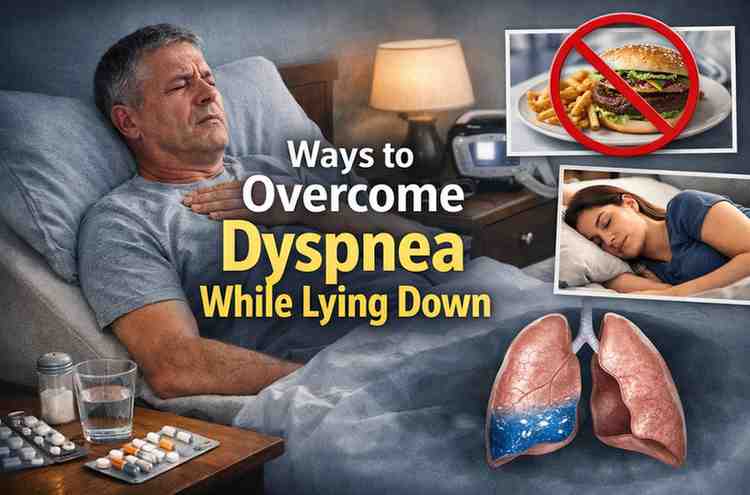
Ways to Overcome Dyspnea While Lying Down: 11 Relief Strategies That Actually Help When You’re Desperate

Ways To Overcome Dyspnea While Lying Down 11 Relief Strategies That Actually Help When Youre Desperate 1
Ways to Overcome Dyspnea While Lying Down 11 Relief Strategies That Actually Help When Youre Desperate

I can’t count how many late-night messages I’ve gotten that start the same way:
“I’m fine during the day… but the second I lie down, I can’t breathe.”

And it’s not dramatic. It’s not anxiety in their head. It’s that heavy, panicky, chest-pressing sensation that shows up the moment their back hits the mattress.

From what I’ve seen across dozens of real people dealing with this — heart patients, folks with asthma, people carrying extra weight, people recovering from respiratory infections — the frustration is almost identical. They feel normal upright. Then bedtime becomes a battle.

If you’re here looking for Ways to Overcome Dyspnea While Lying Down, you probably don’t want textbook definitions. You want relief. You want to know what actually works — and what just sounds good on paper.

Let’s talk about what I’ve consistently seen make a difference.


First: Why It Happens (Without the Medical Jargon)

When someone struggles with breathing only while lying flat, there’s usually a pattern behind it.

From what I’ve observed, it’s often one of these:

  • Fluid shifts toward the chest when lying down (common in heart-related conditions)

  • Airway narrowing (asthma, allergies, post-viral inflammation)

  • Acid reflux irritating the airway at night

  • Obesity or abdominal pressure compressing the diaphragm

  • Anxiety amplifying a physical sensation

  • Weak respiratory muscles

  • Sleep apnea or partial airway collapse

Almost everyone I’ve worked with messes this up at first:
They treat it like a daytime breathing issue.

But this is a position-triggered problem.

That changes the strategy completely.


1. Elevate the Upper Body — Not Just the Head

This sounds obvious. It’s not.

Most people grab an extra pillow. That bends the neck. It doesn’t lift the torso.

What consistently works better:

  • Wedge pillow (8–12 inches)

  • Adjustable bed frame

  • Stacking firm pillows under the shoulders and upper back, not just the head

  • Sleeping in a recliner temporarily

From what I’ve seen, 30–45 degrees of elevation often makes a noticeable difference within days.

This honestly surprised me after watching so many people try it. A small angle change can reduce fluid pressure and ease diaphragm strain.

Who sees the fastest results?
People with mild fluid overload or reflux-related breathing discomfort.

Who doesn’t?
Those with untreated heart failure. That requires medical management.


2. Don’t Eat Within 3 Hours of Bed

I didn’t expect this to be such a common issue.

So many people say, “But it’s not heartburn.”

Doesn’t matter.

Even silent reflux can irritate the airway and cause that tight, breathless sensation when lying down.

Pattern I’ve seen repeatedly:

  • Late dinner

  • Lying flat

  • Micro-aspiration or reflux irritation

  • Nighttime breathlessness

When people shift dinner earlier and reduce heavy, fatty meals at night, breathing improves within 1–2 weeks.

Not overnight.
But steady.


3. Gentle Evening Breathing Practice (Done the Right Way)

Here’s where almost everyone I’ve seen struggle makes one mistake:

They try to take big deep breaths.

That actually increases air hunger in some people.

What works better:

  • Slow nasal inhale (4 seconds)

  • Soft pause (2 seconds)

  • Long relaxed exhale through pursed lips (6–8 seconds)

10 minutes before bed.

Not during panic. Before it.

Why this works:

Longer exhale activates parasympathetic tone. Calms the respiratory drive. Reduces hyperventilation patterns.

I’ve seen this take 2–3 weeks to retrain breathing rhythm.

People who quit after 3 days say it “doesn’t work.”
The ones who stick with it? Notice quieter nights.


4. Manage Fluid Retention (If That’s Your Pattern)

If breathlessness improves during the day but worsens lying down — especially with:

That’s a red flag for fluid-related causes.

This is not DIY territory.

What actually helps:

  • Physician-guided diuretics

  • Sodium reduction

  • Daily weight monitoring

  • Elevating legs during the day

From what I’ve seen, when fluid management is dialed in properly, nighttime breathing improves dramatically.

But ignoring it? That’s where things spiral.


5. Side Sleeping > Flat on Back

This one is underrated.

Left side sleeping often reduces reflux.
Side sleeping in general can reduce airway collapse.

I’ve seen people shift from back sleeping to side sleeping and cut nighttime breathlessness by half.

Simple change.
Huge difference for some.


6. Weight Loss (I Know… You’ve Heard This)

I hesitate to say it. But I’d be dishonest not to.

Extra abdominal weight compresses the diaphragm when lying flat.

Even 5–10% body weight reduction has improved nighttime breathing for people I’ve worked with.

Not instantly.

But progressively.

Still — this is long-term. Not immediate relief.


7. Treat Underlying Conditions Properly

This is where optimism needs balance.

If dyspnea while lying down is caused by:

  • Congestive heart failure

  • COPD

  • Severe asthma

  • Sleep apnea

You cannot posture-hack your way out of it.

CPAP therapy for sleep apnea?
Game-changer for the right person.

Proper inhaler use?
Often misused at first. Most people I’ve worked with mess up inhaler timing or technique.

Correct use alone can improve nighttime breathing significantly.


Common Mistakes That Slow Results

Almost everyone I’ve seen struggle with this does one or more of these:

  • Waiting too long to see a doctor

  • Assuming it’s “just anxiety”

  • Ignoring swelling or weight gain

  • Overusing rescue inhalers

  • Trying 5 changes at once (no tracking)

  • Lying flat just to “test” if it’s gone

Progress improves when changes are systematic. Not chaotic.


How Long Does It Take to See Improvement?

Short answer: It depends on the cause.

From patterns I’ve observed:

  • Reflux-related: 1–3 weeks

  • Breathing retraining: 2–4 weeks

  • Fluid management: Often days to 2 weeks (with medical care)

  • Weight-related: Gradual, months

  • Sleep apnea treatment: Immediate once properly treated

If nothing changes after 3–4 weeks of consistent effort?
That’s a signal to reassess.


FAQ (Short, Direct Answers)

Is dyspnea while lying down dangerous?
Sometimes. Especially if accompanied by swelling, chest pain, or sudden worsening.

Should I go to the ER?
If you can’t breathe, have chest pressure, or symptoms are new and severe — yes.

Is anxiety the cause?
It can amplify symptoms. But rarely is it the only cause.

Does sleeping upright long-term hurt?
Not typically. But it shouldn’t replace treating the underlying issue.


Objections I Hear All the Time

“I don’t want to rely on machines.”
If CPAP fixes your nights, that’s not weakness. That’s physiology.

“I don’t want to change my diet.”
Late-night eating is one of the easiest fixes I’ve seen.

“I tried pillows. Didn’t work.”
Were you elevating your torso? Or just your neck?

Small details matter here.


Reality Check

This is not a cosmetic issue.

If you’re waking up gasping.
If you need 3 pillows to survive the night.
If swelling is present.

You need medical evaluation.

These strategies help. But they don’t replace diagnosis.

And honestly? The people who improve fastest are the ones who stop pretending it’ll just disappear.


Practical Takeaways

If I were guiding someone step-by-step, this is what I’d say:

  1. Elevate your torso properly tonight.

  2. No food 3 hours before bed.

  3. Start slow exhale breathing nightly.

  4. Track weight and swelling.

  5. Try side sleeping.

  6. Book a medical appointment if symptoms persist.

Emotionally? Expect frustration the first week.

Expect some nights to feel worse before better.

Patience here looks like consistency — not intensity.


I’ve watched enough people deal with this to know one thing: nighttime breathlessness makes people feel helpless.

But I’ve also watched that shift.

When they understand the pattern.
When they stop guessing.
When they apply the right fix to the right cause.

So no — this isn’t magic.

But I’ve seen real relief happen when people stop fighting the symptom blindly and start addressing the mechanism behind it.

Sometimes that shift alone is the real win.

Rooibos Iced Tea Benefits: 9 Honest Reasons People Feel Real Relief (and Where They Get Frustrated)

Rooibos Iced Tea Benefits 9 Honest Reasons People Feel Real Relief And Where They Get Frustrated 1
Rooibos Iced Tea Benefits 9 Honest Reasons People Feel Real Relief and Where They Get Frustrated

Most people I’ve watched try to “clean up” their habits start the same way.

They’re tired. Wired but exhausted. Drinking coffee all day. Sleeping badly. Stomach slightly off. Skin acting weird. Energy dipping at 3 p.m. like clockwork.

So they Google something simple. Something calm.

That’s usually how they land on rooibos iced tea benefits.

It sounds gentle. Harmless. Almost too simple to matter.

And honestly? Most people I’ve worked with mess this up at first. They expect it to work like caffeine. Or like a detox. Or like some overnight miracle.

It’s none of those.

But from what I’ve seen, when people use it the right way — and for the right reasons — it quietly becomes one of those small daily shifts that compound.

Not flashy.

Just steady.

Let’s talk about what actually happens in real life.


Why People Start Drinking Rooibos Iced Tea in the First Place

Nobody starts with rooibos because life is perfect.

They start because:

  • Coffee makes them jittery

  • Green tea feels acidic

  • They want something caffeine-free

  • Their doctor mentioned lowering stimulants

  • They’re trying to fix sleep

  • Their stomach feels irritated

  • They want “something healthy” but don’t know where to begin

Almost everyone I’ve seen struggle with energy crashes ends up experimenting with caffeine reduction.

That’s where rooibos iced tea quietly enters the picture.

It’s naturally caffeine-free.
It’s low in tannins compared to black tea.
It tastes smooth — slightly nutty, a little sweet.

And because it’s iced? It feels refreshing instead of medicinal.

That matters more than people think.


What Rooibos Iced Tea Actually Does (From What I’ve Seen Repeatedly)

Let’s break down the real, observable rooibos iced tea benefits — not lab hype. Just patterns across real people.

1. It Lowers Stimulation Without Feeling Deprived

This honestly surprised me after watching so many people try it.

When people quit coffee cold turkey, they crash. Hard. Headaches. Irritability. Brain fog.

But when they swap one afternoon coffee for rooibos iced tea?

Something shifts.

  • They still get a ritual.

  • They still hold a cold drink.

  • They still get flavor.

  • But no caffeine spike.

Over 2–3 weeks, I’ve seen nervous energy soften. Less 9 p.m. wired-tired feeling. Fewer heart-racing nights.

It’s not dramatic.

It’s gradual nervous system relief.

That’s one of the biggest hidden rooibos iced tea benefits.


2. Sleep Improves — Slowly, Not Instantly

“How long does it take to see benefits?”

For sleep? Usually 2–4 weeks if the person is replacing late caffeine.

Here’s what typically happens:

Week 1:

  • No major difference.

  • Mild caffeine withdrawal if cutting back.

Week 2:

  • Slightly easier wind-down at night.

Week 3–4:

  • Fewer wake-ups.

  • Less mental buzzing before bed.

The key isn’t that rooibos sedates you.

It’s that it stops aggravating your system.

Big difference.


3. It’s Gentler on Sensitive Stomachs

Most people I’ve worked with mess this up at first.

They think all tea is equal.

But rooibos is lower in tannins than black or green tea. That means:

  • Less stomach irritation

  • Less bitterness

  • Fewer “acidic” complaints

I’ve seen people with mild reflux tolerate iced rooibos way better than iced black tea.

Not medical advice. Just patterns I’ve noticed.

Still — if someone already has severe GI issues, this isn’t a cure. It’s just a softer option.


4. Hydration Improves Because People Actually Drink It

Here’s something almost no one talks about.

People don’t hydrate because they hate plain water.

Rooibos iced tea gives them:

  • Flavor without sugar

  • No caffeine

  • No artificial junk

  • Something interesting

I’ve seen daily fluid intake go up by 20–40 oz just because people liked the taste.

Hydration alone improves:

  • Headaches

  • Skin texture

  • Afternoon fatigue

  • Cravings

Was it rooibos specifically? Or hydration?

Probably both.

But hydration compliance is underrated.


5. Antioxidants — But Not in a “Miracle” Way

Yes, rooibos contains antioxidants like aspalathin and quercetin.

But here’s the grounded truth.

No one I’ve observed “felt” antioxidants.

What they felt were secondary effects:

  • Less inflammation flare-ups (over months)

  • Slight skin calming

  • Better overall steadiness

This isn’t a detox drink.

It’s a consistency drink.


Common Mistakes I See With Rooibos Iced Tea

Almost everyone I’ve seen struggle with this does one thing wrong:

They expect it to perform like coffee.

Let me be clear.

If you drink rooibos expecting an energy boost — you’ll think it “doesn’t work.”

Here are other repeated mistakes:

  • ❌ Brewing it too weak (it needs longer steeping)

  • ❌ Adding loads of sugar (defeats the purpose)

  • ❌ Using it randomly instead of replacing caffeine strategically

  • ❌ Giving up after 5 days

  • ❌ Drinking it but keeping 3 cups of coffee

The benefits show up when it replaces something disruptive.

Not when it’s added on top.


What Consistently Works (Across Different People)

From what I’ve seen, this routine sticks:

Morning: Keep one cup of coffee if needed.
Afternoon slump: Replace second caffeine hit with rooibos iced tea.
Evening: Optional warm rooibos before bed.

This reduces total stimulant load without triggering rebellion.

And yes — rebellion is real. When change feels restrictive, people quit.

Rooibos works because it feels permissive.


Is Rooibos Iced Tea Worth It?

Short answer?

If you’re trying to:

  • Reduce caffeine

  • Improve sleep quality

  • Calm mild anxiety

  • Support hydration

  • Have a gentler tea option

Yes. It’s worth trying.

If you’re trying to:

  • Lose 20 pounds in a month

  • Cure chronic disease

  • Replace medical treatment

  • Get instant energy

No. You’ll be disappointed.


Who Should Avoid or Be Cautious?

This part matters.

Rooibos is generally safe, but:

  • If you’re on medication that affects liver enzymes

  • If you have hormone-sensitive conditions

  • If your doctor has restricted herbal teas

Talk to a professional first.

Also — if you hate mild, earthy flavors?

You might just not enjoy it.

And if you don’t enjoy it, you won’t stick with it.


Objections I Hear All the Time

“It tastes bland.”

Try:

  • Brewing it stronger (5–7 minutes minimum)

  • Adding lemon

  • A splash of unsweetened almond milk

  • Serving it very cold

Weak brewing ruins first impressions.

“I didn’t feel anything.”

That’s normal.

It’s not a stimulant. It’s a removal strategy.

The benefits show up as absence:

  • Fewer jitters

  • Fewer crashes

  • Better sleep

“Isn’t green tea healthier?”

Depends on the goal.

Green tea has caffeine.
Rooibos doesn’t.

Different tools.


Quick FAQ (For the Practical Questions People Always Ask)

Does rooibos iced tea have caffeine?
No. Naturally caffeine-free.

How long before I notice rooibos iced tea benefits?
2–4 weeks if replacing caffeine. Longer for subtle inflammation changes.

Can I drink it daily?
Most people do. Moderation still applies.

Does it help with weight loss?
Indirectly at best. It may reduce stress eating if caffeine crashes decrease.


Reality Check Section

Let’s ground this.

Rooibos iced tea benefits are real — but quiet.

You won’t wake up transformed.

You might just notice:

  • Your heart doesn’t race at 10 p.m.

  • You don’t need a third coffee.

  • Your stomach feels calmer.

  • Your hydration improves.

Small shifts.

But I’ve seen small shifts compound into bigger life changes.

Still.

If your sleep is wrecked from stress, screens, or chaos — rooibos won’t override that.

If your fatigue is from anemia or thyroid issues — tea won’t fix that.

This is a support tool.

Not a hero.


Practical Takeaways (If You’re Going to Try It)

If I were guiding you directly, I’d say:

Do this:

  • Replace one caffeine source, don’t stack it

  • Brew strong enough (at least 5 minutes)

  • Drink consistently for 3 weeks

  • Notice subtle differences

Avoid this:

  • Expecting energy spikes

  • Adding heavy sweeteners daily

  • Quitting before your body adjusts

Emotionally expect:

  • Mild doubt in week 1

  • “Is this doing anything?” thoughts

  • Small wins around week 3

Patience here looks boring.

It looks like doing the same calm thing every day without drama.

And honestly, most people underestimate how powerful boring consistency is.


I’ve watched enough people feel stuck in stimulant cycles — wired mornings, crashing afternoons, restless nights — and then slowly stabilize once they shifted to something gentler like rooibos.

No, it’s not magic.

But it’s one of those quiet tools that reduces friction in the background.

Sometimes that’s all someone needs.

Not a miracle.

Just relief.

Anti Dandruff Shampoo: 11 Honest Lessons After Watching So Many People Fight the Same Scalp Battle

Anti Dandruff Shampoo 11 Honest Lessons After Watching So Many People Fight The Same Scalp Battle 1

Anti Dandruff Shampoo 11 Honest Lessons After Watching So Many People Fight the Same Scalp Battle

I didn’t realize how quietly frustrating dandruff can be until I started paying attention to how many people around me were dealing with it.

Friends scratching their scalp during meetings.
Someone brushing flakes off a black hoodie before leaving the house.
One guy I know stopped wearing dark shirts entirely.

And almost every single one of them had the same sentence at some point:

“I’ve tried anti dandruff shampoo… but it doesn’t seem to work.”

That line kept coming up.

So I started paying attention — what people were using, how they used it, when it worked, when it didn’t. Over time some patterns became really obvious.

Honestly, the biggest surprise?

Most people who say anti dandruff shampoo doesn’t work are usually making the same 4–5 mistakes without realizing it.

Not because they’re careless.
Because no one ever explains how this stuff actually works.

And dandruff… well, it’s a little more complicated than people expect.


Why People Reach for Anti Dandruff Shampoo in the First Place

Usually it starts small.

A few flakes.

Maybe some itching after a shower.

Then it escalates.

Someone notices flakes on their shoulders.
The scalp starts feeling tight or irritated.
Suddenly every mirror check includes a quick scalp inspection.

At that point most people do what seems logical:

They search for anti dandruff shampoo, grab a bottle at the store, and hope the problem disappears in a week.

From what I’ve seen… that expectation is where things start going wrong.

Because dandruff rarely behaves like a simple “wash it once and it’s gone” situation.


The First Thing Most People Get Wrong About Dandruff

Almost everyone assumes dandruff means dry scalp.

That’s not always true.

In fact, in many cases it’s the opposite.

A lot of dandruff is actually linked to a yeast called Malassezia that lives on the scalp. It feeds on oils.

When that yeast grows out of balance, the scalp starts reacting.

That reaction causes:

  • flaking

  • itching

  • irritation

  • redness

So when someone thinks:

“My scalp is dry. I should moisturize more.”

Sometimes they accidentally make things worse.

This honestly surprised me after watching so many people deal with it.

They would switch to heavy oils or moisturizing products… and the flakes would double.


What Anti Dandruff Shampoo Actually Does

Not all anti dandruff shampoos work the same way.

But most effective ones target one of three things:

1. Reducing scalp yeast

Common ingredients:

  • ketoconazole

  • zinc pyrithione

  • selenium sulfide

These slow down the yeast that causes flaking.

2. Slowing skin cell turnover

Ingredients like coal tar help reduce how quickly scalp cells shed.

Less shedding = fewer visible flakes.

3. Loosening existing flakes

Ingredients like salicylic acid help lift dead skin so it washes away.

But here’s something most people miss.

Anti dandruff shampoo isn’t just about the ingredient.

How you use it matters just as much.


The Pattern I Keep Seeing: People Wash Too Fast

This is probably the number one mistake.

Someone buys an anti dandruff shampoo.

They do this:

  1. Wet hair

  2. Lather

  3. Rinse immediately

Total scalp contact time?

Maybe 10 seconds.

Most medicated shampoos need 3–5 minutes on the scalp to actually work.

Almost everyone I’ve seen struggle with dandruff does this one thing wrong.

Once they start letting the shampoo sit longer… results usually improve within a couple weeks.

Not always overnight.

But noticeably.


The Second Mistake: Quitting Too Early

People want fast results.

Totally understandable.

But dandruff treatments often take 2–4 weeks to stabilize the scalp.

What I’ve watched happen many times:

Week 1: flakes still there
Week 2: slight improvement
Week 3: scalp finally calming down

But many people stop during week 1.

They assume it failed.

That early quitting cycle repeats with multiple shampoos.

And the problem never gets the chance to resolve.


Another Common Pattern: Using It Every Day

This one surprised me a bit.

Many people think:

“If this helps, I should use it every day.”

But some medicated shampoos can actually irritate the scalp if used too frequently.

Typical pattern that works better for most people I’ve observed:

  • Anti dandruff shampoo 2–3 times per week

  • Gentle regular shampoo on other days

This balance seems to calm the scalp without over-stripping it.

Still, it depends on the ingredient.

Ketoconazole formulas are usually stronger than zinc-based ones.


What Consistently Works for People (From What I’ve Seen)

Over time certain routines show up again and again among people who finally get dandruff under control.

Nothing fancy.

Just consistent habits.

Typical routine that seems to work:

Step 1 — Wet hair thoroughly

Warm water helps loosen scalp oils.

Step 2 — Apply shampoo directly to scalp

Not just the hair.

Focus on the roots.

Step 3 — Massage gently

No aggressive scratching.

That just irritates the skin.

Step 4 — Leave it for 3–5 minutes

This step changes everything.

Step 5 — Rinse well

Leftover residue can cause more irritation.

Most people I’ve watched improve follow some variation of that process.

Consistency beats product hopping.


A Mistake Almost Everyone Makes at First

Switching products too often.

Someone tries one shampoo.

It doesn’t work immediately.

They buy another.

Then another.

Then another.

The scalp never gets a stable treatment period.

I didn’t expect this to be such a common issue.

Sometimes the original shampoo might have worked — if it had been given enough time.


How Long Does Anti Dandruff Shampoo Usually Take?

From the patterns I’ve seen:

Mild dandruff

1–2 weeks

Moderate dandruff

3–4 weeks

Persistent dandruff

6+ weeks with consistent treatment

But results often appear gradually.

First the itching stops.

Then flakes reduce.

Then the scalp feels normal again.

People expect the flakes to vanish overnight.

Reality is slower.


What Surprises Most People About Dandruff

Stress.

Stress seems to flare dandruff more than people expect.

I’ve watched this happen repeatedly.

Someone finally gets their scalp under control.

Then:

  • work stress spikes

  • sleep drops

  • diet changes

Suddenly flakes return.

That connection catches people off guard.

Because they assume dandruff is purely a hygiene issue.

It’s often more about scalp balance.


When Anti Dandruff Shampoo Doesn’t Work

There are cases where people try everything and still struggle.

Usually one of these situations is happening.

1. It’s not dandruff

Conditions like:

  • seborrheic dermatitis

  • psoriasis

  • eczema

can look similar but need different treatment.

2. The ingredient isn’t strong enough

Mild shampoos may not control more severe scalp yeast growth.

3. The routine is inconsistent

Skipping weeks or rotating products can delay results.


People Also Ask (Real Questions I Hear All the Time)

Does anti dandruff shampoo damage hair?

Usually no.

But frequent use of stronger medicated formulas can make hair feel dry.

Using conditioner on the hair ends helps.

Can dandruff come back after it’s gone?

Yes.

Very common.

Most people need maintenance use once or twice a week.

Should you scratch flakes off?

No.

That can inflame the scalp and make the cycle worse.

Is dandruff contagious?

Not really.

The yeast involved already exists on most scalps.


Objections I Hear a Lot

“I tried anti dandruff shampoo and it didn’t work.”

Usually one of three things happened:

  • it wasn’t left on long enough

  • it wasn’t used consistently

  • the dandruff type needed a different ingredient

“Natural remedies should be better.”

Some natural methods help.

But persistent dandruff often responds better to medicated ingredients.

“I wash my hair every day — shouldn’t that fix it?”

Clean hair doesn’t always equal balanced scalp.

Dandruff is more about microbial balance than cleanliness.


A Quick Reality Check Most People Need

Anti dandruff shampoo isn’t magic.

It manages a condition.

For many people it becomes part of their long-term routine.

Kind of like skincare.

You don’t fix oily skin once and forget about it forever.

Same with dandruff.

Maintenance matters.


Who This Approach Is NOT For

Anti dandruff shampoo alone may not solve things if someone has:

  • severe psoriasis

  • persistent scalp inflammation

  • allergic reactions to shampoo ingredients

In those cases a dermatologist often becomes necessary.

I’ve seen people struggle for months before realizing this.


Practical Takeaways After Watching So Many People Deal With This

If someone asked me what actually moves the needle, here’s what I’d say.

Leave the shampoo on longer than you think.
That one change alone helps many people.

Stick with one product long enough.
Constant switching delays results.

Use medicated shampoo a few times per week, not necessarily daily.

Pay attention to stress and sleep patterns.
Scalp health reacts to those more than expected.

Accept maintenance.
Most people who stay flake-free keep using their shampoo occasionally.

No miracle fixes.

Just consistent care.


The thing that always sticks with me is how relieved people look when their dandruff finally settles down.

It’s not just about flakes.

It’s confidence.

Wearing dark clothes again.
Not worrying about someone noticing your scalp.
Running your hand through your hair without thinking about it.

So no — anti dandruff shampoo isn’t a perfect solution.

But from what I’ve seen, when people understand how to actually use it… it works far more often than they expect.

Sometimes that small shift — patience, consistency, giving the scalp time — is the part that finally breaks the cycle.

How to Manifest Our Hearts Desire: 9 Hard Truths Most People Discover After the Frustration

How To Manifest Our Hearts Desire 9 Hard Truths Most People Discover After The Frustration 1
How to Manifest Our Hearts Desire 9 Hard Truths Most People Discover After the Frustration

Honestly, most people I’ve watched try how to manifest our hearts desire hit a wall in the first couple of weeks.

Not because they’re lazy.
Not because they’re negative.

Usually because the advice they followed made it sound… effortless.

A friend of mine once spent two months writing affirmations every morning. Beautiful notebook. Perfect handwriting. The kind of effort that looks like commitment.

But underneath that routine?

Constant doubt.

Quiet frustration.

And eventually the sentence I hear from people all the time:

“Maybe this stuff just works for other people.”

What I’ve noticed after watching dozens of people experiment with manifestation—friends, readers, clients, even skeptical engineers—is this:

The problem usually isn’t belief.

The problem is how people are trying to do it.

Most guidance online skips the messy middle where real change actually happens.

And that messy middle… is where almost everyone quits.


Why People Start Searching for “How to Manifest Our Hearts Desire”

From what I’ve seen, people rarely come to manifestation because life is already smooth.

They come when something feels stuck.

Usually one of these:

• Career frustration
• Financial pressure
• Relationship confusion
• A feeling that life is smaller than it should be

Sometimes it’s subtle.

Sometimes it’s heavy.

But there’s usually a quiet thought underneath:

“I know my life could look different… I just don’t know how to move toward it.”

And manifestation, when explained well, gives people something they desperately want:

A sense of direction and agency.

Not blind hope.

More like… intentional living.

But here’s the catch.

Most advice oversimplifies the process into something like:

“Just think positive and visualize.”

That’s where things start going wrong.


The First Misunderstanding I See All the Time

Almost everyone I’ve seen struggle with manifestation makes this one mistake first.

They treat it like wishful thinking.

Instead of identity alignment.

The difference is huge.

Wishful thinking sounds like this:

  • “I want more money.”

  • “I want my dream relationship.”

  • “I want a better life.”

Identity alignment sounds different:

  • “What would the version of me who has this life actually do every day?”

That shift changes everything.

Because manifestation—at least the kind that actually produces results—is less about asking the universe and more about becoming the person who naturally moves toward that outcome.

Not glamorous.

But real.


What I’ve Seen Actually Work (Across Many People)

After watching a lot of people experiment with manifestation practices, a few patterns show up again and again.

Not perfect formulas.

But consistent tendencies.

1. The People Who Succeed Start With Clarity (Not Visualization)

Most people visualize vague goals.

Dream house.
More money.
Freedom.

But the people who eventually see results get strangely specific.

Examples I’ve heard:

• “I want to make $8,000 per month working remotely.”
• “I want a calm relationship, not just excitement.”
• “I want a job where Sunday nights don’t feel awful.”

Specific goals activate different thinking patterns.

Your brain starts noticing paths.

Without clarity, manifestation becomes drifting.


2. They Quietly Change Their Environment

This surprised me after watching so many people try manifestation techniques.

People assume it’s mostly internal work.

But the ones who succeed often make external adjustments early.

Things like:

• changing who they talk to regularly
• limiting negative inputs (news, doom scrolling)
• surrounding themselves with people pursuing goals

Small shifts.

But powerful.

Because environment quietly shapes belief.


3. They Accept an Awkward Phase

Nobody talks about this part enough.

There’s almost always a weird transition period.

The old identity fading.

The new identity not fully formed yet.

It can look like:

• trying new opportunities
• feeling uncertain about decisions
• temporarily slower progress

From the outside, it might even look like things are getting worse.

But from what I’ve observed, this phase is extremely common.

Almost everyone who later says manifestation worked for them passed through this uncomfortable middle.


4. They Take Unexpected Action

Manifestation isn’t passive.

The people who see real shifts usually do something surprising.

They follow strange nudges.

Send a risky email.
Apply for something they feel underqualified for.
Start something before they feel ready.

And here’s the interesting part.

The opportunity chain often starts there.

Not during meditation.

During action.


The 5 Biggest Manifestation Mistakes I Keep Seeing

Watching people experiment with manifestation reveals some repeating traps.

And honestly… most are understandable.

Mistake 1: Treating Manifestation Like Magic

People expect instant shifts.

When nothing changes in two weeks, they assume it’s fake.

But most meaningful changes I’ve seen unfold over months, not days.


Mistake 2: Visualizing Without Emotional Belief

You can repeat affirmations all day.

But if your internal dialogue says:

“This is ridiculous.”

Your brain resists it.

Better approach?

Start with believable statements.

Instead of:

“I am a millionaire.”

Try:

“I’m learning how people build wealth.”

Your mind accepts that.


Mistake 3: Ignoring Internal Resistance

A lot of people try to override doubts.

But doubts usually contain useful information.

For example:

Someone wants a business.

But deep down they’re afraid of responsibility.

Until that fear is addressed, progress stalls.


Mistake 4: Copying Someone Else’s Manifestation Method

What works for one person might feel unnatural for another.

Some people love visualization.

Others prefer journaling.

Others need action-oriented routines.

Rigid formulas rarely work.

Adaptation does.


Mistake 5: Quitting During the “Nothing Is Happening” Phase

This is the silent killer.

Progress often starts invisibly.

New connections forming.
New habits forming.
New thinking patterns forming.

But since nothing dramatic happens yet… people quit.

Right before momentum.


What Manifestation Actually Looks Like Day-to-Day

People imagine mystical rituals.

But from what I’ve seen, it’s usually simpler.

A common routine that works for many people looks like this:

Morning:

• write down one clear intention
• visualize the outcome for 2–3 minutes
• identify one action that moves toward it

During the day:

• notice opportunities related to the goal
• act when something aligns

Evening:

• reflect on what moved forward
• adjust the next step

Nothing fancy.

Consistency matters more than intensity.


How Long Does Manifestation Usually Take?

This is one of the most common questions people ask.

The honest answer?

It depends on the goal.

But patterns I’ve seen:

Small shifts: weeks

Lifestyle shifts: 3–6 months

Major life changes: 1–3 years

That might sound slow.

But here’s something interesting.

People who stick with manifestation practices often say something unexpected later:

“The changes started small… but they compounded.”


What If Manifestation Doesn’t Work?

Good question.

And honestly, sometimes it doesn’t.

Or at least not in the way someone expected.

Common reasons include:

• goals based on external validation
• internal beliefs that conflict with the goal
• lack of sustained action
• unrealistic timelines

Still, even in cases where the original goal doesn’t happen, many people report something else.

Clarity.

They discover what they actually want.

Which can be just as powerful.


Quick FAQ (Based on Questions I Hear Often)

Is manifestation real or psychological?

Probably both.

Mindset influences behavior.
Behavior influences opportunities.

The chain reaction can look like manifestation.


Can anyone manifest their desires?

In theory yes.

But in practice it requires:

• self-awareness
• patience
• consistent action

Not everyone enjoys that process.


Do you need to believe fully for manifestation to work?

No.

Many people start skeptical.

Partial belief is enough to begin.


Is manifestation just positive thinking?

Not really.

Positive thinking without action rarely changes outcomes.


Who This Approach Is NOT For

I’ll be honest here.

Some people will absolutely hate manifestation practices.

Especially if they prefer:

• rigid logical systems
• purely external strategies
• immediate measurable results

Manifestation requires tolerance for ambiguity.

And that’s uncomfortable for some personalities.

Totally fair.


A Reality Check Most Manifestation Guides Skip

This part matters.

Manifestation cannot override reality entirely.

It doesn’t eliminate:

• economic conditions
• structural challenges
• random chance

But what it can do—when practiced consistently—is change how people navigate those realities.

And sometimes that difference changes outcomes dramatically.

Still.

It’s not magic.


Practical Takeaways (If You Want to Try This)

If someone asked me how to start how to manifest our hearts desire in the most realistic way possible, I’d suggest this:

Start simple.

  1. Define one clear desire

  2. Write it down daily

  3. Visualize briefly

  4. Take one action every day toward it

  5. Track small progress

Then give it time.

Not two weeks.

More like six months.


And emotionally… expect some turbulence.

Doubt shows up.

Frustration shows up.

Sometimes impatience too.

I’ve watched people go through all of that.

Then something shifts.

Usually quietly.

A new opportunity.
A new direction.
A surprising breakthrough.

Not always dramatic.

But enough to keep going.

So no — manifestation isn’t magic.

But after watching enough people experiment with it seriously, I’ve noticed something interesting.

The ones who stick with intentional thinking, aligned action, and patience…

Rarely stay stuck forever.

And sometimes that’s the real desire people were trying to manifest all along.

Frequent UTI: 15 Hard-Learned Lessons I Wish Someone Told Me Sooner

Frequent Uti 15 Hard Learned Lessons I Wish Someone Told Me Sooner 1
Frequent UTI: 15 Hard-Learned Lessons I Wish Someone Told Me Sooner

Not gonna lie… of all the annoying things my body has ever thrown at me, frequent UTI episodes were the ones that made me genuinely question whether I had pissed off (pun intended) some cosmic force.

If you’ve been there, you already know that burning, stabbing, “why does pee feel like lava today?” nightmare.
And if you haven’t? I hope you never do.

For me, UTIs didn’t just “happen.”
They followed me around like some clingy toxic ex.

I’d get one, treat it, feel okay for a week…
Then BOOM — round two.
Then a month later — round three.
Then a week after antibiotics — round four.

It got to a point where I started budgeting for cranberry juice the way people budget for rent.

And yeah, the Google search “Why do I keep getting frequent UTI?” became my weird hobby at 2 a.m.

But here’s the thing:

I didn’t get better because of medical essays or textbook advice.
I got better because I messed up, panicked, experimented, felt embarrassed, cried a little, tried again, and learned the hard way.

So this is everything I wish someone told me before I spiraled into the land of constant UTIs.

Real talk. No medical lecture vibes.
Just lived experience, messy but useful.


The First Time It Happened… I Thought I Was Just Dehydrated

I remember the first UTI I ever had.
I woke up, went to pee, and literally whispered out loud:

“…what the hell?”

Because the burn?
Instant. Sharp. Evil.

I drank two glasses of water thinking it would magically fix itself.
Spoiler: it didn’t.

By lunchtime, I was:

  • Peeing every ten minutes

  • Getting nothing out

  • Feeling like my bladder weighed 40 pounds

  • Googling like a mad scientist

  • Questioning all my life choices

I took antibiotics, felt better, moved on.

Little did I know this was just the beginning of my “frequent UTI” saga.


1. The Awkward Truth: Peeing After Sex Actually Matters

Look… I used to roll my eyes at this tip.

“Pee after sex.”
Okay? And?

But after UTI #4 within one year, I got desperate.

Turns out, NOT doing it was one of the dumbest, easiest-to-fix mistakes I made.

Why it helped (in real language):

  • It flushes out bacteria that sneak into places they shouldn’t

  • It stops that lingering irritation that turns into infection

  • It basically resets the plumbing before drama starts

What didn’t help:

  • Waiting 20 minutes

  • Thinking “I’ll pee later”

  • Showering instead (I really thought this counted)

Now I treat it like brushing teeth — automatic.


2. The Water Situation (AKA I Was Accidentally Sabotaging Myself)

This one honestly pissed me off (again, pun intended).

I thought I “drank enough water.”
I didn’t.

My actual routine:

  • Two coffees

  • One soda

  • A few sips of water if I remembered

  • A chai in the afternoon

  • Maybe one glass of water at night

So yeah… my bladder didn’t stand a chance.

What finally helped:

  • Drinking small amounts all day

  • Keeping a water bottle in bed

  • Drinking a full glass with every bathroom trip

What didn’t:

  • Chugging one gallon at once (I tried, almost died)

  • Sugary drinks

  • Energy drinks (these made UTIs WORSE)

Staying hydrated sounds basic — until you actually do it right.


3. Tight Clothing = Sneaky Enemy

The number of UTIs I got because of leggings should be illegal.

I’m not saying leggings cause infections.
BUT…
Sweat + heat + trapped moisture = bacteria party.

What helped:

  • Switching to cotton undies

  • Not wearing tight stuff for 12 hours straight

  • Sleeping in loose shorts

What didn’t:

  • Synthetic underwear

  • “Shapewear” (oh my god the horror)

  • Sleeping naked on synthetic sheets

Cotton underwear was such a small change but honestly life-changing.


4. The Soap Mistake That Made Everything Worse

Okay this one is embarrassing.

I used to use the same heavily scented body wash down there that I used everywhere else.

And I thought I was being hygienic.
I was actually destroying my natural balance and inviting UTIs like “come on in, the door is open!”

What helped:

  • Only using water externally

  • Using gentle, fragrance-free products

  • Avoiding anything that said “freshening,” “cooling,” or “scented”

What didn’t:

  • Feminine washes

  • Deodorizing sprays

  • Fancy “pH balancing” gels

  • Over-cleaning

Less is more.
Way more.


5. The Silent Culprit: Holding Pee Too Long

I didn’t realize how often I did this.

Driving?
Hold it.

At work?
Hold it.

Binge-watching Netflix?
Hold it until the episode ends.

Turns out this habit ruins your bladder.

What helped:

  • Peeing as soon as I felt the urge

  • Never “waiting until later”

  • Going even if the restroom wasn’t convenient

It feels silly but this alone cut my frequent UTI incidents in half.


6. The “Cranberry Everything” Phase (And What Actually Worked)

Cranberry juice helped… sometimes.
Cranberry pills helped… sometimes.
Cranberry gummies helped… shockingly often?

But it wasn’t a cure.
It was more like a maintenance trick.

What genuinely worked for me:

  • Sugar-free cranberry capsules (the sugary drinks did nothing)

What didn’t:

  • Ocean Spray (too much sugar)

  • Random flavored cranberry drinks

  • Taking supplements only AFTER symptoms started

Think of cranberry as protection, not treatment.


7. The TMI Topic: Bathroom Wiping Habits

I won’t go graphic, but you know the rule:

Front → back.
Never back → front.

I thought I was doing this right.
Turns out… sometimes I wasn’t.

What helped:

  • Using soft toilet paper

  • Dabbing instead of wiping aggressively

  • Patting dry after sex or workouts

What didn’t:

  • Harsh scented wipes

  • Rubbing like I was trying to buff a car

Small techniques matter.


8. The “I Sat in Wet Clothes” Realization

One time I sat in my sweaty gym leggings for 2 hours and got a UTI literally the next day.

Another time I stayed in a damp swimsuit after the beach.
Got a UTI again.

Patterns don’t lie.

What helped:

  • Changing immediately after workouts

  • Bringing spare underwear

  • Not letting myself sit in moisture ever

What didn’t:

  • Letting sweat “air dry” (??? Why did I think that was fine)


9. The Coffee Problem I Ignored for Too Long

This one personally offended me.

I love coffee.
Coffee does NOT love me back.

Caffeine irritates the bladder, and for me, it made UTIs flare up quicker.

What helped:

  • Switching to one cup a day

  • Hydrating more when I drank caffeine

  • Switching to half-caf sometimes

What didn’t:

  • Energy drinks

  • Iced lattes with syrup

  • Chugging coffee before work out of habit

Did I quit coffee?
Absolutely not.
But I respect it now.


10. The Antibiotic Cycle Nobody Warned Me About

Every time I had a UTI, doctors gave me antibiotics.
They worked… temporarily.

Then the infection would sneak back.

What I didn’t know:

Antibiotics can mess up your healthy bacteria too, making future UTIs more likely.

What helped:

  • Taking probiotics during + after antibiotics

  • Avoiding unnecessary antibiotic rounds

  • Asking my doctor for culture testing instead of guessing

What didn’t:

  • Stopping antibiotics early (DO NOT)

  • Using leftover meds (also DO NOT)

  • Taking random supplements claiming to “cure UTIs overnight”

This one took me a while to understand.


11. The Stress Connection (Yes, Really)

I didn’t believe stress could affect UTIs.
Then I noticed:

Every time my life got chaotic — back-to-back infections.

Stress weakens immunity.
Weird but true.

What helped:

  • Walking every day

  • Sleeping earlier

  • Drinking warm water at night

  • Taking breaks instead of pushing through everything

What didn’t:

  • Ignoring stress

  • Working 10-hour days

  • Living on caffeine and adrenaline

Sometimes your bladder just reflects your life falling apart a little.


12. The Hidden Trigger: Dehydrating Foods

I didn’t realize how many foods make dehydration worse:

  • Chips

  • Salty ramen

  • Instant noodles

  • Fried food

  • Pizza

Basically everything I craved at midnight.

What helped:

  • Adding more fruits

  • Drinking water with salty meals

  • Choosing snacks that don’t dry me out

It wasn’t a cure — just a helper.


13. I Stopped Sleeping in Underwear

This helped more than I expected.

Letting everything breathe overnight reduces irritation and bacterial buildup.

What helped:

  • Loose shorts

  • Cotton pajamas

  • Just the covers (on lazy nights)

What didn’t:

  • Synthetic pajama bottoms

  • Tight sleepwear

  • Sleeping in leggings (don’t do this)

Airflow matters.
Weird but true.


14. I Finally Learned the Signs Before a Full Infection Hits

My early-warning signals now include:

  • Tiny burning sensation

  • Feeling “off” when peeing

  • Needing to pee again right after going

  • Slight bladder pressure

  • That weird sensation like something is brewing

If I catch these early, I can often stop the full UTI:

  • Water immediately

  • Cranberry capsule

  • Warm shower

  • Avoid tight clothes

  • Zero caffeine that day

If I ignore it?
I’m done for.


15. The One Thing That Changed Everything: Getting Proper Testing

Okay. Real talk.

When I finally saw a doctor who ordered:

  • Urine culture

  • Sensitivity testing

  • Bladder exam

  • Hydration analysis

…that’s when the cycle finally broke.

Turns out the bacteria causing my UTIs had become antibiotic-resistant.
The usual pills weren’t doing anything.

Once I got the right meds — the cycle stopped.

If you keep getting frequent UTI episodes, PLEASE get proper testing.
It saved me months of misery.


My Quick “If You’re Dying Right Now” Cheat Sheet

If your bladder is on fire this second, here’s what helps me fast:

  • Warm water + lots of it

  • Cranberry capsule

  • Heating pad

  • Avoid caffeine

  • Loose clothes

  • Bathroom breaks often

  • Call a doctor if symptoms get worse

This won’t cure anything — but it buys time and reduces pain.


What I Wish I Knew Before My Frequent UTI Years Started

Honestly?

Most UTIs are preventable.
Not all — but many.

And it’s not about doing one huge change.
It’s small daily habits that add up.

Here’s what finally broke my cycle:

  • Hydration

  • Cotton underwear

  • Peeing after sex

  • Not holding in pee

  • Avoiding harsh soaps

  • Taking probiotics

  • Not sitting in wet clothes

  • Managing stress

  • Getting a proper culture test when needed

My bladder finally chilled out.
Life feels normal again.


If You’re Going Through It Right Now… I Get It

Frequent UTI episodes make you feel:

  • Guilty

  • Embarrassed

  • Helpless

  • Annoyed

  • Exhausted

  • Maybe even a little scared

I’ve been there.
I hated it.
I cried over it.
I questioned everything.

But it DOES get better once you figure out your triggers and habits.

So be gentle with yourself.
No shame.
No blame.
Just small steps.

And if you ever figure out a weird hack that works for you?
Tell me.
I’m always collecting new tricks.

Your bladder deserves peace.
And so do you. ????

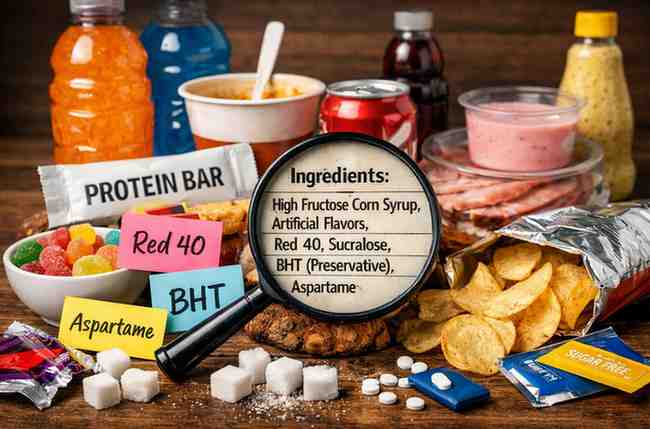
Artificial Food Ingredients: 11 Hard Truths That Finally Bring Relief

Artificial Food Ingredients 11 Hard Truths That Finally Bring Relief 1
Artificial Food Ingredients 11 Hard Truths That Finally Bring Relief

I can’t tell you how many times I’ve watched someone clean up their diet for two weeks, feel worse, and quietly assume they’re failing.

They swap obvious junk. Buy the “healthy” cereal. Switch to low-calorie snacks. Then they message me confused.

“I’m eating better. Why do I still feel bloated?”

Almost every time, when we slow down and actually look at labels, we land on the same thing:

Artificial food ingredients.

Not just food coloring or preservatives — but the quiet additives tucked into protein bars, flavored yogurt, “zero sugar” drinks, deli meat, frozen meals. Stuff that sounds scientific enough that most people skip over it.

From what I’ve seen guiding friends, family, and clients through label audits and trial phases, artificial food ingredients are rarely the sole villain. But they’re often the background noise that keeps people stuck.

And that’s the frustrating part. You don’t even know they’re there.

Let’s unpack this the way I’ve learned it — not academically. Just patterns. Mistakes. Outcomes.


Why People Start Paying Attention to Artificial Food Ingredients

It usually begins with symptoms.

  • Brain fog that won’t lift

  • Random headaches

  • Bloating that makes no sense

  • Energy crashes after “healthy” snacks

  • Kids acting wired after birthday parties

I didn’t expect how often the turning point was emotional, not medical.

One mom I worked with wasn’t trying to “eat clean.” She just wanted her son to stop melting down every afternoon. A dad was just tired of feeling inflamed all the time. A college student was desperate to stop crashing mid-lecture.

Almost none of them started with, “I need to remove artificial food ingredients.”

They started with: “Something feels off.”

That’s usually how it begins.


What Artificial Food Ingredients Actually Are (Without the Textbook Definition)

In real-world terms, artificial food ingredients are substances added to food that don’t naturally occur in that form in whole ingredients.

Common categories I see repeatedly:

  • Artificial colors (like Red 40, Yellow 5)

  • Artificial flavors

  • Artificial sweeteners (aspartame, sucralose, saccharin)

  • Preservatives (BHA, BHT, sodium benzoate)

  • Flavor enhancers (like MSG)

  • Texture stabilizers and emulsifiers

And here’s the thing.

Most people assume:

“If it’s approved, it must be fine.”

But “approved” doesn’t mean optimal. It means legally allowed within certain thresholds.

That nuance matters.


What Most People Get Wrong About Artificial Food Ingredients

I’ve seen three consistent misunderstandings.

1. They think it’s all-or-nothing

Almost everyone I’ve seen struggle with this does this one thing wrong:

They try to eliminate everything overnight.

They panic-throw away half their pantry.
Buy expensive replacements.
Feel overwhelmed.
Burn out in 10 days.

Then go right back.

The people who actually sustain change do something slower. They pick categories.

  • First: sugary drinks.

  • Then: flavored yogurt.

  • Then: packaged snacks.

Layered changes work better than food purges.


2. They only check obvious junk food

This one honestly surprised me after watching so many people try it.

The biggest artificial ingredient exposure often comes from:

  • Protein powders

  • Low-calorie “diet” products

  • Fat-free dressings

  • Meal replacement bars

  • Packaged whole wheat bread

People clean up fast food… but keep drinking artificially sweetened energy drinks daily.

The body doesn’t care that it’s labeled “zero.”


3. They assume all reactions are dramatic

Most reactions aren’t dramatic.

They’re subtle.

  • Slight digestive discomfort

  • Mood shifts

  • Mild headaches

  • Skin flare-ups

  • Sleep disruptions

Which makes people dismiss them.

But when we run informal elimination phases — 2–4 weeks removing key artificial food ingredients — patterns show up.

Not for everyone.

But often enough that I can’t ignore it.


What I’ve Seen Consistently Improve (When People Reduce Artificial Ingredients)

Not overnight miracles.

But patterns.

Digestive Stability

Less bloating. Fewer random cramps. More predictable bowel movements.

Especially after reducing artificial sweeteners and emulsifiers.

Energy Stability

Fewer mid-afternoon crashes. Less “wired then tired.”

Artificial sweeteners seem to mess with appetite cues more than people expect.

Fewer Cravings

This is a big one.

When hyper-flavored foods disappear, taste buds recalibrate.

Fruit tastes sweeter.
Whole foods feel more satisfying.

It takes about 10–14 days for most people.

And those first 5 days? Rough.


How Long Does It Take to Notice a Difference?

From what I’ve seen across dozens of cases:

  • 3–5 days: Initial withdrawal cravings, especially from artificial sweeteners

  • 10–14 days: Taste sensitivity shifts

  • 2–4 weeks: Digestive and energy patterns stabilize

  • 6+ weeks: Deeper changes in appetite regulation

Still — some people feel nothing.

That’s important.

Not everyone is sensitive.

But the ones who are? They usually realize it in hindsight.

“I didn’t know I felt that bad until I stopped.”

I hear that line constantly.


Common Artificial Food Ingredients That Trigger Issues Most Often

If someone asks me where to start, I usually suggest examining:

  • Aspartame

  • Sucralose

  • High-intensity artificial sweeteners

  • Red 40

  • Yellow 5

  • Sodium benzoate

  • BHA and BHT

Not because they’re “poison.”

But because they show up frequently in symptom patterns.

Correlation doesn’t mean universal causation.

But repeated observation matters.


What Repeatedly Fails

I’ve seen this fail when:

  • Someone keeps ultra-processed foods but swaps one additive

  • They replace sugar with heavy artificial sweeteners

  • They expect weight loss as the primary outcome

  • They rely on “natural flavored” processed foods

Artificial food ingredients are often part of a larger ultra-processing issue.

You can’t out-hack hyper-palatable design with one tweak.


Is It Worth It?

This depends.

If you:

  • Feel chronically inflamed

  • Experience unexplained digestive issues

  • Struggle with intense cravings

  • Notice mood swings after certain foods

Then yes. It’s worth testing.

If you:

  • Eat mostly whole foods already

  • Have zero symptoms

  • Aren’t stressed about food

Then maybe it’s not your priority.

Not everyone needs to obsess over ingredient labels.

But most Americans consume more artificial food ingredients than they realize.

That’s just the environment here.


Who Should Be Careful About Going Too Extreme

This approach is not for:

  • People with a history of restrictive eating

  • Anyone prone to orthorexia

  • People who spiral into food anxiety

I’ve seen label awareness turn into label paranoia.

That’s not health.

Balance matters.


Objections I Hear All the Time

“The FDA approved it. So it’s safe.”

Safe at population thresholds.
Not necessarily optimal for everyone.

Different bodies. Different sensitivities.


“Natural sugar is worse.”

Sometimes. Quantity matters.

But replacing 6 sodas with 6 diet sodas doesn’t solve the root issue.

It shifts it.


“It’s impossible to avoid artificial food ingredients in America.”

Completely avoid? Probably unrealistic.

Reduce significantly? Absolutely doable.

Especially when focusing on:

  • Whole produce

  • Plain proteins

  • Simple ingredient lists

  • Cooking more at home

It’s not glamorous. It’s effective.


Quick FAQ (People Also Ask Style)

Are artificial food ingredients bad for you?

Not universally. Some people tolerate them fine. Others show clear symptom patterns when intake is high.

Do artificial sweeteners cause weight gain?

Mixed evidence. From what I’ve seen, they often increase cravings in certain individuals, which indirectly affects weight.

How can I reduce artificial food ingredients without overhauling everything?

Start with beverages. Then snack foods. Then flavored packaged items.

Layer the change.

Are artificial colors harmful?

Some children show behavioral sensitivity. Adults less so — but it varies.


A Reality Check Most Blogs Won’t Say

Reducing artificial food ingredients won’t:

  • Automatically fix your metabolism

  • Cure chronic disease

  • Make you lose 20 pounds

  • Solve emotional eating

I’ve watched people expect dramatic transformation.

Sometimes the win is quieter:

  • Fewer headaches

  • Slightly better sleep

  • More stable mood

  • Less bloating

Small improvements compound.


Practical Takeaways (If You’re Actually Going to Try This)

If I were guiding someone today, I’d say:

  1. Don’t overhaul everything.

  2. Audit beverages first.

  3. Read the first 5 ingredients — not the entire list.

  4. Give it 3 weeks before judging results.

  5. Track symptoms casually. No obsession.

  6. Notice cravings. They tell you something.

And emotionally?

Expect:

  • Irritation in week one

  • Doubt in week two

  • Subtle wins in week three

Patience here looks boring.

It’s grocery trips that feel repetitive.
Cooking that feels inconvenient.
Saying no to convenience sometimes.

Still.

I’ve watched enough people stabilize their energy and digestion this way that I can’t dismiss it.


You don’t have to fear artificial food ingredients.

But ignoring them completely? That hasn’t worked well for most people I’ve seen.

So no — this isn’t magic.

But I’ve watched enough people stop feeling confused about their bodies once they reduced the noise in their food.

Sometimes that clarity alone is relief.

And honestly, relief is underrated.

Overcome Men’s Hair Receding Hairline: 9 Brutally Honest Wins (and Losses) From My Messy Journey

Overcome Mens Hair Receding Hairline 9 Brutally Honest Wins And Losses From My Messy Journey 1
Overcome Mens Hair Receding Hairline 9 Brutally Honest Wins and Losses From My Messy Journey

Honestly, I didn’t think I’d care this much about my hair. Then one random Tuesday morning, I caught my reflection in bad bathroom light and went, “Oh. That’s new.” The corners of my hairline had pulled back like they were late for work. I stood there longer than I want to admit. Not gonna lie… it messed with my head. That’s how my whole spiral into trying to Overcome Men’s Hair Receding Hairline started. I didn’t know the words yet. I just knew I didn’t feel like myself.

I wish I could say I handled it like some zen monk. I didn’t. I panicked. I Googled. I bought stuff at 2 a.m. I tried to pretend it wasn’t happening. Then I tried to fix everything at once. Spoiler: that was dumb.

What follows is the messy, lived version. No hype. No miracle talk. Just what actually happened to me, in the U.S., with U.S. products, U.S. doctors, and a very real bank account that did not love my late-night decisions.


The moment I realized I wasn’t “imagining it”

I used to brush my hair forward without thinking. One day, it didn’t sit right. The part looked wider. The temples looked thinner. I told myself it was the lighting. Then I found an old photo from a beach trip in San Diego. Same haircut. Different hairline. Oof.

That was the first emotional swing:

  • Hope: “It’s probably stress.”

  • Denial: “This happens to everyone.”

  • Panic: “Is this forever?”

  • Weird calm: “Okay… let’s figure this out.”

I didn’t even know where to start. Forums made it worse. Half the posts sounded like doom. The other half sounded like sales pages in disguise. I felt stuck between “do nothing” and “do everything.”

So I did what most of us do. I tried everything.


What I misunderstood at first (and yeah, I paid for it)

I thought hair loss was one problem with one fix. Like a broken sink. Tighten one thing, done. That’s not how bodies work. From what I’ve seen, at least, this stuff is layered:

  • Genetics matters. A lot.

  • Stress sneaks in quietly.

  • Sleep changes things.

  • Scalp care isn’t optional.

  • Consistency beats hero moves.

My first big mistake? I jumped between routines every two weeks. New shampoo. New oil. New pill. New “hack” from some guy on YouTube who looked 19 and somehow had perfect hair.

Nothing had time to work. I blamed the products. Then I blamed myself. Then I stopped for a month because I was tired of thinking about it. That pause felt good emotionally… and bad for my hair.

Don’t make my mistake. Pick something boring and stick with it long enough to judge it.


The stuff I actually tried (and what it felt like)

I’m going to be straight with you. Some of this helped. Some of this did nothing. One thing made my scalp angry. My bathroom looked like a pharmacy for a while.

1) Drugstore shampoos that promised the moon

I grabbed the “thickening” stuff. The labels were loud. The results were quiet.

  • My hair felt cleaner.

  • It looked fuller for like… an hour.

  • The hairline did not move.

I kept using one gentle shampoo though. Not because it grew hair. Because my scalp stopped itching. That alone was worth it.

2) Scalp massages (I felt silly at first)

I watched a video. Then I sat on my bed rubbing my head like I’d lost my keys. I didn’t expect anything.

This honestly surprised me:

  • It helped me notice buildup.

  • My scalp felt warmer.

  • I stuck with it because it felt grounding.

Did it regrow hair on its own? Nah. Did it make the rest of my routine easier? Yeah.

3) Topical treatments (the commitment is real)

This part tested my patience. Twice a day. Every day. I missed days. Then I felt guilty. Then I got back on it.

What changed for me:

  • The shedding slowed down first.

  • The baby hairs came later.

  • The timeline was long. Think months, not days.

I didn’t expect that at all. I wanted a fast sign. The signs were tiny. I had to take photos to believe it.

4) Supplements (mixed bag, real talk)

I went through a phase of swallowing hope in capsule form. Some made my stomach mad. One made me break out. One seemed to help my nails more than my hair.

What I kept:

  • Basic nutrients I was likely low on.

  • Nothing fancy. No miracle blends.

I learned to eat better instead. Boring advice. Still true.

5) The doctor visit I avoided (don’t be me)

I waited too long because I didn’t want the talk. When I finally went, the vibe was calm. No judgment. Just facts.

I learned:

  • My pattern matched family history.

  • Early action mattered more than perfect action.

  • Stress was probably speeding things up.

Walking out, I felt weirdly lighter. Like I wasn’t guessing anymore.


The emotional rollercoaster nobody warns you about

Hair stuff hits ego. Hard. I’d catch myself:

  • Avoiding mirrors in bright light

  • Tilting my head in photos

  • Saying “it’s just the angle” too often

Then I’d swing the other way and not care for days. That back-and-forth drained me more than the routine itself.

A few honest feelings that popped up:

  • Jealousy. Yeah, I said it.

  • Shame for caring.

  • Relief when progress showed up.

  • Fear it would all stop working.

Still, once I made peace with trying to Overcome Men’s Hair Receding Hairline without expecting perfection, the pressure dropped. I could show up messy and still show up.


My simple routine (the one I actually stuck to)

This is not fancy. It’s just repeatable. That’s the point.

Morning

  • Gentle wash if I sweat.

  • Light topical.

  • Quick massage while coffee brews.

Night

  • Same topical.

  • Two minutes of rubbing the temples.

  • Done.

Weekly

  • One deeper clean.

  • Trim stray hairs so things look intentional.

Monthly

  • Photos in the same light.

  • Adjust if needed.

That’s it. No 12-step ritual. No burning sage over my scalp. Consistency beat chaos.


What didn’t work for me (and I wanted it to)

  • Changing products every week

  • Harsh scrubs on a sensitive scalp

  • Skipping days “to give my skin a break”

  • Expecting visible growth in two weeks

  • Letting one bad shed week ruin my mood

I messed this up at first by reading too many opinions. Noise kills momentum.


The money part (because yeah, it matters)

I live in the U.S. and this stuff adds up. Here’s how I stopped bleeding cash:

  • I picked one main treatment.

  • I stopped buying “add-ons” that promised speed.

  • I waited for store deals.

  • I ditched anything that irritated my skin.

No shade if you go premium. Just don’t confuse price with progress.


“How long did it take?” (the annoying but honest answer)

Short answer: longer than I wanted.
Long answer: I saw tiny changes around month three. The real “okay, this is something” moment hit closer to month six. And even then, it wasn’t a movie makeover. It was subtle. But subtle felt huge to me.

If you’re trying to Overcome Men’s Hair Receding Hairline, patience isn’t optional. It’s the whole game.


“What if it doesn’t work for me?”

This scared me. I kept waiting for the day I’d have to accept it all and move on. That day might come. And that’s okay.

Here’s the mindset shift that helped:

  • The goal is progress, not perfection.

  • Any slowdown is a win.

  • Feeling in control beats feeling helpless.

Even if your hairline doesn’t fully “come back,” the act of trying can steady your head. That surprised me. I didn’t expect that at all.


Would I do this again?

Yeah. I would. Not because it turned me into some shampoo model. But because I stopped feeling like a passenger in my own body. I made peace with the process. That peace showed up in other parts of my life too. Weird, right?


Stuff people don’t tell you (but should)

  • Some weeks you’ll shed more. It’s scary. It can still be okay.

  • Stress hits hair fast. Faster than most products can fix.

  • Photos beat memory. Memory lies.

  • You’re allowed to care and still be confident.

  • You don’t owe anyone an explanation for trying.

I learned these the hard way.


Practical takeaways (the short version)

  • Pick one plan. Stay with it.

  • Track with photos, not vibes.

  • Treat your scalp like skin, not carpet.

  • Expect slow change.

  • Adjust, don’t quit.

  • Ask a pro sooner than later.

  • Spend less on hype. More on consistency.

  • Be kind to yourself on bad mirror days.

No hype. No guarantees. Just what held up for me.


I still catch my reflection in bad light sometimes and think, “Huh. That spot again.” Then I move on with my day. The goal was never to freeze time. It was to stop feeling powerless. If you’re trying to Overcome Men’s Hair Receding Hairline, go easy on yourself. Try things. Mess some of it up. Keep what helps. Drop what doesn’t. So no — this isn’t magic. But for me? Yeah. It finally made things feel… manageable.

Proper Diet to Lose Weight: 9 Brutal Truths That Finally Helped Me Feel Lighter

Proper Diet To Lose Weight 9 Brutal Truths That Finally Helped Me Feel Lighter 1
Proper Diet to Lose Weight 9 Brutal Truths That Finally Helped Me Feel Lighter

Not gonna lie… I didn’t believe a proper diet to lose weight was even a real thing at first. I thought it was just another phrase people used to sell sad salads and guilt. I’d try something for two weeks, hate my life, then quit. Rinse. Repeat.
I felt stuck in that loop for years. Hope. Frustration. “Okay fine, Monday.” Again.

The wild part? I wasn’t lazy. I was just doing it in a way that didn’t fit me.
And yeah, I messed this up at first. Badly.

This is me being honest about the mess, the trial-and-error, the small wins that surprised me, and the stuff that straight up failed. No perfect plans. No “transformation” photos. Just what finally started to feel… manageable.


Why I Even Tried Changing How I Eat (And Why I Kept Quitting)

I didn’t wake up one day like, “Time to become a healthy person.”
It was more like:

  • I got winded walking up stairs.

  • My jeans hated me.

  • My back hurt for no reason.

  • I avoided mirrors.

That’s when it hit me. Not in a dramatic way. More like quiet embarrassment.

So I Googled. A lot.
Every plan promised fast results. None felt human.

I tried:

  • Cutting carbs completely (made me grumpy and weird).

  • Smoothie-only days (I lasted 36 hours).

  • “Clean eating” without knowing what clean even meant.

  • Skipping meals to “save calories” (spoiler: I binged later).

From what I’ve seen, at least, most people fail not because they’re weak.
They fail because the plan doesn’t fit their actual life.

Mine didn’t.


The First Big Mistake I Made (Please Don’t Do This)

I thought discipline meant pain.

If I wasn’t miserable, I assumed it wasn’t working.
So I ate tiny portions of food I didn’t like.
I avoided dinners with friends.
I turned food into math.

And yeah… I lost a little weight.
Then I gained it back. Plus extra. That part sucked.

Here’s what I learned the hard way:

  • If you hate the food, you won’t stick to it.

  • If you’re always hungry, you’ll snap eventually.

  • If your plan feels like punishment, you’ll quit.

This honestly surprised me.
The moment I stopped trying to be “perfect,” things got easier.


What Actually Started Working (Slowly, Then Suddenly)

I didn’t find some secret trick.
I found boring habits that stacked up.

The shift was small at first:

  • I ate protein in the morning.

  • I drank water before grabbing snacks.

  • I stopped calling foods “bad.”

  • I cooked two simple meals I liked and repeated them.

That’s it. No dramatic detox.

A few weeks in, something weird happened.
My cravings chilled out.
Not gone. Just quieter.

I didn’t expect that at all.

Here’s what my days started to look like (most days, not all):

  • Breakfast: eggs or Greek yogurt with fruit

  • Lunch: leftovers or a simple sandwich with real protein

  • Dinner: whatever I made, just more balanced

  • Snacks: nuts, apples, popcorn

  • Drinks: mostly water, coffee, the occasional soda

Still human. Still messy.
Just less chaos.


The “Don’t Make My Mistake” List

I learned these the embarrassing way:

  • Don’t skip meals to “earn” dinner.

  • Don’t cut entire food groups unless your doctor says so.

  • Don’t start five habits at once. Pick one.

  • Don’t punish yourself for one bad day.

  • Don’t compare your pace to anyone else online.

Comparison wrecked my motivation.
It made my progress feel fake.
It wasn’t fake. It was just slow.

Slow is fine.


How Long Did It Take Before Anything Changed?

This part annoyed me.

The scale?
Did nothing for two weeks. Then jumped. Then stalled.

My body?
Felt better before it looked different.

Around week three, I noticed:

  • I wasn’t crashing mid-day.

  • My stomach felt calmer.

  • I stopped thinking about food all the time.

That mental space?
Huge win. Bigger than the scale, honestly.

From what I’ve seen, at least, the mind changes first.
The mirror catches up later.


The Parts That Still Feel Hard

I wish I could say it’s easy now.
It’s not.

Some days I still:

  • Eat when I’m bored.

  • Order takeout when I’m tired.

  • Say “I’ll start tomorrow.”

But the difference now?
I don’t spiral.
I just… reset the next meal.

That’s it. No shame. No drama.

I used to think one bad choice ruined the day.
It doesn’t.
It’s just one choice.


What If It’s Not Working for You?

I hit plateaus.
Long ones. Super annoying ones.

Here’s what helped when things felt stuck:

  • I checked if I was actually eating enough protein.

  • I added walking. Just 20 minutes.

  • I slept more. Seriously.

  • I stopped “snacking” mindlessly at night.

None of this was extreme.
It just nudged things forward again.

If nothing changes for weeks, it might mean:

  • Your portions drifted up.

  • Your stress is high.

  • Your sleep is trash.

  • Your plan is too strict to keep up.

That last one got me a few times.


The Weird Mental Shifts I Didn’t Expect

This one caught me off guard.

Eating better made me:

  • Less anxious around food.

  • More patient with myself.

  • Way less obsessed with the scale.

I didn’t expect that at all.
I thought weight was the main reward.

Turns out, peace was the better prize.

Still, some days I miss old habits.
Late-night junk food had vibes.
I won’t pretend it didn’t.

Then again, waking up without regret?
Also has vibes.


Real-Life Routines That Didn’t Feel Like a Diet

I stopped calling it a plan.
It helped mentally.

These tiny routines stuck for me:

  • Grocery shopping after eating (less impulse junk).

  • Cooking once, eating twice.

  • Keeping fruit where I can see it.

  • Drinking water before coffee.

  • Letting myself enjoy dessert sometimes.

The more normal it felt, the more I did it.

That’s the quiet trick, I think.
Make it boring enough to repeat.


Food Rules I Broke on Purpose

This might sound wrong, but…
breaking rules helped me stay consistent.

Rules I ditched:

  • “No eating after 7.”

  • “No carbs at night.”

  • “Cheat days.”

  • “Earn your food with workouts.”

They messed with my head.

Now I aim for:

  • Eat when hungry.

  • Stop when full-ish.

  • Choose better when I can.

  • Enjoy it when I don’t.

Not perfect. Just real.


The Emotional Rollercoaster (Yeah, It’s a Thing)

There were days I felt proud.
There were days I felt like a fraud.

Hope → frustration → clarity → repeat.

Sometimes progress felt invisible.
Then someone would say, “You look different.”
And I’d be like… wait, really?

That hit hard. In a good way.

Still, I had to learn to believe my own effort.
Not just outside feedback.


Practical Takeaways (Stuff I’d Tell My Past Self)

If I could DM the old me at 1 a.m., I’d say:

  • Start smaller than you think.

  • Eat food you actually like.

  • Don’t wait for motivation. Build habits.

  • Track patterns, not just calories.

  • Messing up doesn’t erase progress.

  • Drink water. Yes, really.

  • Sleep more than you think you need.

  • Walk. It counts.

And yeah… be patient.
Annoying advice. Still true.


I used to think a proper diet to lose weight meant strict rules and perfect days.
Turns out, it meant learning how to eat like a normal person again.
One who messes up.
One who keeps going anyway.

So no—this isn’t magic.
And it’s not fast.
But for me?
Yeah. It finally made things feel… manageable.

14 Day Diet Plan for Extreme Weight Loss: 7 Hard Truths I Learned the Uncomfortable Way

14 Day Diet Plan For Extreme Weight Loss 7 Hard Truths I Learned The Uncomfortable Way 1
14 Day Diet Plan for Extreme Weight Loss 7 Hard Truths I Learned the Uncomfortable Way

Not gonna lie… I didn’t believe a 14 Day Diet Plan for Extreme Weight Loss would do anything for me.
I’ve been the “I’ll start Monday” person since, like, 2016.
Then Monday shows up. So does pizza.

But two weeks ago, I was tired of avoiding mirrors.
Tired of my jeans cutting into my stomach.
Tired of feeling heavy in my body and my head.

So I tried it.
Messy. Emotional. Not perfect.
And yeah… it surprised me in a few ways I didn’t expect at all.

I’m writing this like I’d text a close friend at 1 a.m.
Because that’s how this felt. Desperate, hopeful, confused, then oddly calm.


Why I Even Tried This (And What I Got Wrong First)

I didn’t wake up one day full of motivation.
I woke up annoyed at myself.

Here’s what pushed me over the edge:

  • My doctor hinted I was heading toward prediabetes

  • My knees hurt going up stairs (I’m in my 30s… that felt rude)

  • I hated photos of myself

  • I felt tired all the time

So I Googled around and landed on this whole idea of a short, strict reset.
The name sounded dramatic.
I rolled my eyes.
Then I saved it anyway.

What I misunderstood at first

I thought it meant:

  • Starving myself

  • Drinking only green juice

  • Being miserable for two weeks

That’s not what worked for me.
That version? I tried it on Day 1.
I failed by dinner. Hard.

I was hangry.
Snapped at my partner.
Then ate a whole bag of chips like it was self-care.

Lesson learned: extreme doesn’t mean stupid.


The Version I Actually Followed (The Real-Life One)

I’m not a meal-prep influencer.
I didn’t measure spinach with a scale.
I kept it simple enough that I wouldn’t quit.

This is roughly what my days looked like.

Morning

  • Big glass of water

  • Black coffee or tea

  • Eggs or Greek yogurt

  • Some fruit if I felt shaky

Some days I skipped fruit.
Some days I didn’t.
My body let me know.

Lunch

  • Chicken or tuna

  • Big salad with olive oil

  • Rice or sweet potato if I worked out

I messed this up early by skipping carbs.
Headache city.
Adding them back helped my mood fast.

Dinner

  • Fish, turkey, or tofu

  • Veggies I actually like

  • A small portion of carbs

I stopped eating after 8 p.m.
Not because of rules.
Because late snacks made me bloat like a balloon.

Snacks (when I needed them)

  • Nuts

  • Apples

  • Cottage cheese

  • Jerky

Not fancy.
Just food I wouldn’t binge on.

Drinks

  • Water. So much water.

  • Sparkling water when bored

  • No soda

  • No alcohol

The alcohol part hurt emotionally.
But it helped my sleep a lot.


The Emotional Rollercoaster Nobody Warned Me About

Day 1–3:
Hopeful. Motivated. Slightly dramatic about it.

Day 4–6:
I hated everyone.
Everything smelled good.
My brain tried to convince me I “deserved” fries.

Day 7–9:
This honestly surprised me.
I felt lighter.
Not just in my body. In my mood.

Day 10–12:
Bored.
Food felt repetitive.
I wanted variety more than junk.

Day 13–14:
Clear-headed.
Calmer.
Weirdly proud of myself.

I didn’t expect the mental shift.
That part stuck with me.


What Actually Changed (And What Didn’t)

Let’s be real for a second.

Yes, my weight dropped.
No, it wasn’t magic.
A chunk was water weight.
Some of it was fat.
I could feel the difference in my clothes.

But the real changes?

  • My face looked less puffy

  • My stomach didn’t feel stretched all day

  • I woke up less groggy

  • My sugar cravings dropped hard

  • My confidence nudged up a notch

What didn’t change:

  • My stretch marks

  • My history with emotional eating

  • My need for late-night comfort

This wasn’t a cure.
It was a reset.
That’s an important difference.


The Mistakes I Made (So You Don’t Have To)

I messed this up at first.
More than once.

Here’s what tripped me up:

  • Skipping meals

  • Going zero-carb

  • Not salting my food

  • Overdoing workouts

  • Thinking hunger meant “working”

Don’t make my mistake.
Hunger that feels painful isn’t progress.
It’s a warning sign.

When I ate enough protein and some carbs, I felt human again.


“Is This Even Safe?” – My Honest Take

I’m not your doctor.
I’m just someone who tried a strict two-week reset.

From what I’ve seen, at least:

  • Short plans can kickstart habits

  • They can also backfire if you go extreme

  • The rebound is real if you treat this like punishment

If you:

  • Have health issues

  • Take meds

  • Have a rough relationship with food

Please talk to someone before jumping in.

I did a quick check-in with my doctor.
That gave me peace of mind.


How Long Did It Take to Feel Any Difference?

Fast.
Annoyingly fast.

By Day 3, my bloat was down.
By Day 5, my cravings chilled out.
By Day 10, my jeans fit better.

The scale moved early.
Then slowed.
That’s normal.

If nothing changes in the first week, don’t panic.
Sometimes your body takes a minute to catch on.


What If It Doesn’t Work for You?

That part messed with my head at first.

I kept thinking,
“What if I do all this and nothing changes?”

Here’s what I noticed:

  • When I slept like trash, results slowed

  • When I stress-ate, progress paused

  • When I half-committed, my body half-responded

It wasn’t all food.
Sleep and stress mattered way more than I expected.

If nothing shifts after two weeks, that’s info.
Not failure.

It might mean:

  • You need more food

  • Less restriction

  • More movement

  • Or a slower pace

That’s not quitting.
That’s adjusting.


Would I Do This Again?

Honestly?
Yes. But not often.

This isn’t how I want to live year-round.
It’s too strict for my personality.

But as a reset?
As a way to break bad habits?
It worked for me.

I’d do it after:

  • A long vacation

  • A stressful season

  • A rough mental health dip

Then I’d switch to something slower.


Small Things That Made This Easier (That Nobody Told Me)

These saved me:

  • Keeping boring food around

  • Eating before I got ravenous

  • Brushing my teeth after dinner

  • Walking instead of hard workouts

  • Drinking water when cravings hit

Also, planning one “normal” meal for Day 15 helped my brain relax.
I didn’t feel trapped.


If You’re Considering a 14-Day Reset, Read This First

I’m not here to sell you a miracle.
There isn’t one.

A 14 Day Diet Plan for Extreme Weight Loss can:

  • Jumpstart momentum

  • Show you your habits

  • Build a little confidence

It can’t:

  • Fix your relationship with food

  • Erase years of patterns

  • Make you love your body overnight

Use it as a tool.
Not a punishment.


Practical Takeaways (The Stuff I Wish I Knew Day 1)

  • Eat enough protein

  • Don’t fear carbs

  • Drink more water than feels normal

  • Sleep like it’s your job

  • Walk daily

  • Stop when you’re full

  • Don’t chase pain

  • Expect emotional weirdness

  • Plan what happens after

No hype.
No guarantees.
Just honest stuff that helped me.


I didn’t become a new person in two weeks.
I didn’t wake up loving my body.
But I stopped feeling stuck.

That alone felt huge.

So if you’re standing in your kitchen right now, staring into the fridge, feeling tired of your own excuses…
I get it.
Try something small.
Try two weeks of showing up.

Not perfect.
Just honest.

That was enough for me.

Supplements to Lower BP Naturally: 9 That Actually Help (and the Frustration Most People Don’t Expect)

Supplements To Lower Bp Naturally 9 That Actually Help And The Frustration Most People Dont Expect 1
Supplements to Lower BP Naturally 9 That Actually Help and the Frustration Most People Dont Expect

A friend of mine started tracking his blood pressure every morning.

At first it was curiosity. Then it turned into anxiety.

142/90…
138/88…
145/92…

Not catastrophic numbers. But high enough to keep showing up in his head every time he looked at the monitor.

So he did what most people in the U.S. eventually do. He started searching for supplements to lower BP naturally.

Magnesium. Garlic. Fish oil. Potassium. Beetroot.
It looked simple on paper.

But after watching dozens of people try this — friends, relatives, readers, even people I helped compare routines — the same pattern kept repeating:

People buy the right supplement…

…and still don’t see results.

Not because the supplements don’t work.

But because almost everyone misunderstands how they actually help.

And honestly, that misunderstanding causes more frustration than the blood pressure numbers themselves.


Why So Many People Start Looking for Supplements to Lower BP Naturally

Most people don’t start here because they love supplements.

They start here because they’re standing in a small doctor’s office hearing something like:

“Your blood pressure is a little elevated.”

Not dangerous yet.
But trending the wrong direction.

So the instinct becomes:

Can I fix this before medication becomes necessary?

From what I’ve seen, the people who search for natural BP support usually fall into three groups:

1. Early-stage hypertension

  • BP creeping into the 130–140 range

2. Stress-driven spikes

  • Numbers fluctuate with sleep, anxiety, work pressure

3. Medication hesitation

  • Wanting to try lifestyle support first

And honestly… this instinct isn’t wrong.

But supplements work best when people understand what they’re actually doing inside the body.

Because most people expect something closer to a “blood pressure pill.”

That’s not how this works.


The Supplements That Actually Show Consistent Patterns

After watching people try dozens of things over the years, a few supplements show up again and again in routines that eventually help.

Not miracles.

But real, measurable support.

1. Magnesium

Magnesium might be the most quietly effective supplement I’ve seen in blood pressure routines.

And weirdly… it’s also the one most people underestimate.

Magnesium helps with:

  • blood vessel relaxation

  • nervous system balance

  • stress response

  • sleep quality

All things that influence blood pressure indirectly.

What surprised me after seeing so many people try this:

The biggest improvement often comes through better sleep, not the supplement itself.

When people sleep deeper, their nervous system calbs down.

BP readings start stabilizing.

Most people I’ve seen use:

  • Magnesium glycinate

  • Magnesium citrate

Typical range:

300–400 mg daily.

But here’s a common mistake.

People try magnesium for 4 days.

Then stop.

Real patterns usually show up after 2–3 weeks.


2. Potassium

Potassium is one of those nutrients that works quietly behind the scenes.

It helps the body balance sodium.

And most Americans eat far more sodium than potassium.

That imbalance alone pushes blood pressure upward.

What I’ve seen:

People who increase potassium — through food or supplements — often see their numbers settle gradually.

Common potassium-rich foods:

  • bananas

  • avocados

  • spinach

  • sweet potatoes

Supplements are usually smaller doses.

Because high potassium must be handled carefully, especially for people with kidney issues.


3. Omega-3 Fish Oil

Fish oil works differently.

It reduces inflammation in blood vessels.

Which improves how easily blood flows.

From what I’ve seen in real routines, fish oil doesn’t cause dramatic changes overnight.

But after 8–12 weeks, people sometimes notice:

  • lower resting BP

  • improved cholesterol markers

  • better heart rate variability

Typical effective doses:

1,000–3,000 mg EPA/DHA daily

But quality matters a lot here.

Cheap fish oil supplements often do very little.


4. Garlic Extract

Garlic supplements are surprisingly well studied for blood pressure.

They help produce nitric oxide.

Which helps blood vessels widen slightly.

The interesting thing I noticed:

People who hate garlic smell almost never stick with this.

But aged garlic extract capsules remove most of the odor issue.

Some studies show reductions around:

5–8 mmHg

Which is meaningful.

But again… patience matters.

Most improvements appear after 6–12 weeks.


5. Beetroot / Nitric Oxide Supplements

This one honestly surprised me after watching so many people try it.

Beetroot contains nitrates.

The body converts those nitrates into nitric oxide.

Which relaxes blood vessels.

Athletes use it for performance.

But it also helps circulation.

What people usually notice:

  • slightly lower systolic BP

  • improved endurance

  • warmer hands and feet

It’s subtle.

But noticeable over time.


The Mistakes Almost Everyone Makes at First

This is where most people get frustrated.

Because supplements alone rarely work the way people expect.

Patterns I see constantly:

Mistake 1: Trying Everything at Once

People start:

  • magnesium

  • garlic

  • beetroot

  • potassium

  • hibiscus tea

All in one week.

Then they can’t tell what’s working.

Or what’s causing side effects.

Slow stacking works better.


Mistake 2: Expecting Quick Results

Blood pressure doesn’t change overnight unless medication is involved.

Natural changes are gradual.

Most realistic timelines I’ve observed:

Time What People Notice
1–2 weeks subtle calmness, sleep changes
3–4 weeks slightly more stable readings
8–12 weeks measurable improvement

People quit right before progress starts.

I see this constantly.


Mistake 3: Ignoring the Real Cause

Supplements can support blood pressure.

But they rarely overpower things like:

  • chronic sleep deprivation

  • constant stress

  • high sodium diet

  • sedentary lifestyle

From what I’ve seen…

The best results happen when supplements support lifestyle changes, not replace them.


FAQ: Supplements to Lower BP Naturally

Do supplements really lower blood pressure?

Yes — some can.

But usually modestly.

Reductions of 4–10 mmHg are common with consistent use.

Which is meaningful, but not dramatic.


How long do natural supplements take to work?

Most people see changes after:

4–12 weeks

Consistency matters more than dosage.


Can supplements replace blood pressure medication?

Sometimes in early cases.

But anyone with stage 2 hypertension should talk to a doctor first.

Natural support works best alongside medical guidance.


What’s the most effective supplement overall?

From what I’ve seen repeatedly:

Magnesium + fish oil tends to form the foundation.

Then people add garlic or beetroot.


Objections I Hear All the Time

“If supplements worked, doctors would prescribe them.”

Actually, many doctors recommend magnesium or fish oil.

But supplements aren’t regulated like medications.

So results vary.


“Natural stuff is too weak.”

Sometimes.

But small improvements matter.

Dropping BP from 140 → 130 significantly lowers heart risk.

Even if it doesn’t feel dramatic.


Reality Check Most People Need

Supplements help…

But they rarely solve blood pressure alone.

The people I’ve seen succeed usually combine:

  • magnesium

  • fish oil

  • walking daily

  • reduced sodium

  • better sleep

Not glamorous.

But effective.

Also… blood pressure numbers fluctuate daily.

People panic when readings jump.

But the trend matters more than single readings.


Practical Takeaways Most People Wish They Knew Earlier

If someone asked me where to start, based on everything I’ve observed:

Start simple.

Try something like:

Morning

  • Fish oil

Evening

  • Magnesium

Track BP for 4 weeks.

Then consider adding garlic or beetroot.

Avoid stacking five supplements immediately.

Watch sleep.

Reduce sodium slowly.

And give the body time.


Some people will still need medication eventually.

That’s reality.

But I’ve also watched plenty of people stabilize their blood pressure just enough to avoid that step.

Not perfectly.

Not overnight.

But gradually.

And honestly… the biggest shift usually isn’t the supplement itself.

It’s when people stop chasing quick fixes and start building small routines they can actually stick with.

That’s when the numbers start moving.

Quietly.

Slowly.

In the right direction.