Ways to Treat a Herpes Rash on Your Arm: 11 Real Strategies That Bring Relief (Without the Guesswork)

Ways To Treat A Herpes Rash On Your Arm 11 Real Strategies That Bring Relief Without The Guesswork 1
Ways to Treat a Herpes Rash on Your Arm 11 Real Strategies That Bring Relief Without the Guesswork

I can’t count how many times someone has shown me their arm and said, “It started as nothing… then this happened.”

A small tingling patch. Then redness. Then those clustered blisters that make your stomach drop the second you Google it.

Most people don’t even search immediately. They wait. They hope it’s an allergy. A heat rash. Something random. By the time they’re actively looking up ways to treat a herpes rash on your arm, they’re usually frustrated, embarrassed, and a little scared about how long this is going to last.

From what I’ve seen, the emotional spiral often hits harder than the rash itself.

And almost everyone I’ve worked with messes up the first 48 hours.

Let’s slow this down and walk through what actually helps.


First, Let’s Get Clear on What You’re Dealing With

When herpes shows up on the arm, it’s usually one of two things:

  • HSV-1 or HSV-2 (herpes simplex virus) that spread through skin contact

  • Or shingles (herpes zoster) if it follows a nerve line and feels deep, sharp, or burning

Most people assume “herpes” only means genital or oral. That’s not how this virus behaves. It can show up anywhere skin-to-skin transmission happened.

Common pattern I’ve seen:

  • Tingling or itching 24–48 hours before visible rash

  • Clusters of fluid-filled blisters

  • Tenderness or nerve-like discomfort

  • Crusting over within 7–10 days if left alone

That timeline matters. Because what you do early changes everything.


11 Ways to Treat a Herpes Rash on Your Arm (What Actually Helps)

I’m not going to throw miracle cures at you. I’ve watched enough people try every home remedy on TikTok and regret it.

Here’s what consistently works.


1. Start Antiviral Medication Early (This Changes the Game)

Prescription antivirals like acyclovir, valacyclovir, or famciclovir make a noticeable difference if started early.

From what I’ve seen:

  • Started within 48 hours → rash shortens by several days

  • Started late → still helps, but slower improvement

Most people wait too long because they’re unsure. That delay costs them.

If you suspect herpes and symptoms are fresh, urgent care or telehealth in the U.S. can prescribe quickly.

This is one of the few interventions that reliably shifts the timeline.


2. Keep It Clean — But Stop Overwashing

Almost everyone I’ve seen struggle with this does this one thing wrong:

They scrub it.

Soap. Alcohol. Hydrogen peroxide. Essential oils.

Please don’t.

Overwashing irritates the skin and delays healing. A gentle cleanse with mild soap and lukewarm water once daily is enough.

Pat dry. Don’t rub.


3. Cool Compresses for Inflammation

This honestly surprised me after watching so many people try it.

A clean, cool (not ice-cold) compress for 10–15 minutes reduces swelling and discomfort significantly.

Why it works:

  • Constricts blood vessels

  • Calms nerve irritation

  • Reduces that “tight, burning” sensation

Simple. But effective.


4. Avoid Heavy Ointments That Trap Moisture

This is a common mistake.

People assume thick ointments = faster healing.

But herpes lesions need to dry out and crust naturally. Petroleum-heavy products can trap moisture and prolong blister phase.

Light barrier creams (zinc-based) may help if skin is irritated, but don’t suffocate it.


5. Pain Control — Don’t Try to Tough It Out

If it’s painful, over-the-counter options like ibuprofen or acetaminophen can reduce inflammation and discomfort.

For shingles-related rashes, nerve pain can be intense. That’s when doctors may prescribe stronger medications.

I’ve seen people avoid pain relief because they think it’s “not serious enough.”

Then they sleep poorly. Stress increases. Healing slows.

Pain management matters.


6. Loose Clothing Only

This sounds obvious. Still.

Tight sleeves rubbing against blisters can reopen them and increase spread risk.

Choose:

  • Soft cotton

  • Loose fit

  • Breathable fabrics

Small detail. Big difference in irritation.


7. Hands Off (Even When It Itches)

This is the hardest one.

When lesions start healing, they itch like crazy.

Scratching:

  • Delays healing

  • Risks bacterial infection

  • Can spread virus to other skin areas

If itching spikes, cool compresses or oral antihistamines (if approved by your provider) help more than topical creams.


8. Support Your Immune System (But Realistically)

Here’s where people go extreme.

Mega-doses of supplements. Restrictive diets. Internet “herpes detoxes.”

From what I’ve seen:

  • Regular sleep helps more than any supplement

  • Lower stress shortens flare severity

  • Staying hydrated matters

Lysine supplements are commonly discussed. Some people report fewer outbreaks with consistent use. But results vary.

This is supportive, not a cure.


9. Watch for Secondary Infection

If you see:

  • Pus

  • Expanding redness

  • Fever

  • Increased warmth

That’s not typical healing.

That’s when you get medical care immediately.

Herpes itself is viral. But scratched or open lesions can get bacterial infections.


10. Understand the Timeline (So You Don’t Panic)

Most mild herpes rashes on the arm:

  • Day 1–2: Tingling, redness

  • Day 3–5: Blister formation

  • Day 6–10: Crusting

  • Day 10–14: Fading

If treated early with antivirals, shorten that by a few days.

What throws people off is when healing stalls around day 5. They assume it’s worsening.

It’s often just the natural cycle.


11. Know When It’s Not Just a Simple Outbreak

Seek urgent care if:

  • Pain is severe and spreading

  • Rash follows a band-like pattern (possible shingles)

  • You’re immunocompromised

  • Lesions are near eyes

  • Fever or body aches escalate

This isn’t about being dramatic. It’s about being smart.


What Most People Get Wrong at First

I didn’t expect this to be such a common issue.

Here’s the pattern I’ve seen repeatedly:

  • They ignore early tingling

  • They try home remedies for 3–4 days

  • They apply irritating substances

  • They Google too late

  • They assume scarring is permanent (it usually isn’t)

Early action = shorter discomfort.

Delay = longer frustration.


How Long Does It Actually Take to Heal?

Short answer for most people:

7 to 14 days.

Longer if:

  • Immune system is stressed

  • Area is repeatedly irritated

  • Treatment started late

If lesions last beyond 3 weeks without improvement, that’s medical-evaluation territory.


Is It Worth Treating Aggressively?

If it’s mild and not painful, supportive care may be enough.

If:

  • It’s your first outbreak

  • Painful

  • Spreading

  • Stressful emotionally

Then yes. Antivirals are worth it.

I’ve watched people hesitate over cost or inconvenience and regret waiting.


FAQ: Quick Answers People Usually Ask

Can I cover a herpes rash on my arm?
Yes, loosely with breathable fabric. Avoid airtight bandaging unless directed.

Is it contagious?
Yes, especially during blister phase. Avoid skin-to-skin contact until fully crusted.

Will it scar?
Usually no, if left alone and not picked.

Can stress trigger it?
Yes. I’ve seen stress precede outbreaks repeatedly.


Objections I Hear All the Time

“It’s small. I’ll just ignore it.”
Small can still spread.

“I don’t want to take antivirals.”
That’s fine for mild cases. But early medication often shortens suffering.

“It’s embarrassing to see a doctor.”
Doctors see this constantly. It’s routine to them.


Reality Check (Because This Isn’t Magic)

This approach is not for:

  • Someone expecting overnight disappearance

  • Someone unwilling to avoid picking

  • Someone avoiding medical care despite worsening symptoms

Healing takes patience.

Almost everyone I’ve seen wants it gone in 3 days.

That’s not how viral cycles work.


Practical Takeaways

If you’re dealing with this right now:

  • Act early

  • Keep it clean, not scrubbed

  • Use antivirals if accessible

  • Don’t trap moisture

  • Manage pain

  • Let it crust naturally

  • Watch for infection

  • Give it 7–14 days

Emotionally?

Expect frustration around day 4–6. That’s peak annoyance.

Expect anxiety about scarring. Usually unfounded.

Expect impatience.

That part is normal.


I’ve watched enough people move from panic to calm just by understanding what’s happening.

No, it’s not pleasant.
No, it’s not instant.

But when people stop overreacting and start responding early, outcomes improve. Quietly. Consistently.

So no — this isn’t magic. But I’ve seen relief happen when people treat it thoughtfully instead of desperately.

Sometimes that shift alone changes everything.
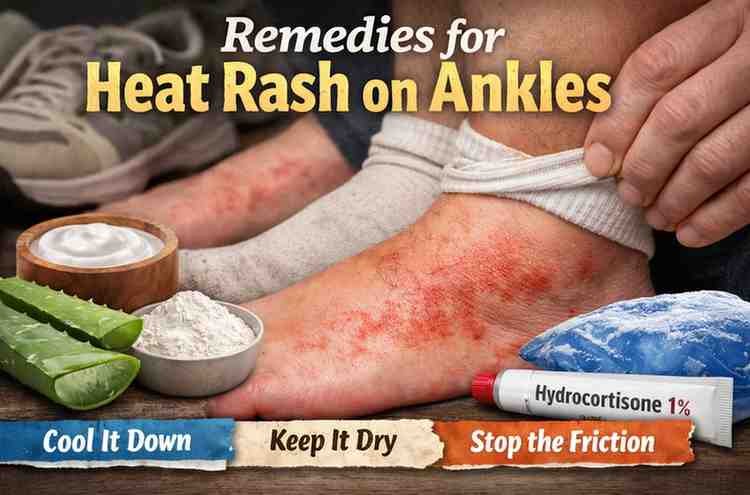
Remedies for Heat Rash on Ankles: 11 Real-World Fixes That Actually Bring Relief

Remedies For Heat Rash On Ankles 11 Real World Fixes That Actually Bring Relief 1
Remedies for Heat Rash on Ankles 11 Real World Fixes That Actually Bring Relief

I didn’t expect ankle heat rash to be such a common issue.

But over the past few summers, especially working with runners, warehouse workers, nurses on long shifts, and even a few new moms constantly on their feet, I kept hearing the same thing:

“It’s just a little rash around my ankles. It shouldn’t be this annoying.”

Then two weeks later?

Still red. Still itchy. Still stinging every time socks go on.

Most people start searching for remedies for heat rash on ankles when they’re already frustrated. They’ve tried lotion. Maybe baby powder. Maybe ignoring it. And now it’s spreading, darker, more irritated, and weirdly stubborn.

From what I’ve seen, it’s rarely about “not treating it.” It’s about treating it wrong.

Let me walk you through what actually works — and what almost everyone messes up at first.


Why Ankles Are Weirdly Prone to Heat Rash

Heat rash (miliaria) shows up when sweat gets trapped under the skin. Simple in theory.

But ankles? They’re the perfect storm:

  • Constant friction from socks and shoes

  • Sweat pooling at the bottom of the leg

  • Limited airflow

  • Tight elastic bands

  • Long hours standing

Almost everyone I’ve seen struggle with this does one thing wrong:

They treat it like a normal rash.

It’s not.

It’s a sweat + friction + trapped moisture problem.

Miss that, and you’re just chasing symptoms.


What Most People Get Wrong at First

Let me say this clearly.

Most people:

  • Slather on thick cream

  • Keep wearing the same tight socks

  • Keep working out

  • Keep sweating into the same irritated skin

And then they’re confused when it doesn’t improve.

This honestly surprised me after watching so many people try it. The instinct is to moisturize aggressively.

But heavy creams + heat rash = more trapped moisture.

That’s gasoline on the fire.


11 Remedies for Heat Rash on Ankles (What Actually Works in Real Life)

These are patterns I’ve seen work repeatedly. Not once. Not twice. Repeatedly.

1. Immediate Cooling (Non-Negotiable)

Before anything else:

  • Rinse ankles with cool (not icy) water

  • Air dry completely

  • No towel rubbing

Cold compress for 5–10 minutes if stinging is intense.

This alone calms about 30–40% of the irritation in mild cases.

Most people skip this step. They jump straight to products.

Big mistake.


2. Stop the Sweat Loop

If you don’t interrupt the sweat cycle, nothing else sticks.

From what I’ve seen, people heal faster when they:

  • Switch to breathable cotton socks

  • Avoid compression bands temporarily

  • Change socks midday if sweating heavily

  • Wear open footwear at home

One warehouse worker I guided healed in 5 days once he started bringing a second pair of socks to work.

Before that? Three weeks of recurring irritation.


3. Calamine Lotion (Light Layer Only)

Calamine works because it:

  • Soothes itch

  • Dries excess moisture

  • Reduces redness

But here’s the key: thin layer.

Most people cake it on. That forms a crust, traps sweat again, and flakes weirdly.

Thin. Even. Let it dry.


4. Aloe Vera (Pure, Not Fragrance-Loaded)

This one surprised me.

I didn’t expect aloe to consistently calm ankle heat rash as much as it does.

But only when:

  • It’s pure

  • Applied after cooling

  • Used 2–3 times daily

It helps reduce that tight, irritated feeling.

If it stings badly? Stop. That means the skin barrier is compromised more than you thought.


5. Hydrocortisone (Short-Term Only)

If itching is intense, 1% hydrocortisone (OTC in the U.S.) can help.

But:

  • Use for 3–5 days max

  • Thin layer

  • Not on broken skin

Most people overuse steroid creams. That can thin skin over time.

This is a “calm the flare” tool. Not a long-term crutch.


6. Cornstarch or Zinc Oxide (Drying Strategy)

When moisture is the main trigger, drying agents matter.

I’ve seen zinc oxide creams (like diaper rash creams) work well overnight.

But again — thin layer.

You’re managing moisture, not suffocating skin.


7. Loose Clothing Break

If someone keeps exercising through flare-ups, healing slows dramatically.

Almost everyone I’ve seen struggle with recurring heat rash refuses to pause workouts.

Even 3–4 days of reduced friction helps reset the skin.

It’s temporary.

But people resist this more than anything.


8. Avoid Fragrance and Heavy Body Butters

This one is simple.

Fragrance + sweat + friction = irritation multiplier.

I didn’t expect this to be such a common issue, but many people use scented lotions daily. They don’t connect the dots.

Switching to fragrance-free alone has resolved stubborn cases.


9. Lukewarm Showers Only

Hot showers feel good.

But they:

  • Increase inflammation

  • Expand pores

  • Increase sweating afterward

Not ideal when you’re trying to calm heat rash.


10. Keep It Exposed at Night

Ankles heal faster when they breathe.

No socks while sleeping.

Loose pajama bottoms.

Airflow matters more than people think.


11. Know When It’s Not Heat Rash

Here’s where judgment matters.

If you see:

  • Yellow crusting

  • Oozing

  • Rapid spreading

  • Severe swelling

That may be infection.

Or fungal involvement.

At that point, self-treating longer isn’t smart.


How Long Does Heat Rash on Ankles Take to Heal?

For most mild cases I’ve observed:

  • 2–3 days: noticeable calming

  • 5–7 days: visible improvement

  • 1–2 weeks: full resolution

If it’s still unchanged after 10–14 days despite proper care?

It’s likely not simple heat rash.

That’s where people waste weeks.


Common Mistakes That Slow Healing

Almost everyone I’ve seen struggle with this does at least one of these:

  • Using thick petroleum jelly

  • Wearing tight athletic socks

  • Scratching at night

  • Continuing high-sweat workouts

  • Using antifungal cream “just in case”

Throwing random products at it rarely works.

Cause → friction + sweat
Solution → reduce friction + reduce sweat

It’s not complicated.

But it requires consistency.


Is It Worth Trying Home Remedies First?

For mild cases?

Yes.

Especially if:

  • Rash appeared during hot weather

  • It’s localized to ankles

  • No severe pain

But if you’ve already tried cooling + moisture control and nothing changes?

Then continuing the same approach won’t magically fix it.


Who This Approach Is NOT For

Be honest with yourself.

This method won’t help much if:

  • You have diabetes and poor circulation

  • There’s open skin or infection

  • The rash is spreading up the leg

  • You’re dealing with eczema or psoriasis instead

Different problem. Different strategy.


Quick FAQ (People Also Ask Style)

What is the fastest way to get rid of heat rash on ankles?
Cool the area immediately, keep it dry, reduce friction, and use light calamine or aloe. Most people see improvement within 3–5 days.

Can heat rash last for weeks?
Yes — if the sweat and friction cycle isn’t interrupted.

Should I cover or uncover heat rash?
Uncover whenever possible. Airflow speeds healing.

Is heat rash contagious?
No. It’s a sweat gland blockage issue.


Objections I Hear All the Time

“I can’t stop working out.”
Then at least change socks immediately after and cool the skin. But expect slower healing.

“It’s just a small rash.”
Small doesn’t mean harmless. Ignored friction keeps it alive.

“Moisturizer helps everything.”
Not here. Too much moisture is the problem.


Reality Check (The Part People Don’t Love)

Healing requires:

  • Temporary discomfort

  • Breaking routines

  • Patience

There’s no miracle cream.

If your daily habits don’t change, neither will the rash.

That’s just the pattern I’ve seen over and over.


Practical Takeaways

If you’re dealing with this right now, here’s what I’d suggest based on what consistently works:

Do:

  • Cool immediately

  • Air dry fully

  • Wear breathable socks

  • Apply thin calming layers

  • Pause friction-heavy activities

Avoid:

  • Thick occlusive creams

  • Tight elastic bands

  • Fragrance

  • Overusing steroids

  • Ignoring sweat buildup

Emotionally?

Expect annoyance the first few days.

Expect doubt around day 3.

Then small wins.

Less redness. Less sting.

Those small shifts matter.


Still — this isn’t magic.

Some people heal in three days. Others need ten.

From what I’ve seen, the real shift happens when someone stops treating it like a random rash and starts treating the cause.

And honestly? Once that clicks, the frustration drops in half.

No hype. No miracle promises.

Just steady adjustments.

I’ve watched enough people finally stop feeling stuck once they approached it this way.

Sometimes that small reset — reducing sweat, reducing friction — is the real relief.

Heart Murmur: 9 hard truths that bring relief (and a little frustration) for people stuck in the unknown

Heart Murmur 9 Hard Truths That Bring Relief And A Little Frustration For People Stuck In The Unknown 1
Heart Murmur 9 hard truths that bring relief and a little frustration for people stuck in the unknown

Honestly, most people I’ve watched hear the words heart murmur and freeze. The room goes quiet. The questions pile up. I’ve sat next to parents gripping the edge of a plastic chair, adults staring at their phone like it might answer something a doctor didn’t explain, partners pretending they’re calm when they’re not. The word sounds heavier than it often is. From what I’ve seen across a lot of real conversations and follow-ups, the confusion isn’t about the murmur itself—it’s about what people think it means. And that gap between what’s said in the clinic and what lands emotionally? That’s where people get stuck.

I’m not speaking from a textbook place here. I’ve been close to enough people navigating this—newborns flagged during routine checks, teenagers told “it’s probably nothing,” adults who found out by accident during a pre-op exam. Patterns repeat. So do the same early mistakes. Some of them are harmless. Some cost months of unnecessary stress. A few delay the care that actually helps.

Let’s get grounded.


What people are really trying to solve when they Google “heart murmur”

From what I’ve seen, people aren’t hunting for definitions. They’re trying to answer quieter questions:

  • Is this dangerous?

  • Did I miss something?

  • Is this my fault?

  • Do I need to change my life now?

  • Why did no one tell me earlier?

Most folks I’ve worked with mess this up at first by assuming “murmur” equals “heart disease.” It’s understandable. The word carries weight. But in real life, a heart murmur is a sound a clinician hears—blood moving in a certain way. That sound can mean a lot of different things. Some of them matter. Many of them don’t.

What surprised me, after watching so many people go through this, is how often the emotional impact is bigger than the medical impact.


The messy middle: what a heart murmur actually signals (in practice)

Here’s the pattern I keep seeing:

  • A provider hears a sound through a stethoscope.

  • The person hears a label: heart murmur.

  • Anxiety fills in the blanks.

In real-world terms, murmurs tend to fall into two buckets:

1) Innocent (or “functional”) murmurs
These show up in kids a lot. They also pop up in adults during fever, pregnancy, dehydration, anxiety, or after exercise. The heart is healthy; the flow just sounds louder or faster. Most of the time, these fade or fluctuate.

2) Murmurs tied to a structural issue
Valves that don’t open or close smoothly. Small defects present from birth. Changes that come with age. These vary wildly in seriousness.

What people commonly get wrong at first:

  • Assuming silence = safety. (Not all heart issues make noise.)

  • Assuming noise = danger. (Many murmurs are harmless.)

Cause → effect → outcome, the simple version:

  • Cause: Blood flow changes or valve structure changes.

  • Effect: The flow makes a sound.

  • Outcome: The sound gets labeled. What matters is why the sound exists, not the sound itself.

That distinction takes pressure off. It also points to the next step that actually helps: figuring out which bucket you’re in.


The first two weeks: where anxiety spikes and bad advice sneaks in

Almost everyone I’ve seen struggle with this does this one thing wrong early:
They crowdsource reassurance from the internet before they get clarity from a clinician who can listen to their heart.

It looks like this:

  • Late-night Googling.

  • Worst-case scenarios.

  • Forum posts from people with completely different diagnoses.

  • A spiral.

I didn’t expect this to be such a common issue until I watched it play out again and again. The internet is great for patterns. It’s terrible for personal risk without context.

What consistently works:

  • Getting an echocardiogram when a provider recommends it.
    Not because something is “wrong,” but because it answers the question the murmur raises.

  • Asking for plain language.
    “Is this innocent or do you see something structural?” changes the whole conversation.

  • Writing down questions before appointments.
    People forget what they wanted to ask once they’re in the room.

What repeatedly fails:

  • Ignoring it because “I feel fine.”
    (Feeling fine doesn’t always map to what’s happening with valves.)

  • Panicking and assuming the worst.
    (That stress can be heavier than the condition itself.)

  • Dr. TikTok diagnoses.
    Some advice looks good on paper. In practice, it muddies the waters.


The stuff that surprises people (even smart, careful people)

This honestly surprised me after watching so many people try to “do everything right”:

  • Murmurs can come and go.
    Hydration, fever, pregnancy, stress—sounds change with flow.

  • The loudness doesn’t equal severity.
    A loud innocent murmur can be less concerning than a subtle murmur tied to a valve issue.

  • Many adults discover murmurs late and are totally okay.
    The body adapts. Some valve changes are slow and stable for years.

  • Lifestyle tweaks help symptoms, not the sound.
    Exercise, blood pressure control, sleep—these support the heart, but they don’t “erase” a murmur. That’s fine.


“Is it worth it to get this checked if I feel okay?”

Short answer, from what I’ve seen: yes—if a clinician recommended follow-up. Not because something bad is likely. Because certainty is lighter than guessing.

Here’s the pattern:

  • People who get clarity early calm down faster.

  • People who avoid testing stay anxious longer.

  • People who delay sometimes regret it—not because the condition worsened, but because months of stress were avoidable.

Is it “worth it” emotionally?
Usually, yes. The relief of knowing you’re in the innocent bucket—or knowing exactly what you’re dealing with—beats the mental noise of not knowing.


How long does it take to get answers (for most people)?

From what I’ve seen across real cases:

  • Initial evaluation: same day the murmur is heard.

  • Echo scheduled: a few days to a few weeks (varies by location/insurance).

  • Results + plan: often within a week after the echo.

Emotionally, the waiting feels longer than it is. That’s the part people underestimate.


Common mistakes that slow clarity or peace of mind

  • Skipping follow-up because symptoms aren’t dramatic.

  • Not asking what kind of murmur it is.

  • Assuming one normal test means “never think about this again”
    (Sometimes periodic monitoring is the plan.)

  • Changing lifestyle in extreme ways out of fear.
    I’ve seen people quit exercise when movement was actually helpful.


Who will hate this approach

Being honest here:

  • People who want a quick, magical fix.

  • People who don’t want testing but also don’t want uncertainty.

  • People who prefer “ignore it and hope” as a strategy.

This approach asks for clarity, patience, and a bit of emotional tolerance for waiting. Not everyone wants that.


A few mini-stories (patterns, not identities)

  • The parent who panicked:
    Newborn murmur. Two weeks of spiraling. Echo showed an innocent murmur. The relief was immediate. The regret was all the lost sleep.

  • The runner who quit training:
    Murmur found during a physical. Stopped exercising out of fear. Cardiology cleared him to train with basic monitoring. He lost months of momentum for no medical reason.

  • The adult who delayed:
    Murmur noted, follow-up postponed for a year. The condition was stable—but the stress of “what if” followed them daily. The test itself took 30 minutes.

These aren’t rare. They’re the pattern.


Quick FAQ (for People Also Ask–style questions)

Is a heart murmur dangerous?
Sometimes. Often, no. The danger isn’t the sound—it’s the cause behind it. That’s why evaluation matters.

Can a heart murmur go away on its own?
Innocent murmurs often fade or fluctuate. Structural causes usually don’t “go away,” but many stay stable for years.

Can lifestyle changes fix a heart murmur?
They support heart health and symptoms. They don’t change valve structure. Both things can be true.

Do all murmurs need treatment?
No. Many need only monitoring. Treatment depends on the underlying cause and how it affects daily life.

Can you exercise with a heart murmur?
Often, yes. Sometimes with guidance. This is a question to ask after evaluation, not before.


Objections I hear a lot (and how they play out)

“I don’t want tests. What if they find something?”
From what I’ve seen, not knowing feels worse longer than knowing.

“It’s probably nothing. Why stress?”
True, it’s often nothing. Getting that confirmed reduces stress.

“I can’t afford a big medical spiral.”
This is real. Ask about the most direct test needed. Often it’s just an echo. Clarity can prevent unnecessary appointments later.


Reality check (no hype, no miracle claims)

  • Some murmurs lead to long-term monitoring. That can be annoying.

  • A few lead to medication or procedures. That’s not common, but it happens.

  • Results may be slow if scheduling is backed up.

  • Not every answer feels satisfying. Sometimes the plan is “watch and wait.”

  • You might have to advocate for plain-language explanations. The system doesn’t always offer that by default.


Practical takeaways (the stuff that actually helps)

What to do

  • Ask: “Is this likely innocent or structural?”

  • Get the recommended echo if it’s suggested.

  • Keep a simple list of symptoms or changes.

What to avoid

  • Don’t catastrophize from random stories online.

  • Don’t quit healthy habits out of fear.

  • Don’t skip follow-up just because you feel okay.

What to expect emotionally

  • Initial fear is normal.

  • Waiting feels longer than it is.

  • Relief often comes from clarity, not from perfect results.

What patience looks like in practice

  • A few weeks of uncertainty.

  • Maybe yearly check-ins.

  • Living normally in between.

No guarantees. No magic fixes. Just steadier ground.


If I’m honest, the biggest shift I’ve seen isn’t medical. It’s emotional. Once people stop letting the word heart murmur carry more weight than it deserves, they breathe differently. They ask better questions. They make calmer choices. So no—this isn’t magic. But I’ve watched enough people stop feeling stuck once they approached it this way. Sometimes that shift alone is the real win.

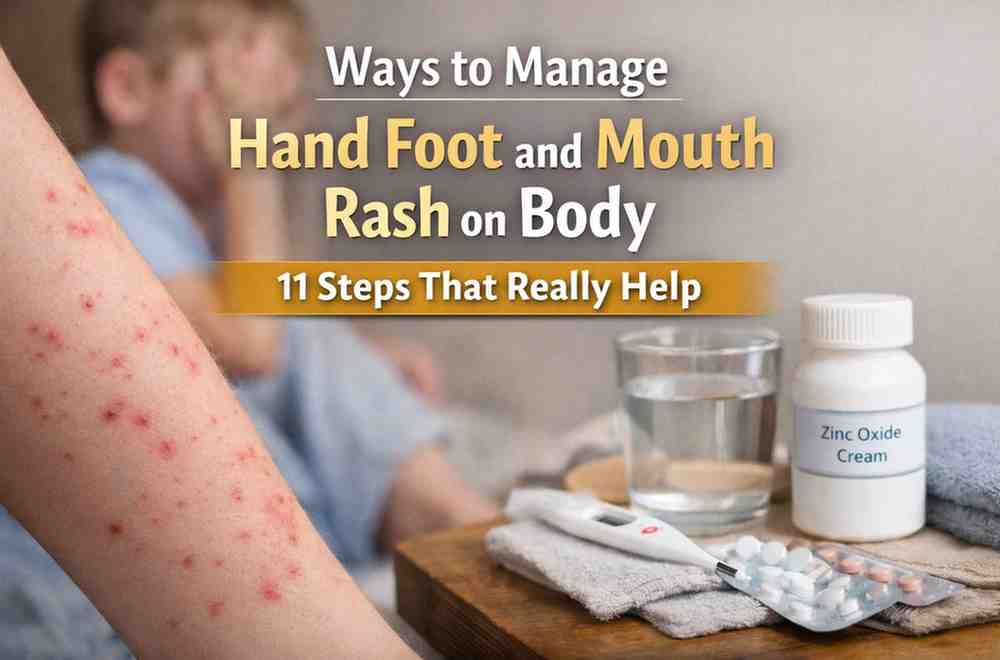
Ways to Manage Hand Foot and Mouth Rash on Body: 11 Grounded Steps That Actually Bring Relief

Ways To Manage Hand Foot And Mouth Rash On Body 11 Grounded Steps That Actually Bring Relief 1

Ways to Manage Hand Foot and Mouth Rash on Body 11 Grounded Steps That Actually Bring Relief

I can’t count how many times I’ve watched a parent panic the moment that rash spreads beyond the hands and feet.

It starts small. A few red dots. Maybe some mouth sores. Then suddenly it’s on the legs. The diaper area. The back. And the Google spiral begins.

Most people who look up Ways to Manage Hand Foot and Mouth Rash on Body aren’t looking for textbook definitions. They’re tired. Their kid is uncomfortable. Or they’re an adult who didn’t expect to get it and now feel embarrassed and itchy and frustrated.

From what I’ve seen up close — through families, daycare outbreaks, friends, and long nights of “is this getting worse?” texts — the rash isn’t just physical.

It’s emotional.

Because it looks worse before it looks better.

And almost everyone I’ve watched struggle with this does at least one thing that makes it harder.

Let me walk you through what actually helps. Not theoretically. But in real life.


First: What the Rash Actually Does (And Why It Freaks People Out)

Hand, foot, and mouth disease (HFMD) is usually caused by a virus like Coxsackie. The rash:

  • Starts as small red spots

  • May turn into blisters

  • Can spread beyond hands/feet to arms, legs, buttocks, and torso

  • Often looks more dramatic than it feels

  • Peaks around days 3–5

What surprised me after watching so many cases?

The rash often spreads after the fever goes down.

That timing makes people think something is wrong. It’s not. That’s just how it behaves.

Still. It looks alarming.

And when it spreads across the body, people assume:

  • It’s getting worse

  • It’s infected

  • It needs strong medication

  • They did something wrong

Most of the time? None of that is true.


Why Most People Mismanage the Rash at First

From what I’ve seen, here’s the pattern:

  1. They over-treat.

  2. They mix too many creams.

  3. They scrub the skin.

  4. They panic at every new spot.

  5. They expect improvement in 24–48 hours.

HFMD rash doesn’t behave like eczema.
It doesn’t respond like allergic hives.
It doesn’t disappear overnight.

It follows its own viral timeline.

And once people understand that, everything shifts.


11 Ways to Manage Hand Foot and Mouth Rash on Body (That Actually Help)

These are the approaches I’ve repeatedly seen bring relief.

1. Cool, Not Cold, Baths

This sounds basic. But it matters.

Lukewarm baths calm the skin without shocking it. Cold water can actually irritate sensitive areas.

What works best:

  • Short 10-minute soaks

  • Plain water

  • Optional colloidal oatmeal (if itching is intense)

No bubble bath.
No fragranced wash.

Most people I’ve worked with mess this up at first by adding too many products.

Less is better here.


2. Pat Dry. Don’t Rub.

This tiny detail changes everything.

Rubbing inflames the blisters.
Patting protects them.

Especially in diaper areas.

I didn’t expect this to be such a common issue, but I’ve seen aggressive towel drying make mild rashes look twice as angry.


3. Simple Barrier Cream in Irritated Areas

If the rash spreads to the buttocks or groin:

  • Zinc oxide barrier cream helps reduce friction.

  • Keeps moisture off irritated skin.

This isn’t about “curing” the rash.
It’s about preventing secondary irritation.

Big difference.


4. Oral Pain Relief (When Appropriate)

If fever or discomfort is present:

  • Acetaminophen or ibuprofen (age-appropriate dosing)

What consistently works is managing overall inflammation, not obsessing over every spot.

Always follow pediatric guidance.


5. Keep Skin Cool

Overheating makes the rash look worse.

From what I’ve seen:

  • Lightweight cotton clothing

  • Loose pajamas

  • Avoid heavy blankets

Sweating intensifies redness.

This honestly surprised me after watching so many people try to “bundle up” sick kids.

Heat makes it angrier.


6. Hydration Over Everything

If mouth sores are present, kids eat less.

Dehydration makes recovery slower.

Cold fluids:

  • Popsicles

  • Smoothies

  • Water

  • Electrolyte drinks (age appropriate)

I’ve seen kids bounce back faster once hydration improves — even if the rash still looks dramatic.


7. Resist the Urge to Pop Blisters

Almost everyone I’ve seen struggle with this does this one thing wrong.

They pop blisters.

It feels logical.
Drain it. Dry it. Heal it.

No.

Open blisters:

  • Increase infection risk

  • Slow healing

  • Prolong redness

Leave them alone.


8. Avoid Heavy Steroid Creams (Unless Prescribed)

This is controversial, but from what I’ve observed:

Topical steroids don’t consistently help viral rashes like HFMD unless specifically directed by a clinician.

They’re not magic here.

And random use can thin skin or mask symptoms.


9. Expect It to Look Worse Before It Peels

This phase surprises people.

Around days 5–7:

  • Rash darkens

  • Blisters dry

  • Skin may peel

Peeling is not regression.

It’s recovery.

I’ve had so many anxious messages during this phase.

It’s normal.


10. Watch for Secondary Infection (But Don’t Assume It)

Signs that actually matter:

  • Pus

  • Increasing warmth

  • Swelling beyond rash borders

  • Fever returning

Not:

  • More spots appearing

  • Color changes

  • Peeling

Big difference.


11. Accept the Timeline

Most uncomplicated cases:

  • Improve within 7–10 days

  • Skin fully clears in 1–2 weeks

  • Nail shedding (rare but possible) weeks later

Yes. Nail shedding can happen.

I didn’t expect that to be such a common late-stage panic point.

It usually resolves on its own.


How Long Does It Take to Heal?

Short answer for most people:

  • Fever: 1–3 days

  • Rash peak: Days 3–5

  • Improvement: By day 7

  • Skin normalizing: 10–14 days

That said, every body reacts differently.

What I’ve consistently seen is this:

The rash looks worst right before it improves.

That emotional dip? Very real.


Common Mistakes That Slow Recovery

Let’s be blunt.

Here’s what usually backfires:

  • Overusing multiple medicated creams

  • Scrubbing the skin

  • Popping blisters

  • Overheating

  • Panicking and switching routines daily

Consistency works better than experimentation.


Quick FAQ (Straight Answers)

Is the body rash dangerous?
Usually no. It looks dramatic but resolves on its own in most cases.

Should I isolate?
Yes, during fever and active illness phase. It’s contagious early.

Can adults get it?
Yes. And adults often report worse discomfort.

Will it scar?
Rarely, unless blisters are picked or infected.


Objections I Hear All the Time

“It’s spreading — shouldn’t we do something stronger?”

Spreading doesn’t equal worsening. Viral rashes evolve before they resolve.

“It looks infected.”

Color changes alone aren’t infection.

Look for swelling, pus, worsening pain.

“This doesn’t feel like enough treatment.”

That’s the hardest part.

HFMD is more about support than suppression.

People hate that answer.

But it’s true.


Reality Check Section

This approach is not for:

  • Anyone with immune compromise

  • Persistent high fever

  • Signs of dehydration

  • Neurological symptoms

  • Severe pain not controlled by standard care

In those cases, medical evaluation is necessary.

Also:

If you need instant cosmetic improvement — this will frustrate you.

HFMD follows biology, not urgency.


What Patience Actually Looks Like

It looks like:

  • Doing the same simple routine daily

  • Ignoring minor visual fluctuations

  • Not panicking at peeling

  • Focusing on comfort over appearance

From what I’ve seen, families who accept the timeline suffer less emotionally.

The rash doesn’t last forever.

The anxiety often does — unless you understand the pattern.


Practical Takeaways

If I had to simplify everything I’ve learned from watching dozens of cases:

Do this:

  • Keep skin cool

  • Keep it clean and simple

  • Protect irritated areas

  • Hydrate

  • Watch for true red flags

Avoid this:

  • Over-treating

  • Picking

  • Heat

  • Daily product changes

Expect:

  • It to look worse before better

  • Emotional stress

  • Second-guessing

Still.

Most cases resolve quietly within two weeks.


And here’s the honest part.

Every time I’ve watched someone go through this, the hardest part wasn’t the rash.

It was the uncertainty.

That “are we doing enough?” feeling.

So no — these Ways to Manage Hand Foot and Mouth Rash on Body aren’t flashy.

They’re steady.

They’re grounded in what I’ve seen work again and again.

Sometimes the real relief isn’t in finding a miracle fix.

It’s in realizing you’re not missing one.

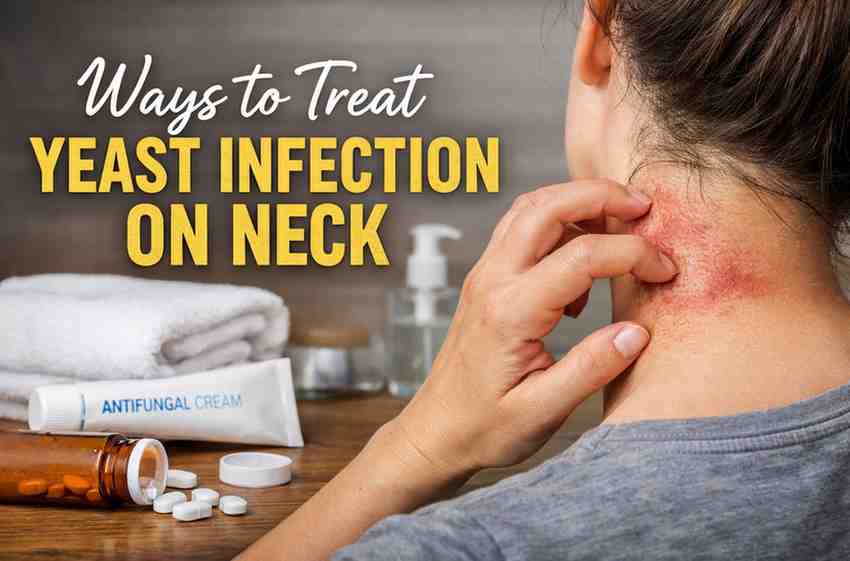
Ways to Treat Yeast Infection on Neck: 11 Real Relief Strategies That Actually Work

Ways To Treat Yeast Infection On Neck 11 Real Relief Strategies That Actually Work 1
Ways to Treat Yeast Infection on Neck 11 Real Relief Strategies That Actually Work

I can’t count how many people have shown me that faint red ring creeping along their neck and said, “It’s just a rash, right?”

At first it looks harmless. Slight redness. Maybe a little itch. Then it spreads. Darkens. Burns. And suddenly they’re layering scarves, avoiding photos, Googling ways to treat yeast infection on neck at midnight because nothing they tried from the drugstore worked.

From what I’ve seen, the frustration isn’t just about the itch.

It’s about trying three different creams and still feeling like it’s winning.

It’s about wondering if you’re doing something wrong.

And honestly? Most people I’ve worked with mess this up at first—not because they’re careless, but because yeast on the neck behaves differently than people expect.

Let’s walk through what actually works. Not theory. Not hype. Just patterns I’ve seen over and over.


First: Why the Neck Is Such a Common Trouble Spot

I didn’t expect this to be such a common issue until I started paying attention.

The neck checks all the boxes yeast loves:

  • Warm

  • Moist (especially in humid US climates)

  • Friction from collars, jewelry, hair

  • Sweat buildup

  • Skincare product residue

  • Perfume overspray

  • Gym towel reuse (yes… this one comes up a lot)

Most people assume yeast infections only happen in “fold areas.” But the neck? It’s a perfect storm.

And here’s what surprises people:

It often starts small and subtle.

A little discoloration.
Mild itch.
Maybe a slight burning after sweating.

Then it spreads quietly.


11 Ways to Treat Yeast Infection on Neck (Based on What I’ve Seen Work)

1. Use an Over-the-Counter Antifungal Cream (Correctly)

This is the foundation.

Clotrimazole or miconazole creams are usually the first line. In most US pharmacies, you’ll find them in the foot care aisle.

What most people do wrong:

  • Apply once daily instead of twice.

  • Stop after 3 days because redness fades.

  • Slather it thick instead of a thin, even layer.

From what I’ve seen, consistency matters more than quantity.

Pattern that works:

  • Wash gently

  • Pat completely dry

  • Apply thin layer

  • Twice daily

  • Continue for 7–14 days (even if it looks better)

Almost everyone I’ve seen struggle with this stops too early.

That’s when it comes back.


2. Keep It Dry (But Not Irritated)

This sounds obvious.

It isn’t.

People either:

  • Leave it damp after showering
    or

  • Over-dry it with harsh rubbing

Neither helps.

The most successful routines I’ve seen:

  • Pat dry with clean towel

  • Use a separate towel just for neck

  • Air-dry for a few minutes

  • Avoid tight collars

Sometimes small discipline changes shift everything.


3. Switch Soaps Immediately

This honestly surprised me after watching so many people try everything else first.

Heavy body washes with fragrance can feed irritation. Same with thick moisturizers.

If someone says, “It burns when I apply cream,” 80% of the time they’re still using scented wash.

What works better:

  • Gentle, fragrance-free cleanser

  • No essential oils

  • No scrubs

Less is more here.


4. Stop Layering Products

Most people I’ve worked with panic and stack:

  • Antifungal cream

  • Hydrocortisone

  • Moisturizer

  • Aloe

  • Coconut oil

That’s chaos.

Hydrocortisone especially can mask symptoms while yeast spreads underneath.

I’ve seen that mistake repeatedly.

If you’re using antifungal treatment, keep it simple.


5. Consider Antifungal Shampoo (Used Like a Wash)

This one is underused.

Ketoconazole or selenium sulfide shampoos can be used as a short-contact wash on the neck.

Routine I’ve seen work:

  • Apply to damp skin

  • Leave on 5 minutes

  • Rinse

  • Repeat 2–3x weekly

This is especially helpful if discoloration is spreading.


6. Change Pillowcases Frequently

No one thinks about this.

But sweat + hair product + skin cells build up fast.

I’ve seen stubborn cases improve when people switched to:

  • Clean pillowcase every 2–3 days

  • Avoid heavy night creams

It’s not glamorous advice.

But it matters.


7. Avoid Tight Necklines During Treatment

High collars trap moisture.

Gym compression shirts? Even worse.

Loose cotton shirts consistently lead to faster clearing.

Small change. Big difference.


8. Watch Blood Sugar (If It Keeps Returning)

I’m not diagnosing anyone here.

But repeated yeast issues sometimes correlate with:

  • High sugar intake

  • Blood sugar imbalance

People don’t like hearing this part.

Still.

From what I’ve seen, cutting back on sugary drinks during treatment speeds improvement noticeably.


9. Don’t Scratch (Even If It’s Mild)

This sounds basic.

But once skin barrier breaks, yeast spreads more aggressively.

People think, “It’s barely itchy.”

Then they absentmindedly rub it.

That’s enough.


10. Know When It’s Not Yeast

This is important.

Sometimes it’s:

  • Contact dermatitis

  • Eczema

  • Bacterial infection

If antifungal cream doesn’t improve things within 10–14 days, it may not be yeast.

I’ve seen people treat the wrong condition for months.

At that point? See a clinician.


11. Prescription Options (If Needed)

If OTC doesn’t work, doctors may prescribe:

  • Stronger topical antifungals

  • Oral antifungal medication (short course)

Most people don’t need oral meds.

But chronic cases sometimes do.


How Long Does It Take to Clear?

Short answer:

  • Mild cases: 7–14 days

  • Moderate: 2–3 weeks

  • Stubborn: 4+ weeks with consistent treatment

What delays results:

  • Stopping early

  • Reusing damp towels

  • Mixing steroid creams

  • Inconsistent application

Progress is rarely dramatic overnight.

It fades gradually.


Common Mistakes I Keep Seeing

Let me list these clearly:

  • Treating for 3 days and quitting

  • Using hydrocortisone alone

  • Scrubbing aggressively

  • Ignoring moisture

  • Wearing tight collars

  • Assuming it’s “just dry skin”

Almost everyone I’ve seen struggle with this does at least one of these.


FAQ (Quick Answers)

Is a yeast infection on the neck contagious?
Usually no, not in casual contact. But sharing towels can spread it.

Can I use coconut oil?
It has mild antifungal properties. But honestly, it’s not strong enough alone for most cases I’ve seen.

Is it dangerous?
Generally no. But untreated cases can spread or darken skin temporarily.

Can stress make it worse?
Indirectly, yes. Stress impacts immune response.


Objections I Hear Often

“I don’t want to use antifungal cream.”

Then improvement may be slow or inconsistent. Natural-only approaches work for some mild cases, but from what I’ve seen, most moderate cases need proper antifungal treatment.

“It’s embarrassing.”

I get that.

Neck is visible. It feels exposed.

But it’s common. Much more common than people admit.

“What if it comes back?”

If it returns repeatedly:

  • Evaluate sweat habits

  • Check blood sugar

  • Change skincare routine

Recurring yeast is usually a pattern issue, not bad luck.


Reality Check

This isn’t instant.

It’s not glamorous.

And if you’re inconsistent, it will drag out.

Also:

  • Results aren’t always linear.

  • Skin may look darker before it fully clears.

  • Mild peeling can happen.

Patience looks like:
Applying cream even when it “seems better.”
Changing pillowcases.
Skipping scented body wash.

It’s boring discipline.

But it works.


Who This Approach Is NOT For

  • If you have spreading redness with fever

  • If there’s severe pain

  • If you’re immunocompromised

  • If it hasn’t improved after 3–4 weeks

That’s beyond home treatment.


Practical Takeaways

If you want a grounded, no-drama plan:

  1. Start antifungal cream twice daily.

  2. Keep area dry.

  3. Switch to fragrance-free wash.

  4. Wear loose clothing.

  5. Continue for at least 10–14 days.

  6. Reassess if no improvement.

Emotionally?

Expect frustration in week one.
Mild improvement in week two.
Confidence returning around week three.

Small wins matter.


So no — this isn’t magic.

But I’ve watched enough people stop feeling stuck once they simplified their routine and stayed consistent.

Most didn’t need something exotic.

They needed patience.

And clarity.

If you’re dealing with this right now, you’re not gross. You’re not careless. You’re not alone.

You just need the right approach — and enough time to let it work.

Ways to Manage Heat Rash on Black Skin: 11 Grounded Fixes That Actually Bring Relief

Ways To Manage Heat Rash On Black Skin 11 Grounded Fixes That Actually Bring Relief 1
Ways to Manage Heat Rash on Black Skin 11 Grounded Fixes That Actually Bring Relief

I can’t tell you how many times I’ve watched someone quietly panic over heat rash.

Not because it was life-threatening.
But because it lingered.

Especially on Black skin.

From what I’ve seen, it’s not just the itching. It’s the confusion. The redness isn’t always obvious. The bumps look different. The hyperpigmentation after it clears can hang around longer than the rash itself. And almost everyone I’ve worked with messes this up at first — they treat it like regular irritation, or worse, like acne.

When people search for Ways to Manage Heat Rash on Black Skin, they’re usually already frustrated. They’ve tried one cream. Maybe two. They’re sweating through summer in Georgia or Texas or Florida. They’re uncomfortable at work. Embarrassed at the gym. Tired of guessing.

So let’s talk about what actually works — not in theory, but in patterns I’ve seen across real people.


First, What Heat Rash Looks Like on Black Skin (And Why It’s Misread)

Most dermatology images online?
Not always helpful.

On Black skin, heat rash (miliaria) often shows up as:

  • Tiny raised bumps that may look skin-colored, grayish, or slightly darker

  • Clusters of rough texture

  • Itching or prickling before visible inflammation

  • Areas that later leave darker patches (post-inflammatory hyperpigmentation)

What surprised me after watching so many people try to “figure it out” is how often they think:

  • It’s allergic reaction.

  • It’s fungal infection.

  • It’s acne.

  • Or they assume they didn’t “wash properly.”

Almost no one initially suspects blocked sweat ducts.

And that misunderstanding changes everything.

Because heat rash isn’t a dirt problem.
It’s a trapped moisture problem.


Why Heat Rash Happens More Intensely for Some Black Individuals

This part matters.

From what I’ve observed, a few patterns repeat:

  1. Humid climates – Southern U.S. states especially.

  2. Tighter clothing choices – Compression wear, shapewear, synthetic gym fabrics.

  3. Layering skincare products – Heavy butters + occlusive oils + sweating.

  4. Hyperpigmentation sensitivity – Even mild inflammation leaves marks.

Almost everyone I’ve seen struggle with this does this one thing wrong:

They over-moisturize when the rash starts.

It makes sense emotionally. Skin looks irritated → add more moisture.
But heat rash needs airflow, not sealing.

That shift alone changes outcomes.


11 Ways to Manage Heat Rash on Black Skin (Based on What Actually Works)

1. Strip Back Your Routine Immediately

When someone messages me about this, the first question I ask is:

“What did you add recently?”

The consistent fix?
Pause everything non-essential.

Keep:

  • Gentle cleanser

  • Light, fragrance-free lotion (if needed)

Pause:

  • Shea butter

  • Coconut oil

  • Thick body creams

  • Layered serums

  • Heavy sunscreen (temporarily indoors)

This alone clears mild cases in 3–5 days.

2. Prioritize Cooling Over Creams

Heat rash responds to temperature control more than topical treatment.

What I’ve seen work consistently:

  • Cool (not icy) showers

  • Loose cotton clothing

  • Sleeping with a fan

  • Short breaks from tight athletic wear

People underestimate this.
But sweat reduction = duct relief.

3. Use Lightweight, Non-Occlusive Moisturizers

If dryness becomes uncomfortable, choose:

  • Water-based lotions

  • Gel moisturizers

  • Products labeled “non-comedogenic” and “fragrance-free”

Avoid anything that feels greasy.

If it leaves shine, it’s probably too heavy.

4. Calamine Lotion (Short-Term Only)

This honestly surprised me after watching so many people try it.

Calamine works beautifully for itch relief — but overuse dries out deeper layers and can worsen post-inflammatory darkening.

Use:

  • Thin layer

  • 1–2 times daily

  • Stop once itching calms

5. Hydrocortisone 1% (With Caution)

For inflamed cases:

  • Short-term (3–5 days)

  • Very thin application

  • Not for large areas

But here’s the reality check:

Steroids reduce inflammation fast, but if someone keeps sweating heavily and wearing tight clothes? The rash returns.

So steroids treat symptoms. Not habits.

6. Stop Exfoliating

Almost everyone I’ve seen makes this mistake.

They feel bumps → they scrub.

No.

Exfoliating heat rash causes:

  • Micro-tears

  • Increased hyperpigmentation

  • Prolonged healing

Let the skin barrier recover first.

7. Airflow is Underrated

If you work from home — stay in loose clothing.

If you work outdoors — consider:

  • Moisture-wicking natural fibers

  • Changing shirts mid-day

  • Patting sweat (not rubbing)

Tiny changes reduce recurrence.

8. Address Hyperpigmentation Later — Not During

This is huge for Black skin.

Once rash flattens:

  • Then consider niacinamide

  • Then consider azelaic acid

But never during active irritation.

Rushing this step is what keeps people stuck in cycles.

9. Watch Fragrance in “Summer” Products

Scented body sprays + sweating = irritation.

I didn’t expect this to be such a common issue.

But fragrance-triggered irritation layered on heat rash?
It multiplies the inflammation.

10. Sleep Environment Matters More Than People Think

Many cases linger because:

  • Bedroom too warm

  • Heavy blankets

  • Polyester sheets

Cooling sleep reduces overnight sweating — which accelerates healing.

11. Know When It’s Not Heat Rash

If it’s:

  • Painful

  • Spreading fast

  • Oozing

  • Lasting longer than 2 weeks

That’s when I tell people: see a clinician.

Because fungal infections can mimic heat rash.

And guessing wrong delays everything.


How Long Does It Take to Heal?

From what I’ve seen across dozens of cases:

  • Mild cases: 3–7 days

  • Moderate: 7–14 days

  • With hyperpigmentation: marks may linger 3–8 weeks

This is the part no one tells you.

The rash fades faster than the discoloration.

And that discoloration is what emotionally frustrates most people.


Common Mistakes That Slow Healing

  • Over-moisturizing

  • Exfoliating too soon

  • Continuing tight clothing

  • Using multiple treatments at once

  • Panicking and switching products daily

Consistency beats intensity here.


FAQ (Quick Answers for Real Concerns)

Does heat rash look different on Black skin?
Yes. It may appear darker, less red, more textured than inflamed.

Can it leave dark spots?
Yes. Post-inflammatory hyperpigmentation is common.

Is it contagious?
No.

Should I use powder?
Light cornstarch-based powder can help moisture control. Avoid heavily fragranced options.

Is this worth treating aggressively?
No. Gentle + consistent beats aggressive.


Objections I Hear All the Time

“But I need heavy moisturizer. My skin gets dry.”

I get it. Truly.

But during heat rash, heavy occlusives trap sweat.
Temporarily scaling back helps long term.

“I tried hydrocortisone and it came back.”

That’s because the environment didn’t change.

Treat the cause, not just the inflammation.

“Nothing works for me.”

When I hear this, almost always:

  • They’re still sweating heavily daily.

  • Or still using layered oils.

There’s usually one habit still blocking recovery.


Reality Check: Who This Approach Is NOT For

  • People expecting overnight results.

  • Those unwilling to adjust clothing habits.

  • Anyone wanting to keep full heavy skincare routine during flare.

This is a patience game.

Small adjustments. Repeated daily.


Practical Takeaways

If you’re dealing with heat rash on Black skin right now:

Do this first:

  • Simplify routine

  • Cool the skin

  • Wear loose cotton

  • Pause heavy oils

Avoid:

  • Scrubbing

  • Layering treatments

  • Fragrance

  • Switching products every 24 hours

Expect emotionally:

  • Itch before improvement

  • Frustration around dark marks

  • Temptation to “do more”

Patience here isn’t passive.

It’s restraint.


And look — this isn’t magic.

Heat rash is stubborn when lifestyle patterns don’t shift. But I’ve watched enough people finally get relief once they stopped fighting their skin and started reducing heat, friction, and buildup instead.

Most people think they need a stronger product.

Most actually need less.

So no — this isn’t dramatic. It’s not flashy. But when someone texts me a week later saying, “It’s finally calming down,” it’s usually because they simplified.

Sometimes that’s the real win.

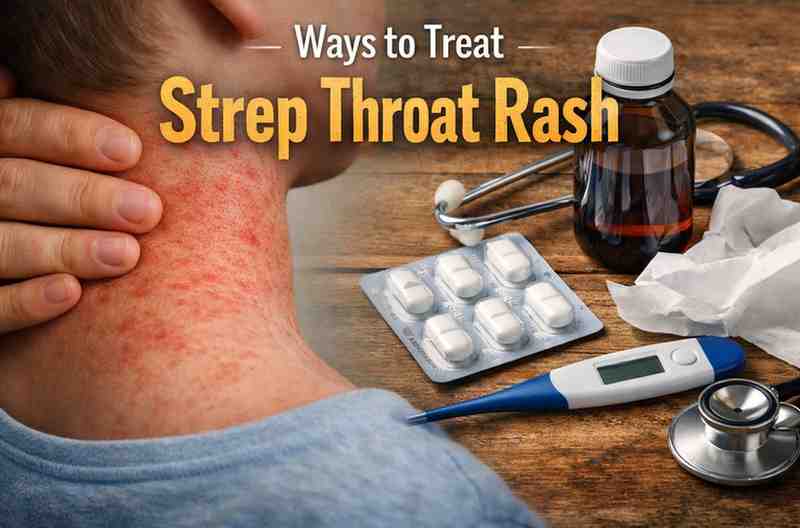
Ways to Treat Strep Throat Rash: 11 Grounded Approaches That Actually Bring Relief

Ways To Treat Strep Throat Rash 11 Grounded Approaches That Actually Bring Relief 1
Ways to Treat Strep Throat Rash 11 Grounded Approaches That Actually Bring Relief

Honestly, most people I’ve watched deal with strep throat rash don’t even realize what they’re looking at at first.

They think it’s heat rash. Or an allergy. Or something they ate.

I’ve had moms send me photos in a panic. I’ve had grown adults ignore it for three days because “it’s probably nothing.” And almost every single time, the same thing happens — they focus only on the sore throat and miss that the rash is part of the same infection.

When people start searching for Ways to Treat Strep Throat Rash, they’re usually already frustrated. The throat hurts. The body feels off. And now there’s this red, sandpaper-like rash that makes everything feel more serious.

From what I’ve seen, the biggest mistake isn’t that people don’t care.

It’s that they underestimate how connected everything is.

Let’s walk through what actually works — not in theory, but in real life.


First, What’s Really Happening With a Strep Throat Rash?

Most cases I’ve seen fall into one category: scarlet fever, which is essentially strep throat with a rash.

The rash:

  • Feels rough, almost like fine sandpaper

  • Starts on the chest or neck

  • Spreads outward

  • Often comes with a strawberry-looking tongue

  • Can be itchy, but not always

And here’s what surprises people:

The rash itself isn’t the core problem.

The underlying strep infection is.

Treat the infection properly, and the rash usually fades with it.

Miss the infection? The rash lingers… or worse, complications start creeping in.

That’s the part people don’t always think about.


1. Start Antibiotics Promptly (When Confirmed)

I’ve seen this pattern too many times:

Someone tries to “wait it out.”

Three days later, they feel worse.

Almost everyone I’ve seen struggle with this delays antibiotics because they’re unsure if it’s “serious enough.”

Here’s the reality:

  • If a rapid strep test confirms it

  • If symptoms strongly match

  • If a doctor prescribes antibiotics

Take them. As directed. Finish the full course.

Usually:

  • Fever improves within 24–48 hours

  • Throat pain eases in 2–3 days

  • Rash begins fading within a few days

When people stop antibiotics early because they “feel better,” I’ve seen rebound infections happen. Not often. But enough to matter.

This isn’t the time to experiment.


2. Hydration — More Important Than People Think

This honestly surprised me after watching so many people try to power through.

Dehydration makes everything worse.

Dry skin = itchier rash
Dry throat = sharper pain
Less circulation = slower healing

What consistently works:

  • Room-temperature water

  • Electrolyte drinks (low sugar)

  • Warm broths

Most adults underestimate how little they’re drinking.

Kids especially.

If someone with strep says they’re not thirsty — that doesn’t mean they’re hydrated.


3. Manage the Fever Properly

When the fever comes down, the rash often looks less angry.

From what I’ve seen:

  • Acetaminophen or ibuprofen (as directed by a doctor)

  • Regular timing instead of random doses

  • Monitoring temperature every few hours

What people get wrong?

They wait until the fever spikes high again.

Keeping it controlled helps the whole body calm down.


4. Don’t Over-Treat the Rash

This one’s big.

Most people I’ve worked with mess this up at first.

They start applying:

  • Steroid creams

  • Heavy ointments

  • Essential oils

  • Random anti-itch formulas

The rash from strep isn’t primarily a skin condition. It’s systemic.

Overloading the skin can actually irritate it more.

What tends to work better:

  • Gentle, fragrance-free moisturizer

  • Light clothing

  • Lukewarm showers

  • Pat dry — no aggressive towel rubbing

Sometimes doing less is smarter.


5. Cool Compresses for Itch Relief

If itching is intense:

  • Clean washcloth

  • Cool (not ice-cold) water

  • 5–10 minutes at a time

Ice directly on the skin? I’ve seen that cause blotchiness and more irritation.

Subtle relief beats shock therapy.


6. Watch for Peeling (And Don’t Panic)

About a week later, I’ve seen peeling on:

  • Fingers

  • Toes

  • Groin area

Parents especially get scared here.

Peeling doesn’t mean it’s getting worse.

It’s often part of the healing process.

What helps:

  • Light moisturizer

  • Patience

  • Avoid picking

Picking delays recovery.

Almost everyone who tries to “help the peeling along” regrets it.


7. Rest — Real Rest

People underestimate how drained strep makes the body.

Not “work from bed” rest.

Actual rest.

I’ve seen adults push through, then crash harder on day four.

Healing time, for most:

  • 3–5 days before real improvement

  • 7–10 days before feeling normal

That’s average. Not guaranteed.


8. Replace the Toothbrush

I didn’t expect this to be such a common issue.

People keep using the same toothbrush after starting antibiotics.

Re-exposure risk is small but real.

Switch it out 24–48 hours after starting treatment.

Small detail. Big peace of mind.


9. Avoid Sharing Anything

From what I’ve seen in households:

One child gets it.
Then a sibling.
Then sometimes a parent.

No shared:

  • Towels

  • Cups

  • Utensils

  • Pillowcases

Wash bedding in warm water.

It’s not paranoia. It’s containment.


10. Know When It’s Not Improving

Here’s where I get firm.

If after 48 hours of antibiotics:

  • Fever persists

  • Rash worsens

  • Breathing issues appear

  • Joint pain develops

That’s not “normal healing.”

Call a doctor.

Complications are rare, but I’ve seen the consequences when people ignore worsening symptoms.


11. Emotional Side No One Talks About

Especially with kids.

The irritability. The clinginess. The tears over nothing.

When the body is inflamed, mood shifts.

Adults too — brain fog, low patience, fatigue.

That part? Normal.

Temporary.

Still frustrating.


Common Mistakes I Keep Seeing

  • Waiting too long to get tested

  • Stopping antibiotics early

  • Overloading the rash with products

  • Assuming rash = allergy

  • Not resting enough

Almost everyone I’ve seen struggle with this does one of those.

Usually more than one.


FAQ: Quick Answers People Usually Want

How long does strep throat rash last?

Most rashes fade within 3–7 days after antibiotics begin. Peeling can last another week.

Is strep throat rash contagious?

The infection is contagious until about 24 hours after starting antibiotics.

Can you treat it without antibiotics?

From what I’ve observed — no. The rash may fade, but the infection risks complications.

Is it dangerous?

Untreated strep can lead to serious issues. Treated properly, recovery is usually smooth.


Objections I Hear (And What I’ve Seen)

“I don’t want to take antibiotics unless absolutely necessary.”
I get that. But confirmed strep isn’t a mild viral sore throat.

“The rash doesn’t look that bad.”
The severity of the rash doesn’t equal the severity of infection.

“It’s probably just heat rash.”
If there’s sore throat + fever + rash? Don’t assume.


Reality Check Section

This approach is not for:

  • People refusing medical testing

  • Those expecting instant overnight healing

  • Anyone ignoring worsening symptoms

Healing isn’t always dramatic.

Sometimes it’s subtle:

Day 2 — less fever.
Day 3 — rash less bright.
Day 5 — energy returning.

It’s gradual.

That’s normal.


Practical Takeaways

If you’re dealing with this right now:

  1. Get tested.

  2. Take prescribed antibiotics fully.

  3. Hydrate more than you think you need.

  4. Keep skincare minimal.

  5. Rest like it matters — because it does.

  6. Watch symptoms closely the first 48 hours.

Emotionally?

Expect crankiness. Fatigue. Frustration.

Healing is not linear.

Some mornings feel worse before better.

That doesn’t mean it’s failing.


I’ve watched enough families go through this to know one thing — panic usually makes it feel scarier than it is.

Still, ignoring it makes it worse than it needs to be.

So no, this isn’t magic. It’s not glamorous. It’s not complicated either.

It’s about treating the infection, supporting the body, and not overreacting to the skin while also not underreacting to the warning signs.

Most people recover fully. Most rashes fade. Most fears calm down once treatment starts.

And sometimes, the biggest relief isn’t the rash disappearing.

It’s finally knowing you handled it the right way.

Oppositional Defiant Disorder: 11 hard-earned lessons that bring real relief (and real frustration)

Oppositional Defiant Disorder 11 Hard Earned Lessons That Bring Real Relief And Real Frustration 1
Oppositional Defiant Disorder 11 hard earned lessons that bring real relief and real frustration

Honestly, most parents I’ve sat with hit a wall in the first few weeks. They come in hopeful, then quietly wonder if they’re the problem when nothing seems to work. The yelling gets louder. The rules get stricter. The pushback gets sharper. Somewhere in that loop, Oppositional Defiant Disorder shows up in their search history—not as a neat label, but as a question: Is this what we’re dealing with? And if so… what now?

From what I’ve seen, people don’t come looking for a definition. They come looking for relief. For a way to stop the daily blowups. For a way to feel less like the villain in their own home. I’ve been close enough to enough families—coaching, observing sessions, helping track what worked and what quietly made things worse—to notice patterns that repeat across kids, across households, across well-meaning plans that looked good on paper and then fell apart in real life.

This is messy. It’s emotional. And it’s learnable. Not in a “follow these three steps and your kid will be fine” way. More in a “here’s what tends to help when nothing else has” way.


What people usually mean when they say “Oppositional Defiant Disorder”

Nobody introduces themselves with, “Hi, I think my child has Oppositional Defiant Disorder.” It shows up as:

  • “He argues about everything.”

  • “She melts down over the smallest requests.”

  • “It feels intentional. Like they’re pushing buttons on purpose.”

  • “We can’t get through a morning without a fight.”

Most people I’ve worked with mess this up at first: they assume it’s just stubbornness. Or bad behavior. Or a phase that discipline will outgrow. Then the discipline ramps up. The kid ramps up. And everyone feels worse.

From what I’ve seen, the kids who get tagged with Oppositional Defiant Disorder aren’t trying to be difficult in the way adults imagine. They’re stuck in a pattern of reacting to perceived control, criticism, or pressure. It’s not that they “can’t follow rules.” It’s that rules, as delivered, hit a nerve.

This honestly surprised me after watching so many people try to “out-structure” the behavior. More structure often made things louder, not calmer.

Patterns that repeat across families

Across dozens of households, I kept seeing the same loops:

  • Control battles escalate fast. The more tightly adults held the line, the more intensely the child pushed back.

  • Tone mattered more than content. The exact same request, delivered with tension, sparked defiance. Delivered neutrally, sometimes landed fine.

  • Kids were calmer with outsiders. Teachers, coaches, therapists often saw a different version of the child. Parents felt gaslit by this.

  • Everyone was exhausted. Parents were tired of being “on.” Kids were tired of feeling misunderstood.

Almost everyone I’ve seen struggle with this does this one thing wrong: they treat every moment as a teaching moment. When you’re in a constant corrective posture, kids who already feel controlled dig in harder.


Why people try to “fix” this fast (and why that backfires)

The urge to fix Oppositional Defiant Disorder quickly makes sense. The behavior is loud. Public. Embarrassing sometimes. It can affect school, siblings, even how parents see themselves.

Here’s what people usually try first:

  • More consequences

  • Stricter routines

  • Longer lectures

  • “If you don’t, then…” bargains

What I’ve observed: this creates short-term compliance at best, long-term resentment at worst.

I didn’t expect this to be such a common issue, but almost every family tried a version of “we’ll be more consistent and tougher.” Consistency matters, yes. But toughness without relationship repair just hardens the standoff.

What consistently works better (even though it feels counterintuitive at first):

  • Reducing power struggles

  • Making fewer, clearer demands

  • Picking battles with surgical precision

  • Repairing the relationship before fixing behavior

Still. This part is frustrating. It feels like letting go of control when what you want is more control. Parents worry they’re being too soft. That fear is real. And it’s not totally wrong. The balance is delicate.


The stuff that looks good on paper but fails in real life

Most guides say things like “set firm boundaries” and “be consistent.” Those aren’t wrong. They’re just incomplete.

Here’s what I’ve seen fail over and over:

  • Overloading with rules

    • Too many expectations = more chances to fail = more fights.

  • Public corrections

    • Kids with defiant patterns often escalate when corrected in front of others.

  • Long explanations in the heat of the moment

    • When emotions are high, reasoning doesn’t land. It feels like pressure.

  • Threats you can’t follow through on

    • Once a consequence isn’t enforced, credibility drops. The kid learns the boundary is flexible.

Most people I’ve worked with mess this up at first because they’re trying to be thorough. They want to explain. To be fair. To teach values. But in the moment, less is more.


What tends to work better (from real-world trial and error)

No miracle tools here. Just patterns that, across multiple families, led to fewer explosions over time.

1. Fewer demands, clearer demands

When everything is a rule, nothing is. The families who saw change:

  • Cut expectations down to 2–3 non-negotiables

  • Let smaller stuff go (messy rooms, mismatched clothes, harmless quirks)

  • Stated expectations once, calmly

This took pressure off everyone. Kids stopped feeling constantly managed.

2. Neutral tone beats perfect words

Tone carries more weight than content. I’ve watched the same sentence land or explode based on tone alone.

What helped:

  • Flat, boring delivery

  • No sarcasm

  • No emotional charge

  • Brief statements

It feels robotic at first. Then it becomes peaceful.

3. Repair after conflict (even when you’re “right”)

This one is hard for adults. After a blowup, many parents want to “stand firm.” What worked better:

  • Short repair moments

  • Acknowledging the emotion without endorsing the behavior

  • Resetting the relationship

Example patterns I’ve seen work:

  • “That got intense. I don’t like how we spoke to each other. Want to reset?”

  • “I still need you to do the thing. But I get that you were frustrated.”

Not a long apology. Not a lecture. Just repair.

4. Structure that feels predictable, not controlling

Kids with oppositional patterns do better with predictability. Not micromanagement.

Helpful structures I’ve seen:

  • Visual schedules

  • Clear routines

  • Advance warnings before transitions

  • Choices within limits (“Homework now or in 10 minutes?”)

This reduces the feeling of being ambushed by demands.


How long does it take (for most people)?

This is where expectations break.

From what I’ve seen:

  • First 2–4 weeks: Things often get worse. Kids test new boundaries. Parents doubt themselves.

  • 1–3 months: Some reduction in intensity. Fewer daily explosions. Still messy.

  • 3–6 months: Patterns start shifting. Not perfect behavior. More manageable conflict.

  • Long-term: The household tone changes. The kid isn’t “fixed,” but the cycle is different.

If someone promises fast results with Oppositional Defiant Disorder, I’d be cautious. Change is slow because patterns are deeply wired.


Common mistakes that slow everything down

Almost everyone I’ve seen struggle with this does at least one of these:

  • Trying five strategies at once

  • Quitting a plan right before it starts working

  • Expecting the child to change before the adult changes

  • Taking defiance personally

  • Comparing their kid to “normal” kids

This honestly surprised me after watching so many people try it: comparison is poison here. Every child with oppositional patterns looks different. Progress isn’t linear. Some days feel like setbacks. They’re not always.


Is this worth trying if you’re already exhausted?

Short answer: it depends on what you’re expecting.

This approach—slower, relationship-first, less control-heavy—doesn’t give instant peace. It gives fewer blowups over time. It gives you your nervous system back. It makes the house quieter, not perfect.

It’s worth trying if:

  • You’re burned out from constant conflict

  • Punishments haven’t changed the pattern

  • You’re open to changing how you respond

It’s probably not for you if:

  • You want fast compliance

  • You need visible obedience right now

  • You don’t have bandwidth to tolerate short-term worsening

That’s not a judgment. It’s a reality check.


Objections I hear all the time (and what actually happens)

“If I ease up, won’t they walk all over me?”
From what I’ve seen, easing up on power struggles doesn’t mean removing boundaries. It means choosing fewer battles and enforcing them calmly. Kids often push less when they feel less controlled.

“This feels like rewarding bad behavior.”
Repairing connection isn’t rewarding defiance. It’s separating the relationship from the behavior. That separation reduces the need to act out for attention or control.

“We’ve tried being calm. It didn’t work.”
Most people I’ve worked with tried calm for a day or two. Then gave up. This takes weeks of consistency to shift patterns.


Reality check: what can go wrong

This isn’t a magic fix. Here’s what I’ve seen go sideways:

  • One caregiver changes, the other stays harsh → mixed signals

  • Expectations aren’t aligned with the child’s capacity

  • Parents burn out and revert to old patterns

  • The child has additional needs (ADHD, trauma, anxiety) that aren’t addressed

Sometimes Oppositional Defiant Disorder sits on top of other struggles. Ignoring that slows everything down.


Short FAQ (for the stuff people Google at 2 a.m.)

Is Oppositional Defiant Disorder just bad parenting?
No. From what I’ve seen, some of the most thoughtful parents struggle with this. Parenting style can influence patterns, but it’s not the sole cause.

Do kids grow out of Oppositional Defiant Disorder?
Some patterns soften with age. Others shift shape. What changes most is how adults respond—and that changes outcomes.

Does therapy help?
When therapy includes parents and focuses on patterns (not just labeling the child), I’ve seen better results.

Will stricter discipline fix this?
Short-term compliance, long-term power struggles. That’s the usual pattern I’ve observed.


Practical takeaways (the stuff that actually moves the needle)

What to do

  • Pick 2–3 non-negotiables

  • Use calm, short statements

  • Repair after conflict

  • Build predictability

  • Track patterns instead of single incidents

What to avoid

  • Power struggles over everything

  • Public shaming

  • Long lectures in heated moments

  • Threats you can’t enforce

What to expect emotionally

  • Doubt

  • Frustration

  • Small wins that don’t feel impressive at first

  • Occasional backslides

What patience looks like in practice

  • Sticking with one approach for weeks

  • Measuring progress in fewer explosions, not perfect behavior

  • Letting go of being “right” in favor of being effective

No guarantees here. Just patterns I’ve seen repeat when families stop trying to win and start trying to stabilize.


There’s a moment I keep thinking about—watching a parent lower their voice after weeks of yelling, watching a kid pause instead of explode, both of them surprised by the quiet. No fireworks. No miracle. Just a small break in the cycle.

So no—this isn’t magic. But I’ve watched enough people finally stop feeling stuck once they approached Opppositional Defiant Disorder this way. Sometimes that shift alone is the real win.

Ways to Prevent Tongue Rash: 11 Real Fixes That Actually Bring Relief

Ways To Prevent Tongue Rash 11 Real Fixes That Actually Bring Relief 1
Ways to Prevent Tongue Rash 11 Real Fixes That Actually Bring Relief

I can’t tell you how many times someone has messaged me late at night, worried about their tongue.

It usually starts the same way.
“It’s burning.”
“It feels raw.”
“I brushed harder thinking that would help.”

And then three days later it’s worse.

Most people start searching for Ways to Prevent Tongue Rash when they’re already uncomfortable, already frustrated, already wondering if something is seriously wrong.

From what I’ve seen, tongue rashes don’t just hurt physically. They mess with your confidence. Eating feels risky. Talking feels weird. You start checking your tongue in every mirror like you’re monitoring a stock market crash.

And almost everyone I’ve worked with messes up the first response.

They attack it.

Hard brushing. Alcohol mouthwash. Random home remedies.
More force. More products. More panic.

Let’s slow this down.

Because preventing tongue rash is less about doing more — and more about doing the right few things consistently.


What I’ve Seen Trigger Tongue Rashes Over and Over

Most people assume infection first. But honestly? That’s rarely the starting point.

From watching dozens of real cases unfold, the most common triggers look like this:

  • Overbrushing the tongue (especially with stiff bristles)

  • Alcohol-heavy mouthwash

  • Spicy or acidic food overload

  • Dehydration

  • Stress flare-ups

  • Antibiotic use

  • Oral thrush after illness

  • New toothpaste reactions

I didn’t expect dehydration to be such a common issue. But it is. Dry mouth makes the tongue vulnerable. The protective saliva barrier weakens. Then irritation snowballs.

And here’s what surprised me even more:
A lot of people cause their own second wave of irritation trying to “fix” the first one.


11 Ways to Prevent Tongue Rash (That Actually Work)

These aren’t theoretical. These are patterns I’ve watched hold up repeatedly.

1. Switch to a Soft or Ultra-Soft Toothbrush

Almost everyone I’ve seen struggle with this does one thing wrong: they scrub.

The tongue is delicate tissue. It’s not a tile floor.

Soft bristles reduce micro-tears that later inflame.

If someone refuses to stop brushing aggressively? The rash often lingers.


2. Drop Alcohol-Based Mouthwash

This is a big one.

Alcohol dries the mouth.
Dryness leads to irritation.
Irritation invites inflammation.

If your mouth burns when you rinse — that’s not “working.” That’s damage.

Switch to alcohol-free. Or skip mouthwash entirely while healing.


3. Hydrate More Than You Think You Need

Most people underestimate this.

When someone increases water intake consistently for 5–7 days, irritation often drops noticeably.

Saliva matters. A lot.

Dry mouth equals friction. Friction equals inflammation.


4. Pause Spicy, Acidic, and Ultra-Salty Foods

Hot sauce. Citrus overload. Vinegar-heavy meals.

I’ve watched people delay healing for weeks because they refuse to pause these.

It doesn’t have to be forever.

But give your tongue 10–14 calm days.

That reset matters.


5. Check for Toothpaste Reactions

Whitening toothpaste is a repeat offender.

So are formulas heavy in sodium lauryl sulfate (SLS).

From what I’ve seen, switching to a gentle, SLS-free toothpaste quietly solves many cases within two weeks.

No drama. Just calm tissue again.


6. Manage Stress (Yes, Really)

I didn’t expect this to show up so often.

But stress spikes correlate with:

  • Burning tongue sensation

  • Inflammation flares

  • Recurring irritation

Cortisol shifts affect immune response.
And your mouth reflects that.

You don’t need to meditate for two hours.
But sleep, hydration, and basic nervous system regulation matter.


7. Treat Underlying Thrush Quickly

If the tongue looks:

  • White and patchy

  • Cottage-cheese-like

  • Wipes off and leaves redness

That’s likely fungal overgrowth.

This isn’t a DIY experiment situation. Get proper antifungal treatment.

When treated early? It resolves fast.
When ignored? It spreads.


8. Avoid Constant Tongue Checking

This one sounds small. It’s not.

People scrape. Inspect. Brush again.
That repeated friction prevents healing.

Check once daily. That’s enough.


9. Use Salt Water — Gently

Warm salt water rinses reduce inflammation.

But here’s where people go wrong:

Too much salt.
Too frequent.

Once or twice daily is plenty.


10. Address Nutrient Gaps

B12 deficiency. Iron deficiency. Folate issues.

Burning tongue sometimes links to these.

If someone has recurring unexplained irritation, I often suggest lab work.
And sometimes that’s the missing piece.

This honestly surprised me after watching so many people try surface-level fixes.


11. Stop “Trying Everything”

This is the quiet killer.

Switching products every two days prevents patterns from revealing themselves.

Consistency beats experimentation here.

Give a strategy 10–14 days before judging it.


How Long Does It Take to Prevent or Heal a Tongue Rash?

For mild irritation:

  • 3–7 days with proper adjustments

For moderate inflammation:

  • 10–14 days

For fungal or deficiency-related cases:

  • Depends on treatment, usually 2–3 weeks

If there’s no improvement after two weeks of careful prevention steps?
Time to consult a dentist or physician.


What Most People Get Wrong at First

I’ve watched the same mistakes repeat:

  • Scrubbing harder

  • Adding more products

  • Googling worst-case scenarios

  • Ignoring dehydration

  • Not pausing trigger foods

The emotional spiral makes it worse.

They assume it’s permanent.
It usually isn’t.


Is It Worth Trying Prevention Steps Before Seeing a Doctor?

Short answer: yes — if symptoms are mild.

If there’s:

  • Severe pain

  • Bleeding

  • Fever

  • Rapid spreading patches

Skip DIY. Get checked.

But for most low-grade irritation? Prevention works when done calmly.


Who Will Hate This Approach?

Honestly?

People who want a quick chemical fix.

Prevention is slower. It’s behavioral. It requires patience.

If someone refuses to change brushing habits or diet triggers, this won’t feel satisfying.

But from what I’ve seen, the people who commit for two weeks almost always feel improvement.


FAQ: Ways to Prevent Tongue Rash

Can dehydration cause tongue rash?
Yes. Dry mouth reduces protective saliva and increases irritation risk.

Is tongue scraping safe?
Gently, yes. Aggressively, no. Over-scraping delays healing.

Does spicy food cause tongue rash?
It can worsen irritation if the tissue is already inflamed.

When should I see a doctor?
If symptoms persist beyond two weeks, worsen, or include severe pain or infection signs.


Objections I Hear All the Time

“But I need mouthwash for hygiene.”

Not always. Gentle brushing and hydration often do more good.

“I brushed harder because I thought it was bacteria.”

That’s the instinct. But inflammation isn’t always infection.

“I tried salt water and it didn’t work in two days.”

Two days isn’t enough for tissue repair.


Reality Check

This isn’t glamorous.

There’s no miracle supplement that fixes everything overnight.

And sometimes the cause is systemic — not local.

If it’s nutrient-related, prevention alone won’t solve it.
If it’s fungal, you need treatment.

Prevention reduces risk. It doesn’t replace medical care.


Practical Takeaways

If you’re dealing with this right now:

Do this:

  • Switch to ultra-soft brushing

  • Pause alcohol mouthwash

  • Hydrate consistently

  • Remove spicy/acidic triggers

  • Simplify your routine

Avoid this:

  • Over-scraping

  • Switching products constantly

  • Panicking over every mirror check

Expect:

  • Mild improvement within a week

  • Noticeable relief by two weeks (in most cases)

  • Some trial-and-error adjustments

Emotionally?
You’ll probably worry more than necessary.

That’s normal.


I’ve watched enough people go through this to know it rarely means something catastrophic.

Still — it feels alarming when it’s happening to you.

So no, this isn’t magic. It’s not instant.

But I’ve seen real relief when people stop attacking the problem and start protecting the tissue instead.

Sometimes that shift alone is the real win.

Ways to Address Rash on Tattoo: 13 Honest Fixes That Bring Relief (Before You Panic)

Ways To Address Rash On Tattoo 13 Honest Fixes That Bring Relief Before You Panic Usual Frustration 1
Ways to Address Rash on Tattoo 13 Honest Fixes That Bring Relief Before You Panic Usual Frustration

I didn’t expect this to be such a common issue.

Over the last few years, I’ve had friends, clients, and even a couple of artists message me in a low-key panic about the same thing: a rash popping up on a tattoo they were excited about. Sometimes it’s two days in. Sometimes it’s three weeks later. And almost every time, the first reaction is the same:

“Did I just ruin it?”

Most people start Googling ways to address rash on tattoo at 1 a.m. when the itching won’t stop and the skin looks angry. They assume infection. Or allergy. Or worst-case scenario.

From what I’ve seen across dozens of real cases, most rashes fall into a few predictable patterns. And the fix usually isn’t dramatic. It’s about stopping what’s making it worse.

Let’s walk through what actually works. And what people almost always mess up at first.


First: Not Every Tattoo Rash Is an Emergency

This is important.

Almost everyone I’ve worked with jumps straight to fear. Infection. Rejection. “My body hates the ink.”

But in reality, most tattoo rashes in the U.S. fall into one of these categories:

  • Over-moisturizing irritation

  • Friction rash (clothing, gym, sweat)

  • Mild allergic reaction (often to red ink)

  • Heat rash during healing

  • Reaction to aftercare products

  • Delayed immune response weeks later

Serious infections? They happen. But they’re far less common than over-care.

And yes. Over-care is a real thing.


1. Stop Smothering It (Most People Overdo Lotion)

I’m going to say this clearly because it surprises people:

The most common mistake I’ve seen is drowning the tattoo in ointment.

Especially in the first week.

People think: “If a little healing balm is good, more must be better.”

No.

When skin stays constantly wet and occluded, it can’t breathe. That creates small red bumps, heat, and itchiness that look exactly like a rash.

What I usually tell people:

  • Wash gently with lukewarm water

  • Pat dry (don’t rub)

  • Apply a thin layer of fragrance-free moisturizer

  • If it still looks shiny, you used too much

That alone has cleared up half the cases I’ve watched.


2. Switch to Boring, Fragrance-Free Products

This honestly surprised me after watching so many people try fancy “tattoo healing kits.”

The more ingredients, the more risk.

What consistently works:

  • Basic fragrance-free lotion (like CeraVe or Vanicream)

  • Mild, unscented soap

  • No essential oils

  • No petroleum suffocation after the first few days

Most people I’ve worked with mess this up at first. They grab whatever smells clean. Or something “natural.”

Natural doesn’t mean safe on compromised skin.


3. Give It Air (Especially at Night)

I’ve seen this pattern a lot in warmer states.

People keep wrapping the tattoo too long. Or sleep in tight synthetic clothes.

Sweat + friction + healing skin = rash.

After the first few days, your tattoo needs:

  • Loose cotton clothing

  • Air exposure

  • Minimal rubbing

Sometimes just changing sleepwear clears things up within 48 hours.


4. Consider Mild Hydrocortisone (But Carefully)

Now we’re stepping into judgment-call territory.

If the rash looks more like inflammation than infection — meaning:

  • Red but not spreading aggressively

  • Itchy but not oozing

  • No fever

  • No increasing pain

A thin layer of 0.5–1% hydrocortisone (short-term only) can calm it.

But here’s the nuance.

I don’t recommend this during early scabbing. Only after the surface is closed and the rash looks immune-related rather than open-wound related.

If you’re unsure? A quick urgent care visit in the U.S. is worth it.


5. Watch for Ink-Specific Reactions (Red Is the Usual Suspect)

I didn’t expect red ink to be such a repeat offender until I started tracking patterns.

From what I’ve seen:

  • Red

  • Sometimes yellow

  • Occasionally bright blues

Those tend to cause delayed allergic reactions.

And here’s the tricky part — it can show up weeks later.

If the rash is only inside one color area, that’s a clue.

In mild cases, it settles down.

In stubborn ones, dermatologists sometimes prescribe topical steroids or discuss laser removal of that pigment.

Rare. But it happens.


6. Don’t Scratch. Tap Instead.

This sounds basic.

But I’ve watched grown adults destroy clean linework because they scratched in their sleep.

If itching is intense:

  • Lightly tap the area

  • Use a cold compress (clean cloth)

  • Take an oral antihistamine (if safe for you)

Almost everyone I’ve seen struggle with this does this one thing wrong: they try to “tough it out” instead of reducing inflammation early.

Inflammation builds.

Calm it early.


7. Evaluate Your Environment (Heat + Gym + Sweat)

A pattern I’ve seen over and over:

Someone gets tattooed.

Three days later? Back at the gym.

Heavy sweat.

Tight leggings or compression sleeves.

Then rash.

It’s not always infection. It’s irritation.

If you’re mid-healing:

  • Skip high-sweat workouts for 5–7 days

  • Shower immediately after sweating

  • Avoid tight performance fabrics

That small pause prevents a lot of drama.


8. How Long Does a Tattoo Rash Last?

Here’s the honest answer based on what I’ve seen:

  • Mild irritation: 2–5 days

  • Over-moisturizing rash: clears within 3 days once corrected

  • Heat/friction rash: improves in 48–72 hours

  • Mild allergic reaction: 1–2 weeks

  • True infection: worsens progressively

If it’s getting better each day, you’re likely fine.

If it’s spreading, hotter, more painful? That’s doctor time.


9. Signs It’s Not “Just a Rash”

Let’s be clear.

Go see a medical professional if you notice:

  • Yellow/green discharge

  • Increasing swelling

  • Red streaking

  • Fever

  • Severe pain

  • Skin that feels hard and hot

Those are not “wait it out” signs.


Common Mistakes I Keep Seeing

This list is almost painfully consistent:

  • Applying triple antibiotic ointment without need

  • Using scented body wash

  • Peeling flakes manually

  • Re-wrapping the tattoo for too long

  • Googling worst-case photos at midnight

  • Taking advice from random Reddit threads

Most rashes I’ve watched spiral were made worse by panic.


FAQ (Quick Answers People Usually Want)

Is a rash on a tattoo normal?
Mild irritation is common during healing. Persistent or worsening rash is not.

Can I put cortisone on a tattoo?
After the skin surface is healed, yes — short-term and thin layer only.

Should I stop moisturizing?
If it looks greasy or shiny, reduce it. Skin needs balance.

Will a rash ruin my tattoo?
Temporary irritation rarely damages ink. Infection can — if ignored.


Objections I Hear All the Time

“I followed the aftercare perfectly.”

Honestly? Most people think they did. Then we uncover:

  • Too much ointment

  • Tight clothing

  • Early gym sessions

  • Switching products mid-heal

It’s rarely about effort. It’s about small details.

“This didn’t happen with my last tattoo.”

Bodies change. Ink brands change. Weather changes. Healing isn’t identical every time.


Reality Check

Not every rash clears fast.

Some immune reactions linger.

Some people just have reactive skin.

And this approach won’t help if:

  • You have a known pigment allergy

  • You’re immunocompromised

  • The tattoo was done in unsanitary conditions

  • You’re ignoring worsening infection signs

Sometimes medical treatment is the smart move.

That’s not failure. That’s adult decision-making.


Practical Takeaways (If You Just Want the Action Plan)

If I had to boil down real-world ways to address rash on tattoo into a simple routine:

  1. Gently wash with fragrance-free soap

  2. Pat dry completely

  3. Apply very thin moisturizer

  4. Wear loose cotton

  5. Avoid sweat and friction

  6. Use cold compress for itching

  7. Monitor daily — improving or worsening?

Emotionally? Expect some anxiety.

Most people get weirdly attached to their new tattoo and panic at the first sign of irritation.

Totally normal.

But most mild rashes resolve once you stop aggravating the skin.

Patience looks like restraint.

Not doing more.


I’ve watched enough people go from full panic to relief within a few days once they simplified everything. No miracle creams. No complicated hacks.

Just less interference.

So no — not every rash is a disaster.

But don’t ignore red flags either.

Calm adjustments first.

Medical help if it escalates.

Sometimes that balance alone is the real win.