Moisturizer for Dry Feet: 7 Hard Truths I Learned the Painful Way

Moisturizer For Dry Feet 7 Hard Truths I Learned The Painful Way 1
Moisturizer for Dry Feet 7 Hard Truths I Learned the Painful Way

Honestly, I didn’t think my feet would be the thing that humbled me in my thirties.

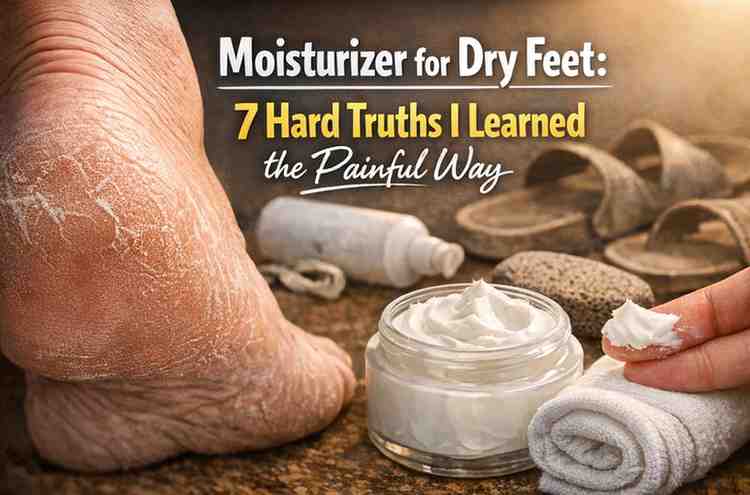
I’ve dealt with stress. Money stuff. Bad sleep. Breakups. But dry, cracked heels? That one snuck up on me. One winter, I stepped out of the shower, looked down, and thought… when did my feet start looking like this? Rough. Dull. Little white cracks that caught on socks. Painful if I walked too long.

I did what most people do. I grabbed a random lotion. Then another. Then one with a fancy label that promised miracles. None of it worked. That’s when I went down the rabbit hole of finding an actual moisturizer for dry feet that didn’t feel like snake oil.

This isn’t a dermatologist lecture. It’s just me, telling you what I learned by messing this up repeatedly—over months, across seasons, and with more trial-and-error than I’d like to admit.

If you’re here because your heels hurt, your socks snag, or you’re embarrassed to wear sandals… yeah. I’ve been there.


Why I Finally Took My Feet Seriously

Here’s the embarrassing part.

It wasn’t pain that pushed me. It was a comment.

I was at a friend’s place. Shoes off. Summer. Someone joked, “Man, winter did a number on your heels.”

They didn’t mean harm. Still stung.

That night, I actually paid attention. My feet weren’t just dry. They were dehydrated. Years of ignoring them, hot showers, walking barefoot on tile, cheap soap. It added up.

I realized something important: foot skin isn’t like arm skin. Or face skin. It’s thicker. It takes abuse. And it needs different care.

That’s where my whole understanding of foot care flipped.


The First Mistake I Made (and You Might Too)

I assumed lotion = solution.

Wrong.

Regular body lotion just sat there. Made my feet shiny for ten minutes. Then gone. Like my skin drank nothing.

What I didn’t get back then:

  • Feet have fewer oil glands

  • Heels lose moisture faster

  • Thick skin blocks light formulas

So yeah. Slathering on vanilla-scented lotion was useless. Sometimes worse, because it softened the surface but didn’t repair anything underneath.

I wasted weeks like that.

Don’t do that.


What Actually Makes a Difference (From What I’ve Seen)

After a lot of reading—and more importantly, trying—I noticed patterns. The products that worked had a few things in common.

Not brand names. Ingredients and texture.

Here’s what mattered for me:

1. Thickness (and I mean thick)

If it feels a little gross at first, that’s usually a good sign.

The formulas that helped were:

  • Dense

  • Slightly tacky

  • Not fast-absorbing

That slow absorption keeps moisture locked in. Especially overnight.

2. Urea or Lactic Acid (scary name, real help)

I was nervous about this. Acid? On cracks?

Turns out, low percentages help soften thick skin so moisture can actually get in. Not stingy. Not peely. Just… effective.

This was a turning point.

3. Occlusion matters more than hydration

Big realization here.

Hydration adds water. Occlusion traps it.

The best moisturizer for dry feet doesn’t just add moisture—it prevents loss. Ingredients like petrolatum or shea butter did more than aloe ever did for me.


My Actual Routine (Nothing Fancy)

I tried complicated routines. Scrubs. Masks. Tools. I quit all that.

This is what stuck:

Night routine (5 minutes):

  • Quick rinse or shower

  • Pat feet mostly dry (not bone dry)

  • Apply thick foot cream

  • Cotton socks

  • Sleep

That’s it.

No pumice every day. No soaking tubs. No rituals.

Consistency beat everything else.


How Long Did It Take to See Results?

This is where people get frustrated.

For me:

  • 3–4 days: Less rough. Socks stopped catching.

  • 1–2 weeks: Cracks softened. No pain.

  • 3–4 weeks: Heels looked… normal. Like I hadn’t abused them.

Not overnight. Not instant. But steady.

And when I stopped for a week? Dryness crept back. Fast.

Lesson learned.


What Didn’t Work (Even Though People Swore By It)

Let me save you time and money.

These didn’t help me long-term:

  • Coconut oil alone (too light)

  • Foot peels (look dramatic, didn’t last)

  • Scented lotions

  • Skipping socks at night

  • “Natural” balms with no occlusives

I’m not saying they’re bad. Just… not enough. At least not for serious dryness.


Seasonal Reality (US & Canada Folks, You’ll Feel This)

Cold weather wrecked my feet.

Indoor heating. Dry air. Hot showers. Boots all day. By February, my heels hated me.

Summer helped—but only a bit. Walking barefoot outside actually made things worse. Micro-cracks from concrete and wood floors.

So yeah. Foot care isn’t just winter-only. I learned that the hard way.


Don’t Make My Sock Mistake

This one sounds silly.

I used fuzzy socks at night. Thought they were cozy. Turns out, they absorbed all the cream.

Cotton socks worked better. Thinner. Less absorbent. Kept the product where it belonged.

Small change. Big difference.


Is One Product Enough?

Short answer: yes, if it’s the right one.

I rotate sometimes. But I don’t layer five things anymore.

A solid moisturizer for dry feet plus patience beat every “spa night” I tried.


The Emotional Side (No One Talks About This)

Dry feet seem minor. Until they aren’t.

It messes with:

  • Confidence in sandals

  • Comfort walking

  • Even sleep if cracks sting

Fixing it wasn’t just cosmetic. It felt like regaining control over something small but annoying that I’d ignored too long.

That surprised me.


Practical Takeaways (If You Skimmed)

Here’s the no-BS version:

  • Body lotion won’t cut it

  • Thick formulas work better

  • Ingredients > branding

  • Socks matter

  • Nighttime is key

  • Consistency beats intensity

That’s it.


FAQs — What I Learned Messing With This Myself

How often should I apply foot cream?

Once daily worked for me. At night. Twice didn’t speed things up much.

Can I use the same product year-round?

Yeah. I do. I just use less in summer.

What if my heels are already cracked?

Start gently. Avoid harsh scrubs. Let moisture soften first.

Do I need special tools?

Nope. I stopped using pumice stones completely.

Is dryness a sign of something serious?

Usually no. But if nothing improves, it’s worth asking a pro.


So no—this isn’t magic.

A moisturizer for dry feet won’t change your life. It won’t fix stress or pay bills or solve big problems.

But for me? It fixed something that annoyed me daily. Something I’d shrugged off for years.

And weirdly… that felt really good.

If you’re dealing with the same thing, don’t overthink it. Start simple. Be patient. And yeah—wear the socks.
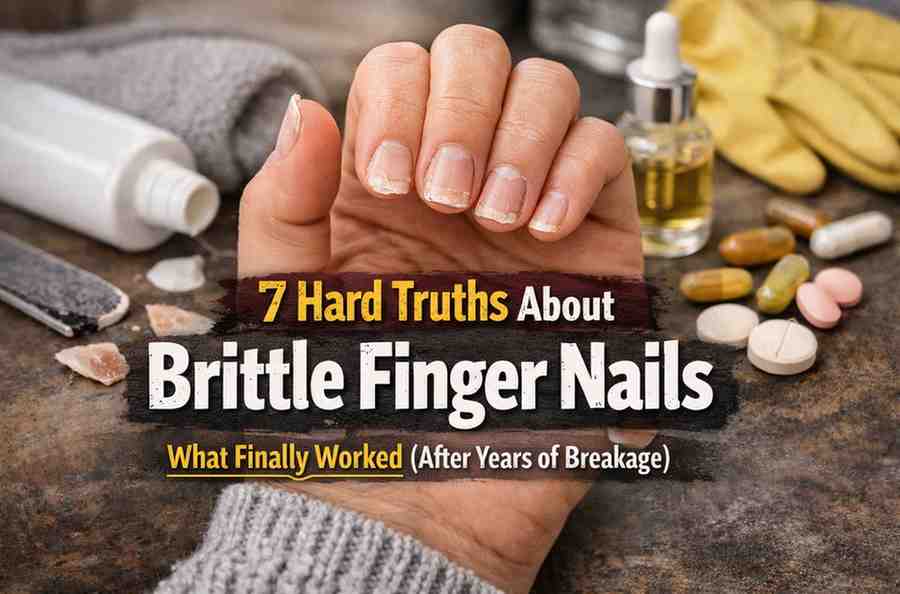
7 Hard Truths About Brittle Finger Nails That Finally Helped

7 Hard Truths About Brittle Finger Nails That Finally Helped

Honestly, I thought brittle finger nails were just… bad luck.

Genetics. Stress. “Getting older.” Something vague like that.

Mine started splitting at the corners first. Then peeling. Then snapping so low it hurt to type. I’d catch one on a pocket seam and just freeze, bracing for that tiny rip feeling. If you know, you know.

At first, I ignored it. Painted over it. Filed it down. Pretended it wasn’t happening.

Spoiler: that didn’t work.

What finally pushed me was a stupid moment in a grocery store parking lot. I tried to open a cardboard box in my trunk. Nail bent. Split. Blood. I just stood there, annoyed at something that felt so small but somehow constant.

That’s when I stopped Googling quick fixes and started paying attention to what actually helped—through trial, error, and a few bad decisions I wouldn’t repeat.

This isn’t a miracle story. And I’m not a doctor. But it is real. Lived-in. Messy. And if your nails keep breaking no matter what you do, this might save you some time (and pain).


What I Got Wrong at the Start (Like… Everything)

If I’m being honest, I made this worse before it got better.

My first instinct was to treat the symptom, not the cause.

I bought the hardest “nail strengthener” I could find. You know the ones—strong smell, promises like diamond hard and industrial strength. I slapped it on twice a week.

My nails felt tougher for about five days.

Then they shattered. Like glass.

Here’s what I misunderstood early on:

  • Hard ≠ healthy

  • Strong coatings can hide damage

  • Over-filing thins already fragile nails

  • “Just moisturize” is way too vague

I thought if I could just armor my nails, I’d be fine. Turns out, brittle nails don’t need armor. They need flexibility.

That took me way too long to realize.


The One Clue I Ignored for Years

This might sound obvious now, but it hit me late.

My nails weren’t just breaking.
They were dry. All the time.

Not flaky like skin. More like… hollow. Almost chalky when I clipped them.

I work on a laptop. I wash my hands a lot. Dishes. Cleaning. Hand sanitizer everywhere (especially after 2020). I never thought about what that was doing long-term.

Water, ironically, was part of the problem.

Nails absorb water. Then they dry. Over and over. That swelling and shrinking weakens the structure.

Once I noticed that pattern, everything else started making more sense.


What Actually Helped (After a Lot of Failing)

I’ll break this down the way I wish someone had explained it to me. Not in theory. In practice.

1. Oil > Cream (This Surprised Me)

I used hand cream constantly. Still do.

But it didn’t fix my nails.

What did? Oil. Specifically around the cuticle and under the nail edge.

At first, I felt silly. Rubbing oil into my nails like some spa ad. But I stuck with it because… why not?

What I noticed after about two weeks:

  • Nails bent instead of snapping

  • Fewer micro-splits at the edges

  • That chalky look faded

I didn’t use anything fancy. Sometimes jojoba-based. Sometimes vitamin E. Sometimes whatever oil was nearby. Consistency mattered more than brand.

I kept a tiny bottle by my bed. Did it while half-asleep. That’s what made it stick.

2. I Stopped “Fixing” Them So Much

This was hard. I like tidy nails.

But constant filing was killing them.

I used to file every tiny snag. Back and forth. Quickly. Stressfully.

Now?

  • One direction only

  • Glass file, not metal

  • Less often

And I stopped clipping super short. That took discipline. Short felt safer, but it made splits worse.

This alone reduced breaks by maybe 40%. No exaggeration.

3. Water Became the Enemy (Kind Of)

I didn’t stop washing my hands. I’m not gross.

But I did change how I treated water exposure.

Things I started doing:

  • Gloves for dishes (finally)

  • Oil before long cleaning sessions

  • Pat dry instead of rubbing

It felt extra at first. Then it became automatic.

My nails stopped peeling in layers. That was huge.

4. Supplements Were… Complicated

I tried biotin. Of course I did.

Here’s the honest take: it helped my hair more than my nails. And it took months.

Also, it broke me out. So I stopped.

What mattered more was overall nutrition. I hate saying that because it’s vague. But when I wasn’t eating enough protein? My nails showed it.

Not instantly. But consistently.

I didn’t track macros or anything. I just paid attention. When my diet slipped, my nails followed.

5. Strengtheners Aren’t Evil—Just Easy to Overdo

I didn’t quit strengtheners forever. I just changed how I used them.

No formaldehyde-heavy formulas.
No constant reapplication.
No layering for weeks.

One thin coat. Once a week. Breaks in between.

Used right, they helped. Used wrong, they wrecked things.

Learned that the hard way.


The Timeline No One Talks About

This part matters.

Nothing changed overnight.

Here’s roughly how it went for me:

  • Week 1–2: Nails still broke. But slower.

  • Week 3–4: Less peeling. More bend.

  • Month 2: New growth looked different.

  • Month 3: I trusted my nails again.

That’s the thing. You’re not fixing old damage. You’re growing out better nails.

If someone tells you otherwise, I’d be skeptical.


“Don’t Make My Mistake” Moments

I messed this up enough times to feel qualified saying this.

  • Don’t layer treatments like skincare. Nails hate overload.

  • Don’t ignore pain-level splits. That’s damage, not vanity.

  • Don’t assume it’s just cosmetic.

  • Don’t expect polish to protect you. It can hide problems.

And one big one:

Don’t panic and change everything at once.

I did that. Twice. It made it impossible to tell what worked.


When It Might Be More Than Just Nails

This part matters, especially if you’re in the US or Canada and dealing with healthcare systems that… take time.

If your nails are brittle and you notice:

  • Extreme fatigue

  • Hair thinning

  • Skin changes

  • Cold sensitivity

Please don’t just read blogs (including this one). Get labs done if you can. Iron, thyroid, and deficiencies can show up in nails early.

This isn’t fear-mongering. It’s just awareness.

For me, it was mostly lifestyle. For others, it’s deeper.

Both are valid.


What I’d Do If I Had to Start Over

If I woke up tomorrow with splitting nails again, here’s exactly what I’d do—no overthinking.

  1. Oil daily. Non-negotiable.

  2. Stop aggressive filing.

  3. Gloves for wet chores.

  4. Eat like a functioning adult.

  5. Wait 8 weeks before judging results.

That’s it.

No panic buying. No miracle cures. No late-night Amazon spirals.


Practical Takeaways (Short and Real)

  • Brittle nails need flexibility, not hardness

  • Water damage is real and sneaky

  • Consistency beats products

  • Growth takes time—annoyingly so

  • Less “fixing” often helps more

That’s the boring truth. And yeah, boring works.


FAQs — What I’ve Learned Messing With This Myself

Why do my nails keep splitting at the sides?

From what I’ve seen, side splits usually mean dehydration plus mechanical stress. Think water exposure, filing, and daily use adding up.

How long does it take to see improvement?

For me, visible change started around three to four weeks. Real confidence came closer to three months.

Are gels or acrylics a good idea?

Short-term, they can protect. Long-term, removal can make things worse. I’d use them sparingly, not as a fix.

Does nail shape matter?

Yeah, actually. Rounded edges snag less. Square corners split more. Small change, noticeable difference.

Can men have this issue too?

Absolutely. I’ve seen it just as often. Nails don’t care about gender.


I won’t say this was easy. Or fast. Or perfectly linear.

There were weeks I thought, this is pointless. Then one day I realized I hadn’t broken a nail in a while. I stopped flinching when I opened boxes.

So no—this isn’t magic.

But for me? It changed how my hands felt every single day. And that turned out to matter more than I expected.

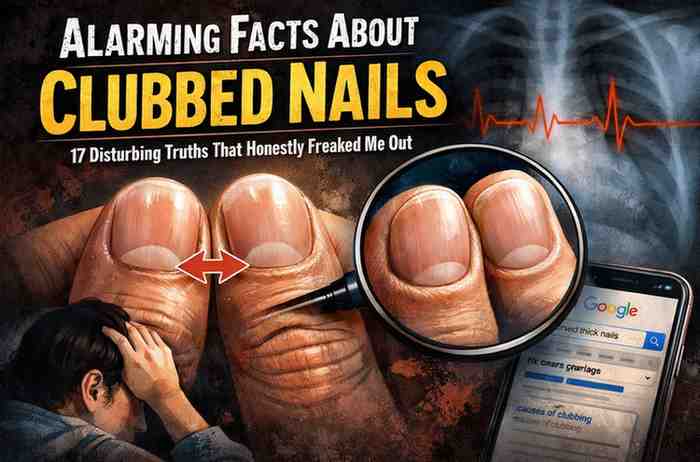
Alarming Facts About Clubbed Nails: 17 Disturbing Truths That Honestly Freaked Me Out

Alarming Facts About Clubbed Nails 17 Disturbing Truths That Honestly Freaked Me Out 1
Alarming Facts About Clubbed Nails 17 Disturbing Truths That Honestly Freaked Me Out

I’m gonna be honest right out of the gate—I ignored my nails for way too long.

Like, years.

They just… changed. Slowly. So slowly that my brain did that sneaky thing where it normalized it. A little thicker here. A little rounder there. I told myself it was age. Or stress. Or my job. Or genetics. Anything except what it actually was.

Then one night, scrolling my phone at 1:12 a.m., I stumbled on a post about Alarming Facts About Clubbed Nails, and my stomach just dropped. Because the photos looked uncomfortably familiar. Too familiar.

That’s when I realized something was off. And yeah—this honestly surprised me.

What follows isn’t medical textbook stuff. It’s what I noticed, messed up, Googled obsessively, misunderstood, and eventually accepted. I’m writing this like I’d text a close friend. Because that’s what I needed back then.


I Thought My Nails Were Just “Changing”

Not sick. Not warning signs. Just… changing.

I noticed the first thing while cutting my nails. They felt thicker. Harder. Almost rubbery? Hard to explain. The curve looked different too. More rounded. Less flat.

I shrugged it off.

Bad idea.

Here’s what I didn’t know at first:

  • Nail changes don’t always hurt

  • They don’t always happen fast

  • And they don’t always scream “emergency”

That’s part of what makes Alarming Facts About Clubbed Nails so sneaky. They creep up. Quietly.

I kept telling myself: “If something was really wrong, I’d feel it.”

Yeah. About that…


The First Thing I Googled (And Why It Confused Me)

I typed something vague like “thick curved nails normal?”

Big mistake.

Google threw everything at me:

  • Fungal infections

  • Aging

  • Vitamin problems

  • “Probably nothing”

That last one stuck. I clung to it.

But here’s what I missed early on: clubbing isn’t just about nail thickness. It’s about shape. And angle. And what’s happening under the nail.

No one explains that well in basic articles. They just show scary pictures and bounce.

I needed context. I didn’t get it at first.


The Angle Test That Made My Heart Skip

This was the moment I couldn’t ignore anymore.

I read about a simple test. You press the nails of the same finger together. Normally, there’s a small diamond-shaped gap between them.

I tried it.

There was no gap.

Nothing.

Just nail touching nail.

I remember whispering, “Oh… crap.”

That’s one of those Alarming Facts About Clubbed Nails no one prepares you for. It’s subtle. But once you see it, you can’t unsee it.


I Still Didn’t Panic (Which Is Wild in Hindsight)

Even then, I didn’t freak out immediately.

I went into denial mode:

  • “Maybe my fingers are just shaped weird”

  • “Maybe this test isn’t accurate”

  • “I’ve always had stubby hands”

I even compared hands with family members. Super normal behavior. Totally.

Still, something felt off. Like a low-grade hum of anxiety that wouldn’t shut up.


What Clubbing Actually Signals (From What I’ve Seen)

This part scared me. Not gonna lie.

Clubbing isn’t the problem. It’s the messenger.

From everything I dug into—and yeah, I went deep—it often shows up when the body isn’t getting enough oxygen. Over time.

Read that again.

Not suddenly. Not dramatically. Over time.

That’s one of the most Alarming Facts About Clubbed Nails for me. It’s not about a one-day issue. It’s about something simmering quietly.

Common connections I kept seeing:

  • Lung issues

  • Heart problems

  • Chronic inflammation

  • Digestive diseases

  • Rare genetic stuff

Notice how none of those are “minor.”


The Emotional Whiplash Was Real

One minute I was calm.

Next minute? Spiraling.

I’d read one reassuring comment, relax, then stumble onto something terrifying. Rinse and repeat.

I didn’t expect that emotional rollercoaster. It messed with my sleep. My focus. My mood.

I’d stare at my hands constantly. Like they might change back if I watched closely enough.

Spoiler: they didn’t.


I Made This Mistake—Please Don’t

I waited.

Months.

Because:

  • I didn’t want bad news

  • I didn’t want tests

  • I didn’t want to look dramatic

Classic avoidance.

Here’s the thing though—ignoring signs doesn’t make them disappear. It just delays clarity.

That delay is one of the quieter Alarming Facts About Clubbed Nails no one talks about. The damage isn’t always visible, but time matters.


When I Finally Brought It Up (Awkward, But Necessary)

Doctor visits are weird already. Talking about nails felt… silly.

I almost didn’t mention it.

Then I did. Casually. Like: “Oh, also my nails look kinda different?”

The doctor didn’t laugh. Didn’t dismiss it. Didn’t overreact either.

They looked. Pressed. Checked the angle.

And went quiet.

That silence told me everything.


Tests Are Annoying, But Knowledge Is Better

I won’t dump medical details here. That’s not the point.

What mattered was this:

  • Nails led to questions

  • Questions led to testing

  • Testing led to answers

Not all scary. Some unexpected. Some manageable.

But I would’ve never connected the dots without noticing those changes.

That’s why Alarming Facts About Clubbed Nails deserve attention, even if the topic feels random.


Things That Shocked Me (Honestly)

A few realizations hit hard:

  • Clubbing can show up before symptoms

  • It’s often painless

  • People ignore it for years

  • Even doctors can miss it if you don’t point it out

That last one still bugs me.

Your hands are literally attached to you. Yet somehow, they’re easy to overlook.


What Clubbing Is Not (Important)

Let’s clear this up.

It’s not:

  • A nail fungus

  • A cosmetic issue

  • A vitamin fix you can Amazon your way out of

  • Something lotion will solve

I wasted time thinking I could “fix” it myself. Supplements. Nail strengtheners. Diet tweaks.

None of that reversed anything.

That realization sucked. But it was necessary.


The Body Is Weirdly Smart

This part gave me some peace.

Clubbing happens because your body is reacting. Adapting. Trying to cope with something deeper.

In a strange way, it’s communication.

Uncomfortable communication. But still.

Once I reframed it like that, my fear softened. A little.


How Long Does It Take to Notice Changes?

For me? Years.

That’s not dramatic. That’s real.

It happened slowly enough that I adapted mentally. Which is dangerous.

From what I’ve seen, most people don’t wake up one day with clubbed nails. It’s gradual. Almost polite.

That slowness is one of the most Alarming Facts About Clubbed Nails, honestly.


Will They Ever Go Back to Normal?

This question haunted me.

Short answer? Sometimes. Sometimes not.

It depends on:

  • The cause

  • How long it’s been there

  • Whether the underlying issue improves

No guarantees. Anyone promising reversal is guessing.

I had to accept that. And yeah—it stung.


Things I Wish I’d Paid Attention To Earlier

Looking back, there were clues I ignored:

  • Rings feeling tighter

  • Fingertips looking bulbous

  • Nails curving downward

  • Skin under nails feeling spongy

None of those screamed danger alone.

Together? Different story.


Why This Hits Harder Than Other Health Signs

Here’s my theory.

Nails feel harmless. Boring. Cosmetic.

We’re trained to worry about pain, not shape. Symptoms, not structure.

So when something structural changes without pain, we shrug.

That’s why Alarming Facts About Clubbed Nails don’t spread the way they should.


I Talk About It Now (Even When It’s Weird)

I used to keep quiet.

Now? I mention it if it comes up.

Because someone else might be where I was—confused, dismissive, quietly worried.

If sharing an awkward story gets someone to look twice at their hands, it’s worth it.


Practical Takeaways (No Drama)

If you’re still reading, here’s what I’d actually say to you, friend-to-friend:

  • Look at your nails once in a while

  • Compare photos from years ago

  • Do the angle test calmly

  • Don’t panic—but don’t ignore it

  • Bring it up at appointments, even casually

You’re not being dramatic. You’re being aware.


If You’re Googling This at 1 a.m.

I see you.

You’re probably:

  • Zooming into your fingertips

  • Comparing images

  • Wondering if you’re overthinking

  • Feeling that weird chest-tight anxiety

Take a breath.

This isn’t a diagnosis. It’s information.

And information is power—even when it’s uncomfortable.


One Last Honest Thought

I never thought my nails would teach me anything.

Definitely didn’t expect them to start a chain reaction that changed how I pay attention to my body.

But here we are.

So yeah—these Alarming Facts About Clubbed Nails aren’t meant to scare you into doom-spiraling. They’re meant to wake you up gently. Before something louder has to.

If nothing else, you’ll look at your hands a little differently now.

And honestly? That’s not a bad thing.

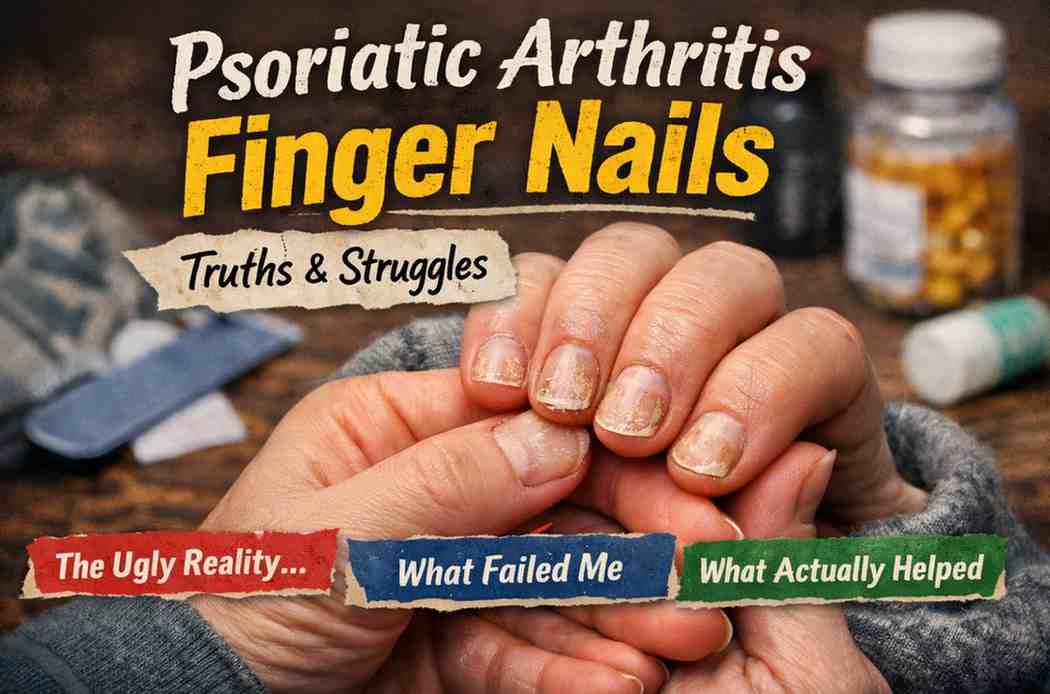
Psoriatic Arthritis Finger Nails: 7 Brutal Truths I Learned the Hard Way (and One That Gave Me Hope)

Psoriatic Arthritis Finger Nails 7 Brutal Truths I Learned The Hard Way And One That Gave Me Hope 1 1

Psoriatic Arthritis Finger Nails: 7 Brutal Truths I Learned the Hard Way (and One That Gave Me Hope)

Honestly… I didn’t even know psoriatic arthritis finger nails were a thing at first.

I just thought my nails were “going bad.”

Peeling. Pitting. Lifting off the nail bed like they were slowly quitting on me. Some mornings I’d wake up, look at my hands, and feel this weird mix of embarrassment and panic. Like — is this normal? Did I do something wrong? Is this permanent?

Not gonna lie, I hid my hands a lot that year. Hoodie sleeves. Pockets. Avoiding eye contact when paying at stores. Small stuff like that adds up fast.

This isn’t a medical textbook explanation. This is what it felt like to live inside it. Messy, frustrating, confusing, and slowly… manageable.

If you’re here because your fingernails are doing things nails absolutely shouldn’t be doing — yeah. I get it.


How I Realized My Nails Weren’t Just “Ugly” or “Weak”

At first, I blamed everything except my body.

  • Too much hand sanitizer

  • Cheap nail clippers

  • A bad manicure years ago (seriously)

  • Stress

  • “Probably a vitamin thing”

I bought supplements. Biotin gummies. Fancy cuticle oils I never used consistently. Nothing changed.

Then the pits showed up. Tiny dents like someone pressed a pin into wet clay. Then the discoloration. Then pain — not constant, but sharp enough to make me drop things.

What honestly surprised me?
My joints weren’t even that bad yet.

The nails showed up first. And they were loud about it.

That’s when my rheumatologist finally said the words I didn’t expect to hear tied to fingernails. And suddenly everything clicked in the worst way.


The Part No One Warned Me About: Nails Mess With Your Head

This might sound dramatic. But nails are visible all the time.

Typing. Shaking hands. Holding a coffee. Scrolling your phone. They’re always there, reminding you something’s off.

For me, the emotional stuff hit before the physical pain:

  • Embarrassment

  • Feeling “dirty” even though I wasn’t

  • Constant comparison to other people’s hands

  • Avoiding photos

I didn’t expect that at all. I thought I was tougher than that.

Turns out, chronic stuff doesn’t need to be loud to mess with you.


What I Completely Misunderstood at First

Here’s where I messed this up early.

I treated nail symptoms like a surface problem.

Topicals only. Nail strengtheners. Buffing. Filing more aggressively (bad idea). Covering damage instead of understanding it.

I kept thinking, If I fix the nail, the problem goes away.

Wrong direction.

From what I’ve seen, at least — nails in psoriatic arthritis behave more like a signal, not the disease itself. They flare when inflammation’s active elsewhere, even if you can’t feel it yet.

That realization sucked. But it also helped me stop chasing quick fixes.


The Stuff That Flat-Out Didn’t Work for Me

I’ll save you some time (and money).

Things I tried that did basically nothing:

  • Hard-as-armor nail strengtheners (made cracking worse)

  • Daily buffing (thinned the nails fast)

  • Cutting nails super short (hurt when beds were tender)

  • Ignoring it and “waiting it out” (wishful thinking)

I’m not saying these never work. Just… for me? Nope.

And I wish someone had told me earlier that nail changes don’t respond on the same timeline as skin.

Nails are slow. Painfully slow.


What Actually Started Helping (Not Overnight, Though)

This is where things shifted. Not magically. Gradually.

1. Treating Inflammation First, Not Nails

Once my overall treatment stabilized, my nails stopped worsening. That alone felt like a win.

They didn’t improve fast. But they stopped spiraling.

That mattered more than I expected.

2. Changing How I Used My Hands

Sounds silly. It’s not.

  • Gloves for dishes (every time)

  • No bare-hand cleaning products

  • Gentle soap only

  • Pat dry, never rub

Small stuff. Big difference over months.

3. Oil > Cream (This One Surprised Me)

Creams sat on top. Oils actually soaked in.

I kept it boring:

  • Plain jojoba

  • Vitamin E when things cracked

No fragrance. No hype. Just consistency.


Timeline Reality Check (This Was Hard to Accept)

Here’s the honest answer to “how long did it take?”

Too long.

  • 2–3 months: less splitting

  • 4–6 months: new growth looked healthier

  • 9+ months: nails that didn’t immediately scream “something’s wrong”

That’s with treatment and care.

Anyone promising instant nail recovery? I’d be skeptical.

Nails grow slow. Healing them is a patience test you didn’t sign up for.


The Pain Factor Nobody Explains Well

It’s not always pain like a broken bone.

It’s:

  • Tender nail beds

  • Random sharp zings

  • Pressure sensitivity

  • That awful feeling when a nail lifts just enough to catch on fabric

Some days were fine. Others were… irritating enough to ruin my mood.

Learning to protect instead of “push through” helped more than I want to admit.


What If Yours Don’t Improve? (Because That’s a Real Fear)

I worried about this constantly.

Here’s what I learned the hard way:

  • Nail response ≠ treatment failure

  • Some nails lag behind everything else

  • Stress flares nails faster than joints (for me)

I stopped using my nails as the only measure of progress. That mental shift mattered.

Would I still prefer normal nails? Obviously.
But obsessing made everything worse.


Things I’d Tell Past Me (So You Don’t Have To Learn the Same Way)

If I could go back, I’d say:

  • Stop blaming yourself

  • Stop over-treating the nail surface

  • Track patterns, not perfection

  • Protect your hands like they matter (because they do)

  • Ask questions early — don’t minimize nail symptoms

And maybe most important:

You’re not vain for caring about your hands.

This stuff affects real life.


Practical Takeaways (No Fluff)

If you want the condensed version:

  • Nails reflect inflammation, not just damage

  • Gentle care beats aggressive fixing

  • Oils > hardeners for fragile nails

  • Improvement takes months, not weeks

  • Emotional impact is real — don’t dismiss it

No guarantees. No miracle claims. Just what held true for me.


I won’t say psoriatic arthritis finger nails ever stopped being annoying. They didn’t.

But they stopped controlling how I felt about myself.

And that was the bigger win.

So if you’re staring at your hands right now, feeling confused or frustrated or weirdly ashamed — yeah. You’re not alone in that.

This isn’t magic.
It’s slow.
It’s imperfect.

But for me?

It finally made things feel… manageable.

Avocado Ice Cream: 7 Honest Lessons After Watching So Many People Get It Wrong (and Finally Feel Relief)

Avocado Ice Cream 7 Honest Lessons After Watching So Many People Get It Wrong And Finally Feel Relief 1
Avocado Ice Cream 7 Honest Lessons After Watching So Many People Get It Wrong and Finally Feel Relief

Honestly, most people I’ve watched try avocado ice cream don’t fail because it’s hard.

They fail because they expect it to taste like Ben & Jerry’s on the first try.

I’ve seen this pattern over and over. Someone’s cutting sugar. Or dairy. Or trying to eat cleaner without giving up dessert. They hear avocado ice cream is “creamy, healthy, just blend and freeze.”

They try it once. It turns out icy. Or weirdly grassy. Or bland.

And then the quiet spiral starts:

“Maybe I just don’t like healthy desserts.”
“Maybe I did it wrong.”
“Maybe this whole thing isn’t worth it.”

From what I’ve seen guiding friends, watching clients experiment, and testing batches alongside them, avocado ice cream isn’t magic. But it’s also not a gimmick.

It’s one of those recipes that works beautifully — if you understand what it actually is.

And what it isn’t.

Let’s talk about that.


Why People Try Avocado Ice Cream in the First Place

The motivations are almost always emotional before they’re nutritional.

Here’s what I’ve seen:

  • Someone’s cutting back on dairy but misses creamy desserts.

  • Someone wants a lower-sugar option but still wants something indulgent.

  • Someone’s trying to sneak more healthy fats into their diet.

  • A parent wants something better than processed ice cream for their kids.

  • A fitness-focused person wants dessert without wrecking macros.

And then they find avocado ice cream online and think:

“This could solve everything.”

That expectation? That’s where things get messy.

Because avocado ice cream can be creamy. It can be rich. It can feel indulgent.

But it won’t taste like vanilla bean dairy ice cream unless you treat it properly.


What Most People Get Wrong (Almost Everyone Does This at First)

I didn’t expect this to be such a common issue, but after watching so many batches get tested, these are the repeat mistakes.

1. Using Underripe Avocados

This one is brutal.

If the avocado isn’t fully ripe:

  • Texture turns slightly grainy.

  • Flavor leans grassy.

  • Sweetness doesn’t carry.

From what I’ve seen, most people are impatient. They grab “almost ripe” avocados.

Don’t.

They should give slightly when pressed but not feel mushy. Think soft butter, not guacamole-level collapse.

2. Not Adding Enough Sweetness

Almost everyone I’ve seen struggle with this does this one thing wrong:

They under-sweeten because they’re trying to be “healthy.”

Avocado has natural fat, not natural sugar. If you don’t balance it, it tastes flat.

This doesn’t mean dumping white sugar.

But you need something:

  • Honey

  • Maple syrup

  • Dates

  • Coconut sugar

  • Even a ripe banana

Otherwise, the avocado flavor dominates.

3. Freezing It Incorrectly

People blend it. Toss it in a container. Freeze solid.

Then they say it’s icy.

Of course it is.

Without churning or stirring, ice crystals form. That’s just physics.

What consistently works instead:

  • Stir every 30–45 minutes during the first 2–3 hours.

  • Or use an ice cream maker.

  • Or eat it soft-serve style immediately after blending.

Most people skip this. Then blame the recipe.


What Avocado Ice Cream Actually Does Well

Let’s be real.

When done right, avocado ice cream shines in a few specific ways.

1. Texture

The fat in avocado mimics cream surprisingly well.

This honestly surprised me after watching so many people try it.

When blended properly, the texture is:

  • Silky

  • Dense

  • Spoon-coating

  • Almost mousse-like

It’s not airy like churned dairy ice cream. It’s richer. Thicker.

Some people love that.

Some people don’t.

2. Chocolate Pairing

This is the pattern I’ve seen over and over:

Chocolate avocado ice cream works better than plain vanilla.

Cocoa powder hides the subtle avocado notes. It deepens the flavor.

Simple formula that consistently works:

  • 2 ripe avocados

  • ¼ cup cocoa powder

  • ¼–½ cup maple syrup

  • Splash of vanilla

  • Pinch of salt

Blend until completely smooth. Taste. Adjust sweetness.

This rarely fails if avocados are ripe.

3. Quick Satisfaction

If someone is craving ice cream right now, this works fast.

Blend → eat.

No baking. No complicated steps.

For busy people? That matters.


How Long Does It Take to Get It Right?

Most people I’ve worked with need 2–3 attempts before they nail their preferred version.

First batch: too bland.
Second batch: too sweet or icy.
Third batch: balanced.

It’s a short learning curve. But it’s still a curve.

If someone expects perfection on the first try, they quit.

If they treat it like experimentation, they stick with it.


What Consistently Works (After Watching Many Attempts)

These are the patterns that separate “meh” from “wow.”

✔ Add Acid

A squeeze of lime or lemon brightens everything.

Without it? Flavor feels heavy.

✔ Add Salt

Tiny pinch. Makes sweetness pop.

Almost nobody does this at first.

✔ Blend Longer Than You Think

Avocado needs to be completely smooth.

Tiny lumps = weird mouthfeel once frozen.

✔ Eat It Slightly Softened

If frozen solid, let it sit 10–15 minutes before scooping.

Otherwise, people assume they failed.

They didn’t. They just didn’t wait.


Who Avocado Ice Cream Is NOT For

Let’s be honest here.

This isn’t for:

  • People who want traditional dairy flavor.

  • People who hate avocado in any form.

  • People expecting ultra-light, airy texture.

  • Anyone deeply attached to store-bought sweetness levels.

If someone falls into those categories, they’ll likely feel disappointed.

And that’s okay.


Common Mistakes That Slow Results

Here’s the condensed list I wish people saw earlier:

  • Using low-powered blenders.

  • Skipping sweetness adjustments.

  • Freezing in deep containers instead of shallow ones.

  • Comparing it directly to premium dairy brands.

  • Making plain avocado flavor without cocoa or fruit support.

From what I’ve seen, expectations sabotage more attempts than ingredients.


Is Avocado Ice Cream Actually Healthy?

Short answer: it depends on how you make it.

Compared to traditional ice cream:

But if you dump in tons of sweetener?

It becomes dessert. Just a different type.

And honestly, that’s fine.

It doesn’t have to be a “superfood miracle” to be worthwhile.


Objections I Hear All the Time

“Won’t it taste like guacamole?”

If sweetened properly and paired with cocoa or vanilla? No.

If under-sweetened? Yes. Slightly.

That’s why balance matters.


“Is it worth the effort?”

If you’re dairy-free or experimenting with whole-food desserts — yes.

If you just want cheap ice cream from the store — probably not.


“Does it spike blood sugar?”

Depends on sweetener choice and portion size.

Maple syrup and honey still affect blood sugar.

Lower-sugar versions with monk fruit or erythritol? Different story.

But again — it’s dessert.

Context matters.


Quick FAQ (Straight Answers)

Can you make avocado ice cream without an ice cream maker?
Yes. Stir during freezing or eat soft-serve style.

How long does avocado ice cream last?
Best within 1–2 days. It can brown slightly over time.

Can kids taste the avocado?
Usually not in chocolate versions.

Can you use frozen avocado?
Yes, but texture improves if blended thoroughly.


Reality Check: What No One Mentions

It oxidizes.

Even with citrus.

It may darken slightly after a day.

It’s best fresh.

Also — not every avocado batch tastes the same.

I’ve watched people get confused because one batch tasted buttery and mild, and the next felt earthy.

That’s just produce variability.

This isn’t lab-made consistency.


Practical Takeaways

If you’re going to try avocado ice cream, here’s the grounded approach:

Do this:

  • Wait for fully ripe avocados.

  • Add enough sweetness.

  • Use cocoa or strong flavors.

  • Blend longer than feels necessary.

  • Taste before freezing.

Avoid this:

  • Expecting store-bought results immediately.

  • Skipping salt.

  • Freezing without stirring.

  • Giving up after one attempt.

Emotionally? Expect some tweaking.

Not perfection.

Small adjustments.

Small wins.


And here’s what I’ve noticed after watching so many people test this:

The ones who stick with it stop comparing it to traditional ice cream.

They treat it as its own thing.

A creamy, whole-food dessert that feels satisfying without the crash.

So no — avocado ice cream isn’t magic.

It won’t fix your diet overnight.

But I’ve watched enough frustrated people finally smile after getting the balance right to say this:

When you approach it realistically, it stops being disappointing and starts being empowering.

Sometimes that shift alone is the real win. ????

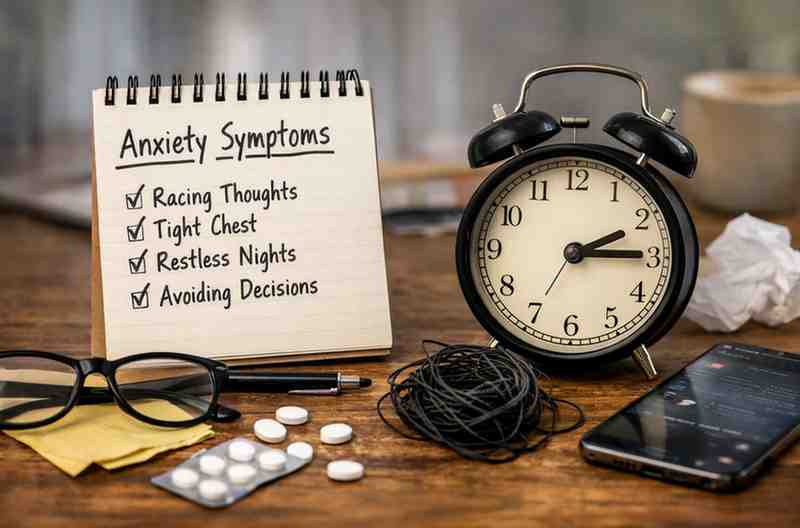
Anxiety Symptoms: 9 Frustrating Signs People Miss (and the Relief That Comes From Naming Them)

Anxiety Symptoms 9 Frustrating Signs People Miss And The Relief That Comes From Naming Them 1
Anxiety Symptoms 9 Frustrating Signs People Miss and the Relief That Comes From Naming Them

Honestly, most people I’ve watched try to “fix” anxiety hit a wall early. They read a checklist, nod along to the obvious stuff, and then quietly assume they’re the problem when things don’t change. The pattern I keep seeing? Anxiety symptoms don’t always look like panic attacks and shaking hands. They show up sideways. In habits. In sleep. In how someone checks their phone ten times before sending a text.

I’ve sat next to friends on late-night drives who swore they were “fine” while white-knuckling the steering wheel. I’ve watched coworkers spiral over tiny mistakes. I’ve helped people track what actually changed when they stopped dismissing what their body was trying to say. From what I’ve seen, naming anxiety symptoms accurately is the first small win that opens the door to relief. Not cure. Relief. There’s a difference.


What people usually think anxiety symptoms look like (and where that falls apart)

Most folks start with a narrow picture:

  • racing heart

  • sweaty palms

  • feeling scared for “no reason”

  • panic attacks

Those happen. Sure. But almost everyone I’ve seen struggle with this does this one thing wrong: they wait for anxiety to look dramatic before taking it seriously.

What actually shows up, over and over:

  • Irritability that comes out at safe people

  • Constant scanning for what might go wrong

  • Avoiding decisions because choosing feels risky

  • Body stuff: jaw pain, tight shoulders, stomach flips

  • Over-preparing to the point of exhaustion

  • Sleep that looks fine on paper but feels shallow and unrestorative

This honestly surprised me after watching so many people try to self-diagnose. They miss their own anxiety symptoms because they don’t match the dramatic version they expect.


The anxiety symptoms that fly under the radar (but cause the most damage)

These are the ones people don’t label as anxiety at first. They just call it “my personality” or “stress.”

1) Decision paralysis
From what I’ve seen, this is huge. People freeze on small choices—what to eat, when to reply, whether to say yes. It looks like being indecisive. It feels like safety-seeking.

2) Replaying conversations
Almost everyone I’ve worked with mess this up at first. They think rumination is problem-solving. It’s not. It’s anxiety looping in a trench coat.

3) Hyper-responsibility
“I’ll just handle it.”
“I don’t want to burden anyone.”
This one burns people out quietly.

4) Body alarms without a clear threat
Chest tightness. Nausea. Headaches.
People chase physical explanations for months before realizing anxiety symptoms can live in the body.

5) Avoidance dressed up as ‘being practical’
Not applying. Not going. Not trying.
It feels rational in the moment. The long-term effect is a smaller life.


Why people try to ignore anxiety symptoms at first

Patterns I keep seeing:

  • They don’t want a label.

  • They’ve normalized discomfort.

  • They’re scared of what it means.

  • They think it’ll pass if they’re “strong enough.”

Most people I’ve worked with had a phase of toughing it out. It usually made things louder, not quieter.


What consistently works (vs. what looks good on paper)

This is where expectations usually break.

What looks good on paper but fails in real life

  • Forcing positivity

  • Cutting caffeine and expecting that to fix everything

  • One-size-fits-all breathing techniques

  • Waiting to “feel ready”

I didn’t expect this to be such a common issue: people stack tactics without understanding why their anxiety symptoms show up.

What actually works more often than not

From what I’ve seen:

  • Pattern tracking
    Not journaling everything. Just noticing triggers and responses.

  • Naming the symptom out loud
    “This tight chest is anxiety.”
    The nervous system calms a little when it’s not confused.

  • Reducing avoidance, gently
    Tiny exposures. Not dramatic leaps.

  • Externalizing the problem
    Talking about it with one safe person.

  • Building one boring routine
    Sleep, food, movement. Not glamorous. Weirdly effective.

Cause → effect → outcome shows up clearly here:
When people name anxiety symptoms accurately → they stop fighting ghosts → their responses get calmer → symptoms lose some power.


How long does it take to see any relief?

Short answer: faster than people expect for small relief, slower than people want for big change.

From what I’ve seen:

  • 1–2 weeks: people feel less confused

  • 3–6 weeks: symptoms feel more predictable

  • 2–3 months: some patterns lose intensity

  • Longer: deeper habits shift

If someone expects anxiety symptoms to vanish in days, they usually quit early. That’s where expectations break.


The mistakes that slow everything down

Almost everyone I’ve seen struggle with this does one of these:

  • Chasing perfection

  • Trying ten tools at once

  • Hiding symptoms to look “normal”

  • Judging themselves for having anxiety symptoms

  • Waiting for motivation instead of starting messy

This honestly surprised me after watching so many people try to “do it right.” There is no clean version of learning your patterns.


Mini-stories I keep seeing repeat

  • The friend who thought it was “just burnout” until panic hit in grocery store lines.

  • The colleague who managed fine at work but unraveled at home.

  • The student who aced exams but avoided applying for opportunities because the body said “danger.”

Different lives. Same anxiety symptoms. Different masks.


Is it worth paying attention to anxiety symptoms early?

Short answer: yes. Not because it fixes everything. Because it shrinks the problem to something workable.

What experienced folks would do differently:

  • They wouldn’t wait for a breakdown.

  • They’d name symptoms earlier.

  • They’d ask for help sooner.

That early naming is often the first relief people feel.


Objections I hear all the time (and what tends to happen)

“This is just how I am.”
Sometimes. But from what I’ve seen, personality doesn’t cause stomach flips before every email.

“Other people have it worse.”
True. Still doesn’t mean your anxiety symptoms aren’t real.

“I don’t want to depend on tools forever.”
Most tools are training wheels. Not lifelong crutches.

“What if I try and it doesn’t work?”
Then you learned something. That’s not nothing.


Reality check (what this is NOT for)

This approach is probably not for you if:

  • You want instant calm

  • You hate tracking patterns

  • You refuse any outside support

  • You expect one technique to fix everything

Also, sometimes anxiety symptoms overlap with medical issues or deeper mental health conditions. When things don’t shift, getting professional help is a real option. Not a failure.


Short FAQ (for the questions people actually ask)

Are anxiety symptoms always mental?
No. The body is often the loudest messenger.

Can anxiety symptoms come and go?
Yes. They flare with stress, change, uncertainty.

Do symptoms mean something is wrong with me?
From what I’ve seen, they usually mean your nervous system is trying to protect you—badly timed, but protective.

Is it worth trying small changes first?
Almost always. Small wins build momentum.


Practical takeaways (the boring, useful stuff)

What to do

  • Notice patterns, not just episodes

  • Name anxiety symptoms out loud

  • Try one small exposure

  • Keep one steady routine

What to avoid

  • Waiting for motivation

  • Comparing your timeline to others

  • Treating symptoms like enemies

What to expect emotionally

What patience actually looks like

  • Repeating simple things

  • Getting bored with basics

  • Watching intensity drop slowly

No guarantees. No hype. Just patterns I’ve seen hold.


Still, I won’t pretend this is neat. People backslide. They ghost their own plans. They get tired of paying attention to anxiety symptoms. Then something clicks again. That back-and-forth is part of it.

So no — this isn’t magic. But I’ve watched enough people finally stop feeling stuck once they stopped fighting their symptoms and started listening to them. Sometimes that shift alone is the real win.

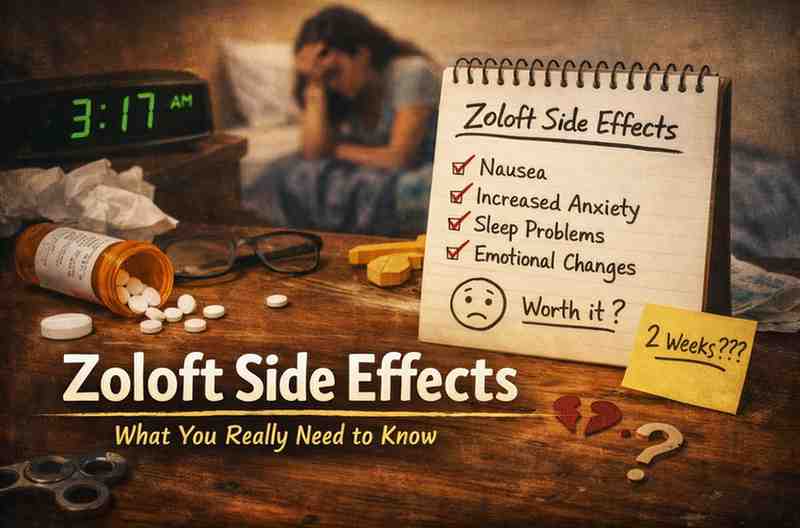
Zoloft Side Effects: 17 Real-World Warnings Most People Find Frustrating at First

Zoloft Side Effects 17 Real World Warnings Most People Find Frustrating At First 1
Zoloft Side Effects 17 Real World Warnings Most People Find Frustrating at First

Honestly, most people I’ve watched start Zoloft side effects thinking it’ll be simple: take the pill, feel better, move on. Then week one hits. Nausea in the morning. A weird tight chest feeling. Sleep gets jumpy. Someone texts me at 2 a.m. asking if their brain is “broken” because their anxiety spiked out of nowhere.

I’ve been close to a lot of people on this med. Family. Friends. People I’ve helped track symptoms week by week. I didn’t take it myself, but I’ve sat with the fallout of starting it, stopping it, restarting it “the right way,” and trying to make sense of what’s normal vs. what needs a doctor’s attention. The pattern that keeps repeating? People blame themselves for reactions that are painfully common. Then they quit too fast. Or push through when they probably shouldn’t.

From what I’ve seen, Zoloft side effects aren’t random. They follow patterns. Predictable ones. And once you know those patterns, the whole experience stops feeling like a personal failure and starts feeling… navigable. Still messy. But navigable.


Why people try Zoloft in the first place (and what they expect)

Most people I’ve worked with didn’t start Zoloft because things were mildly uncomfortable. They were stuck.

  • Panic attacks that hijacked normal days

  • Depression that flattened motivation

  • OCD loops that wouldn’t shut up

  • Social anxiety that made work unbearable

What they expect:

  • Relief within days

  • A calmer brain

  • Fewer intrusive thoughts

  • To feel “normal” again

What actually happens for many:

  • Symptoms wobble before they stabilize

  • New physical sensations show up

  • Emotions feel… different

  • Sleep gets weird

  • Appetite shifts

This honestly surprised me after watching so many people try it. The early phase often feels worse before it feels better. Not for everyone. But for enough people that it’s a real pattern.


The side effects people panic about most (and the patterns I keep seeing)

Here’s the stuff that triggers late-night Googling and spirals:

1. Nausea & stomach issues

Almost everyone I’ve seen struggle with this does one thing wrong: they take it on an empty stomach at first.
From what I’ve seen:

  • Taking Zoloft with food often cuts nausea in half

  • Morning dosing works for some, wrecks others

  • This usually fades within 1–2 weeks

2. Increased anxiety (yep, that’s a thing)

This one scares people the most.

People start Zoloft for anxiety… then feel more anxious. The pattern:

  • Days 3–10 are the roughest

  • Jittery energy

  • Racing thoughts

  • A sense of “I broke myself”

Most people I’ve worked with mess this up at first by assuming it means the med is wrong for them. Sometimes it is. But often, this spike fades as the brain adjusts to serotonin changes.

3. Sleep problems

Two camps:

  • Can’t fall asleep

  • Wake up at 3–4 a.m. wired

What consistently works:

  • Switching dosing time

  • Cutting caffeine

  • Not doom-scrolling in bed (yes, boring advice, but it matters)

4. Sexual side effects

People don’t talk about this enough. It’s awkward. But real.

Patterns I’ve seen:

  • Lower libido

  • Delayed orgasm

  • Emotional blunting

This is where expectations usually break. Some people tolerate this tradeoff. Others don’t. And that’s valid.

5. Emotional flattening

Not sadness. Not happiness. Just… muted.

This doesn’t hit everyone. But when it does, people feel confused. “Is this better? Or worse?”
This one needs honest conversations with a doctor. No tough-it-out medals here.


What people commonly get wrong at first

From what I’ve seen across dozens of starts and restarts:

  • Stopping too fast.
    One bad week ≠ failure.

  • Starting too high.
    Jumping into a full dose can slam the nervous system.

  • Changing three things at once.
    New med + new diet + quitting caffeine = impossible to track what’s causing what.

  • Comparing themselves to one success story online.
    Bodies vary. Brains vary. Timelines vary.

  • Assuming side effects mean permanent damage.
    Most early effects are temporary.


How long does it take (for most people)?

This is the timeline I’ve watched repeat:

Days 1–7

  • Weird sensations

  • Nausea

  • Anxiety spikes

  • “Did I make a mistake?” energy

Weeks 2–4

  • Side effects start easing

  • Mood still unstable

  • Some small wins: fewer spirals, slightly calmer mornings

Weeks 4–8

  • This is where people finally notice real shifts

  • Fewer intrusive thoughts

  • Panic less sticky

  • Emotional steadiness (if it’s going to happen, it shows here)

Still, some people need dose adjustments. Some need a different med entirely. This isn’t one-size-fits-all.


What consistently works vs. what looks good on paper

What actually helps (from patterns I’ve seen):

  • Starting low, increasing slowly

  • Tracking symptoms daily (even just notes in your phone)

  • Pairing meds with therapy or behavioral changes

  • Giving it 4–6 weeks before deciding

  • Talking honestly with your prescriber about side effects

What looks good on paper but fails in real life:

  • “Just power through”

  • Ignoring sexual side effects

  • Pretending emotional numbness is fine

  • Copying someone else’s dosage plan

  • Skipping follow-ups


Don’t repeat this mistake (I’ve watched it backfire)

People often push through side effects because they’re desperate for relief. Then they burn out emotionally and quit cold turkey.

Quitting suddenly can cause:

  • Dizziness

  • Brain zaps

  • Mood crashes

  • Rebound anxiety

If it’s not working, taper with guidance. Almost everyone I’ve seen struggle with this does this one thing wrong: they disappear from medical support when things feel awkward to talk about.


Is it worth it? (Real talk)

This depends on your baseline pain.

From what I’ve seen:

  • If anxiety or depression is ruining daily function, the side effects often feel worth enduring for a few weeks.

  • If symptoms are mild, people resent the side effects more.

This isn’t about toughness. It’s about cost vs. benefit in real life. Some people find real relief. Some decide the tradeoffs aren’t worth it. Both are reasonable outcomes.


Who will hate this approach

Zoloft side effects hit hardest for people who:

  • Want instant relief

  • Hate uncertainty

  • Struggle with bodily sensations

  • Don’t have support during the first month

This isn’t a moral failure. It’s just a mismatch sometimes.


When results may be slow (and expectations usually break)

Results stall when:

  • Doses are too low for too long

  • Life stress stays untreated

  • Sleep is a disaster

  • Alcohol use continues

  • Therapy is skipped

This is the part people don’t want to hear. Meds aren’t magic. They shift the floor you stand on. They don’t build the house.


Objections I hear all the time (and what I’ve seen happen)

“I don’t want to be dependent on a pill.”
Totally fair fear. Some people use Zoloft short-term. Some long-term. Dependency ≠ addiction. Still, the decision deserves thought.

“Side effects mean it’s harming me.”
Sometimes. But often, side effects mean your nervous system is adjusting. The difference matters.

“It worked for my friend, so it should work for me.”
This logic causes so much self-blame. Bodies aren’t copy-paste.


Reality check (what can go wrong)

  • Side effects don’t always fade

  • Emotional blunting can persist

  • Sexual side effects may last

  • Finding the right dose can take months

  • Some people feel worse, not better

Transparent limits matter. Zoloft isn’t a guarantee. It’s a tool. Sometimes a helpful one. Sometimes the wrong one.


Short FAQ (for quick answers)

Do Zoloft side effects go away?
Often, yes—especially nausea and jitteriness. Some side effects stick around.

Can Zoloft make anxiety worse at first?
Yes. This is common in the first 1–2 weeks.

Is it dangerous?
Serious reactions are rare but possible. Any severe symptoms = talk to a doctor.

Can I drink alcohol on Zoloft?
Most people I’ve seen feel worse when they do. It blunts progress.


Practical takeaways (no hype, just reality)

What to do

  • Start low

  • Track symptoms

  • Eat with your dose

  • Communicate early with your prescriber

  • Give it time before judging results

What to avoid

  • Quitting cold turkey

  • Comparing timelines

  • Ignoring sexual or emotional side effects

  • White-knuckling through misery

What to expect emotionally

  • Doubt

  • Frustration

  • Small wins

  • A few “oh, that’s new” moments

  • Relief for some. Disappointment for others.

What patience actually looks like

  • Waiting through awkward weeks

  • Adjusting expectations

  • Asking for help

  • Not making one bad day the final verdict

Still… I’ve watched enough people slowly regain their footing after the rough start that I don’t dismiss this med outright. I also don’t oversell it. Zoloft side effects can be rough. Real rough. But sometimes, the other side of that rough patch is quieter mornings, fewer spirals, and a little more room to breathe.

So no — this isn’t magic. But I’ve seen people stop feeling broken once they realized their reactions were normal and temporary. Sometimes that shift alone is the real relief.

Itchy Rash on Your Wrist Fast Relief: 9 Real-World Fixes That Actually Work

Itchy Rash On Your Wrist Fast Relief 9 Real World Fixes That Actually Work 1
Itchy Rash on Your Wrist Fast Relief 9 Real World Fixes That Actually Work

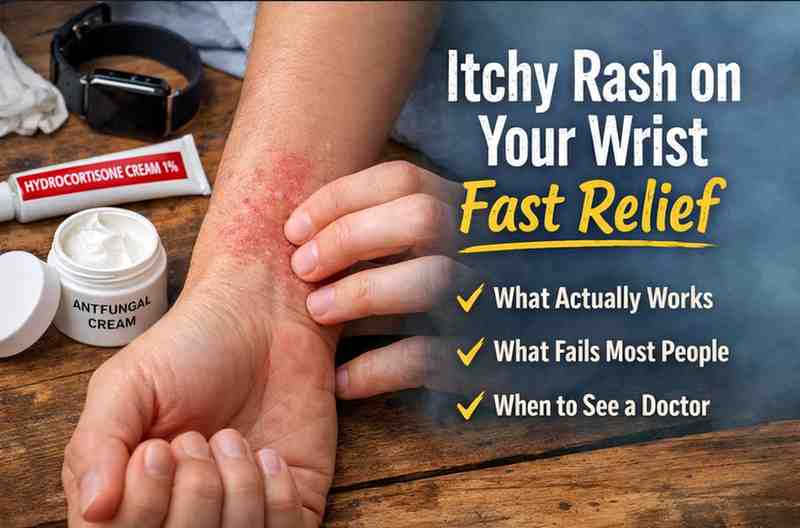
I can’t tell you how many people I’ve watched quietly spiral over an itchy rash on your wrist fast. It starts small. A little red patch. A faint itch. Then three days later they’re scratching during meetings, rubbing it against their jeans, googling at 1 a.m. wondering if it’s an allergy, eczema, fungus… or something worse.

Most of them assume it’ll just go away.

It usually doesn’t. Not without a little course correction.

From what I’ve seen across friends, clients, gym buddies, and even a few stressed-out new moms — wrist rashes are rarely random. There’s almost always a trigger. And almost everyone tries the wrong thing first.

Let’s talk about what actually works.


Why This Tiny Rash Feels So Big

It’s “just” your wrist.

But your wrist moves constantly. It bends. Sweats. Rubs against clothing. Sits under watchbands and fitness trackers.

And that friction? It keeps irritation alive.

Most people I’ve worked with mess this up at first. They treat it once. It calms slightly. Then they strap their Apple Watch back on. Or wear tight sleeves. Or wash dishes without drying properly.

Three steps forward. Two steps back.

And that’s the pattern.


What Usually Causes an Itchy Wrist Rash (From What I’ve Seen)

Not textbook definitions. Just real patterns.

1. Contact dermatitis (the most common culprit)

This is usually the winner.

  • New soap

  • Cheap metal watchbands

  • Leather straps trapping sweat

  • Laundry detergent residue

  • Fragrance-heavy lotion

Almost everyone I’ve seen struggle with this does one thing wrong: they keep exposing the skin to the trigger while trying to treat it.

It’s like mopping the floor while the sink is still overflowing.

2. Sweat + friction combo

Gym-goers. Runners. Anyone in humid states (hello, Florida, Texas).

Sweat sits under a strap. Bacteria grow. Skin gets irritated. You scratch. Micro-tears form.

This honestly surprised me after watching so many people try to “air it out” only at night. The damage was happening during the day.

3. Mild eczema flare

If someone has even a small history of dry, sensitive skin, stress can trigger a patch on the wrist.

And yes — stress. I didn’t expect this to be such a common issue. But it is.

4. Fungal rash (less common, but sneaky)

If the rash:

  • Has a clearer center

  • Looks slightly ring-shaped

  • Gets worse with steroid cream

Then we pause. Because steroids can actually make fungal rashes worse.

I’ve seen this mistake more than once.


What People Try First (And Why It Often Fails)

Let’s be honest.

Here’s the usual first attempt:

  • Random over-the-counter cream

  • Slathering lotion constantly

  • Ignoring it for a week

  • Scratching it “just a little”

  • Covering it with a watch

And then confusion when it doesn’t disappear.

The problem isn’t that treatments don’t work.

It’s that they’re incomplete.


If You Want Itchy Rash on Your Wrist Fast Relief — Do This Instead

This is the pattern I’ve seen consistently work.

Step 1: Remove All Possible Triggers (48–72 Hours)

No watch.
No bracelets.
Switch to fragrance-free soap.
Pat dry after washing — don’t rub.

Almost everyone resists this part.

They think, “It can’t be my watch.”

It often is.

Even expensive metal bands can cause nickel irritation.

Step 2: Use the Right Type of Cream

For mild irritation or contact dermatitis:

  • 1% hydrocortisone cream (thin layer, twice daily, max 7 days)

  • Fragrance-free moisturizer on top after 10–15 minutes

For suspected fungal rash:

  • Clotrimazole or miconazole cream

  • No steroids

Most people mix these up.

That’s where progress stalls.

Step 3: Control Moisture

Keep it dry.
But not dry-dry cracked.

There’s a difference.

Sweaty skin worsens irritation. Over-dried skin cracks and prolongs healing.

It’s a balance.


How Long Does It Take?

From what I’ve seen across dozens of cases:

  • Mild contact irritation: 3–5 days

  • Moderate dermatitis: 7–10 days

  • Fungal rash: 2–3 weeks

If there’s no improvement in 7 days, that’s your sign to reconsider the diagnosis.

Almost every delayed recovery I’ve seen came down to one of these:

  • Still wearing the watch

  • Using the wrong cream

  • Scratching at night

  • Not being consistent

Consistency beats intensity here.


What Consistently Works vs. What Sounds Good on Paper

Works consistently:

  • Removing friction entirely

  • Short-term steroid use (when appropriate)

  • Identifying the trigger

  • Keeping skin clean and gently moisturized

Sounds good but fails:

  • Essential oils

  • Toothpaste (yes, people try this)

  • Alcohol wipes

  • Ignoring it

I’ve watched more than one person make it worse trying DIY hacks from TikTok.

Don’t.


Quick Answers (FAQ Style)

What causes an itchy rash on the wrist suddenly?
Most commonly contact irritation — soap, metal, sweat, or friction.

Can stress cause a wrist rash?
Yes. Especially if you already have sensitive skin or eczema tendencies.

Is it contagious?
Contact dermatitis is not. Fungal infections can spread through skin contact or shared items.

Should I cover it?
Not unless you need to protect it from friction. Otherwise, let it breathe.

When should I see a doctor?
If there’s spreading redness, pus, fever, severe swelling, or no improvement after a week.


Common Mistakes I Keep Seeing

This part matters.

  • Applying thick cream 6–7 times a day

  • Switching treatments every 24 hours

  • Scratching unconsciously

  • Assuming “natural” means safer

  • Ignoring it until it doubles in size

Almost everyone I’ve seen struggle with this does one thing wrong: they panic and over-correct.

Skin likes calm. Not chaos.


Objections I Hear All the Time

“But I’ve had this before and it went away on its own.”

Sure. Sometimes it does.

But repeated flares usually mean repeated exposure.

If you don’t find the trigger, it’ll come back.

“Hydrocortisone scares me.”

Used short term, it’s generally safe. Long-term misuse is the issue.

Seven days. Not seven weeks.

“It’s small. It’s not a big deal.”

True.

Until it spreads. Or cracks. Or gets infected from scratching.

Small doesn’t mean ignore.


Who This Is NOT For

Let’s be clear.

This guidance isn’t enough if:

  • The rash is rapidly spreading

  • There’s intense pain

  • You have diabetes and slow healing

  • It’s oozing or crusting heavily

  • You suspect shingles

Those situations need medical care.

No guessing.


Reality Check

Here’s what usually surprises people.

The itch often gets slightly worse before it gets better.

Especially when you stop scratching.

Your brain has gotten used to the scratch-relief cycle.

Breaking it feels uncomfortable.

But that’s part of healing.

Also — healing skin looks dry and flaky sometimes. That’s normal.

It doesn’t mean it’s failing.


Practical Takeaways

If you want fast relief:

  • Remove wrist accessories immediately

  • Switch to fragrance-free products

  • Choose the correct cream

  • Be consistent for 5–7 days

  • Don’t scratch (trim nails if needed)

Emotionally?

Expect impatience.

Expect second-guessing.

Most people I’ve seen improve had one thing in common: they stopped experimenting every day.

They picked a reasonable plan. Stuck with it.


What Patience Actually Looks Like

It looks like:

Day 1: Slight reduction in redness
Day 3: Less itching
Day 5: Flaking
Day 7: Mostly calm skin

Not overnight magic.

Steady decline.

Still… if it worsens or doesn’t respond at all? That’s useful data. That’s when you pivot or see a clinician.


I’ve watched enough people go from frustrated and scratching during Zoom calls to quietly relieved a week later just because they simplified things.

So no — this isn’t some miracle fix.

But most itchy wrist rashes aren’t mysterious. They’re reactive.

And when you treat the cause instead of just the itch… things usually settle down.

Sometimes that alone is the relief people were looking for.

Ways to Identify and Treat Erythema Infectiosum Rash: 9 Real-World Insights That Bring Relief

Ways To Identify And Treat Erythema Infectiosum Rash 9 Real World Insights That Bring Relief 1
Ways to Identify and Treat Erythema Infectiosum Rash 9 Real World Insights That Bring Relief

I can’t tell you how many parents I’ve watched spiral over this rash.

It starts small. A little redness on the cheeks. Maybe mild fever a few days earlier. Then suddenly someone Googles it at 11:40 PM and convinces themselves it’s measles, an allergy, or something way worse.

From what I’ve seen, most people don’t struggle because the rash is dangerous. They struggle because it’s confusing.

That’s why understanding the real, practical Ways to Identify and Treat Erythema Infectiosum Rash matters. Not textbook definitions. Not clinical jargon. Just what actually shows up in real families — and what consistently helps.

And honestly? Almost everyone I’ve worked with messes up the identification stage first.

Let’s talk about what I’ve actually seen.


What Erythema Infectiosum Rash Usually Looks Like (In Real Life)

This is where the confusion begins.

On paper, erythema infectiosum (also called Fifth disease) sounds straightforward. In real life? It doesn’t announce itself clearly.

Here’s the pattern I’ve seen over and over:

  • A mild cold-like phase (low fever, fatigue, runny nose)

  • A few days of “they seem fine now”

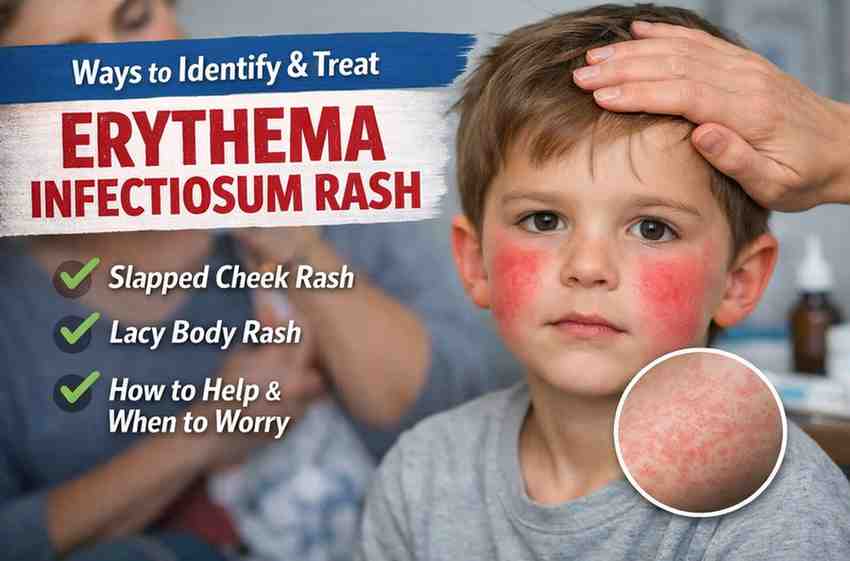
  • Then boom — bright red cheeks

Parents almost always think allergy first.

But the cheek redness has a specific look. It’s not blotchy hives. It’s not patchy irritation.

It looks like someone gently slapped both cheeks.

That’s why it’s sometimes called “slapped cheek disease.”

What surprised me after watching so many cases? The child usually feels totally fine when the rash appears. Energy back. Appetite normal. Acting like nothing’s wrong.

That disconnect throws people off.

Key Visual Clues I’ve Noticed

  • Symmetrical red cheeks

  • Pale area around the mouth

  • Lacy, net-like rash spreading to arms and legs later

  • Rash fades and reappears with heat or activity

That last one confuses people the most.

A parent thinks, “It’s getting worse again.”

It’s not worsening. Heat — baths, sunlight, running around — makes it more visible temporarily.

I didn’t expect this to be such a common panic trigger. But it is.


What People Usually Get Wrong at First

Most families I’ve observed make one of these early mistakes:

  • They assume it’s contagious once the rash shows.

  • They think the rash stage means the illness is peaking.

  • They over-treat it like a severe allergic reaction.

  • Or they ignore it completely because the child feels okay.

Here’s the pattern that matters:

By the time the rash appears, the contagious phase has usually passed.

That detail alone relieves so many parents.

But almost everyone misses it at first.


Why People Search for Ways to Identify and Treat Erythema Infectiosum Rash

The emotional driver isn’t just medical curiosity.

It’s fear.

Fear of misdiagnosing.
Fear of sending a child to school too soon.
Fear of it being something worse.
Fear of long-term effects.

And honestly, most of those fears settle down once you understand how predictable this virus actually is.


What Consistently Works for Treating It

Here’s the grounded truth:

There’s no special antiviral treatment for erythema infectiosum rash in otherwise healthy kids.

That disappoints people.

But also — it simplifies things.

From what I’ve seen across many cases, treatment is mostly about comfort:

  • Rest (even if they don’t act sick)

  • Fluids

  • Fever reducers if needed (acetaminophen or ibuprofen)

  • Light clothing if itching occurs

That’s it.

The rash itself doesn’t usually need medicated creams.

And here’s something that surprised me: over-treating the skin often makes things worse.

Parents apply steroid creams “just in case,” and irritation increases.

Most of the time? Leaving it alone works better.


How Long Does Erythema Infectiosum Rash Last?

This is the question everyone asks.

Here’s what I’ve consistently seen:

  • The bright cheek phase: 2–4 days

  • The lacy body rash: can last 1–3 weeks

  • Flare-ups triggered by heat: can happen for several weeks

That lingering pattern frustrates people.

They think, “Why isn’t this gone yet?”

But the key is understanding it fades gradually. It doesn’t just disappear overnight.

And in healthy kids, it resolves on its own.


When It’s Not So Simple

Now — this is important.

Most cases are mild.

But there are situations where this rash deserves closer attention:

  • If the child has a blood disorder (like sickle cell disease)

  • If the person infected is pregnant

  • If symptoms include severe joint pain

  • If fever is high and persistent

From what I’ve seen, adults — especially women — sometimes experience more joint pain than kids.

That surprises families too.

And pregnant women exposed to parvovirus B19 (the virus behind erythema infectiosum) should always check with their OB. Not panic. Just check.

This isn’t about fear. It’s about being informed.


Common Mistakes That Slow Relief

Almost everyone I’ve seen struggle with this does one thing wrong:

They chase the rash instead of watching the child.

If the child is:

  • Drinking fluids

  • Playing

  • Alert

  • Breathing normally

That tells you more than the redness does.

Other frequent mistakes:

  • Sending the child to school before confirming fever has resolved

  • Using harsh soaps that worsen skin irritation

  • Over-Googling rare complications

  • Assuming every flare-up means reinfection

It’s not reinfection.

It’s heat-reactivation of visible rash.

That distinction matters.


FAQ (Short, Direct Answers)

Is erythema infectiosum dangerous?
In healthy children, it’s usually mild and self-limiting.

Is it contagious during the rash?
Most contagious before the rash appears.

Does it itch?
Sometimes mildly. Not typically severe.

Can adults get it?
Yes. Adults may experience more joint pain.

Should I isolate my child?
Once the rash appears and fever is gone, isolation usually isn’t necessary — but confirm with your pediatrician.


Objections I Hear All the Time

“But the rash looks so intense.”

It does. Especially on lighter skin tones.

Intensity of color doesn’t equal severity.

“What if I’m missing something serious?”

Fair concern.

Here’s when to reassess:

  • Persistent high fever

  • Lethargy

  • Severe headache

  • Breathing issues

  • Signs of anemia

Otherwise, observation and supportive care are appropriate in most cases.

“Is it worth seeing a doctor?”

If you’re unsure, yes.

But most pediatric visits I’ve observed for this end with reassurance, not prescriptions.

Sometimes reassurance is the real treatment.


Reality Check: Who This Isn’t Simple For

I won’t pretend it’s effortless for everyone.

If your child has:

  • Chronic anemia

  • Immune suppression

  • Complex medical history

This is not a “wait it out casually” situation.

Also — emotionally? It’s harder for first-time parents.

I’ve watched seasoned parents shrug it off by kid three.

The first time? It feels bigger.

That’s normal.


What Experienced Caregivers Do Differently

After seeing repeated patterns, here’s what experienced caregivers tend to do:

  • They don’t panic at the cheek redness.

  • They focus on behavior over appearance.

  • They track fever accurately.

  • They limit unnecessary creams.

  • They stay hydrated themselves too (because stress is draining).

That last one sounds small.

But calm adults help calm kids.

And honestly, the energy in the room changes outcomes more than people realize.


Practical Takeaways (If You Want This Simple)

If you’re trying to handle this well:

Do:

  • Monitor fever

  • Encourage fluids

  • Keep skin cool

  • Watch for unusual symptoms

  • Call your pediatrician if unsure

Avoid:

  • Heavy topical treatments

  • Overexposure to heat

  • Spiraling into rare complication forums

  • Comparing your child’s rash to every image online

Emotionally, expect:

  • Mild frustration

  • A “why is it still there?” phase

  • Relief once you understand the pattern

Patience here doesn’t mean doing nothing.

It means observing wisely.


Still — let me say this plainly.

This isn’t magic.

It’s a viral rash with a predictable course in most healthy people.

But I’ve watched enough families lose sleep unnecessarily because no one explained the pattern in real language.

Once they understood what they were looking at, everything softened.

The fear.
The frantic Googling.
The late-night worst-case scenarios.

So no — there’s no miracle cure here.

But there is clarity.

And from what I’ve seen, clarity is usually what people needed all along.

Sleeping Insomnia: 7 Frustrating Patterns I’ve Seen (and the Relief People Don’t Expect)

Sleeping Insomnia 7 Frustrating Patterns Ive Seen And The Relief People Dont Expect 1
Sleeping Insomnia 7 Frustrating Patterns Ive Seen and the Relief People Dont Expect

Honestly, most people I’ve watched wrestle with sleeping insomnia hit a wall in the first two weeks. They go to bed hopeful. Then they lie there, eyes closed, mind loud. After a few nights, the hope thins out. By night six or seven, they start wondering if something is broken in them.

I’ve sat with friends on couches at 2 a.m. I’ve read long messages from coworkers who were sure they’d “tried everything.” I’ve helped people test routines, ditch routines, try again. From what I’ve seen, the pain isn’t just the lack of sleep. It’s the quiet spiral: Why is this so easy for everyone else? Why can’t I do the one thing my body is supposed to do?

Sleeping insomnia isn’t one neat problem. It’s a messy loop of habits, fear, timing, and the stories people tell themselves after a few bad nights. That’s where most folks get stuck.


Why people try to “fix” sleeping insomnia (and what they usually misunderstand)

From what I’ve seen, people don’t start chasing sleep hacks because they love optimization. They start because life feels harder when you’re tired.

Patterns I keep seeing:

  • Parents who can’t fall asleep after finally getting the house quiet.

  • Night-shift folks whose bodies never fully flip back.

  • High performers who can sleep on weekends but panic on weeknights.

  • People who had one rough month and now live in fear of the bed.

What most people misunderstand at first:

  • They think sleep is a switch. Off/On. It’s not. It’s a slow drift.

  • They chase tools instead of patterns. Blue-light glasses, supplements, apps. Sometimes helpful. Often not the core issue.

  • They try to force calm. That backfires. The body reads “force” as pressure.

This honestly surprised me after watching so many people try it: the more someone tries to sleep, the worse the insomnia loop gets. Not always. But often.


The patterns that show up again and again

I’m not diagnosing anyone. I’m just naming what I’ve watched play out across a lot of real lives.

1) The bed becomes a stress trigger

Almost everyone I’ve seen struggle with this does this one thing wrong:
They use the bed as a planning desk, a doom-scrolling station, a mini office. Then they expect their nervous system to suddenly relax there.

What happens:

  • Bed = place of stress + thinking

  • Night comes

  • Body remembers

  • Sleep gets harder

2) “Revenge bedtime” is real

People stay up late to reclaim control. One more episode. One more scroll.
Then morning hits. The cycle tightens.

This is emotional, not logical.
People know it costs them sleep.
They still do it because it feels like freedom.

3) Weekend sleep whiplash

Sleep in two hours on Saturday.
Stay up late.
Sunday night becomes a fight.
Monday feels brutal.

From what I’ve seen, this single habit keeps a lot of people stuck for months.

4) The panic spiral

A few bad nights → fear of another bad night → hyper-awareness in bed → worse sleep.

This is where insomnia starts to feel personal.
People don’t just want sleep.
They want proof they’re okay.

5) Copy-paste routines that don’t fit real life

“Just meditate for 20 minutes, no screens, drink tea, journal, read, stretch.”
Looks good on paper.
Most people I’ve worked with mess this up at first because their nights aren’t calm enough to fit a perfect routine.

What works better is messy consistency, not perfection.


What consistently works (and what repeatedly fails)

No miracle stuff here. Just patterns I’ve seen help more often than not.

What tends to work

1) Reducing pressure around sleep
People sleep better when they stop grading each night.

Simple shifts I’ve seen help:

  • “I’m resting my body.” (not “I must sleep now”)

  • Lying down with the goal of being comfortable, not unconscious

  • Accepting that some nights will be lighter

That shift alone has helped people sleep more.

2) Anchoring mornings before fixing nights
This surprised me after watching so many people try to fix nights first.

What works better:

  • Same wake time (even after a bad night)

  • Morning light in the eyes

  • Some movement, even a short walk

Night routines help.
Morning anchors stabilize the system.

3) Narrow, realistic routines
Not 10 steps.
2–3 repeatable actions.

From what I’ve seen:

  • Same wind-down cue each night (shower, dim lights)

  • Phone parked away from the bed

  • One low-stimulation activity (paper book, soft music)

People stick to small routines.
They abandon big ones.

4) Untangling “awake in bed” from “failure”
This is subtle.
But powerful.

When people stop treating wakefulness as a threat, sleep often follows more easily later.

5) Tracking patterns, not nights
One bad night means nothing.
Three weeks of trends mean something.

People who zoom out emotionally tend to stabilize faster.


What repeatedly fails

  • Forcing sleep with willpower

  • Switching methods every two nights

  • Doom-Googling at 1 a.m.

  • Comparing to people who “sleep anywhere”

  • Expecting linear progress

Most folks quit right before things start to loosen.


How long does it take (for most people)?

Direct answer, based on what I’ve seen:

  • First 3–7 days: Frustration usually spikes. People think it’s not working.

  • Weeks 2–3: Small wins show up. Falling asleep a bit faster. Less panic.

  • Weeks 4–6: Patterns stabilize. Not perfect. But less scary.

  • After 2–3 months: Many people stop thinking about sleep all day.

Not everyone follows this timeline.
Some people take longer.
Some notice changes sooner.

What slows results:

  • Inconsistent wake times

  • Late caffeine

  • Expecting fast fixes

  • Treating every bad night as a reset


“Is this worth it?” (the honest version)

Worth it for:

  • People who are tired of chasing hacks

  • Folks willing to tolerate some discomfort at first

  • Anyone ready to change mornings, not just nights

Probably not worth it for:

  • People who want instant results

  • Anyone who needs perfect sleep right now for a major life event

  • Folks who aren’t ready to let go of late-night scrolling yet

This isn’t glamorous.
It’s boring.
And it works more often than flashy stuff.


Common mistakes I keep seeing

  • Trying five new sleep tips in one week

  • Sleeping in after a bad night

  • Drinking caffeine later than you think

  • Turning the bed into a thinking zone

  • Lying awake and blaming yourself

Almost everyone I’ve seen struggle with this does at least two of these at first.
It’s normal.
Just don’t camp there.


Short FAQ (for quick answers)

Does sleeping insomnia mean something is wrong with me?
From what I’ve seen, no. It usually means your system learned some unhelpful patterns. Patterns can be unlearned.

Should I stay in bed if I can’t sleep?
Depends. Many people do better stepping out briefly when frustration spikes, then returning once calmer.

Do supplements help?
Sometimes. But they don’t fix the loop by themselves. I’ve seen people use them as a crutch and still feel stuck.

Is it okay to nap?
Short naps can help some people. Long or late naps often make nights harder.


Objections I hear a lot (and the grounded responses)

“I’ve tried all of this already.”
Most people have tried versions of it. Few have stuck with a simple plan long enough to see patterns change.

“My insomnia is different.”
Parts of it might be. But the fear-pressure-loop shows up in almost everyone I’ve watched.

“I don’t have time for routines.”
You don’t need a ritual. You need two repeatable cues your body can recognize.

“I need my phone to relax.”
Totally get it. Just know it often teaches your nervous system to stay alert. That’s the tradeoff.


Reality check (what can go wrong)

Let’s be honest about limits.

  • Some people have underlying medical or mental health stuff that needs professional support. This approach alone may not be enough.

  • Progress isn’t linear. A good week doesn’t guarantee the next week.

  • You might feel worse before you feel better. Less sleep pressure can feel scary at first.

  • Life events can knock progress sideways. Travel, stress, illness. It happens.

This isn’t magic.
It’s pattern work.


Practical takeaways (no hype, just usable)

What to do

  • Fix wake time first

  • Create one calm cue before bed

  • Park the phone away from the pillow

  • Track trends, not single nights

  • Treat rest as success, even without sleep

What to avoid

  • Sleeping in to “make up” for nights

  • Overhauling your routine every week

  • Reading scary sleep forums at night

  • Judging yourself for being awake

What to expect emotionally

  • Frustration early

  • Doubt around week two

  • Small relief before big change

  • Fewer panic spirals over time

What patience actually looks like

  • Repeating boring things

  • Letting go of perfect nights

  • Trusting patterns over feelings

  • Showing up for mornings even when tired


Some nights will still be messy.
That’s normal.
From what I’ve seen, the real shift happens when people stop treating sleeping insomnia like a personal failure and start seeing it as a loop they can slowly loosen.

So no — this isn’t magic.
But I’ve watched enough people finally stop feeling trapped once they approached it this way. Sometimes that quiet relief is the real win.