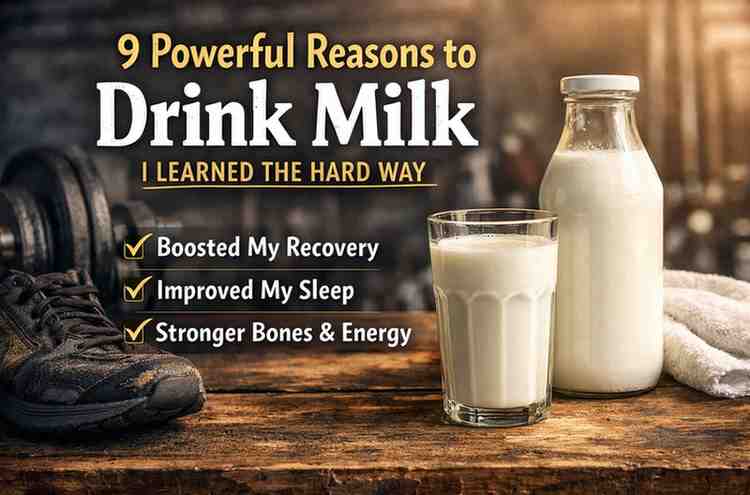
9 Powerful Reasons to Drink Milk I Learned the Hard Way

9 Powerful Reasons To Drink Milk I Learned The Hard Way 1
9 Powerful Reasons to Drink Milk I Learned the Hard Way

Honestly, I Thought Milk Was Overrated

Not gonna lie.
For most of my adult life, I thought milk was… kind of pointless.

I grew up drinking it because everyone did. Cereal? Milk. Cookies? Milk. Dinner table? Milk was just there. Then somewhere in my late 20s, I ditched it. Almond milk, oat milk, black coffee, protein powders. Milk felt old-school. Basic. Something fitness blogs quietly judged you for.

Fast forward a few years, and I found myself tired all the time. Weird joint aches. Slower recovery after workouts. Cravings that made zero sense. I kept “eating clean” and doing all the right things, but something felt off.

That’s when I circled back to something I’d ignored for years: reasons to drink milk.

Not because a headline told me to.
Because my body kind of forced the issue.

What follows isn’t nutrition theory or textbook advice. It’s what I’ve seen, tested, messed up, and slowly figured out from actually drinking milk again—daily, inconsistently, badly at first, then better.

This isn’t magic.
It’s just… real.


Why I Even Gave Milk Another Shot

The short version? I was tired of feeling run down.

The longer version is messier.

I was lifting weights 4–5 times a week. Eating “high protein.” Sleeping okay-ish. But recovery sucked. My knees felt older than they should. And no matter how much I ate, I felt weirdly under-fueled.

I tried supplements first.
Bad idea.

Protein powders made my stomach angry. Calcium pills did nothing noticeable. Magnesium helped a bit, but not enough.

One night, half-joking, I poured a glass of milk after dinner. Whole milk. The kind I hadn’t touched in years.

And yeah… I slept better that night.

Coincidence? Maybe.
But it got my attention.


Milk Fixed a Recovery Problem I Didn’t Know I Had

This was the first thing I noticed, and it surprised me.

I didn’t feel like a superhero or anything. But my muscles stopped feeling beat up all the time. The soreness shortened. Workouts felt more “contained” instead of lingering for days.

Here’s what I think was happening (from experience, not lab coats):

  • I wasn’t actually hitting enough usable protein

  • I was missing minerals that food alone wasn’t covering

  • My post-workout nutrition was too complicated

Milk simplified things.

I started having a glass after workouts instead of a shaker bottle full of chalky sadness. Less bloating. More consistency.

Lesson learned: recovery isn’t about extremes. It’s about what you can actually stick to.


I Underestimated How Filling Milk Is

This part caught me off guard.

I always thought milk would make me more hungry. Sugar, carbs, all that. But the opposite happened.

When I added milk to my routine, I stopped snacking mindlessly. Especially at night.

A glass of milk around 9–10 PM did something interesting:

  • Curbed late-night cravings

  • Reduced my urge to “just grab something”

  • Made desserts feel optional instead of necessary

I messed this up at first by drinking flavored stuff. Chocolate milk every night? Yeah, no. That backfired fast.

Plain milk worked. Simple. Boring. Effective.


My Sleep Improved (And I Wasn’t Expecting That)

This one’s subtle, but real.

I didn’t suddenly sleep like a baby. But my sleep felt deeper. Less tossing. Fewer middle-of-the-night wake-ups.

From what I’ve seen, at least, milk before bed acts like a soft landing. Not a knockout punch. Just a signal that it’s time to shut things down.

I skipped it one week to “test” things. Sleep got lighter again.

Went back.
Sleep stabilized.

Not perfect. Just better.


Milk Helped My Bones in a Way I Didn’t Feel—Until I Did

This is hard to explain without sounding dramatic.

I didn’t feel my bones getting stronger. Obviously. But after a few months, something changed.

My knees stopped complaining during squats. My lower back felt more stable during long days sitting. Even random aches faded.

I used to brush off bone health as a “future me” problem. Big mistake.

What I learned the slow way:

  • Bone health is about prevention, not repair

  • Waiting until something hurts is too late

  • Consistency matters more than intensity

Milk wasn’t the only factor, but it was a big one.


It Simplified My Nutrition (Which Was Overcomplicated)

I had turned eating into a full-time job.

Macros. Timing. Powders. Apps. Weighing things. Stressing over numbers.

Milk cut through a lot of that.

Instead of asking, “Did I get enough protein today?”
I could answer with, “Yeah, probably.”

That mental relief matters more than people admit.

Sometimes the best nutrition choice is the one that reduces friction.


I Stopped Chasing Supplements

This deserves its own section.

I used to stack supplements like Pokémon cards. Calcium here. Protein there. Vitamin D. B12. Magnesium. Something for joints. Something for sleep.

Most of it? Barely noticeable.

Milk quietly replaced half of that without me trying.

Not all supplements are bad. But relying on real food felt… grounding. Less fragile. Less “what if I miss a dose?”

I still take a couple things. But far less than before.


Milk Gave Me Energy Without the Crash

This one took time to notice.

Milk doesn’t spike energy like caffeine. It’s more like a steady background hum.

On days I drank milk regularly, I felt:

  • Less afternoon fog

  • Fewer energy dips

  • Less need for a second coffee

I didn’t connect the dots at first. I thought it was sleep. Or stress. Or placebo.

But when milk disappeared, the dips came back.


It Worked Across Busy, Normal Life (Not Just “Perfect” Days)

Here’s something health articles rarely admit:
Most advice fails on busy days.

Milk didn’t.

I could drink it:

  • When rushed

  • When traveling

  • When I didn’t feel like cooking

  • When I was stressed or distracted

No prep. No cleanup. No decision fatigue.

That’s huge.

If something only works when life is calm, it’s not realistic.


It Changed How I Think About “Simple” Foods

This might be the biggest shift.

I used to assume simple = inferior.
Milk taught me that simple often means tested by time.

There’s a reason entire cultures built diets around it. A reason athletes still use it. A reason doctors don’t roll their eyes when you mention it.

Trends come and go.
Milk just… stays.


Mistakes I Made (So You Don’t Have To)

I didn’t get this right immediately.

Here’s what didn’t work:

  • Drinking too much too fast (hello stomach issues)

  • Choosing ultra-sugary versions

  • Using milk as a meal replacement instead of support

  • Ignoring how my body reacted at first

What worked better:

  • Starting with small amounts

  • Pairing it with meals or workouts

  • Paying attention instead of forcing it

If milk doesn’t agree with you immediately, that doesn’t mean it never will. But also—listen to your body. Always.


A Quick Reality Check (Because This Matters)

This isn’t a miracle drink.

I’m not saying milk will fix everything. Or that everyone should drink it. Or that alternatives are bad.

Some people genuinely don’t tolerate it well. Some have ethical or dietary reasons to skip it. That’s valid.

All I’m saying is this:

When I actually tested the reasons to drink milk in my own life—slowly, imperfectly—it earned its place back.


Practical Takeaways (If You’re Considering It)

If you’re curious but unsure, here’s what I’d suggest:

  • Try it consistently for 2–3 weeks

  • Keep everything else the same

  • Notice sleep, recovery, hunger, energy

  • Don’t overdo it

  • Don’t expect fireworks

Subtle improvements are still improvements.


FAQ: What I’ve Learned Messing With This Myself

Is milk good for adults, or is it just for kids?

From my experience, adults benefit just as much—maybe more. Recovery, bones, sleep. It adds up.

How much milk should you drink daily?

I found 1–2 glasses was enough. More wasn’t better for me.

What if milk upsets your stomach?

Start small. Try different types. Or don’t force it. Your body’s feedback matters.

Is milk better than plant alternatives?

Not better or worse—just different. Milk worked better for me nutritionally.

When’s the best time to drink milk?

Post-workout or before bed felt best. Midday was fine too.

Would I stop drinking milk again?

Honestly? Probably not. It’s earned its spot.


So yeah. Milk isn’t trendy. It won’t get you likes. It won’t come in a sleek pouch with a podcast ad.

But for me?

Revisiting the real reasons to drink milk quietly changed how I feel day to day. Not overnight. Not dramatically. Just enough to matter.

And sometimes, that’s the best kind of change.
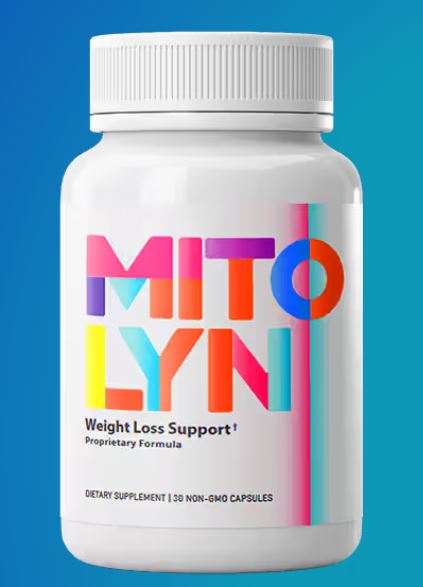
How Mitolyn Weirdly Became My Late‑Night Secret for Energy (And Maybe Fat Loss, Too)

Mitolyn

How Mitolyn Weirdly Became My Late‑Night Secret for Energy (And Maybe Fat Loss, Too)

The Reflex Snap Decision

Honestly, I thought Mitolyn was just another flashy supplement. You know the kind—bold promises, cool bottle, but ultimately meh results. But I was stuck—late-night pizza runs, zero energy by 2 p.m., my jeans whispering, “We’re stretched.” I figured, “What if I just try it for 90 days? No harm, right?” That’s how Mitolyn sneaked into my routine—no dramatic infomercial moment or lifestyle overhaul. Just me, a pill, and curiosity.


Why Mitolyn might actually work (or at least feel different)

I noticed a few things after week one:

  • Energy wasn’t faker. I wasn’t jittery like after my morning coffee binge. More like… “I actually wanna move today?”

  • My mood got quieter. Less afternoon spirals into snack-cupboard binges.

  • I vaguely remembered what “clear mind” felt like. That hollow calm after a good yoga session? That.

Turns out, MITOLYN doesn’t rely on stimulants—you know, the jitter-bug ones. It leans into supporting mitochondria (our cell’s engines). Some Harvard research suggested slim folks tend to have more active mitochondria—and this formula taps into that vibe .

Full disclosure: there’s no overnight fat‑torch effect. That myth was busted for me by April, when I realized my jeans were actually looser—and I hadn’t changed my diet drastically.


My little daily rituals

Here’s how I made it stick:

  • One capsule with breakfast, usually with a big glass of water.

  • I paired it with a morning walk, because the energy boost made me actually lace up my sneakers.

  • I tracked tiny wins: “Felt full till lunch”, “Skipped fries—or at least halfed them”. Nothing dramatic but steady.

By week 6, people commented: “You look… energized.” Which felt weirdly validating.


Slips, face‑plants & lessons learned

  • I tried buying off Amazon. Big mistake. That bottle never did anything—and cost a fortune Mitolyn

  • I slipped mid‑May…got lazy, skipped walks, upped takeout. Felt it immediately. Low energy, brain-fog, jeans tight again.

  • But then I got back on track, and the consistency with Mitolyn actually helped me recover faster than I expected.

Lesson? It isn’t magic. It’s a tool. If you don’t use it right, you won’t notice.


What you definitely shouldn’t do

  • Don’t buy from sketchy “50% off” sites. Those are usually knock‑offs Mitolyn.

  • Don’t treat it like a quick fix. Most users only start seeing real metabolic shifts around month 2 or 3.

  • Don’t expect miracles. You might lose 5–10 lbs in 3–4 months—not 30 in 30 days. That’s not how mitochondria work.


Q&A: Just like talking to a friend

Q: Does it make you buzzed?
A: Nope. I still drink coffee…but now I feel energized even without it sometimes.

Q: Is it safe?
A: The label says it’s made in a GMP facility, no stimulants included . I felt fine. No headaches, no jittery heartbeats.

Q: How soon to see anything?
A: Some early users felt “quiet lift” in 1–2 weeks. But the real change kicks in around 8–12 weeks, when mitochondria build-up actually matters.


The only real reason I kept going

I got tired of feeling tired all the time. And for once, supplementing didn’t feel like throwing spaghetti at the fridge and hoping. It was more like fueling the engine, trusting it would rev up over time.


Bottom line (but not super polished)

Look, Mitolyn isn’t a superhero pill. If anything, it was a consistency amplifier for me: better energy, clearer headspace, and my clothes finally cooperating.

Would I recommend it?

  • If you binge, crash, repeat, it might help steady the ride.

  • If you’ve tried every buzzed-up fat burner and ended up jittery and hangry—this feels different.

  • If you’re skeptical—buy one bottle, see how your energy reacts. It might surprise you.

No pitch. Just my experience—and honestly,I’d grab a 3 or 6-­month supply from the official site to save a bit and make sure it’s legit. Everyone deserves some reliable kinesthetic peace, you know?

Go easy on yourself—and let your body be your guide. That’s what I did. That’s what Mitolyn did for me.


????  If you wanna geek out on the Harvard mitochondria research, check out the links on their official site—they drop PubMed studies in the footer . I did. Helped me trust it more.

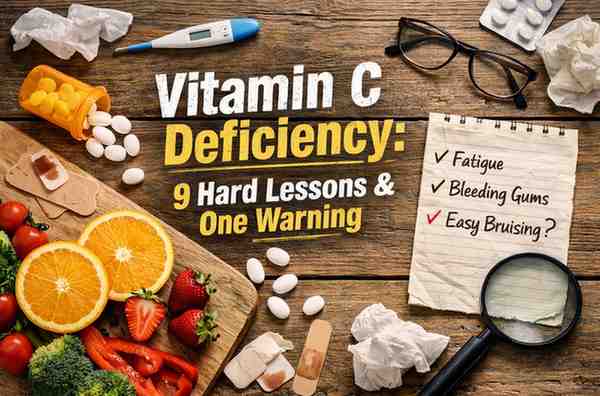
Vitamin C deficiency: 9 hard lessons, one warning, and the relief I didn’t expect

Vitamin C Deficiency 9 Hard Lessons One Warning And The Relief I Didnt Expect 1

Vitamin C deficiency 9 hard lessons one warning and the relief I didnt expect

Not gonna lie, I didn’t think vitamin C deficiency was my problem.

I eat fruit sometimes. I drink smoothies when I’m being “good.” I figured scurvy was a pirate thing. Then my gums started bleeding when I brushed. My skin looked dull in a way I couldn’t fix with sleep. I caught every cold that passed through the room. And the fatigue… the kind that feels like your phone battery stuck at 12% no matter how long you charge it.

At first I blamed stress. Then work. Then “getting older” (a lie I tell myself whenever my body does something inconvenient). I went months like that. I tried iron. Didn’t help. I tried magnesium because TikTok said it fixes everything. Nope. I cleaned up my sleep. Still tired. I was frustrated and honestly a little embarrassed that something so basic could be tripping me up.

Turns out it was basic. And it was messing with me more than I expected.

This is what figuring it out actually looked like for me—messy, slow, and way less glamorous than wellness blogs make it sound.


How I even ended up suspecting vitamin C deficiency

I didn’t wake up one day and think, “Ah yes, vitamin C deficiency.” It crept in.

Here’s what piled up for me:

  • Bleeding gums when brushing, even with a soft brush

  • Bruising easily (I’d find purple marks and have no clue where they came from)

  • Constant colds and slow recovery

  • Dry, rough skin that moisturizer couldn’t fix

  • Fatigue that felt bone-deep, not just sleepy

  • Weird joint aches that came and went

I brushed most of this off for too long. Big mistake. I thought supplements were for people who “don’t eat right.” Meanwhile, my version of “eating right” was coffee for breakfast, a sandwich for lunch, and whatever was fast for dinner. Fruit and vegetables were… aspirational. Sometimes I’d buy oranges and forget them in the fridge until they went fuzzy.

From what I’ve seen (and felt), vitamin C deficiency doesn’t usually announce itself loudly. It whispers. You normalize the whispers. Then one day you’re exhausted, annoyed at your body, and Googling your symptoms at 2 a.m.

That was me.


The stuff I misunderstood (and yeah, I messed this up at first)

I thought vitamin C was just about “immunity.” Like, take it when you’re sick and move on. That’s such a narrow view.

Here’s what I didn’t realize:

  • Vitamin C plays a role in collagen production (skin, gums, joints, wound healing)

  • It helps with iron absorption (so if you’re low on iron and not getting vitamin C, you’re fighting yourself)

  • It’s involved in antioxidant support (which sounds abstract until your skin and energy start showing wear)

I also assumed:

  • “I eat a banana sometimes” = I’m covered (bananas are fine, but not vitamin C powerhouses)

  • “A multivitamin once in a while” = enough (my consistency was a joke)

  • “Supplements fix everything fast” = yeah, no

I went all-in for about four days, felt slightly better, then forgot. Then wondered why nothing “worked.” Consistency was the unsexy part I kept avoiding.


What I tried that didn’t work (or only half-worked)

This is the part people skip, but it matters.

1) Random mega-doses once in a while
I’d take a huge vitamin C tablet on days I remembered. Then nothing for a week. My stomach hated this. Also, no steady improvement.

2) Drinking one orange juice and calling it a day
Store-bought juice is fine, but I was using one glass to mentally justify a week of low produce. That math doesn’t work.

3) Expecting energy to come back overnight
I wanted a switch to flip. It didn’t. I got impatient and almost quit paying attention to this entirely.

4) Ignoring the rest of my diet
Vitamin C isn’t a magic eraser. If the rest of your intake is chaos, it can only carry you so far.

Honestly, I think the biggest failure was treating this like a hack instead of a habit.


What actually helped (slowly, but for real)

This honestly surprised me: small, boring changes beat dramatic fixes.

What I did differently:

  • Daily consistency
    I picked one form (a simple vitamin C supplement) and took it every day. No hero doses. Just boring regularity.

  • Real food sources I’d actually eat
    Not aspirational Pinterest bowls. Stuff I’d reach for:

    • Oranges or mandarins

    • Strawberries

    • Bell peppers (I throw them into almost anything now)

    • Broccoli with dinner

  • Pairing vitamin C with iron-rich foods
    This helped my energy more than I expected. It’s a small tweak with outsized impact.

  • Hydration (annoying, but true)
    I noticed my mouth and skin felt less wrecked when I wasn’t living on coffee alone.

What changed for me:

  • Gums stopped bleeding after a few weeks

  • Bruises became less frequent

  • My skin didn’t look as tired

  • I stopped catching every single cold

  • Energy improved—not dramatically, but steadily

No fireworks. Just less friction in my body. That’s the best way I can put it.


How long did it take to feel better?

Short answer: longer than I wanted. Faster than I feared.

From what I experienced:

  • 1–2 weeks: gums less angry, mouth felt healthier

  • 3–4 weeks: fewer random aches, skin looked less dull

  • 1–2 months: energy more stable, fewer colds

If you’re expecting instant relief, this will test your patience. The early changes are subtle. Then you look back and realize you’re not as miserable as you were.

Still, if symptoms are severe or not improving, that’s not a “push through it” situation. That’s a “get checked” situation.


Common mistakes that slow results

I made most of these:

  • Taking vitamin C only when you remember

  • Assuming one food will cover everything

  • Going too hard and upsetting your stomach, then quitting

  • Ignoring overall nutrition and sleep

  • Expecting supplements to fix lifestyle chaos

  • Not giving it enough time to actually show results

Honestly, the biggest delay for me was inconsistency. The body likes patterns. Mine was getting mixed signals.


Is it worth it?

For me? Yeah. Not because vitamin C is magical, but because being low on it quietly made my life harder.

Fixing vitamin C deficiency didn’t transform me into a superhero. It just removed a layer of unnecessary struggle. My baseline felt… kinder. Less fragile.

That said, if you’re hoping this alone will fix deep exhaustion, chronic illness, or long-standing health issues, that’s a lot to put on one nutrient. It’s a piece of the puzzle, not the whole picture.


Objections I had (and how I think about them now)

“I eat okay, this can’t be my issue.”
You might eat okay most days and still be low. It’s not a moral failure. It’s logistics.

“Supplements are fake wellness stuff.”
Some of it is hype. Some of it is basic maintenance. Vitamin C sits closer to maintenance.

“I’ll just eat more fruit someday.”
Someday didn’t come for me until I built it into my routine. Waiting for motivation didn’t work.

“This feels too simple to matter.”
Same thought. I was wrong.


Reality check (the part people skip)

This isn’t for everyone.

  • If you have digestive issues, vitamin C supplements can bother your stomach

  • If you have kidney stones or certain medical conditions, you should be cautious with high doses

  • If your symptoms are severe, persistent, or scary, don’t self-diagnose and move on—get real guidance

  • Results can be slow

  • You might need to address multiple deficiencies, not just vitamin C

Also: if you’re already eating a colorful, varied diet consistently, vitamin C deficiency might not be your problem at all. Chasing it won’t fix what isn’t broken.


Quick FAQ (the stuff people usually ask)

How do I know if I have vitamin C deficiency?
You don’t always “know” without testing. Common signs include bleeding gums, easy bruising, fatigue, frequent illness, and slow wound healing. If you’re worried, getting checked beats guessing.

Can food alone fix it?
Often, yes. If you can consistently eat vitamin C–rich foods daily. If consistency is hard, supplements can help bridge the gap.

How much vitamin C do I need?
Needs vary. More isn’t always better. The goal is steady adequacy, not megadoses.

What if nothing changes after a month?
Then vitamin C deficiency might not be the main issue. It’s okay to pivot.


Who will hate this approach

  • People who want instant results

  • People who don’t want to change any daily habits

  • People hoping one supplement will override sleep deprivation, stress, and bad food choices

  • Anyone allergic to routine

If you’re okay with small, boring improvements over time, this fits better.


Practical takeaways (the grounded version)

  • Start small and stay consistent. Daily beats dramatic.

  • Use food you’ll actually eat. Not what looks good on a wellness blog.

  • Watch your body. If your stomach hates it, adjust the dose or form.

  • Pair it smartly. Especially with iron-rich foods.

  • Give it time. Weeks, not days.

  • Don’t overpromise to yourself. This helps, it doesn’t cure everything.

Emotionally, expect a weird phase where you’re doing the right thing and nothing feels different yet. That part sucks. Stick through it if you can.


I didn’t expect something as basic as vitamin C deficiency to be such a quiet saboteur in my life. I also didn’t expect fixing it to feel… underwhelming at first. No dramatic “before and after.” Just fewer little problems piling up on top of each other.

So no—this isn’t magic. But for me? It made my body feel less like an obstacle and more like something on my side again. And honestly, that relief was enough to keep going.

Foods High in Copper: 17 Real Options That Bring Relief When You’re Frustrated With Low Energy

Foods High In Copper 17 Real Options That Bring Relief When Youre Frustrated With Low Energy 1
Foods High in Copper 17 Real Options That Bring Relief When Youre Frustrated With Low Energy

Honestly, most people I’ve watched dig into foods high in copper didn’t start because they were curious about minerals.

They started because something felt off.

Low energy that wouldn’t budge.
Hair thinning that didn’t make sense.
Cold hands all the time.
Iron supplements that somehow made things worse instead of better.

And here’s what I’ve seen over and over — they fixate on iron. Or B12. Or magnesium. Copper barely gets mentioned.

Until labs come back borderline. Or anemia won’t correct. Or someone finally connects the dots.

From what I’ve seen across dozens of conversations, copper deficiency doesn’t scream. It whispers. And that’s why people miss it.

So if you’re here looking for foods high in copper, you’re probably not just browsing. You’re trying to fix something.

Let’s talk about what actually works — and what people consistently mess up at first.


First, Why People Even Start Looking at Copper

Most people I’ve worked with don’t wake up thinking, “I need more copper.”

They land here because of:

  • Iron deficiency that doesn’t improve

  • Chronic fatigue that feels disproportionate

  • Pale skin or brittle hair

  • Low white blood cell counts

  • Weird neurological symptoms no one can explain

  • Zinc overload (this one is more common than people realize)

Copper helps with:

  • Iron metabolism (huge)

  • Red blood cell formation

  • Collagen production

  • Nervous system function

  • Immune balance

And here’s the kicker.

Almost everyone I’ve seen struggle with persistent low iron was unknowingly low in copper too.

That connection surprises people.


The 17 Foods High in Copper (Ranked by What I’ve Seen Work Best)

Let’s keep this practical. These are foods high in copper that actually move the needle when added consistently.

1. Beef Liver

This is the heavyweight.

  • ~12–14 mg per 3 oz (way above daily requirement)

From what I’ve seen, nothing corrects copper status faster through food.

But here’s the reality: most Americans won’t eat it.

Those who do? Their labs shift quickly.

Still — don’t overdo it. Too much copper isn’t better.


2. Oysters

High in copper. Also high in zinc.

That balance matters.

If someone has been megadosing zinc supplements (common in immune protocols), adding oysters instead of more zinc pills often restores balance more gently.


3. Dark Chocolate (70%+)

This one surprises people.

  • ~0.5–0.9 mg per ounce

I didn’t expect this to be such a common bridge food. People actually stick with it.

But moderation matters. It’s easy to overshoot calories.


4. Cashews

Reliable. Practical. Easy to add.

Most people I’ve worked with can consistently add a small handful daily.

Just watch portion sizes. Easy to overeat.


5. Sunflower Seeds

Underrated.

They’re one of the easiest “sprinkle solutions” I’ve seen:

  • On salads

  • In yogurt

  • Blended into smoothies

Small habit. Real impact.


6. Shiitake Mushrooms

This one honestly surprised me.

People who switched from white mushrooms to shiitake consistently improved intake without trying much harder.


7. Lentils

For plant-based eaters, this becomes a staple.

But here’s where people mess up:
They assume one serving fixes everything.

Copper intake works through consistency, not one heroic meal.


8. Almonds

9. Hazelnuts

10. Pecans

Nuts help. But again — portion control.

Most people overestimate how much copper they’re getting from “just a few nuts.”


11. Sesame Seeds (Tahini)

Extremely helpful for people avoiding animal products.

Tahini dressing daily? That’s realistic.


12. Chickpeas

Steady contributor. Not dramatic, but reliable.


13. Quinoa

Helpful for plant-based diets, but not a copper powerhouse alone.


14. Tofu

Moderate contribution. Works best combined with seeds and legumes.


15. Potatoes (with skin)

This one shocks people.

Not high — but not zero.

If someone eats potatoes daily, it adds up.


16. Avocado

Minor contributor. Don’t rely on it alone.


17. Blackstrap Molasses

Old-school remedy.

I’ve seen older clients swear by this. It’s not magic, but it does contain measurable copper.

Taste is… polarizing.


How Much Copper Do You Actually Need?

For most adults in the United States:

  • RDA: ~900 mcg (0.9 mg) per day

Upper limit: ~10 mg per day

And here’s something important.

People hear “deficiency” and immediately think, “More is better.”

That’s not how copper works.

Too much copper can:

  • Cause nausea

  • Disrupt zinc balance

  • Affect liver health

  • Increase oxidative stress

Balance matters.


What Most People Get Wrong (Repeated Pattern)

This is the big one.

1. They Supplement Blindly

Almost everyone I’ve seen struggle with copper starts by buying a supplement.

No testing. No context.

Then they feel worse.

Copper needs balance with:

  • Zinc

  • Iron

  • Vitamin C

  • Molybdenum

You can’t just throw it in and hope.


2. They Ignore Zinc Intake

This is huge.

High zinc intake lowers copper absorption.

And I didn’t expect this to be such a common issue — but it is.

People take:

  • Immune zinc

  • Cold remedies

  • Acne protocols

For months.

Then fatigue sets in.


3. They Expect Immediate Energy

Copper restoration isn’t a caffeine hit.

From what I’ve seen, if someone is genuinely low:

  • 3–6 weeks to feel subtle shifts

  • 2–3 months for lab normalization

  • Hair and skin changes? Even longer

Patience isn’t optional here.


How Long Does It Take to Improve Copper Levels?

Short answer:

  • Mild deficiency: 4–8 weeks

  • Moderate deficiency: 2–4 months

But here’s the nuance.

If absorption issues exist (gut problems, high zinc, restrictive diets), it takes longer.

Almost everyone I’ve seen struggle with slow progress had one hidden blocker.


Who Should Be Careful With High-Copper Foods?

This part matters.

This is NOT for:

  • People with Wilson’s disease

  • People with unexplained high serum copper

  • Those with liver disorders

  • Anyone supplementing without medical oversight

If labs already show high copper, adding more will not help fatigue.

I’ve seen that mistake too.


Objections I Hear All the Time

“Can’t I just take a supplement?”

You can.

But most people I’ve watched do better stabilizing through food first.

Food regulates better. Slower. Safer.

“Isn’t copper toxic?”

In excess, yes.

From food alone? Rarely.

“I eat healthy. How could I be low?”

Healthy doesn’t always mean balanced.

Plant-heavy diets without seeds or legumes?
High zinc supplementation?
Low variety?

It happens.


Reality Check Section

Let’s ground this.

Copper deficiency is not common in the general U.S. population.

But suboptimal levels?
More common than people think — especially in:

  • Restrictive dieters

  • High zinc users

  • Chronic GI issue sufferers

  • People avoiding organ meats

Still — don’t self-diagnose based on symptoms alone.

Fatigue has many causes.


Quick FAQ (SERP-Optimized)

What food is highest in copper?
Beef liver by a wide margin.

Are nuts high in copper?
Yes — especially cashews and sesame seeds.

Can low copper cause anemia?
Yes. Copper is required for proper iron metabolism.

How can I increase copper naturally?
Consistent intake of organ meats, shellfish, seeds, nuts, and legumes.


What Actually Works (From What I’ve Seen)

If I had to distill patterns:

  • Add one consistent daily copper source.

  • Reduce unnecessary zinc supplementation.

  • Don’t megadose.

  • Retest labs after 8–12 weeks.

  • Watch iron levels alongside copper.

Simple. Not dramatic.


Practical Takeaways

If you’re considering foods high in copper, here’s what I’d realistically suggest:

Do This:

  • Add 1 oz dark chocolate daily

  • Rotate seeds into meals

  • Include lentils or chickpeas 3–4 times per week

  • If open to it, try small amounts of liver once weekly

Avoid This:

  • Taking 5 mg copper supplements without context

  • Ignoring zinc intake

  • Expecting energy overnight

Emotionally Expect:

  • Slow shifts

  • Subtle improvements

  • A period of doubt

Almost everyone questions whether it’s working before it does.

That’s normal.


Still.

Copper isn’t a trendy fix. It’s not flashy. No influencer is shouting about it.

But I’ve watched enough people quietly improve once they stopped overlooking it.

No, this isn’t magic.

And yes — sometimes labs show copper isn’t the issue at all.

But when it is?

Getting it right through real foods high in copper, consistently and patiently, often brings a kind of relief that feels earned.

Not dramatic.

Just steady.

And sometimes steady is exactly what someone stuck in frustration actually needs.

Daily Sodium Intake for Men: 7 Hard Truths That Finally Bring Relief

Daily Sodium Intake For Men 7 Hard Truths That Finally Bring Relief 1
Daily Sodium Intake for Men 7 Hard Truths That Finally Bring Relief

Honestly, most of the men I’ve watched try to “fix” their health start in the same place.

They cut carbs.
They buy protein powder.
They download a step tracker.

And then a doctor casually says, “You should probably watch your sodium.”

That’s when the confusion starts.

Because when it comes to Daily Sodium Intake for Men, almost everyone I’ve worked with either ignores it completely… or panics and goes extreme.

And both backfire.

I’ve seen guys feel bloated, tired, frustrated, thinking they’re “doing everything right.” I’ve seen others slash salt so aggressively they end up dizzy, cramping, and weirdly more exhausted than before.

It’s rarely about willpower.

It’s about misunderstanding what actually matters.

From what I’ve seen across dozens of real routines — busy dads, desk-job guys, gym regulars, men managing high blood pressure — sodium is one of those quiet levers that makes a massive difference when handled properly.

But only when handled properly.

Let’s walk through what actually plays out in real life.


What Is the Recommended Daily Sodium Intake for Men?

Short answer:

  • General guideline: Under 2,300 mg per day

  • If you have high blood pressure: Ideally closer to 1,500 mg per day

That’s what most major U.S. health authorities recommend.

But here’s what surprised me after watching so many people try to follow that advice:

Almost no one knows what 2,300 mg actually looks like in food.

They assume it means “don’t add salt.”

That’s mistake number one.


Why Men Start Thinking About Sodium in the First Place

From what I’ve seen, men usually care about sodium for one of four reasons:

  1. A doctor mentions rising blood pressure

  2. They feel constantly bloated

  3. They’re trying to lose weight

  4. A family history scare wakes them up

It’s rarely random.

There’s usually a moment.

A number on a blood pressure cuff.
A ring that suddenly feels tight.
An uncomfortable conversation.

And then the Google searches begin.


What Most Men Get Wrong About Daily Sodium Intake

Almost everyone I’ve seen struggle with this does one thing wrong:

They focus on the salt shaker.

Meanwhile, 70–75% of sodium intake in the U.S. comes from processed and restaurant foods, not the salt added at home.

Let me show you how this plays out in real life.

A “Normal” Day That Quietly Blows Past 3,500 mg

From real food logs I’ve reviewed:

  • Breakfast sandwich (fast food): 1,200 mg

  • Deli turkey sandwich: 1,100 mg

  • Chips: 250 mg

  • Pasta sauce (jarred): 600 mg

  • Protein bar: 200 mg

Total: 3,350 mg

And he never picked up a salt shaker.

This honestly shocked a few guys I worked with. They genuinely thought they were eating “moderately.”

They weren’t overeating.

They were over-sodium-ing.


Why Sodium Hits Men Differently (Patterns I Keep Seeing)

Not every man responds to sodium the same way.

But here are the patterns I’ve seen repeatedly:

1. The “Silent Riser”

Blood pressure climbs slowly over years.
No symptoms.
Feels fine.

Until one appointment says otherwise.

2. The “Bloated Gym Guy”

Heavy workouts.
High sodium sports drinks.
Processed protein foods.

Feels puffy. Blames carbs. It’s often sodium imbalance.

3. The “Low-Salt Overcorrector”

Cuts sodium too hard.
Gets headaches. Fatigue. Muscle cramps.

I didn’t expect this to be such a common issue — but it is.

Your body does need sodium. Just not excess.


How Much Sodium Is Actually Reasonable?

Here’s the grounded take.

For most healthy men in the U.S.:

  • Under 2,300 mg/day is realistic.

  • Around 1,800–2,200 mg works well for many.

  • 1,500 mg is ideal for men with hypertension — but hard to maintain without cooking most meals.

What consistently works isn’t extreme restriction.

It’s reduction without obsession.


How Long Does It Take to See Results?

This is one of the most common questions.

From what I’ve seen:

  • Blood pressure changes: Often noticeable within 2–4 weeks.

  • Reduced bloating: Sometimes within 3–7 days.

  • Weight fluctuation from water retention: Can shift within days.

But here’s the emotional reality:

The first week feels annoying.

Food tastes bland.
You question whether it’s worth it.
You miss restaurant meals.

Then taste buds adjust.

Almost every guy I’ve seen stick with it past two weeks says the same thing:

“I don’t crave as much salt anymore.”

That part is real.


What Actually Works (From Real-World Observation)

These patterns consistently help:

1. Cook 60–70% of Meals at Home

Not perfection.

Just majority control.

Restaurant meals are sodium bombs. Even “healthy” ones.

2. Swap Processed Meats

Deli meats → Fresh chicken or turkey
Sausage → Eggs or Greek yogurt

Huge difference.

3. Check These Labels First

If someone’s overwhelmed, I tell them:

Just check three things:

  • Bread

  • Sauces

  • Packaged snacks

Those three usually hide the bulk of excess sodium.

4. Don’t Eliminate Salt Entirely

Men who try zero-salt diets usually fail.

Flavor matters.

Instead:

  • Use smaller amounts.

  • Use spices, citrus, garlic.

This approach sticks.


What Repeatedly Fails

I’ve seen these patterns crash hard:

  • Going from 3,500 mg → 1,200 mg overnight

  • Relying on “low-sodium” processed foods (still high)

  • Ignoring portion sizes

  • Assuming gym workouts cancel sodium intake

They don’t.

Exercise helps. But it doesn’t erase dietary patterns.


Who Should Be Extra Careful?

Men with:

  • High blood pressure

  • Kidney disease

  • Family history of cardiovascular disease

  • Over age 40 with rising BP trends

But here’s the nuance.

If you’re sweating heavily daily (manual labor, endurance sports), sodium needs may be slightly higher.

Context matters.


Quick FAQ (Straight Answers)

How much sodium should a healthy man eat daily?
Under 2,300 mg. Ideally closer to 2,000 mg for long-term cardiovascular health.

Is 1,500 mg too low?
For many active men, yes — unless medically advised.

Can lowering sodium reduce belly fat?
It reduces water retention, not fat.

How fast does sodium affect blood pressure?
Within days for some people.

Is sea salt healthier than table salt?
Not meaningfully. Sodium is sodium.


Objections I Hear All the Time

“But I work out. I sweat a lot.”

Maybe true.

But most recreational gym sessions don’t require massive sodium replenishment.

Professional athletes? Different story.

Desk workers who lift 4 times a week? Usually overestimating need.

“Food tastes terrible without salt.”

At first.

Then taste buds adapt. I’ve watched this happen repeatedly.

“It’s too hard.”

It is — if you try to be perfect.

It’s manageable if you aim for “better.”


The Reality Check

Lowering daily sodium intake for men is not glamorous.

You won’t get Instagram transformation photos.

You won’t feel dramatic shifts overnight.

What you might feel:

  • Less puffiness

  • More stable blood pressure readings

  • Subtle improvement in energy

  • Fewer “why is my BP high again?” moments

But it requires patience.

And label reading.

And saying no to convenience sometimes.

Not exciting.
But effective.


What to Do (Practical Steps)

If I had to simplify it for someone starting today:

  1. Track sodium for 3 days. Just observe.

  2. Identify the top two sodium sources.

  3. Replace one of them.

  4. Reassess in 2 weeks.

That’s it.

Not a total overhaul.

Most people I’ve worked with mess this up at first by trying to change everything.

Don’t.

Small swaps compound.


What to Expect Emotionally

Week 1:
Annoyance. Mild frustration.

Week 2:
Adjustment. Less resistance.

Week 3–4:
Neutral. It becomes normal.

And honestly, that’s when you know it’s sustainable.


Who This Is Not For

  • Competitive endurance athletes without medical concerns

  • Men with medically advised higher sodium needs

  • People looking for rapid weight loss hacks

This is slow-burn health.


Still — I’ve watched enough men quietly improve their blood pressure numbers, feel less swollen, and stop dreading doctor visits after adjusting their Daily Sodium Intake for Men approach.

It’s not dramatic.

It’s not trendy.

But it’s steady.

And sometimes steady is the whole point.

So no — this isn’t magic.

But I’ve seen the shift happen often enough to trust the pattern.

Sometimes the real win isn’t perfection.

It’s finally understanding what actually matters… and doing just enough of it consistently.

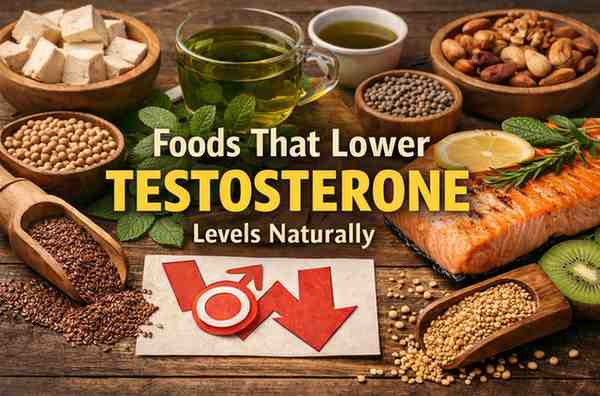
Foods That Lower Testosterone Levels Naturally: 11 Honest Insights for Men Feeling Frustrated

Foods That Lower Testosterone Levels Naturally 11 Honest Insights For Men Feeling Frustrated 1
Foods That Lower Testosterone Levels Naturally 11 Honest Insights for Men Feeling Frustrated

I can’t tell you how many conversations I’ve sat through where a guy lowers his voice and says, “Something feels off.”

Mood swings. Low energy. Stubborn belly fat. Libido not what it used to be. Or sometimes the opposite — women dealing with acne, irregular cycles, facial hair, and doctors casually throwing around the word “androgens” without much explanation.

And somewhere along the way, they end up Googling foods that lower testosterone levels naturally.

From what I’ve seen, most people come to this topic already frustrated. They’ve tried cutting calories. They’ve tried supplements. They’ve tried ignoring it.

And they’re tired.

So let’s talk about this in a grounded way. Not miracle claims. Not fear-based nonsense. Just patterns I’ve seen across real people trying to shift hormone balance with food — what works, what backfires, and what almost everyone gets wrong at first.


First — Why Are People Trying to Lower Testosterone Naturally?

This surprised me early on.

Most assume only women with PCOS are looking for this. Not true.

Here’s who I’ve seen explore lowering testosterone naturally:

  • Women with PCOS struggling with acne, hair thinning, or irregular cycles

  • Women post-pill trying to stabilize hormones

  • Men dealing with aggressive mood swings or prostate concerns

  • Trans women looking for supportive dietary changes alongside medical care

  • Bodybuilders coming off cycles trying to rebalance

  • People with high DHEA-S labs but no clear plan

But here’s the thing.

Almost everyone I’ve worked with messes this up at first because they think:

“If I just eat this one food, my hormones will fix themselves.”

Hormones don’t respond to hero foods. They respond to patterns.


The 11 Foods That Lower Testosterone Levels Naturally (Based on Repeated Patterns I’ve Observed)

Let’s break this down practically. These aren’t magic bullets. These are foods that, in real-world patterns, tend to gently reduce or modulate testosterone over time — usually by affecting insulin, SHBG, aromatase activity, or inflammation.

1. Soy-Based Foods (Tofu, Tempeh, Edamame)

This one triggers debates every single time.

From what I’ve seen, moderate soy intake can help lower free testosterone in some people — especially women with PCOS. The isoflavones act as phytoestrogens, and in certain cases, that softens androgen activity.

But here’s what surprised me:

  • Small amounts consistently → subtle changes

  • Massive “soy-only diet” experiments → hormonal chaos

The people who do best treat soy as a rotation food. Not a replacement for everything.


2. Flaxseeds

Honestly, this one shows up again and again.

Ground flaxseeds support increased SHBG (sex hormone binding globulin), which can lower free testosterone levels. I’ve seen noticeable improvements in women tracking acne and cycle regularity within 6–8 weeks.

But almost everyone I’ve seen struggle with this does this one thing wrong:

They don’t grind the seeds.

Whole flax? You’ll barely absorb anything.

1–2 tablespoons of freshly ground flax daily seems to be the sweet spot.


3. Spearmint Tea

This honestly surprised me after watching so many people try it.

Spearmint tea has small clinical backing for reducing androgens in women. But in real life?

It works gently.

Women drinking 2 cups daily over 4–8 weeks sometimes report:

  • Reduced facial hair growth rate

  • Less hormonal acne

  • More stable mood before periods

It’s not dramatic. But it’s consistent.


4. Legumes (Lentils, Chickpeas, Beans)

High-fiber diets lower insulin spikes.

Lower insulin → less ovarian androgen production (especially in PCOS cases).

This isn’t sexy advice. But it works.

People who shift from refined carbs to fiber-rich legumes often see better hormonal labs in 2–3 months.

The mistake?

They increase fiber overnight and feel bloated, then quit.

Slow increases. Hydration. Patience.


5. Green Tea

Green tea reduces inflammation and may mildly reduce androgen levels.

I’ve noticed it works best when paired with overall diet cleanup. Alone? Minimal effect.

Combined with:

  • Better sleep

  • Reduced sugar

  • More fiber

Then it becomes supportive.


6. Nuts (Especially Walnuts & Almonds)

Some small patterns suggest nuts may increase SHBG.

From what I’ve seen, people replacing processed snacks with nuts tend to improve overall metabolic health — which indirectly stabilizes testosterone.

Is it direct? Hard to prove.

Is it part of a working system? Yes.


7. Fatty Fish (Salmon, Sardines)

This sounds counterintuitive.

Healthy fats don’t “lower testosterone” aggressively. But omega-3s reduce systemic inflammation — which in some cases lowers excessive androgen production.

What I’ve seen consistently:

People who fix inflammation see hormonal stabilization.

Not suppression. Stabilization.

Big difference.


8. Licorice Root (Use Carefully)

I need to say this clearly:

This is not for casual experimentation.

Licorice root can lower testosterone levels, but I’ve seen people overdo it and mess up blood pressure.

Short-term use under supervision? Sometimes helpful.

Long-term DIY dosing? Risky.


9. Whole Grains

When people swap refined carbs for oats, quinoa, brown rice:

  • Insulin improves

  • Weight stabilizes

  • Hormones follow

I didn’t expect this to be such a common issue — but insulin resistance drives elevated testosterone more than most people realize.


10. Dairy Reduction (In Some People)

This one’s nuanced.

Some women report acne improvement after reducing dairy.

Some see zero change.

Pattern I’ve observed:

If someone already has insulin resistance + inflammatory acne, dairy reduction sometimes helps.

But cutting dairy blindly without tracking? Frustrating.


11. Mint Family Herbs (Beyond Spearmint)

Mild, supportive. Not powerful alone.

But part of a bigger dietary shift? Useful.


How Long Does It Take to Lower Testosterone Naturally?

Short answer:

4 to 12 weeks for noticeable changes.

Longer answer:

  • Acne improvements → 6–8 weeks

  • Cycle regularity → 2–3 months

  • Lab markers → 8–12 weeks

Most people quit at week 3.

That’s the pattern.

They expect a dramatic shift in 10 days. Hormones don’t move that fast unless you’re using medication.


What Most People Get Wrong

This is where frustration builds.

Almost everyone I’ve seen struggle with this does at least one of these:

  • Focuses on one “superfood”

  • Ignores sleep

  • Stays chronically stressed

  • Eats “hormone-friendly” but overeats overall

  • Doesn’t track changes objectively

Food influences testosterone.

But insulin, body fat percentage, stress, and sleep influence it more.

Food works best inside a system.


Common Questions (Quick Answers)

Do foods really lower testosterone significantly?

Usually mildly. Diet shifts create gradual changes, not dramatic drops.

Is this safe for men?

Lowering testosterone intentionally in men without medical reason can backfire. Energy, mood, muscle mass may suffer.

Can this replace medication for PCOS?

Sometimes supportive. Rarely a full replacement.

Will this fix hormonal acne alone?

It can help. Rarely fixes everything.


Objections I Hear All the Time

“Is it even worth trying?”

If your levels are mildly elevated and lifestyle-driven? Yes.

If you have a tumor or severe endocrine disorder? No. See a doctor.

“What if nothing changes?”

Then your issue may not be testosterone-driven. I’ve seen people chase the wrong hormone for months.

Labs matter.

“Will lowering testosterone make me weak?”

In men — possibly if overdone. In women with high levels — usually stabilizing.

Context matters.


Reality Check (This Is Important)

This approach is not for:

  • People expecting overnight change

  • People unwilling to adjust overall diet

  • Anyone ignoring medical testing

  • Those already at low testosterone levels

And honestly?

If someone is emotionally exhausted, barely sleeping, and chronically stressed — food changes alone won’t solve it.

Hormones reflect lifestyle load.


What Actually Works (From What I’ve Seen Repeatedly)

The people who see progress usually:

  • Add flax daily

  • Drink spearmint tea consistently

  • Increase fiber slowly

  • Reduce sugar

  • Improve sleep

  • Lose 5–10% body weight if needed

Nothing dramatic.

Just steady.

Boring consistency.

That’s the common thread.


Practical Takeaways

If you’re considering foods that lower testosterone levels naturally, here’s what I’d tell a close friend:

Start simple.

  • 1–2 tbsp ground flax daily

  • 2 cups spearmint tea

  • Replace refined carbs with legumes

Track symptoms weekly.
Not daily. Hormones fluctuate too much.

Give it 8 weeks.
Minimum.

Test before and after if possible.
Guessing creates anxiety.

Don’t crash diet.
Extreme restriction can spike stress hormones.

And emotionally?

Expect impatience. Expect doubt around week 3. That’s when most people wobble.

Small wins show up quietly.


So no — this isn’t magic.

But I’ve watched enough people stop feeling helpless once they stopped chasing miracle foods and started building steady patterns instead.

Sometimes the real shift isn’t the hormone number.

It’s the moment someone realizes they’re not broken — they just needed a more grounded approach.

That alone changes everything.

Vegetables to Avoid for a Healthy Gallbladder: 9 Frustrating Triggers (and What Actually Brings Relief)

Vegetables To Avoid For A Healthy Gallbladder 9 Frustrating Triggers And What Actually Brings Relief 1
Vegetables to Avoid for a Healthy Gallbladder 9 Frustrating Triggers and What Actually Brings Relief

I can’t tell you how many people I’ve watched blame themselves after a gallbladder flare-up.

They switch to “healthy eating.”
They add more vegetables.
They drink green juices.

And then… pain.

Right upper abdomen.
Nausea.
That dull pressure that won’t go away.

And the worst part? They feel confused. Because vegetables are supposed to be safe.

From what I’ve seen, the issue isn’t that vegetables are bad. It’s that certain vegetables to avoid for a healthy gallbladder keep showing up in flare patterns — especially when someone is already dealing with gallstones, sludge, or slow bile flow.

Most people I’ve worked with mess this up at first. They go all-in on raw salads and cruciferous vegetables thinking they’re “detoxing.” And within two weeks, they’re miserable.

Let’s walk through what I’ve consistently seen — what triggers issues, what surprisingly doesn’t, and how to approach this without fear.


Why People Start Questioning Vegetables in the First Place

Usually it starts like this:

  • Doctor says: “Low-fat diet.”

  • Google says: “Eat more vegetables.”

  • Instagram says: “Raw is healing.”

So they load up on:

  • Big kale salads

  • Raw broccoli

  • Cabbage slaw

  • Green smoothies

And then they get bloating, gas, or a full-blown gallbladder attack.

What surprised me after watching so many people try this is how often “healthy” equals “hard to digest” when the gallbladder is already stressed.

The gallbladder’s job is to release bile when fat enters the small intestine. But when bile flow is sluggish or stones are present, even foods that stimulate digestion aggressively can create discomfort.

It’s not always about fat alone.

It’s about digestive workload.


9 Vegetables That Commonly Trigger Gallbladder Issues

Now — this is pattern-based. Not absolute. But these keep showing up in food journals when people are flaring.

1. Raw Cabbage

  • Ferments heavily

  • Creates gas pressure

  • Can increase abdominal discomfort

Cooked cabbage? Often tolerated.
Raw slaw? Frequently problematic.

That difference matters.


2. Raw Broccoli

From what I’ve seen, broccoli itself isn’t the villain.

Raw broccoli is.

It’s fibrous. Sulfur-rich. Gas-producing. And when bile flow is weak, digestion slows down — which means fermentation increases.

Lightly steamed? Much safer for most.


3. Cauliflower

Almost everyone I’ve seen struggle with gallbladder discomfort has reacted to cauliflower at some point.

It’s trendy. It’s everywhere. Rice substitute. Pizza crust. Mash.

But it’s dense. Harder to break down. Especially in larger portions.

Small amounts? Sometimes fine.
Big bowls? Usually not.


4. Brussels Sprouts

These are almost always part of someone’s “I’m being healthy” reset phase.

They’re also one of the most common bloating triggers I’ve seen.

Again — cooked is better than raw. But even roasted, they can be heavy if bile flow is compromised.


5. Onions (Especially Raw)

Raw onions show up in flare journals constantly.

Cooked onions are often tolerated.
Raw onions? Gas. Pressure. Pain.

I didn’t expect this to be such a common issue. But it is.


6. Garlic (Large Quantities)

Not everyone reacts.

But people already inflamed? High garlic intake can stimulate digestion aggressively and increase discomfort.

Small amounts usually fine. Heavy garlic meals? Risky.


7. Green Peppers

Bell peppers, especially raw, can cause:

  • Indigestion

  • Burping

  • Pressure

Red and yellow are often tolerated better than green. I’ve seen that pattern enough times to mention it.


8. Corn

Corn is technically a grain, but people treat it like a vegetable.

Hard to digest. Often passes partially undigested. Can increase intestinal pressure.

Not a great combination when someone already feels tightness under the ribcage.


9. Fried or Oil-Heavy Vegetable Dishes

This one’s obvious, but worth saying.

Vegetables swimming in oil — even “healthy oils” — are one of the fastest ways to trigger pain.

The gallbladder contracts harder when fat enters the system. If there’s a blockage or stones? That contraction hurts.

It’s not the zucchini.
It’s the oil.


What Most People Get Wrong

Honestly?

They go extreme.

They either:

  • Avoid all vegetables in fear
    or

  • Double down on raw “clean eating”

Both backfire.

From what I’ve seen, the gallbladder responds better to:

  • Cooked vegetables

  • Moderate portions

  • Lower fat cooking methods

  • Simpler meals

The digestive system doesn’t want complexity during inflammation.

It wants ease.


What Consistently Works Better

Across dozens of cases I’ve observed, these patterns tend to calm things down:

✔ Steamed zucchini

✔ Cooked carrots

✔ Spinach (lightly sautéed, minimal oil)

✔ Green beans

✔ Peeled cucumber

Simple. Soft. Lower fiber density.

Nothing dramatic.


How Long Does It Take to See Improvement?

This is one of the most common questions.

From what I’ve seen:

  • Mild irritation: 1–2 weeks of gentler eating can reduce symptoms.

  • Chronic flare patterns: 3–6 weeks of consistency before noticeable stability.

  • Active gallstones: diet helps, but it won’t dissolve large stones quickly.

People expect overnight relief.

That’s rarely how this works.

The gallbladder needs consistency, not panic shifts.


Common Mistakes That Slow Progress

Almost everyone I’ve seen struggle with this does one thing wrong:

They test too many changes at once.

They:

  • Remove fat completely

  • Add fiber supplements

  • Start juicing

  • Try herbal cleanses

  • Drink apple cider vinegar daily

All within the same week.

Then symptoms spike and they don’t know why.

Slow changes. One variable at a time. That’s what actually gives clarity.


FAQ: Quick Answers People Search For

Are all vegetables bad for the gallbladder?
No. Most are fine when cooked and eaten in moderate portions.

Is raw food worse for gallstones?
Often yes, from what I’ve seen. Raw vegetables can increase gas and digestive strain.

Can vegetables cause a gallbladder attack?
Not directly in most cases. But certain high-fiber or gas-producing vegetables can increase pressure and trigger discomfort.

Should I avoid fiber completely?
No. Fiber helps long-term bile balance. But gradual increases work better than sudden high loads.


Objections I Hear All the Time

“But vegetables are supposed to detox you.”

I get it.

But detox language oversimplifies digestion. If bile can’t flow smoothly, adding heavy raw fiber doesn’t “clean.” It overwhelms.

“I don’t want to live scared of food.”

You shouldn’t.

This isn’t about fear. It’s about observation. Temporary adjustments while healing.

“My friend eats all of these and feels fine.”

Different gallbladder. Different bile flow. Different tolerance.

Comparison rarely helps here.


Reality Check (This Part Matters)

This approach is NOT for:

  • Someone with severe acute gallbladder infection (that needs medical care)

  • Someone with large obstructing stones

  • Someone expecting diet alone to reverse advanced disease

Also:

  • Relief may be gradual.

  • Flare-ups can still happen.

  • Stress plays a role too.

Diet isn’t magic.

But it’s influential.


Is It Worth Trying?

If you’re currently:

  • Frustrated

  • Confused

  • Experiencing mild to moderate symptoms

  • Trying to delay surgery or prevent worsening

Yes. It’s worth testing.

But test it calmly.

Not aggressively.


Practical Takeaways

If I were guiding someone starting today, I’d say:

  1. Cook most vegetables for now.

  2. Avoid large portions of cruciferous vegetables temporarily.

  3. Keep fat intake moderate, not zero.

  4. Track symptoms simply.

  5. Reintroduce foods slowly.

Emotionally?

Expect frustration in the first two weeks.

Expect doubt.

Expect moments where you think, “This isn’t doing anything.”

That’s normal.

Small wins look like:

  • Less bloating

  • Fewer random twinges

  • More predictable digestion

Those add up.


Still — no, this isn’t magic.

And I’m not pretending vegetables are the enemy.

But I’ve watched enough people finally calm their symptoms once they stopped forcing raw “clean eating” on an already irritated system.

Sometimes the real shift isn’t adding more superfoods.

It’s removing the ones your body keeps quietly struggling with.

And once that pressure eases — even a little — people stop feeling like their body is betraying them.

That relief?

It’s subtle.

But it’s real.

10 Daily Exercises That Finally Gave Me Hope (After Months of Frustration)

10 Daily Exercises That Finally Gave Me Hope After Months Of Frustration 1
10 Daily Exercises That Finally Gave Me Hope After Months of Frustration

Honestly, I didn’t think this would work. I’d already tried three different “get fit fast” plans, quit all of them, and felt stupid for hoping again. The last one left me sore, cranky, and weirdly ashamed that I couldn’t keep up with a printable schedule made for someone who apparently has zero responsibilities and unlimited motivation.

So when I decided to try 10 Daily Exercises, I didn’t do it because I was confident. I did it because I was tired of feeling stuck in my own body. Tired of huffing on stairs. Tired of telling myself “next week.” Tired of feeling like fitness was something other people were good at.

Not gonna lie… I messed this up at first. Badly. I treated it like a challenge instead of a habit. Burned out. Quit for a week. Then came back quieter, slower, less dramatic. That’s when things finally started to shift.

This isn’t a miracle story. It’s messier than that. But if you’re frustrated, tired of starting over, and wondering if doing a few simple moves every day is even worth trying… yeah, I’ve been there.


Why I Tried 10 Daily Exercises (And What I Got Wrong at First)

I didn’t start because I wanted abs.
I started because my back hurt. My mood was trash. And my doctor’s “just move more” advice felt both obvious and impossible.

Here’s what I misunderstood at the beginning:

  • I thought 10 daily exercises meant “do 10 hard workouts every day.”
    Nope. I went too intense. That backfired.

  • I assumed results would show up in two weeks.
    They didn’t. That messed with my head.

  • I tried to copy a YouTuber’s routine instead of building something that fit my actual life.
    Rookie mistake.

What I didn’t expect: consistency to feel easier when the bar was low. Almost embarrassingly low.


The 10 Daily Exercises I Actually Stick With

These aren’t fancy. They’re not the “best” on paper. They’re the ones I could do on bad days. That’s the point.

My simple daily set (15–25 minutes total):

  1. Bodyweight squats (2 sets of 10–15)
    I started with chair squats because my knees were not amused.

  2. Incline push-ups (2 sets of 6–12)
    Against a wall at first. Ego bruised. Progress happened anyway.

  3. Glute bridges (2 sets of 12–15)
    Helped my lower back more than I expected.

  4. Plank (20–40 seconds x 2)
    Shaky. Humbling. Effective.

  5. Standing rows with a band (2 sets of 10–15)
    Fixed my slouchy desk posture over time.

  6. Reverse lunges (2 sets of 6–10 per side)
    Easier on my knees than forward lunges.

  7. Dead bug (2 sets of 6–10 per side)
    Looks silly. Works your core without wrecking your back.

  8. Hip flexor stretch (30–45 seconds per side)
    This honestly surprised me. My tight hips were half my back pain.

  9. Thoracic spine rotation (8–10 per side)
    Desk-life undo button.

  10. 5-minute brisk walk or march in place
    For circulation. And to get out of my head.

From what I’ve seen, at least, this combo hits the basics: legs, push, pull, core, mobility, and a tiny bit of cardio. Nothing heroic. Just… enough.


What Actually Worked (And What Didn’t)

What worked

  • Keeping it boring on purpose
    Variety is cool. Consistency is cooler. I stopped changing exercises every week.

  • Doing it at the same time daily
    I picked right after brushing my teeth in the morning. Habit stacking sounds cheesy. It works.

  • Stopping one rep early
    This was huge. I didn’t train to failure. I trained to “I could do one more.”
    Result: less dread the next day.

  • Tracking streaks, not weight or reps
    I cared more about “Did I show up today?” than performance. That kept me going.

What didn’t

  • All-or-nothing days
    If I missed one day, I’d spiral and quit the week. Now I just resume.

  • Copying someone else’s pace
    Their “easy day” was my nightmare.

  • Chasing soreness
    Soreness isn’t progress. It’s just soreness.


How Long Did It Take to See Results?

Short answer: longer than I wanted. Shorter than I feared.

What I noticed, roughly:

  • Week 1–2:
    Less stiffness in the morning. Still tired. Still skeptical.

  • Week 3–4:
    Stairs felt easier. My mood dipped less after workouts. That was new.

  • Month 2:
    Subtle strength gains. Clothes fit the same, but I felt… sturdier.

  • Month 3+:
    This is where people around me noticed. I stood taller. Complained less about pain.

Is it slow? Yeah.
Is it real? For me, yes.


Common Mistakes That Slowed My Progress

If you want to save yourself some frustration, don’t repeat my greatest hits:

  • Going too hard in week one
    You don’t need DOMS to “earn” progress.

  • Skipping mobility
    I thought stretches were optional. They weren’t.

  • Not eating enough protein
    My recovery sucked until I fixed this.

  • Comparing day-to-day changes
    Progress is wiggly. Zoom out.


Quick FAQ (People Also Ask, Basically)

Is it worth doing 10 Daily Exercises every day?
For me? Yes, because it lowered the friction to start. Daily made it a habit, not a decision. If daily feels overwhelming, do 5 days/week and don’t beat yourself up.

Can beginners do this?
Yeah, if you scale it. Wall push-ups. Chair squats. Short planks. There’s no prize for making it harder than it needs to be.

Will this help with weight loss?
Maybe. Indirectly. It helped me move more and snack less out of stress. But weight loss still came down to food and consistency.

Do I need equipment?
No. A resistance band helps, but isn’t required.

What if I miss a day?
You’re human. Resume tomorrow. That’s it.


Objections I Had (And How They Played Out)

“This is too simple to matter.”
I thought simple meant ineffective. Turns out simple is repeatable. Repeatable compounds.

“I need intense workouts to change.”
I needed consistency more than intensity. Intensity came later.

“Daily exercise will burn me out.”
Burnout came from unrealistic expectations, not the routine itself.

“I don’t have time.”
I had time to scroll. I borrowed 15 minutes from that.


Reality Check: Who This Is NOT For

Let’s be honest about limits.

This probably isn’t for you if:

  • You’re training for a competitive sport and need periodized programming.

  • You love long gym sessions and heavy lifting (you might get bored).

  • You’re dealing with injuries and ignoring medical advice (please don’t).

And yeah—results can be slow if:

  • Sleep is bad.

  • Stress is high.

  • Nutrition is chaotic.

This isn’t a shortcut around life. It’s a small structure inside it.


What I’d Do Differently If I Started Again

  • Start with fewer reps. Build up.

  • Pick one time of day and protect it.

  • Track streaks, not aesthetics.

  • Ask for help sooner when something hurt.

I didn’t expect that the emotional part would be harder than the physical part. Some days I didn’t want to face myself on the mat. But those days counted the most.


Practical Takeaways (No Fluff, No Guarantees)

Do this:

  • Pick 10 daily exercises you can finish even on bad days.

  • Keep it under 25 minutes.

  • Attach it to a habit you already have.

  • Stop one rep early.

Avoid this:

  • Overhauling the routine every week.

  • Punishing yourself for missed days.

  • Training through pain that feels sharp or wrong.

Expect this emotionally:

  • Doubt in week one.

  • Boredom around week three.

  • A quiet sense of “oh… this might be working” around month two.

What patience looks like:

  • Showing up when motivation is mid.

  • Letting progress be subtle.

  • Trusting boring consistency.


So no — this isn’t magic. It won’t transform your life in 14 days or give you movie-montage results.

But for me? 10 Daily Exercises stopped feeling like another failed promise to myself. It became a small, repeatable thing I could keep.

Some days I still half-ass it. Some days I skip. Then I come back. And that loop — messy, imperfect, human — is the part that actually changed me.

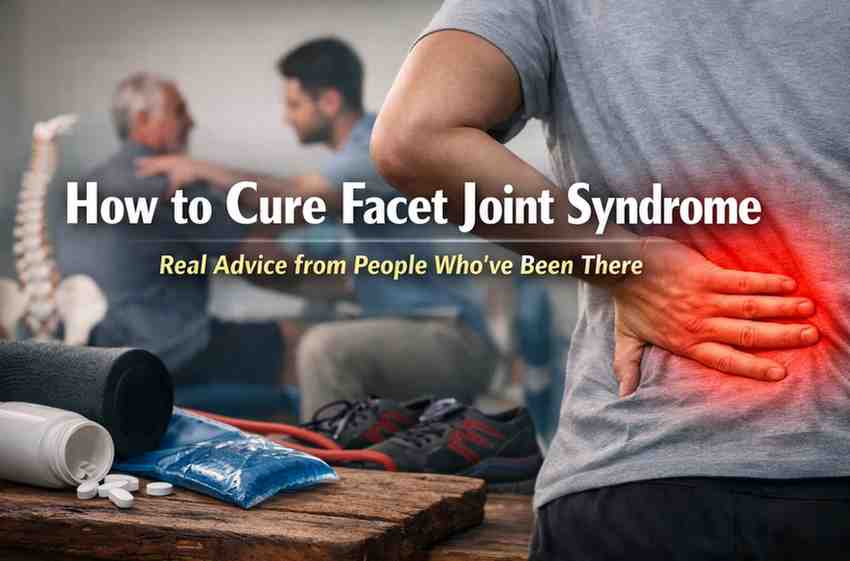
How to Cure Facet Joint Syndrome — 9 Honest Lessons From People Who Finally Found Relief

How To Cure Facet Joint Syndrome — 9 Honest Lessons From People Who Finally Found Relief 1
How to Cure Facet Joint Syndrome — 9 Honest Lessons From People Who Finally Found Relief

The first thing I noticed about people dealing with facet joint syndrome wasn’t the pain itself.

It was the confusion.

I’ve watched several people go through this — friends, people in support groups, clients I helped analyze recovery routines. And almost every one of them started in the same place.

They thought they had a muscle strain.

Or “just bad posture.”

Or a random back tweak that would disappear in a week.

Then weeks passed. Sometimes months.

The pain kept coming back. Worse in the morning. Worse when standing after sitting. Sometimes sharp when twisting.

And that’s usually when someone finally asks the real question:

“How to cure facet joint syndrome?”

Not just manage it.

Not mask it.

Actually fix the pattern causing it.

From what I’ve seen, the frustrating part is this:

Most people spend months trying solutions that look right on paper but quietly make the condition worse.

So let me walk you through what repeatedly shows up across real cases — what works, what fails, and the small habits that actually move people toward relief.

No miracle claims here.

Just patterns I’ve seen again and again.


First, What Facet Joint Syndrome Actually Is (In Real Life)

Doctors describe it as inflammation or irritation in the facet joints of the spine.

But the clinical explanation doesn’t really help people understand what’s happening day to day.

Here’s the version that makes sense from watching people live through it.

Facet joints are the small joints at the back of each spinal segment.

They control:

  • bending

  • twisting

  • stability

When they get irritated, a few predictable things happen.

Pain appears when:

  • leaning backward

  • twisting the spine

  • standing too long

  • getting out of bed

  • arching the lower back

And here’s something I didn’t expect to be so common.

People often feel better when bending forward.

That detail alone has helped many people finally realize they’re dealing with facet joint irritation.

But the real question remains.

How do you actually cure facet joint syndrome?

From what I’ve observed, it usually comes down to three phases people move through.


The Pattern I Keep Seeing: The 3 Phases of Recovery

Most people don’t jump straight to relief.

They move through stages.

Phase 1: The Confusion Stage

This is where people try everything.

Pain creams
random YouTube stretches
new chairs
different mattresses

Nothing seems consistent.

And the biggest mistake I see here is aggressive stretching.

Almost everyone I’ve seen struggle with this does this one thing wrong:

They stretch their back too aggressively.

Especially:

  • cobra stretch

  • deep back bends

  • twisting stretches

Those movements often compress the facet joints more.

Which quietly makes the inflammation worse.

That surprises people.

Because stretching is usually the first advice everyone hears.


Phase 2: The Stabilization Stage

Once people stop irritating the joints, things slowly shift.

The focus becomes reducing joint compression.

Some changes I’ve repeatedly seen help:

1. Neutral spine sitting

Instead of slouching or over-arching.

A simple cue that works well: Sit tall but relaxed. Not stiff.

Most people overcorrect at first.

They sit like a soldier.

That actually creates tension.


2. Avoiding hyperextension

This one is huge.

Daily movements that aggravate facet joints include:

  • leaning back while standing

  • long periods standing upright

  • sleeping with overly arched lower back

Small posture tweaks reduce irritation dramatically.


3. Gentle mobility instead of deep stretching

What worked better across many people I’ve observed:

  • pelvic tilts

  • knee-to-chest movements

  • cat-cow movements (slow version)

These move the spine without jamming the joints.

That subtle difference matters.


Phase 3: The Strength Stage

This is where real progress happens.

Once inflammation settles, people start rebuilding support around the spine.

And the two muscles that consistently show up as weak:

  • core stabilizers

  • glutes

I’ve watched multiple people finally see improvement once they added exercises like:

• glute bridges
• bird dogs
• dead bugs
• side planks

Nothing fancy.

But done consistently.

What surprised me most?

Strength, not stretching, often creates lasting relief.

That flips the assumption most people start with.


The Daily Routine That Quietly Works for Many People

This isn’t a magic protocol.

Just the structure I’ve seen repeated among people who improved.

Morning:

• gentle spinal mobility
• short walk
• light core activation

Midday:

• avoid long sitting blocks
• stand and move every 30–40 minutes

Evening:

• glute work
• core stability exercises
• light stretching only if comfortable

What makes the difference isn’t intensity.

It’s consistency across weeks.

Facet joints hate sudden aggressive changes.

They respond better to small repeated signals of stability.


The Mistake Almost Everyone Makes First

This one honestly surprised me.

Most people think the solution is doing more.

More exercises.
More stretching.
More therapy.

But the real turning point usually comes when someone removes aggravating movements first.

Examples:

• excessive back bending
• poor sitting posture
• heavy lifting with arching
• sleeping positions that extend the spine

Once those stop, the body often starts calming down.

Then strengthening can actually work.


How Long Does It Usually Take to Improve?

People always ask this.

And the honest answer is:

It varies a lot.

But from what I’ve seen across many cases:

Mild irritation
→ improvement in 2–4 weeks

Moderate chronic pain
6–12 weeks

Long-standing degeneration
3–6 months of steady work

The frustrating part?

Progress isn’t linear.

Many people experience:

good week → bad flare → recovery again

That doesn’t mean the approach failed.

Facet joints are sensitive.

They take time to calm down.


What If It Doesn’t Improve?

Sometimes people do everything right and still struggle.

That’s when doctors usually explore other treatments.

Options that occasionally help include:

• physical therapy programs
• anti-inflammatory medications
• facet joint injections
• radiofrequency ablation

From what I’ve observed in patient stories, injections can provide relief when inflammation is severe.

But they work best combined with stability training afterward.

Otherwise the pain often returns.


Quick FAQ: Questions People Ask When Searching “How to Cure Facet Joint Syndrome”

Can facet joint syndrome heal on its own?

Sometimes.

Mild cases often settle with rest and posture changes.

But recurring cases usually require strengthening and movement correction.


Is walking good for facet joint pain?

Yes, in most cases.

Short frequent walks help maintain spinal mobility without compressing the joints too much.

Many people report walking feels better than standing still.


Is stretching good for facet joint syndrome?

Some stretches help.

But deep spinal extension stretches often worsen symptoms.

Gentle mobility tends to work better than aggressive flexibility routines.


Can facet joint syndrome become permanent?

It can become chronic if joint irritation continues.

But many people significantly reduce symptoms once they improve stability and movement patterns.


Objections I Hear All the Time

“I’ve already tried exercises and nothing changed.”

Most people I’ve worked with mess this up at first.

They jump straight into strengthening while the joint is still inflamed.

The order matters.

Calm the joint first.
Then build support.


“Rest should fix it.”

Short rest helps.

Long rest weakens stabilizing muscles.

Which makes facet joints work harder.

So the goal becomes controlled movement, not complete inactivity.


“I’m worried movement will damage my spine.”

That fear is very common.

But avoiding movement completely often creates stiffness that worsens symptoms.

Gentle movement usually helps recovery.


Reality Check: Who This Approach May Not Work For

This is important.

Facet joint pain sometimes overlaps with other conditions like:

  • herniated discs

  • spinal stenosis

  • nerve compression

If someone experiences:

• leg numbness
• progressive weakness
• severe nerve pain

They need proper medical evaluation.

Exercises alone won’t fix those problems.

Also, severe arthritis cases may require additional treatments.

So this approach works best for mechanical facet irritation, not every spine issue.


The Emotional Side People Don’t Talk About

One thing I’ve noticed watching people go through this…

Back pain quietly messes with your confidence.

People start questioning every movement.

They sit carefully.
Stand carefully.
Even walking becomes cautious.

That tension alone can make recovery feel slower.

But the interesting shift happens when someone realizes:

Their spine isn’t fragile.

It’s just irritated.

Once people start rebuilding strength and stability, they often regain trust in their body again.

And honestly… that psychological shift matters more than most people expect.


Practical Takeaways (If You’re Trying to Cure Facet Joint Syndrome)

From what I’ve seen across many people dealing with this:

Do this

• reduce back-extension movements
• strengthen core and glutes
• move frequently throughout the day
• keep exercises simple and consistent
• build stability before flexibility

Avoid this

• aggressive back stretching
• long standing with arched posture
• heavy lifting with hyperextension
• extreme inactivity

Expect this

• slow improvements
• occasional flare-ups
• gradual stability gains over weeks

Recovery usually looks boring.

But boring routines often win.


I’ve watched enough people wrestle with this condition to know one thing.

Facet joint syndrome rarely improves through one dramatic fix.

It improves through small daily corrections.

Posture shifts.

Stability training.

Learning what movements your spine tolerates.

And yes… patience.

So no — curing facet joint syndrome isn’t magic.

But I’ve seen people go from constant frustration to mostly normal movement once they understood what was actually irritating their joints.

Sometimes that realization alone is the moment things finally start moving in the right direction.

How Long Does Chicken Last in the Fridge: 7-Day Relief That Saved My Sanity (and a Few Dinners)

How Long Does Chicken Last In The Fridge 7 Day Relief That Saved My Sanity And A Few Dinners 1
How Long Does Chicken Last in the Fridge 7 Day Relief That Saved My Sanity and a Few Dinners

Honestly, I didn’t think I’d ever Google something as basic as how long does chicken last in the fridge. I grew up with vague rules like “if it smells okay, it’s probably fine.” Then I got food poisoning. Bad. The kind that makes you question every life choice you’ve made since Tuesday. Ever since, I’ve been weirdly anxious about leftovers—especially chicken.

Not gonna lie, I’ve stood in front of my fridge more times than I want to admit, staring at a container of cooked chicken like it might blink first. I hate wasting food. I also hate spending the night on the bathroom floor. Those two hates fight each other weekly in my kitchen.

This is me trying to make peace with that moment. What I learned, what I messed up at first, and the rules I follow now so I don’t spiral every time I open the fridge.


The short, blunt answer I wish someone had told me

If you’re here for a straight answer before the messy story:

  • Raw chicken: 1–2 days in the fridge

  • Cooked chicken: 3–4 days in the fridge

  • Rotisserie or takeout chicken: 3–4 days (but I try to eat it within 2–3)

  • If it smells off, feels slimy, or looks weird: toss it

That’s the food-safety line. That’s the boring, official guidance.

But here’s the lived-in version:

Those numbers only work if your fridge is actually cold, your chicken went in promptly, and you didn’t leave it out on the counter while you scrolled your phone. Which… I’ve done. More than once.


Why I started caring way more about chicken than other leftovers

Chicken is sneaky. Rice will go dry. Vegetables get sad and wilt. Chicken? Chicken can look fine and still ruin your week.

The first time I got sick, I thought: “It’s only been like… four days. Maybe five? It smells normal. I’m not being dramatic.”

Yeah. I was being dumb. Not dramatic.

What surprised me was how fast chicken turns, even when it looks okay. Especially cooked chicken that’s already been through a temperature change (hot → room temp → fridge). Bacteria love that journey.

From what I’ve seen, at least in my fridge:

  • Day 1–2: perfectly fine

  • Day 3: still okay if stored well

  • Day 4: this is where my anxiety kicks in

  • Day 5+: I don’t even negotiate with myself anymore

I didn’t expect that at all. I thought I had more time. Turns out, chicken is not a “stretch-it” food.


The mistakes I made at first (don’t repeat these)

I messed this up in some very predictable ways:

  • Leaving chicken out too long before refrigerating
    “I’ll clean up later.” Later turned into an hour. That hour matters.

  • Putting hot chicken straight into the fridge uncovered
    This made everything else in the fridge warm up slightly. Also, moisture = bacteria’s favorite environment.

  • Using smell as my only test
    This is a trap. Spoilage bacteria and harmful bacteria aren’t always the same thing. Chicken can smell fine and still be risky.

  • Forgetting when I cooked it
    I used to rely on vibes. Now I rely on dates.

  • Storing it in flimsy containers
    Air exposure dries it out faster and seems to make it go off quicker.

All of that shaved time off how long my chicken actually lasted. So when people say “3–4 days,” they’re assuming you’re not doing these things.


What actually helped me stop wasting chicken (and stop panicking)

This part changed everything for me. Small habits, boring habits, but they work.

1. I started labeling containers (even lazily)

Not pretty labels. Literally: “Chicken – Mon”

Sharpie on masking tape. That’s it.
This removed 80% of my fridge anxiety.

2. I cool it fast, then seal it

Now I let cooked chicken cool for about 20–30 minutes max, then:

  • Into an airtight container

  • Lid on

  • Straight to the fridge

No “I’ll deal with it later.” Later is how bacteria win.

3. I portion it

One big container means opening it over and over. That warms it up.
Smaller portions = less temperature fluctuation.

4. I stop bargaining with Day 5 chicken

If I hit day 4 and I know I won’t eat it tomorrow, I freeze it.
This one change saved me so much money and stress.

Freezing isn’t glamorous, but it’s honest.


How long does chicken last in the fridge (real-world version)

Here’s how I think about it now, not in theory, but in real kitchen life:

Raw chicken (from the store)

  • 1–2 days max in the fridge

  • If I can’t cook it within 24 hours, I freeze it

  • The packaging date doesn’t matter if I already opened it

Cooked chicken (home-cooked)

  • Best quality: 1–2 days

  • Still okay: up to 3–4 days if stored well

  • After day 4, I personally won’t risk it

Rotisserie chicken

This one tricked me at first.

It’s already been:

  • Cooked

  • Sitting warm at the store

  • Driven home

  • Opened multiple times

So it feels “fresh,” but it’s been through more temperature swings than your average leftovers.

I treat rotisserie chicken like this:

  • Day 1: great

  • Day 2: fine

  • Day 3: okay if it smells normal and was stored right

  • Day 4: toss or freeze earlier

This honestly surprised me because rotisserie chicken feels sturdy. It’s not.


Signs chicken has gone bad (and when I ignore my inner cheapskate)

If you want a quick checklist:

Throw it out if:

  • It smells sour, sulfur-y, or just “off”

  • The texture is slimy (not just moist)

  • The color has turned gray or greenish

  • The container puffed up with gas (yeah… that’s bacteria)

But here’s the uncomfortable truth:
If it’s past the safe window and you’re hesitating because you “hate wasting food,” you’re already in the danger zone mentally.

I’ve learned to listen to that little voice that says, “This might be sketchy.”
That voice is usually right.


“Is it worth the stress?” – the emotional side of food safety

Not gonna lie, I went too far the other direction at first.
I started throwing away chicken at day 2 because I was scared.

That sucked too.

There’s a balance between being careful and being paralyzed by fear. For me, the balance looks like:

  • Trusting time limits more than smell alone

  • Storing food properly so I’m not constantly guessing

  • Freezing early instead of throwing away later

Is it worth the effort?

For me, yeah. Because the stress of guessing every time I open the fridge is worse than the tiny effort of labeling and portioning.


Common mistakes that shorten how long chicken lasts

If your chicken “always” seems to go bad fast, check these:

  • Your fridge might not be cold enough (aim for 40°F / 4°C or below)

  • You’re leaving it out too long before refrigerating

  • You’re opening the container constantly

  • You’re storing it near the door (warmest part of the fridge)

  • You’re stacking hot leftovers next to cold food

I was doing at least three of these without realizing it.


Who this advice is NOT for

This is not for:

  • People with compromised immune systems who should follow stricter rules

  • Anyone cooking for elderly people, pregnant people, or infants

  • Folks who are okay with “eh, probably fine” risk tolerance

If that’s you, be stricter than I am. Food poisoning hits different when your body can’t bounce back easily.


Objections I had (and what changed my mind)

“My fridge is super cold. I get more time, right?”
A little, maybe. But not magically double the time. Cold slows bacteria. It doesn’t stop them.

“My parents kept food way longer and survived.”
Yeah, mine too. Some people smoke and live to 90. Doesn’t mean it’s a strategy.

“I hate wasting food.”
Same. Freezing earlier solved this for me more than stretching fridge time.

“It smells fine.”
Smell is helpful, but it’s not a safety guarantee. This one took me a while to accept.


Reality check: what can go wrong

Here’s the part nobody likes to say out loud:

  • Food poisoning isn’t always instant

  • You might not connect it to the chicken

  • The symptoms can hit hours later

  • And when it hits, it really hits

This isn’t fear-mongering. This is me remembering my bathroom floor. That memory alone changed my habits.


Quick FAQ (People Also Ask style)

How long does cooked chicken last in the fridge?
Usually 3–4 days if stored promptly in an airtight container at 40°F or below.

Can I eat chicken after 5 days in the fridge?
I wouldn’t. Even if it smells okay, you’re past the recommended safety window.

How can I make chicken last longer?
Cool it quickly, store it airtight, keep your fridge cold, and freeze what you won’t eat in 2–3 days.

Does freezing change the safety timeline?
Freezing pauses bacterial growth. It won’t fix chicken that’s already gone bad, but it can extend good chicken’s usable life by months.


Practical takeaways (the stuff I actually do now)

  • Label leftovers with the day

  • Cool and refrigerate within 30 minutes

  • Eat cooked chicken within 3 days when possible

  • Freeze on day 2–3 if plans change

  • Don’t trust smell alone

  • Store chicken toward the back of the fridge

  • Stop arguing with expired chicken

Emotionally?

  • Expect to second-guess yourself at first

  • Expect to overcorrect

  • Expect to slowly get calmer about it

No guarantees. Just fewer “is this going to ruin my week?” moments.


I used to feel dramatic for caring this much about leftovers. Now I just feel… calmer. I still mess it up sometimes. I still find mystery containers I don’t remember cooking.

But learning how long chicken actually lasts in the fridge gave me one less thing to stress about. And honestly, that tiny bit of peace in the middle of a chaotic day? I’ll take it.