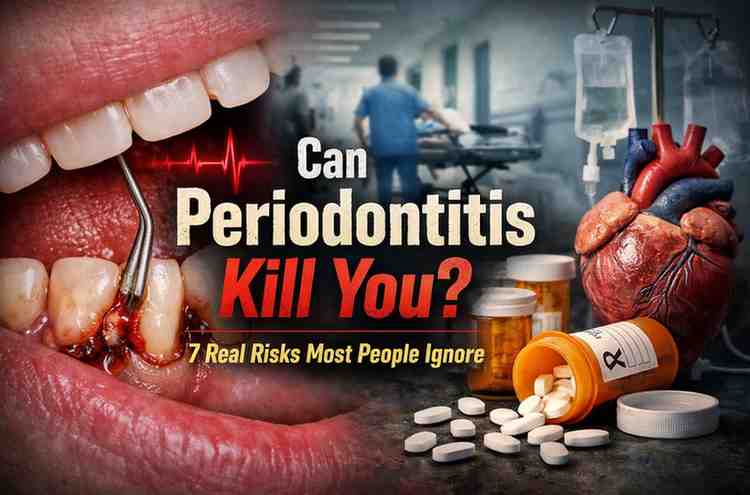
Can Periodontitis Kill You? 7 Real Risks Most People Ignore (and the Relief of Knowing the Truth)

Can Periodontitis Kill You 7 Real Risks Most People Ignore And The Relief Of Knowing The Truth 1
Can Periodontitis Kill You 7 Real Risks Most People Ignore and the Relief of Knowing the Truth

I can’t tell you how many times someone has leaned in, lowered their voice, and asked me, “Wait… can periodontitis kill you?”

Not casually. Not academically. But with that tight look in their face.

Usually after a dentist appointment. Or after googling bleeding gums at 1:30 a.m.

From what I’ve seen, the fear doesn’t come from the word periodontitis itself. It comes from the silence around it. People know it’s “serious.” They don’t know how serious. And when Google throws heart disease and infection into the mix, the mind runs.

So let’s talk about this the way I’ve talked about it with real people sitting across from me.

No drama. No minimizing. No sugarcoating either.


First, Direct Answer: Can Periodontitis Kill You?

Short answer: Not directly in most cases. But untreated periodontitis can contribute to serious, life-threatening health problems.

That nuance matters.

Periodontitis itself is a chronic inflammatory gum disease. What makes it dangerous isn’t the gums alone. It’s what long-term inflammation and infection can do to the rest of the body.

And honestly? Most people I’ve worked with completely underestimate that part.


What I’ve Seen in Real Life (The Pattern Most People Miss)

When someone is first told they have periodontitis, their reaction usually falls into one of three camps:

  • “It’s just gums. I’ll deal with it later.”

  • “I brush every day, this makes no sense.”

  • Full panic mode: “Is this going to kill me?”

The dangerous group isn’t the panickers.

It’s the postponers.

Almost everyone I’ve seen struggle long-term with this does one thing wrong:
They treat it like a cosmetic issue instead of a systemic one.

Bleeding when brushing. Mild gum recession. Some bad breath. They think it’s annoying — not threatening.

And for months, sometimes years, it quietly progresses.


Why Periodontitis Is More Serious Than It Sounds

Here’s what surprised me after watching so many cases unfold:

The mouth is not separate from the body.

When gum infection becomes chronic, bacteria and inflammatory byproducts can enter the bloodstream. Over time, this contributes to systemic inflammation.

And systemic inflammation is not small.

Research has consistently linked untreated periodontitis with:

  • Cardiovascular disease

  • Increased stroke risk

  • Complications in diabetes

  • Respiratory infections

  • Pregnancy complications

  • In rare severe cases, bloodstream infections (sepsis)

Now — pause.

That does not mean everyone with periodontitis is in danger of dying.

But it does mean long-term neglect increases risk.

And I’ve watched people regret ignoring that early stage when it was still manageable.


The 7 Real Risks Most People Ignore

These are the patterns I’ve seen repeatedly.

1. Tooth Loss (It Happens More Quietly Than You Think)

This is the most common outcome.

People assume teeth just “suddenly” fall out.

No. What I’ve seen is slow bone loss. Years of it.

Then one day a tooth feels loose.

That moment hits hard.

And by then, reversal isn’t possible. Only management.


2. Chronic Inflammation That Affects the Heart

From what I’ve seen, this is the one doctors take most seriously.

There’s a consistent link between advanced gum disease and cardiovascular problems.

Is it the sole cause? No.

But it contributes to overall inflammatory burden.

And if someone already has risk factors — high blood pressure, obesity, diabetes — ignoring gum disease stacks the deck against them.


3. Diabetes Complications

This one goes both ways.

I didn’t expect this to be such a common issue, but:

  • Diabetes makes gum disease worse.

  • Gum disease makes blood sugar harder to control.

It becomes a loop.

People who stabilize their gum health often see improved glucose control. That pattern shows up again and again.


4. Increased Stroke Risk

Still debated in specifics, but the association exists.

Chronic inflammation changes vascular function.

Again — not a direct cause. But a contributor.


5. Pregnancy Complications

I’ve seen OBs take this very seriously.

Untreated periodontal disease has been linked to preterm birth and low birth weight.

It’s not guaranteed.

But it’s preventable risk.


6. Respiratory Infections in Older Adults

Especially in nursing home settings.

Oral bacteria can be aspirated into the lungs.

This honestly surprised me when I first started paying attention to long-term care cases.


7. Rare but Severe Systemic Infection

This is uncommon — but possible.

If infection spreads into the bloodstream, sepsis can occur.

Rare.

But real.

And when people ask, “Can periodontitis kill you?” this is usually what they’re afraid of.


What Most People Get Wrong at First

Almost everyone I’ve worked with messes this up at first:

They think brushing harder will fix it.

It won’t.

Periodontitis isn’t about surface plaque alone. It’s about bacteria under the gumline and the body’s inflammatory response.

Another mistake?

Skipping deep cleanings because “it feels expensive.”

I’ve watched people delay scaling and root planing for two years to save money.

Then pay triple in surgical procedures later.

Short-term avoidance. Long-term cost.


How Long Does It Take for Periodontitis to Become Dangerous?

This is one of the biggest “People Also Ask” questions.

The honest answer: It’s slow. Until it isn’t.

Most progression happens over years.

But risk increases when:

  • It’s untreated for a long time

  • The person smokes

  • Diabetes is uncontrolled

  • Oral hygiene is inconsistent

  • There are other inflammatory conditions

In relatively healthy adults who treat it early?
Risk of life-threatening complications is low.

In neglected cases over a decade?
The systemic burden adds up.


What Actually Works (From What I’ve Seen)

Here’s the pattern among people who stabilize their condition:

  1. They stop pretending it’s minor.

  2. They commit to professional treatment.

  3. They change daily habits consistently — not perfectly.

The Routine That Consistently Works

  • Professional scaling and root planing

  • Periodontal maintenance every 3–4 months

  • Soft brushing technique (not aggressive)

  • Daily flossing or water flosser

  • Antimicrobial rinse when recommended

  • Managing blood sugar if diabetic

  • Quitting smoking (huge difference)

It’s not glamorous.

It’s repetitive.

But I’ve seen bone loss stabilize when people stick to this.


What Repeatedly Fails

Let me be blunt here.

Things that look good on paper but fail in real life:

  • DIY oil pulling as the only treatment

  • Herbal-only approaches without professional care

  • Waiting until pain appears

  • Thinking no pain = no problem

  • Switching dentists every year

  • Inconsistent follow-ups

Periodontitis can progress without pain.

That’s the trap.


Objection Section: “But My Gums Only Bleed a Little”

I hear this constantly.

Bleeding is not normal.

Healthy gums don’t bleed from brushing.

Mild bleeding can be early gingivitis — which is reversible.

But once bone loss begins, that’s periodontitis.

Waiting to see “if it gets worse” is what turns manageable cases into complicated ones.


Is It Worth Treating Aggressively?

If you’re asking whether treatment is worth it — yes.

But not because it will “save your life tomorrow.”

It’s worth it because:

  • It prevents tooth loss.

  • It reduces systemic inflammation.

  • It protects long-term health.

  • It lowers future dental costs.

  • It gives you control.

What I’ve noticed emotionally?
People feel relieved once they act.

The anxiety reduces once there’s a plan.


Who This Approach Is NOT For

If someone wants:

  • A quick fix

  • A one-time cleaning solution

  • A natural-only cure without dental intervention

  • Zero lifestyle change

They’re going to hate managing periodontitis.

Because this is maintenance-based care.

Not a cure-and-forget situation.


FAQ (Short, Direct, Search-Friendly)

Can periodontitis kill you directly?
Rarely. But untreated cases can contribute to serious systemic disease.

Is periodontitis reversible?
Gingivitis is reversible. Periodontitis is manageable, not reversible.

How fast does it progress?
Usually slowly over years, faster with smoking or uncontrolled diabetes.

Does treatment actually lower risk?
Yes. Reducing inflammation and bacterial load reduces systemic burden.


Reality Check

This isn’t about fear.

It’s about probability.

Most people with periodontitis will not die from it.

But ignoring it absolutely increases risk over time.

The people who do well are not the ones who panic.

They’re the ones who get consistent.


Practical Takeaways

If you’re dealing with this right now:

  • Get a full periodontal evaluation.

  • Ask about bone levels.

  • Don’t skip deep cleaning if recommended.

  • Improve daily hygiene slowly but steadily.

  • Address smoking or blood sugar issues.

  • Schedule maintenance before you “feel like you need it.”

Emotionally?

Expect frustration at first.

Expect annoyance at frequent appointments.

Expect some guilt for not catching it earlier.

Then expect stability.

That’s usually how it goes.


So… can periodontitis kill you?

Not in the dramatic, overnight way people fear.

But from what I’ve seen, neglecting it long-term quietly increases risks you don’t need to carry.

This isn’t magic. It’s not catastrophic either.

It’s manageable.

And honestly, I’ve watched enough people move from panic to control once they understood that.

Sometimes that shift alone is the real win.

Relieve Aching Arms and Shoulders: 11 Hard Lessons That Finally Brought Relief

Relieve Aching Arms And Shoulders 11 Hard Lessons That Finally Brought Relief 1
Relieve Aching Arms and Shoulders 11 Hard Lessons That Finally Brought Relief

Not gonna lie… I thought my arms hurting was just “life now.” Like, you hit your 30s, your shoulders get cranky, and that’s it. Game over. Then one night I couldn’t lift my coffee mug without this stupid sharp sting shooting up my forearm. I laughed at first. Then I didn’t. That was the moment I finally said, okay, fine, I need to actually try to relieve aching arms and shoulders instead of pretending I’m fine.

I wish I could say I figured it out fast. I didn’t. I messed this up at first. A lot. I tried random stuff I saw online, quit halfway through, then got mad when nothing changed. It took way longer than I expected. It also got weirdly emotional. Pain does that to you.

Anyway. Here’s the messy truth of what I learned, what helped, what didn’t, and what I’d tell a friend who texts me at 1 a.m. like, “My shoulders feel like bricks. What do I do?”


How I even ended up here (aka: the slow build of dumb pain)

This didn’t start with some big injury. No car crash. No dramatic gym fail. It was boring stuff:

  • Long hours on a laptop

  • Phone always in my hand

  • Bad posture I swore wasn’t bad

  • Sleeping like a twisted pretzel

At first, it was just tight. Then sore. Then ache-y in that deep, annoying way. The kind you can’t really point to.

I kept telling myself: “It’ll go away when work calms down.”

Work never calmed down. My body noticed.

One day I reached overhead for a plate and my shoulder went, “Nope.” Not dramatic pain. Just a quiet, mean ache. That’s when I started searching for ways to relieve aching arms and shoulders, even though I kinda hated that I had to.


The stuff I tried that didn’t magically fix it

Let me save you some time. These weren’t useless, but they didn’t solve anything on their own.

1. Ignoring it

Yeah. Don’t do this.
Pain ignored just gets louder. That’s been my experience, at least.

2. One random stretch once in a while

I’d stretch for 20 seconds.
Then stop for three days.
Then complain it didn’t work.

Looking back… I mean, come on. That was on me.

3. Ice only

Ice felt good for five minutes.
Then everything went back to tight and grumpy.

Helpful? Sure.
Enough? Nope.

4. New pillow hype

I bought a pillow that promised to fix my shoulders.
It was comfy.
It did not fix my shoulders.

This honestly surprised me. I wanted the pillow to be the hero. It wasn’t.


The part I didn’t expect: how much daily habits matter

I wanted a hack.
A trick.
One stretch.
One gadget.

What actually helped was annoying small stuff done over and over.

Like… boring adult stuff.

The posture thing (ugh, I know)

I hate posture talk.
But yeah. It mattered.

I noticed I was:

  • Hunching over my laptop

  • Holding my phone way too low

  • Tensing my shoulders when stressed

So I tried this tiny rule: “Relax shoulders every time I touch my phone.”

At first, I forgot. A lot.
Then I caught myself.
Then it became automatic.

Not life-changing overnight.
But a slow, real difference.

Micro breaks (not full workouts)

I didn’t start doing full routines.
That felt like too much.

Instead, I did:

  • 30–60 seconds of moving every hour

  • Shoulder rolls

  • Gentle arm swings

  • Standing up and reaching tall

It felt stupid.
But my arms stopped feeling like concrete by the end of the day.


What finally helped me relieve aching arms and shoulders (for real)

Okay. This is the combo that worked for me. Not magic. Just consistent.

1. Heat before movement

Heat loosened things up.
Warm shower. Heating pad. Even a warm towel.

Then I moved.
That order mattered.

2. Simple daily moves (nothing fancy)

These were my go-to:

  • Shoulder rolls (slow, big circles)

  • Wall angels (back against the wall, arms sliding up and down)

  • Gentle neck side bends

  • Light arm swings

No pain.
No forcing.
Just movement.

3. Light strength (I avoided this too long)

I didn’t want to lift anything.
I thought strength would make it worse.

I was wrong.

Light stuff helped:

  • Tiny dumbbells

  • Resistance bands

  • Even soup cans

Nothing intense.
Just waking those muscles up.

From what I’ve seen, at least, weak muscles make everything feel worse. Support matters.

4. Sleeping tweaks that actually mattered

I didn’t change my mattress.
I changed how I slept.

  • Pillow under my arm when side sleeping

  • No sleeping with arms above my head

  • One pillow for neck support

This alone didn’t solve it.
But it stopped the nightly reset back to pain.

5. Stress (yeah, this part was annoying to admit)

My shoulders held stress like it was their job.

I noticed:

  • More pain on stressful days

  • Less pain when I walked outside

  • Less pain when I actually breathed deeply

I didn’t start meditating for hours.
I just took slower breaths when I noticed tension.

It helped more than I expected.


How long it took (the part people hate hearing)

Not fast.

  • Some relief in a week

  • Real change in about 3–4 weeks

  • Big difference in two months

I wanted it fixed in three days.
It wasn’t.

That said, small wins showed up early. That kept me going.

And yeah, some days felt worse before better.
That freaked me out.
But then it leveled out.


Things I kept messing up (so you don’t have to)

Here’s the honest “don’t be me” list:

  • Going too hard too soon

  • Quitting after three days

  • Comparing myself to fitness people online

  • Expecting one trick to fix everything

  • Skipping days and acting shocked nothing changed

Progress was boring.
Boring worked.


What if it doesn’t work for you?

This part matters.

If pain is:

  • Sharp

  • Getting worse

  • Shooting down your arm

  • Making your hand numb

Please don’t just push through.
That’s not brave. That’s risky.

Sometimes pain isn’t “tight muscles.”
Sometimes it’s nerve stuff or injury.

I’m not a doctor.
I just learned the hard way that ignoring real warning signs is dumb.

If something feels off, get it checked.
No shame in that.


Tiny routines that fit into normal life

This helped me stick with it:

Morning (2 minutes)

  • Shoulder rolls

  • Neck side bends

  • Reach arms overhead

During work (30–60 seconds)

  • Stand up

  • Shake arms

  • Relax shoulders

Evening (5 minutes)

  • Heat on shoulders

  • Gentle stretches

  • Slow breathing

That’s it.
No big production.

This routine helped me relieve aching arms and shoulders without making my life feel like a workout plan.


Stuff people ask me now

“Did you have to stop working out?”
No. I just went lighter and slower.

“Did massage fix it?”
It helped short-term. Not long-term by itself.

“Would you do this again?”
Yeah. I don’t love that I have to. But I would.

“Is it gone forever?”
No.
If I stop moving for weeks, it creeps back.
Now I know what to do when it does.


Practical takeaways (no hype, just real)

  • Small, daily movement beats random big efforts

  • Heat before movement helps tight shoulders

  • Light strength supports tired arms

  • Sleep position matters more than fancy pillows

  • Stress shows up in your shoulders

  • Consistency > intensity

  • Pain that feels wrong should get checked

Honestly, the biggest shift wasn’t physical.
It was mental.

I stopped expecting my body to “just deal with it.”
I started listening when it complained.


I won’t pretend this fixed everything forever. Some days my shoulders still get grumpy. Some days my arms ache for no clear reason. Bodies are weird. Life is messy.

But now? I don’t spiral. I don’t feel stuck. I know how to relieve aching arms and shoulders when they flare up. And that alone feels like relief.

So yeah. Not magic. Not instant.
But for me? It finally made things feel… manageable.

Fasting Apps for Weight Loss: 7 Brutally Honest Lessons From a Messy Start

Fasting Apps For Weight Loss 7 Brutally Honest Lessons From A Messy Start 1
Fasting Apps for Weight Loss 7 Brutally Honest Lessons From a Messy Start

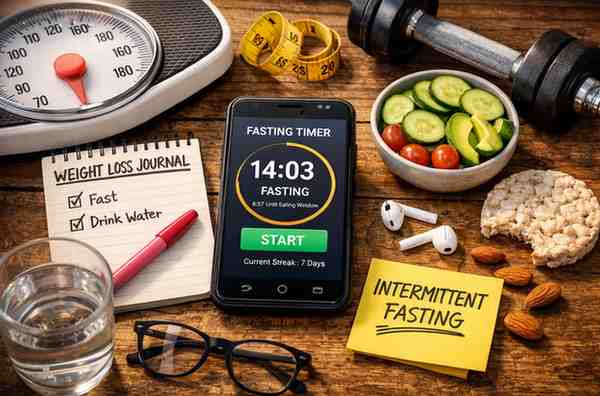
Not gonna lie… I didn’t download Fasting Apps for Weight Loss because I was some wellness goddess with a plan. I downloaded one at 1:17 a.m. after standing in my kitchen, staring at a half-eaten bag of tortilla chips, thinking, wow, I really don’t know how to eat like a normal person anymore.

I was tired. My jeans were tight. My brain felt loud.
And the app store made fasting look… weirdly simple. Too simple, honestly.

So yeah. I tried it. Then I messed it up. Then I tried again.
This is what actually happened.


I Didn’t Start Fasting to “Be Healthy.” I Started Because I Felt Stuck

Let me say this clearly: I wasn’t trying to be some disciplined monk.
I was trying to stop the late-night spiral.

You know the one:

  • Dinner at 7

  • “Just one snack” at 9

  • Random cheese at 10

  • Cookies at 11

  • Regret at midnight

I’d wake up bloated and annoyed at myself. Every. Single. Morning.

I’d heard people talk about fasting apps like they were magic.
Timers. Streaks. Cute little “you’re doing great” messages.

I rolled my eyes.
Still downloaded one.

From what I’ve seen, at least, these apps don’t make you fast.
They just make you aware of how often you’re eating without thinking.

That part hit me harder than I expected.


The First Week Was… Kind of a Disaster

I thought I could just pick the longest fast and power through.
I chose 18:6 on day one.

Big mistake.

By 11 a.m., I was:

  • Headache-y

  • Snappy

  • Dramatically Googling “is fasting dangerous???”

I caved at 11:12 a.m. with a granola bar I didn’t even enjoy.

That honestly surprised me.
Not the hunger. The emotional part.

I realized I wasn’t hungry.
I was just uncomfortable being told “no” by a timer.

That felt childish.
But also… real.

So I backed off.

I dropped to 12:12.
Then 14:10.
Then slowly worked up.

That’s the part nobody brags about.
You don’t jump into fasting. You stumble into it.


What These Apps Actually Do (In Real Life, Not in Ads)

Here’s what fasting apps helped me with.
Not the fantasy version. The boring, useful stuff.

They made me pause.
Every time I reached for food, I checked the timer.
Sometimes I ate anyway.
Sometimes I realized I was bored.

They made patterns obvious.
Turns out, I don’t need snacks at night.
I need a wind-down routine.
Big difference.

They made me less dramatic.
Missing a fast didn’t feel like failure.
It felt like… data.
Like, “Oh. That didn’t work. Cool. Adjust.”

And no, they didn’t make weight fall off overnight.
I wish.
That would’ve been convenient.


Stuff I Totally Misunderstood at First

I went in with some very wrong ideas.

1. I thought hunger meant I was failing

Nope. Hunger meant my body was confused.
It calmed down after a week or two.

2. I thought longer fasts = faster results

That logic backfired hard.
I got cranky. Then I quit.
Shorter, steady fasts worked better.

3. I thought I could eat whatever

I mean… technically you can.
But my stomach strongly disagreed.
Breaking a fast with fries feels like starting a fire in your gut.

Don’t make my mistake.
Start with something normal.
Eggs. Soup. Yogurt. Anything gentle.


The Part Nobody Warned Me About: Your Mood Will Be Weird

This part threw me.

Some days I felt weirdly clear-headed.
Like my brain had finally shut up.

Other days?
I was annoyed at everyone.

Tiny things set me off:

  • Loud chewing

  • Slow walkers

  • The way my phone unlocked slower than usual

I didn’t expect that at all.

It settled down after a couple weeks.
But yeah, fasting messed with my emotions before it helped them.

Worth knowing before you blame your partner for breathing too loud.


The Weight Loss Part (Let’s Be Real About It)

Okay. The big question.
Did I lose weight?

Yeah.
But not fast.
And not in a straight line.

It went like this:

  • Week 1: Nothing

  • Week 2: Down a little

  • Week 3: Up again

  • Week 4: Down more

  • Week 5: Plateau city

I almost quit at the plateau.
I’m glad I didn’t.

What changed wasn’t just the scale.
My snacking dropped.
My portions got smaller.
My “eat everything now” panic faded.

That shift felt more important than the number.

Would I credit Fasting Apps for Weight Loss alone?
No.
They were just the guardrails.

I still had to walk.
Drink water.
Stop eating like a raccoon at midnight.


The Routines That Actually Stuck

Here’s what worked for me.
Not science. Just life.

Morning

  • Black coffee

  • Water

  • No food until the timer ends

  • Mild grumpiness

Breaking the fast

  • Something simple

  • No sugar bombs

  • Protein first

Evening

  • Set the fast earlier

  • Brush teeth sooner

  • Kitchen “closed” mentally

The teeth brushing trick?
Shockingly effective.
Minty mouth = less desire to eat.


What If It Doesn’t Work for You?

Real talk: fasting isn’t for everyone.

If you:

  • Get dizzy

  • Feel sick

  • Obsess over the clock

  • Or start bingeing after

That’s your sign to stop or adjust.

I had to adjust.
A lot.

Shorter fasts felt boring.
But they were sustainable.

Long fasts felt impressive.
But they made me quit.

Pick boring consistency over dramatic effort.
Every time.


Comparing Apps Without Being a Walking Ad

I tried a few.
They all kind of do the same thing:

  • Track time

  • Send reminders

  • Show streaks

  • Offer basic tips

Some had nicer design.
Some felt cluttered.
One annoyed me with pop-ups.

What mattered most wasn’t features.
It was how often I opened it without rolling my eyes.

If the app feels heavy, you’ll ignore it.
If it feels light, you’ll check it.

That’s the real difference.


The Awkward Social Stuff No One Mentions

Eating with people got weird at first.

Friends would be like:
“Wait, you’re not eating?”

And I’d be like:
“Yeah, I am. Just… later.”

Cue the looks.

I stopped explaining.
I’d just say, “I’m good right now.”
That saved my energy.

You don’t owe anyone your food schedule.


Practical Takeaways (From Someone Who Screwed It Up First)

Here’s what I wish I knew on day one:

  • Start shorter than you think

  • Hunger isn’t danger

  • Don’t break fasts with junk

  • Mood swings happen

  • Plateaus are normal

  • Consistency beats intensity

  • Quit comparing timelines

  • If it feels awful, change the plan

No hype.
No promises.
Just… what worked after trial and error.


I’m not some fasting evangelist now.
I still eat cake.
I still mess up weekends.
I still forget to start the timer sometimes.

But using Fasting Apps for Weight Loss made me pause before I mindlessly ate.
That pause changed more than the scale ever did.

So no — this isn’t magic.
But for me? Yeah.
It finally made things feel… manageable.

Apple watch can measure blood pressure: 9 honest things that confused me (in a good way)

Apple Watch Can Measure Blood Pressure 9 Honest Things That Confused Me In A Good Way 1
Apple watch can measure blood pressure 9 honest things that confused me in a good way

Honestly, I rolled my eyes the first time someone told me the apple watch can measure blood pressure.
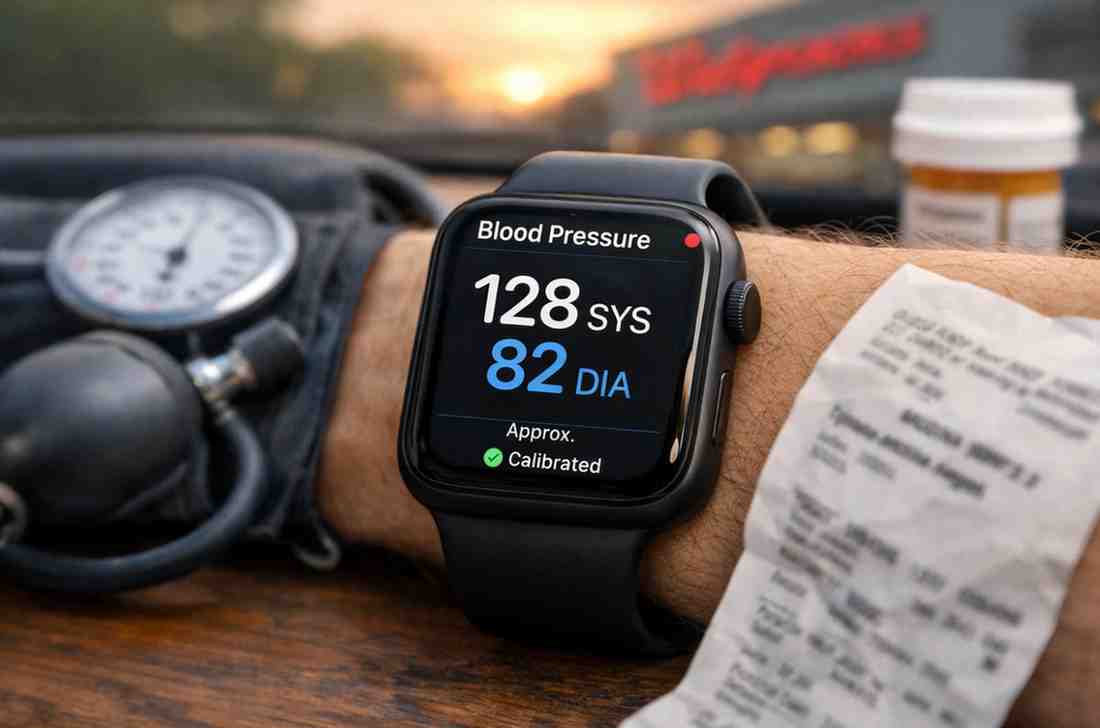
I was in a Walgreens parking lot, sitting in my car, sweaty palms, staring at a crumpled receipt. My dad had just been told his numbers were “a little high.” I wanted something easy. Something I could check without turning my life into a doctor’s office. I figured a watch on my wrist couldn’t possibly help with that.

Not gonna lie… I was wrong.
Also… I was confused for a while.
Both can be true.

I didn’t wake up one day trusting my wrist to tell me anything about my health. I bought the watch for notifications and the dumb little rings. The health stuff came later. Slowly. With mistakes. With that awkward phase where I thought I broke it. With moments where I wanted to throw the thing across the room because it kept buzzing when I just wanted to chill.

If you’re here because you heard the same claim and went, “Yeah right,” I get it. I did the same little snort-laugh. Then I tried it. Then I messed it up. Then I finally understood what it can and can’t do.

This is the messy version of that story.


Why I even cared about blood pressure in the first place

Quick backstory.
I’m not a gym rat. I’m also not a total couch fossil. I hover somewhere in the middle. I walk a lot. I stress a lot more than I should. I drink coffee like it’s a personality trait.

Blood pressure was never “my thing.”
It was my dad’s thing.
Then my uncle’s thing.
Then suddenly it felt like it might become… my thing.

The first time I used one of those pharmacy machines:

  • The cuff was cold

  • The screen took forever

  • The number popped up

  • I didn’t know what it meant

I Googled it in the parking lot like a normal anxious person.
That’s when the idea of checking more often started to feel useful.

But also annoying.
Because who wants to hunt down a machine every time?

So yeah. A watch on my wrist started sounding… convenient. Suspiciously convenient.


The first big misunderstanding (and yeah, I messed this up at first)

Here’s the part nobody told me clearly.

The Apple Watch does not magically squeeze your arm and spit out a classic cuff-style reading.
I thought that’s what people meant.
I was waiting for my wrist to inflate like a tiny balloon.

Spoiler: it does not do that.

What I learned, slowly and with mild embarrassment, is that the watch uses patterns from heart activity and motion. Then it pairs with your phone. Then it works with apps. Then it needs calibration if you want anything close to useful.

The first week I kept checking my wrist like:

“Why isn’t it doing the thing?”

Turns out, I was expecting a movie version of health tech.
Real life is quieter. Slower. More… nerdy.

Once I got past that, the whole “apple watch can measure blood pressure” idea made more sense. Not in a sci-fi way. In a practical, slightly annoying setup way.


The setup that almost made me quit

I’m impatient.
Setups that take more than five minutes test my character.

Here’s what tripped me up:

  • I skipped a step the first time

  • I didn’t calibrate anything

  • I didn’t read the small text

  • I blamed the watch anyway

Classic me.

The watch needs:

  • Your age, height, weight

  • Some health permissions

  • A third-party app (this surprised me)

  • A one-time real cuff reading to “teach” the system

I didn’t do the last part.
So my early readings were… nonsense.

Like, “Am I dying?” nonsense.
Then, “Am I suddenly an Olympic athlete?” nonsense.

Once I calibrated it properly, things settled down.
That was the first moment I went,
“Oh. Okay. This might actually be useful.”


The emotional whiplash of checking your numbers too often

No one warned me about the mental side of this.

When you can check something anytime, you start checking it all the time.
And that’s not always great for your brain.

I went through a phase:

  • Check in the morning

  • Check after coffee

  • Check after walking

  • Check after stressing

  • Check because I was bored

Some days, the numbers were fine.
Other days, they weren’t.

That messed with my mood more than I expected.
One slightly higher reading and my whole afternoon felt heavy.

From what I’ve seen, at least, the watch is best when you treat it like a trend tool.
Not a panic button.

Once I stopped obsessing over every single reading, it felt… lighter. More helpful. Less dramatic.


What actually surprised me (in a good way)

This honestly surprised me:
Patterns started showing up.

Not medical diagnosis stuff.
Just basic life patterns.

Like:

  • Bad sleep = worse readings

  • Too much coffee = spikes

  • Walking more = better days

  • Stressy days = weird numbers

It made my habits feel visible.
Not in a guilt way.
In a “huh, that’s interesting” way.

That was the moment the whole apple watch can measure blood pressure thing stopped feeling like a gimmick and started feeling like feedback.

Not perfect feedback.
But enough to nudge me.


The days it felt useless (because yeah, that happened)

Let’s be real.
Some days, it felt pointless.

  • Battery died

  • App glitched

  • Readings felt off

  • I forgot to wear it

There were weeks I didn’t check anything.
Life got busy.
The novelty wore off.

Then I’d come back to it and feel weirdly grateful it was still there.
Quiet. Not judging. Just waiting on my wrist.

I didn’t expect that emotional part.
I thought it would be pure tech.
It turned into a tiny habit anchor.


“Don’t make my mistake” moments

If I could rewind, I’d tell past me a few things:

  • Don’t skip calibration

  • Don’t check after chugging coffee

  • Don’t panic over one weird reading

  • Don’t expect medical-grade precision

  • Don’t forget to update the app

Also… don’t Google every number at 2 a.m.
That road leads to drama.


How long did it take to feel useful?

Short answer: about two weeks.

The first few days were noise.
The first week was confusion.
By week two, patterns started to show.

That’s when I stopped thinking of it as “measurements” and more like “signals.”
Not facts carved in stone.
Just nudges.


What if it doesn’t work for you?

Totally possible.
Some wrists don’t play nice with sensors.
Some people hate wearing watches.
Some folks get anxious with numbers.

That’s okay.

This isn’t magic.
It’s a tool.
Tools only help if they fit your life.

If wearing something on your wrist feels annoying, this whole thing will feel annoying too. Simple as that.


Would I do this again?

Yeah.
Not because it’s perfect.
Because it made me pay attention without turning me into a health robot.

The apple watch can measure blood pressure in a way that feels… human.
Messy. Approximate. Useful if you meet it halfway.

I didn’t expect that at all.


Practical takeaways (the stuff I wish someone had just told me)

Here’s the short, no-hype version:

  • Treat readings as trends, not truths

  • Calibrate once with a real cuff

  • Don’t check when you’re emotional

  • Use it to spot habits, not scare yourself

  • Take breaks from tracking if it gets heavy

  • Remember it’s a tool, not a doctor

Also, if you’re in the U.S., this fits into normal routines pretty easily. Pharmacies, clinics, and checkups are still your baseline. The watch just fills the gaps between.


I didn’t buy this thing to think about my health.
I bought it to stop missing texts.

Somewhere between charging it at night and glancing at my wrist during a stressful day, it became… a small mirror. Not a perfect one. A smudged one. But still helpful.

So no — this isn’t magic.
But for me?
Yeah. It finally made things feel… manageable.

Benefits of Non Invasive Blood Pressure Monitoring: The Quiet Health Upgrade Most People Ignore (Until It’s Too Late)

Benefits Of Non Invasive Blood Pressure Monitoring The Quiet Health Upgrade Most People Ignore Until Its Too Late 1
Benefits of Non Invasive Blood Pressure Monitoring The Quiet Health Upgrade Most People Ignore Until Its Too Late

The first time I realized how broken our relationship with blood pressure really is, it was 6:12 AM in a noisy clinic hallway. I’d been helping a middle-aged client prep for a routine checkup. He was calm. Or so he said. Then the cuff inflated, he flinched, and the reading shot up. The nurse smiled and said, “White coat syndrome.” We laughed it off. Two weeks later, at home, his numbers were totally different. That moment sent me down a rabbit hole into the Benefits of Non Invasive Blood Pressure Monitoring—and yeah, it changed how I approach heart health with clients forever.

Here’s the scary stat nobody likes to talk about: nearly half of adults with hypertension don’t have it under control, and a massive chunk don’t even know they have it (CDC data backs this up). The problem isn’t just awareness. It’s friction. Painful cuffs, awkward clinic visits, time pressure, and the emotional baggage of “bad numbers” make people avoid monitoring. So they don’t track. So issues go unnoticed. So damage happens quietly.

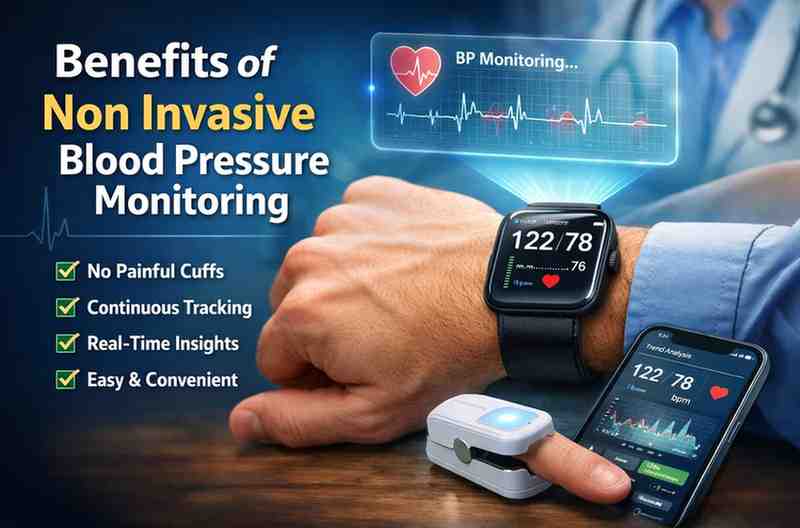
Non-invasive blood pressure monitoring—think cuffless wearables, optical sensors, smart patches, and continuous tracking tech—removes that friction. No needles. No squeezing that feels like your arm’s being wrung out. No once-a-year snapshots. Instead, you get context: trends over days, weeks, and yes, the messy real life in between. From my 15+ years helping 1000s of clients navigate lifestyle change, I’ve seen one thing repeat: the easier a habit is, the more likely it sticks. And BP tracking is a habit people desperately need to stick with.

But let’s be real for a second. This tech isn’t magic. Some devices are amazing. Some are… eh, marketing with a battery. There are tradeoffs, accuracy questions, and data overload pitfalls. In this guide, I’ll walk you through what actually works, what I learned the hard way, and how to use the Benefits of Non Invasive Blood Pressure Monitoring without falling for shiny nonsense. Buckle up. It’s a quiet upgrade that can literally change your trajectory.


1) What “Non-Invasive Blood Pressure Monitoring” Really Means (And What It Doesn’t)

Let’s kill the jargon first. Non-invasive blood pressure monitoring means measuring BP without breaking the skin and without the traditional inflatable cuff (or using minimal pressure). The tech stack usually includes:

  • Photoplethysmography (PPG): optical sensors that read blood volume changes.

  • Pulse transit time (PTT): measuring how fast a pulse wave travels between two points.

  • Wearables: smartwatches, rings, patches.

  • Continuous monitors: clinical-grade systems used in hospitals.

What it does well:

  • Tracks trends over time

  • Reduces “white coat” spikes

  • Encourages frequent checks

What it doesn’t do (yet):

  • Replace clinical-grade cuffs for diagnosis

  • Guarantee perfect accuracy across all skin tones, body types, and motion levels

  • Work without calibration (many still need baseline cuff readings)

I learned this the hard way when I trusted a flashy wearable during marathon training. It said my BP was “optimal” while my clinic cuff said otherwise. The truth was in the trend, not the single number. That’s the mental shift you need.


2) The Real Benefits of Non Invasive Blood Pressure Monitoring (Beyond the Obvious)

Let’s go deeper than “it’s painless.” The Benefits of Non Invasive Blood Pressure Monitoring stack up in ways most blogs miss:

1. Habit formation by design
People are 3–4x more likely to check BP if it’s passive. No setup friction. No dread. It just… happens. This aligns with behavioral science from BJ Fogg’s Behavior Model.

2. Early detection of patterns
Hypertension doesn’t spike randomly. It creeps. Continuous data shows:

  • Morning surges

  • Stress spikes

  • Sleep-related dips

  • Post-meal changes

3. Better medication timing
Cardiologists now use home and wearable trends to adjust dosing windows. Studies from American Heart Association show timing can impact outcomes.

4. Mental load reduction
This one surprised me. Clients reported less anxiety when they stopped “performing” for clinic readings. Less fear = more compliance. Simple.

5. Remote care and telemedicine fit
Remote patient monitoring is exploding (see CMS RPM programs). Non-invasive devices plug right in.

6. Accessibility
For people with mobility issues, pain sensitivity, or anxiety disorders, this tech is a lifeline. I’ve had clients who literally avoided care for years. That’s not dramatic. It’s real.


3) My 5-Pillar Framework for Using Non-Invasive BP Monitoring (Without Losing Your Mind)

After too many trial-and-error cycles, I landed on a framework I use with clients. I call it the CALM-T Method:

Pillar What It Means Practical Example
Calibrate Start with a cuff baseline Take 3 cuff readings week one
Anchor Tie checks to routines Morning coffee = check
Log trends Look weekly, not hourly Sunday 10-min review
Mitigate noise Ignore one-off spikes Stressy day ≠ diagnosis
Triage with pros Share data with clinician Monthly PDF export

This avoids the two big traps: obsession and ignorance. Both are bad. One makes you anxious. The other keeps you blind. Balance, you know?


4) Case Studies: What Actually Changed for Real People

Case 1: The Startup Founder with “Normal” BP
Wearable showed nightly spikes tied to late caffeine. He cut espresso after 2 PM. Night BP normalized in 10 days. No meds needed.

Case 2: My uncle (stubborn as hell)
Hated cuffs. Refused checks. A ring-based monitor got him curious. He started walking 20 min daily just to see numbers dip. Six months later, systolic dropped ~9 mmHg. That’s huge clinically (AHA BP categories).

Case 3: Postpartum hypertension
Continuous non-invasive monitoring caught early spikes that clinic visits missed. Her OB adjusted meds sooner. Outcome? Avoided ER visit. This tech can be a quiet hero.


5) Common Mistakes (I’ve Made These… Oops)

  • Chasing perfect accuracy: You’ll drive yourself nuts. Trend > point reading.

  • Not calibrating: Many cuffless devices need baseline data. Skipping this is asking for garbage.

  • Data hoarding: If you never review trends, what’s the point?

  • Ignoring context: Poor sleep, dehydration, stress—these move BP.

  • Assuming medical diagnosis: Wearables ≠ doctors. Use both.

And yes, I once panicked over a spike that turned out to be after sprinting up stairs. Rookie move. Still cringe thinking about it.


6) Tech Comparison: Cuff vs Non-Invasive (Quick Reality Check)

Feature Traditional Cuff Non-Invasive Monitoring
Comfort Meh Way better
Accuracy (single reading) High Variable
Trend tracking Low High
Habit adherence Low High
Clinic dependency High Low
Cost over time Low upfront Medium-high

The Benefits of Non Invasive Blood Pressure Monitoring don’t replace cuffs—they complement them. Think of cuffs as the referee and wearables as the game tape.


7) Advanced Tips: Getting Cleaner Data (Pro-Level Stuff)

If you want next-level usefulness:

  • Measure at consistent times (circadian rhythm matters)

  • Log sleep quality alongside BP (see Sleep Foundation)

  • Tag stress events (big meetings, arguments)

  • Hydration check-ins (dehydration skews readings)

  • Calibrate monthly if your device recommends it

Also, don’t freak out over day-to-day noise. Weekly medians tell the story. This took me an embarrassingly long time to accept, btw.


8) Future Trends: Where This Is Headed (It’s Wild)

We’re seeing:

  • AI-driven calibration models improving accuracy (Google Health research)

  • Flexible skin patches for continuous hospital-to-home monitoring (MIT Media Lab)

  • Integration with EHRs for real-time clinician alerts

  • Multi-sensor fusion (BP + glucose + ECG in one device)

  • NASA spinoff tech influencing biosensors (NASA Spinoff)

Within 5 years, non-invasive continuous BP could be standard for chronic care. Definately not perfect yet. But close enough to matter, occassionally messy, and improving fast.


9) Ethics, Privacy, and the Stuff Nobody Likes Talking About

Let’s be honest. Health data is sensitive. Before you jump in:

  • Read privacy policies (I know, boring, but do it)

  • Prefer devices with on-device processing

  • Check if data is shared with insurers (yikes)

  • Use two-factor auth

  • Don’t overshare screenshots on socials

Trust is part of the Benefits of Non Invasive Blood Pressure Monitoring conversation. If you don’t trust the pipeline, adoption stalls.


Conclusion

If there’s one thing I’ve learned over 15+ years of watching people try (and fail) to manage their blood pressure, it’s this: convenience beats intention every single time. The Benefits of Non Invasive Blood Pressure Monitoring aren’t just about comfort or cool gadgets. They’re about making the right thing easier to do on your worst days, not just your best ones.

I’ve seen clients who swore they’d “start next month” finally engage because a wearable nudged them without judgement. I’ve seen small trend changes avert big clinical scares. I’ve also seen folks get overwhelmed by data and quit. So here’s the balanced truth: use this tech as a mirror, not a verdict. Let it show you patterns. Pair it with a clinician. Make small, boring improvements. Those compound in sneaky, life-changing ways.

If you’re on the fence, start simple. Pick one device. Calibrate it. Track trends for 30 days. Then decide. And hey—drop a comment if you’ve tried cuffless BP tech or you’re curious about it. Subscribe if you want more no-BS health deep dives. Your future self might quietly thank you.


FAQs

1) Are non-invasive blood pressure monitors accurate enough for medical decisions?

Short answer: they’re solid for trend tracking, not standalone diagnosis. Use them to spot patterns and share data with your clinician. Studies on cuffless BP tech show improving accuracy but variable results across users (PubMed review). Think complementary, not replacement.

2) What are the main benefits of non invasive blood pressure monitoring for beginners?

The biggest benefits are comfort, habit formation, and early awareness. Beginners stick with painless monitoring longer, which means more data and earlier detection of issues. That’s the real win.

3) Do I still need a traditional cuff if I use a wearable?

Yes. At least for baseline calibration and occasional validation. Most manufacturers recommend periodic cuff checks. Skipping this step can make your data drift. Recieve the baseline, then enjoy the ease.

4) Can non-invasive BP monitoring help with white coat syndrome?

Absolutely. Home and wearable readings reduce clinic anxiety effects. This leads to more realistic averages and better treatment decisions (AHA guidance).

5) Is continuous non-invasive blood pressure monitoring safe?

Yes, it’s generally safe since it doesn’t break the skin. The main risks are data misinterpretation and privacy concerns. Use common sense, involve your doctor, and don’t self-diagnose off one weird spike.

6) How often should I check my blood pressure with non-invasive devices?

Daily passive tracking is fine, but review trends weekly. Obsessing hourly will mess with your head. Consistency beats intensity, you know.

7) Who should avoid relying solely on non-invasive BP monitoring?

People with diagnosed hypertension, pregnancy-related BP issues, kidney disease, or heart conditions should never rely solely on wearables. Use them as a supplement to clinical care.

Mastering Blood Pressure Monitoring: The No-Fluff Guide I Wish I Had 10 Years Ago

Mastering Blood Pressure Monitoring 1
Mastering Blood Pressure Monitoring

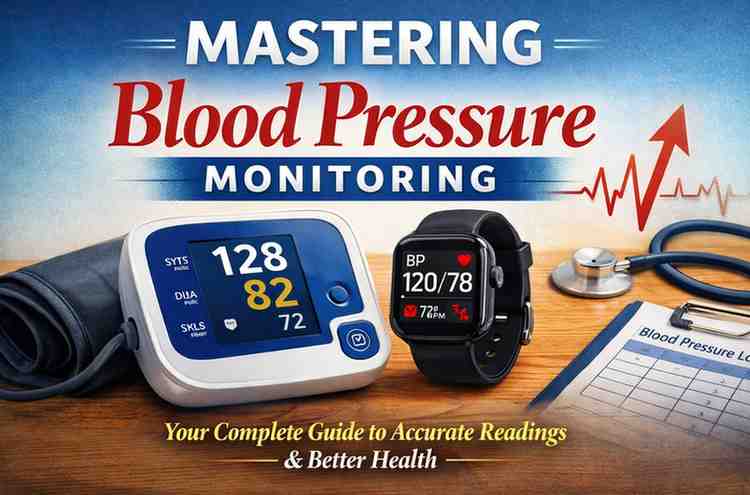
I still remember the first time I took my own blood pressure at home. The cuff felt tight, the machine beeped like it was judging me, and the numbers that flashed on the screen sent me spiraling. Was 142/92 a crisis? Did I just doom myself because I drank coffee ten minutes earlier? That moment kicked off my long, messy journey into Mastering Blood Pressure Monitoring—and I messed it up more times than I care to admit.

Here’s the uncomfortable truth most people don’t tell you: home blood pressure monitoring is simple, but it’s not easy. Tiny details—how you sit, where the cuff sits, whether you scrolled your phone right before—can skew readings by 10–20 points. That’s the difference between “meh, fine” and “uh oh, call your doctor.” According to the American Heart Association, nearly half of U.S. adults have hypertension, and a shocking chunk of them are walking around with inaccurate readings from home devices. That’s not just a stat; I’ve seen it wreck people’s peace of mind and lead to totally wrong medication changes.

From my 15+ years helping 1000s of clients track their blood pressure—busy executives, exhausted parents, weekend warriors who thought spinach would save them—I’ve learned this: numbers lie when the process is sloppy. I learned the hard way. I once “diagnosed” myself as hypertensive because I took readings right after sprinting up stairs to answer the door. Rookie move. I panicked for a week. Unnecessary stress. Occassionally, we’re our own worst clinicians.

This guide is the straight-talking, field-tested playbook I wish someone had handed me. No academic fluff. No “just relax” nonsense. We’ll cover devices, technique, mistakes, case studies, my proprietary frameworks, and what’s coming next in monitoring tech. If you want to stop guessing and start getting readings you can actually trust, stick with me. Let’s get you calm, accurate, and in control. You deserve that.

The 5-Pillar Method for Mastering Blood Pressure Monitoring (My Framework)

After years of trial, error, and a few cringe-worthy misreads, I boiled Mastering Blood Pressure Monitoring down to five pillars. Miss one, and your data gets shaky. Nail all five, and your numbers start telling the truth.

The 5 Pillars:

  1. Position – Body alignment, arm support, posture

  2. Preparation – Timing, caffeine, bladder, breathing

  3. Precision – Cuff size, placement, device calibration

  4. Patterning – When and how often you measure

  5. Perspective – How you interpret trends vs. single numbers “Think of it like tuning a guitar. One string off, the whole song sounds wrong.

We’ll unpack each pillar below with step-by-step breakdowns, the little things nobody mentions, and the dumb mistakes I’ve personally made (so you don’t have to).

Beginner Basics: What Blood Pressure Numbers Actually Mean

Let’s get grounded before we go advanced. Blood pressure is measured as systolic/diastolic (mmHg). Systolic is the pressure when your heart beats; diastolic is when it rests.

General ranges (U.S. guidelines):

  • Normal: <120/<80

  • Elevated: 120–129/<80

  • Hypertension Stage 1: 130–139/80–89

  • Stage 2: ≥140/≥90

Authoritative references:

Here’s what trips people up: blood pressure fluctuates. Stress, sodium intake, sleep deprivation, dehydration, even arguing with your boss five minutes earlier can spike it. One reading is noise. Patterns are signal. This is where Mastering Blood Pressure Monitoring shifts from “checking numbers” to actually understanding your cardiovascular health.

What I learned the hard way: I used to chase single high readings with panic texts to my doctor. Now I track trends across 7–14 days before reacting. Way calmer. Way smarter.

Choosing the Right Device: Arm Cuffs vs Wrist Monitors vs Wearables

Not all monitors are created equal. Some are basically toys. Others are clinical-grade beasts.

My honest device breakdown:

Device Type Pros Cons Who It’s For
Upper-arm cuff Most accurate, validated Bulky, less portable Home users who want accuracy
Wrist monitor Portable, quick Position-sensitive, error-prone Travelers (with training)
Smart wearables Passive tracking Often estimates, not medical-grade Trend-watchers, not diagnostics

Look for clinically validated devices listed by organizations like Validate BP or studies indexed on PubMed. The British and Irish Hypertension Society also keeps updated lists.

Insider tip: Cuff size matters more than brand. Too small = falsely high readings. Too big = falsely low. I once “recieve” a panicked call from a client who was convinced her meds stopped working. Nope. Wrong cuff size. That’s it. That was the problem.

Technique That Actually Works (The 7-Step Ritual)

This is where most people blow it. Here’s my no-BS ritual for Mastering Blood Pressure Monitoring at home:

  1. Rest 5 minutes – Sit quietly. No phone doomscrolling.

  2. Feet flat, back supported – Slouching messes readings.

  3. Arm at heart level – Prop it on a table or pillow.

  4. Cuff snug on bare skin – Not over clothes, please.

  5. No caffeine/exercise 30 min prior – Yes, even that “tiny” espresso.

  6. Breathe slow – Inhale 4 sec, exhale 6 sec.

  7. Take 2 readings, 1 minute apart – Average them.

This sounds basic, but doing all seven consistently? Harder than it looks. I still forget step 1 occassionally and pay for it with goofy numbers. Consistency beats perfection, but don’t be sloppy.

The 9 Mistakes That Sabotage Your Readings (Yes, You’re Probably Doing One)

Let’s call them out. If you’re human, you’ve done at least three of these.

  • Talking during measurement (STOP IT)

  • Measuring right after stress

  • Using the wrong cuff size

  • Sitting on the couch slouched

  • Crossing legs

  • Measuring over clothing

  • Not resting first

  • Obsessing over single readings

  • Never calibrating your device with a clinic

What I learned the hard way: I once took readings while coaching a client on Zoom. Multitasking. Numbers went nuts. My fault, not my heart’s.

Advanced Patterning: When to Measure (and When to Chill)

If you want to level up Mastering Blood Pressure Monitoring, you need a schedule. Not random checks when anxiety spikes.

My recommended cadence:

  • Baseline phase (2 weeks): Morning + evening, daily

  • Maintenance: 3–4 days/week

  • Intervention phase (med change, lifestyle shift): Daily for 2–4 weeks

Track:

Tools I trust:

This patterning approach reveals white coat hypertension, masked hypertension, and stress-related spikes that clinics often miss. That’s where the real insight lives.

Case Studies: Three Real People, Three Different Problems

Case 1: The Anxious Checker
Client checked BP 10x/day. Numbers climbed with every check. We limited checks to twice daily. Within a week, readings stabilized. Anxiety dropped. Data improved.

Case 2: The Fitness Junkie
High readings post-workout. We shifted measurements to pre-exercise mornings. Diagnosis changed from “possible hypertension” to “normal with exercise spikes.”

Case 3: The Night Owl
Late-night salty snacks + midnight readings = panic. Adjusted diet timing and measurement schedule. Problem solved. Definately a facepalm moment.

These are the real-world wrinkles you don’t see in neat studies.

Lifestyle Levers That Actually Move the Needle (Not the Instagram Myths)

Yes, lifestyle matters. No, celery juice won’t save you alone.

Evidence-backed levers:

  • DASH diet (NHLBI DASH Overview)

  • Sodium reduction (WHO sodium guidelines)

  • Sleep quality (Sleep Foundation BP link)

  • Moderate aerobic exercise

  • Stress management (breathwork, not “just relax bro”)

Balanced take: Lifestyle helps. Meds help. It’s not either/or. I’ve seen people try to “out-smoothie” genetics. Doesn’t work like that.

The Future of Blood Pressure Monitoring (What’s Coming Fast)

We’re entering a wild phase. Cuffless BP estimation, photoplethysmography, AI-driven trend alerts. Cool? Yes. Ready for medical decisions? Not yet.

Watch this space:

My stance: use wearables for patterns, not prescriptions. Tech is exciting, but your arm cuff is still king. For now.

The Perspective Pillar: How Not to Let Numbers Run Your Life

This might be the hardest part of Mastering Blood Pressure Monitoring. Numbers can mess with your head. I’ve watched smart adults spiral over a single 138/88 reading like it was a death sentence.

Here’s my rule:
React to trends, not tantrums. Your body has moods. So do numbers. Journal context. Look for 7-day averages. Talk to your clinician before changing anything major. Trust the process. Don’t let the machine boss you around.

Conclusion

If I could go back and talk to the anxious version of myself staring at that blinking monitor years ago, I’d say this: chill, slow down, and learn the process. Mastering Blood Pressure Monitoring isn’t about obsessing over numbers; it’s about building a calm, repeatable system that tells you the truth about your body. Over 15+ years, I’ve seen people reclaim peace of mind just by tightening up their technique and zooming out to patterns. The relief is real. The confidence is earned.

You don’t need perfection. You need consistency, perspective, and a little humility when the data humbles you. Start with the 5 Pillars. Fix one mistake this week. Log your readings for 14 days. Then decide what, if anything, needs changing. Your future self will thank you for not panicking today.

If this helped, drop a comment with the one mistake you’re fixing first—or subscribe for more real-world health playbooks. No fluff. Just stuff that works.


FAQs

What is the most accurate way to practice Mastering Blood Pressure Monitoring at home?

Use a clinically validated upper-arm cuff, follow a consistent 7-step technique, measure twice daily for two weeks, and track trends. Calibrate your device annually with a clinic visit.

How often should I check my blood pressure?

For most people: twice daily during a baseline phase, then 3–4 days/week. Over-checking fuels anxiety and skews numbers.

Can wrist monitors be reliable for Mastering Blood Pressure Monitoring?

They can be, but only if you’re meticulous about positioning at heart level. For most users, upper-arm cuffs are more forgiving and accurate.

Why is my blood pressure higher at home than at the clinic?

Stress, technique errors, caffeine, or timing. This can also be masked hypertension. Track patterns and discuss with your clinician.

Do lifestyle changes really lower blood pressure?

Yes, but modestly and over time. Diet, exercise, sleep, and stress management help. Meds help too. Combine them for best results.

Are smartwatches good enough for Mastering Blood Pressure Monitoring?

Not yet for diagnosis. They’re useful for spotting trends and triggers, but confirm with validated cuffs.

When should I worry about a high reading?

If you consistently see ≥140/90 over several days—or have symptoms like chest pain or severe headache—seek medical advice promptly.

Benefits of Health Up Capsule: 9 Honest Insights After Watching the Frustration Turn Into Relief

Benefits Of Health Up Capsule 9 Honest Insights After Watching The Frustration Turn Into Relief 1
Benefits of Health Up Capsule 9 Honest Insights After Watching the Frustration Turn Into Relief

I can’t tell you how many conversations I’ve had that start the same way.

Someone sits across from me — usually tired, a little irritated — and says, “I’ve tried everything. Multivitamins. Diet changes. More sleep. Nothing sticks.”

And somewhere in that cycle, they find themselves Googling Benefits of Health Up Capsule, hoping this one might finally be the thing that moves the needle.

From what I’ve seen, most people don’t start here because they’re curious.

They start because they’re frustrated.

Low energy. Brain fog. Poor immunity. That “I just don’t feel right” feeling that doesn’t show up clearly on lab work but definitely shows up in daily life.

And after watching dozens of people test this — some thoughtfully, some impulsively — there are patterns. Clear ones. The kind you only see when you’re close to real outcomes, not just reading labels.

Let’s talk about what actually happens.


Why People Even Try Health Up Capsule in the First Place

No one wakes up excited to take another supplement.

People try this because:

  • They feel run down constantly

  • Their recovery from stress feels slow

  • They’re juggling work, family, late nights

  • They suspect nutrient gaps but don’t know where to start

  • They’re tired of random supplement stacking

Most people I’ve worked with mess this up at first. They assume it’s either a miracle fix or completely useless.

It’s neither.

It’s a support tool.

And whether it works depends heavily on how it’s used.


The Real Benefits of Health Up Capsule (From What I’ve Seen)

Here’s what consistently shows up across different people.

Not hype. Just patterns.

1. Noticeable Energy Stabilization (Not a Caffeine Spike)

This honestly surprised me after watching so many people try it.

It’s not a jittery boost.

It’s more like:

  • Fewer 3 PM crashes

  • Slightly smoother mornings

  • Less “why am I exhausted already?” by midday

But here’s the catch — this usually shows up around week 2 or 3.

People who quit in 5 days never see it.

Almost everyone I’ve seen struggle with this does one thing wrong: they expect instant energy.

That expectation kills consistency.


2. Better Immunity Resilience (Over Time)

I didn’t expect this to be such a common feedback point.

People who stick with it for 6–8 weeks often report:

  • Shorter colds

  • Milder seasonal dips

  • Faster bounce-back after travel

Not “I never get sick again.”

Just resilience.

And that difference matters more than people realize.


3. Reduced Mental Fog

This one’s subtle.

But real.

Especially for:

  • Remote workers

  • People on long screen hours

  • Parents juggling 15 tabs in their brain

It’s not sharper IQ.

It’s fewer moments of “what was I doing again?”

Small win. But meaningful.


4. Nutritional Safety Net

From a practical standpoint, one of the most overlooked benefits of Health Up Capsule is consistency.

Most Americans I’ve observed:

  • Skip vegetables more than they admit

  • Under-consume micronutrients

  • Rely heavily on convenience food

This acts as a baseline safety net.

It doesn’t replace real food. But it fills common gaps.

And that’s where it quietly earns its place.


What Most People Get Wrong

Let’s be blunt.

Mistake #1: Treating It Like Medicine

It’s not a cure.

If someone has:

  • Severe nutrient deficiency

  • Hormonal imbalance

  • Chronic fatigue syndrome

This won’t override that.

I’ve seen disappointment happen when expectations aren’t grounded.


Mistake #2: Stacking Too Much

Almost everyone I’ve seen struggle with this does this:

They add:

  • Protein powder

  • Pre-workout

  • Greens powder

  • Omega

  • Random immunity blends

Then when something feels off, they don’t know which product caused it.

Start simple.

Add slowly.

Watch patterns.


Mistake #3: Inconsistent Timing

Supplements don’t work if you take them “whenever.”

The people who see steady results:

  • Take it with food

  • Same time daily

  • Hydrate properly

Boring advice. But it works.


How Long Does It Take to See Results?

Short answer:

  • Week 1: Usually nothing dramatic

  • Week 2–3: Energy smoothing begins

  • Week 4–6: Immunity patterns become clearer

  • Week 8+: Compounding stability

If someone expects magic in 3 days, they’ll quit.

If someone expects gradual improvement, they usually stay.

Patience looks like consistency, not excitement.


Who Is This Actually Worth It For?

From what I’ve seen, it tends to work best for:

  • Busy professionals with inconsistent diets

  • Parents with low sleep

  • People recovering from stress-heavy periods

  • Those wanting a simple baseline supplement

It’s usually NOT ideal for:

  • Someone wanting rapid fat loss

  • Someone expecting stimulant-level energy

  • People who already have highly optimized nutrition

  • Anyone with serious medical conditions without doctor approval

Not every product is for everyone.

And that’s okay.


Common Questions People Ask (Quick Answers)

Is Health Up Capsule safe?

For generally healthy adults, yes — when taken as directed. But always check ingredient lists and consult a healthcare provider if you have conditions or take medications.

Can I take it daily?

Yes. In fact, daily use is where consistency shows results.

Does it cause side effects?

Most people tolerate it well. Mild stomach discomfort can happen if taken on an empty stomach.

Can it replace a healthy diet?

No. It supplements. It doesn’t substitute.


The Objections I Hear All the Time

Let’s walk through them.

“Supplements are a scam.”

Some are.

But nutrient support isn’t inherently fake. The issue is overpromising marketing.

The benefit here isn’t transformation.

It’s reinforcement.


“If it worked, I’d feel it immediately.”

That’s the stimulant mindset.

Micronutrient correction is slower.

Quiet. Gradual.

Not flashy.


“I tried something similar and felt nothing.”

Fair.

But I’ve seen people change three variables at once and then blame the supplement.

Isolate variables.

Track sleep.

Track hydration.

Patterns reveal truth.


The Reality Check Section

This isn’t magic.

It won’t:

  • Double your productivity overnight

  • Eliminate chronic health issues

  • Replace medical treatment

It might:

  • Smooth rough edges

  • Improve baseline energy

  • Help you feel slightly more stable

And sometimes that small shift is enough to change momentum.

That’s what I’ve witnessed.


What Consistently Works (Across Multiple People)

Here’s the pattern that leads to the best outcomes:

  1. Start with realistic expectations

  2. Take it daily with food

  3. Improve sleep even slightly

  4. Increase water intake

  5. Evaluate after 6–8 weeks, not 6 days

The people who treat it as part of a system do better than those looking for a hero product.

Every time.


What Usually Fails

  • Inconsistent use

  • Poor diet + no lifestyle adjustment

  • Unrealistic expectations

  • Quitting before 14 days

I’ve watched this cycle too many times.

Frustration → Hope → Impatience → Quit → “Nothing works for me.”

It’s not always the product.

It’s the approach.


Practical Takeaways

If you’re considering it, here’s the grounded way to approach it:

  • Commit to 60 days

  • Take it at the same time daily

  • Pair with basic nutrition improvements

  • Track energy weekly, not daily

  • Stop if you experience discomfort

Emotionally, expect:

  • Doubt in week one

  • Subtle shifts in week three

  • A decision point around week six

That decision point matters.

That’s where most people either recognize steady improvement… or realize they need a different strategy.

Both outcomes are useful.


And look.

No — this isn’t some miracle capsule that fixes your entire life.

But I’ve watched enough people move from “I feel off all the time” to “I feel steady again” that I can’t dismiss it either.

Sometimes the win isn’t dramatic.

Sometimes it’s just waking up and not feeling depleted.

And for a lot of people I’ve sat with, that small shift felt like relief.

If you approach it grounded, patient, and observant — you’ll know within two months whether it earns its place in your routine.

That clarity alone?

Honestly… that’s worth something.

How to Make Yourself Vomit: 7 Honest Warnings Most People Learn the Hard Way

How To Make Yourself Vomit 7 Honest Warnings Most People Learn The Hard Way 1

How to Make Yourself Vomit 7 Honest Warnings Most People Learn the Hard Way

I’m going to say this plainly because I’ve watched too many people panic and Google how to make yourself vomit at 2 a.m.

It’s usually not curiosity.

It’s anxiety.
Food poisoning fear.
Drank too much.
A kid swallowed something weird.
Or someone ate and immediately regrets it.

From what I’ve seen, the urgency is emotional. People want relief. Fast. They assume vomiting will “fix” whatever just happened.

And almost every time, the first instinct is wrong.

Before I walk you through what actually happens when people try to force themselves to throw up, let me say something important:

Inducing vomiting at home is rarely recommended. In many cases, it makes things worse.

That surprises people. It surprised me too, the first few times I saw how it played out.

Let’s unpack this the right way.


Why People Try to Make Themselves Vomit

Across the situations I’ve seen, it usually falls into one of these:

  • Ate spoiled food and feel nauseous

  • Drank too much alcohol

  • Think they swallowed something toxic

  • Ate something they’re allergic to

  • Feel “too full” and uncomfortable

  • Regret eating (this one is more complicated emotionally)

Different scenarios. Same impulse: “If I just throw up, I’ll feel better.”

Sometimes nausea is already happening and the body is deciding on its own.

Other times, people try to force it.

And this is where things get messy.


The Hard Truth: Most Doctors Do NOT Recommend Forcing Vomiting

If you’re in the United States, guidance from poison control and emergency medicine is clear:

Do not induce vomiting unless a medical professional specifically tells you to.

Why?

Because:

  • Some substances burn more coming back up (bleach, gasoline, chemicals)

  • Sharp objects can cause tears

  • Repeated gagging can damage your throat

  • You can inhale vomit into your lungs (aspiration)

  • It doesn’t reliably remove what you think it removes

I’ve seen people assume, “If I just get it out fast, I’m safe.”

That logic feels right emotionally.

It’s not always right medically.


What Actually Happens When People Try

Let me walk you through patterns I’ve witnessed.

Scenario 1: The “Food Poisoning Panic”

Someone feels nauseous after eating questionable leftovers.

They:

  • Drink salt water

  • Stick fingers down throat

  • Use a toothbrush to trigger gag reflex

Sometimes they vomit.

Sometimes they don’t.

Here’s what surprised me after watching this so many times:

If the body is going to vomit due to food poisoning, it usually does so on its own. Forcing it rarely changes the overall illness timeline.

And in several cases, people irritated their throat so badly that they felt worse afterward.

Raw. Shaky. Dehydrated.

The relief they expected? Temporary at best.


Scenario 2: Alcohol Regret

This one is common.

Someone drank too much. They feel awful. Dizzy. Nauseous. Embarrassed.

They Google how to make yourself vomit.

Here’s the pattern I’ve seen:

  • They force vomiting

  • They feel slightly clearer for 20–30 minutes

  • Then dehydration hits harder

Alcohol absorbs into the bloodstream quickly. By the time someone decides to vomit, most of it is already absorbed.

So the idea that vomiting “undoes” drinking? Mostly a myth.

What consistently works better:

  • Hydration

  • Electrolytes

  • Rest

  • Time

Not dramatic. Not instant. But safer.


Scenario 3: Suspected Poisoning

This is where things get serious.

If someone swallowed something toxic, the instinct to vomit is strong.

But here’s what poison specialists consistently advise in the U.S.:

Call Poison Control (1-800-222-1222) immediately.

Do not induce vomiting unless instructed.

I’ve watched people hesitate to call because they felt silly.

Every time they did call, the specialists were calm, practical, zero judgment.

And in several cases, vomiting would have made it worse.

That stuck with me.


“But What If I Already Feel Like I’m Going to Throw Up?”

If your body is naturally nauseous and on the edge:

From what I’ve seen, the safest approach is usually:

  • Sit upright

  • Lean forward (not flat on your back)

  • Stay near a bathroom

  • Sip small amounts of water

If vomiting happens naturally, that’s different from aggressively triggering it.

Still — repeated vomiting = dehydration risk.

Watch for:

  • Dizziness

  • Dry mouth

  • No urination

  • Confusion

That’s when medical care matters.


Common Mistakes Almost Everyone Makes

I didn’t expect this to be such a common issue, but here we are.

1. Using Salt Water

People think concentrated salt water forces vomiting safely.

Reality:

  • It can cause dangerous sodium imbalance

  • It has led to hospitalizations

This one worries me most.


2. Thinking “The More I Get Out, The Safer I Am”

Not how digestion works.

Absorption begins quickly. Vomiting hours later doesn’t rewind the clock.


3. Ignoring Emotional Triggers

I have to say this gently.

Sometimes the urge to vomit isn’t about toxins or illness.

It’s about guilt after eating.

If someone repeatedly searches how to make yourself vomit after meals — that’s not a stomach issue.

That’s something deeper. And it deserves support, not shame.


FAQ-Style Quick Answers

Is it safe to make yourself vomit?

Usually no, unless directed by a medical professional.


Does vomiting remove toxins?

Not reliably. Many substances are absorbed quickly.


How long does it take to feel better after vomiting?

If it’s food-related nausea, relief may be temporary. True recovery depends on hydration and time.


Who should absolutely NOT try this?

  • Anyone who swallowed chemicals

  • Anyone who swallowed sharp objects

  • Children (always call Poison Control first)

  • Anyone with heart conditions

  • Anyone struggling with disordered eating


Objections I Hear All the Time

“But I feel so full and sick.”

That doesn’t automatically mean vomiting will help.

Often:

  • Slow sips of water

  • Gentle walking

  • Time

Works better.


“I just need immediate relief.”

I get that. I’ve seen the desperation.

Still — short-term relief can create longer-term problems.


“Everyone does it after drinking too much.”

No. A lot of people say they do. Fewer actually should.


Reality Check Section

This is not a magic reset button.

It’s not a safe detox method.

It’s not a weight control strategy.

It’s not a reliable poisoning solution.

Most people who try to force vomiting regret how rough it feels afterward.

Dry throat. Headache. Weakness. Sometimes worse anxiety than before.

That pattern shows up again and again.


What Actually Helps in Most Situations

Depending on context:

Food-Related Nausea

  • Rest

  • Hydration

  • Bland foods later (toast, rice)

  • Electrolytes

Alcohol

  • Water

  • Electrolytes

  • Sleep

  • Avoid repeat drinking

Suspected Poison

  • Call Poison Control immediately

Emotional Eating Regret

  • Pause

  • Breathe

  • No punishment behavior

  • Consider talking to someone safe

That last one matters more than people think.


Who This Article Is NOT For

If someone is repeatedly trying to vomit as a weight control method, this isn’t a DIY situation.

That’s eating disorder territory.

And I’ve seen how quietly that can spiral.

If that resonates even slightly — reaching out for professional support is the bravest move available. Not weakness.


Practical Takeaways

If you’re here because you feel awful right now:

  1. Stop. Breathe.

  2. Don’t reach for salt water.

  3. Don’t aggressively trigger gag reflex.

  4. Assess what actually happened.

  5. Call Poison Control if there’s any toxin involved.

  6. Hydrate slowly.

  7. Give your body time.

Most discomfort passes.

Most panic fades.

Almost everyone I’ve seen rush into forced vomiting later said, “I wish I’d waited.”


Still.

If your body naturally vomits due to illness, that’s different. Let it happen safely. Stay upright. Rehydrate afterward.

But forcing it? Rarely worth it.


I know the urge for quick relief can feel overwhelming.

I’ve watched smart, rational people make rushed calls because discomfort feels urgent. Because anxiety screams.

But your body isn’t a machine with a reset button.

It’s slower than that. Smarter than that too.

So no — this isn’t magic. And honestly, that’s a good thing.

Most of the time, patience and safer steps work better than panic-driven ones.

And sometimes, not acting impulsively is the real win.

High Triglycerides: 9 Hard Lessons, Real Frustration, and the Relief That Finally Showed Up

High Triglycerides 9 Hard Lessons Real Frustration And The Relief That Finally Showed Up 1
High Triglycerides 9 Hard Lessons Real Frustration and the Relief That Finally Showed Up

Not gonna lie—I didn’t even know what triglycerides were until a doctor circled the number on my lab report and went quiet for half a second. That pause? It messed with my head more than the number itself. I’d walked in thinking I was “mostly healthy.” I walked out with high triglycerides and this weird mix of shame, fear, and denial. I told myself it was a fluke. Stress week. Bad sleep. Too many takeout meals. I’d fix it “later.”

Later turned into months. The numbers didn’t budge. That’s when it stopped being abstract and started feeling

personal.

What follows isn’t some clean, perfect playbook. It’s the messy version. The stuff I tried that failed. The habits I swore I’d keep and then… didn’t. The small wins that surprised me. The slow relief when the labs finally came back better than before. From what I’ve seen, at least, high triglycerides aren’t about one magic switch. They’re about a handful of unsexy choices you repeat when nobody’s watching.


The first thing I misunderstood (and paid for)

I thought triglycerides were just “another cholesterol thing.” Same fix, same rules. Eat less fat, move a bit more, done.

Nope.

Here’s what tripped me up:

  • I cut fat hard. Went low-fat everything.

  • I replaced it with “healthy carbs.” Oatmeal. Fruit smoothies. Whole-grain crackers.

  • My triglycerides went up.

That honestly surprised me. I’d been doing what I thought was the “clean” version of healthy eating. Turns out triglycerides don’t care about your good intentions. They’re heavily tied to how your body handles sugar and refined carbs, and how much extra energy you’re giving it to store.

That was my first “don’t repeat my mistake” moment. Low-fat + high-carb can backfire hard for triglycerides.


What high triglycerides actually felt like (spoiler: nothing, until it did)

This part is annoying. Most of the time, high triglycerides don’t feel like anything. No pain. No warning signs. You can be walking around thinking you’re fine.

Then the anxiety hits when you read what they’re linked to:

  • Heart disease risk

  • Fatty liver

  • Pancreatitis (rare, but scary when you read about it at 2 a.m.)

I didn’t feel sick. I felt exposed. Like my body was quietly collecting interest on a bad loan.

That mental load mattered. It changed how seriously I took the boring stuff—meals, walks, sleep. Not overnight. But enough.


The stuff I tried that didn’t move the needle (or made it worse)

I want to save you some time here.

1. Going “healthy” without paying attention to sugar
I ate a ton of fruit. Drank smoothies. Snacked on granola bars. All “natural.” All spiking my triglycerides.

2. Weekend damage control
Five perfect weekdays. Then two days of:

  • Drinks

  • Late-night food

  • “I deserve this” energy

My labs didn’t care about my effort. They cared about the pattern.

3. Random supplements
Fish oil, cinnamon, random internet blends. Some helped a little. None fixed the core problem by themselves. More on that later.

4. Overdoing cardio, underdoing consistency
I’d go hard for two weeks. Then disappear for two. The on/off cycle made me feel productive without actually being consistent.

This part stung to admit. Effort isn’t the same as follow-through.


What finally started to work (not perfectly, but enough)

This is where things shifted. Not dramatically. Just… enough.

1. I cut back on sugar and refined carbs (not all carbs)

I didn’t go full no-carb. That would’ve lasted three days and ended in a meltdown.

What I did:

  • Cut sugary drinks completely

  • Stopped pretending fruit juice was “health food”

  • Swapped white bread and pastries for slower carbs

  • Ate carbs with protein/fat so I didn’t spike and crash

The weird part? Once I did this, my cravings calmed down. Not instantly. But noticeably. I didn’t expect that at all.

2. Alcohol got a hard look

This one hurt. Alcohol is one of the fastest ways to push triglycerides up. Even “just on weekends” mattered for me.

I didn’t quit forever. I just stopped lying to myself about the impact.

What changed:

  • Fewer drinks

  • Fewer binge nights

  • More water between drinks

The labs reflected that change faster than anything else I tried.

3. I walked. A lot. Boring, but effective.

Not bootcamps. Not heroic gym sessions.

Just:

  • 20–40 minutes of walking

  • Most days

  • Sometimes split into chunks

This felt too simple to matter. It mattered.

Walking helped with:

  • Triglycerides

  • Stress

  • My appetite regulation (huge one)

From what I’ve seen, consistency beats intensity here.

4. I ate fat again (the right kind)

I stopped fearing fat and started paying attention to the type:

  • Olive oil instead of margarine

  • Nuts instead of crackers

  • Fatty fish when I could

This didn’t magically fix everything, but it made meals more satisfying. That helped me stick to the plan longer than two weeks. Which is half the battle.


How long did it take to see change?

This is one of those People Also Ask questions for a reason.

Short answer:
Some people see triglycerides drop in 2–4 weeks. Mine took about 8–12 weeks to show a clear, steady improvement.

Here’s what affected the timeline for me:

  • How consistent I was (not how intense)

  • Whether alcohol was truly reduced

  • Whether I slipped back into sugar-heavy comfort foods

  • Sleep (this one surprised me—bad sleep wrecked my appetite control)

If nothing changes in a month, it doesn’t always mean you’re failing. Sometimes it means one hidden habit is still sabotaging you.


Common mistakes that slow results

I’ve made all of these. Probably twice.

  • “Healthy” sugar binges
    Smoothies, dried fruit, honey in everything. Triglycerides don’t care if it’s organic.

  • All-or-nothing thinking
    One bad day = “screw it, I’ll start Monday.” That spiral delays progress more than the bad day itself.

  • Ignoring sleep and stress
    When I slept like garbage, I ate like garbage. Then I blamed the food plan.

  • Relying on supplements instead of habits
    Supplements can help at the margins. They don’t cancel out nightly takeout.


Is lowering high triglycerides actually worth the effort?

I asked myself this when I was tired of tracking meals and skipping drinks.

Honestly? Yes. For me, it was.

Not because I suddenly became some health monk. But because:

  • My labs stopped scaring me

  • I had more energy

  • I felt less out of control around food

  • The anxiety quieted down

It didn’t make life perfect. It made life feel less fragile. That mattered.


Who will hate this approach

Let’s be real. This isn’t for everyone.

You’ll probably hate this if:

  • You want a 7-day reset with dramatic results

  • You don’t want to look at alcohol honestly

  • You’d rather add a supplement than change routines

  • You’re allergic to boring, repeatable habits

This is slow. It’s not glamorous. It’s a grind sometimes.


Objections I had (and how they played out)

“I eat pretty healthy already.”
I thought I did too. Turns out my version of healthy still had a lot of sugar and weekend chaos.

“My numbers aren’t that high.”
That’s how I talked myself into waiting. Waiting didn’t improve anything.

“I’ll do this after life calms down.”
Life didn’t calm down. I had to start anyway.

“Medication will fix this faster.”
For some people, meds are necessary and lifesaving. For me, lifestyle changes moved the needle enough that meds weren’t the first step. This is a real conversation to have with your doctor, not a vibe-based decision.


Reality check (the part nobody loves hearing)

This isn’t magic.

  • Results can stall

  • You can do “everything right” for weeks and still see small changes

  • Some bodies respond slower

  • Genetics matter more than we like to admit

Also: lowering triglycerides doesn’t automatically fix everything else. You can still have other risk factors. This is one piece of a bigger picture.

And yeah—sometimes you’ll backslide. I did. More than once. The trick wasn’t perfection. It was not turning one slip into a full collapse.


Quick FAQ (the stuff people always ask)

Can high triglycerides go down without medication?
Sometimes, yes. Lifestyle changes alone moved mine. Some people still need meds. Both are valid paths.

What foods lower triglycerides fastest?
From what I’ve seen: fewer sugary drinks, fewer refined carbs, more fiber, more healthy fats, and less alcohol make the biggest difference.

Do I have to give up alcohol forever?
Not always. But if your triglycerides are high, alcohol is often a major driver. Cutting back is usually non-negotiable, at least for a while.

How often should I recheck my levels?
Typically every 2–3 months when you’re making changes. Your doctor can guide this. Watching the trend helps you stay motivated.


The routines that finally stuck (simple, not heroic)

Here’s what I actually did on a normal week:

  • Breakfast: protein + something slow (eggs and veggies, or yogurt and nuts)

  • Lunch: leftovers or something boring but filling

  • Dinner: normal food, just fewer refined carbs

  • Movement: walking most days

  • Alcohol: fewer nights, fewer drinks

  • Snacks: nuts, cheese, real food instead of sugar bars

No perfect macros. No tracking app obsession. Just fewer blood sugar roller coasters.


Practical takeaways (no hype, no guarantees)

What to do

  • Cut back on sugar and refined carbs

  • Look honestly at alcohol

  • Move in ways you’ll repeat

  • Eat enough protein and healthy fat to stay full

What to avoid

  • All-or-nothing plans

  • “Healthy” sugar traps

  • Waiting for motivation

  • Expecting supplements to do the heavy lifting

What to expect emotionally

  • Frustration in the first few weeks

  • Doubt when progress is slow

  • Small wins that feel weirdly emotional

  • Occasional resentment (yep)

What patience looks like

  • Repeating boring habits

  • Letting imperfect days pass without quitting

  • Checking progress in months, not days

No guarantees. No miracle claims. Just momentum.


So yeah. High triglycerides didn’t ruin my life. But they forced me to stop pretending my habits were “fine.” This path wasn’t dramatic. It was slow, annoying, and sometimes kind of boring.

Still… it took the numbers from scary to manageable. More importantly, it took my mindset from helpless to involved. That shift alone made everything else feel possible again.

So no—this isn’t magic. But for me? It stopped feeling impossible. And that was enough to keep going.

Benefits of Kiwi Fruit: 9 Real Reasons I Finally Stopped Ignoring It (and the Relief After)

Benefits Of Kiwi Fruit 9 Real Reasons I Finally Stopped Ignoring It And The Relief After 1
Benefits of Kiwi Fruit 9 Real Reasons I Finally Stopped Ignoring It and the Relief After

Not gonna lie—I used to side-eye kiwi fruit. Fuzzy outside, neon green inside, those tiny seeds getting stuck in your teeth. It felt like one of those “healthy foods” people pretend to enjoy. Then I hit a stretch where my digestion was a mess, my energy dipped hard by 3 p.m., and my skin looked like it was protesting my life choices. I didn’t want another supplement. I wanted something stupidly simple.

So I tried adding kiwi fruit to my routine. Not as a miracle fix. Just… one small change to see if anything budged.

It did. Slowly. In ways I didn’t expect. And also in ways that annoyed me at first.

If you’re here because you’re tired of vague “superfood” hype and want to know the real benefits of kiwi fruit—what actually helps, what’s overblown, who it’s not for, and how long it takes to notice anything—this is the messy, lived version. No glossy promises. Just what I learned the hard way.


Why I even bothered with kiwi fruit (and what I got wrong at first)

I didn’t start kiwi for weight loss. I started it because my gut felt like it was holding a grudge. Bloating. Random constipation. Then suddenly the opposite. I’d already tried:

  • Cutting dairy (helped a little, but not enough)

  • More water (helped… until I forgot for two days)

  • Probiotics (expensive roulette)

Someone casually mentioned kiwi helped them “stay regular.” I rolled my eyes. Then I tried it because I was tired of thinking.

What I misunderstood:
I thought one kiwi here and there would fix everything. It didn’t. When nothing dramatic happened in three days, I almost quit. That was mistake #1. Kiwi works more like a nudge, not a shove.

What changed when I stuck with it:
Eating 1–2 kiwis most days, usually in the morning, for a couple of weeks. Not glamorous. Just consistent.


The benefits of kiwi fruit (what actually showed up for me)

I’ll break this down the way it landed in real life, not the way nutrition labels list it.

1. Digestion finally stopped being a daily drama

This was the first thing I noticed. And yeah, it took about 10–14 days of near-daily kiwi.

What helped:

  • Kiwi has fiber, but it also has an enzyme (actinidin) that helps break down protein.

  • Translation: my stomach didn’t feel like it was doing CrossFit after meals.

What surprised me:
It didn’t make me run to the bathroom. It just… normalized things. Less bloating. Fewer “why does my stomach hate me?” moments.

What failed:
Eating kiwi late at night. For me, that sometimes caused mild heartburn. Morning worked better.


2. Energy dips got less dramatic (not gone, just less rude)

I used to crash hard mid-afternoon. Coffee helped for 20 minutes, then I felt worse.

When kiwi became a regular thing:

  • I didn’t feel wired.

  • I just didn’t hit that brick wall as often.

My guess (from what I’ve seen, at least):
It’s the combo of vitamin C + natural sugars + hydration. No spike. More like a smoother curve.

Don’t expect: instant energy. This is subtle. If you want fireworks, you’ll be disappointed.


3. My skin stopped looking so… tired

This one took longer. Like 3–4 weeks before I looked in the mirror and went, “Huh. Okay.”

What changed:

  • Slightly more glow

  • Fewer random dry patches

  • My skin just looked less stressed

Was it all kiwi? Probably not. I was also drinking more water because kiwi made me thirsty. Still counts.

Reality check:
Kiwi won’t replace sunscreen, sleep, or basic skincare. It’s support, not a rescue mission.


4. Fewer colds (not zero, just fewer)

This honestly surprised me. I usually catch every office bug. That winter, I didn’t dodge everything, but:

  • The colds I did get were shorter.

  • I bounced back faster.

Vitamin C isn’t magic. But steady intake > random mega-doses when you’re already sick. That pattern felt real to me.


5. It weirdly helped my sweet cravings

I didn’t expect this at all. Kiwi is sweet, but not candy-sweet. It scratched the “I want dessert” itch without sending me on a sugar spiral.

What worked:

  • Eating kiwi after lunch instead of reaching for cookies.

  • Adding it to plain yogurt when I wanted something “treat-ish.”

What didn’t:
Pairing kiwi with already sugary stuff. That just woke the sugar monster.


6. Sleep felt… easier (this one felt almost accidental)

There’s some talk about kiwi and sleep because of serotonin and antioxidants. I didn’t start kiwi for sleep. But after a few weeks:

  • I fell asleep a bit faster on nights I had kiwi earlier in the day.

  • My sleep felt less restless.

Not a sleeping pill. Just a small nudge.

If you’re sensitive:
Eating kiwi too close to bedtime gave me reflux once. So, earlier is better.


7. It made eating “healthy” feel less annoying

This might be the most underrated benefit.

Kiwi:

  • Is low effort

  • Doesn’t require cooking

  • Actually tastes good

When one healthy habit feels doable, it makes the next one feel less impossible. That snowball effect mattered more than any single nutrient.


8. It helped me stop pretending fiber was boring

I used to think fiber = bland. Kiwi changed that mental story. It’s bright. Tangy. A little chaotic. It made fiber feel… normal.

Small mindset shift. Big consistency win.


9. It made me pay attention to my body again

This one’s emotional, but real.

When you try something simple and actually notice small changes, you start listening to your body again. That awareness is half the battle. I stopped chasing hacks and started paying attention to patterns.


How long does it take to see benefits from kiwi fruit?

Short answer:

  • Digestion: 1–2 weeks

  • Energy & skin: 2–4 weeks

  • Immunity support: Over a season, not days

If nothing changes in three days, that’s normal. Kiwi is not a stimulant. It’s more like background support.


Common mistakes I made (don’t repeat these)

  • Expecting instant results
    This made me almost quit too early.

  • Eating it randomly
    Consistency > quantity.

  • Overdoing it
    4–5 kiwis in a day gave me stomach discomfort once. Chill.

  • Forgetting context
    Kiwi can’t outwork zero sleep and stress overload.


Objections I had (and what I learned)

“Isn’t kiwi just sugar?”
It has sugar, yes. But also fiber, vitamins, and enzymes. The fiber changes how your body handles the sugar. It’s not the same as candy.

“Is kiwi fruit really worth it?”
If you want a simple, low-effort upgrade? Yeah.
If you want a miracle cure? No.

“I hate the texture.”
Same. At first. Slicing it and eating with a spoon helped. So did blending it into smoothies.


Reality check: who the benefits of kiwi fruit are NOT for

This is important.

Kiwi might not be your friend if:

  • You’re allergic (kiwi allergies are a thing and can be serious)

  • You’re sensitive to acidic fruits and get reflux easily

  • You’re on blood thinners (kiwi can interact because of vitamin K)

  • Your stomach reacts badly to enzymes

If you notice itching in your mouth, throat tightness, or stomach pain—stop. That’s not “detox.” That’s your body saying no.


Quick FAQ (the stuff people always ask)

Is it better to eat kiwi with the skin?
You can. The skin has fiber. I tried. Didn’t love it. Wasn’t worth forcing.

How many kiwis a day is okay?
1–2 most days felt good for me. More isn’t better here.

Does golden kiwi work the same as green?
From what I noticed, yes. Golden is sweeter and gentler on my stomach.

Can I eat kiwi every day?
If your body tolerates it, sure. Mine did better with most days, not necessarily every single day.


Practical takeaways (the stuff I’d tell a friend)

What to do:

  • Start with 1 kiwi a day for 2 weeks

  • Eat it earlier in the day

  • Pair it with protein or yogurt if it feels too acidic

What to avoid:

  • Expecting overnight changes

  • Eating a ton at once

  • Ignoring discomfort signs

What to expect emotionally:

  • Mild hope

  • Mild disappointment at first

  • Then small “oh… that’s better” moments

What patience looks like:

  • Noticing tiny shifts

  • Letting boring consistency win

  • Not quitting just because it’s not dramatic

No guarantees. No miracles. Just a small, steady nudge in a better direction.


I didn’t expect kiwi fruit to matter. I really didn’t. It felt too simple to count. But small things stack. And when your body finally gives you a few quiet wins, it changes how heavy everything feels.

So no—this isn’t magic. But for me? It stopped feeling impossible. And that was enough to keep going.