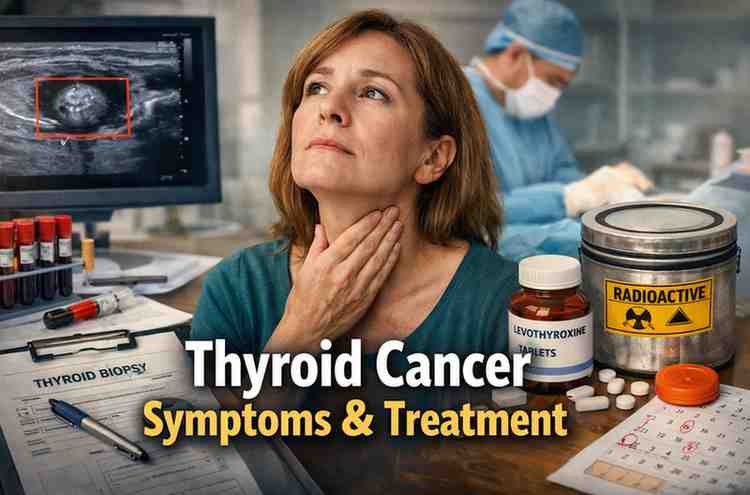
Thyroid Cancer Symptoms and Treatment: 9 Honest Realities That Bring Relief and Clarity

Thyroid Cancer Symptoms And Treatment 9 Honest Realities That Bring Relief And Clarity 1
Thyroid Cancer Symptoms and Treatment 9 Honest Realities That Bring Relief and Clarity

I’ve watched more than a few people freeze the moment they hear the word “thyroid.”

Not because they know what it means.
But because they don’t.

It usually starts small. A lump someone feels in the mirror. A routine physical where a doctor pauses just a second too long. Or weird symptoms that don’t quite add up — fatigue that feels deeper than normal, voice changes, something slightly off when swallowing.

And then comes the spiral.

Most people start Googling “Thyroid Cancer Symptoms and Treatment” at 11:47 PM. I know because they’ve told me. They’re half panicked. Half numb. And honestly? Usually misinformed.

From what I’ve seen, the fear is often bigger than the reality — but the confusion is very real.

Let me walk you through what I’ve consistently observed across real cases. The good. The hard parts. The stuff nobody explains well.


The First Pattern: Most People Don’t Feel “Sick”

This surprised me after watching so many people go through testing.

Almost everyone assumes cancer must feel dramatic. Painful. Obvious.

Thyroid cancer usually isn’t.

In fact, most people I’ve worked with mess this up at first — they dismiss symptoms because they feel mostly normal.

Here’s what I’ve seen show up repeatedly:

  • A painless lump in the front of the neck

  • Slight voice hoarseness that lingers

  • Trouble swallowing that feels subtle

  • Swollen lymph nodes

  • A feeling of “tightness” in the throat

Fatigue sometimes shows up. But it’s messy. Hard to pin down.

The thyroid sits low in the neck. Small gland. Controls metabolism. When something grows there, it doesn’t always scream.

And that’s why early detection often happens by accident.


What People Usually Get Wrong About Thyroid Cancer Symptoms

I didn’t expect this to be such a common issue, but almost everyone I’ve seen struggle with this does this one thing wrong:

They assume symptoms must match Google’s worst-case scenario.

So they either:

  • Panic over mild symptoms that aren’t cancer

  • Or ignore quiet signs because they’re not dramatic enough

The middle ground? That’s where clarity lives.

From what I’ve seen:

  • Pain is rare early on

  • Weight changes are not always connected

  • Thyroid function tests can be completely normal even if cancer is present

That last one throws people off.

Thyroid cancer doesn’t always disrupt hormone production.

Which means blood work can look fine. And that creates false reassurance.


The Types Matter (But Not in the Way You Think)

In the U.S., most thyroid cancers fall into a few main categories:

  • Papillary (most common)

  • Follicular

  • Medullary

  • Anaplastic (rare but aggressive)

What I’ve consistently seen:

Papillary thyroid cancer is by far the most common. And it’s usually slow growing.

This is where relief comes in for many people.

When someone hears “cancer,” they expect worst-case timelines.

But papillary thyroid cancer has one of the highest survival rates of any cancer. Especially when caught early.

That said.

“High survival rate” doesn’t mean “emotionally easy.”

I’ve seen people struggle more with uncertainty than with physical recovery.


Let’s Talk Treatment — What Actually Happens

When people search “Thyroid Cancer Symptoms and Treatment,” what they really want is this:

What will they do to me?

Here’s the real-world flow I’ve observed most often in U.S. healthcare settings:

Step 1: Ultrasound

If a lump is found, imaging comes first.

Step 2: Fine Needle Biopsy

This scares people more than it should. It’s uncomfortable. Quick. Usually outpatient.

Step 3: Surgery

If cancer is confirmed, surgery is the primary treatment.

Options usually include:

  • Lobectomy (removing part of thyroid)

  • Total thyroidectomy (removing entire gland)

Most people I’ve watched go through this are shocked at how fast the surgical phase moves.

Diagnosis → surgery can feel like a blur.


Recovery: The Part Nobody Explains Well

Here’s what surprised me after watching dozens of cases.

The physical recovery from surgery is often smoother than the emotional recovery.

Most people:

  • Go home same day or next day

  • Have mild to moderate soreness

  • Heal visibly within 2–3 weeks

But emotionally?

Different story.

People wrestle with:

  • “Did we get all of it?”

  • “What if it comes back?”

  • “Will I feel normal again?”

That part lingers.


Radioactive Iodine: Who Actually Needs It?

This is where confusion explodes.

Not everyone needs radioactive iodine (RAI) treatment.

From what I’ve seen:

  • Small, low-risk cancers often skip RAI

  • Larger tumors or spread to lymph nodes may require it

RAI works because thyroid cells absorb iodine. The radioactive version targets leftover cells after surgery.

What most people misunderstand:

It’s not chemotherapy.

Side effects vary but often include:

  • Dry mouth

  • Temporary taste changes

  • Mild fatigue

Isolation for a few days is required because of radiation safety.

That part feels strange for most people.


Hormone Replacement: The Long Game

If the entire thyroid is removed, lifelong thyroid hormone medication becomes necessary.

Usually levothyroxine.

And here’s where almost everyone I’ve seen struggle with this does this one thing wrong:

They assume the first dose will be perfect.

It rarely is.

Finding the right dosage can take:

  • 6–12 weeks between adjustments

  • Multiple blood tests

  • Patience most people don’t expect to need

During this time, people can feel:

  • Too wired

  • Too tired

  • Slightly “off”

This phase tests patience more than anything.

But once stabilized? Most people return to very normal lives.


How Long Does Treatment Take?

Short answer:

  • Surgery recovery: 2–3 weeks

  • Hormone stabilization: 2–6 months

  • Full emotional adjustment: honestly? 6–12 months

This varies.

But from what I’ve seen, most people feel like themselves again within a year.

Not overnight. Gradually.


Common Mistakes I’ve Seen Repeated

Let me be direct here.

These are patterns:

  1. Ignoring small neck lumps for months

  2. Doctor shopping for reassurance instead of clarity

  3. Obsessively reading worst-case stories online

  4. Skipping follow-up scans because “I feel fine”

  5. Expecting medication adjustments to feel instant

That third one? It’s brutal.

The internet overrepresents rare complications.

Most real-world cases are far more manageable than what shows up in dramatic forum threads.


Is Treatment Worth It?

This question comes up more than people admit.

Especially for small, slow-growing cancers.

Some U.S. providers even recommend active surveillance for very tiny papillary cancers.

So is treatment worth it?

From what I’ve seen:

  • For larger or spreading cancers — yes, absolutely.

  • For tiny, contained cancers — it depends on patient comfort and medical advice.

The emotional toll of “watch and wait” can be heavier than surgery for some people.

Others prefer avoiding surgery if possible.

There’s no universal right answer.

But indecision tends to increase anxiety more than action.


Who Will Struggle Most With This Process?

Honestly?

People who:

  • Need certainty immediately

  • Have high anxiety around health

  • Struggle with medication adherence

  • Expect fast, dramatic recovery

This is a slow-burn experience.

Not chaotic. But steady.


FAQ: Direct Answers People Ask

What are early thyroid cancer symptoms?

Often a painless neck lump. Sometimes hoarseness or swallowing difficulty. Many people have no obvious symptoms.

Is thyroid cancer curable?

Most papillary and follicular thyroid cancers have very high survival rates when treated early.

Will I need chemotherapy?

Rarely. Surgery and sometimes radioactive iodine are the primary treatments.

Can you live without a thyroid?

Yes. With proper hormone replacement, most people live normal lives.

Does thyroid cancer spread quickly?

Most common types grow slowly. Anaplastic thyroid cancer is aggressive but rare.


Objections I Hear All the Time

“What if surgery changes my voice permanently?”
It’s possible but uncommon in experienced surgical hands. Temporary hoarseness is more typical.

“I don’t want to take medication forever.”
I get it. But many people I’ve seen adjust to levothyroxine as part of routine life — like brushing teeth.

“What if it comes back?”
Follow-ups are designed to catch recurrence early. Monitoring is structured and predictable.


Reality Check Section

This isn’t a light experience.

Scans trigger anxiety.

Blood test days feel tense.

Waiting for pathology results? Brutal.

Even with high survival rates, the word “cancer” hits hard.

And sometimes hormone balance never feels 100% identical to before.

Most people adapt.

But adaptation takes time.


Practical Takeaways

If I had to summarize what consistently works:

  • Don’t ignore a neck lump

  • Get an ultrasound before panicking

  • Choose an experienced endocrine surgeon

  • Expect hormone dose adjustments

  • Protect your mental health during monitoring

And emotionally?

Expect waves.

Some days you’ll feel fine. Other days you’ll spiral for 20 minutes. That’s normal.

Patience looks like:

  • Taking meds at the same time daily

  • Showing up for labs

  • Not catastrophizing every sensation

Small discipline. Over time.


I won’t pretend thyroid cancer is “no big deal.”

But I’ve watched enough people walk through Thyroid Cancer Symptoms and Treatment to know this:

It’s rarely the monster people imagine at midnight.

It’s structured. Manageable. Often highly treatable.

Still scary. Still emotional.

But not hopeless.

And sometimes the real relief comes not from perfect outcomes —
but from finally understanding what’s actually happening.
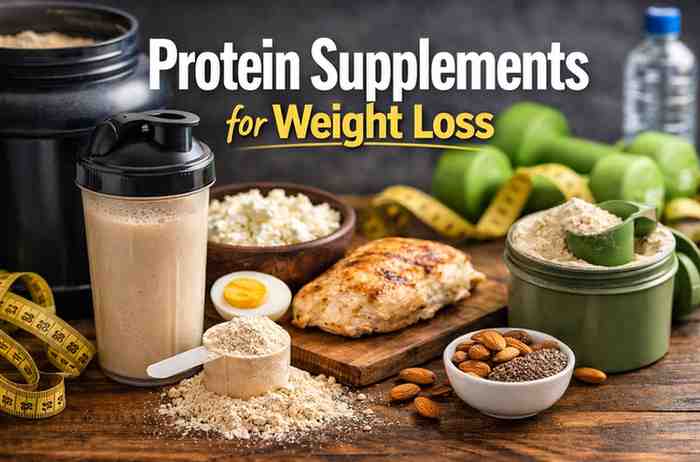

Protein Supplements for Weight Loss: 11 Honest Lessons After Watching So Many People Get Frustrated

Protein Supplements For Weight Loss 11 Honest Lessons After Watching So Many People Get Frustrated 1
Protein Supplements for Weight Loss 11 Honest Lessons After Watching So Many People Get Frustrated

Honestly, most people I’ve watched try protein supplements for weight loss start with a lot of optimism… and then quietly get confused.

A friend buys a giant tub of whey.

Someone else starts replacing meals with shakes.

Another person starts drinking protein after workouts because “that’s what everyone does.”

Two weeks later?

Some are frustrated.
Some are hungrier than before.
Some think supplements just don’t work.

And almost every time, the problem isn’t protein itself.

It’s how people use it.

After watching dozens of people experiment with this — gym beginners, busy parents, office workers trying to lose stubborn weight — certain patterns keep showing up again and again.

Some things work surprisingly well.

Some things look smart on paper but fail in real life.

And a few mistakes… almost everyone makes them the first time.

Let me walk through what I’ve consistently seen.


Why People Turn to Protein Supplements for Weight Loss

Usually the story starts the same way.

Someone tries dieting.

They cut calories.

Maybe skip breakfast. Maybe eat salads.

Then by 4 PM they’re starving.

And the night turns into overeating.

I’ve seen this loop play out a lot.

That’s when protein supplements enter the picture.

People hear three things:

All true.

But here’s the part most people don’t realize at first…

Protein supplements are tools, not weight-loss engines.

And tools only work when used correctly.


The Real Reason Protein Helps With Fat Loss

Most people think protein burns fat.

It doesn’t.

What protein actually does is create conditions that make fat loss easier.

From what I’ve seen across dozens of people trying to lose weight, three mechanisms consistently matter.

1. Protein Reduces Hunger (More Than Most Diet Tricks)

This is probably the biggest benefit.

People who increase protein intake usually report something like: “I don’t feel that desperate hunger anymore.”

Protein digests slower than carbs.

Which means:

  • blood sugar stays more stable

  • cravings drop

  • binge eating becomes less likely

I didn’t expect this to be such a common reaction, but it shows up constantly.

People who used to snack all night suddenly… stop thinking about food as much.

That alone can change everything.


2. Protein Protects Muscle During Weight Loss

This one matters more than most people realize.

When someone loses weight without enough protein, the body loses:

  • fat

  • muscle

Losing muscle slows metabolism.

Which makes future weight loss harder.

Protein helps prevent that.

From what I’ve seen, people who keep protein intake high during fat loss usually maintain better energy and strength.

Not magic.

Just basic biology playing out.


3. Protein Has a Higher Thermic Effect

This part surprises people.

Digesting protein burns more calories than digesting carbs or fats.

Rough numbers often cited:

  • Protein: ~20–30% calories burned during digestion

  • Carbs: ~5–10%

  • Fat: ~0–3%

Is this a huge effect?

No.

But stacked over time, it helps.


Where Protein Supplements Actually Fit In

Here’s the misunderstanding I see most often.

People treat protein powder like a fat-burning drink.

Instead of what it really is:

A convenient way to reach daily protein targets.

That’s it.

Most people struggle to eat enough protein through food alone.

Think about it.

To hit 100–130g of protein daily, someone might need:

  • eggs

  • chicken

  • yogurt

  • fish

  • beans

That’s a lot of planning.

Protein shakes simplify it.

One scoop = 20–30g protein.

Convenient.

Portable.

Predictable.

But again… it works best when used strategically.


The Most Common Mistake I’ve Seen (Almost Everyone Does This)

Almost everyone I’ve seen struggle with this makes the same mistake.

They add protein shakes without changing anything else.

So their daily calories actually increase.

Example I’ve seen many times:

Breakfast
Eggs + toast

Lunch
Sandwich

Afternoon
Protein shake

Dinner
Normal meal

That shake just added 150–250 calories.

Weight loss stalls.

Then people blame protein.

But the real issue?

Calories increased.


What Actually Works (Based on Real Patterns)

The people who get good results usually do one of three things.

Strategy 1: Protein as a Meal Replacement

This is the most effective pattern I’ve seen.

Example:

Instead of a heavy breakfast:

Protein shake + fruit.

Calories drop.

Protein stays high.

Energy remains stable.

This works especially well for busy mornings.


Strategy 2: Protein to Control Evening Hunger

Evening hunger ruins many diets.

One trick I’ve seen work repeatedly:

Protein shake around 4–5 PM.

This reduces:

  • late snacking

  • dinner overeating

Small move.

Huge difference for some people.


Strategy 3: Protein After Workouts

This isn’t required.

But it helps people maintain muscle while losing fat.

Common routine I’ve seen work well:

Workout → protein shake → balanced meal later.

Simple.


How Much Protein Do People Actually Need?

From what I’ve observed in real cases, most people lose weight effectively around:

0.7 – 1 gram of protein per pound of goal body weight

Example:

Goal weight = 160 lbs

Protein target = 110–160g daily.

That range works for most people.

But very few people naturally reach that through food alone.

That’s where supplements help.


How Long Before Protein Supplements Help With Weight Loss?

This question comes up constantly.

And the honest answer is…

Protein itself doesn’t cause weight loss.

But it supports behaviors that lead to weight loss.

What I’ve typically seen:

Week 1–2
People feel fuller

Week 3–4
Cravings drop

Week 4–8
Weight trends start shifting

The biggest early change?

Hunger control.


The Types of Protein Supplements People Usually Try

Different supplements work for different lifestyles.

Here’s what I’ve seen most people gravitate toward.

Whey Protein

Fast digesting.

Popular with gym users.

Pros:

Cons:

  • some people experience bloating


Casein Protein

Slow digesting.

Often used at night.

Pros:

  • keeps people full longer

Cons:

  • thicker texture


Plant-Based Protein

Usually:

  • pea

  • rice

  • soy blends

Pros:

  • dairy-free

Cons I hear often:

  • taste complaints

  • slightly lower amino acid balance

Still works though.


What People Usually Get Wrong the First Time

After watching many people try protein supplements for weight loss, these mistakes show up constantly.

Mistake 1: Treating Protein Shakes Like Magic

Protein alone doesn’t create fat loss.

Calories still matter.


Mistake 2: Choosing Terrible Protein Powders

Some powders are basically dessert drinks.

Loaded with:

  • sugar

  • fillers

  • unnecessary additives

People drink two daily.

Calories add up fast.


Mistake 3: Ignoring Real Food

Protein supplements should support meals.

Not replace all nutrition.

Whole foods still matter.


Mistake 4: Drinking Too Many Shakes

I’ve seen people drink 4–5 shakes daily.

Not ideal.

Most people benefit from:

1–2 shakes per day.


Reality Check Most People Need

Protein supplements help.

But they don’t override lifestyle habits.

People who succeed usually also:

  • sleep better

  • walk more

  • reduce ultra-processed snacks

  • maintain a mild calorie deficit

Protein just makes those habits easier.


Quick FAQ (Questions People Always Ask)

Do protein supplements burn belly fat?

No.

They support fat loss by improving fullness and muscle retention.


Can you lose weight without protein supplements?

Absolutely.

They’re convenience tools, not requirements.


Are protein shakes safe daily?

For most healthy adults, yes.

But moderation still matters.


Can protein supplements slow weight loss?

Yes — if they increase calories too much.


Objections I Hear All the Time

“Protein powder feels unnatural.”

Fair concern.

But most powders are simply filtered milk or plant proteins.

Still… if someone prefers whole food, that works too.


“I tried protein shakes and nothing happened.”

I hear this a lot.

Usually one of three things happened:

  • calories increased

  • protein intake still too low

  • lifestyle habits didn’t change


“Is this worth trying?”

For many people… yes.

Especially if hunger ruins diets.

But it’s not necessary.


Who This Approach Might Not Work For

Some people simply hate protein shakes.

Texture.

Taste.

Routine.

If someone already eats plenty of protein through food, supplements may add little value.

And that’s okay.


Practical Takeaways From What I’ve Seen

If someone wants to try protein supplements for weight loss, here’s the approach I’ve seen work most often.

Start simple

One shake per day.

Not five.


Use it strategically

Best times usually:

  • breakfast replacement

  • post-workout

  • mid-afternoon hunger control


Watch calories

Protein shakes still contain calories.


Prioritize whole foods

Supplements should support meals, not replace them entirely.


Expect gradual change

Protein helps consistency.

Consistency drives fat loss.


The biggest shift I’ve noticed in people who finally make progress with weight loss isn’t dramatic.

It’s subtle.

They stop feeling constantly hungry.

That’s usually when things start to change.

And protein — used the right way — seems to help create that moment.

So no… protein supplements for weight loss aren’t magic.

But after watching enough people struggle with diets that leave them starving, I can say this:

When hunger gets under control, everything else suddenly becomes easier.

Sometimes that small shift is the thing people were missing all along.

Benefits of Chakra Meditation: 9 Honest Shifts I’ve Seen Bring Real Relief

Benefits Of Chakra Meditation 9 Honest Shifts Ive Seen Bring Real Relief 1
Benefits of Chakra Meditation 9 Honest Shifts Ive Seen Bring Real Relief

Honestly, most people I’ve watched try chakra meditation don’t quit because it “doesn’t work.”
They quit because they expect fireworks.

They sit down once or twice, close their eyes, visualize colors for seven minutes, and then quietly think, “I guess I’m just bad at this.”

I’ve seen that exact reaction more times than I can count.

Over the years — through friends, clients, and people who circled back after trying everything else — I’ve gotten a close look at the real benefits of chakra meditation. Not the Instagram version. Not the mystical sales pitch.

The grounded version.

And what surprised me most? The benefits show up in subtle ways first. Almost boring ways. But the people who stick with it long enough… they shift. Noticeably.

Let me walk you through what I’ve actually seen.


Why People Turn to Chakra Meditation in the First Place

From what I’ve seen, people don’t start here because life is going great.

They start because:

  • They feel emotionally clogged.

  • Anxiety keeps looping.

  • They overthink everything.

  • Their body feels tense for no clear reason.

  • They’re exhausted but wired.

  • Or they’ve tried regular meditation and felt… nothing.

Chakra meditation attracts people who want structure. Something to focus on. A map.

And honestly, that structure is one of its hidden strengths.


What Most People Get Wrong at First

Almost everyone I’ve seen struggle with this does one thing wrong:

They treat chakras like a concept to understand instead of an experience to observe.

They memorize:

  • Root = red

  • Heart = green

  • Crown = purple

But they don’t actually notice what’s happening in their body.

And then they get frustrated because they’re not “feeling energy.”

From what I’ve seen, the people who benefit most:

  • Stop trying to feel something dramatic.

  • Start noticing subtle sensations.

  • Stay curious instead of judgmental.

That shift alone changes everything.


The 9 Real Benefits of Chakra Meditation (Based on Repeated Patterns I’ve Seen)

These aren’t theoretical. These are patterns I’ve watched unfold across dozens of people.

1. Emotional Regulation Gets Easier (Not Instant, But Noticeable)

This one honestly surprised me after watching so many people try it.

Around week 2–3, something small happens.

They don’t react as fast.

The argument still happens. The stress still shows up.
But there’s a pause.

That pause is huge.

Especially when focusing on the heart chakra or solar plexus consistently.

Cause → effect pattern I’ve seen:

  • Focused attention on emotional centers

  • Increased body awareness

  • Earlier detection of emotional spikes

  • Better regulation

It’s subtle. But it compounds.


2. Reduced Background Anxiety

Not panic attacks disappearing overnight. Let’s be clear.

But the “constant hum” of anxiety softens.

Most people I’ve worked with mess this up at first because they:

  • Try to eliminate anxiety entirely.

  • Get discouraged when it doesn’t vanish.

What actually happens:

  • Nervous system settles gradually.

  • Breath slows more naturally.

  • Sleep improves slightly.

  • Overthinking reduces 10–15%.

It’s incremental.

But real.


3. Stronger Body Awareness

This is one of the most consistent benefits of chakra meditation.

People start noticing:

  • Tight jaw

  • Heavy chest

  • Gut tension

  • Shallow breathing

And once you notice tension earlier, you interrupt it earlier.

That’s not mystical. That’s neurological.


4. Improved Decision Clarity

I didn’t expect this to be such a common issue.

But people who focus regularly on the solar plexus and throat chakras often report:

  • Less second-guessing

  • Clearer boundaries

  • Faster decisions

Not because chakras magically decide for them.

Because they’re less emotionally flooded.

Less noise → clearer thinking.


5. Better Sleep (If Practiced at Night)

This one works best when:

  • Done 10–15 minutes before bed

  • Focused on root + heart

  • Combined with slow breathing

Almost everyone I’ve seen struggle with sleep improvement was doing it in the morning and expecting nighttime benefits.

Timing matters.


6. Emotional Releases (Sometimes Unexpected)

Let’s talk about this honestly.

Sometimes people cry.

Sometimes they feel anger.

Sometimes old memories surface.

This is where people think it’s “not working.”

But from what I’ve seen, this is often the beginning of progress.

Energy work — or simply focused emotional awareness — stirs things up before it settles them.

This isn’t for people who want immediate calm.

It’s for people willing to process.


7. Increased Self-Trust

Around week 4–6, I often hear:

“I just feel more… steady.”

That word shows up a lot. Steady.

Less chasing external validation.
More internal referencing.

And no, it’s not ego inflation.
It’s internal alignment.


8. Clearer Communication

This shows up especially when people consistently focus on the throat chakra.

What I’ve noticed:

  • Less over-explaining.

  • Less apologizing unnecessarily.

  • More direct speech.

  • Fewer passive-aggressive moments.

That one alone changes relationships.


9. Subtle Confidence Boost

Not loud confidence.

Quiet confidence.

The kind where someone:

  • Says no without spiraling.

  • Speaks up in a meeting.

  • Stops over-texting.

  • Trusts their gut.

Small behaviors. Big impact.


How Long Does It Take to See Benefits?

Short answer (from what I’ve seen):

  • Week 1: Restlessness, doubt.

  • Week 2–3: Slight emotional awareness shifts.

  • Week 4+: Noticeable internal steadiness.

  • 2–3 months: Compounded behavioral change.

If someone expects transformation in 3 days, they’ll quit.

If someone commits to 30 days consistently, something usually shifts.


Common Mistakes That Slow Results

Almost everyone I’ve seen struggle does one of these:

  • Jumping between techniques daily.

  • Listening to random YouTube audios without consistency.

  • Forcing visualization instead of observing sensation.

  • Expecting intense “energy” experiences.

  • Practicing only when stressed.

Consistency beats intensity.

Every time.


Objections I Hear All the Time

“Is this even real, or just placebo?”

Honestly?

Even if someone believes it’s placebo — the nervous system response is real.

Focused breath + attention = physiological shift.

Whether you frame it energetically or neurologically, outcomes still show up.


“What if I don’t feel anything?”

Normal.

Most people don’t feel dramatic sensations.

Benefits come from repetition, not fireworks.


“Is it worth trying if regular meditation didn’t work for me?”

From what I’ve seen, yes.

Chakra meditation gives the mind something to anchor to.

People who struggle with open-awareness meditation often do better with structured focus.


Who This Is NOT For

Let me be clear.

This approach probably isn’t for:

  • People who want immediate results.

  • People uncomfortable sitting with emotions.

  • People who need constant stimulation.

  • Anyone expecting supernatural experiences.

It requires patience.

And boredom tolerance.


Reality Check: What Can Go Wrong

Here’s where expectations usually break:

  • You might feel more emotional at first.

  • You might question whether you’re “doing it right.”

  • You might get impatient around week 2.

That dip is normal.

Most people quit there.

The ones who don’t? They’re the ones who see the real benefits of chakra meditation.


Simple Routine That Actually Works (What I’ve Seen Succeed Repeatedly)

If I had to simplify what works best across people:

10–15 minutes. Same time daily.

  1. 2 minutes slow breathing.

  2. Focus on one chakra only.

  3. Notice sensation (don’t force).

  4. Stay with it even if nothing happens.

  5. Journal one sentence after.

That’s it.

Not seven chakras at once.
Not 45 minutes.
Not mystical chanting marathons.

Simple. Repeated.


Practical Takeaways

If you’re considering trying this:

Do:

  • Commit to 30 days.

  • Focus on consistency over intensity.

  • Track emotional shifts weekly.

  • Start with root or heart.

Avoid:

  • Chasing dramatic experiences.

  • Comparing your process to others.

  • Quitting before week 3.

  • Overcomplicating it.

Expect emotionally:

  • Doubt early.

  • Subtle shifts first.

  • Clarity later.

  • Confidence gradually.

Patience here doesn’t mean passive waiting.

It means showing up even when it feels uneventful.


I won’t tell you chakra meditation is magic.

It’s not.

But I’ve watched enough people soften their anxiety, steady their emotions, and finally stop feeling like they’re fighting themselves.

And almost every one of them said some version of:

“I didn’t think it was working… until I realized I was reacting differently.”

Sometimes the biggest benefits of chakra meditation aren’t dramatic.

They’re quieter.

But quieter doesn’t mean small.

If you approach it grounded, consistent, and realistic — it might not change your life overnight.

But it might change how you move through it.

And honestly, that’s usually what people were looking for all along. ????

How to Stop Worrying About Problems: 9 Grounded Shifts That Actually Bring Relief

How To Stop Worrying About Problems 9 Grounded Shifts That Actually Bring Relief 1
How to Stop Worrying About Problems 9 Grounded Shifts That Actually Bring Relief

I can’t count how many late-night calls I’ve sat through where someone says, “I just can’t turn my brain off.”

It’s rarely one huge catastrophe. It’s usually a pile of smaller problems. Money. Health. Work politics. A relationship that feels unstable. Something they said three weeks ago that won’t stop replaying.

Most people don’t search how to stop worrying about problems because they’re curious. They search it because they’re exhausted.

From what I’ve seen — across friends, clients, colleagues, and even my own close circle — worry isn’t about the problem itself.

It’s about the illusion of control.

And almost everyone I’ve watched struggle with this does the same thing at first: they try to think their way out of emotional discomfort.

That’s where it quietly gets worse.

Let’s talk about what actually changes things.


First: Why We Worry (Even When It’s Not Helping)

Most people believe worry is productive.

It feels productive.

You’re analyzing. Predicting. Preparing. Running scenarios. It feels responsible.

But here’s the pattern I keep seeing:

  • People mistake rumination for preparation

  • They believe “If I stop worrying, I’ll drop my guard”

  • They tie worry to identity (“I’m just someone who thinks a lot”)

  • They assume more thought = more control

This honestly surprised me after watching so many people try to “outthink” their anxiety.

Worry rarely solves. It rehearses fear.

And there’s a big difference.


The 3 Types of Worry I See Repeatedly

This matters because different worries need different responses.

1. Practical Worry (Actionable)

Example: “I have credit card debt. I need a plan.”

This type improves with planning.

2. Hypothetical Worry (Future-based)

“What if I lose my job?”
“What if something happens to my family?”

No immediate action available.

3. Identity Worry

“What if I’m not capable?”
“What if I mess everything up?”

This one is deeply emotional. Harder to spot.

Most people blend all three together and treat them the same.

That’s mistake #1.


What Most People Get Wrong About Stopping Worry

Almost everyone I’ve worked with messes this up at first:

They try to eliminate worry completely.

That’s not realistic.

Worry is a signal. Not an enemy.

When people try to suppress it, one of two things happens:

  • It rebounds stronger

  • It shifts into physical symptoms (tight chest, headaches, insomnia)

The goal isn’t “never worry again.”

The goal is reducing unnecessary mental loops.

That’s a huge distinction.


What Consistently Works (Across Dozens of Real Cases)

I’m going to walk you through patterns that actually helped people long-term.

Not quick hacks. Not trendy advice.

Things I’ve seen hold up over months.


1. Separate “Thinking Time” from “Living Time”

This sounds simple. Almost too simple.

But I’ve watched this shift completely change people’s stress levels.

Set a 15-minute daily “worry window.”

Yes. Scheduled worry.

When intrusive thoughts show up outside that window, you say:
“I’ll think about this at 6:30.”

At first, people roll their eyes.

Then something interesting happens.

The brain learns it doesn’t need to fire all day.

I didn’t expect this to be such a common breakthrough.


2. Write the Worst Case Scenario (Fully)

Most people stop halfway through imagining disaster.

They don’t go all the way.

When I’ve guided people through this, we write:

  • What’s the worst realistic outcome?

  • What would you do next?

  • Who would you call?

  • How would you recover?

Almost every time, they realize:
“I wouldn’t be okay… but I wouldn’t be destroyed.”

Worry shrinks when it’s fully exposed.

Half-formed fear is louder than defined fear.


3. Reduce “Mental Multitasking”

This one is subtle.

From what I’ve seen, worry multiplies when people:

  • Scroll news constantly

  • Jump between tasks

  • Sleep poorly

  • Check notifications obsessively

The brain never gets a clean processing cycle.

Almost everyone I’ve seen struggle with chronic worry is overstimulated.

Not weak.

Overloaded.

When they reduce input, worry reduces.

Not magically. Gradually.


4. Take Physical Action (Even Small)

Worry thrives in stillness.

When someone is spiraling about finances, relationships, health — and does nothing — the mind fills the gap.

Small action changes state.

Examples I’ve seen work:

  • Make one phone call

  • Update one resume section

  • Book one appointment

  • Walk outside for 20 minutes

Not to “fix everything.”

Just to shift from mental rehearsal to movement.

That shift is powerful.


How Long Does It Take to Stop Worrying So Much?

This is a common question.

Short answer:

  • Small relief: 1–2 weeks of consistent changes

  • Noticeable reduction: 4–6 weeks

  • Deep habit shift: 2–3 months

Most people quit at week two.

That’s the pattern.

They expect emotional silence immediately.

Instead, it’s gradual.

Worry reduces in frequency before it reduces in intensity.

That’s normal.


Common Mistakes That Slow Progress

I’ve seen these derail people over and over:

  • Trying 5 techniques at once

  • Expecting instant calm

  • Judging themselves for worrying

  • Consuming anxiety content constantly

  • Talking about worry more than acting on it

That last one is uncomfortable.

Processing helps.

Overprocessing reinforces.

There’s a line.


Is It Worth Trying to Stop Worrying — Or Is It Just Who You Are?

I hear this a lot:
“Maybe I’m just a worrier.”

From what I’ve observed, chronic worry is learned.

Usually from:

  • Family modeling

  • High-pressure environments

  • Early instability

  • Rewarded hypervigilance

And here’s what surprised me:

When people reduce worry, they don’t become careless.

They become clearer.

More decisive.

Less reactive.

So yes — it’s worth addressing.

But not because you’re broken.

Because your nervous system is tired.


Who This Approach Is NOT For

Let’s be honest.

This won’t be enough if:

  • You’re dealing with untreated trauma

  • You have clinical anxiety requiring professional care

  • You’re in an actively unsafe environment

  • You’re avoiding a real urgent issue

This isn’t about ignoring serious problems.

It’s about reducing unnecessary mental repetition.

There’s a difference.


Objections I Hear (And What Actually Happens)

“If I stop worrying, I’ll become irresponsible.”

I’ve never seen that happen.

Responsible action increases when panic decreases.


“My problems are real. This isn’t mindset stuff.”

Correct. Many problems are real.

Worrying longer does not make them more solvable.

Action does.

Clarity does.


“What if something bad happens because I wasn’t vigilant?”

This is fear bargaining.

The brain believes vigilance prevents fate.

It doesn’t.

Preparation helps.
Hypervigilance drains.


Quick FAQ (For the Questions People Google)

How do I stop worrying about things I can’t control?

Define what is controllable today. Act there. Schedule the rest. Repeat daily.

Can you really train your brain to worry less?

Yes — through repetition and boundaries. The brain responds to patterns.

Why do I worry even when things are fine?

Because your brain learned to anticipate threat. Calm can feel unfamiliar.

Is worrying ever helpful?

Yes. Briefly. It helps identify risk. It becomes harmful when it loops.


A Reality Check Most People Need

Stopping excessive worry feels uncomfortable at first.

Almost like you’re forgetting something.

Silence can feel unsafe.

I’ve watched people reintroduce stress just to feel familiar again.

That phase passes.

But it’s real.

And no one talks about it.


Practical Takeaways (If You Want Something Concrete)

If I had to narrow this down to what consistently works:

Do this:

  • Schedule a daily 15-minute worry window

  • Write full worst-case scenarios

  • Take one small action daily

  • Reduce news and phone overload

  • Track worry frequency weekly

Avoid this:

  • Doom-scrolling

  • Self-judgment

  • Trying to eliminate all worry

  • Talking without acting

  • Expecting instant transformation

Emotionally expect:

  • Resistance

  • Some rebound anxiety

  • Gradual improvement

  • Subtle wins before dramatic ones

Patience looks boring.

But boring consistency beats dramatic effort every time.


I’ve watched people go from constant chest-tightening stress to quiet steadiness.

Not because their lives became perfect.

But because they stopped feeding every thought.

So no — learning how to stop worrying about problems isn’t magic.

It’s practice.

It’s repetition.

It’s choosing not to chase every mental alarm.

And from what I’ve seen, that shift alone?

It’s enough to give most people their evenings back.

Sometimes that’s the real win.

Protein Powder for Hair Growth: 9 Hard Truths People Discover After Trying It

Protein Powder For Hair Growth 9 Hard Truths People Discover After Trying It 1

Protein Powder for Hair Growth 9 Hard Truths People Discover After Trying It

Honestly, the first time someone asked me about protein powder for hair growth, I thought they were joking.

Protein shakes? For hair?

But over the past few years, this question kept coming up. Friends. Gym people. A few readers. Even someone who had just come out of a stressful year where their hair started thinning fast.

And what I noticed was interesting.

Almost everyone who tries protein powder for hair growth starts with the same feeling:

A mix of hope and quiet frustration.

They’ve tried oils. Biotin gummies. Expensive shampoos. Supplements that promise miracles in shiny bottles.

Then someone says:

“Maybe you’re just low on protein.”

And suddenly protein powder looks like a simple fix.

But after watching a lot of people try this… the reality is more complicated. Not bad. Not magical either.

Just… human biology doing what it does.


Why People Start Looking at Protein Powder for Hair Growth

From what I’ve seen, people usually arrive here after something shifts.

Hair shedding more than usual. Thinning at the temples. A widening part line.

Sometimes it’s obvious what triggered it.

Other times… not really.

But when you start tracing patterns across different people, a few themes show up again and again.

The situations where this question comes up most

People I’ve seen explore protein powder for hair growth usually fall into one of these:

  • Low-protein diets (very common in plant-heavy diets)

  • Post weight-loss phases

  • After illness or stress

  • Postpartum hair shedding

  • Heavy gym training without enough protein intake

  • People who skip meals regularly

And here’s something that honestly surprised me after seeing it repeatedly:

Most of them weren’t actually tracking protein intake at all.

They just assumed they were getting enough.

But when someone finally calculated it… sometimes they were getting half of what their body needed.

Hair follicles notice that kind of shortage pretty quickly.


The Part Most People Don’t Realize About Hair

Hair is one of the least essential systems in your body.

Your body prioritizes survival.

So when nutrients are limited, the body starts reallocating resources.

Here’s the basic pattern I’ve seen explained by dermatologists and nutritionists:

  1. Nutrients go to organs first

  2. Then muscles and metabolic systems

  3. Then skin repair

  4. Hair comes… pretty much last

Which means if your body senses protein scarcity, hair growth quietly slows down.

Not overnight.

But gradually.

And that’s when shedding starts to feel noticeable.


Where Protein Powder Fits Into the Picture

Protein powder isn’t magic.

It’s just concentrated dietary protein.

But for some people, that alone fixes the bottleneck.

The key idea is simple:

Hair is made mostly of keratin, a structural protein.

To build keratin, your body needs:

  • Amino acids

  • Adequate calories

  • Minerals like zinc and iron

  • Hormonal balance

Protein powder helps with one part of that system.

And sometimes that one missing piece makes a visible difference.


The Pattern I Keep Seeing With People Who Actually Improve

After watching a lot of people experiment with this, a pattern shows up.

The people who see improvement usually combine protein powder with consistent routines.

Not random shakes.

Something more structured.

Typical example:

Morning routine someone stuck with for months:

• Protein smoothie (20–25g protein)
Eggs or Greek yogurt breakfast
• Lunch with real protein (chicken, tofu, lentils)
• Normal dinner with protein source

Total daily intake ends up around:

70–100g protein per day

And that’s when people start saying things like:

“My hair shedding slowed down after a few months.”

Not instantly.

Almost never instantly.

Hair cycles simply move too slowly for that.


How Long Does Protein Powder for Hair Growth Usually Take?

This is one of the biggest misunderstandings.

Hair growth is slow by design.

Hair follicles move through cycles:

  • Growth phase (anagen)

  • Rest phase (telogen)

  • Shedding phase

So when someone improves their nutrition, the follicle cycle still needs time to reset.

From what I’ve seen across multiple cases:

Early signs (shedding stabilization):
6–8 weeks

Baby hairs appearing:
3–4 months

Noticeable density changes:
6–9 months

Which is honestly longer than most people expect.

And that’s where many people quit too early.


The Mistake Almost Everyone Makes at First

Most people treat protein powder like a quick supplement.

Not a dietary shift.

They do something like this:

Drink one shake for a week.

Then stop.

Then restart.

Then forget.

Hair biology doesn’t respond well to that.

Consistency matters.

Another mistake I keep seeing:

They ignore their total daily protein intake

Protein powder alone won’t fix much if the rest of the diet stays low.

Example I’ve seen several times:

Total daily protein: 50g

For many adults, that’s still below optimal levels.

So the hair system still runs in “resource conservation” mode.


What Actually Works Better (From What I’ve Observed)

People who see better results tend to follow a few simple patterns.

Nothing fancy.

Just consistent habits.

Things that help the most

• Hitting daily protein targets consistently
• Eating protein across meals
• Using protein powder as support, not replacement
• Keeping calorie intake stable
• Reducing crash dieting

And honestly…

People who stop obsessing over hair every day tend to stick with the routine longer.

Which indirectly helps results.

Funny how that works.


Types of Protein Powder People Usually Try

From what I’ve seen across different routines:

Whey Protein

Very common.

Fast absorption.

Rich in essential amino acids.

People who tolerate dairy often find this easiest.


Plant Protein

Used by:

  • vegans

  • dairy-sensitive individuals

Pea protein, rice protein blends, soy protein.

Sometimes slightly lower in certain amino acids, but still useful when total intake improves.


Collagen Protein

This one gets hyped a lot.

But here’s the nuance people often miss.

Collagen lacks complete amino acid balance needed for full protein replacement.

So it works better alongside other protein sources, not alone.


Common Objections I Hear

“But I already eat normal food.”

Yes, but “normal food” can still be low in protein.

A lot of diets accidentally drift toward:

  • carbs

  • snacks

  • convenience meals

Protein quietly drops.

Until someone actually calculates intake.


“My friend took protein and their hair didn’t change.”

That happens too.

Because protein deficiency isn’t the only cause of hair thinning.

Other causes include:

  • iron deficiency

  • thyroid issues

  • androgenic hair loss

  • stress-related shedding

  • hormonal shifts

Protein helps when protein is the limiting factor.

Not when something else is driving the problem.


Reality Check: When Protein Powder Won’t Help

This is important.

Protein powder is not a cure for all hair problems.

It usually won’t fix:

• genetic male pattern baldness
• hormonal hair loss
• autoimmune conditions
• scalp disorders

In those situations, nutrition alone rarely solves it.

People often feel disappointed when they expect protein to do too much.


Who Might Actually Benefit Most

Based on patterns I’ve seen, protein powder for hair growth tends to help people who:

• Eat low-protein diets
• Recently lost weight
• Skip meals frequently
• Follow plant-heavy diets without protein planning
• Exercise heavily but eat lightly

For them, protein powder is simply a convenient correction.


FAQ: Quick Answers People Usually Want

Does protein powder make hair grow faster?

Not exactly.

It helps restore normal growth conditions if protein intake was too low.


Can too much protein cause hair loss?

Excess protein itself usually doesn’t.

But extreme high-protein crash diets sometimes disrupt other nutrients.

Balance matters.


How much protein helps hair growth?

Most adults do well around:

0.8–1.2 grams of protein per kg body weight

Athletes may need slightly more.


Is whey or plant protein better for hair?

Both work if total protein intake is adequate.

The key is consistent daily intake.


A Small Reality Most People Don’t Expect

Hair growth improvements often show up subtly first.

Not dramatic transformations.

People start noticing things like:

  • less hair in the shower drain

  • shorter baby hairs near the hairline

  • slightly thicker ponytails

Small signals.

But those small signals usually mean follicles are stabilizing again.


Practical Takeaways

If someone asked me what actually matters most here, I’d say this.

What to do

• Track protein intake for a week
• Aim for consistent daily targets
• Use protein powder to fill gaps
• Give the process 3–6 months


What to avoid

• Expecting instant hair regrowth
• Relying on protein powder alone
• Ignoring other nutrient deficiencies
• Starting and stopping routines constantly


What patience actually looks like

Hair improvements are slow.

Almost boringly slow.

But steady habits quietly compound.

And the people who stick with it long enough often say the same thing later:

“I wish I had just started earlier and stopped overthinking it.”


Most people searching for protein powder for hair growth aren’t chasing vanity.

They’re trying to fix something that suddenly feels out of their control.

And I get that.

Hair loss has a strange emotional weight.

Even small changes can affect confidence more than people admit.

Protein powder isn’t a miracle.

But I’ve seen enough people stabilize their hair shedding simply by correcting basic nutrition that I can’t dismiss it either.

Sometimes the body just needs consistent building blocks again.

And once it gets them…

Things slowly start working the way they were supposed to all along.

Protein Powder for Muscle Gain: 9 Honest Lessons After Watching So Many People Struggle With It

Protein Powder For Muscle Gain 9 Hard Truths That Finally Bring Real Progress 1
Protein Powder for Muscle Gain: 9 Honest Lessons After Watching So Many People Struggle With It

Honestly… most people I’ve watched try protein powder for muscle gain start with the same quiet hope.

They buy a big tub.

Maybe chocolate flavor. Maybe vanilla.

They mix it with water the first day. Milk the next. Post-workout shakes. Morning shakes. Sometimes two a day because someone on YouTube said more protein equals more muscle.

Then three weeks later…

Nothing looks different.

The arms feel the same. The scale barely moves. The mirror certainly doesn’t cooperate.

And the worst part?

Most people assume they’re the problem.

I’ve seen this play out so many times with friends, gym partners, and people asking for advice online. The pattern is weirdly consistent.

They don’t fail because protein powder is useless.

They fail because they misunderstand what protein powder actually does.

And that misunderstanding quietly kills results before they even start.


Why People Turn to Protein Powder in the First Place

From what I’ve seen, most people reach for protein powder during one of three moments:

1. The “I’m finally taking fitness seriously” phase

They start lifting.

They hear protein builds muscle.

Protein powder seems like the easiest shortcut.

2. The frustration phase

They’ve been working out for months.

No visible muscle gain.

Someone says: “You’re not eating enough protein.”

3. The convenience phase

Busy job. Skipped meals. No time to cook chicken and eggs all day.

A scoop of powder feels… manageable.

And honestly?

Those reasons are valid.

But the problem is people treat protein powder like a muscle-building tool, when in reality it’s just a protein convenience tool.

That difference matters more than most people realize.


The First Big Misunderstanding (I See This Constantly)

Almost everyone I’ve worked with messes this up at first.

They think:

Protein powder builds muscle.

What actually happens is closer to this:

Training → creates muscle damage
Protein → helps repair and grow that muscle

So the powder itself isn’t doing anything magical.

It’s just helping your body hit the protein numbers required for muscle repair.

If the rest of the system isn’t working…

Protein powder won’t save it.


What Actually Builds Muscle (The Pattern Is Boringly Consistent)

After watching dozens of people go through this process, the ones who gain muscle almost always follow the same pattern.

Not perfectly. But consistently enough.

Here’s what tends to be working behind the scenes.

1. They train with progressive overload

This is the part people underestimate.

If the weight you’re lifting isn’t slowly increasing, your muscles have no reason to grow.

Typical pattern I see with successful lifters:

  • Increasing weight slightly every week or two

  • Adding more reps over time

  • Training the same muscle groups consistently

Meanwhile, the people stuck in the same place often do this:

  • Random workouts

  • Same weights for months

  • No tracking

Protein powder cannot fix that.


2. They consistently hit daily protein intake

This is where protein powder actually becomes useful.

Most muscle-building research points toward roughly:

0.7–1 gram of protein per pound of body weight per day

For example:

Body Weight Target Protein
150 lbs 105–150 g
180 lbs 125–180 g
200 lbs 140–200 g

Now here’s the part that surprised me when I started watching people try this.

Most people think they eat enough protein.

They usually don’t.

A typical day might look like:

  • Toast breakfast

  • Sandwich lunch

  • Rice dinner

Total protein? Maybe 40–60 grams.

Way below what muscle growth needs.

This is where protein powder quietly solves a real problem.

One scoop usually adds 20–25 grams instantly.


3. They stay consistent for months (not weeks)

This one frustrates people the most.

Because muscle gain is painfully slow.

From what I’ve observed:

Noticeable muscle gain timeline

Time Training What Usually Happens
2 weeks Strength improves slightly
4 weeks Muscle feels firmer
8 weeks Subtle visual changes
12+ weeks Friends start noticing

The people who quit protein powder early often expected visible results in 3–4 weeks.

That’s rarely how it works.


What Surprised Me After Watching So Many People Try It

A few patterns honestly caught me off guard.

People massively overestimate protein powder

They assume:

“More scoops = more muscle.”

But once daily protein needs are met…

Extra protein doesn’t magically build more muscle.

The body still needs:

  • training stimulus

  • recovery

  • calories

  • sleep

Without those, the extra protein just becomes… extra calories.


The people who succeed often use protein powder very simply

Their routine is usually boring.

Something like:

Morning

  • Eggs + toast

Lunch

  • Chicken or tuna

Post workout

Dinner

  • Normal meal

That’s it.

Not five shakes a day.

Just filling the protein gap.


The biggest mistake I keep seeing

People replace meals with shakes.

Almost everyone I’ve seen struggle with this does one thing wrong:

They rely on protein powder too heavily.

Instead of:

Real food + supplement.

They do:

Protein powder instead of food.

Which backfires because whole foods contain:

  • micronutrients

  • fats

  • fiber

  • overall calories

All needed for muscle growth.


How Protein Powder Actually Helps Muscle Gain

When used correctly, protein powder helps in three very specific ways.

1. It solves the protein gap problem

Most people struggle hitting protein targets through food alone.

A scoop of whey makes it easy.

No cooking. No planning.


2. It helps post-workout recovery

After lifting, your muscles are primed to repair.

Protein shakes are fast-digesting.

Which makes them convenient after workouts.


3. It keeps nutrition consistent

One of the biggest killers of muscle progress is inconsistent eating.

Protein powder adds predictability.

Even on busy days.


The Types of Protein Powder Most People Use

From what I’ve seen, these are the most common options.

Whey protein

Most popular.

Why people use it:

  • Fast absorption

  • High leucine (muscle-building amino acid)

  • Usually affordable

Good choice for beginners.


Casein protein

Slower digestion.

Often taken before bed.

People say it helps overnight recovery.

Mixed results, but some people like the idea.


Plant-based protein

Common for vegans or dairy-sensitive people.

Usually made from:

  • pea protein

  • brown rice protein

  • soy protein

Slightly lower muscle-building efficiency compared to whey, but still workable.


How Much Protein Powder Should You Take?

Most people I’ve worked with end up using:

1–2 scoops per day

Example:

If someone needs 150g protein daily:

Food might provide 100g

A protein shake fills the remaining 50g gap.

Simple.

No extremes needed.


The “Is It Worth It?” Question

This comes up constantly.

Here’s the honest answer.

Protein powder is worth it if you struggle hitting protein targets through food.

It may not be worth it if:

  • you already eat high-protein meals

  • you dislike shakes

  • your diet already meets protein goals

From what I’ve seen, it’s less about effectiveness and more about convenience.


Common Mistakes That Slow Muscle Gain

After seeing this play out repeatedly, a few mistakes stand out.

1. Expecting protein powder to replace training intensity

Muscle comes from stress + recovery.

Not supplements.


2. Ignoring calorie intake

Muscle growth often requires a slight calorie surplus.

Too many people try to build muscle while barely eating.


3. Drinking shakes but skipping workouts

This one sounds obvious.

But I’ve actually seen it happen.

Protein shakes without training just become… protein drinks.


4. Inconsistent gym routines

Training once a week.

Skipping weeks.

Results disappear quickly.


Reality Check Most Fitness Influencers Don’t Mention

Protein powder companies market it like a transformation powder.

Reality is much less exciting.

Protein powder is basically:

Powdered food.

That’s it.

Useful.

Convenient.

But not magical.

People who succeed with it also:

  • train consistently

  • eat enough calories

  • sleep enough

  • stay patient

The powder is just helping one piece of that puzzle.


Quick FAQ (Questions People Usually Ask)

Does protein powder actually build muscle?

Not by itself.

It supports muscle repair if training stimulus exists.


How long before protein powder shows results?

Usually 8–12 weeks of consistent training and nutrition before visible muscle changes.


Is whey protein safe?

For healthy adults, whey protein is generally considered safe when consumed in reasonable amounts.


Can beginners use protein powder?

Yes.

Many beginners benefit from it because hitting protein targets through food alone is harder at first.


Can you gain muscle without protein powder?

Absolutely.

Many people do it entirely through whole foods.

Protein powder just makes the process easier.


Who Should Probably Avoid Protein Powder

From what I’ve seen, it’s not for everyone.

You might skip it if:

  • you already eat enough protein through food

  • you dislike protein shakes

  • you have certain kidney issues (doctor guidance needed)

  • you prefer whole-food nutrition only

And honestly…

Some people simply feel better eating real meals instead.

That’s perfectly fine.


Practical Takeaways (What Actually Works)

If someone asked me how to approach protein powder for muscle gain, this is what I’d tell them.

1. Treat protein powder as a supplement, not the strategy

Your training program matters far more.


2. Aim for total daily protein first

Rough guideline:

0.7–1g protein per pound body weight.


3. Use protein powder to fill gaps

Not replace meals.


4. Track workouts

Progressive overload drives muscle growth.


5. Give it time

Realistically:

3–4 months before meaningful visual changes.

Patience matters more than supplements.


6. Don’t overcomplicate it

One shake after workouts works for most people.

You don’t need a complex routine.


I’ve watched enough people go through this cycle to recognize the emotional pattern too.

Excitement at first.

Then frustration.

Then quiet doubt.

Sometimes they assume supplements failed them. Sometimes they assume they failed.

But honestly, the turning point usually comes when someone realizes something simple:

Protein powder was never the main driver.

It was just a small support tool.

Once people fix their training consistency, eat enough food, and use protein powder to fill the protein gap…

Things slowly start moving.

Not dramatically.

Not overnight.

But enough that one day they look in the mirror and think…

“Okay. Something’s finally changing.”

And for most people I’ve seen stuck in that frustrating middle phase — that moment alone feels like a huge win. ????

Fat Burning Exercises: 17 Brutally Honest Wins (and Failures) That Finally Worked

Fat Burning Exercises 17 Brutally Honest Wins And Failures That Finally Worked 1
Fat Burning Exercises 17 Brutally Honest Wins and Failures That Finally Worked

Not gonna lie… I rolled my eyes the first time someone said fat burning exercises changed their life. I was tired, broke, and already mad at my body for not cooperating. I’d tried “getting fit” before. It felt like chasing smoke. Then one bad photo at a family BBQ did me in. I didn’t want six-pack abs. I just wanted to breathe easier tying my shoes. That’s it. Small goal. Big feelings.

I started messy. I quit twice. I came back with less ego. And yeah, it finally started to make sense. Not overnight. Not even fast. But it stopped feeling impossible. That part surprised me.


Why I Even Tried (And Why I Almost Didn’t)

I didn’t wake up motivated. I woke up annoyed. My jeans felt tight. My knees creaked. The mirror did that rude thing mirrors do.

I told myself I’d try “working out” for 30 days. That sounded safe. Low commitment. Like, if it sucked, I could bail and nobody would know. Except me.

Here’s what I got wrong at first:

  • I thought pain meant progress

  • I thought more sweat = more fat loss

  • I thought skipping rest days made me disciplined

Spoiler: all three ideas wrecked me for a week. I was sore in places I didn’t know had names. I also learned real quick that motivation fades. Systems don’t.

Still, I kept going. Mostly because quitting felt worse than being awkward at the gym.


The Early Mistakes I Don’t Want You to Repeat

I went in hot. Too hot.

Day one: 45 minutes on a treadmill.
Day two: leg day I copied from some shredded guy on YouTube.
Day three: I couldn’t walk down stairs without swearing.

I messed this up at first by thinking effort had to be extreme to count. Turns out, steady beats savage. Every time.

Stuff that tripped me up:

  • Chasing soreness instead of consistency

  • Doing random workouts with no plan

  • Ignoring sleep like it didn’t matter

  • Eating “healthy” but still way too much

That last one stung. I’d do a workout and then reward myself with nachos. It felt fair. My body did not agree.


What Actually Started Working (Slowly, Then All at Once)

The shift came when I stopped trying to impress anyone. I started doing boring, repeatable stuff. I made peace with being average.

My go-to week looked like this:

  • 3 days: fast walking + short jogs

  • 2 days: bodyweight moves at home

  • 2 days: off. No guilt. Just rest

Simple. Not flashy. It didn’t feel like “fat burning exercises” in the superhero sense. It felt like adulting with sneakers on.

What surprised me:

  • Walking fast burned more than I thought

  • Short bursts of effort mattered more than long slogs

  • Strength work changed how my clothes fit

  • Rest days made me better, not weaker

From what I’ve seen, at least, the body likes rhythm. When I kept the rhythm, things moved. When I ghosted my routine, everything stalled.


The Moves I Kept Coming Back To

I tested a lot. Some stuff bored me to tears. Some stuff stuck.

The repeat offenders (in a good way):

  • Incline walking: easy on joints, sneaky hard

  • Squats: hated them, needed them

  • Push-ups (knee version at first): humbling

  • Short sprints: 20–30 seconds, then breathe

  • Planks: love-hate relationship

This honestly surprised me: I burned more when I mixed strength with movement. Long cardio alone just made me hungry and cranky.

If you’re starting from zero, don’t overthink it. Pick 3–4 moves you can tolerate. Do them. Do them again next week. Boring works.


How Long Did It Take to Notice Anything?

I wanted results in a week. I got soreness in a week. Results? Nah.

Timeline, real talk:

  • Week 1: sore, tired, annoyed

  • Week 2: less sore, still annoyed

  • Week 3: stamina bump

  • Week 4: jeans felt… different

  • Month 2: people commented

  • Month 3: I believed it

The scale played mind games. Some weeks it didn’t move. My waist did. That was confusing at first. I learned to measure how I felt, not just what the scale said.

Then again, some weeks were trash. I ate poorly. I skipped days. Life happened. Progress didn’t vanish. It slowed. That’s all.


The Food Part (Yeah, I Tried to Ignore This)

I didn’t want to hear about food. I just wanted to move more and call it even. That deal never worked.

I didn’t diet. I tweaked:

  • Protein at most meals

  • Fewer liquid calories

  • Late-night snacks got smaller

  • I ate slower. That one was weirdly hard

No tracking apps at first. They stressed me out. Later, I used one for a week just to learn. Then I stopped again. Knowledge stayed.

I didn’t expect that at all: once I ate enough protein, workouts felt easier. Not magical. Just… easier.


The Mental Side Nobody Warned Me About

This part got messy.

Some days I felt proud.
Some days I felt fake.
Some days I wanted to throw the shoes in the trash.

I had to deal with:

  • Body image whiplash

  • Old clothes taunting me

  • People suddenly having opinions

  • My own impatience

Honestly, the hardest part wasn’t the workouts. It was sticking around when the novelty died. When nobody was clapping. When the mirror still felt rude.

I started making it stupidly easy to show up:

  • Shoes by the door

  • Playlist ready

  • Ten-minute minimum rule

Ten minutes. If I hated it, I could quit. Most days, I didn’t quit.


What Failed (So You Don’t Waste Time Like I Did)

Some stuff just didn’t fit me:

  • Bootcamp classes at 6 a.m. (I resented everyone)

  • Long, slow jogs every day (knee pain city)

  • Extreme calorie cuts (rage monster mode)

  • Comparing myself to fitness influencers (lol no)

I kept trying to copy people with totally different lives. That was dumb. My schedule is messy. My energy dips. My wins come in waves.

So I built around that.


If It’s Not Working for You (A Few Gut Checks)

If you’re stuck, ask yourself:

  • Am I doing this often enough?

  • Is my effort actually effort?

  • Am I sleeping like a human?

  • Did I give this more than two weeks?

Sometimes the answer is boring. More reps. More walks. Fewer excuses. Still, be kind to yourself. Shame doesn’t fuel progress. It just drains you.


A Simple Routine I’d Hand to My Past Self

No fancy gear. No gym required.

3x a week (20–30 min):

  • 5 min brisk walk

  • 3 rounds:

    • 10 squats

    • 8 push-ups (knees ok)

    • 20-second plank

  • 5 min cool down walk

2x a week:

  • 20–30 min fast walking or bike

That’s it. Build from there. Add weight later. Add speed later. Don’t rush the boring phase. The boring phase builds the base.


Practical Takeaways (No Hype, Just What I Learned)

  • Start smaller than you think

  • Rest days aren’t weakness

  • Mix strength with movement

  • Eat like you care about tomorrow

  • Measure progress in more than one way

  • Missed days don’t erase wins

  • Consistency beats perfect plans

If I fall off, I come back. No drama. Just back to the next small step.


I used to think fat burning exercises were a scammy phrase. Too shiny. Too salesy. Now I get it, kinda. The moves didn’t change my life. The habit did. The showing up did. The forgiving myself did.

So no — this isn’t magic. Some days still suck. But for me? Yeah. It finally made things feel… manageable.

Ketamine Therapy: 9 Honest Truths About Hope, Frustration, and Real Results

Ketamine Therapy 9 Honest Truths About Hope Frustration And Real Results 1
Ketamine Therapy 9 Honest Truths About Hope Frustration and Real Results

I can’t tell you how many late-night calls I’ve sat through where someone whispers, “I’ve tried everything.” Meds. Therapy. Supplements. Meditation apps. One woman I worked closely with had a spreadsheet of antidepressants going back ten years. She wasn’t dramatic. Just tired.

Ketamine Therapy kept coming up in those conversations. Sometimes with hope. Sometimes with suspicion. Usually both.

And from what I’ve seen across dozens of real people navigating it—friends, referrals, clients of clinicians I collaborate with—it’s rarely what people expect. Not magic. Not reckless. Not simple either.

Most people walk into it either thinking it’s their last lifeline or their secret shortcut.

It’s neither.

Let me tell you what I’ve actually watched happen.


Why People End Up Looking at Ketamine Therapy

Almost nobody starts here.

By the time someone considers Ketamine Therapy, they’ve usually hit at least one of these walls:

  • Multiple antidepressants with partial relief

  • Therapy that helps insight but not symptoms

  • Anxiety that feels physical and relentless

  • Depression that comes back every few years

  • Trauma work that keeps reopening wounds without relief

What I’ve noticed is this: it’s rarely impulsive. It’s quiet desperation mixed with cautious hope.

And honestly, that emotional mix matters more than people realize.

Because your expectations going in shape everything.


What Ketamine Therapy Actually Is (In Plain Terms)

Let’s keep this simple.

Ketamine has been used medically for decades as an anesthetic. In much lower doses, administered in controlled settings, it’s being used for:

  • Treatment-resistant depression

  • PTSD

  • Severe anxiety

  • Suicidal ideation

  • Chronic pain (sometimes)

In the U.S., this is typically done through:

  • IV infusions

  • Intramuscular injections

  • Nasal spray (like Spravato, which is FDA-approved)

  • At-home lozenges through telehealth providers

From what I’ve seen, the setting and structure make a huge difference. The same medication feels very different in a sterile clinic versus a therapeutic environment with integration support.

And most people underestimate that part.


The First Big Surprise: It’s Not About the “Trip”

Almost everyone I’ve worked with messes this up at first.

They think the psychedelic-like experience is the point.

It’s not.

Some sessions are profound. Emotional. Insightful. Almost mystical.

Others? Honestly kind of weird. Or flat. Or confusing.

But here’s what consistently matters more than the intensity of the session:

  • What happens in the 72 hours after

  • Whether there’s therapy or integration

  • Sleep quality post-session

  • Stress load in daily life

This honestly surprised me after watching so many people try it.

The people who treat it like a biological reset + psychological window do better.

The ones chasing peak experiences usually plateau fast.


How Ketamine Therapy Works (From What I’ve Observed)

Mechanism-wise, ketamine interacts with glutamate and helps promote neuroplasticity. That’s the science explanation.

In real life?

It seems to create a temporary “softening” in rigid mental loops.

People describe:

  • Thoughts feeling less sticky

  • Trauma memories feeling less charged

  • Emotional distance from self-criticism

  • A pause between trigger and reaction

That window can last days or weeks.

But here’s the catch:

If nothing new is introduced during that window, old patterns creep back.

I’ve seen this repeatedly.

Ketamine opens the door.

You still have to walk through it.


How Long Does Ketamine Therapy Take to Work?

Short answer: sometimes fast. Sometimes slower than people want.

Patterns I’ve seen:

  • Some feel noticeable relief after 1–2 sessions.

  • Many need 4–6 sessions before real change stabilizes.

  • A smaller group feels worse before better (emotional surfacing).

Most standard protocols in the U.S. start with 6 sessions over 2–3 weeks.

But that doesn’t mean you’re “fixed” in three weeks.

The people who do well usually:

  • Combine it with therapy.

  • Adjust sleep and stress habits.

  • Plan for maintenance sessions thoughtfully.

The ones expecting a permanent reset from six infusions alone? That’s where disappointment creeps in.


Common Mistakes I’ve Watched People Make

Almost everyone I’ve seen struggle with this does at least one of these:

1. They Don’t Prepare Emotionally

They show up anxious, skeptical, overstimulated.

Preparation matters. Calm nervous system = better experience.

2. They Skip Integration

No journaling. No therapy. No reflection.

It becomes just another medical procedure instead of a psychological opportunity.

3. They Overdo It

More sessions. Higher doses. Chasing intensity.

This often backfires.

4. They Don’t Adjust Life Stress

Ketamine can soften depression, but it won’t fix:

  • A toxic job

  • A draining relationship

  • Severe sleep deprivation

I didn’t expect this to be such a common issue, but it is.

People want it to outwork their environment.

It can’t.


Who Ketamine Therapy Is Actually For (From What I’ve Seen)

It tends to work best for:

  • Treatment-resistant depression

  • People stuck in rumination loops

  • Trauma survivors who feel emotionally numb

  • Those open to both biological and psychological change

It’s often less effective for:

  • Severe personality disorders without therapy

  • Active substance abuse

  • People looking for a recreational experience

  • Those unwilling to make lifestyle adjustments

And if someone is pregnant, has uncontrolled high blood pressure, or certain cardiac conditions—clinicians will usually screen carefully or advise against it.


The Emotional Rollercoaster Nobody Talks About

This part matters.

The first time someone feels relief after years of depression?

It’s overwhelming.

I’ve seen grown adults cry in parking lots after sessions. Not because of the experience. But because their mind finally felt quiet.

Then comes fear.

“What if it stops working?”

That anxiety is real. Almost universal.

And sometimes there is a dip between sessions.

That doesn’t mean it failed.

From what I’ve seen, stabilization takes time.

Patience here isn’t passive. It’s structured.


Is Ketamine Therapy Worth It?

This is the question everyone really wants answered.

Here’s my honest take after watching dozens of cases unfold:

If you’ve tried multiple standard treatments with limited success, it can absolutely be worth exploring.

But only if:

  • You choose a reputable provider.

  • You commit to integration.

  • You don’t treat it like a miracle cure.

It’s not cheap in the U.S.

IV sessions can range from $400–$800 each. Insurance coverage varies. Spravato may be covered more often.

So it becomes a cost-benefit decision.

Financially. Emotionally.

And I’ve seen people say it was the best money they ever spent.

I’ve also seen people quit after three sessions because expectations were unrealistic.


What Happens If Ketamine Therapy Doesn’t Work?

Good question.

Sometimes:

  • Dosing needs adjusting.

  • Delivery method changes help.

  • Trauma therapy needs to run alongside it.

  • Or it’s simply not the right intervention.

Not responding doesn’t mean you’re broken.

It means depression and anxiety are complex.

I’ve seen people pivot to:

  • TMS therapy

  • Different medication classes

  • Intensive trauma therapy

  • Lifestyle-based nervous system regulation

Ketamine isn’t the only path.

It’s one tool.


Quick FAQ (Straight Answers)

Does Ketamine Therapy get you high?
At therapeutic doses, it can feel dissociative or dreamlike. But it’s medically supervised. It’s not recreational use.

Is it addictive?
In controlled medical settings, addiction risk is low. Recreational misuse is a different story.

How long do benefits last?
Varies. Weeks to months. Maintenance sessions are common.

Can it cure depression permanently?
No reliable evidence suggests permanent cure. It can create meaningful remission periods.


Objections I Hear All the Time

“It sounds extreme.”

Maybe. But so is living with unrelenting depression for years.

“Isn’t it just a party drug?”

That’s recreational ketamine. Clinical dosing and structure are different.

“What if it changes my personality?”

From what I’ve seen, it tends to reduce distortions—not alter core identity.

Still, this is why provider screening matters.


A Reality Check Most Clinics Won’t Emphasize

Ketamine Therapy is a catalyst.

Not a replacement for:

  • Therapy

  • Boundaries

  • Sleep

  • Hard conversations

  • Lifestyle repair

If someone expects it to erase the need for those things, they usually end up disappointed.

But when used strategically?

It can make those changes possible.

That’s the difference.


Practical Takeaways (If You’re Seriously Considering It)

If you’re exploring Ketamine Therapy in the U.S., here’s what I’d suggest based on real-world patterns:

Do this:

  • Vet providers thoroughly.

  • Ask about integration support.

  • Plan therapy sessions around treatment.

  • Reduce stress during your treatment window.

  • Journal after sessions.

Avoid this:

  • Chasing intense experiences.

  • Comparing your response to others.

  • Stopping too early without evaluation.

  • Ignoring physical health basics.

Expect this emotionally:

  • Hope.

  • Fear.

  • Temporary dips.

  • Subtle shifts before dramatic ones.

Patience here looks like tracking progress weekly, not hourly.


I won’t pretend Ketamine Therapy is for everyone.

But I’ve watched people who were stuck for years finally experience mental space they forgot existed.

Not euphoria.

Space.

And sometimes that’s enough to rebuild from.

So no — it’s not magic. It’s not effortless. It’s not guaranteed.

But from what I’ve seen, when it’s approached intentionally, it can open doors that felt permanently sealed.

And sometimes, opening the door is the hardest part.

Similarities and Differences between Parkinsons and Alzheimers Disease: 9 Hard Truths & Hope for Families

Similarities And Differences Between Parkinsons And Alzheimers Disease 9 Hard Truths Hope For Families 1
Similarities and Differences between Parkinsons and Alzheimers Disease 9 Hard Truths Hope for Families

I can’t tell you how many families I’ve sat with who thought they were dealing with one thing… and slowly realized it was something else.

A wife convinced her husband’s forgetfulness was “just normal aging.” A son frustrated that his dad’s shaking hands must mean dementia is coming fast. A daughter crying in the parking lot because she Googled Similarities and Differences between Parkinsons and Alzheimers Disease and came away more confused than before.

Honestly, most people I’ve watched try to figure this out hit a wall in the first few weeks.

They’re scared. They want certainty. They want someone to say, “It’s this. Here’s what happens next.”

But these two diseases overlap just enough to make everything feel blurry — especially in the beginning.

From what I’ve seen across dozens of families navigating both Parkinson’s and Alzheimer’s here in the U.S., the confusion isn’t just medical.

It’s emotional. It’s practical. It’s about what daily life will look like.

Let’s break this down the way I usually explain it to people when we’re sitting across a kitchen table.


The Core Difference Most People Miss at First

Here’s the simplest way I’ve seen it play out:

  • Parkinson’s usually starts in the body.

  • Alzheimer’s usually starts in the mind.

That sounds overly neat. And it is. But it’s directionally true.

With Parkinson’s, the first things families notice are often:

  • Tremors (especially at rest)

  • Slower movement

  • Stiffness

  • Smaller handwriting

  • Reduced facial expression

Memory might be fine at first.

With Alzheimer’s, what shows up early is different:

  • Repeating questions

  • Losing track of time

  • Misplacing things in strange places

  • Getting lost driving familiar routes

  • Trouble managing finances

The body can look completely normal.

That’s usually the first dividing line.

Still — it’s not that simple. It rarely is.


What Actually Happens in the Brain (Without Getting Clinical)

From what I’ve observed in how doctors explain it to families:

  • Parkinson’s disease primarily affects dopamine-producing neurons in a region called the substantia nigra.

  • Alzheimer’s disease involves widespread brain changes including amyloid plaques and tau tangles.

But what matters more practically is what those changes feel like in daily life.

Parkinson’s Patterns I Keep Seeing

  • Movement gets slower over time.

  • Facial expressions become flatter.

  • Voice gets softer.

  • Walking becomes shuffling.

  • Later on, thinking may slow — but not always immediately.

Alzheimer’s Patterns I Keep Seeing

  • Memory gaps widen.

  • Executive function (planning, organizing) declines.

  • Personality shifts.

  • Confusion increases gradually.

  • Judgment becomes unpredictable.

I didn’t expect how often families confuse “slowed thinking” in Parkinson’s with “memory loss” in Alzheimer’s.

They aren’t the same.

Slowed processing isn’t necessarily forgetting.

But to a stressed caregiver, it looks identical.


Where the Similarities Create Real Confusion

This honestly surprised me after watching so many people try to understand it.

Later-stage Parkinson’s can include:

  • Dementia

  • Hallucinations

  • Cognitive decline

And some Alzheimer’s patients eventually develop:

  • Gait problems

  • Balance issues

  • Muscle rigidity

So yes — there is overlap.

Common shared features include:

  • Cognitive decline (eventually)

  • Mood changes (depression is huge in both)

  • Sleep disturbances

  • Hallucinations (more common in advanced stages)

  • Increased caregiver burden

Almost everyone I’ve seen struggle with this does one thing wrong:

They assume the first symptom defines the entire trajectory.

It doesn’t.


Why Families Try to “Figure It Out” Themselves First

I’ve watched this pattern repeat over and over in U.S. households.

Before seeing a neurologist, families:

  • Blame stress.

  • Blame aging.

  • Blame medication side effects.

  • Blame each other.

The husband thinks his wife is “not trying.”
The daughter thinks her dad is being stubborn.
The spouse thinks, “He’s just depressed.”

Sometimes they wait months.

Sometimes years.

And by the time they seek help, progression has already happened.

That’s not failure. That’s human.

But it changes outcomes.


How Long Does It Take to See Clear Differences?

This is one of the biggest questions I hear.

For most families I’ve seen:

  • Parkinson’s motor symptoms evolve gradually over years.

  • Alzheimer’s memory symptoms also progress slowly — but steadily.

The key difference?

In Parkinson’s, cognitive decline (if it happens) usually appears later.

In Alzheimer’s, memory decline is central early.

Timeline patterns I’ve observed in real life:

  • Year 1–2 Parkinson’s: noticeable movement issues, intact memory.

  • Year 1–2 Alzheimer’s: noticeable memory issues, intact movement.

  • 5+ years Parkinson’s: possible cognitive decline.

  • 5+ years Alzheimer’s: more global impairment.

Of course, there are exceptions.

But this general pattern holds more often than not.


Treatment Differences That Matter in Real Life

Here’s where practical reality hits.

Parkinson’s Treatment

Medications like levodopa often improve movement symptoms significantly.

And families are shocked by how dramatic the early response can be.

But…

Over time:

  • Medication effects fluctuate.

  • “On-off” periods develop.

  • Doses increase.

Alzheimer’s Treatment

Medications can slow symptoms slightly.

But I rarely see dramatic reversals.

Families often feel disappointed because improvement isn’t obvious.

That emotional difference matters.

Parkinson’s can give hope through visible response.
Alzheimer’s feels slower, more subtle, more frustrating.


Common Mistakes I’ve Seen Families Make

Let’s just say it plainly.

Most people I’ve worked with mess this up at first.

1. Waiting Too Long for Evaluation

If memory is changing or movement is shifting — get a neurological evaluation.

Earlier clarity helps with:

  • Planning

  • Financial decisions

  • Lifestyle adjustments

  • Support systems

2. Assuming Memory Loss = Alzheimer’s

Parkinson’s dementia exists.
Medication side effects exist.
Depression can mimic cognitive decline.

It’s not automatically Alzheimer’s.

3. Ignoring Emotional Health

Depression is massive in both conditions.

I’ve seen untreated depression worsen everything:

  • Motivation

  • Cognitive performance

  • Relationship strain

Treat mood. It changes trajectory more than people expect.


Short FAQ Section (Direct Answers)

Is Parkinson’s worse than Alzheimer’s?

They’re different. Parkinson’s often impacts mobility first. Alzheimer’s impacts memory first. Long-term burden can be high in both.

Can someone have both?

Yes. Mixed pathology happens, especially in older adults.

Does Parkinson’s always lead to dementia?

No. Some patients never develop significant dementia.

Is Alzheimer’s always memory loss first?

Almost always early on, yes. But presentation can vary.


Objections I Hear All the Time

“But my dad has shaking and memory loss.”

It could be:

  • Parkinson’s with cognitive decline

  • Alzheimer’s with movement issues

  • Another neurodegenerative condition

  • Medication effects

Diagnosis requires clinical evaluation.

Guessing creates anxiety.

“We’re afraid of the diagnosis.”

I understand that.

But uncertainty is heavier than clarity. Every time.


Reality Check (Because Someone Needs to Say It)

Neither condition currently has a cure.

Progression happens.

Caregiving is demanding.

Emotional burnout is common.

Almost everyone I’ve seen underestimate this part.

You need:

  • Support networks

  • Financial planning

  • Respite care options

  • Honest family conversations

This is not a solo journey.


Who This Information Is NOT For

If you’re looking for miracle reversals or biohacks promising total recovery…

This isn’t that.

If symptoms are extremely mild and stable, don’t panic-diagnose.

And if you’re not in the U.S., healthcare pathways and support systems may differ.


Practical Takeaways

If you’re trying to understand the similarities and differences between Parkinsons and Alzheimers Disease because you’re worried about someone you love, here’s what I’d actually do:

  1. Document symptoms clearly.

  2. Note what appeared first — movement or memory.

  3. Schedule a neurologist visit sooner than feels necessary.

  4. Treat depression aggressively.

  5. Prepare financially earlier than you think you need to.

  6. Join caregiver groups. Patterns help normalize fear.

Emotionally?

Expect:

  • Denial

  • Anger

  • Moments of guilt

  • Small relief when there’s clarity

  • Unexpected tenderness

Progress is rarely dramatic.

It’s incremental. Quiet.

Sometimes invisible.


What I’ve learned watching families navigate both conditions is this:

The disease matters.

But so does how early you adapt.

The people who do best aren’t the ones who “stay positive.”

They’re the ones who get informed early. Adjust expectations. Ask for help sooner.

So no — this isn’t simple. And it’s definitely not comforting.

But I’ve watched enough families move from confusion to grounded clarity once they truly understood the similarities and differences between Parkinsons and Alzheimers Disease.

Sometimes that shift alone — from guessing to knowing — is the first real relief.

Dangers of Ultraviolet Radiation: 17 Hard Truths I Learned the Painful Way (and the Relief That Followed)

Dangers Of Ultraviolet Radiation 17 Hard Truths I Learned The Painful Way And The Relief That Followed 1
Dangers of Ultraviolet Radiation 17 Hard Truths I Learned the Painful Way and the Relief That Followed

Not gonna lie, I used to think the dangers of ultraviolet radiation were… kind of overblown.

I’m not proud of that.
I’m just being honest.

I grew up in the “a tan looks healthy” era. Beach days without sunscreen. Long drives with one arm roasting in the sun. Quick runs outside because “it’s just five minutes.” I told myself I didn’t burn easily, so I was fine. And when I did burn? Aloe. Joke about it. Move on.

Then a weird freckle showed up on my shoulder.

Not dramatic. Just… different.
Darker than the rest. Edges looked messy. Didn’t hurt. Didn’t itch. Easy to ignore.

I ignored it for months.

That was my first real brush with the dangers of ultraviolet radiation. And yeah — it scared me into finally paying attention. What followed wasn’t some perfect overnight lifestyle change. It was messy. I forgot sunscreen. I overcorrected. I bought stuff that didn’t work. I got lazy again. Then I got better. Then I slipped. Then I got better again.

This is the version of the story I wish I’d read earlier. Not a textbook definition of UV rays. Just what it actually felt like to learn this the hard way. The small wins. The dumb mistakes. The stuff that surprised me. The stuff that still annoys me.

If you’re feeling overwhelmed, skeptical, or tired of being told to “just wear sunscreen,” same. Let’s talk about what the dangers of ultraviolet radiation look like in real life.


The moment it stopped feeling abstract

I didn’t have a dramatic hospital scene. No sirens. No immediate diagnosis. Just a doctor calmly saying, “This spot needs monitoring. You’ve had a lot of sun exposure.”

That was it.

No lecture. No scare tactics.
Just a quiet, professional sentence that landed harder than any dramatic warning I’d ever heard.

I walked out feeling stupid. And weirdly angry.
Not at the doctor. At myself. At all the times I brushed this off.

That’s when the dangers of ultraviolet radiation stopped being a concept and started feeling personal.

Not “skin cancer statistics.”
More like, “Oh. My body has been keeping score.”


What I thought UV damage looked like (and how wrong I was)

I assumed UV damage was obvious:

  • Big burns

  • Blisters

  • Peeling

  • Obvious pain

Turns out, most of it is sneaky.

What surprised me:

  • Damage builds quietly. You don’t feel it happening.

  • Tans are damage. I know that sounds preachy. I hated hearing it too. But yeah. A tan is literally your skin panicking and trying to protect itself.

  • Cloudy days still count. This one annoyed me the most. I wanted cloudy days to be my loophole. They’re not.

  • Car windows don’t block everything. My left arm (driver’s side) looking older than my right was not a coincidence. That one hurt my pride a bit.

From what I’ve seen, at least, the dangers of ultraviolet radiation show up in slow, unglamorous ways before they ever turn into big medical problems:

  • Uneven pigmentation

  • Fine lines that don’t match your age

  • Spots that look “off”

  • Skin that feels rough in weird patches

Nothing dramatic. Just quiet receipts.


The parts nobody warns you about (but should)

Everyone talks about skin cancer. That’s fair. It’s serious.

But the day-to-day stuff? The stuff that messes with your confidence and comfort? That’s what got me to actually change my behavior.

Here’s what UV exposure started doing to me before anything medically scary showed up:

  • My skin tone got uneven. Random dark patches. Makeup stopped sitting right.

  • I aged faster in weird places. Neck. Hands. One side of my face.

  • My eyes felt wrecked after bright days. I used to squint through everything. Headaches. Dry eyes. That dull ache after a long drive.

  • My skin became more sensitive over time. Sunscreen stung. Certain soaps burned. I’d never had “sensitive skin” before. Now I did.

The dangers of ultraviolet radiation aren’t just about worst-case scenarios. They’re also about living in a body that starts to feel… off. Less resilient. More fragile.

That part doesn’t get enough airtime.


The dumb mistakes I made when I tried to “fix” this

I went through a very chaotic phase of overcorrecting.

Some lowlights:

  • Buying the most expensive sunscreen and hating it.
    Thick. Greasy. Broke me out. I stopped using it because it made me miserable.

  • Only wearing sunscreen at the beach.
    Still skipping it on “normal days” because I didn’t want to deal with the texture.

  • Trusting SPF in my makeup alone.
    Spoiler: the amount of foundation you’d need to apply to get full SPF coverage is… ridiculous.

  • Forgetting reapplication entirely.
    I’d apply once in the morning and feel virtuous all day. That’s not how it works.

  • Ignoring my eyes.
    Sunglasses felt optional. They’re not.

If you’re trying to reduce your risk from the dangers of ultraviolet radiation and you’ve already quit because “this is annoying,” I get it. I almost quit like five times.

What finally helped wasn’t motivation. It was friction reduction.


What actually worked (in real life, not influencer life)

This is the part where I stop pretending I became a perfect sun-protection person. I didn’t. I just made it less annoying.

Here’s what stuck:

1. Finding sunscreen I didn’t hate

This took trial and error. A lot of it.

What I learned:

  • Lightweight > fancy

  • Gel or fluid textures > thick creams (for me)

  • If it pills under makeup, I won’t use it

  • If it stings my eyes, it’s gone

Once sunscreen stopped feeling like a punishment, I used it more. That’s it. That’s the secret. Comfort beats ideal specs.

2. Making protection automatic, not heroic

I stopped trying to be “good” and started trying to be lazy-smart:

  • Sunscreen by the door

  • Sunscreen in my bag

  • Sunglasses in the car

  • A hat I actually like wearing (this mattered more than I expected)

When the barrier to doing the right thing dropped, I did it more often. Not perfectly. More often.

3. Learning when UV exposure is worst (so I could pick my battles)

I didn’t become a hermit. I just got strategic.

From what I’ve seen:

  • Midday sun hits harder

  • Long, slow exposure adds up more than quick bursts

  • Reflection (water, pavement) sneaks up on you

So I:

  • Took shade breaks

  • Walked on the shady side of the street when possible

  • Stopped baking in direct sun “just because”

Not dramatic changes. Just small nudges.


The part that messed with me emotionally

Here’s something nobody talks about:

Once you really understand the dangers of ultraviolet radiation, it’s easy to slide into anxiety.

I did.

I started noticing every sunbeam. Every long outdoor plan. Every afternoon drive. I’d feel this low-level tension like, “Am I ruining my skin right now?”

That wasn’t healthy either.

What helped was reframing:

This isn’t about eliminating risk.
It’s about reducing unnecessary risk.

I still go outside.
I still travel.
I still sit by windows.
I just don’t pretend it’s harmless anymore.

That mental shift — from fear to informed choice — took time.


Common mistakes that slow everything down

If you’re trying to take the dangers of ultraviolet radiation seriously but feel like you’re failing, check if you’re stuck in one of these traps:

  • All-or-nothing thinking
    “If I can’t do this perfectly, why bother?”
    Bother because imperfect protection is still protection.

  • Waiting for motivation
    Motivation fades. Systems stick.

  • Thinking sunscreen alone solves it
    It’s one tool. Not the whole toolbox.

  • Ignoring cumulative exposure
    Five minutes here. Ten there. It adds up.

  • Assuming darker skin means zero risk
    The risk profile is different, not nonexistent.

I messed up all of these at least once. Some of them more than once.


Short FAQ (the stuff people actually ask)

Is the danger of ultraviolet radiation really that serious?
Yeah. Long-term, it’s one of the biggest external factors in skin aging and skin cancer risk. The boring daily exposure matters more than dramatic beach days.

How long does it take for UV damage to show up?
This part is frustrating. Often years. Sometimes decades. That delay is why it’s so easy to ignore.

Is sunscreen enough?
Honestly? No. It helps. A lot. But shade, timing, clothing, and sunglasses matter too.

What if I already have sun damage? Is it pointless to start now?
Not pointless. At all. I started late. My skin still calmed down. Some changes reversed a bit. Some didn’t. It still felt worth it.


Objections I had (and what changed my mind)

“I don’t burn, so I’m fine.”
I said this for years. Damage isn’t just burns. It’s cellular. Quiet. Cumulative.

“Sunscreen is full of chemicals.”
I went down that rabbit hole. Ended up realizing: unmanaged UV exposure was the bigger risk for me personally. You get to decide your comfort line here. Just… decide consciously.

“This feels obsessive.”
It did at first. Then it became normal. Brushing your teeth once felt annoying too.

“I’ll deal with it later.”
Later came. I didn’t love the consequences.


Reality check (no hype, no scare tactics)

This is the part where I level with you:

  • Protecting yourself from the dangers of ultraviolet radiation won’t make your skin perfect.

  • It won’t erase every spot, line, or mistake.

  • You’ll still forget sometimes.

  • You might still burn once in a while.

  • You might still roll your eyes at yourself occasionally.

And some people will do everything “right” and still deal with skin issues. That’s real. Biology isn’t fair.

This isn’t magic.
It’s risk management.

It’s choosing fewer regrets later, even if the payoff isn’t visible right away.


What I’d do differently if I could rewind

If I could talk to my past self, I wouldn’t scare them. I’d say:

  • You don’t need to be perfect.

  • Start with comfort, not ideals.

  • Protect the parts of you that you can’t easily replace.

  • Future you is quieter, but they’re still you.

I would’ve saved myself a lot of stress by not trying to be “good at sun safety” and just trying to be less careless.

That’s a much more doable bar.


Practical takeaways (the realistic kind)

If you want something you can actually stick with, here’s what I’d suggest:

What to do

  • Find sunscreen you don’t hate using

  • Keep it visible and accessible

  • Use shade and timing to your advantage

  • Wear sunglasses more often than feels necessary

  • Pay attention to new or changing skin spots

What to avoid

  • All-or-nothing thinking

  • Relying on one tool only

  • Assuming short exposures don’t matter

  • Ignoring your eyes and lips

What to expect emotionally

  • Mild annoyance at first

  • Occasional “ugh, this again” moments

  • Gradual normalization

  • A weird sense of relief once it becomes routine

What patience looks like

  • Months before habits feel automatic

  • Years before long-term benefits show

  • Small wins that don’t look impressive on Instagram but feel grounding in real life

No guarantees.
No miracle reversals.
Just fewer quiet regrets piling up.


I’m still not perfect about this.

Some days I forget sunscreen and feel that familiar “welp” energy. Some days I reapply like a responsible adult and feel weirdly proud of myself for something so basic. Then again, those small boring choices stack up in ways you don’t notice until you do.

So no — paying attention to the dangers of ultraviolet radiation didn’t make my life glamorous. But it did make my future feel a little less like a gamble. And honestly? That’s enough to keep me trying.