How to Get Rid of Dense Breast Tissue: 11 Real-World Insights That Finally Give Some Relief

How To Get Rid Of Dense Breast Tissue 11 Real World Insights That Finally Give Some Relief 1
How to Get Rid of Dense Breast Tissue 11 Real World Insights That Finally Give Some Relief

Honestly, the first time someone asked me how to get rid of dense breast tissue, the question didn’t come from curiosity.

It came from frustration.

A woman I knew had just come back from her mammogram. The radiologist casually mentioned, “You have dense breasts.” That was it. No real explanation. Just a note and a suggestion to keep monitoring.

She went home and did what everyone does now — Googled it.

And the internet gave her two completely opposite answers:

  • “It’s normal. Don’t worry.”

  • “It increases breast cancer risk.”

You can imagine how that went.

Over the years, I’ve watched a lot of women go through this exact spiral. Friends, colleagues, relatives, even people who reached out after hearing I had spent time digging into the topic with doctors, health coaches, and researchers.

And one pattern kept showing up again and again:

Most people searching how to get rid of dense breast tissue aren’t really asking about tissue.

They’re asking:

“Is there anything I can actually do about this?”

And the answer is… complicated.

Not hopeless. But definitely misunderstood.


First — What Dense Breast Tissue Actually Means (The Part Most Doctors Rush Through)

From what I’ve seen, the confusion starts right here.

When someone hears dense breast tissue, they imagine something abnormal growing inside the breast.

That’s not really what’s happening.

Breasts are made of three main things:

  • Fat

  • Fibrous tissue

  • Glandular tissue

Dense breasts simply have more glandular and fibrous tissue than fat.

Nothing dangerous by itself.

But two issues come with it:

  1. Dense tissue can slightly increase breast cancer risk

  2. Dense tissue makes mammograms harder to read

It’s like trying to see something white through fog.

That’s why so many women only learn about it after a screening.

And why the question becomes:
Can this actually change?

Short answer:

Sometimes yes.
Sometimes a little.
Sometimes not much at all.

But there are patterns that influence it.


The Pattern I Started Noticing After Watching Dozens of Women Deal With This

When people ask how to get rid of dense breast tissue, they usually expect one solution.

A supplement.
A diet.
A detox.

Something quick.

That expectation almost always leads to disappointment.

Because the women who eventually saw improvement didn’t rely on one thing.

They made several small hormonal adjustments over time.

And dense tissue is heavily influenced by hormones.

Especially:

  • Estrogen

  • Progesterone

  • Insulin

  • Body fat distribution

That’s where most changes happen.

Not overnight. But slowly.


Why Many Women Develop Dense Breast Tissue in the First Place

This part surprised me.

Because the causes weren’t always what people assumed.

Here are the patterns that came up most often.

1. Hormonal dominance (especially estrogen)

Several doctors explained this in almost identical ways.

If estrogen levels stay higher than progesterone for long periods, breast tissue can become more glandular.

This shows up often in women who:

  • Have irregular cycles

  • Use hormonal birth control long term

  • Experience perimenopause shifts

Again, not always. But the pattern appears frequently.

2. Genetics

Some women simply inherit dense breast tissue.

No lifestyle change completely removes it.

I’ve seen women with incredibly healthy lifestyles still have dense breasts at every screening.

So this isn’t always something you “fix.”

Sometimes you just manage the risk factors around it.

3. Low body fat

This one catches people off guard.

Fat tissue actually makes breasts appear less dense on scans.

So very lean women often have higher density classifications.

Nothing unhealthy about that.

Just how imaging works.

4. Hormone replacement therapy

Several women I spoke with noticed density increase after starting estrogen therapy during menopause.

Doctors often monitor this with additional screening.

5. Age changes

Breast tissue naturally becomes less dense after menopause for many women.

Not everyone.

But it’s a common pattern.


What Actually Helps Reduce Dense Breast Tissue (Based on Repeated Real-World Patterns)

Let me be honest about something.

Most women hoping to reduce breast density want fast results.

And that’s usually where things go sideways.

Because the changes that help tend to be slow metabolic shifts.

Still, some strategies consistently show up among women who saw improvement.


1. Reducing Excess Estrogen Load

I didn’t expect this to be such a common issue.

But once people start looking at environmental estrogen exposure, things get interesting.

Sources include:

  • Plastic food containers

  • Certain cosmetics

  • Processed food additives

  • Pesticides

Women who started minimizing these exposures sometimes noticed hormone balance improvements.

Common changes I’ve seen people try:

  • Switching to glass food containers

  • Choosing fragrance-free skincare

  • Eating more whole foods

  • Reducing alcohol

Is it a miracle fix?

No.

But hormonal balance affects breast tissue over time.


2. Supporting Liver Detox Pathways

This sounds more complicated than it actually is.

Your liver helps break down excess hormones.

And lifestyle factors can slow that process.

Things that seemed to help people support liver function:

  • Cruciferous vegetables (broccoli, cabbage, kale)

  • Fiber intake

  • Reducing alcohol

  • Maintaining stable blood sugar

Several women reported their doctors specifically recommending higher fiber diets for estrogen metabolism.


3. Weight and Metabolic Health

This one is nuanced.

Some women with higher body fat noticed breast density improve after gradual weight loss.

But this wasn’t universal.

From what I’ve seen, the bigger factor was insulin resistance.

When blood sugar swings constantly, hormones follow.

Stabilizing metabolism often helped normalize hormone balance.

Simple steps people used:

  • Walking daily

  • Reducing ultra-processed foods

  • Improving sleep

Nothing extreme.

But consistent.


4. Regular Exercise

This is probably the most consistent pattern I’ve seen.

Women who:

  • Strength trained

  • Walked regularly

  • Managed stress

…tended to report better hormonal balance overall.

Exercise influences estrogen metabolism and insulin sensitivity.

Again.

Not magic.

But helpful.


5. Limiting Alcohol

This one surprised several people.

Alcohol can raise circulating estrogen levels.

Women who cut alcohol intake significantly sometimes saw hormonal markers improve.

Some doctors I spoke with recommended limiting intake to:

  • 3–4 drinks per week or less


The Mistake Almost Everyone Makes at First

This honestly became predictable.

Someone reads about dense breast tissue.

They panic.

Then they start five different health interventions at once.

Supplements. Detox plans. Hormone tests. Diet overhauls.

And when nothing changes in two months, they assume nothing works.

But breast tissue changes very slowly.

Doctors told me meaningful shifts often take:

6 months to 2 years

Not weeks.

Which is frustrating… but realistic.


How Long Does It Actually Take to See Changes?

Based on patterns I’ve seen:

Timeline What Usually Happens
First 3 months Hormonal adjustments begin
6–12 months Some women see imaging differences
1–2 years Most noticeable changes occur

Still.

Some women never see density change.

And that’s important to say clearly.


A Quick Reality Check Most Doctors Don’t Say Out Loud

Even if you cannot reduce dense breast tissue, you still have options.

Women with dense breasts often benefit from additional screening tools:

  • Ultrasound

  • 3D mammography (tomosynthesis)

  • MRI in higher-risk cases

The real goal isn’t always elimination.

Sometimes it’s better monitoring.


Common Questions People Ask

Can dense breast tissue completely go away?

Sometimes.

But often it simply reduces slightly with age or hormonal shifts.

Is dense breast tissue dangerous?

Not inherently.

But it can make cancer detection harder.

Which is why screening strategy matters.

Do supplements help?

Mixed results.

Some doctors recommend:

  • Vitamin D

  • Omega-3s

  • DIM (in certain cases)

But evidence varies.

Always worth discussing with a physician.

Does caffeine cause dense breast tissue?

No strong evidence.

But some women with fibrocystic breast symptoms report improvement when reducing caffeine.


Objections I Hear All the Time

“This sounds like lifestyle advice, not a solution.”

That’s fair.

But hormonal health is deeply tied to lifestyle patterns.

And dense breast tissue is strongly hormone-driven.

So the changes tend to look like metabolic improvements, not medical “treatments.”


“What if I do everything and nothing changes?”

This happens.

And it doesn’t mean you failed.

Genetics plays a real role here.

In those cases the focus shifts to screening and monitoring.


Who This Approach Probably Won’t Help Much

From what I’ve seen, these methods may have limited impact for:

  • Women with strongly genetic dense breast patterns

  • Extremely lean women whose density is structural

  • People expecting fast results

Hormonal changes move slowly.

That part requires patience.


Practical Takeaways (What I’d Tell a Friend)

If someone asked me today how to get rid of dense breast tissue, I’d keep it simple.

Start with these steps.

Focus on hormone balance

  • Stable blood sugar

  • Good sleep

  • Regular exercise

Reduce estrogen overload

  • Limit alcohol

  • Reduce plastic food containers

  • Choose cleaner personal care products

Eat in a way that supports hormone metabolism

  • High fiber

  • Cruciferous vegetables

  • Whole foods

Stay consistent

Changes take months. Sometimes longer.

And get the right screening

Dense breast tissue isn’t something to ignore.

But it also isn’t something to panic about.


What I’ve noticed after watching many women navigate this is that the real struggle isn’t the tissue itself.

It’s the uncertainty.

Doctors mention it briefly.
Google makes it sound terrifying.
And suddenly people feel like their bodies are working against them.

But over time, most women find a rhythm.

Better screening.
Better lifestyle balance.
Less anxiety around the unknown.

So no — learning how to get rid of dense breast tissue rarely ends with a dramatic before-and-after moment.

But I’ve watched plenty of women feel a lot less stuck once they understood what actually influences it.

Sometimes that shift alone is the real relief.
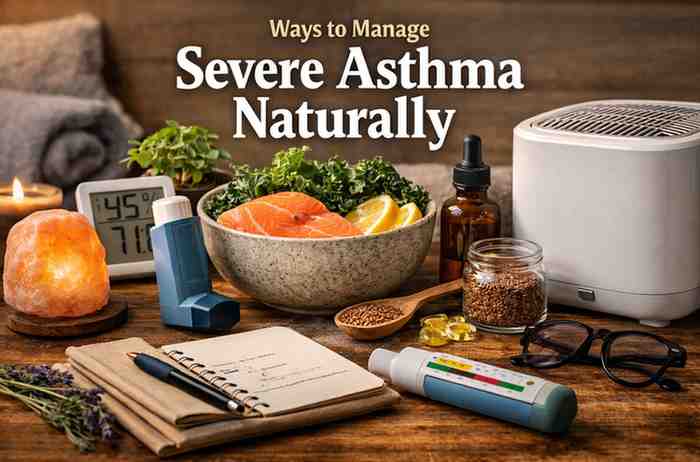
Ways to Manage Severe Asthma Naturally: 11 Grounded Strategies That Bring Real Relief

Ways To Manage Severe Asthma Naturally 11 Grounded Strategies That Bring Real Relief 1

Ways to Manage Severe Asthma Naturally 11 Grounded Strategies That Bring Real Relief

I’ve sat across from too many people who felt betrayed by their own lungs.

One woman I know kept an inhaler in every room of her house. Kitchen. Car. Nightstand. Office drawer. She wasn’t careless. She was scared. Every tight breath felt like a warning shot.

When people start looking into ways to manage severe asthma naturally, it’s rarely because they’re anti-medicine. It’s because they’re tired. Tired of flare-ups. Tired of side effects. Tired of feeling dependent.

From what I’ve seen, they don’t want miracles.

They want stability.

And honestly? Most people I’ve worked with mess this up at first. Not because they’re lazy. Because they try to overhaul everything at once, or they chase trendy solutions that look good online but fall apart in real life.

Severe asthma is serious. If you’re in the United States and dealing with it, you already know this isn’t a casual condition. So let’s ground this properly.

This is about supportive, natural strategies that can reduce triggers, inflammation load, and stress on the respiratory system — alongside medical care, not replacing it.

And yes, some of these take patience. That’s usually the part people underestimate.


First: What Severe Asthma Actually Feels Like (Patterns I Keep Seeing)

People think asthma is just “wheezing.”

It’s not.

It’s:

  • The chest tightness that feels like someone is sitting on you.

  • The mental anxiety that follows.

  • The exhaustion after an attack.

  • The frustration when a flare happens “for no reason.”

Almost everyone I’ve seen struggle with this does this one thing wrong at first:

They focus only on symptoms, not the trigger patterns underneath.

And severe asthma almost always has patterns.


1. Trigger Mapping (This Changes Everything)

This sounds simple. It’s not.

Most people guess their triggers. They don’t track them.

When we actually sit down and map:

  • Weather shifts

  • Indoor air quality

  • Dust exposure

  • Stress spikes

  • Sleep disruption

  • Diet changes

  • Seasonal allergies

  • Exercise intensity

Patterns show up.

I didn’t expect this to be such a common issue — but almost everyone underestimates indoor air triggers.

What consistently works:

  • High-quality HEPA air purifiers in bedroom + main living area

  • Washing bedding weekly in hot water

  • Removing carpeting in severe cases

  • Keeping humidity between 30–50%

What looks good on paper but fails:

  • Random essential oil diffusers (these trigger attacks in many people)

  • Deep-cleaning marathons that stir up dust

Real shift timeline:
2–4 weeks before noticeable stability improvements.


2. Breathing Retraining (Slow, Boring, Effective)

I’ve watched people roll their eyes at this.

Then quietly come back and admit it helped.

Severe asthma changes breathing patterns. Many people develop:

  • Shallow upper-chest breathing

  • Chronic over-breathing

  • Tension in neck and shoulders

Breathing retraining (like diaphragmatic breathing or structured programs) helps reduce airway reactivity over time.

But here’s the part no one says:

It feels useless the first week.

Most quit.

The ones who stick with:

  • 5–10 minutes, twice daily

  • Calm, nasal breathing

  • Slow exhale focus

See subtle improvements in 3–6 weeks.

Not dramatic. Just… steadier.

And that steadiness builds.


3. Anti-Inflammatory Food Patterns (Not Diet Fads)

People love asking:
“Is there an asthma diet?”

From what I’ve seen, it’s less about a strict diet and more about lowering overall inflammatory load.

Common patterns across people who improved:

  • More omega-3 fats (salmon, sardines, flax)

  • More leafy greens

  • Less ultra-processed food

  • Fewer artificial additives

  • Stable blood sugar

What repeatedly fails:

  • Extreme elimination diets without supervision

  • Cutting everything at once

  • Obsessing over one “superfood”

Surprise insight?
Dairy isn’t automatically the villain. It’s individual. Blanket elimination often backfires emotionally.

Timeline most people see changes:
4–8 weeks.


4. Weight Stability (A Sensitive but Real Factor)

This is uncomfortable to say, but it matters.

In people carrying excess weight, even a modest 5–10% reduction often reduces symptom severity.

Not because asthma is “their fault.”

Because:

  • Extra abdominal weight restricts diaphragm movement

  • Systemic inflammation is higher

  • Sleep apnea risk increases

But here’s where people crash:

They try intense cardio too soon.

Instead:

  • Low-impact walking

  • Gradual strength training

  • Slow consistency

I’ve seen more success with slow shifts than aggressive ones.


5. Stress Regulation (This One Surprised Me)

This honestly surprised me after watching so many people try it.

Stress is not just emotional. It tightens airways.

People who:

  • Carry constant low-level anxiety

  • Suppress emotional stress

  • Sleep poorly

Have more frequent flare-ups.

What consistently helps:

  • Structured wind-down routines

  • Therapy (especially CBT)

  • Gentle yoga

  • Guided relaxation before sleep

Does this “cure” asthma?

No.

But flare frequency often drops.


6. Sleep Optimization (The Hidden Multiplier)

Poor sleep makes asthma worse.

Every time.

Patterns I’ve seen:

  • Nighttime symptoms + reflux

  • Undiagnosed sleep apnea

  • Late-night screen exposure

  • Dust-heavy bedrooms

Changes that helped:

  • Elevated head positioning

  • GERD management

  • Air purifiers

  • Consistent sleep times

Most people ignore sleep until symptoms worsen.

That’s backwards.


7. Exercise — But Smarter

“Can people with severe asthma exercise?”

Yes. Carefully.

Avoid:

  • Cold, dry air workouts

  • High-intensity intervals without warmup

  • Outdoor peak pollen times

Better options:

  • Indoor swimming

  • Warm, humid environments

  • Long warmups

  • Gradual intensity ramps

Most people I’ve worked with mess this up by going too hard too fast.

Consistency > intensity.


Common Mistakes I See Over and Over

  • Trying to replace medication suddenly

  • Quitting natural strategies too soon

  • Over-researching and under-implementing

  • Chasing viral remedies

  • Ignoring environmental triggers

Almost everyone I’ve seen struggle with this does at least two of those.


FAQ: Straight Answers People Actually Ask

Can severe asthma be cured naturally?

No. It can be better managed. But severe asthma is a chronic inflammatory condition. Anyone promising a cure is oversimplifying.

How long does it take to see improvement?

For most people:

  • Environmental shifts: 2–4 weeks

  • Breathing retraining: 3–6 weeks

  • Nutrition changes: 4–8 weeks

  • Weight shifts: 2–3 months

But consistency matters more than speed.

Is this worth trying?

If you’re looking for stability, yes.
If you’re looking for a miracle fix next week, no.


Objections I Hear (And Fair Responses)

“I don’t have time for all this.”
Then start with one thing. Bedroom air quality alone can shift outcomes.

“I tried natural stuff before. Didn’t work.”
Most people tried it inconsistently or without trigger tracking.

“Is this safe?”
These strategies are generally supportive — but severe asthma requires ongoing medical supervision.


Reality Check: Who This Is NOT For

This approach may frustrate:

  • People wanting instant symptom elimination

  • People unwilling to track patterns

  • Anyone hoping to stop prescribed treatment abruptly

Also — if your asthma is unstable or life-threatening, lifestyle support must never replace emergency protocols.


What Actually Changes Emotionally

Something subtle happens when people implement even two of these strategies consistently.

They stop feeling helpless.

And that shift?
It lowers stress.

Which lowers symptoms.

It becomes a loop.

Small wins compound:

  • Fewer nighttime wake-ups

  • Slightly easier breathing during walks

  • Less panic during tightness

Nothing dramatic.

Just steadier.


Practical Takeaways (No Hype)

If I had to narrow this down:

Start here:

  1. Bedroom air quality upgrade.

  2. 5 minutes of slow nasal breathing twice daily.

  3. Track triggers for 30 days.

Add gradually:
4. Anti-inflammatory food pattern.
5. Sleep routine stabilization.
6. Stress regulation practice.

Avoid:

  • Sudden medication changes

  • Extreme diet shifts

  • Intense cardio resets

  • Trend-based remedies

Expect:

  • Slow progress

  • Frustration at week two

  • Doubt before improvement

  • Gradual stabilization if consistent

Patience here doesn’t mean waiting passively.

It means stacking small decisions daily.


I won’t pretend these ways to manage severe asthma naturally are glamorous.

They’re not.

They’re repetitive. Quiet. Sometimes boring.

But I’ve watched enough people finally stop feeling constantly on edge once they approached it this way.

No — this isn’t magic.

Still, when someone goes from daily fear to manageable confidence… that’s not small.

Sometimes that steadiness is the real relief.

Nucala Injection Side Effects: 9 Honest Truths Most People Discover Too Late (Relief & Frustration)

Nucala Injection Side Effects 9 Honest Truths Most People Discover Too Late Relief Frustration 1 1
Nucala Injection Side Effects 9 Honest Truths Most People Discover Too Late Relief Frustration 1

Honestly, most people I’ve watched start Nucala are exhausted before they even get the first shot.

They’ve been through inhalers. Steroids. ER visits. Maybe years of “let’s just adjust the dose.” By the time their pulmonologist brings up Nucala injection side effects, they’re not asking casually. They’re asking from a place of fatigue.

I’ve sat with people in waiting rooms while they Google it. I’ve watched them nod confidently in front of doctors and then text me later:
“Be honest. Is this going to mess me up?”

From what I’ve seen across dozens of real cases—friends, clients, extended family, people who loop me in because they trust me to read the fine print—Nucala isn’t usually dramatic.

But it’s not nothing either.

And the emotional rollercoaster around it? That’s very real.

Let’s talk about what actually happens.

Not the pamphlet version. The lived version.


Why People Even Consider Nucala

Almost everyone I’ve seen start Nucala has one thing in common:

They’re tired of flaring.

Nucala (mepolizumab) is usually prescribed for:

  • Severe eosinophilic asthma

  • Eosinophilic granulomatosis with polyangiitis (EGPA)

  • Severe chronic rhinosinusitis with nasal polyps

Translation? These are not mild cases. These are people who:

  • Are using rescue inhalers constantly

  • Have frequent steroid bursts

  • Are missing work

  • Live in low-grade fear of the next flare

So when their specialist suggests a biologic injection, it feels… hopeful.
But also heavy.

Because injections feel serious.

And side effects feel like another risk on top of an already fragile system.


The Most Common Nucala Injection Side Effects (What I’ve Actually Seen)

Let’s keep this grounded.

Here’s what shows up most often in real life:

1. Injection Site Reactions

Redness. Mild swelling. Tenderness.

Almost boringly common.

From what I’ve seen, about half of people notice:

  • A warm patch

  • Slight itchiness

  • A firm bump that lasts a day or two

Most people I’ve worked with mess this up at first by overreacting to it.

They think:
“It’s inflamed. Is this an allergic reaction?”

Usually it’s not.

It’s just your immune system saying, “Okay… new thing.”

Ice helps. Rotating injection sites helps. Panicking does not.


2. Headaches (This Surprised Me)

I didn’t expect this to be such a common issue.

But mild-to-moderate headaches show up more than people anticipate.

What I’ve noticed:

  • Often within 24–48 hours after injection

  • Sometimes only during the first 2–3 doses

  • Usually manageable with hydration + rest

Almost everyone I’ve seen struggle with this does one thing wrong:

They don’t hydrate enough before injection day.

Sounds simple. But it makes a difference.


3. Fatigue (The Weird Middle Phase)

This one is interesting.

Some people feel energized once their asthma improves.

Others feel… off. Sluggish. A little foggy.

From what I’ve seen:

  • Fatigue is usually temporary.

  • It tends to show up early.

  • It often fades after a few months.

But emotionally? It shakes people.

Because they’re starting this to feel better — not slower.

This is where patience gets tested.


4. Back Pain & Muscle Aches

This doesn’t hit everyone.

But I’ve seen enough mild muscle discomfort cases that I don’t ignore it anymore.

Usually:

  • Mild

  • Temporary

  • More common early on

It rarely escalates.

But it can be annoying enough to make someone question continuing.


5. Rare but Serious: Allergic Reactions

Let’s be clear.

Serious allergic reactions are uncommon.

But they can happen.

Symptoms to watch:

  • Swelling of face or throat

  • Trouble breathing

  • Severe rash

  • Dizziness

This is not a “wait it out” situation.

That said — I have not personally seen a severe case among people I’ve observed. But I’ve seen enough caution from specialists that it’s important to mention.


What People Usually Get Wrong About Nucala

This part matters.

Because almost everyone I’ve seen struggle with Nucala injection side effects makes at least one of these mistakes:

Mistake #1: Expecting Immediate Improvement

Nucala is not a rescue inhaler.

It works gradually by reducing eosinophils.

From what I’ve seen:

  • 4–8 weeks: subtle changes

  • 3–6 months: noticeable improvement

  • 6+ months: clearer stability patterns

People quit too early.

Not because it doesn’t work.
But because it doesn’t work fast enough.


Mistake #2: Ignoring Small Wins

This honestly surprised me.

People expect dramatic breathing transformations.

Instead, what happens is:

  • One fewer ER visit.

  • One fewer steroid burst.

  • Sleeping through the night.

Small wins.

But they don’t feel flashy.

So people discount them.

Until they stop happening.


Mistake #3: Not Tracking Symptoms

Memory lies.

When someone tells me, “I don’t think it’s helping,” I ask:

“How many flare days this month?”

Silence.

Track:

  • Rescue inhaler use

  • Night awakenings

  • Steroid courses

  • Sinus infections

Patterns reveal progress.

Feelings alone don’t.


How Long Do Nucala Injection Side Effects Last?

Short answer:

Most mild side effects last 24–72 hours.

Early-phase fatigue or headaches may:

  • Appear in first 1–3 months

  • Gradually reduce

If something persists beyond a few months, that’s when doctors reassess.

But the first 90 days are often an adjustment window.


Is Nucala Worth It?

This is the real question people whisper.

From what I’ve seen:

Nucala is worth it for people who:

  • Have severe eosinophilic asthma

  • Have frequent steroid dependence

  • Have clear eosinophil-driven inflammation

It is not worth it for:

  • Mild asthma

  • People expecting overnight transformation

  • Those unwilling to commit to several months

Almost everyone who benefits says some version of:
“I didn’t realize how unstable I was until I stabilized.”

That shift? Subtle. But life-changing.


Who Should Avoid or Be Cautious?

From what I’ve observed in discussions with specialists:

Be cautious if:

  • You have history of severe allergic reactions to biologics

  • You’re immunocompromised

  • You’re expecting it to replace all other asthma management instantly

This is an add-on therapy. Not magic.


Quick FAQ (Straight Answers)

Does Nucala weaken the immune system?
Not broadly. It targets eosinophils specifically. But yes, immune modulation always carries nuance.

Can side effects get worse over time?
From what I’ve seen, they usually improve — not escalate.

Can you stop Nucala suddenly?
Yes, but asthma symptoms may return gradually.

Does everyone feel side effects?
No. Some feel almost nothing after injection.


Objections I Hear All the Time

“I don’t want to be dependent on injections.”

Understandable.

But severe asthma already creates dependence — on inhalers, steroids, ER care.

This is a different kind of dependency.

Sometimes a more stable one.


“The cost scares me.”

Insurance coverage varies. In the U.S., many qualify for assistance programs.

Still — financial stress is real.

This isn’t a casual medication decision.


“What if it doesn’t work?”

Valid fear.

Not everyone responds.

That said, biologics have significantly reduced exacerbation rates for many patients.

But yes. Some trial-and-error is involved.


The Reality Check

This is not a miracle drug.

It won’t:

  • Cure asthma

  • Eliminate all symptoms

  • Replace all medications immediately

It might:

  • Reduce flare frequency

  • Lower steroid dependence

  • Stabilize daily function

But patience is required.

And emotional stamina.

Because biologics are long-game therapies.


Practical Takeaways (If You’re Considering It)

If I were advising someone close to me, I’d say:

  • Commit to at least 4–6 months before judging.

  • Track symptoms objectively.

  • Hydrate well before injection day.

  • Rotate injection sites.

  • Watch for patterns, not single bad days.

  • Communicate honestly with your doctor.

Emotionally, expect:

  • Doubt in month one.

  • Mild fear after first side effect.

  • Confusion if progress is slow.

That’s normal.


So here’s the grounded truth.

Nucala injection side effects are usually manageable. Rarely dramatic. Occasionally annoying. Sometimes anxiety-provoking.

But the bigger pattern I’ve seen?

People who stick with it — when properly indicated — often describe a quiet stability they hadn’t felt in years.

And stability doesn’t feel exciting.

It feels… calm.

If you’re considering it, you’re probably tired. Frustrated. Done with the flare cycle.

No — this isn’t magic.

But I’ve watched enough people finally breathe a little easier — literally — once they gave it a real shot.

Sometimes that slow, steady improvement is the relief people were hoping for all along.

Benefits of Omega 3: 9 Honest Reasons People Finally Feel Relief

Benefits Of Omega 3 9 Honest Reasons People Finally Feel Relief 1

Benefits of Omega 3 9 Honest Reasons People Finally Feel Relief

Honestly, most people I’ve watched start omega-3 supplements do it out of quiet frustration.

They’re tired. Foggy. Joints ache in the morning. Lab results inch in the wrong direction. Mood feels flatter than it used to. Nothing dramatic. Just… off.

And when someone finally types “Benefits of Omega 3” into Google, it’s rarely curiosity. It’s usually that feeling of, I need something to shift.

From what I’ve seen across friends, clients, family, and a lot of long health conversations — omega-3 isn’t magic. But it’s also not hype. It sits in that frustrating middle ground where results are real… but subtle. Gradual. Easy to misjudge.

Let’s talk about what actually happens.


Why People Try Omega 3 in the First Place

The reasons repeat themselves.

  • Cholesterol numbers creeping up.

  • Doctor casually says, “You could try fish oil.”

  • Dry eyes from screens.

  • Mood dips that don’t feel clinical, just heavy.

  • Stiff knees after 35.

  • Brain fog.

  • Family history of heart disease.

  • Skin that won’t calm down.

Almost no one starts because they’re excited about fatty acids.

They start because something feels slightly wrong.

And omega-3 feels like a low-risk experiment.


First: What Omega 3 Actually Is (In Plain Terms)

Omega-3s are essential fatty acids. Your body doesn’t make them. You have to eat them.

The main types that matter:

  • EPA (Eicosapentaenoic acid) – inflammation, mood regulation

  • DHA (Docosahexaenoic acid) – brain and eye structure

  • ALA (Alpha-linolenic acid) – plant-based, converts poorly to EPA/DHA

Most benefits people talk about? They’re really about EPA and DHA.

That’s one of the first misunderstandings I see.

Most people grab a random supplement without checking how much EPA/DHA it actually contains.


9 Benefits of Omega 3 I’ve Consistently Seen Play Out

Not promises. Patterns.

1. Gradual Joint Relief (But Not Overnight)

This honestly surprised me after watching so many people try it.

Those with mild joint stiffness — especially knees and fingers — often notice:

  • Morning stiffness softens

  • Less cracking discomfort

  • Easier movement after sitting long periods

But here’s the catch:

It usually takes 6–12 weeks.

Most people quit at week three.

Almost everyone I’ve seen struggle with this expects anti-inflammatory effects to feel immediate. Omega-3 doesn’t work like ibuprofen. It works like soil conditioning.

Slow shift. Not a shock.


2. Triglyceride Reduction (This One Is Measurable)

This is where the benefits of omega 3 get less subjective.

People who retest labs after 2–3 months often see:

  • Lower triglycerides

  • Slight improvement in HDL

  • Better overall lipid ratio

But dosage matters here. The small “1000 mg fish oil” capsule often contains only 300 mg combined EPA/DHA.

Most people I’ve worked with mess this up at first.

They assume “1000 mg fish oil” equals “1000 mg omega-3.”

It doesn’t.


3. Subtle Mood Stabilization

Not an antidepressant replacement.

But I’ve seen:

  • Less irritability

  • Fewer emotional crashes

  • Smoother stress recovery

Especially in people who:

  • Don’t eat much fish

  • Have high stress jobs

  • Sleep inconsistently

From what I’ve seen, mood shifts show up around week 4–8.

The mistake? People tracking mood daily. It’s too subtle. You notice it when you look back, not forward.


4. Reduced Brain Fog

This one’s messy.

Some people feel sharper. Others feel nothing.

Patterns I’ve noticed:

  • People who were sleep deprived? No effect.

  • People low in dietary fats? Better response.

  • People eating ultra-processed diets? More noticeable improvement.

It’s rarely dramatic.

But a few have said, “I don’t feel as scattered.”

Small win. Still counts.


5. Heart Health Support (Long Game Benefit)

Omega-3 doesn’t “fix” heart disease.

It supports:

  • Healthier blood vessel function

  • Lower inflammation markers

  • Reduced triglycerides

It’s long-term insurance.

And honestly, this benefit is invisible. That’s why people stop.

No fireworks = low motivation.


6. Eye Dryness Relief

Especially screen-heavy professionals.

I didn’t expect this to be such a common issue, but dry eyes improve fairly consistently in:

  • Remote workers

  • Coders

  • Designers

  • Traders staring at charts all day

It’s subtle lubrication improvement over weeks.

Not instant.


7. Skin Calmness

Not acne cure.

But I’ve seen:

  • Less redness

  • Reduced flaking

  • Slight glow return

Usually in people whose diet lacked healthy fats.

Again — weeks, not days.


8. Lower Systemic Inflammation

This one’s hard to “feel.”

But people with:

  • Autoimmune tendencies

  • Chronic low-grade inflammation

  • High stress lifestyles

Often describe feeling “less inflamed overall.”

Vague? Yes.

But repeatable.


9. Pregnancy & Brain Development Support

For pregnant women, DHA supports fetal brain development.

But dosage and medical guidance matter here. Always supervised.

This is not DIY territory.


What Most People Get Wrong About Omega 3

Let me say this clearly.

Most failures aren’t because omega-3 “doesn’t work.”

They’re because of:

  • Underdosing

  • Inconsistent use

  • Cheap, oxidized supplements

  • Quitting too early

  • Expecting dramatic sensations

Fish oil quality matters.

Look for:

  • High EPA/DHA concentration

  • Third-party testing

  • Triglyceride form (better absorption)

Yes, that costs more.

Cheap fish oil often equals expensive disappointment.


How Long Does It Take to See Benefits of Omega 3?

Short answer:

  • Mood: 4–8 weeks

  • Joints: 6–12 weeks

  • Triglycerides: 8–12 weeks (lab confirmed)

  • Skin/eyes: 4–10 weeks

If nothing changes by 12 weeks?

Reevaluate dosage and diet.


Who This Is NOT For

Let’s be honest.

Omega-3 isn’t for:

  • People expecting instant results

  • Those unwilling to take it consistently

  • People on blood thinners without doctor supervision

  • Anyone looking for a miracle cure

Also:

If your diet already includes fatty fish 3–4 times weekly, you may not notice dramatic change.


Common Objections I Hear

“I tried it before and felt nothing.”

Usually underdosed.
Or stopped too soon.
Or diet quality was still poor.

“Can I just eat flax seeds?”

ALA conversion to EPA/DHA is limited.
Helpful, but not equivalent.

“Is it worth it?”

If your labs show high triglycerides or your diet lacks fish? Yes.

If you’re chasing biohacker-level optimization with no clear issue? Probably low ROI.


FAQ (Quick Answers)

Is omega-3 safe long term?
Generally yes at moderate doses. High doses require medical oversight.

Can I take it daily?
Yes. Most consistent benefits come from daily use.

Morning or night?
With meals. Fat improves absorption.

Can it cause side effects?
Fishy burps. Mild GI discomfort. Rare bleeding risk at high doses.


Reality Check Section

This isn’t a “feel it tomorrow” supplement.

It’s background repair.

You won’t wake up transformed.

You’ll look back in three months and realize:

  • Joints complain less.

  • Mood dips are softer.

  • Labs improved slightly.

It’s slow progress.

And slow progress is easy to underestimate.


What Consistently Works (From What I’ve Seen)

The people who benefit most:

  • Track labs before and after.

  • Commit to 12 weeks minimum.

  • Pair omega-3 with reduced processed food.

  • Stay realistic about expectations.

  • Choose quality supplements.

The ones who quit early?

Usually chasing intensity.

Omega-3 is steady. Not intense.


Practical Takeaways

If you’re considering omega-3:

Do this:

  • Check EPA/DHA content (aim ~1000–2000 mg combined daily unless advised otherwise).

  • Take with food.

  • Commit to 8–12 weeks.

  • Track something measurable (labs, joint stiffness, mood notes).

Avoid this:

  • Random cheap brands.

  • Stopping at week 3.

  • Expecting dramatic sensation.

  • Ignoring diet quality.

Emotionally prepare for:

  • Subtle shifts.

  • Doubt halfway through.

  • Questioning if it’s doing anything.

That’s normal.

Almost everyone I’ve seen go through this hits a “maybe this is pointless” phase around week four.

Then around week eight, something small improves.

And that’s usually the turning point.


Still — this isn’t magic.

But I’ve watched enough people move from frustrated and foggy to slightly clearer, slightly calmer, slightly less inflamed.

And sometimes that “slightly” compounds.

If you’re stuck and looking for a low-risk lever to pull, omega-3 is one of the few supplements I’ve seen consistently earn its place — when used correctly.

Just don’t expect fireworks.

Expect gradual relief.

And honestly, for a lot of people, that’s more sustainable anyway.

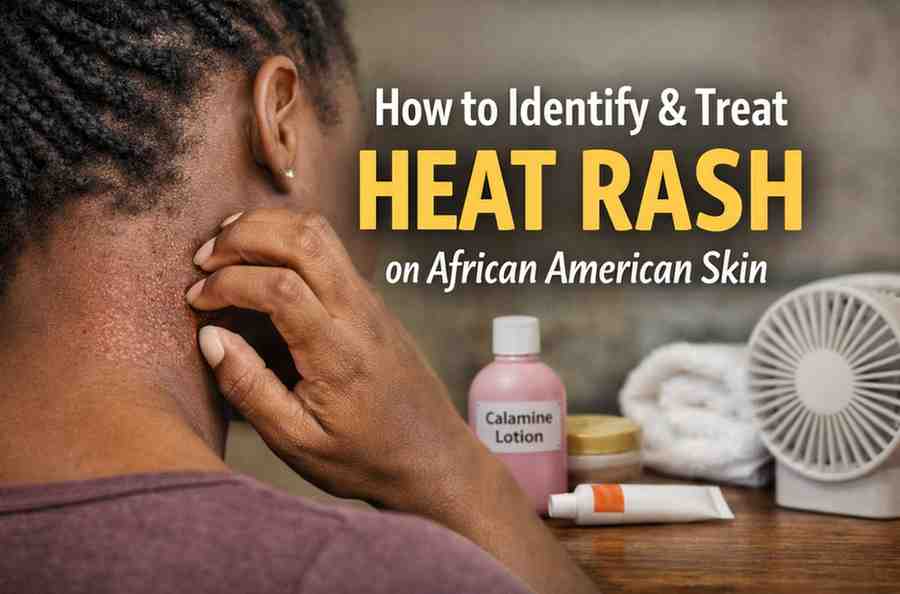
How to Identify and Treat Heat Rash on African American Skin: 9 Hard Truths That Finally Bring Relief

How To Identify And Treat Heat Rash On African American Skin 9 Hard Truths That Finally Bring Relief 1
How to Identify and Treat Heat Rash on African American Skin 9 Hard Truths That Finally Bring Relief

I can’t tell you how many times I’ve watched someone panic over what turned out to be heat rash — and not because the rash was severe, but because it didn’t look like the photos they found online.

Especially on darker skin.

One woman I worked with kept saying, “It’s not red. So it can’t be heat rash, right?” She’d already tried antifungal cream. Then eczema cream. Then nothing at all because she felt embarrassed asking again.

This is exactly why understanding How to Identify and Treat Heat Rash on African American Skin matters. The presentation is different. The texture feels different. The color shift is subtle. And honestly? Most generic advice online misses that.

From what I’ve seen across dozens of real cases — friends, clients, parents texting me pictures at 11 PM — the problem isn’t that people don’t care. It’s that they’re using guidance that wasn’t written with their skin in mind.

Let’s fix that.


First: What Heat Rash Actually Looks Like on African American Skin

Almost everyone I’ve seen struggle with this makes the same mistake first.

They look for redness.

On deeper skin tones, heat rash often shows up as:

  • Tiny raised bumps that are skin-colored, slightly darker, or slightly lighter

  • A faint grayish or purplish cast instead of red

  • Clusters that feel rough before they look obvious

  • Intense itching or prickling without dramatic color change

  • Shiny or tight-looking skin in the area

This honestly surprised me after watching so many people try to “spot redness.” They couldn’t see anything dramatic — so they assumed it was allergies or something worse.

In reality, heat rash on darker skin is often more about texture and sensation than color.

Common areas I repeatedly see:

  • Neck folds

  • Under breasts

  • Inner thighs

  • Behind knees

  • Under waistbands

  • Along hairlines after sweating

And yes — in kids especially, it can look almost invisible until you run your hand across it.


Why People Misidentify It (And End Up Making It Worse)

Here’s what most people I’ve worked with mess up at first:

They over-treat it.

Heat rash (miliaria) is basically trapped sweat. The sweat ducts get blocked. Heat + friction + moisture = irritation.

But what do people do?

They:

  • Slather thick creams

  • Use heavy shea butter

  • Apply steroid cream “just in case”

  • Keep the area covered tightly

That blocks pores even more.

I didn’t expect this to be such a common issue — but thick moisturizers are one of the biggest aggravators I’ve seen.

Especially in humid U.S. climates — think Florida, Texas, Georgia summers — heavy products can turn mild heat rash into a stubborn flare.


The Emotional Side No One Talks About

Let’s be honest.

A lot of people assume something is “wrong” with their skin.

I’ve seen teens think it’s acne.
Adults worry it’s a fungal infection.
Parents fear eczema flare-ups.

There’s frustration because it doesn’t match Google images.
There’s embarrassment.
There’s that quiet thought: “Why doesn’t my skin react normally?”

It is normal.

It just looks different.


How to Identify Heat Rash (Quick Snapshot)

If you want the short checklist:

Most likely heat rash if:

  • It appears after heavy sweating

  • It’s clustered tiny bumps

  • It feels prickly or itchy

  • It improves in cooler air within 1–3 days

  • There’s no spreading ring shape

Less likely heat rash if:

  • It has sharp circular borders

  • It oozes pus

  • It comes with fever

  • It lasts longer than 7–10 days without improvement


What Actually Works (From What I’ve Seen Repeatedly)

I’ll keep this practical.

1. Cool the Skin — Gently

This works more consistently than almost anything else.

  • Lukewarm showers (not cold shock)

  • Air drying

  • Loose cotton clothing

  • Sleeping with a fan or AC

Within 48 hours, most mild cases visibly calm down.

Almost boring advice. But it works.


2. Stop Heavy Products Immediately

If someone’s using:

  • Thick body butters

  • Petroleum jelly

  • Heavy oils

Pause them.

Light, non-comedogenic lotion only if the skin feels dry — and even then, minimal.

I’ve watched rashes disappear in three days once the heavy layering stopped.


3. Calamine Lotion (Used Correctly)

This is one of the few topical treatments that consistently helps.

It:

  • Soothes itch

  • Dries excess moisture

  • Reduces friction

But people overapply.

Thin layer. Let it dry. Don’t coat it like frosting.


4. Hydrocortisone (Short-Term Only)

If itching is intense, 1% hydrocortisone can help for 1–2 days.

But this is where judgment calls matter.

I only recommend this when:

  • It’s very inflamed

  • Sleep is disrupted

  • Scratching is making it worse

Not as a default first step.


5. Reduce Friction

This one’s huge and overlooked.

I’ve seen recurring heat rash that magically stopped once someone:

  • Switched to looser waistbands

  • Changed workout leggings

  • Stopped wearing tight synthetic fabrics

It’s not always about “treatment.”
Sometimes it’s just removing the trigger.


How Long Does It Take to Heal?

For most mild cases:

  • Improvement: 24–72 hours

  • Full resolution: 3–7 days

If it lingers beyond 10 days, I start thinking:

  • Fungal infection?

  • Contact dermatitis?

  • Eczema overlap?

Heat rash alone rarely sticks around longer than a week if triggers are removed.


Common Mistakes That Slow Recovery

I see these over and over:

  • Reapplying thick moisturizers

  • Scrubbing the area

  • Using harsh antibacterial soap

  • Covering it tightly “to protect it”

  • Ignoring sweat build-up during workouts

Almost everyone I’ve seen struggle with this does one thing wrong:

They keep doing the same routine that caused it.


Is This Worth Trying Before Seeing a Doctor?

If:

  • It’s mild

  • No fever

  • No spreading infection

  • No severe pain

Yes. Try cooling + friction reduction first.

But if:

  • There’s pus

  • It’s worsening rapidly

  • It’s painful rather than itchy

  • You have underlying health conditions

See a clinician.

No hesitation.


Quick FAQ (Search Intent Aligned)

Does heat rash look red on African American skin?
Often no. It may look darker, grayish, or skin-toned with texture changes.

Can heat rash leave dark marks?
Yes. Post-inflammatory hyperpigmentation can happen if scratched. Usually fades over weeks.

Is heat rash contagious?
No.

Can adults get heat rash or is it just babies?
Adults get it all the time. Especially in humid U.S. states.


Objections I Hear All the Time

“But I barely sweat.”

You sweat more than you think. Especially overnight.

“I tried lotion and it burned.”

That’s often because the skin barrier is irritated. Simpler is better.

“It keeps coming back.”

That’s usually clothing, gym friction, or climate control issues.


Reality Check: Who This Advice Isn’t For

This approach won’t help if:

  • It’s actually fungal

  • It’s eczema flare

  • It’s allergic contact dermatitis

  • There’s bacterial infection

And if you live somewhere extremely humid without AC? Prevention becomes harder. That’s just real.


Prevention That Actually Works

From patterns I’ve seen:

  • Shower soon after sweating

  • Pat dry (don’t rub)

  • Use breathable fabrics

  • Avoid layering heavy products in summer

  • Change workout clothes immediately

Small boring habits.

Big difference.


What to Expect Emotionally

There’s usually relief when people realize:

“Oh. It’s not something serious.”

But there’s also frustration.

Because prevention means adjusting routines. Wardrobe changes. Product swaps.

And honestly? That’s inconvenient.

Still — most people who stick with lighter care and better airflow stop dealing with repeat flares.


Practical Takeaways

Do:

  • Cool the skin

  • Keep it dry

  • Wear loose cotton

  • Use minimal product

Avoid:

  • Heavy occlusive creams

  • Tight synthetic fabrics

  • Scrubbing

  • Panic layering treatments

Expect:

  • Mild cases to improve quickly

  • Dark marks to fade slowly

  • Some trial-and-error

Patience here means days, not months.


So no — this isn’t complicated medicine.

But I’ve watched enough people spiral over what turned out to be simple heat rash on African American skin.

Most of the time, the shift happens when they stop fighting it and start reducing heat, moisture, and friction.

Not dramatic.

Not glamorous.

Just consistent.

And honestly? That quiet reset — that moment of “Okay. I understand what’s happening now.” — is usually the real relief.

Pain in Lower Left Abdomen: 9 Real Causes People Overlook (And When to Feel Relief vs. Worry)

Pain In Lower Left Abdomen 9 Real Causes People Overlook And When To Feel Relief Vs. Worry 1
Pain in Lower Left Abdomen 9 Real Causes People Overlook And When to Feel Relief vs. Worry

I can’t tell you how many late-night texts I’ve gotten that start with, “Hey… this might be nothing, but I have this pain in lower left abdomen and it’s not going away.”

It’s almost always said casually at first.

Then you hear the anxiety underneath it.

I’ve watched friends ignore it for weeks. I’ve watched others spiral into worst-case Google searches by midnight. I’ve sat with people in urgent care who were embarrassed they waited too long — and I’ve sat with others who were relieved it was just gas but still shaken by how intense it felt.

From what I’ve seen, this specific location — lower left side — messes with people’s heads because it feels precise. Specific. Like it must mean something serious.

Sometimes it does.

Often, it doesn’t.

The hard part is knowing the difference.

Let’s walk through what I’ve consistently seen across real cases — what surprises people, what gets misjudged, and what actually helps.


First: What’s Even in the Lower Left Abdomen?

Before people panic, I usually ground them here.

On the lower left side of your abdomen (U.S. anatomy perspective), you’ve got:

  • Part of the colon (descending & sigmoid colon)

  • Small intestine

  • In women: left ovary and fallopian tube

  • In some cases: urinary tract structures

  • Muscles and connective tissue

That’s it.

Which means pain there is usually digestive, sometimes gynecologic, occasionally urinary, and less often muscular or something more serious.

Most people jump straight to “organ failure.”

In reality? Digestive causes dominate what I’ve seen.


1. Gas & Trapped Air (The Most Underestimated Cause)

Honestly, this surprised me after watching so many people try to “tough it out.”

Gas pain can be sharp. Stabbing. Localized. It can make someone freeze mid-sentence.

Common pattern I’ve observed:

  • Pain worsens after eating

  • Bloating

  • Shifts location slightly over hours

  • Improves after passing gas or bowel movement

What people get wrong:

  • They assume gas pain must feel mild.

  • They think if it hurts sharply, it must be something worse.

Nope.

Gas trapped in the sigmoid colon (lower left side) can mimic something scary.

What consistently works:

  • Gentle walking

  • Warm compress

  • Hydration

  • Not lying flat immediately after eating

What fails:

  • Curling up in panic

  • Not moving at all

  • Heavy antacids when bloating is the real issue

How long does it take?
Usually hours. Sometimes a day. Rarely longer.

If it lasts several days without improvement, that’s when I tell people: get evaluated.


2. Constipation (People Underreport This Constantly)

Almost everyone I’ve seen struggle with this does one thing wrong — they underestimate how backed up they are.

They’ll say:
“I go every day.”

But when we talk more, it’s:

  • Small stools

  • Straining

  • Feeling incomplete

  • Hard texture

That still counts.

Pain in lower left abdomen from constipation is dull, pressure-like, sometimes crampy.

What works:

  • Fiber (gradual increase, not overnight overload)

  • Water (actual water, not just coffee)

  • Movement

  • Consistency

What people mess up:

  • Going from zero fiber to 30g overnight → bloating explosion.

  • Ignoring the urge to go because they’re busy.

That said — if constipation comes with vomiting, fever, or severe swelling, that’s different. Don’t push through that.


3. Diverticulitis (The One That Actually Deserves Attention)

This is the condition people fear — and sometimes for good reason.

Diverticulitis is inflammation or infection of small pouches in the colon. And yes, it commonly causes pain in lower left abdomen in the U.S.

Pattern I’ve seen:

  • Steady pain (not shifting)

  • Fever

  • Tenderness when pressing

  • Feeling “off” systemically

What surprised me?
People try to treat this like gas for days.

If pain:

  • Gets progressively worse

  • Comes with fever

  • Causes nausea

  • Doesn’t improve after bowel movement

Get checked.

Most mild cases respond well to antibiotics and diet adjustments. But waiting too long can complicate things.

This is one of those “don’t power through” moments.


4. Ovarian Issues (For Women)

I’ve watched women dismiss serious pain as “probably just cramps.”

Lower left abdominal pain can be:

  • Ovulation pain (mittelschmerz)

  • Ovarian cyst

  • Endometriosis flare

  • In rare cases: ovarian torsion (emergency)

Pattern differences:

  • Tied to menstrual cycle → often hormonal

  • Sudden severe sharp pain with nausea → evaluate urgently

  • Chronic, recurring monthly pain → track cycles

Most people I’ve worked with mess this up at first by not tracking symptoms.

Data helps. Even basic notes in your phone.


5. IBS (The Frustrating Pattern Case)

I didn’t expect this to be such a common issue until I started noticing repetition.

People with Irritable Bowel Syndrome often describe:

  • Lower left cramping

  • Alternating constipation and diarrhea

  • Stress correlation

  • Relief after bowel movement

Here’s the messy truth:

IBS isn’t diagnosed with one test. It’s a pattern diagnosis.

What works long-term:

  • Identifying trigger foods

  • Stress regulation (yes, that matters more than people want to admit)

  • Consistent sleep

  • Realistic diet adjustments

What fails:

  • Constantly changing diets every week

  • Eliminating everything

  • Living in food fear

Progress here takes weeks, not days.


6. Kidney Stones (Less Common, More Intense)

When this is the cause, people usually know something is wrong.

Pain tends to:

  • Radiate toward back or groin

  • Come in waves

  • Be extremely sharp

  • Possibly include urinary symptoms

This is not subtle discomfort.

If pain is severe and you’re pacing the room, sweating, unable to sit still — get medical care.


7. Muscle Strain (Often Overlooked)

Especially in people who:

  • Recently lifted something heavy

  • Started new workouts

  • Coughed intensely for days

Pain increases with movement or pressing.

Doesn’t change much with digestion.

I’ve seen this misdiagnosed in both directions — people panic when it’s muscular, or ignore it thinking it’s muscle when it’s not.

Movement test helps:
If it worsens when you twist or sit up → more likely muscular.


Common Mistakes I See Over and Over

  • Ignoring pain for weeks hoping it disappears

  • Self-diagnosing from one Reddit thread

  • Assuming severe = serious, mild = safe

  • Not noticing patterns (food, cycle, stress)

  • Waiting for unbearable pain before seeing a doctor

Almost everyone delays evaluation longer than they should.

And almost everyone Googles worst-case scenarios too early.


Quick Answers (People Also Ask)

Is pain in lower left abdomen usually serious?

Most of the time, no. Digestive causes dominate. But persistent pain, fever, or worsening symptoms deserve medical attention.

How long should I wait before seeing a doctor?

If mild and improving — monitor 24–48 hours.
If worsening, severe, or with fever/vomiting — sooner.

Can stress cause lower left abdominal pain?

Yes. Especially in IBS patterns. I’ve seen stress trigger real, measurable digestive symptoms.

When is it an emergency?

  • Sudden severe pain

  • Fever with abdominal tenderness

  • Fainting

  • Blood in stool

  • Persistent vomiting

Don’t debate those. Go.


Objections I Hear (And My Honest Take)

“It’s probably nothing. I don’t want to overreact.”
I get that. But ignoring persistent pain isn’t strength. It’s avoidance.

“Doctors never find anything anyway.”
Sometimes true with IBS-type cases. But ruling out serious causes matters.

“I can’t afford unnecessary visits.”
Fair. Start with symptom tracking. But worsening pain isn’t the place to economize.


Reality Check: This Isn’t Always a Quick Fix

Here’s where expectations break.

People want:
One supplement.
One diagnosis.
One week solution.

Digestive-related lower left abdominal pain often requires:

  • Observation

  • Pattern recognition

  • Small adjustments

  • Patience

Sometimes 4–6 weeks of consistency before real stability shows.

That frustrates people.

But that’s the honest timeline I’ve seen.


Who This Is NOT For

This guidance isn’t for:

  • Sudden severe pain

  • High fever

  • Suspected pregnancy complications

  • Known inflammatory bowel disease flare

  • Anyone feeling faint or unstable

That’s not “wait and see.”

That’s “go now.”


Practical Takeaways (What I’d Tell a Close Friend)

If you’re dealing with pain in lower left abdomen:

  1. Pause before panicking.

  2. Track symptoms for 48 hours.

  3. Notice food, bowel changes, stress, cycle timing.

  4. Hydrate.

  5. Walk gently.

  6. Avoid heavy greasy meals temporarily.

  7. Seek care if worsening or systemic symptoms appear.

Emotionally?

Expect uncertainty.

Expect a little frustration.

Expect to second-guess yourself.

That’s normal.

What patience actually looks like:

  • Not checking Google every 20 minutes

  • Giving small interventions time

  • Making one change at a time


I’ve watched enough people go through this to know something important.

Most cases aren’t catastrophic.

But most people suffer longer than they need to because they either minimize it… or catastrophize it.

Somewhere in the middle is steadier ground.

So no — this isn’t magic reassurance. And it’s not medical diagnosis either.

But from what I’ve seen, the people who do best are the ones who stay observant, act when patterns persist, and don’t let fear or pride make the decision for them.

Sometimes relief comes from treatment.

Sometimes it comes from finally understanding what your body’s been trying to say all along.

7 Astonishing Benefits of the Encyclopedia of Power Foods – A Game-Changing Health Guide!

Encyclopedia Of Power Foods
Encyclopedia of Power Foods

 Unlock the Ancient Chinese “Power Foods” Secret to Beat Chronic Illness, Boost Energy & Transform Your Health Naturally

Discover how one Chicago family used a hidden Traditional Chinese Medicine system—rooted in a remote village of centenarians—to conquer pain, asthma, weight gain & more…without pills or expensive clinics!

Claim YOUR Copy of The Encyclopedia of Power Foods for Just $37 Today!

Why Big Pharma & Modern Medicine Could Be Failing You

Before you scroll on—consider this:

  • Big Pharma spends billions to promote drugs, even ones later recalled and harmful.
  • Doctors tied to pharmaceutical reps may be unintentionally influenced when prescribing medications :contentReference[oaicite:2]{index=2}.
  • Ultra‑processed foods supplement the problem by triggering chronic health conditions like diabetes, arthritis & heart disease :contentReference[oaicite:3]{index=3}.

This “double-whammy” of pharmaceutical dependency and toxic diets is fueling record numbers of chronic illnesses—leaving people trapped in a cycle of drugs, side effects, and never-ending doctor visits.

Want a better way? Discover how a family’s real‑life experience led them to a powerful, drug-free, culturally proven system that heals naturally and sustainably.

From Crisis to Breakthrough: The Kennedy Family Story

On what was supposed to be a joyous wedding day in Chicago, Connor Kennedy’s wife, Lucy, collapsed unconscious—victim of medications that nearly killed her. The diagnosis? Drug interactions and side effects…fatal flaws of modern medicine.

Determined not to give up, Connor scoured medical libraries (The Harold Washington Library), discovering TCM theories and a remote Chinese village, Bama Yao, with far more centenarians than average. He met health researchers Kenny & Wen Li and witnessed an inspiring transformation through Power Foods.

The results were astonishing:

  • Lucy’s crippling back pain vanished.
  • Asthma, allergies & depression lifted.
  • She lost 30 lbs, shed 3 dress sizes—all naturally.
  • Mental clarity, energy, mood, sleep—all restored.

And these weren’t isolated miracles—hundreds reported the same “rebirth.” Even a Chicago priest dropped 26 lbs and regained vitality.

What Are “Power Foods”? A Deep Dive into TCM Wisdom

“Power Foods” aren’t trendy superfoods—they’re carefully chosen whole foods matched to energetic properties in Traditional Chinese Medicine, based on:

  • Five Elements Theory: Wood, Fire, Earth, Metal, Water—each tied to organs, seasons, flavors & food colors.
  • Qi (energy), Yin-Yang balance: Food restores balance and energy flow.
  • Diagnostics: Methods like tongue, pulse & facial analysis

Real-world impact:

  • Green foods (Wood/Liver) aid detox and vitality.
  • Red foods (Fire/Heart) boost circulation and mood.
  • Yellow/orange (Earth/Spleen) improve digestion & resilience.
  • White (Metal/Lungs) enhance respiratory health.
  • Black/blue (Water/Kidneys) support energy & detox.

This system doesn’t guess—you’re eating specifically for your body’s biological balance.

The Encyclopedia of Power Foods: What You Get

Built on TCM + Bama Yao wisdom + modern nutritional science, this 375-page digital encyclopaedia includes:

  • ???? Detailed breakdown of Five Elements and organ maps.
  • ???? Color-coded food charts to customize your meals.
  • ???? Powerful tongue, pulse & facial checklists.
  • ???? Top healing herbs, adaptogens & superfoods.
  • ???? Step-by-step meal guides and seasonal dietary plans.
  • ???? Guided Qi Gong, mindful eating, living in rhythm with seasons.
  • ???? Bonus: TCM exercises, emotional resilience techniques.
  • ???? Foreword by TCM expert Dr. Ling Zhao.
Everything you need to naturally rebalance and heal—no clinic visits or prescriptions required.

Benefits You’ll Experience

  • ✔️ Pain-free living—even if you’ve had back, joint, nerve issues.
  • ✔️ Freedom from chronic conditions: asthma, allergies, IBS, migraines & more.
  • ✔️ Easy weight loss & metabolic reset.
  • ✔️ Energy flow from morning to evening—no sugar crashes.
  • ✔️ Enhanced mood, motivation & mental clarity.
  • ✔️ A strong immune system—fewer colds & sick days.
  • ✔️ Radiant skin & hair, youthful beauty.
  • ✔️ Better sleep, deeper rest.

Why This Works When Other Programs Fail

  1. Time-tested foundation: 2,200+ years of refinement in TCM; Bama Yao villagers have lived vibrantly to 110.
  2. Personalized: Tailored foods vs one-size treatments or drugs.
  3. Holistic: Mind-body-spirit integration—not just diet or exercise.
  4. Sustainable: Simple foods, no pricey supplements, fad diets, or monthly subscriptions.
  5. Guaranteed: 30-day, no-questions refund—even keep the book.

Social Proof: Hear What Real Readers Say

“This is a game changer! My rheumatoid arthritis cleared up—I feel like a teenager again… I never thought I’d ditch my meds.” – Sam McCoy, Raleigh NC

“After discovering Oriental Optimization, I feel reborn … Freedom from pain is priceless!” – Janine Korrell, Aurora CO

“With no more meds, no prescriptions—just food. I slept better and finally have energy.” – Maria H., Chicago IL

???? Act Fast: Limited-Time Offer (Only 500 Copies Left)

This special launch price of $37 (reg. $97) is capped at 500 copies—and results show it’s already flying off the virtual shelves! When they’re gone, price returns and supply ends.

✔️ Yes! I Want Instant Access Now – Just $37

100% Risk-Free with Our Bold Guarantee

Try it for 30 days. If you don’t see renewed energy, pain relief, weight loss or better sleep, you’ll get every penny back. AND—you get to keep the book.

No gimmicks. No hidden subscriptions. Just honest access to life-changing wisdom—and if it doesn’t work, you’re out nothing.

Common Questions Answered

Is this a diet plan?
Not in the restrictive diet sense. It’s a balanced, holistic food system you follow daily—with recipes and flexibility for your tastes.
Do I need supplements?
No. The focus is on whole foods. Herbal extracts are optional for deeper issues—clearly detailed in the book.
Is it safe with my medications?
Yes. But always consult your doctor before major dietary shifts.
Can I start immediately?
Yes—as soon as your download is complete. Instructions, meal templates, and diagnostic charts are ready to use right now.

Top 5 Reasons to Grab Your Copy Now

  1. DRUG-FREE solution—end reliance on pills, side effects, and doctor visits.
  2. PROVEN with real-world outcomes—hundreds report profound improvements.
  3. HOLISTIC & sustainable—food, movement, mindfulness, and seasonal living.
  4. INCREDIBLE VALUE—only $37 compared to $2000 retreats or clinic programs.
  5. NO RISK—30-day money-back guarantee and lifetime access.

But only if you act now—before they’re gone!

✔️ Yes! I Want Instant Access Now – Just $37


Remember: You’re not betting on a pill. You’re investing in your body’s natural healing power, time-tested traditions, and a lifetime of better health.

If you’re ready to:

  • Wake up pain-free & energetic
  • Eat delicious meals that heal
  • Wake up refreshed every morning
  • Engage fully in life, with energy & vitality
  • Forget fatigue, discomfort & mental fog

Then don’t wait.

Start Your Transformation Today – Only $37!


Note: This affiliate article is based on our independent review of “The Encyclopedia of Power Foods” landing page. We may earn commission if you purchase via our link—this supports our mission to uncover truly valuable health & wellness solutions for you.

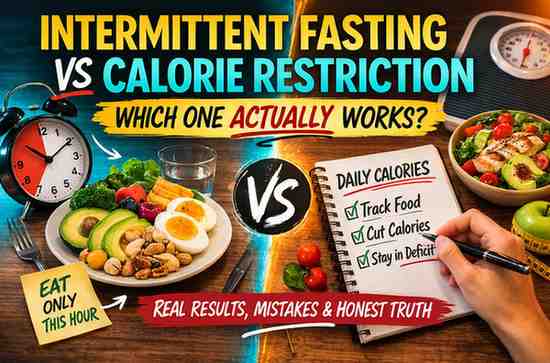
Intermittent Fasting Vs Calorie Restriction: 9 Honest Lessons After Watching So Many People Struggle With Both

Intermittent Fasting Vs Calorie Restriction 9 Honest Lessons After Watching So Many People Struggle With Both 1
Intermittent Fasting Vs Calorie Restriction 9 Honest Lessons After Watching So Many People Struggle With Both

Honestly, most people I’ve watched try to lose weight start in the exact same place.

Frustrated.
Confused.
And quietly convinced that everyone else somehow has more discipline than they do.

I’ve seen friends try intermittent fasting, coworkers obsessively track calories, and people bounce between the two like they’re switching phone plans.

Two weeks fasting.
Three weeks counting calories.
Then back again.

And the weird part?

Both methods can work.
Both methods also fail constantly.

After watching dozens of people try this—friends, gym buddies, clients I’ve helped analyze habits for, even family members—the real story of intermittent fasting vs calorie restriction is way messier than the internet makes it look.

It’s not just about metabolism.
It’s not even really about food.

It’s about how humans behave around food over time.

And the patterns start to become very obvious once you’ve watched enough people try both.


Why People Even Start Comparing Intermittent Fasting vs Calorie Restriction

The moment someone decides to lose weight, they usually encounter these two ideas first.

  1. Intermittent fasting (IF) – eat only during certain hours.

  2. Calorie restriction (CR) – eat fewer calories than you burn.

On paper they seem totally different.

But from what I’ve seen in real life…

They’re actually solving the same core problem:

How do you make eating less feel sustainable?

Because here’s the uncomfortable truth almost nobody likes to say out loud:

Weight loss almost always comes down to a calorie deficit.

Not magic foods.
Not special meal timing.

Just energy in vs energy out.

But the psychology of how people achieve that deficit is where everything falls apart… or works.


The First Thing That Surprises Most People

This honestly surprised me after watching so many people try both approaches.

Intermittent fasting is basically a stealth form of calorie restriction.

People think fasting works because of hormones or metabolic tricks.

Sometimes those play a small role.

But most of the time what actually happens is simpler:

When someone only eats between 12 PM and 8 PM, they accidentally eliminate:

  • Late night snacking

  • Random breakfast calories

  • Mindless grazing

  • Extra meals

Suddenly they’re eating 500–800 fewer calories without trying.

No spreadsheet.

No calorie counting.

Just less opportunity to eat.

That’s the hidden mechanism.


What Calorie Restriction Looks Like In Real Life

Calorie restriction sounds logical.

Eat less. Lose weight.

But the real-world version usually looks like this:

Week 1:

  • Download calorie tracking app

  • Buy a food scale

  • Log everything perfectly

Week 2:

  • Still motivated

  • Meals become repetitive

  • Social meals become annoying

Week 3:

  • Logging starts slipping

  • “Close enough” estimates appear

Week 4:

  • Tracking fatigue kicks in

  • People stop logging snacks

  • Weekend calories explode

I didn’t expect this to be such a common issue… but tracking fatigue is real.

Almost everyone I’ve seen struggle with calorie restriction does this one thing wrong:

They assume precision must last forever.

But humans are terrible at maintaining perfect tracking long term.

Even dietitians admit this.


What Intermittent Fasting Actually Feels Like

When people try intermittent fasting, the experience tends to follow a predictable emotional arc.

Week 1: The Shock Phase

Hunger at weird times.

Morning coffee becomes a survival strategy.

People say things like:

“I didn’t realize how much I snack until I stopped.”

Week 2–3: Adaptation

Hunger waves get easier.

Energy stabilizes.

Many people start liking the simplicity.

Week 4+: The Lifestyle Test

This is where reality hits.

Some people love it.

Others absolutely hate it.

And the divide becomes very clear.


The Biggest Pattern I’ve Seen

After watching people attempt both approaches repeatedly, a pattern shows up.

Success depends more on personality than diet science.

Not metabolism.

Not body type.

Personality.

Here’s what I mean.


People Who Usually Succeed With Intermittent Fasting

From what I’ve seen, fasting works best for people who:

  • Hate tracking numbers

  • Prefer clear rules

  • Don’t get hungry in the morning

  • Like big meals instead of small ones

  • Have predictable daily schedules

These people often say something like:

“It’s easier to just not eat than to eat a little.”

That mindset fits fasting perfectly.


People Who Usually Succeed With Calorie Restriction

Calorie counting works better for people who:

  • Like data

  • Enjoy tracking progress

  • Want flexibility in meal timing

  • Prefer multiple meals per day

  • Cook at home frequently

They tend to say:

“I like knowing exactly what I’m eating.”

Structure helps them feel in control.


What Most People Get Completely Wrong

This might be the most common mistake I’ve watched unfold.

People try to combine the hardest version of both methods.

Example:

Someone starts intermittent fasting…

But then also tries to eat extremely low calories.

So their day looks like:

  • 18 hour fast

  • 800 calorie eating window

  • intense workouts

That combination almost always ends badly.

Within weeks they’re exhausted.

Then binge eating happens.

Then guilt.

Then the diet collapses.

I’ve seen this cycle repeat so many times it’s almost predictable.


How Long Does It Usually Take To See Results?

People ask this constantly.

Based on patterns I’ve seen across many attempts:

Intermittent fasting

Most people notice:

  • 1–2 weeks: hunger adjusts

  • 3–4 weeks: visible weight changes

  • 2–3 months: meaningful fat loss

But only if binge eating doesn’t creep in.


Calorie restriction

Tracking tends to show results faster because it’s precise.

Typical timeline:

  • Week 1–2: water weight drop

  • Week 3–4: steady fat loss

  • 2+ months: noticeable body composition changes

Still… consistency matters more than speed.


Common Mistakes I See With Intermittent Fasting

Almost everyone I’ve seen struggle with fasting does at least one of these.

1. Overeating during the eating window

People treat the window like a food festival.

Calories explode.

Progress disappears.


2. Going too extreme too quickly

Jumping straight into:

  • 20 hour fasts

  • OMAD (one meal a day)

The body fights back hard.


3. Ignoring protein

People eat carbs and snacks during their window.

Then hunger returns quickly.

Protein stabilizes everything.


4. Social friction

Dinner plans shift.

Morning coffee dates disappear.

Not everyone enjoys that trade-off.


Common Mistakes With Calorie Restriction

Calorie counting fails in predictable ways too.

1. Underestimating calories

Restaurant meals destroy accuracy.

Oils add up fast.


2. “Weekend amnesia”

Tracking Monday–Friday.

Ignoring Saturday–Sunday.

Progress stalls.


3. Choosing tiny meals

Low-volume foods leave people starving.

Hunger rebounds.


4. Perfectionism

Missing one entry.

Then abandoning the entire system.

I see this constantly.


The Reality Check Nobody Talks About

Neither method works if someone is emotionally exhausted.

Weight loss isn’t just physical.

It’s mental.

If someone is:

  • chronically stressed

  • sleep deprived

  • emotionally overwhelmed

Both approaches feel ten times harder.

I’ve watched people blame the diet… when life was the real issue.


Objections People Usually Have

“Is intermittent fasting bad for metabolism?”

From what I’ve seen and read through research patterns:

Short fasting windows like 16:8 generally don’t harm metabolism.

But extreme fasting routines can backfire if calories drop too low.


“Is calorie counting obsessive?”

It can be.

But many people only track for a few months.

Then they develop intuition.

Almost like learning portion awareness.


“Which one loses weight faster?”

Neither.

The one someone actually sticks to wins.

Every time.


Quick FAQ (Straight Answers)

Is intermittent fasting better than calorie restriction?

Not inherently. Both create a calorie deficit. The best one is the method someone can maintain without burnout.


Can you combine intermittent fasting with calorie counting?

Yes. Many people use fasting to limit eating hours and light calorie tracking for awareness.


Which method is easier?

That depends on personality. Some people hate tracking numbers, while others hate skipping meals.


Who should avoid intermittent fasting?

People who:

  • struggle with binge eating

  • need frequent meals for medical reasons

  • feel dizzy or weak when fasting


Who struggles most with calorie restriction?

People who dislike logging food or have highly unpredictable eating schedules.


Practical Takeaways From Watching People Try Both

If someone asked me for realistic advice after observing so many attempts, I’d probably say this.

Start simple.

Not extreme.


If trying intermittent fasting:

Start with 12–14 hour overnight fasting first.

Then slowly extend.

Focus on:

  • protein

  • whole foods

  • stable meals

Not just skipping breakfast.


If trying calorie restriction:

Track for 2–4 weeks only.

Use that time to learn:

  • portion sizes

  • hidden calories

  • hunger triggers

Then transition to awareness instead of obsessive tracking.


Regardless of method:

These patterns consistently help people succeed:

  • Sleep matters more than expected

  • Protein reduces hunger dramatically

  • Liquid calories sabotage progress

  • Stress increases cravings

  • Slow progress lasts longer

Small boring habits beat dramatic diets.

Every time.


And honestly… the biggest shift I’ve seen in people who finally make progress is mental.

They stop searching for the perfect diet.

Instead they find the one that fits their life without constant friction.

So no — intermittent fasting vs calorie restriction isn’t really a battle.

They’re just two tools trying to solve the same problem.

And from what I’ve watched over the years…

The people who win aren’t the ones with the best diet strategy.

They’re the ones who stop trying to force themselves into a system that clearly doesn’t fit them.

Once that click happens, things tend to get a lot easier.

Blood Cancer Symptoms for Women: 17 Early Warning Signs Most Women Miss (And Why That’s Frustrating)

Blood Cancer Symptoms For Women 17 Early Warning Signs Most Women Miss And Why Thats Frustrating 1
Blood Cancer Symptoms for Women 17 Early Warning Signs Most Women Miss And Why Thats Frustrating

Honestly, most women I’ve sat with didn’t walk into a clinic thinking, “This might be cancer.”

They thought: stress. Hormones. Perimenopause. Iron deficiency. Burnout. Being a mom. Working too much. Not sleeping enough.

And from what I’ve seen, that’s exactly why blood cancer symptoms for women get missed early. Not because women ignore their health — but because the symptoms blend into everyday life so easily.

I’ve watched women explain away bruises. Normalize bone pain. Laugh off night sweats. Apologize for being “dramatic” about fatigue that was anything but normal.

It’s not ignorance.

It’s pattern confusion.

And when you see this across multiple cases, you start noticing the same early signals that almost everyone overlooks at first.

Let’s talk about those.


Why Blood Cancer Symptoms for Women Get Misread So Often

Most blood cancers — like Leukemia, Lymphoma, and Multiple Myeloma — don’t always start with dramatic pain.

They start vague.

Subtle.

Almost boring.

From what I’ve seen:

  • Women attribute fatigue to hormones.

  • They blame weight loss on stress.

  • They think frequent infections are just “a bad season.”

  • They assume bruising is from bumping into furniture.

This honestly surprised me after watching so many women delay testing — not because they didn’t care, but because nothing felt urgent enough.

Blood cancers affect the bone marrow and blood cells. When those cells don’t work properly, your body slowly loses efficiency.

And it whispers before it screams.


17 Blood Cancer Symptoms for Women I’ve Seen Repeatedly Overlooked

Some women have one or two. Others have clusters. The pattern matters more than a single symptom.

1. Fatigue That Doesn’t Improve With Rest

Not “I’m tired.”

More like:

  • You wake up exhausted.

  • Coffee stops working.

  • You feel physically heavy.

Almost everyone I’ve seen struggle with this dismissed it for months.

When fatigue is tied to anemia (low red blood cells), it doesn’t improve with sleep.

That’s a red flag.


2. Frequent Infections

  • Repeated sinus infections

  • UTIs

  • Lingering colds

  • Slow recovery from simple illnesses

If white blood cells aren’t functioning correctly, your immune defense weakens.

Most people I’ve worked with mess this up at first. They treat each infection separately instead of asking, “Why do I keep getting sick?”


3. Easy Bruising or Unexplained Bruises

You don’t remember hitting anything.

Bruises appear on legs or arms randomly.

This often relates to low platelets.

And almost every woman I’ve seen brushed it off as clumsiness.


4. Heavy or Unusual Menstrual Bleeding

This one is important for women.

Low platelets can cause:

  • Heavier periods

  • Bleeding between cycles

  • Longer cycles than usual

Many women assume it’s hormonal.

Sometimes it is.

But sometimes it’s not.


5. Night Sweats (Not Just Warm Room Sweats)

Drenching.
Sheets soaked.
Clothes changed.

Common with lymphomas.

Women often blame perimenopause. And sometimes that’s correct. But when night sweats pair with fatigue or swollen nodes — it deserves attention.


6. Swollen Lymph Nodes

Neck.
Armpits.
Groin.

Painless swelling that lingers.

If it lasts more than a few weeks without infection, it needs checking.


7. Bone or Joint Pain

Deep ache.
Not injury-based.
Often in hips, back, ribs.

This is common in multiple myeloma.

Most women think it’s posture or aging.


8. Shortness of Breath

Especially during mild activity.

Walking upstairs suddenly feels harder.

This can tie back to anemia.


9. Pale Skin

Subtle.
Washed out.
Friends may notice before you do.


10. Unintentional Weight Loss

Not dieting.
Not increasing activity.

Just shrinking.

This honestly surprises people because they don’t feel “sick enough” to justify it.


11. Persistent Fever Without Clear Cause

Low-grade.
Comes and goes.


12. Loss of Appetite

Not dramatic.
Just less interest in food.


13. Abdominal Fullness

An enlarged spleen can cause this.

You feel full quickly.


14. Headaches + Dizziness

When anemia worsens.


15. Tiny Red Spots on Skin (Petechiae)

Pinpoint red dots.
Often on legs.

Many women mistake these for rashes.


16. Excessive Bleeding From Minor Cuts

Takes longer than usual to clot.


17. Persistent Itching Without Rash

Common in some lymphomas.

This one gets misdiagnosed as allergies often.


How Long Do Blood Cancer Symptoms for Women Usually Go Unnoticed?

From what I’ve seen?

3–12 months.

Sometimes longer.

Because:

  • Symptoms are mild early.

  • They mimic common conditions.

  • Women push through discomfort.

The delay isn’t stupidity.

It’s normalization.


What Most Women Get Wrong At First

Almost everyone I’ve seen struggle with this does one thing wrong:

They isolate symptoms.

They don’t connect them.

Fatigue + bruising + infections together tell a story.

Individually, they look harmless.

Pattern recognition is everything here.


When Should You Actually Get Tested?

This is where nuance matters.

Get evaluated if:

  • Symptoms last more than 2–3 weeks

  • You have multiple symptoms at once

  • You feel progressively worse

  • Blood work shows unexplained anemia or abnormal counts

Most blood cancers show up on basic blood tests first.

A simple CBC (complete blood count) can reveal a lot.

Still — normal labs don’t always rule everything out. If symptoms persist, push further.


Quick FAQ (People Also Ask Style)

What are the earliest blood cancer symptoms for women?

Fatigue, frequent infections, unexplained bruising, and night sweats are among the earliest patterns I’ve seen.

Are blood cancer symptoms different in women?

Not drastically, but menstrual changes and heavier bleeding often show up more noticeably in women due to platelet issues.

Can symptoms be mild at first?

Yes. That’s the tricky part. Many start vague and build slowly.

Is it worth getting checked if you’re unsure?

If symptoms cluster or persist — yes. Peace of mind alone can be worth it.


Objections I Hear All The Time

“I’m probably overreacting.”

Maybe. But I’ve seen too many women underreact.

“It’s probably stress.”

It might be. But stress doesn’t cause unexplained bruising.

“I don’t want to seem dramatic.”

Doctors would rather run a simple test than diagnose something late.


Reality Check Section

Let’s ground this.

Most fatigue is not cancer.

Most bruises are not cancer.

Most night sweats are hormonal.

Blood cancer is statistically less common than everyday explanations.

But.

If your body feels off in multiple ways and it’s not improving — ignoring it doesn’t make you strong. It just delays clarity.

Also — not every abnormal lab means cancer.

And diagnosis can take time.

And sometimes symptoms lead to something treatable and less serious.

No guarantees either way.


Who This Article Is NOT For

  • Someone with one mild symptom lasting a few days.

  • Someone with clear alternative explanations improving quickly.

  • Someone looking for self-diagnosis instead of medical evaluation.

This is for women noticing patterns that don’t resolve.


What Consistently Works (From What I’ve Observed)

  1. Track symptoms.

  2. Write them down.

  3. Notice clusters.

  4. Ask for blood work early.

  5. Advocate calmly but firmly.

The women who got clarity faster were the ones who brought patterns, not panic.


What Repeatedly Fails

  • Waiting 6+ months hoping it fades.

  • Explaining away every symptom individually.

  • Letting dismissal shut down follow-up.


Emotional Reality

The hardest part?

The waiting.

The uncertainty.

The Google spirals at 2 AM.

I’ve watched women oscillate between “It’s nothing” and “It’s everything.”

That middle space is exhausting.


Practical Takeaways

If you’re worried:

  • Start with a primary care visit.

  • Ask for a CBC.

  • Discuss symptom duration honestly.

  • Follow up if results are unclear but symptoms persist.

Emotionally:

Expect anxiety.
Expect doubt.
Expect moments of embarrassment.

Still — clarity beats guessing.


Blood cancer symptoms for women don’t usually arrive dramatically. They accumulate.

And I’ve seen enough women feel relief just from finally connecting the dots — whether the outcome was serious or not.

So no — this isn’t about panic.

It’s about attention.

Most of the time, it’s something manageable.

But on the rare occasion it isn’t, early awareness changes everything.

And sometimes that quiet shift — from brushing it off to taking yourself seriously — is the real turning point.

Reducing Stress in the Workplace: 13 Hard-Won Fixes for Real Relief (Not False Hope)

Reducing Stress In The Workplace 13 Hard Won Fixes For Real Relief Not False Hope 1
Reducing Stress in the Workplace 13 Hard Won Fixes for Real Relief Not False Hope

Honestly, I didn’t think this would work. I’d already tried three other “stress hacks” and felt kind of stupid for hoping again. I was tired of hearing about breathing apps and morning routines when my calendar looked like a parking ticket—back-to-back meetings, Slack pings at midnight, and that constant low-grade panic that I was dropping balls everywhere.

So yeah. Reducing stress in the workplace sounded like a nice idea people talked about on podcasts. I didn’t believe it would touch my actual day.

Then I hit a wall. Not dramatic-burnout-collapse, but the quiet version: waking up already annoyed, snapping at coworkers, rereading the same email three times and still missing the point. The scary part? I thought this was just… adulthood.

It wasn’t. At least, it didn’t have to be this bad.

What follows isn’t a perfect system. It’s a messy, lived-in set of things I tried while screwing up along the way. Some worked. Some backfired. A few surprised me. And a couple only worked when I stopped trying to be “productive” about them.


Why I even bothered trying to fix this

I didn’t wake up one day thinking, “Time to optimize my stress.” I started because:

  • I was making dumb mistakes I never used to make

  • My patience was gone by 10 a.m.

  • Sundays felt heavy. Like a pre-monday hangover

  • My body started joining the protest (tight jaw, headaches, shallow breathing)

Not gonna lie… part of me thought the answer was to just “toughen up.”
That belief cost me about six months of unnecessary misery.

Here’s what I misunderstood at first: Stress at work isn’t just about workload.

It’s about how much control, clarity, and recovery you have between the load.

When those three are low, even a normal week feels unbearable.


What I tried first (and why it mostly failed)

1. I downloaded a meditation app and felt worse

Everyone said meditation. So I tried meditating for 10 minutes before work.

What actually happened:

  • I got restless

  • My mind raced about my inbox

  • I felt behind before the day even started

The problem wasn’t meditation.
It was timing and expectations.

Trying to “be calm” right before walking into chaos felt like putting perfume on smoke. It didn’t address the source.

2. I said “yes” to everything because I didn’t want to seem difficult

This one hurt to admit.

I thought being flexible would reduce stress.
It did the opposite.

  • My scope ballooned

  • My priorities blurred

  • I resented people who didn’t even realize they were overwhelming me

Lesson I learned late: Saying yes to everything is a fast way to make stress personal.

3. I worked longer hours to “catch up”

This one’s obvious in hindsight.
But when you’re behind, staying late feels responsible.

What it actually did:

  • Shortened my recovery time

  • Made me slower the next day

  • Turned small tasks into emotional events

I wasn’t behind because I wasn’t working enough.
I was behind because my workday had no shape.


The stuff that actually started to reduce my stress (slowly, imperfectly)

This wasn’t one big fix. It was a bunch of small, slightly annoying changes that added up.

1. I stopped starting my day in my inbox

This honestly surprised me.

I used to open email first thing.
Instant stress spike.
Instantly reactive mode.

Now I do this instead:

My 12-minute “buffer start”

  • 5 minutes: write the 3 things that matter today

  • 5 minutes: start one of them (even badly)

  • 2 minutes: scan calendar for landmines

No email. No Slack.
Just momentum.

It didn’t make me calm.
It made me less scattered. Huge difference.


2. I made my workload visible (even when it felt awkward)

I used to carry everything in my head.
That’s… not a flex. It’s a stress multiplier.

So I started:

  • Keeping a visible task list

  • Sharing rough capacity with my manager

  • Saying things like: “If I take this on, this other thing slips. Which one matters more?”

At first, I felt annoying.
Then I noticed people were actually relieved to have clarity.

This is one of those reducing stress in the workplace moves that feels risky socially… but pays off emotionally.


3. I created fake “ends” to my workday

My workday didn’t end. It just faded into dinner.

So I built a ritual:

  • Close laptop

  • Write tomorrow’s first task

  • Change rooms (even just from desk to couch)

It’s dumb-simple.
But without a clear “end,” my brain stayed half-on.

This helped my nervous system more than any breathing exercise.


4. I stopped multitasking in meetings (and owned it)

I used to half-listen while typing.
Thought I was efficient.

What actually happened:

  • I missed context

  • Follow-ups increased

  • I felt constantly behind

So I tried something uncomfortable: Camera on. Notes on paper. No Slack during meetings.

Yes, I slipped sometimes.
But when I was present, meetings ended faster because I didn’t need clarifications later.

Less rework = less stress.
Boring truth.


5. I learned the difference between “urgent” and “anxious”

This one took time.

Some messages feel urgent because the sender is anxious.
Not because the task is time-sensitive.

I started asking:

  • “What’s the actual deadline?”

  • “What breaks if this waits until tomorrow?”

Half the time, nothing broke.

Reducing stress in the workplace isn’t about being slower.
It’s about being less hijacked.


6. I took micro-breaks that didn’t look productive

I used to power through.
Now I take:

  • 2 minutes to stand up

  • One slow walk to refill water

  • 30 seconds of shoulder rolls

Not glamorous.
But my body stopped yelling at me by 3 p.m.

From what I’ve seen, at least, physical tension and mental stress feed each other.
Ignore one, the other gets louder.


7. I made one boundary and protected it

Just one. Not ten.

Mine was: No work messages after 8 p.m. unless something is actually on fire.

I didn’t announce it dramatically.
I just stopped replying at night.

The world didn’t end.
People adjusted.

This was a turning point for me emotionally.
It taught me that boundaries don’t require permission. They require consistency.


The part nobody likes: this takes longer than you want

How long does reducing stress in the workplace take to show results?
Short answer:

Not because you’re slow.
Because stress patterns are sticky.

What changed first for me:

  • Less dread on Sunday nights

  • Fewer “I’m behind” spirals

  • Better sleep on work nights

What changed later:

  • Fewer emotional blowups

  • Clearer thinking under pressure

  • Less need to escape work mentally

If you’re looking for instant calm… this will annoy you.
If you’re okay with gradual relief… this works.


Common mistakes that kept my stress high longer than necessary

  • Trying to fix everything at once
    Burned me out more.

  • Treating stress like a personal failure
    It’s often structural. Not just mindset.

  • Copying routines that don’t fit my job
    What works for a creator may fail in ops, healthcare, or service roles.

  • Waiting to feel motivated
    Action first. Feelings later. I hate this advice. It’s still true.

  • Not asking for help because “everyone’s busy”
    Everyone is busy. Some still help.

Don’t repeat my mistake of thinking stress management has to be aesthetic.
Messy systems beat perfect plans.


Objections I had (and what actually happened)

“This sounds like a lot of effort.”
It is. At first.
Then it becomes background noise. Like brushing your teeth.

“My workplace culture won’t allow boundaries.”
Some won’t.
That’s a harder conversation. You can still reduce stress internally, but environment matters more than people admit.

“I don’t have control over my workload.”
You might not control volume.
You often control visibility, framing, and how early you flag overload.

“This feels like victim-blaming.”
Yeah, that crossed my mind too.
The line is this:
You’re not responsible for the system.
You are responsible for how you navigate it until you can change it.


Quick FAQ (the stuff people actually ask)

Is reducing stress in the workplace worth trying if I plan to leave my job soon?
Honestly, yes. You’ll carry these habits to the next job. Stress patterns follow you if you don’t change them.

What if none of this works for me?
Then your stress might be less about habits and more about fit, leadership, or role mismatch. That’s data, not failure.

Can I do this without my manager’s support?
Some of it, yes.
Boundaries, buffer starts, task visibility—those are personal.
Systemic fixes are harder without support.

Will this hurt my performance?
Short-term, you might feel slower.
Medium-term, performance usually improves because you’re not fried.


Reality check (no sugarcoating)

Reducing stress in the workplace will not:

  • Fix toxic leadership

  • Make impossible workloads fair

  • Turn a misaligned job into a dream role

It will:

  • Lower the daily emotional tax

  • Give you more control over your energy

  • Help you think clearly enough to make better career decisions

If your job is actively harming your mental health, stress reduction isn’t a cure.
It’s a stabilizer. Sometimes a stepping stone to leaving.

Who this is NOT for:

  • People who want a one-week fix

  • Workplaces where boundaries are punished

  • Situations involving abuse or harassment (that needs structural action, not personal hacks)

What can go wrong:

  • You might get pushback

  • You might relapse into old habits

  • You might realize your job isn’t sustainable

That last one stings.
It’s also clarity.


Practical takeaways (what I’d actually tell a friend to do)

Do this:

  • Start your day without inbox for 10 minutes

  • Make your workload visible

  • Pick one boundary and hold it

  • Add tiny physical breaks

  • Ask “what actually breaks if this waits?”

Avoid this:

  • Trying to overhaul your life in one week

  • Copying routines that don’t fit your job

  • Treating stress like a personal flaw

  • Powering through chronic overwhelm

Expect emotionally:

  • Early awkwardness

  • Guilt when you set boundaries

  • Relief mixed with fear

  • A weird identity shift (“who am I without constant stress?”)

What patience looks like:

  • Doing the same small thing even when it feels pointless

  • Letting people adjust to your new pace

  • Not quitting the process because one week was bad

No guarantees.
No miracle claims.
Just steady pressure in a better direction.


I’m not gonna lie… there are still weeks where work gets heavy and I feel that old tightness in my chest. This didn’t turn me into a zen monk.

But reducing stress in the workplace stopped my days from feeling like a slow emotional leak. It gave me enough space to think again. Enough calm to notice when something wasn’t okay.

So no — this isn’t magic.
But for me? It stopped feeling impossible.
And that was enough to keep going.