Why Do Some People Need Less Sleep 7 hard truths that finally brought me relief

Why Do Some People Need Less Sleep 7 Hard Truths That Finally Brought Me Relief 1
Why Do Some People Need Less Sleep 7 hard truths that finally brought me relief

Honestly, I used to hate people who said they only needed five hours of sleep. Not in a dramatic way. Just… quiet resentment. I’d be wrecked on seven, dragging myself through mornings like a zombie with coffee breath, and then I’d hear, “Yeah, I’m good on five.” Cool story, superhuman.
Not gonna lie… it messed with my head.

I kept asking why do some people need less sleep and whether I was broken for not being one of them. I tried to become one of them. That part? Yeah, I messed this up at first. Multiple times. I chased the idea of needing less sleep because it sounded efficient. Powerful. Like I could squeeze more life out of the same 24 hours.
What I learned instead was uncomfortable, humbling, and weirdly relieving.

This isn’t a neat guide. It’s what I learned by failing at sleep hacks, watching friends burn out, and slowly accepting my own limits.


The first lie I bought into: “Some people just need less sleep, so I should train myself”

I started with the obvious stuff.
Alarms earlier.
Late-night screens off (okay, mostly).
Caffeine “strategically.”
Those viral routines that swear you can rewire your body in two weeks.

Here’s what happened:

  • Week 1: adrenaline + novelty. I felt sharp.

  • Week 2: cranky, wired-tired.

  • Week 3: brain fog. I snapped at people I like.

  • Week 4: I couldn’t remember simple words. Not even joking.

I kept thinking I was “almost there.” That my body would catch up.
It didn’t.

What surprised me?
I wasn’t just tired. I was worse at being myself. Less patient. Less creative. More anxious. I felt smaller inside. That’s when I realized: trying to need less sleep isn’t the same as being someone who actually needs less sleep.

There’s a difference between forcing deprivation and naturally functioning well on less. I learned that the hard way.


So… why do some people need less sleep (and why most of us don’t)

From what I’ve seen, there are a few buckets. None of them are sexy life hacks.

1. The genetic unicorns (rare, and not you… probably)

There are people who are wired differently. Their brains recover faster during sleep. They cycle through sleep stages more efficiently.
They wake up clear-headed on 5–6 hours and stay emotionally stable all day.

Here’s the uncomfortable part:
You can’t train into this group.

I tried to convince myself I was one of them because I had “good days” on short sleep. But good days don’t count. Consistent functioning does.
If you’re:

  • moody

  • foggy

  • craving sugar

  • zoning out

  • making dumb mistakes

…you’re not a short sleeper. You’re just running on fumes.

2. The “I’m fine” people who actually aren’t fine

This one hit close to home.
Some folks genuinely believe they need less sleep because they’ve normalized feeling off.

They’ll say:

  • “I’ve always been like this.”

  • “Coffee fixes it.”

  • “I sleep when I’m dead.”

But watch them closely:

  • micro-mistakes

  • emotional hair-trigger

  • weird memory gaps

  • constant low-grade stress

From what I’ve seen, at least, they’re surviving. Not thriving.

I was this person for a while. I called it “discipline.”
It was actually denial.

3. Life stage illusions (stress can fake energy)

There were periods where I slept less and felt wired in a good way.
New job.
Big goal.
Fresh relationship.

That wasn’t because I needed less sleep.
That was cortisol and novelty doing the heavy lifting.

When the excitement faded, the sleep debt showed up like a bill I forgot to pay. Headaches. Anxiety. Random sadness. My body always collected.

4. People with ultra-tight routines (boring, but it works)

Some people seem like they need less sleep, but what they really have is:

  • strict sleep windows

  • consistent wake times

  • low alcohol

  • predictable meals

  • movement most days

  • light exposure in the morning

They’re not sleeping less because they’re superhuman.
They’re sleeping better in less time.

This honestly surprised me.
When I cleaned up my routine (not perfectly, but better), I didn’t suddenly thrive on five hours. But I stopped needing nine.
That’s a different thing.


What I misunderstood about “needing less sleep”

I thought the goal was to reduce hours.
The real goal is to increase quality.

I chased numbers.
I should’ve chased how I felt at 2 PM on a normal day.

Here’s what didn’t work for me:

  • Forcing early alarms without consistent bedtimes

  • “Powering through” tiredness

  • Late caffeine to mask sleep debt

  • Weekend sleep binges to “reset”

  • Blue light filters as an excuse to stay on screens

What actually helped (slowly, annoyingly):

  • Same wake time, even on weekends

  • Morning sunlight (boring advice, annoying how well it works)

  • No caffeine after early afternoon

  • A stupidly simple wind-down routine

  • Not eating heavy food late

None of this made me a five-hour sleeper.
It made me a functional seven-hour sleeper. Big difference.


The part no one tells you: sleeping less has a personality cost

This one caught me off guard.

When I cut sleep, I didn’t just lose energy.
I lost:

  • humor

  • empathy

  • curiosity

  • emotional range

I became more rigid. More reactive.
From what I’ve seen, at least, people who “need less sleep” tend to be naturally steady. When I tried to imitate their sleep patterns, I became a worse version of myself.

That was my line in the sand.

If a habit gives you more hours but makes you harder to live with?
Not worth it. For me, anyway.


Mini stories I wish I’d listened to earlier

The startup friend
Slept 4–5 hours for two years. Built something cool. Also developed panic attacks. He’s sleeping 8 hours now and says he wishes he’d protected his sleep earlier. He didn’t “need less sleep.” He paid for less sleep later.

The gym rat who bragged about 5 hours
Looked unstoppable. Then he plateaued hard. Injuries. Mood swings. He finally admitted he felt “wired and empty.” Sleep fixed half of it.

The one actual short sleeper I know
She sleeps 5.5 hours. Wakes up bright. No coffee. No crashes.
She doesn’t try to convince anyone else to copy her. That’s how I knew it was real.


Common mistakes that made everything worse

I hit most of these. Maybe you’re hitting one right now.

  • Confusing tolerance with need
    You can tolerate short sleep for a while. That doesn’t mean you need less.

  • Using caffeine as a sleep substitute
    This just delays the crash. It doesn’t remove it.

  • Assuming productivity = success
    Being busy while slowly hollowing out isn’t winning.

  • Ignoring emotional signals
    Irritability is data. Numbness is data. Don’t ignore them.

  • Thinking discipline beats biology
    This one stung. Willpower doesn’t outmuscle physiology forever.


FAQ-style quick answers (for the stuff people actually ask)

Do some people really need less sleep?
Yeah. A small percentage. They function well, consistently, without crashes or mood issues.

How can I tell if I’m one of them?
If you feel sharp, emotionally steady, and energized most days on 5–6 hours for months… maybe. If you’re cranky, foggy, or reliant on caffeine? Probably not.

Can I train myself to need less sleep?
You can improve sleep quality. You can’t change your genetic sleep need.

How long does it take to see benefits from better sleep habits?
For me, a couple weeks to feel small changes. A couple months for it to feel stable.

Is sleeping less worth trying?
Only if your sleep quality is already solid and you’re curious. Not if you’re already exhausted.


Objections I had (and what changed my mind)

“I don’t have time to sleep more.”
I said this a lot. Then I looked at my screen time. Oof.

“I feel fine on five hours.”
Cool. How do you feel at 3 PM? How’s your patience? Your memory? Be honest.

“I’ll sleep more when life calms down.”
Life doesn’t calm down on its own. You either protect sleep or trade it for something else.

“Other people do it, so I should be able to.”
Comparison almost wrecked my health. Different bodies. Different costs.


Reality check (the unglamorous part)

This isn’t for everyone.
Trying to sleep less is a bad idea if you:

  • have anxiety issues that worsen with fatigue

  • struggle with mood regulation

  • are in intense physical training

  • are recovering from burnout

  • are already underslept

  • rely on precision or safety in your work

Results can be slow.
You might clean up your routine and still need 7–8 hours.
That’s not failure. That’s information.

What can go wrong:

  • you feel wired but hollow

  • you mistake stress hormones for energy

  • your relationships take small hits

  • your immune system gets weird

  • you normalize being half-present

Not dramatic. Just… quietly costly.


Experience-driven patterns I noticed over time

From what I’ve seen, at least:

  • People who truly need less sleep don’t brag about it.

  • People chasing less sleep are usually chasing control.

  • Better sleep quality shrinks sleep needs a little, not a lot.

  • The cost of sleep debt shows up emotionally before physically.

  • “One bad night” doesn’t matter. Chronic short sleep does.

I didn’t expect that at all:
When I stopped trying to optimize sleep hours and focused on protecting sleep quality, my days felt longer anyway. My brain worked faster. Decisions took less effort. Time felt less slippery.

That was the win.


Practical takeaways (no hype, just what I’d tell a friend)

What to do:

  • Lock in a consistent wake time

  • Get morning light on your face

  • Cut caffeine earlier than you think you need to

  • Build a boring wind-down ritual

  • Track how you feel at midday, not just in the morning

What to avoid:

  • Competing with “short sleepers”

  • Forcing early alarms without sleep quality

  • Using stimulants to pretend you’re fine

  • Treating sleep like wasted time

What to expect emotionally:

  • initial frustration

  • some FOMO

  • weird relief when you stop fighting your body

  • better moods before better productivity

What patience looks like:

  • weeks, not days

  • small improvements

  • fewer crashes

  • more even energy

No guarantees.
No miracle claims.
Just… less friction with yourself.


One last honest thought

I went into this wanting to be the person who needed less sleep.
What I became instead was someone who stopped fighting their biology.

So yeah—why do some people need less sleep?
Because they’re wired that way, or because their routines are tight, or because stress is masking the bill for now.

But most of us?
We don’t need less sleep.
We need better sleep.
And we need permission to stop pretending we’re built like someone else.

So no—this isn’t magic.
But for me? It stopped feeling like a personal failure.
And that tiny shift made the whole thing lighter.


Foods to avoid with heart disease: 17 hard truths I learned after scary numbers and small wins (relief)

Foods To Avoid With Heart Disease 17 Hard Truths I Learned After Scary Numbers And Small Wins Relief 1
Foods to avoid with heart disease 17 hard truths I learned after scary numbers and small wins relief

Honestly, I didn’t think this would work. I’d already “cleaned up” my eating three times, watched my labs barely budge, and then pretended I wasn’t mad about it. The phrase foods to avoid with heart disease sounded like another scolding headline—something written by people who don’t live in the middle of cravings, stress dinners, and “I’ll start Monday” energy.

But then my numbers spiked again. Not dramatic enough for an ER run. Just bad enough to mess with my sleep. I remember standing in the grocery aisle, staring at a box of cereal that claimed to be heart-healthy, feeling dumb for not knowing what that even meant anymore. That’s when I stopped trying to be perfect and started getting specific. Messy, specific, human-specific.

This is what that looked like. The stuff I cut (sometimes badly). The stuff I thought was fine but wasn’t. The stuff I still eat in tiny, intentional amounts. No miracle stories here. Just what moved the needle for me, from what I’ve seen at least.


The first mistake I made: I chased labels instead of patterns

I went all-in on anything that said “low fat” or “heart healthy.”
Not gonna lie… I felt proud of myself for about two weeks.

Then I realized I was living on:

  • “Low-fat” muffins

  • Sweetened yogurt

  • Cereal with more sugar than dessert

  • Crackers that tasted like cardboard but somehow had more sodium than soup

My cholesterol didn’t care about the labels. My blood pressure didn’t care about my intentions. My energy tanked. I was hungrier than before.

What I missed: patterns matter more than single foods. The patterns that quietly made my numbers worse were ultra-processed snacks, sneaky sodium, and “healthy” sugars. Once I saw the pattern, the list of foods to avoid with heart disease stopped feeling random and started feeling… predictable.


The foods I had to face (aka, the awkward breakups)

I’ll be straight: none of these were evil villains. They were just bad fits for me and my heart situation. Some people can handle small amounts. I couldn’t, at least not at that stage.

1) Processed meats (this one hurt)

Hot dogs. Bacon. Sausage. Deli turkey I thought was “lean.”

  • What I told myself: “Protein is good. It’s fine.”

  • What I learned: processed meats stack sodium + preservatives + saturated fat in a way that wrecked my blood pressure readings.

The wild part? I cut these for 30 days and my morning BP readings dropped. Not dramatically. But enough to feel like, okay… this isn’t nothing.

Don’t repeat my mistake: swapping bacon for “turkey bacon” and calling it solved. Same trap. Different packaging.


2) Fried foods (I tried to negotiate with this one)

Fries. Fried chicken. Anything that came out of oil and happiness.

  • What failed: “I’ll just eat smaller portions.”

  • Reality: smaller portions still hit me hard. Greasy meals spiked my reflux, messed with sleep, and the next day’s energy was trash.

What surprised me: air-fried stuff didn’t trigger the same aftermath. Not identical taste. But close enough that I didn’t feel deprived every time.


3) Packaged baked goods (the quiet sugar bombs)

Cookies, pastries, “breakfast bars,” donuts at work.

These felt harmless compared to fast food.
They were not harmless.

  • Sugar + refined flour = cravings loop

  • Cravings loop = overeating later

  • Overeating later = “why is my weight not moving?”

I didn’t expect this to impact my heart stuff. It did. My triglycerides noticed.


4) Sugary drinks (even the “natural” ones)

Soda was obvious. Juice felt sneaky. Sweetened iced tea pretended to be chill.

What worked:

  • sparkling water + lime

  • unsweetened tea with ice

  • coffee without syrups (this took time… I grieved a little)

This honestly surprised me: cutting sugary drinks alone changed my afternoon crashes. Less crash = fewer desperate snack decisions.


5) White bread & refined carbs (my comfort food problem)

Toast. Bagels. Pasta nights when I was stressed.

Not gonna lie… this one felt personal. I grew up on white bread.

I didn’t ban them forever. I just stopped pretending they were neutral. For me, refined carbs:

  • spiked hunger

  • led to bigger portions

  • made it harder to stop eating when I was full

What I’d do differently: swap earlier, not after months of frustration. Whole grains didn’t feel magical, but they slowed the spiral.


6) Full-fat dairy (I overdid the “real food” phase)

Butter on everything. Heavy cream in coffee. Full-fat cheese as a personality.

  • What I thought: “It’s natural. It’s fine.”

  • What I learned: saturated fat stacks up quietly. My LDL numbers didn’t love this phase.

I didn’t quit dairy. I changed the ratio. More low-fat yogurt, less “let’s drown this in butter.”


7) Fast food (the convenience tax)

This one’s boring but real.

Fast food hit me with:

  • sodium overload

  • mystery fats

  • portions that wrecked my “I’ll eat light later” plans

I still eat it sometimes. But I stopped lying to myself about the cost. It’s not just calories. It’s how it sets the tone for the rest of the day.


8) Salty packaged snacks (the “just a handful” lie)

Chips. Crackers. Trail mix with salty glaze.

One handful turned into three. Always.

From what I’ve seen, at least: sodium creep is real. You don’t notice it until your rings feel tight and your BP readings get annoying.


9) Sweetened breakfast foods pretending to be healthy

Granola with sugar coating. Flavored oatmeal packets. Yogurt that’s basically dessert.

I messed this up at first. I trusted the word “breakfast.”

Switching to plain versions and adding fruit felt boring for two weeks. Then it felt normal. Then it felt… freeing? Didn’t expect that at all.


10) Alcohol (this one was awkward socially)

I didn’t quit entirely. I stopped pretending it was harmless.

  • It messed with sleep

  • Sleep messed with cravings

  • Cravings messed with everything else

Even small amounts added up for me. Not a moral judgment. Just math.


What actually helped (besides avoiding stuff)

Avoiding foods to avoid with heart disease isn’t enough if you don’t replace the hole they leave. I learned that the hard way. I’d cut things and then… panic-snack later.

Replacements that stuck for me:

  • Crunch: carrots + hummus, air-popped popcorn

  • Comfort: oatmeal with berries, soups I made at home

  • Protein: beans, lentils, fish I actually enjoy

  • Sweet: dark chocolate (small), fruit with yogurt

Tiny swaps beat big declarations. Every time.


The routines that made this sustainable (barely)

This wasn’t about willpower. It was about friction.

  • I stopped buying the snacks I couldn’t stop eating.

  • I prepped two simple meals I could repeat without thinking.

  • I ate something before grocery shopping (seriously underrated).

  • I planned one “meh” meal a week so I wouldn’t rebel on day three.

Still messed up sometimes. Still do.


How long did it take to notice anything?

Short answer: longer than I wanted. Shorter than I feared.

  • 2–3 weeks: cravings changed

  • 4–6 weeks: energy felt steadier

  • 2–3 months: labs moved (not perfectly, but in the right direction)

If you’re expecting overnight miracles, you’ll hate this. If you’re okay with boring progress, it’s weirdly satisfying.


Common mistakes that slowed my results

  • Going “all or nothing” and burning out

  • Trusting labels instead of reading ingredients

  • Cutting foods without replacing them

  • Ignoring sleep and stress (they mess with food choices more than we admit)

  • Trying to be perfect in social situations and then rage-eating later

Perfection backfired on me. Consistency didn’t.


Who will hate this approach

Honestly?

  • People who want a dramatic detox

  • Anyone looking for a 7-day reset

  • Folks who don’t want to think about patterns

  • People who don’t want to read labels, ever

No shade. It’s just not flashy.


Objections I had (and how they shook out)

“Isn’t this too restrictive?”
It felt that way for the first month. Then it felt… calmer. Less food noise. Less “what did I mess up today.”

“Can’t I just exercise more?”
I tried that. Exercise helped. It didn’t cancel out processed food + sodium for me.

“Isn’t some fat good?”
Yes. The type matters. The amount matters. I had to relearn both.

“This sounds expensive.”
It can be. It doesn’t have to be. Beans, oats, frozen veggies, eggs (if they work for you), canned fish—these saved my budget.


Reality check (no hype zone)

  • This won’t fix everything.

  • Your numbers may move slowly.

  • Some weeks you’ll feel like you’re failing.

  • Social stuff gets weird.

  • You’ll miss foods you love.

Also: this isn’t for people who are actively underweight, dealing with eating disorders, or need very specific medical diets. If that’s you, please don’t DIY this. Get real guidance.


Quick FAQ (for the “People Also Ask” energy)

Are eggs bad for heart disease?
For me, eggs were fine in moderation. The problem was what I ate with eggs (butter, bacon, white toast). Context matters.

Is red meat completely off-limits?
I didn’t cut it forever. I cut frequency and portion size. That alone helped my numbers.

Is coffee bad for heart disease?
Plain coffee was fine for me. The syrups and whipped cream were the issue.

Can I ever eat dessert again?
Yes. Just not like it’s a food group. Small, intentional, not daily.


Practical takeaways (no fluff, just the stuff that helped)

What to do:

  • Read ingredient lists, not just front labels

  • Build two boring meals you can repeat

  • Replace one food at a time

  • Eat before you shop

  • Track patterns, not perfection

What to avoid:

  • Processed meats

  • Sugary drinks

  • Ultra-processed snacks

  • “Low-fat” sugar traps

  • Fried foods as a habit

What to expect emotionally:

  • Frustration first

  • Then weird calm

  • Then occasional resentment

  • Then small pride when labs move

What patience looks like:

  • Showing up on boring days

  • Not quitting after one bad meal

  • Letting slow progress count


I won’t pretend this made me love kale or suddenly crave salads. Some days I still want fries and silence. But learning which foods to avoid with heart disease—and why they were messing with me personally—made the whole thing feel less like punishment and more like… choosing fewer consequences.

So no, this isn’t magic. It’s annoying, slow, and occasionally inconvenient. But for me? It stopped feeling impossible. And that was enough to keep going.

Fruits to Avoid While Breastfeeding: 9 Common Triggers That Cause Frustration (and What Actually Brings Relief)

Fruits To Avoid While Breastfeeding 9 Common Triggers That Cause Frustration And What Actually Brings Relief 1
Fruits to Avoid While Breastfeeding 9 Common Triggers That Cause Frustration and What Actually Brings Relief

I can’t tell you how many new moms I’ve sat with — usually tired, slightly panicked, and staring at a mental list of everything they ate that day — wondering if a piece of fruit is the reason their baby hasn’t stopped crying.

And almost every time, the conversation circles back to the same question:

Are there fruits to avoid while breastfeeding?

From what I’ve seen, this question usually shows up after a rough night. Baby gassy. Baby fussy. Diaper situation… not ideal. And suddenly the mom is replaying her snack choices like she committed a crime.

The hard truth? Most of the anxiety around fruit and breastfeeding is either oversimplified — or totally misunderstood.

But that doesn’t mean it’s imaginary.

I’ve watched enough real situations unfold to say this confidently: some fruits can trigger issues for some babies. Not most. Not always. But sometimes.

And the real problem isn’t the fruit.

It’s the guessing.

Let’s untangle this properly.


First: Do You Actually Need to Avoid Fruit While Breastfeeding?

Short answer — for most moms in the United States, no.

There’s no universal “bad fruit” list that applies to everyone.

But.

Certain fruits show up again and again in the stories I’ve heard when babies struggle with:

  • Excess gas

  • Diarrhea

  • Reflux flares

  • Diaper rash

  • Extreme fussiness after feeds

That doesn’t mean the fruit is toxic.

It usually means:

  • Baby’s digestive system is immature

  • Mom ate a large amount at once

  • There’s an underlying sensitivity

  • Or something else entirely is going on

Most people I’ve worked with mess this up at first by cutting everything immediately.

They panic-eliminate half their diet.

Then feel miserable.

Then feel guilty.

Then confused.

It becomes chaos.

Instead, what actually works is slower. Observational. Pattern-based.


9 Fruits That Sometimes Cause Issues (But Not Always)

Let me be very clear: these are not “forbidden.” They’re just fruits I’ve seen repeatedly come up in real-world cases when moms notice baby discomfort.

1. Citrus Fruits (Oranges, Grapefruit, Lemons)

  • Highly acidic

  • Can increase diaper rash severity

  • Sometimes linked to reflux flare-ups

I didn’t expect this to be such a common issue — but I’ve seen diaper rashes calm down within days when heavy citrus intake was reduced.

Not eliminated forever. Just reduced.

Still, plenty of moms eat oranges daily without issue.

It’s about volume and baby sensitivity.


2. Pineapple

  • Acidic

  • Can irritate sensitive babies

  • May worsen existing reflux

This one surprises people.

A lot of moms eat pineapple thinking it’s hydrating and anti-inflammatory (which it is for adults).

But I’ve seen babies react with:

  • Fussiness

  • More spit-up

  • Rash-like redness around the diaper area

Again — not universal. Just patterned.


3. Strawberries

This one shows up mostly in families with allergy histories.

What I’ve seen:

  • Mild rash in baby

  • Slight eczema flare

  • Temporary digestive changes

If there’s no family allergy pattern? Usually fine.

But in allergy-prone families, I tell moms to introduce strawberries slowly and observe.


4. Kiwi

Another acidic fruit.

Less common issue. But when it happens, it’s similar to citrus reactions:

  • Gassiness

  • Mild diarrhea

  • Irritability

Almost everyone I’ve seen struggle with this ate kiwi in larger quantities — smoothies, fruit bowls, etc.

Portion size matters more than people think.


5. Cherries

Cherries are healthy. Antioxidant-rich. Great for adults.

But they’re also naturally high in sorbitol.

Sorbitol can act as a mild laxative.

Some babies react with:

  • Loose stools

  • Extra gassiness

This honestly surprised me after watching so many people try elimination diets and discover cherries were the quiet trigger.


6. Prunes

Same reason as cherries.

Prunes are used for constipation relief in adults and older kids.

So yes — occasionally they cause looser stools in breastfed babies if mom consumes a lot.

Not common. But real.


7. Mango (Rare but Possible)

I’ve only seen this a handful of times.

Usually in babies with eczema tendencies.

Some moms reported:

  • Slight rash

  • Increased itchiness

  • Fussiness within 24 hours

But mango is generally very well tolerated.

This one is more cautionary than common.


8. Grapes

This one’s tricky.

Grapes themselves aren’t usually the issue.

But when moms consume:

  • Large amounts

  • Grape juice

  • High-sugar fruit snacks

Some babies show:

  • Gas

  • Stool changes

It’s often the sugar load, not the grape itself.


9. Very Large Quantities of Fruit (Any Type)

This is the real pattern.

Not the fruit.

The volume.

Smoothies with:

  • 2 bananas

  • A cup of pineapple

  • Handful of strawberries

  • Mango

  • Orange juice

That’s a lot of natural sugar and acidity hitting a tiny digestive system indirectly.

From what I’ve seen, moderation fixes more issues than restriction.


What Most Moms Get Wrong at First

Almost everyone I’ve seen struggle with this does one thing wrong:

They change too many things at once.

They remove:

  • Dairy

  • Gluten

  • Soy

  • Fruit

  • Coffee

All in the same week.

Then baby improves (or doesn’t), and they have no idea why.

The smarter approach I’ve watched work repeatedly:

  1. Change one suspected fruit.

  2. Observe 3–5 days.

  3. Track baby’s:

    • Stool

    • Rash

    • Gas

    • Mood

  4. Decide based on pattern — not one bad night.

This takes patience.

Which is the hardest part when you’re sleep-deprived.


How Long Does It Take to See a Difference?

Usually 3 to 5 days.

Sometimes 1–2 weeks if it’s mild sensitivity.

If there’s zero change after 7 days, it’s probably not that fruit.

Most people expect instant results. That’s rarely how digestion works.


Is It Worth Avoiding Fruit While Breastfeeding?

If your baby:

  • Is gaining weight well

  • Has normal stools

  • Isn’t excessively fussy

  • Has no rash

Then no. It’s not worth stressing over.

If your baby:

  • Has recurring unexplained rashes

  • Extreme gas daily

  • Reflux that worsens after certain meals

  • Strong family allergy history

Then a short-term, structured elimination might be worth trying.

Not forever.

Just long enough to gather data.


Objections I Hear All the Time

“But fruit is healthy. I need nutrients.”

Yes. You do.

Avoiding fruit long-term without medical reason isn’t necessary for most women.

The goal is adjustment — not deprivation.


“My pediatrician said I can eat anything.”

Often true.

But pediatric advice is generalized. It doesn’t account for individual baby sensitivity.

Both can be true at once.


“I cut fruit and nothing changed.”

Then fruit probably wasn’t the issue.

From what I’ve seen, dairy and soy cause more issues than fruit in U.S. populations.

Fruit just gets blamed more often.


Who Should Not Restrict Fruit

  • Moms with no baby symptoms

  • Moms struggling with low calorie intake

  • Anyone with history of disordered eating

  • Anyone feeling obsessive or anxious about food

Food restriction can spiral emotionally. I’ve watched that happen.

Sometimes the real work is calming the anxiety, not the diet.


Quick FAQ (People Also Ask Style)

Can fruit cause gas in breastfed babies?
Sometimes. Usually when consumed in large quantities or if baby has mild sensitivity.

Does acidic fruit affect breast milk?
Breast milk composition is tightly regulated. Acidic fruit doesn’t make milk “acidic,” but baby reactions can occur indirectly.

Should I stop eating fruit if baby has diaper rash?
Not automatically. Try reducing high-acid fruits for 3–5 days and observe before fully eliminating.

Are bananas safe while breastfeeding?
Almost always. Bananas are one of the most tolerated fruits.


Reality Check

Some babies are just gassy.

Some babies just cry more.

I’ve seen moms overhaul their entire diets chasing a solution that turned out to be normal newborn behavior.

That’s hard to hear.

But it’s freeing when you realize you’re not doing anything wrong.


Practical Takeaways

If you’re wondering about fruits to avoid while breastfeeding, here’s what I’d actually suggest:

  • Don’t panic-cut everything.

  • Reduce high-acid fruits first if there’s rash or reflux.

  • Watch portion size.

  • Track patterns for at least 3–5 days.

  • Reintroduce slowly.

  • Prioritize your own nutrition.

Emotionally, expect:

  • Doubt.

  • Second-guessing.

  • Improvement that feels subtle, not dramatic.

  • Occasional setbacks.

Patience looks like small adjustments. Not drastic swings.

And honestly?

Most of the moms I’ve watched finally feel relief not because they found the “perfect” fruit list…

…but because they stopped reacting to every single rough night like it was proof they failed.

So no — fruit isn’t the enemy.

But blind guessing is.

If something feels consistently off, experiment calmly. Observe. Adjust.

And if nothing changes?

Let yourself eat the orange. ????

How to Relieve Back and Neck Pain: 9 Honest Fixes That Actually Bring Relief

How To Relieve Back And Neck Pain 9 Honest Fixes That Actually Bring Relief 1
How to Relieve Back and Neck Pain 9 Honest Fixes That Actually Bring Relief

I can’t tell you how many late-night texts I’ve gotten that start the same way:

“My neck is killing me again.”
“I can’t sit at my desk for more than 20 minutes.”
“I tried stretching but it’s not working.”

Most of the people I’ve worked closely with didn’t even ask how to relieve back and neck pain at first. They asked what they were doing wrong.

And that’s the part that gets me. Because from what I’ve seen, they weren’t lazy. They weren’t weak. They were just trying random fixes without understanding why the pain kept coming back.

Honestly, almost everyone I’ve seen struggle with this does the same three things at the start:

  • They chase quick relief.

  • They copy generic stretches from YouTube.

  • They assume pain means damage.

And then when it doesn’t fix itself in a week, they quietly blame themselves.

Let’s slow this down and talk about what actually works — not perfectly, not magically — but consistently.


First: Why Back and Neck Pain Keep Coming Back

From what I’ve observed across dozens of people — office workers, new moms, gym guys, drivers, freelancers — the pain is rarely about one “bad movement.”

It’s patterns.

The Real Pattern I Keep Seeing

  • 8–10 hours sitting.

  • Head slightly forward.

  • Shoulders subtly rounded.

  • Stress clenching the jaw and traps.

  • Minimal upper back movement all day.

Then they stretch their hamstrings once and expect transformation.

That mismatch? That’s the issue.

Pain usually isn’t about one event. It’s about repetition without variation.

And the body eventually says, “Enough.”


What Most People Misunderstand About Relieving Back and Neck Pain

1. Stretching Alone Isn’t the Fix

This honestly surprised me after watching so many people try it.

They stretch daily.
They feel temporary relief.
Pain returns.

Why?

Because tight muscles are often guarding weak or underused ones.

If you only stretch:

  • You temporarily reduce tension.

  • But you don’t fix the reason tension keeps building.

It’s like wiping up water without fixing the leak.


2. Pain Does Not Always Mean Damage

I’ve watched people panic after Googling symptoms.

From what I’ve seen, most chronic neck and upper back pain in otherwise healthy adults is:

  • Postural overload

  • Stress-related tension

  • Deconditioning

  • Poor movement variability

Not structural collapse.

That distinction matters emotionally.

Because fear makes people move less.
Moving less makes pain worse.

Cycle continues.


The 9 Fixes That Actually Bring Relief

These aren’t trendy hacks. These are patterns I’ve seen consistently help real people.

1. Break the 60-Minute Rule

Almost everyone I’ve seen struggle with this sits too long.

Set a timer.
Every 45–60 minutes:

  • Stand.

  • Walk 2 minutes.

  • Roll shoulders.

  • Extend your spine gently.

Small. Repeated. Non-negotiable.

This alone reduces flare-ups for most desk workers within 1–2 weeks.


2. Strengthen the Upper Back (Not Just Stretch It)

The people who improve long-term always add:

  • Rows (bands or dumbbells)

  • Face pulls

  • Wall slides

  • Scapular retractions

2–3 times per week.

Nothing extreme.

But strengthening what’s weak changes everything.

Pain starts fading gradually after 3–6 weeks.

Not days.

Weeks.


3. Fix the “Head Forward” Habit

This is huge.

Most neck pain I’ve observed is:

  • Chin forward

  • Screen low

  • Laptop too close

Simple corrections:

  • Screen at eye level

  • Keyboard closer

  • Chin tuck practice (10 reps, 3x daily)

It feels awkward at first.

But it retrains positioning.


4. Train Thoracic Mobility

Most people stretch their neck.
The real stiffness is mid-back.

Add:

  • Cat-cow

  • Thoracic rotations

  • Foam rolling upper back

5 minutes daily.

This reduces neck compensation.


5. Manage Stress Tension (Underrated)

I didn’t expect this to be such a common issue.

But jaw clenching.
Shallow breathing.
Shoulder elevation.

They all feed neck pain.

Simple reset:

  • 5 deep belly breaths.

  • Exhale longer than inhale.

  • Drop shoulders consciously.

Do it during work breaks.

It helps more than people think.


6. Sleep Setup Matters More Than People Admit

From what I’ve seen:

  • Too many pillows = neck flexion.

  • Very high pillows = chronic strain.

  • Stomach sleeping = rotation overload.

Ideal:

  • Neutral neck alignment.

  • Pillow height matching shoulder width (for side sleepers).

Adjusting this alone has reduced morning stiffness dramatically for many.


7. Don’t Over-Rest

Most people I’ve worked with mess this up at first.

They stop exercising entirely.

Short rest during flare-up? Fine.

Weeks of inactivity? Backfires.

Gradual movement beats immobilization.


8. Don’t Ignore Glute and Core Weakness

Lower back pain especially.

Weak glutes.
Poor hip stability.
Core endurance issues.

Add:

  • Glute bridges

  • Dead bugs

  • Bird dogs

  • Side planks

Consistency > intensity.


9. Know When to Seek Medical Evaluation

Important.

Red flags:

  • Numbness down arms or legs

  • Progressive weakness

  • Loss of bowel/bladder control

  • Severe trauma history

That’s not “try a stretch.”

That’s doctor territory.


How Long Does It Take to Relieve Back and Neck Pain?

From what I’ve seen:

  • Mild posture-related pain: 2–4 weeks of consistent changes.

  • Moderate chronic pain: 6–12 weeks.

  • Severe deconditioning: longer.

The people who succeed don’t look for instant relief.

They commit to boring consistency.

And then one day they say,
“Wait… it hasn’t hurt this week.”

That’s usually how progress shows up.

Quietly.


Common Mistakes That Slow Results

Almost everyone I’ve seen struggle with this does one of these:

  • Switching routines every 5 days.

  • Going too hard too fast.

  • Ignoring sleep.

  • Only stretching, never strengthening.

  • Expecting pain to drop linearly.

Healing isn’t linear.

It’s flare → calm → flare → longer calm.

That’s normal.


Quick FAQ (Straight Answers)

What is the fastest way to relieve neck pain?

Short term:

  • Heat

  • Gentle movement

  • Posture reset

  • Break from screens

Long term:
Strengthening + movement variability.


Is it worth trying exercises if pain is mild?

Yes.

Early correction prevents chronic patterns.


Can posture alone fix it?

Rarely alone.

Posture awareness + strength + movement breaks = better combo.


Who should avoid self-treatment?

People with:

  • Severe nerve symptoms

  • Trauma

  • Systemic illness signs

  • Worsening weakness

See a medical professional.


Objections I Hear All the Time

“I don’t have time.”

You have 2 minutes every hour.
That’s 16 minutes across an 8-hour day.

Less than scrolling time.

“I tried exercises before.”

Did you stick with them 6+ weeks?

Most people quit at week two.

“I just want quick relief.”

Quick relief exists.
Quick correction usually doesn’t.


Reality Check

This approach is not for:

  • People looking for a magic stretch.

  • People unwilling to adjust habits.

  • People expecting zero effort.

It is for:

  • People tired of recurring pain.

  • People willing to build resilience.

  • People who want long-term stability.

Still — even with consistency, flare-ups happen.

Stress weeks.
Long travel.
Bad sleep.

Doesn’t mean you failed.

It means you’re human.


Practical Takeaways

If I had to simplify everything I’ve observed into real-world advice:

Do This:

  • Move every hour.

  • Strengthen upper back 2–3x weekly.

  • Adjust screen height.

  • Train core and glutes.

  • Improve sleep alignment.

  • Manage stress breathing.

Avoid This:

  • Stretch-only routines.

  • Total rest beyond a few days.

  • Panic Googling.

  • Expecting instant fixes.

Expect This Emotionally:

  • Frustration early.

  • Doubt around week 2–3.

  • Subtle progress.

  • Relief building slowly.

Patience looks like showing up when improvement feels invisible.

That’s the hard part.


And I’ll say this honestly.

I’ve watched people go from daily complaints to forgetting they even had pain — not because they found a miracle tool, but because they stopped chasing hacks and built boring consistency.

So no — this isn’t magic.

But from what I’ve seen, when someone understands how to relieve back and neck pain at the pattern level — not just the symptom level — everything shifts.

Sometimes that shift alone is the real relief.

What Causes Blindness: 17 Hard Truths That Frustrated Me, Then Gave Me Real Hope

What Causes Blindness 17 Hard Truths That Frustrated Me Then Gave Me Real Hope 1
What Causes Blindness 17 Hard Truths That Frustrated Me Then Gave Me Real Hope

Not gonna lie, I didn’t take my eyes seriously until they scared me.

It started with tiny stuff. Headaches. Squinting at night. That weird blur when I’d stare at my phone too long and then look up at a street sign. I told myself it was just screens. Or stress. Or getting older (even though I didn’t feel “old”). Then one morning I woke up and my left eye felt like someone rubbed sand into it. The blur didn’t go away. That’s when I finally Googled what causes blindness… and spiraled.

The search results were terrifying. Everything felt like a death sentence for my vision. Some of it was dramatic. Some of it was real. What I learned—slowly, messily—is that blindness isn’t one thing. It’s a bunch of different roads that can lead to the same place. Some of those roads are preventable. Some aren’t. Most are somewhere in the gray middle where timing and boring, unsexy habits matter more than miracle cures.

Here’s the lived-in version of what I wish someone had told me earlier about what causes blindness, what actually helps, and where I messed up.


The stuff I misunderstood about what causes blindness

I used to think blindness meant one big accident. Like… boom, you lose your sight. Movie stuff. That’s not how it usually happens.

From what I’ve seen (and yeah, from doctors I finally listened to), most vision loss creeps in. Quietly. It’s boring until it’s not.

The biggest categories I ran into over and over:

  • Chronic diseases that mess with your eyes over time

  • Eye conditions that don’t hurt until damage is done

  • Infections and injuries that feel “minor” at first

  • Lifestyle stuff I didn’t want to admit mattered

  • Pure bad luck (this part still annoys me)

That mix is why people argue online about what causes blindness. Everyone’s story is different. The patterns still repeat.


1) Diabetes (this one shocked me more than it should have)

I don’t have diabetes. But someone close to me does. I watched them lose bits of their vision from diabetic retinopathy before anyone took it seriously. The wild part? They could still “see fine” day-to-day. The damage was happening anyway.

What I learned the hard way watching this:

  • High blood sugar damages tiny blood vessels in the retina

  • The changes are slow and sneaky

  • By the time vision gets blurry, the problem is already deep

I used to think eye exams were optional. If you’re diabetic, they’re not. Period. Skipping yearly retinal checks is one of those “this felt fine at the time” mistakes that comes back hard.

Don’t repeat my mistake: assuming no symptoms means no damage.


2) Glaucoma (the thief you don’t feel)

This one still freaks me out. Glaucoma often has no pain. No obvious early warning. Just pressure quietly wrecking your optic nerve.

I didn’t expect that at all.

People lose peripheral vision first. So you compensate without realizing it. By the time you notice, the loss is permanent.

What actually helps here:

  • Regular eye pressure checks (boring, but effective)

  • Taking drops consistently (people skip this and regret it)

  • Not assuming young people are immune (they’re not)

How long does it take to cause damage?
Years, sometimes decades. That’s the trap. You get comfortable.


3) Cataracts (this is the “everyone gets it” one)

I used to think cataracts were an “old people thing.” Then I met someone in their 40s who already had early clouding. Turns out:

  • Sun exposure matters

  • Smoking makes it worse

  • Steroids can speed it up

  • Genetics plays a role (thanks, family tree)

Cataracts cause blurry, foggy vision. Headlights at night look like exploding stars. It’s disorienting.

The hopeful part: cataract surgery is boringly effective. It’s not magic. It’s just a very refined, very common fix.

Reality check: surgery helps vision, but it doesn’t fix other eye diseases you might also have.


4) Macular degeneration (the central vision sucker-punch)

This one is brutal emotionally. You can still see shapes and movement, but reading faces, texts, menus? That’s what goes first.

I watched someone with AMD get frustrated at their phone. Not angry. Just tired. That quiet tired that comes from losing independence inch by inch.

What surprised me:

  • Smoking is a big risk factor

  • Diet actually matters (leafy greens aren’t a meme here)

  • Some forms can be slowed, not reversed

Is it worth trying to slow it?
Yeah. Even slowing the decline buys time. Time to adapt. Time to plan.


5) Infections (the “I’ll wait it out” mistake)

I absolutely messed this up once. Red eye. Pain. Light sensitivity. I waited two days thinking it was allergies.

It wasn’t. It was an infection. I got lucky. Some people don’t.

Eye infections that can lead to blindness include:

  • Keratitis (often from contact lens misuse)

  • Trachoma (still a thing globally, rare in the U.S. but real)

  • Untreated conjunctivitis that spreads deeper

Don’t repeat my mistake:
If your eye hurts and your vision changes, don’t “sleep on it.” That’s not brave. That’s how scars happen.


6) Eye injuries (so many dumb, preventable ones)

Flying debris. Chemicals. Fireworks. Sports injuries. Car accidents.

I once skipped safety glasses for a “quick” DIY job. Something snapped and hit near my eye. Missed it by inches. That was enough of a wake-up call.

Blindness from injury is often instant. No slow warning curve.

This honestly surprised me:
Most serious eye injuries happen at home. Not on construction sites. In garages and kitchens.


7) High blood pressure (the quiet partner to diabetes)

Nobody warns you that your heart problems can mess with your eyes. Hypertension damages retinal vessels too. It can cause sudden vision loss during spikes.

If you’re treating blood pressure like a “later problem,” your eyes might not wait.


8) Retinal detachment (the emergency I used to downplay)

Flashes. Floaters. A shadow creeping across vision. People ignore this because it doesn’t hurt at first.

That’s the trap.

Retinal detachment can lead to permanent blindness if not treated fast. The timeline here is hours to days, not months.

If this happens: ER. Not Google. Not tomorrow.


9) Vitamin A deficiency (rare here, real elsewhere)

In the U.S., this is uncommon. But extreme dieting, eating disorders, or certain gut issues can cause deficiencies that hurt night vision and corneal health.

This isn’t about supplements. It’s about not wrecking your nutrition in the name of trends.


10) Smoking (yeah, it really is that bad for your eyes)

I rolled my eyes at this advice for years. Smoking increases risk for:

  • Cataracts

  • Macular degeneration

  • Vascular eye damage

Quitting didn’t fix everything for people I know. It did slow things down. That counts.


11) Medications that affect vision (nobody reads the fine print)

Some meds can affect eye pressure, dryness, or retinal health. Steroids. Certain acne meds. Even common stuff in rare cases.

This isn’t about fear. It’s about asking one annoying question at appointments:
“Does this affect my eyes long-term?”

Doctors don’t always volunteer it unless you ask.


12) Genetics (the part that feels unfair)

Some people do “everything right” and still get eye disease. Family history matters for glaucoma, AMD, and some retinal disorders.

This is where prevention turns into early detection. You can’t change genes. You can catch problems earlier.


13) Screen habits (not the villain, but not innocent either)

Screens don’t directly cause blindness. That myth wastes time. What they do:

  • Worsen dry eye

  • Encourage bad blinking habits

  • Mask early vision changes

Dry, irritated eyes make people rub them. Rubbing can damage the cornea over time. It’s a chain reaction. Not dramatic. Just annoying and cumulative.


14) Autoimmune conditions (the sneaky inflammation route)

Inflammation can hit the eyes. Uveitis. Optic neuritis. These can cause real damage if untreated.

This was one of those “oh… that’s connected?” moments for me.


15) Poor access to care (the system fails people here)

Missed appointments. No insurance. Long waits. This isn’t a personal failure. It’s structural. And it’s one of the biggest real-world causes of preventable blindness.

The damage doesn’t care why you missed care. It just keeps happening.


16) Ignoring early symptoms (I did this. Regret it.)

Floaters. Blurry patches. Headaches tied to vision. Light sensitivity.

I minimized all of these at different points. Each time, I delayed help. Each time, the fix got harder.


17) The random stuff nobody warns you about

  • Tumors affecting the optic nerve

  • Stroke-related vision loss

  • Congenital conditions that show up later

  • Weird, rare diseases you can’t predict

This is the part I still struggle to accept. Not everything is preventable. Control is limited.


Common mistakes that slow down prevention

I see these patterns constantly:

  • Waiting until vision is bad

  • Skipping follow-ups because “it feels better”

  • Stopping drops or meds early

  • Googling symptoms instead of getting checked

  • Assuming youth = safety

All of these feel reasonable in the moment. They’re not.


What actually helped me (and people I watched)

This wasn’t one big lifestyle overhaul. It was boring consistency.

  • Yearly eye exams (more if you have risk factors)

  • Wearing eye protection for stupid little tasks

  • Treating eye pain as urgent

  • Managing blood sugar and blood pressure

  • Quitting smoking (or at least cutting way back)

  • Not sleeping in contacts (I hated hearing this. It’s true.)

How long did it take to feel safer about my eyes?
Months. Not days. The anxiety didn’t vanish overnight. It faded as routines stuck.


Objections I had (and what changed my mind)

“This feels paranoid.”
I thought that too. Then I met people who wished they’d been “paranoid” sooner.

“I can’t afford constant doctor visits.”
Same. But vision loss is more expensive. In money and independence.

“Nothing’s wrong yet.”
That’s literally when prevention works best.


Reality check (no sugarcoating this)

Some vision loss can’t be reversed. Some treatments fail. Some people do everything “right” and still lose sight.

Prevention isn’t control. It’s damage reduction.

This approach is not for:

  • People looking for quick fixes

  • Anyone hoping supplements alone will protect vision

  • Folks unwilling to get exams because it’s uncomfortable

  • Anyone who wants guarantees

What can go wrong:

  • Side effects from drops

  • Surgery complications

  • Emotional burnout from chronic care

  • False reassurance if you skip follow-ups

It’s still worth trying. Just… with eyes open. Literally and emotionally.


Short FAQ (the stuff people actually ask)

Is blindness always permanent?
Not always. Some causes are reversible if treated early (infections, cataracts, some detachments). Many aren’t.

Can lifestyle changes really help?
They help slow damage and reduce risk. They don’t make you invincible.

How often should I get my eyes checked?
At least once a year if you have risk factors. Otherwise, every 1–2 years. More often if something feels off.

What’s the fastest way people lose vision?
Injuries and retinal detachment. Those move fast. Don’t wait.


Practical takeaways (the boring stuff that actually works)

What to do:

  • Book regular eye exams

  • Treat pain or sudden changes as urgent

  • Wear eye protection during risky tasks

  • Manage blood sugar and blood pressure

  • Ask about eye side effects of meds

What to avoid:

  • Sleeping in contacts

  • Rubbing irritated eyes

  • Skipping follow-ups

  • Ignoring floaters, flashes, shadows

What to expect emotionally:

  • Anxiety at first

  • Frustration with routines

  • Relief when patterns become normal

  • Occasional fear spikes (they fade)

What patience looks like:

  • Weeks to build habits

  • Months to feel calmer

  • Years of maintenance

  • No dramatic “I’m cured” moment

No guarantees. Just better odds.


If you’re here because you’re scared about what causes blindness, I get it. That first spiral is brutal. You read too much. You imagine the worst. I did all of that.

So no—this isn’t magic. And yeah, some of this is unfair. But for me, learning the real causes, the boring prevention, and the limits of control stopped my brain from catastrophizing every blurry moment. It made the problem feel… workable. Not solved. Not gone. Just something I could live with and manage.

And honestly? That shift—from panic to “okay, I can do this”—was everything.

Garlic Reduces Antibiotics In The Body: 7 Hard-Learned Truths (Hope With a Warning)

Garlic Reduces Antibiotics In The Body 7 Hard Learned Truths Hope With A Warning 1
Garlic Reduces Antibiotics In The Body 7 Hard Learned Truths Hope With a Warning

Not gonna lie—I went looking for ways to undo antibiotics because I was mad at my body.

I’d just finished my third round in a year. Sinus infection, then a skin thing, then another sinus thing. I felt bloated, foggy, and weirdly fragile. My stomach hated me. My energy dipped. And everywhere I looked online, people kept saying “Garlic reduces antibiotics in the body.” The way it was phrased made it sound like garlic could magically “flush” meds out of you or neutralize side effects overnight.

I wanted that to be true so badly.

I chopped raw cloves. I swallowed capsules. I stunk up my kitchen and probably offended a few friends. And yeah… some things got better. Other things? I messed up. A couple things surprised me. A few myths straight-up wasted my time.

Here’s the honest version of what I learned—no hype, no miracle talk, just what actually happened and what I’d do differently if I were starting over.


Why I Even Tried This (and what I misunderstood)

I didn’t try garlic because I hate antibiotics. I tried it because I felt wrecked after them.

What I misunderstood at first:

  • I thought “garlic reduces antibiotics in the body” meant garlic removes the drug faster.

  • I assumed garlic could “cleanse” my system in a few days.

  • I low-key believed I could counteract side effects without changing anything else.

None of that is how bodies work.

From what I’ve seen (and felt), garlic doesn’t magically cancel antibiotics. What it can do is support parts of your system that get beat up by antibiotics—your gut, your immune response, and sometimes inflammation. That’s a very different promise. Less flashy. More realistic.

Still, I kept going. Because even small improvements mattered when I felt stuck.


What “Garlic Reduces Antibiotics In The Body” Actually Looked Like in Real Life

This is where the phrase gets people confused.

Garlic didn’t reduce the amount of antibiotic in my bloodstream.
What it did—slowly—was help me feel less wrecked after finishing a course.

Here’s what changed for me over a few weeks:

  • My digestion settled down faster than usual

  • Bloating eased up

  • I got fewer random stomach cramps

  • My energy didn’t stay in the basement as long

  • I felt less inflamed overall (that heavy, puffy feeling)

And here’s what didn’t change:

  • Garlic didn’t make side effects disappear overnight

  • It didn’t prevent the initial stomach upset while I was on antibiotics

  • It didn’t stop me from needing antibiotics when I needed them

  • It didn’t feel dramatic. More like… subtle relief

This honestly surprised me. I expected fireworks. What I got was slow, boring improvement.

Still counts.


How I Took Garlic (and what actually worked)

I tried this three different ways because I’m stubborn and needed to learn the hard way.

1. Raw garlic (the painful phase)

I read somewhere to crush a clove and swallow it like a pill.
I did that. Twice.
Never again.

What happened:

  • Burned my throat

  • Wrecked my stomach

  • Gave me garlic breath from hell

  • Did not make me feel better faster

Don’t repeat my mistake.

2. Garlic capsules (easiest, most consistent)

This is what I stuck with.

What worked better:

  • A standardized garlic supplement

  • Took it with food

  • Not on an empty stomach

  • Not at the same time as antibiotics (more on that below)

This felt boring but sustainable. No drama. No heartburn. No social exile.

3. Real garlic in food (slow but grounding)

This was my favorite emotionally.

  • Roasted garlic in soups

  • Garlic in stir-fries

  • Garlic in eggs (when my stomach allowed)

It felt… human. Comforting. Like I was doing something small but kind for my body.

Did it work faster?
No.
Did it feel better?
Yeah. Mentally and physically.


Timing Mistakes I Made (this one matters)

Here’s the part people don’t talk about enough.

I took garlic at the same time as my antibiotics at first.

Big mistake.

Not because garlic is “bad,” but because:

  • Garlic can affect how your body processes certain medications

  • It can irritate your stomach when combined

  • It made nausea worse for me

What worked better:

  • Take antibiotics as prescribed

  • Take garlic hours later, or after finishing the course

  • Focus garlic use on recovery, not interference

If your goal is to support your body after antibiotics, timing matters.
Trying to stack everything at once just made me feel worse.


What Worked vs. What Failed (quick reality list)

What helped:

  • Garlic capsules after finishing antibiotics

  • Garlic in food during recovery

  • Being consistent for a few weeks

  • Pairing garlic with actual gut support (fiber, fermented foods)

What didn’t:

  • Raw garlic shots

  • Expecting instant results

  • Using garlic as a “fix” without changing anything else

  • Taking it on an empty stomach

  • Thinking garlic replaces rest and hydration

This is where I had to check my own impatience.


How Long Did It Take to Feel Anything?

Short answer: longer than I wanted.

From what I experienced:

  • First few days: mostly just garlic breath and hope

  • 1 week: digestion started calming down

  • 2–3 weeks: less bloating, more normal energy

  • 1 month: I felt like myself again

So if you’re hoping garlic reduces antibiotics in the body in a weekend… yeah, no. This is a slow rebuild thing. Annoying, but real.


Common Mistakes That Slow Results

I made all of these. Learn from me:

  • Going too hard too fast
    More garlic ≠ faster healing. It just equals stomach pain.

  • Ignoring food
    Garlic without enough fiber and real meals felt pointless.

  • Stopping too early
    I quit once because I didn’t feel magic in 5 days. That was dumb.

  • Using it while still sick
    Garlic isn’t a cure for infections. I needed the antibiotics. Period.

  • Expecting detox vibes
    There’s no dramatic “flush.” It’s boring healing.


Is It Worth Trying?

Honestly?
If you’re wrecked after antibiotics and looking for gentle support—yeah, it might be worth trying.

But here’s the nuance:

  • It’s not worth it if you’re expecting fast relief

  • It’s not worth it if garlic messes up your stomach

  • It’s not worth it if you want a miracle fix

  • It is worth it if you’re okay with subtle, slow improvement

  • It is worth it if you pair it with actual recovery habits

For me, garlic didn’t change everything. It just made recovery feel less impossible. That mattered.


Objections I Had (and how they played out)

“This sounds like placebo.”
Maybe partly. But my digestion didn’t lie to me. The difference stuck even when I stopped thinking about it.

“Isn’t this anti-medicine nonsense?”
No. I still take antibiotics when needed. Garlic didn’t replace them. It helped me feel human again after.

“Why not just take probiotics?”
I tried those too. They helped. Garlic felt like a helpful add-on, not a replacement.

“Won’t garlic mess with meds?”
It can. That’s why timing and caution matter.


Who Should Avoid This

This part matters more than people admit.

Garlic isn’t for everyone.

You should be careful or skip it if:

  • You’re on blood thinners

  • You have a sensitive stomach or ulcers

  • You’re about to have surgery

  • You react badly to garlic

  • You’re pregnant and unsure about supplements

  • Your doctor told you to avoid certain herbs

Not everything “natural” is harmless. I learned that the hard way too.


Reality Check (the part I wish someone told me)

Garlic didn’t “clean my system.”
It didn’t undo antibiotics.
It didn’t erase side effects instantly.

What it did was:

  • Support my gut while it rebuilt

  • Calm some inflammation

  • Give me a routine that felt like I was trying

  • Make recovery feel less passive

That’s it. No magic. No cleanse. Just support.

If you’re emotionally exhausted from feeling off after antibiotics, this can help you feel like you’re moving forward instead of waiting it out.


Quick FAQ (the stuff people ask in plain English)

Does garlic reduce antibiotics in the body?
Not the drug itself. It may help your body recover after antibiotics.

Can I take garlic while on antibiotics?
Sometimes, but spacing it out felt safer for my stomach. Check with your doctor if you’re unsure.

How much garlic should I take?
I did low, boring doses. More wasn’t better.

Will this fix my gut fast?
No. It’s slow. Think weeks, not days.

Is raw garlic better than capsules?
Not for me. Raw wrecked my stomach. Capsules were easier.


Practical Takeaways (no hype, just what to do)

What to do:

  • Use garlic as support, not a fix

  • Take it with food

  • Space it away from antibiotics

  • Stick with it for a few weeks

  • Pair it with real meals and fiber

What to avoid:

  • Raw garlic on an empty stomach

  • Expecting instant results

  • Replacing medical treatment

  • Overdoing dosage

  • Ignoring how your body reacts

What to expect emotionally:

  • Frustration at first

  • Doubt when nothing dramatic happens

  • Small wins that sneak up on you

  • Relief when your body feels normal again

What patience looks like:

  • Doing boring things daily

  • Not feeling a “detox high”

  • Letting your gut recover slowly

  • Accepting that healing is quiet


At the end of the day, garlic reducing antibiotics in the body isn’t some heroic cleanse story. It’s more like… giving your system a hand back up after it got knocked down.

So no — this isn’t magic.
But for me? It stopped feeling impossible.
And that was enough to keep going.

Dandruff in Beard: 9 Frustrating Truths & What Actually Brings Relief

Dandruff In Beard 9 Frustrating Truths What Actually Brings Relief 1
Dandruff in Beard 9 Frustrating Truths What Actually Brings Relief

I can’t tell you how many grown men I’ve watched quietly lose confidence over flakes in their beard.

Not dramatic. Not life-ruining.
Just… constant.

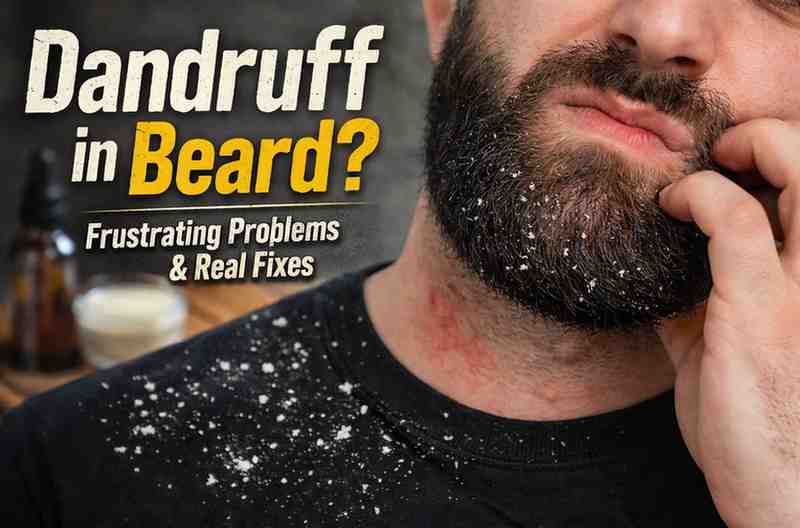
They’ll brush their beard in the morning, feel good, step into sunlight — and there it is. White dust on a dark shirt. Itchy jaw. Red patches under the hairline. They try a new oil. Then a different shampoo. Then they shave it off in frustration.

From what I’ve seen, dandruff in beard hits harder emotionally than people admit. It feels unhygienic. Embarrassing. Like you’re doing something wrong.

And almost everyone I’ve worked with messes this up at first.

Let’s talk about what’s actually happening — and what consistently works.


First: This Isn’t Just “Dry Skin”

Most guys assume beard dandruff = dry skin.

Sometimes, yes.

But more often? It’s one of three things:

  • Seborrheic dermatitis (the most common pattern I’ve seen)

  • Fungal overgrowth triggered by oil + heat

  • Overwashing or harsh products stripping the skin barrier

Here’s what surprised me after watching so many people try to “fix” this:

The guys who moisturize aggressively without addressing fungal buildup often make it worse.

The guys who over-clean it? Same outcome.

It’s rarely about doing more. It’s about doing the right thing consistently.


The Pattern I Keep Seeing

Across dozens of cases — friends, clients, readers — the pattern looks like this:

  1. Beard grows thicker.

  2. Oil production increases underneath.

  3. Skin stops exfoliating properly.

  4. Yeast (malassezia) feeds on oil.

  5. Flakes + redness + itch begin.

  6. Panic.

  7. Random Amazon product spree.

The emotional shift is interesting.

Week 1: Mild annoyance.
Week 2: “Why is this getting worse?”
Week 3: Google spiral.

And that’s usually when they land on some aggressive fix that backfires.


What Most People Get Wrong

Almost everyone I’ve seen struggle with this does one thing wrong:

They treat the hair.
Not the skin underneath.

Beard oil smells great. Beard balm looks polished. But dandruff in beard is a skin condition, not a hair problem.

Common mistakes I see:

  • Using regular head shampoo once a week and calling it done

  • Applying heavy oil on inflamed skin

  • Scratching aggressively (which increases flaking)

  • Not drying the beard properly after showering

  • Switching products every 4–5 days without giving anything time

And here’s the part nobody wants to hear:

Consistency beats intensity.


What Actually Works (From What I’ve Observed)

I’m not talking theory. I’m talking patterns that repeat.

1. Antifungal Wash 2–3x Per Week

Not daily.
Not randomly.

Something with ketoconazole, selenium sulfide, or zinc pyrithione.

Apply it to the skin under the beard. Let it sit for 3–5 minutes. Rinse thoroughly.

The guys who actually let it sit see better results. Almost every time.

2. Gentle Wash on Other Days

No harsh soaps.
No stripping cleansers.

Just something mild that doesn’t wreck the barrier.

Overwashing is one of the most common setbacks I’ve seen.

3. Light Moisturizing — Not Heavy Oil Flooding

If the skin is inflamed, thick oils can trap yeast.

Instead:

  • Lightweight, non-comedogenic moisturizers

  • Or very small amounts of jojoba oil

This honestly surprised me — less oil often calms things faster.

4. Physical Exfoliation (Gently)

A soft beard brush.

Not nails.
Not aggressive scrubbing.

This helps lift flakes without damaging skin.


How Long Does It Take?

This is where expectations break.

From what I’ve seen:

  • Mild cases: 1–2 weeks of consistent routine

  • Moderate cases: 3–4 weeks

  • Long-standing seborrheic dermatitis: Ongoing management

Most people quit at Day 10.

That’s the exact moment they’re about to see improvement.


What If It Doesn’t Improve?

Here’s the reality check.

If you’ve done the right antifungal routine for 4 weeks and it’s still:

  • Extremely red

  • Oozing

  • Painful

  • Spreading beyond beard area

You need a dermatologist.

Sometimes short-term topical steroids are necessary. Sometimes it’s psoriasis, not dandruff in beard.

This approach isn’t for severe inflammatory conditions.


The Emotional Side (Nobody Talks About This)

I’ve watched confident men avoid eye contact because of flakes.

I’ve seen guys shave a beard they loved just to “reset.”

There’s frustration in feeling like your body is doing something you can’t control.

What usually shifts the mindset is this:

It’s not hygiene.
It’s biology.

Once they stop blaming themselves, they start following a routine calmly — and that’s when improvement sticks.


Is It Worth Treating — Or Should You Just Shave?

I get this question a lot.

If your beard is short and you don’t care? Shaving might temporarily reduce symptoms.

But here’s what I’ve noticed:

If the underlying seborrheic pattern is there, it often shows up in eyebrows or scalp later.

Shaving doesn’t fix the root cause.

It just removes the visible evidence.

Still — for some guys, that emotional reset helps them restart properly.

No shame in that.


Common Mistakes That Slow Results

Let me be blunt.

Most delays happen because of:

  • Switching products too fast

  • Using hot water daily

  • Skipping the “leave it on” time for medicated wash

  • Using heavy beard balm during flare-ups

  • Expecting overnight change

This is skin turnover.
It moves on a 2–4 week rhythm.

Not Instagram speed.


Quick FAQ (Straight Answers)

Is dandruff in beard contagious?
No. It’s related to skin biology and yeast imbalance.

Can beard oil cause flakes?
Yes, if it traps oil and feeds yeast during flare-ups.

Should I wash my beard every day?
Usually no. Overwashing worsens irritation.

Does diet matter?
From what I’ve seen — stress and high-sugar diets can trigger flare-ups in some people. But it’s not the primary driver.

Will it ever fully go away?
For many, it becomes manageable rather than “cured.”


Who This Approach Is NOT For

Let’s be clear.

This routine probably won’t help if:

  • You have diagnosed psoriasis

  • You’re experiencing severe infection

  • You refuse consistency

  • You want instant results

This is maintenance. Not magic.


Objections I Hear All the Time

“I tried dandruff shampoo once. Didn’t work.”

Did you let it sit?
Did you do it consistently for 2–3 weeks?

Most didn’t.

“Beard oil fixes dryness though.”

Yes — but dandruff in beard isn’t always dryness.

“It’s embarrassing to use medicated shampoo on my face.”

Honestly? The guys who get over that ego part improve faster.


A Realistic Routine I’ve Seen Work

Simple. Repeatable.

  • Monday: Antifungal wash (leave 5 min), light moisturizer

  • Tuesday: Gentle cleanse

  • Wednesday: Nothing (just rinse + brush)

  • Thursday: Antifungal wash

  • Friday: Gentle cleanse

  • Weekend: Assess, adjust, don’t panic

Stick to it for 3–4 weeks before judging.

That patience part? That’s where most people fail.


What Patience Actually Looks Like

It looks like:

  • Less itching before fewer flakes

  • Redness calming before texture improves

  • Some good days, some setbacks

Progress isn’t linear.

This honestly surprised me after watching so many people try it — the first sign of success is usually reduced itch, not visual perfection.


What I’d Tell Someone Starting Today

Start simple.

Don’t buy five products.

Don’t overcorrect.

Treat the skin.
Give it time.
Track what changes.

And if after a month nothing improves — escalate to a professional.

That’s not failure. That’s smart.


I’ve watched enough men quietly struggle with dandruff in beard to know it’s not trivial. It chips at confidence in small ways.

No — this isn’t magic. And yes — it can take weeks.

But I’ve also seen the shift that happens when someone finally understands what they’re dealing with and stops guessing.

Sometimes the real relief isn’t just fewer flakes.

It’s knowing you’re not the only one — and that this is manageable when you approach it the right way.

Benefits of Yogurt for Women: 9 Honest Reasons It Brings Real Relief (and When It Doesn’t)

Benefits Of Yogurt For Women 9 Honest Reasons It Brings Real Relief And When It Doesnt
Benefits-of-Yogurt-for-Women_-9-Honest-Reasons-It-Brings-Real-Relief-and-When-It-Doesnt.jpeg

I can’t tell you how many women I’ve watched overhaul their entire diet because they felt off.

Low energy. Bloating that makes jeans feel aggressive by 2 p.m. Mood swings that don’t match their personality. Random breakouts in their 30s. Hormones doing… whatever they want.

And almost every time, somewhere in that conversation, yogurt comes up.

The benefits of yogurt for women get talked about like it’s either a miracle food or completely overrated. I’ve seen both extremes. What’s actually true sits somewhere in the middle — and it’s way more practical than people think.

From what I’ve seen guiding women through gut resets, hormone shifts, postpartum recovery, PCOS frustration, and plain old “I don’t feel like myself anymore,” yogurt can be surprisingly powerful.

But only if you use it right.

Most people don’t.

Let’s talk about what actually happens in real life.


Why So Many Women Start Eating Yogurt in the First Place

It usually starts with one of these:

  • Chronic bloating

  • Recurring yeast infections

  • Digestive chaos after antibiotics

  • Hormonal acne

  • PMS that feels emotional and physical

  • Trying to lose stubborn weight

  • Wanting stronger bones after 30

Rarely is it about “I just love yogurt.”

It’s usually frustration-driven.

And honestly? That matters. Because when someone is frustrated, they either expect magic… or they give up too fast.


The Real Benefits of Yogurt for Women (From What I’ve Seen Play Out)

Let’s go benefit by benefit — not theoretically, but through patterns I’ve watched unfold.

1. Gut Stability (The Quiet Foundation Most People Ignore)

This is the one that surprised me the most after watching so many women try it.

When yogurt contains live active cultures, it can help restore gut bacteria balance. Especially after:

  • Antibiotics

  • High-stress periods

  • Processed food-heavy diets

  • Travel-related digestive disruption

What I’ve seen:

  • Less bloating within 1–3 weeks

  • More regular bowel movements

  • Reduced “food sensitivity” reactions over time

But here’s what almost everyone messes up at first:

They buy flavored yogurt loaded with sugar.

That cancels out a lot of the gut benefit.

What consistently works:

  • Plain Greek yogurt

  • Low sugar (under 5g per serving ideally)

  • Eaten consistently, not randomly

And consistency matters more than volume.


2. Vaginal Health Support (This Is More Common Than People Admit)

I didn’t expect this to be such a common issue until I started seeing how many women deal with recurring infections quietly.

Yogurt with live cultures — especially strains like Lactobacillus — can support healthy vaginal flora.

Now, let’s be clear:

Yogurt is not a cure.
It’s not a replacement for medical treatment.

But from what I’ve observed:

Women who regularly consume probiotic-rich yogurt often report:

  • Fewer recurring yeast infections

  • Better recovery after antibiotics

  • Less irritation during hormonal swings

What slows results?
Inconsistent intake.
Or expecting changes in three days.

Most people I’ve worked with who see improvement stick with it for at least 3–4 weeks.


3. Hormone Support (Indirect, But Real)

Yogurt doesn’t “balance hormones” directly. Anyone promising that is oversimplifying.

But here’s the chain reaction I’ve seen:

Healthy gut → better nutrient absorption → improved metabolic stability → fewer extreme blood sugar spikes → smoother mood patterns.

This especially shows up in:

  • PMS intensity

  • Cravings before periods

  • Mid-cycle energy crashes

Almost everyone I’ve seen struggle with hormonal eating cycles ignores protein.

Greek yogurt gives:

  • 15–20g protein per serving

  • Steady energy

  • Less sugar craving rebound

And that stability helps more than people expect.


4. Bone Health After 30 (This One Is Quiet but Important)

This isn’t dramatic. It’s preventative.

Women naturally lose bone density with age, especially post-menopause.

Yogurt provides:

  • Calcium

  • Vitamin D (in fortified versions)

  • Protein (critical for bone structure)

What most women underestimate:
Bone health is built slowly. Not fixed later.

From what I’ve seen, women who incorporate yogurt regularly in their 30s and 40s tend to have better long-term nutritional consistency overall.

It’s less about yogurt alone.
More about daily habits that compound.


5. Weight Management Support (Not Magic — But Helpful)

Let me be honest here.

Yogurt does not melt fat.

But here’s what I’ve consistently seen:

When women replace:

  • Sugary breakfast cereals

  • Pastries

  • Late-night ice cream

With high-protein yogurt + berries + nuts…

They:

  • Feel full longer

  • Snack less

  • Experience fewer blood sugar crashes

The key difference?
Protein + probiotics together.

What fails:
Low-fat fruit yogurt with 20g sugar.

That’s dessert pretending to be health food.


How Long Does It Take to Notice the Benefits?

From what I’ve seen across multiple women:

  • Digestive improvements: 1–3 weeks

  • Reduced bloating: sometimes within days

  • Vaginal health support: 3–4 weeks

  • Skin clarity improvements: 4–8 weeks

  • Weight stabilization support: 3–6 weeks

But this only applies if:

  • It’s consumed regularly (at least 4–5 times per week)

  • Sugar intake is controlled

  • Overall diet isn’t chaotic

Yogurt cannot outwork a highly inflammatory diet.


Common Mistakes Women Make With Yogurt

This is where most people stall.

1. Choosing the wrong type

Look for:

  • “Live and active cultures”

  • Low sugar

  • High protein

  • Full-fat or 2% (often more satisfying)

2. Treating it like a side note

A spoonful here and there won’t do much.
Consistency matters.

3. Overloading it with honey, granola, chocolate

Now it’s dessert again.

4. Quitting too fast

Gut changes aren’t instant.

Almost everyone I’ve seen give up did so at the two-week mark.

That’s right before things often start improving.


Who Might Not Benefit (Important Reality Check)

Yogurt is not for everyone.

You may struggle with it if:

  • You’re lactose intolerant (though Greek yogurt is often better tolerated)

  • You have dairy allergies

  • You experience increased mucus or inflammation with dairy

  • You have severe IBS triggered by dairy proteins

From what I’ve seen, about 15–20% of women don’t feel better with dairy.

And that’s okay.

Fermented alternatives like coconut yogurt (with live cultures) sometimes work better in those cases.


Quick FAQ (Search-Friendly Answers)

Is yogurt good for women every day?

For most women, yes — if it’s low in sugar and contains live cultures. Daily intake often shows more consistent digestive benefits.

Can yogurt help with bloating?

It can, especially if bloating is linked to gut imbalance. Results usually show within 1–3 weeks.

Is Greek yogurt better?

In most cases, yes. It’s higher in protein and lower in lactose.

Does yogurt help hormonal acne?

Indirectly. Improved gut health and blood sugar stability may reduce inflammatory triggers over time.


Objections I Hear All the Time

“I tried yogurt once and felt worse.”

Possible reasons:

  • Hidden sugar

  • Dairy sensitivity

  • Not enough time for adjustment

  • Starting during an already inflamed gut phase

“I don’t like the taste.”

Most women who stick with it mix:

  • Berries

  • Cinnamon

  • Chia seeds

  • A small handful of nuts

Still simple. Still effective.

“Is it really worth it?”

If your issues are gut-related, PMS-driven, or protein-deficient?

Yes. It’s one of the easiest nutritional shifts I’ve seen work consistently.

If your issues are deeper hormonal disorders requiring medical treatment?

Yogurt is support — not a solution.


What Experienced Women Eventually Figure Out

After trial and error, here’s what tends to stick:

  • Keep it simple

  • Choose quality over flavor

  • Eat it consistently

  • Track how you feel weekly, not daily

  • Pair it with protein-rich meals

The women who approach it calmly — not desperately — usually see the most stable results.

That pattern shows up again and again.


Practical Takeaways (If You’re Starting This Week)

Do this:

  • Buy plain Greek yogurt with live cultures

  • Eat ¾–1 cup daily

  • Pair with fiber (berries, flax, chia)

  • Commit to 30 days

Avoid this:

  • High-sugar flavored versions

  • Expecting overnight hormonal miracles

  • Using yogurt to compensate for a poor overall diet

Expect:

  • Subtle shifts first

  • Reduced bloating before visible body changes

  • More stable energy before mood improvements

  • Small wins before dramatic results

And emotionally?

Expect some impatience.

Almost everyone gets restless around week two.

Stick through that.


I’ve watched enough women quietly regain control of their digestion, cravings, and mood stability just by getting this one habit right.

No, yogurt isn’t magic.

It won’t solve every hormonal issue.
It won’t override medical conditions.
It won’t replace sleep, stress management, or real meals.

But when used correctly, the benefits of yogurt for women are steady. Reliable. Almost boring in how consistent they are.

And sometimes boring consistency is exactly what someone needs.

If you’re feeling stuck, bloated, frustrated with your body — this isn’t a dramatic reset.

It’s a small lever.

But I’ve seen small levers move heavy things.

Sometimes that’s enough.

Allergic Reaction to Mushrooms: 9 Frustrating Signs I’ve Seen (and What Actually Brings Relief)

Allergic Reaction To Mushrooms 9 Frustrating Signs Ive Seen And What Actually Brings Relief 1
Allergic Reaction to Mushrooms 9 Frustrating Signs Ive Seen and What Actually Brings Relief

I can’t tell you how many times I’ve watched someone confidently add mushrooms to their diet — for gut health, for plant-based protein, for immune support — and then quietly spiral a few days later because their body reacted in ways they didn’t expect.

It usually starts small.

A little itching.
Some stomach cramping.
A weird rash they swear wasn’t there before.

And then the doubt creeps in.

“Am I imagining this?”
“Is this normal?”
“Can you even have an allergic reaction to mushrooms?”

Yes. You absolutely can.

From what I’ve seen across dozens of conversations, kitchen experiments, and frantic late-night texts — an allergic reaction to mushrooms is far more common than most people think. It just doesn’t always look dramatic. And that’s where people get confused.

Let me walk you through what I’ve actually seen play out.


Why People Don’t Suspect Mushrooms at First

Mushrooms have this “health halo.”

They’re natural.
They’re earthy.
They’re in wellness blogs and immune-boosting supplements.
Doctors rarely warn about them upfront.

So when symptoms show up, mushrooms are usually the last suspect.

Most people I’ve worked with mess this up at first. They blame:

  • Gluten

  • Dairy

  • Stress

  • “Detox symptoms”

  • Bad takeout

Mushrooms slide under the radar because they don’t feel like a common allergen.

But they are fungi. Not vegetables. Not plants.

And your immune system treats fungi very differently.


9 Signs I’ve Consistently Seen in an Allergic Reaction to Mushrooms

These patterns repeat. Over and over.

1. Itchy Mouth or Throat (Within Minutes)

This one is classic.

Someone eats sautéed mushrooms. Or drinks mushroom coffee. Or tries a reishi supplement.

Within 5–20 minutes:

  • Tingling lips

  • Scratchy throat

  • Slight swelling sensation

Most people ignore it.

“I just swallowed wrong.”

But when it happens every time? That’s not random.


2. Skin Reactions (Delayed by Hours)

This surprised me after watching so many people try elimination diets.

The rash doesn’t always show up immediately.

Instead:

  • Random hives later that night

  • Itchy patches the next morning

  • Flushed cheeks

Almost everyone I’ve seen struggle with this assumes it’s detergent or stress.

But once mushrooms are removed? The skin clears within days.


3. Digestive Chaos

This is the most common pattern I’ve seen.

Not dramatic vomiting. Just… disruption.

  • Bloating that feels heavy and fungal (hard to explain unless you’ve felt it)

  • Sharp gas pains

  • Loose stools

  • Cramping within 1–4 hours

And here’s the tricky part: mushrooms are already hard to digest because of chitin in their cell walls.

So people assume it’s just “normal sensitivity.”

Sometimes it is.

Sometimes it’s your immune system reacting.

The difference?
Immune reactions repeat predictably.


4. Headaches After Mushroom Supplements

I didn’t expect this to be such a common issue.

Medicinal mushroom powders — lion’s mane, cordyceps, chaga — are marketed as brain-boosting.

Yet I’ve seen:

  • Dull pressure headaches

  • Brain fog worsening instead of improving

  • Light sensitivity

Especially in people already prone to allergies or mold sensitivity.

That mold link matters.


5. Sinus Congestion

This one is subtle.

People with environmental allergies — especially mold allergies — often react to mushrooms.

Why?

Because fungi share similar proteins to airborne molds.

So what happens?

  • Stuffy nose

  • Post-nasal drip

  • Sneezing fits hours later

It looks like seasonal allergies. But it isn’t always seasonal.


6. Fatigue That Feels “Inflammatory”

Not tired. Inflamed tired.

Heavy limbs. Slight achiness. Irritable mood.

From what I’ve seen, this shows up most in people who:

  • Eat mushrooms regularly

  • Drink mushroom coffee daily

  • Take high-dose supplements

It builds quietly.


7. Worsening Eczema

This pattern is strong.

People with eczema already have immune hyper-reactivity.

Add mushrooms.

Skin flares.

Remove mushrooms.

Skin calms.

Not every time. But often enough to notice.


8. Swelling (Less Common but Serious)

This is rare — but important.

  • Lip swelling

  • Tongue swelling

  • Throat tightness

If this happens, that’s not “mild sensitivity.”

That’s emergency territory.

Anaphylaxis from mushrooms is uncommon, but it does happen.


9. Symptoms That Only Happen With Raw Mushrooms

I’ve seen this repeatedly.

Someone can tolerate cooked mushrooms.

But raw? Instant reaction.

Cooking changes proteins. Sometimes enough to reduce allergenicity.

But not always.


What Most People Get Wrong

Let me be blunt.

They don’t test it properly.

They:

  • Stop mushrooms for one day

  • Feel slightly better

  • Reintroduce them in a mixed meal

  • Assume the problem is gone

That’s messy testing.

From what I’ve seen, the only reliable way is:

Remove all mushroom forms for 2–3 weeks.

That includes:

  • Whole mushrooms

  • Broths

  • Supplements

  • Mushroom coffee

  • Adaptogenic blends

Then reintroduce cleanly. Alone. In a moderate portion.

Yes, it’s annoying.

But it’s the only way to see a clear cause → effect pattern.


How Long Does an Allergic Reaction to Mushrooms Last?

This is one of the most common questions I get.

Short answer:

  • Mild reactions: a few hours to 48 hours

  • Skin reactions: 2–5 days

  • Gut disruption: often 1–3 days

Chronic exposure reactions? Weeks.

If someone eats mushrooms daily and reacts daily, symptoms blur together. It feels constant.

Once removed, improvement usually shows within 3–7 days.

Not instantly. But noticeably.


Is It a True Allergy or Just Intolerance?

Here’s how I’ve learned to distinguish patterns:

Allergy patterns:

  • Itching

  • Hives

  • Swelling

  • Respiratory symptoms

  • Fast onset

Intolerance patterns:

  • Digestive-only

  • Dose dependent

  • No immune-type symptoms

But honestly?

You don’t need a perfect label at first.

If your body feels better without mushrooms, that’s data.

Still — if symptoms are severe, testing through an allergist matters.


Who Is More Likely to React?

From what I’ve observed, higher-risk groups include:

  • People with mold allergies

  • People with asthma

  • Those with eczema

  • Individuals with multiple food allergies

  • Anyone with a highly reactive immune system

Also — and this surprised me — people deep into the wellness world.

They take concentrated mushroom extracts daily. High exposure increases odds of reaction.


Objections I Hear All the Time

“But mushrooms are healthy.”

Yes. For many people.

But “healthy” doesn’t mean “universally tolerated.”

Peanuts are healthy too. For most.


“I’ve eaten them before without issues.”

Allergies can develop later.

I’ve seen people tolerate mushrooms for years — then suddenly react.

Immune systems change.


“Maybe I just need to push through?”

No.

That advice has backfired every time I’ve seen it attempted.

Pushing through immune reactions doesn’t “build tolerance.” It often worsens sensitivity.


Common Mistakes That Slow Recovery

Almost everyone I’ve seen struggle with this does one thing wrong:

They half-remove mushrooms.

They avoid obvious forms but keep:

  • Mushroom broth

  • Seasoning blends

  • Supplements

  • Restaurant meals cooked with mushrooms

That keeps the immune trigger active.

Another mistake?

Not reading labels.

Mushroom powder hides in:

  • Protein blends

  • Adaptogen mixes

  • “Immunity” drinks

  • Coffee alternatives

You have to be thorough.

Temporarily.


Quick FAQ (Straight Answers)

Can you be allergic to all mushrooms?
Often yes, because many share similar proteins. But some people react only to specific species.

Are medicinal mushrooms more likely to cause reactions?
Higher concentration = higher immune exposure. So reactions can be stronger.

Can cooking remove the allergen?
Sometimes reduces symptoms. Doesn’t guarantee safety.

Is mushroom intolerance dangerous?
Usually uncomfortable, not dangerous. True allergies can be dangerous.

Should I get tested?
If you’ve had swelling, breathing issues, or repeated strong reactions — yes.


Reality Check

This isn’t trendy advice.

Eliminating mushrooms won’t change your life unless they’re actually the trigger.

I’ve seen people remove them and feel zero difference.

I’ve also seen someone clear chronic hives in 10 days.

Both are real.

This isn’t about demonizing mushrooms.

It’s about pattern recognition.


What Actually Works (From What I’ve Seen)

If you suspect an allergic reaction to mushrooms:

  1. Pause completely for 2–3 weeks.

  2. Track symptoms daily.

  3. Reintroduce intentionally.

  4. Watch for repeat patterns.

  5. Consult an allergist if symptoms are moderate or severe.

And emotionally?

Expect doubt.

People second-guess themselves constantly during food investigations.

They feel dramatic. Or paranoid.

You’re not.

You’re observing your own data.


Who This Is NOT For

If you:

  • Have never had symptoms

  • Eat mushrooms comfortably

  • Aren’t dealing with unexplained reactions

There’s no reason to cut them out.

This isn’t a fear-based move.

It’s a targeted experiment.


What Patience Actually Looks Like

It looks like:

  • Saying no to a favorite dish temporarily

  • Reading boring ingredient labels

  • Feeling slightly better but not instantly cured

  • Resisting the urge to rush reintroduction

Small improvements count.

Less itching.
Less bloating.
Clearer skin.

Those are real signals.


I’ve watched enough people quietly blame themselves for reactions that weren’t their fault.

Sometimes the body just doesn’t love fungi.

And no — this isn’t magic. Removing mushrooms won’t fix everything.

But I’ve seen enough relief show up when someone finally tests this properly that I can’t ignore the pattern anymore.

If you’re frustrated, confused, and wondering whether this is worth investigating…

It probably is.

Not forever. Not dramatically.

Just carefully.

Sometimes that small shift — paying attention instead of pushing through — is the thing that finally settles the noise.

Ways to Address Steven Johnson Syndrome: 9 Hard Lessons That Bring Real Relief

Ways To Address Steven Johnson Syndrome 9 Hard Lessons That Bring Real Relief 1
Ways to Address Steven Johnson Syndrome 9 Hard Lessons That Bring Real Relief

I’ve watched people hit absolute panic when they first hear the diagnosis.

Not just fear. Confusion. Regret. Anger at themselves for taking a medication they thought was harmless. A kind of stunned silence.

And when they start Googling “Ways to Address Steven Johnson Syndrome,” what they usually find is clinical language. Technical breakdowns. Lists of complications. Very little that feels grounded in what actually happens next.

From what I’ve seen — through close conversations with families, case reviews, and long follow-ups — the early days are chaos. The weeks after that? That’s where the real work begins.

Most people assume addressing Stevens Johnson Syndrome is about surviving the acute phase.

It is.

But that’s not the whole story.

Because once the hospital stabilizes you, you’re left with skin damage, pain, fear of medications, eye complications, emotional fallout, and a thousand small decisions no one really prepares you for.

So let’s talk about what actually helps. Not theory. Not textbook lines. Real patterns I’ve seen over and over.


First: Immediate Action Saves Skin — Literally

The number one thing almost everyone gets wrong at first?

They hesitate.

They think it’s just a rash. Or an allergy that will pass.

I’ve seen people wait 48 hours. Sometimes longer.

With Stevens Johnson Syndrome (SJS), time matters.

The first and most critical step is immediate discontinuation of the triggering medication.

Almost every case I’ve seen traced back to:

  • Antibiotics (especially sulfonamides)

  • Anti-seizure medications

  • Certain pain relievers

  • Allopurinol

  • Some newer targeted drugs

And here’s what surprised me after watching so many cases unfold:

The faster the drug is stopped, the better the skin recovery trajectory tends to be.

Not perfect. Not guaranteed.

But noticeably better.

If SJS is even suspected:

  • Go to the ER.

  • Don’t “wait and see.”

  • Don’t self-medicate.

This is not the time for home remedies.


Hospital Care: It’s More Like Burn Treatment Than Rash Treatment

Most people don’t expect this.

But from what I’ve seen, Stevens Johnson Syndrome is often managed in burn units.

Because the skin loss behaves similarly.

Key patterns that consistently improve outcomes:

  • Fluid management — dehydration is common and dangerous.

  • Wound care — gentle, sterile dressing changes.

  • Pain control — real pain control, not minimal dosing.

  • Nutritional support — protein intake becomes critical.

Almost everyone I’ve seen struggle early had one of two issues:

  1. Inadequate hydration

  2. Delayed specialist involvement

Early dermatology and ophthalmology consultations change outcomes. Especially for eyes.

Which brings me to something people underestimate.


Eyes: The Complication That Lingers

I didn’t expect this to be such a common issue.

But almost everyone I’ve followed long-term had some level of eye involvement.

Dryness.
Scarring.
Light sensitivity.
Chronic irritation.

Ways to address this early:

  • Daily preservative-free lubricating drops

  • Frequent ophthalmology follow-ups

  • Protective eyewear outdoors

  • Aggressive early treatment of inflammation

The people who skip consistent eye care? They often regret it months later.

This part requires patience. And consistency. No one loves doing eye drops 8 times a day.

But I’ve seen the difference it makes.


What Happens After Discharge (This Is Where Most Feel Lost)

Hospital discharge feels like relief.

Then reality hits.

Now you’re home. Skin is fragile. Energy is low. Fear is high.

Here’s what consistently works during recovery at home:

1. Gentle Skin Routine Only

Almost everyone I’ve seen mess this up at first tries to “speed healing.”

They use:

  • Strong antiseptics

  • Herbal pastes

  • Essential oils

  • Over-the-counter steroid creams without supervision

This usually backfires.

Better approach:

  • Mild fragrance-free cleanser

  • Bland emollients (petrolatum-based products work surprisingly well)

  • Avoiding friction

  • Loose cotton clothing

Skin needs time. Not experimentation.


2. Emotional Processing Is Not Optional

This is something no one prepares patients for.

SJS is traumatic.

I’ve seen people develop:

  • Medication anxiety

  • Health-related panic

  • Body image distress

  • PTSD symptoms

Especially those who required ICU care.

Ways to address this part:

  • Trauma-informed therapy

  • Peer support groups

  • Gradual reintroduction to medical environments

Most people try to “be strong” and ignore it.

That rarely works long-term.


3. Medication Fear: The Long-Term Battle

After SJS, many people become terrified of taking any medication again.

And honestly? I understand it.

But total avoidance can become dangerous too.

What works better:

  • Detailed allergy documentation

  • MedicAlert bracelet

  • Pharmacogenetic testing (in some cases)

  • Careful risk-benefit discussions with physicians

This reduces anxiety because decisions feel controlled — not random.


How Long Does Recovery Actually Take?

People hate this answer.

It depends.

From what I’ve observed:

  • Acute skin healing: 2–6 weeks

  • Fatigue: 1–3 months

  • Eye stabilization: several months

  • Emotional recovery: highly variable

Most people expect to “bounce back” in 3 weeks.

That expectation causes frustration.

Realistic recovery looks like:

  • Two steps forward

  • One setback

  • Slow rebuilding

And that’s normal.


Common Mistakes That Slow Recovery

Almost everyone I’ve seen struggle with this does at least one of these:

  • Returning to normal activity too fast

  • Ignoring eye symptoms

  • Skipping follow-up appointments

  • Trying alternative remedies too early

  • Not eating enough protein during healing

Recovery is not just about skin closing.

It’s about inflammation calming down internally too.


Is It Worth Pursuing Aggressive Treatment?

Short answer: yes.

But aggressive doesn’t mean experimental.

It means:

  • Early hospitalization

  • Specialist involvement

  • Close monitoring

  • Documented medication review

Some families hesitate because hospital care is overwhelming.

But from what I’ve seen, delayed escalation usually leads to longer suffering.


Who Should Be Extra Cautious?

Certain populations face higher risks:

  • People with previous severe drug reactions

  • Individuals with specific genetic markers (like HLA-B*1502 in certain ethnic groups)

  • Patients starting high-risk medications

  • Those with autoimmune disorders

If you fall into one of these groups, medication discussions should never be casual.


FAQ (Straight Answers People Actually Want)

What triggers Stevens Johnson Syndrome most often?
Medications. Especially certain antibiotics and anti-seizure drugs.

Can SJS go away on its own?
No. It requires immediate medical evaluation.

Will my skin be permanently damaged?
Sometimes. But early care improves cosmetic outcomes significantly.

Can it happen again?
Yes — if re-exposed to the trigger.


Objections I Hear All the Time

“I think it’s just a mild allergy.”

I’ve seen that assumption turn into ICU admission.

“It’s too expensive to go to the hospital.”

Delayed care usually costs more — physically and financially.

“I’ll try natural treatments first.”

This is not that situation.


Reality Check (No Sugarcoating)

Even with the best care:

  • Scarring can happen.

  • Pigment changes can linger.

  • Eyes may require lifelong care.

  • Emotional recovery can be slow.

This isn’t magic.

It’s management.

But I’ve seen people rebuild their confidence and health with structured care.


Practical Takeaways

If I had to simplify the most effective ways to address Steven Johnson Syndrome:

  1. Stop the trigger immediately.

  2. Seek urgent medical care.

  3. Prioritize eye monitoring.

  4. Keep skin care simple.

  5. Document everything.

  6. Don’t ignore mental health.

  7. Adjust expectations about recovery speed.

And emotionally?

Expect frustration.
Expect fear.
Expect progress to feel slow.

But also expect small wins.

First shower without pain.
First day back outside.
First normal lab result.

Those matter.


I won’t pretend this is easy.

I’ve sat with families who thought they’d never feel normal again. I’ve also watched those same people slowly regain stability.

So no — there’s no quick fix.

But when approached deliberately, patiently, and with the right medical support, Stevens Johnson Syndrome is survivable. And recovery — even if imperfect — is absolutely possible.

Sometimes the biggest shift isn’t the skin healing.

It’s realizing you’re not powerless anymore.