How to Lose Belly Fat in 30 Days: 9 Honest Truths Most People Learn the Hard Way (And Why It Finally Clicks)

How To Lose Belly Fat In 30 Days 9 Honest Truths Most People Learn The Hard Way And Why It Finally Clicks 1
How to Lose Belly Fat in 30 Days 9 Honest Truths Most People Learn the Hard Way And Why It Finally Clicks

Honestly, most people I’ve watched try this hit a wall in the first two weeks.

They start strong. New groceries. Morning walks. Maybe a YouTube ab challenge. Then day 10 hits. The scale barely moves. Their stomach looks the same in the mirror. And quietly, they start thinking they’re the problem.

When someone asks me how to lose belly fat in 30 days, I don’t think about theory. I think about the dozens of people I’ve seen try, stall, quit, restart, overcorrect, and finally — slowly — figure it out.

It’s not magic.
It’s not ab workouts.
And it’s not starving.

But it is possible to see real change in 30 days.

From what I’ve seen, the shift isn’t just physical. It’s mental. And that’s where most people mess this up.


Why People Want to Lose Belly Fat (And Why It Feels So Personal)

This part is rarely said out loud.

Belly fat isn’t just about aesthetics. It’s:

  • The jeans that suddenly feel tight.

  • The family photo you avoid posting.

  • The quiet panic before a beach trip.

  • The doctor saying, “Your numbers are creeping up.”

Almost everyone I’ve worked with thought they were just trying to “look better.”

By week three, they admit it’s about control. Confidence. Health scares. Aging. Feeling like themselves again.

And that emotional layer? It affects how they approach the next 30 days more than any diet plan.


Let’s Be Clear: Can You Lose Belly Fat in 30 Days?

Short answer: yes — but not in the way most people expect.

From what I’ve seen:

  • You can reduce noticeable bloating in 7–10 days.

  • You can drop 1–4 pounds of fat in 30 days depending on starting point.

  • You can significantly tighten your waistline if you were inflamed and sedentary.

  • You cannot surgically remove belly fat in 30 days without surgery.

What surprises most people is this:

The first visible change is usually less puffiness, not dramatic fat loss.

And that alone motivates them enough to keep going.


What Most People Get Wrong in the First 14 Days

This is painfully consistent.

1. They Focus on Ab Workouts

Crunches. Planks. Russian twists.

From what I’ve seen, almost everyone assumes targeting the belly will burn belly fat.

It doesn’t.

Spot reduction is a myth. Fat loss is systemic. Your body decides where it pulls from.

And for many people? The stomach is the last place it leaves.

That’s frustrating. I’ve watched grown adults get emotional over that.


2. They Slash Calories Too Aggressively

A common pattern:

  • 1,200 calories.

  • No carbs.

  • Two workouts per day.

Week one: fast weight drop (mostly water).
Week two: fatigue, irritability, cravings.
Week three: binge. Shame. Restart.

I didn’t expect this to be such a common issue, but almost everyone I’ve seen struggle with this goes too extreme too fast.

Consistency beats intensity. Every time.


3. They Ignore Sleep and Stress

This honestly surprised me after watching so many people try it.

The ones sleeping 5–6 hours a night?
The ones constantly stressed?

Their bellies barely changed.

Cortisol matters. Hormones matter. Recovery matters.

It’s not soft advice. It’s physiological reality.


What Actually Works (From Repeated Real-World Patterns)

Not flashy. Not viral. But repeatable.

1. A Moderate Calorie Deficit (Nothing Dramatic)

From what I’ve seen, the sweet spot:

  • 300–500 calorie daily deficit.

  • High protein (0.7–1g per pound of bodyweight).

  • Fiber from real food.

  • Carbs not eliminated — just controlled.

People who eat enough protein feel full.
They don’t spiral.
They don’t binge on day 12.

And their waist slowly tightens.


2. Walking More Than You Think

This one always shocks people.

Not HIIT. Not burpees.

Walking.

8,000–12,000 steps per day.

I’ve watched people transform their midsection just by:

  • Parking farther away.

  • Evening walks after dinner.

  • Taking calls while walking.

Low stress. Sustainable. Burns fat without wrecking recovery.

Almost boring.

And that’s why it works.


3. Strength Training 3–4x Per Week

Not endless cardio.

Lifting weights:

  • Squats

  • Rows

  • Deadlifts

  • Push-ups

  • Lunges

Building muscle increases metabolic demand. It tightens your frame. Even before huge fat loss.

I’ve seen people lose only 5 pounds but drop a full pant size because of this.

That’s the nuance most don’t expect.


4. Cutting Liquid Calories

This is the quiet saboteur.

Sweetened coffee. Alcohol. Juice. Energy drinks.

Almost everyone I’ve seen underestimate their intake was drinking it.

Remove it for 30 days?

Waist shrinks noticeably.

No drama. Just math.


A Simple 30-Day Framework (That People Actually Stick To)

From watching repeated success stories, this structure works:

Weeks 1–2: Stabilize

  • Track food without obsession.

  • Hit protein target.

  • Walk daily.

  • Lift 3x per week.

  • Sleep 7+ hours.

Expect:

  • Less bloating.

  • Slight scale drop.

  • Cravings adjusting.

Emotional state: cautious optimism.


Weeks 3–4: Tighten

  • Maintain deficit.

  • Increase workout intensity slightly.

  • Keep steps consistent.

  • Avoid “reward cheat weekends.”

Expect:

  • Waist measurement dropping.

  • Clothes fitting looser.

  • Slower scale changes.

Emotional state: impatience. This is where most quit.

Still — this is where the visible change starts.


How Long Does It Really Take to Lose Belly Fat?

For most people I’ve observed:

  • Noticeable change: 3–4 weeks.

  • Significant visible difference: 8–12 weeks.

  • Dramatic transformation: 3–6 months.

Anyone promising six-pack abs in 30 days for the average American adult?

That’s marketing.

Not physiology.


Common Mistakes That Slow Results

Almost everyone I’ve seen struggle does at least one of these:

  • Weekend overeating that cancels weekday deficit.

  • Not measuring waist — only scale.

  • Underestimating calories.

  • Overestimating workout burn.

  • Quitting when progress slows.

  • Comparing their timeline to Instagram.

And honestly? The comparison piece does the most damage.


Is It Worth Trying for 30 Days?

If you’re:

  • Feeling uncomfortable in your body.

  • Concerned about metabolic health.

  • Tired of restarting every Monday.

Yes.

Thirty days isn’t about perfection.

It’s about proof.

Proof that you can change habits.
Proof that consistency works.
Proof that you’re not “broken.”

From what I’ve seen, that psychological win carries people into month two.


Who This Approach Is NOT For

Let’s be honest.

This won’t feel good if you:

  • Want extreme rapid results.

  • Hate tracking anything.

  • Refuse to adjust sleep.

  • Expect visible abs in 4 weeks.

Also, if you have medical conditions, hormonal disorders, or significant obesity, results may be slower and require professional oversight.

No shame. Just reality.


What If It Doesn’t Work?

Good question.

When someone tells me it “didn’t work,” we usually find:

  • They weren’t in a deficit.

  • Protein was too low.

  • Weekends erased progress.

  • Sleep was under 6 hours.

  • Alcohol was frequent.

I’ve rarely seen a true plateau in 30 days when fundamentals were consistent.

It’s usually leakage in the system.

Not failure.


Quick FAQ (Straight Answers)

Can I target belly fat specifically?
No. Fat loss happens overall. The belly often goes last.

Do I need cardio?
Walking + lifting is enough for most people.

How much weight can I lose in 30 days?
1–4 pounds of fat is realistic for many.

Will I see visible results in 30 days?
If consistent, yes — especially reduced bloating and tighter waist.

Are ab exercises necessary?
They strengthen muscle, but they don’t directly burn belly fat.


The Reality Check Nobody Likes

The belly is often the last to lean out.

Genetics. Hormones. Stress.

I’ve watched disciplined people lose fat everywhere else first.

It’s discouraging. I’ve seen the frustration.

But the ones who stayed steady?

They eventually saw it flatten.

The timeline just wasn’t dramatic.


Practical Takeaways (If You Actually Want This to Work)

If I had to boil down everything I’ve observed:

Do this:

  • Moderate calorie deficit.

  • High protein.

  • Lift 3–4x weekly.

  • Walk daily.

  • Sleep 7+ hours.

  • Measure waist weekly.

Avoid this:

  • Crash diets.

  • Daily ab marathons.

  • Weekend blowouts.

  • Liquid calories.

  • Quitting at week two.

Expect this emotionally:

  • Excitement.

  • Doubt.

  • Impatience.

  • A random “whoosh” week.

  • Slow visible change.

Patience doesn’t feel heroic. It feels boring.

But boring works.


Most people don’t fail because they can’t lose belly fat in 30 days.

They fail because they expect it to look dramatic.

From what I’ve seen, the real shift is subtle. Clothes fit better. You feel lighter walking upstairs. Your confidence inches up before your abs ever show.

So no — this isn’t magic.

But I’ve watched enough people stop feeling stuck once they approached it this way.

Sometimes the first 30 days aren’t about losing all the belly fat.

They’re about proving to yourself that the pattern can finally change.

And honestly?

That’s where everything starts.
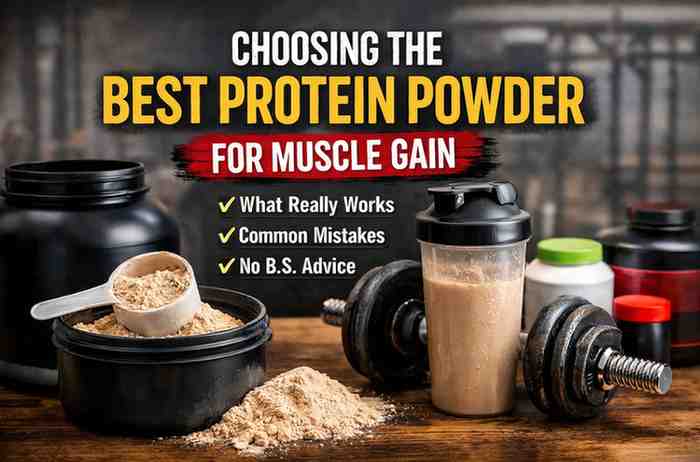
Choosing Best Protein Powder for Muscle Gain: 9 Honest Lessons After Watching the Frustration

Choosing Best Protein Powder For Muscle Gain 9 Honest Lessons After Watching The Frustration 1
Choosing Best Protein Powder for Muscle Gain 9 Honest Lessons After Watching the Frustration

Honestly, most people I’ve watched start lifting get excited about protein powder way before they understand it.

They’ll DM me a picture from a big-box store in Texas or a supplement aisle in California, holding two giant tubs like it’s a life decision. Because to them, it is. They’re frustrated. They’ve been training for months. The scale isn’t moving. Arms still look the same in photos.

And almost every time, the question sounds the same:

“Am I choosing the wrong protein powder for muscle gain?”

The frustration is real. They feel like they’re doing everything right. But progress feels slow. Or invisible.

From what I’ve seen across dozens of gym beginners and even intermediate lifters in the U.S., choosing Best Protein Powder for Muscle Gain becomes this symbolic fix. Like if they just pick the right one, everything unlocks.

Sometimes it helps.

Sometimes it doesn’t.

And that’s where most people get blindsided.


Why So Many People Obsess Over Protein Powder (Before Fixing Anything Else)

Here’s the pattern I’ve noticed.

When progress stalls, people don’t question:

  • Total calorie intake

  • Sleep

  • Progressive overload

  • Consistency

They question the powder.

It feels easier to swap brands than to admit:

  • They’re under-eating.

  • They skip workouts.

  • They train hard but don’t track progression.

  • They sleep five hours a night.

Protein powder becomes the controllable variable. The quick change.

And to be fair — sometimes they are under-consuming protein. I’ve seen that too. Especially with busy professionals in cities like Chicago or Atlanta who barely eat breakfast and then “eat clean” but unintentionally low-protein.

Still.

The supplement is rarely the core problem.

That surprised me at first. I expected powder quality to matter more than it actually does for most beginners.


What Most People Get Wrong When Choosing Best Protein Powder for Muscle Gain

Almost everyone I’ve worked with messes this up at first:

They choose based on marketing.

Not digestion.
Not total protein intake.
Not lifestyle fit.

Here’s what typically happens:

  • They buy the most hyped whey isolate.

  • They hate the taste.

  • They skip it half the time.

  • Or it bloats them.

  • Or they can’t afford to repurchase consistently.

Then they assume protein powder “doesn’t work.”

It’s not that it didn’t work.

It didn’t fit.

That’s a different issue.


The 4 Types I See Most Often (And What Actually Happens)

1. Whey Concentrate

What I’ve seen:

  • Affordable.

  • Works perfectly fine for most people.

  • Slight bloating for some.

For beginners trying to gain muscle in the U.S., whey concentrate is often enough. It’s not glamorous. It’s not labeled “ultra pure anabolic.” But it works if digestion is fine.

Most people overcomplicate this.

2. Whey Isolate

Usually chosen by:

  • People who think “more expensive = more gains.”

  • Those sensitive to lactose.

It digests faster. Lower lactose. Slightly higher protein percentage.

But here’s the part that surprised me:

I’ve seen zero visible difference in muscle gain between isolate and concentrate when total protein intake is the same.

The difference shows up mostly in digestion comfort.

3. Plant-Based Protein

I’ve watched this go two ways:

  • Some people feel lighter, digest better.

  • Others underdose protein because plant powders sometimes have lower per-scoop protein.

The mistake?

They assume “plant-based” means automatically muscle-building.

It can be. But only if:

  • The amino acid profile is complete.

  • Total intake is high enough.

  • Calories are sufficient.

Almost everyone I’ve seen struggle with plant protein wasn’t eating enough overall.

4. Mass Gainers

This is where I’ve seen the biggest disappointment.

They promise fast size.

What actually happens:

  • Rapid weight gain.

  • Often more fat than muscle.

  • Stomach discomfort.

  • Hard crash when they stop.

Mass gainers aren’t evil. But they’re overused.

Most people would be better off adding:

  • Oats

  • Peanut butter

  • Whole milk (if tolerated)

Instead of relying on ultra-calorie-dense powders.


What Actually Builds Muscle (And Where Protein Powder Fits)

From what I’ve observed across years of watching people try this:

Muscle gain happens when:

  1. Calories are consistently above maintenance.

  2. Protein intake hits roughly 0.7–1 gram per pound of body weight.

  3. Training progressively overloads.

  4. Recovery is consistent.

Protein powder helps with #2.

That’s it.

It doesn’t override poor training.
It doesn’t compensate for under-eating.
It doesn’t replace sleep.

It supports consistency.

That’s the real role.


How Long Does It Take to See Results?

This is one of the biggest emotional pressure points.

People expect visible changes in 3–4 weeks.

From what I’ve seen:

  • 4 weeks: strength improves first.

  • 6–8 weeks: subtle muscle fullness.

  • 12 weeks: noticeable physical change (if consistent).

The frustration usually peaks at week 5.

They doubt everything.

They blame the powder.

But muscle growth is slow tissue adaptation. It’s not cinematic.

And honestly, the people who win are the ones who don’t panic-switch products every month.


The Most Common Mistakes I’ve Witnessed

Here’s a pattern list I could almost predict:

  • Not tracking total daily protein.

  • Drinking shakes but under-eating meals.

  • Skipping protein on rest days.

  • Expecting soreness to mean growth.

  • Changing brands every 30 days.

  • Not lifting heavy enough.

The “rest day protein mistake” is so common.

Muscle grows during recovery.

Yet people skip protein because “I didn’t train today.”

I didn’t expect that to be such a universal issue. But it is.


Who Should Avoid Protein Powder (At Least For Now)

Let’s be honest.

Protein powder isn’t necessary if:

  • You already hit protein targets through whole foods.

  • You have kidney conditions (talk to a doctor first).

  • You struggle with digestive disorders.

  • You’re expecting it to replace real food entirely.

Also — if someone isn’t consistently training?

Buying protein powder first is like buying running shoes before deciding if you’ll actually jog.

Not wrong.

Just premature.


Quick FAQ (Direct Answers)

Is protein powder necessary for muscle gain?
No. It’s convenient. Not mandatory.

What’s the best protein powder for beginners?
Usually a basic whey concentrate if digestion is fine.

How much protein do I need daily?
Around 0.7–1 gram per pound of body weight for muscle gain.

Is whey isolate better than concentrate?
Mostly for digestion differences, not muscle-building superiority.

Can protein powder cause weight gain?
Yes — if it increases total calorie intake.


Objections I Hear All the Time

“I tried protein powder before and nothing happened.”

Usually means:

  • Calories weren’t high enough.

  • Training wasn’t progressive.

  • Not enough time passed.

“It’s too expensive.”

Then it might not be worth it. Chicken, eggs, Greek yogurt often cost less per gram of protein.

“I don’t want to get bulky.”

That fear is bigger than the biology. Muscle growth is slow. No one accidentally becomes massive.


Reality Check: What This Doesn’t Do

Protein powder won’t:

  • Transform your body in 30 days.

  • Replace structured training.

  • Fix poor sleep.

  • Compensate for inconsistent eating.

And here’s something people don’t talk about:

The mental side.

I’ve seen people get obsessive.
Measuring. Timing. Stressing.

That stress sometimes harms progress more than imperfect protein timing ever would.


What Consistently Works (Across Most People I’ve Seen)

If I had to summarize patterns:

  • Pick a powder you tolerate.

  • Aim for total daily protein target.

  • Stay consistent for 12 weeks.

  • Track strength progression.

  • Keep calories slightly above maintenance.

  • Don’t overthink brands.

Simple. Boring. Effective.

The people who stick to this — quietly — are the ones who slowly transform.

No dramatic announcements.

Just consistency.


Practical Takeaways

If you’re choosing Best Protein Powder for Muscle Gain right now:

Do this:

  • Calculate your daily protein goal.

  • Assess how much you get from food.

  • Use powder to fill the gap.

  • Take it daily (even rest days).

  • Monitor digestion.

  • Stay consistent for 8–12 weeks.

Avoid this:

  • Brand hopping.

  • Mass gainer dependency.

  • Under-eating.

  • Expecting visible change in 2 weeks.

  • Treating powder like magic.

Emotionally, expect:

  • Doubt around week 4–6.

  • Comparison traps.

  • Scale fluctuations.

  • Subtle progress before obvious progress.

Patience looks like repetition. Not excitement.


I’ve watched enough people go from frustrated to quietly confident once they stopped chasing the “perfect” supplement and started focusing on consistent habits.

Protein powder can absolutely support muscle gain.

But it works best when it’s boring. Predictable. Just part of the routine.

So no — choosing the right one won’t suddenly change everything.

But choosing one that fits your digestion, budget, and consistency level?

That might remove just enough friction to finally make progress feel possible.

And sometimes, removing friction is the real breakthrough.

How Long Do Nucala Side Effects Last? 9 Honest Timelines That Bring Real Relief

How Long Do Nucala Side Effects Last 9 Honest Timelines That Bring Real Relief 1
How Long Do Nucala Side Effects Last 9 Honest Timelines That Bring Real Relief

I can’t tell you how many times I’ve watched someone sit in their car after their first Nucala injection and Google, “How long do Nucala side effects last?”

Usually it’s not panic. It’s uncertainty.

A headache that wasn’t there before. A weird soreness in the arm that feels heavier than expected. That low-grade fatigue that makes you question whether you’re coming down with something… or if this was a mistake.

From what I’ve seen, most people don’t actually regret starting Nucala.

They just don’t know what’s normal.

And that gap — that not knowing — is what makes side effects feel bigger than they are.

So let’s talk through this the way I talk through it when someone texts me late at night after their first injection.


First: The Short Answer (Because I Know You Want It)

For most people:

  • Injection site soreness: 1–3 days

  • Headache: 1–3 days

  • Fatigue: a few days to about a week

  • Body aches or mild flu-like feeling: 1–4 days

  • More persistent symptoms: uncommon, but can last longer and need a doctor’s input

Most side effects from Nucala (mepolizumab) are short-lived and mild.

But that’s the clinical answer.

Real life has more texture than that.


Why People Start Nucala in the First Place

Let’s ground this.

Nobody casually starts Nucala.

The people I’ve seen consider it usually have:

  • Severe eosinophilic asthma that won’t stabilize

  • Frequent steroid bursts

  • ER visits

  • Chronic sinus inflammation

  • Constant flare anxiety

They’re exhausted. Not just physically.

Emotionally.

So when side effects show up after the first injection, it hits differently.

It’s not just “Oh, I have a headache.”

It’s: “Did I just sign up for something worse?”

That emotional layer matters.


What Most People Misunderstand About Nucala Side Effects

Almost everyone I’ve seen struggle with this does one thing wrong:

They expect to feel nothing.

They think:

“If this is a targeted biologic, it shouldn’t make me feel anything.”

But here’s the pattern I’ve noticed:

Nucala works by reducing eosinophils — a type of white blood cell. When your immune signaling shifts, your body sometimes reacts temporarily.

That adjustment period is real.

It doesn’t mean it’s failing.

It doesn’t mean it’s harming you.

It often just means your immune system noticed something changed.

And most of that settles within days.


Injection Site Reactions: The Most Common (And Usually the Fastest to Fade)

From what I’ve observed across multiple people:

  • Redness

  • Swelling

  • Tenderness

  • Mild itching

Duration?

Usually 24–72 hours.

What surprised me after watching so many people try it is how much anxiety this causes.

It’s rarely severe. But if someone already feels medically burned out, even mild redness feels threatening.

What consistently helps:

  • Ice pack for 10–15 minutes

  • Gentle arm movement (not immobilizing it)

  • Avoid over-touching the area

What makes it worse:

  • Pressing on it repeatedly

  • Googling injection site necrosis at midnight (don’t do that)

If redness spreads significantly or worsens after 48 hours, that’s when a doctor should be looped in.

But most cases calm down quickly.


Headaches: The Quietly Annoying One

This honestly surprised me after watching so many people start Nucala.

Headaches are common early on.

Pattern I’ve seen:

  • Starts within 24 hours

  • Dull pressure-type headache

  • Lasts 1–3 days

  • Improves with hydration and basic pain relievers

Almost never severe.

But here’s what people get wrong:

They assume it means the medication is “too strong” for them.

It’s usually temporary immune adjustment.

What helps:

  • Hydration (more than usual)

  • Sleep

  • Taking it easy the day after injection

Most people tell me by injection #2 or #3, the headache either doesn’t happen — or is milder.


Fatigue: The One That Confuses Everyone

Fatigue is tricky.

Because the people starting Nucala are often already tired from asthma or inflammation.

So when they feel extra tired after the injection, they can’t tell what’s what.

From what I’ve seen:

  • Mild fatigue for 2–5 days is fairly common.

  • Some people feel “off” for about a week.

  • Then it stabilizes.

Here’s the weird part:

Several people I’ve observed actually feel more energetic after 1–3 months on Nucala.

But that’s not immediate.

Early fatigue doesn’t predict long-term failure.

This is one of those “don’t judge it by week one” situations.


Flu-Like Symptoms: Rare, But They Happen

A small group of people experience:

  • Mild body aches

  • Slight chills

  • Low-grade fever feeling

Usually:

  • Shows up within 1–2 days

  • Resolves in 2–4 days

If fever is high or symptoms worsen, that’s different.

But mild flu-like response often fades quickly.


The Timeline Nobody Explains Clearly

Here’s the general real-world pattern I’ve seen:

Injection #1

  • Most noticeable side effects

  • Heightened anxiety

  • Hyper-awareness of every sensation

Injection #2–3

  • Side effects often milder

  • Emotional reaction calmer

  • Body adjusting

Month 3–6

  • Asthma control improving (if it’s going to)

  • Side effects usually minimal or absent

That said…

Not everyone responds.

And that’s hard.


When Side Effects Don’t Go Away

If symptoms:

  • Persist beyond 1–2 weeks

  • Worsen over time

  • Interfere with breathing

  • Cause rash beyond injection site

  • Trigger chest tightness

That’s not a “wait it out” situation.

That’s doctor territory.

Most people I’ve seen discontinue Nucala do so because:

  • It didn’t help enough

  • Insurance issues

  • Rare but persistent discomfort

Not because of short-term side effects.


“How Long Do Nucala Side Effects Last?” — FAQ Style

Do side effects get worse with each injection?
Usually no. Most people report they’re strongest after the first dose.

Can side effects last weeks?
Mild ones rarely do. If they last more than 1–2 weeks, talk to your provider.

Does everyone get side effects?
No. Some people feel almost nothing.

When does Nucala start working?
Asthma improvements are usually noticed after 1–3 months.

Is it worth it if I feel bad after the first dose?
If symptoms are mild and temporary, most people I’ve observed feel it was worth continuing at least 3 months.


Common Mistakes I Keep Seeing

Almost everyone I’ve seen struggle early makes one of these mistakes:

  • Judging the medication after one injection

  • Expecting immediate asthma improvement

  • Panicking over mild injection redness

  • Stopping without discussing timeline expectations

This isn’t a quick-fix inhaler.

It’s a long-game medication.

Different mindset required.


Who Might Hate Nucala

Let’s be honest.

This approach is frustrating if you:

  • Want instant symptom relief

  • Hate injections

  • Struggle with waiting 2–3 months for results

  • Already feel overwhelmed medically

This requires patience.

And patience is hard when you can’t breathe well.


The Reality Check Section

Nucala is not magic.

It does not work for everyone.

From what I’ve seen:

  • Some people see dramatic reduction in flares.

  • Some see moderate improvement.

  • A small group sees little change.

Side effects are usually short-lived.

But expectations are where people break.

The emotional dip after starting something new? Very common.

The “what if this fails too?” spiral? Also common.

That part doesn’t show up in medical pamphlets.


Is It Worth It?

If someone has:

  • Frequent steroid bursts

  • Hospital visits

  • Severe eosinophilic asthma confirmed by labs

  • Poor control despite inhalers

Then yes — in many cases I’ve observed — it’s worth trying for at least 3–6 months.

If asthma is mild and manageable?

Probably not necessary.

Context matters.


Practical Takeaways

If you’re starting Nucala:

  • Expect mild side effects for a few days.

  • Don’t over-analyze the first 72 hours.

  • Track symptoms in a simple note.

  • Reassess at 3 months — not week one.

Emotionally:

  • Anxiety peaks after injection #1.

  • Calm usually returns after injection #2.

  • Confidence builds around month three (if it’s working).

Patience here looks like:

  • Waiting between doses without obsessing.

  • Not labeling every headache as a crisis.

  • Giving your body space to adjust.

No guarantees.

But most early discomfort fades quickly.


I’ve watched enough people sit in that uncertain space — wondering if they made the right call — to know the fear is usually louder than the side effects themselves.

So no, this isn’t effortless.

And yes, the first week can feel strange.

But in most cases I’ve seen, the side effects pass within days.

And the bigger question becomes something else entirely:

“Am I finally breathing a little easier?”

Sometimes that shift doesn’t happen instantly.

But when it does… it’s quiet relief. Not fireworks.

And for a lot of people, that’s more than enough

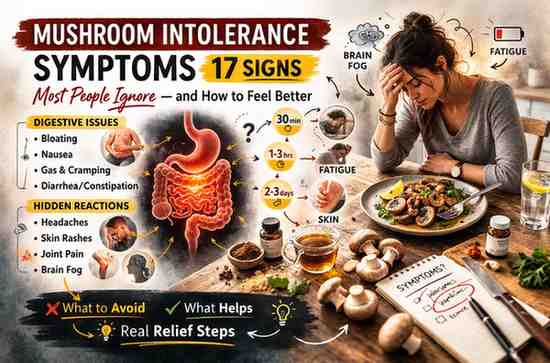
Mushroom Intolerance Symptoms: 17 Frustrating Signs Most People Miss (And Real Relief)

Mushroom Intolerance Symptoms 17 Frustrating Signs Most People Miss And Real Relief 1
Mushroom Intolerance Symptoms 17 Frustrating Signs Most People Miss And Real Relief

I can’t tell you how many times I’ve watched someone clean up their diet, feel proud for adding “healthy” foods like mushrooms… and then quietly start feeling worse.

Bloating that doesn’t make sense. Random nausea. Brain fog after a salad that should’ve felt light. Skin acting weird.

And the first thing they say?

“It can’t be the mushrooms. They’re healthy.”

That’s usually where the confusion around mushroom intolerance symptoms starts. Not dramatic. Not obvious. Just enough discomfort to make someone doubt themselves.

From what I’ve seen, people don’t suspect mushrooms until months later. Sometimes years.

And by then, they’re exhausted.

Let’s walk through what I’ve consistently observed — the patterns, the mistakes, the small wins, and the reality checks.


What Mushroom Intolerance Symptoms Actually Look Like (In Real Life)

Most people expect a food reaction to look dramatic.

Hives. Swelling. An ER visit.

That’s an allergy.

Mushroom intolerance symptoms are usually quieter. Slower. Annoying in a way that makes you second-guess yourself.

Here’s what I’ve repeatedly seen:

Digestive Symptoms (Most Common)

Almost everyone I’ve worked with messes this up at first — they assume it’s “just sensitive digestion.”

  • Bloating within 30 minutes to 4 hours

  • Heavy, full feeling after small portions

  • Nausea (especially with cooked mushrooms)

  • Cramping

  • Loose stools or sudden urgency

  • Gas that smells unusually strong

  • Acid reflux flare-ups

One pattern surprised me: people who tolerate small amounts in mixed dishes but react badly to mushroom-heavy meals. Think mushroom pasta, stuffed mushrooms, or mushroom broths.

Dose matters more than people think.


Brain & Energy Symptoms (Often Overlooked)

This is where people get confused.

They don’t connect mushrooms to:

  • Brain fog

  • Mild dizziness

  • Fatigue after eating

  • Headaches within a few hours

  • Feeling “off” but not sick

I didn’t expect this to be such a common issue until I watched multiple clients describe the exact same timeline:

Eat mushrooms → feel fine → 1–3 hours later feel foggy and drained.

Not dramatic. Just disruptive.


Skin & Inflammatory Reactions

Less common, but I’ve seen it enough times to notice:

  • Itchy skin without rash

  • Flushing

  • Eczema flares

  • Puffy eyes

  • Mild joint stiffness the next day

It’s subtle. But repeatable.

When someone removes mushrooms for a few weeks and these calm down? That’s when the lightbulb goes off.


Why People Try Mushrooms in the First Place (And Why It Backfires)

Let’s be honest.

Mushrooms are marketed as:

  • Immune-supporting

  • Anti-inflammatory

  • Gut-friendly

  • A “clean” meat substitute

And for many people, they are.

But here’s what most misunderstand:

Mushrooms contain mannitol, a type of sugar alcohol. It’s part of the FODMAP family.

If someone already has:

  • IBS

  • SIBO

  • Sensitive gut lining

  • Histamine sensitivity

…mushrooms can quietly become a trigger.

Most people I’ve seen struggle with this already had a sensitive digestive system.

Mushrooms weren’t the root problem.

They were the tipping point.


The Pattern I See Again and Again

Let me map this out the way it usually unfolds:

  1. Someone improves their diet.

  2. They add more vegetables and plant-based meals.

  3. Mushrooms become a staple.

  4. Digestive symptoms slowly increase.

  5. They blame stress, hormones, or “just getting older.”

  6. They never question mushrooms.

Months pass.

Then they accidentally skip mushrooms for a week — travel, busy schedule, whatever — and feel noticeably better.

That moment of confusion?

That’s usually the clue.


Common Mistakes That Delay Relief

Almost everyone I’ve seen struggle with this does at least one of these.

1. They Test Too Many Foods at Once

They remove gluten, dairy, sugar, and mushrooms all in one go.

Then feel better.

Now they have no idea which one was the trigger.

Slow changes reveal patterns. Fast overhauls create confusion.


2. They Ignore Portion Size

“I can’t be intolerant. I only ate a little.”

But intolerance is often dose-dependent.

Half a cup? Fine.
Two cups sautéed? Not fine.

This honestly surprised me after watching so many people try elimination diets incorrectly.


3. They Assume It’s an Allergy

If there’s no rash or throat swelling, they dismiss it.

Intolerance ≠ allergy.

Different mechanism. Slower reaction. More digestive.


4. They Overlook Hidden Mushrooms

Broths. Sauces. Vegan meat alternatives. Supplements like reishi or lion’s mane.

I’ve seen people eliminate mushrooms from meals but continue mushroom powders daily.

Then say, “It didn’t work.”


How Long Do Mushroom Intolerance Symptoms Take to Improve?

Short answer?

Most people notice digestive relief within 3–7 days after removing mushrooms completely.

Brain fog and skin symptoms can take 2–3 weeks.

But here’s the real nuance:

If someone has underlying gut issues, removing mushrooms helps — but doesn’t fix everything.

I always tell people:

“If mushrooms are the spark, we still need to check what’s making the system so flammable.”


What If It’s Not Mushrooms?

Important reality check.

Sometimes it’s:

  • Garlic cooked with mushrooms

  • Butter or cream sauces

  • High-fat meals

  • Overall FODMAP load that day

That’s why I suggest testing mushrooms alone, simply cooked, moderate portion.

Not inside a complex dish.

Clean experiments reveal clean answers.


Is This Worth Testing?

If you experience:

  • Repeated bloating after mushroom meals

  • Foggy brain after plant-based dishes

  • IBS that won’t settle

  • Reactions to mushroom supplements

Then yes.

A simple 2–3 week elimination is low risk and high clarity.

If you eat mushrooms once a month and feel fine?

Probably not necessary.

Who this is NOT for:

  • People without any symptoms

  • People chasing perfect digestion

  • Anyone expecting instant transformation

This is about pattern recognition. Not food fear.


Quick FAQ (Straight Answers)

Can you suddenly develop mushroom intolerance?
Yes. I’ve seen it happen after gut infections, antibiotics, or major stress.

Is mushroom intolerance the same as an allergy?
No. Allergies are immune-driven and often immediate. Intolerance is typically digestive and delayed.

Do all mushrooms cause symptoms?
Not always. Some tolerate button mushrooms but react to shiitake or portobello. It varies.

Can cooking reduce symptoms?
Sometimes. Cooking breaks down certain compounds, but mannitol remains.

Will this go away permanently?
In some people, yes — once gut health improves. In others, it remains dose-dependent long term.


Objections I Hear All the Time

“But mushrooms are healthy.”

They are.

So is broccoli. So are beans.

Healthiness doesn’t equal tolerance.


“It’s probably just stress.”

Maybe.

But if symptoms consistently follow mushroom meals? That’s data.


“I don’t want to cut more foods.”

I get that.

This isn’t about restriction forever. It’s about temporary clarity.


The Emotional Side No One Talks About

I’ve watched people feel embarrassed over this.

They think they’re being dramatic.

Or picky.

Or “high maintenance.”

Honestly? That frustration is usually worse than the symptoms.

Food is supposed to nourish you.

If something repeatedly makes you feel worse, paying attention isn’t weakness. It’s awareness.


Practical Takeaways (What Actually Works)

If you suspect mushroom intolerance symptoms:

  1. Remove all mushrooms for 2–3 weeks. Completely.

  2. Watch digestion, energy, skin.

  3. Reintroduce a moderate portion alone.

  4. Observe for 24 hours.

  5. Document honestly.

What to expect emotionally:

  • Doubt at first

  • Surprise if symptoms calm

  • Confusion during reintroduction

  • Relief if patterns become clear

Patience looks like:

  • Not rushing conclusions after one meal

  • Not blaming yourself

  • Not spiraling into extreme restrictions

Small experiments. Calm observation.

That’s usually enough.


Still — this isn’t magic.

Not everyone who bloats after mushrooms is intolerant. And not every improvement means mushrooms were the villain.

But I’ve watched enough people quietly struggle with mushroom intolerance symptoms — dismissing their own patterns — that I can’t ignore how often this gets missed.

Sometimes the win isn’t dramatic.

It’s just eating a meal and not feeling foggy two hours later.

And honestly?

For most people I’ve seen finally figure this out, that quiet relief feels bigger than they expected.

Benefits of Eating Once a Day: 9 Honest Insights for Frustrated Beginners Seeking Real Relief

Benefits Of Eating Once A Day 9 Honest Insights For Frustrated Beginners Seeking Real Relief 1
Benefits of Eating Once a Day 9 Honest Insights for Frustrated Beginners Seeking Real Relief

I’ve watched more people try eating once a day than I expected to over the last few years.

Friends stuck in weight-loss loops. Clients burned out from calorie counting. A couple of guys who swore they had “slow metabolisms.” One woman who just wanted her brain fog gone. Most of them arrived tired. Not lazy. Just tired of trying things that half-worked.

And almost all of them circled back to the same question:

Are the benefits of eating once a day actually real… or is this just another extreme trend that looks good online?

Honestly, most people I’ve seen try it hit a wall in the first two weeks. They think it’s simple — “just eat once.” Then the hunger spikes, the social pressure hits, energy dips at weird times, and they quietly assume they’re failing.

From what I’ve seen, it’s rarely that simple.

But I’ve also watched it work. In very specific ways. For very specific people.

Let’s talk about what actually happens.


Why People Try Eating Once a Day (OMAD) in the First Place

Nobody I know started this because they were bored.

They started because:

  • They were frustrated with constant grazing

  • They felt out of control around food

  • They were tired of tracking macros

  • They wanted fat loss without obsessing

  • They were dealing with insulin resistance

  • Or they just wanted mental clarity

Most people I’ve worked with mess this up at first because they think this is just about “less calories.”

It’s not.

It’s about structure.

When someone eats once a day, the biggest immediate shift isn’t weight. It’s psychological relief.

No breakfast decision.
No lunch debate.
No snack negotiation.

One intentional meal.

That simplicity alone reduces decision fatigue. And that’s something I didn’t expect to be such a common win.


The Real Benefits of Eating Once a Day (From What I’ve Seen)

Let’s separate theory from what actually plays out in real lives.

1. Appetite Regulation (After the Adaptation Phase)

Week one? Chaos.

Week two? Still rough.

Week three? Something changes.

From what I’ve observed, many people report:

  • Fewer random cravings

  • Less emotional snacking

  • Clearer hunger signals

  • Reduced obsession with food

Your body adjusts to the rhythm. Ghrelin (your hunger hormone) starts firing around your new eating window instead of all day.

But here’s what almost everyone gets wrong:

They interpret early hunger spikes as proof it’s not working.

It’s just adaptation.


2. Fat Loss — When It’s Done Intentionally

Yes, weight loss happens.

But not because of magic.

What I consistently see:

  • People naturally eat fewer calories

  • Insulin levels stabilize

  • Late-night snacking disappears

  • Binge cycles reduce

However…

Almost everyone I’ve seen struggle with this does one thing wrong:

They undereat protein.

Then muscle loss creeps in. Energy dips. Workouts suffer.

When done right, fat loss is steady. Not dramatic. But consistent.

And honestly? The people who lose slower tend to keep it off longer.


3. Mental Clarity (This One Surprised Me)

I didn’t expect this to be such a common issue — but brain fog complaints dropped for many people after the adjustment phase.

Afternoons became sharper.

Fewer crashes.

More stable mood.

Especially in people who previously relied on high-carb grazing.

Not everyone experiences this. But enough that I pay attention when I see it repeated.


4. Improved Relationship With Hunger

This is subtle.

But powerful.

Most Americans are uncomfortable being hungry for even 30 minutes.

Eating once a day teaches something different:

Hunger isn’t an emergency.

It rises. It peaks. It fades.

People I’ve guided through this often say the biggest shift wasn’t physical — it was realizing they weren’t as fragile as they thought.

That confidence carries over.


5. Simplicity (Underrated Benefit)

Less grocery planning.
Fewer meals to cook.
Lower food spending.

Busy professionals especially like this.

But simplicity only works if the one meal is nutrient-dense.

Otherwise it backfires fast.


What Most People Get Wrong at First

I’ve seen these patterns repeat enough times that I can almost predict who will struggle.

Here’s what usually derails beginners:

  • Trying to jump straight into strict OMAD with no transition

  • Eating junk during their one meal

  • Not drinking enough electrolytes

  • Overtraining while underfueling

  • Not planning social situations

One guy I worked with tried to powerlift while eating 1,200 calories in one sitting. Burned out in 10 days.

Another person ate one massive takeout meal nightly and wondered why inflammation worsened.

Eating once a day amplifies your choices.

Good or bad.


How Long Does It Take to See Results?

Short answer:

  • Appetite stabilization: 2–3 weeks

  • Noticeable fat loss: 3–6 weeks

  • Metabolic improvements: 6–12 weeks

  • Deep adaptation: 8+ weeks

That said…

From what I’ve seen, week two is the make-or-break point.

If someone pushes through with proper hydration and protein, they usually stabilize.

If they white-knuckle it without strategy, they quit.


Who This Is NOT For

Let’s be honest.

This isn’t for everyone.

I would not recommend eating once a day for:

  • Pregnant or breastfeeding women

  • People with eating disorder history

  • Underweight individuals

  • Growing teenagers

  • High-volume endurance athletes

  • Anyone with uncontrolled medical conditions

And honestly?

If someone thrives on multiple balanced meals and feels good — there’s no reason to change.

OMAD isn’t superior. It’s situational.


Common Objections I Hear (And What I’ve Seen)

“Won’t this slow my metabolism?”

Short-term? No.

Long-term severe undereating? Yes.

The difference is protein intake and total calories. Chronic underfueling causes metabolic slowdown — not meal timing alone.


“Is it safe to eat once a day?”

For healthy adults, generally yes — when nutrient intake is adequate.

But medical supervision is smart if someone has diabetes or hormone conditions.


“Will I lose muscle?”

If protein is low and resistance training stops — yes.

If protein is sufficient (0.7–1g per pound of bodyweight) and strength training continues — muscle retention is very possible.

I’ve seen both outcomes.


What Consistently Works

Across dozens of real cases, the patterns are clear.

People who succeed usually:

  • Transition gradually (16:8 → 20:4 → OMAD)

  • Prioritize protein first

  • Include fiber and healthy fats

  • Lift weights 2–4 times per week

  • Stay hydrated with electrolytes

  • Sleep 7+ hours

It’s not dramatic.

It’s boring consistency.


What Repeatedly Fails

  • Using OMAD to compensate for binge eating

  • Ignoring micronutrients

  • Drinking calories all day

  • Trying to combine it with extreme low-carb immediately

  • Expecting fast, dramatic transformation

This isn’t a crash diet.

If someone approaches it like one, it collapses like one.


Reality Check: The Emotional Side

Nobody talks about this part enough.

Week one feels empowering.

Week two feels irritating.

Week three feels stable.

Then social friction appears.

Lunch invites. Family dinners. Coworkers asking questions.

Some people handle that easily.

Others feel isolated.

This matters more than most admit.

Sustainability isn’t just metabolic — it’s social.


Is It Worth It?

Here’s my honest take.

If someone:

  • Feels constantly hungry

  • Struggles with grazing

  • Wants structure

  • Is metabolically unhealthy

  • Feels mentally scattered from frequent eating

Then yes. It can be worth testing for 6–8 weeks.

If someone:

  • Loves cooking multiple meals

  • Feels stable eating 3 meals

  • Performs intense athletic training

  • Gets anxious skipping food

Then probably not.

There’s no moral high ground here.

Just fit.


Quick FAQ (People Also Ask Style)

Does eating once a day help with belly fat?
Indirectly. It reduces overall calories and stabilizes insulin, which supports fat loss — including abdominal fat.

Can you drink coffee during OMAD?
Yes, black coffee is common. Avoid adding sugar or cream if strict fasting is the goal.

What should your one meal include?
Protein, vegetables, healthy fats, complex carbs if active, and sufficient calories. Undereating ruins results.

Do you exercise while doing OMAD?
Yes, but intensity may need adjusting during adaptation.


Practical Takeaways

If someone I care about wanted to try this, I’d tell them:

Start gradually.
Eat enough protein.
Don’t fear salt.
Lift weights.
Track energy — not just weight.
Give it 30 days minimum.

And emotionally?

Expect irritation before stability.

Expect hunger waves.

Expect doubt.

But also expect clarity if it fits you.


So no — the benefits of eating once a day aren’t magic.

They’re structural.

They come from simplifying food decisions, stabilizing insulin patterns, and reducing emotional eating loops.

I’ve watched people quit too early because they thought discomfort meant failure.

I’ve also watched others quietly transform — not just physically, but mentally — once they stopped fighting hunger and started understanding it.

This isn’t extreme discipline.

It’s strategic minimalism.

And sometimes, for the right person at the right time, that shift alone feels like relief.

Sugar Defender Saved My Sanity – 3 Unexpected Truths After 90 Days

Sugar Defender

Sugar Defender Saved My Sanity – 3 Unexpected Truths After 90 Days

Look, I never planned on becoming the lady who whispered to her glucose monitor. But there I was, slumped at my kitchen table after lunch, staring at another “74” feeling like I’d been hit by a semi. Brain fog thicker than peanut butter? Check. Irritability that made my dog side-eye me? Double check. Energy levels buried six feet under? Absolutely. My doctor kept saying “pre-diabetic,” “lifestyle changes,” “monitor your numbers,” and honestly? It felt like a life sentence of kale and despair.

Sugar Defender
Sugar Defender

Then came the scrolling. You know the drill—3 AM, doom-Googling “why am I always tired and hangry.” Ads for supplements flooded my screen. Sugar Defender popped up. My first thought? “Yeah, right. Another magic potion bottle promising rainbows and unicorn blood. Pass.”

But desperation is a powerful motivator.


My Breaking Point (And Why I Caved)

Picture this: My nephew’s birthday party. Balloons, cake, tiny humans screaming. I’d been “good”—salad for lunch, no sweets. Yet by 3 PM, I was shivering in a corner, dizzy, snapping at my sister because she looked at my water bottle wrong. My hands shook. My vision blurred. I wasn’t just tired; I felt broken.

That night, I revisited the Sugar Defender page. Skepticism warred with hope. The 60-day guarantee felt like a safety net: “Fine. If this is snake oil, I’ll return it.” I went with the “Most Popular” kit—3 bottles. Free shipping, two bonus e-books, and honestly? The promise of “non-habit forming” and “plant ingredients” eased my crunchy-mom conscience.

What Sold Me (Beyond Desperation):

  • No Bonuses for 2 Bottles: Felt shady. Like they knew you needed more time.

  • Free US Shipping on 3+ Bottles: Practical. And saved me $12.

  • 60-Day Empty-Bottle Guarantee: Seriously. Return EMPTIES? That’s confidence.

I ordered. Cue the internal monologue: “You spent $177 on internet drops. You’re officially That Aunt.”


The First 30 Days: Skepticism, Side-Eyes & Small Wins

Week 1 felt… underwhelming. I took the drops every morning (easy—just under the tongue, slightly earthy taste, no biggie). My energy still tanked by 2 PM. The brain fog lingered. I complained to my husband: “See? Told you. Fancy flavored water.”

But then, tiny shifts:

  • Day 10: Made it to 4 PM without wanting to nap on my keyboard. Small win.

  • Day 18: Noticed I hadn’t yelled at traffic. Miraculous.

  • Day 25: My glucose monitor read a steady “98” after lunch—no dramatic plunge. I stared. Blinked. Took it again. Same number.

I wasn’t “cured.” But the rollercoaster? It was smoothing out. The infuriating crashes? Less intense. Less frequent.

My Big Realization: This wasn’t a magic bullet. It was support. Like training wheels for my wonky metabolism. The ingredients started making sense:

  • Eleuthero: That “get-up-and-go” feeling? Yeah. Felt less like borrowed energy.

  • Coleus: Subtle, but my jeans felt… looser? Without extra gym torture? Okay.

  • Maca Root: My 3 PM slump became a gentle dip, not a nosedive.


90 Days In: Why I’m Not Returning Those Empty Bottles

Fast forward to today. Am I perfect? Hell no. I still eye that office donut box with longing. But the difference? I feel in control. Here’s the raw truth:

  1. Energy Isn’t a Myth Anymore: I don’t need 3 coffees to sound human before noon. My natural stamina is back. I planted my entire garden last weekend without needing a 4-hour recovery nap. Revolutionary.

  2. Goodbye, Brain Fog: Remembering where I put my keys? Actually focusing during meetings? Priceless. That mental clarity is the real MVP.

  3. Steady Sails, No Crashes: My blood sugar still fluctuates, but it’s manageable. No more shaking, cold sweats, or irrational rage because someone chewed too loud. My dog is relieved.

The Unexpected Win: I stopped obsessing. I’m not glued to my glucose monitor anymore. I trust my body again. That peace of mind? Worth every penny.


Let’s Get Real: Your Burning Questions (From One Skeptic to Another)

Q: Is this just expensive pee?
A: Not gonna lie, I wondered. But seeing those consistent glucose readings and feeling genuinely stable? That’s not placebo. The science behind ingredients like Gymnema (helps curb sugar cravings) and Guarana (sustained energy) checks out.

Q: How fast does it work?
A: Don’t expect miracles Day 1. Took me 2-3 weeks to notice real shifts. Be patient. Your body’s been through stuff.

Q: What’s the best deal?
A: Honestly? Spring for the 3 or 6 bottles. The 2-bottle option feels like a tease—no bonuses, pay shipping. I did 3 bottles ($177, free shipping, 2 free e-books). The 6-bottle deal ($294) is killer value per bottle ($49!), free shipping, plus the e-books. If you’re committed, go big. You’ve got 60 days to return if it flops.

Q: Any weird side effects?
A: Zero for me. No jitters, no gut bombs. Just… steadiness. But I’m not a doc! Check the ingredients if you have sensitivities.

Q: What if it doesn’t work for ME?
A: That guarantee is legit. I called their customer service with a dumb question (shoutout to Brenda!). Polite, fast, no pressure. Returning empties is wild, but hey—low risk.


The Tea on Ingredients (No B.S.)

Peeking at the label felt like chemistry class initially. Here’s the down-and-dirty on what’s working for me:

  • Eleuthero (Siberian Ginseng): Not caffeine. Just… resilience. Less “wired,” more “capable.”

  • Coleus Forskohlii: Gentle nudge on metabolism. Paired with walking? Hello, slow weight loss.

  • Maca Root: Mood balancer. Less “I will cut you” over spilled milk.

  • Gymnema Sylvestre: Secret weapon against cookie binges. Takes the edge off cravings.

  • Guarana: Smooth energy lift. No crash. Unlike my old 3 PM Red Bull ritual.

  • African Mango: Subtle help with feeling full. Less mindless snacking.

It’s not a single hero ingredient. It’s the synergy. Like a tiny plant army supporting your system.


So… Would I Actually Recommend It?

Listen. I’m not a doctor. I’m a tired mom who cried over unstable blood sugar and yelled at her dog. Sugar Defender didn’t magically erase my pre-diabetes. But it gave me back stabilityenergy, and mental clarity I thought was gone forever. It’s the tool that made “lifestyle changes” actually doable.

If you’re:

  • Sick of the 3 PM crash-and-burn

  • Tired of feeling hangry and foggy

  • Done with expensive “solutions” that don’t deliver

  • Ready for something natural, non-habit forming, and backed by a REAL guarantee

…give it a shot. Start with 3 bottles. Use it consistently. Be patient.

That 60-day safety net is everything. Order straight from their official site (avoid weird Amazon sellers!). FedEx delivered mine in 5 days.

Sugar Defender isn’t a fairy tale. It’s support. It’s steadiness. It’s me finally feeling like myself again—without wanting to bite everyone’s head off before dinner.

Still skeptical? I get it. I was you. But what’s the cost of not trying? Another year of crashes, fog, and feeling like crap? Nah. Life’s too damn short.

My Mitochondria Meltdown: How Mitolyn Shocked This Skeptic (And My Waistline)

My Mitochondria Meltdown How Mitolyn Shocked This Skeptic And My Waistline

My Mitochondria Meltdown: How Mitolyn Shocked This Skeptic (And My Waistline)

Okay, real talk? I almost didn’t click that ad. You know the ones. Glowing testimonials, impossibly slim “after” photos, promises that sound… well, too good. “Boost your mitochondria! Melt stubborn fat! Feel 20 years younger!” My finger hovered over the mouse. My inner cynic, a loud and perpetually exhausted voice honed by years of failed diets and magic-pill disappointments, was screaming: “SCAM!” But then I looked down. At the jeans digging into my waist. At the energy levels that crashed harder than my laptop after too many Chrome tabs. At the mirror reflecting someone who just felt… sluggish. Heavy. Old before my time. Honestly? I was desperate enough to risk it. So I ordered Mitolyn. And folks? I’m still pinching myself.

My Mitochondria Meltdown How Mitolyn Shocked This Skeptic And My Waistline

Let me paint you a picture. Me, 6 months ago: perpetually tired. Carrying an extra 35 pounds that had settled in like unwelcome houseguests, especially around my belly and hips. I wasn’t morbidly obese, but I was stuck. Seriously stuck. I’d tried it all – keto, intermittent fasting, punishing HIIT classes that left me sore and starving (and still clinging to those same pounds). I’d drink green sludge, count calories like a forensic accountant, and… nada. Zip. Zilch. My metabolism felt like a rusty old engine that just wouldn’t turn over. I’d look at people bouncing with energy, effortlessly maintaining their weight, and feel this confusing mix of envy and defeat. What’s their secret? Why can’t I crack this code?

Then came the mitochondria rabbit hole. I stumbled across some articles – not the product page initially, but actual science snippets. Harvard studies? Talking about mitochondria being the key to metabolism and energy? That low levels were this common thread in people struggling with weight? That stopped my scrolling cold. Mitochondria. I vaguely remembered them from high school bio – the “powerhouses of the cell,” right? But connecting them directly to my stubborn belly fat and constant fatigue? That was a new angle. My cynical side piped up: “Sure, blame the tiny cell engines. Convenient.” But the desperate, hopeful side? It whispered: “What if…?”

That’s how I landed on the Mitolyn page. Honestly, the science part intrigued me more than the sales pitch. Six rare ingredients? Maqui Berry? Schisandra? Stuff I couldn’t pronounce? All supposedly targeting mitochondrial health? The testimonials felt real – people echoing my exact frustrations: the belly fat that wouldn’t budge, the exhaustion, the lost confidence. The 90-day money-back guarantee was the final nudge. “Iron-clad?” Okay, fine. Prove it, I thought. With a hefty dose of skepticism (and hiding the purchase from my partner, because seriously, he’d have rolled his eyes into next week),

I clicked “Order.” I went with the 3-bottle bundle – the “BEST VALUE” option. Figured if it did work, I’d save some cash. If not, back it goes. Free shipping softened the blow, I guess.

The First Weeks: Skepticism, Side-Effects (or Lack Thereof), and Subtle Shifts

Waiting for the package felt like waiting for jury duty. Dread mixed with a sliver of hope. When it arrived, the bottles looked… legit. Clean labeling, professional. No flashy neon colors screaming “SCAM!” I read the instructions religiously. Two capsules a day. Simple enough. I braced myself. My past supplement experiences often involved… digestive surprises. Let’s just say some “fat burners” turned me into a human jet engine. Not pleasant.

Mitolyn? Nada. Seriously. No jitters. No weird stomach rumbles. No racing heart. Just… me, taking two little capsules with breakfast. My cynical side was suspicious. “Placebo effect incoming!” I weighed myself. Took “before” photos (cringeworthy, stored deep in a hidden folder). Measured my waist. The numbers stared back, unmoved. I sighed. Here we go again.

But then, weirdly subtle things started happening around Week 2.5 or 3:

  1. The 3 PM Wall Disappeared. You know that crushing fatigue that hits mid-afternoon? The one that demands coffee or a nap or both? Mine… just… lifted. I found myself actually finishing my workday without feeling like a zombie. One Tuesday, I realized I’d forgotten my usual 3 PM coffee run. And I was… fine? More than fine? I had actual energy to tackle laundry after work. Revolutionary!

  2. The Constant Snack Urge Faded. This was HUGE for me. I was a grazer. Always peckish, always thinking about my next bite, especially for carbs and sugar. Suddenly, I noticed I wasn’t raiding the pantry at 10 AM or 3 PM. My meals felt satisfying. I wasn’t white-knuckling it between meals. It felt less like willpower and more like… my body just wasn’t screaming for fuel constantly. Weird. Good weird.

  3. A Glimmer in the Mirror? Okay, maybe I was imagining it. But one morning, pulling on those jeans… they felt… different. Not loose, exactly, but maybe less like sausage casing? Less digging in? I dared to step on the scale. Down 4 pounds. “Water weight,” Cynical Me declared immediately. “Don’t get excited.” But still… 4 pounds was 4 pounds more than I’d lost in months of effort.

The Turning Point: When the “Mito-Magic” Kicked Into Gear (And My Pants Got Baggy)

Around the end of Bottle 1, something undeniable shifted. It wasn’t overnight. It wasn’t dramatic like the ads sometimes imply. It was steady. Persistent. Like my internal furnace finally got a proper cleaning and tune-up.

  • The Scale Started Moving Consistently: Not crazy drops, but a steady 1.5 – 2 pounds a week. Consistent. Without me changing my (already fairly decent) diet or ramping up exercise dramatically. After years of plateau, seeing that downward trend week after week? Unreal.

  • Stubborn Fat Areas… Softened? Melted? This was the shocker. That belly pooch I’d resigned myself to? The love handles that defied lunges? They started visibly shrinking. I’d catch my reflection sideways and do a double-take. My waist definition came back! Clothes I hadn’t worn in years started fitting. Then they got loose. I had to punch a new hole in my belt. Punch a new hole! That felt like a victory parade all by itself.

  • Energy? Through the Roof! This became the most life-changing part. It wasn’t jittery caffeine energy. It was deep, sustained vitality. I woke up feeling… awake. Refreshed. I started wanting to move. Walks became longer. I dug out my old yoga mat. Playing with my nephew didn’t leave me gasping on the couch afterward. I felt lighter, physically and mentally. My mood improved. Brain fog? Lifted. I felt sharper, more present. My partner even commented, “You seem… happier? More you?” That hit deep.

  • Skin Surprise Bonus? Okay, this wasn’t why I bought it, but around Month 2, I noticed my skin looked… better? Brighter? Smoother? Less dull. Maybe it was the weight loss, maybe it was better hydration from moving more, or maybe it was those antioxidants in the Maqui Berry and Astaxanthin doing their thing. Whatever it was, I’ll take it!

So, What’s Actually In This Stuff? (My Layman’s Breakdown After Digging Deep)

Look, I’m not a scientist. But after my results, I got curious. What were these “exotic nutrients” actually doing? I poked around the references on the Mitolyn page and read some independent studies. Here’s how my non-PhD brain interprets the key players in Mitolyn:

  • Maqui Berry (That Purple Powerhouse): Packed with crazy antioxidants (anthocyanins). Seems like these little guys help protect mitochondria from damage and might even signal the body to make more of them. Think of it like giving your cellular power plants premium shielding and encouraging them to build new branches. Also good for the heart? Bonus!

  • Rhodiola (The Stress Buster): An “adaptogen” – helps your body handle stress better. Stress is a KILLER for metabolism and mitochondria. Rhodiola seems to help mitochondria function more efficiently under pressure and might boost their energy output. Plus, mood support? Yes, please. Less stress-eating is always a win.

  • Haematococcus Pluvialis (Fancy Red Algae = Astaxanthin): This is the source of that super-potent red antioxidant Astaxanthin. Studies suggest it’s like body armor for mitochondria, protecting them from oxidative damage WAY better than many other antioxidants. Also helps with inflammation – good for creaky joints (another unexpected perk I noticed!).

  • Theobroma Cacao (The Real Chocolate Goodness): Not your candy bar sugar bomb! We’re talking the pure, flavonoid-rich stuff. Epicatechin, a key compound, appears to directly stimulate mitochondrial growth and function in muscles. Better muscle mitochondria = more fat burned, even at rest. And supports healthy blood flow? Nice.

  • Schisandra (The Berry with Bite): Another adaptogen, loaded with beneficial compounds. Research points to Schisandra helping protect mitochondria, especially in the liver (your major detox organ), and supporting their energy production. Liver health is crucial for overall metabolism, so this makes sense. Also rumored to be an aphrodisiac? Didn’t test that claim specifically, but hey, feeling better in your skin can’t hurt that department!

  • Garcinia Cambogia (The Appetite Tamer): Contains Hydroxycitric Acid (HCA). While sometimes controversial alone, in this blend, its role seems to be supporting healthy metabolism and helping manage appetite. This aligns perfectly with my experience of reduced cravings. It helps signal your brain you’re full.

The “Aha!” Moment: It wasn’t just one magic bullet. It was this combination of ingredients, all seemingly targeting mitochondrial health from different angles – protecting them, boosting their numbers, enhancing their function, reducing the stress that harms them, and supporting the organs (like liver) crucial for metabolic health. It felt like a full-system mitochondrial tune-up. My rusty engine was getting premium fuel, a clean air filter, new spark plugs, and a smoother transmission – all at once.

Facing the Skeptic (Because I Was One!): Your Burning Questions Answered

I get it. I was you. Sitting there, reading this, thinking, “Sounds great for her, but…” Let me tackle the doubts head-on, based on my messy, real experience:

  • “Is this just another expensive pee vitamin?” Honestly? I wondered the same. But the results spoke louder than my doubt. The energy boost wasn’t fleeting caffeine. The fat loss was steady and visible, especially in stubborn areas diet alone never touched. My nails got stronger too (weird bonus!). This felt fundamentally different than any standard multivitamin or generic “fat burner” I’d tried. The science backing the specific ingredients for mitochondrial support is what convinced me it wasn’t just flushing money away.

  • “How long before I see/feel anything?” Don’t expect fireworks on Day 1. This isn’t a stimulant. For me, the subtle energy lift and reduced cravings started around 2-3 weeks. Noticeable fat loss and significant energy kicked in solidly around the end of Month 1 / start of Month 2. Be patient. Your mitochondria need time to recover and multiply! I committed to the full 3 bottles (90 days) before making a real judgment, and I’m SO glad I did. The changes compounded.

  • “Did you change your diet or exercise?” I didn’t overhaul my life. I already ate relatively healthy (lots of veggies, lean protein) but struggled with portions and snacking. Mitolyn helped massively with the cravings, making portion control effortless. Exercise? I moved more because I had the energy, but I didn’t suddenly start running marathons. Gentle walks, some yoga, playing actively – that was it. The supplement did the heavy metabolic lifting. Think of it as an enabler – it gives you the energy and metabolic boost to make healthier choices easier to sustain.

  • “What about side effects?” Zero. Nada. Zilch for me. No jitters, no stomach upset, no weirdness. Just… gradual improvement. This was a major plus, especially compared to some harsh fat burners I’d tried in the past that made me feel awful.

  • “Is it safe?” It felt safe for me. Made in a registered US facility, using clearly listed ingredients with scientific backing. The 90-day guarantee also eased my mind. If your gut says “SCAM,” walk away. But for me, the risk felt minimal with the guarantee backing it. As always, if you have serious health conditions or take meds, talk to your doc. Mine just shrugged and said “Antioxidants? Probably fine,” when I mentioned it.

  • “Which bundle should I get?” Looking back? Get the 3 or 6 bottle bundle. Seriously. One bottle ($69) is barely enough time to start feeling the subtle shifts. You need at least 90 days (3 bottles, $177 total – $59/bottle) to see and feel the real transformation. The 6-bottle option ($294 total – $49/bottle) is the best value per bottle and includes free shipping. Plus, committing to 3 or 6 bottles locks you in and forces you to give it a real shot. That 90-day money-back guarantee is your safety net. Use it. Ordering one bottle and giving up at 4 weeks because “nothing happened yet” is like planting a seed and digging it up a week later complaining it’s not a tree.

  • “What if it doesn’t work for me?” That’s the beauty of that iron-clad 90-day guarantee. If you try it consistently (take it every day! Don’t skip!) for up to 90 days and genuinely feel nothing – no energy lift, no reduced cravings, no inch loss, nothing – you email them, send back the empty bottles (or unused ones), and get your money back. No hoops, no arguing. That takes the financial risk off the table. It’s the only reason I clicked “buy.” I figured I had nothing to lose but the weight I couldn’t budge anyway.

The Raw, Emotional Stuff: It Wasn’t Just About the Scale

Losing 32 pounds (and counting!) is amazing. Seeing my waist again? Fantastic. But the real magic of Mitolyn went way deeper than numbers:

  • Confidence Came Back: That feeling of dread walking into a room? Gone. That constant tugging at my shirt to hide my belly? Stopped. I caught myself standing taller. Smiling more. Buying clothes not just for camouflage, but because I liked them. The mirror went from foe to… well, maybe not best friend, but definitely a neutral observer, sometimes even an ally.

  • Energy = Freedom: Having sustained energy isn’t just about getting through the workday. It’s about saying “YES!” to things. Hiking with friends on the weekend. Playing tag with my nephew without needing an oxygen tank afterward. Tackling projects around the house I’d put off for months. It gave me back life beyond the couch.

  • Breaking the “Stuck” Feeling: The psychological weight of feeling like nothing worked was crushing. Mitolyn broke that cycle. It proved change was possible. It gave me hope back. That’s priceless.

The Real Deal: Is Mitolyn Magic?

Nope. Let’s be brutally honest. It’s not a fairy godmother pill. You won’t wake up 30 pounds lighter tomorrow. It requires consistency (taking it daily). It works with your body, not against it. It supports your natural processes – specifically, your mitochondria – so they can do their job effectively: burning fat and creating energy.

It’s not a license to eat garbage 24/7. While it helped my cravings immensely, fueling your body with junk won’t give your mitochondria the best raw materials. Think of it as giving a master mechanic (Mitolyn) the best tools and parts (decent food) to fix your engine (mitochondria).

It’s not instant. Mitochondria take time to heal, multiply, and ramp up production. Patience isn’t just a virtue here; it’s a requirement.

My Verdict After 5 Months (And Why I Just Ordered More)

So, would I recommend Mitolyn? Abso-freaking-lutely. But only if you’re ready to commit to the process, be patient, and give your body the 90 days it likely needs to truly show you what it can do.

It wasn’t a struggle. It wasn’t torture. It felt like finally finding the missing piece of my metabolic puzzle. It gave me back my energy, my confidence, and my belief that my body could change. It helped me shed pounds that years of dieting couldn’t touch, especially that soul-crushing stubborn fat.

The changes I’ve experienced feel sustainable. The energy is still here. The weight is staying off (I’m actually still slowly losing, even in maintenance mode with the supplement). I feel like I’ve hit the reset button on my metabolism.

That’s why, as I finish this last capsule of my third bottle, I just clicked “Order” again. The 6-bottle bundle this time. Because feeling this good? This energized? This comfortable in my own skin? That’s not something I’m willing to gamble with losing. It’s become part of my non-negotiable wellness routine.

Your Next Step (From One Former Skeptic to Another)

If you’re tired of feeling stuck, exhausted, and battling your own body…
If you’ve tried diets till you’re blue in the face and the scale won’t budge…
If you miss having energy to actually live your life…

Then yeah, I think Mitolyn is worth a serious look. Do your own research – look up those ingredients, read about mitochondria and metabolism. See if it clicks for you.

But if you’re ready to try something fundamentally different, something that targets the engine of your metabolism rather than just starving it or revving it artificially…

Use the guarantee. Order the 3-bottle or 6-bottle bundle (seriously, one bottle isn’t enough time!). Commit to taking it consistently for 90 days. Pay attention to the subtle shifts – the energy, the cravings, how your clothes fit.

Be patient. Be consistent. And see what happens.

The worst that can happen? You get your money back.
The best that can happen? You get your energy, your body, and your life back on track.

For me? It was the best $177 gamble I ever took. My mitochondria (and my skinny jeans) thank me every single day. Maybe yours will too.

Ready to see if Mitolyn can kickstart your mitochondria? Check out the official site here and see the bundles for yourself. (Remember – the 3 or 6 bottle option with the guarantee is the smart move!). <<

Causes of weight gain in women: 11 frustrating truths that finally brought me relief

Causes Of Weight Gain In Women 11 Frustrating Truths That Finally Brought Me Relief 1
Causes of weight gain in women 11 frustrating truths that finally brought me relief

Not gonna lie… I used to think weight gain “just happened to me.”
Like my body woke up one day and decided to be difficult.

I was doing the “right” things. Sort of.
Eating “pretty healthy.” Walking sometimes. Skipping dessert most days.
And yet my jeans kept getting tighter. Slowly at first. Then all at once.

The causes of weight gain in women felt mysterious and personal at the same time.
Everyone around me had a theory. Hormones. Stress. Metabolism. “You’re just getting older.”
Cool. Helpful. ????

What actually helped was getting brutally honest about what was really going on in my body and my life. Some of it surprised me. Some of it annoyed me. A lot of it forced me to drop excuses I didn’t even realize I was using.

This is messy. This is real. This is what I learned the hard way.


1. Hormones aren’t an excuse — but they’re not fake either

I used to roll my eyes when people blamed hormones.
Then my cycle went sideways.
Then my energy crashed.
Then my cravings went feral.

From what I’ve seen (and lived), hormonal shifts don’t magically “cause” weight gain.
They quietly change the rules of the game.

Things that hit me:

  • PMS weeks = ravenous hunger

  • Stress hormones = belly weight that didn’t budge

  • Sleep changes = sugar cravings on autopilot

  • Birth control adjustments = appetite + water retention chaos

  • Perimenopause (for some women) = fat storage shifts

What I misunderstood at first:
I thought hormones meant I had zero control.

What actually helped:
Adjusting expectations during hormonal swings instead of pretending they didn’t exist.

Example:
Instead of “Why am I failing this week?”
I started thinking:
“Oh. This is a high-craving week. I need more protein and less decision fatigue.”

That tiny mindset shift stopped a lot of guilt spirals.


2. Stress weight is real, and it’s sneaky

I didn’t feel “that stressed.”
I wasn’t crying on the floor.
I was just… tired. Wired. Always behind.

Turns out chronic stress changes how your body handles calories.
And not in a cute way.

What stress did to me:

  • I ate faster without noticing

  • I reached for carbs when overwhelmed

  • I slept lighter and shorter

  • My body held onto fat like it was preparing for winter

This honestly surprised me.
I thought stress just meant bad moods.
Nope. It quietly messed with my hunger signals and fat storage.

What worked (slowly):

  • Walking after meals

  • Not stacking caffeine on exhaustion

  • Letting one thing be “good enough” each day

  • Short, boring routines I could actually stick to

Not glamorous. But effective.


3. I was under-eating… then overeating later

This one messed with my head.

I thought eating less during the day was discipline.
Turns out I was just delaying the binge.

My pattern:

  • Skip breakfast

  • Light lunch

  • “Be good” all day

  • Lose control at night

  • Feel gross

  • Repeat

That cycle alone explained a chunk of my weight gain.

What changed things:

  • Front-loading protein earlier

  • Eating actual meals, not snacky nonsense

  • Stopping the moral language around food

  • Accepting that hunger always collects interest

If you starve yourself mentally, it comes back with penalties.


4. Sleep deprivation made me hungrier than hunger ever did

No one warned me how much sleep affects weight.
Or maybe they did and I ignored it.

Bad sleep =

  • More cravings

  • Less impulse control

  • More comfort eating

  • More inflammation

  • Less energy to move

I didn’t expect that at all.
I thought sleep was just about mood.
Turns out it messes with hunger hormones directly.

What helped:

  • A dumb bedtime alarm

  • Not scrolling in bed

  • Accepting that some nights suck and still going to bed

  • Protecting sleep like it was part of my “diet plan”

Because it is.


5. “Healthy” food can still cause weight gain

This one stung.

I was eating smoothies, granola, nut butter, avocado toast.
All the wellness girlie foods.

Still gaining weight.

Why?

Portions.
Liquid calories.
Hidden sugars.
Mindless “healthy” snacking.

Healthy food still counts.
Your body doesn’t care about branding.

What worked better for me:

  • Eating meals I had to chew

  • Watching portions of calorie-dense foods

  • Adding protein to “healthy” meals

  • Not drinking my calories unless I truly wanted to

This wasn’t about restriction.
It was about awareness.


6. Movement patterns changed (and I didn’t notice)

I didn’t suddenly become lazy.
My life just got smaller.

More sitting.
More screens.
Less walking without purpose.
Fewer “accidental” steps.

That slow drop in daily movement added up.

Not workouts.
Life movement.

What helped:

  • Parking farther

  • Walking calls

  • Ten-minute walks after meals

  • Choosing stairs sometimes

  • Not romanticizing all-or-nothing workouts

Consistency beat intensity here.
By a lot.


7. Emotional eating wasn’t dramatic — it was quiet

I wasn’t sobbing into ice cream.
I was just… soothing myself.

Bored? Snack.
Lonely? Snack.
Overstimulated? Snack.
Rewarded? Snack.

The food wasn’t the problem.
The automatic coping was.

What helped (awkward at first):

  • Pausing for 60 seconds before eating

  • Asking, “Am I hungry or overwhelmed?”

  • Letting myself eat anyway sometimes

  • Finding one non-food comfort per day

This wasn’t about perfection.
It was about noticing patterns.


8. Medications and health conditions matter more than people admit

This part doesn’t get enough honesty.

Some meds change appetite.
Some change metabolism.
Some cause water retention.
Some mess with energy.

Same with conditions like:

  • Thyroid issues

  • PCOS

  • Insulin resistance

  • Depression

This is where the causes of weight gain in women get unfair.

Not everyone is starting from the same baseline.

What helped:

  • Tracking patterns, not just calories

  • Talking to a doctor when weight gain felt “off”

  • Not gaslighting myself when effort didn’t match results

  • Adjusting strategies instead of quitting

This is slow work.
But it’s real work.


9. Age changes how forgiving your body is

This annoyed me.
But yeah.

What used to “work” stopped working.

Late nights.
Random workouts.
Crash diets.

My body became less tolerant of chaos.

What worked better:

  • Routine

  • Protein at every meal

  • Strength training

  • Fewer extreme swings

  • More boring consistency

Not exciting.
Effective.


10. Diet culture noise made me overcorrect

I tried:

  • Cutting carbs

  • Cutting fats

  • Fasting too aggressively

  • “Reset” cleanses

  • 7-day challenges

Most of it backfired.

Why?

I’d go too extreme.
Then rebound.
Then feel broken.

What actually stuck:

  • Small changes I could repeat

  • Eating foods I didn’t hate

  • Letting progress be slow

  • Dropping the urgency

Urgency made me reckless.
Patience made me steady.


11. Comparison wrecked my expectations

Watching other women “bounce back” messed with me.

Different bodies.
Different hormones.
Different lives.
Different stress loads.

Comparing my progress to theirs only made me:

  • Rush

  • Overcorrect

  • Quit early

Once I stopped using other people’s timelines as my measuring stick, I could finally see my own progress.


Quick FAQ (the stuff people actually Google)

How long does it take to see changes?
From what I’ve seen, real changes show up in 4–8 weeks. Mental relief comes sooner. Physical changes lag.

Is weight gain in women always hormonal?
No. Hormones influence things, but habits, stress, sleep, and food patterns still matter.

Can you gain weight even if you eat “healthy”?
Yep. Portions, liquid calories, and mindless eating still count.

Do I need to work out hard to reverse this?
Honestly? No. Consistent daily movement + basic strength training did more for me than intense bursts.

Is it worth trying to change this, or should I just accept it?
Both can be true. Acceptance doesn’t mean giving up. It means not hating yourself while you adjust.


Common objections I had (and what I learned)

“My metabolism is broken.”
It’s usually slowed or stressed, not broken.

“I eat less than my friends.”
Different bodies. Different needs. Comparison lies.

“Nothing works for me.”
Something probably works a little. It just wasn’t dramatic.

“I don’t have time.”
Same. That’s why boring habits beat perfect plans.

“I’ll start when life calms down.”
Life didn’t calm down. I had to start anyway.


Reality check (the part no one sells you)

This isn’t linear.

Some weeks you’ll do everything “right” and the scale won’t move.
Sometimes it’ll go up.
Sometimes your body changes before your weight does.

What can go wrong:

  • Over-restricting

  • Obsessing over numbers

  • Burning out on routines

  • Expecting fast results

  • Quitting after small setbacks

Who this is NOT for:

  • People chasing rapid transformation

  • Anyone needing a perfect plan

  • Folks unwilling to change routines

  • Anyone wanting guarantees

Progress is quiet.
It’s boring.
It’s emotionally annoying.

Still… it adds up.


Practical takeaways (the stuff I wish I did sooner)

What to do:

  • Eat real meals with protein

  • Sleep like it matters (because it does)

  • Walk more than you think you need to

  • Strength train 2–3x/week if possible

  • Notice stress, don’t ignore it

  • Track patterns, not perfection

What to avoid:

  • Extreme restrictions

  • Comparing timelines

  • All-or-nothing plans

  • Waiting for motivation

  • Moralizing food

What to expect emotionally:

  • Frustration

  • Impatience

  • Doubt

  • Small wins

  • Long boring stretches

  • Random pride when jeans fit again

What patience looks like:

  • Showing up on low-energy days

  • Not quitting after plateaus

  • Adjusting instead of abandoning

  • Letting progress be unsexy

No guarantees.
No miracle timeline.
Just direction.


I won’t pretend I’ve “figured it all out.”
Some weeks still feel heavy.
Some habits still wobble.

But understanding the real causes of weight gain in women stopped me from treating my body like a problem to punish.
It became something to listen to instead.

So no — this isn’t magic.
But for me? It stopped feeling impossible.
And that was enough to keep going.

How to Eat for Muscular Growth and a Chiseled Body: 9 Hard Truths Most People Learn Too Late (and the Relief of Doing It Right)

How To Eat For Muscular Growth And A Chiseled Body 9 Hard Truths Most People Learn Too Late And The Relief Of Doing It Right 1
How to Eat for Muscular Growth and a Chiseled Body 9 Hard Truths Most People Learn Too Late and the Relief of Doing It Right

How to eat for muscular growth and a chiseled body—real-world patterns, common mistakes, timelines, and what actually works.


Honestly, most people I’ve watched try to figure out how to eat for muscular growth and a chiseled body hit a wall within the first month.

They start strong. Chicken, rice, protein shakes. They’re motivated. Tracking apps downloaded. Gym plan ready.

Then two things happen.

Either they gain weight and panic because they look softer.
Or they don’t gain anything and quietly assume their genetics are the problem.

I’ve sat across from guys who were lifting hard five days a week but under-eating by 800 calories. I’ve seen women terrified of carbs while wondering why their glutes wouldn’t grow. I’ve watched people bulk so aggressively they felt uncomfortable in their own skin after eight weeks.

From what I’ve seen, it’s rarely about effort.

It’s about misunderstanding what eating for muscle actually requires.

And that misunderstanding costs people months.

Sometimes years.

Let’s unpack this the way I wish someone had explained it to the dozens of frustrated lifters I’ve worked around.


Why People Start This (and What They Get Wrong First)

Most people aren’t chasing bodybuilding trophies.

They want:

  • Visible shoulders

  • A flatter stomach

  • Arms that actually look trained

  • That “put together” look in a T-shirt

  • Confidence at the beach without sucking it in

What they think that requires:

  • Eating “clean”

  • Cutting carbs

  • Drinking more protein shakes

  • Avoiding fat

  • Eating as little as possible while lifting

Almost everyone I’ve seen struggle with this does one thing wrong at first:

They try to build muscle while eating like they’re trying to lose weight.

That’s the contradiction.

Muscle growth requires surplus energy. Not chaos. Not junk food. But fuel.

Your body won’t build expensive tissue (muscle) if it thinks food is scarce.


The Core Truth: Muscle Growth Is an Energy Decision

Here’s the pattern I’ve observed over and over:

When someone finally eats enough consistently — not randomly — their strength goes up within 2–3 weeks.

Then their body starts to look different around weeks 4–8.

Not dramatic. But tighter. Fuller.

The shoulders round out. The chest fills. Legs look denser.

But here’s where it gets emotionally tricky.

You will gain some fat.

I didn’t expect this to be such a common emotional issue, but it is. People panic at the first sign of softness.

They think they’re “doing it wrong.”

In reality, a small calorie surplus is necessary.

The Practical Framework I’ve Seen Work

For most average U.S. adults training 3–5 days per week:

  • Calories: 250–400 above maintenance

  • Protein: 0.7–1 gram per pound of bodyweight

  • Carbs: Higher than you think

  • Fats: Moderate, not eliminated

The magic isn’t in perfection.

It’s in consistency.


Protein: Important, But Not the Hero Everyone Thinks

Most people over-focus on protein and under-focus on total calories.

Yes, protein matters.

But I’ve seen guys eating 190g of protein at 1,900 calories wondering why they’re not growing.

They’re underfed.

Protein supports repair.
Calories allow growth.

From what I’ve seen:

  • 0.8g per pound works for most

  • More isn’t automatically better

  • Spreading protein across 3–5 meals improves consistency

Real-World Pattern

People who grow consistently:

  • Eat protein at breakfast

  • Eat it post-workout

  • Don’t rely only on shakes

  • Hit their calorie target first

People who stall:

  • Skip meals

  • Under-eat carbs

  • Try to “lean bulk” at maintenance calories


Carbs: The Nutrient Most People Fear (And Need)

This honestly surprised me after watching so many people try this.

The ones who finally build visible muscle almost always increase carbs significantly.

Why?

Because:

  • Carbs fuel training intensity

  • Intensity drives muscle stimulus

  • Glycogen fullness makes muscles look fuller

I’ve watched lifters go from flat and tired to strong and visibly bigger just by adding 80–120g carbs per day.

That’s not magic.

That’s fuel.

Still, people resist it.

They’re afraid of fat gain.

Here’s the nuance:

Carbs don’t cause fat gain. Excess calories do.

And most under-muscled physiques are under-carbed.


Fats: Don’t Slash Them to Zero

I’ve seen this mistake repeatedly, especially in people trying to stay lean while building muscle.

They cut fats too low.

Then hormones dip. Energy tanks. Mood shifts.

Healthy fats support:

  • Testosterone production

  • Hormonal balance

  • Recovery

  • Satiety

A practical range I’ve seen work well:

  • 20–30% of total calories from fats

Not keto. Not zero-fat.

Just balanced.


How Long Does It Take to See Results?

This is one of the most common questions I get.

Short answer (for natural lifters):

  • Strength gains: 2–4 weeks

  • Visible changes: 6–10 weeks

  • Noticeable body composition shift: 3–6 months

  • Significant transformation: 9–18 months

Most people quit at week 5.

Right before it starts showing.

That’s the painful pattern.

Muscle growth is slow.

Fat gain is fast.

Which is why patience feels unfair.


What Consistently Fails

Here are the patterns I’ve seen derail progress:

1. Undereating on Rest Days

People think they should eat less when they’re not training.

But muscle grows during recovery.

Calorie consistency matters.

2. Over-Bulking

“Dirty bulking” sounds fun until jeans don’t fit.

Rapid weight gain = mostly fat.

Sustainable muscle growth is slower than people want.

3. Changing the Plan Every 3 Weeks

New diet. New macro split. New supplement.

I’ve watched people sabotage themselves by never letting anything compound.

4. Expecting Visible Abs During Growth

You usually can’t maximize muscle gain and maintain shredded abs simultaneously.

You choose your phase.

That emotional decision is hard.


Quick FAQ (For the Stuff People Google at 1AM)

How much protein do I need to build muscle?

Around 0.7–1g per pound of bodyweight works for most people training seriously.

Can I build muscle without gaining fat?

You can minimize fat gain, but a small surplus is typically required for optimal growth.

Is bulking necessary?

A controlled surplus phase helps most people grow faster than staying at maintenance.

How many meals per day is best?

3–5 balanced meals works well. Consistency matters more than timing perfection.

Should beginners eat differently?

Beginners can often grow at maintenance or slight surplus because their bodies respond faster.


Objections I Hear All the Time

“I don’t want to get bulky.”

Muscle doesn’t appear overnight.

It takes months of consistent surplus and training. You won’t accidentally become huge.

“I gain fat easily.”

Most people overestimate this. Usually the surplus is too aggressive, not their metabolism broken.

“I tried eating more and just felt bloated.”

That’s common early on. Digestive systems adapt. Fiber balance and meal timing matter.

“Is this worth it?”

If your goal is visible muscle definition and long-term physique change — yes.

If you’re looking for a 4-week beach fix — probably not.


Who This Is NOT For

  • Someone looking for rapid fat loss

  • Someone unwilling to track intake even loosely

  • Someone not strength training progressively

  • Someone emotionally uncomfortable with minor fat gain

I’ve seen people resent the process because they weren’t mentally prepared for the temporary softness.

That part is real.


The Emotional Curve Nobody Talks About

Week 1–2: Excitement
Week 3–4: Scale anxiety
Week 5–6: Doubt
Week 8+: “Oh… it’s working.”

Most people I’ve worked with mess this up at the doubt phase.

They pull calories back.

Progress stalls.

Then they assume they “can’t build muscle.”

It’s rarely physiology.

It’s impatience.


What Actually Works (Across Dozens of Real Cases)

Here’s the boring but reliable pattern:

  • Small calorie surplus

  • Consistent protein

  • High enough carbs to fuel training

  • Progressive overload in the gym

  • 3–6 months minimum commitment

  • Adjust slowly, not emotionally

No detox teas.
No secret timing hack.
No supplement shortcut.

Just repeated adequate nutrition plus tension stimulus.


Practical Takeaways

If you want a chiseled body, you don’t starve into it.

You build it.

Then refine it.

Do This:

  • Calculate maintenance calories honestly

  • Add 250–350 calories daily

  • Hit protein target consistently

  • Don’t fear carbs

  • Track weekly bodyweight trends, not daily fluctuations

  • Give it 12 weeks minimum

Avoid This:

  • Crash bulking

  • Slashing carbs

  • Obsessing over scale weight daily

  • Restarting every month

  • Comparing your pace to enhanced athletes

Expect This Emotionally:

  • Temporary softness

  • Doubt around week 4

  • Slow visual change

  • Gradual strength increases

  • A subtle shift before a dramatic one

Patience doesn’t feel powerful.

But it compounds.


I’ve watched enough people finally stop feeling stuck once they understood that eating for muscular growth isn’t about eating “cleaner.”

It’s about eating enough. Strategically. Calmly. Consistently.

No — it’s not magic.

Yes — you’ll question it midway.

But when someone sticks with a small surplus, trains hard, and stops panicking at minor scale changes… the physique eventually reflects it.

And honestly, that shift — from reactive to deliberate — is usually the real win ????

How to Stop Unwanted Thoughts: 9 Hard-Won Ways to Find Relief Without Fighting Your Brain

How To Stop Unwanted Thoughts 9 Hard Won Ways To Find Relief Without Fighting Your Brain 1
How to Stop Unwanted Thoughts 9 Hard Won Ways to Find Relief Without Fighting Your Brain

Not gonna lie — I didn’t even know what to call this problem at first. I just knew my brain wouldn’t shut up.
Random intrusive thoughts. Old conversations replaying on loop. Worst-case scenarios that showed up at 2:17 a.m. like they owned the place.

I tried to “be positive.”
I tried to distract myself with noise.
I tried to argue with my own head like it was a bad coworker.

None of that worked for long.

If you’re here searching for how to stop unwanted thoughts, I’m guessing your mind does that thing where it latches onto stuff you don’t want to think about… and then refuses to let go. It’s exhausting. It makes you doubt yourself. It can mess with sleep, focus, relationships. Sometimes it makes you wonder if something’s wrong with you.

There isn’t.
But there is a way to deal with this that doesn’t involve wrestling your own brain into submission. I learned that the hard way.


The Part I Got Wrong at First (And Why It Made Everything Worse)

I thought unwanted thoughts were the enemy.
So I treated them like enemies.

My plan was basically:

  • Push them away

  • Replace them with “good” thoughts

  • Shame myself for thinking the “bad” ones

  • Repeat until magically cured

Yeah. That backfired.

Here’s what actually happened:

  • The more I tried to suppress thoughts, the louder they came back

  • The more I judged myself, the stickier the thoughts became

  • The more urgent I felt about “fixing” my mind, the more out of control I felt

This honestly surprised me. I assumed strong willpower would win.
Turns out, trying to force your mind into silence is like trying to hold a beach ball underwater. It pops back up. Harder.

So the first real shift wasn’t a technique.
It was understanding this: Unwanted thoughts aren’t a signal of who you are. They’re just noise your brain produces when it’s stressed, bored, scared, or trying to protect you badly.

That one idea alone lowered the panic around the thoughts. Not cured. Lowered.

And that mattered.


What Unwanted Thoughts Actually Are (From Lived Experience, Not Textbooks)

I used to think unwanted thoughts meant:

  • I secretly wanted those things

  • I was broken

  • I wasn’t mentally strong enough

  • I was “behind” emotionally

From what I’ve seen, at least… none of that is true.

Unwanted thoughts are usually:

  • Your brain scanning for threats

  • Old emotional loops that never got processed

  • Stress leaking into your thinking

  • Habitual patterns you’ve trained without realizing it

They show up when:

  • You’re tired

  • You’re under pressure

  • You’re avoiding something uncomfortable

  • You finally slow down and your brain fills the silence

This reframing didn’t stop the thoughts.
But it stopped me from turning every thought into a personal failure.

Small win. But a real one.


The 9 Things That Actually Helped Me Stop Getting Stuck in Unwanted Thoughts

I’m not going to pretend any of these worked instantly.
Some felt useless at first.
Some worked and then stopped working.
Some only helped after I messed them up for weeks.

Here’s what stuck.

1. Stop Trying to Erase the Thought (Let It Pass Like Bad Background Music)

This one annoyed me when I first heard it.

“Just let the thought be there.”

Yeah okay, thanks, genius.

But here’s what finally clicked:
Trying to erase a thought makes it the center of attention.

So instead of: “Don’t think about this. Don’t think about this.”

I shifted to: “Okay, that thought is here. Cool. I’m not engaging.”

Not fighting.
Not analyzing.
Not replacing.

Just… noticing.
Like noticing a weird song playing in a store. You don’t argue with the speakers. You walk past.

This felt weak at first.
Then I realized the thought lost its grip faster when I stopped grappling with it.

2. Name the Pattern Instead of the Content

This was a game-changer.

Instead of obsessing over what the thought said, I started naming the pattern:

  • “Ah, there’s the catastrophizing again.”

  • “Cool, rumination loop is back.”

  • “Hello, 2 a.m. doom spiral.”

Something about labeling the pattern made it less personal.

It wasn’t: “I’m thinking this awful thing.”

It became: “My brain is doing that thing again.”

Subtle difference.
Huge emotional relief.

3. Set a “Worry Window” (Yes, It Sounds Dumb — It Works Anyway)

I didn’t expect this to work. At all.

The idea:
Instead of worrying all day, I gave my brain a specific time to spiral.

Example:

  • 20 minutes at 6:30 p.m.

  • That’s it

When unwanted thoughts popped up earlier, I told myself: “Not now. Later.”

Not perfectly.
Not kindly.
But consistently.

Weirdly, the thoughts showed up less.
And when worry time came, half the time I didn’t even feel like worrying anymore.

My brain got bored of being scheduled.

4. Interrupt the Loop With Physical Movement (Not Motivation)

I used to try to “think my way out” of unwanted thoughts.
That didn’t work.

What worked better:

  • A short walk

  • Cold water on my wrists

  • Stretching

  • Changing rooms

  • Standing up

Not because movement fixes thoughts.
But because it breaks the loop.

Thought loops feed on stillness.
Tiny movement disrupts the pattern just enough to create space.

This isn’t deep psychology.
It’s basic nervous system stuff.

5. Write the Thought Down — Then Write the Next Thought

Journaling sounded too soft for me.
I avoided it. Then I tried it badly.

What finally worked:

  • Write the unwanted thought

  • Then write the next honest thought

  • Then the next

Example:

“I’m going to mess this up.”

“I always mess things up.”
“That’s not true, but it feels true.”
“I’m scared of failing again.”
“I don’t want to be embarrassed.”

This peeled back layers.

The original thought wasn’t the problem.
The emotion underneath it was.

Once I saw the fear under the noise, the thought lost power.

6. Limit the Inputs That Feed the Thoughts

This part was uncomfortable.

I noticed unwanted thoughts spiked when I:

  • Doomscrolled

  • Over-consumed negative news

  • Stayed in comparison loops

  • Listened to podcasts that stressed me out

  • Stayed up late

So I didn’t “quit everything.”
I just reduced the worst triggers.

Less fuel = fewer fires.

7. Build One Anchoring Habit (Just One)

I tried to fix everything at once.

Meditation.
Breathing.
Cold showers.
Gratitude.
Affirmations.

I burned out in a week.

What worked better:

  • One simple anchor habit

  • Same time daily

  • Low effort

For me, it was a 5-minute walk outside without my phone.
No goals.
No insights.

Just space.

That consistency taught my brain that silence wasn’t dangerous.

8. Question the Usefulness, Not the Truth

This one took practice.

Instead of: “Is this thought true?”

I asked: “Is this thought useful right now?”

Some thoughts might be technically true.
They’re still not helpful at 1 a.m.

This stopped me from debating my mind like a lawyer.
I didn’t need to win the argument.
I just needed to stop letting useless thoughts run the show.

9. Get Outside Perspective When You’re Stuck in a Loop

There were times I couldn’t break the cycle alone.
And that frustrated me.

Talking to someone neutral — a therapist, coach, or even a grounded friend — helped me see patterns I couldn’t see from inside my own head.

Not every session was magical.
But over time, I stopped feeling trapped inside my thoughts.


How Long Does It Take to Stop Unwanted Thoughts?

Short answer:
You don’t “stop” them forever.

Longer, honest answer:

  • You notice change within weeks if you’re consistent

  • You feel less controlled by thoughts in 1–3 months

  • You stop panicking about them before they stop appearing

This part surprised me.
The relief came before the silence.

I still get unwanted thoughts.
They just don’t hijack my whole day anymore.


Common Mistakes That Slow Progress

I did all of these. Repeatedly.

  • Trying to eliminate thoughts completely

  • Expecting fast emotional relief

  • Over-researching instead of practicing

  • Judging yourself for relapsing

  • Turning every technique into a performance test

  • Believing one method should work for everything

Progress wasn’t linear.
Some weeks felt like setbacks.
They weren’t. They were part of the process.


Objections I Had (And What I Learned)

“This sounds too passive.”
I thought acceptance meant giving up.
It didn’t. It meant choosing where to spend energy.

“I need control, not softness.”
Control came from not reacting to every thought.
Not from trying to dominate my mind.

“This won’t work for my thoughts.”
I believed my thoughts were special, worse, heavier.
They weren’t. They were just louder because I was scared of them.

“If I don’t fight them, won’t they take over?”
Opposite.
They lost power when I stopped feeding them attention.


Quick FAQ (The Stuff People Secretly Worry About)

Is it worth trying to stop unwanted thoughts?
Worth trying to change your relationship to them. Yes.
Trying to erase them completely will burn you out.

What if this doesn’t work for me?
Then it’s data, not failure. Some people need extra support or different tools. That’s normal.

Can this backfire?
If you use acceptance to avoid real issues, yeah. Avoidance can hide problems. Awareness + action works better.

Do I need therapy for this?
Not always. But if thoughts feel uncontrollable, persistent, or tied to trauma, support helps. No shame there.


Reality Check (Stuff People Don’t Like to Hear)

This approach:

  • Won’t make your mind silent

  • Won’t feel good at first

  • Won’t give instant relief

  • Requires repetition

  • Feels boring sometimes

Also:

  • You will slip

  • You will overthink again

  • You will forget the tools

  • You will have bad days

None of that means it’s not working.

It just means you’re human.


Who This Is NOT For

This isn’t for you if:

  • You want a one-step trick

  • You’re looking for a miracle cure

  • You refuse to tolerate discomfort

  • You expect zero unwanted thoughts

  • You’re avoiding deeper emotional work

This is for you if:

  • You’re tired of fighting your mind

  • You want more peace, not perfection

  • You’re willing to practice awkwardly

  • You’re okay with slow progress


Practical Takeaways (No Hype, Just Realistic Stuff)

What to do:

  • Let thoughts pass without engaging

  • Name patterns instead of content

  • Interrupt loops with movement

  • Journal layers of thought

  • Limit mental junk food

  • Build one small daily anchor

What to avoid:

  • Suppression

  • Self-judgment

  • Over-optimizing

  • Forcing positivity

  • Expecting instant results

What to expect emotionally:

  • Frustration first

  • Then relief

  • Then boredom

  • Then quiet confidence

What patience looks like:

  • Doing it even when it feels pointless

  • Practicing on small thoughts first

  • Not restarting your “streak” every bad day

No guarantees here.
Just better odds than staying stuck in the same mental loop.


I won’t pretend this magically fixed my brain.
Some days are still noisy.
Some thoughts still show up uninvited.

But they don’t run my life anymore.

And honestly?
That shift — from being controlled by my thoughts to coexisting with them — felt like breathing room I didn’t know I was allowed to have.

So no, this isn’t magic.
But for me? It stopped feeling impossible.
And that was enough to keep going.