Sweet potato for a healthy diet: 7 real lessons I learned the hard way (and the relief that followed)

Sweet Potato For A Healthy Diet 7 Real Lessons I Learned The Hard Way And The Relief That Followed 1
Sweet potato for a healthy diet 7 real lessons I learned the hard way and the relief that followed

Not gonna lie… I side-eyed sweet potatoes for a long time. They felt like “diet food cosplay.” Too wholesome. Too beige. And honestly, I’d already failed at enough “healthy” resets to be skeptical of one more thing that promised to fix me if I just swapped my carbs.

Then a rough winter hit. Energy tanked. My takeout habit was getting loud. I wanted something I could actually stick to—nothing fancy, nothing expensive. That’s how sweet potato for a healthy diet slid into my life. Not as a miracle food. More like a practical crutch I didn’t expect to lean on this much.

I messed this up at first. I overdid it. I cooked it wrong. I got bored. I quit for a week. Then I came back and tweaked things. The small wins surprised me. The limits surprised me more. This is the messy version of what actually happened—and what I’d tell a friend before they try to make sweet potatoes their “healthy eating” personality.


Why I even tried sweet potato for a healthy diet (and what I misunderstood)

I was tired of plans that needed spreadsheets and willpower I didn’t have. Sweet potatoes felt… manageable. Cheap. Easy to find at any U.S. grocery store. I figured I’d roast a tray on Sunday and be done with it.

What I misunderstood:

  • I thought “healthy” meant “eat this one thing a lot.”

  • I assumed sweet potatoes were low-cal by default (they’re not magic; portion still matters).

  • I expected instant energy and instant weight changes. Yeah, no.

Why I stuck with it anyway:

  • They actually taste good when cooked right.

  • They didn’t wreck my stomach like some “clean eating” foods did.

  • They gave me a reliable base when my meals were otherwise chaotic.

From what I’ve seen, at least, sweet potatoes work best when you stop treating them like a cure and start treating them like a tool. One tool in a bigger, imperfect toolbox.


What I tried that failed (learn from my faceplants)

1) Eating them plain and getting bored

Week one, I ate plain baked sweet potatoes with salt. By day four, I hated everything. Food boredom is real. If you hate your food, you’ll quit.

Fix:

  • Add texture: Greek yogurt + lime + salt.

  • Add crunch: pepitas or toasted almonds.

  • Add heat: chili crisp or smoked paprika.

2) Over-relying on them for “diet” points

I told myself, “I ate a sweet potato, I’m healthy today.”
Then I’d still snack on ultra-processed stuff all night. The math didn’t math.

Fix:
Sweet potatoes became my anchor carb, not a free pass. I paired them with:

  • Protein (chicken, beans, tofu)

  • Fat (olive oil, avocado)

  • Greens (whatever was on sale)

3) Cooking them wrong and blaming the food

Microwaving without poking holes. Dry roasting with no oil. Burning the edges. All user error.

Fix:

  • Slice thick.

  • Toss with a little olive oil + salt.

  • Roast at 400°F until caramelized.

  • Or steam, then smash and crisp in a pan.

4) Expecting fast results

I wanted to feel different in three days. Didn’t happen. I felt… normal. Which annoyed me.

Fix:
I started tracking boring stuff: afternoon crashes, late-night cravings, how my digestion felt. The changes were subtle. But they stacked.


What actually worked (small wins that kept me going)

  • Energy steadiness. I stopped getting that 3–4 pm crash when sweet potatoes replaced random refined carbs at lunch.

  • Fewer “screw it” meals. Having a ready-to-go carb made me less likely to grab fast food.

  • Better digestion. Not perfect. Just… calmer. This honestly surprised me.

  • Consistency. The biggest win. Sweet potatoes were easy enough that I didn’t quit after a bad week.

No miracles. No dramatic before/after. Just fewer bad days stacked back-to-back.


How long does it take to notice anything?

Short answer: a couple of weeks to feel steadier.
Longer answer: it depends what you’re expecting.

  • Energy & cravings: 7–14 days for me.

  • Digestion: around 2 weeks before it felt reliably better.

  • Weight changes: slow. If that’s your main goal, sweet potatoes help by making meals more filling—not by being “fat-burning.”

If nothing changes after a month, that’s information. It might not be the lever you need.


People Also Ask (the stuff everyone Googles anyway)

Is sweet potato for a healthy diet actually worth it?
If you want an easy, affordable, filling carb that plays well with real meals—yeah, it’s worth trying. If you’re looking for a shortcut or detox vibe, you’ll be disappointed.

How much sweet potato should I eat?
I stuck to one medium sweet potato per meal when I used it as my main carb. More when I was training. Less when I wasn’t moving much. Your activity level matters.

Can I eat sweet potatoes every day?
You can. I did for stretches. But rotating carbs kept me from getting bored and helped me get a wider nutrient mix. Rice, potatoes, oats—variety helped me stick with it long-term.

Do sweet potatoes spike blood sugar?
They can, especially if you eat them solo. Pairing them with protein and fat slowed the spike for me. If blood sugar is a concern, test and see how your body responds.

Are sweet potatoes better than regular potatoes?
Not “better,” just different. Sweet potatoes bring more vitamin A. Regular potatoes bring potassium and can be super filling. I use both. The best carb is the one you’ll actually eat consistently.


Common mistakes that slow results

  • Treating sweet potatoes like a “health hack” instead of a food.

  • Eating them alone without protein or fat.

  • Overcooking into mush (texture matters more than people admit).

  • Ignoring portion size because they’re “healthy.”

  • Expecting quick body changes and quitting early.

Honestly, the biggest mistake is perfection mode. Miss a day. Burn a batch. Order pizza. Then come back. That’s the real pattern that worked.


Objections I had (and how they shook out)

“They’re too high in carbs for a healthy diet.”
If carbs make you feel awful, listen to that. For me, carbs weren’t the enemy—random carbs with no structure were. Sweet potatoes brought structure.

“I don’t like sweet food with savory meals.”
Same. I leaned savory: cumin, garlic, tahini, herbs. Sweet potatoes don’t have to taste like dessert.

“This sounds boring.”
It can be. Boring food kills consistency. Rotate flavors. Change textures. Don’t be a hero about blandness.


Reality check (no hype, just the trade-offs)

  • This is not a weight-loss guarantee.

  • This won’t fix emotional eating. It can make better choices easier, not automatic.

  • This can backfire if you replace vegetables with only sweet potatoes. Variety still matters.

  • This may not suit very low-carb approaches. If that’s your lane, forcing sweet potatoes will feel like swimming upstream.

Who this is NOT for:

  • People who hate sweet potatoes (don’t suffer for trends).

  • Anyone needing strict carb limits without room to experiment.

  • Folks looking for a one-food solution to burnout. That’s not fair to any food.


What I’d do differently if I started over

  • I’d plan two go-to recipes instead of winging it.

  • I’d pair sweet potatoes with protein from day one.

  • I’d stop trying to make them “diet cute” and just make them taste good.

  • I’d give it two weeks before judging anything.

This honestly would’ve saved me a lot of frustration.


A short FAQ (quick hits)

Can I meal prep sweet potatoes?
Yep. Roast a tray on Sunday. Reheat in a pan to bring back texture.

Do frozen sweet potatoes work?
They’re fine for soups and mashes. Fresh is better for roasting.

What if I get bored?
You will. Change spices. Change cuts. Take a break and come back.

Will this fix my gut?
It helped mine a bit. It didn’t “fix” anything overnight. If your gut is sensitive, go slow.


Practical takeaways (what to do, what to avoid, what to expect)

What to do

  • Use sweet potato for a healthy diet as your default carb, not your only carb.

  • Pair with protein + fat to feel full longer.

  • Cook for texture. Crispy edges matter.

  • Keep one easy recipe on repeat.

What to avoid

  • Eating them plain out of discipline.

  • Expecting fast body changes.

  • Treating one food like a solution to everything.

What to expect emotionally

  • Early skepticism.

  • A boring middle phase.

  • Small, quiet wins that add up.

What patience looks like

  • Two weeks before you feel steadier.

  • A month before you can judge if this fits your life.

  • On-and-off usage instead of perfection.


I won’t pretend sweet potatoes changed my life. They didn’t.
But they changed my baseline. Fewer crashes. Fewer “I guess I’ll order something” moments. A simple carb I don’t have to argue with.

So no—this isn’t magic.
But for me? It stopped healthy eating from feeling impossible.
And that was enough to keep going.


What is considered an irregular period: 9 confusing signs, real frustration, and honest relief

What Is Considered An Irregular Period 9 Confusing Signs Real Frustration And Honest Relief 1

What is considered an irregular period 9 confusing signs real frustration and honest relief

Not gonna lie… the first time my cycle went weird, I panicked and then immediately tried to pretend it wasn’t happening.

I’d been pretty “normal” for years. Predictable enough that I could almost schedule my life around it. Then one month my period showed up late. The next month it showed up early. Then it ghosted me entirely. I started googling what is considered an irregular period at 2 a.m., convincing myself I had everything from hormonal imbalance to something way worse.

The worst part wasn’t the symptoms.
It was the not knowing.

Is this normal?
Am I overreacting?
Or am I underreacting and being careless with my body?

If you’re here asking what is considered an irregular period, I’m guessing you’re in that same fog. Something feels off. You can’t tell if it’s stress, hormones, age, lifestyle, birth control, or just “one of those phases” people love to dismiss.

Let me walk you through what I learned the messy way. The stuff I misunderstood. The things that actually mattered. And the parts I wish someone had told me earlier.


What is considered an irregular period (the simple version I needed)

Here’s the short answer I wish Google had given me without a wall of medical jargon:

A period is considered irregular if your cycle is unpredictable in timing, length, flow, or symptoms — especially if it stays unpredictable for a few months in a row.

Not just one weird month.
Patterns matter.

From what I’ve seen (and lived through), “irregular” usually shows up as:

  • Periods coming earlier than 21 days apart

  • Or later than 35 days apart

  • Skipping periods for 2+ months

  • Bleeding that’s suddenly way heavier or way lighter

  • Periods that last 2 days one month, 9 days the next

  • Spotting between periods when you never used to

  • Cramps or symptoms that suddenly feel… different

I used to think irregular meant “totally random chaos.”
Turns out, it can be sneaky.
A slow drift into inconsistency.


The part no one warned me about: irregular doesn’t always feel dramatic

This honestly surprised me.

I expected irregular periods to look extreme. Like, obvious chaos. Instead, mine started with tiny changes I brushed off:

  • 4 days late → “Probably stress.”

  • 6 days early → “Bodies are weird.”

  • Lighter flow → “Maybe I’m just getting older?”

It took me months to realize I’d normalized something that wasn’t my normal.

So yeah. What is considered an irregular period isn’t always about some big red flag moment. Sometimes it’s death by a thousand tiny “eh, it’s probably fine.”


Why my cycle went irregular (and the stuff I got wrong at first)

Here’s what I blamed initially:

  • Stress (valid, but not the full story)

  • Sleep (also valid)

  • Coffee (lol, desperate logic)

Here’s what actually mattered for me:

1. Stress messed with my hormones more than I thought

I didn’t feel “that stressed.”
But my body disagreed.

Big life changes, emotional load, constant low-grade anxiety… it added up. My cycle reacted before my brain admitted anything was wrong.

2. Weight changes (even small ones) threw things off

This part felt unfair.

I hadn’t done anything extreme.
Just a few months of inconsistent eating, some weight loss, some regain.

Apparently, hormones care about stability more than intentions.

3. Exercise swings confused my body

I went from barely moving to suddenly trying to be “that person” who works out 5x a week.

My cycle was like:
“Cool ambition. I’m not on board yet.”

Overdoing cardio + not fueling enough = my period went on vacation.

4. Birth control history mattered more than I realized

Even months after stopping, my cycle didn’t just snap back to normal. It took time. I was impatient. That part’s on me.


Signs your period is irregular (the ones people actually notice)

If you’re skimming, this is the gut-check list:

  • Your cycle changes month to month with no pattern

  • You can’t predict when your period will start

  • You skip periods without pregnancy

  • Your bleeding suddenly gets much heavier or lighter

  • You spot randomly between periods

  • Your PMS symptoms feel totally different than before

  • Your period shows up twice in one month (yep, that can happen)

One-off weird months happen.
Three months in a row? That’s when I’d stop calling it “just life.”


The emotional side nobody talks about

This is the part I didn’t expect.

Irregular periods mess with your head.

It’s not just blood and dates on a calendar.
It’s control. Predictability. Trust in your body.

I felt:

  • Low-key anxious every time I used the bathroom

  • Weirdly disconnected from my own body

  • Embarrassed bringing it up, even to people close to me

  • Annoyed that something so basic felt complicated

So if you’re feeling frustrated or unsure… yeah. That tracks. You’re not dramatic. You’re human.


People Also Ask (the real questions I typed at 2 a.m.)

How long does it take for irregular periods to become regular again?

From what I’ve seen (and lived):
Anywhere from 1–6 months, depending on the cause.

Stress-related changes? Sometimes faster.
Hormonal shifts, weight changes, birth control recovery? Slower.

If nothing changes after 3 months, that’s when I’d stop waiting it out.

Is it normal to have irregular periods sometimes?

Yeah. Sometimes.

Life happens. Bodies react.
One weird cycle doesn’t mean anything is wrong.

But “sometimes” shouldn’t quietly become “always.”

Can irregular periods fix themselves?

Sometimes, yes.

Mine partially did once I stopped ignoring sleep, food, and stress.
But “fix themselves” usually meant I also changed something.

Should I see a doctor for irregular periods?

If it’s:

  • Happening for 3+ months

  • Getting worse

  • Paired with severe pain, heavy bleeding, or other symptoms

  • Or just freaking you out

Then yeah. Worth the appointment.

Not because it’s automatically serious.
Because peace of mind is underrated.


The stuff I tried (what helped, what didn’t)

Here’s my very unscientific, very honest list:

What helped

  • Eating more consistently (not perfectly)

  • Sleeping like it mattered (because it did)

  • Reducing extreme workouts

  • Tracking my cycle without obsessing

  • Actually paying attention to stress instead of pretending I was “fine”

What didn’t help (or backfired)

  • Googling symptoms endlessly

  • Trying random supplements without understanding why

  • Panicking every time my period was 2 days late

  • Ignoring patterns because I didn’t want to deal with it

I messed this up at first by trying to “fix” everything at once.
Slow changes worked better. Annoyingly so.


Common mistakes that keep periods irregular longer

If I could go back and shake my past self:

  • Ignoring patterns – One month means nothing. Three months means something.

  • Overcorrecting – Extreme dieting or workouts made things worse.

  • Assuming stress doesn’t count – It counts. A lot.

  • Waiting too long to ask for help – Pride isn’t health care.

  • Expecting instant fixes – Hormones move on their own schedule.


Objections I had (and maybe you do too)

“It’s probably nothing.”
Sometimes true. But patterns still matter.

“I don’t want to overreact.”
Checking in with your body isn’t overreacting. It’s maintenance.

“Doctors will just dismiss me.”
Some do. Some don’t. Advocate for yourself anyway.

“This is embarrassing to talk about.”
I know. I still hate saying the words out loud.
But silence didn’t help me.


Reality check (because I needed one)

Here’s the honest part:

  • Irregular periods aren’t always fixable overnight.

  • Sometimes there’s no clean, simple cause.

  • Sometimes it’s hormones doing hormone things.

  • Sometimes you do everything “right” and your cycle is still weird.

This isn’t a failure.
It’s just bodies being bodies.

Also, this approach isn’t for you if:

  • You’re looking for instant guarantees

  • You want one magic fix

  • You’re ignoring severe symptoms and hoping vibes will fix it

Gentle changes help.
They’re just not dramatic.


Short FAQ (no fluff)

What is considered an irregular period?
Unpredictable timing, skipped cycles, unusual flow, or changing symptoms over multiple months.

Is one late period irregular?
No. Patterns matter more than one-off weirdness.

Can stress alone cause irregular periods?
Yes. Annoyingly, yes.

How long should I wait before worrying?
About 3 months of noticeable changes is a decent rule of thumb.


Practical takeaways (the stuff I’d actually do again)

If I had to restart from scratch:

  • Track your cycle for 3 months without spiraling

  • Notice patterns, not one bad month

  • Eat regularly (not perfectly)

  • Don’t suddenly punish your body with extremes

  • Sleep more than you think you need

  • Take stress seriously, even if it feels “normal”

  • Get checked if something feels off for more than a few cycles

Emotionally:

  • Expect frustration

  • Expect impatience

  • Expect slow changes

  • Don’t expect instant control

  • Do expect small wins to matter

No guarantees.
Just fewer unknowns.


I won’t pretend figuring out what is considered an irregular period magically made my cycle behave. It didn’t. But it did make me stop blaming myself for something that wasn’t just “me being bad at routines.”

So no — this isn’t magic.
But for me? It stopped feeling mysterious and scary.
And honestly, that shift alone made it easier to keep going.

Best Way to Lose Belly Fat for Men: 7 Real-World Fixes That Actually Work (Without the Usual Frustration)

Best Way To Lose Belly Fat For Men 7 Real World Fixes That Actually Work Without The Usual Frustration 1
Best Way to Lose Belly Fat for Men 7 Real World Fixes That Actually Work Without the Usual Frustration

Honestly, most men I’ve watched try to lose belly fat hit the same wall around week two.

They start motivated. Clean up their diet overnight. Add daily workouts. Cut carbs. Drink more water. Maybe even buy supplements.

Then the scale barely moves.

Or worse — it drops fast, then stalls.

And that quiet frustration kicks in.

I’ve seen it with guys in their 20s who “used to be lean.” With dads in their late 30s who suddenly noticed their waistline creeping. With 45-year-olds who swear they eat less than their wives but carry twice the belly.

When people search for the best way to lose belly fat for men, what they really want is this:

“Tell me what actually works. And tell me if I’m wasting my time.”

So let me walk you through what I’ve consistently seen — the patterns, the mistakes, the surprises, the small wins that compound.

Not theory. Not influencer hype.

Just what holds up over time.


The Pattern I Keep Seeing (And It’s Not What Most Expect)

Almost everyone I’ve worked with messes this up at first:

They treat belly fat like a target area problem.

They think:

  • “If I do more abs, it’ll go.”

  • “If I sweat more, it’ll melt.”

  • “If I cut carbs completely, it’ll disappear.”

But belly fat in men is rarely about the abs.

From what I’ve seen, it’s usually about:

  • Chronic stress

  • Inconsistent sleep

  • Over-restriction followed by rebound eating

  • Not enough muscle mass

  • Drinking more calories than they realize

  • Underestimating portion sizes

And here’s what surprised me after watching so many guys try this:

The ones who lose belly fat fastest are not the ones doing the most cardio.

They’re the ones building muscle while tightening up their nutrition in a sustainable way.


Why Men Store Fat in the Belly (The Part Nobody Wants to Admit)

For men in the United States especially, I’ve noticed a pattern:

  • Long work hours

  • Sedentary jobs

  • Late-night eating

  • Weekend alcohol

  • High stress

Visceral fat (the deeper belly fat) responds strongly to stress hormones. So the guy who’s grinding 60 hours a week and sleeping 5 hours a night? He’s often the one frustrated that “nothing works.”

This honestly surprised me at first. I used to think food was 80% and everything else was minor.

But watching outcomes? Sleep and stress often determine whether fat loss sticks.


What Consistently Works (Across Different Body Types)

After seeing repeated attempts and results, here’s what holds up.

1. Strength Training 3–4 Times Per Week

Not random workouts.

Not 100 push-ups a day.

Structured resistance training.

Men who:

  • Focus on compound lifts

  • Progressively add weight

  • Train legs, back, chest, shoulders

They change their shape.

Even before the belly fully shrinks, their waist looks smaller because their upper body fills out.

This is something most guys don’t expect. They think fat loss equals shrinking. But building muscle changes proportions fast.


2. Moderate Calorie Deficit (Not Extreme)

Most people I’ve seen struggle with this go too aggressive.

They cut 1,000 calories.
They remove entire food groups.
They last 10 days.
Then binge.

What works better:

  • 300–500 calorie deficit

  • 0.5–1 pound per week loss

  • Protein at every meal

  • Keeping foods they enjoy in small portions

The guys who do this slower? They rarely rebound.


3. Protein Intake That’s Higher Than They Think

Almost every man underestimates protein.

I’ve watched food logs. It’s consistent.

They’ll say, “I eat a lot of protein.”

Then it turns out to be:

That’s not much.

Men who aim for roughly:

  • 0.7–1 gram per pound of body weight

They preserve muscle better. Belly fat drops more cleanly.


4. Steps Matter More Than People Think

I didn’t expect this to be such a common issue.

Office workers average 3,000–4,000 steps.

When they move to:

  • 8,000–10,000 steps daily

Fat loss accelerates without extra gym time.

Low intensity movement doesn’t spike hunger like intense cardio does.

That’s a huge difference.


5. Alcohol Reduction (Not Elimination)

This one’s uncomfortable.

Almost everyone I’ve seen struggle with stubborn belly fat drinks more than they admit.

Even:

  • 2–3 beers most nights

  • Weekend binge cycles

It slows fat loss.

The men who:

  • Limit alcohol to 1–2 occasions per week

  • Keep drinks moderate

They see noticeable waist reduction in 4–6 weeks.


How Long Does It Take to Lose Belly Fat?

From what I’ve observed:

  • First visible change: 3–4 weeks

  • Noticeable difference in clothes: 6–8 weeks

  • Clear transformation: 12–16 weeks

But here’s the part that matters:

Weeks 2–3 feel the worst.

That’s when motivation dips.
Scale stalls.
Self-doubt creeps in.

Almost everyone I’ve seen struggle with this quits right there.

The ones who don’t? They win.


Common Mistakes That Slow Everything Down

Let me list what I repeatedly see:

  • Doing daily ab workouts but skipping legs

  • Eating clean Monday–Thursday, then blowing weekends

  • Under-sleeping

  • Weighing daily and panicking

  • Trying keto for 10 days, then switching to fasting

  • Comparing to Instagram timelines

One big one:

Changing strategy every two weeks.

Fat loss needs consistency, not novelty.


FAQ (Straight Answers)

What is the fastest way to lose belly fat for men?

Technically? Large calorie deficit + high activity.

But from what I’ve seen, fast approaches usually backfire.

The fastest sustainable way:

  • Strength training

  • Moderate deficit

  • High protein

  • 8k–10k steps daily

  • Alcohol control

Can you target belly fat specifically?

No.

You reduce overall body fat. Belly fat shrinks as total fat drops.

Men often lose face and chest fat first, then lower belly last.

Frustrating. But normal.

Do ab exercises help?

They build muscle underneath.

They do not directly burn belly fat.

Still worth doing — just not as the main strategy.


Objections I Hear All the Time

“I don’t have time.”

The guys who succeed usually:

  • Train 45 minutes

  • Walk during calls

  • Prep simple meals

It’s not about free time.
It’s about controlled choices.


“My metabolism is slow.”

Maybe.

But most of the time, from what I’ve seen:

It’s reduced movement and creeping calorie intake.

Not broken metabolism.


“I tried before and failed.”

Yes.

Most people fail the first time.

The difference later is usually patience, not new tactics.


Reality Check: Who This Isn’t For

This approach isn’t ideal if:

  • You want a 30-day shredded transformation

  • You refuse to adjust alcohol

  • You won’t track intake at least loosely

  • You hate lifting weights

Also:

If you have hormonal or medical issues, this may require medical guidance.

Not everything is willpower.


What Emotionally Happens During This Process

Nobody talks about this part.

Week 1: Excited.
Week 2: Doubt.
Week 3: Annoyed.
Week 4: Subtle confidence.
Week 6: Clothes feel different.
Week 8: People comment.

I’ve watched grown men light up when their jeans fit differently.

That small win changes momentum.


A Simple Structure I’ve Seen Work Repeatedly

If someone asked me to outline the best way to lose belly fat for men in plain terms, I’d say:

Lift weights 3–4x/week
Walk daily (8k–10k steps)
Eat high protein
Stay in moderate deficit
Sleep 7+ hours
Limit alcohol
Be consistent 12 weeks

It’s not flashy.

But it works.


What Experienced Guys Would Do Differently

From conversations with men who finally got lean:

  • They wish they hadn’t crash dieted

  • They wish they built muscle earlier

  • They regret quitting at week 3

  • They underestimated sleep

  • They overestimated cardio

That pattern shows up constantly.


Is It Worth It?

If you’re expecting instant abs?

No.

If you’re willing to:

  • Commit 3 months

  • Track roughly

  • Accept slow progress

  • Stay patient through stalls

Then yes.

Because I’ve seen this shift more than just waistlines.

Confidence changes.
Posture changes.
Energy changes.

And honestly, that ripple effect matters.


Practical Takeaways

What to do:

  • Start strength training this week

  • Increase protein tomorrow

  • Track calories for awareness

  • Walk more daily

  • Reduce liquid calories

What to avoid:

  • Extreme cuts

  • Daily weigh-ins obsession

  • All-or-nothing mindset

  • Strategy hopping

What to expect emotionally:

Frustration before momentum.

Patience that feels boring.

Progress that’s subtle before it’s obvious.


Still.

I’ve watched enough men stop feeling stuck once they stopped chasing hacks and started chasing consistency.

No — this isn’t magic.

But when you approach it this way, belly fat stops feeling like a mystery and starts feeling like math.

And sometimes that shift alone is the real win.

How to be more attractive man: 9 hard-won lessons for relief when you’re stuck

How To Be More Attractive Man 9 Hard Won Lessons For Relief When Youre Stuck 1
How to be more attractive man 9 hard won lessons for relief when youre stuck

Not gonna lie, I used to Google how to be more attractive man at 2 a.m. like it was a cheat code I somehow missed in life. I wasn’t ugly. I also wasn’t… chosen. Dates fizzled. Texts went cold. I’d leave a room feeling invisible, then pretend I didn’t care. That lie worked for about five minutes.

I tried to fix it fast. New haircut. New shirts. A couple of cringe one-liners I stole from the internet. It all felt like cosplay. Some days I’d feel hopeful. Other days I’d spiral and decide attraction was genetic lottery and I’d lost. The whiplash was exhausting.

What finally shifted things wasn’t one magic move. It was a pile of small, uncomfortable changes I kept resisting because they didn’t look impressive on Instagram. Some worked. Some didn’t. A few surprised me. Here’s the messy version of what actually moved the needle for me—and what I wish I’d known before wasting months on shortcuts.


Why I even started caring (and what I misunderstood)

I told myself I wanted to be “more attractive” for dating. Half-true. The bigger pain was walking around feeling low-status in my own head. I thought attraction was mostly looks + confidence. I missed how much it’s about how people feel around you over time.

What I misunderstood early:

  • Attraction ≠ approval. Chasing approval made me smaller.

  • Confidence ≠ loudness. My forced bravado was transparent.

  • Style ≠ costume. Copying a vibe that wasn’t me felt off to everyone.

The relief came when I stopped trying to “become attractive” and started removing the things that made me feel awkward, defensive, or needy. Weirdly, subtracting helped more than adding.


The stuff that actually worked (after I stopped rushing it)

1) Fix the basics people pretend don’t matter (they do)

I rolled my eyes at “drink water, sleep, lift weights.” Then I did them badly. Then I did them consistently.

What moved the needle:

  • Sleep: 7–8 hours most nights. My face stopped looking perpetually tired.

  • Strength training 3x/week: Not to get jacked. To stand taller and feel capable.

  • Protein + fiber: Less junk → steadier energy → better mood in conversations.

  • 10k steps on low days: Walks saved me from doomscrolling myself into a hole.

This isn’t about aesthetics alone. It’s about regulation. When your nervous system is calmer, you come across warmer. People feel that.

2) Grooming like I respected myself (not like I was trying to impress)

I messed this up at first by going extreme. Overstyled hair. Too much cologne. It screamed “trying.”

What worked:

  • Haircut that fits my head shape, every 4–6 weeks. Simple.

  • Beard trimmed to the same length or clean shave. No half-commitment.

  • Skincare I’d actually do: cleanser + moisturizer + sunscreen. That’s it.

  • One subtle scent. If you can smell yourself, it’s too much.

This honestly surprised me: consistency beat novelty. People noticed the steady upgrade, not the one-time glow-up.

3) Clothes that fit my life, not a Pinterest board

I bought “attractive guy” outfits and felt like a fraud. Then I tried this:

  • Pick one silhouette that flatters your body and repeat it.

  • Own two good pairs of shoes you can wear most days.

  • Fit > brand. Tailor cheap stuff if needed.

  • Keep a neutral palette. Add one personal quirk (watch, ring, jacket).

From what I’ve seen, at least, attraction grows when people can recognize you. Familiarity builds comfort. Comfort builds chemistry.


The inner work I tried to skip (and couldn’t)

4) Dropping the performance

I used to perform interest. Nods, jokes, mirroring. It felt manipulative because… it was.

What changed:

  • I started saying less and listening more.

  • I asked one real question and shut up.

  • I let silences happen without filling them.

The weird part? Silence made me more attractive. People leaned in. I didn’t expect that at all.

5) Boundaries made me hotter (annoying but true)

I thought being agreeable made me likable. It made me bland.

New rules I practiced:

  • If I don’t want to do something, I say no kindly.

  • If a plan doesn’t work, I suggest another or bow out.

  • If a conversation feels one-sided, I don’t carry it alone.

This didn’t make everyone like me. It filtered. The ones who stayed? Better matches.

6) Learning to be lightly unattached

This one hurt. I got attached to outcomes fast. A good first date and I’d start planning the future. That pressure leaks.

What helped:

  • Date with curiosity, not expectation.

  • Keep a full week outside dating (gym, friends, work, hobbies).

  • Don’t text to soothe anxiety. Text to share something real.

Attraction grows in space. Too much closeness too fast feels heavy.


Routines I still use (boring, effective)

  • Morning: water, sunlight, 5 minutes of movement.

  • Three workouts/week: compound lifts + a little cardio.

  • Weekly reset: trim beard, cut nails, laundry, clean shoes.

  • Social reps: one low-stakes convo a day (barista, coworker).

  • Digital diet: unfollow accounts that spike comparison.

None of this is sexy. It’s scaffolding. The sexy part shows up later.


Common mistakes that slowed everything down

  • Chasing hacks. Openers, scripts, “alpha” frames. Felt fake → backfired.

  • Over-optimizing looks. Neglecting how I showed up emotionally.

  • Dating as validation. Treating interest as proof of worth.

  • Quitting early. I’d do something for two weeks and declare it “didn’t work.”

Progress wasn’t linear. I’d feel attractive for a month, then crash. The crash didn’t mean it failed. It meant I was human.


How long did it take to notice results?

Short answer: weeks to feel different, months to be seen differently.

  • 2–3 weeks: better energy, calmer vibe.

  • 6–8 weeks: posture, grooming, clothes start to look “like you.”

  • 3–6 months: people respond differently. More eye contact. Easier conversations. Dates feel lighter.

If you’re expecting a 30-day transformation, you’ll hate this. If you’re okay stacking boring wins, it compounds.


Is it worth it?

For me? Yeah. Not because I suddenly became irresistible. Because I stopped feeling invisible. The relief came from self-trust. When you trust your routines and boundaries, you stop bargaining for attention. That alone changes how people read you.


Short FAQ (the stuff people DM me about)

Do I need to be tall or rich?
No. It helps in some rooms. It’s not required to build attraction in real life.

Do women care about muscles?
Some do. Many care more about presence, hygiene, and how safe/interesting you feel to be around.

Is this about manipulation?
If you’re trying to control reactions, it backfires. This is about removing friction and showing up steadier.

Can shy guys do this?
Yeah. I’m not loud. Quiet confidence reads as confidence when it’s grounded.


Objections I had (and what I learned)

“This sounds like a lot of work.”
It is. The work is front-loaded. After habits lock in, the effort drops.

“I tried self-improvement and felt fake.”
Same. I was copying personalities. Keep the upgrades that fit your values. Drop the rest.

“What if I do all this and still get rejected?”
You will. Rejection doesn’t mean you’re unattractive. It means you weren’t a match. That distinction saved my sanity.

“Isn’t attraction just chemistry?”
Chemistry exists. You can still become easier to have chemistry with by being regulated, present, and grounded.


Reality check (stuff nobody sells you)

  • This is not for you if you want a persona to wear on weekends. It takes daily boring consistency.

  • Results can be slow if your environment is tiny. New rooms = new feedback loops.

  • You might outgrow people. That’s uncomfortable. It’s also honest.

  • You can overdo it. Hyper-focusing on “being attractive” can make you self-absorbed. Touch grass. Call a friend.


Practical takeaways (no hype, just what to do)

Do this:

  • Pick 3 basics (sleep, train, groom) and lock them in for 60 days.

  • Simplify your style to one clean look you repeat.

  • Practice one honest question per interaction.

  • Build a week you enjoy even if dating disappears.

Avoid this:

  • Scripts, gimmicks, peacocking.

  • Overhauling everything at once.

  • Dating to soothe anxiety.

  • Comparing your chapter 1 to someone else’s highlight reel.

Expect emotionally:

  • Early awkwardness.

  • Small wins that feel silly (they’re not).

  • Setbacks that sting.

  • A slow, quiet confidence replacing the scramble.

What patience looks like:

  • Showing up on low days.

  • Letting habits do the heavy lifting.

  • Trusting the process even when no one claps yet.


I wish I could say there was a moment where it all clicked and suddenly rooms lit up when I walked in. It didn’t happen like that. It was quieter. I stopped flinching when I spoke. I took up a little more space. I didn’t chase reactions as much. People met me there.

So no—this isn’t magic. But for me? It stopped feeling impossible. And that was enough to keep going ????

How to Treat Bleeding Gums: 9 Honest Fixes That Finally Bring Relief

How To Treat Bleeding Gums 9 Honest Fixes That Finally Bring Relief 1
How to Treat Bleeding Gums 9 Honest Fixes That Finally Bring Relief

I can’t tell you how many people I’ve watched quietly panic over bleeding gums.

It usually starts small. A little pink in the sink. A faint metallic taste when brushing. Then comes the spiral — “Am I brushing too hard?” “Is this serious?” “Why is this happening even though I brush every day?”

From what I’ve seen across friends, family, and people I’ve guided through this, most people don’t actually know how to treat bleeding gums the right way. They either ignore it… or they attack it aggressively.

Both make it worse.

And the frustration? Real. Because it feels like something so basic shouldn’t be happening if you’re “doing everything right.”

Let’s slow this down and walk through what actually works — not in theory, but in real life.


First: Why Gums Bleed (What I’ve Seen Again and Again)

Before we talk about how to treat bleeding gums, we need to understand the pattern I’ve noticed.

Almost everyone I’ve seen struggle with this does one of these:

  • They brush harder when they see blood.

  • They stop flossing because it bleeds.

  • They assume it’s a vitamin issue immediately.

  • They switch toothpaste every week.

  • They Google for 2 hours and try five random remedies at once.

And none of that solves the root issue.

From what I’ve observed repeatedly, bleeding gums are usually a sign of gingivitis — early gum inflammation caused by plaque buildup along the gumline.

The part that surprises people?

It’s not about brushing more.

It’s about brushing correctly — and consistently — and cleaning where the brush doesn’t reach.

And yes, sometimes it’s deeper than that. But let’s stay grounded first.


The #1 Thing Most People Get Wrong

They think bleeding means they should stop touching the area.

This honestly surprised me after watching so many people try to “be gentle” by avoiding flossing where it bleeds.

Bleeding gums are inflamed because bacteria are sitting there. When you stop cleaning that area, inflammation increases.

So the real move?

Keep cleaning. Just do it properly.


What Actually Works (From Repeated Patterns)

Here’s what I’ve consistently seen calm bleeding gums within 7–14 days for most people.

1. Switch to a Soft-Bristle Toothbrush

This sounds basic. But most people use medium or press too hard.

What I’ve noticed:

  • Once they switch to soft bristles

  • Lighten pressure

  • Slow down brushing

Bleeding reduces dramatically within a week.

Use small circular motions. Angle the brush at 45 degrees toward the gumline. No scrubbing. No sawing back and forth.

Almost everyone I’ve seen struggle with this brushes like they’re scrubbing a tile floor.

Your gums aren’t tiles.


2. Floss Daily — Even If It Bleeds at First

Yes, it might bleed more for the first few days.

That’s normal.

From what I’ve seen:

  • Day 1–3: bleeding increases slightly

  • Day 4–7: bleeding starts decreasing

  • Week 2: major improvement

When people stop too early, they reset the inflammation cycle.

Consistency wins here. Not force.


3. Professional Dental Cleaning (This Is Bigger Than People Think)

If plaque has hardened into tartar, brushing won’t remove it.

I’ve seen people try for months with home care when they really just needed a professional cleaning.

After a proper cleaning:

  • Bleeding often reduces within days

  • Gums tighten up

  • Breath improves

If it’s been over 6 months since your last cleaning, this is worth doing.


4. Improve Technique — Not Duration

Most people brush for 2 minutes.

But they miss the gumline completely.

A pattern I’ve noticed:

  • People focus on the front of teeth.

  • They ignore the back molars.

  • They rush the lower inside teeth.

That’s where inflammation hides.

When someone slows down and becomes deliberate, bleeding improves without adding extra time.


5. Address Dry Mouth (The Sneaky Factor)

I didn’t expect this to be such a common issue.

Dry mouth increases bacterial buildup. I’ve seen this especially in:

  • People on certain medications

  • Mouth breathers

  • People under high stress

Hydration. Sugar-free gum. Saliva-support mouth rinses.

Sometimes it’s not technique — it’s moisture.


6. Vitamin Deficiency (Less Common, But Real)

Vitamin C deficiency can contribute.

But from what I’ve seen, this is rarely the main cause in the U.S.

If someone’s diet is extremely restricted or they have absorption issues, it’s worth checking.

Still, most bleeding gum cases I’ve observed were hygiene-related, not nutritional.


How Long Does It Take to Stop Bleeding Gums?

For mild gingivitis:

  • 3–5 days: noticeable reduction

  • 1–2 weeks: major improvement

  • 3–4 weeks: gums feel firmer and healthier

If there’s no improvement after two weeks of proper care, it’s time to see a dentist.

Persistent bleeding could mean:

  • Periodontitis

  • Medication side effects

  • Hormonal changes

  • Underlying health conditions

Don’t guess beyond two weeks. Get clarity.


What Repeatedly Fails

Let me be blunt here.

These rarely fix the problem on their own:

  • Switching to “natural” toothpaste only

  • Using saltwater rinses as the sole solution

  • Brushing harder

  • Stopping flossing

  • Ignoring it and hoping it resolves

Saltwater can soothe. It doesn’t remove plaque.

Charcoal toothpaste looks trendy. It doesn’t treat inflammation.

This is where people waste time.


Common Mistakes That Slow Results

Most people I’ve worked with mess this up at first:

  • They floss aggressively and injure gums.

  • They brush longer instead of brushing smarter.

  • They expect bleeding to stop immediately.

  • They skip dental cleanings for years.

  • They treat symptoms, not cause.

Inflammation reduction takes repetition.

Daily.

Not heroic effort.


Who This Approach Is Not For

Let’s be honest.

This standard approach may not solve bleeding gums if:

  • You have advanced periodontal disease.

  • You smoke heavily.

  • You have uncontrolled diabetes.

  • You’re pregnant and experiencing hormonal gum changes.

  • You’re on blood thinners.

In those cases, you need professional evaluation. Home care alone won’t fully correct it.


Quick Answers (People Also Ask)

Why are my gums bleeding even though I brush every day?

Usually because plaque remains at the gumline or flossing isn’t consistent. Brushing alone misses between teeth.

Is bleeding gums a sign of something serious?

Sometimes. Early gum disease is common. But persistent bleeding beyond two weeks deserves professional attention.

Should I stop flossing if my gums bleed?

No. Continue gently. Bleeding often decreases as inflammation improves.

Can mouthwash fix bleeding gums?

It can help reduce bacteria, but it won’t replace mechanical cleaning like brushing and flossing.


Objections I Hear All the Time

“But I brush twice a day. Isn’t that enough?”
Sometimes no. It’s about technique, not frequency.

“Flossing hurts.”
Inflamed tissue is sensitive. That sensitivity reduces with consistent care.

“It’s probably just stress.”
Stress contributes. It doesn’t create plaque.

“I’m scared it’s something worse.”
That fear is valid. But early gum inflammation is extremely common and reversible.


The Reality Check

This isn’t glamorous.

There’s no magic rinse.

No instant fix.

It’s small, boring consistency.

The people I’ve seen succeed with this didn’t do anything dramatic.

They:

  • Scheduled a cleaning

  • Switched to soft bristles

  • Flossed daily

  • Stayed consistent for 14 days

That’s it.

And almost every time, bleeding reduced.

Not overnight. But steadily.


Is It Worth Trying?

If your bleeding is mild and recent?

Yes.

Absolutely worth trying this structured approach for two weeks.

If it’s been months or getting worse?

Skip guessing. See a dentist.

From what I’ve observed, waiting too long is what turns small inflammation into deeper gum disease.

Early action is easier than recovery.


Practical Takeaways

If you want this simplified:

Do this:

  • Use a soft-bristle toothbrush.

  • Brush gently at the gumline.

  • Floss daily (gently).

  • Get a professional cleaning if overdue.

  • Stay consistent for 14 days.

Avoid this:

  • Brushing aggressively.

  • Stopping flossing.

  • Trying five remedies at once.

  • Ignoring persistent bleeding.

Emotionally expect:

  • Mild discouragement at first.

  • Slight increase in bleeding early on.

  • Gradual improvement, not instant change.

  • Relief by week two if it’s simple gingivitis.

Patience here isn’t passive.

It’s structured repetition.


I’ve watched enough people go from quietly worried to relieved once they realized bleeding gums weren’t a personal failure.

It’s usually inflammation asking for better care.

Not punishment.

Not something dramatic.

Just a signal.

So no — this isn’t magic. And it’s not sexy advice. But I’ve seen enough steady improvements using this exact approach to trust it.

Sometimes the win isn’t perfection.

It’s finally feeling like your mouth isn’t fighting you every morning.

Things to do to make you happy: 27 real shifts for relief when hope feels thin

Things To Do To Make You Happy 27 Real Shifts For Relief When Hope Feels Thin 1
Things to do to make you happy 27 real shifts for relief when hope feels thin

Honestly, I didn’t believe any list of things to do to make you happy could touch what I was dealing with. I wasn’t sad in a dramatic way. I was just… flat. Waking up tired. Scrolling too much. Snapping at people I like. Telling myself “it’s fine” while quietly feeling like I was leaking energy from somewhere I couldn’t see. I’d tried the obvious stuff—work out harder, think positive, “be grateful.” I messed this up at first by trying to fix my mood like it was a broken app. Update it. Restart it. Why wasn’t it loading?

Not gonna lie… I got annoyed at advice that sounded cute on Instagram and useless at 11:47 PM when the day finally caught up with me. So I stopped looking for hacks. I started looking for tiny, survivable changes. Stuff I could do even when I felt like a deflated balloon. Some of it worked. Some of it didn’t. A few things honestly surprised me. And the pattern that emerged was boring but real: happiness didn’t arrive as fireworks. It showed up as less friction. Fewer bad days stacked in a row. Small wins that didn’t look like wins at first.

This is messy. This is what actually helped me.


What I thought happiness was (and why that belief kept wrecking me)

I used to think happiness meant:

  • waking up motivated

  • loving my routine

  • being “on” socially

  • feeling excited about the future most days

From what I’ve seen, at least… that belief set me up to fail. Because when I didn’t feel those things, I decided something was wrong with me. So I chased intensity. New goals. New plans. New productivity systems. I treated joy like a performance metric.

What I misunderstood:

  • Happiness isn’t a permanent state.

  • It’s more like traction.

  • You notice it when life stops feeling like a steep uphill.

When I let go of the idea that I had to feel good to be doing well, everything got lighter. Counterintuitive. But lighter.


The 27 things that actually moved the needle (with the ugly parts included)

These are the things to do to make you happy that helped me feel more human again. Not perfect. Not fast. Just… workable.

1) Shrink your promises to yourself

I kept making big vows: “gym 5x/week,” “no sugar,” “journal daily.” Then I’d break them and feel worse.

What worked:

  • Promise the smallest version you can keep.

  • Walk for 5 minutes.

  • Write one sentence.

  • Drink one glass of water before coffee.

Keeping tiny promises rebuilt trust with myself. That trust did more for my mood than any motivational quote ever did.

2) Put your phone in another room at night

I fought this. Hard. I said I needed my phone as an alarm. Lie.

The first week felt empty. Then my brain slowed down at night. Sleep got deeper. Mornings stopped starting with dread-scrolling. This honestly surprised me.

Why this works:

  • You’re not flooding your nervous system with noise right before bed.

  • Your brain gets a clean ending to the day.

3) Move your body without “exercising”

I hate workouts when I’m low. They feel like punishment.

So I:

  • walked while listening to dumb podcasts

  • stretched during TV

  • danced alone for 3 minutes like a weirdo

Movement without pressure worked. Exercise with expectations did not.

4) Eat one real meal daily

I went through a phase of snacks + caffeine. Mood tanked. Energy spiked and crashed.

One real meal:

  • protein

  • something green

  • something warm

That’s it. This isn’t about being “healthy.” It’s about not feeling like a phone on 2% battery.

5) Stop venting to people who only agree with you

I love validation. But endless “yeah that sucks” kept me stuck.

What helped:

  • one friend who challenges me gently

  • one who listens without fixing

  • one I don’t vent to at all

Different people for different needs. I didn’t expect that at all.

6) Give your day a soft ending ritual

I used to collapse into bed with noise still in my head.

Now:

  • hot shower

  • dim lights

  • same 2 songs

  • same boring stretch

Predictability calms the nervous system. Calm nervous system = fewer spirals.

7) Let some days be “neutral”

I kept waiting to feel happy. Then I allowed “not miserable” to count.

Neutral days stacked into better weeks. Better weeks slowly turned into okay months.

8) Make one thing easier

I tried to optimize everything. Burned out.

Pick one friction point:

  • pre-cut veggies

  • recurring grocery order

  • auto-pay bills

Removing friction gave me energy to care about things again.

9) Stop treating rest like a reward

I rested only after productivity. Which meant… never resting.

Rest as maintenance, not dessert. This took practice. Still practicing.

10) Lower your content diet

I was consuming:

  • productivity

  • drama

  • outrage

  • “you’re behind” content

I unsubscribed from anything that made me feel smaller. My mood followed.

11) Do something useless on purpose

Productivity culture ate my joy.

Useless things:

  • coloring

  • building a dumb playlist

  • rearranging books

Pointless joy still counts.

12) Track energy, not time

I scheduled tasks by clock. Ignored my energy.

Now I ask:

  • Am I sharp or foggy?

  • Social or quiet?

Matching tasks to energy reduced self-hate. Big upgrade.

13) Name the feeling instead of fixing it

Sometimes I’m not sad. I’m disappointed. Or lonely. Or bored.

Naming it:

  • stopped me from catastrophizing

  • helped me choose better responses

14) Sunlight before screens

Five minutes outside before doomscrolling. That’s it.

Circadian rhythms are annoying but real.

15) One tiny plan per week

Big goals overwhelmed me.

One plan:

  • coffee with one person

  • one park walk

  • one meal I’m excited about

Something to look forward to changes the emotional math of the week.

16) Quit “all or nothing”

I used to relapse into old habits and declare the whole day ruined.

Now:

  • one bad moment doesn’t cancel the day

  • one good choice still counts

This alone made me nicer to myself.

17) Clean one surface

Not the whole house. One surface.

Visible order calms me more than total order ever did.

18) Write the honest version in private

Journaling didn’t work when I wrote the “healthy” version.

The ugly version worked:

  • jealousy

  • resentment

  • fear

Once it’s named, it stops leaking into everything else.

19) Don’t argue with your mood at night

Night brain is dramatic.

I made a rule: no life decisions after 9 PM. Saved me from a lot of fake emergencies.

20) Build a “bad day menu”

On bad days, decision-making dies.

My menu:

  • comfort show

  • shower + tea

  • text one safe person

  • 10-minute walk

No thinking required.

21) Reduce choices in the morning

I simplified:

  • same breakfast

  • same outfit vibe

  • same first task

Decision fatigue was quietly draining my joy.

22) Spend money to buy time (carefully)

Not luxury. Relief.

  • groceries delivered

  • house cleaner once a month (when I could afford it)

Time bought back = energy returned. Worth it for me.

23) Set one boundary and feel awkward about it

I said no. Felt bad. Didn’t die.

Turns out resentment was costing me more happiness than awkwardness ever could.

24) Move toward people, not outcomes

I obsessed over results. Career milestones. “Fixing” my life.

Shifting focus to people:

  • more dinners

  • more walks

  • more low-stakes hangouts

Connection did more for my mood than progress charts.

25) Accept that some weeks are maintenance weeks

Not growth. Not glow-up. Just… maintenance.

From what I’ve seen, at least, maintenance weeks keep you from sliding backward. That’s not nothing.

26) Stop comparing your inside to other people’s outside

I know this is cliché. I still fell for it.

Curating my feed helped. So did reminding myself: I don’t see their 2 AM.

27) Keep a “proof of okay” list

On days I felt broken, I listed:

  • one thing I handled

  • one person who showed up

  • one small comfort

It didn’t make me happy. It made me steadier. That was enough to keep going.


Common mistakes that slowed everything down

  • Trying to change everything at once

  • Waiting to feel motivated first

  • Picking habits I secretly hated

  • Copying routines from people with totally different lives

  • Expecting fast emotional results

If you do any of these, you’re normal. I did all of them.


Objections I had (and what changed my mind)

“This sounds too small to matter.”
Yeah. I thought that too. Big changes felt heroic. Small ones felt pointless. Turns out, small changes compound quietly. Big ones burn out loudly.

“I don’t have time for this.”
You don’t have time to be miserable either. Harsh, but true. Most of this takes minutes.

“What if none of this works for me?”
Some of it won’t. That’s part of the process. Keep the 2–3 that feel doable. Ditch the rest.

“Isn’t this just coping, not happiness?”
At first, yes. Coping creates space. Space lets happiness show up later.


Reality check (because this isn’t magic)

Things that can go wrong:

  • You’ll try one habit, hate it, and quit everything.

  • You’ll expect a mood flip in a week.

  • You’ll compare your progress to someone else’s highlight reel.

  • You’ll think “this isn’t working” during a normal bad week.

Also:

  • Some seasons are heavy.

  • Some days won’t respond to tools.

  • If you’re dealing with deep depression or anxiety, this list isn’t a replacement for professional support. It’s scaffolding, not a cure.

Who this is NOT for:

  • People looking for a 7-day happiness transformation

  • Anyone who wants hype over honesty

  • Anyone who hates slow progress (I get it… but still)


Quick FAQ (short, real answers)

How long does it take for these things to work?
For me, some helped in days (sleep, phone boundaries). Real emotional lift took weeks. Consistency mattered more than intensity.

Are these things to do to make you happy worth trying?
If you’re stuck and tired of theory—yeah. Try 2–3. Don’t marry the list.

What if I try and nothing changes?
That happens. Adjust the approach. Change the habit, not the goal. Also, check basics: sleep, food, connection.

Do I need to do all 27?
Please don’t. Pick the ones that feel annoyingly doable. Those usually work.

Can happiness actually be built?
Built is the wrong word. Supported is better. You build the conditions. Happiness visits when it wants.


Practical takeaways (the non-pretty version)

  • Start smaller than your pride wants

  • Build routines that reduce friction, not add pressure

  • Expect neutral days before happy ones

  • Track energy, not perfection

  • Quit habits that make you resent your life

  • Don’t argue with night thoughts

  • Ask for support sooner than feels comfortable

  • Let progress be quiet

No guarantees. No glow-up timeline. Just… more room to breathe.


Still, if I’m honest, I didn’t expect any of this to work. I expected another round of trying and failing and quietly blaming myself. It wasn’t dramatic. There was no moment where I “became happy.” It was more like… the floor stopped dropping out from under me. Some days are still heavy. Then again, they don’t flatten me the way they used to. So no — this isn’t magic. But for me? It stopped feeling impossible. And that was enough to keep going.

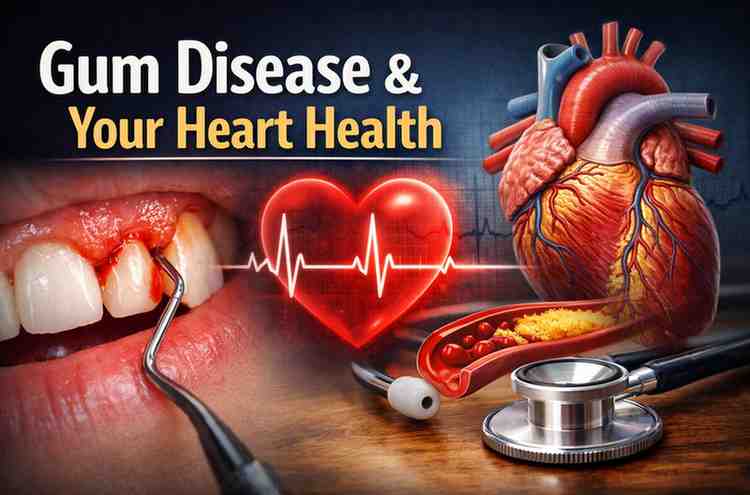
How Gum Disease May Affect Your Heart Health: 7 Surprising Patterns I’ve Seen (And a Bit of Hope)

How Gum Disease May Affect Your Heart Health 7 Surprising Patterns Ive Seen And A Bit Of Hope 1
How Gum Disease May Affect Your Heart Health 7 Surprising Patterns Ive Seen And a Bit of Hope

I can’t tell you how many times I’ve watched someone brush off bleeding gums like it’s nothing.

“It’s just my gums being sensitive.”

“They’ve always done that.”

“I’ll deal with it later.”

And then six months later, they’re sitting in a cardiologist’s office, stunned that their heart numbers are creeping in the wrong direction.

From what I’ve seen, most people never connect the dots between their mouth and their heart. They treat dental issues like cosmetic annoyances. Meanwhile, they’re obsessing over cholesterol, steps, supplements, stress levels.

But how gum disease may affect your heart health isn’t some fringe theory anymore. It’s a pattern I’ve seen play out again and again through real people — friends, family, clients I’ve guided toward better routines, and folks who thought they were doing “everything right.”

And honestly? The surprise isn’t that there’s a connection.

The surprise is how often it gets ignored.


The Pattern I Didn’t Expect to See So Often

Here’s something that genuinely surprised me after watching so many people try to improve their heart health:

Almost everyone focused on food and exercise first.

Very few looked at their gums.

I’ve seen people:

  • Hire trainers

  • Track macros obsessively

  • Take fish oil, CoQ10, magnesium

  • Cut sugar completely

But still walk around with:

  • Bleeding gums

  • Chronic inflammation in the mouth

  • Loose teeth

  • Bad breath they pretend not to notice

And then they wonder why inflammatory markers stay high.

I didn’t expect gum inflammation to be such a common blind spot. But it is.

And it makes sense once you understand what’s actually happening.


What’s Actually Going On (Without the Textbook Version)

Gum disease — especially periodontitis — isn’t just about your teeth.

It’s chronic inflammation.

And from what I’ve observed across multiple cases, the body doesn’t compartmentalize inflammation the way we do.

We think:

  • “This is dental.”

  • “That’s cardiovascular.”

  • “This is separate.”

The body thinks:

  • “Inflammation is inflammation.”

When gums are infected or inflamed long-term:

  • Bacteria enter the bloodstream.

  • The immune system stays on alert.

  • Inflammatory chemicals circulate.

Over time, this can contribute to:

  • Plaque buildup in arteries

  • Worsening atherosclerosis

  • Increased risk of heart attack or stroke

Now — and this matters — gum disease alone doesn’t “cause” heart disease in isolation.

But from what I’ve seen, it acts like fuel on an already smoldering fire.

Especially if someone also has:

That’s where it gets serious.


Most People Miss the Early Signs

Here’s what I’ve noticed almost everyone I’ve worked with messes up at first:

They normalize bleeding gums.

They assume:

  • “It’s just brushing too hard.”

  • “It’ll go away.”

  • “Mouthwash will fix it.”

It doesn’t.

Bleeding gums are not normal. They’re a signal.

Other early signs I’ve seen ignored:

  • Gums pulling away from teeth

  • Persistent bad breath

  • Teeth shifting slightly

  • Tenderness when flossing

By the time pain shows up, it’s often progressed.

And that’s the frustrating part.

Because earlier intervention usually works better.


Why the Heart Connection Makes Biological Sense

Let’s walk through this logically.

Chronic gum disease means:

  1. Persistent bacterial presence

  2. Ongoing immune response

  3. Systemic inflammation

Systemic inflammation contributes to:

  • Damage to blood vessel lining

  • Plaque instability

  • Increased clot risk

I’ve seen cardiologists quietly start asking about dental health more often. That didn’t used to happen.

And when someone finally gets deep periodontal cleaning and improves oral hygiene, I’ve watched inflammatory markers improve alongside lifestyle changes.

Not magic.

Just cumulative reduction in inflammatory load.


How Long Does It Take to See Improvement?

People always ask this.

From what I’ve seen:

For gums:
Noticeable improvement in bleeding can happen in 2–4 weeks with consistent care.

For heart-related markers:
It’s slower. Think months. And only when combined with:

  • Diet adjustments

  • Blood sugar control

  • Blood pressure management

  • Stress reduction

This is not a quick fix.

Anyone looking for a 7-day transformation will hate this.

But almost everyone who sticks with it sees stabilization.

And sometimes, that’s the real win.


What Consistently Works (Across Real People)

Patterns matter. Here’s what I’ve seen consistently help:

1. Professional Deep Cleaning (When Needed)

People resist this. They’re afraid of cost or discomfort.

But when periodontitis is advanced, brushing alone won’t reverse it.

Scaling and root planing changes the trajectory.

2. Daily Flossing (Yes, Actually Daily)

Almost everyone says they floss.

Very few actually do.

The people who turn things around? They commit. No drama. Just routine.

3. Electric Toothbrush

I didn’t think this would matter as much as it does.

It does.

Especially for people who brush too hard or inconsistently.

4. Diabetes Control

This is huge.

Uncontrolled blood sugar feeds gum disease.

And gum disease makes blood sugar harder to control.

It’s a loop.

Breaking that loop changes everything.


What Repeatedly Fails

This one’s important.

I’ve watched people waste months doing:

  • “Natural oil pulling only”

  • Herbal rinses instead of dental care

  • Ignoring deep pockets because there’s no pain

  • Stopping flossing when bleeding starts

That last one kills me.

If your gums bleed when you floss, it’s usually because they’re inflamed — not because flossing is bad.

Stopping makes it worse.


Is It Worth Addressing Gum Disease for Heart Health?

Short answer?

Yes.

But not in a dramatic, overnight way.

Here’s who it’s absolutely worth it for:

  • Anyone with existing heart disease

  • People with high cholesterol or high blood pressure

  • Diabetics

  • Smokers or former smokers

  • Anyone over 40 with chronic gum inflammation

Here’s who might feel less urgency:

  • Young adults with mild gingivitis and no other risk factors

Still important. Just lower immediate cardiovascular impact.


Who Will Struggle With This Approach

Let me be honest.

This is not for people who:

  • Avoid dentists out of fear and refuse to address it

  • Want “natural only” solutions for advanced disease

  • Expect visible results in a week

  • Don’t want to change daily habits

Because the improvement is gradual.

And subtle at first.

And a bit boring.


Quick FAQ (Straight Answers)

Can gum disease really cause heart attacks?
It doesn’t directly “cause” them alone, but it increases systemic inflammation and may raise risk.

If my gums don’t hurt, am I fine?
Not necessarily. Periodontitis can progress quietly.

Will treating gum disease lower cholesterol?
Not directly. But reducing inflammation can support overall cardiovascular stability.

Is mouthwash enough?
No. It’s supportive, not curative.

Can reversing gum disease reverse heart damage?
No. But it may reduce additional inflammatory burden.


Objections I Hear All the Time

“My dentist never mentioned my heart.”
Some still don’t emphasize it. That doesn’t mean the connection isn’t real.

“I brush twice a day. That’s enough.”
For some, yes. For many with deep pockets? Not even close.

“This sounds exaggerated.”
I get it. It did to me at first too.

Then I saw too many overlapping cases.


Reality Check (No Hype)

This is not:

  • A miracle heart cure

  • A substitute for statins if you need them

  • A replacement for cardiology care

It’s one lever.

One controllable lever.

But an important one.

And from what I’ve seen, stacking small improvements works better than chasing one big solution.


Practical Takeaways

If you’re worried about how gum disease may affect your heart health, here’s what I’d realistically suggest:

  1. Get a proper periodontal evaluation.

  2. Don’t ignore bleeding gums.

  3. Floss daily — even if it bleeds at first.

  4. Consider an electric toothbrush.

  5. If you have diabetes, double down on control.

  6. Re-check inflammatory markers after 3–6 months.

Emotionally, expect:

  • Mild frustration at first.

  • Some tenderness.

  • Slow progress.

Patience looks like consistency when results aren’t flashy.

It looks like doing the boring thing anyway.


I’ve watched enough people quietly improve their overall health once they stopped separating their mouth from the rest of their body.

No — fixing your gums won’t magically erase heart disease.

But ignoring them? That’s a mistake I’ve seen too often.

Sometimes the real shift isn’t dramatic.

It’s just finally paying attention to something small that’s been whispering for years.

And for a lot of people, that whisper starts in the gums.

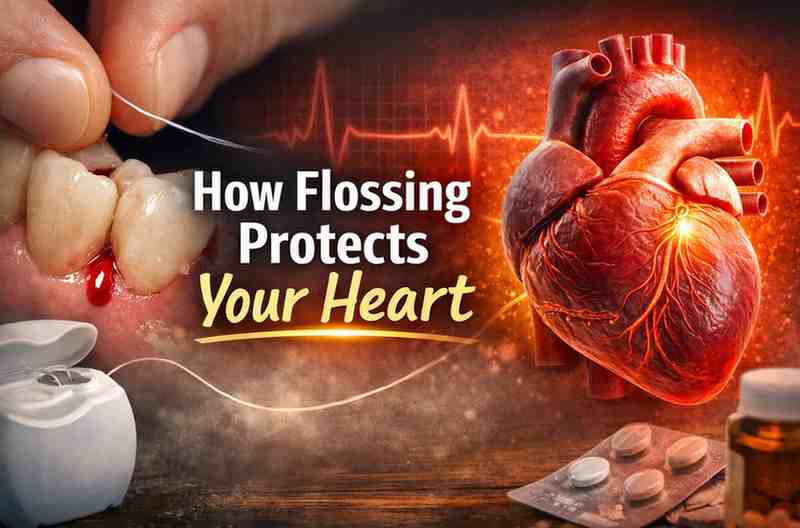
How Flossing Protects Your Heart: 7 Overlooked Truths That Bring Real Relief

How Flossing Protects Your Heart 7 Overlooked Truths That Bring Real Relief 1
How Flossing Protects Your Heart 7 Overlooked Truths That Bring Real Relief

I can’t tell you how many times I’ve watched someone roll their eyes when their dentist brings up flossing.

They nod. They promise. They mean it for about three days.

Then life happens.

And what’s wild is this — the moment someone hears “How Flossing Protects Your Heart”, they assume it’s scare tactics. Marketing. A stretch.

I used to think that too.

But after sitting with enough people who ignored gum bleeding… watched inflammation markers climb… seen cardiologists quietly ask about oral health… I stopped dismissing it.

Because the pattern kept repeating.

And it wasn’t random.


The Link Most People Miss (Until It’s Too Late)

From what I’ve seen, most people treat the mouth like it’s isolated from the rest of the body.

Teeth here. Heart there. Different problems.

But biology doesn’t compartmentalize like that.

Here’s what keeps happening in real life:

  1. Gums bleed a little.

  2. Person ignores it because “it’s just floss irritation.”

  3. Chronic gum inflammation builds.

  4. Bacteria enter the bloodstream.

  5. Systemic inflammation rises quietly in the background.

No drama. No immediate symptoms.

Just slow, steady strain.

And this honestly surprised me after watching so many people try to “just brush better.” Brushing alone almost never fixes inflamed gums once plaque hardens between teeth.

The Simple Cause → Effect Pattern

  • Plaque builds between teeth

  • Gums get inflamed (gingivitis)

  • Inflammation becomes chronic

  • Bacteria slip into bloodstream

  • Blood vessels become irritated

  • Cardiovascular risk increases over time

It’s not that flossing magically strengthens your heart.

It reduces a source of chronic inflammation your body has to fight daily.

And that’s the part most people underestimate.


Why Inflammation Is the Real Problem

Almost everyone I’ve seen struggle with heart health has one thing in common:

Hidden inflammation.

It’s rarely just cholesterol.

It’s rarely just genetics.

It’s layers of low-grade stressors.

Poor sleep. Processed food. Stress. And yes — untreated gum disease.

When gums stay inflamed, your immune system stays activated.

Over years, not days.

That’s where the risk creeps in.

I didn’t expect flossing to show up this consistently in health histories. But it did.


What Most People Get Wrong About Flossing

Most people I’ve worked with mess this up at first.

They:

  • Floss aggressively

  • Stop when gums bleed

  • Floss only before dental appointments

  • Think bleeding means “damage”

Here’s what actually happens:

Bleeding usually means inflammation is already present.

And stopping because it bleeds? That’s like quitting the gym because you’re sore.

From what I’ve seen, bleeding reduces within 7–14 days of consistent, gentle flossing.

Consistency beats intensity.

Every time.


Real-World Patterns I’ve Noticed

After observing enough people over the years, a few patterns are impossible to ignore:

Pattern 1: The “I Brush Twice a Day” Crowd

They assume brushing is enough.

It’s not.

Brushing misses about 35–40% of tooth surfaces — the tight spaces.

Those spaces are exactly where bacteria thrive.

Pattern 2: The “I’ll Start When I Have Time” Group

They delay until there’s pain.

By then:

  • Gums are swollen

  • Tartar is hardened

  • Deep cleaning is needed

Prevention window missed.

Pattern 3: The Quiet Turnaround

This one is interesting.

People who floss nightly for 30 days often report:

  • Less gum bleeding

  • Fresher breath

  • Reduced gum tenderness

  • And oddly — more motivation to maintain other health habits

Small win effect.

Once someone feels control in one area, it spreads.

I’ve seen it too many times to ignore.


How Flossing Protects Your Heart (In Practical Terms)

Let’s break it down simply.

Flossing helps by:

  • Removing bacteria between teeth

  • Reducing gum inflammation

  • Lowering bacterial entry into bloodstream

  • Reducing systemic inflammatory burden

It doesn’t replace:

But it removes one chronic irritant.

And when someone is already trying to improve heart health, removing stressors matters.


“Is It Really Worth It?”

I get this question a lot.

Especially from people already overwhelmed by health advice.

Here’s my honest take:

If someone is:

  • Ignoring gum bleeding

  • At risk for heart disease

  • Managing high blood pressure

  • Diabetic

  • Or over 40

Yes. It’s worth it.

It’s low cost. Low effort. High upside.

But.

If someone is expecting dramatic heart improvement in two weeks?

That’s unrealistic.

This is long-term prevention.

Not quick repair.


How Long Does It Take to See Benefits?

Short-term (1–2 weeks):

  • Less bleeding

  • Reduced gum sensitivity

Medium-term (1–3 months):

  • Healthier gum tissue

  • Lower inflammation markers (in some cases)

Long-term (years):

  • Reduced risk progression

  • Lower chronic inflammatory load

It’s quiet progress.

The kind you don’t feel immediately.

Which is why people quit.


Common Mistakes That Slow Results

Almost everyone I’ve seen struggle with this does one thing wrong:

They treat flossing like a performance task.

Instead of a hygiene ritual.

Mistakes I see repeatedly:

  • Snapping floss into gums

  • Skipping back teeth

  • Not curving floss around tooth

  • Flossing randomly instead of nightly

  • Using the wrong floss type

Pro tip from observation:

People with tight teeth often do better with thinner PTFE floss.
People who hate string floss stick more consistently with floss picks.

Adherence beats perfection.


Who Should Be Extra Careful?

Let’s be real.

Flossing isn’t “for everyone” in the same way.

Be cautious if you:

  • Have severe gum disease

  • Experience extreme pain when flossing

  • Have recent dental surgery

In those cases, professional guidance matters.

Flossing aggressively can worsen damage if tissue is already compromised.

This is where nuance matters.


Objections I Hear All the Time

“My gums bleed when I floss.”

That usually means you need it more, not less.

Bleeding that continues beyond two weeks? See a dentist.

“I don’t have heart issues.”

Prevention rarely feels urgent.

Until it is.

“I eat healthy. Isn’t that enough?”

Diet helps.
But bacteria don’t care how clean your macros are.

“No one in my family flossed and they’re fine.”

Survivorship bias.

I’ve seen the other side too.


A Quick FAQ (Straight Answers)

Can flossing reverse heart disease?
No. It reduces one contributing factor — chronic oral inflammation.

Is brushing alone enough?
No. It doesn’t clean between teeth.

Is mouthwash a substitute?
Not fully. It doesn’t mechanically remove plaque.

How often should you floss?
Once daily is enough for most people.

Morning or night?
Night tends to be more effective — removes the day’s buildup.


Reality Check: This Is Not a Miracle Habit

Let’s ground this.

Flossing:

  • Won’t fix poor diet

  • Won’t undo smoking

  • Won’t erase years of neglect

  • Won’t replace medical care

What it does do is reduce a quiet, persistent inflammatory source.

And from what I’ve seen, small chronic stressors add up more than people realize.


What Consistently Works (From Real Patterns)

People who succeed with flossing long-term usually:

  • Attach it to brushing at night

  • Keep floss visible (not hidden in a drawer)

  • Start gently

  • Track bleeding reduction as motivation

  • Accept imperfection

They don’t aim for perfect technique immediately.

They aim for consistency.

That shift changes everything.


Emotional Side No One Talks About

Here’s something unexpected.

People who start flossing regularly often feel:

  • More disciplined

  • More in control

  • Less avoidant about health

It becomes symbolic.

“I’m taking care of myself.”

And sometimes that mindset shift spills into:

  • Scheduling checkups

  • Walking more

  • Eating better

I didn’t expect flossing to trigger that kind of momentum.

But I’ve seen it happen.

More than once.


Who Will Probably Hate This Advice

Let’s be honest.

If someone:

  • Wants instant results

  • Hates routines

  • Only acts when there’s pain

  • Sees prevention as optional

They won’t stick with this.

And that’s okay.

But prevention always feels boring before it feels necessary.


Practical Takeaways

If you’re considering this seriously, here’s what I’d say:

Start small.
One week. Nightly. No pressure.

Expect bleeding at first.
Mild bleeding usually improves.

Go gentle.
Slide, curve, hug the tooth. Don’t snap.

Be patient.
This protects future-you, not tomorrow-you.

Watch for changes.
Less bleeding is your early sign you’re doing it right.

And emotionally?

Expect mild resistance at first.

Almost everyone feels it.

But once it becomes automatic, the friction fades.


So no — flossing isn’t dramatic. It won’t give you visible transformation photos. It won’t trend on social media.

But I’ve watched enough people quietly reduce gum issues, stabilize inflammation, and feel more in control of their health after committing to it.

And when we talk about how flossing protects your heart, that’s really what we’re talking about.

Not magic.

Just removing one steady source of damage.

Sometimes that’s the real win.

Red Wine Headaches: 9 Honest Patterns Behind the Frustration (And Real Relief That Actually Helps)

Red Wine Headaches 9 Honest Patterns Behind The Frustration And Real Relief That Actually Helps 1
Red Wine Headaches 9 Honest Patterns Behind the Frustration And Real Relief That Actually Helps

I can’t tell you how many times I’ve watched this same scene play out.

Dinner’s great. The wine is good. Everyone’s relaxed.

Then the next morning? Or worse — 30 minutes later?

That dull, tightening pressure behind the eyes. The heavy forehead. The “why did I even have just one glass?” regret.

Red wine headaches come up constantly in conversations with friends, clients, and honestly anyone who enjoys wine but feels betrayed by it. Most people don’t even drink that much. One glass. Maybe two. And they’re not hungover. They’re just… wrecked.

From what I’ve seen, the worst part isn’t the pain.

It’s the confusion.

Because people try everything. Switching brands. Drinking more water. Taking random supplements. Googling at 2 a.m. while holding their temples.

And most of them are guessing.

Let me walk you through what I’ve consistently observed — what surprises people, what actually helps, and what usually makes things worse.


Why Red Wine Headaches Happen (What Most People Get Wrong)

The first mistake I see over and over?

People assume it’s just alcohol.

It’s not that simple.

If alcohol alone were the issue, they’d get the same headache from vodka or gin. But many don’t. It’s specifically red wine headaches.

Here are the patterns I’ve repeatedly seen:

1. Histamines (The “I Didn’t Expect That” Trigger)

Red wine is high in histamines.

If someone already has mild seasonal allergies or unexplained congestion, they’re more likely to react.

Almost everyone I’ve seen struggle with this does this one thing wrong:
They ignore their baseline sensitivity.

They’ll say:

  • “I don’t have allergies.”

  • “I’m not sensitive to food.”

  • “I’m healthy.”

Then you dig a little.

They get sinus pressure in spring.
They flush easily.
They sometimes react to aged cheese.

It adds up.

Histamine intolerance isn’t dramatic. It’s subtle. Until wine amplifies it.


2. Tannins (The Tight, Forehead Pressure Pattern)

This honestly surprised me after watching so many people test different wines.

Some people can drink white wine without issue. But certain bold reds? Instant pressure.

Tannins increase serotonin release. In some people, that shift seems to trigger headaches.

What I’ve observed:

  • Cabernet Sauvignon = common offender

  • Malbec = mixed reactions

  • Pinot Noir = tolerated better (for many, not all)

It’s not universal. But the pattern shows up enough to matter.


3. Sulfites (Usually Blamed, Rarely the Main Cause)

Most people blame sulfites first.

From what I’ve seen, sulfites are rarely the true trigger unless someone has a genuine sulfite sensitivity (which is uncommon).

White wines often contain equal or higher sulfites than red.

Yet red wine headaches get the blame.

So sulfites aren’t impossible. Just over-accused.


4. Dehydration (The Boring but Real Factor)

This one isn’t sexy. But it matters.

People sip wine slowly over hours. They don’t drink water. They eat salty food.

Even one glass hits harder if:

  • You didn’t eat much

  • You’re already slightly dehydrated

  • You’re stressed and underslept

I’ve watched people fix 50% of their issue just by:

  • Drinking a full glass of water before wine

  • Eating real food (not just appetizers)

  • Slowing down

It’s not magic. But it reduces intensity.


Why Some People Get Red Wine Headaches After Just One Glass

This is the question I hear most:

“Why does it happen so fast?”

From what I’ve seen, rapid onset headaches usually connect to:

  • Histamine sensitivity

  • Vasodilation response (blood vessel widening)

  • Drinking on an empty stomach

  • High-tannin wines

If it hits within 30–60 minutes, it’s rarely a hangover.

It’s your body reacting.

And honestly, that quick reaction is information. Not betrayal.


What Consistently Works (Across Real People)

I’ve seen people experiment for months. Some quit wine entirely. Some figure out their pattern.

Here’s what actually shows up as helpful repeatedly:

1. Switching Wine Type Strategically

Instead of “I guess I can’t drink wine,” try:

  • Lower-tannin reds (Pinot Noir, Gamay)

  • Natural wines (some tolerate better, not all)

  • Dry rosé

  • Lower alcohol content wines

Most people I’ve worked with mess this up at first because they switch randomly.

Test one variable at a time.

Same meal. Same hydration. Different wine.

It sounds tedious. It works.


2. Taking an Antihistamine (Selective, Not Habitual)

This is controversial, so let me be careful.

Some people find relief taking a non-drowsy antihistamine before drinking.

Does it work for everyone? No.

Does it confirm histamine is your issue if it helps? Often, yes.

But this isn’t something to rely on nightly. It’s more diagnostic than lifestyle.

Always check with a healthcare provider if you’re unsure.


3. Eating Protein and Fat Before Drinking

I didn’t expect this to be such a common issue.

People snack. They don’t eat.

Protein stabilizes absorption. Fat slows alcohol entry into the bloodstream.

Observed pattern:
Those who eat a full meal first report milder or no headaches compared to those who “graze.”


4. Limiting to One Glass (And Actually Stopping)

Here’s where judgment calls get real.

Some people swear they’ll stop at one.

Then social energy builds. They pour half more.

From what I’ve seen, if someone’s threshold is one glass, pushing it even slightly often tips the scale.

Not because they’re weak.

Because their tolerance is clear.


How Long Does It Take to Figure Out Your Trigger?

Most people need 3–5 intentional tests.

That means:

  • Different wine type

  • Controlled hydration

  • Consistent food

  • Honest tracking

It usually takes a few weeks of occasional drinking to see patterns.

The people who figure it out treat it like data.

The people who stay stuck treat it like luck.


Common Mistakes That Make Red Wine Headaches Worse

Almost everyone I’ve seen struggle with this does at least one of these:

  • Drinking faster than they realize

  • Not eating enough

  • Blaming sulfites without testing other causes

  • Switching wine + food + timing all at once

  • Ignoring sleep quality

It’s rarely just one factor.

It’s stacking.


Is It Worth Trying to “Fix” This — Or Should You Just Quit Red Wine?

This depends on you.

Here’s what I’ve noticed:

People who love the ritual — the pairing, the taste, the slow evening — are more motivated to troubleshoot.

People who feel indifferent? They quit and feel relief.

There’s no moral high ground either way.

But if you genuinely enjoy red wine, small adjustments often work.

If you dread the aftermath every time?

That’s your answer.


Who Should Probably Avoid Red Wine Altogether

Let’s be honest.

This isn’t for everyone.

You may want to avoid it if:

  • You get migraines regularly

  • Headaches are severe and debilitating

  • You have diagnosed histamine intolerance

  • Even one glass ruins the next day

Sometimes the most grounded decision is not optimizing — but opting out.


Quick FAQ (Straight Answers)

Why do I only get headaches from red wine?
Likely histamines, tannins, or your vascular response. Alcohol alone usually isn’t the sole cause.

Can organic wine prevent red wine headaches?
Sometimes. But not consistently. Organic doesn’t mean low histamine or low tannin.

Does drinking water prevent it?
It helps. It rarely solves everything alone.

Are red wine headaches dangerous?
Usually not. But if headaches are severe or unusual, consult a doctor.

Do expensive wines cause fewer headaches?
Not reliably. Price doesn’t eliminate tannins or histamines.


Objections I Hear All the Time

“I shouldn’t have to do this much work just to drink wine.”

Fair.

Then don’t.

But if you enjoy it, a few intentional tests can save years of frustration.

“I tried switching wines. Still got a headache.”

Did you control food, hydration, and sleep?

Most people change five variables at once. Then assume nothing works.

“This didn’t happen in my 20s.”

Bodies change. Stress changes. Hormones shift.

I’ve watched this become common in people in their 30s and 40s especially.

It’s not random.


Reality Check: What This Won’t Do

This won’t:

  • Guarantee zero headaches

  • Override migraine disorders

  • Make you invincible

And it may take trial and error.

That part frustrates people the most.

But almost everyone who approaches this calmly — instead of angrily — gets clarity.


Practical Takeaways (If You Want a Simple Plan)

If I were guiding someone step-by-step, it would look like this:

  1. Eat a real meal with protein and fat.

  2. Drink a full glass of water before wine.

  3. Choose a lower-tannin red (like Pinot Noir).

  4. Stop at one glass.

  5. Track what happens.

Do that 3 times.

Then adjust one variable.

What to avoid:

  • Drinking on an empty stomach

  • Mixing wine types

  • Assuming sulfites are the villain

  • Ignoring sleep

Emotionally?

Expect mild frustration at first.

Expect to feel slightly analytical.

Expect one or two “aha” moments.

That’s usually how this unfolds.


I’ve watched people feel genuinely relieved once they realize they’re not “bad at drinking” or uniquely sensitive.

Red wine headaches aren’t a personal failure.

They’re feedback.

Sometimes the answer is switching wines.
Sometimes it’s eating properly.
Sometimes it’s deciding it’s not worth it.

So no — this isn’t magic.

But I’ve seen enough people stop dreading that next-morning pressure once they approached it this way.

And honestly?

Sometimes that small shift — from confusion to clarity — is the real relief. ????

Treatment for prader willi syndrome: 9 hard lessons that brought relief (after years of frustration)

Treatment For Prader Willi Syndrome 9 Hard Lessons That Brought Relief After Years Of Frustration 1
Treatment for prader willi syndrome 9 hard lessons that brought relief after years of frustration

Not gonna lie… the first time I heard “treatment for prader willi syndrome,” I thought someone was about to hand me a neat checklist and everything would get easier. It didn’t. It got messier first. A lot messier.

What actually pushed me to dig into treatment for prader willi syndrome was the day I realized we were fighting the wrong battles. We were chasing food control like it was the only problem. Meanwhile, sleep was wrecked, meltdowns were daily, weight was creeping up anyway, and everyone in the house was exhausted and snapping at each other. I felt like I was failing at something I didn’t even fully understand yet.

So I did what desperate people do. I tried things. Some worked. Some flopped. A few backfired in ways I didn’t expect at all. Over time, patterns showed up. Small wins stacked. And slowly… relief. Not a miracle. Relief.

Here’s the honest version of what treatment for prader willi syndrome looked like in real life for me. The parts people don’t usually spell out.


What I misunderstood about treatment (and paid for it)

I thought “treatment” meant a single plan.
Like: find the right doctor → get the right prescription → follow a routine → problem solved.

That mindset cost me months.

Prader-Willi doesn’t play like that. Treatment is a moving target. What works this year might need adjusting next year. What works for one person with PWS can totally fail for another. The syndrome hits appetite, hormones, sleep, behavior, muscle tone, emotions… all at once. Treating just one lane and ignoring the others is how burnout happens.

My early mistakes:

  • Hyper-focusing on food control and ignoring sleep and hormones

  • Expecting fast results from growth hormone

  • Thinking behavior therapy would “fix” meltdowns quickly

  • Underestimating how much structure matters

  • Overestimating my own stamina (this one humbled me fast)

From what I’ve seen, at least… treatment works best when you stop thinking in terms of fixes and start thinking in systems.


The treatments that actually moved the needle (slowly)

1. Growth hormone therapy (helped, but not how I expected)

This honestly surprised me.
I went in thinking growth hormone would mainly be about height. That’s not what mattered most.

What I noticed over time:

  • Better muscle tone

  • Slightly more energy

  • Body composition shifted (less fat, more muscle)

  • Physical therapy became more effective

What I didn’t expect:

  • It didn’t magically control hunger

  • It took months to see changes

  • Dosing tweaks were needed

  • Insurance paperwork was a whole separate battle

Is it worth it?
For us, yes. But only if you go in knowing it’s part of a bigger plan, not the plan.


2. Food environment control (not willpower, systems)

I messed this up at first. I tried “teaching self-control.”
That failed. Repeatedly.

What actually helped:

  • Locking cabinets and fridge (yes, it felt extreme at first)

  • Predictable meal and snack times

  • No food as rewards (this one was hard to unlearn)

  • Visual meal plans on the wall

  • Everyone in the house following similar food rules

This part hurt emotionally. It felt unfair. It felt strict.
But removing constant food battles lowered stress for everyone.

Hard truth:
You’re not building willpower. You’re building safety.


3. Behavioral therapy (useful, but not magic)

I went in expecting fewer meltdowns within weeks.
Didn’t happen.

What did happen over months:

  • Better language for emotions

  • Fewer explosive moments

  • More predictable routines

  • Earlier warning signs before a blow-up

What failed:

  • Inconsistent follow-through at home

  • Trying to “logic” away emotional spirals

  • Expecting quick emotional maturity

Would I recommend it?
Yes. But only if you’re ready to be part of the therapy, not just drop someone off and hope for the best.


4. Sleep support (this changed everything more than food control)

This was a blind spot for me.
Sleep felt secondary. Big mistake.

Once sleep routines got serious:

  • Mood improved

  • Meltdowns dropped

  • Food fixation felt less intense

  • Energy stabilized

  • Mornings weren’t war zones anymore

What helped:

  • Fixed bedtime (no exceptions)

  • Sleep studies

  • Treating sleep apnea

  • No screens late

  • Same bedtime routine every night

Honestly… better sleep made every other treatment work better.


5. Physical activity (not “exercise,” but daily movement)

I tried gym-style workouts.
That failed fast.

What worked:

  • Daily walks

  • Swimming

  • Simple strength routines

  • Making movement non-negotiable but low-pressure

  • Framing it as part of the day, not punishment

Why this works:
Movement helps regulate mood, improves sleep, supports weight management, and makes growth hormone therapy more effective.

Not flashy. Just effective.


The stuff that failed (or only half-worked)

Let me save you some time.

  • Crash diets – Backfired emotionally and physically

  • Food restriction without structure – Led to sneaking

  • Punishments for food-seeking – Increased anxiety

  • Random supplements – Expensive placebo vibes

  • One-size-fits-all programs – Didn’t fit real life

Some of these looked good on paper.
In reality? They created more chaos.


How long did treatment take to show real results?

Short answer: longer than I wanted.

Rough timeline (realistic):

  • 1–3 months: confusion, doubt, tiny wins

  • 3–6 months: routines start to stick

  • 6–12 months: noticeable emotional and physical shifts

  • 12+ months: life feels more manageable, not perfect

If you’re looking for fast transformation, this will frustrate you.
If you’re willing to play the long game, the payoff is stability.


Common mistakes that slow everything down

  • Expecting motivation to replace structure

  • Changing routines too often

  • Treating every meltdown like a personal failure

  • Skipping sleep support

  • Comparing progress to other families

  • Burning yourself out trying to do everything alone

I did most of these. Some more than once.


Objections I had (and how they aged)

“This feels too strict.”
It felt strict. It also felt calmer.

“Locking food is cruel.”
It felt cruel. It was actually protective.

“Therapy isn’t doing anything.”
It was. I just couldn’t see it yet.

“This should be easier by now.”
It wasn’t. And that didn’t mean it was failing.


Reality check (the part people skip)

Treatment for prader willi syndrome:

  • Won’t cure it

  • Won’t eliminate hunger

  • Won’t prevent every meltdown

  • Won’t move in straight lines

  • Will require adjusting again and again

Progress looks like fewer crises, not zero struggles.

Some weeks you’ll feel hopeful.
Some weeks you’ll feel tired of being hopeful.

Both are normal.


Short FAQ (the stuff people actually ask)

Is treatment for prader willi syndrome worth it?
Yes, if your definition of “worth it” is more stability, not perfection.

Can this work without growth hormone?
Sometimes. But from what I’ve seen, results are better with it.

What if behavior therapy doesn’t help?
Try another therapist. Fit matters more than credentials alone.

Does this get easier over time?
The systems get easier. The condition doesn’t magically disappear.


Who this approach is NOT for

This won’t work well if:

  • You want quick fixes

  • You hate routines

  • You resist environmental control

  • You expect motivation to solve hunger

  • You’re unwilling to change household habits

No judgment. Just honesty.


Practical takeaways (no hype, just reality)

What to do:

  • Build routines before chasing results

  • Prioritize sleep like it’s medicine

  • Treat food access as safety, not punishment

  • Commit to long-term therapy

  • Track patterns, not perfection

What to avoid:

  • Crash solutions

  • Constant rule changes

  • Shaming food behavior

  • Going it alone

What to expect emotionally:

  • Hope, then doubt

  • Relief, then new challenges

  • Small wins that don’t feel big enough

  • Progress you notice only in hindsight

What patience actually looks like:

  • Staying consistent when you’re tired

  • Rebuilding routines after setbacks

  • Adjusting without quitting

No guarantees. No miracles.
Just steadier ground than before.


Some days, I still wish treatment for prader willi syndrome came with a clean roadmap. It doesn’t. What it gave me instead was something quieter: fewer emergencies, more predictable days, and a sense that we’re not constantly in survival mode anymore.

So no — this isn’t magic.
But for me? It stopped feeling impossible.
And that was enough to keep going.