High Intensity Interval Training (HIIT): 7 Hard Lessons That Finally Gave Me Relief

High Intensity Interval Training Hiit 7 Hard Lessons That Finally Gave Me Relief 1
High Intensity Interval Training HIIT 7 Hard Lessons That Finally Gave Me Relief

Honestly, I didn’t think this would work.
I’d already tried three other “get fit fast” things and ended up more tired than fit. Gym memberships I ghosted. Home workouts I quit after Day 4. So when I first heard about High Intensity Interval Training (HIIT), I rolled my eyes. Another intense thing for people who already have their life together.

But I was frustrated. My energy was trash. My weight wasn’t moving. And I hated long workouts with a passion. So I tried HIIT mostly out of annoyance. Like, fine, I’ll do your 20-minute misery and see what happens.

Not gonna lie… the first week humbled me. Hard.
I thought I was “in decent shape.” I was not. ????

This is me walking you through what actually happened, what I messed up at first, what finally clicked, and who should probably avoid this whole approach.

No hype. No miracle talk. Just what I learned the hard way.


Why I Tried HIIT (and What I Got Wrong)

I didn’t come to HIIT because I loved cardio. I came because:

  • I was tired of feeling out of breath going up stairs

  • I didn’t have 60–90 minutes to work out

  • I needed something that felt efficient

  • And yeah… I wanted fat loss, but mostly I wanted my body to stop feeling like a rusty machine

What I misunderstood at first:

  • I thought “high intensity” meant “go 110% every second”

  • I thought “short workouts” meant “no warm-up needed”

  • I thought soreness = progress

  • I thought if I wasn’t dying on the floor, it wasn’t working

All of that was wrong. Painfully wrong.

My first few HIIT sessions were basically:
Me going way too hard

Getting dizzy
Taking long breaks
Then feeling like I failed HIIT as a concept

I almost quit right there.


What HIIT Actually Felt Like (The Real Version, Not the Instagram Version)

Let me paint the non-aesthetic picture:

  • Burning lungs

  • Legs shaking in a way that felt personal

  • Sweat in places I didn’t know sweat could exist

  • A weird mix of “this sucks” and “okay… I feel alive?”

But here’s the part no one warned me about:
The mental side is harder than the physical part.

The workout is short, sure.
But the discomfort is concentrated.

You don’t get to zone out like a long jog.
You’re present the whole time.
You’re negotiating with yourself every interval.

Some days I’d literally count down:
“Just 20 seconds. Don’t quit at 18. Don’t be dramatic.”

And then I’d quit at 19.
Learning curve. ????‍♂️


The First Month: What Changed (and What Didn’t)

Let’s be real about timelines.

What changed fast:

  • My stamina improved within 2 weeks

  • Stairs felt easier

  • I felt weirdly proud after workouts

  • My heart rate recovered faster between intervals

  • My mood was better on workout days

What did NOT change fast:

  • The scale barely moved

  • My body didn’t suddenly look different

  • My belly didn’t magically flatten

  • I still had low-energy days

  • Some workouts still felt awful

This honestly surprised me.
I expected visible results first.
What I got was internal progress first.

It took about 4–6 weeks before I saw noticeable body changes.
And even then, it was subtle. Clothes fitting slightly better. Less bloating. A bit more shape.

If you’re starting HIIT only for fast visual results… you might get discouraged. Just saying.


The HIIT Routine That Finally Worked for Me

I failed with complicated routines.
I failed with fancy apps.
I failed trying to copy athletes on YouTube.

What worked was stupidly simple:

3 days a week. 20–25 minutes.

My basic structure:

  • 5-minute warm-up (don’t skip this, future-you will thank you)

  • 20 seconds hard work

  • 40 seconds slow recovery

  • Repeat 10–12 rounds

  • 5-minute cooldown

Moves I stuck with:

  • Bodyweight squats

  • Fast marching or high knees (low impact version when tired)

  • Push-ups (on knees at first, no shame)

  • Step-backs instead of jump lunges

  • Shadow boxing when my joints were cranky

I didn’t expect this at all, but rotating low-impact HIIT saved me.
Jumping every session messed up my knees and made me skip workouts.
Modifying kept me consistent.

Consistency > intensity.
I learned that the annoying way.


“Don’t Repeat My Mistake” Moments

Here’s the stuff I wish someone had grabbed me by the shoulders and told me:

  • Don’t start with 5–6 HIIT days a week.
    I burned out in 10 days and took a week off. Dumb.

  • Don’t copy super-fit influencers.
    Their “beginner” workouts wrecked me.

  • Don’t skip rest days.
    HIIT stresses your nervous system more than you think.

  • Don’t train fasted at first.
    I almost threw up. Twice. Not cute.

  • Don’t ignore joint pain.
    HIIT shouldn’t hurt your joints. Burn is fine. Sharp pain is not.

From what I’ve seen, at least… people quit HIIT because they go too hard too fast, then blame HIIT for the burnout they caused.


How Long Does HIIT Take to Actually Work?

Short answer (for featured snippet folks): Most people notice fitness improvements in 2–3 weeks. Visible body changes usually take 4–8 weeks with consistency and supportive nutrition.

Longer, honest answer:

  • Cardio endurance: quick improvement

  • Strength: moderate improvement

  • Fat loss: slower than your ego wants

  • Habit-building: harder than the workout itself

I didn’t expect that at all.
The biggest “result” wasn’t my body.
It was that I stopped negotiating with myself about skipping workouts.


Common HIIT Mistakes That Slow Results

This is where I messed up the most:

  • Going max effort every interval

  • Not controlling form when tired

  • Treating HIIT like punishment

  • Not eating enough protein

  • Sleeping like trash and wondering why I felt weak

  • Comparing my progress to people online

Also… doing random HIIT workouts with no progression.
Your body adapts. You need small changes over time:

  • More rounds

  • Slightly shorter rest

  • Harder variations

  • Better form

  • Better recovery

No need to be extreme. Just don’t stay stuck forever.


Is High Intensity Interval Training (HIIT) Worth It?

Short answer:
For me? Yeah. With conditions.

Longer answer:

HIIT is worth it if:

  • You hate long workouts

  • You’re okay being uncomfortable for short bursts

  • You want cardio + strength in one

  • You can respect recovery

  • You’re patient with visible results

HIIT is NOT worth it if:

  • You already feel burned out

  • You have untreated joint issues

  • You hate intense sensations

  • You’re chasing “fast fat loss” at any cost

  • You’re using exercise to punish yourself

This approach rewards consistency and self-awareness.
It punishes ego.


Objections I Had (and What I Learned)

“HIIT is only for super fit people.”
Nope. But the internet markets it that way. You can scale everything.

“It’s too intense for beginners.”
Only if you define intensity as suffering.
You can do HIIT with walking intervals.

“I’ll get bulky.”
Didn’t happen. I got leaner and tighter, not bulky.

“It’ll wreck my knees.”
It did… when I jumped too much. Low-impact saved me.

“I don’t have energy for this.”
Ironically, HIIT gave me more energy over time. The first 2 weeks were rough though.


Quick FAQ (People Also Ask – Real Answers)

Does HIIT burn more fat than steady cardio?
Sometimes, for some people. What matters more is consistency and recovery. HIIT is efficient, not magical.

Can beginners do HIIT?
Yes. Start with walking intervals or gentle bodyweight moves. “High intensity” is relative to your fitness.

How many days a week should I do HIIT?
2–4 days max for most people. More isn’t better if you’re not recovering.

Is HIIT good for weight loss?
It can help. But food habits matter more than any workout style. That part annoyed me, but it’s true.

Can I do HIIT at home with no equipment?
Yep. I did most of mine in a tiny room. No fancy gear.


Reality Check (Stuff No One Likes to Admit)

  • HIIT doesn’t fix emotional eating

  • HIIT won’t save bad sleep

  • HIIT can spike stress if you’re already exhausted

  • HIIT can feel mentally heavy on bad days

  • HIIT doesn’t make you disciplined overnight

Some days I skipped.
Some weeks I half-assed it.
Progress still happened because I came back instead of quitting completely.

That was new for me.


Practical Takeaways (No Fluff)

If you’re thinking about trying HIIT, here’s the grounded version:

Do this:

  • Start with 2–3 sessions per week

  • Warm up and cool down

  • Choose low-impact options at first

  • Track how you feel, not just calories

  • Give it 4–6 weeks before judging results

Avoid this:

  • Going all-out every session

  • Copying elite routines

  • Ignoring joint pain

  • Skipping rest

  • Expecting fast visual changes

Expect emotionally:

  • Early doubt

  • Some frustration

  • Small wins before big ones

  • Random “I actually feel strong” moments

  • Occasional “why am I doing this” days

Patience in HIIT doesn’t look like waiting.
It looks like showing up even when you’re not excited.


So yeah… High Intensity Interval Training (HIIT) didn’t magically fix my life.
It didn’t make workouts fun every day.
It didn’t turn me into a fitness influencer with perfect lighting.

But it did something quieter.

It made the whole “getting in shape” thing stop feeling impossible.
And honestly? That shift mattered more than any number on a scale.

If you try it and hate it… cool. At least you’ll know.
If you try it and it clicks? Even better.

Either way, you’re not broken for struggling with this stuff.
You’re just human.

Soya Chunks Benefits for Female: 11 Unexpected Upsides (and a Few Annoying Downsides)

Soya Chunks Benefits For Female 11 Unexpected Upsides And A Few Annoying Downsides 1
Soya Chunks Benefits for Female 11 Unexpected Upsides and a Few Annoying Downsides

Not gonna lie… I didn’t even want to try soya chunks.

They looked like tiny beige sponges. The kind of food you eat when you’re broke, bored, or both. I was in a rough phase—tired all the time, weird hair fall, cravings all over the place, and this low-level panic about “am I even eating right?” that I pretended not to have. A friend wouldn’t stop talking about soya chunks benefits for female health, and I rolled my eyes. Hard.

Then I tried them. Messed it up. Tried again. Messed it up differently. And somehow, after a few weeks of trial-and-error, I noticed changes I didn’t expect at all. Some good. Some annoying. A couple… confusing.

This is the messy version of what actually happened.


Why I Even Tried This (and Why I Almost Quit)

I didn’t start because of some grand health plan. I started because:

  • Groceries were getting expensive.

  • I wanted more protein without living on chicken.

  • My energy dips were getting embarrassing. Like, I’d yawn during meetings.

Also, I kept seeing people talk about the soya chunks benefits for female bodies—especially around protein, hormones, and iron. I was skeptical. Internet hype usually disappoints me.

First week? I hated them.

They smelled weird. The texture was off. I overcooked them into sad little mush balls. I almost quit. But I’m stubborn, and I hate wasting food. So I tried again.

Mistake #1: I didn’t squeeze the water out.
Mistake #2: I didn’t season enough.
Mistake #3: I ate way too much, too fast. (More on that later.)

Second week? Better. Third week? Okay, I was paying attention.


What I Noticed (The Good, the Weird, the “Wait, What?”)

I’m not a scientist. This is just what I felt, over time. From what I’ve seen, at least, the changes were gradual. No overnight miracles. But still… stuff shifted.

1. My Energy Stopped Crashing So Hard

I used to hit this wall around 3 p.m. You know the one. Coffee stopped helping. Snacks just made me sleepy.

After adding soya chunks to lunch a few times a week, that crash got softer. Not gone. Just… less dramatic.

  • I felt fuller longer.

  • I didn’t hunt for sugar as much.

  • My brain fog eased a bit.

This honestly surprised me. I thought protein is protein. Turns out, what I eat with it matters too.

2. I Stayed Full (Sometimes Too Full)

Okay, real talk: I overdid it at first.

I thought, “If a little is good, more is better.” Nope. My stomach said no thank you.

But once I figured out portions, I noticed:

  • I didn’t snack mindlessly.

  • Late-night fridge raids slowed down.

  • My meals felt… complete.

This part of the soya chunks benefits for female thing felt real to me. The fullness stuck around. In a good way.

3. My Hair Fall… Calmed Down? Maybe?

This one’s tricky. Hair is complicated. Stress, sleep, hormones—everything messes with it.

But around week four, I saw fewer strands in the shower drain. Not zero. Just less panic-inducing.

I didn’t change shampoos. I didn’t start supplements. The only real change was adding protein regularly. Could be coincidence. Could be timing. Still… I noticed it.

Then again, I also started sleeping better that month. So who knows.

4. Period Weeks Felt Less Brutal

I didn’t expect this at all.

Usually, the week before my period is a mess. Low energy. Cravings. Random tears over dumb stuff. After a couple of months of eating soya chunks a few times weekly, that week felt… calmer.

Not perfect. Still cramps. Still mood swings. But:

  • I wasn’t as wiped out.

  • I didn’t crave junk nonstop.

  • My energy dips were less dramatic.

This is where the soya chunks benefits for female hormone stuff people talk about felt real to me. Not magical. Just slightly less awful.

5. My Muscles Didn’t Hate Me After Workouts

I’m not a gym rat. I do light workouts. Some dumbbells. Long walks. Random YouTube routines I never finish.

Before, I’d feel sore for days. After adding more protein through soya chunks:

  • Recovery felt faster.

  • The soreness didn’t linger as long.

  • I didn’t dread the next workout as much.

Again, not magic. But noticeable.


The Stuff Nobody Warned Me About (Yeah, There’s Downsides)

This part matters. Because I messed this up at first.

Gas. So Much Gas.

I’m not proud of this. But it’s real.

First few times I ate soya chunks? My stomach turned into a protest zone.

  • Bloating

  • Gas

  • That “why did I do this to myself” feeling

It passed after a week or two. I learned to:

  • Soak them properly

  • Cook them well

  • Eat smaller portions

Still, if your stomach is sensitive, start slow. Don’t be brave and eat a whole bowl on day one. Trust me.

Texture Is a Dealbreaker for Some People

Even now, I don’t love the texture. I tolerate it. Seasoning helps. Cooking them crispy helps. Hiding them in sauces helps.

But plain? No thanks. I won’t pretend otherwise.

Not Everyone’s Body Loves Soy

This part matters. Some people don’t do well with soy. From what I’ve seen, reactions vary.

If you’ve had issues with soy before, listen to your body. No food is worth daily discomfort.


How I Finally Made Them Taste Decent

This took me way too long to figure out. Here’s what worked for me:

  • Boil with salt and a bit of vinegar.

  • Squeeze out the water like you mean it.

  • Pan-fry with oil, garlic, and spices.

  • Add to tacos, wraps, or stir-fries.

When I skipped the squeezing step? Disaster. Spongy sadness.

When I seasoned properly? Okay, not amazing, but edible. Sometimes even good.


How Long Did It Take to Notice Anything?

Short answer: not right away.

Longer answer:

  • Week 1: Regret.

  • Week 2: Less regret.

  • Week 3–4: Subtle energy changes.

  • Month 2: Hair and period stuff started to feel different.

  • Month 3: I stopped thinking about it and just ate them.

So yeah, patience. If you try this for three days and expect fireworks, you’ll be disappointed.


Would I Do This Again?

Honestly? Yeah. But not religiously.

I don’t eat soya chunks every day. I rotate proteins. Sometimes I forget them for weeks. Then I remember and go back.

For me, the soya chunks benefits for female health felt real enough to keep them in my rotation. Not as a miracle food. Just as a solid option when I’m tired of cooking meat or spending money.


Practical Takeaways (Learn From My Mess-Ups)

If you’re curious and don’t want to suffer like I did:

  • Start small. Your stomach will thank you.

  • Season aggressively. They need help.

  • Pair with veggies and fats. It feels better.

  • Don’t expect instant results.

  • Pay attention to how your body reacts.

Also, drink water. Sounds basic. Still matters.


I didn’t expect this to turn into a whole thing for me. I thought I’d try it once, complain, and move on. Instead, it became one of those quiet habits that made life feel a little more manageable.

So no—this isn’t magic. It won’t fix everything. You’ll still have bad days. You’ll still crave pizza at midnight. But for me? Yeah. It helped in small, steady ways. And right now, I’ll take small wins over nothing at all.

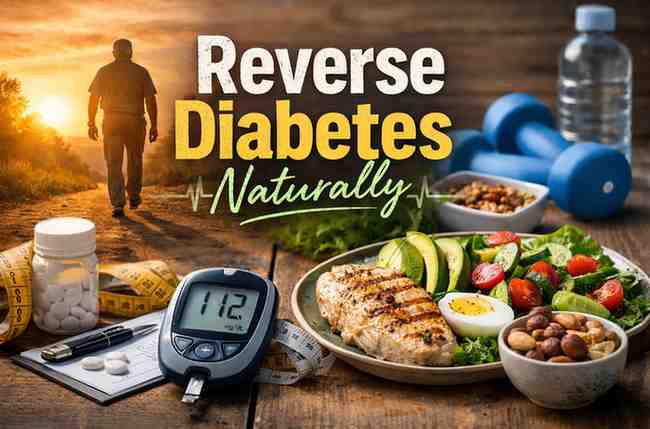
Reverse Diabetes Naturally: 11 Hard Truths That Give People Hope (After Years of Frustration)

Reverse Diabetes Naturally 11 Hard Truths That Give People Hope After Years Of Frustration 1
Reverse Diabetes Naturally 11 Hard Truths That Give People Hope After Years of Frustration

Honestly… most people I’ve watched try to reverse diabetes naturally start with hope and end with quiet confusion.

They do what the internet tells them.

Cut sugar.
Walk more.
Eat “healthy.”

Two months later their blood sugar numbers barely move.

Then the self-blame starts.

“Maybe my body is just broken.”

I’ve heard that sentence more times than I can count.

Not from one person. From dozens.

Friends. Family members. People I’ve helped track habits. People who shared their glucose logs with me over coffee because they were exhausted from guessing.

And the weird thing?

Many of them were doing the right things — just in the wrong order… or with expectations that reality rarely supports.

So when people ask me whether you can reverse diabetes naturally, I don’t give a motivational answer.

I tell them what I’ve actually seen happen.

The slow wins.
The common mistakes.
The patterns that keep repeating across real people.

Some of it is encouraging.

Some of it is frustrating.

But it’s honest.


Why So Many People Try to Reverse Diabetes Naturally

From what I’ve seen, people rarely start this journey out of curiosity.

They start out of fear.

Usually something like this happens:

A routine blood test.
Doctor says “Your A1C is creeping up.”
Or worse: “You’re now in diabetic range.”

And suddenly the future looks… different.

Medications.

Daily monitoring.

Complications you’ve heard about but never wanted to imagine.

So the first instinct is simple:

“Is there any way I can fix this naturally?”

Not because people hate medicine.

But because they want control.

And honestly… that instinct isn’t wrong.

Because in many early and moderate cases, lifestyle changes really can dramatically improve blood sugar regulation.

But here’s where things start going sideways.

Most people approach this like a diet problem.

It’s not.

It’s a metabolism problem.

And that difference changes everything.


The First Big Misunderstanding I See Over and Over

Almost everyone I’ve watched struggle with this does one thing wrong at first.

They focus on sugar.

Not insulin.

That sounds subtle. It isn’t.

People remove desserts, soda, and candy.

Good step. Absolutely.

But then they replace them with:

  • Whole grain bread

  • Oatmeal

  • Smoothies

  • Brown rice

  • Granola

All things marketed as healthy.

And their blood sugar still spikes.

I didn’t expect this to be such a common issue until I started looking at glucose monitors people shared with me.

Those “healthy meals”?

Sometimes sending blood sugar higher than cake.

Not because they’re evil foods.

Because they’re carbohydrate dense.

And for someone with insulin resistance, the body struggles to handle that load.

So the first shift many people eventually make is this:

They stop thinking about sugar and start thinking about glucose spikes.

That shift alone changes the game.


What I’ve Seen Actually Move Blood Sugar in the Right Direction

No magic tricks here.

Just patterns I’ve watched repeat across people who slowly improved their numbers.

Not overnight.

But steadily.

1. Stabilizing Meals Instead of Dieting

Most people begin by trying to eat less.

That backfires constantly.

They get hungry.

Energy crashes.

Then a late-night carb binge happens.

What worked better for people I’ve observed was something different:

balanced meals that blunt glucose spikes.

Typical structure that worked well:

Protein + fiber + fat.

For example:

Breakfast people often succeed with:

  • Eggs + avocado

  • Greek yogurt + nuts

  • Cottage cheese + berries

Lunch patterns that show better glucose stability:

  • Chicken salad

  • Tuna with olive oil

  • Grain-free bowls with vegetables

Not starvation.

Just less glucose chaos.

And surprisingly… people often say their cravings drop after about two weeks.


2. Walking After Meals (Massively Underrated)

This honestly surprised me after watching so many people try different strategies.

A 10–15 minute walk after meals often lowers post-meal glucose significantly.

Why?

Muscles pull glucose from the bloodstream when they move.

No complicated biohacking required.

Some of the most consistent improvements I’ve seen came from people who simply made this a routine.

Breakfast walk.

Dinner walk.

Nothing intense.

Just movement.


3. Fixing Sleep (The Most Ignored Factor)

If there’s one thing almost everyone underestimates… it’s sleep.

People focusing on food while sleeping 5 hours.

And their fasting glucose stays high.

When sleep improves:

  • cortisol drops

  • insulin sensitivity improves

  • morning glucose often stabilizes

From what I’ve seen, people who go from 5–6 hours to 7–8 hours often see surprising improvements.

Not instantly.

But within weeks.


4. Weight Loss (But Not Always the Way People Expect)

Here’s a hard truth.

For many people with type 2 diabetes, losing even 5–10% of body weight can significantly improve insulin sensitivity.

I’ve seen people drop their A1C by full points after losing 15–20 pounds.

But here’s what people get wrong.

They try crash dieting.

Instead of sustainable changes.

Crash diets lead to:

  • burnout

  • binge cycles

  • regained weight

The people who succeeded long term usually changed routines, not just calories.


How Long Does It Take to Reverse Diabetes Naturally?

This is one of the first questions people ask.

And the honest answer is:

It varies a lot.

But patterns do show up.

From what I’ve observed:

  • noticeable glucose improvements: 3–6 weeks

  • measurable A1C change: 3 months

  • significant metabolic shifts: 6–12 months

Some people move faster.

Others slower.

Especially if diabetes has been present for years.

And that’s something people don’t always hear online.

The longer insulin resistance has been building… the longer it usually takes to unwind.


What Usually Surprises People the Most

I’ve heard this reaction many times.

“I thought this would be about discipline.”

It isn’t.

It’s about understanding how your body responds to food and habits.

People who treat it like punishment usually quit.

People who treat it like experimentation stick with it longer.

They test meals.

Watch patterns.

Adjust routines.

And slowly their body responds.


Common Mistakes That Slow Down Results

Most people I’ve worked with mess this up at first.

Not because they’re lazy.

Because the internet makes it confusing.

Here are the mistakes I keep seeing.

Trying Everything at Once

Keto.

Intermittent fasting.

Supplements.

Cold plunges.

All at the same time.

Then they burn out in two weeks.

Simple works better.


Ignoring Liquid Calories

Juices.

Smoothies.

Sweetened coffee drinks.

These spike glucose fast.

Even “healthy” ones.


Obsessing Over Perfection

One high reading.

One bad meal.

Then the spiral begins.

The people who succeed treat this like a long game.

Not daily perfection.


Fear of Fat

People still stuck in low-fat thinking often stay hungry.

Healthy fats slow glucose spikes and stabilize energy.


Who This Approach May NOT Work For

This part matters.

Natural approaches aren’t a universal solution.

Situations where results may be limited:

  • advanced long-term diabetes

  • pancreatic beta cell decline

  • certain medications affecting metabolism

  • genetic predispositions

Some people still need medication.

And that’s not failure.

Lifestyle changes still help even when medication is required.


The Reality Check Most People Need

This isn’t magic.

I’ve watched people improve dramatically.

But I’ve also watched people expect two weeks of effort to undo 20 years of habits.

That rarely happens.

Real progress usually looks like:

  • slow improvements

  • plateaus

  • adjustments

  • unexpected setbacks

Then another improvement phase.

It’s messy.


Quick FAQ (Questions I Hear Constantly)

Can diabetes really be reversed naturally?

In some cases, especially early type 2 diabetes, blood sugar can return to normal ranges with lifestyle changes.

But results vary widely.


How long before blood sugar improves?

Some people see changes within weeks, but A1C shifts usually take three months.


Do you have to eliminate carbs completely?

Not always.

Many people succeed with reduced and balanced carbohydrates, not total elimination.


Is weight loss required?

Not always, but for many people it significantly improves insulin sensitivity.


Is exercise required?

Movement helps dramatically.

Even light walking after meals can make a difference.


The Emotional Side Nobody Talks About

This process messes with people emotionally.

I’ve seen:

Frustration.
Fear.
Embarrassment.
Relief.

One thing I notice a lot…

People quietly blame themselves.

Like they caused this.

But when you really look at it?

Modern food environments make metabolic problems almost inevitable.

Ultra-processed foods.

Constant snacking.

Sleep disruption.

Stress.

The deck is stacked.

Which is why small wins matter so much.


What I’d Tell Someone Starting Today

If someone close to me asked where to begin… I’d keep it simple.

Start with these.

Focus on stable meals

Protein + fiber + healthy fat.


Walk after your biggest meals

Even 10 minutes helps.


Track patterns instead of guessing

Glucose monitors reveal surprising things.


Prioritize sleep

This alone changes blood sugar for many people.


Think months, not weeks

Metabolism moves slowly.

Patience is part of the process.


The Objection I Hear the Most

“But what if I try this and it still doesn’t work?”

Honestly?

That happens sometimes.

Bodies differ.

Medical history matters.

But here’s what I’ve seen repeatedly:

Even when diabetes isn’t fully reversed, people still experience:

  • lower glucose levels

  • more energy

  • reduced medication

  • improved health markers

Progress still counts.


And if I’m being honest…

Watching people go through this has changed how I think about health entirely.

Because the biggest shift rarely comes from one perfect diet or routine.

It comes from people finally understanding their own body patterns.

Once that clicks, things stop feeling random.

So no — reversing diabetes naturally isn’t easy.

And it’s definitely not quick.

But I’ve watched enough people slowly move from feeling trapped by their numbers… to finally seeing them drop.

Not perfectly.

Not overnight.

Just steadily.

Sometimes that quiet momentum is the real victory.

Benefits of Lemon Tea in the Morning: 9 Real Upsides That Actually Made My Mornings Better

Benefits Of Lemon Tea In The Morning 9 Real Upsides That Actually Made My Mornings Better 1


Benefits of Lemon Tea in the Morning 9 Real Upsides That Actually Made My Mornings Better

Not gonna lie… I started this whole lemon tea thing out of pure desperation. Mornings were wrecking me. I’d wake up groggy, stomach doing that weird “are we hungry or mad?” thing, and my brain felt like it left the building. Coffee helped, sure, but it also made me jittery and weirdly sad sometimes. I kept hearing about the benefits of lemon tea in the morning, rolled my eyes, and still tried it. Mostly because I had lemons going bad and no better plan.

I messed this up at first. Like, badly. Burned my tongue. Made it too sour. Forgot to drink it. Quit. Then circled back. And… yeah. This honestly surprised me.


How I Fell Into It (Accidentally)

I didn’t wake up one day and decide to be a “warm water with lemon” person. I’m not that disciplined. It happened because:

  • My stomach felt off most mornings

  • Coffee on an empty stomach = instant regret

  • I wanted something warm that wasn’t a full-on stimulant

  • My grocery store kept pushing lemons on sale (conspiracy?)

So I started small. Warm water. Half a lemon. Sometimes a cheap tea bag because plain lemon water felt like punishment.

At first, I expected nothing. I mean, it’s just hot lemon water with leaves, right? Then a few small things shifted. Not life-changing. But noticeable enough that I kept doing it.

Still, I messed it up a bunch before it felt useful.

My Early Mistakes (Don’t Do These)

  • Too hot water. I scorched my mouth. Not cute.

  • Whole lemon in one cup. Way too sour. I gagged.

  • Drinking it fast. That hit my empty stomach like a brick.

  • Expecting instant miracles. I got annoyed when nothing dramatic happened in two days.

Once I chilled out and treated it like a small habit, things got… easier.


What I Actually Noticed Over Time

I’m not here to sell you magic. I’m here to tell you what I felt in my own body, over weeks, not hours.

1. My stomach stopped throwing tantrums

This one shocked me. I used to wake up with that tight, uneasy gut feeling. After a week of lemon tea in the morning, that tension eased. Not gone. Just calmer.

From what I’ve seen, at least, warm liquids help wake your digestion. The lemon felt like a gentle nudge. Not a shove.

Still, if I drank it too fast? Nope. Back to discomfort. Slow sips mattered.

2. I felt more awake (but not wired)

Coffee wakes me up like a fire alarm. Lemon tea wakes me up like sunlight through a window. Softer. Less panic.

I didn’t expect that at all. I thought I’d miss caffeine. Some days I still had coffee later. But starting with lemon tea made the morning less chaotic.

  • No jitters

  • No crash at 10 a.m.

  • Just… clearer

3. My throat felt better on dry mornings

This was random. Winter mornings here wreck my throat. Dry air, heaters, the whole deal. Warm lemon tea soothed that scratchy feeling. Not cured. Helped.

Honestly, it felt like being kinder to my body first thing. That alone changed my mood.

4. It helped me drink water (finally)

I’m bad at hydration. I forget. Plain water bores me. Lemon tea tricked me into drinking more fluids before noon.

And yeah, that probably explains some of the “benefits of lemon tea in the morning” I noticed. Sometimes the benefit is just… water. Still counts.

5. My sugar cravings chilled out (a bit)

This one took time. I used to wake up wanting something sweet. Pastry brain. Lemon tea didn’t erase that, but it softened it. Tart flavor first thing kind of reset my taste buds.

Not perfect. Just… less intense.

6. My mornings got calmer

This is the sneaky benefit nobody talks about. The ritual itself helped.

Boil water. Slice lemon. Wait. Sip.

It forced me to slow down for three minutes. That tiny pause changed the tone of my morning. I started reacting less and choosing more.

That’s not the tea. That’s the habit. But still… the tea made the habit stick.

7. My breath felt fresher (most days)

Okay, real talk. Morning breath is wild. Lemon tea helped me feel cleaner before brushing. Not a replacement. Just a little reset.

Again, probably hydration + acidity. Still counts as a win.

8. My skin didn’t magically glow (sorry)

Let’s be honest. I saw zero “glow up” in week one. Or two. Over months? My skin felt less dry in the mornings. Could be placebo. Could be water. Could be fewer late-night salty snacks.

I won’t promise you anything here. Just saying it didn’t make things worse.

9. I felt more in control of my day

This one surprised me the most. Doing one small, decent thing for myself first thing made me feel like I had a handle on the day. Even when the day went sideways.

That feeling? That’s real. And that’s one of the quiet benefits of lemon tea in the morning I didn’t expect.


What Didn’t Work (Let’s Be Real)

Some stuff straight up didn’t pan out for me:

  • Weight loss hype. Nope. This isn’t a fat-melting potion.

  • Instant energy. It’s gentle. Don’t expect fireworks.

  • Fixing bad sleep. Lemon tea can’t undo a 2 a.m. doom scroll.

  • Miracle digestion cures. It helped mild stuff, not chronic issues.

If you have serious stomach problems, don’t wing it like I did. I learned that the hard way once. Listen to your body. Or a professional.


How Long Did It Take to Feel Anything?

Short answer: a week for small shifts.
Longer answer: about three weeks before it felt like a real habit with real effects.

Timeline-ish:

  • Days 1–3: Mostly annoyed. Too sour. Forgot to drink it.

  • Days 4–7: Stomach calmer. Mornings felt softer.

  • Week 2: Less craving sugar early.

  • Week 3: Habit locked in. I missed it when I skipped.

That said… some days I felt nothing. And that’s okay.


My Simple, No-Drama Routine

Nothing fancy. No $40 tea leaves. This is what stuck:

  • Warm water (not boiling)

  • Half a lemon, squeezed

  • Cheap green or herbal tea bag

  • Sip slow

Sometimes I add honey. Sometimes ginger. Sometimes I forget the lemon and just drink tea. Life happens.

If you want to try the benefits of lemon tea in the morning without hating it:

  • Start mild

  • Don’t chug

  • Don’t force it every day

  • Adjust the sourness

  • Skip it if your stomach says no


“What If It Doesn’t Work for Me?”

Then it doesn’t. That’s allowed.

Bodies are weird. Mornings are personal. If lemon tea makes you nauseous or annoyed, drop it. Try warm water alone. Or plain tea. Or… honestly, whatever gets you to hydrate without suffering.

I stuck with this because it felt gentle. Not because it fixed everything.


Practical Takeaways (Stuff I Wish I Knew Earlier)

  • Warm drinks are easier on an empty stomach

  • Less lemon = more likely you’ll keep the habit

  • Sip slow, don’t rush

  • The ritual matters as much as the drink

  • Skip hype. Notice your own body

  • Pair it with something grounding (stretching, sunlight)

  • Don’t expect miracles

  • Be okay with skipping days

  • Adjust for your taste

If you’re chasing the benefits of lemon tea in the morning because you’re tired of chaotic mornings… yeah, I get that. This helped me create a tiny pocket of calm. That alone made it worth it.


I’m not here to say this will fix your life. It didn’t fix mine. Some mornings still suck. Some days I still reach for coffee first and deal with the jitters later. Then again, when I start slow with lemon tea, my day feels less hostile. More workable.

So no — this isn’t magic. But for me? Yeah. It finally made mornings feel… manageable.

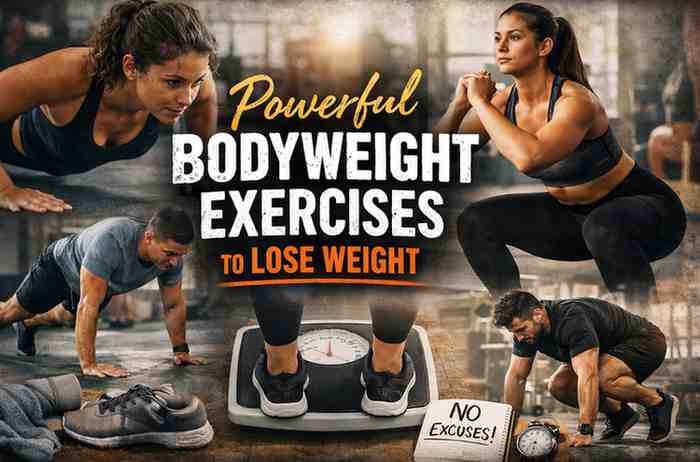
Powerful Bodyweight Exercises to Lose Weight: 9 Moves That Finally Gave Me Hope (and Some Frustration)

Powerful Bodyweight Exercises To Lose Weight 9 Moves That Finally Gave Me Hope And Some Frustration 1
Powerful Bodyweight Exercises to Lose Weight 9 Moves That Finally Gave Me Hope and Some Frustration

Honestly, I didn’t think this would work.
Not gonna lie… I’d already tried three other things and felt stupid for hoping again.

Gym membership? Paid. Used twice.
Home dumbbells? Collected dust.
“30-day shred” videos? I made it to Day 6 and ghosted myself.

So when I decided to try powerful bodyweight exercises to lose weight, it wasn’t because I believed in them. It was because I was tired of excuses that required equipment, perfect timing, or motivation I didn’t have. I needed something that worked in my messy, inconsistent, real life.

And yeah… I messed this up at first. Badly.

I treated bodyweight stuff like it was “easy mode.”
Turns out, that mindset was the problem.


Why I Even Tried Bodyweight Training (and Why I Almost Quit)

Here’s the honest reason: I was broke, embarrassed, and tired of starting over.

I didn’t want:

  • A gym contract

  • A fancy plan

  • Another app screaming “NO EXCUSES” at 6 a.m.

I wanted something I could do:

  • In my room

  • In old shorts

  • On days when motivation was… questionable

At first, I treated bodyweight exercises like warm-ups.
A few squats. Some lazy push-ups. Then I’d scroll my phone and call it a “session.”

Nothing changed.
Not my weight. Not my energy. Not my mood.

That’s when it clicked:
Bodyweight exercises only work if you stop treating them like they don’t count.

Once I trained them like they mattered… things shifted.

Slowly. Annoyingly. But for real.


The 9 Powerful Bodyweight Exercises to Lose Weight (That Actually Did Something)

These aren’t “burn 1,000 calories in 10 minutes” nonsense moves.
These are the ones that:

  • Jacked up my heart rate

  • Made me sore in places I forgot existed

  • Actually changed how my body looked and felt

1. Squats (the unsexy hero)

I hated squats.
They felt boring. Too basic. Like something you’d skip.

Big mistake.

When I started doing squats properly — slow on the way down, squeezing at the top — I realized how much energy they burn.

What changed for me:

  • My legs stopped feeling dead all the time

  • My posture improved

  • My calorie burn finally felt real

Don’t repeat my mistake:
Rushing squats = useless squats.


2. Push-Ups (the ego check)

I could barely do five real push-ups at first.
Like… actual form. Chest close to the floor. Core tight.

It was humbling.

But push-ups forced my upper body to wake up.
They made my workouts feel like workouts.

What surprised me:
My arms leaned out faster than I expected.

What I’d do differently:
Start with incline push-ups against a wall or chair instead of cheating on the floor.


3. Jumping Jacks (yeah, really)

I rolled my eyes at these.

Then I did 50 in a row.

My lungs: betrayal.
My heart: pounding.
My pride: gone.

Jumping jacks are stupid effective when you do enough of them.
They spike your heart rate fast.

When they helped most:
On days I didn’t want to work out at all.
Two minutes of jumping jacks tricked my brain into starting.


4. Mountain Climbers (the sneaky killer)

These look easy.
They are not.

The first time I did 30 seconds straight, I thought my core was going to fall off my body.

Why they work:

  • Core engagement

  • Cardio hit

  • Zero equipment

From what I’ve seen, at least:
These hit fat loss harder than slow crunches ever did.


5. Glute Bridges (the “why am I sweating?” move)

I underestimated these.
Big time.

Glute bridges woke up muscles I’d ignored for years.
Once my glutes started working, everything else felt stronger.

And yeah… my lower back thanked me later.


6. Planks (the mental battle)

Planks aren’t about strength.
They’re about not quitting when your brain starts bargaining.

“Just five more seconds…”
“Okay, three more…”
“Fine. One more breath.”

Why planks helped weight loss:
They trained my discipline.
And discipline spilled into food choices.
Weird connection. But real.


7. Burpees (the hate-love relationship)

I hated burpees.
I still kind of do.

But nothing torched calories faster for me.

Burpees forced my heart rate up instantly.
They made short workouts feel legit.

Reality check:
You don’t need 50 burpees.
Even 5–10 sprinkled into a workout changes the intensity.


8. High Knees (fast and messy)

High knees look chaotic.
That’s fine.

They’re great when you’re short on time.

What worked:
30 seconds on
30 seconds rest
Repeat 5–6 times

I looked ridiculous.
I also burned sweat in under 5 minutes.


9. Reverse Lunges (the knee-saver)

Regular lunges hurt my knees at first.
Reverse lunges didn’t.

These helped me:

  • Build leg strength

  • Improve balance

  • Burn calories without joint pain

If you’ve ever quit workouts because your knees complained… start here.


The Routine That Finally Made This Stick

Not some perfect schedule.
Just something I could repeat.

Here’s what worked when I stopped overthinking it:

My messy, real routine (20–30 minutes):

  • Squats – 3 x 12

  • Push-ups – 3 x (as many as I could without ugly form)

  • Mountain climbers – 3 x 30 seconds

  • Glute bridges – 3 x 15

  • Jumping jacks – 2 minutes total

  • Optional: 5–10 burpees if I felt brave

That’s it.

No playlist planning.
No perfect timing.
Just done.


How Long Did It Take to See Results?

This is where people get mad at me.

Because the answer isn’t sexy.

Week 1–2:

  • No visual change

  • Felt stupid for trying again

  • Slight energy boost

Week 3–4:

  • Pants fit better

  • Less out of breath

  • Mood improved

Week 6+:

  • Scale moved (finally)

  • Body felt firmer

  • Confidence shifted

So yeah…
If you’re expecting visible fat loss in 7 days, this will annoy you.

But if you stick with it?
It compounds.


Common Mistakes That Slowed My Weight Loss

I made all of these:

  • Doing random workouts with no structure

  • Quitting on low-energy days

  • Going too hard, then disappearing for a week

  • Eating like workouts “earned” junk food

  • Skipping rest and burning out

Biggest lesson?

Consistency beats intensity.

Always.


Quick FAQ (People Always Ask This Stuff)

Do powerful bodyweight exercises to lose weight actually work?
Yeah, if you treat them like real training and pair them with reasonable eating. They’re not magic, but they’re effective.

Can I lose belly fat with these?
You can’t spot-reduce fat. But these helped me lose overall fat, and belly fat came down with it.

How often should I do this?
3–5 times a week worked best for me. Daily made me quit faster.

Is this better than the gym?
Not better. Just more doable for some people. Including me.


Objections I Had (and What Actually Happened)

“Bodyweight workouts are too easy.”
Nope. You’re just not doing them with enough intent.

“I need equipment to lose weight.”
I thought that too. Turns out I needed consistency, not gear.

“This won’t work for my body type.”
I used that excuse for years.
It worked when I finally showed up long enough to let it work.


Reality Check (Because I Wish Someone Told Me This)

This isn’t for everyone.

This approach will frustrate you if:

  • You hate repetition

  • You want fast visual results

  • You need variety every session

  • You’re not willing to sweat at home

Results can be slow.
Motivation will dip.
Some weeks feel pointless.

And yeah… sometimes your weight won’t move even when you’re trying.

That doesn’t mean it’s failing.
It means bodies are annoying sometimes.


Practical Takeaways (No Hype, Just Real Stuff)

Do this:

  • Pick 5–6 moves and repeat them weekly

  • Track reps or time

  • Rest when needed

  • Eat like someone who respects their effort

Avoid this:

  • Random workouts every day

  • All-or-nothing thinking

  • Quitting after one bad week

  • Treating bodyweight as “not real exercise”

Expect emotionally:

  • Doubt early

  • Small wins before big ones

  • Frustration

  • Quiet confidence building over time

Patience here looks like:
Showing up when it feels boring.
Repeating what works.
Letting results be slow.


So no — this isn’t magic.
And it didn’t turn me into a fitness influencer.

But powerful bodyweight exercises to lose weight did something important for me:

They made progress feel possible again.
Not dramatic. Not viral.
Just… possible.

And honestly?
That was enough to keep me going.

Broken Heart Syndrome: 7 Painful Truths I Learned the Hard Way

7 Shocking Truths About Broken Heart Syndrome That Could Save Your Life

???? Broken Heart Syndrome: 7 Painful Truths I Learned the Hard Way

Broken Heart Syndrome: 7 Painful Truths I Learned the Hard Way

Honestly… I thought it was fake at first

Not gonna lie — when a cardiologist first said the words Broken Heart Syndrome, I almost laughed.
Like… okay, dramatic much? Sounds like something from a rom-com or a sad Taylor Swift bridge, right?

Turns out, nope. Very real. Very physical. Very terrifying.

I was sitting in a cold ER room in North America, heart monitor beeping too loud, trying to convince myself this was just anxiety. Or too much coffee. Or stress. Or literally anything else.

But it wasn’t.

It was my heart reacting to grief like it had been punched from the inside.

I didn’t even know that was possible.

And if you’re here because you Googled this at 2am, chest tight, stomach sinking, wondering if emotions can actually break a heart — yeah. They can. And I wish someone had told me sooner.

This is not a medical journal article. This is me, explaining what I learned the hard way — messy, scared, confused, and slowly figuring stuff out.


So… what is Broken Heart Syndrome, really?

From what I experienced (and later confirmed with actual doctors), Broken Heart Syndrome — also called Takotsubo cardiomyopathy — is when extreme emotional or physical stress stuns your heart.

It mimics a heart attack. Same chest pain. Same shortness of breath. Same panic. Same “am I dying right now?” thoughts.

But here’s the weird part:

  • Your arteries aren’t blocked

  • There’s no classic heart attack damage

  • And yet… your heart muscle weakens suddenly

Basically, your heart freaks out.

Mine sure did.

The trigger? A sudden emotional hit. Loss. Shock. Trauma. Even intense fear. In my case… yeah, heartbreak. The ugly kind.

And before you ask — no, it wasn’t just sadness. It was that deep, hollow, can’t-breathe kind of grief that rewires your nervous system overnight.


The moment I realized something was really wrong

I was washing dishes. Normal day. Nothing dramatic.

Then my chest tightened. Like someone cinched a belt around my ribs. My arms felt heavy. I got dizzy. Cold sweat. Nausea.

I remember thinking, wow, this anxiety attack is new.

Spoiler: it wasn’t anxiety.

Within an hour, I was in an ambulance, trying to answer questions while my brain lagged. The EMT asked if I’d had emotional stress recently.

I laughed. Then cried. Then couldn’t stop shaking.

That’s when I learned emotions don’t stay in your head. They travel. Straight to the body. Straight to the heart.


Why it hits harder than people admit

Here’s what nobody warns you about:

Broken Heart Syndrome messes with your identity.

You don’t just feel sick. You feel weak. Embarrassed. Like your body betrayed you over feelings.

People say stuff like:

  • “At least it’s not a real heart attack”

  • “You’ll be fine, it’s temporary”

  • “Try not to stress so much”

Cool. Thanks. Super helpful.

But lying awake at night, afraid your heart might randomly fail again? That stays with you.

In the US and Canada, doctors are getting better at recognizing this, but emotionally… patients are kinda left alone with it.


The physical symptoms I wish I took seriously sooner

Everyone lists the textbook symptoms. But here’s how it actually felt for me:

  • Chest pain that came in waves, not sharp, just heavy

  • Shortness of breath even while sitting

  • Extreme fatigue — like gravity doubled overnight

  • Brain fog (I forgot words mid-sentence)

  • Random crying spells for no reason at all

  • Heart palpitations when I thought about anything stressful

Honestly, the emotional symptoms lasted longer than the physical ones.

And that part? Nobody prepares you for that.


The diagnosis process (aka the scariest 48 hours of my life)

They treated it like a heart attack first. Which, fair.

I had:

  • EKGs

  • Blood tests

  • Echocardiogram

  • More wires than dignity

Then the doctor came back, calm but serious, and explained my heart’s left ventricle wasn’t pumping right. It had ballooned in a weird way.

That’s when they said it.

Broken. Heart. Syndrome.

I remember thinking — wow, my heart really said “I’m done” huh?


What caused it (for me, at least)

This part matters because triggers aren’t always obvious.

For me, it wasn’t just a breakup. It was:

  • Months of suppressed stress

  • One sudden emotional shock

  • Zero coping outlets

  • And a nervous system stuck in fight-or-flight

I didn’t cry when I should’ve. Didn’t rest. Didn’t talk. Just powered through.

Turns out, your heart keeps score.

In North America especially, we glorify pushing through pain. “Be strong.” “Keep going.”

Yeah… bad advice sometimes.


Recovery wasn’t linear (and that surprised me)

Doctors say most people recover within weeks to months.

That’s technically true.

But emotionally? It’s messy.

Some days I felt fine. Other days my heart would race over nothing. Loud noises. Arguments. Bad news headlines.

I learned quickly that healing your heart isn’t just about medication. It’s about retraining your nervous system.

Stuff that helped me — slowly:

  • Walking every day, even when I didn’t want to

  • Cutting caffeine (ugh, hated that)

  • Therapy (yes, seriously)

  • Deep breathing that felt stupid but worked

  • Saying no more often

What didn’t help? Pretending I was “back to normal.”


The mental toll nobody talks about

This condition messes with your trust in your own body.

You start second-guessing every sensation:

  • Is this pain real?

  • Am I stressed again?

  • Is my heart okay today?

I developed a weird hyper-awareness of my chest. Every flutter sent me spiraling.

And the irony? Anxiety can worsen the condition.

So you’re anxious about anxiety.

Fun cycle.


Relationships after Broken Heart Syndrome feel different

I didn’t expect this part.

Afterwards, I became more cautious with emotional connections. Not closed off — just aware.

I learned that my heart doesn’t handle chaos well. Drama hits physically now.

So I changed:

  • Who I give energy to

  • How much stress I tolerate

  • How fast I attach

Not because I’m cold. Because I survived something that taught me limits.


Is Broken Heart Syndrome deadly?

Here’s the honest answer: it can be, but rarely.

Most people recover fully with proper care. Complications happen, but they’re not the norm.

Still… it’s not “harmless.”

And dismissing it as emotional weakness is dangerous.

Your heart is a muscle. Stress chemicals affect it. Period.


What I wish doctors explained better

I wish someone had said:

  • “You’re not weak”

  • “This wasn’t your fault”

  • “Healing emotionally matters as much as physically”

Instead, I got discharge papers and a follow-up appointment.

So I learned on my own.


Living differently now (not perfectly, just better)

I don’t chase stress anymore. Not worth it.

I sleep more. I slow down. I listen to my body before it screams.

And yeah, I still get sad. Still get hurt. Still feel deeply.

But I respect my limits now.

Broken Heart Syndrome didn’t make me fragile. It made me honest.


FAQs — stuff I googled obsessively at 3am

Can Broken Heart Syndrome come back?

Yes, it can. Rare, but possible. Managing stress lowers the risk a lot.

Is it only caused by romantic heartbreak?

Nope. Loss, fear, illness, even surprise events can trigger it.

How long does recovery really take?

Physically, weeks to months. Emotionally? Depends on the person. Be patient.

Can men get it too?

Yes. Women are more affected, but men absolutely get it.

Does therapy actually help?

In my exp, yes. More than I expected.


So yeah.

Broken Heart Syndrome isn’t poetic. It’s raw. It’s real. It’s scary. And it changes you.

But it also taught me something I ignored for years:

Your heart hears everything you don’t say.

Take care of it. Seriously.

Powerful Ways to Prevent Vomiting: 9 Surprisingly Gentle Fixes That Actually Helped Me

Powerful Ways To Prevent Vomiting 9 Surprisingly Gentle Fixes That Actually Helped Me 1
Powerful Ways to Prevent Vomiting: 9 Surprisingly Gentle Fixes That Actually Helped Me

Honestly, I didn’t think I’d ever Google Powerful Ways to Prevent Vomiting at 2 a.m. and mean it with my whole soul. But there I was. Kneeling on cold tile. Forehead sweating. Staring at the toilet like it personally wronged me.
Not gonna lie… I was mad. At my stomach. At myself. At the fact that nausea feels like it hijacks your brain and your dignity at the same time.

This started years ago for me with motion sickness. Then food poisoning once (trauma). Then anxiety-triggered nausea I didn’t even realize was anxiety at first. I tried dumb stuff. I tried internet stuff. Some of it helped. Some of it made me worse. A few things honestly surprised me. And a couple things I swore were fake… until they weren’t.

I’m not a doctor. I’m just someone who’s spent too many nights bargaining with their stomach. From what I’ve seen, at least, relief comes from small, gentle moves stacked together. Not hero moves. Not “power through it” nonsense. Just calm, boring stuff that adds up.


The first time I realized I was doing this wrong

I used to fight nausea.
Like, mentally wrestle it.

I’d think:

  • “Nope. Not happening.”

  • “If I ignore it, it’ll go away.”

  • “I can out-stubborn my stomach.”

Yeah… no. That backfired. Every time.

What I misunderstood early:
Nausea isn’t just in your gut. It’s in your nervous system. When I stayed tense, panicked, or embarrassed about it, the feeling got louder. My body was already stressed. I kept adding stress on top of stress.

Once I stopped treating nausea like an enemy, things shifted. Not instantly. But enough that I stopped feeling powerless.


What actually helped me (and what didn’t)

I’ll walk you through what I tested in real life. Some of this is basic. Some of it felt too simple to matter. A few things were hype and did nothing for me. I’ll call those out.

1. Ginger (but not the way I tried first)

Everyone says ginger. I rolled my eyes.
Then I tried ginger candy. Way too sweet. Made me gag.
I tried ginger ale. Mostly sugar. Did nothing.

What finally worked for me:

  • Fresh ginger tea

  • Ginger chews with low sugar

  • Warm water with a few thin slices

Small sips. Not chugging.

This honestly surprised me. It didn’t erase nausea. But it turned the volume down. Enough that I could think again. Enough that I could breathe through the waves instead of spiraling.

Mistake I made:
I tried it only after I felt awful. It worked better when I started at the first hint of nausea.


2. Cold on the back of my neck

This one felt silly. I tried it out of desperation.

  • Cold pack

  • Frozen peas in a towel

  • Even a cold can from the fridge

Back of the neck. Sometimes the forehead.

It didn’t cure anything.
But it grounded me.
It pulled me out of my head for a second.

When nausea hits, I get floaty and panicky. The cold snapped me back into my body. That alone reduced how intense the urge to throw up felt.

Would I have believed this before? Nope.
Do I keep frozen peas just for this now? Sadly, yes.


3. Tiny sips, boring drinks

I used to force water. Big gulps.
Bad idea. I messed this up at first.

My stomach hates sudden volume when it’s upset.

What worked better:

  • Tiny sips

  • Room temp water

  • Electrolyte drinks, diluted

  • Ice chips when even water felt gross

No flavor bombs. No citrus. No bubbles.
Just slow, boring hydration.

If I rushed it, I paid for it.
If I went slow, my body stayed calmer.


4. Smells matter more than I thought

This one took me way too long to notice.

Strong smells made everything worse:

  • Perfume

  • Cooking grease

  • Trash

  • Even certain soaps

I started:

  • Opening windows

  • Moving to a room with neutral air

  • Avoiding the kitchen when nauseous

I also learned one smell that helped me: peppermint.
Not overpowering. Just a light scent. Gum or tea worked.

Did it fix nausea? No.
Did it make the room feel survivable? Yes.

That counts.


5. Sitting up, not lying flat

When I felt sick, I wanted to curl up and disappear.
Lying flat made it worse. Every time.

What helped:

  • Sitting upright

  • Leaning slightly forward

  • Propping myself with pillows

Gravity matters. I didn’t expect that at all.
It sounds obvious. But when you’re nauseous, logic leaves the building.

This was one of the first Powerful Ways to Prevent Vomiting that actually changed the outcome for me. I went from “I’m definitely throwing up” to “Okay… this is tolerable.”


6. The weird breathing trick that calmed my stomach

I used to breathe fast when nauseous.
Because panic.
Which fed the nausea loop.

Then I learned to slow it down:

  • Inhale through nose for 4

  • Hold for 2

  • Exhale through mouth for 6

Not fancy. Not spiritual. Just slow.

This didn’t magically cure anything.
But it told my nervous system, “Hey, we’re not dying.”
And when my nervous system chilled, my stomach followed a bit.

From what I’ve seen, at least, nausea and anxiety are messy roommates. Calm one, and the other quiets down.


7. Food… but not the food I wanted

I wanted:

  • Greasy food

  • Spicy food

  • Something dramatic

My stomach wanted:

  • Toast

  • Crackers

  • Plain rice

  • Banana

Boring wins.

I’d nibble. Not eat a full plate.
If I forced food, I regretted it.
If I waited too long, nausea got worse.

That balance took practice. I failed a lot before I found my timing.


8. The “don’t make my mistake” list

Here’s stuff that made me worse:

  • Brushing teeth right after nausea started

  • Lying flat

  • Drinking soda

  • Scrolling horror stories about vomiting

  • Trying to “power through” social stuff

Yeah. I’ve bailed on plans because I felt sick.
It sucked.
But pushing myself made it worse. Every single time.

One of the Powerful Ways to Prevent Vomiting for me was learning to pause life for 30 minutes. Not forever. Just long enough to let my body calm down.


9. When I finally accepted meds were okay

I resisted medication. I don’t know why. Pride? Fear?
Then one night I caved and used an anti-nausea med a doctor had once prescribed.

It helped. A lot.

Not every time.
Not instantly.
But enough to break a bad spiral.

I don’t take meds for every wave of nausea.
But knowing they’re an option made me less scared when nausea hit.
That alone reduced how intense my symptoms felt.

If nausea is frequent or severe, please talk to a doctor.
I waited too long. I didn’t need to suffer like that.


How long did it take before this stuff worked?

This is the annoying part.
It wasn’t instant.

Some nights, nothing helped.
Some nights, one small thing shifted everything.

Over time, patterns showed up:

  • If I caught nausea early, it was easier to calm

  • If I waited until I was spiraling, it was harder

  • If I stayed gentle with my body, I recovered faster

This wasn’t about finding one magic trick.
It was about stacking small, calm choices.

That’s what made the biggest difference for me with Powerful Ways to Prevent Vomiting—not expecting perfection. Just aiming for “less awful.”


What if none of this works?

Real talk: sometimes nausea wins.
I hate that.
But it happens.

When nothing helped me:

  • I focused on staying hydrated after

  • I rinsed my mouth

  • I rested

  • I didn’t shame myself for it

Shame made recovery slower.
Kindness made it faster.

If vomiting happens often, or comes with pain, fever, blood, or weight loss, please get medical help. I learned the hard way that “toughing it out” isn’t brave. It’s just exhausting.


Would I do all this again?

Yeah. I would.
Because nausea used to control my plans. My sleep. My mood.

Now? It still shows up sometimes.
But I don’t panic the same way.
I have tools.
I have options.

That’s what changed everything.


A few practical takeaways (the stuff I wish I knew sooner)

  • Start gentle fixes early. Don’t wait until it’s unbearable.

  • Sit up. Gravity is your friend.

  • Tiny sips beat big gulps.

  • Calm your nervous system. Your stomach listens.

  • Ginger isn’t magic, but it helps more than I expected.

  • Strong smells can make nausea louder.

  • Meds are okay if you need them.

  • Rest is not weakness. It’s strategy.

These Powerful Ways to Prevent Vomiting didn’t make me immune to nausea.
They made it manageable.
That’s a huge difference.


I won’t pretend this is some miracle system.
It’s messy. Some nights I still mess it up.
But I don’t feel trapped by nausea anymore.

So if you’re reading this while leaning over a sink, or lying on your side hoping your stomach chills out… yeah. I’ve been there.
Take a slow breath. Try one small thing. Then another.

No pressure to fix everything at once.
Just enough to get through this moment.

Antiviral Medication for Hepatitis C: 9 Hard Truths Most People Only Learn After the Frustration

Antiviral Medication For Hepatitis C 9 Hard Truths Most People Only Learn After The Frustration 1
Antiviral Medication for Hepatitis C 9 Hard Truths Most People Only Learn After the Frustration

Honestly… the first time someone close to me started antiviral medication for hepatitis C, they thought it would be simple.

Take pills. Wait a few weeks. Virus gone.

That was the expectation.

But after watching several people go through treatment—friends, relatives, and a few people I helped navigate the process—it became obvious the emotional journey is rarely that neat.

Some people feel incredible relief within weeks.

Others panic when they still feel tired halfway through treatment.

And a surprising number of people almost sabotage their own recovery because of small misunderstandings about how these medications actually work.

From what I’ve seen over and over again, the science behind hepatitis C treatment is powerful… almost shockingly effective compared to what existed 15–20 years ago.

But the human side of the process—fear, confusion, unrealistic expectations—that’s where most people stumble.

And honestly… almost everyone I’ve watched struggle with this makes the same handful of mistakes early on.

Let me walk through what I’ve seen.


Why People Turn to Antiviral Medication for Hepatitis C

Most people don’t even realize they have hepatitis C at first.

That part still surprises me.

I’ve watched people find out during routine blood tests… insurance screenings… even while preparing for completely unrelated surgeries.

No symptoms.

No warning.

Then suddenly a doctor says: “Your hepatitis C test came back positive.”

And the emotional reaction tends to fall into one of three buckets:

Panic – people immediately think liver failure is coming
Denial – “maybe the test is wrong”
Overconfidence – “there’s a cure now so this is easy”

The truth sits somewhere in the middle.

Modern antiviral medications—what doctors call Direct-Acting Antivirals (DAAs)—are incredibly effective.

In many cases I’ve seen, cure rates exceed 95%.

But people still underestimate how important the process is.

Because these medications are powerful, yes.

But they also require consistency and patience.


What Antiviral Medication for Hepatitis C Actually Does (In Simple Terms)

Most people assume antiviral medications “kill the virus.”

That’s not exactly how it works.

From the explanations I’ve heard from doctors—and after watching the treatment process multiple times—the medications basically block the virus from reproducing.

Think of it like shutting down a copy machine.

The virus in your body normally keeps making copies of itself.

These drugs interrupt that process.

So instead of multiplying…

The virus slowly fades away as existing copies die off.

That’s why treatment usually lasts 8–12 weeks.

Not because the medication is weak.

But because the body needs time to clear out what’s already there.

And honestly… this timeline frustrates people more than you’d expect.


The Part That Usually Surprises People

Almost everyone I’ve seen go through hepatitis C treatment expects dramatic changes.

They think:

“Once I start medication I’ll feel amazing.”

Sometimes that happens.

But not always.

A pattern I’ve noticed repeatedly:

Many people feel exactly the same during treatment.

No sudden energy surge.

No obvious change.

And that makes them anxious.

I remember one person telling me:

“If the medication is working… why don’t I feel different?”

Because hepatitis C often causes quiet damage.

It doesn’t always produce obvious symptoms day-to-day.

So the medication is working in the background… even when nothing feels different.


How Long Antiviral Medication for Hepatitis C Usually Takes

Most treatment programs I’ve seen follow roughly the same structure.

Typical timeline

Week 1–2

People feel nervous but hopeful.

Some mild side effects sometimes show up:

  • headache

  • fatigue

  • mild nausea

Usually manageable.

Week 3–6

This is the weird phase.

Most people feel normal again… but mentally they start wondering:

“Is this actually working?”

I’ve seen a lot of anxiety here.

Week 8–12

Treatment ends.

Then doctors test viral levels again.

And when the virus is undetectable 12 weeks after finishing medication, that’s considered a cure.

That moment… the confirmation test.

Honestly, the relief people feel then is something I’ll never forget watching.


The Mistakes I Keep Seeing People Make

This is the part that matters most.

Because the treatment itself works extremely well.

But human habits sometimes get in the way.

Here are the patterns I’ve seen repeatedly.

1. Missing doses early in treatment

People assume missing one pill won’t matter.

But hepatitis C treatment works best with consistent drug levels in the body.

Even small gaps can reduce effectiveness.

Most doctors stress this heavily.

And for good reason.


2. Expecting instant energy recovery

This one causes unnecessary stress.

Many people expect fatigue to disappear immediately.

But liver recovery can take time—even after the virus is gone.

So they panic and assume treatment failed.

It usually didn’t.


3. Stopping lifestyle changes too early

Some people treat medication like a reset button.

They go back to:

  • heavy drinking

  • poor sleep

  • high stress

That doesn’t undo the cure necessarily…

But it absolutely slows liver healing.


4. Googling worst-case scenarios every night

This one… I’ve watched it spiral people into anxiety loops.

Old hepatitis C forums still talk about treatments from the interferon era.

Those treatments were brutal.

Modern antivirals are nothing like that.

But people read outdated horror stories and panic.


What Actually Seems to Help People Succeed

From watching several treatment journeys closely, the people who handle this best usually do a few things differently.

Not dramatically different.

Just… consistent.

What works well

Daily routine

Most people set medication reminders on their phone.

Same time every day.

No guesswork.


Regular doctor check-ins

Follow-up blood tests reduce anxiety.

Seeing viral counts drop is incredibly motivating.


Simple lifestyle support

Things that seem small but help:

  • drinking more water

  • reducing alcohol completely

  • sleeping better

  • walking daily

Nothing extreme.

Just steady support for liver recovery.


Reality Check: Who This Treatment Might Be Harder For

Even though antiviral medication works extremely well, I’ve noticed certain situations make the journey harder.

Not impossible.

Just more complicated.

People who struggle with medication routines

Missing doses is the biggest risk factor for treatment failure.


People dealing with severe liver damage

If cirrhosis is already advanced, recovery takes longer.

The virus may be cured, but the liver still needs time.


People expecting instant life transformation

This medication removes the virus.

But rebuilding energy, health, and mental confidence still takes time.


Common Questions I Hear Constantly

Is hepatitis C really curable now?

In many cases, yes.

Modern antiviral medications cure over 95% of infections when taken correctly.

That’s one of the biggest medical success stories of the past decade.


How long does treatment usually take?

Most treatment courses last 8–12 weeks.

After finishing medication, doctors test again about 12 weeks later to confirm the virus is gone.


Are side effects severe?

Compared to older treatments, not usually.

Common ones I’ve seen people report:

  • mild fatigue

  • headache

  • nausea

Most people continue normal daily activities.


What happens if treatment fails?

Doctors can sometimes try a different antiviral combination.

Failure is uncommon but not impossible.


The “Is This Worth It?” Conversation

I’ve had this discussion with several people.

Usually right after diagnosis.

When the shock hasn’t worn off yet.

And honestly… once people understand the success rates, the decision becomes clearer.

Because untreated hepatitis C slowly damages the liver over years.

Often quietly.

While antiviral medication offers a real chance at eliminating the virus completely.

Not managing it.

Eliminating it.

That distinction matters more than most people realize.


Practical Takeaways Most People Wish They Knew Earlier

If I had to summarize what consistently helps people succeed with antiviral medication for hepatitis C, it would look like this.

What to do

  • Take medication at the same time every day

  • Stay connected with your doctor during treatment

  • Focus on liver-friendly habits during recovery

  • Be patient with energy levels


What to avoid

  • skipping doses

  • panic-researching outdated treatments online

  • assuming the medication failed if you feel normal

  • expecting instant health transformation


What patience actually looks like

From what I’ve seen…

The emotional process tends to look like this:

Week 1 → nervous
Week 3 → doubtful
Week 8 → cautiously hopeful
Final test → overwhelming relief

And that’s normal.


Watching people go through hepatitis C treatment changed how I think about medical progress.

Twenty years ago, this virus was incredibly difficult to treat.

Now I’ve seen people walk into treatment scared… and walk out cured a few months later.

That still amazes me.

So no—antiviral medication for hepatitis C isn’t magic.

There are routines to follow.

Patience required.

Moments where people second-guess everything.

But I’ve also watched enough people reach that final blood test… the one that shows the virus is gone.

And when that moment happens, the relief in the room is something you don’t forget.

Sometimes the biggest shift isn’t just curing the virus.

It’s realizing that something that once felt permanent… quietly isn’t anymore.

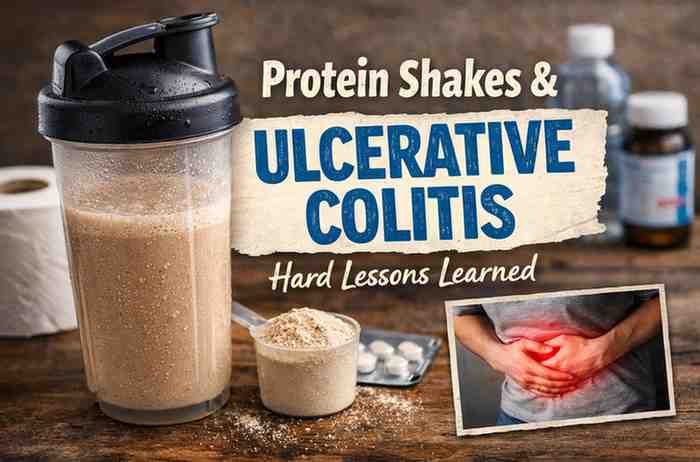
Protein Shakes for Ulcerative Colitis: 9 Hard Lessons I Learned the Uncomfortable Way

Protein Shakes For Ulcerative Colitis 9 Hard Lessons I Learned The Uncomfortable Way 1
Protein Shakes for Ulcerative Colitis: 9 Hard Lessons I Learned the Uncomfortable Way

Honestly, I didn’t think protein shakes for ulcerative colitis would help me at all. I rolled my eyes at the idea. I was tired, underweight, and cranky in that special way only gut pain can make you. I wanted food that didn’t hurt. That’s it. Not a miracle. Just something I could drink without paying for it later.

Not gonna lie… I messed this up at first. Badly.

I bought the wrong stuff. I drank it at the wrong times. I blamed my body when my choices were the problem. Then I got mad at myself. Then I learned. Slowly. Awkwardly. With a lot of bathroom trips in between.

If you’re in the U.S. and living with UC, you already know the vibe. Some days are okay. Some days feel like your stomach is beefing with you personally. Food becomes this weird math problem. You want strength. You want weight back. You also want to not ruin your day.

That’s where this all started for me.


Why I Even Tried This (And What I Thought It Would Fix)

I didn’t wake up one day and think, “Ah yes, time for a shake.” I hit a wall first.

  • I was losing weight without trying.

  • I felt weak doing basic stuff. Like, stairs felt rude.

  • My appetite dipped when flares hit.

  • Solid food felt risky on bad days.

So I figured… liquid nutrition. Easy, right?

Wrong. Or, like, half wrong.

What I thought:

  • Protein drinks would be gentle.

  • They’d calm my gut.

  • They’d give me energy fast.

What actually happened:

  • Some blends wrecked me.

  • Some were fine but tasted like chalk.

  • One made me bloat like a balloon. Not cute.

From what I’ve seen, at least, the idea isn’t bad. The execution is where people get tripped up. Me included.


The First Few Weeks: Hope → Frustration → “Oh. This Is Tricky.”

I went full “health aisle chaos mode” at Target. Grabbed a popular whey powder. Mixed it with almond milk. Drank it fast because I was starving.

Big mistake.

Within an hour, my gut was like, “Absolutely not.”

Cramps. Gas. That heavy, sour feeling. You know the one.

I almost gave up right there. Thought, cool, another thing my body hates.

But then a friend with Crohn’s told me to slow down. Try different types. Smaller sips. Less sugar. Fewer weird additives.

That honestly surprised me. I didn’t expect there to be so many tiny details that mattered.

Here’s what I learned the hard way:

  • Whey can be rough if dairy bugs you (even if you’re “mostly fine” with dairy).

  • Sugar alcohols are sneaky villains.

  • Drinking too fast can mess with digestion.

  • Big scoops aren’t better. They’re louder.

So I reset. New plan. Less chaos.


What Finally Worked (For Me, Not As a Rule for Everyone)

I’m not a doctor. I’m just a tired person who wanted less pain. So this is personal, messy data. Take what fits. Leave the rest.

Things that went better for my gut:

  • Plant-based protein
    Pea or rice blends sat lighter for me. Not perfect, but calmer.

  • Simple ingredient lists
    If I couldn’t pronounce half the label, my stomach noticed.

  • Lower sugar
    Less spike. Less crash. Less drama.

  • Water or oat milk
    Almond milk was okay sometimes. Oat milk felt smoother on rough days.

  • Small portions
    Half a scoop. Sip it. Wait. See how my body reacts.

This took time. Like, weeks. I kept a rough mental note of what made me feel off. No spreadsheet. Just vibes and mild paranoia.

Then one day, I finished a shake and… nothing bad happened. No cramps. No sprinting. Just normal.

I didn’t expect that at all. It felt like a small win, but I took it.


The Stuff I Got Totally Wrong (Don’t Copy These Mistakes)

I’m putting this here so you don’t have to learn it the gross way.

  • Chugging
    I treated shakes like water. My gut said no.

  • Drinking on an empty, angry stomach
    During a flare, my body wanted gentleness. Not cold protein sludge.

  • Assuming “healthy” = safe for UC
    Some “clean” powders wrecked me more than basic ones.

  • Ignoring labels
    Inulin and certain fibers? Hard pass for me. Instant regret.

  • Thinking one bad day meant it would never work
    I almost quit too soon.

Still, even now, some days it’s a no. UC isn’t predictable. That’s part of the deal.


How I Actually Use Protein Shakes Now (Real Routine)

This is not some influencer morning ritual. It’s basic and flexible.

On calmer days:

  • I use a small shake as a snack.

  • Usually mid-morning or late afternoon.

  • I sip, don’t slam.

On rough days:

  • I wait until my stomach feels a little less hostile.

  • I dilute it more.

  • I keep it boring. No fancy add-ins.

Sometimes I blend in:

  • A bit of banana

  • A spoon of peanut butter

Other times, I don’t risk it. Depends on the day. Depends on my mood. Depends on how brave I’m feeling, honestly.

And yeah, sometimes I still mess it up. That’s real life.


How Long Did It Take to Notice Anything?

This is where people get weird expectations.

I didn’t suddenly feel “healed.” That’s not how this goes.

What changed over time:

  • I stopped losing weight so fast.

  • I felt a little stronger.

  • I had one less thing to stress about on low-energy days.

It took a couple weeks to feel neutral about it. A month to trust it. Longer to stop overthinking every sip.

Still, some weeks it helps. Some weeks it’s just… fine. That’s okay.


What If It Doesn’t Work for You?

Real talk: it might not.

UC is personal. What works for me could be your villain food. And that sucks. But it’s true.

If you try this and feel worse:

  • Stop.

  • Switch types.

  • Change timing.

  • Or ditch it entirely.

Food isn’t a moral test. Your body isn’t “failing” if something doesn’t sit right. It’s just… being your body.

That said, if weight loss or weakness is hitting you hard, it’s okay to ask a GI or dietitian for help. I waited too long because I didn’t want to be dramatic. That was dumb of me.


The Emotional Side Nobody Mentions

This part caught me off guard.

Drinking my calories felt… weird at first. Like I was cheating at eating. Or giving up on “normal” food. I had to sit with that feeling.

Some days I felt grateful. Some days I felt annoyed. There was this low-key grief about not trusting my own stomach anymore.

Then again, having something easy on bad days gave me a tiny sense of control back. And that mattered more than my pride.

Not gonna lie, that part helped my head more than my gut.


A Few Practical Takeaways (No Hype, Just What I’d Tell a Friend)

  • Start small. Smaller than you think.

  • Read labels like your stomach is watching. Because it is.

  • Don’t force it during bad flares.

  • Give new blends a few tries, unless they clearly mess you up.

  • Keep expectations boring. This is support, not a fix.

If I could rewind, I’d be gentler with myself. I treated every setback like proof I was broken. I wasn’t. I was just learning my body’s weird rules.

I won’t pretend this is some magic answer. It’s not. But protein shakes for ulcerative colitis ended up being one small tool in my messy survival kit. Some days they help. Some days I skip them and eat soup and call it a win.

If you’re in that tired, frustrated headspace right now… I get it. Try things gently. Drop what hurts. Keep what helps. And don’t beat yourself up for the trial-and-error part. That part is the whole thing.

Veggie Chunks Benefits: 9 Real Reasons I Fell for Them (and 2 I Didn’t)

Veggie Chunks Benefits 9 Real Reasons I Fell For Them And 2 I Didnt 1
Veggie Chunks Benefits 9 Real Reasons I Fell for Them and 2 I Didnt

Honestly, I didn’t expect a bag of dry, beige-looking food to change anything about how I eat. Not gonna lie… I rolled my eyes at the idea of veggie chunks. Sounded like sad, crunchy rabbit food. But here we are. I’m writing this because I tried them, messed it up at first, got annoyed, and then—this honestly surprised me—started to see the veggie chunks benefits show up in real ways. Not in a magical “my life is perfect now” way. More like a quiet, practical shift that made weeknights less chaotic and my body feel a little less mad at me.

I live in the U.S., I work too much, and I’ve got a bad habit of calling pizza “vegetables” if it has onions. So yeah. I was the problem.


Why I even tried veggie chunks (aka: the low point)

This started during one of those weeks where everything feels off.

  • I was tired all the time.

  • My stomach felt heavy after meals.

  • I kept buying fresh veggies… and throwing them away.

That last one hurt. Watching money rot in the fridge is a special kind of guilt.

A friend tossed me a bag of veggie chunks and said, “Just try it. You’re dramatic.” Rude, but fair.

I didn’t expect much. I just wanted something that wouldn’t die in my crisper drawer.


The first week: I messed this up at first

Here’s what I did wrong:

  • I dumped dry chunks straight into pasta sauce.

  • I didn’t soak them.

  • I didn’t season them.

  • I expected them to taste like fresh veggies.

Yeah… no. They tasted like wet cardboard with dreams.

I almost quit right there. Threw the bag in the back of the pantry and sulked. Then a late-night hunger moment hit. I was too tired to cook. I Googled for five minutes. Realized you’re supposed to soak and season these things. Wild concept, apparently.

So I tried again. Slower. Less stubborn.

This time, I soaked them in warm broth. Added garlic. A little oil. Salt. Pepper. Nothing fancy.

That second try? Way better. Not gourmet. But fine. Edible. Then… kinda good.

From what I’ve seen, at least, how you prep them decides everything.


The real-life perks I didn’t expect

I won’t hype this up. It’s not a miracle food. But the veggie chunks benefits I noticed were real. Quietly helpful. The kind of help you feel more than you brag about.

1. They stopped me from ordering takeout every night

Not fully. I’m still human.

But when I had something shelf-stable and fast, I paused before tapping DoorDash.

Some nights I’d just:

  • Soak the chunks

  • Toss them in a pan

  • Add eggs or rice

Ten minutes. Done.

Less spending. Less regret.

2. My stomach chilled out (eventually)

This part was weird. The first few days? My stomach was confused. Gassy. Not cute.

Then it leveled out. After about a week, I noticed:

  • Less heaviness after meals

  • Fewer “why do I feel bloated?” moments

  • More regular bathroom trips (sorry, but real life is gross)

I didn’t expect that at all. I thought fiber was going to bully me forever. Turns out, my body just needed a minute.

3. I wasted way less food

This one hit emotionally.

Fresh veggies go bad fast. These didn’t. I could use what I needed and forget the rest existed for weeks.

No more:

  • Moldy spinach guilt

  • Slimy bell pepper sadness

  • “I’ll cook this tomorrow” lies

This alone made me stick with it.

4. They made “lazy cooking” possible

There are days I just can’t.

On those days, veggie chunks meant I could still add something green-ish to my plate without washing, chopping, or crying.

I’d throw them into:

  • Ramen

  • Scrambled eggs

  • Stir-fry

  • Soup

Not pretty. But better than nothing. And sometimes “better than nothing” is the win.

5. I felt… lighter? Hard to explain

This one is subjective. No fake stats here.

After a couple weeks, I felt less sluggish. Still tired, but not the same “food coma” tired.

It wasn’t instant. It wasn’t dramatic. It was more like:

“Oh. I don’t hate how I feel after lunch anymore.”

That’s huge for me.

6. They helped me break the all-or-nothing mindset

I used to think:

Either I eat perfect meals
or
I eat trash

Veggie chunks lived in the middle.

They weren’t perfect. They weren’t trash. They were… decent.

And decent is sustainable.

That mental shift alone was one of the biggest veggie chunks benefits for me. I stopped quitting on myself after one bad meal.

7. My grocery trips got simpler

Fewer last-minute runs.

I’d keep a bag of chunks and some basics around. That meant:

  • Fewer “I forgot veggies” moments

  • Less stress

  • Less time in fluorescent-lit grocery stores

Small thing. Big relief.

8. They forced me to learn flavor

This one annoyed me at first.

Veggie chunks need flavor. They’re blank. So I had to learn:

  • Salt matters

  • Acid matters (lemon, vinegar)

  • Fat matters (oil, butter)

I messed this up repeatedly. Bland city. Then I got better.

Now my food tastes better overall. Even fresh veggies. So yeah. Weird side benefit.

9. They made me more honest about what I’ll actually eat

I used to buy kale because it felt virtuous.

I did not eat the kale.

Veggie chunks felt less… aspirational. More realistic. I’d actually use them. That honesty changed how I shop and cook.


The downsides I won’t pretend away

This isn’t a love letter. There are real cons.

They’re not fresh. At all.

Let’s be clear. If you love crunchy salads and fresh snap? This won’t scratch that itch.

Sometimes I miss the texture. Sometimes I just want a cucumber to be a cucumber.

They can be boring if you’re lazy (like me)

When I don’t season well, they taste like sadness.

No way around that. If you hate seasoning or experimenting, this might annoy you fast.

I still have nights where I mess it up. Mild contradictions, I know. I like them. I also still mess them up.

Both can be true.


How long did it take to feel anything?

Short answer? About 10–14 days.

Longer answer? It was messy.

  • Days 1–3: confusion, gas, regret

  • Days 4–7: neutral

  • Days 8–14: “Huh. This is working?”

If nothing changes for you right away, that’s normal. Bodies are weird. Give it time. Or don’t. No pressure.


Would I do this again?

Yeah. I’d do it again. I am doing it again.

Not because veggie chunks are magic. But because they fit my life when my life is chaotic.

The veggie chunks benefits showed up when I stopped treating them like a cure and started treating them like a tool.

Tools don’t fix everything. They just help you not make things worse.


Practical stuff I wish someone told me sooner

Here’s the “don’t make my mistake” list:

  • Always soak them first. Warm liquid helps.

  • Season like you mean it. Salt. Fat. Acid.

  • Start small. Don’t replace everything at once.

  • Expect a learning curve. You will mess this up.

  • Pair them with foods you already like.

And please… don’t eat them plain. I beg you.


Tiny routines that actually stuck for me

I’m bad at routines. These worked anyway:

  • Sunday soak prep: I soak a batch and keep it in the fridge for 2–3 days.

  • One-pan rule: Chunks + whatever protein + frozen rice. One pan.

  • Emergency add-in: Toss a handful into soup or noodles.

Nothing fancy. Just repeatable.


What if this doesn’t work for you?

Then it doesn’t. Seriously.

I know people who hated them. Texture thing. Flavor thing. Vibes thing.

If you try and think, “Nah, this isn’t for me,” that’s fine. Food shouldn’t feel like punishment.

From what I’ve seen, at least, the people who stick with veggie chunks are the ones who:

  • Hate food waste

  • Want low-effort options

  • Are okay with “good enough” meals

If that’s not you, no shame.


A few honest thoughts about health hype

I side-eye health trends now.

Every food gets labeled as a hero or a villain. Veggie chunks aren’t either. They’re just… helpful sometimes.

I trust the veggie chunks benefits I felt because:

  • They showed up slowly

  • They felt boringly practical

  • They didn’t promise anything wild

If something promises a full life reset, I’m out. If it helps me eat one better meal? I’m in.


Final thoughts, from a tired human

So yeah. This wasn’t a glow-up story. More like a small, stubborn improvement.

I didn’t become a meal-prep influencer. I still eat pizza. I still skip veggies sometimes. I still get annoyed when I forget to soak the chunks and ruin dinner.

But now? I have an option that doesn’t rot in my fridge and doesn’t make me feel worse after eating.

That’s the real win for me.

So no — this isn’t magic. But for me? Yeah. It finally made things feel… manageable.