Ways to Beat Dandruff in Beard: 9 Real Fixes for Frustration and Finally Getting Relief

Ways To Beat Dandruff In Beard 9 Real Fixes For Frustration And Finally Getting Relief 1
Ways to Beat Dandruff in Beard 9 Real Fixes for Frustration and Finally Getting Relief

I can’t tell you how many grown men I’ve watched quietly panic over beard dandruff.

Not because it’s dangerous.
Because it’s embarrassing.

From what I’ve seen, most people try three things: wash it harder, oil it more, or ignore it and hope it goes away.

Almost none of those work long term.

If you’re searching for real Ways to Beat dandruff in beard, you’re probably in that stage where the flakes keep coming back. You shower. It looks fine. By afternoon? Snowfall on your hoodie.

And the worst part? Most guys assume they’re just “bad at grooming.”

They’re not.

They’re just doing what everyone else does at first.


Why Beard Dandruff Keeps Coming Back (What Most People Miss)

Let me say something I didn’t expect to become such a common pattern:

Beard dandruff usually isn’t about hygiene.

Almost everyone I’ve seen struggle with this washes more. Scrubs harder. Switches shampoos weekly.

That often makes it worse.

Here’s what’s usually happening:

  • The skin under the beard is dry or irritated

  • The beard traps oil and dead skin

  • Or there’s mild seborrheic dermatitis (super common, especially in colder U.S. climates)

The beard creates a micro-environment. Warm. Humid. Slightly oily.

That changes everything compared to scalp dandruff.

And treating it like scalp dandruff? That’s mistake number one.


9 Ways to Beat Dandruff in Beard (What Actually Worked Repeatedly)

These aren’t random tips. These are patterns I’ve seen across dozens of guys who finally got this under control.

1. Stop Overwashing Immediately

This one surprises people.

Most men I’ve worked with were washing their beard daily with regular shampoo.

That strips natural oils. Skin panics. Produces more flakes.

What worked better:

  • Washing beard 2–3 times per week

  • Using a gentle beard wash or sulfate-free cleanser

  • Rinsing with water on non-wash days

Within 1–2 weeks, irritation usually calms down.

Not instantly. But noticeably.


2. Exfoliate the Skin (Not Just the Hair)

This is where most people mess up.

They condition the beard.
They oil the beard.
They never touch the skin.

From what I’ve seen, gentle exfoliation 1–2 times a week changes the game.

Options that consistently helped:

  • Soft beard brush (boar bristle)

  • Mild chemical exfoliant like salicylic acid (low concentration)

  • Warm towel before washing

This removes dead skin before it becomes flakes.

Too aggressive? It backfires.
Gentle and consistent? Big difference.


3. Use Beard Oil the Right Way (Most Don’t)

Almost everyone I’ve seen struggle with this does this one thing wrong:

They apply oil to dry beard hair only.

Oil needs to reach the skin.

What worked better:

  • Apply oil right after shower

  • Beard slightly damp

  • Massage into skin first, then hair

If you just glaze the surface, it won’t fix the root issue.

And no — more oil doesn’t equal better results.

2–5 drops is enough for most short to medium beards.


4. If It’s Red and Itchy, Consider Antifungal Wash

This honestly surprised me after watching so many people try everything else first.

Sometimes it’s not just dryness.

If there’s:

  • Persistent redness

  • Greasy flakes

  • Itching that doesn’t calm down

It may be mild seborrheic dermatitis.

In those cases, a ketoconazole-based wash (1–2 times weekly) often made visible improvements in 2–3 weeks.

Not overnight.

But steady.

If it doesn’t improve after a month? That’s when I tell people to see a dermatologist. No ego about it.


5. Fix the Climate Problem (Especially in the U.S.)

I didn’t expect this to be such a common issue until I started paying attention to geography.

Winter in places like:

  • Colorado

  • Illinois

  • New York

  • Midwest dry regions

Indoor heating dries facial skin aggressively.

Guys move from humid summer to heated indoor air and boom — flakes.

Simple fixes that consistently helped:

  • Humidifier in bedroom

  • Slightly heavier beard balm in winter

  • Avoiding very hot showers

Small adjustments. Big difference.


6. Stop Switching Products Every Week

Frustration makes people impatient.

They try something for 4 days.
No miracle.
They abandon it.

From what I’ve seen, skin cycles take 2–4 weeks to normalize.

If you keep switching:

  • You irritate skin repeatedly

  • You never know what worked

  • You reset progress

Consistency beats intensity here.


7. Diet and Stress (Uncomfortable but Real)

I won’t pretend beard dandruff is cured by kale.

But I’ve watched flare-ups correlate with:

  • High stress periods

  • Poor sleep

  • Heavy alcohol intake

  • High sugar weeks

Not in everyone.

But enough times that I stopped ignoring it.

Skin reflects internal stress faster than people expect.


8. Trim It Down If Nothing Works

This one hurts some guys’ pride.

But from what I’ve seen, very thick, long beards trap more debris and oil.

When someone resets to:

  • Shorter length

  • Clean routine

  • Gradual regrowth

It often improves dramatically.

Temporary ego hit.
Long-term control.


9. Know When It’s Not Just “Normal” Dandruff

If you see:

  • Cracked skin

  • Yellow crusting

  • Painful irritation

  • Spreading rash

That’s not routine flaking.

That’s when over-the-counter guessing stops being smart.

Dermatologists see this constantly. It’s not dramatic to go.


How Long Does It Take to See Results?

Real answer?

Most people I’ve observed see:

  • Minor improvement: 7–10 days

  • Noticeable improvement: 2–3 weeks

  • Stable control: 4–6 weeks

If nothing changes after a full month of consistent routine?

Re-evaluate. Don’t keep repeating the same failing pattern.


Common Mistakes That Slow Results

Let me call these out clearly.

  • Washing daily with harsh shampoo

  • Applying oil without touching the skin

  • Over-scrubbing

  • Switching products too fast

  • Ignoring redness thinking it’s “just dry skin”

  • Not adjusting routine seasonally

Almost everyone hits at least two of these at first.


Is It Worth Fixing or Just Cosmetic?

I’ve seen guys brush this off for years.

But here’s what tends to happen:

  • It worsens in winter

  • It spreads to mustache

  • It affects confidence more than they admit

If flakes bother you enough to search for Ways to Beat dandruff in beard, it’s worth fixing.

Not for looks.

For comfort.


Who This Approach Is NOT For

Let’s be honest.

This won’t be ideal if:

  • You want instant overnight results

  • You won’t stick to a routine

  • You refuse to reduce harsh washing

  • You expect one product to solve everything

This works for people willing to be consistent.

Not perfect. Just consistent.


Quick FAQ (Straight Answers)

Is beard dandruff normal?
Yes. Very common. Especially in dry climates and winter.

Can beard oil alone fix it?
Sometimes. But only if applied to skin and combined with proper washing.

Does shaving cure it?
Temporarily. But if skin condition exists, it can return.

Is it fungal?
Sometimes. Especially if greasy and red.


Objections I Hear All the Time

“I tried oil. Didn’t work.”

Usually applied incorrectly or without fixing overwashing.

“I don’t want to use medicated products.”

You may not need to. Only if redness and itch persist.

“I don’t have time for a routine.”

It’s 3–5 minutes post-shower. That’s it.


Reality Check

This isn’t magic.

There’s no miracle serum.

Skin adapts slowly.

You may see small setbacks. Especially with weather shifts.

But almost everyone I’ve watched stick with a simple, consistent routine sees major improvement within a month.


Practical Takeaways

If I had to simplify everything I’ve seen work:

Do this:

  • Wash 2–3 times weekly with gentle cleanser

  • Exfoliate lightly once a week

  • Apply oil to damp skin

  • Adjust for winter dryness

  • Stay consistent for 4 weeks

Avoid this:

  • Daily harsh shampoo

  • Constant product switching

  • Ignoring redness

  • Over-oiling

Expect:

  • Mild improvement first

  • Some frustration early

  • Gradual stabilization

Patience here looks boring.
But boring wins.


I’ve watched enough guys go from embarrassed hoodie-checking to not thinking about their beard at all.

And honestly, that’s the real goal.

So no — these Ways to Beat dandruff in beard aren’t flashy.

But they’re repeatable.

And from what I’ve seen, when someone finally stops attacking the beard and starts supporting the skin underneath it…

That’s when the flakes stop feeling like a personal failure.

Sometimes that shift alone is the real win.

Best Protein for Women: 7 Honest Picks That Actually Work (Without the Frustration)

Best Protein For Women 7 Honest Picks That Actually Work Without The Frustration 1
Best Protein for Women 7 Honest Picks That Actually Work Without the Frustration

I can’t tell you how many women I’ve watched stand in a supplement aisle looking completely defeated.

They start with good intentions. More energy. Lean muscle. Fewer cravings. Hormone balance. Maybe weight loss that doesn’t wreck their mood.

Then two weeks later?

Bloating. Weird aftertaste. No visible change. Or worse — the scale moves up and panic sets in.

From what I’ve seen, the search for the best protein for women usually starts with hope and ends with confusion. Not because protein doesn’t work. But because almost everyone I’ve worked with messes up the same foundational pieces at first.

And honestly… I didn’t expect it to be such a common issue.

Let me walk you through what I’ve actually observed — across busy moms, corporate professionals, women lifting seriously, and women just trying to stop feeling constantly hungry by 4 PM.

Not theory. Patterns.


Why Most Women Start Looking for Protein in the First Place

It’s rarely about bodybuilding.

It’s usually one of these:

  • “I’m always tired.”

  • “I snack constantly.”

  • “I’m trying to lose weight but I’m starving.”

  • “I want toned arms but I don’t want to bulk.”

  • “My hormones feel off.”

  • “I hit 30 (or 40) and everything changed.”

Protein becomes the “maybe this will fix it” solution.

And sometimes it does.

But only when it’s chosen and used correctly.


What Most People Get Wrong About Protein

This honestly surprised me after watching so many people try it.

They assume:

  • All protein powders are basically the same.

  • More protein automatically means better results.

  • If the label says “for women,” it must be ideal.

  • It should work within a week.

Almost none of that holds up in real life.

Here’s what actually tends to matter.


First: How Much Protein Do Most Women Actually Need?

Short answer for most active women in the U.S.:

0.7–1 gram per pound of goal body weight

That’s higher than what most expect.

What I’ve seen repeatedly:

  • Women under-eat protein by 30–50%.

  • They try to “eat clean” but end up carb-heavy.

  • Hunger spikes.

  • Muscle tone stalls.

  • Cravings explode at night.

Protein isn’t magic fat loss powder.

But adequate protein?
It stabilizes appetite in a way almost nothing else does.


The 7 Types of Protein I’ve Seen Work (and When)

Let’s break this down practically.

1. Whey Protein Isolate – Best Overall for Results

From what I’ve seen, this is the most consistently effective option for:

  • Lean muscle tone

  • Faster recovery

  • Appetite control

  • Post-workout use

Why isolate specifically?

Less lactose. Easier digestion. Higher protein per scoop.

Who thrives on this:

  • Women strength training 3–5x per week

  • Women in fat loss phases

  • Women trying to increase muscle definition

Who struggles:

  • Those with dairy sensitivity

  • Those prone to bloating

Most people I’ve worked with mess this up by:

  • Buying whey concentrate (cheaper, harder to digest)

  • Using 1 scoop but expecting dramatic change without adjusting total daily protein


2. Plant-Based Protein – Best for Sensitive Digestion

This has improved a lot in recent years.

Pea + rice blends tend to work best.

I didn’t expect plant protein to close the gap as much as it has. But for many women with bloating from dairy, this is a game changer.

Who benefits most:

  • Dairy-sensitive women

  • Women with gut issues

  • Vegan or vegetarian diets

Downside:

  • Slightly lower leucine (important for muscle growth)

  • Sometimes chalky texture

What works:

  • Blends, not single-source pea alone

  • 25–30g per serving


3. Collagen Protein – Not for Muscle, But…

Almost everyone I’ve seen struggle with this does one thing wrong:

They expect collagen to build muscle like whey.

It won’t.

Collagen shines for:

  • Hair

  • Skin

  • Nails

  • Joint support

It’s not a complete protein.

Use it as an add-on. Not your main source.


4. Casein Protein – Best for Night Hunger

This one is underrated.

Slow digestion.
Great before bed.
Reduces late-night snacking.

Who it works well for:

  • Women cutting calories

  • Women who wake up hungry

  • Women trying to preserve muscle during fat loss

But yes — dairy again. Not for everyone.


5. Egg White Protein – Quietly Solid

Hardly marketed. Rarely hyped.

But from what I’ve seen, it works surprisingly well for women who:

  • Can’t tolerate whey

  • Don’t love plant protein texture

  • Want a complete amino profile

It’s neutral. Not flashy. Effective.


6. Protein from Whole Foods – Still Underrated

Honestly? The best protein for women might not be powder at all.

Real patterns I’ve seen:

  • Greek yogurt daily → better appetite control

  • Eggs at breakfast → fewer cravings

  • Chicken or salmon lunch → improved energy

Powder helps.

But foundation first:

  • 20–40g protein per meal

  • Spread across 3–4 meals

That alone changes body composition over months.


7. High-Protein Ready Shakes – For Busy Lives

Are they perfect? No.

But for:

  • Nurses

  • Corporate professionals

  • Moms

  • Women commuting

They prevent skipped meals.

And skipped meals lead to night binges more often than people admit.


How Long Does Protein Take to “Work”?

This is where expectations break.

What I’ve seen consistently:

Week 1–2

  • Less hunger

  • More stable energy

Week 3–4

  • Better gym performance

  • Slight firmness in muscles

Week 6–8

  • Visible tone changes

  • Reduced cravings

  • Better recovery

But only if total intake is consistent.

Most women quit at week two.

That’s the pattern.


Common Mistakes That Slow Results

Almost universal.

  • Using protein but not strength training

  • Not tracking total daily intake

  • Drinking it but still under-eating protein overall

  • Expecting fat loss without calorie awareness

  • Choosing low-quality brands full of fillers

  • Swapping meals for shakes instead of adding protein strategically

Protein amplifies effort.

It doesn’t replace it.


Who This Is NOT For

Let’s be honest.

Protein powder won’t fix:

  • Severe hormonal imbalance

  • Chronic sleep deprivation

  • Extreme calorie restriction

  • Emotional eating patterns

It helps.

But it’s not therapy.
It’s not sleep.
It’s not stress management.

I’ve seen women blame protein for “not working” when the real issue was 4 hours of sleep and high cortisol.


Quick FAQ (Real Questions I Get All the Time)

Is protein powder safe for women?

Yes — when from reputable brands. It’s concentrated food, not steroids.

Will protein make me bulky?

No. Muscle requires heavy training + calorie surplus. Protein alone won’t bulk you.

Can I use protein without working out?

Yes. Especially for appetite control. But body composition changes will be slower.

Is it worth it for weight loss?

From what I’ve seen? Yes — if it helps you hit protein targets consistently.


Objections I Hear (And What Actually Happens)

“It’s too expensive.”
Compare it to daily takeout snacks. Protein often reduces those.

“I don’t want chemicals.”
Choose simple ingredient lists. Many are clean now.

“I tried before and it didn’t work.”
Most people I’ve worked with weren’t hitting total protein targets.

“I don’t want to rely on supplements.”
You don’t have to. But convenience improves consistency.


Reality Check: When Results Feel Slow

This part matters.

Protein improves:

  • Muscle retention

  • Appetite control

  • Recovery

It does not:

  • Melt fat overnight

  • Eliminate stress

  • Replace resistance training

Almost everyone I’ve seen succeed treated protein as a support tool, not a miracle.

The emotional shift?
They stopped feeling constantly hungry.

That alone changed everything.


Practical Takeaways

If you’re overwhelmed, here’s what I’d tell a close friend:

  1. Aim for 25–35g protein per meal.

  2. Strength train 3x per week.

  3. Use whey isolate or plant blend if needed.

  4. Track total daily protein for two weeks.

  5. Expect subtle shifts before dramatic ones.

  6. Give it 6–8 weeks.

  7. Adjust based on digestion and energy.

And emotionally?

Expect:

  • Doubt in week two.

  • Scale fluctuations.

  • Random bloating if sodium shifts.

  • Moments where you question if it’s worth it.

That’s normal.

Consistency beats intensity here.


Still — protein isn’t magic.

But I’ve watched enough women finally stop feeling stuck once they consistently hit their protein targets. I’ve seen cravings calm down. I’ve seen confidence build when strength goes up. I’ve seen that quiet shift from “my body is fighting me” to “oh… this feels stable.”

The best protein for women isn’t about pink packaging or influencer hype.

It’s about digestion, consistency, total intake, and realistic expectations.

And sometimes that small win — fewer 4 PM crashes — is the beginning of something much bigger.

Why Steven Johnson Syndrome Curable? 7 Hard Truths That Bring Real Relief

Why Steven Johnson Syndrome Curable 7 Hard Truths That Bring Real Relief 1
Why Steven Johnson Syndrome Curable 7 Hard Truths That Bring Real Relief

I’ve sat across from too many families in hospital waiting rooms who typed “why steven johnson syndrome curable” into Google at 2 a.m. Not because they wanted medical theory. Because they wanted hope. Or at least clarity.

Most of them were confused by the wording.
Is it curable?
Does it go away?
Are we talking about survival or full recovery?

And here’s the first thing I gently explain every single time:

From what I’ve seen — and I’ve watched enough cases unfold in ICU units and follow-up clinics — Steven Johnson Syndrome (SJS) is not something you “cure” like strep throat.

But it is something many people recover from.

Those are two very different conversations.

And almost everyone mixes them up at first.


Let’s Clear the Core Question: Is Steven Johnson Syndrome Curable?

Short answer:

Steven Johnson Syndrome is not “curable” in the traditional sense because it’s an acute immune reaction — not a chronic infection. But it is often survivable and recoverable with rapid treatment.

That distinction matters more than people realize.

SJS is usually triggered by a medication reaction. Once the drug is stopped and supportive care begins, the body can stabilize. Skin can regrow. Mucous membranes can heal.

But.

The damage that happens during the acute phase can leave lasting complications. Especially with eyes, lungs, or chronic pain.

So when someone asks, “Why steven johnson syndrome curable?” what they usually mean is:

  • Can I survive this?

  • Will my skin go back to normal?

  • Will I ever feel like myself again?

Different layers. Different outcomes.

And that’s where nuance matters.


What I’ve Seen in Real Cases (Patterns, Not Textbook Definitions)

I’ve watched three broad patterns repeat over and over:

1. Early Recognition → Better Outcomes

People who:

  • Noticed rash + fever quickly

  • Went to ER within 24–48 hours

  • Had medication stopped immediately

They almost always had shorter hospital stays and fewer long-term issues.

The body was inflamed, yes.
But the cascade was interrupted early.

2. Delayed Response → Complications Multiply

This one is hard to watch.

Most people I’ve worked with mess this up at first because the early symptoms look like:

  • Flu

  • Allergic rash

  • Viral infection

They wait.

Three days. Sometimes five.

By then:

  • Skin sloughing spreads

  • Mouth and eyes are involved

  • ICU becomes necessary

That delay doesn’t mean recovery isn’t possible.
But recovery gets longer. Harder. Messier.

3. Survival Is Common — But “Back to Normal” Is Variable

Here’s the part that surprised me after seeing so many cases:

Many people survive SJS in the U.S. when treated in proper hospital settings.

But “fully back to baseline” is less predictable.

Some bounce back in 4–8 weeks.

Others deal with:

  • Chronic dry eyes

  • Light sensitivity

  • Skin pigmentation changes

  • Emotional trauma

So is it curable?

Not in the clean, tidy way people hope.

But survivable and manageable? Often yes.


Why the Word “Curable” Confuses Everyone

Steven Johnson Syndrome is an immune-mediated reaction. It’s not a disease that sits in your body permanently.

It’s more like:

A catastrophic immune overreaction.
Triggered by something.
Then stopped.

Once the trigger is removed, the active destruction can halt.

That’s why supportive care works:

  • Fluid replacement

  • Burn-unit style wound care

  • Infection prevention

  • Ophthalmology monitoring

  • Pain control

There’s no single magic pill.

It’s stabilization. Protection. Time.

And honestly, time does a lot of the healing.


How Long Does Recovery Actually Take?

People always ask this.

From what I’ve seen:

Hospital Phase:

  • 1–3 weeks for mild-to-moderate cases

  • 3–6+ weeks for severe cases

Skin Healing:

  • Surface re-epithelialization often begins within 7–14 days

  • Visible healing continues for 1–3 months

Full Recovery (Energy + Function):

  • 3–6 months for many

  • Up to a year for severe systemic involvement

And emotionally?

Longer.

Almost no one talks about the trauma of watching your skin detach from your body. But it lingers.


What Actually Improves Outcomes (That People Don’t Expect)

From repeated patterns I’ve observed:

1. Immediate Drug Discontinuation

This is everything.

Almost everyone I’ve seen struggle with this does this one thing wrong — they hesitate stopping the suspected medication.

Doctors sometimes hesitate too if the drug is “important.”

But time equals tissue loss.

2. Burn Unit or Specialized Care

Hospitals that treat SJS like burn injuries see better outcomes.

Why?

  • Sterile handling

  • Fluid balance precision

  • Skin barrier management

This isn’t just a rash.

3. Early Eye Involvement Management

This honestly surprised me.

People assume skin is the main risk.
It’s not always.

Ocular complications can be permanent.

Early ophthalmology consult changes long-term quality of life dramatically.


What Consistently Goes Wrong

Let me be blunt.

These are the mistakes I see again and again:

  • Treating it like a mild allergy

  • Using over-the-counter creams

  • Waiting for rash to “settle”

  • Not listing the triggering drug clearly in medical records

  • Re-exposure to the same medication years later

That last one.

It happens more than you’d think.

And it can be fatal.


FAQ – Direct Answers

Is Steven Johnson Syndrome fatal?
It can be. Mortality rates vary depending on severity and patient health. Early hospital care significantly improves survival odds in the U.S.

Can skin fully regenerate after SJS?
Often yes, especially in milder cases. Severe cases may leave pigmentation or scarring.

Can it come back?
It doesn’t randomly recur. But re-exposure to the triggering drug can trigger another episode.

Is there a cure medication?
No single cure. Treatment is supportive and focused on stopping progression.


“Is It Worth Fighting Through This?”

I’ve heard this question whispered in ICU rooms.

When pain is high.
When feeding tubes are involved.
When eyes are bandaged.

From what I’ve seen:

Yes — if early treatment is accessible and complications are managed, many patients regain functional lives.

But I won’t pretend it’s easy.

Recovery is not linear.


Objections I Hear (And My Honest Responses)

“If it’s not curable, what’s the point?”

Because acute conditions can resolve.

It’s not chronic like lupus.
It’s a reaction event.

Once stabilized, the destructive process stops.

“I’m scared of long-term damage.”

Valid.

That risk depends heavily on:

  • Severity

  • Speed of care

  • Eye involvement

  • Infection control

No sugarcoating. Severe cases can change lives.

But not every case becomes catastrophic.


Who This Isn’t For

If someone is:

  • Ignoring worsening symptoms

  • Refusing hospital evaluation

  • Hoping home remedies will fix peeling skin and fever

This approach won’t help.

SJS is not a wait-it-out condition.


Reality Check

Some people heal beautifully.

Some don’t.

Some deal with:

  • Chronic eye lubrication routines

  • Light sensitivity

  • Skin sensitivity

  • PTSD-like symptoms

Patience here looks like:

Follow-ups.
Specialist visits.
Gradual rebuilding.

Not instant transformation.


Practical Takeaways

If you’re facing this right now, or advising someone who is:

Do immediately:

  • Stop suspected medication under medical supervision

  • Go to ER if rash + fever + mucous membrane involvement appear

  • Ask for ophthalmology consult early

Avoid:

  • Delays

  • Self-treatment

  • Underestimating symptoms

Expect emotionally:

  • Fear

  • Exhaustion

  • Setbacks

And small wins.

First day without new lesions.
First day sitting up.
First time walking hallway laps.

Those moments matter more than people expect.


I won’t call Steven Johnson Syndrome “curable” because that word oversimplifies what actually happens.

But I’ve watched enough people walk out of hospitals weeks later — fragile, yes, but alive — to say this:

It’s not hopeless.

It’s terrifying in the middle of it.
Unpredictable.
Brutal sometimes.

Still.

With early care and the right support, recovery is real for many people.

Not magic.
Not guaranteed.

But real enough that I’ve seen it again and again.

And sometimes that’s the kind of relief people are actually searching for.

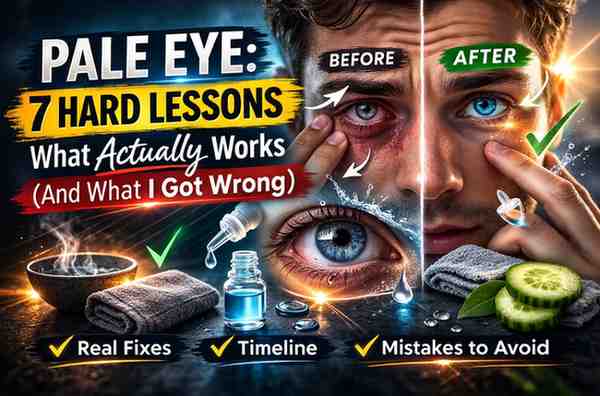
Pale Eye: 7 Hard Lessons, Real Frustration, and the Small Wins That Finally Brought Relief

Pale Eye 7 Hard Lessons Real Frustration And The Small Wins That Finally Brought Relief 1
Pale Eye 7 Hard Lessons Real Frustration and the Small Wins That Finally Brought Relief

Honestly, I didn’t think Pale Eye would turn into this whole thing. I noticed it in the mirror one morning and figured it was just bad sleep or too much screen time. A week later it was still there. Then two weeks. Then I started Googling at 1:30 a.m. like a panicked raccoon, comparing my eye to random photos online and spiraling a little.

Not gonna lie… it messed with my head more than I expected. It looked off. People started asking if I was tired. I tried to play it cool, but it hit that insecure nerve. You know the one.

So yeah—this is me walking you through what Pale Eye looked like in real life for me. The stuff I tried first that didn’t work. The couple of things that finally helped. The parts nobody really warns you about. And whether this is even worth trying if you’re already tired of throwing time and money at eye problems.


Why I Even Tried to “Fix” This (And What I Got Wrong at First)

I assumed Pale Eye was just dryness. That’s what every generic article kind of hints at. “Use drops. Blink more. Hydrate.” Cool. I did all that.

Here’s what I misunderstood early on:

  • I treated it like a single problem instead of a mix of issues.

  • I expected fast results. Like, days. Maybe a week.

  • I thought one product would magically fix it. ????

Reality check: Pale Eye isn’t one thing. From what I’ve seen, at least, it’s more like a symptom that can come from different causes:

  • chronic dryness

  • eye strain

  • allergies

  • irritation from contacts

  • inflammation around the eyelids

  • sometimes underlying health stuff (which I didn’t want to hear, but… yeah)

I kept chasing the “one fix” instead of addressing the pattern.

That cost me weeks.


The First Stuff I Tried (And Why It Barely Helped)

Let me save you some time. This is what I did in the beginning:

  • Random over-the-counter eye drops
    Helped for like… 10 minutes. Then the pale, washed-out look came right back.

  • Chugging water like it was a personality trait
    Hydration helped overall, but it didn’t magically fix my eyes.

  • Sleeping more (when I could)
    Better sleep made me feel human again. Pale Eye? Still there.

  • Staring at screens less (in theory)
    In reality, I work on screens. I tried to cut back, but half-measures don’t move the needle much.

This honestly surprised me. I expected at least one of these to noticeably change how my eyes looked. They didn’t. Not in a way anyone else could see.

What they did do:
They stopped things from getting worse. That’s not nothing. But it wasn’t the “oh wow, my eyes look normal again” moment I was hoping for.


What Finally Started Working (Slowly, Annoyingly, But For Real)

This part is less sexy because it’s not one magic trick. It was a stack of small changes that took time to show up.

1. Treating the eyelids, not just the eyeball

Nobody told me this early on. I kept putting drops in my eyes, but the irritation was partly around the lids.

What helped:

  • Warm compress on closed eyes (5–10 minutes)

  • Gentle eyelid cleaning (I used pre-made wipes, because DIY cotton pad stuff felt sketchy near my eyes)

This took about 10–14 days before I noticed my eyes looked less dull. Not fixed. Just… less sad.

2. Switching drops (and using them correctly)

Turns out not all drops are the same. Some have preservatives that can actually make irritation worse if you use them often.

What I changed:

  • Preservative-free drops

  • Using them before my eyes felt awful, not after

This was one of those “why didn’t anyone tell me this sooner” moments.

3. Screen breaks that were actually breaks

I thought looking away from my laptop for 10 seconds counted. It didn’t.

What worked better:

  • Every 20–30 minutes, I stood up

  • Looked at something far away

  • Blinked on purpose (felt dumb, helped anyway)

Tiny habit. Boring. Effective over time.

4. Allergy awareness (this one caught me off guard)

I didn’t think of myself as “an allergy person.” Turns out mild allergies can still mess with your eyes without full-on sneezing fits.

Once I paid attention:

  • Pale Eye was worse on dusty days

  • Worse after cleaning

  • Worse during certain seasons

Managing that made a visible difference for me. I didn’t expect that at all.


How Long Did It Take to See Real Change?

Short answer: longer than I wanted.

Here’s the rough timeline for me:

  • Week 1: Basically no visible change. Mild comfort improvement.

  • Week 2–3: Less irritation. Slightly healthier color.

  • Week 4+: Other people stopped asking if I was tired. That was the first real win.

So yeah. If you’re hoping Pale Eye clears up in 48 hours, this is probably going to disappoint you.

It’s more of a “quiet progress” thing. You don’t wake up cured. You just slowly realize the problem isn’t dominating your face anymore.


Common Mistakes That Slowed My Progress

I messed this up at first, so you don’t have to:

  • Switching products too fast
    I’d try something for three days, see no miracle, then ditch it.

  • Only treating symptoms
    Drops without fixing habits = temporary relief, nothing more.

  • Assuming it was cosmetic
    When I treated it like a health signal instead of just an appearance issue, things improved faster.

  • Going all-in, then quitting
    Consistency beat intensity. Every time.


Mini FAQ (The Stuff People Actually Ask)

Is Pale Eye something serious?
Usually it’s not dangerous on its own. But it can be a sign your eyes are irritated, dry, or inflamed. If it’s sudden, painful, or comes with vision changes, that’s doctor territory.

Can Pale Eye go away on its own?
Sometimes, yeah. Especially if it’s from short-term fatigue or mild irritation. Chronic cases usually need habit changes, not just waiting it out.

Do eye drops fix Pale Eye?
They can help, but they’re rarely the full solution. Think support, not cure.

Is this worth trying to fix, or should I just live with it?
Depends how much it bugs you. For me, the confidence hit was real enough to care. If it’s not bothering you emotionally or physically, you might not need to obsess over it.


Objections I Had (And Maybe You Do Too)

“This sounds like a lot of effort for something cosmetic.”
Totally fair. I thought that too. But once I realized Pale Eye was tied to actual irritation, it stopped feeling shallow to care about it.

“I don’t have time for all these routines.”
Same. I didn’t adopt everything. I picked 2–3 habits I could live with. That was enough to move the needle.

“What if none of this works for me?”
That’s possible. Some cases have deeper causes. That’s where getting a professional opinion can save you months of guessing.


Reality Check (No Sugarcoating This Part)

This isn’t magic.
This isn’t instant.
And this won’t fix every case of Pale Eye.

It can also:

  • Plateau (progress stops for a while)

  • Flare up during stress or bad sleep weeks

  • Come back if you drop the habits completely

I had a week where everything looked worse again and I wanted to throw my eye drops in the trash. Then it settled. That swingy progress is annoying but normal.

Who this is NOT for:

  • People who want overnight cosmetic fixes

  • Anyone unwilling to change screen habits even a little

  • Folks dealing with sudden, painful eye changes (please get that checked)


Practical Takeaways (The Stuff I’d Actually Tell a Friend)

If I could rewind, I’d tell myself:

  • Start with comfort, not appearance

  • Pick two habits you’ll actually keep

  • Give it at least 3–4 weeks before judging results

  • Use preservative-free drops if you’re using them often

  • Treat your eyelids, not just your eyeballs

  • Expect emotional ups and downs (it’s weird how personal eye stuff feels)

No guarantees.
No miracles.
Just better odds if you don’t half-ass it.


Still… I get the frustration. Looking in the mirror and seeing Pale Eye can feel like your body is quietly judging you for being tired, stressed, or glued to screens. It’s annoying. It’s subtle. It messes with your confidence more than it should.

So no — this isn’t some instant glow-up trick. But for me? It stopped feeling like a losing battle. The small wins added up. And honestly, that relief alone made it feel worth trying.

Skincare for Sensitive Skin: 11 Hard Lessons That Finally Brought Relief (After So Much Frustration)

Skincare For Sensitive Skin 11 Hard Lessons That Finally Brought Relief After So Much Frustration 1
Skincare for Sensitive Skin 11 Hard Lessons That Finally Brought Relief After So Much Frustration

Honestly, I didn’t think this would work. I’d already tried three “gentle” routines, spent way too much money, and still woke up with stinging cheeks and mystery bumps. My face felt like it was mad at me for even trying. Skincare for sensitive skin sounded simple on paper. In real life? It felt like guessing in the dark and paying for the privilege. Not gonna lie… I was tired of hoping.

What finally changed things wasn’t one miracle product. It was a slow, kind-of-annoying process of unlearning what I thought I knew. Some of it worked. Some of it backfired. A few things surprised me. And a couple mistakes set me back weeks.

If your skin freaks out over “gentle” products and you’re exhausted from patch-testing your way through disappointment, I get it. Here’s what actually helped me stabilize things—and what I’d do differently if I had to start over.


Why I Even Tried (And What I Got Wrong at First)

I didn’t wake up one day deciding to “do sensitive skin right.” I was forced into it.

My skin started reacting to everything at once. Cleanser burned. Moisturizer tingled. Sunscreen turned my cheeks into tomato-red splotches. I thought my barrier was “a little damaged.” Cute. It was wrecked.

What I misunderstood early on:

  • I thought sensitive skin meant “use gentle products.”

  • I didn’t realize how much overdoing gentle products could still irritate my skin.

  • I assumed more hydration = faster healing. (Nope.)

  • I kept changing products every week because I wanted results fast.

That last one? Big mistake. My skin never got a chance to calm down. I kept introducing new variables, then blaming the wrong thing when I reacted.

From what I’ve seen, at least, sensitive skin doesn’t like chaos. It wants boring. Repetition. Predictability. Which is… not exciting.


The First Month: What Failed (So You Don’t Repeat It)

I messed this up at first. Badly.

1) I went “all gentle” overnight

I replaced everything in one go. Cleanser, toner, serum, moisturizer, sunscreen.
Result: I had no idea what was causing the burning.

Lesson:
Change one thing at a time. Wait 7–10 days. Yes, it’s slow. Yes, it’s annoying. But it saves you from spiraling.

2) I trusted labels too much

“Dermatologist-tested.” “Hypoallergenic.” “For sensitive skin.”
Cool words. Zero guarantees.

Some of my worst reactions came from products literally marketed for sensitive skin. Fragrance-free helped, but it wasn’t the whole story.

Lesson:
Look at the ingredient list. Fewer ingredients usually = fewer chances to react.

3) I exfoliated to “fix texture”

This one hurts to admit.
I thought gentle exfoliation would smooth things out. It did. For two days. Then my skin burned for two weeks.

Lesson:
If your skin barrier is damaged, exfoliation (even mild acids) can set you back. A lot.


What Actually Started Working (Slowly, Quietly)

This is the boring part that ended up saving me.

I stripped my routine down to four things:

AM

  • Very mild cleanser (or just water some mornings)

  • Basic moisturizer

  • Mineral sunscreen

PM

  • Same mild cleanser

  • Same moisturizer

That’s it. No actives. No toners. No “soothing” serums with 20 plant extracts. I wanted to know exactly what was touching my skin.

The products that worked had three things in common:

  • Short ingredient lists

  • No fragrance (not even essential oils)

  • Barrier-supporting ingredients (ceramides, glycerin, petrolatum, squalane)

This honestly surprised me:
My skin did better with slightly heavier moisturizers than lightweight gels. I thought gels would feel safer. Turns out, my barrier needed real protection.

What I noticed first (and when)

Timeline (from what I experienced):

  • Days 3–5: Burning sensation stopped getting worse

  • Week 2: Redness calmed down a little

  • Week 3–4: Texture smoothed out

  • Month 2: Fewer random flare-ups

  • Month 3: I stopped thinking about my skin all day (huge win)

This wasn’t dramatic. No overnight glow-up. Just fewer bad days stacked together until it felt… manageable.


The Small Habits That Mattered More Than Products

Not glamorous. Still important.

  • Lukewarm water only
    Hot water wrecked me. My face would sting for hours after a hot shower.

  • Pat dry, don’t rub
    Sounds silly. Made a difference.

  • Hands off
    Touching my face constantly = more redness. I didn’t realize how often I did it until I tried to stop.

  • Same routine morning and night
    My skin seemed to relax when it knew what was coming.

  • Sunscreen, even when staying inside
    UV made my sensitivity worse over time. Mineral formulas were gentler for me.

Still, I had flare-ups. Stress did it. Bad sleep did it. Random weather changes did it. Sensitive skin isn’t a perfectly controlled experiment.


Common Mistakes That Slow Everything Down

If you’re stuck in the cycle, one of these might be why:

  • Switching products too often

  • Adding actives too early

  • Chasing “calming” ingredients without patch testing

  • Over-cleansing because your skin feels irritated

  • Using too many layers “just to be safe”

  • Ignoring sunscreen

  • Expecting fast results

Honestly, impatience caused most of my setbacks.


Short FAQ (People Also Ask, But In Real Life Terms)

How long does skincare for sensitive skin take to work?
From what I experienced, noticeable calming took 2–4 weeks. Real stability took closer to 2–3 months. Faster if you don’t mess with your routine.

Is it worth sticking to a boring routine?
Not gonna lie… it’s boring. But yes. The relief of not burning all the time is worth the lack of fun.

What if nothing works?
If your skin reacts to everything, it might be more than just sensitivity. Allergies, rosacea, or eczema can look similar. A dermatologist saved me months of guessing.

Can I ever use actives again?
Eventually, maybe. I reintroduced one gentle active after three months. Slowly. Very slowly. Patch testing like my life depended on it.


Objections I Had (And How They Played Out)

“This is too minimal. My skin needs more help.”
I thought this too. Turns out my skin needed less interference, not more.

“I’ll never see results without actives.”
I saw stability without actives. That came first. Results came later.

“Mineral sunscreen feels gross.”
Sometimes, yeah. Still better than burning every afternoon.

“This costs too much.”
My routine got cheaper when I stopped chasing trendy serums. Fewer products = fewer receipts.


Reality Check (Stuff That Can Go Wrong)

Let’s be real:

  • Your skin might react to a “safe” ingredient anyway.

  • Healing can stall if you’re stressed, not sleeping, or constantly in AC/heat.

  • You might think something is working, then flare up for no clear reason.

  • Progress isn’t linear. Two steps forward, one step back is normal.

  • You can still have sensitive skin even when you’re doing everything “right.”

This approach isn’t magic. It’s management.


Who This Is NOT For

  • People who want fast, dramatic changes

  • Anyone unwilling to simplify their routine

  • Folks who hate patch testing

  • Anyone expecting one product to fix everything

  • People with undiagnosed skin conditions who avoid professional help

If you want instant results, this will feel painfully slow.


What I’d Do Differently If I Started Today

  • Start with the simplest routine from day one

  • Patch test everything (even “gentle” stuff)

  • Wait at least 10 days before adding anything new

  • Track reactions in notes (sounds extra, helps a lot)

  • Stop doom-scrolling skincare trends when my skin is flaring

  • See a dermatologist sooner instead of playing detective


Practical Takeaways (No Hype, Just Real)

Do this:

  • Keep your routine boring and consistent

  • Choose fewer-ingredient formulas

  • Use mineral sunscreen

  • Give changes at least 2–4 weeks

  • Patch test like a paranoid person

Avoid this:

  • Layering multiple new products

  • Exfoliating irritated skin

  • Trusting labels over ingredients

  • Switching routines every few days

  • Expecting instant relief

What to expect emotionally:

  • Frustration early

  • Doubt when progress is slow

  • Relief when burning stops

  • Impatience to “do more”

  • Quiet confidence when flare-ups become rare

What patience looks like:

  • Sticking with a routine even when it feels too simple

  • Not chasing trends

  • Letting your skin be boring for a while

  • Accepting slow progress

So yeah. Skincare for sensitive skin isn’t glamorous. It’s mostly about not messing things up. Still, the first morning I washed my face without wincing? That felt huge. Not perfect. Not magical. Just… possible again. And honestly, after months of feeling stuck, possible was enough to keep going.

How to Manage Stress Effectively: 17 Real-Life Lessons That Finally Brought Me Relief

How To Manage Stress Effectively 17 Real Life Lessons That Finally Brought Me Relief 1
How to Manage Stress Effectively 17 Real Life Lessons That Finally Brought Me Relief

Honestly, I didn’t think learning how to manage stress effectively would change much. I’d already tried the usual stuff. Breathing apps. Journaling for three days and quitting. Long walks I half-resented because I felt “too busy” to be walking. I kept telling myself I was just wired this way—always on edge, always tired, always one bad email away from spiraling.

Not gonna lie… I felt stupid for hoping again.

But stress has a way of cornering you. Mine showed up in dumb ways at first—tight jaw, snapping at people I like, lying awake replaying conversations I didn’t even care about. Then it got louder. Headaches. Random chest tightness. That low-level dread that hums in the background while you’re trying to work. So yeah, I finally stopped pretending this was “just my personality” and started taking stress seriously.

This isn’t a neat system. It’s what actually helped me, after messing it up a bunch of times.


The stuff I tried first (and why it didn’t work)

I went in hot with “fix my life” energy. Bad move.

Here’s what I tried early on:

  • Meditation marathons.
    I’d sit for 20 minutes, get bored at minute three, then feel like a failure.
    Result: more stress. Cool.

  • Productivity hacks.
    Color-coded to-do lists. Pomodoro timers. Fancy planners.
    I was organized… and still stressed. Turns out being efficient at chaos is still chaos.

  • Motivational content binges.
    Podcasts. YouTube. Quotes about hustle.
    This honestly made it worse. I felt like everyone else had it figured out and I was behind.

What I misunderstood: I thought stress was a mindset problem. Like if I just thought differently, I’d feel different.

From what I’ve seen, at least, stress is a body + environment + habit loop. You can’t “out-think” a nervous system that’s been in fight-or-flight for years.


The shift that surprised me (and changed the game)

This honestly surprised me: stress went down when I made my life smaller.

Not smaller goals. Smaller daily load.

I stopped trying to optimize everything and focused on reducing friction. Tiny changes:

  • Fewer tabs open (both on my browser and in my head)

  • Saying no to one extra thing per week

  • Letting some days be “good enough” instead of perfect

It felt lazy at first. Then it felt… calm. I didn’t expect that at all.


What actually helped me manage stress (messy, real version)

I’ll break this down the way it happened, not the way self-help books organize it.

1. I stopped treating stress like an emergency

Every time I felt stressed, I used to react like: “Oh no, I’m stressed. I need to fix this NOW.”

That panic added another layer of stress.

What worked better:

  • Noticing stress

  • Naming it quietly: “Okay, I’m tense right now.”

  • Doing one small regulating thing instead of ten dramatic fixes

Sometimes that regulating thing was literally standing up and stretching my shoulders. That’s it.

2. I picked boring routines (and stuck with them)

No aesthetic morning routine here. Just stuff that didn’t require motivation:

  • Same wake-up window most days

  • Water before caffeine (I hated this at first)

  • 10-minute walk outside even when I didn’t feel like it

This took about 2–3 weeks before I noticed my baseline stress drop. Not vanish. Drop.

How long does it take to manage stress effectively?
From my experience, you’ll feel tiny shifts in days, real shifts in weeks, and deeper stability in months. The early phase is annoying because progress is quiet.

3. I learned my personal stress triggers (not the generic ones)

Generic advice says: avoid stressors. Cool. But mine were sneaky.

My biggest triggers:

  • Skipping meals

  • Too much screen time late at night

  • Overcommitting socially when I was already tired

  • Certain people (yeah, I said it)

Once I saw patterns, stress stopped feeling random. It felt… predictable. Predictable is manageable.

4. I messed up breathing exercises (until I didn’t)

Breathing techniques annoyed me. Counting breaths felt fake.

What worked:

  • Inhale through nose, long exhale through mouth

  • No counting. No timer. Just longer exhales.

Why this works (in real life terms): long exhales tell your nervous system to chill. That’s not theory. I felt it in my chest. My jaw unclenched.

I messed this up at first by trying to “do it right.”
Turns out “good enough breathing” still works.

5. I reduced stress by subtracting, not adding

This was the biggest mindset flip.

Instead of adding:

  • Another app

  • Another routine

  • Another technique

I asked:

  • What can I remove this week?

Things I removed:

  • Doomscrolling before bed

  • One optional weekly obligation

  • News alerts

My stress dropped without adding anything new. Wild.


Real routines that didn’t make me roll my eyes

Here’s what stuck. Not every day. Just often enough.

Morning (5–10 minutes total):

  • Drink water

  • Stand by a window and breathe

  • Look at the day’s top 1–2 priorities only

Midday reset (2 minutes):

  • Stand up

  • Roll shoulders

  • Long exhale x5

Evening wind-down:

  • Phone out of bed area

  • Low light

  • Same-ish bedtime window

This isn’t sexy. But it’s sustainable. And that matters more.


Common mistakes that slowed everything down

If you’re trying to manage stress effectively and it’s not clicking, check these:

  • Trying to fix everything at once
    Overhauls spike stress before they lower it.

  • Waiting to feel motivated
    Motivation follows action, not the other way around.

  • Judging yourself for being stressed
    That shame loop is brutal.

  • Copy-pasting someone else’s routine
    What calms one person might annoy you.

  • Using stress tools only when you’re already overwhelmed
    They work better as maintenance, not emergency brakes.


Is it worth it? (The honest version)

Short answer: yeah, but not in a cinematic way.

This didn’t turn me into a calm monk. I still get stressed. Deadlines still exist. Life still life-s.

But the difference is:

  • Stress doesn’t hijack my whole day anymore

  • I recover faster

  • I catch spirals earlier

  • I’m less mean to myself about it

If you’re expecting zero stress forever, you’ll be disappointed. If you’re okay with “less intense, less constant,” this is worth trying.


Objections I had (and what changed my mind)

“I don’t have time for stress management.”
I said this while spending 45 minutes scrolling at night. Time was there. Energy was misallocated.

“This stuff won’t work for my kind of stress.”
I thought my stress was special. It wasn’t. It was human stress with a dramatic storyline.

“I’ve tried this already.”
Same. But I hadn’t tried it consistently, or gently, or without turning it into a performance.


Quick FAQ (People Also Ask vibes)

How long does it take to manage stress effectively?
Small relief can show up in days. Real baseline change usually takes a few weeks. Stability builds over months.

What if nothing works for me?
If you’ve tried small, consistent changes for 4–6 weeks with no shift at all, that’s a sign to get outside support. Therapy, coaching, or medical checkups can uncover stuff habits can’t.

What are the fastest ways to calm stress right now?

  • Long exhales

  • Standing up and moving your body

  • Cold water on your face

  • Naming what you’re feeling out loud

Is this just mindset work?
No. Body stuff matters. Sleep, food, movement, light exposure. Stress lives in your nervous system, not just your thoughts.


Reality check (who this is NOT for)

This approach might frustrate you if:

  • You want instant, dramatic transformation

  • You hate routines with a passion

  • You’re dealing with severe anxiety or trauma and refuse outside support

  • You’re not willing to change small daily habits

Also, some seasons of life are just objectively stressful. This won’t erase grief, financial pressure, or real-world problems. It helps you carry them with less damage.


Practical takeaways (no hype, just real)

What to do:

  • Start smaller than you think you should

  • Build 1–2 boring, repeatable habits

  • Focus on reducing friction in your day

  • Use body-based calming tools, not just mindset shifts

What to avoid:

  • All-or-nothing overhauls

  • Comparing your calm to someone else’s highlight reel

  • Shaming yourself for still feeling stressed

What to expect emotionally:

  • Early awkwardness

  • Mild frustration

  • Small wins that don’t feel dramatic

  • Occasional backslides (normal)

What patience looks like:

  • Doing the same simple thing on days it doesn’t feel helpful

  • Letting progress be quiet

  • Not quitting after one bad week


So yeah. This isn’t magic. I still have days where my chest tightens and my brain goes into “everything is urgent” mode. But learning how to manage stress effectively made those days feel… survivable. Manageable.

And honestly? That shift—from “I’m drowning” to “I’m staying afloat”—was enough to keep me trying.

Coping with Depression: 9 Hard-Won Lessons That Finally Brought Relief (After Years of Frustration)

Coping With Depression 9 Hard Won Lessons That Finally Brought Relief After Years Of Frustration 1
Coping with Depression 9 Hard Won Lessons That Finally Brought Relief After Years of Frustration

Honestly, I didn’t think this would work.
I’d already tried three other things and felt stupid for hoping again. Every time someone said “just try one more thing,” I wanted to throw my phone across the room. Coping with depression sounded like a polite phrase people used when they didn’t know what to say. Like… cope how? With what energy? With what brain?

Not gonna lie, I spent a long time doing the bare minimum and calling it “self-care.” I canceled plans. I doomscrolled. I told myself rest was healing. Some of that was necessary. Some of it quietly kept me stuck. The line between “be gentle with yourself” and “I’m disappearing from my own life” got blurry fast.

What finally helped wasn’t one big breakthrough. It was a messy pile of small, annoying changes that didn’t look impressive on Instagram. Some failed. Some half-worked. A few surprised me enough that I kept going. From what I’ve seen, at least, coping with depression isn’t about finding the perfect fix. It’s about building a setup where the bad days don’t completely run the show.

Here’s what that looked like for me. Take what fits. Leave the rest.


Why I even tried to change anything (and what I got wrong at first)

I didn’t start because I was motivated.
I started because I was tired of scaring myself with how numb I felt. The kind of numb where nothing hurts but nothing matters either. That honestly freaked me out more than the sad days.

What I misunderstood at first:

  • I thought coping with depression meant feeling “better” fast

  • I expected motivation to show up before action

  • I believed I needed to fix everything at once

  • I kept looking for a method that would finally make me “normal”

None of that was true.

What I learned the hard way:

  • Action sometimes comes before motivation

  • Progress can feel boring, not inspiring

  • You don’t climb out. You build handholds

  • Feeling 10% less heavy still counts

I messed this up at first by trying to overhaul my entire life in one week. New routine. New habits. New me. Burned out by day four. Then I felt like a failure again. Rinse, repeat.

The shift happened when I went smaller. Annoyingly smaller.


The unglamorous routines that actually helped (for me, anyway)

I used to roll my eyes at routines. They sounded like something people with functional brains used. Turns out, routines are less about discipline and more about not having to decide everything when your brain is foggy.

Here’s what stuck. Not perfectly. But enough.

1. One tiny anchor in the morning

I didn’t become a “morning person.”
I picked one stupidly simple anchor:

  • Drink water

  • Open the curtains

  • Sit on the edge of the bed for 60 seconds

That’s it. No journaling epiphany. No sunrise yoga. Just proof that the day had started and I was in it.

Why this works (from what I’ve seen, at least):
It interrupts the spiral of staying frozen in bed replaying yesterday. It’s not about productivity. It’s about orientation.

Common mistake:
Setting a 10-step morning routine and then hating yourself when you can’t do it.

2. Moving my body without pretending I love it

I kept trying workouts I hated. Then I avoided movement altogether.
What finally worked was choosing movement I could tolerate:

  • Walking around the block

  • Stretching while watching trash TV

  • Standing up and shaking out my arms like a weirdo

Did it cure anything? No.
Did it slightly change the texture of the day? Yeah. That honestly surprised me.

Why this helps:
Movement nudges your nervous system. It’s not magic. It’s physics and biology doing a small favor.

What failed:
Forcing myself into intense workouts when I was already depleted. That just added shame.

3. Externalizing the mess in my head

My thoughts were a loud, messy room.
So I started dumping them out. Notes app. Paper. Voice memos. Whatever was easiest.

Not pretty. Not insightful. Just honest.

  • “I feel heavy for no reason.”

  • “I hate how slow I am.”

  • “I don’t trust that this gets better.”

Seeing it written down made it… less fused to me. Like, okay, that’s a thought. Not a prophecy.

Why this works:
It creates space between you and the spiral. You can’t untangle what you never put outside your head.

Mistake I made:
Trying to write “positive affirmations” when I didn’t believe them. That just made me mad.

4. Shrinking decisions when everything feels hard

Depression turns normal choices into exhausting debates.
So I pre-decided boring stuff:

  • Two go-to meals

  • One default outfit formula

  • A short list of “okay” activities when I feel blank

This wasn’t about optimizing life. It was about reducing friction.

Why this helps:
Fewer decisions = less mental load. Less mental load = slightly more energy for coping with depression.

What to watch out for:
Rigidity. If your system becomes another way to punish yourself, loosen it.


What surprised me (and made me change course)

This honestly surprised me:
The days I felt a tiny bit better weren’t the days I “won.” They were the days I showed up messy and still did one small thing.

Other surprises:

  • Talking about it didn’t magically lighten everything, but it stopped the isolation from getting louder

  • Therapy wasn’t a breakthrough machine; it was a slow mirror

  • Medication (for some people) can help stabilize the floor, not build the house

  • Sleep affected my mood way more than I wanted to admit

I didn’t expect that at all:
How much my environment mattered. Lighting. Noise. Who I was around. Tiny tweaks there changed my baseline more than some big emotional conversations.


How long does coping with depression take, realistically?

Short answer: longer than you want. Shorter than “never.”

From what I’ve seen:

  • Some changes help within weeks (sleep, routine, movement)

  • Deeper patterns take months

  • Setbacks don’t mean you’re back at zero

  • Progress is uneven. Annoyingly uneven.

There were weeks I felt lighter.
Then a random Tuesday would knock me flat. I used to interpret that as failure. Now I see it as part of the rhythm. Not proof that coping with depression “isn’t working.”

What slows things down:

  • Expecting linear improvement

  • Comparing your timeline to someone else’s

  • Stopping everything after one bad week

  • Only trying things when you feel motivated


The mistakes that quietly kept me stuck

I’m saying this gently because I did all of these:

  • Waiting to “feel ready” before getting support

  • Treating coping strategies like a personality test (if one didn’t click, I quit the whole idea)

  • Doomscrolling mental health content instead of doing one small thing

  • Using rest as an excuse to avoid any discomfort

  • Believing I had to feel hopeful for progress to count

One big “don’t repeat my mistake” moment:
I treated bad days like proof that nothing was working. In reality, bad days were just days. They didn’t erase the boring, slow progress underneath.


Is coping with depression actually worth the effort?

Not gonna lie, there were days I resented the effort.
Why do I have to work this hard just to feel okay?

But here’s the honest answer for me:

  • It didn’t turn me into a new person

  • It didn’t erase the lows

  • It did make the lows less catastrophic

  • It gave me more say in how much depression ran my life

So yeah. For me, coping with depression was worth it.
Not because it fixed everything. Because it made the bad days survivable and the okay days more frequent.

If you’re hoping for a clean “before and after,” you’ll probably hate this approach.
If you’re okay with “slightly less awful over time,” it might be worth trying.


Who will probably hate this approach

This is important.

This whole slow, practical, build-a-baseline way of coping with depression is probably not for you if:

  • You want fast emotional relief

  • You hate routines on principle

  • You’re looking for a single solution

  • You don’t want to experiment at all

  • You’re in a crisis and need immediate, intensive support

And that’s okay. Different tools for different seasons.


Objections I had (and how I talk back to them now)

“I don’t have the energy for this.”
Yeah. That’s real. That’s why the steps have to be tiny. If it requires energy you don’t have, it’s too big.

“This feels pointless.”
It often does at first. Pointlessness is a symptom, not a verdict.

“Other people get better faster.”
True. And other people have different brains, support systems, and histories. Comparison is a terrible coach.

“I’ve already tried stuff like this.”
Same. Trying again doesn’t mean you failed before. It means your needs changed.


Reality check (because this isn’t a miracle story)

Let’s be honest for a second.

Coping with depression can:

  • Feel slow

  • Feel unfair

  • Stir up emotions you’ve been avoiding

  • Get worse before it gets clearer

  • Require support you didn’t want to ask for

What can go wrong:

  • You might overdo it and burn out

  • You might pick strategies that don’t fit you

  • You might misinterpret numbness as “healing”

  • You might quit right before something starts to help

This is not for everyone.
And sometimes, the most responsible form of coping with depression is getting professional support, crisis resources, or medical care. There’s no moral badge for doing it alone.


Quick FAQ (the stuff people usually Google)

Does coping with depression work for everyone?
No. Different brains, different needs. What helps one person might annoy another.

How long before I notice anything?
Some people notice small shifts in a few weeks. Bigger changes usually take months. Set expectations low on purpose.

Can I do this without therapy or medication?
Some people can. Some can’t. This isn’t a contest. Tools stack better together.

What if nothing helps?
That’s a real fear. It might mean you haven’t found the right mix yet. It might also mean you need more support than self-guided coping can offer.


Practical takeaways (no hype, just real stuff)

If you’re going to try coping with depression in a grounded way, here’s what I’d actually suggest:

What to do

  • Pick one tiny daily anchor

  • Reduce decisions where you can

  • Move your body in tolerable ways

  • Externalize your thoughts

  • Track what slightly helps

What to avoid

  • Overhauling your life overnight

  • Treating setbacks as failure

  • Forcing positivity you don’t feel

  • Comparing your timeline to anyone else

  • Isolating completely

What to expect emotionally

  • Boredom

  • Frustration

  • Tiny wins that feel unimpressive

  • Occasional “oh… this helped” moments

  • Backslides that don’t erase progress

What patience looks like

  • Doing the same small thing again

  • Letting results be subtle

  • Not quitting on your worst day

  • Adjusting instead of abandoning

No guarantees.
No miracle claims.
Just a way to make the weight a little more manageable.


I still have days where I don’t want to do any of this.
Some days I ignore my own advice and lie to myself about “rest” when I’m really avoiding life. Then I notice the heaviness creep back in, and I course-correct. Not perfectly. Just enough.

So no — this isn’t magic.
But for me? Coping with depression stopped feeling like a hopeless concept and started feeling like a set of tools I could reach for. Some days I use them. Some days I don’t. Still… having them there changed how trapped I feel.

And that was enough to keep going.

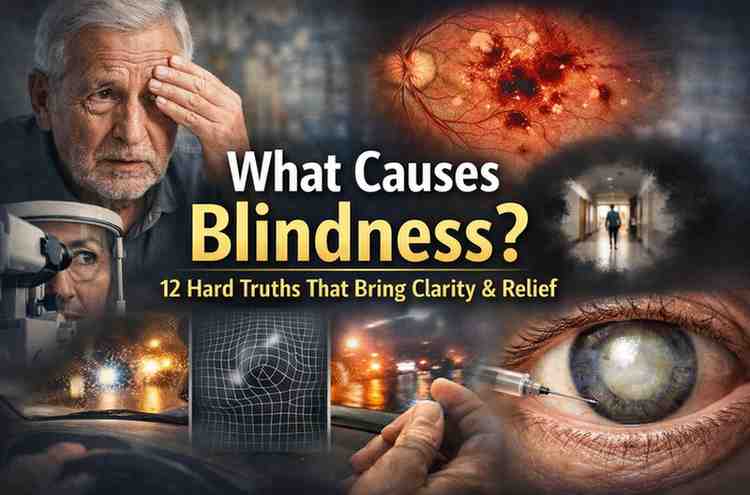
What Causes Blindness? 12 Hard Truths That Bring Clarity & Relief

What Causes Blindness 12 Hard Truths That Bring Clarity Relief 1
What Causes Blindness 12 Hard Truths That Bring Clarity Relief

I can’t tell you how many times I’ve sat across from someone who thought blindness was something that “just happens.” Usually later in life. Usually to someone else.

Then a diagnosis lands.

Glaucoma. Diabetic retinopathy. Macular degeneration.

And suddenly the question isn’t abstract anymore. It’s urgent.
What causes blindness — and could I have stopped this?

From what I’ve seen, most people don’t ignore their eyes on purpose. They just misunderstand the timeline. Vision loss is often quiet. Gradual. Boring. Until it’s not.

Let me walk you through the real patterns I’ve seen — across older adults, middle-aged professionals, people with diabetes, even younger patients who thought they were “too healthy” to worry.

Because blindness rarely comes out of nowhere.

It usually leaves clues.


First: What Causes Blindness Most Often in the U.S.?

If we strip away the noise, four conditions account for the majority of blindness cases in the United States:

  • Age-related macular degeneration (AMD)

  • Glaucoma

  • Diabetic retinopathy

  • Cataracts

Each one behaves differently. Each one tricks people in different ways.

And almost everyone I’ve seen struggle with this does the same thing at first:

They wait for pain.

Most major causes of blindness are painless in early stages.

That’s the trap.


1. Age-Related Macular Degeneration (AMD)

This one honestly surprised me when I started watching families navigate it.

AMD affects central vision — the part you use to read, drive, recognize faces.

From what I’ve seen:

  • People notice words look wavy.

  • Faces seem slightly distorted.

  • Straight lines bend.

  • Colors fade subtly.

But because peripheral vision remains intact, many people delay evaluation.

They adjust lighting. Increase font size. Blame fatigue.

By the time they act, damage may already be significant.

Why it causes blindness:
The macula — the central retina — degenerates over time. In wet AMD, abnormal blood vessels leak under the retina, accelerating vision loss.

What most people misunderstand:
They think “aging” means “nothing can be done.”
That’s not true. Early detection changes outcomes dramatically.


2. Glaucoma: The Silent Vision Thief

If I had to name the most quietly devastating cause of blindness, it’s glaucoma.

Most people I’ve worked with mess this up at first because:

  • There’s no pain.

  • Vision seems “fine.”

  • Changes are peripheral.

Glaucoma damages the optic nerve, usually due to increased eye pressure.

The pattern I keep seeing:

  • Peripheral vision slowly narrows.

  • The brain compensates.

  • The person doesn’t notice.

  • Then one day — driving feels off.

  • Or they bump into objects.

By the time central vision is affected, damage is permanent.

Hard truth:
Vision lost from glaucoma does not come back.

But when caught early? It can often be slowed or stabilized with drops, laser, or surgery.

Almost everyone I’ve seen struggle with glaucoma skipped routine eye exams for years.


3. Diabetic Retinopathy

This one carries emotional weight.

Because people often feel guilt.

From what I’ve seen, this is how it unfolds:

  • Someone has diabetes for years.

  • Blood sugar control fluctuates.

  • Vision feels “mostly fine.”

  • Tiny blood vessels in the retina begin leaking.

Early stages may have zero symptoms.

Then:

  • Blurry spots

  • Dark floaters

  • Sudden vision changes

I didn’t expect this to be such a common issue in people under 50. But it is.

Why it causes blindness:
Chronic high blood sugar damages retinal blood vessels, leading to bleeding, swelling, and scar tissue.

What consistently works:
Tight glucose control.
Annual dilated eye exams.
Early intervention.

What repeatedly fails:
Waiting until vision changes.


4. Cataracts (Yes, They Can Cause Blindness)

Cataracts are technically reversible — but untreated advanced cataracts absolutely cause blindness.

The pattern I see most:
  • Night driving gets harder.

  • Lights glare.

  • Colors look dull.

  • People say, “I just need new glasses.”

They delay surgery out of fear.

And honestly? Modern cataract surgery is one of the most successful procedures in medicine.

This is one of the few causes of blindness that can often be fully restored — if addressed.


Other Causes of Blindness People Overlook

Not as common, but very real:

  • Retinal detachment

  • Eye trauma

  • Genetic conditions

  • Severe infections

  • Stroke affecting visual centers

Younger adults I’ve seen often fall into trauma-related cases — sports injuries, car accidents, untreated infections.

And they always say the same thing:

“I didn’t think that could happen to me.”


Why People Miss Early Warning Signs

From watching this unfold across dozens of cases, here’s the psychology:

  1. Vision changes slowly.

  2. The brain adapts.

  3. Life feels busy.

  4. No pain = no urgency.

Most people assume blindness is dramatic.

It’s usually gradual.

Subtle.

Quiet.

Until it isn’t.


How Long Does It Take to Go Blind?

This depends entirely on the cause.

  • Glaucoma: Often years.

  • AMD: Gradual; wet type can accelerate quickly.

  • Diabetic retinopathy: Years of uncontrolled diabetes.

  • Trauma: Instant.

The important pattern?

Blindness rarely happens overnight without warning — unless it’s trauma or severe vascular events.

There are almost always early signs.


Common Mistakes I’ve Seen Over and Over

Almost everyone I’ve seen struggle with preventable vision loss did at least one of these:

  • Skipped routine eye exams.

  • Assumed glasses would fix everything.

  • Ignored diabetes control.

  • Waited for pain.

  • Dismissed subtle changes as “just aging.”

And this one:

They googled symptoms but didn’t schedule the appointment.


“Is Blindness Preventable?”

Sometimes yes. Sometimes no.

That’s the honest answer.

Often preventable or slowable:

  • Diabetic retinopathy

  • Glaucoma (with early detection)

  • Cataracts

Less preventable:

  • Advanced genetic disorders

  • Severe trauma

  • Certain aggressive retinal diseases

The earlier intervention begins, the better the outcome.

Still — prevention doesn’t mean perfection.


Who Is Most at Risk?

Patterns I’ve observed repeatedly:

  • Adults over 60

  • People with diabetes

  • Those with family history of glaucoma

  • African American and Hispanic adults (higher glaucoma risk)

  • Smokers (higher AMD risk)

Family history is a big one.

Most people don’t ask their parents about eye disease until it’s too late.


Quick FAQ (Straight Answers)

What is the leading cause of blindness in older adults?

Age-related macular degeneration and glaucoma are among the most common causes in the U.S.

Can stress cause blindness?

Not directly. But unmanaged health conditions triggered by stress (like uncontrolled diabetes) can increase risk.

Can blindness happen suddenly?

Yes — in cases of trauma, stroke, retinal detachment. Otherwise, it’s usually gradual.

Can vision come back after blindness?

Sometimes — cataracts can be reversed with surgery.
Glaucoma damage cannot be reversed.


Objections I Hear All the Time

“My vision seems fine.”
So did many people’s — until subtle field loss was measured.

“I’m too young.”
Diabetic retinopathy and genetic conditions don’t check age first.

“I’d notice if something was wrong.”
Not always. The brain compensates incredibly well.


Reality Check

This isn’t about fear.

It’s about timing.

Blindness is rarely random. It’s usually the end stage of something that started quietly years earlier.

And honestly — people often blame themselves afterward.

That part is heavy.

What helps most?

Regular eye exams.
Managing chronic conditions.
Not dismissing subtle vision shifts.

Simple. Not dramatic.

But consistent.


Practical Takeaways

If you’re wondering what causes blindness because you’re worried:

  1. Schedule a comprehensive dilated eye exam.

  2. Know your family eye history.

  3. Control blood sugar and blood pressure.

  4. Don’t wait for pain.

  5. Act on subtle changes.

Emotionally? Expect some anxiety while waiting for answers.

That’s normal.

Most outcomes I’ve seen improve dramatically when people act early.


I won’t pretend this is comforting information.

But I’ve watched enough people regain a sense of control once they understood what causes blindness — and what doesn’t — that I know clarity matters.

So no, this isn’t magic protection.

But it is awareness.

And sometimes awareness is the difference between gradual loss and preserved sight.

That shift alone?

It changes everything. ????️

Why Egg Yolk Is So Good for Diabetes: 7 Hard-Won Lessons That Finally Gave Me Relief

Why Egg Yolk Is So Good For Diabetes 7 Hard Won Lessons That Finally Gave Me Relief 1
Why Egg Yolk Is So Good for Diabetes 7 Hard Won Lessons That Finally Gave Me Relief

Honestly, I didn’t think this would work. I’d already tried three other “simple” changes and felt kind of dumb for hoping again. The advice sounded too… basic. Eat the yolk. Not just egg whites. I’d spent years dodging yolks like they were tiny cholesterol grenades. So when I first heard Why Egg Yolk Is So Good for Diabetes, I rolled my eyes.
Not gonna lie—I expected nothing.

Then my morning numbers stopped spiking the way they usually did.

Not magically. Not overnight. But enough to make me pause and go, “Okay… what is happening here?”

I’m not a doctor. I’m just someone who got tired of white-knuckling through blood sugar swings and feeling like every breakfast decision was a trap. What follows is messy, lived-in, and very much learned the hard way.


The part I misunderstood (and why I avoided yolks for years)

I grew up with the “yolks are bad” soundtrack in my head. Cholesterol fear. Heart disease fear. The whole thing. So when I was diagnosed with diabetes (type 2), I doubled down on egg whites. High protein, low fat, no guilt.
Except… my glucose would jump anyway. Especially if I paired whites with toast or “healthy” cereal. I thought protein was supposed to help. I felt betrayed.

What I missed:

  • Fat slows digestion. Without the yolk’s fat, carbs hit faster.

  • Satiety matters. Egg whites left me hungry in an hour. Hunger = snacking. Snacking = spikes.

  • Nutrients aren’t decoration. Choline, lutein, fat-soluble vitamins—those aren’t fluff. They change how your body handles food.

I didn’t expect that at all. I thought the yolk was the villain. Turns out, my pattern was the problem.


Why I tried yolks anyway (desperation, mostly)

I was in one of those weeks where everything felt fragile. Numbers up. Energy down. That low-grade frustration that sits in your chest. A friend casually said, “I eat whole eggs now. My post-breakfast readings are steadier.”
I wanted to argue. I didn’t. I was tired.

So I tried it. One whole egg. Then two. With sautéed veggies. No toast that day.
My 2-hour post-meal reading was lower than usual. Not dramatic. Just… better.

That tiny win messed with my head. In a good way.


What actually changed when I kept the yolk

From what I’ve seen, at least, the yolk didn’t “fix” my diabetes. It changed the context of my meals.

Here’s what shifted over a few weeks:

  • Slower spikes: Meals with whole eggs rose more gently than egg-white breakfasts.

  • Fewer cravings: I stopped prowling the kitchen at 10:30 a.m.

  • More consistent energy: No mid-morning crash.

  • Easier choices later: When breakfast felt grounding, lunch didn’t turn chaotic.

The surprise wasn’t the numbers alone. It was how much calmer my food decisions felt. That honestly surprised me more than any graph.


How long did it take to notice anything?

Short answer: a few days for small changes, 2–3 weeks for patterns.

Longer answer:
The first “oh?” moment came around day three. Not a miracle. Just steadier post-meal readings. The real difference showed up when I stopped treating yolks like a one-off experiment and built them into a routine.

My rough timeline:

  • Days 1–3: Slightly better post-breakfast numbers.

  • Week 1: Less snacking.

  • Weeks 2–3: Morning readings stabilized more often.

  • Month 1: I trusted the pattern enough to keep going.

If you’re expecting instant results, this will feel slow. It’s not a hack. It’s a nudge.


The routine that worked (and the one that didn’t)

I messed this up at first by changing too many things at once. Whole eggs + new bread + new supplements = zero clue what helped.

What finally worked:

  • 2 whole eggs

  • Cooked in a little olive oil or butter

  • Big pile of non-starchy veggies

  • Optional: half an avocado

  • Coffee/tea without sugar bombs

What didn’t work (for me):

  • Whole eggs plus white toast

  • Whole eggs drowned in sugary sauce

  • Skipping protein later in the day and blaming breakfast for dinner spikes

Egg yolks help in context. They’re not a shield against everything else.


Common mistakes I made (don’t repeat these)

  • Thinking more is better. I tried 4–5 eggs daily. My stomach hated me. Moderation matters.

  • Pairing yolks with fast carbs. It softened spikes, but didn’t cancel them.

  • Ignoring overall calories. Yolks add richness. Great for satiety. Not great if you’re mindlessly stacking calories.

  • Expecting cholesterol panic to be the whole story. My lipid panel didn’t freak out. Yours might change. Monitor it. Be an adult about data.


Is it worth trying?

If you’re exhausted by breakfast whiplash, yeah—it might be worth a low-stakes experiment.
Worst case? You learn your body doesn’t respond well. Best case? You find a calmer start to your day.

For me, the relief wasn’t “my diabetes is cured.” It was:
“I’m not fighting breakfast anymore.”

That’s huge when you’ve been fighting food for years.


Objections I had (and still kind of have)

“But cholesterol!”
Totally fair. Talk to your clinician. Track your lipids. Don’t outsource your health to internet strangers (including me).

“Eggs are boring.”
True. I rotate spices, veggies, textures. Boredom kills consistency.

“This feels too simple.”
Same thought. Simple doesn’t mean ineffective. Sometimes it means we ignored it because it wasn’t shiny.

“What if I hate eggs?”
Then don’t force it. There are other fat+protein combos that slow spikes. Eggs aren’t mandatory.


Reality check (the part nobody wants to hear)

  • This won’t override poor sleep.

  • This won’t fix stress eating.

  • This won’t cancel out ultra-processed food all day.

  • If you have egg allergies, liver issues, or specific lipid concerns, this might not be for you.

Results can be slow. Some weeks you’ll feel like nothing is changing. That’s normal. Diabetes progress isn’t linear. It’s annoying like that.


Quick FAQ (for the “People Also Ask” crowd)

Is egg yolk safe for people with diabetes?
For many, yes—when part of a balanced meal. Monitor your blood sugar and lipids to see how you respond.

How many egg yolks per day is okay?
From what I’ve seen, 1–2 whole eggs works for most people. More isn’t automatically better.

Does egg yolk raise blood sugar?
Eggs are low-carb. The yolk’s fat can slow carb absorption when you eat carbs with it.

Who should avoid egg yolk?
Egg allergies, certain cholesterol disorders, or if your clinician advises limiting eggs. Listen to your medical team.


Practical takeaways (no hype, just stuff that helped)

  • Start small. Try whole eggs for breakfast 3–4 days in a row.

  • Pair smart. Add veggies. Be cautious with refined carbs.

  • Watch your data. Fingersticks or CGM > vibes.

  • Don’t stack experiments. Change one thing at a time.

  • Expect emotional noise. Old food fears die hard. Be patient with yourself.

Still… I wish I’d dropped the yolk fear sooner. Not because it “fixed” me, but because it made mornings feel less hostile. That’s a weird sentence to write, but it’s true.

So yeah—this isn’t magic. It won’t carry you if the rest of your habits are chaos.
But for me? It made breakfast stop feeling like a gamble. And honestly, that relief was enough to keep going.

Red Blotches on Wrist: 9 Real Patterns I’ve Seen (and What Actually Brings Relief)

Red Blotches On Wrist 9 Real Patterns Ive Seen And What Actually Brings Relief 1
Red Blotches on Wrist 9 Real Patterns Ive Seen and What Actually Brings Relief

I can’t tell you how many times someone has rolled up their sleeve mid-conversation and said, “Does this look serious?”

It’s almost always the same tone. Slight panic. Slight embarrassment. A quiet Google spiral at 1 a.m.

Red blotches on wrist don’t look dramatic enough to feel like an emergency. But they also don’t look normal. And that gray zone? That’s what makes people anxious.

From what I’ve seen, most people don’t freak out because of pain. They freak out because they don’t know what they’re looking at.

Is it a rash? An allergy? Stress? Something worse?

Let me walk you through the real-world patterns I’ve seen over and over again — what people assume, what actually causes it most of the time in the U.S., what works, and when you should stop guessing and get checked.


First — What “Red Blotches on Wrist” Usually Turn Out to Be

In the majority of cases I’ve observed, it falls into one of these buckets:

  • Contact dermatitis (reaction to something touching the skin)

  • Heat rash or sweat irritation

  • Eczema flare-ups

  • Allergic reactions

  • Friction irritation

  • Stress-triggered skin inflammation

  • Occasionally fungal infection

  • Rarely, something systemic that needs medical care

The wrist is weirdly vulnerable.

It rubs against:

  • Watch straps

  • Fitness trackers

  • Long sleeves

  • Desk edges

  • Soap residue

  • Fragrance from hand lotion

Almost everyone I’ve seen struggle with this does one thing wrong at first:

They look for an internal cause before checking what’s touching their skin daily.


Pattern #1: The Watch Strap Nobody Suspects

I didn’t expect this to be such a common issue.

Metal bands. Cheap silicone straps. Even high-end smartwatches.

Nickel allergy is more common than people realize in the U.S. And even without allergy, sweat + friction + trapped moisture creates inflammation.

Here’s what usually happens:

  1. Red blotches appear.

  2. Person keeps wearing the watch.

  3. It gets itchier.

  4. They apply lotion.

  5. It worsens because moisture is trapped.

From what I’ve seen, removing the watch completely for 7–10 days solves about 40% of mild cases.

Not reducing wear time.
Not switching wrists temporarily.

Completely stopping.

Most people I’ve worked with mess this up at first because they don’t want to stop tracking steps or workouts.

But skin needs air. Period.


Pattern #2: Overwashing and Sanitizer Burn

Since 2020, this skyrocketed.

Hand sanitizer dries out skin aggressively. Add frequent washing. Add cold weather. The wrist crease gets dry. Microcracks form. Red blotches show up.

What surprises people?

It doesn’t always itch immediately. Sometimes it just looks red and blotchy at first.

Then a few days later — itching.

What works consistently:

  • Switching to fragrance-free cleanser

  • Using thick moisturizer immediately after washing

  • Petroleum-based barrier at night

  • Avoiding hot water

What fails almost every time:

  • Thin lotion once a day

  • Scrubbing

  • Exfoliating

  • Ignoring it because “it’s just dry skin”

Dry skin on wrists escalates fast if neglected.


Pattern #3: Heat + Sweat + Friction

This one shows up a lot in gym-goers.

Tight wrist wraps. Sweatbands. Yoga mats rubbing the same spot.

Blotches appear slightly raised. Sometimes tiny bumps. Worse after workouts.

People assume fungal infection immediately.

From what I’ve seen, it’s usually irritation, not fungus.

The fix is boring but effective:

  • Remove tight wraps for 1–2 weeks

  • Keep area dry

  • Shower promptly after sweating

  • Use loose cotton sleeves if needed

Most people don’t give it enough time.

They try something for three days, expect instant improvement, then jump to antifungal cream.

Consistency matters more than intensity here.


Pattern #4: Mild Eczema That Starts Subtle

Eczema doesn’t always start dramatic.

Sometimes it starts as red blotches on wrist that feel slightly rough.

Then slowly:

  • Skin thickens

  • Itch increases

  • Flare cycles begin

What consistently helps (from what I’ve seen across multiple cases):

  • Fragrance-free everything

  • Daily thick moisturizer (not optional)

  • Avoiding hot showers

  • Short-term hydrocortisone when flaring (under guidance)

What almost everyone gets wrong at first:

They only treat during flare-ups.

But eczema management is about prevention, not reaction.

This shift alone reduces recurrence massively.


Pattern #5: Stress

This one is harder to prove. But I’ve seen it too many times to ignore.

Deadlines spike. Sleep drops. Diet slips. Red blotches appear.

Stress increases inflammation. Skin is often first to show it.

The frustrating part?

Topical creams only partially help.

When sleep improves and stress reduces — skin calms.

Not instantly. But noticeably.

I’ve watched this pattern enough that I don’t dismiss it anymore.


When Red Blotches on Wrist Are NOT Just Irritation

This is important.

You should get medical evaluation if you notice:

  • Blotches spreading rapidly

  • Severe pain

  • Fever

  • Blisters

  • Purple or bruise-like appearance

  • Signs of infection (warmth, pus, swelling)

  • Rash that doesn’t improve after 2–3 weeks of basic care

Most cases are mild.

But ignoring persistent changes is not smart.

There’s a difference between patience and denial.


How Long Does It Usually Take to Improve?

From what I’ve seen:

  • Mild irritation: 5–10 days after removing trigger

  • Eczema flare: 1–3 weeks with consistent care

  • Contact dermatitis: Often clears within 2 weeks once trigger is removed

  • Fungal infections (if confirmed): 2–4 weeks treatment

The mistake?

People expect 48-hour miracles.

Skin heals slower than we want.

And inconsistency resets progress.


Common Mistakes I See Repeatedly

Almost everyone I’ve seen struggle with this does one of these:

  • Keeps exposing skin to the trigger

  • Switches products every 2 days

  • Over-applies multiple creams at once

  • Uses scented products

  • Scratches unconsciously at night

  • Googles worst-case scenarios

Especially the last one.

Anxiety makes it worse.


Is It Worth Trying Home Care First?

For mild, non-painful red blotches on wrist?

Yes. Usually.

Start simple:

  1. Remove watches and tight wraps.

  2. Switch to fragrance-free soap.

  3. Moisturize twice daily.

  4. Avoid hot water.

  5. Don’t scratch.

Give it 10–14 days.

If improving — stay consistent.

If worsening — escalate.

That’s a reasonable decision path.


Quick FAQ (People Also Ask Style)

Are red blotches on wrist serious?
Usually no. Most are irritation or mild dermatitis. But spreading, pain, or systemic symptoms need medical care.

Can stress cause red blotches?
Indirectly, yes. Stress can trigger inflammatory skin reactions.

Should I use hydrocortisone?
Short-term, mild use can help inflammatory rashes. But don’t overuse without guidance.

Is it an allergy?
Often contact-related. Watches, metals, detergents are common triggers.

What if it doesn’t itch?
It can still be irritation or dermatitis even without itch initially.


Objections I Hear All the Time

“I’ve already tried lotion.”

Was it fragrance-free? Thick enough? Used consistently? Most people underapply.

“It doesn’t look that bad.”

Mild now doesn’t mean ignore it. Early intervention prevents escalation.

“I don’t want to stop wearing my watch.”

Then healing will likely stall. I’ve seen this enough times.

“I’m worried it’s something serious.”

That fear is valid. But statistically? Most wrist blotches are benign.


Reality Check Section

This approach won’t work if:

  • It’s fungal and untreated properly

  • It’s an autoimmune skin condition

  • You keep reintroducing triggers

  • You expect overnight healing

Also — some people are just more skin-sensitive.

That’s not weakness. It’s biology.

And patience becomes part of management.


Practical Takeaways

If you’re dealing with red blotches on wrist right now:

Do this:

  • Remove possible irritants fully

  • Simplify products

  • Moisturize consistently

  • Monitor changes weekly (not hourly)

Avoid this:

  • Layering multiple new treatments

  • Constantly touching it

  • Panicking after two days

  • Self-diagnosing rare diseases

Expect emotionally:

  • Frustration

  • Impatience

  • Doubt

  • Relief when it finally fades

Healing skin requires boring consistency.

That’s the part nobody likes.


I’ve watched enough people quietly stress over small wrist rashes to know it’s rarely about vanity. It’s about uncertainty.

Not knowing what’s happening.

So no — most red blotches on wrist aren’t dramatic. But they deserve attention. Calm, methodical attention.

From what I’ve seen, the people who improve fastest are the ones who stop reacting emotionally and start observing patterns.

Remove. Simplify. Wait. Adjust.

It’s not magic.

But I’ve watched enough wrists clear up to trust that approach.

Sometimes that steady shift — from panic to patience — is the real relief.