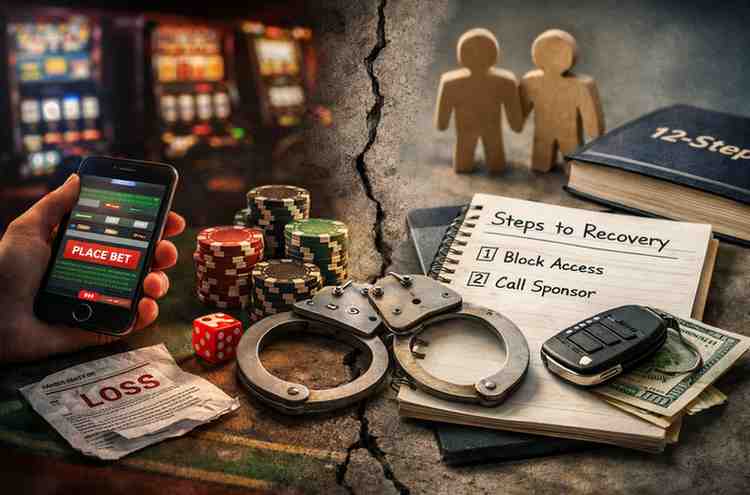
Honestly, most people I’ve watched try to quit gambling hit a wall in the first two weeks. They come in hopeful. Relieved, even. Then something small goes wrong — a bad day at work, a boring night alone, a friend posting a casino win — and the urge sneaks back in. Quietly. They don’t tell anyone. They assume they’re broken.
From what I’ve seen up close, gambling addiction treatment doesn’t fail because people don’t “want it enough.” It fails because the version of treatment they picture in their head doesn’t match what actually changes behavior in real life →. The gap between those two is where most people get discouraged and slip.
I’ve sat next to partners watching their loved one promise, again, that this time is different. I’ve heard the shame in people’s voices when they admit they downloaded a betting app “just to look.” I’ve watched the small wins. The quiet relapses. The messy middle nobody posts about.
This is me trying to write down the patterns I’ve seen — not theory. Not slogans. Just what tends to help people slowly stop wrecking their lives with gambling. And what tends to look good on paper but collapse under real-world pressure.
Why people reach for treatment in the first place (and what’s usually driving it)
Almost nobody shows up thinking, I have a gambling problem and I’m ready to change my life → forever.
What I see way more often:
-
Someone lost more money than they can hide
-
Someone’s partner found out
-
Someone is scared of themselves after a bad binge
-
Someone hit a legal or work-related consequence
-
Someone is just tired of lying
The motivation is often pain-driven, not clarity-driven.
That matters. Because when the pain fades a little, so does the urgency.
This is where expectations quietly mess people up.
Most people assume treatment will:
-
Kill the urge
-
Fix the money problems quickly
-
Make them feel “normal” again
-
Give them willpower
That’s… not how it usually goes.
What actually changes first, from what I’ve seen, isn’t desire.
It’s behavioral friction.
Treatment works best when it makes gambling harder to do impulsively, not when it magically removes the urge.
That distinction alone surprises almost everyone.
What people misunderstand about gambling addiction treatment (and why it backfires)
Almost everyone I’ve seen struggle with this does this one thing wrong:
They treat treatment like a cure, not a structure.
They look for the one program, therapist, book, or method that will finally → “fix” them.
So when urges show up, they assume treatment isn’t working.
From what I’ve seen, urges showing up is normal.
Acting on them becomes harder over time — if the structure is right.
Here’s what people usually get wrong at first:
-
They expect motivation to last.
Motivation fades. Systems don’t. -
They hide slips.
Shame makes relapse worse, not better. -
They focus only on stopping gambling.
They don’t change the boredom, loneliness, or stress that drives it. -
They keep access open.
“I can handle having the app. I’m stronger now.”
Almost everyone I’ve seen say this eventually proves themselves wrong. -
They think willpower is the plan.
Willpower works on good days. Addiction shows up on bad ones.
This honestly surprised me after watching so many people try to quit the “strong way” and fail quietly. The people who did better weren’t tougher. They just made gambling annoying, inconvenient, and socially visible.
What consistently works (even when people hate it at first)
No miracle cures here. But some patterns show up over and over.
1. Making gambling physically harder to access
This feels obvious. Almost nobody does it fully.
What I’ve seen help:
-
Self-exclusion programs
-
Blocking betting sites on phones and computers
-
Removing payment methods from apps
-
Giving financial oversight to someone trusted
-
Not carrying extra cash “just in case”
People resist this because it feels like losing freedom.
But the freedom they’re protecting is the freedom to relapse.
From what I’ve seen, the people who set up real barriers relapse less. Not zero. Just less.
2. Replacing the dopamine, not just removing it
This part is messy. People underestimate how empty things feel without gambling.
Common replacements that actually stick (not always healthy, but better):
-
Exercise with structure (classes > solo workouts)
-
Competitive games that don’t involve money
-
Side hustles or projects that give small wins
-
Support groups (even when people roll their eyes at them at first)
-
Anything with feedback loops and progress
What doesn’t usually work long-term:
-
“I’ll just distract myself.”
-
Passive scrolling
-
White-knuckling boredom
Almost everyone I’ve seen struggle with this doesn’t plan for the boredom. Then boredom becomes the trigger.
3. Having at least one person who knows the full truth
This is uncomfortable. It works anyway.
The people who do best usually have:
-
One friend
-
A partner
-
A sponsor
-
A therapist
Someone who knows when they slip.
Someone they can’t quietly lie to.
Not in a shaming way.
In a “hey, you’re spiraling” way.
This honestly surprised me. The accountability itself doesn’t stop urges. It changes what people do after the urge hits.
What repeatedly fails (even though it sounds good)
Some advice sounds smart. Then it collapses in real life.
Here’s what I’ve seen backfire over and over:
-
“Just reduce gradually.”
Works for some. Many end up negotiating with themselves. -
Relying only on apps.
Tracking helps. It doesn’t stop late-night decisions. -
Avoiding money conversations.
The debt doesn’t vanish. Avoidance fuels relapse. -
Going it alone.
Pride looks strong. Isolation feeds addiction. -
Waiting to feel ready.
Readiness often comes after structure, not before.
Not saying these never help.
Just that they’re weak on their own.
How long gambling addiction treatment usually takes to feel “worth it”
This is where expectations break.
People ask: How long until I stop craving gambling?
From what I’ve seen:
-
The first 2–4 weeks feel worse, not better
-
The urge intensity often spikes early
-
The emotional crash comes after the initial hope
-
Real stability shows up in months →, not days
-
Relapse risk drops slowly, unevenly
Some people notice small changes in a few weeks:
-
Less impulsive behavior
-
Slightly more pause before acting
-
Fewer full-blown binges
That’s usually the first real sign treatment is doing something.
Not the absence of desire. The presence of pause.
If someone expects to feel “cured” in a month, they usually quit right before things would have started shifting.
What if treatment doesn’t work (or you relapse anyway)?
This is where people spiral into self-blame.
Relapse doesn’t mean treatment failed.
It usually means the structure wasn’t tight enough yet.
From what I’ve seen, when things don’t work, it’s often because:
-
Access wasn’t restricted enough
-
Stressors weren’t addressed
-
Accountability was weak
-
The person tried to fix behavior without fixing environment
-
They expected emotional relief instead of behavioral change
The people who eventually stabilize don’t say, “I failed.”
They adjust the system.
That mindset shift alone changes outcomes.
Objections I hear a lot (and the honest answers)
“This feels too extreme.”
Yeah. It does. Addiction is extreme too. The fix often has to match the damage.
“I can handle it now.”
Most people I’ve worked with thought this at least once.
Almost everyone who relapsed said this right before.
“I don’t want people knowing my business.”
Privacy feels safe.
Secrecy feeds addiction.
“I’ll deal with the money later.”
Money stress quietly fuels gambling urges.
Avoiding it makes recovery harder.
“I tried once and it didn’t work.”
From what I’ve seen, first attempts are messy practice rounds.
Not proof you’re incapable.
Reality check: who this approach is NOT for
Being honest here:
This won’t work well if:
-
You want to keep gambling “a little”
-
You don’t want anyone else involved
-
You’re unwilling to change your environment
-
You’re looking for fast emotional relief
-
You’re hoping motivation will carry you
This works best for people who are:
-
Willing to feel uncomfortable
-
Open to outside help
-
Okay with slow progress
-
Tired of repeating the same cycle
-
Ready to trade short-term relief for long-term stability
Short FAQ (for the questions people Google at 2 a.m.)
Is gambling addiction treatment worth it?
From what I’ve seen, yes — but only when it’s treated like a system, not a cure.
How long does it take to see results?
Small shifts in weeks. Real stability in months →. Relapse risk fades slowly.
What’s the most common mistake?
Keeping access open and trying to rely on willpower.
Can I do this without telling anyone?
You can try. Most people who succeed long-term don’t.
What if I relapse during treatment?
It’s common. The next step matters more than the slip itself.
Practical takeaways (the grounded version, not the inspirational one)
If I had to boil down what actually helps, based on what I’ve watched work in real lives:
Do this:
-
Block access aggressively
-
Add friction to money and apps
-
Tell one real person the truth →
-
Plan for boredom
-
Track patterns, not just days sober
-
Expect discomfort before relief
Avoid this:
-
Relying on motivation
-
Hiding slips
-
Leaving gambling “as an option”
-
Pretending money stress doesn’t matter
-
Isolating when urges hit
What to expect emotionally:
-
Early discomfort
-
Random waves of craving
-
Shame spikes after slips
-
Small wins that feel underwhelming
-
Gradual quieting of chaos
What patience actually looks like:
-
Fixing access before feelings
-
Rebuilding trust slowly
-
Learning your triggers through mistakes
-
Adjusting systems after each slip
-
Staying even when it’s boring
No guarantees. No magic.
Just fewer disasters over time.
I won’t pretend gambling addiction treatment is some clean, heroic journey. Most of the people I’ve seen change didn’t do it with grand moments. It was boring. Awkward. Full of small corrections. A lot of “okay, that didn’t work, let’s try something tighter.”
Still — I’ve watched people who felt trapped start breathing again once their environment changed enough to give them space from their own impulses. That space is usually where the real work finally → begins.