Not gonna lie, I used to think the dangers of ultraviolet radiation were… kind of overblown.
I’m not proud of that.
I’m just being honest.
I grew up in the “a tan looks healthy” era. Beach days without sunscreen. Long drives with one arm roasting in the sun. Quick runs outside because “it’s just five minutes.” I told myself I didn’t burn easily, so I was fine. And when I did burn? Aloe. Joke about it. Move on.
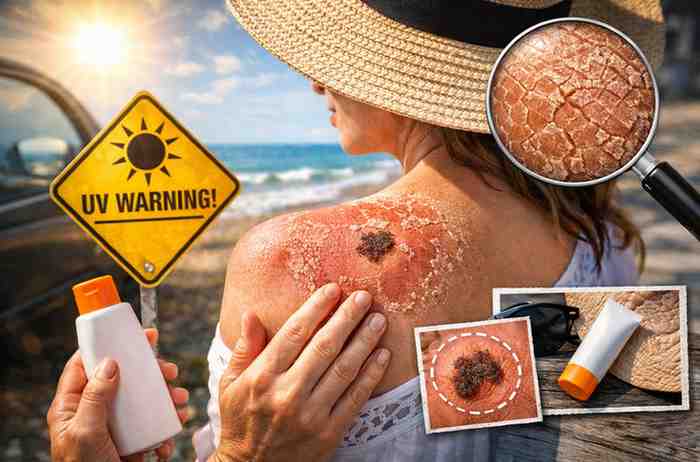
Then a weird freckle showed up on my shoulder.
Not dramatic. Just… different.
Darker than the rest. Edges looked messy. Didn’t hurt. Didn’t itch. Easy to ignore.
I ignored it for months.
That was my first real brush with the dangers of ultraviolet radiation. And yeah — it scared me into finally paying attention. What followed wasn’t some perfect overnight lifestyle change. It was messy. I forgot sunscreen. I overcorrected. I bought stuff that didn’t work. I got lazy again. Then I got better. Then I slipped. Then I got better again.
This is the version of the story I wish I’d read earlier. Not a textbook definition of UV rays. Just what it actually felt like to learn this the hard way. The small wins. The dumb mistakes. The stuff that surprised me. The stuff that still annoys me.
If you’re feeling overwhelmed, skeptical, or tired of being told to “just wear sunscreen,” same. Let’s talk about what the dangers of ultraviolet radiation look like in real life.
The moment it stopped feeling abstract
I didn’t have a dramatic hospital scene. No sirens. No immediate diagnosis. Just a doctor calmly saying, “This spot needs monitoring. You’ve had a lot of sun exposure.”
That was it.
No lecture. No scare tactics.
Just a quiet, professional sentence that landed harder than any dramatic warning I’d ever heard.
I walked out feeling stupid. And weirdly angry.
Not at the doctor. At myself. At all the times I brushed this off.
That’s when the dangers of ultraviolet radiation stopped being a concept and started feeling personal.
Not “skin cancer statistics.”
More like, “Oh. My body has been keeping score.”
What I thought UV damage looked like (and how wrong I was)
I assumed UV damage was obvious:
-
Big burns
-
Blisters
-
Peeling
-
Obvious pain
Turns out, most of it is sneaky.
What surprised me:
-
Damage builds quietly. You don’t feel it happening.
-
Tans are damage. I know that sounds preachy. I hated hearing it too. But yeah. A tan is literally your skin panicking and trying to protect itself.
-
Cloudy days still count. This one annoyed me the most. I wanted cloudy days to be my loophole. They’re not.
-
Car windows don’t block everything. My left arm (driver’s side) looking older than my right was not a coincidence. That one hurt my pride a bit.
From what I’ve seen →, at least, the dangers of ultraviolet radiation show up in slow, unglamorous ways before they ever turn into big medical problems:
-
Uneven pigmentation
-
Fine lines that don’t match your age
-
Spots that look “off”
-
Skin that feels rough in weird patches
Nothing dramatic. Just quiet receipts.
The parts nobody warns you about (but should)
Everyone talks about skin cancer. That’s fair. It’s serious.
But the day-to-day stuff? The stuff that messes with your confidence and comfort? That’s what got me to actually change my behavior.
Here’s what UV exposure started doing to me before anything medically scary showed up:
-
My skin tone got uneven. Random dark patches. Makeup stopped sitting right.
-
I aged faster in weird places. Neck. Hands. One side of my face.
-
My eyes felt wrecked after bright days. I used to squint through everything. Headaches. Dry eyes. That dull ache after a long drive.
-
My skin became more sensitive over time. Sunscreen stung. Certain soaps burned. I’d never had “sensitive skin” before. Now I did.
The dangers of ultraviolet radiation aren’t just about worst-case scenarios. They’re also about living in a body that starts to feel… off. Less resilient. More fragile.
That part doesn’t get enough airtime.
The dumb mistakes I made when I tried to “fix” this
I went through a very chaotic phase of overcorrecting.
Some lowlights:
-
Buying the most expensive sunscreen and hating it.
Thick. Greasy. Broke me out. I stopped using it because it made me miserable. -
Only wearing sunscreen at the beach.
Still skipping it on “normal days” because I didn’t want to deal with the texture. -
Trusting SPF in my makeup alone.
Spoiler: the amount of foundation you’d need to apply to get full SPF coverage is… ridiculous. -
Forgetting reapplication entirely.
I’d apply once in the morning and feel virtuous all day. That’s not how it works. -
Ignoring my eyes.
Sunglasses felt optional. They’re not.
If you’re trying to reduce your risk from the dangers of ultraviolet radiation and you’ve already quit because “this is annoying,” I get it. I almost quit like five times.
What finally helped wasn’t motivation. It was friction reduction.
What actually worked (in real life, not influencer life)
This is the part where I stop pretending I became a perfect sun-protection person. I didn’t. I just made it less annoying.
Here’s what stuck:
1. Finding sunscreen I didn’t hate
This took trial and error. A lot of it.
What I learned:
-
Lightweight > fancy
-
Gel or fluid textures > thick creams (for me)
-
If it pills under makeup, I won’t use it
-
If it stings my eyes, it’s gone
Once sunscreen stopped feeling like a punishment, I used it more. That’s it. That’s the secret. Comfort beats ideal specs.
2. Making protection automatic, not heroic
I stopped trying to be “good” and started trying to be lazy-smart:
-
Sunscreen by the door
-
Sunscreen in my bag
-
Sunglasses in the car
-
A hat I actually like wearing (this mattered more than I expected)
When the barrier to doing the right thing dropped, I did it more often. Not perfectly. More often.
3. Learning when UV exposure is worst (so I could pick my battles)
I didn’t become a hermit. I just got strategic.
From what I’ve seen:
-
Midday sun hits harder
-
Long, slow exposure adds up more than quick bursts
-
Reflection (water, pavement) sneaks up on you
So I:
-
Took shade breaks
-
Walked on the shady side of the street when possible
-
Stopped baking in direct sun “just because”
Not dramatic changes. Just small nudges.
The part that messed with me emotionally
Here’s something nobody talks about:
Once you really understand the dangers of ultraviolet radiation, it’s easy to slide into anxiety.
I did.
I started noticing every sunbeam. Every long outdoor plan. Every afternoon drive. I’d feel this low-level tension like, “Am I ruining my skin right now?”
That wasn’t healthy either.
What helped was reframing:
This isn’t about eliminating risk.
It’s about reducing unnecessary risk.
I still go outside.
I still travel.
I still sit by windows.
I just don’t pretend it’s harmless anymore.
That mental shift — from fear to informed choice — took time.
Common mistakes that slow everything down
If you’re trying to take the dangers of ultraviolet radiation seriously but feel like you’re failing, check if you’re stuck in one of these traps:
-
All-or-nothing thinking
“If I can’t do this perfectly, why bother?”
Bother because imperfect protection is still protection. -
Waiting for motivation
Motivation fades. Systems stick. -
Thinking sunscreen alone solves it
It’s one tool. Not the whole toolbox. -
Ignoring cumulative exposure
Five minutes here. Ten there. It adds up. -
Assuming darker skin means zero risk
The risk profile is different, not nonexistent.
I messed up all of these at least once. Some of them more than once.
Short FAQ (the stuff people actually ask)
Is the danger of ultraviolet radiation really that serious?
Yeah. Long-term, it’s one of the biggest external factors in skin aging and skin cancer risk. The boring daily exposure matters more than dramatic beach days.
How long does it take for UV damage to show up?
This part is frustrating. Often years. Sometimes decades. That delay is why it’s so easy to ignore.
Is sunscreen enough?
Honestly? No. It helps. A lot. But shade, timing, clothing, and sunglasses matter too.
What if I already have sun damage? Is it pointless to start now?
Not pointless. At all. I started late. My skin still calmed down. Some changes reversed a bit. Some didn’t. It still felt worth it.
Objections I had (and what changed my mind)
“I don’t burn, so I’m fine.”
I said this for years. Damage isn’t just burns. It’s cellular. Quiet. Cumulative.
“Sunscreen is full of chemicals.”
I went down that rabbit hole. Ended up realizing: unmanaged UV exposure was the bigger risk for me personally. You get to decide your comfort line here. Just… decide consciously.
“This feels obsessive.”
It did at first. Then it became normal. Brushing your teeth once felt annoying too.
“I’ll deal with it later.”
Later came. I didn’t love the consequences.
Reality check (no hype, no scare tactics)
This is the part where I level with you:
-
Protecting yourself from the dangers of ultraviolet radiation won’t make your skin perfect.
-
It won’t erase every spot, line, or mistake.
-
You’ll still forget sometimes.
-
You might still burn once in a while.
-
You might still roll your eyes at yourself occasionally.
And some people will do everything “right” and still deal with skin issues. That’s real. Biology isn’t fair.
This isn’t magic.
It’s risk management.
It’s choosing fewer regrets later, even if the payoff isn’t visible right away.
What I’d do differently if I could rewind
If I could talk to my past self, I wouldn’t scare them. I’d say:
-
You don’t need to be perfect.
-
Start with comfort, not ideals.
-
Protect the parts of you that you can’t easily replace.
-
Future you is quieter, but they’re still you.
I would’ve saved myself a lot of stress by not trying to be “good at sun safety” and just trying to be less careless.
That’s a much more doable bar.
Practical takeaways (the realistic kind)
If you want something you can actually stick with, here’s what I’d suggest:
What to do
-
Find sunscreen you don’t hate using
-
Keep it visible and accessible
-
Use shade and timing to your advantage
-
Wear sunglasses more often than feels necessary
-
Pay attention to new or changing skin spots
What to avoid
-
All-or-nothing thinking
-
Relying on one tool only
-
Assuming short exposures don’t matter
-
Ignoring your eyes and lips
What to expect emotionally
-
Mild annoyance at first
-
Occasional “ugh, this again” moments
-
Gradual normalization
-
A weird sense of relief once it becomes routine
What patience looks like
-
Months before habits feel automatic
-
Years before long-term benefits show
-
Small wins that don’t look impressive on Instagram but feel grounding in real life
No guarantees.
No miracle reversals.
Just fewer quiet regrets piling up.
I’m still not perfect about this.
Some days I forget sunscreen and feel that familiar “welp” energy. Some days I reapply like a responsible adult and feel weirdly proud of myself for something so basic. Then again, those small boring choices stack up in ways you don’t notice until you do.
So no — paying attention to the dangers of ultraviolet radiation didn’t make my life glamorous. But it did make my future feel a little less like a gamble. And honestly? That’s enough to keep me trying.