???? Broken Heart Syndrome: 7 Painful Truths I Learned the Hard Way
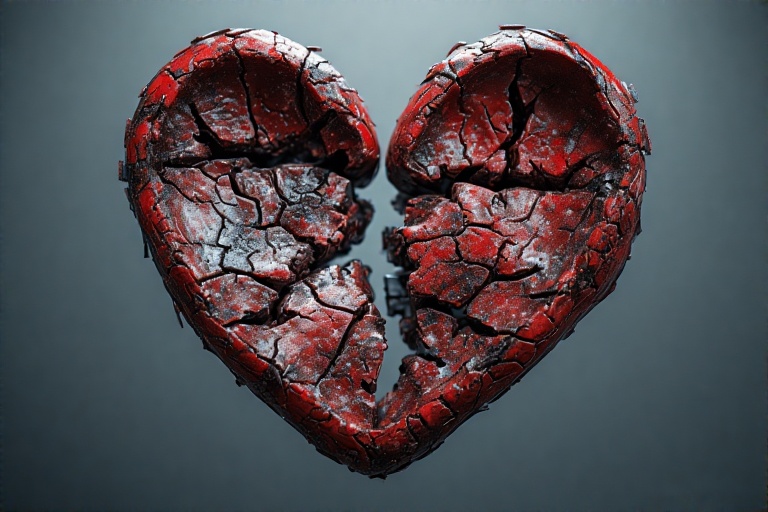
Honestly… I thought it was fake at first
Not gonna lie — when a cardiologist first said the words Broken Heart Syndrome, I almost laughed.
Like… okay, dramatic much? Sounds like something from a rom-com or a sad Taylor Swift bridge, right?
Turns out, nope. Very real. Very physical. Very terrifying.
I was sitting in a cold ER room in North America, heart monitor beeping too loud, trying to convince myself this was just anxiety. Or too much coffee. Or stress. Or literally anything else.
But it wasn’t.
It was my heart reacting to grief like it had been punched from the inside.
I didn’t even know that was possible.
And if you’re here because you Googled this at 2am, chest tight, stomach sinking, wondering if emotions can actually break a heart — yeah. They can. And I wish someone had told me sooner.
This is not a medical journal article. This is me, explaining what I learned the hard way — messy, scared, confused, and slowly figuring stuff out.
So… what is Broken Heart Syndrome, really?
From what I experienced (and later confirmed with actual doctors), Broken Heart Syndrome — also called Takotsubo cardiomyopathy — is when extreme emotional or physical stress stuns your heart.
It mimics a heart attack. Same chest pain. Same shortness of breath. Same panic. Same “am I dying right now?” thoughts.
But here’s the weird part:
-
Your arteries aren’t blocked
-
There’s no classic heart attack damage
-
And yet… your heart muscle weakens suddenly
Basically, your heart freaks out.
Mine sure did.
The trigger? A sudden emotional hit. Loss. Shock. Trauma. Even intense fear. In my case… yeah, heartbreak. The ugly kind.
And before you ask — no, it wasn’t just sadness. It was that deep, hollow, can’t-breathe kind of grief that rewires your nervous system overnight.
The moment I realized something was really wrong
I was washing dishes. Normal day. Nothing dramatic.
Then my chest tightened. Like someone cinched a belt around my ribs. My arms felt heavy. I got dizzy. Cold sweat. Nausea.
I remember thinking, wow, this anxiety attack is new.
Spoiler: it wasn’t anxiety.
Within an hour, I was in an ambulance, trying to answer questions while my brain lagged. The EMT asked if I’d had emotional stress recently.
I laughed. Then cried. Then couldn’t stop shaking.
That’s when I learned emotions don’t stay in your head. They travel. Straight to the body. Straight to the heart.
Why it hits harder than people admit
Here’s what nobody warns you about:
Broken Heart Syndrome messes with your identity.
You don’t just feel sick. You feel weak. Embarrassed. Like your body betrayed you over feelings.
People say stuff like:
-
“At least it’s not a real heart attack”
-
“You’ll be fine, it’s temporary”
-
“Try not to stress so much”
Cool. Thanks. Super helpful.
But lying awake at night, afraid your heart might randomly fail again? That stays with you.
In the US and Canada, doctors are getting better at recognizing this, but emotionally… patients are kinda left alone with it.
The physical symptoms I wish I took seriously sooner
Everyone lists the textbook symptoms. But here’s how it actually felt for me:
-
Chest pain that came in waves, not sharp, just heavy
-
Shortness of breath even while sitting
-
Extreme fatigue — like gravity doubled overnight
-
Brain fog (I forgot words mid-sentence)
-
Random crying spells for no reason at all
-
Heart palpitations when I thought about anything stressful
Honestly, the emotional symptoms lasted longer than the physical ones.
And that part? Nobody prepares you for that.
The diagnosis process (aka the scariest 48 hours of my life)
They treated it like a heart attack first. Which, fair.
I had:
-
EKGs
-
Blood tests
-
Echocardiogram
-
More wires than dignity
Then the doctor came back, calm but serious, and explained my heart’s left ventricle wasn’t pumping right. It had ballooned in a weird way.
That’s when they said it.
Broken. Heart. Syndrome.
I remember thinking — wow, my heart really said “I’m done” huh?
What caused it (for me, at least)
This part matters because triggers aren’t always obvious.
For me, it wasn’t just a breakup. It was:
-
Months of suppressed stress
-
One sudden emotional shock
-
Zero coping outlets
-
And a nervous system stuck in fight-or-flight
I didn’t cry when I should’ve. Didn’t rest. Didn’t talk. Just powered through.
Turns out, your heart keeps score.
In North America especially, we glorify pushing through pain. “Be strong.” “Keep going.”
Yeah… bad advice sometimes.
Recovery wasn’t linear (and that surprised me)
Doctors say most people recover within weeks to months.
That’s technically true.
But emotionally? It’s messy.
Some days I felt fine. Other days my heart would race over nothing. Loud noises. Arguments. Bad news headlines.
I learned quickly that healing your heart isn’t just about medication. It’s about retraining your nervous system.
Stuff that helped me — slowly:
-
Walking every day, even when I didn’t want to
-
Cutting caffeine (ugh, hated that)
-
Therapy (yes, seriously)
-
Deep breathing that felt stupid but worked
-
Saying no more often
What didn’t help? Pretending I was “back to normal.”
The mental toll nobody talks about
This condition messes with your trust in your own body.
You start second-guessing every sensation:
-
Is this pain real?
-
Am I stressed again?
-
Is my heart okay today?
I developed a weird hyper-awareness of my chest. Every flutter sent me spiraling.
And the irony? Anxiety can worsen the condition.
So you’re anxious about anxiety.
Fun cycle.
Relationships after Broken Heart Syndrome feel different
I didn’t expect this part.
Afterwards, I became more cautious with emotional connections. Not closed off — just aware.
I learned that my heart doesn’t handle chaos well. Drama hits physically now.
So I changed:
-
Who I give energy to
-
How much stress I tolerate
-
How fast I attach
Not because I’m cold. Because I survived something that taught me limits.
Is Broken Heart Syndrome deadly?
Here’s the honest answer: it can be, but rarely.
Most people recover fully with proper care →. Complications happen, but they’re not the norm.
Still… it’s not “harmless.”
And dismissing it as emotional weakness is dangerous.
Your heart is a muscle. Stress chemicals affect it. Period.
What I wish doctors explained better
I wish someone had said:
-
“You’re not weak”
-
“This wasn’t your fault”
-
“Healing emotionally matters as much as physically”
Instead, I got discharge papers and a follow-up appointment.
So I learned on my own.
Living differently now (not perfectly, just better)
I don’t chase stress anymore. Not worth it.
I sleep more. I slow down. I listen to my body before it screams.
And yeah, I still get sad. Still get hurt. Still feel deeply.
But I respect my limits now.
Broken Heart Syndrome didn’t make me fragile. It made me honest.
FAQs — stuff I googled obsessively at 3am
Can Broken Heart Syndrome come back?
Yes, it can. Rare, but possible. Managing stress lowers the risk a lot.
Is it only caused by romantic heartbreak?
Nope. Loss, fear, illness, even surprise events can trigger it.
How long does recovery really take?
Physically, weeks to months. Emotionally? Depends on the person. Be patient.
Can men get it too?
Yes. Women are more affected, but men absolutely get it.
Does therapy actually help?
In my exp, yes. More than I expected.
So yeah.
Broken Heart Syndrome isn’t poetic. It’s raw. It’s real. It’s scary. And it changes you.
But it also taught me something I ignored for years:
Your heart hears everything you don’t say.
Take care of it. Seriously.