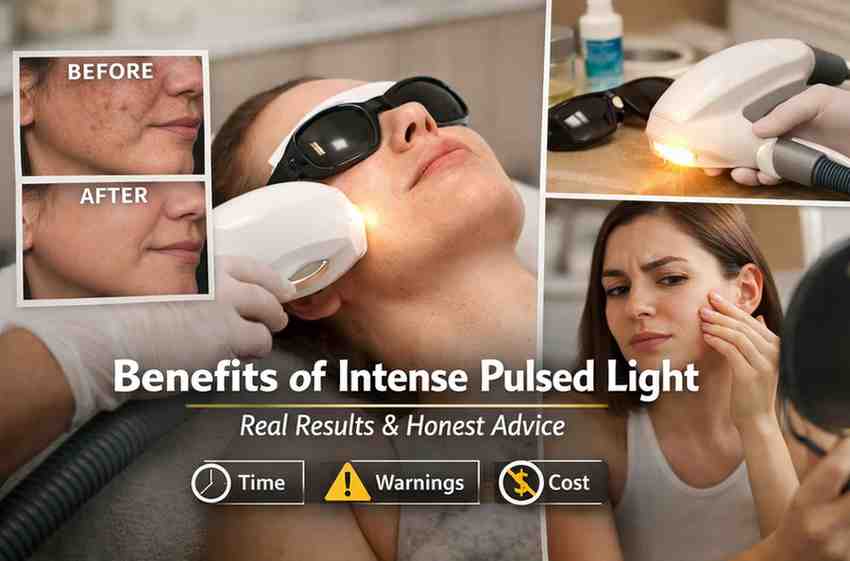
Honestly, most people I’ve watched try light-based treatments hit a wall in the first two weeks. They book one session of IPL, stare at the mirror every morning, don’t see fireworks, and quietly assume they’re the problem. I’ve sat with friends after their first treatment while they poked at faint redness on their cheeks, half-excited, half-annoyed. I’ve heard the same line over and over: “Everyone online says this works. Why doesn’t it look different yet?”
That’s usually where the conversation about the benefits of Intense Pulsed Light actually starts. Not with the device. With expectations.
From what I’ve seen across a lot of real people—acne scarring, stubborn sun spots, broken capillaries that makeup never quite hides, even unwanted hair—IPL is one of those tools that’s easy to misunderstand. It looks simple on paper. Light goes in, problems go away. In real life, it’s slower, messier, and more specific than people expect. And when it works, it’s usually because someone finally stopped fighting how it actually works.
Why people try IPL in the first place (and what they think it’ll fix overnight)
The reasons I hear most often:
-
“I’m tired of covering this with concealer.”
-
“Laser is too expensive / scary / intense for me.”
-
“I just want my skin to look calmer.”
-
“I want hair reduction without shaving every two days.”
Most people come in hoping → IPL is a one-and-done reset button. That’s the first misunderstanding. IPL isn’t a reset. It’s more like nudging the skin in the right direction, then letting biology catch up.
What people think they’re buying:
-
Instant clarity
-
Permanent fixes
-
One session miracles
What they’re actually getting:
-
Gradual changes
-
Cumulative results
-
A process that rewards consistency
That mismatch alone is why so many quit early.
The benefits of Intense Pulsed Light (as they show up in real people, not brochures)
I’m going to skip the textbook definition. You’ve probably read that. Here’s how the benefits actually show up when you watch people go through it.
1. Redness and uneven tone calm down… slowly
This honestly surprised me after watching so many people try it. The ones with persistent redness (rosacea-like flushing, post-acne redness, broken capillaries) often notice subtle calm after 2–3 sessions. Not dramatic. But enough that they stop reaching for heavy foundation.
Pattern I’ve seen:
-
Weeks 1–2: “It looks the same.”
-
Week 3–4: “Wait… why does my skin look less angry today?”
-
Month 2–3: Friends start commenting.
What consistently works:
-
Sticking to the session schedule
-
Avoiding sun like it’s a personal enemy
What fails:
-
Doing one session, then disappearing for months
2. Sun spots and pigmentation fade in patches, not all at once
People expect even fading. It doesn’t happen that way. Dark spots often look darker before they flake off or lighten. Almost everyone I’ve seen struggle with this does this one thing wrong: they panic when spots darken temporarily and assume they’re getting worse.
From what I’ve seen:
-
Darkening = the pigment reacting to the light
-
Fading = what happens over the next few weeks
If you’re the type who checks your face in harsh bathroom lighting every hour, this phase will mess with your head a bit.
3. Hair reduction feels “uneven” at first
This is where expectations really break. IPL can reduce hair growth over time, but not every follicle is in the same growth phase. So people get patchy results early on and assume it’s failing.
Real pattern:
-
Session 1–2: Some areas look smoother, others unchanged
-
Session 3–4: Growth slows in more spots
-
Session 5+: Maintenance mode starts to feel real
Who will hate this:
-
Anyone expecting permanent hair removal in two sessions
4. Skin texture improves in a quiet way
This isn’t the flashy benefit people post about. But after a few months, I’ve noticed people stop complaining about “bumpy” or “tired” skin. Their photos look smoother without filters. They don’t always notice it themselves until they compare old pictures.
Small win. But a real one.
5. Breakouts calm down for some people (not all)
This is where nuance matters. IPL can help with certain acne-related redness and inflammation. It’s not a cure for hormonal acne. People with deeper, cystic breakouts often feel disappointed.
What consistently works:
-
Mild to moderate inflammatory acne
-
Post-acne redness
What fails:
-
Expecting IPL to fix internal hormone-driven acne
6. It nudges people into better skin habits (unexpected benefit)
I didn’t expect this to be such a common issue—but once people invest in IPL, they suddenly care more about sunscreen, gentle cleansers, and not picking at their face. The treatment becomes a reason to stop self-sabotaging.
Honestly, this habit shift alone explains half the results I’ve seen.
7. Confidence bumps happen before “perfect skin” ever does
People talk about physical results, but the emotional change shows up first. After a couple of sessions, I’ve watched people:
-
Take photos without angling their face away from the light
-
Skip heavy makeup for errands
-
Stop apologizing for their skin
Not dramatic. Just… relief.
8. It’s more forgiving than harsher treatments
Compared to more aggressive lasers, IPL tends to have less downtime. People can usually go back to work, meetings, life. That matters more than you’d think when you’re already frustrated with your skin.
9. It works best when combined with realistic routines
The biggest wins I’ve seen came from people who paired IPL with:
-
Consistent sunscreen
-
Gentle exfoliation (not daily scrubbing)
-
Actually finishing their treatment plan
The light helps. The routine locks it in.
Common mistakes that slow everything down
Most people I’ve worked with mess this up at first:
-
Chasing instant results
They quit before results have time to stack. -
Skipping sun protection
Then wondering why pigmentation comes back. -
Inconsistent sessions
You can’t ghost the process and expect momentum. -
Comparing to influencer results
Different skin. Different problems. Different outcomes. -
Over-treating at home
Scrubs, acids, “brightening” serums on top of IPL. Skin gets angry. Progress stalls.
How long does it take (for most people)?
Short answer:
-
Some visible change: 3–4 weeks
-
Noticeable improvement: 2–3 months
-
Best results: 4–6 sessions over several months
Still, there are outliers. Some people respond fast. Some take longer. Biology isn’t a spreadsheet.
What if it doesn’t work?
This is where honesty matters.
From what I’ve seen, IPL struggles when:
-
Pigmentation is very deep or hormonal
-
Hair is too light for the light to “see”
-
Skin is very dark and settings aren’t appropriate
-
Expectations are wildly unrealistic
When it doesn’t work, it’s usually not because the person “failed.” It’s because the tool wasn’t the right match.
Is it worth it?
That depends on your patience and your goal.
Worth it if:
-
You want gradual, natural-looking improvements
-
You’re okay with a process
-
You’re willing to protect your skin afterward
Not worth it if:
-
You want instant perfection
-
You won’t follow aftercare
-
You expect one session miracles
Most people who feel disappointed expected transformation, not progress.
Objections I hear all the time (and what usually happens)
“It’s expensive.”
Yeah. And half the people who quit early end up spending more trying random products instead.
“I’m scared it’ll damage my skin.”
Bad settings or poor providers can cause issues. The risk is real. So is the reward when done properly.
“What if it makes things worse?”
Temporary redness, darkening of spots, mild swelling—common. Permanent damage—rare with experienced providers. Still, it’s a decision, not a guarantee.
Reality check (no hype, no magic)
This isn’t a personality transplant for your skin. It won’t fix everything. It can:
-
Reduce what’s already bothering you
-
Make skin calmer, clearer, more even
-
Give you a sense that progress is happening
It won’t:
-
Replace sunscreen
-
Override hormones
-
Turn bad habits into good skin overnight
Quick FAQ (short answers for real questions)
Is IPL safe for all skin tones?
Not always. Settings matter. Darker skin needs extra caution.
Does IPL hurt?
Most people describe it as quick snaps of heat. Uncomfortable, but brief.
Can I do IPL at home?
Home devices exist. Results are usually slower and milder.
How long do results last?
Maintenance is real. Sun exposure and time undo things.
Who should avoid this?
Pregnant people, certain skin conditions, recent tans, some medications. Always disclose everything.
Practical takeaways (what I’d actually tell a friend)
-
Commit to the full series before judging results
-
Protect your skin like you’re guarding an investment
-
Don’t stack aggressive treatments on top
-
Take photos monthly, not daily
-
Expect awkward phases before improvement
-
Pick a provider who adjusts settings thoughtfully
Patience here isn’t passive. It’s active consistency.
I won’t pretend the benefits of Intense Pulsed Light show up cleanly or on a neat timeline. I’ve watched people get discouraged right before things started working. I’ve also watched people overhype it and feel let down.
So no — this isn’t magic. But from what I’ve seen, when people stop expecting miracles and start working with how IPL actually behaves, the frustration eases. And weirdly, that shift in mindset is often when the real progress begins.