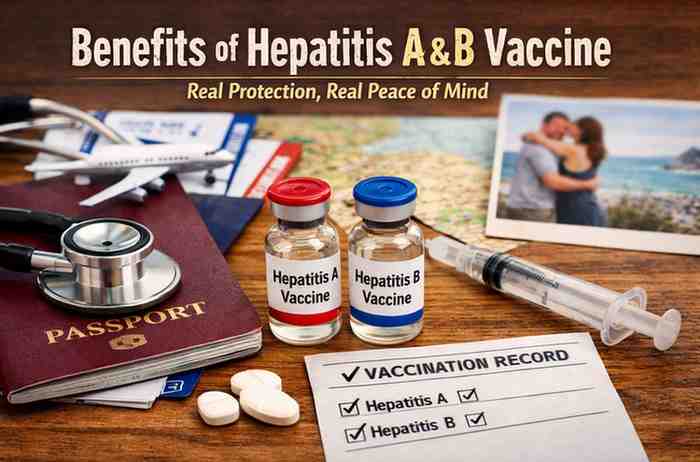
I’ve sat next to too many people in clinic waiting rooms who were half-sure they even needed the hepatitis A and B vaccine in the first place. Some were there because their job suddenly required it. Some because a partner tested positive for hep B. Some because they were traveling last-minute and panicking. A few because they’d brushed off vaccination for years and a scare finally pushed them in.
What I keep seeing is the same knot of frustration → and doubt:
-
“Is this actually worth it?”
-
“Why didn’t anyone explain this sooner?”
-
“What if I mess up the timing and it doesn’t work?”
From what I’ve seen, the benefits of hepatitis A and B vaccine make sense on paper. But they only really land when you watch real people → move through the process. The confusion. The small wins. The relief when they realize they’re finally protected. The regret from folks who waited until after a scare.
This isn’t a glossy explainer. It’s field notes. Patterns I’ve seen across real stories. What people usually get wrong. What consistently works. And where expectations tend to break.
Why people even start thinking about these vaccines (it’s rarely random)
Almost no one I’ve met wakes up one morning feeling inspired to get vaccinated. There’s usually a trigger:
-
A job or school requirement.
-
A partner, roommate, or family member diagnosed with hepatitis B.
-
Travel plans to places where hepatitis A is more common.
-
A doctor finally connecting the dots after abnormal liver tests.
-
A pregnancy plan and sudden concern about “doing things right.”
Honestly, the emotional driver is often fear mixed with shame. People feel behind. They assume everyone else handled this years ago. That sense of being late to the party is heavy.
And then there’s confusion about the two viruses. Most people I’ve worked with mess this up at first:
-
They think hepatitis A and B are basically the same thing.
-
They assume one shot covers everything forever.
-
They don’t realize there’s a combined vaccine option in the U.S. (Twinrix) that protects against both.
That misunderstanding alone delays protection by months or years.
What the benefits look like in real life (not in brochures)
Here’s the honest version of the benefits of hepatitis A and B vaccine as I’ve watched them play out.
1) Relief that sneaks up on people
No one walks out of the clinic glowing with joy. The relief comes later. Usually after:
-
A risky exposure that didn’t turn into an infection.
-
A travel scare that fizzles out.
-
A routine blood test that comes back normal.
This honestly surprised me after watching so many people try to talk themselves out of vaccination. The relief isn’t dramatic. It’s quiet. It’s like, “Oh. I don’t have to worry about that one thing anymore.” That mental space matters more than people expect.
2) Real protection for everyday, boring risks
People imagine hepatitis exposure as something dramatic. In reality, I’ve seen exposure come from:
-
Shared food at family gatherings (hepatitis A).
-
Living with someone who didn’t know they had hepatitis B.
-
Small medical or dental procedures in under-resourced settings while traveling.
-
Unplanned blood contact during accidents.
The benefit here is boring and huge at the same time: you’re protected even when life is messy.
3) Fewer “what if” spirals
This is the emotional benefit people don’t expect. Once vaccinated, a lot of the “what if I caught something?” anxiety fades. Not completely. But enough that people stop spiraling after every minor scare.
I’ve watched people go from: “I shared a drink with someone, I’m panicking.”
to: “I’m vaccinated. I’ll still get checked if needed, but I’m not losing sleep over this.”
That shift alone changes how people move through relationships and travel.
4) Long-term payoff that outlives your current phase
The benefits of hepatitis A and B vaccine stretch over decades. This part doesn’t feel real → to most people in their 20s or 30s. It only clicks when:
-
Someone hits a health issue later in life.
-
They’re immunocompromised.
-
They start caring for older parents with liver disease.
Future-you is the main beneficiary. Current-you just gets the peace of mind.
5) Community-level protection (even if you’re not thinking that big)
People don’t love public health arguments. Fair. But here’s the pattern I’ve seen: households where one person gets vaccinated often nudge others to follow. That reduces spread inside families and close networks.
I didn’t expect this to be such a common issue: one person gets vaccinated, then realizes no one else in their family is protected. That awareness spreads faster than any PSA.
What people consistently misunderstand (and it slows them down)
Almost everyone I’ve seen struggle with this does one thing wrong first: they underestimate the timeline.
“How long does it take to work?”
Real talk:
-
You’re not fully protected after one shot.
-
Hepatitis A: usually 2 doses, 6 months apart.
-
Hepatitis B: usually 2–3 doses over 1 to 6 months (depending on the vaccine used).
-
Combined Hep A/B (Twinrix): 3 doses over 6 months (with accelerated options for travelers).
Protection builds over time. People assume one appointment = done. Then they travel or take risks too soon. That gap is where infections happen.
“I’ll just get it if I need it later”
This is the classic delay logic. From what I’ve seen, the people who say this are the same ones who come back after a scare. Vaccines work best before exposure. Getting vaccinated after a risk is damage control, not prevention.
“I’m healthy, so I’m probably fine”
Being healthy doesn’t protect you from viruses. This sounds obvious. It still trips people up.
What consistently works (the boring habits that protect people)
Here’s what actually leads to good outcomes, based on repeated patterns I’ve seen:
-
Book the next dose before you leave the clinic.
People who schedule follow-ups on the spot finish the series. People who “will book later” often don’t. -
Set reminders like it’s a bill.
Calendar alerts. Phone alarms. Sticky notes. The people who finish don’t rely on memory. -
Ask for your vaccine record.
Sounds small. But people who know what they’ve had don’t accidentally restart or miss doses. -
If traveling soon, ask about accelerated schedules.
This is where practical guidance matters. Some U.S. clinics offer faster schedules for hepatitis B or combined vaccines. Not perfect protection instantly, but better than nothing. -
Pair vaccination with testing if there’s past risk.
I’ve seen folks discover they were already immune or already infected. That changes the plan. Don’t guess.
The mistakes that slow everything down
I keep seeing → the same missteps:
-
Waiting for the “right time” (there isn’t one).
-
Assuming side effects mean it’s not working.
Mild soreness or fatigue is common. It’s not failure. It’s your immune system learning. -
Skipping doses because “I feel fine.”
You will feel fine. That’s the point. Protection isn’t a feeling. -
Letting one bad appointment experience stop the whole process.
A rushed nurse or long wait derails months of progress for some people. It’s frustrating. Still not worth quitting.
Is it worth it? (The real calculus people make)
This is the question everyone dances around.
From what I’ve seen, it’s worth it if:
-
You travel internationally or plan to.
-
You have close contact with others (roommates, partners, kids).
-
You work in healthcare, childcare, food service, or anything with bodily fluids.
-
You’ve had past risk factors you don’t love talking about.
-
You just want one less long-term health landmine.
It might feel less urgent if:
-
You’re isolated.
-
You don’t travel.
-
You’re already immune (some people are).
But even then, the people who go through with vaccination often say the same thing later: “I didn’t realize how much mental load this was taking up.”
Who this is NOT for (or who should pause)
This is important. No hype.
-
People with known severe allergic reactions to vaccine components should talk to a clinician first.
-
People who are already immune (confirmed by blood test) don’t need repeat doses.
-
People in the middle of serious acute illness might be advised to wait until stable.
-
Anyone hoping this replaces safer behavior.
Vaccines reduce risk. They don’t make risk disappear.
Short FAQ (for the questions people always ask)
Does the hepatitis A and B vaccine protect forever?
For most people, protection lasts decades. Some may need boosters depending on immune status or exposure risk.
Can I get both vaccines at the same time?
Yes. In the U.S., there’s a combined vaccine option. Many clinics offer it.
What if I miss a dose?
You usually don’t have to start over. You just continue the series. This trips people up a lot.
Are side effects common?
Mild arm soreness, fatigue, low fever. Serious side effects are rare.
Objections I hear a lot (and the honest response)
“I don’t like putting things in my body.”
Totally get the instinct. The people who struggle → most with this are the ones who’ve had bad medical experiences. The trade-off here is short-term discomfort for long-term protection. No one I’ve followed regretted being protected. Some regretted waiting.
“I’m scared of side effects.”
Fear is normal. In real-world patterns I’ve seen, side effects are usually mild and short-lived. The diseases themselves are not.
“I’ll just be careful.”
Careful helps. It doesn’t cover accidents, other people’s choices, or unknown exposure. This is where people get surprised.
Reality check (what vaccination won’t magically fix)
-
It won’t undo past exposure.
-
It won’t protect against other types of hepatitis (like C).
-
It won’t make risky behavior safe.
-
It won’t feel dramatic or life-changing day one.
The benefits are quiet. That’s the point.
Practical takeaways (no hype, just what I’d actually tell a friend)
-
Start before you “need” it.
-
Don’t rely on memory. Schedule doses.
-
If you’ve had past risks, ask about testing.
-
Expect mild side effects. Plan a low-key day after.
-
Don’t quit the series because of one annoying appointment.
-
Be patient with the timeline. Protection builds.
Emotionally, expect this:
-
A little annoyance.
-
A little doubt.
-
Then… relief you didn’t realize you wanted.
Still, I get why people stall. Medical stuff feels heavy. It brings up guilt about past choices. Fear about future health. The benefits of hepatitis A and B vaccine don’t shout. They whisper over time.
From what I’ve seen, the people who finally feel lighter about this are the ones who stopped waiting for certainty and just took the boring, protective step. No magic. No drama. Just one less thing to worry about while life keeps being messy.