I can’t count how many times someone has said something like this to me:
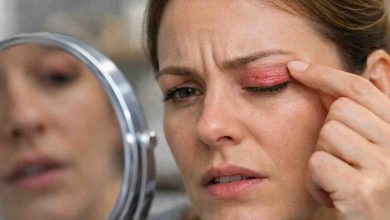
“My eyes are just… always red lately. Not painful exactly. Just irritated. And nothing I try fixes it.”
Usually they say it casually at first. Then the story slowly unfolds.
They’ve tried eye drops.
Maybe cut screen time for a day or two.
Drank more water.
Googled a dozen possible causes.
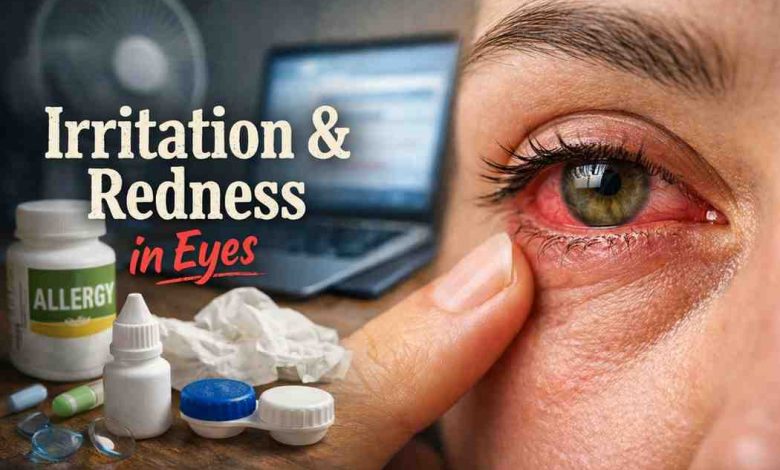
Still… irritation and redness in eyes keeps showing up.
From what I’ve seen watching people deal with this over the years, the frustrating part isn’t just the symptoms. It’s the confusion.
Most people assume it’s something simple.
“Allergies probably.”
“Too much screen time.”
“Maybe I didn’t sleep well.”
Sometimes that’s true.
But honestly… after hearing so many real experiences, I noticed a pattern:
Almost everyone struggling with irritation and redness in eyes spends weeks treating the wrong cause first.
And that’s where the cycle starts.
Why irritation and redness in eyes show up so often lately
If you talk to eye doctors or even just pay attention to what people around you say, you’ll notice something.
Eye irritation complaints have quietly exploded in the past decade.
Screens. Dry indoor air. Allergies. Contact lenses. Poor sleep.
All stacked together.
But here’s the part that surprised me after seeing so many people deal with it:
Most cases are not caused by one thing.
It’s usually a combination.
For example, a pattern I’ve seen repeatedly:
Someone works long hours on a laptop.
They sleep with a fan or AC blowing at night.
They wear contacts during the day.
And spring allergies kick in.
Individually, each factor is manageable.
Together? The eyes basically start protesting.
And irritation and redness in eyes becomes a daily background problem.
11 causes of irritation and redness in eyes I keep seeing people overlook
These aren’t textbook explanations.
These are patterns that show up again and again when people finally figure out what’s actually happening.
1. Dry eye syndrome (by far the most common)
Honestly, this one catches people off guard.
Dry eyes don’t always feel dry.
Instead people describe:
-
burning
-
gritty feeling
-
mild irritation
-
persistent redness
-
tired eyes
From what I’ve seen, people usually misread this as allergies or eye strain.
But dry eye syndrome often sits quietly underneath both.
What causes it most often:
-
long screen sessions
-
low humidity rooms
-
aging tear glands
-
certain medications
And once it starts, it tends to linger.
2. Screen-induced eye strain
This one is everywhere.
People blink 50–60% less when staring at screens.
That surprised me the first time I learned it.
Less blinking means tears evaporate faster.
Which leads to irritation and redness in eyes after long workdays.
Common signs people report:
-
eyes feel hot by evening
-
redness after work
-
blurry focus when tired
-
needing to rub eyes often
And almost everyone I’ve seen struggle with this does the same thing wrong:
They increase screen brightness instead of taking breaks.
Which makes it worse.
3. Allergies
Seasonal allergies can absolutely cause irritation and redness in eyes.
But they usually come with other signals:
-
itchy eyes
-
watery discharge
-
sneezing
-
runny nose
The mistake many people make?
They treat every red eye problem as allergies.
Then antihistamine drops don’t help… and frustration grows.
4. Contact lens overuse
This one is very common among young professionals.
Contact lenses reduce oxygen reaching the eye surface.
When worn too long, people notice:
-
redness at night
-
mild burning
-
lens discomfort
-
blurred vision
What surprises many people is how subtle the buildup is.
It doesn’t happen overnight.
But after months of long wear days… irritation and redness in eyes becomes normal.
5. Sleeping with air blowing on your face
I didn’t expect this to be such a common issue.
Fans.
AC vents.
Air purifiers pointed at the bed.
All of them can dry out the eye surface overnight.
Then people wake up with:
-
red eyes
-
irritation
-
gritty sensation
And assume they slept poorly.
But the real issue is overnight tear evaporation.
6. Rubbing eyes constantly
Almost everyone I’ve seen struggle with irritation does this.
It’s understandable.
When eyes itch or burn, rubbing feels relieving for a moment.
But rubbing:
-
worsens inflammation
-
spreads allergens
-
damages tiny blood vessels
Which leads to… more redness.
It becomes a loop.
7. Blepharitis (eyelid inflammation)
This one is sneaky.
Blepharitis affects the eyelid edges where eyelashes grow.
Signs people mention:
-
crusty eyelids in the morning
-
irritated eyes during the day
-
redness around lids
-
gritty sensation
Most people assume the irritation is coming from inside the eye.
But the eyelids are often the real culprit.
8. Environmental irritants
Air pollution.
Dust.
Smoke.
Cleaning chemicals.
All can cause irritation and redness in eyes.
People living in cities notice this more often.
Especially during:
-
wildfire seasons
-
pollen-heavy months
-
high pollution days
9. Makeup contamination
Something I’ve seen repeatedly with people who wear eye makeup.
Old mascara.
Shared eyeliner.
Sleeping with makeup.
All increase bacterial exposure around the eye.
That irritation builds slowly.
Then redness appears weeks later.
10. Poor sleep
This sounds simple but it shows up constantly.
Lack of sleep reduces tear stability and increases eye inflammation.
People working late or scrolling before bed often wake up with:
-
puffy eyes
-
redness
-
irritation
Not dramatic.
Just persistent.
11. Underlying eye infection (less common but important)
Sometimes irritation and redness in eyes is caused by infections like:
-
conjunctivitis (pink eye)
-
bacterial eye infection
-
viral inflammation
These usually come with stronger symptoms:
-
discharge
-
pain
-
swollen eyelids
-
sensitivity to light
When those appear, medical care is usually necessary.
What actually helps most people reduce irritation and redness in eyes
After hearing dozens of experiences and watching what people eventually figure out, a few things consistently work better than quick fixes.
The “boring but effective” routine
Most people expect a miracle drop.
But improvement usually comes from small habits repeated daily.
Things that help consistently:
1. The 20-20-20 rule
Every 20 minutes
Look 20 feet away
For 20 seconds
It sounds basic.
But people who actually stick to it notice less eye strain.
2. Artificial tears (preservative-free)
Many eye drops contain preservatives.
Frequent use can irritate sensitive eyes.
Preservative-free artificial tears tend to work better for daily use.
3. Warm compresses
Especially for eyelid issues like blepharitis.
Warm compresses loosen oil glands along eyelids.
Which improves tear quality.
4. Humidifying dry rooms
Dry indoor air quietly worsens irritation.
Adding a humidifier often helps more than people expect.
5. Reducing contact lens hours
Sometimes even a small change helps.
For example:
Wearing glasses in the evening.
Letting eyes recover.
Common mistakes people make while trying to fix red eyes
From what I’ve seen, these slow recovery the most.
Using redness-removal drops daily
These drops shrink blood vessels temporarily.
The problem?
Rebound redness.
Eyes become more red later.
Ignoring eyelid hygiene
People treat the eyeball.
But forget eyelids.
Gentle eyelid cleaning can make a big difference.
Waiting too long to see an eye doctor
If irritation and redness in eyes lasts weeks without improvement, it’s worth getting checked.
Many underlying issues are simple to treat once identified.
Quick answers to questions people ask all the time
How long does irritation and redness in eyes last?
It depends on the cause.
Typical patterns I’ve seen:
-
Dry eye irritation: days to weeks
-
Allergies: seasonal cycles
-
Screen strain: improves within days with better habits
-
Infections: usually treated within 1–2 weeks
Persistent symptoms longer than two weeks usually deserve professional evaluation.
Are red eyes always serious?
No.
Most cases are mild irritation.
But warning signs include:
-
severe pain
-
vision changes
-
thick discharge
-
light sensitivity
Those should be checked immediately.
Can eye strain permanently damage eyes?
Usually no.
But chronic strain can worsen dryness and irritation.
Which affects comfort and productivity.
Objections I hear often (and what usually happens)
“I already tried eye drops and they didn’t help.”
Honestly… that’s common.
Eye drops only help if they match the real cause.
Dry eye drops won’t fix allergies.
Allergy drops won’t fix eyelid inflammation.
Diagnosis matters.
“It’s probably just lack of sleep.”
Sometimes yes.
But if irritation and redness in eyes keeps returning, sleep alone usually isn’t the full answer.
“It goes away sometimes so I ignore it.”
That’s another pattern I see.
Symptoms improve… then return weeks later.
That usually means the underlying trigger is still present.
A small reality check most people need to hear
Eye irritation recovery is rarely instant.
I know people want quick fixes.
But from what I’ve observed, the eyes respond slowly.
Improvements often take:
-
several days of habit changes
-
consistent lubrication
-
reduced strain
And when people finally stick with those habits, something interesting happens.
The redness fades gradually.
The irritation stops showing up daily.
Then one day they realize:
“My eyes actually feel normal again.”
Practical takeaways if irritation and redness in eyes keeps bothering you
If I had to summarize what actually helps most people:
Start here:
-
Reduce screen strain with regular breaks
-
Use preservative-free artificial tears
-
Improve sleep and hydration
-
Avoid rubbing eyes
-
Keep eyelids clean
Watch for triggers:
-
contact lens overuse
-
air blowing at night
-
seasonal allergens
Get medical advice if:
-
symptoms last more than two weeks
-
pain or vision changes appear
-
redness becomes severe
And maybe the biggest mindset shift I’ve seen help people:
Don’t treat eye irritation as a random annoyance.
Your eyes are usually reacting to something in your routine.
Once that trigger is identified… relief tends to follow.
I’ll be honest.
I’ve watched people spend months frustrated with irritation and redness in eyes because they assumed the solution had to be complicated.
It usually isn’t.
Most of the time, the answer ends up being a mix of small adjustments… noticing patterns… and giving the eyes a little time to recover.
Not glamorous.
Not instant.
But once people figure out their personal trigger, the relief tends to feel surprisingly simple. 👁️