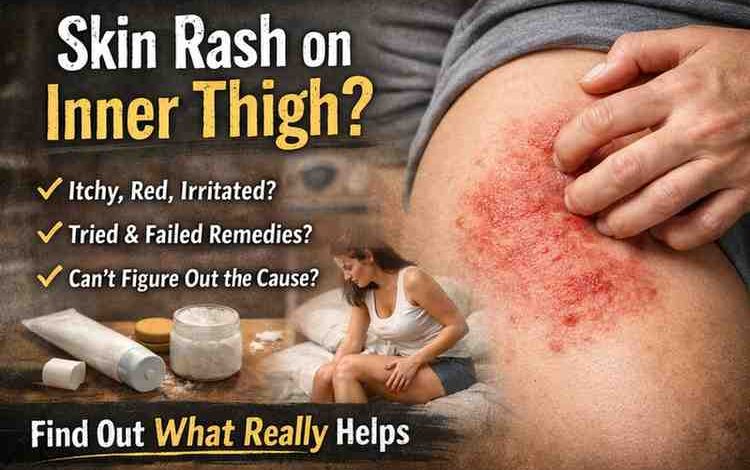
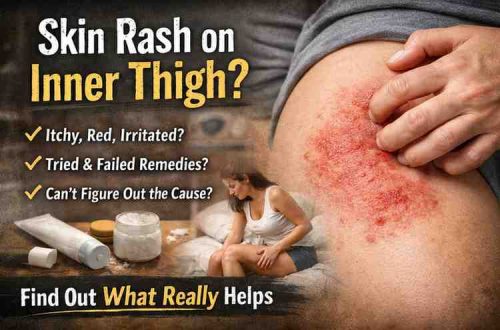
I’ve lost count of how many people quietly mention a skin rash on inner thigh like it’s some embarrassing secret.
Usually it comes up in the same tone. Slightly annoyed. Slightly worried.
A friend pulling me aside after the gym.
Someone messaging late at night saying “This thing keeps coming back… what am I doing wrong?”
And almost every time, the pattern is similar.
They tried something random from Google.
Maybe a powder. Maybe a cream. Maybe coconut oil because someone swore by it.
Sometimes it works for a few days.
Then the rash comes back. Red. Itchy. Angry again.
What surprised me over the years watching people deal with this is how predictable the mistakes are.
And honestly… how fixable most cases actually are once the real cause becomes clear.
Not always. But often.
Let’s talk through what I’ve repeatedly seen happen with inner thigh rashes, because the difference between “this keeps coming back” and “this finally stopped” usually comes down to a few overlooked details.
Why Skin Rashes on the Inner Thigh Happen So Often
The inner thigh is basically the perfect environment for irritation.
Warm.
Sweaty.
Constant friction.
Add tight clothing, workouts, humidity, or long sitting hours… and the skin there takes a beating.
From what I’ve seen across dozens of real cases, most inner thigh rashes come from one of four main patterns:
-
Friction (chafing)
-
Fungal infections
-
Heat rash
-
Contact irritation from products or fabrics
But people almost always assume it’s just one thing.
They treat it wrong… and the rash sticks around.
The 11 Most Common Causes of Skin Rash on Inner Thigh
These are the patterns I keep seeing over and over.
Some obvious. Some surprisingly overlooked.
1. Friction Chafing (The #1 Cause I See)
Honestly, this is the most common one.
Especially with:
-
runners
-
people starting new workout routines
-
anyone wearing tight jeans or gym leggings
Skin rubbing against skin creates micro-damage.
At first it’s just redness.
Then it becomes:
-
burning
-
itching
-
raw patches
What surprises people is how fast this escalates.
I’ve seen someone go from fine → painful rash in a single long walk.
Signs it’s chafing:
-
redness where thighs touch
-
burning more than itching
-
worse after exercise
-
skin feels raw
What usually helps:
-
anti-chafing balm
-
petroleum jelly
-
looser clothing
-
moisture-wicking fabrics
Most people wait too long before protecting the area.
2. Fungal Infections (Jock Itch)
This one catches people off guard.
Because the rash doesn’t always look dramatic at first.
Early signs often include:
-
mild itching
-
faint redness
-
slightly scaly edges
Then it spreads slowly.
This is typically tinea cruris, often called jock itch.
Common triggers I keep seeing:
-
sweaty workouts
-
staying in damp clothes
-
shared gym towels
-
humid climates
The biggest mistake?
People apply moisturizers or oils, which can actually feed the fungus.
Antifungal creams usually work much better.
3. Heat Rash
This happens more than people think, especially in warm regions.
Sweat glands get blocked.
Small bumps appear.
Symptoms:
-
prickly itching
-
tiny red bumps
-
worse in hot weather
The rash usually shows up after:
-
outdoor activity
-
long drives in heat
-
tight clothing
Cooling the skin often helps faster than creams.
4. Allergic Contact Dermatitis
This one surprised me after seeing several cases.
People switch to a new detergent, soap, or lotion, and suddenly the rash appears.
But they don’t connect the dots.
Things that often trigger it:
-
laundry detergent
-
fabric softeners
-
scented body wash
-
shaving creams
The rash often looks:
-
patchy
-
red
-
itchy
And it usually improves once the product is removed.
5. Intertrigo (Skin Fold Irritation)
This one shows up where skin touches skin.
Inner thighs are prime territory.
It starts with moisture buildup.
Then friction worsens it.
Then sometimes bacteria or fungus join the party.
Symptoms I commonly see:
-
shiny red patches
-
soreness
-
mild odor sometimes
Keeping the area dry is surprisingly powerful here.
6. Ingrown Hair Irritation
People shave the inner thigh area.
Hair grows back sideways.
Small red bumps appear.
They look like acne.
But the real issue is hair trapped under skin.
Most people make this worse by:
-
shaving too closely
-
using dull razors
-
dry shaving
7. Bacterial Skin Infection
Less common. But it happens.
Especially if scratching breaks the skin.
Symptoms include:
-
warmth
-
swelling
-
tenderness
-
spreading redness
This usually needs medical attention.
8. Eczema
Some people simply have sensitive skin prone to eczema.
The inner thigh becomes a trigger zone.
Symptoms:
-
dry patches
-
itching
-
flare-ups during stress
Moisturizing regularly helps many people manage it.
9. Yeast Infections
This looks similar to fungal infections but often shows:
-
red rash
-
small surrounding bumps
-
moist appearance
It tends to thrive in warm folds of skin.
10. Clothing Fabric Irritation
A weird one that pops up occasionally.
Synthetic fabrics trap sweat.
Then friction increases.
Then rash follows.
Switching to breathable cotton sometimes fixes the issue completely.
11. Hormonal or Weight Changes
This is something people rarely consider.
When body weight shifts, thigh friction increases.
I’ve seen people suddenly develop rashes during:
-
pregnancy
-
new workout routines
The skin simply isn’t used to the new friction pattern.
What Most People Get Wrong at First
I wish this part wasn’t so predictable.
But it is.
Almost everyone I’ve watched struggle with inner thigh rashes makes one of these mistakes.
Using the wrong treatment
People assume:
“rash = moisturize”
But fungal rashes often get worse with oils.
Ignoring friction
Many people treat the rash but keep wearing tight clothing.
So the irritation never stops.
Waiting too long
People hope the rash disappears on its own.
Then it spreads.
Mixing too many treatments
Creams. Oils. Powders. Home remedies.
Layered together.
That makes it harder to see what’s actually working.
How Long Does a Skin Rash on the Inner Thigh Usually Take to Heal?
From what I’ve seen:
Chafing:
2–5 days once friction stops.
Heat rash:
1–3 days if skin stays cool.
Fungal rash:
1–3 weeks with antifungal treatment.
Contact irritation:
Several days after removing the trigger.
But this only works if the real cause is addressed.
Treating symptoms alone rarely fixes the issue.
What Actually Helps Most People
Patterns matter here.
Across many cases, a few simple steps consistently improve things.
Keep the area dry
Moisture feeds many rashes.
Helpful habits:
-
shower after sweating
-
dry thoroughly
-
change damp clothing quickly
Reduce friction
This alone solves many cases.
Options include:
-
anti-chafing sticks
-
breathable fabrics
-
looser clothing
Use targeted treatment
Instead of guessing.
Examples:
-
antifungal cream for jock itch
-
barrier balm for chafing
-
gentle moisturizer for eczema
Stop scratching
I know… easier said than done.
But scratching often turns a mild rash into an infected one.
Questions People Always Ask
Is inner thigh rash dangerous?
Most cases are harmless.
But severe spreading redness or pain should be checked by a doctor.
Can sweating cause inner thigh rashes?
Yes. Constant moisture encourages fungal growth and friction irritation.
Should I stop working out?
Usually not.
But friction and sweat management become more important.
Do home remedies work?
Sometimes.
But they often fail if the rash is fungal.
That’s where many people get stuck.
When This Approach Doesn’t Work
Let’s be honest.
Sometimes the rash keeps coming back.
Usually because one of these is happening:
-
untreated fungal infection
-
underlying skin condition
-
constant friction from lifestyle habits
-
bacterial infection
If the rash lasts more than 2–3 weeks, getting medical advice is the smartest move.
Who This Advice Is NOT For
Some situations need faster medical help.
Examples include:
-
severe pain
-
fever
-
spreading redness
-
open sores
-
intense swelling
Those aren’t typical irritation rashes.
They need proper diagnosis.
The Reality Most People Don’t Expect
This honestly surprised me after watching so many people deal with inner thigh rashes.
The fix is often less complicated than people expect.
But only after they stop guessing the cause.
Because the treatments are very different:
-
friction rash → protection
-
fungal rash → antifungal
-
heat rash → cooling
-
allergy rash → removing irritants
Once the cause becomes clear, relief often follows pretty quickly.
Still… it can take patience.
Skin needs time to calm down.
And sometimes a few small lifestyle tweaks make the biggest difference.
Not glamorous fixes.
Just practical ones.
But I’ve watched enough people finally stop feeling stuck once they figured out what their rash actually was.
And honestly… that moment of clarity alone often feels like half the battle won.
Author
Related Posts
- Ways to Overcome Dyspnea While Lying Down: 11 Relief Strategies That Actually Help When You’re Desperate
- Habits to Improve Sleep Quality: 9 Real Changes That Finally Stopped My 3 A.M. Brain Drama
- Hair on Chin Women: 7 Brutal Truths That Finally Gave Me Some Peace
- How to Throw Up: 9 Hard Truths I’ve Seen (and What Actually Brings Relief)
- Protein supplements for muscle gain: 7 things I wish someone told me before I wasted months
- Ulcerative Colitis Pregnancy: 9 Honest Things Nobody Told Me (Until It Was Too Late)
- Protein Powder for Breakfast: 9 Real Lessons That Finally Bring Relief to the Morning Nutrition Struggle
- Benefits of Scalp Micro Pigmentation: 9 Honest Wins (and One Weird Downside)