I honestly thought I was just “bad at handling pressure”
Not gonna lie… for a long time, I didn’t even call it academic stress.
I thought I was lazy.
Or dramatic.
Or just not “built” for school the way other people were.
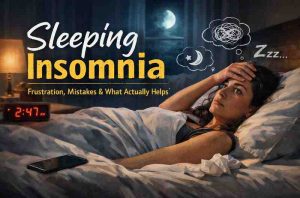
I grew up watching classmates juggle exams, part-time jobs, clubs, social lives — and somehow still look fine. Meanwhile, I was lying awake at 2:17 a.m., staring at the ceiling, heart racing over an assignment worth, like, 10% of my grade.
At first, I told myself it was normal. Everyone’s stressed, right?
But this felt different.
I wasn’t just worried before exams. I was tense all the time. My shoulders stayed tight. My stomach hurt for no clear reason. Even weekends felt heavy because Monday was always lurking.
And the worst part?
I felt weak for struggling.
Looking back, that misunderstanding delayed everything. I didn’t seek help. I didn’t adjust my habits. I just pushed harder… which made everything worse.
If you’re reading this and quietly thinking, “Maybe I’m just not cut out for this” — yeah, I’ve been there. That thought lies to you.
What actually pushed me over the edge (and forced me to face it)
There wasn’t one dramatic breakdown. No movie-style moment.
It was smaller. Messier.
I missed a deadline. Not by hours — by days. I’d opened the document dozens of times, stared at it, then closed it again. My brain just… froze.
When the professor emailed me, my chest dropped. I couldn’t even reply right away. I felt embarrassed. Ashamed. Weirdly guilty, even though nothing bad had technically happened yet.
That’s when it hit me:
This wasn’t about motivation. Or intelligence.
Something deeper was off.
From what I’ve seen, a lot of students in the US and Canada hit this wall quietly. Especially high achievers. Especially first-gen students. Especially anyone who feels like failure isn’t an option.
The pressure stacks up slowly. Grades. Loans. Expectations. Family pride. Visa rules (for some). Future jobs. Future… everything.
At some point, your nervous system taps out.
Mine did.
I misunderstood stress completely (and that made it worse)
Here’s a mistake I made early on — and maybe you’ve made it too.
I treated stress like a mindset problem.
I told myself things like:
-
“Just think positive.”
-
“Plenty of people have it harder.”
-
“Once this semester ends, I’ll relax.”
Spoiler: that last one never came true.
What I didn’t realize is that academic stress isn’t just mental. It’s physical. Behavioral. Emotional. It lives in your body.
For me, it showed up as:
-
Brain fog
-
Procrastination that felt painful
-
Random headaches
-
Snapping at people I cared → about
-
This constant sense of being “behind,” even when I wasn’t
Trying to logic my way out of it didn’t work. If anything, it made me feel more broken.
Once I stopped blaming myself and started observing what was happening — like, actually paying attention — things slowly shifted.
Not instantly. Slowly.
The stuff that actually helped (after a lot of trial and error)
I wish I could say there was one magic fix. There wasn’t.
What helped was a bunch of small changes that felt almost too simple at first. Kinda boring, honestly.
But boring works.
What surprised me the most
1. Externalizing everything
I stopped keeping deadlines in my head. All of them went into one place. Not five apps. One.
My brain relaxed almost immediately.
2. Working in shorter, uglier bursts
I used to wait until I felt “ready.” That never happened.
So I started doing 20-minute sessions — messy, imperfect, sometimes terrible work.
Progress beat perfection. Every time.
3. Letting myself be average sometimes
This one hurt my ego. A lot.
Not every assignment needed to be my best work. Some just needed to be done. Accepting that lowered the pressure more than any productivity hack.
4. Talking about it out loud
I didn’t expect this to help, but it did.
Saying “I’m overwhelmed” to another human made it real — and less scary. Professors were more understanding than I expected. Friends too.
Not all of them. But enough.
Things that did NOT help (learn from my mistakes)
Let’s talk about what I messed up. Because pretending everything worked would be fake.
-
All-nighters
They felt productive. They weren’t. My anxiety spiked for days after. -
Caffeine as a personality trait
Coffee + stress = jittery panic, at least for me. -
Comparing myself to students on LinkedIn
Just… don’t. That place is a highlight reel on steroids. -
Ignoring warning signs
If you’re constantly exhausted, detached, or numb — that’s not “grind culture.” That’s your body asking for help.
I learned these lessons the slow way →. Hopefully, you don’t have to.
How long it took before I felt “normal” again
This is important, so I’ll be straight with you.
It didn’t fix itself in a week. Or a month.
It was more like:
-
A few weeks to feel slightly less panicked
-
A couple months to trust myself again
-
Longer to rebuild confidence
And even now? Stress still shows up. Just not as loud.
The difference is that I recognize it early. I don’t spiral the same way. I adjust instead of forcing.
If you’re waiting to feel 100% calm before moving forward… you might wait forever. I had to learn how to move with the stress, not erase it.
What I’d tell my younger self (and maybe you)
If I could go back, I’d say this:
You’re not weak for struggling.
You’re responding to pressure the way a human nervous system does.
School isn’t just about intelligence. It’s about endurance, support, and self-trust — none of which are taught properly.
And no grade is worth losing your sleep, health, or sense of self. I mean that.
Especially in competitive academic systems like the US and Canada, it’s easy to forget that education is supposed to serve you — not consume you.
Practical takeaways (the real ones)
Here’s what actually matters, from my experience:
-
Get deadlines out of your head and onto paper
-
Start before you feel ready
-
Lower the bar strategically
-
Ask for help earlier than feels comfortable
-
Treat stress signals as data, not failure
This isn’t magic. It’s management.
And it’s learnable.
FAQs — what I’ve learned messing with this myself
Is academic stress normal, or is something wrong with me?
From what I’ve seen, it’s very common. That doesn’t mean you should ignore it, though.
Can it affect physical health?
Yeah. For me, it showed up as headaches, fatigue, and sleep issues.
Should I talk to my professor about it?
If you can, yes. You don’t have to overshare. Just be honest and brief.
Does it ever fully go away?
It changes. You get better at handling it. That’s been my experience.
What if nothing seems to help?
That’s usually a sign you need more support — not that you’ve failed.
I won’t pretend academic stress is easy to deal with. It’s not. And it doesn’t disappear just because someone tells you to “relax.”
But it is manageable. Slowly. Imperfectly. Humanly.
So no — this isn’t a miracle fix.
But for me?
Learning how to face it instead of fighting myself changed everything.