Honestly, most people I’ve watched try to lower their cholesterol hit a wall before they even start.
They sit in a doctor’s office. Numbers come back high. LDL flagged in red. Maybe a statin prescription is mentioned. Maybe not yet. And there’s that quiet panic — “I thought I was eating fine.”
Then someone says it.
“Have you tried going vegan?”
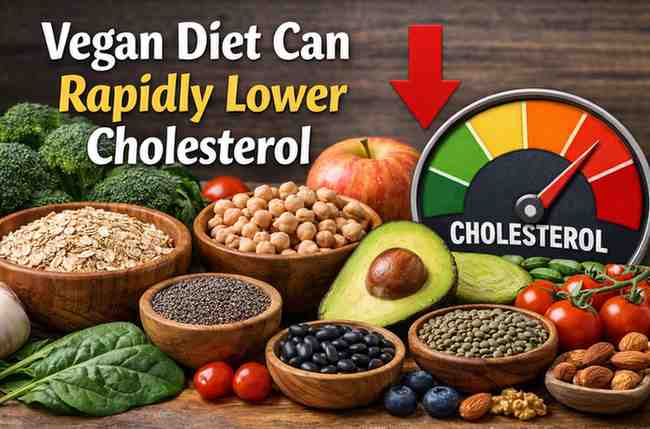
And suddenly they’re Googling: “Vegan Diet Can Rapidly Lower Cholesterol.”
From what I’ve seen — → not in theory, but across friends, clients, family members, neighbors who call me after their annual physical — this question isn’t really about food.
It’s about fear.
It’s about control.
It’s about wanting the numbers to drop before the next lab test.
And yes — a vegan diet can rapidly lower cholesterol →.
But only when people understand what that actually means.
Because almost everyone I’ve seen → struggle with this does the same thing wrong at first.
Let’s talk about what really happens.
Why So Many People Turn to a Vegan Diet After a High Cholesterol Test
It usually starts with urgency.
High LDL.
Total cholesterol creeping past 240.
A family history of heart disease.
Most people I’ve worked with don’t → wake up wanting tofu. They wake up wanting reassurance.
From what I’ve seen, people choose a vegan diet because:
-
They want a non-medication solution
-
They’ve heard it “cleans arteries”
-
They know animal fat affects cholesterol
-
They’re afraid of statins
-
They want dramatic change, fast
And to be fair — the science behind this isn’t flimsy.
When someone removes:
-
Saturated fats from red meat
-
Dietary cholesterol from animal products
-
Processed meats
And replaces them with:
-
Soluble fiber
-
Legumes
-
Whole grains
-
Nuts
-
Plant sterols
LDL levels often drop. Sometimes quickly.
But here’s the pattern I’ve seen → over and over:
People go vegan.
But they don’t go whole-food.
And that changes everything.
What Actually Makes a Vegan Diet Lower Cholesterol Fast
It’s not the word “vegan.”
It’s the fiber.
It’s the reduction in saturated fat.
It’s the increase in plant diversity.
From what I’ve seen →, when people do this right, here’s what changes:
1. Soluble Fiber Intake Jumps Dramatically
Foods like:
-
Oats
-
Lentils
-
Black beans
-
Chia seeds
-
Flaxseeds
-
Apples
Soluble fiber binds to cholesterol in the digestive system and helps remove it.
Most Americans barely hit half the recommended fiber intake.
When someone shifts to a plant-focused diet and jumps from 15g to 35–45g of fiber daily?
LDL drops. Often within weeks.
This honestly surprised me after watching so many people try → it — the speed of change when fiber intake is consistent.
2. Saturated Fat Drops Automatically
No red meat.
No cheese.
No butter.
No heavy cream.
Even without counting calories, saturated fat intake usually falls dramatically.
And LDL responds.
3. Weight Loss Often Happens — Even Without Trying
Not always.
But often.
When people replace calorie-dense animal products with high-fiber plant foods, they feel fuller sooner.
Weight drops.
LDL follows.
Cause → effect → outcome.
It’s not magic.
It’s mechanics.
How Fast Does Cholesterol Drop on a Vegan Diet?
This is the part everyone wants a straight answer on.
From what I’ve seen across dozens of real cases:
-
2–3 weeks: Small drop (5–10%)
-
4–6 weeks: Noticeable drop (10–20%)
-
8–12 weeks: Significant drop (20–30% in some cases)
That’s if they’re consistent.
Whole foods.
High fiber.
Low processed junk.
If someone goes vegan but eats:
-
Vegan cookies
-
Refined white pasta
-
Fried plant-based meats
-
Sugary cereals
The drop is much smaller.
Sometimes nonexistent.
Almost everyone I’ve seen get frustrated → made this exact mistake.
They removed steak.
But replaced it with ultra-processed plant food.
Cholesterol doesn’t care about labels.
It responds to inputs.
What Most People Get Wrong at First
I didn’t expect this to be such a common issue.
But here it is.
Mistake #1: Thinking “Vegan” Automatically Means “Heart-Healthy”
French fries are vegan.
Oreos are vegan.
That doesn’t make them cholesterol-lowering foods.
Mistake #2: Not Tracking Fiber
From what I’ve seen, fiber is the hidden lever.
When someone intentionally hits:
-
35–50 grams of fiber daily
That’s when LDL drops more dramatically.
Under 25g?
Results are slower.
Mistake #3: Forgetting Protein Balance
Some people swing too far into:
-
White rice
-
Pasta
-
Bread
Without enough:
-
Lentils
-
Tofu
-
Tempeh
-
Beans
Blood sugar spikes.
Energy crashes.
They quit early.
Mistake #4: Expecting a 50% Drop in 30 Days
This isn’t a detox.
Most people I’ve worked with see steady decline — not overnight miracles.
And that steady decline is what sticks.
What Consistently Works (Across Real People)
From repeated patterns I’ve seen →, this routine works best:
Morning
-
Oatmeal with chia and berries
-
Ground flaxseed added daily
Lunch
-
Large salad with mixed greens
-
Chickpeas or lentils
-
Olive oil + vinegar dressing
Dinner
-
Stir-fried vegetables
-
Tofu or tempeh
-
Brown rice or quinoa
Snacks
-
Apple + almonds
-
Carrots + hummus
It’s simple.
Not glamorous.
But effective.
Almost boring.
And boring works.
Who Will Probably Hate This Approach
Let’s be honest.
This is not for:
-
People who deeply love cheese and aren’t willing to let it go
-
Anyone looking for extreme keto-style eating
-
Someone unwilling to cook at least a little
-
People who want fast-food convenience daily
I’ve seen resistance derail more people than physiology.
If someone resents the change, they don’t stick with it long enough to see results.
Objections I Hear All the Time
“Isn’t this too extreme?”
It can feel that way.
But some people don’t stay 100% vegan forever. They use it as a reset.
From what I’ve seen, even 6–8 weeks of disciplined plant-based eating can significantly improve numbers.
“What if my cholesterol is genetic?”
Genetics matter.
But diet still influences expression.
I’ve seen people → with strong family history still drop LDL 15–25%.
Not perfect.
But meaningful.
“Is medication better?”
Sometimes medication is necessary.
This isn’t anti-medication.
It’s about stacking tools.
Diet first.
Medication if needed.
Sometimes both.
Reality Check: When Results Are Slower
I need to say this clearly.
Not everyone sees dramatic drops.
Results can stall when:
-
Fiber intake isn’t high enough
-
Hidden saturated fats remain (coconut oil is a big one)
-
Weight doesn’t change
-
Exercise is nonexistent
I’ve seen frustration peak around → week 4.
Labs aren’t magical.
They reflect consistency.
If someone “mostly” follows the plan, numbers “mostly” move.
FAQ: Straight Answers People Actually Want
Can a vegan diet lower cholesterol without weight loss?
Yes. I’ve seen LDL drop even when weight stays stable — → mostly from fiber and saturated fat reduction.
How long before blood work shows improvement?
Typically 4–8 weeks for measurable change.
Is plant-based the same as vegan?
Not exactly. Whole-food plant-based tends to lower cholesterol more effectively than processed vegan eating.
Can HDL drop too?
Sometimes slightly. But LDL reduction is usually the primary goal.
What Patience Actually Looks Like
It looks like:
-
Cooking when you don’t feel like it
-
Choosing oats instead of eggs
-
Reading labels
-
Skipping cheese even at social events
-
Trusting lab work over daily scale changes
From what I’ve seen, the emotional shift matters as much as the diet.
People stop feeling helpless.
They feel proactive.
And that lowers stress — which, ironically, also helps heart health.
Practical Takeaways (If You’re Considering This)
If you want to try a vegan diet to lower cholesterol:
-
Track fiber for the first 2–3 weeks
-
Aim for 35–45g daily
-
Avoid coconut oil
-
Prioritize legumes daily
-
Get labs rechecked after 6–8 weeks
What to avoid:
-
Ultra-processed vegan junk
-
Starving yourself
-
Comparing your results to someone else’s
What to expect emotionally:
-
Cravings in week 1
-
Doubt in week 3
-
Small encouragement by week 4
-
Motivation when numbers move
No guarantees.
But from what I’ve seen, consistency beats perfection.
So no — this isn’t magic.
And it’s not for everyone.
But I’ve watched enough people → walk into their follow-up appointment nervous… and walk out relieved.
A vegan diet can rapidly lower cholesterol — when it’s built on fiber, not labels.
Sometimes the biggest shift isn’t just in LDL.
It’s in realizing you’re not powerless over your numbers.
And honestly?
That feeling alone changes everything.